
Ranking the Top 20 Africans to Play in Serie A
This article profiles the top 20 Africans to have played in Serie A.
Over the years, many of the continent’s stars have plied their trade in Italy, and we hope to celebrate the best of them in this feature.
In this piece, Bleacher Report’s African expert Ed Dove profiles the top 20.
This article considers the greatest African players to have enjoyed even the briefest stay in Serie A, rather than the African players who have made the most impact within the league.
Therefore, while some of these players may have featured in only a handful of Serie A matches, they are being included and ranked based on their careers as a whole.
We have ranked players based on their longevity, their impact, their achievements and their ability.
Those Who Missed out
1 of 21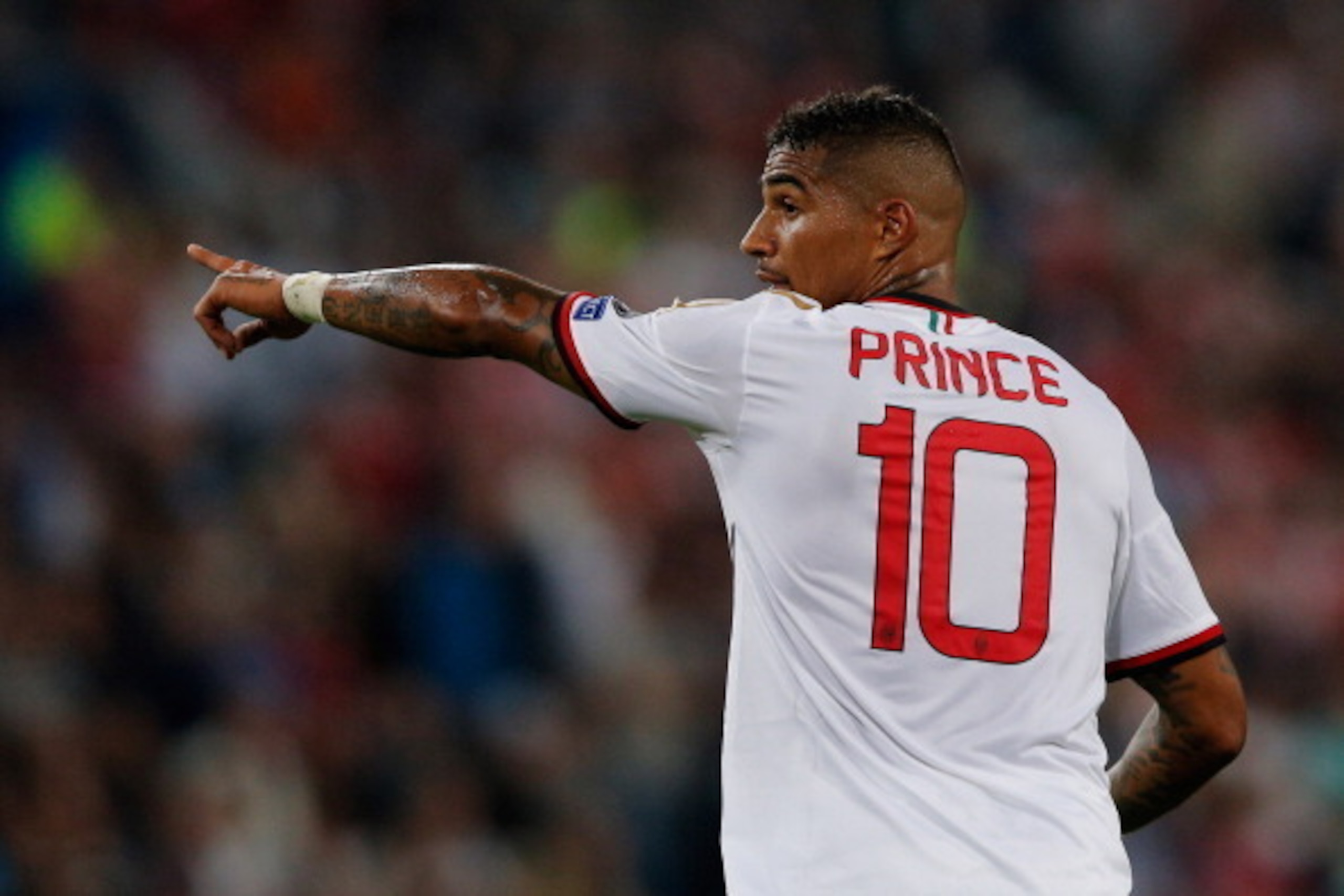
Due to the large number of African players to have featured in the Italian top flight, not everyone could have made an appearance in this list.
Here are a few of the players who just fell short.
Mohamed Kallon
An unlikely hero, perhaps, but Kallon was a fine, versatile forward who managed to help Sierra Leone to only their second Cup of Nations tournament in 1996.
He was signed by Internazionale ahead of this tournament, but was let go and only truly made an impact with the club in his second spell. He made 44 appearances, scoring 14 goals between 2001 and 2004.
However, while he initially profited from injuries to the likes of Ronaldo, Alvaro Recoba and Gabriel Batistuta, a substance ban cost him momentum.
A move to Monaco offered a fresh start, but it was Kallon’s time to fall victim to injury. He was limited to 48 league appearances with the club of the principality.
Prince
Prince had an inauspicious start to life in Italy, signing for Genoa from Portsmouth before being immediately loaned out to Milan.
A year later he signed for the Rossoneri, never making an appearance for Genoa!
There have been some wonderful moments—not least his hat-trick against Lecce, when he came on as a substitute with Milan 3-0 down, before scoring a hat-trick to help the side to a 4-3 victory.
Major headlines following the Ghanaian’s decision to walk off the pitch in response to racist chanting by Pro Patria fans, but the player ought to have won more plaudits for his application and the myriad of ways in which he influenced the midfield.
He won the Serie A title in 2011 and was a runner-up a year later.
Pierre Wome
If he’s reading this, Pierre Wome can rightly feel distraught for having missed out on the final list of 20.
The left-back’s lasting legacy in the African game may well be his devastating last-minute penalty miss in qualifying for the 2006 World Cup (it ensured that Cameroon wouldn’t progress to the tournament) but he ought to be remembered as an excellent defender.
He won two Cup of Nations tournaments and also played in two World Cups. He featured in a further three AFCONs and won Olympic gold with the Indomitable Lions.
He featured for six Italian sides, including Roma, Bologna and Internazionale, making, in total, 86 Serie A appearances and winning the Serie A title in 2006.
20. Obafemi Martins
2 of 21
It’s fair that Obafemi Martins didn’t quite live up to the great early expectations at Internazionale.
Following 23 goals for the youth team, he was called-up to the senior side. Important goals followed, not least against AC Milan in the semi-final of the Champions League in 2003, although it wasn’t enough to see the Nerazzurri through to the final.
Martins picked up the Serie A title, two Italian Cups and two Super Cups with the club.
Unfortunately, the arrival of star strikers like Zlatan Ibrahimovic and Hernan Crespo gently pushed Martins out of the first-team picture.
He moved to Newcastle United, and overcame a slow start to establish himself as a fine Premier League forward.
Stints with the likes of Birmingham City, Wolfsburg, Rubin Kazan and Levante followed, bringing some silverware, before he moved to Major League Soccer.
He is currently scoring with ferocious regularity in America.
19. Taribo West
3 of 21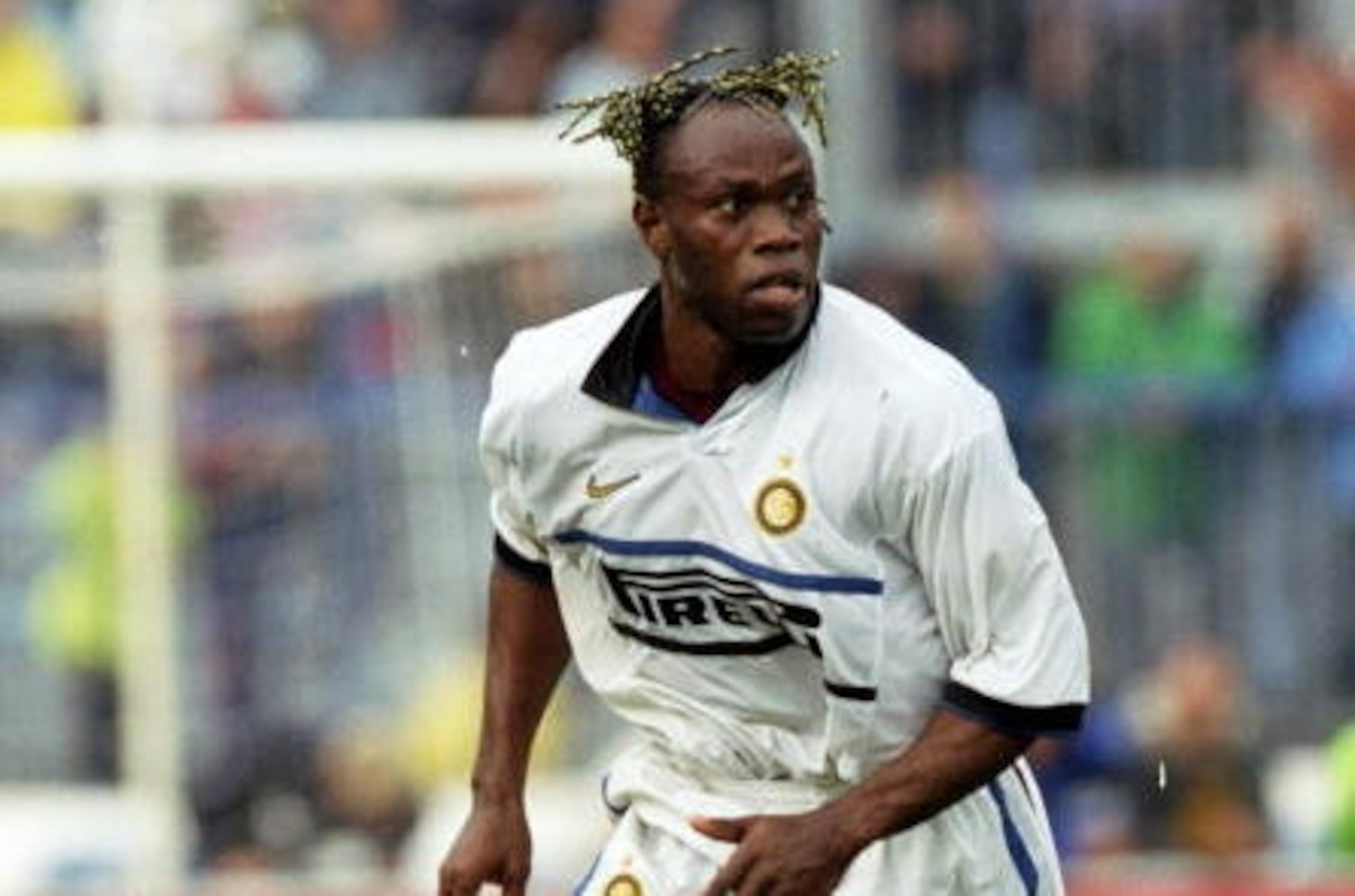
One of the great characters of the African game, “Pastor” West could also play a bit too!
The defender enjoyed a long, wandering career, accruing 41 caps for Nigeria in the process.
It’s a shame that his career all but peaked when he was in his mid-twenties, indeed, when West should have been in his prime, he was playing in the Serbian league, albeit with a distinguished club in Partizan.
He featured for the Super Eagles in two World Cups and was an Olympic gold medal winner in 1996.
After impressing in France, where he won the Ligue 1 title with Auxerre, he moved to Serie A, and Internazionale. He featured 44 times for the Nerazzurri in Serie A before making the short trip to cross-city rivals Milan.
He was a UEFA Cup winner with Inter, starring in the heart of defence in the final against Lazio before being sent off in the dying stages of the contest.


18. Mohamed Sissoko
4 of 21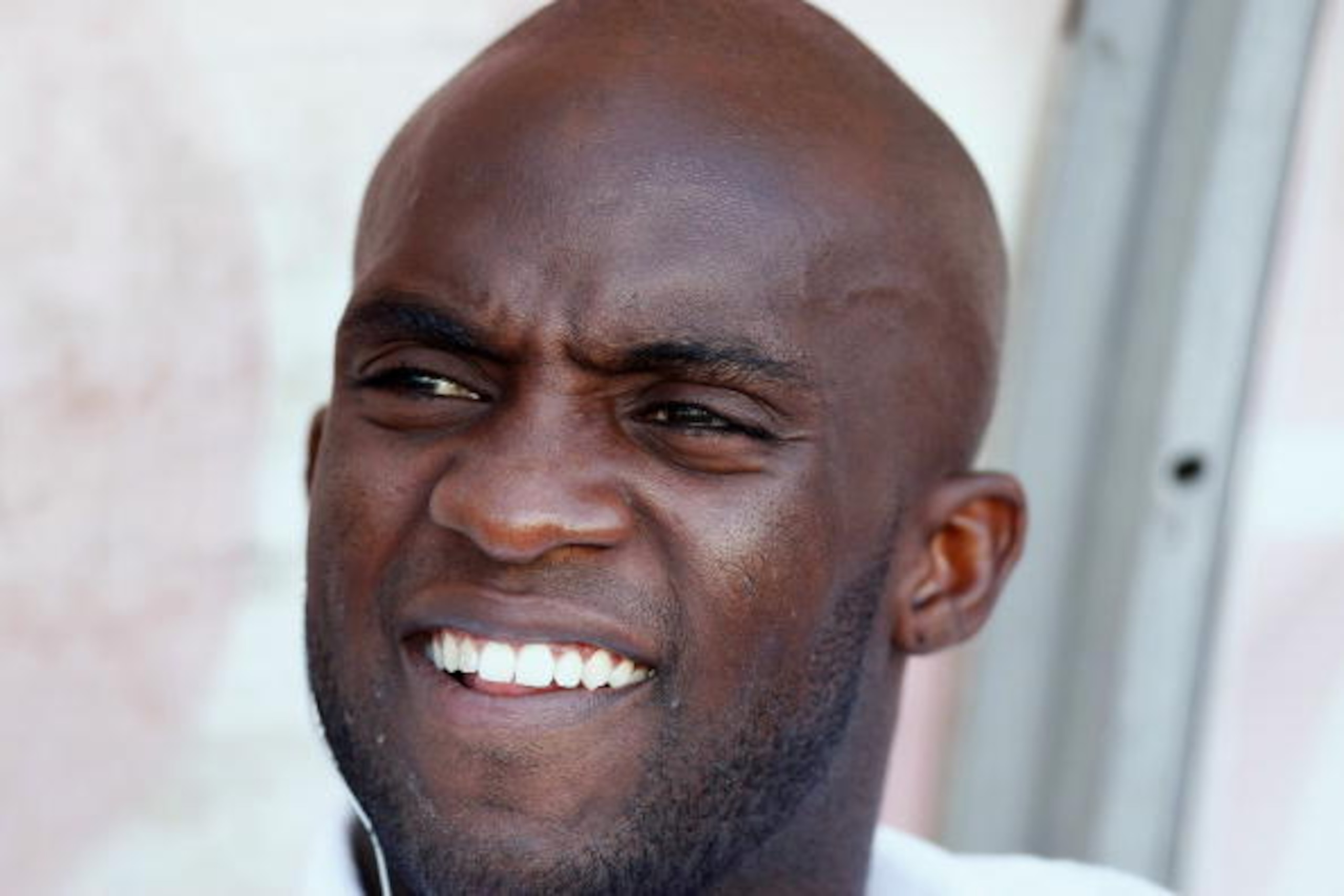
In considering the greatest African midfielders of all time, Mohamed Sissoko doesn’t typically feature at the top of the list. Indeed, following an eye injury that threatened to derail his career, the Malian has struggled to reach the level of contemporaries such as Yaya Toure, Michael Essien and even Mahamadou Diarra.
Having made his way through the prestigious Auxerre academy, he was signed by Valencia in 2003. Under Rafael Benitez, the Malian thrived. He won the Spanish title in 2004 and also picked up the UEFA Cup and the Super Cup as part of a fine generation cultivated on the Mediterranean coast.
It was at Liverpool that he suffered the injury that would so curtail his progress, although his stock hadn’t fallen far enough for Juventus to resist the chance to sign him in 2008.
It wasn’t the most successful spell in the club’s history by any means, but Sissoko enjoyed a strong partnership with a young Claudio Marchisio before injuries were, once again, his downfall.
He is currently back in Spain with Levante.
17. Mehdi Benatia
5 of 21
It may seem like Mehdi Benatia burst onto the scene last season with AS Roma, helping the Giallorossi to return to the Champions League in the process.
In truth, however, the centre-back has been a consistent presence in the Italian top flight for several seasons. The Moroccan impressed for Udinese for 80 games over three seasons, before being snapped up by the capital club.
Upon his arrival in Rome, the club described their new arrival as follows, [via soccernews.com]:
"An imposing centre-back: 6′ 4″ and 14 stones of pure power. A “dominante” of the rearguard, to use a term much loved by sporting director Walter Sabatini.
Mehdi Benatia is a lot more than just muscle. His stature is certainly a great asset for the position he plays in – he rarely gets beaten in the air or in one-on-one situations – but he’s also well equipped in the skill department.
He’s got a useful right foot on him and is not unknown to hit the back of the net.
"
One suspects that Pep Guardiola saw these qualities (and more) before breaking the bank to bring him to Bayern Munich this summer.
To date, Benatia has yet to translate his considerable ability into silverware—that one particular “failing” should be corrected in Bavaria!
16. Gervinho
6 of 21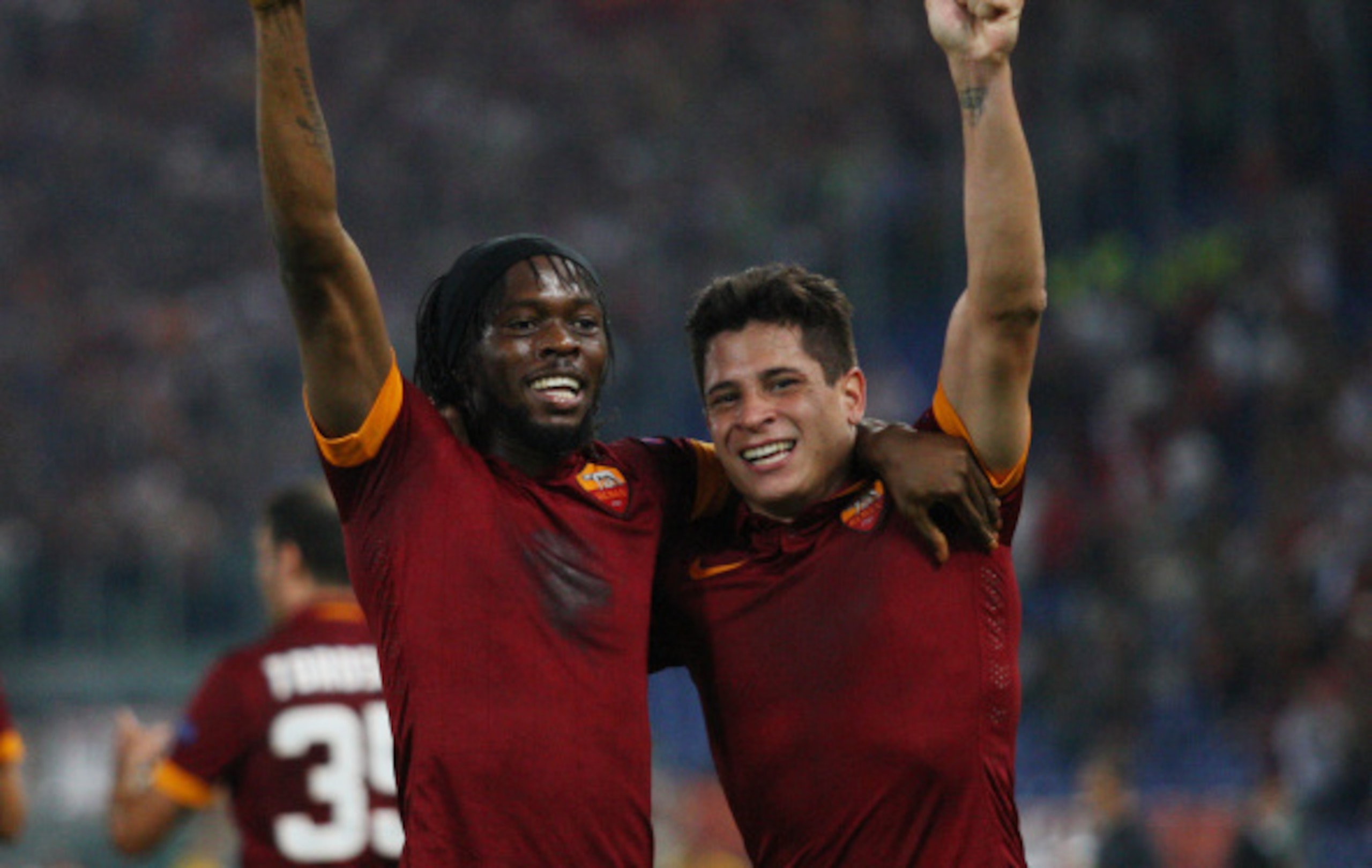
Few could have predicted, when Gervinho left Arsenal, that the Ivorian would have such a successful time ahead of him.
The forward showed flashes of his quality in the Premier League, but by the end of his stay at the Emirates Stadium, had become a shadow of the talented player we enjoyed at Lille.
Africa Football Shop's Solace Chukwu described him as "the ultimate confidence player" yet Gervinho seemingly found his mojo instantly.
His first season in Serie A was a revelation as, reunited with former mentor Rudi Garcia, he looked like a new man. He scored nine in 33 in his debut campaign with AS Roma and was influential as the capital club returned to the Champions League.
He scored a magnificent goal in the World Cup and looks like continuing his fine form into this campaign; he has three goals in three starts for the Giallorossi so far this term.
15. Francois Omam-Biyik
7 of 21Cameroonian legend Francois Omam-Biyik is responsible for one of the World Cup’s most memorable moments. It was his prodigious leap that fired the Indomitable Lions into the lead against Argentina in Group B at the 1990 tournament.
The Central Africans held on for the victory and, despite having only nine men by the end of the match, wrote their name into history as one of the greatest giant-killing sides of all time.
The forward managed 63 appearances for the African giants, featuring in two further World Cups and two Cup of Nations tournaments. He was a 21-year-old when Cameroon won the African title in 1988.
At club level, he featured for a number of clubs in France and spent a brief six-match period with Sampdoria
14. Kwadwo Asamoah
8 of 21
For some seasons now, Kwadwo Asamoah has been among Africa’s finest central midfielders. However, one reason why he hasn’t made the same kind of impact as, say, Yaya Toure, for example, is because Antonio Conte consistently played him on the left flank, rather than in the centre of the park.
Kwesi Appiah followed suit with the national side, choosing to use Ghana’s best player as a left-back, rather than installing him as the centrepiece of the Black Stars team.
Both Ghana and Juventus have new managers this campaign (the Black Stars are yet to appoint Appiah’s successor), and hopefully the multi-talented midfielder will be used as the heartbeat of the side.
Against Malmo, in the Champions League, he was used in the middle (with new signing Patrice Evra operating on the left) and responded with an assist for Carlos Tevez’s first goal.
If Asamoah can add to his two Serie A titles, he can feasibly climb much higher up this list.
13. Stephen Appiah
9 of 21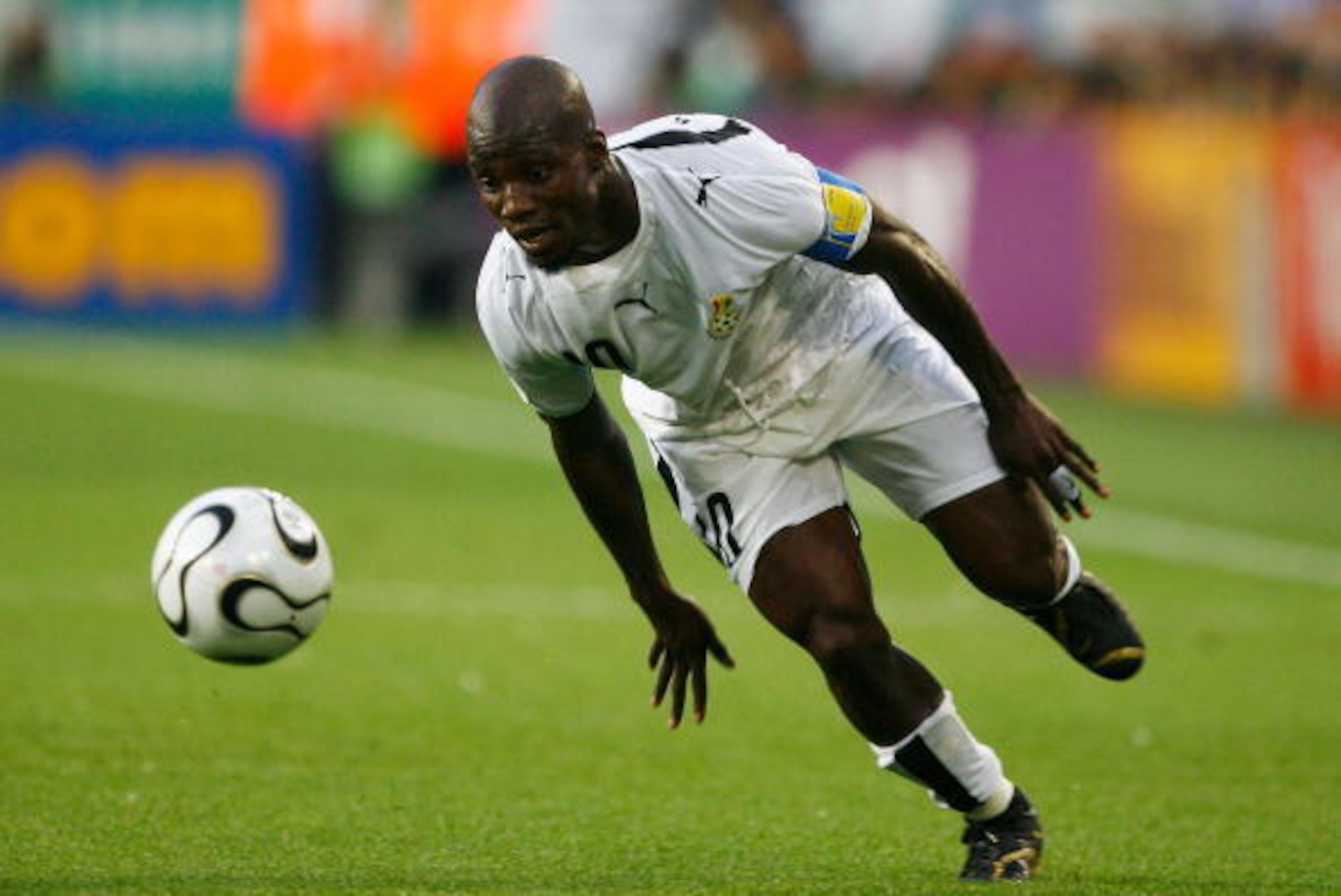
Like another Ghanaian midfielder on this list, it’s hard not to consider Stephen Appiah’s career and think “what it?”
Injuries badly affected the player’s career and after a bout of viral hepatitis derailed his spell at Parma, sparking the beginning of several extended spells on the sidelines.
Nonetheless, his performances before that, with both Parma and Udinese, were enough to convince Juventus to purchase the player once he had recovered from his illness.
He struggled to build upon his early promise in Turin and left for Fenerbahce.
In Turkey he demonstrated his powerful running, his superb technical ability and his magnificent long-range shooting. This spectacular effort against Schalke in the Champions League was a near-perfect crystallisation of his talents.
Two years after his arrival in the Super Lig, he was to suffer the knee injury that was the catalyst for his ultimate decline.
12. Sunday Oliseh
10 of 21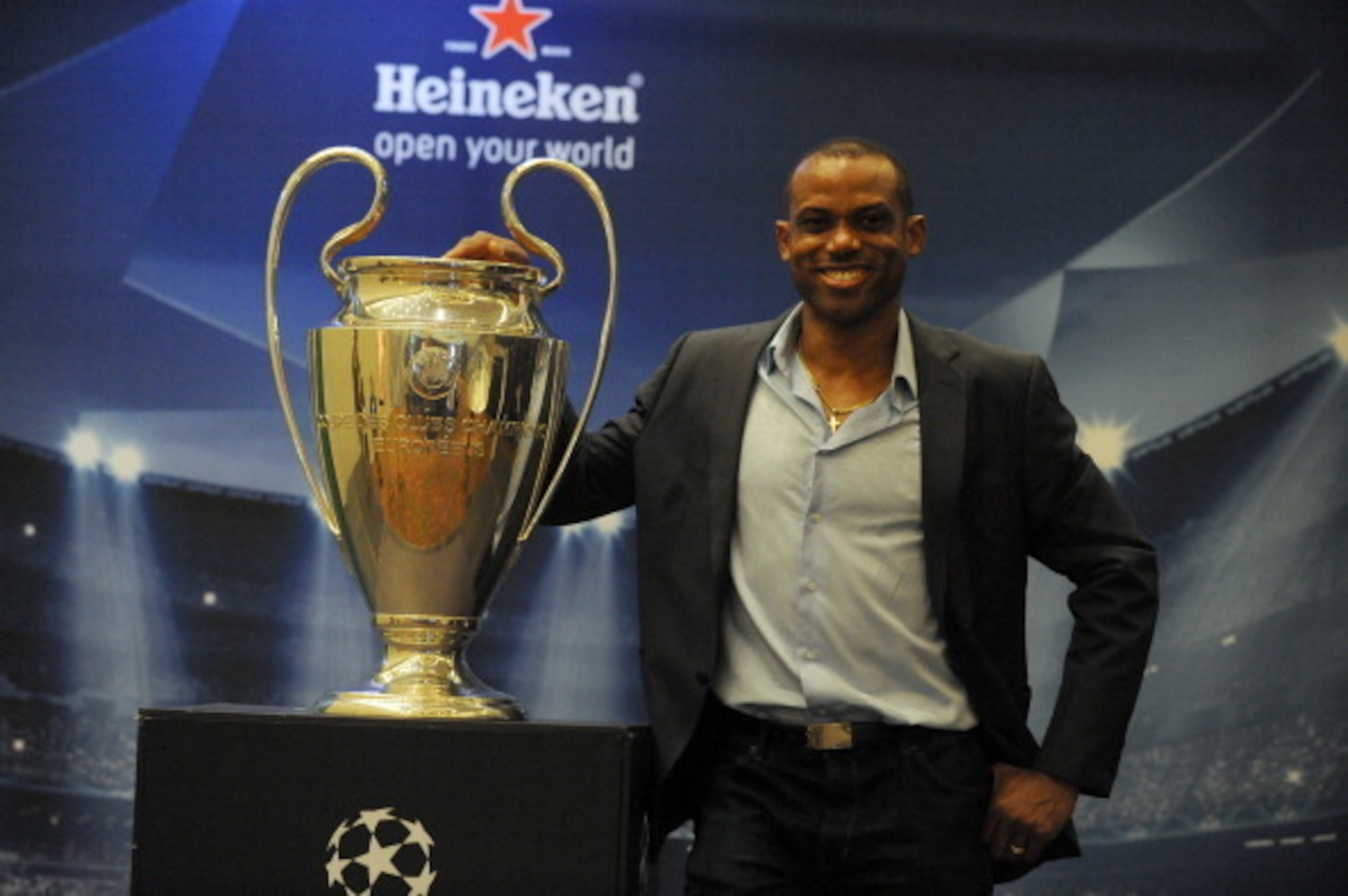
Oliseh is another African great who graced the Italian top flight only too briefly.
The powerful midfielder only managed eight games in Serie A, with Juventus, and made his name elsewhere.
With Nigeria, he featured in three Cup of Nations tournaments, and was a key part of the unforgettable Super Eagles generation that won both the continental championship in 1994 and the Olympic gold two years later.
While Nigeria progressed to the second round at both the ’94 and the ’98 World Cup, it was at the second tournament, in France, that Oliseh made his biggest impact.
Opening the tournament against much-fancied Spain, the defensive midfielder launched on a wayward ball to fire a magnificent volley past Andoni Zubizarreta.
The goal is one of the key images that fertilised my nascent interest in the African game. Here’s how I described the goal on Colin Udoh’s personal website:
"My appreciation of the Super Eagles can be dated back to my childhood and those vivid images that just, somehow, find their way into one’s mind and never depart.
I can, for example, clearly remember the afternoon when a late pair of goals downed Spain in that unforgettable encounter at the 1998 World Cup. I was in France that day, not in Nantes however, but down in Ainhoa, in the Pyrenees, near the Spanish border.
That afternoon, my brother (who celebrated his birthday the next day) spent an hour or two reliving the glorious moments from that pulsating encounter.
Needless to say, I was Sunday Oliseh, hammering home past Andoni Zubizarreta; Jim, my unfortunate brother, was the hapless Spanish goalkeeper.
"
The player was a title winner in Holland, with Ajax, and with Borussia Dortmund in Germany.
11. Sulley Muntari
11 of 21
As I have written before, I consider Sulley Muntari to be one of the most underrated players in the history of the African game.
The Ghanaian midfielder has already featured in three World Cups, has won the Champions League, has two major league titles (both Serie A crowns with Milan) and numerous other honours, including the Club World Cup.
His bad boy image always seems to take precedent, however (not helped by this summer’s debacle) and he doesn’t always get the credit he deserves.
Muntari is a versatile, energetic, technically proficient player who brings bite to any midfield he plays for.
Since his great successes with Inter, both Milan clubs have been in transitional periods, but hopefully Muntari can have a good impact on the Rossoneri’s disparate squad as they attempt to return to the summit of the domestic game.
He has already demonstrated his class this season, delivering an inspirational performance as Milan beat Lazio.
10. Asamoah Gyan
12 of 21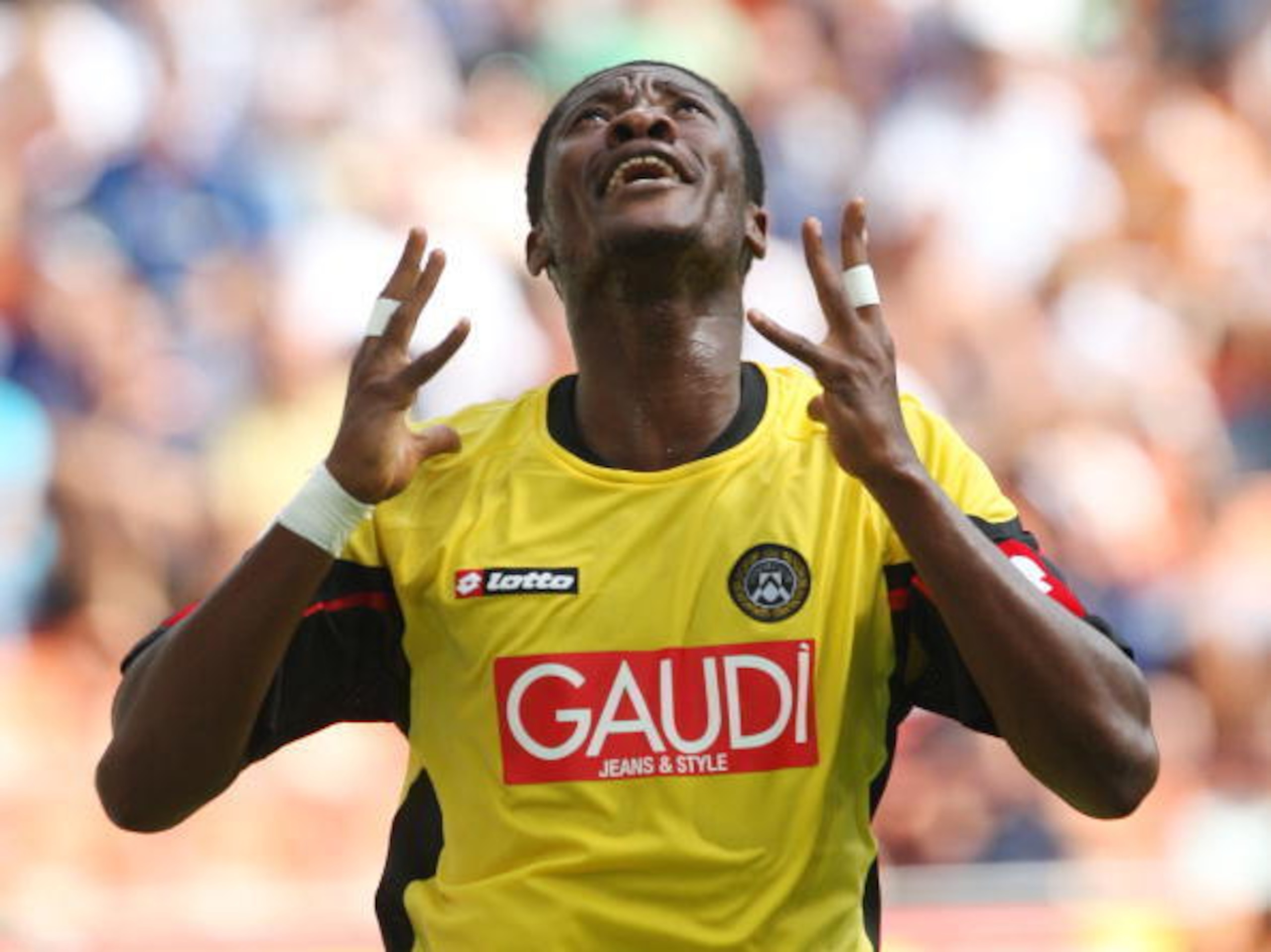
Asamoah Gyan apologists will tell you that the striker’s record goal-haul for the Black Stars already cements his status as a bona-fide African legend.
However, it’s hard to escape the feeling that Gyan’s career could have been (and could still be) so much more had Baby Jet not swapped the bright lights of a major European league for petrodollars over in the United Arab Emirates.
The highest African scorer in World Cup history was only 25 when he left the Premier League for Al Ain. It’s hard to truly evaluate him against the African greats when his prime is being spent away from the central narratives of the world game.
His finishing ability and big-game temperament cannot, however, be doubted.
He honed his craft in Italy after arriving at Udinese from Liberty Professionals in 2003. While he spent time in Serie B, with Modena, he returned to feature 38 times for the Bianconeri in the top flight, scoring eleven before leaving for France.
9. Rigobert Song
13 of 21
‘Tonton’ Rigobert may have had a peripatetic club career, rather than a successful one, but few can deny him his place in the pantheon of African greats.
He is Cameroon’s record-appearance maker, has featured in four World Cups and has performed in a remarkable eight African Cup of Nations tournaments.
He has also picked up two AFCON titles and played his part in the magnificent Cameroonian team of the beginning of the current century.
As with his stay in Germany and England, his spell in Italy was brief.
Salernitana aren’t a club particularly well known beyond Campania, they have broken into Serie A only twice in the last 90 years. When they achieved promotion in 1998 they recruited a hulking young Cameroon defender to help them combat the challenges ahead.
Song was frozen out of the side as Granata went down. Song moved on to Liverpool, to join Gerard Houllier’s revolution.
A fine defender and an iconic African player…not that many in Italy would recognise that though!
8. Patrick Mboma
14 of 21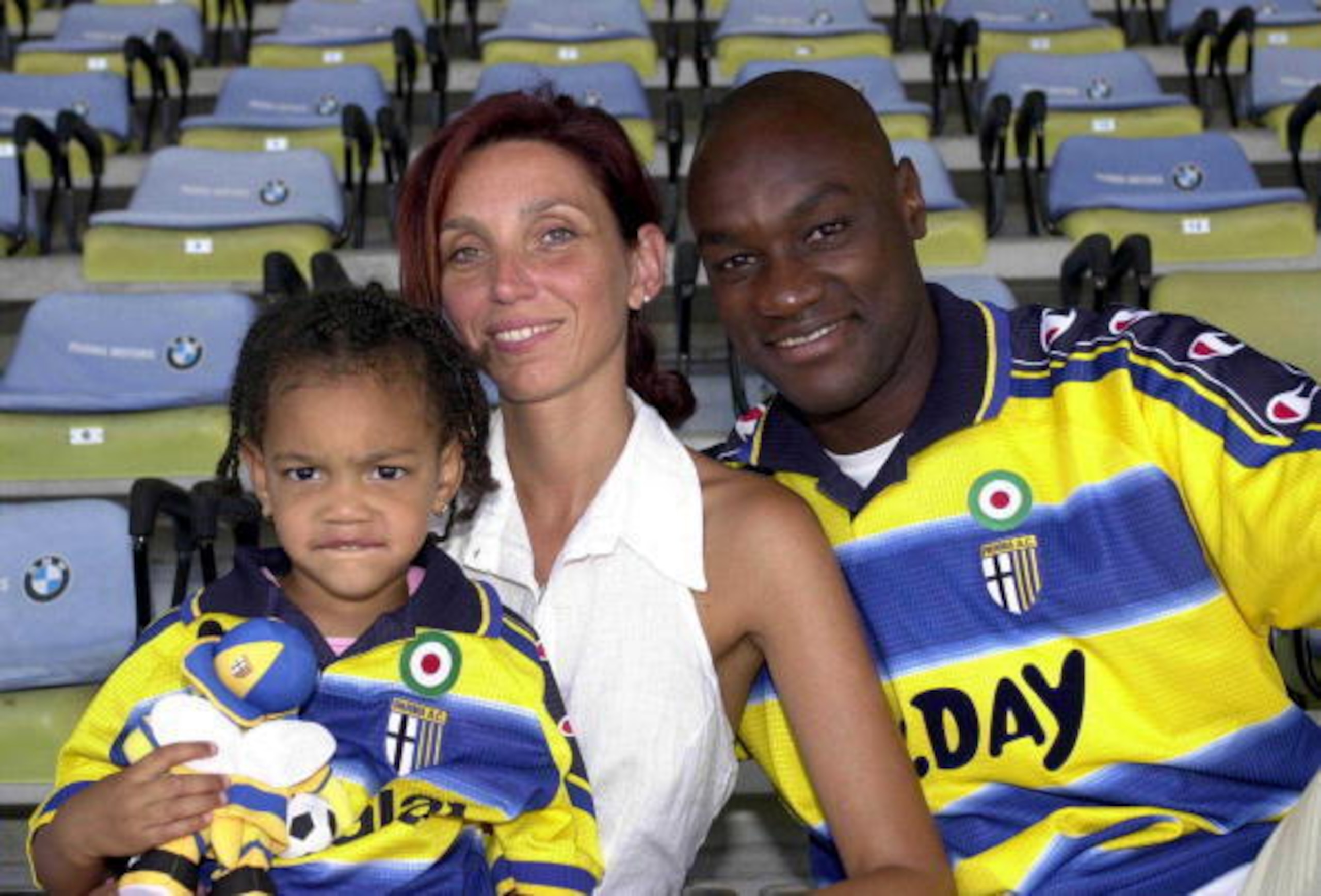
I sometimes feel that Patrick Mboma doesn’t get the credit he deserves among the finest African strikers in history.
He was a relentlessly consistent goal-scorer for Cameroon, and his goals brought tangible rewards. He spearheaded the superb Cameroonian generation of the early 2000s, winning an Olympic gold and a pair of Cup of Nations titles.
He also featured at two World Cups, although didn’t quite bring his awesome technical and physical capacities to bear on the global stage as he did when he top-scored in two AFCON tournaments.
His club career might have been more rewarding had he settled in one place; 11 different moves across his career didn’t exactly foster a steady, conducive working environment.
He spent four seasons in Italy, for Cagliari and Parma, scoring 20 goals in 64 appearances.
7. Seydou Keita
15 of 21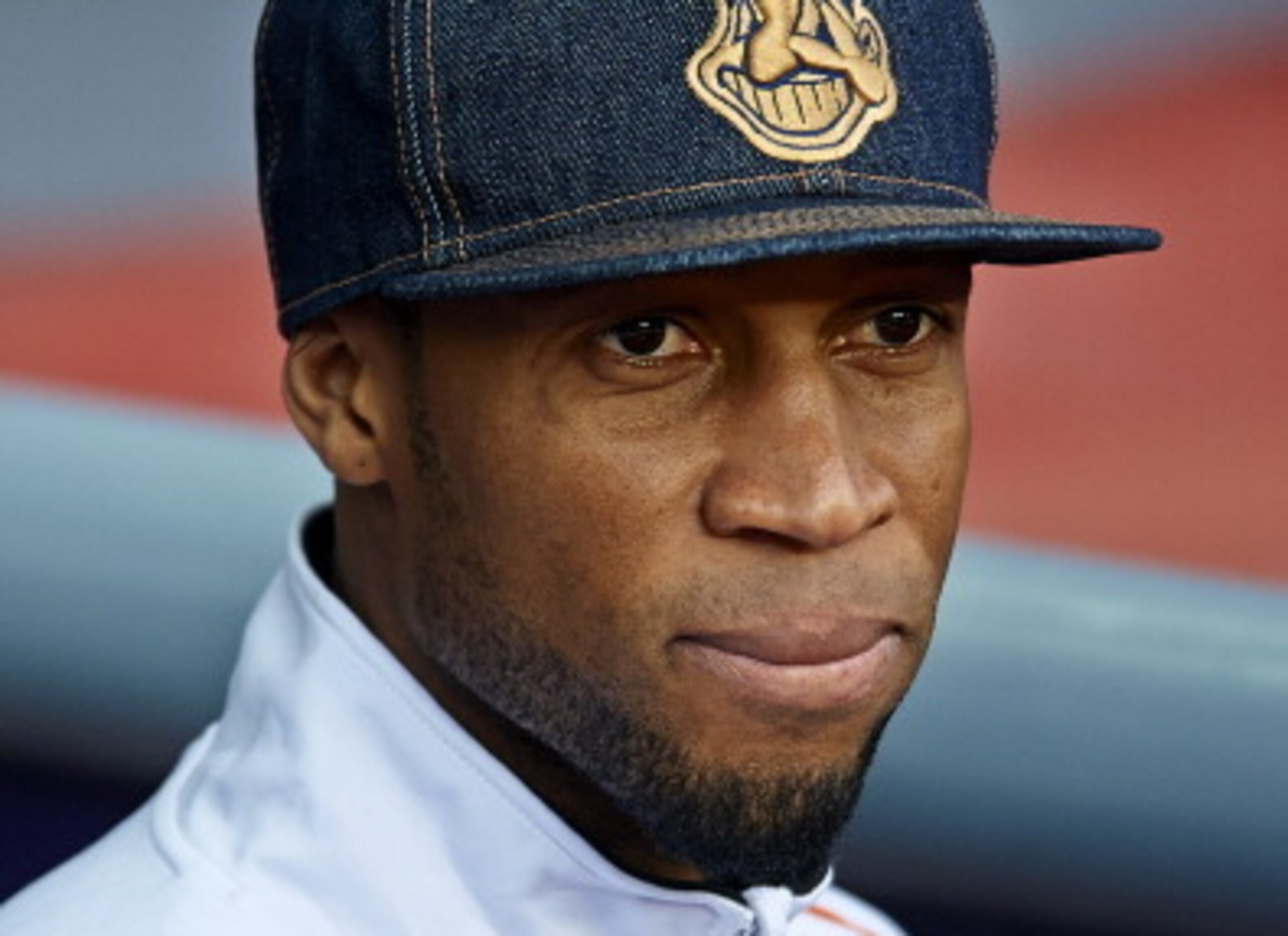
Malian midfielder Seydou Keita made his name in Spain, but currently represents AS Roma in Serie A.
He may not have held down a regular first-team spot as part of Pep Guardiola’s magnificent Barcelona side, but he amassed over 100 league appearances for the Catalonians, accruing a hatful of honours in the process.
He was a key man during the finest years in the club’s history, winning two Champions League titles and three Spanish championships in the process.
Guardiola himself has spoken of what a valuable asset Keita was for the team during the glory years and since his arrival in the summer of 2008, he won many admirers with his work rate, commitment and selfless performances.
He may be past his prime, but Keita should be able to bring these qualities to Roma, as he did for Valencia last term. Particularly, his experience in the Champions League could be of great value.
6. Michael Essien
16 of 21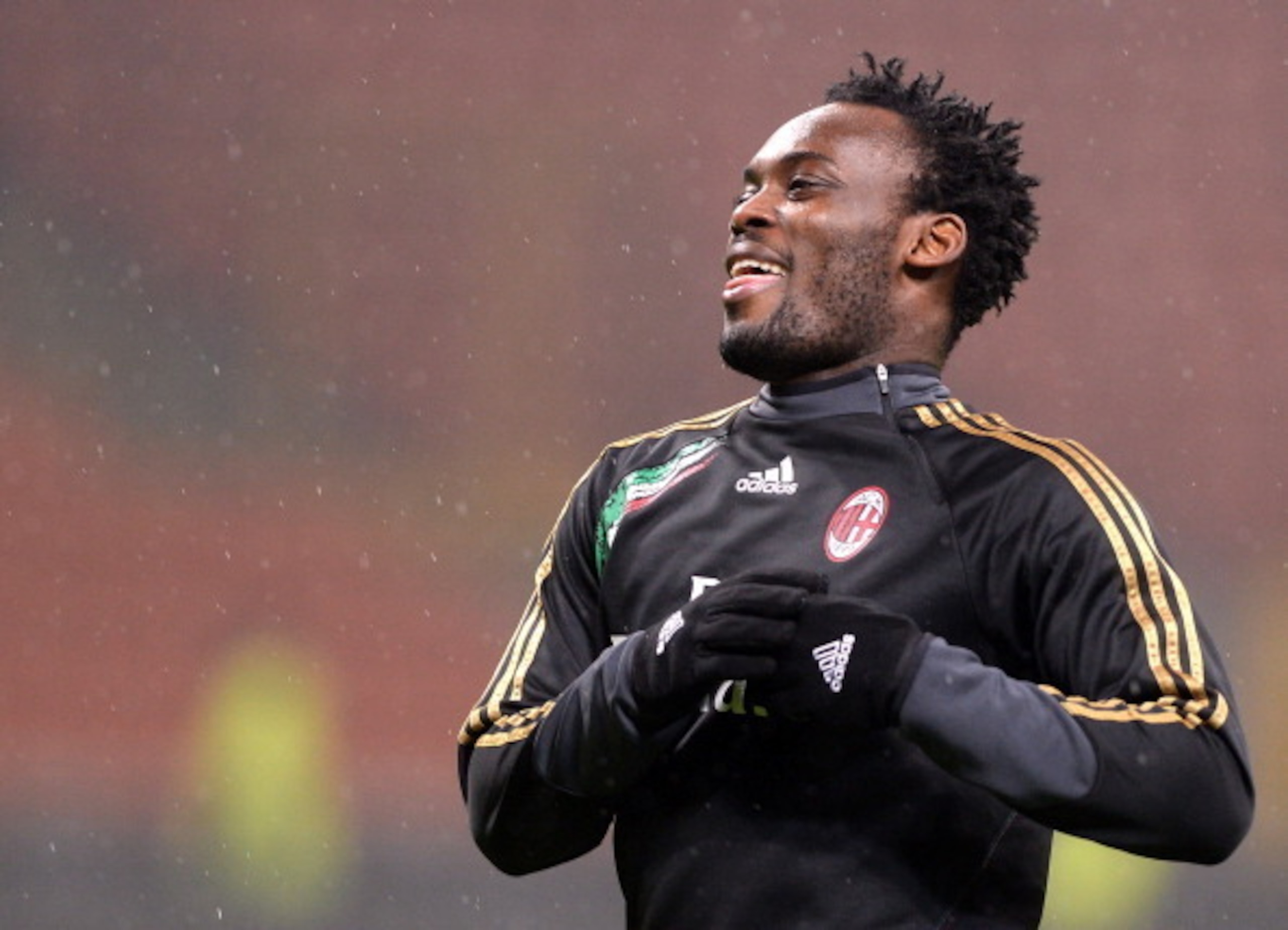
In an ideal world, Michael Essien would have been the figurehead of the talented Black Stars generation of the last five years. Instead, the midfielder’s prime has been devoured by a series of long spells on the sidelines following debilitating injuries.
Could Ghana have overcome Uruguay in the 2010 quarter-final had Essien been present?
Would the likes of Asamoah Gyan, Sulley Muntari, Andre Ayew and Kwadwo Asamoah have an African championship to go alongside their exceptional talents had their performances been consistently underpinned by the Milan star?
It is a great tragedy that Essien missed the 2010 World Cup through injury, however a succession of Chelsea managers will lament his extended absences as well.
At his peak, the Ghanaian was a phenomenal physical specimen who could dominate defensively and make major contributions offensively.
He is a one-time BBC African Player of the Year and won the Champions League with the Pensioners.
Can he add to his trophy haul in Italy?
5. Sammy Kuffour
17 of 21
Much like Ronaldo or Francesco Totti with the World Cup, images of Sammy Kuffour losing the Champions League are more memorable than those of him winning it.
Think of the giant defender, and you probably think of him beating the turf in misery following Bayern Munich’s 1999 capitulation at the hands of Manchester United, rather than his elegant showing on the right of a back three two years later.
For many years he was among the Bundesliga’s finest defenders, regularly thwarting forwards with a combination of agility, determination and strength. He won six German championships with Bayern before moving to Serie A, and AS Roma, in 2005.
The transfer represented a “return” of sorts, with Torino having brought Kuffour to Europe as a teenager in 1991.
A poor relationship with Luciano Spalletti—including Roma’s refusal to release the defender for international duty—undermined a promising maiden season.
4. Abedi Pele
18 of 21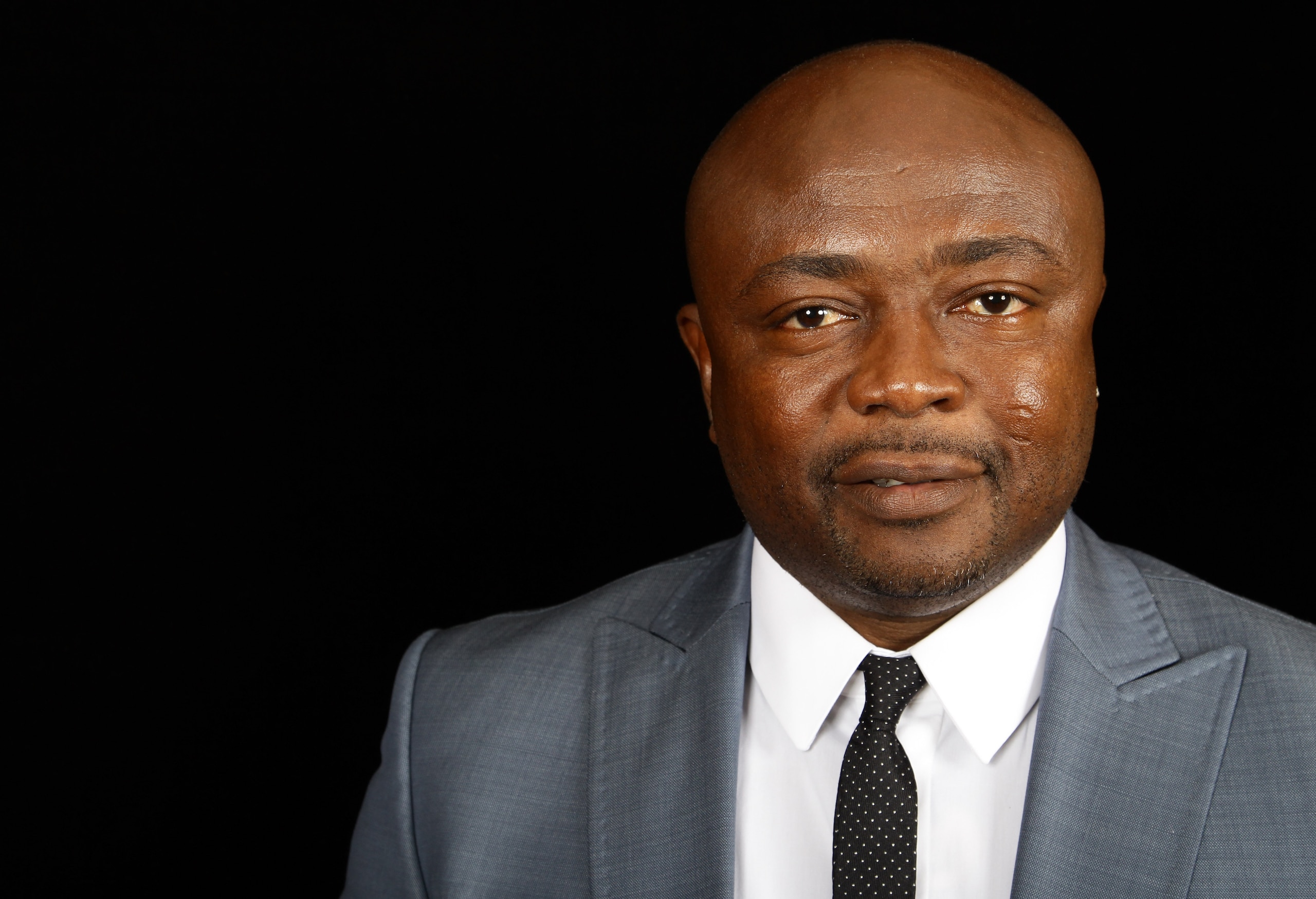
The Ghanaian superstar is one of the finest African players of all time, and deserves his spot in this list, even though his spell in Italy wasn’t particularly spectacular.
He arrived at Torino in 1994, managing 10 goals in 32 appearances with the club. He remained for a second campaign but, by now, his talents were on the wane and he struggled to replicate his fine form.
Whilst with the Granata, he received the award for the ‘Best Foreign Player in Serie A’, an indication of his excellent early impact. He adapted well and delighted fans with his dribbling and movement, as one would have expected from a player who wore the “African Maradona” tag.
Pele won the Cup of Nations with Ghana in 1982, winning the Golden Ball in 1992 and, on three occasions, receiving the African Footballer of the Year Award.
3. Nwankwo Kanu
19 of 21
Kanu was an exceptionally talented forward who tasted success at the absolute pinnacle of the sport.
He may have missed out on the Cup of Nations, but he won the Olympic gold with Nigeria and featured at three World Cups.
At club level, he won the Champions League with Ajax, with whom he scored 25 goals in 52 appearances.
On two occasions he was a Premier League champion and also picked up the UEFA Cup while at Internazionale.
His spell in Lombardy brought only twelve games and one goal, with Kanu enduring a long absence after being diagnosed with a serious heart defect.
Fitness problems overcome, Kanu went on to leave a lasting impression on anyone who saw him play.
2. George Weah
20 of 21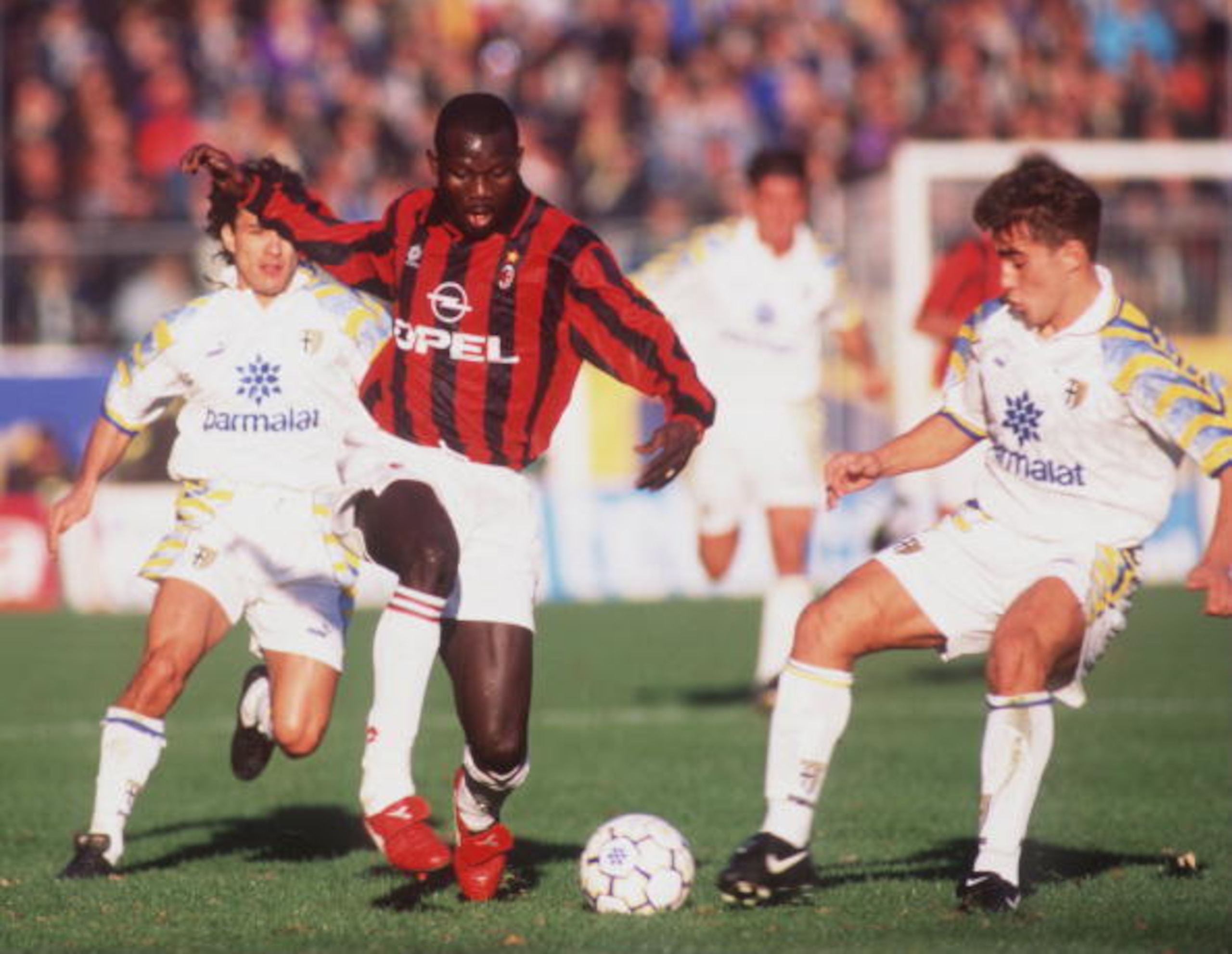
It’s hard not to begin any discussion of George Weah’s impact in Serie A without discussing his magnificent goal against Verona.
Here is Ian Hawkey’s magnificent description, which can be found in his book Feet of the Chameleon: The Story of African Football:
"The black and red of his shirt suddenly brilliant, the white of his shorts, socks and sweatband bright against his skin, three Veronese players regrouped enough to attempt the first intervention. A pair of them prepared a joint ambush. Weah rode both challenges simultaneously with a pirouette through 180 degrees, let the ball run its own course before retrieving it again as if he was picking up a briefcase he had dropped off in a cloakroom. Some 45 metres from the opposite goal, Weah lengthened his stride. His movements until now had been subtle, balletic. Now there was power. He slipped the ball to the left of a defender and, accelerating suddenly, recovered it after passing the Verona man to his right. Arriving at the edge of the Verona penalty area, Weah had left all opponents but the goalkeeper in his wake. He chose to shoot from there, some 18 metres from goal, from an angle made sharper by the advance of the goalkeeper. Weah directed his shot with the instep of his right foot, still accelerating and leaning to his right to gain just enough backlift to arrow it precisely into the bottom corner of the net: 3-1.
"
Has an African player ever scored a better goal on European soil?
While remembering this brilliant moment is an apt way of remembering Weah’s genius, Miguel Delaney is right to point out that his talent wasn’t matched by his trophy haul.
In my eyes, this is what separates Weah from the player who sits at the top of this list, although it becomes harder to dispute the fact that Africa has never produced a footballer quite as special as George. The Liberian is, after all, the only player from the continent to have been awarded the Ballon d’Or.
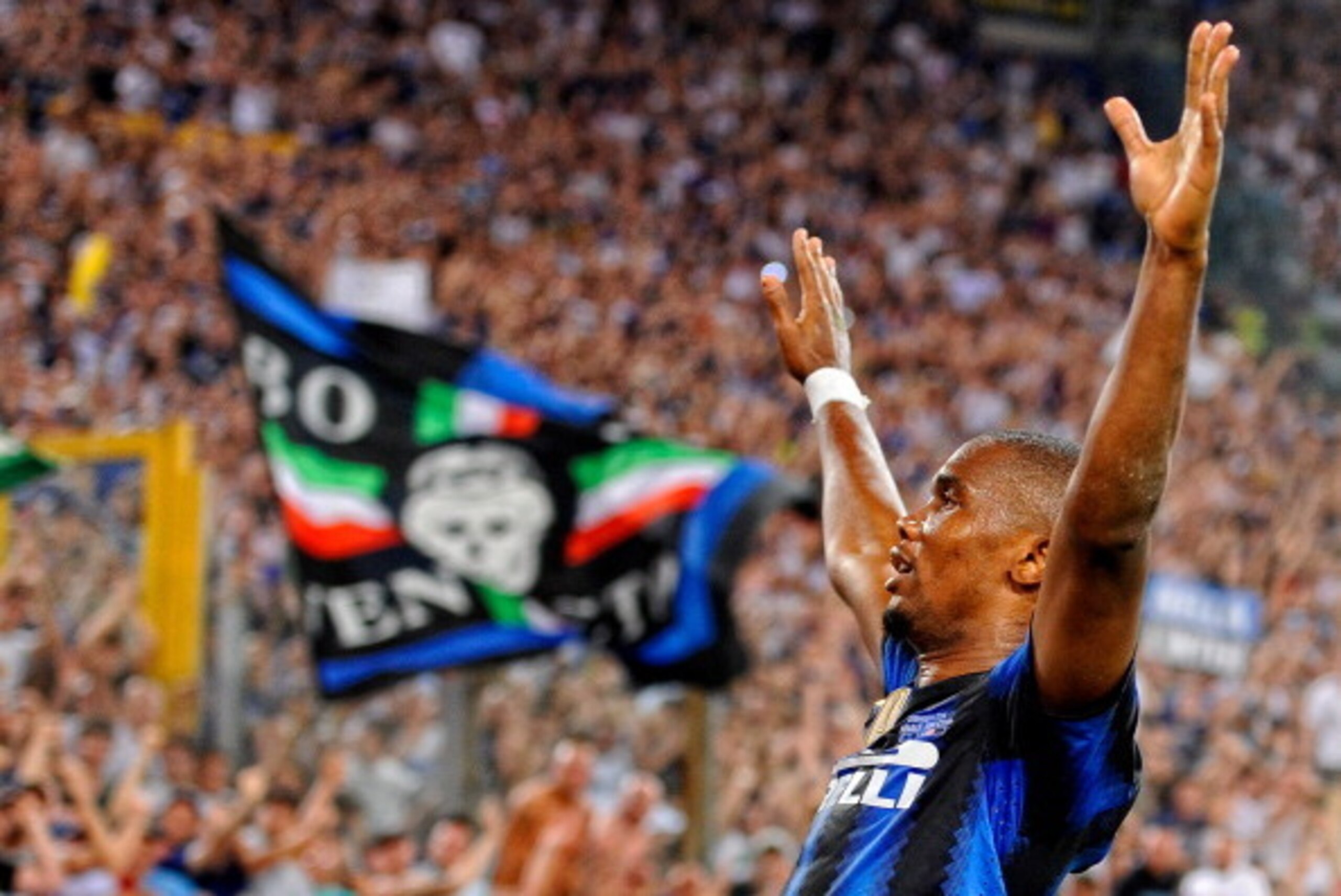
1. Samuel Eto'o
21 of 21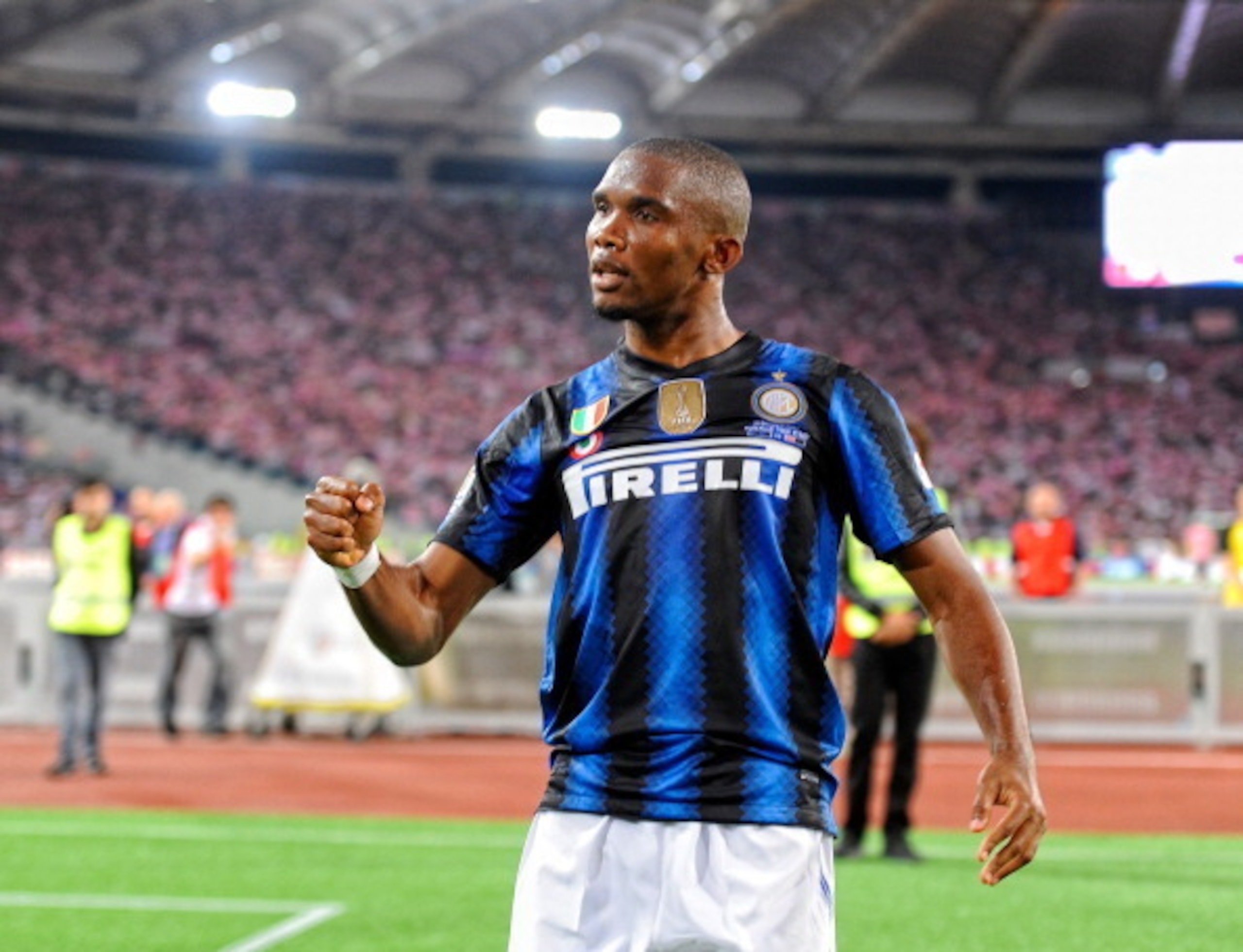
Whether you consider honours won or player performance, it’s hard to argue that Samuel Eto’o is not the greatest African player of all time.
Let’s look at the numbers...
On an individual level, Eto’o is a four-time African Footballer of the Year and has made the final-three podium on a further four occasions. That’s eight seasons that CAF have considered him among Africa’s three best players—an incredible level of consistency.
With Cameroon, he has won Olympic gold, two AFCON titles and has featured in four World Cups.
He is the all-time top scorer in the Cup of Nations and the all-time top scorer for both the Indomitable Lions and Mallorca.
With Barcelona, he won two Champions League titles, adding a third under Jose Mourinho with Inter Milan. Only Samuel Kuffour (with six Bundesliga titles) has won more major league titles than Eto’o, who picked up three La Liga crowns and a Serie A title with Inter.
I could bore you with his complete honours list (if I haven’t done already)!
Most importantly, perhaps, his performances and his goals have often had a consequence and brought tangible rewards. He has scored in the Champions League final on two occasions and scored in every round of Cameroon’s triumphant Cup of Nations victory in 2000.
He also scored the equaliser in the Olympic final in the same year, before Cameroon beat a Xavi-inspired Spain on penalties.
Yes, before you ask, Eto’o scored in the shootout.
.jpg?w=2560 "Chiefs Giants Football")


.jpg?w=2560 "🚨 Week 8 AP Top 25 Poll")


.jpg?w=2560 "Updates from EVERY NFL Game 🏈")