
College Basketball Stars in 2014-15 Who Will Not Be 1st-Round NBA Draft Picks
At a certain level of college basketball, every player has a potential NBA career at least in the back of his mind. Only the elite few walk right into college with scouts evaluating their lottery potential, while the rest need multiple seasons to refine their bodies or their games.
While some name value helps, college stardom is no guarantee that a player will receive a lucrative pro contract. Players who lack elite size or athleticism are passed over every season, no matter how productive they were in school.
These 10 players will be at least among their conferences' best this season, but their pro futures don't look quite as bright. Any of the bunch can still play into the draft, but the odds of becoming first-round picks are against them, barring substantial improvements.
Ryan Boatright, UConn
1 of 10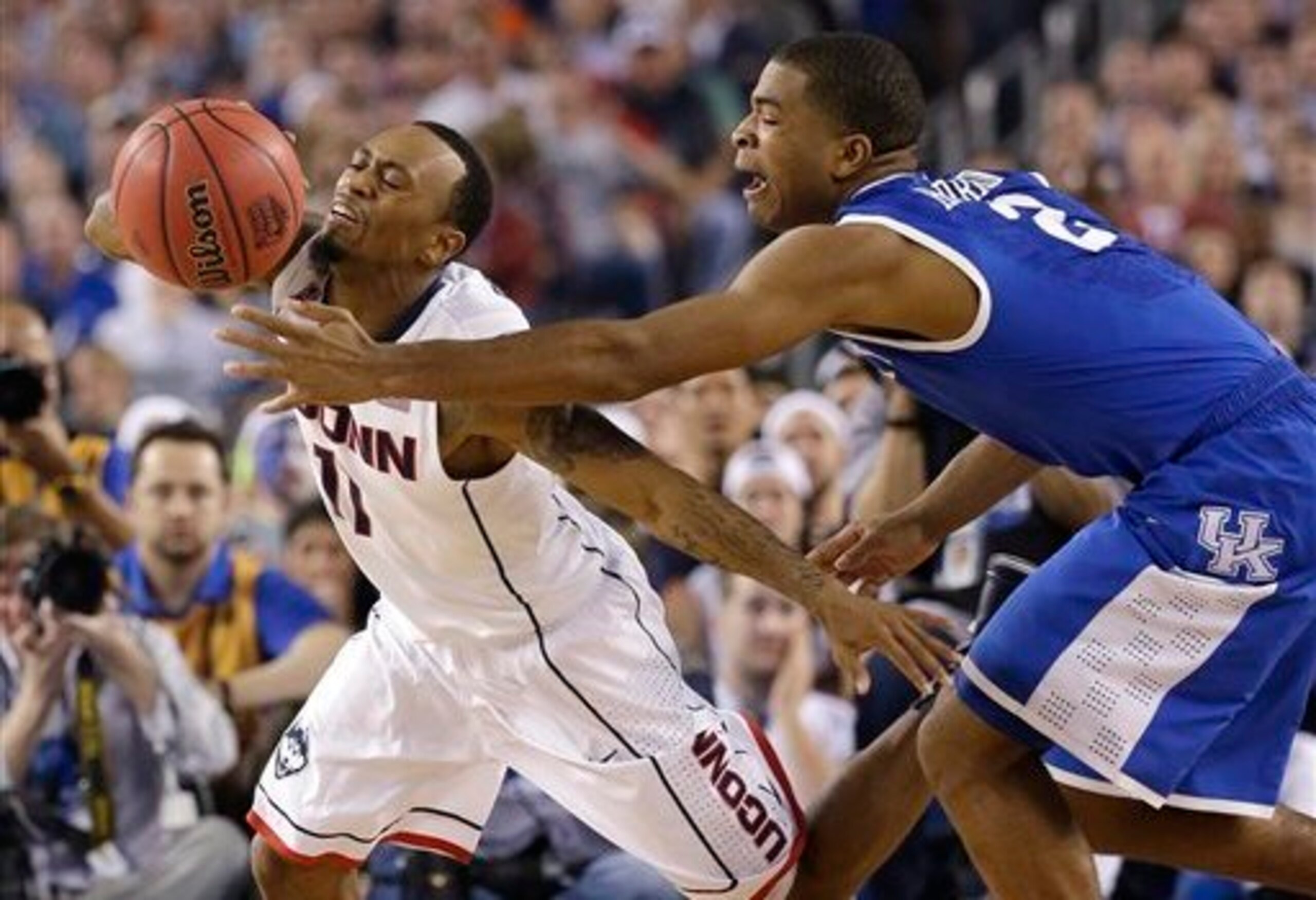
A season as the undisputed leader of UConn may do Ryan Boatright's pro prospects a world of good. If it doesn't, he could drag the defending national champions into mediocrity.
NBA scouts will be watching to see how well Boatright handles a full-time point guard role, as his diminutive 6'0" stature would certainly force him into that position as a pro.
One Western Conference scout who spoke to the New Haven Register's David Borges in February said, “I just don’t see how his game translates. He’s not a point guard, he’s not dynamic enough. When I first saw him, he had unbelievable quickness. He’s an OK shooter, but he doesn’t make shots the way [Shabazz] Napier does. He’d almost have to be a (Nate) Robinson kid, an unbelievable catalyst.”
Boatright's defensive skills are solid for the college level, with very quick hands and feet that could make him a pest at the next level. His size, however, will always work against him against the bigger point guards who run rampant all over the NBA.
As a shooter, he's prone to taking the contested look, and he can also get into the habit of charging into the lane and leaving his feet before deciding where to go with the ball. Better decision-making—both off the dribble and in his shot selection—will only help.
Currently, DraftExpress ranks Boatright as its No. 32 senior, sandwiched between Iowa State's Bryce Dejean-Jones and TCU's Kyan Anderson. Since the NBA considers 22 (Boatright's age next June) halfway to doddering senility, Boatright will have to play UConn's offense like a master violinist to rate a first-round grade.
Rico Gathers, Baylor
2 of 10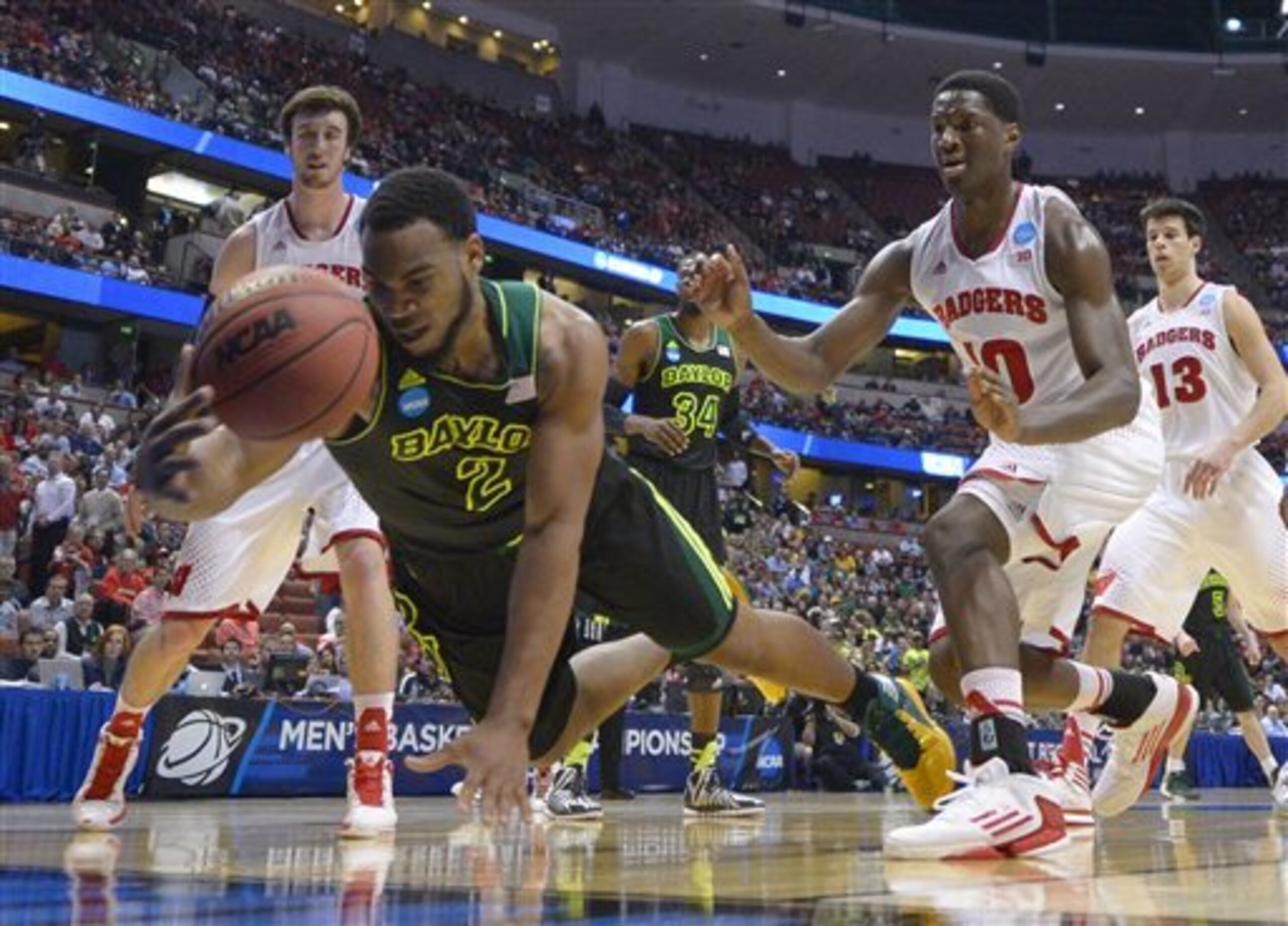
In a time when teams at both the collegiate and professional levels fetishize the stretch 4—taller players with silky three-point strokes—Baylor bulldozer Rico Gathers is a throwback.
Gathers is listed at 6'8" but carries somewhere between 260 and 280 pounds on a frame that probably isn't even that tall. No matter his height, he is still one of the nation's most dominant rebounders. His feats of strength are legendary among Baylor players, as Cedric Golden of the Austin American-Statesman recounted last March.
That power will likely land Gathers on someone's summer-league roster, but scouts need to see him do more than simply crash the glass.
For his career, Gathers has shot less than 50 percent from the floor and only 55.4 percent from the line—both sickly figures for a player who makes his name in the paint. Hoop-Math credits him with only 53.1 percent shooting at the rim and 52.8 on putbacks. For someone with such potent rebounding tools, he should be a much more effective scorer so close to the basket.
Now that Isaiah Austin and Cory Jefferson are gone, Gathers must become the prime scoring threat in the post for Baylor to get back to the NCAA tournament. It goes without saying that his mid-range game needs to improve, but he has to become automatic in the paint before scouts can overlook his lack of height or elite athleticism.
Olivier Hanlan, Boston College
3 of 10
Olivier Hanlan is the prototypical star buried on a bad team, especially now that former Boston College teammates Ryan Anderson and Joe Rahon have bolted for Arizona and St. Mary's, respectively.
Hanlan has the potential to lead the ACC in scoring, but without much support, his efficiency could suffer. He dipped to 34.7 percent from the arc last season after making nearly 40 percent as a freshman.
Scouts can forgive some iffy shooting nights if Hanlan proves capable of setting up his overmatched teammates, but that hasn't been his stock in trade for his first two seasons. For his career, Hanlan has put up only 2.9 assists per 40 minutes, heaving up almost 4.5 shots for every dime.
Hanlan is not an explosive athlete, and his defensive focus occasionally wavers. Those factors will make him a liability on that end of the court, unless he lands with a coach who can light a fire under him and convince him to guard someone. After all, his 6'3" frame and 6'5" wingspan aren't terrible for a pro point guard. As a shooting guard, however, he'll be overmatched at the next level.
A killer mid-range shot and solid strokes on college threes and free throws will likely see Hanlan selected as a second-rounder for a team in need of a bench sniper. To crack the first round, however, he will need to prove he has point guard skills and can adopt a similar mentality.
.jpg?w=2560 "Commanders Eagles Football")


Tyler Haws, BYU
4 of 10
Tyler Haws is not Jimmer Fredette. There, we said it.
Haws is actually a bigger, stronger player than his sharpshooting BYU predecessor but isn't quite as prone to repeated 40-point scoring outbursts. For this reason, Hawsteria hasn't taken root the same way Jimmermania did back in 2010-11.
At 6'5" and nearly 200 pounds, Haws has reasonable size for an NBA guard, if not the sheer athletic gifts. His mid-range jumper is one of the most dangerous weapons in college basketball, and he's prepared to ride it all the way past The Jimmer into BYU's all-time career scoring record.
Haws is one of the nation's most consistent scorers, but he maintains that consistency by being smart enough to recognize when the jumper isn't falling and adjusting by getting to the rack more often. In college, he's just athletic enough to accomplish that adjustment, but he'll struggle to beat opponents off the dribble in the NBA.
Defensively, Haws is usually just there. He's averaged somewhere near one steal per game for his career, and he's likely not quick or long enough to keep up with professional athletes.
Fredette was a lottery pick as much for his name recognition as anything he could produce on an NBA court, and the fizzling of his career may actually work against Haws. The BYU guard will be 24 when the draft rolls around next June, which is positively ancient for an NBA draft pick. His way in could be as a street free agent who gets on a hot shooting streak in a summer league.
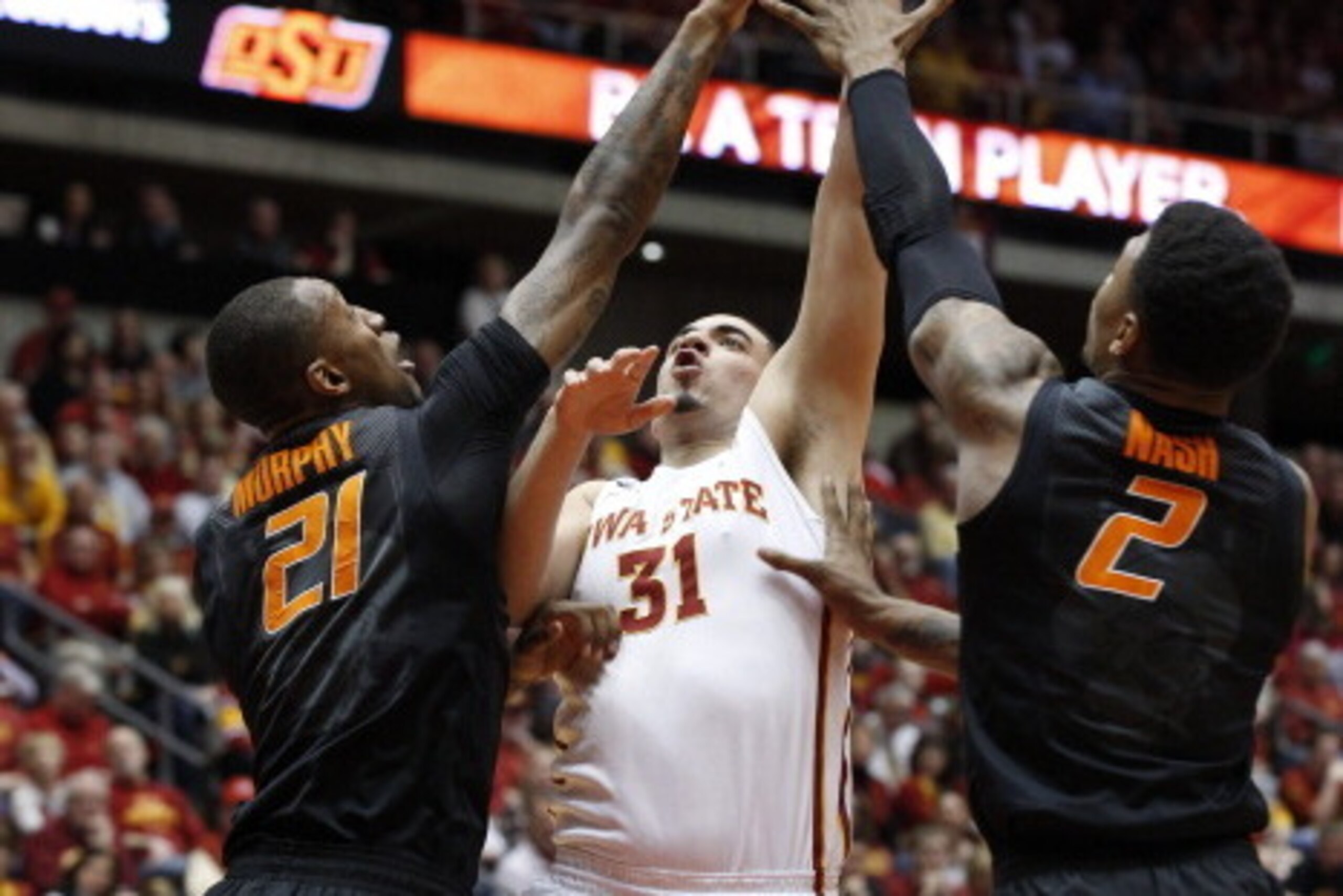
Le'Bryan Nash, Oklahoma State
5 of 10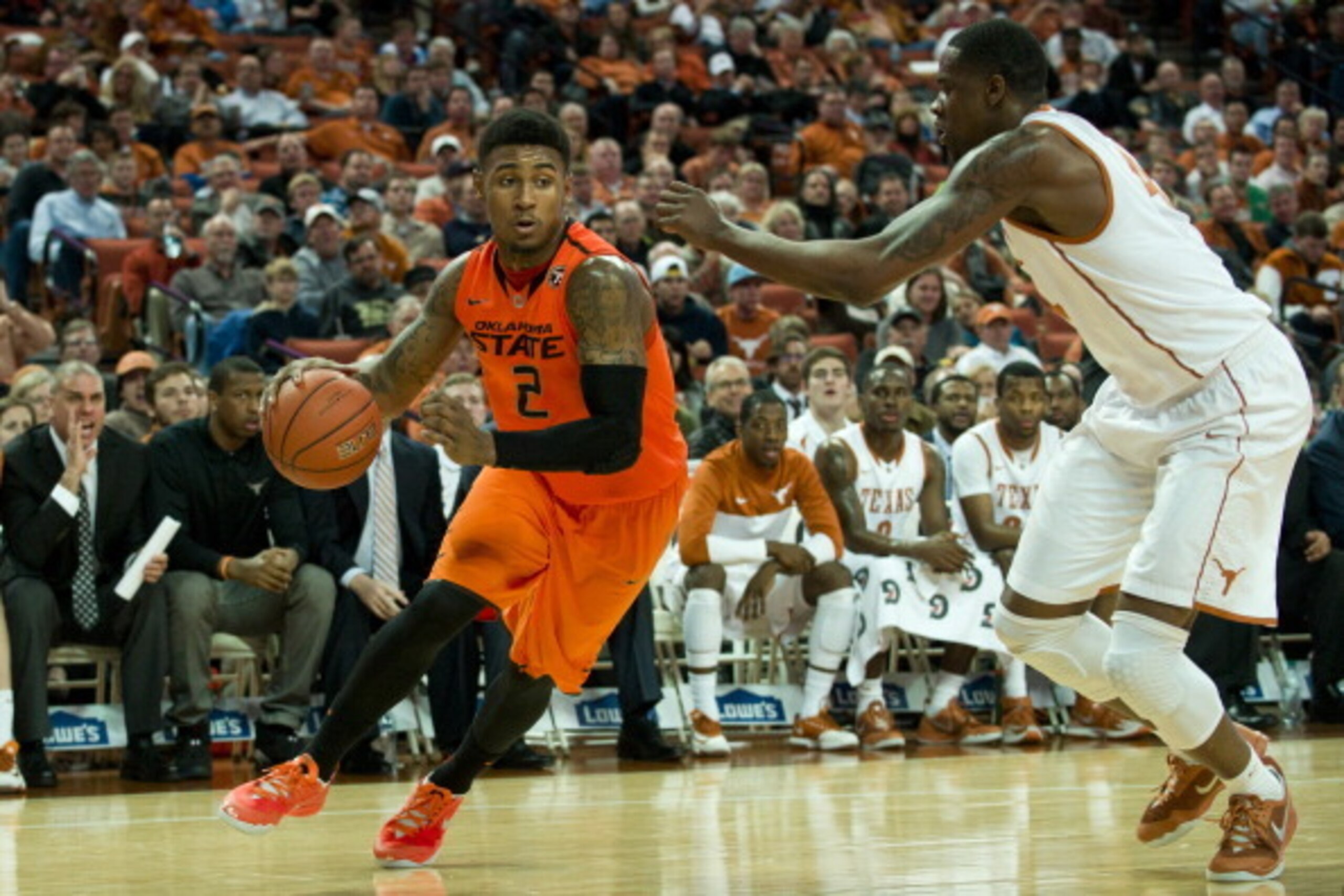
Oklahoma State forward Le'Bryan Nash is a lot like Dante Hicks from the classic comedy Clerks: He wasn't supposed to be here today. (Warning: video language NSFW.)
Nash came in as a McDonald's All-American and potential one-and-done prospect, but his career has been plagued by inefficiency, immaturity and the occasional injury.
"I was on the one-year plan," Nash said to USA Today's Eric Prisbell in February 2014. "I had thought everything was going to be easy. You had basically everybody loving you and kissing your butt [in high school]. It hit me that I'm still in college."
Nash has become a much more efficient player as his career has unfolded, but he hasn't needed to become much more prolific with Marcus Smart and Markel Brown on hand. With those two gone, this year's Cowboys are Nash's team.
He is a strong and explosive athlete who can get to the rim much more capably than he can shoot from distance. He's still highly inconsistent with his jumper from any level, but he did sink a respectable 42.4 percent of his two-point jumpers, per Hoop-Math, so there is some sign of improvement.
Defensively, Nash's focus can wander, which hinders him from making plays. He's physically capable of being a lockdown defender, but it may take a voice in his ear different from Travis Ford's to keep him grinding at that end.
At approximately 6'7" and 230 pounds, Nash has a body built to be an NBA wing player, but he lacks the shot to be productive at that position. Through two seasons, he shot a mere 23.7 percent from beyond the arc. That led to him abandoning the long ball, taking only six triples all last season.
Nash has done yeoman work in the post for a frequently undersized Oklahoma State team, but he won't be able to live in the paint as a pro. Scouts need to see more consistent defense and at least the hint of a perimeter game before they'll recommend Nash as a first-rounder.
Georges Niang, Iowa State
6 of 10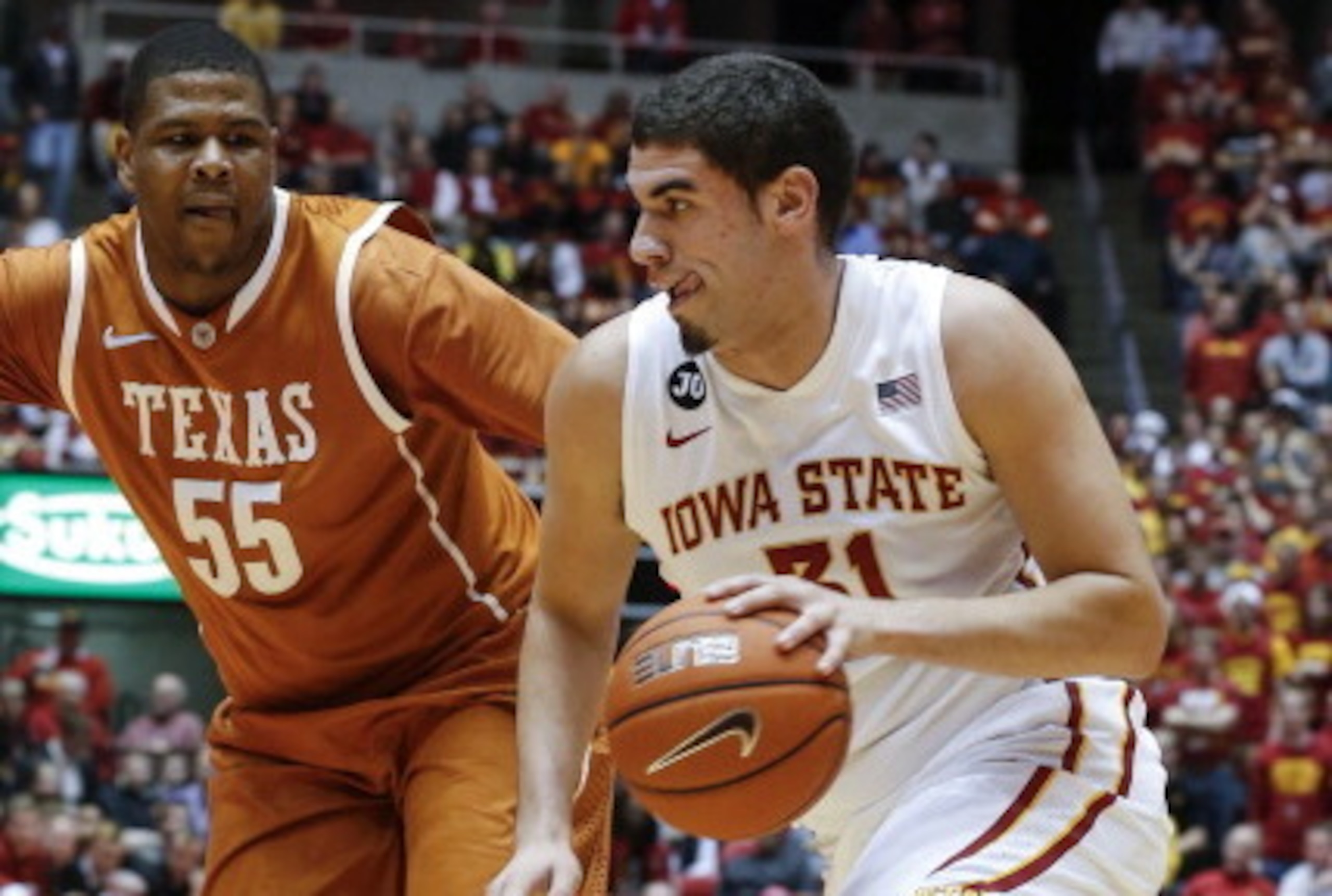
One of the most common descriptors for Iowa State forward Georges Niang is "do-it-all." His versatile game encompasses multiple strengths, but he lacks one single skill that projects him as a bankable professional starter.
Niang is a talented passer and ball-handler, which are very useful skills for an NBA wing. However, he's rarely shown the kind of explosiveness that will make him a threat as a small forward in the league. This offseason's 25-pound weight loss could help Niang improve in that area, and if it does, this projection will look rather foolish.
Still, Niang is much more crafty than athletic, and scouts will continue to wrestle with the question of whether he can keep up with more physically gifted forwards. He's not likely to be able to contend with NBA post players on the defensive end as well as he does against college players.
Even against college bigs, Niang isn't a shot-blocker or devastating rebounder. His impact on the boards will be closely watched now that his glass-eating teammate, former Big 12 Player of the Year Melvin Ejim, is gone. His strength is reportedly improved, as discussed in the Sports Illustrated story linked above. Now, scouts want to see how that translates to the court and if it can carry on into the NBA.
If Niang demonstrates a mean streak on the glass and rediscovers the perimeter stroke that he flashed as a freshman (39.2 percent as a frosh, 32.7 last year), he could become a respected, versatile threat on the order of a Draymond Green. Green wasn't exactly a blow-by-you threat, either, but he's carved out a solid role for himself with the Golden State Warriors.
Niang's mind is NBA-ready, and after this offseason's change in regimen, he hopes that his body is as well.
Terran Petteway, Nebraska
7 of 10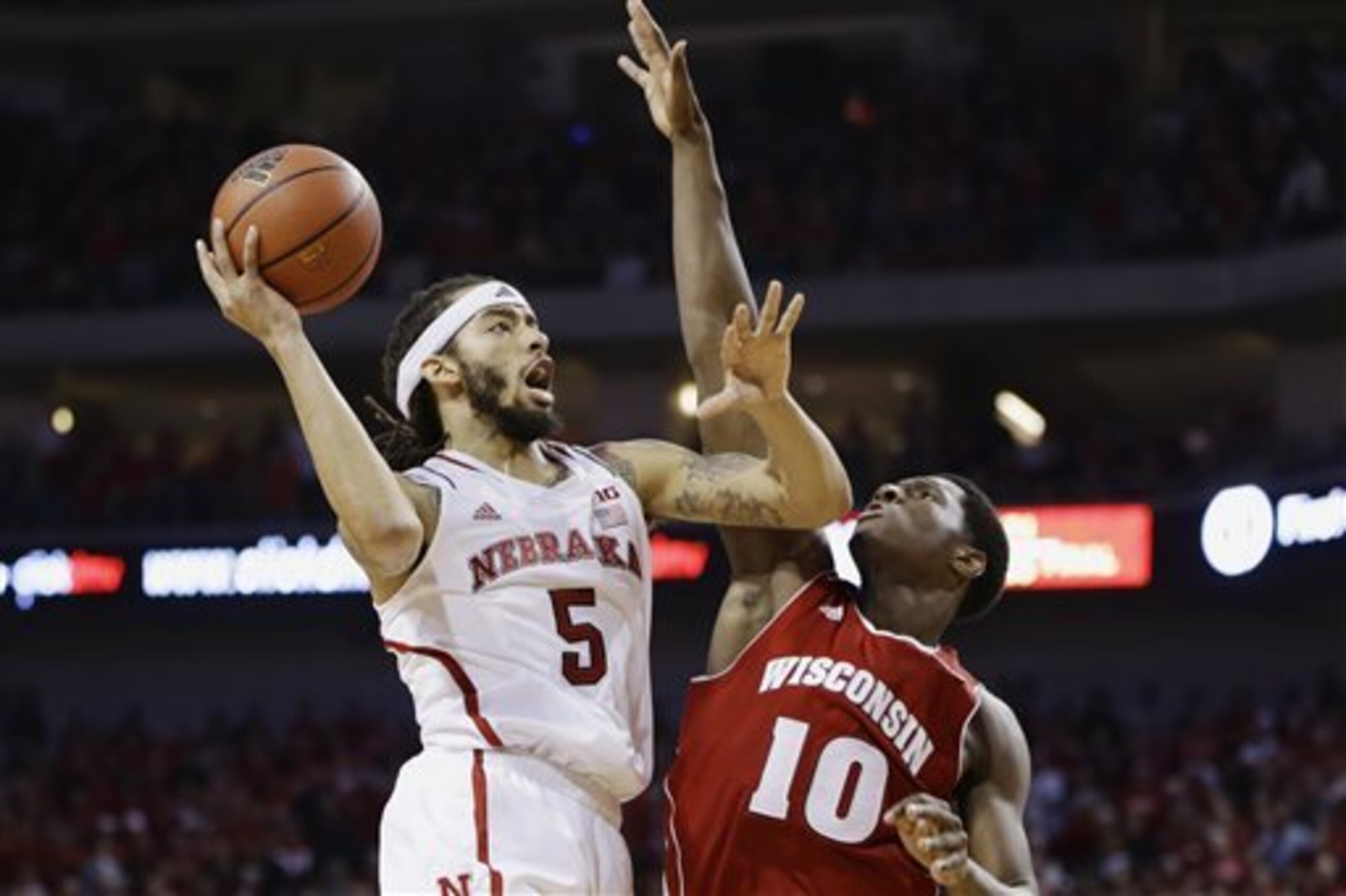
Terran Petteway led the way in a season that generated more excitement than Nebraska basketball has experienced in more than 20 years. He led the Big Ten in scoring and propelled the Huskers into the NCAA tournament for the first time since 1998.
In doing so, he demonstrated that he can be one of the most exciting players in the college game today. Now, his task is to prove he can be as effective when he's less helter-skelter.
“It’s mental,” Petteway said to Brian Rosenthal of the Lincoln Journal-Star. “You’ve got to think about the game more, got to slow it down."
Turnovers and fouls tended to rear their heads for Petteway last season. In 12 of his 32 games, he recorded as many or more giveaways or whistles than rebounds, assists or steals. He also tended to react with poor body language to those mistakes, something that will affect his evaluation for the next level.
He admitted as much to Rosenthal. “I’m still going to be me; when I get a dunk or one of my teammates get a dunk, or we get a big stop, I’m still going to have that emotion,” Petteway said. “But the bad stuff, when I make a turnover or we get a bad call from a ref, or something like that, my attitude, my body language, I’m not trying to react to things like that.”
At 6'6", 215 pounds, Petteway projects as an undersized wing in the NBA, but his shot will help determine where his stock lands. He's a career 32 percent shooter from long range. Improvement in that area will be imperative, since Nebraska lacks many other perimeter threats. Defenses will be allowed to key on Petteway until someone makes them pay.
Petteway is a talented defender with a pro-ready build who will likely wind up as a draft pick somewhere. His shot selection and his body language will determine where he'll fall in the draft order.
Chasson Randle, Stanford
8 of 10
Most teams like their point guards to get as many points for others as themselves. Stanford reached the Sweet 16 last season behind a playmaker who primarily made plays for himself.
Senior Chasson Randle racked 18.8 points per game to rank third in the Pac-12, and he was very efficient in doing so. Randle, Joseph Young and Jordan Adams were the only three players to rank in the league's top 10 in usage, effective field-goal percentage and true shooting percentage, according to Sports-Reference.com. Adams was a first-round draft pick, but Young and Randle may not reach that level.
Now that we know Randle can score, how about passing the ball, which any NBA team will expect a 6'2" player to do? There's not much evidence of that yet.
Randle's assist percentage dropped to its lowest level last season, and he's had only one positive assist-to-turnover ratio in his three years as a starter for Stanford. Defensively, Randle has superb length and quickness for his size but occasionally takes plays off to await his next offensive possession.
There's definite promise in Randle as a shooter off the bench a la Patty Mills, but Mills has proved capable of running an offense while also playing well on the opposite end of the court. Of course, that came after some time in the D-League, Australia and China.
Randle still needs to prove he can handle those tasks as well as he can get buckets. If he does, he may not have to take the circuitous route to the NBA. A first-round draft grade would still be a tremendous shock right now, though.
Winston Shepard, San Diego State
9 of 10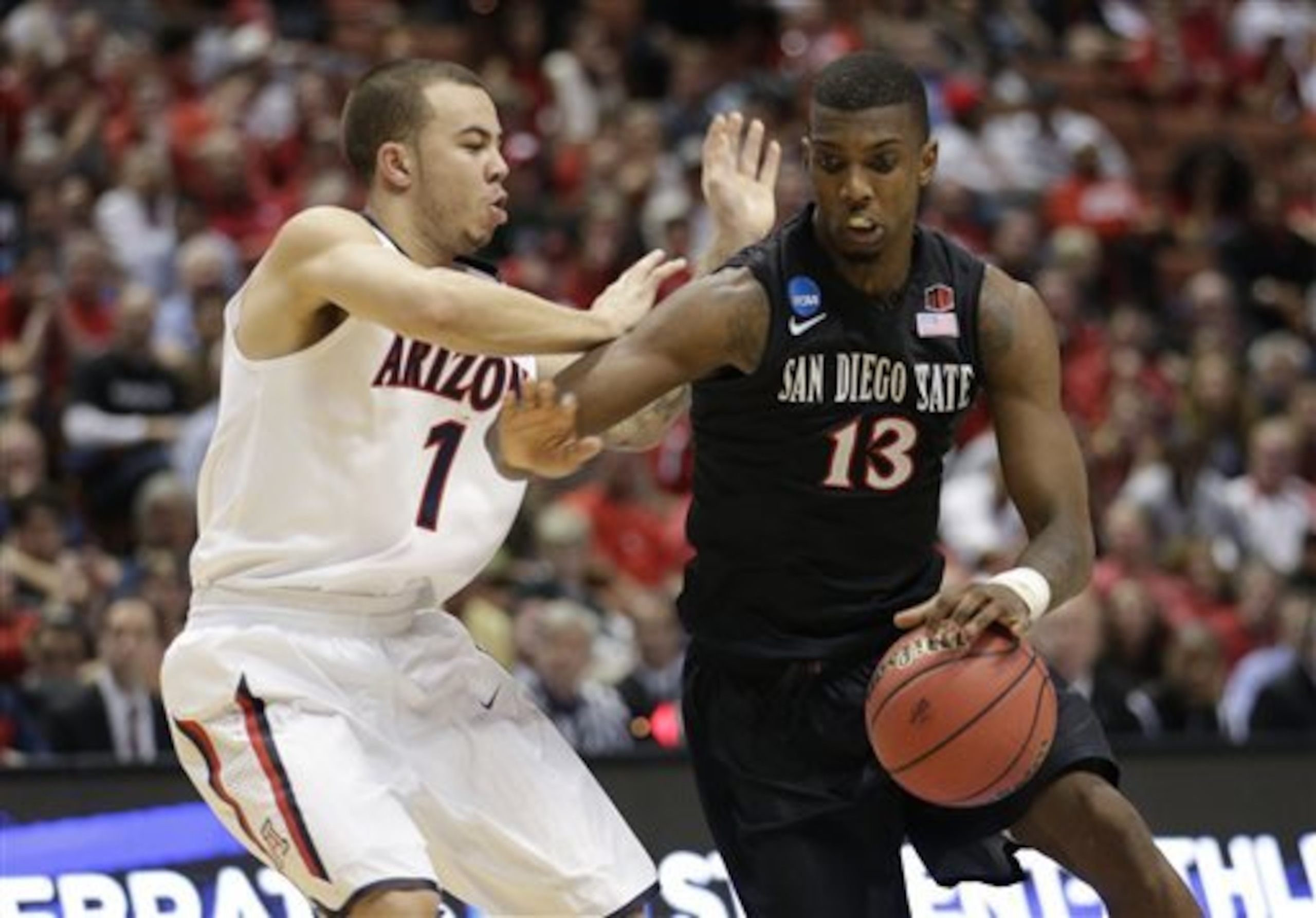
At 6'8" and approximately 205 pounds, Winston Shepard has a potential NBA frame. There's very little about his physical tools to suggest that he can't be an NBA player.
The problem is that there are a ton of superb athletes in the NBA, and most were capable of shooting better than 41 percent from the floor in college.
Shepard's body would be NBA-ready right now if he were a more efficient shooter capable of making a living on the perimeter. Unfortunately, he only managed to hit 27.7 percent of his shots from mid-range or deeper, according to Hoop-Math.com. That's actually a step back from the 34.7 percent he shot from range in a largely forgettable freshman year.
If the wiry junior can make himself a more muscular presence and put together a good season on the glass, he could convince an NBA team to take a chance on him as a power forward. That would, however, likely involve him adding another 30 pounds to a frame that's already bulked up since he arrived in college.
Make no mistake: Shepard will get drafted somewhere, whether he comes out in 2015 or 2016. His defensive skills are top-notch, and he'll carve out a decent career as a stopper off the bench. But can a team burn a first-round pick on a player who could very well be an offensive liability?
Joseph Young, Oregon
10 of 10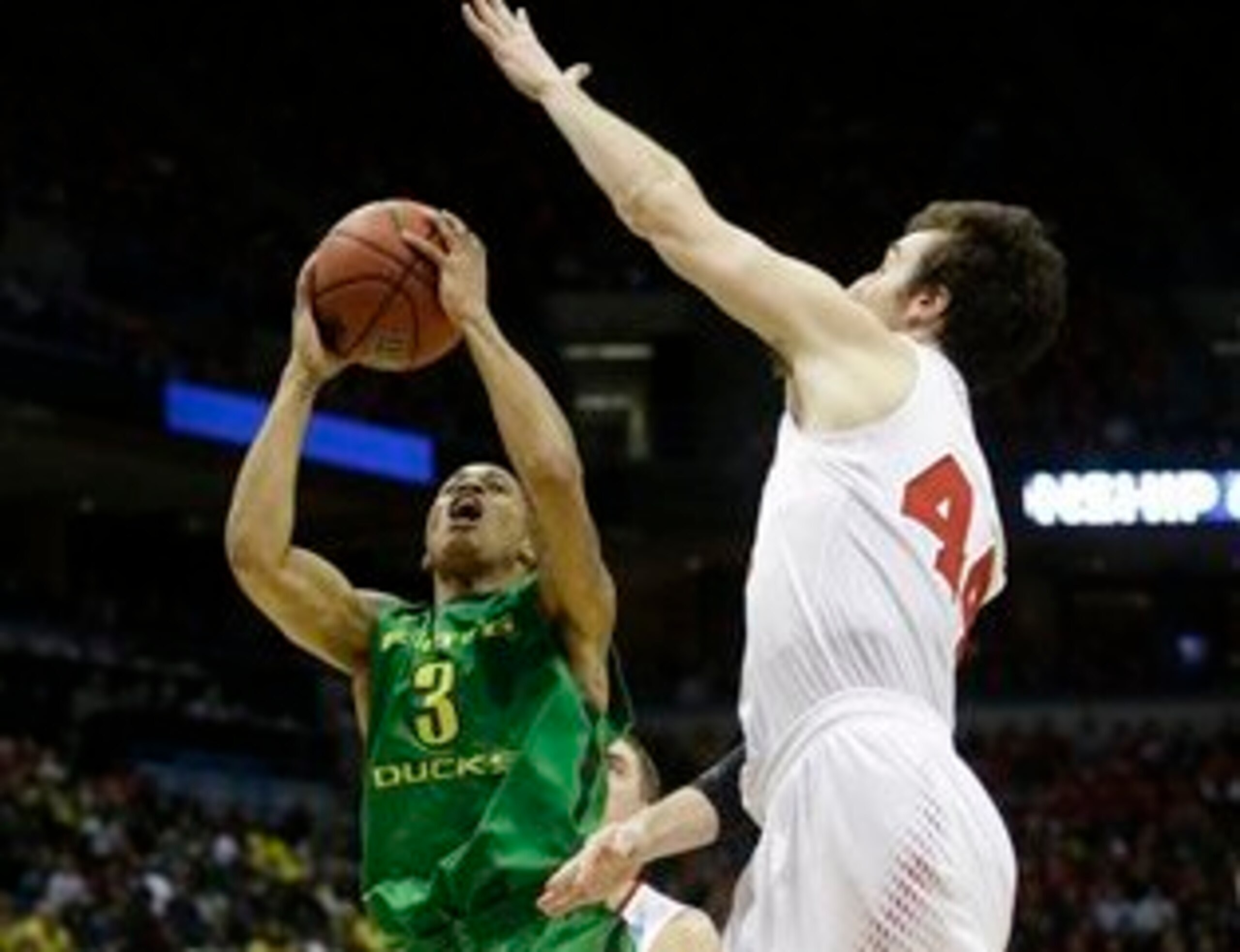
Like his Pac-12 rival Chasson Randle, Oregon's Joseph Young is one of the college game's most efficient scorers. Young finished second in the Pac-12 in scoring, and this season he could easily lead the nation.
A national scoring title was a ticket to first-round money for Doug McDermott, Jimmer Fredette, Stephen Curry and Adam Morrison, so why not Young?
Three of those players played on winning teams in their final seasons and won at least one game in the NCAA tournament. Curry was still a folk hero from Davidson's run to the Elite Eight in 2008. Young isn't likely to have any of that going for him in his senior season.
Skills-wise, Young is a shooting guard through and through. He's built like a point guard, however, standing 6'2" in shoes with a 6'4.5" wingspan, according to DraftExpress. A player like Jason Terry can carve out a lengthy career at that size, but he came into the league as a point guard for the Atlanta Hawks. Young has never shown any inclination to create offense for others.
Young frequently idles on the defensive end, conserving energy to wait for another chance to score. That won't buy him a career as a starter in the NBA unless he scores at a level that would make Allen Iverson envious.
This season, he's the undisputed leader of the Ducks. Oregon will have a very slim chance of reaching the NCAA tournament if Young is merely going out and getting his 20 to 25 points per game. If he can create for others at the same time he's getting his, he and his team will benefit.

.jpg?w=2560 "Chiefs Dolphins Football")

.jpg?w=2560 "Love's Body Already 'Tired'")