.jpg?w=2560 "Commanders Eagles Football")

"McCoy does not think he will need to keep his thumb wrapped for that game.
"
Featured Video
Top Plays from NFL Week 4 ✨


NFL Week 1 Injury Notebook
Dave Siebert, M.D.
With a Seattle Seahawks 36-16 victory over the Green Bay Packers, the 2014 NFL season kicked off Thursday night. Pete Carroll's team reminded the football world why it won Super Bowl XLVIII, and both teams now look forward to Week 2.
The league's other 30 teams, however, continue to formulate game plans for Sunday and Monday night's action. To make those game plans, coaches must take into account their players' injuries and health—as do fans and fantasy owners.
That's where this slideshow comes in.
A new weekly Saturday installment for the 2014 season, this column will peruse the NFL landscape for updates and specifics on injuries for 10 key players throughout the league.
Then, by combining the anatomy textbook with media reports, press releases and direct mechanism of injury observations—as well as an admittedly healthy amount of educated speculation—it will help guide fans in what to expect and fantasy football managers in making tough decisions that week.
In other words, the NFL injury world comes down to more than a parenthetical phrase following a player's name or a "questionable" tag.
Much more.
To conceptualize an injury's fantasy football significance—or, just as importantly, the lack thereof—this slideshow will divide players into the somewhat commonly used stoplight schematic:
- Green-light players: The player's injury or health concern is likely of minor importance and should not affect him on the field much—if at all. Fantasy owners can also feel safe inserting him into their lineups if they so desire. A mild ankle issue in a quarterback who does not run often is a prime example
- Yellow-light players: The issue at hand is noteworthy and merits consideration. It may be a more significant injury, or it may be a nagging injury that can affect a player depending on his position. Examples include a rib contusion or fracture, a hamstring strain in a wide receiver or shoulder soreness in a quarterback.
- Red-light players: Think twice about keeping these players in fantasy lineups, and temper expectations on game day. The injury represents a serious threat to their on-field production—if they even start. Roddy White's high-ankle sprain last season, which lingered for several weeks, likely merited a red-light tag at some point. Brief updates on injuries that will necessitate prolonged recoveries—fractures, ACL tears and other major injuries—may also show up as red-light issues.
When the circumstances of an injury are less clear, hybrid designations—green-yellow or orange, for example—may come into play. After all, medical information that becomes publicly available is almost always incomplete and imprecise, and this author certainly cannot and will not tap into any private medical records.
Finally, due to the volume of injuries in professional football, this column cannot reasonably be comprehensive and instead will focus on big-name players and fantasy studs. The goal is not to rehash media reports but attempt to understand an injured player's limitations and prognosis when it comes to both the real-life and fantasy arenas.
With all that in mind, let's get started with the first of 21 installments of the Bleacher Report 2014 NFL Injury Notebook.
Tom Brady, QB, New England Patriots (Green)
1 of 11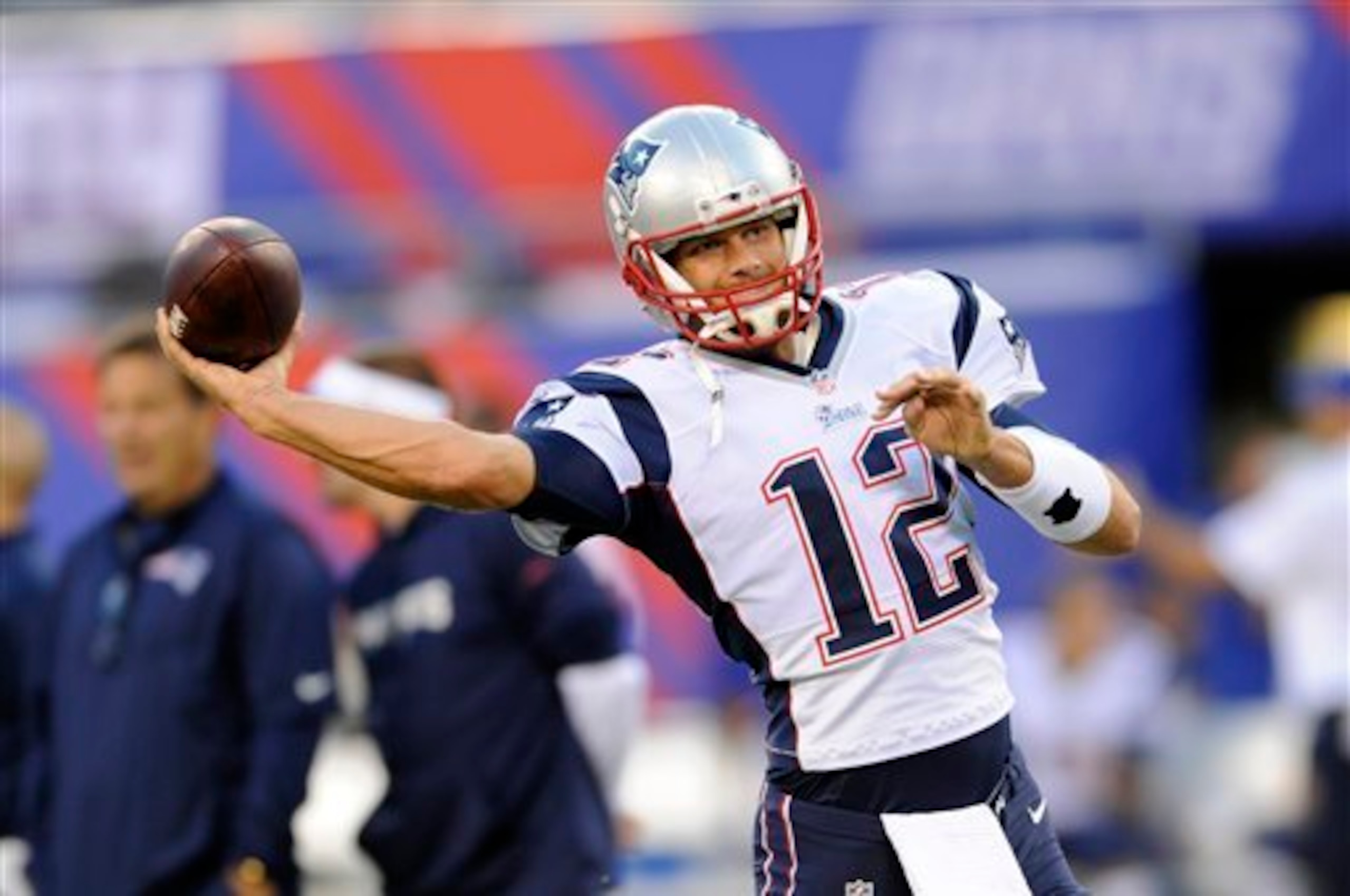
Player: Tom Brady, QB, New England Patriots
Injury: Calf strain
Latest News: The official Patriots injury report lists Brady as questionable after he missed Thursday's practice with a calf injury. However, Comcast SportsNet's Tom E. Curran noted Friday that the signal-caller himself said he'll "be ready to go Sunday."
Alert Level: Green
Relevant Medicine and Anatomy: The calf muscles attach to the back of the heel via the Achilles tendon. When the calf contracts, the toes point. As such, the calf allows an athlete to push his or her toes into the ground in order to drive forward or leap.
A calf strain—in this case, presumably a mild one—involves tearing within the muscle body. It can produce relative weakness of the affected calf, either due to pain with contraction or less overall strength due to the tearing itself.
Possible On-Field Limitations and Considerations: Luckily, Brady does not rush the ball much, decreasing the chance of him aggravating the injury. However, if the pain and weakness are significant enough, they can indirectly affect his throws.
For example, if the injury involves his back leg, it can affect his push off into his throws, as I mentioned here.
Fantasy Advice: Brady's calf injury falls into "green" status for now. The smart money overwhelmingly says this is a minor strain, and the Patriots probably wouldn't risk the face of their franchise on the first game of the season if significant concern existed.
The assumption that Brady, a veteran's veteran, will adjust to whatever limitations he may or may not experience is also a safe one. Start him normally, but do not expect to see him rush the ball at all.
Follow-Up: Calf injuries heal very well barring an aggravation or re-injury, but therein lies the problem: Aggravations are common. A week or two of avoiding such a setback will likely allow the injury to resolve, but until then, it merits at least some attention.
Cam Newton, QB, Carolina Panthers (Red)
2 of 11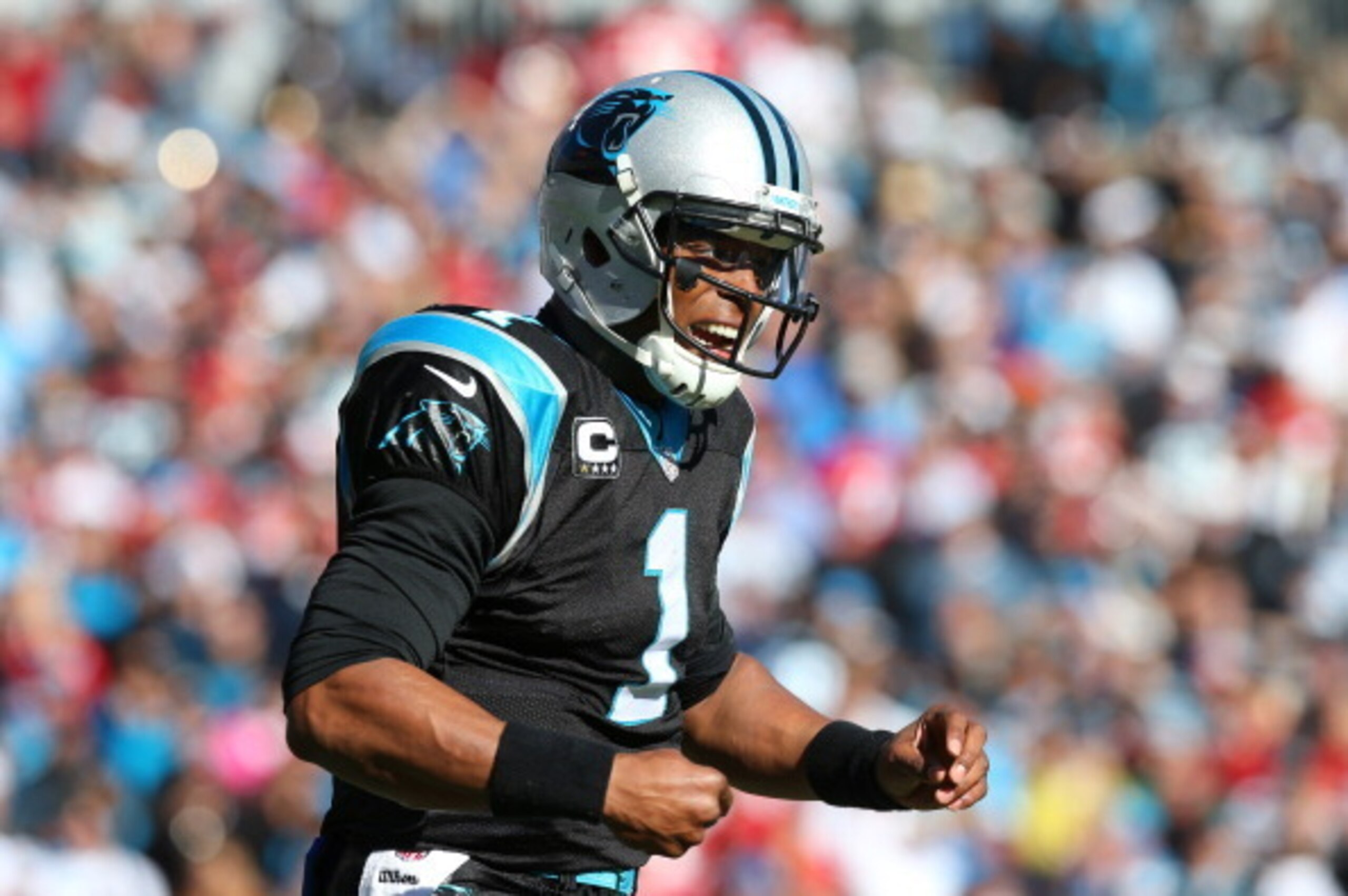
Player: Cam Newton, QB, Carolina Panthers
Injury: Offseason ankle surgery, rib fracture
Latest News: The Charlotte Observer's Joe Person noted Thursday that Newton did not make any throws during the media portion of practice. On Friday, Black and Blue Review's Bill Voth added to the less-than-optimistic tone:
"BBR reported Thursday that Newton is unlikely to play, and that remains the general feeling inside the team. They’d prefer he sit this one out, but they’re allowing him to make some final arguments.
[...]
The Panthers are concerned Newton’s playing style will leave him susceptible to further injury. Even with fractured ribs and what still may be an iffy ankle, he’ll try to make a play, even if it means taking a hit.
"
UPDATE: Sunday, Sept. 7, 12:30 pm ET
NFL Network's Ian Rapoport tweeted that it is looking less and less likely Newton will start Week 1. Fantasy owners need to tread very carefully here.
--End of update--
Alert Level: Red
Relevant Medicine and Anatomy: The former Auburn Tiger underwent ligament-tightening surgery in the offseason, presumably to address a complication of multiple sprains. The procedure likely involved folding one or more ligaments over and onto themselves to shorten and strengthen them. The "thumps" of pain he experienced in August are mildly concerning for some sort of impingement in the joint, but no reports of swelling or instability surfaced, which is reassuring.
His rib fracture, though, is a bit more troublesome. Even though it is a "hairline" fracture—implying minimal to no bone displacement—it will not fully heal for some time still.
Possible On-Field Limitations and Considerations: Any lingering ankle instability would make itself known by Cam's inability to sharply plant his left foot to cut to the right. That said, though he did not run much in the preseason, his ankle held up on the plays he did.
Treatment mainstays for a rib fracture include protection and pain management. Quarterbacks frequently play through such an injury, but a full game of throwing and twisting—and breathing for that matter—may lead to significant soreness toward the end of the game.
Fantasy Advice: Earlier this week, I wrote and tweeted that Cam remains a solid start despite his two medical issues, but I can no longer ignore the ominous reports coming out of Panthers camp.
Presumably, the team is not going to work its superstar very hard leading up to Sunday afternoon, but the fact that he did not throw at all on Thursday raises some concern about the level of pain he is experiencing in his chest. The Panthers tout excellent medical and training staffs that will surely do what they can, but one big hit to the back or chest may end his day on Sunday—if he even starts.
The fact that the Panthers play an afternoon game—teams do not need to release active/inactive lists until 90 minutes prior to game time—further complicates matters.
If you decide to start Cam—after all, if he does play and attains good pain control, a good stat line is very possible—be ready to pick up his backup Sunday afternoon. However, going with Cam is becoming more and more risky by the day. Furthermore, the fact that his fracture is limiting his practice time with his new receiving core certainly doesn't help his early-year fantasy prospects.
In short, if you have another viable option, turn to him for the time being. Cam may very well put up double-digit fantasy points this week, but as of now, the risk-versus-reward balance leans very heavily in the wrong direction.
Follow-Up: Cam's rib will heal, though likely not for a few weeks. Until then, pain control and protection will continue to reign supreme—as does the Heisman Trophy winner avoiding a defender shoulder to the chest. Elsewhere, the pain "thumps" in his ankle deserve monitoring but are, for now, of little significance unless they come with reports of recurring swelling or instability.
Tony Romo, QB, Dallas Cowboys (Green-Yellow)
3 of 11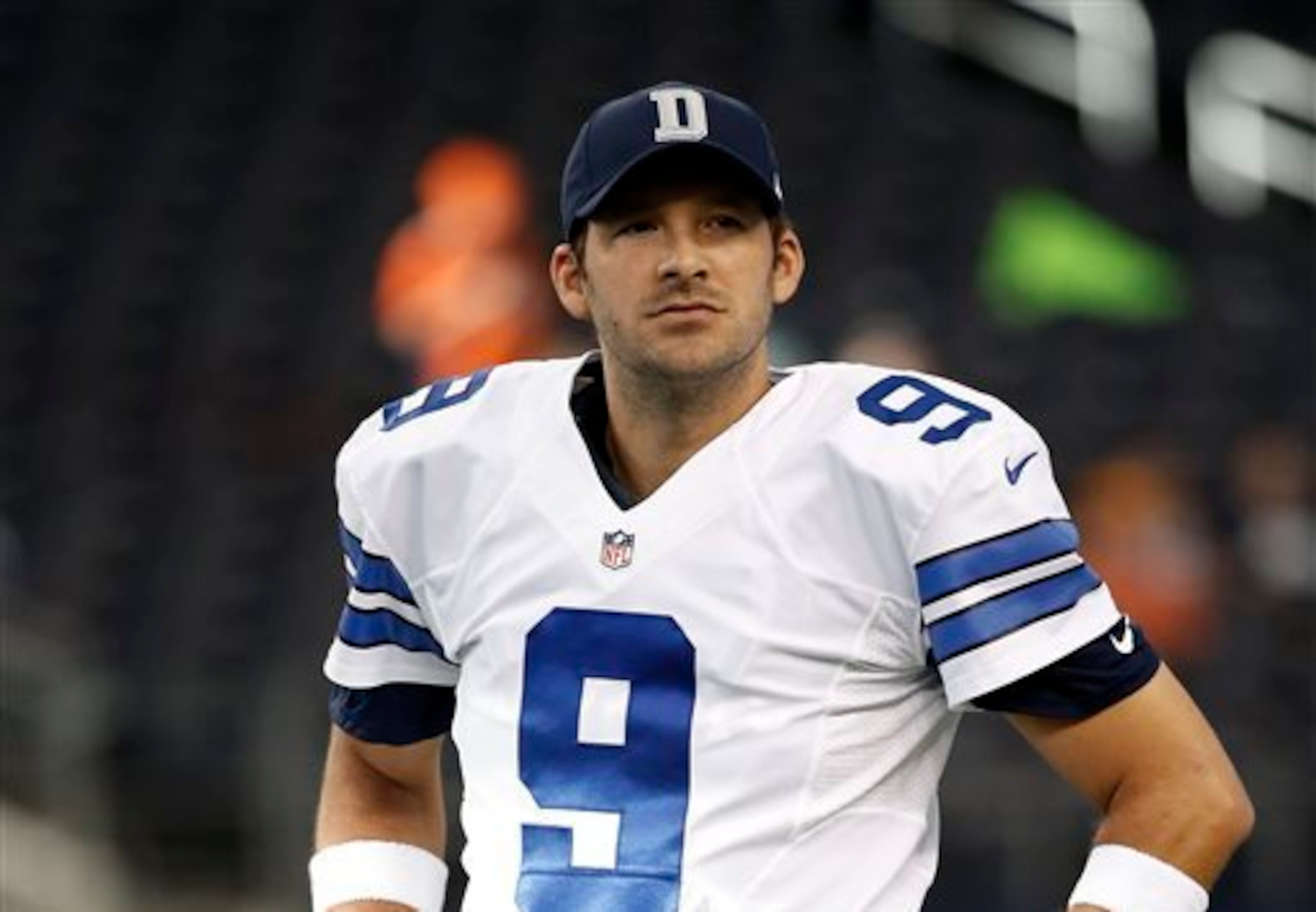
Player: Tony Romo, QB, Dallas Cowboys
Injury: Herniated disc and (presumed) microdiscectomy
Latest News: According to Cowboys writer Rowan Kavner, Romo practiced in full on Thursday after also doing so on Wednesday. Kavner adds that the mood around his back continues to be good.
Garrett said there haven’t been any surprises about his rehab, and he expected Romo would be on schedule to play. He also said he thinks the coaches and trainers have had good communication with Romo to come up with a plan and evolve that plan with Romo’s feedback.
Alert Level: Green-Yellow
Relevant Medicine and Anatomy: Microdiscectomies—assuming Romo underwent such a procedure, as precise details aren't available—often do the job. They remove a portion of the offending intervertebral disc, relieving pressure on a nerve root in the spine. Without the pressure, pain, weakness and numbness subside, and the nerve heals.
In other words, the quarterback of America's team is indeed likely as healthy as billed.
That said, when it comes to herniated discs, the existence of one implies the future risk of another. Repetitive twisting and bending—not to mention blindside or other hits—can increase that risk.
Possible On-Field Limitations and Considerations: Being "rusty" always comes to mind after a player misses a significant portion of offseason and preseason work, and Romo's stats from the Cowboys' third preseason game against the Miami Dolphins leave something to be desired.
However, the 34-year-old veteran certainly knows his way around a football by now. Additionally, while not ideal from the offensive line's point of view, his three sacks—and lack of reports of an injury setback in the days that followed—give credence to his post-operative durability.
Nevertheless, this season, his pass protectors become more important than ever before. Preventing him from taking too many hits can help protect the long-term health of his spine.
Fantasy Advice: If he is your best quarterback by a medium or large margin, start him. However, with his looming matchup against the depleted but still tough San Francisco 49ers defense, owners can justifiably start an equivalent or slightly inferior option in order to gauge how Romo's back will hold up through an entire regular-season game.
Follow-Up: As the season wears on, no news is good news. Keep an eye out for reports of recurrent back pain and leg weakness or numbness. Week after week of high hurry, hit and sack counts from opposing defenses will also raise at least some concern.
Montee Ball, RB, Denver Broncos (Green)
4 of 11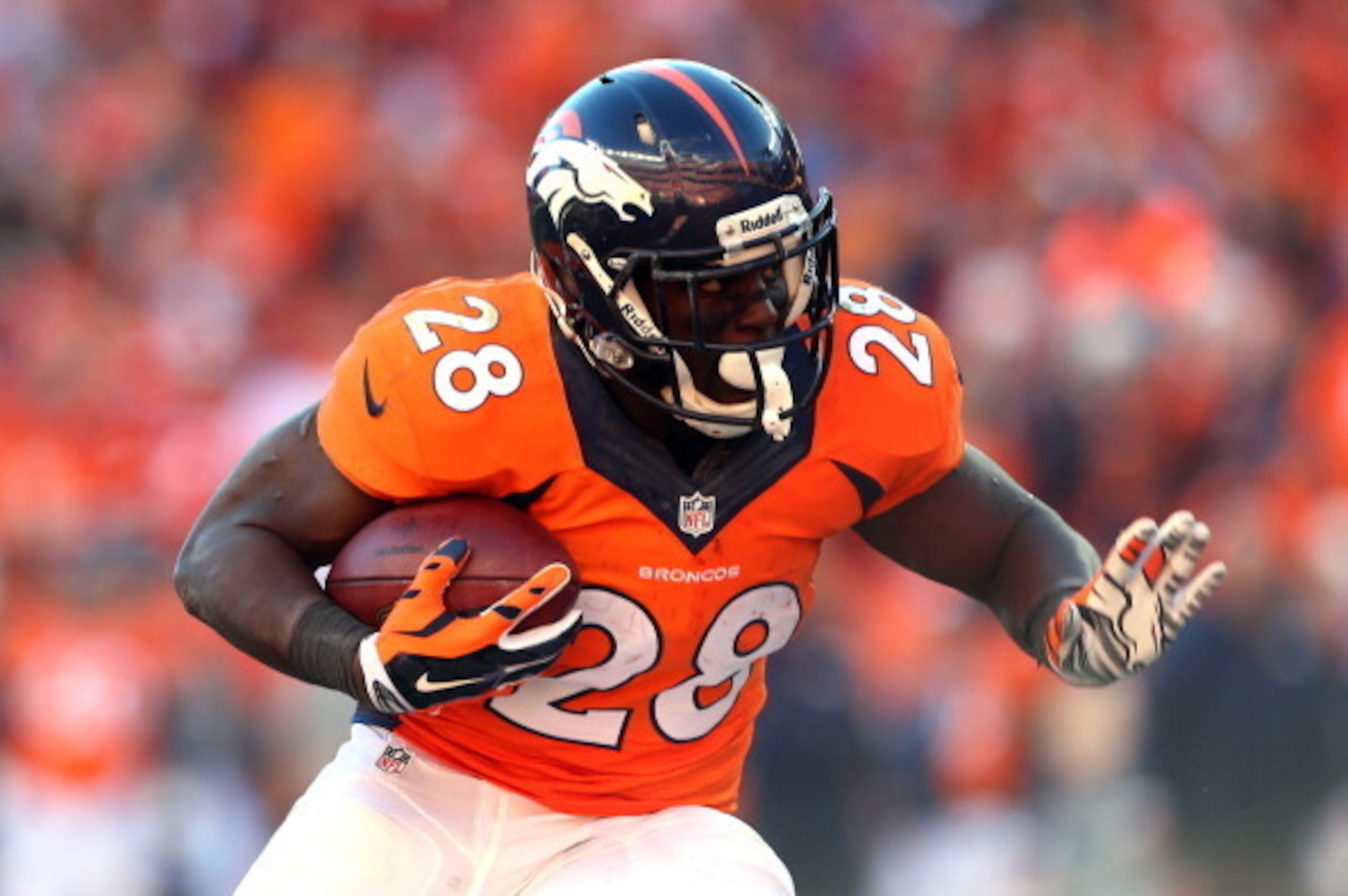
Player: Montee Ball, RB, Denver Broncos
Injury: Appendicitis and emergency surgery
Latest News: As The Denver Post's Troy E. Renck noted last month, Ball returned to action just 19 days after undergoing an emergency appendectomy. He carried the ball four times during the Broncos' third preseason game.
Alert Level: Green
Relevant Medicine and Anatomy: Do not worry about the former Wisconsin Badger's appendix—he certainly won't. In otherwise-healthy people, laparoscopic appendectomies involve very small incisions and can require as little as an hour of operating-room time. As long as doctors intervene on the underlying infection quickly enough, it will not spread, and recoveries proceed over a course of weeks rather than months.
Possible On-Field Limitations and Considerations: None.
Fantasy Advice: Start him as you normally would. Do not take his recent surgery into account whatsoever.
Follow-Up: As with any abdominal surgery, he carries a remote chance of developing abdominal adhesions—scar tissue within the abdomen—that, if symptomatic, could interfere far down the road. However, after such a relatively small operation, this hardly merits mentioning.
Andre Ellington, RB, Arizona Cardinals (Red)
5 of 11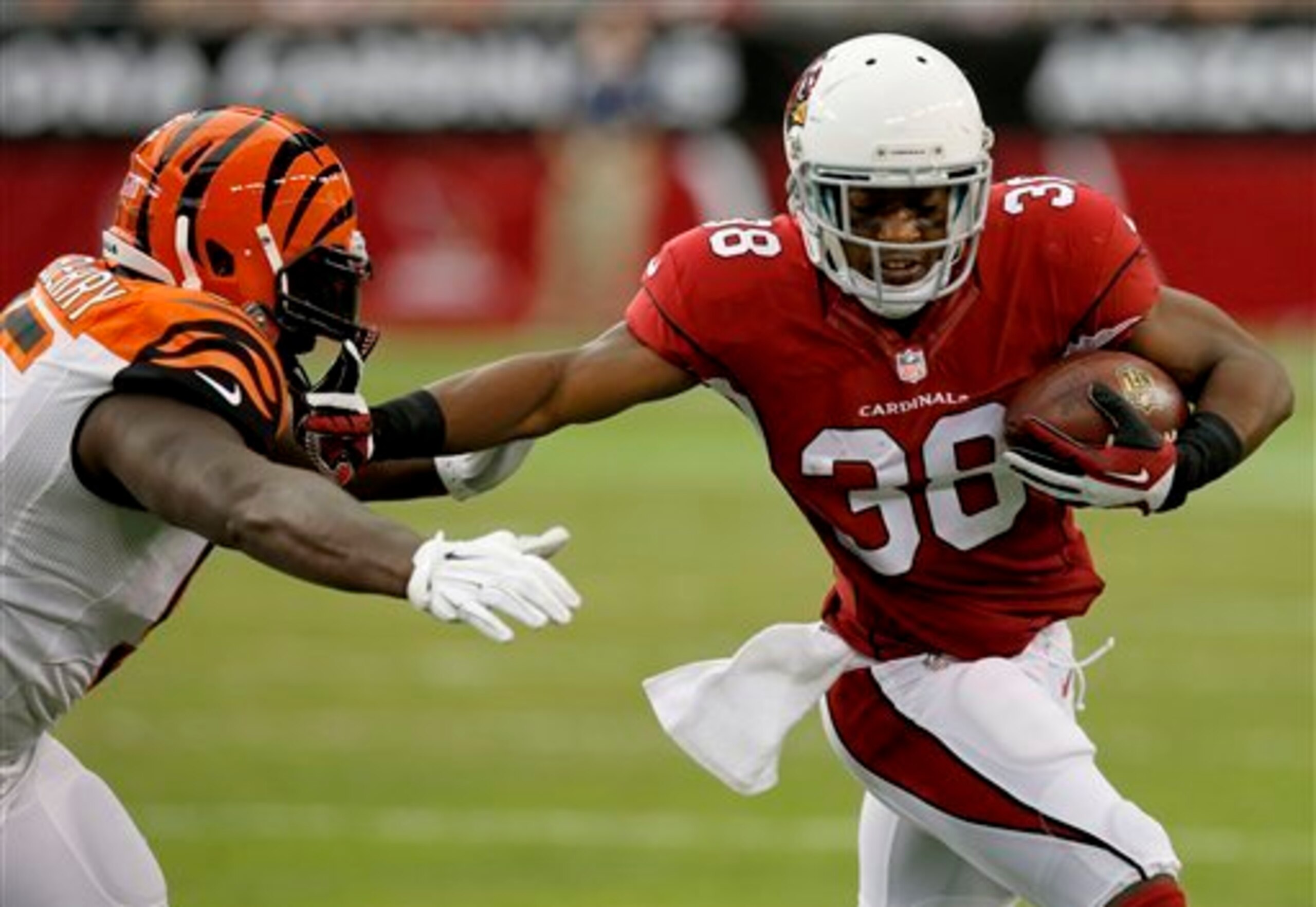
Player: Andre Ellington, RB, Arizona Cardinals
Injury: Unclear foot injury
Latest News: According to NFL Network's Ian Rapoport, there is "still a chance" Ellington plays on Monday night. He underwent an MRI and remains hopeful, and rest is the first step. However, Fox Sports 910's Mike Jurecki cites a possible four-to-six week recovery time that will "depend on how quickly he heals."
The official Cardinals injury report lists the running back as a limited participate Thursday. Even worse, he did not take any reps on Friday.
UPDATE, Sunday, Sept. 7 1:05 pm ET
According to Rotoworld's Adam Levitan—via Fox Sports' Jay Glazer—Ellington will be a game-time decision and limited if active. His injury involves his peroneus longus, a muscle that helps plantarflex the ankle, thereby helping a runner push forward off the ground.
Continue to steer clear of the young Cardinals back. If he starts and is limited, it threatens his backup's production as well.
--End of update--
Alert Level: Red
Relevant Medicine and Anatomy: As of right now, precise details remain quite scarce—or, at times, conflicting—when it comes to the former Clemson Tiger. If the injury constitutes a sprain, the first method of treatment is indeed rest. Ongoing pain after a sufficient period of rest may necessitate other types of treatment up to and including surgery depending on the exact type of sprain.
A stress reaction—the earliest stage of a stress fracture—might also be to blame.
Possible On-Field Limitations and Considerations: As a general rule, foot injuries and running backs do not mix. If severe enough, the biomechanics and planting, cutting and sprinting can aggravate most types of injuries.
Fantasy Advice: Stay away from Ellington this week. He has three huge factors working against him:
- He is a running back with a foot injury.
- His team in a Monday Night Football game.
- His practice participation is trending downward.
Follow-Up: Ellington's upside merits stashing him on fantasy benches until more details surface. If his recovery time extends beyond four to six weeks—or if the word "Lisfranc" comes up at any point—you can consider parting ways with him.
That said, in 2013, Pittsburgh Steelers running back Le'Veon Bell missed only three regular-season games after receiving the dreaded Lisfranc diagnosis earlier in the preseason.
LeSean McCoy, RB, Philadelphia Eagles (Green)
6 of 11
Player: LeSean McCoy, RB, Philadelphia Eagles
Injury: Thumb sprain, "mild" turf toe
Latest News: As of late August, McCoy is dealing with his two minor issues well, according to Zach Berman of The Philadelphia Inquirer:
""No, I'll be fine for the opener," McCoy said. "Catch with two hands, one hand, spiking the ball, doing everything we need to do."
McCoy also said that his left big toe is "feeling good" after he missed one practice last week. That was the only time McCoy has missed this summer.
"
Alert Level: Green
Relevant Medicine and Anatomy: Ligaments stabilize the motion of the three joints of the thumb, and a sprain stretches or tears these ligaments. As long as the thumb remains stable, time, anti-inflammatories, icing and compression will heal minor sprains. Conceptually, think of a minor sprain as a "jammed" thumb.
Turf toe describes an injury to the joint where the big toe meets the midfoot. Very mild versions can heal on their own without issue. More serious injuries—ones that involve significant tissue tears—can linger indefinitely, such as Russell Okung's from last season.
Possible On-Field Limitations and Considerations: Luckily, McCoy seems very confident his two injuries are of minimal significance, which is excellent news. After all, any significant thumb injury can drastically affect a running back's coordination and increase his risk of fumbles.
A serious turf toe injury could also tank a running back's season, as it can lead to flares of pain whenever he pushes forward off the ground—which running backs do quite a bit. Fortunately, McCoy's toe issue seems to be a thing of the past as well.
Fantasy Advice: Start him. He is your No. 1 running back for a reason, and nothing suggests a lingering issue at this point. He does not even appear on the Eagles injury report.
Follow-Up: Pay attention for news of new injuries to the same thumb or toe. Otherwise, the book on these two injuries is nearly closed.
Michael Crabtree, WR, San Francisco 49ers (Yellow)
7 of 11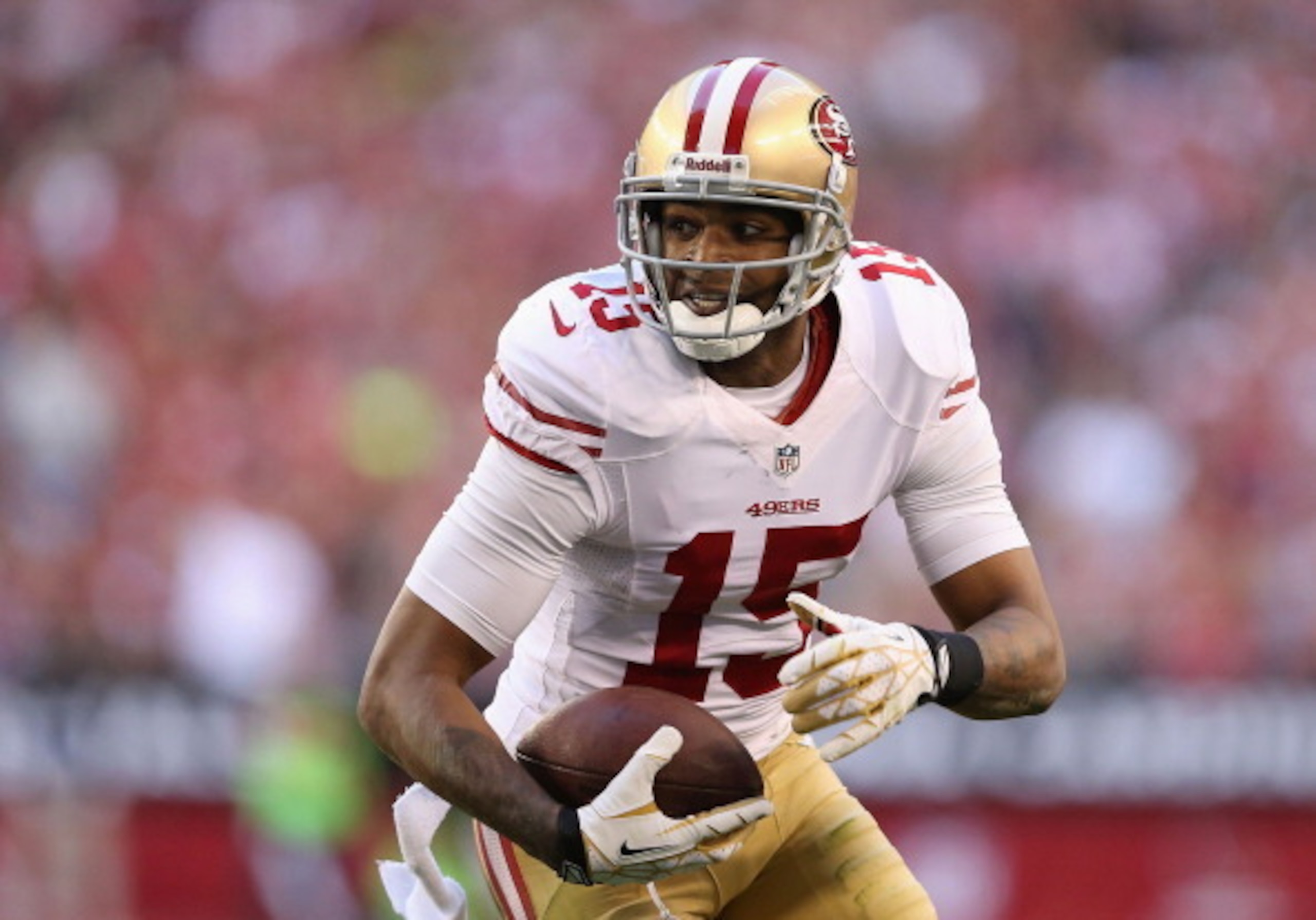
Player: Michael Crabtree, WR, San Francisco 49ers
Injury: Calf strain
Latest News: CSN Bay Area's Matt Maiocco reported the injury on Wednesday after it held Crabtree out of practice. On Thursday, San Jose Mercury News' Cam Inman tweeted the wideout said he is "good to go" for Week 1.
UPDATE: Sunday, Sept. 7, 1:20 pm ET
According to Fox Sports' Jay Glazer—via Rotoworld's Adam Levitan—Crabtree is a "true game-time decision" Sunday afternoon. The 49ers may want to see how he does during warmups before starting him.
Keep a close eye on the situation.
--End of update--
Alert Level: Yellow
Relevant Medicine and Anatomy: Maiocco also notes the former Texas Tech University standout suffered a hamstring injury earlier this preseason, raising concern for an injury cascade—one injury indirectly leading to another. Additionally, while the anatomy of a calf injury doesn't change from person to person, it can from position to position.
Possible On-Field Limitations and Considerations: Unlike Tom Brady, Crabtree will spend much of his on-field time sprinting, cutting and twisting. As a result, his reaggravation risk is likely higher, and his overall agility may suffer slightly. He can still play a very productive game, but the re-injury risk is real—and likely will be for at least another week or two.
Fantasy Advice: Crabtree's situation represents a classic fantasy football scenario, one where a player will probably play through an injury well, but the chance of him disappearing from the field at any point is not insignificant.
That said, the struggling Dallas Cowboys secondary leaves fantasy owners no choice: Start Crabtree and hope he stays healthy.
Follow-Up: Keep track of how long Crabtree stays on the 49ers injury report with a calf in the weeks to come. It may shed some light as to often it flares up.
Cecil Shorts, WR, Jacksonville Jaguars (Yellow)
8 of 11
Player: Cecil Shorts, WR, Jacksonville Jaguars
Injury: Hamstring strain
Latest News: According to ESPN.com's Michael DiRocco, Shorts began to experience hamstring tightness on Thursday. He also missed most of Friday's practice. The Jaguars injury report lists him as questionable for Week 1.
Alert Level: Yellow
Relevant Medicine and Anatomy: Three different muscles—the semimembranosus, semitendinosus and biceps femoris—make up the hamstring. They extend and contract in rapid cycles during sprints, when the majority of minor strains occur.
Muscle strains come as one of three grades: One, two or three. Grade 1 strains are microscopic tissue tears, while Grade 2 and Grade 3 strains represent partial and complete tears, respectively.
Possible On-Field Limitations and Considerations: The fact that the Jaguars are still considering starting Shorts on Sunday likely implies a Grade 1 strain, and players play through minor hamstring issues quite frequently. However, an injured muscle is a weaker muscle—and thus more prone to injury.
Hamstring strains are particularly troublesome for quickness positions, such as running backs, wide receivers, cornerbacks and safeties.
Fantasy Advice: If you have another viable option, you might consider letting Shorts sit this one out—even if he starts. He isn't necessarily a bad play if active, but the chance the Jaguars use him merely as a decoy is a very real one.
Follow-Up: Not only can hamstring strains linger; they also predispose to future injuries. One of the largest risk factors for a future hamstring strain is a previous strain.
Rob Gronkowski, TE, New England Patriots (Yellow)
9 of 11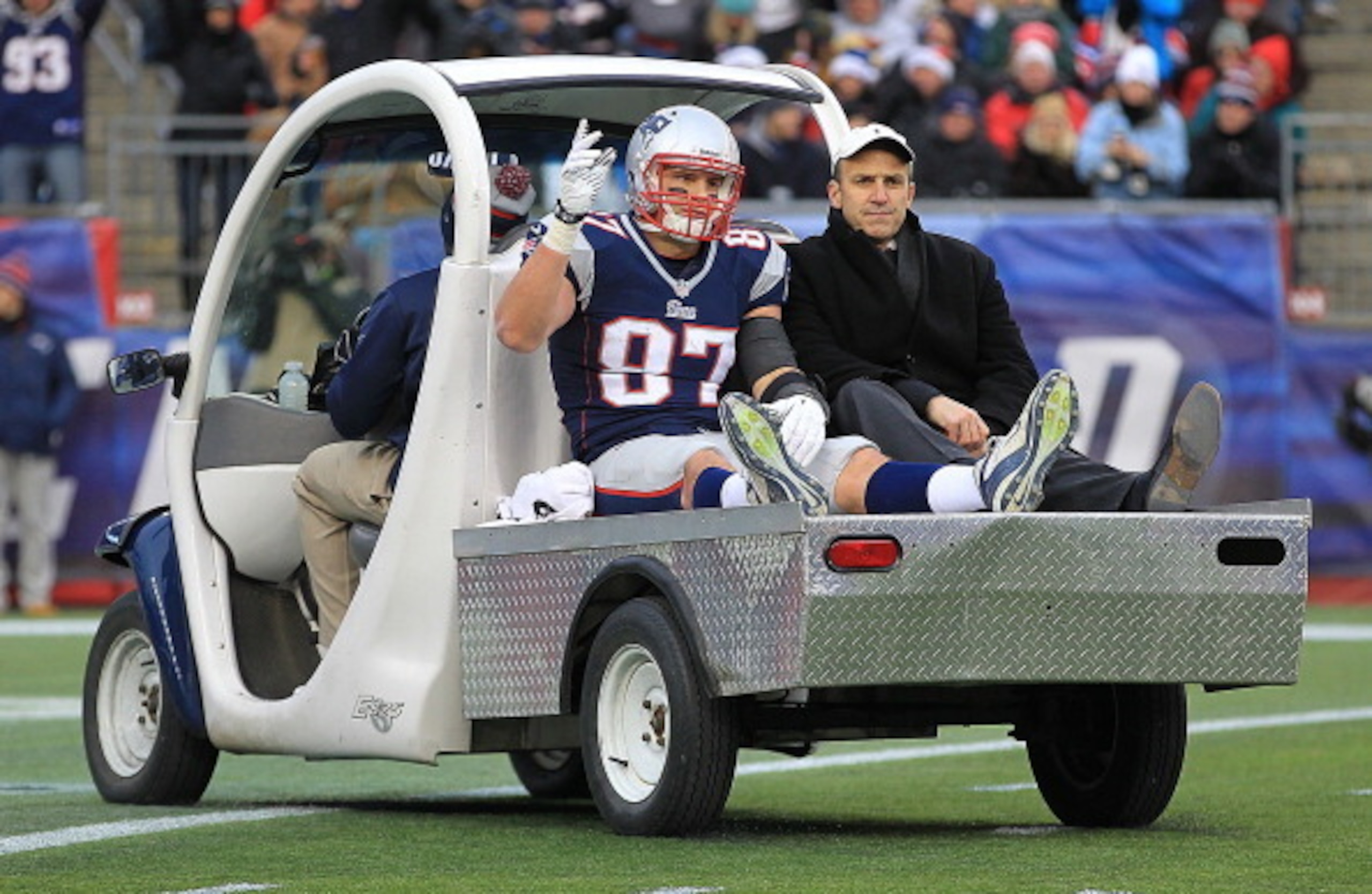
Player: Rob Gronkowski, TE, New England Patriots
Injury: Torn ACL, MCL and reconstructive knee surgery
Latest News: ESPN.com's Mike Reiss reported this week that Gronkowski himself said he will play this Sunday. The official Patriots injury report lists him as a limited practice participant on Wednesday and Thursday, giving him a "questionable" tag. NFL Network's Ian Rapoport expects him to play as of Friday, albeit potentially for limited work.
Alert Level: Yellow
Relevant Medicine and Anatomy: Gronkowski went down with a torn ACL and MCL late last year, an unfortunately relatively common injury combination that can occur as result of a hit to the outside of the knee of a planted leg. Recovery times from surgery can easily exceed an entire year, but Gronk's will total less than eight months.
Make no mistake: That's an outstanding recovery. However, his ACL graft will continue to solidify itself within his knee over the coming months.
Possible On-Field Limitations and Considerations: The final step in any rehab constitutes returning to the regular-season field without symptoms—knee swelling, pain or instability—returning. Given Gronk's extensive injury history, the Patriots may ease him back into full contact via limited work.
However, full medical clearance implies strong quadriceps strength and a stable knee when sprinting and cutting. Hopefully, the tight end can avoid a repeat low hit or non-contact knee injury perfect storm, both of which involve, in large part, the luck of the draw.
Fantasy Advice: If and when the Patriots confirm Gronk is active, feel free to place him in your active lineup. He may play in limited snaps, but he is a constant touchdown threat whenever Tom Brady's squad drives into the red zone. Additionally, if you own Gronkowski, you most likely do not carry another tight end of his caliber on your roster. Do not bench him for an inferior backup, and instead hope for him to spike a touchdown—or two.
Follow-Up: The longer Gronk can go without a knee scare—or any scare, considering his injury history—the better. As mentioned, ACL grafts continue to strengthen with time, even after the knee becomes entirely stable and the player returns to action.
Dee Milliner, CB, New York Jets (Red)
10 of 11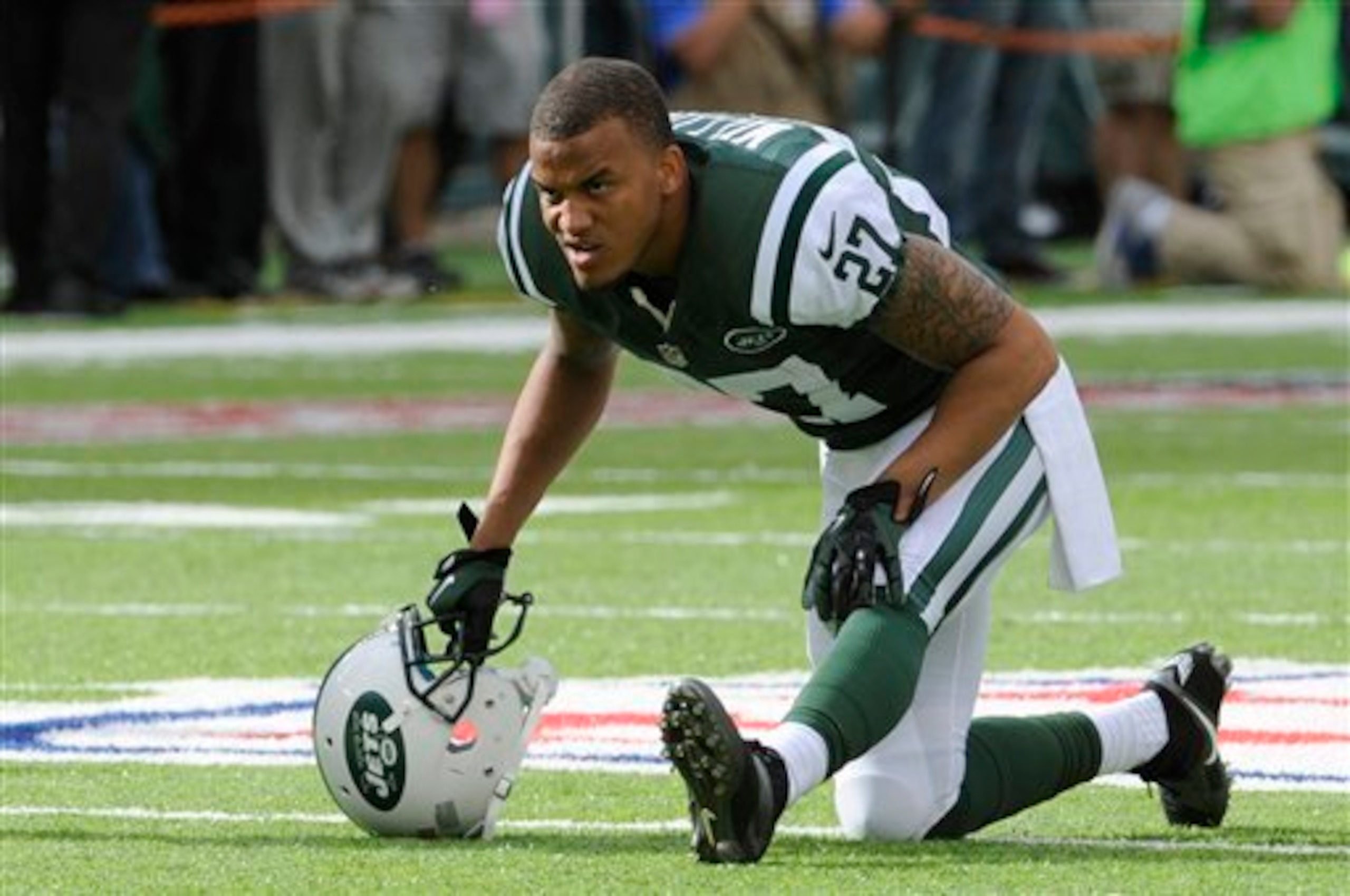
Player: Dee Milliner, CB, New York Jets
Injury: High-ankle sprain
Latest News: According to Mike Mazzeo via ESPN New York, Milliner will not play Week 1 due to his injury. He originally suffered the sprain on Aug. 10.
Alert Level: Red
Relevant Medicine and Anatomy: High-ankle sprains differ from their generally milder low-ankle counterparts in a few ways. A high-ankle sprain involves one or more ligaments that connect the bones of the lower leg to the heel bones rather than the heel bones to the midfoot. They can result in lower-leg instability if severe enough, and they can linger for many weeks beyond the initial date of injury. Very severe sprains may even need surgery.
As long as the bones of the lower leg—the tibia and fibula—do not separate as a result of the weakened ligaments, players can return to play after pain and swelling resolve.
Possible On-Field Limitations and Considerations: Like foot injuries and running backs, high-ankle sprains and cornerbacks generally do not mix well. The planting and cutting the position requires can bring about significant pain and even worsen the injury. Last year, Atlanta Falcons wide receiver Roddy White battled a lingering high-ankle sprain for much of the beginning portion of the season, and his productivity suffered immensely. He seemed to assume the role of a decoy rather than deep threat.
Fantasy Advice: The Jets defense—which faces the Oakland Raiders Week 1—remains a solid fantasy start regardless of Milliner's looming absence.
Follow-Up: Jets fans should mentally prepare for another two to three weeks of life without their young cornerback and hope for an earlier return rather than count on it. As mentioned, a cornerback returning too early from a high-ankle sprain can set the table for an injury that persists well into the middle or late portions of the season.
Quick Hits
11 of 11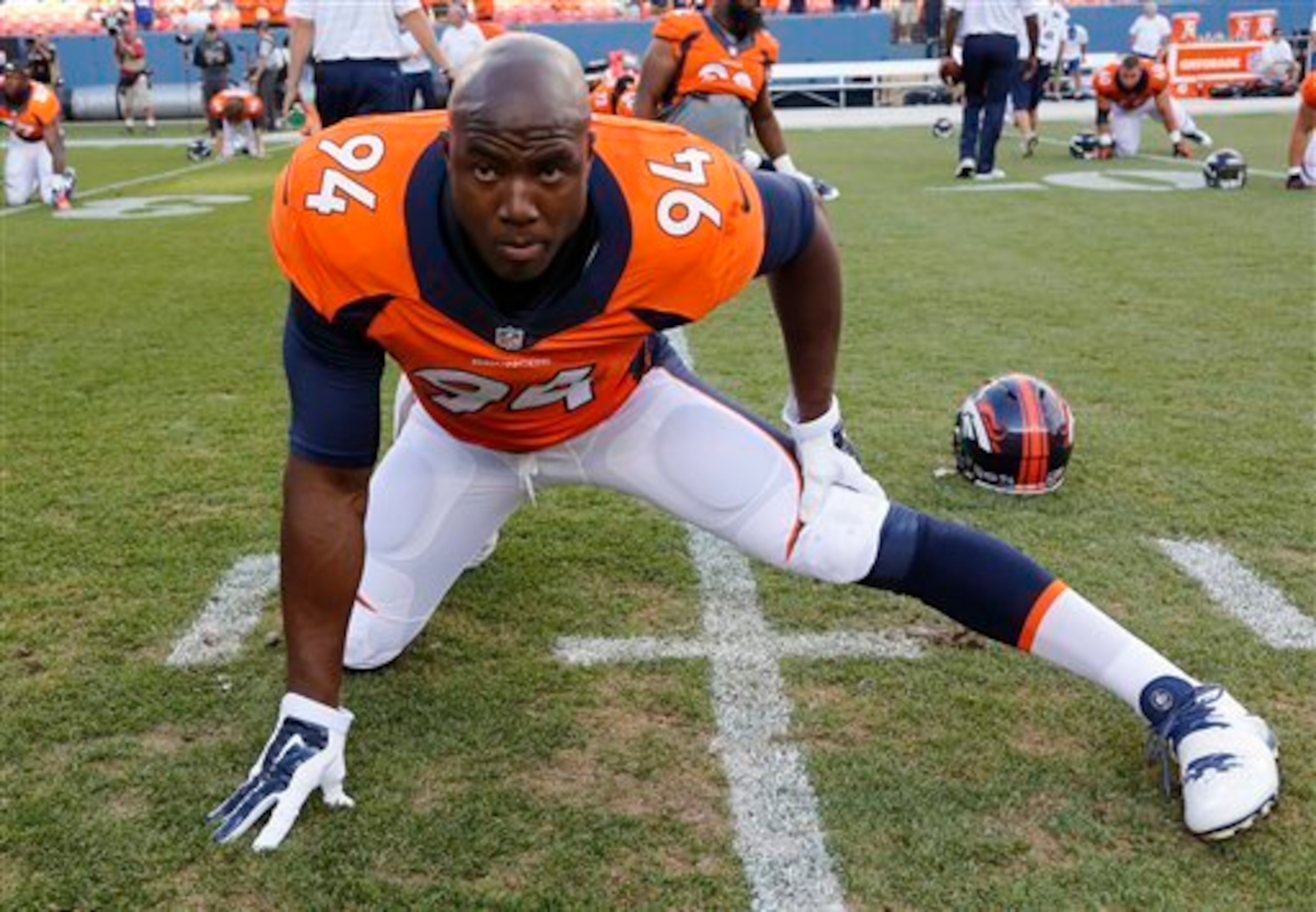
- New York Giants linebacker Jon Beason expects to play Week 1, according to New York Daily News' Ralph Vacchiano. Beason went down with a sesamoid bone fracture in his foot earlier this preseason but did not require surgery. Two sesamoid bones lie underneath the joint where the big toe meets the foot. Poor blood flow to the area can sometimes prevent proper healing, but that does not appear to be the case here.
- ESPN.com's Rob Demovsky reported Saturday that Green Bay Packers offensive lineman Bryan Bulaga suffered an MCL sprain Thursday night. He adds that the recovery time is not clear but that the injury is likely not serious. Low-grade MCL sprain recoveries can take anywhere from a few days to two weeks. More significant injuries may need up to a few months, but surgery rarely comes into play.
- According to head coach Mike McCarthy—via Pro Football Talk's Josh Alper—Packers running back Eddie Lacy cleared the first phase of the concussion protocol after suffering the injury Thursday night. In other words, he is asymptomatic. Four phases remain, and the Packers do not play for another eight days. As such, Lacy has an excellent shot to suit up Week 2—though with concussions, nothing is a guarantee.
- Like Gronkowski, Denver Broncos linebacker Von Miller went down with a torn ACL late last season. Also like Gronkowski, he completed his rehab in time for the regular season—an outstanding recovery by any stretch of the imagination.
- NJ.com's Jordan Raanan wrote Friday that the Giants exercised their injured reserve with designation to return option on lineman Geoff Schwartz. Schwartz suffered a dislocated toe this offseason. Toe dislocation recovery times can vary depending on how much damage the surrounding tissues received.
- Buffalo Bills running back C.J. Spiller looks to rebound from last season's high-ankle sprain. It likely contributed to his disappointing season in 2013, but he looked very quick and agile this preseason.
- New Denver Broncos defensive end DeMarcus Ware, who underwent a surgical procedure to relocate and protect an exposed ulnar nerve in his elbow, may be a prime defensive candidate for a bounce-back season. If his surgery achieved its goal, he will no longer need to worry about experiencing a bad case of a "funny bone" each time his elbow receives contact.
- According to the Bills injury report, wide receiver Sammy Watkins practiced in full Wednesday, Thursday and Friday and received a designation of "probable." He suffered a rib injury early in the preseason that flared up during the Bills' final preseason game after another hit to his upper body. Like Cam Newton, pain control and protection—as well as avoiding a large hit to the chest—will determine his production on Sunday.
Dr. Dave Siebert is a second-year resident physician at the University of Washington and a member of the Professional Football Writers of America. He plans to pursue fellowship training in Primary Care (non-operative) Sports Medicine.
Stats were obtained from NFL.com official statistics.
Questions about players on this list? Not on this list? Send 'em to Dave on Twitter.
Top Plays from NFL Week 4 ✨
.jpg?w=2560 "Chiefs Dolphins Football")
.jpg?w=2560 "Cardinals Giants Football")