

How Would LeBron James' Legacy Change with a Three-Peat?
Winning a third title in as many seasons would be a substantial boost to LeBron James legacy, but it might not matter as much as we think.
James is playing a strange game right now. In a sense, he’s not competing against contemporaries as much as he’s chasing the ghosts of NBA past—Bill Russell, Magic Johnson and Michael Jordan—to secure his place in history.
James himself is acutely aware of this chase and its implications—of his standing among the legends.
TOP NEWS

Broadcaster sorry for false LeBron rumor
76ers HC Addresses Bron-Embiid Rumors

Buss Siblings File Response
"I feel like when it’s all said and done in my personal goals is I can be one of the greatest to ever play this game," he told a scrum of reporters, including The Dallas Morning News' Brad Townsend.
In this sense, of course, the titles help.
In fact, in many arguments, even among learned basketball fans, they’re a trump card. Think Charles Barkley is the greatest power forward of all time? The first, and most consequential, rejoinder you have to grapple with is “zero”—as in the number of titles Sir Charles claimed in his 16-year NBA career.
“He was an ace rebounder who led the NBA in true shooting percentage for four consecutive seasons!”
“Zero.”
“He’s 12th in career win shares!”
“Zero.”
“He was great in Space Jam!”
“Zero.”
Good luck with that.
But that may be changing. Basketball fans are getting more sophisticated. We have no choice. With the rise of big data and advanced stats, the sorts of people who make decisions about legacies—which is to say, us—are inundated with numbers beyond merely “titles” or “MVPs” that can help us answer questions like, say, where LeBron James ranks among the greatest players in NBA history.
"The way we think about the game, the way we talk about the game, has changed dramatically, and for the better," Howard Beck wrote after the 2014 Sloan Sports and Analytics Conference. "Credit the statistical revolution, which has forced all of us—fans, media, players, coaches— to think a little deeper."
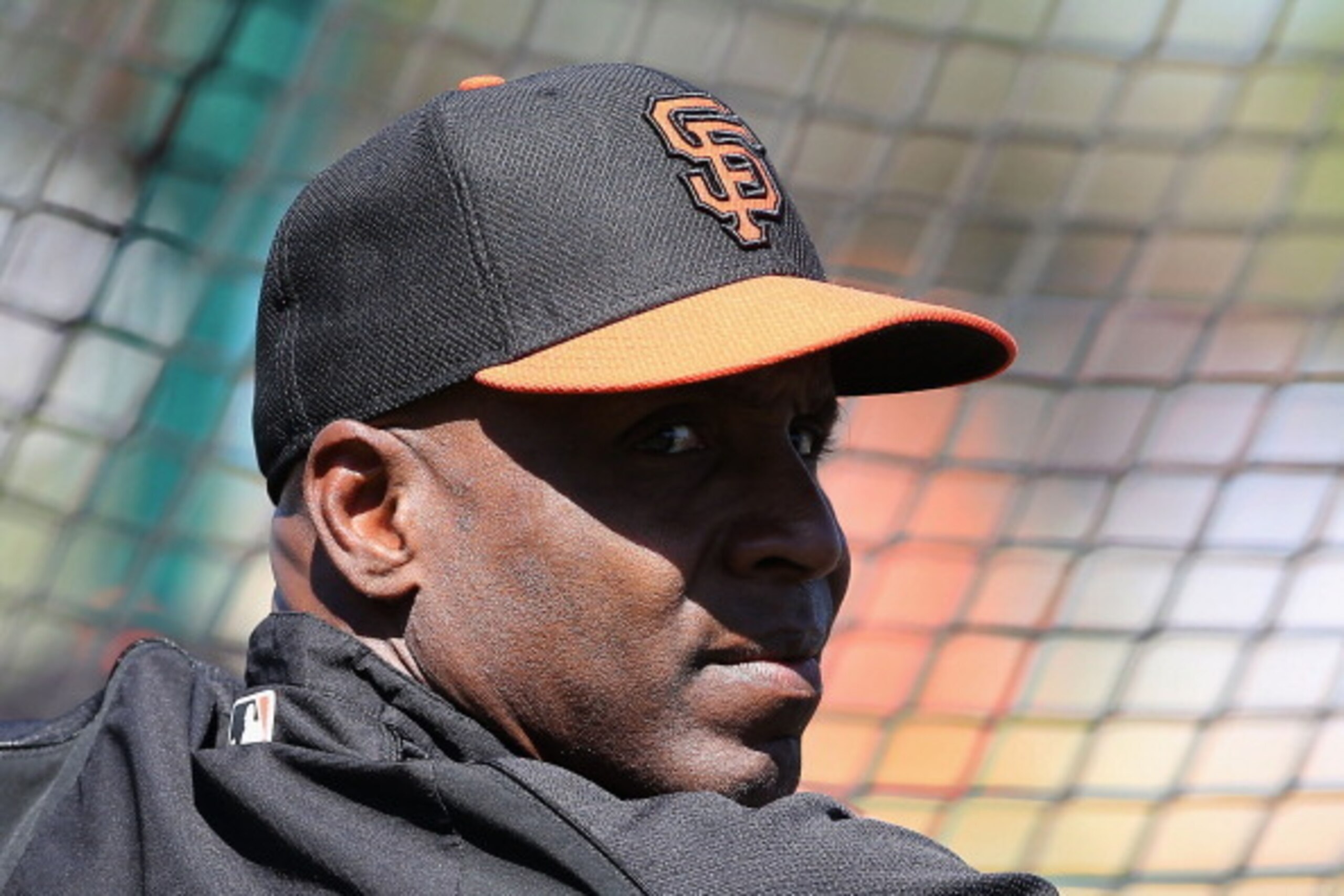
This shift has already happened in other sports. Consider baseball. People don’t doubt Barry Bonds is the greatest hitter of the modern era because he never won a World Series. (Fine, they do this because he allegedly took copious quantities of performance-enhancing drugs.) The fact of his title-less resume is irrelevant.
Basketball is a little different, obviously, because a single player is in a position to exert a greater influence on the outcome of a game or series, but this is a difference in degree, not in kind.
Smart people recognize that the Heat’s title prospects are contingent on myriad factors that have nothing to do with LeBron James: e.g., the health of Dwyane Wade, the outside shooting of Ray Allen, whether the Indiana Pacers ever get their act together. Likewise, they know LeBron’s greatness isn’t contingent on how many championships he wins.
In a way, the use of “championships won” as a proxy for greatness can only exist in sports where the material contributions of individual players, and how they relate to winning, is murky.
Take the NFL. Analysts have no reliable way to credit individual players with outcomes.
Say Russell Wilson completes a 15-yard out route to Percy Harvin. How much of this sequence is attributable to the two main characters?
It was the offensive coordinator who drew up and called the play—and it was a fine call. Let’s say offensive tackle Russell Okung flat-out stoned a pass-rusher who, were it not for the rare combination of nimbleness and power Okung possesses, would have crushed Wilson before he could deliver the pass. Also, they’re playing the Browns. Would a stronger defense have stymied the pass?
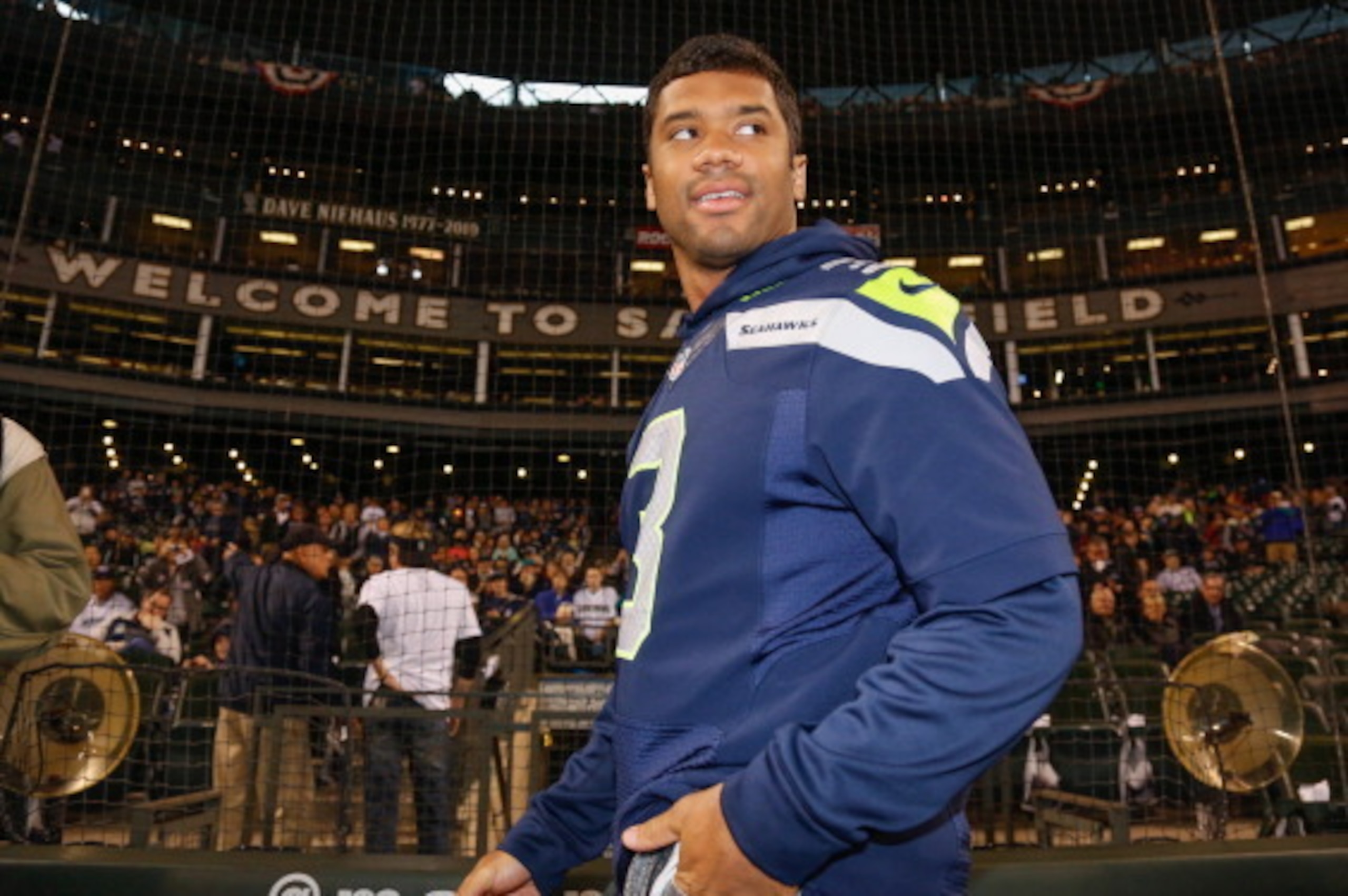
In the NFL, the performance of individual players is so dependent on context that the players' stats—the publicly available ones, at least—are nearly meaningless. Every accomplishment is a team accomplishment. This isn’t to say that isolating the contributions of individual NFL players the way we can in Major League Baseball is impossible in theory. It's just that, at the moment, it’s not manageable in practice.
(But there have been very smart efforts. Brian Burke and the guys at Pro Football Focus and Football Outsiders, to name a few, have made impressive progress on this very difficult project.)
This explains why, especially when evaluating quarterbacks, the public uses Super Bowls as a proxy for greatness. We don’t have anything else.
This used to be the case in the NBA, but it may not be for much longer. Despite the complexity of the game, it can be distilled relatively easily. Models of individual player performance already have really strong explanatory power. Wages of Wins author and wins-produced architect Dave Berri’s model has a greater than 90 percent correlation to team wins. Measures like wins above replacement player (WARP) and win shares are also strong.
And our understanding of the sport is getting better. The author Kurt Vonnegut once said during a commencement address that when he was a young man his belief in the demystifying power of science was such that he expected, by the time he was 21, some researcher would have “taken a color photo of God Almighty and sold it to Popular Mechanics magazine.”
While Vonnegut later become disillusioned with the scientific project, it’s hard not—at this moment—to have similar confidence in the NBA’s ability to figure out where exactly wins come from, and who does the most to create them.
This is the context in which James' legacy will be debated. And it appears that, irrespective of how many additional titles he claims over the life of his career, it’s a context that will suit him well.
Statistical support for this article provided by Basketball-Reference.



.jpg?w=2560 "Dak to Stroud: Get Some Wins 💯")
.jpg?w=2560 "Vikings HC Called OBJ Before Release ☎️")
.jpg?w=2560 "5 NFL Players Getting Trade Buzz")

.jpg?w=2560 "NFL Won't Fine 'Beverage' Celebrations 🍻")