
Ranking the Most Overrated NBA Players Right Now
After giving flowers to the NBA's most underranked players, it's time to yank a few up around the Association's most overrated ones.
Overrated is, of course, a subjective term and a divisive one at that. It's also often misunderstood.
An overrated player is never a bad one. That's worth repeating even if the aggregation crowd and quick-draw commenters will overlook it: These are not bad players. It takes a certain level of ability and acclaim to even establish a rating. And then the spotlight has to hold long enough for that rating to grow farther than some combination of numbers, eye-test results and gut feelings say it should.
These are good players. Mostly established stars, in fact. They just happen to be the 10 in which the disconnect appears widest between their appreciation (by pay rate and public opinion) and actual on-court impact.
10. Austin Reaves, Los Angeles Lakers
1 of 10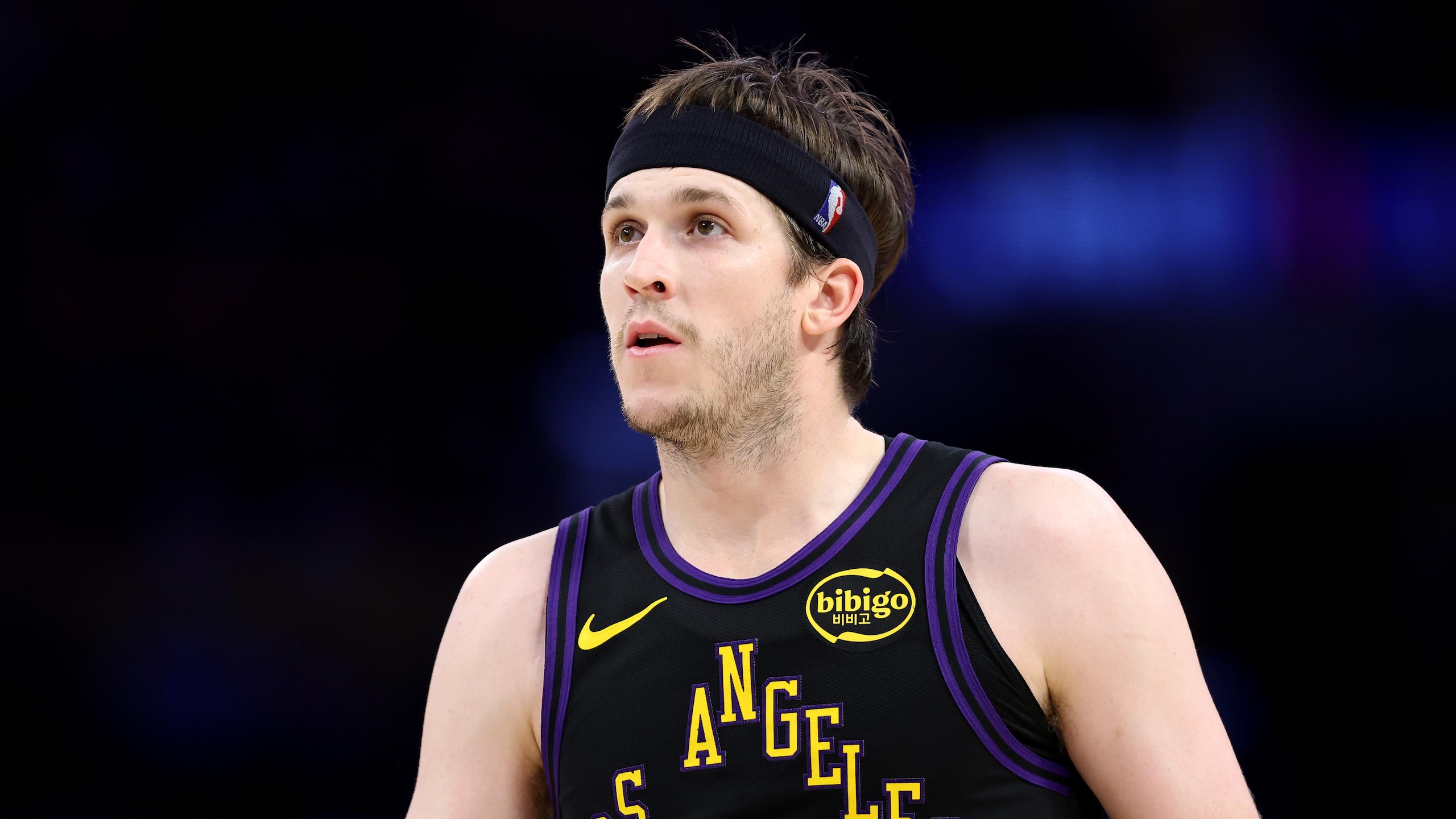
Let's just ether our mentions right off top, shall we? Lakers fans will hate seeing this label attached to their homegrown star, and they will—as they should—rebut with a gesture toward the near-perpetual growth on Austin Reaves' stat sheet.
Here's the counter: Reaves is regarded (and now compensated) as a full-fledged star, but his production just doesn't paint him with that kind of brightness.
He reads more like a good-to-very-good offensive player, and once that gets coupled with his disastrous defense, it adds up more to a strong support piece than an actual building block. If you're looking for transcendent talent, his stat sheet just doesn't show it: 21.5 points, 5.7 assists and 2.6 threes per outing the past two seasons. Good numbers, not overwhelmingly great ones. And not necessarily this-guy's-a-max-contract-player-for-sure production for a one-way contributor.
Reaves' playoff tests have been rocky, too (40.9 percent shooting overall, 29.3 percent from range his last two trips). It really makes you question his ability to fill the sidekick role on a contender, which is exactly what the Lakers need and expect from him after exhausting their asset collection this summer.
9. Alperen Şengün, Houston Rockets
2 of 10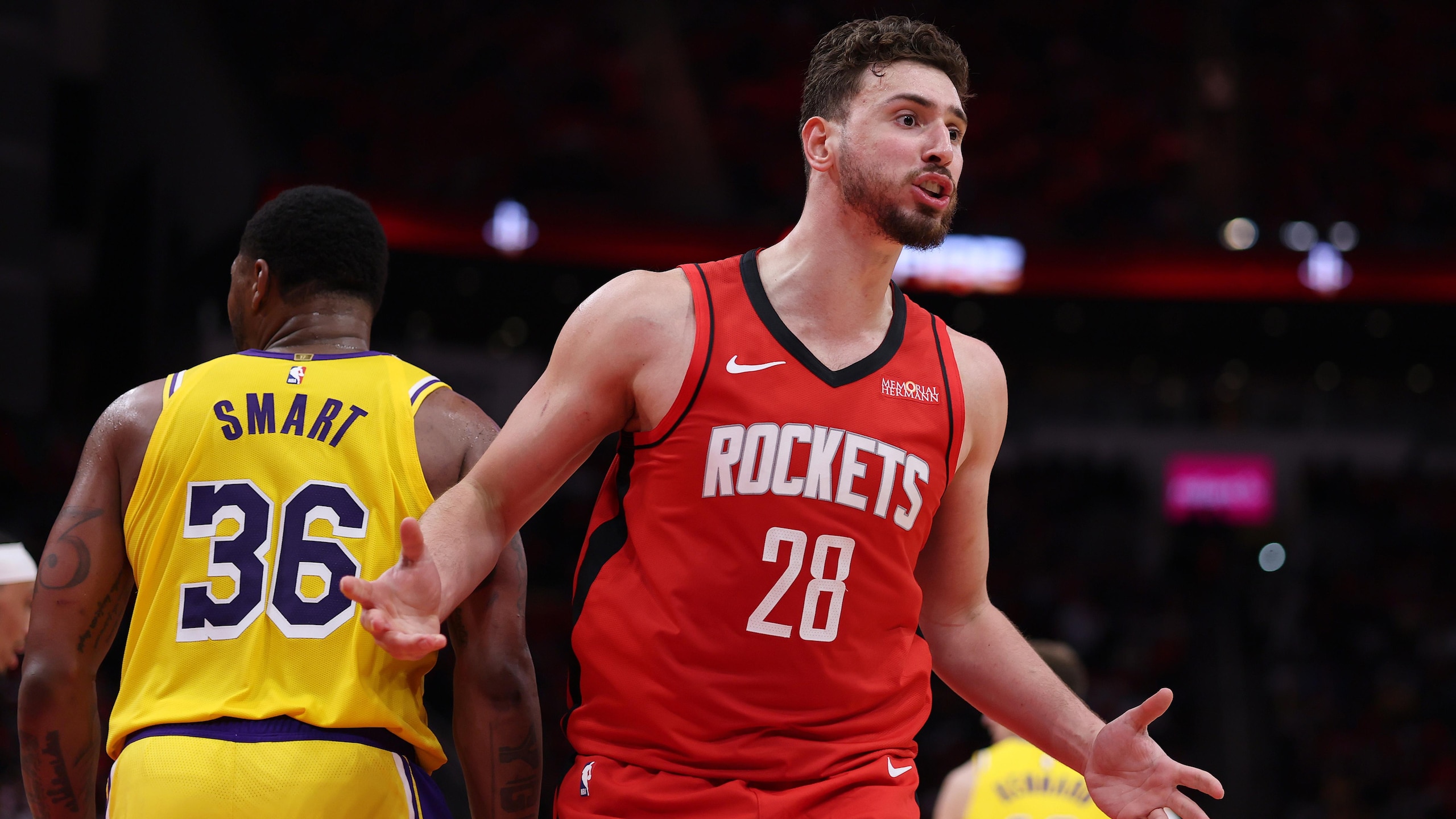
An anonymous player poll conducted by The Athletic during the season's second half crowned Alperen Şengün as the NBA's most overrated player. This ranking isn't quite as harsh, but he still lands in the top 10 for having accolades and expectations that don't measure up to his impact.
Through a narrow lens, he looks awesome: A 24-year-old two-time All-Star who stuffs stat sheets to the point of drawing Nikola Jokić comparisons. Under a wider window, though, there's plenty to nitpick with Şengün's shaky efficiency and defensive limitations.
Şengün has to dominate the offensive end for his archetype to work, but the domination just isn't happening. Or not to the degree his accolades suggest it is, at least. Yes, he averaged 20.4 points, but his 56.9 true shooting percentage was below league-average (58.1). Yes, he dished a team-high 6.2 assists, but he didn't have a 2-to-1 assist-to-turnover ratio.
Houston has positioned him to be a centerpiece, and maybe he can get there with time. But he obviously isn't there yet. The Rockets were 5.7 points better per 100 possessions without him this season, and he wound up in just the good-not-great 79th percentile for estimated plus/minus.
8. De'Aaron Fox, San Antonio Spurs
3 of 10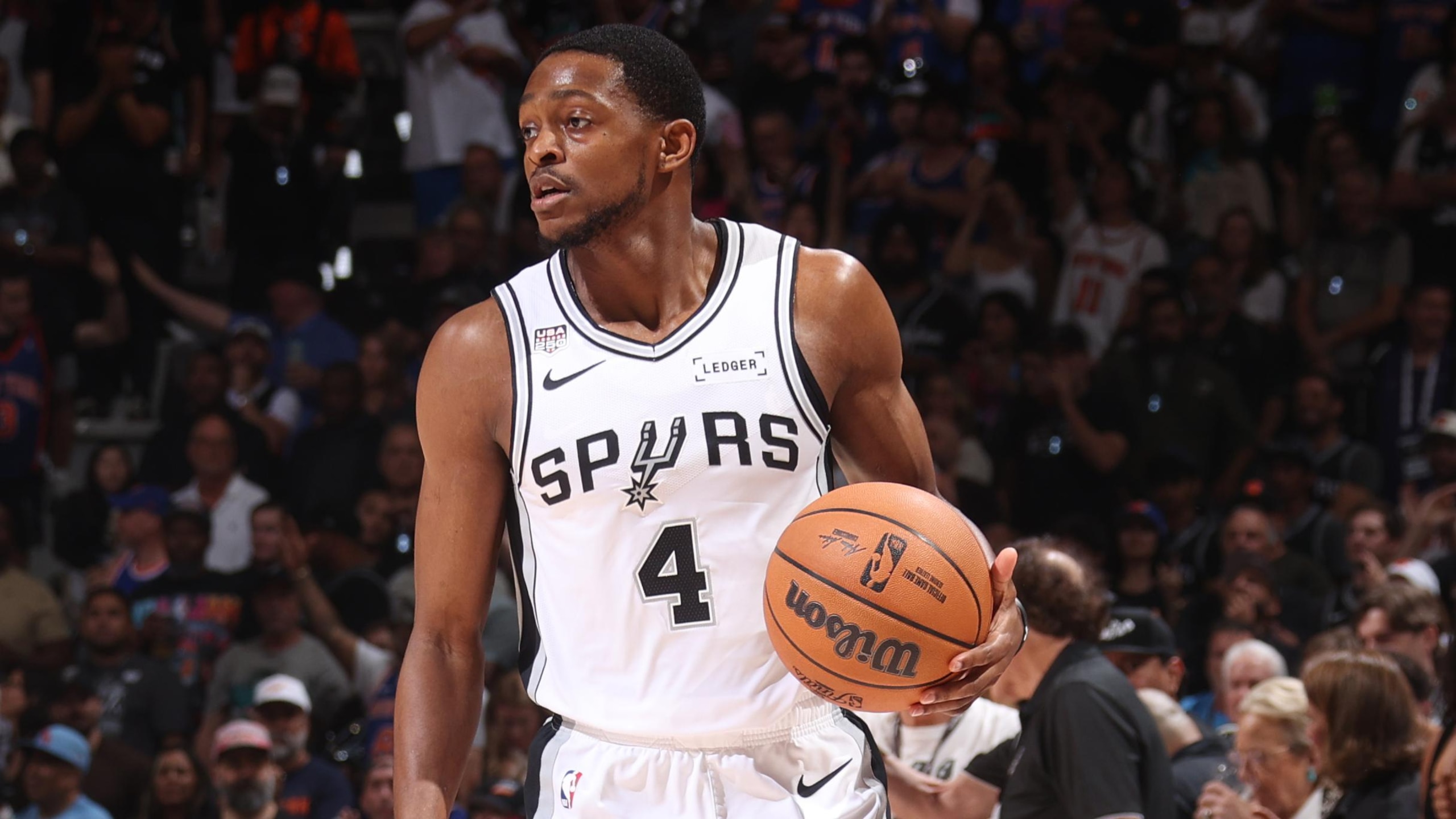
De'Aaron Fox is the highest-paid player on the Spurs. By a mile. That's mostly because San Antonio's other key contributors are all making rookie-scale wages, but it's also because the Spurs decided last summer, for some reason, to give Fox a four-year, $222 million extension.
That contract, which kicks in for the 2026-27 campaign, might look worse right now in light of Fox's face-plant in the NBA Finals (12.8 points on 34.3 percent shooting). But, honestly, it seemed like an overpay even at the time, almost like San Antonio splurged on him for the sole reason that so much of the roster was relatively cheap.
Fox is, to give him some credit here, technically a two-time All-Star, although both invitations came as an injury replacement. He is a blur with the basketball and a capable initiator, but his inconsistent shooting limits his scoring range, and he isn't the most creative floor general you'll find.
He has had good numbers on bad teams and just posted solid stats for a great team, which is about what you'd expect from a fringe star. He is just generally perceived and obviously paid to be more. That contract is the real clincher here, as it has rendered him "not tradeable...at the moment," per The Athletic's Jared Weiss, and therefore might muddle the developmental process of 2025's No. 2 pick, Dylan Harper, who might've been San Antonio's second-best player in the Finals.


7. Trae Young, Washington Wizards
4 of 10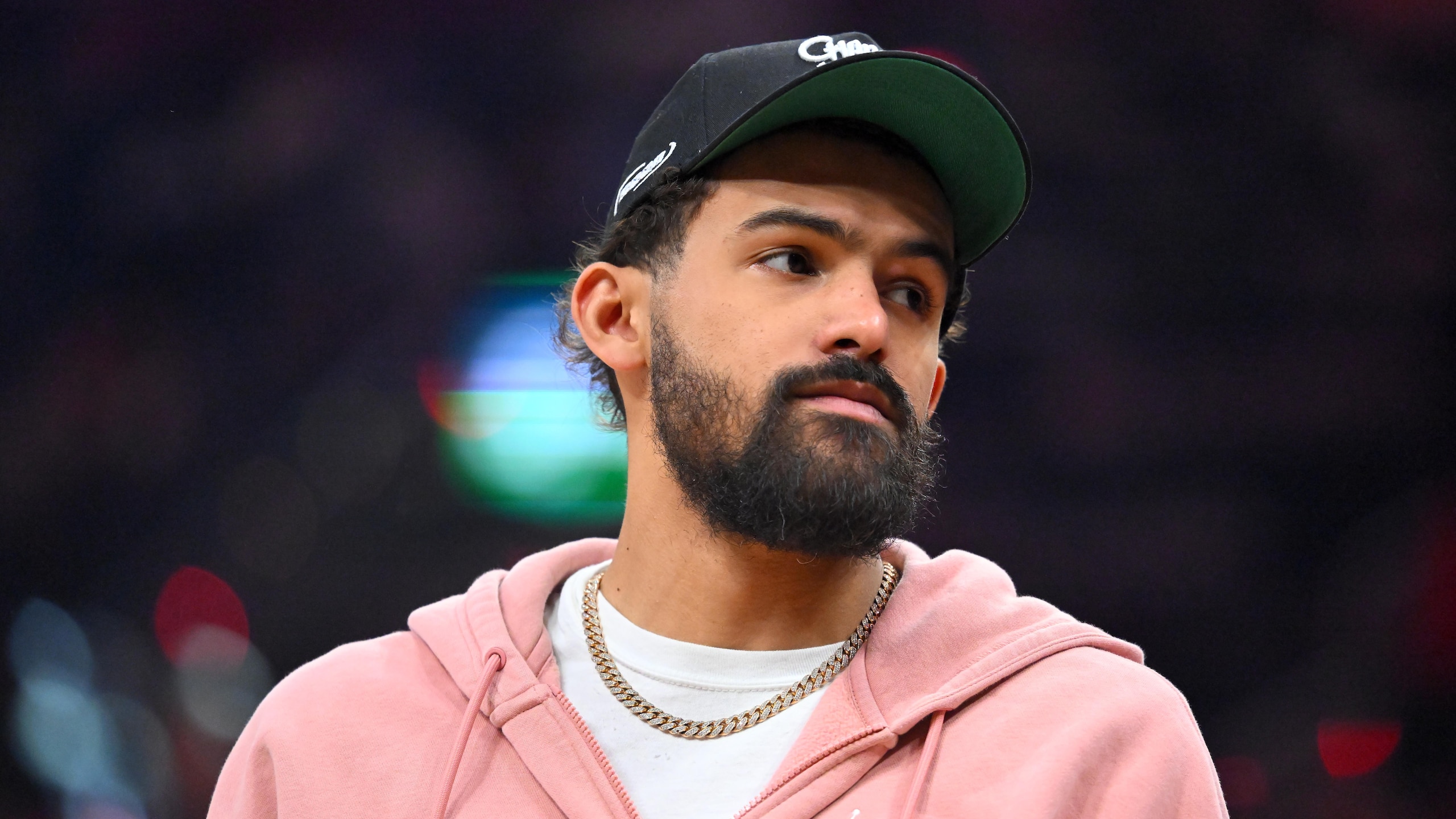
It felt, for a minute, like Trae Young's days of being considered for this kind of conversation were behind him. Not because of any skill improvements or anything of that sort, but rather that he just wasn't held in high enough regard anymore.
Then the Washington Wizards gave him a four-year, $212 million contract this offseason, so suddenly Young is very much valued again. At least he is in The District, where Wizards general manager Will Dawkins called him "one of the league's premier point guards" and labeled his free agency "a top priority for us."
Young is one of the league's most potent points-plus-assists producers, but that's kind of all he is. The scoring never comes off of great shooting (career 43.3/35.2/87.2). The playmaking always shows some turnover trouble (career 4.2 per contest). The rest of his game is littered with holes, many tied to his lack of size (6'2", 164 lbs.) or vertical pop.
Because he's so ball-dominant on offense and exploitable on defense, his acceptable standard basically demands he is all-caps AWESOME on offense. His volume might look awesome, but any kind of below-the-surface examination creates all kinds of questions—way more than you'd expect for a four-time All-Star, and way more than anyone should accept in a $212 million player.
6. Zion Williamson, New Orleans Pelicans
5 of 10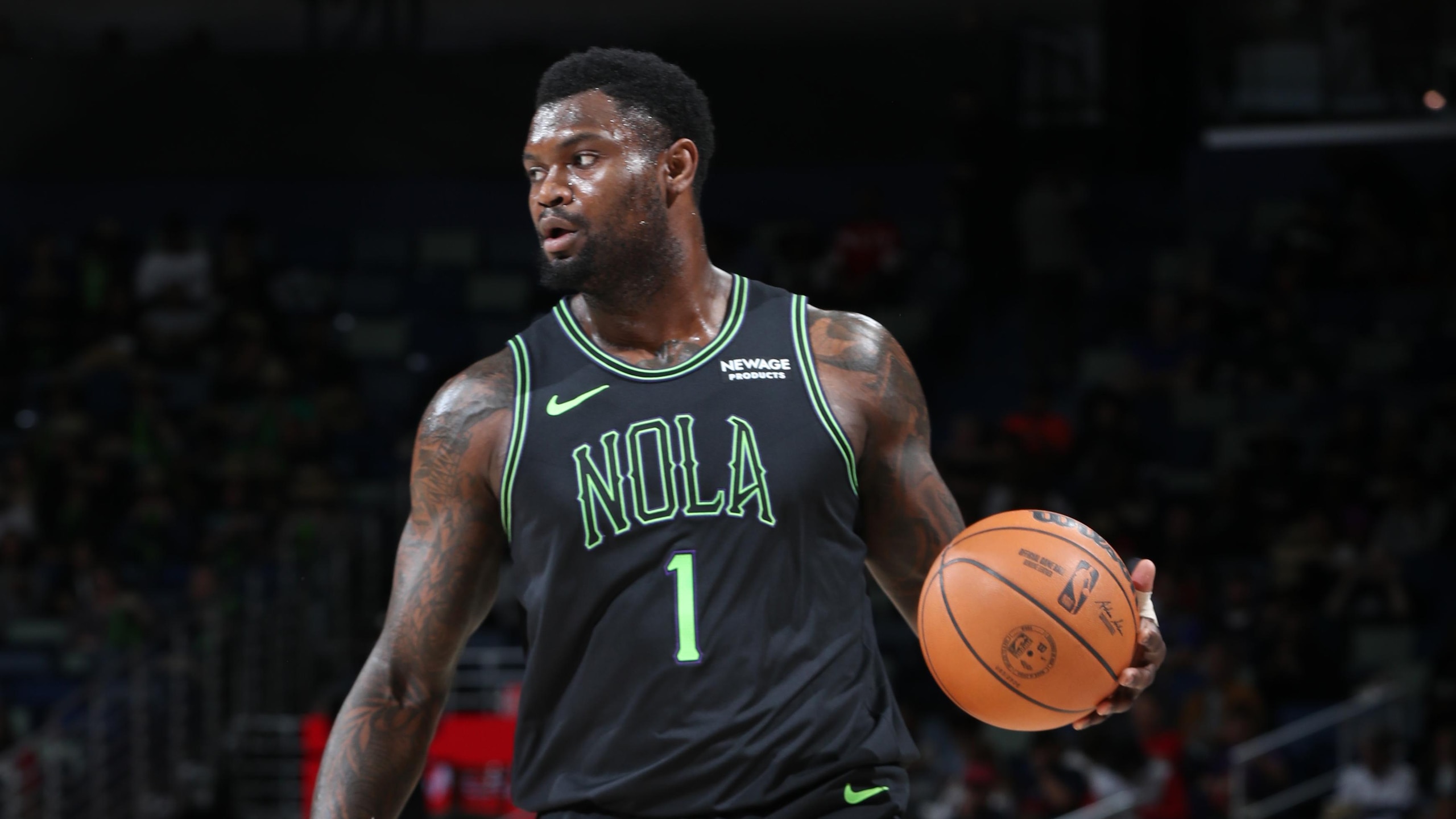
Annual availability issues have sliced into what once were sky-high expectations for Zion Williamson, whom the Pelicans drafted first overall in 2019. But they also teased at possibilities for what might happen if the springy swingman ever managed to stay upright.
Well, he made it through 62 games this past season (the second-most of his career), and they were remarkably...well, unremarkable. He had a few loud numbers (21 points on 60 percent shooting), but nothing needle-moving. His 5.7 rebounds were the fewest of his career. His 3.2 assists were his least since his rookie year.
By star standards, he was basically a shoulder shrug: 30th in box plus/minus, 79th percentile in estimated plus/minus. Decent-ish, but nothing that would transform a team. And certainly nowhere close to the if-he-could-ever-stay-healthy hopes of yesteryear.
He still has a star's salary, and the Pelicans seem to still have real hopes in him. That said, they also tasked him a career-low usage rate this past season, so maybe they're also wondering whether this ship has sailed.
5. Miles Bridges, Phoenix Suns
6 of 10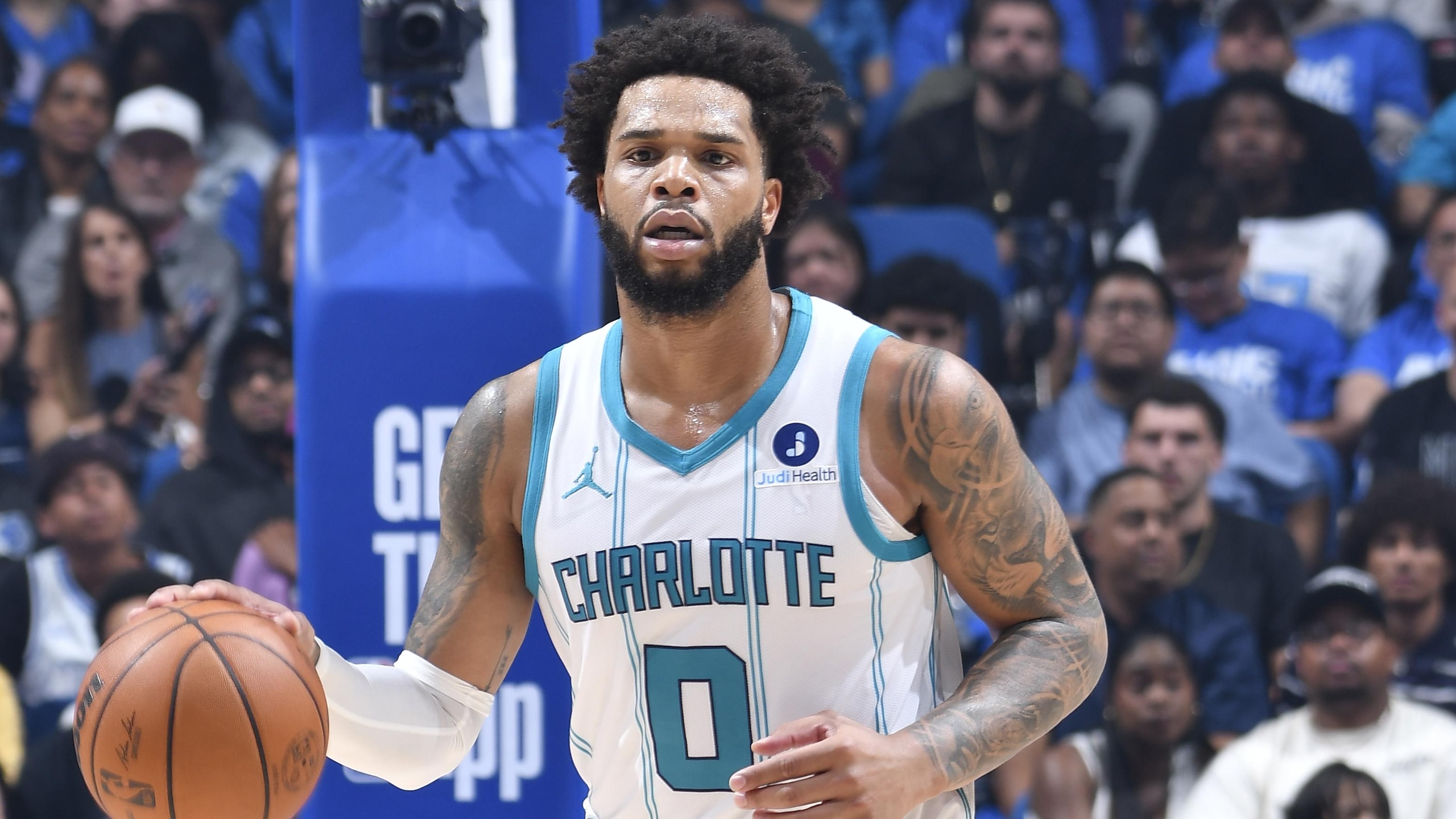
This might be a polarizing pick, since Miles Bridges isn't exactly highly rated among the masses. He was, however, weirdly prioritized by Phoenix this summer, so clearly some folks—especially those with Michigan State ties—remain big fans of Bridges' game.
The Suns parted with an unprotected future first-round pick (maybe the most valuable trade currency) for Bridges, a 28-year-old zero-time All-Star approaching the final season of his contract. And they're already angling to extend his stay, as HoopsHype's Michael Scotto reported the Suns "hope to extend (Bridges) long-term."
Even if fans aren't buying Bridges' stock, an organization getting this heavily invested in an on-court afterthought is enough to warrant a top-five spot on this list. Regardless how the Suns might try to spin this, there is nothing remotely special in his profile. His jump shot is shaky, his playmaking is unremarkable and his off-ball defense is sleepy.
He landed 71st percentile in estimated plus/minus, a perch shared with the likes of Cameron Payne (waived in October and April) and Chris Boucher (salary-dumped and waived in February). Bridges' 15.5 career player efficiency rating is almost exactly average (15.0). His career net differential is a dead-even zero. No one would mistake him for a star, yet the Suns seem determined to value him that way.
4. Jaren Jackson Jr., Utah Jazz
7 of 10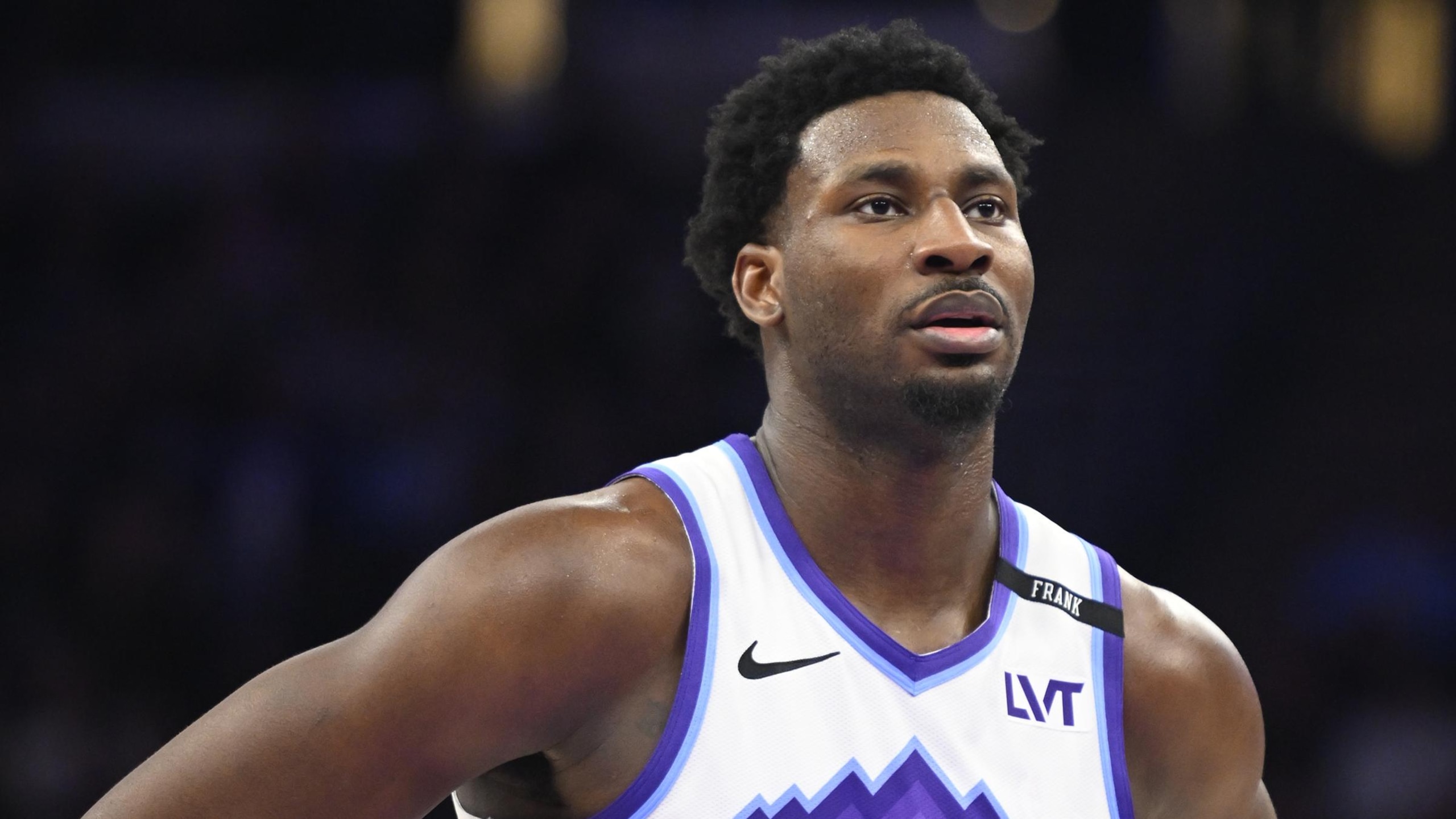
The analytical crowd has always landed in Jaren Jackson Jr.'s corner. He has always had an interesting skill profile, particularly for an increasingly analytics-focused league, with his length, versatility and shotmaking.
Has he lived up to the hype, though? Some will give an unequivocal yes, as he's a 26-year-old with three All-Defensive honors, two All-Star selections and the 2022-23 Defensive Player of the Year award on his resume. Others will look at his stat sheets and be left wanting more.
His scoring output seems solid (career 18.6 per contest), but it's not focal-point production. His 46.7/35.1/79.3 slash line feels forgettable for a 6'10", 242-pounder who toggles between the 4 and 5 spots. His 5.6 rebounds feel impossibly low for someone this size. And his problems with foul trouble (4.6 per 36 minutes) appear in direct contrast to those defensive accolades.
Throw in availability issues—he has twice cleared the 70-game mark in eight NBA seasons—and he just falls short of his reputation and the cost to employ him. The Jazz, who gave up three first-round picks to acquire him in February, will pay him north of $200 million for the next four seasons.
3. Paolo Banchero, Orlando Magic
8 of 10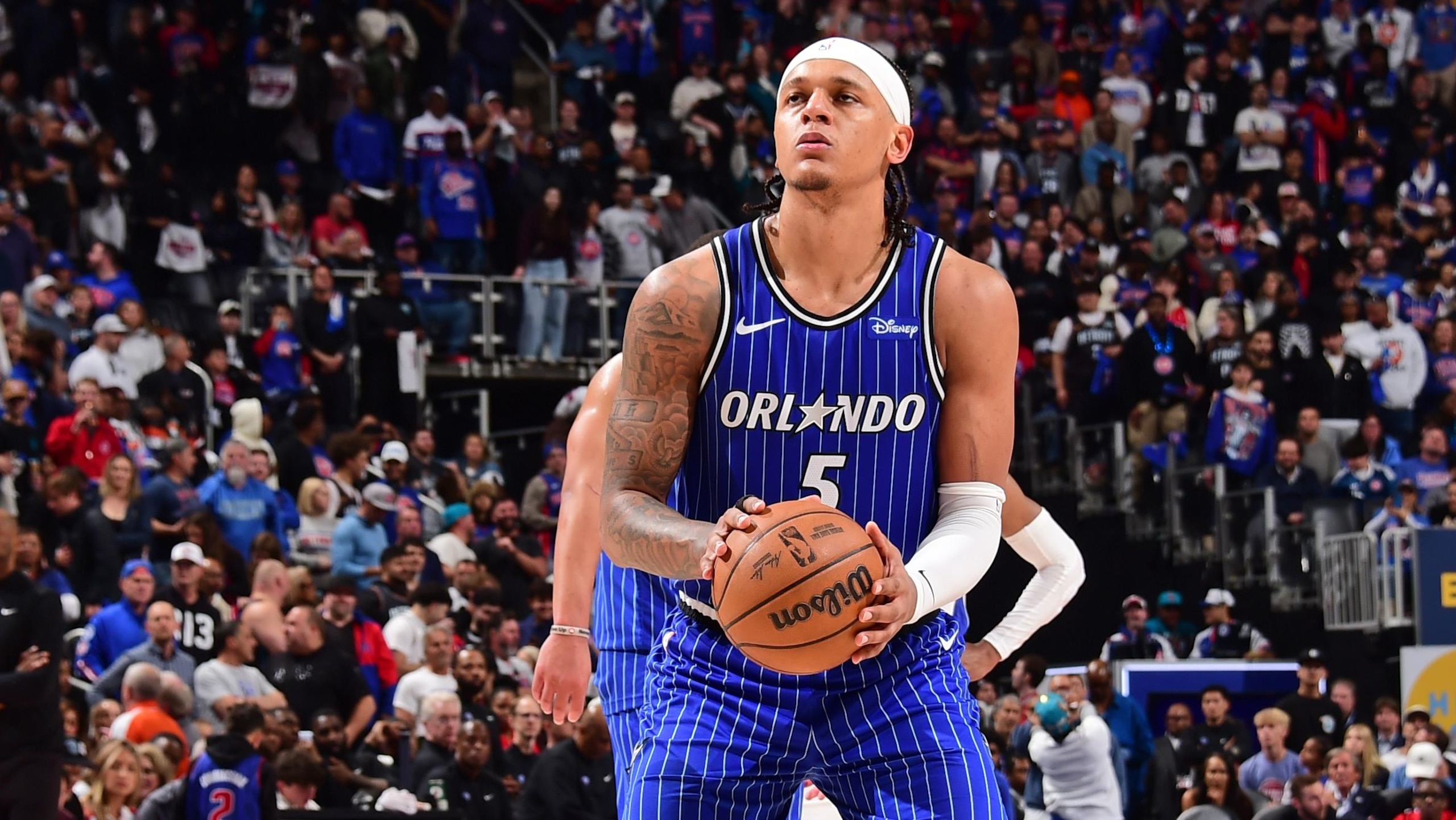
As a long-time Paolo Banchero believer, this one hurts. The idea of him is so enticing—a 6'10", 250-pound, all-purpose No. 1 option—but the reality has just never measured up to the hype.
Or, honestly, even come particularly close. Some of that comes from his approach (he operates way too much in the mid-range), which will hopefully improve under new Magic coach Sean Sweeney. But a lot of it is just a lack of refinement and efficiency. Among the 65 players to handle a 25-plus usage percentage since Banchero entered the league, he ranks 62nd in effective field-goal percentage.
For as much as offense as he handles, you'd want a wider gap between his assists (5.2) and turnovers (3.1). For as many shots as he takes, you'd want better connection rates than a 45.9/30.5/77.5 shooting slash. For all of his physical tools, you'd want more defensive playmaking than his 1.3 stocks.
And for as much as Orlando invested in him (No. 1 pick 2022, five-year rookie max signed last summer), you'd want no doubt evidence of him being a difference-maker. Instead, the Magic have fared better without him in each of his four NBA seasons.
2. Brandon Ingram, Toronto Raptors*
9 of 10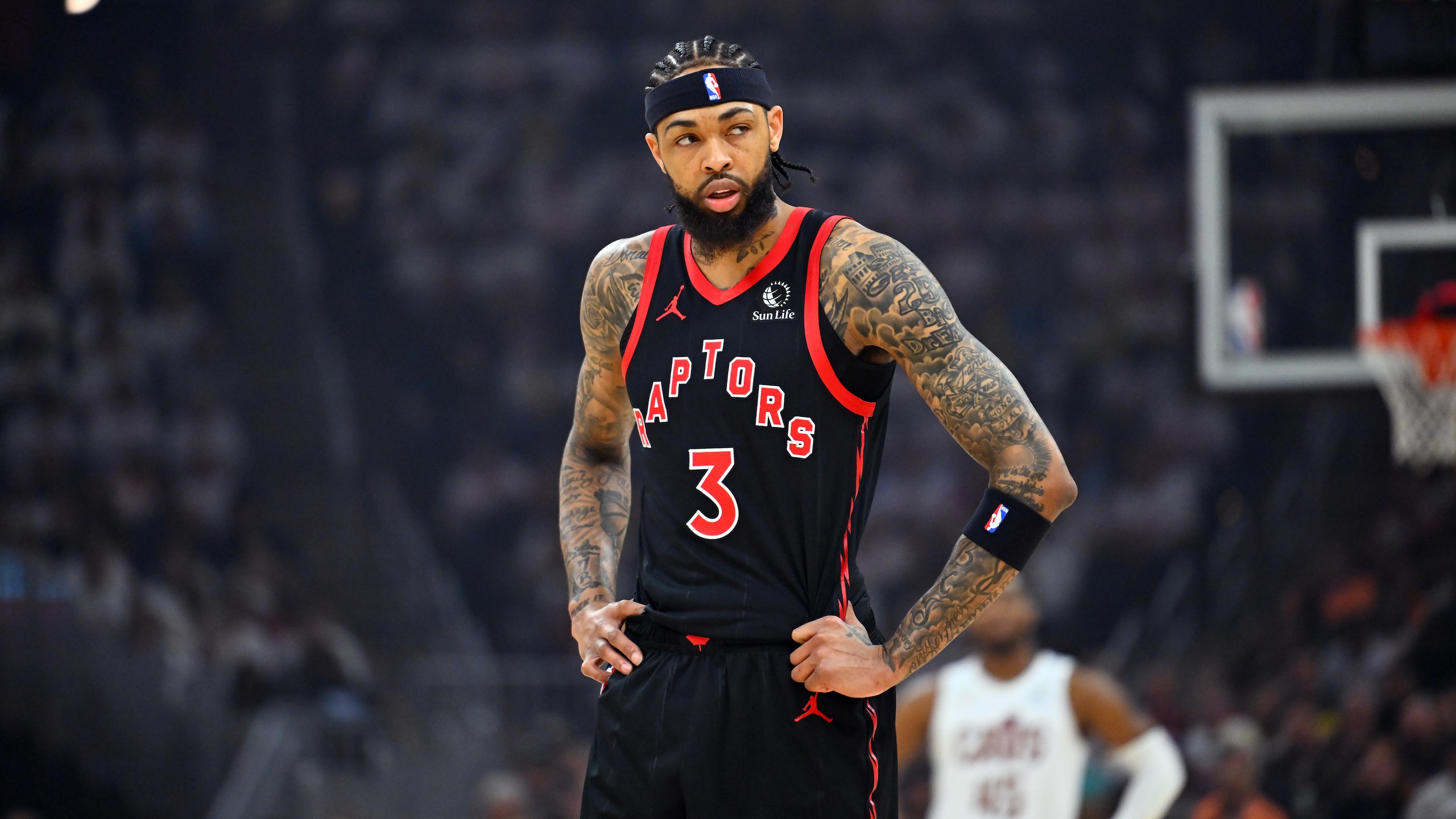
This feels low fruit-adjacent, since it's not entirely clear how many people see Brandon Ingram as a star anymore. Then again, he did book an All-Star trip this past season and just played a central role in Toronto's yet-to-be-completed trade for Kawhi Leonard, so clearly Ingram has some fans around the hoops world.
While it'd probably be more enjoyable to just appreciate Ingram's volume production at face value, there's obviously more to basketball (and NBA math) than that. And once you start digging deeper, that's where he runs into trouble.
Another score-first forward who should redistribute his shot diet, Ingram trailed this entire top 10 in estimated plus/minus at minus-0.9, which slotted him in the same 60th percentile occupied by Kasparas Jakučionis, Clint Capela and De'Andre Hunter. Among this season's 47 20-point scorers, Ingram ranked 45th in box plus/minus, 45th in player efficiency rating and 36th in true shooting percentage.
Ingram can be frustrating because you just want more: more threes, more assists, more defensive impact, more winning. But with his 29th birthday approaching this offseason, he almost certainly is who he is.
1. Anthony Davis, Washington Wizards
10 of 10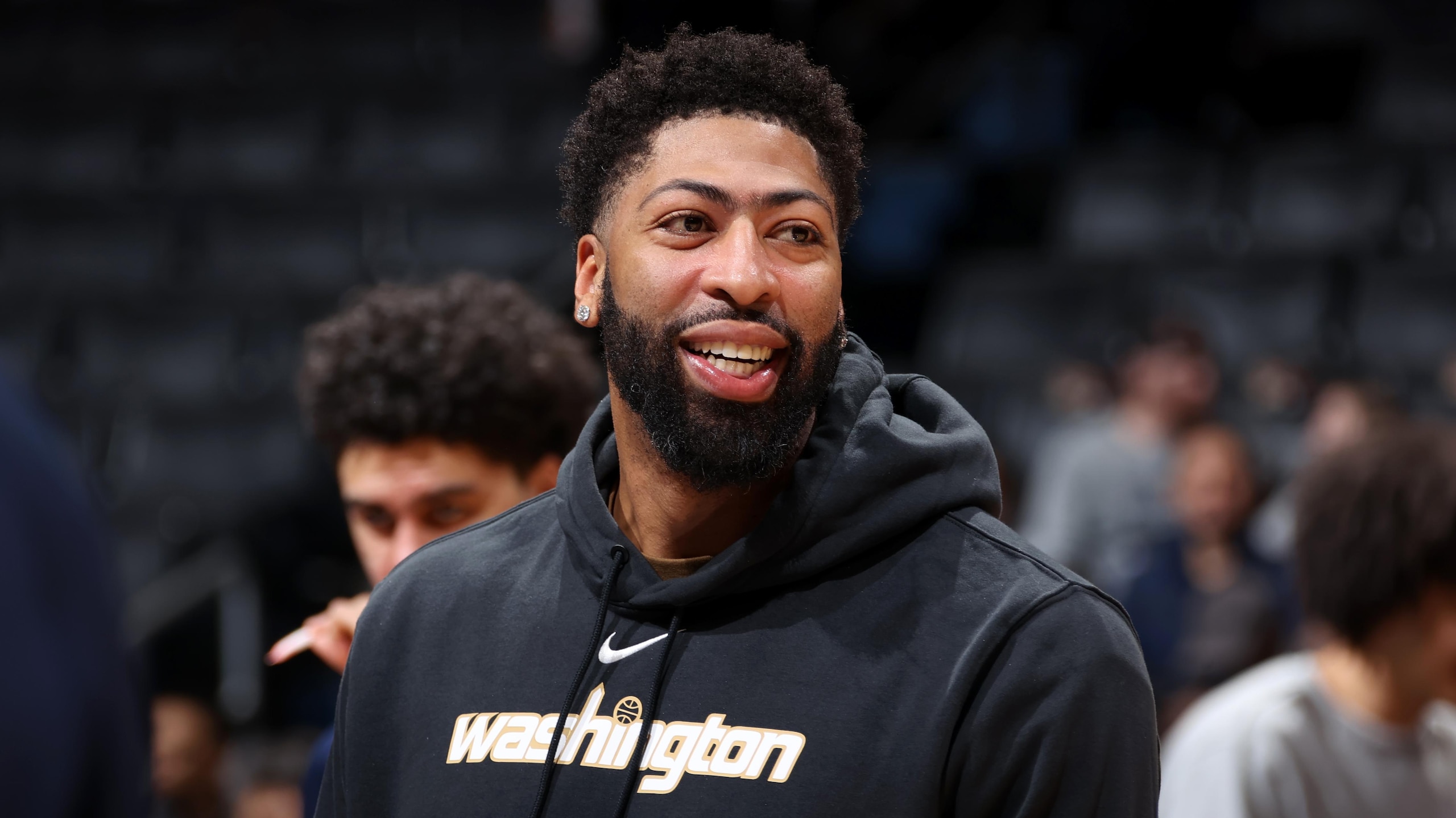
If guaranteed a clean bill of health, would Anthony Davis be the most impactful player on this list? Maybe. But that's a moot point when he can be guaranteed nothing of the sort.
Availability issues are inevitable now. He topped 62 games once since 2017-18 and totaled 71 appearances over the last two campaigns combined.
His paycheck, of course, isn't impacted by this. He's still owed $58.5 million for the upcoming season and is set to have extension talks with the Wizards, who could offer him a four-year deal worth up to $275 million on August 6, per HoopsHype's Michael Scotto.
A younger, more dependable Davis might have been worth that kind of coin. But today's 33-year-old version? The one who scores almost exclusively inside the arc, doesn't block as many shots, doesn't get to the basket or the foul line as much and struggles to stay on the court? The one who has just one All-NBA and All-Defensive selection apiece to show for the last six seasons?
Things that used to be automatic with AD are, at best, major question marks. He'll have flashes of his old dominant days and they might get covered similarly since he's such a notable name, but when his employer is merely hoping to get 50 games from him at this point (a number he missed in three of the past six seasons), things have clearly changed.
.jpg?w=2560 "Grading WWE Raw 🔠")