

Alpine Skiing at Sochi 2014 Delivers Its Usual Surprises and Expectancies
Results in the first week of the Alpine skiing programme at Sochi 2014 were never likely to go exactly according to form from the season thus far.
Look back at any Winter Olympics and you will find unexpected names among the medals, joining the usual few pre-race favourites fulfilling expectations.
No matter how surprised you have or have not been, this much is certain—the downhill, super combined and super-G for both the men and women have provided an entertaining and fascinating watch.

.jpg?w=2560)

The men's downhill on the opening weekend set in motion some notable themes that would partly define the action in the speed and combined events.
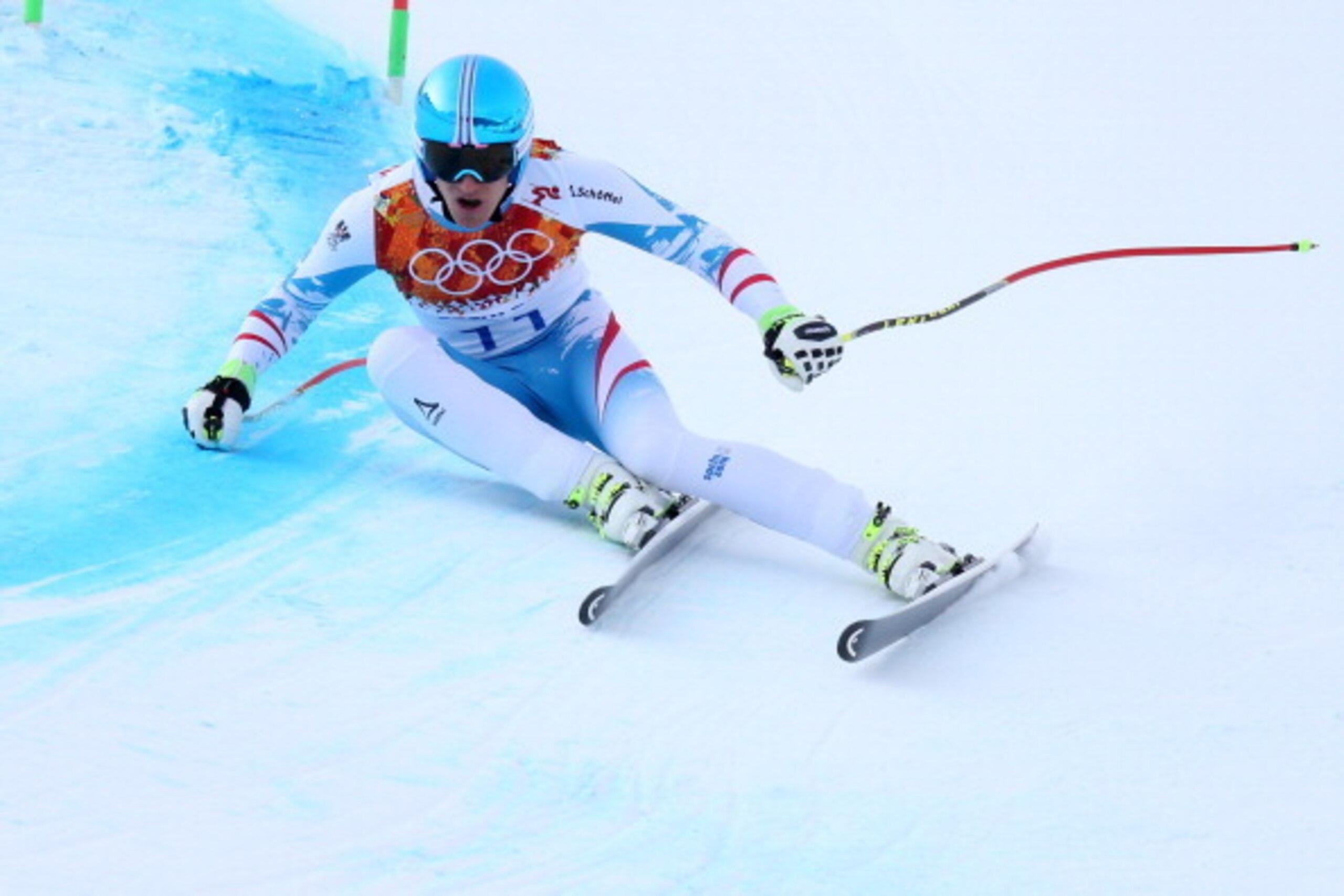
Matthias Mayer's narrow—but well-deserved—victory set the tone for an Austrian ski team hell-bent on improving on a gold-less, minimal medal haul from Vancouver 2010. Heading into the technical disciplines this week, they top the Alpine skiing medal table.
Nicole Hosp's steady form from the World Cup held firm, and then some, under the weight of Olympic pressure. The 30-year-old added a second silver to her collection (following on from one in the slalom in 2006) in the super combined before staying upright in the super-G to take the bronze.
Austria's pursuit of gold came to fruition on the women's side in that race with Anna Fenninger joining Hosp among those who shined on the difficult course set by their compatriot, coach Florian Winkler.
It was a commendable effort to finish on a day when just three of the first 11 starters managed to do so, with especially slippery conditions after the main jump catching several out. Fenninger's run was well judged and one she was understandably delighted with:
The second significant theme to emerge from that first downhill was the struggle of the big names and in-form men to deliver the success they, and many others, have envisioned for them. That is not a slight on their efforts, just a matter of fact.
Bode Miller's bronze on the super-G went some way to compensating for his disappointment at missing out in the downhill in particular. After excelling in the training runs, the American was caught out by the repercussions of overcast conditions following days of sunshine, something he admitted to the FIS governing body website:
"I wanted to ski it as hard as I could and not really back off, but it required a lot of tactics today which I didn't apply. I skied hard and well, and that's the most important thing. It just didn't go all right.
"
Miller's compatriot, reigning super-G and combined World Champion Ted Ligety failed to make the top-10 in either event, whilst others like Canada's Erik Guay and Switzerland's Patrick Kueng—both winners of races earlier this season—failed to trouble the top men either.
The most disappointed will be Aksel Lund Svindal. Leader of the downhill and super-G World Cup standings heading into Sochi, his narrow miss in the former has proved a particularly bitter blow for the Norwegian whose Games are now over. He confirmed his departure on Twitter:
The flip-side to all of this is, of course, the fact that others have enjoyed career-defining moments in Russia.
Svindal alluded to his teammate Kjetil Jansrud, a more-than-solid performer, but one who has not reached the heights the former has. His downhill bronze would have been a decent enough return for the 28-year-old, but he added a superb run in the super-G to take gold.
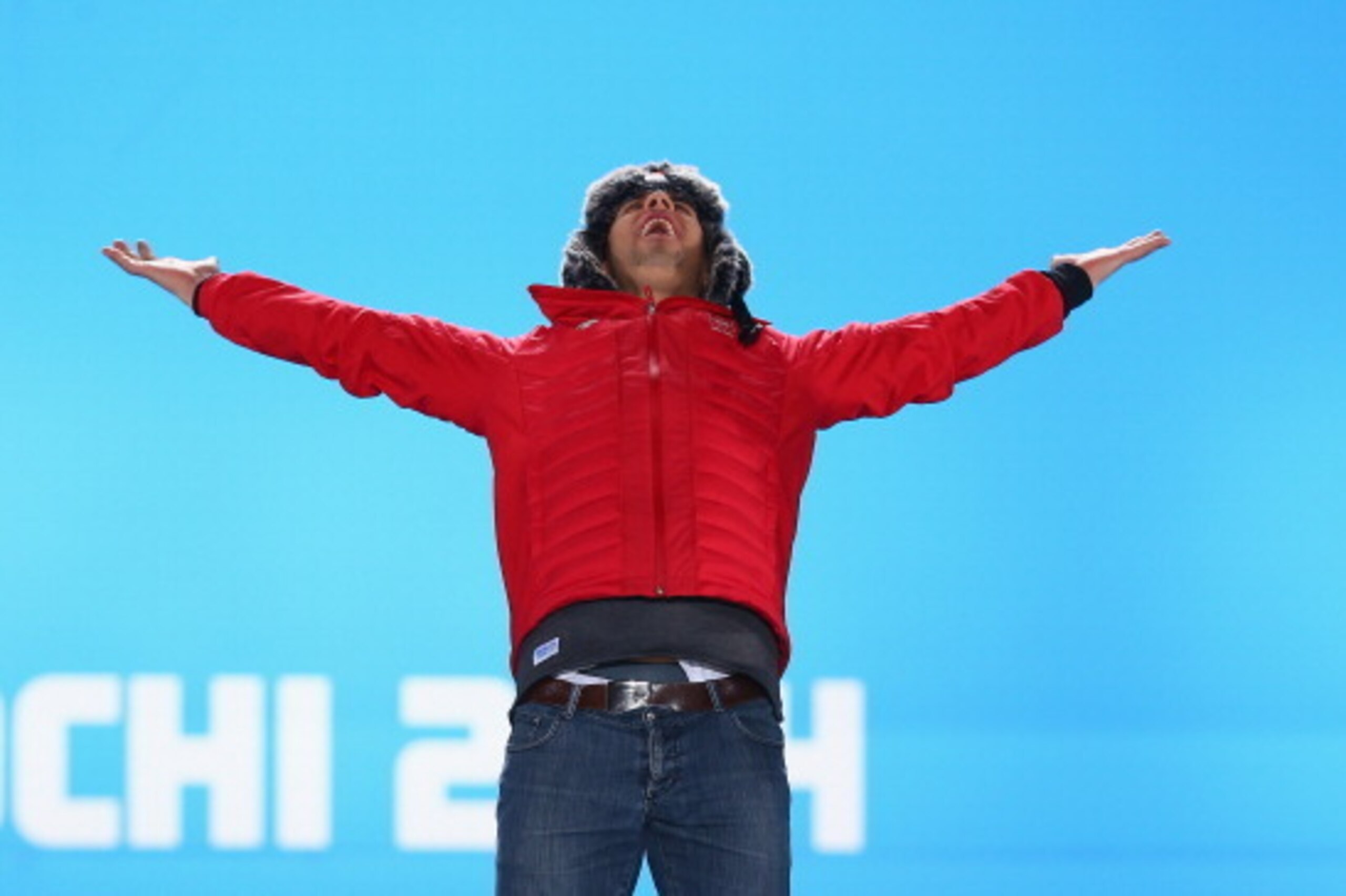
Sandro Viletta has hitherto been a relative non-presence on the scene, save for one win in Beaver Creek back in 2011. His super combined success has changed all that for the Swiss.
Having lived in the shadow of the stars of the U.S. Ski team these past few years, Andrew Weibrecht added to his Vancouver bronze in the super-G with a silver in the event that will be a nice reminder of that wonderful feeling of metallic weight around his neck. The 28-year-old will surely now fancy his chances of upgrading one more to gold in Pyeongchang in four years.
The other men's medalists Christof Innerhofer (Italy) and Ivica Kostelic (Croatia) are more used to views from the podium but will nonetheless be reveling in hard-earned glory (even if Innerhofer was so close to finishing first in the downhill).
Things have largely gone to form for the women with the mix of winners in keeping with a season in which several have enjoyed top spots on both sides of the Atlantic.
The versatile and uber-consistent Maria Hoefl-Riesch has taken that reliability into multiple Olympics now. After successfully defending her super combined title, she now has four medals to her name, including three golds. Her Games are far from over, and the German holds high hopes of more success before turning her attentions back to a potentially career-best World Cup year.
Julia Mancuso's reliability is of the less consistent variety. Yet again, the American has proved herself a skier for the biggest stages.
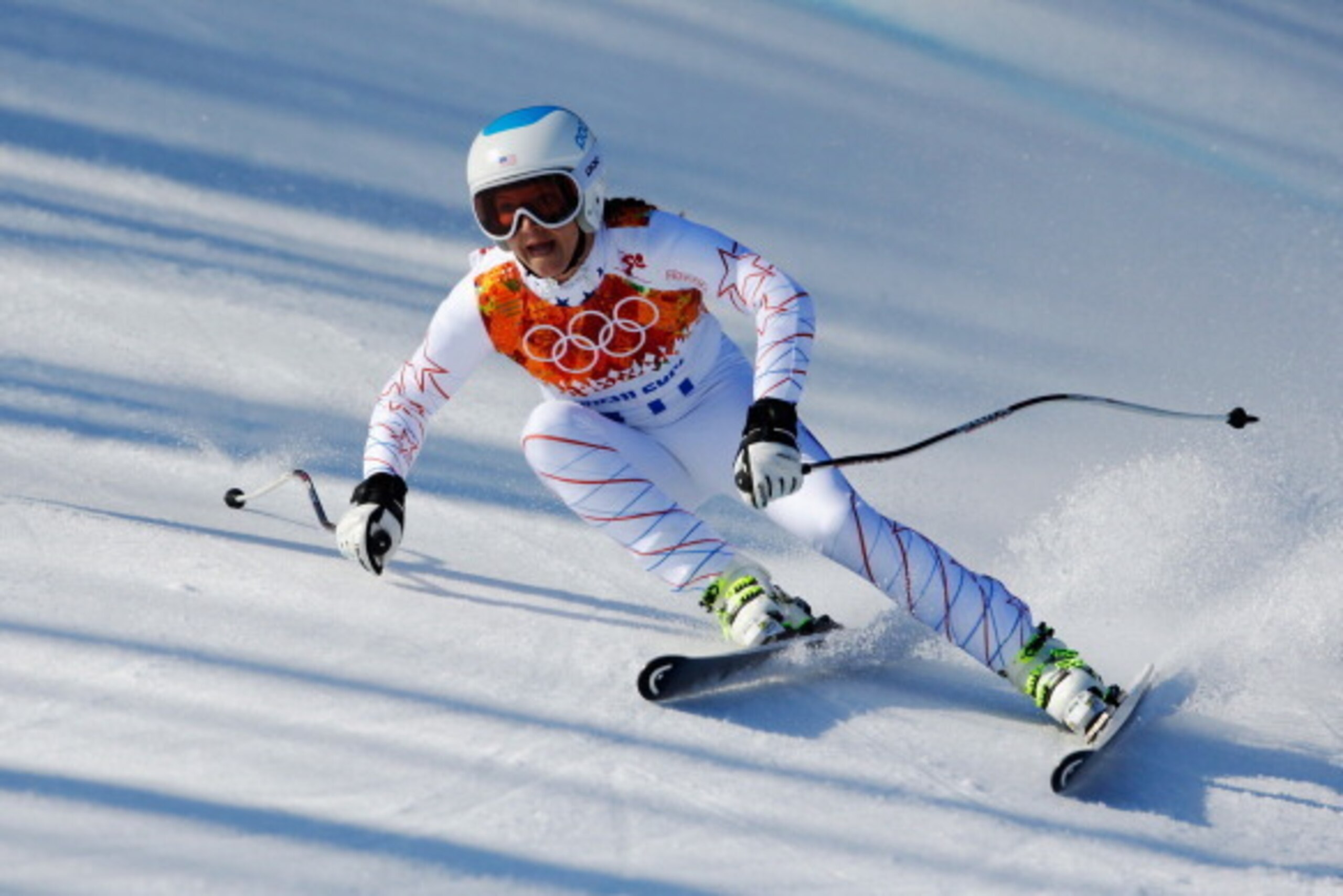
After an at times challenging year, Mancuso's bronze in the super combined has vindicated her decision to go away and refocus at the beginning of 2014. Having won the giant slalom at Turin back in 2006, only a fool would completely discount her having further say before this week has concluded.
Like the earlier mentioned Fenninger and Hosp, Switzerland's Lara Gut has been one of the best performers on the World Cup circuit. Her downhill bronze is not a bad addition to a burgeoning resume that is sure to expand with further prominent results in the years to come.
The undoubted major event for the women thus far has been the extraordinary happening that occurred in that downhill—the awarding of the first double Olympic gold medals in Alpine skiing history.
Tina Maze's first place reflected a fine beginning to 2014 from the Slovenian. After a slow start to the campaign, her downhill win in Cortina d'Ampezzo in late January suggested she was peaking at the right time and so it has proved.
She was joined on the top spot by Swiss racer Dominique Gisin, whose time of 1:41.57 Maze had equaled. Her best result in well over two years, she reflected happily but truthfully on her achievement, telling the FIS website:
"I don't think I even dreamt about this. Now that I have won, I am living the dream, but this is better than dreaming. For the last two years I didn't manage to get out of my comfort zone but to start here I had no choice but to leave that zone.
"
The giant slalom and slalom remain for the world's best skiers to make any (or further) impact at these Winter Olympics. With the likes of Marcel Hirscher and Mikaela Shiffrin joining proceedings now in Rosa Khutor (weather permitting after Tuesday's fog), plenty of engaging racing is surely ahead.
.jpg?w=2560 "Falcons Saints Football")
.jpg?w=2560 "Rams Eagles Football")
.jpg?w=2560 "Injury-stricken Seahawks signing veteran RB")


.jpg?w=2560 "2 NFL Officials Suspended")
