Pros and Cons of the NHL Realignment
The NHL is going to have a new look next year.
The long-discussed realignment plan became official when the league's Board of Governors approved a proposal that will give the league four divisions in two conferences.
Driven by the Atlanta Thrashers' move to Winnipeg at the end of the 2010-11 season, NHL commissioner Gary Bettman termed the move as "fan friendly."
That is quite debatable.
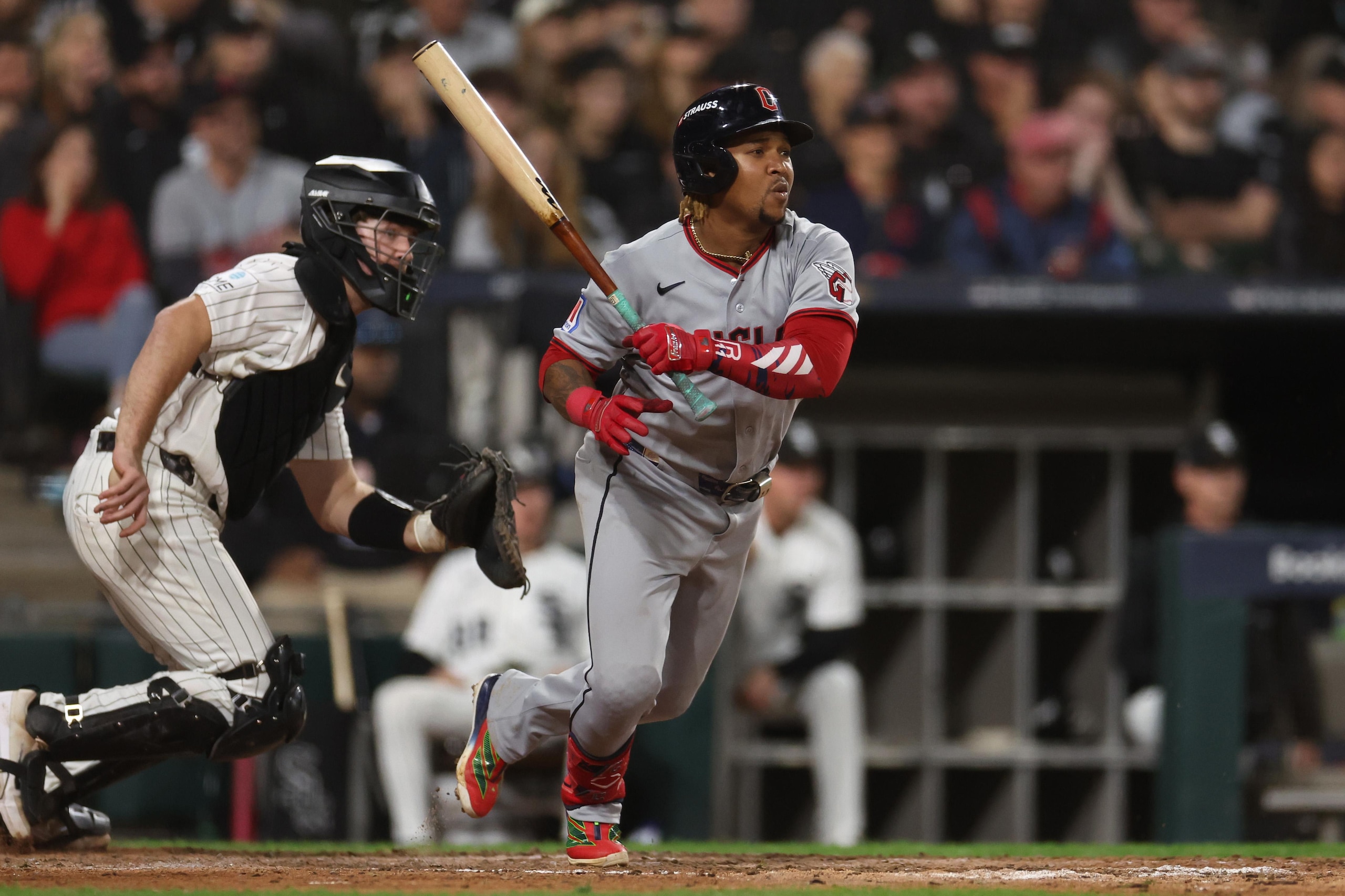
The realignment is geographically driven. The Winnipeg Jets had been stuck in the Eastern Conference the last two seasons. They will play in the Western Conference.
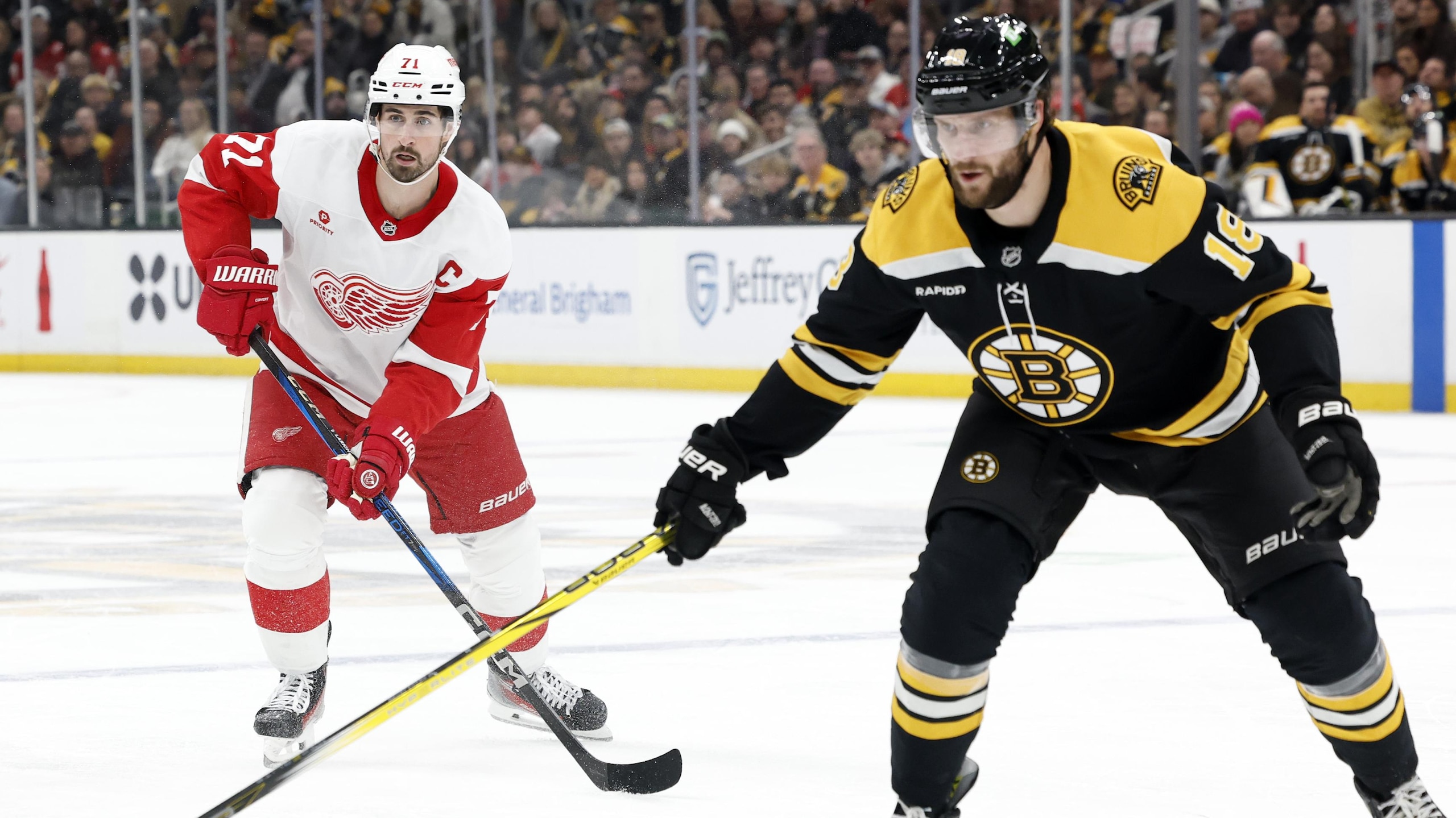
The Detroit Red Wings and the Columbus Blue Jackets will become Eastern Conference teams.
As a result of those moves, there will be 16 teams in the Eastern Conference and 14 teams in the Western Conference.
While the league tries to paint the realignment as a winning development for the league, its players and the fans, there are positives and negatives to the changes that will be made.
Pro: Better Geographical Distribution
1 of 7The biggest change fans will see is a league that is far more logical from a geographical set-up than it has been in the past.
In addition to sending Winnipeg west and Detroit and Columbus east, the Dallas Stars will no longer be in the Pacific Division.
The Stars will move into a division with five other U.S. Midwestern teams and the Winnipeg Jets. Dropping the majority of frequent West Coast trips is seen as a big benefit to Stars president and CEO Jim Lites.
Lites also said that the team's television ratings would likely improve as a result of not having as many late starts. The Red Wings also see the same benefit with their move to the Eastern Conference.
The realignment should save several teams quite a bit of money based on reduced travel costs.
Con: Repetitive Playoff Matchups
2 of 7The playoff setup that will be included in the realignment has a chance to be repetitive to the point of boredom.
The top three teams in each division will make the playoffs. Two wild-card teams—the best records of the teams that did not earn top-three status in each division—will also make the postseason.
The division winner with the best record will play the second of the two wild-card qualifiers, while the other division winner will play the wild-card qualifier with the best record.
The divisional playoff set-up is likely to create repetitive matchups. In addition to playing divisional rivals more times in the regular season, it will also produce similar playoff matchups.
Playing the same teams in the playoffs on a regular basis could cause the playoffs to lose some of its luster.
Pro: Home and Home Series
3 of 7Every NHL team will get a chance to host every other team at least once every season.
Eastern Conference teams will both host and visit Western Conference teams every year.
That has not been the case in recent years. The Chicago Blackhawks don't go to Montreal every year. The Canadiens haven't visited the United Center every season.
That will change starting next year.
That will give fans a chance to see every team in the league at least once.

-(1).jpg?w=2560 "Bleacher Report")
Con: Only One Original Six Team in Western Conference
4 of 7The Original Six teams are all linked to each other.
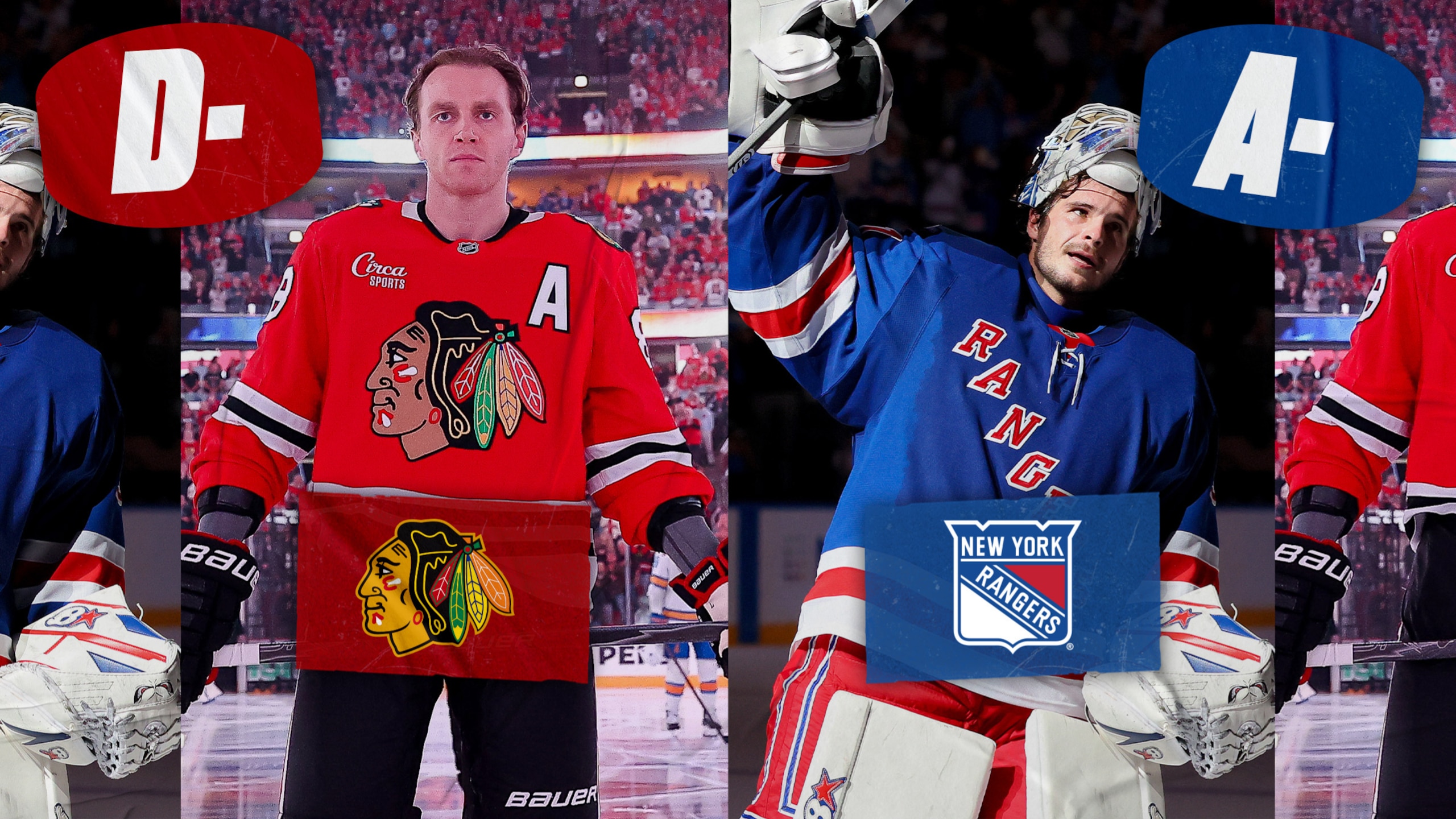
However, in the new setup, the Chicago Blackhawks will be in the Western Conference and the other five Original Six teams will be in the Eastern Conference.
Forgive the Blackhawks if they are feeling alone.
The Detroit Red Wings will move East, much as the Toronto Maple Leafs had done in an earlier realignment.
The Boston Bruins, Montreal Canadiens, Maple Leafs and the Red Wings will all be in the grouping that is currently designated as Division C. The New York Rangers are in Division D while the Blackhawks are in Division B.
Pro: Expansion Likely
5 of 7If you can read between the lines, you can see that the NHL is set up for adding two more expansion teams.
Gary Bettman is not talking about expansion, but the league followed a logical format in its realignment by placing teams in divisions based on their locations.
However, there are two fewer teams in the Western Conference. That means its easier for Western Conference teams to qualify for the postseason than it is for Eastern Conference playoff teams.
At some point, the league is going to have to level the playing field by adding two more teams to the Western Conference, which would give the league four eight-team divisions.
It seems likely that the expansion would take place in cities that are west of the Mississippi, but that would leave a potential expansion location like Quebec City out of the mix.
Sidney Crosby said that he believed the league could handle two expansion teams to leave the NHL with a balanced number of 32 teams (CBS Sports).
Con: Poor Names
6 of 7On the realignment map provided by the NHL on its website, the new divisions are called Divisions "A, B, C and D."
Gary Bettman said that the divisions will likely take on the name of the geographical areas that they represent.
In the past, the NHL has used some of the names of the league's primary builders—Adams, Norris, Patrick, Smythe—to represent its divisions.
Why not use the names of some of the league's elite players as the names of the divisions? Call Division "A" the Wayne Gretzky Division. Division "B" is the Bobby Hull Division. Division "C" is the Bobby Orr Division. Division "D" is the Mario Lemieux Division.
Those names would teach fans more about the game's history and would give the NHL some much-needed flair.
Pro: Three-Year Examination Period
7 of 7The NHL has committed to its realignment plan for three seasons.
After the 2015-16 season, the league and the NHLPA will re-examine how realignment is working.
That's a good thing because if there are obvious competitive inequities or other issues—such as repetitive playoff matchups—it can make changes.
The realignment is not permanent. If there are problems, the NHL will not stay married to its mistakes.
Three years is a decent amount of time to give the new set-up a chance to succeed or fail.
.jpg?w=2560 "Simon Edvisson Landing Spots")




.jpg?w=2560 "Dak: Loss Isn't Embarrassing")