Why a Strong Backup Goalie Is a Must in Shortened NHL Season
During the last two seasons, the Stanley Cup champions were loaded in the goaltending department.
The Boston Bruins won the Stanley Cup in 2011, and Tim Thomas backstopped the team to the title. Thomas won the Conn Smythe Trophy as the most valuable player in the postseason. He was backed up adequately by Tuukka Rask, the team's starting goaltender in 2013 since Thomas decided to take the season off and was subsequently offloaded to the New York Islanders.
Jonathan Quick fulfilled the same role last year for the Los Angeles Kings. While the Kings barely qualified for the postseason as the eighth seed, they roared through the postseason and won the first Stanley Cup in the team's history. Quick won the Conn Smythe Trophy, and he was adequately backed up by Jonathan Bernier.

-(1).jpg?w=2560 "Bleacher Report")
The presence of a strong backup gives a head coach options, and it gives a team peace of mind.
A smart head coach is going to work out a rotation between his team's goalies so nobody gets worn out during the course of the season. In some cases, a coach will use a formula, and in other cases, he will work out his rotation by instinct.
When a team takes the ice knowing that its backup goalie can step in and perform well, it gives the players a sense of calm when the game is underway. If the starting goalie pulls a hamstring or gets sick, they know that the backup goalie can come in and steal several wins for the team.
While having a great backup would seem more of a need in a full 82-game schedule, the backup goalie may be even more valuable during a compacted 48-game regular-season schedule.
When teams play three and four games per week, it's nearly impossible for the starting goalie to maintain his performance level if he doesn't get one or two games off from time to time.
If a team is hesitant to play its backup, it is in danger of getting a poor performance from an excellent starter because he gets overworked.
That's not only a bad thing for the goalie, it's bad for the team. Players start to worry about what would happen if the starting goalie got injured and if the team would survive. Instead of playing with confidence, the team plays with fear.
An overworked goalie may lose his edge as well. After a poor game, he may not be able to bounce right back because fatigue has set in. Once that happens, the goalie has a much harder time bouncing back from two or three poor games instead of just one bad game.
Rask is performing at a high level for the Bruins this year. He has a 13-2-3 record with a 1.96 goals-against average and a .927 save percentage.
When Rask told head coach Claude Julien he was suffering from flu symptoms March 12 (per Boston.com's Fluto Shinzawa), Julien didn't hesitate to put backup Anton Khudobin between the pipes against the high-scoring Pittsburgh Penguins.
If Julien didn't have confidence in Khudobin, he might have tried to convince the ailing Rask to play.
Khudobin almost stole the victory, but the Penguins scored three late goals to secure a 3-2 triumph.
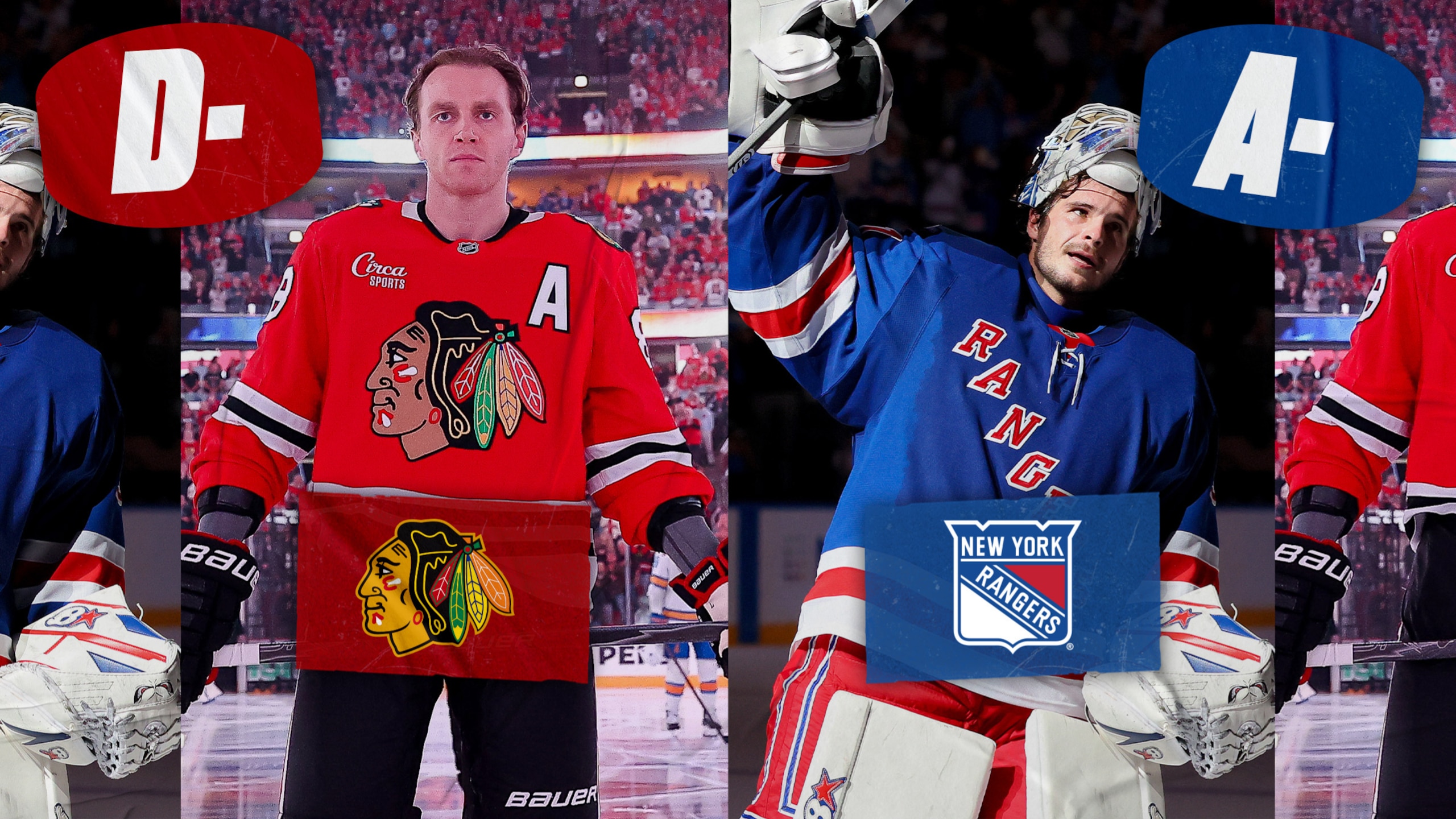
Backup goalie Ray Emery has been sensational for the Chicago Blackhawks during their record-setting start. He has not suffered a loss this season and may be starter Corey Crawford's equal. Emery has a 10-0-0 record, a 2.28 GAA and a .917 save percentage.
The best backup goalies will allow the starter to have adequate rest, allow a coach to prepare a solid rotation and give his teammates confidence.
That's the formula needed for any team with strong postseason aspirations.
.jpg?w=2560 "Simon Edvisson Landing Spots")