WWE Debate: Has Twitter Had a More Positive or Negative Effect on the Business?
Professional athletes have embraced Twitter and all it can do to bring them closer to their fans. There are few athletes who have embraced it as heavily as the WWE superstars.
When Twitter first popped up on the map of social networks, most people just thought, "Isn't that the thing Ashton Kutcher is always talking about?"
Over time, more and more celebrities began to embrace the micro-blogging site by sharing details about their personal lives, both intimate and public.

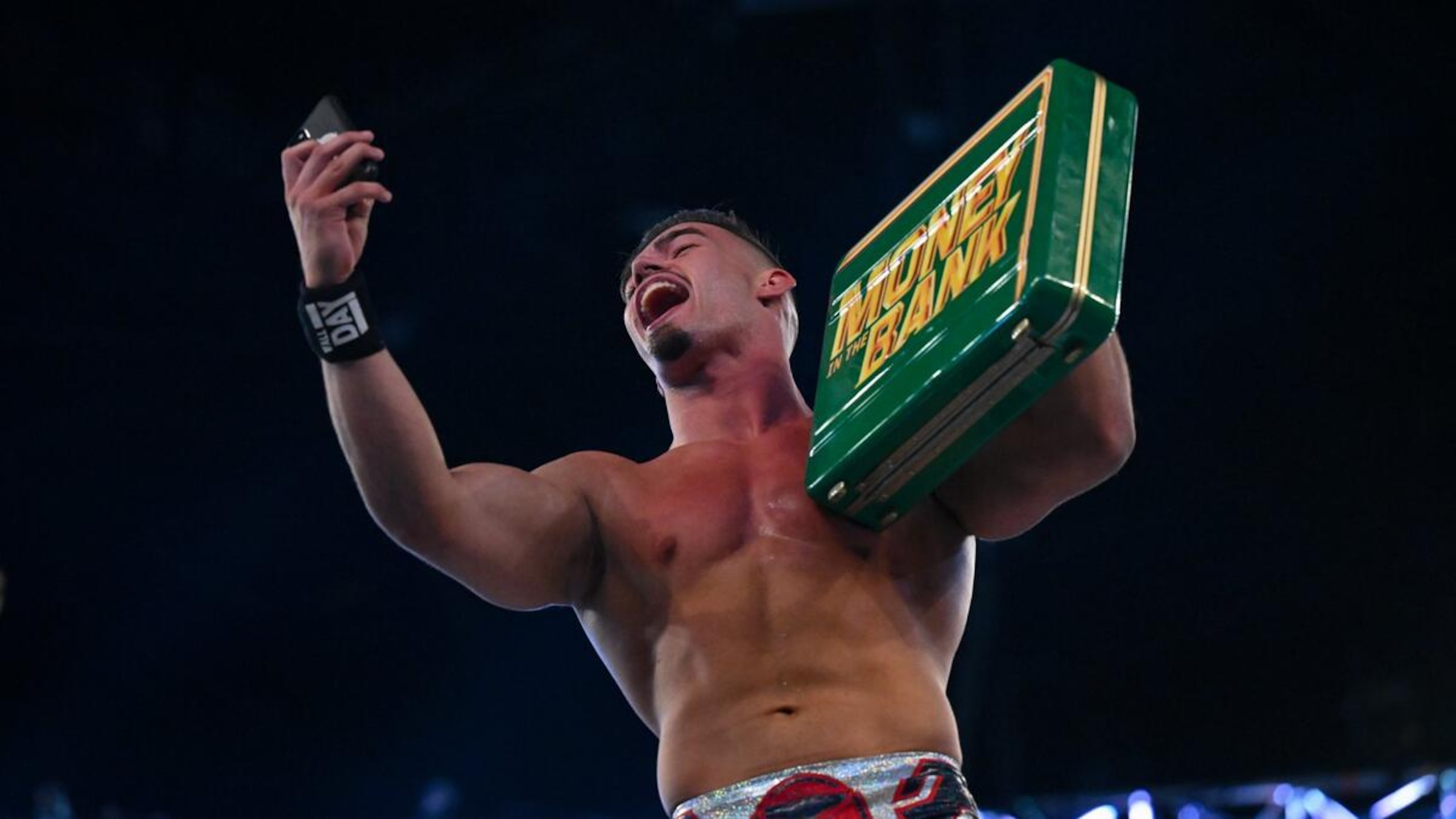
As WWE superstars began to jump onboard the Twitter bandwagon, it gave WWE a chance to extend its reach to more fans and become more relevant again.
Now, almost every WWE superstar has a signature handle which fans can follow. WWE superstars share things that are both part of a storyline, as well as real-life feelings.
While the positive effects Twitter has had are pretty obvious, it is the negative effects which seem to stare everyone right in the face.
Allow me to take you back a bit to a time before hashtags and trending.
As a youngster in the '80s and early '90s, I was never given this kind of chance to get a personal look inside the lives of my favorite wrestlers.
We had to settle for interviews in wrestling magazines to find out any real details about wrestlers, and half the time, we couldn't distinguish the kayfabe from the real.
This gave the superstars something of a mystique. Fans would think, "Who were these giants who looked and acted like superheroes?"
As the Internet came into prominence, it expanded the experience fans had by offering us a chance to access information about the sport 24/7.
The dust settled and the Internet part of the business became fully integrated by the turn of the century. But that was when things started to pick up again.
Sites like MySpace and Facebook came into the world and wrestlers joined and used these sites as a platform for blogging and sharing personal details about their lives.
This was not a daily thing, so the amount of information that was passed along was minimal, but we still got a more in-depth look at the side of the business most did not have access to before.
Matt Hardy was notable for having been one of the first to use every outlet the Internet had to offer to get closer to his fans, and it worked beautifully...for a little while.
YouTube came along and allowed guys like Matt and Jeff Hardy to push the envelope even further by filming moments from their personal lives and sharing them with the world, even going so far as to sell these videos, titling them The Hardy Show.
These all seemed like positive additions to the business, and then Twitter came along and changed everything.
Instead of texting their thoughts to each other, wrestlers could push them further through Twitter and get them out to the whole world.
With a limit of 140 characters, we have seen some superstars use the Twitter-verse to make themselves more relevant. Take Zack Ryder, for instance.
Ryder was a jobber who was getting little to no TV time when he jumped on Twitter and YouTube. Through his brand of humor, he was able to not only get the respect of the fans, but a big push on television.
Even though that push has since cooled, there is no denying how these services helped guys like Ryder get over.
The great thing about Twitter is that it has been embraced by both the younger and older generations of the sport.
The Iron Sheik, one of the most notable names from the 80s, has taken the opportunity to share his unique brand of humor on his Twitter account.
If you follow The Iron Sheik, then you know he has shown himself to be one of the funnier people in the business.
The other side of this coin is how Twitter has had as many negative effects as it has had positive ones.
With people sharing their thoughts without really thinking them through, we have seen some people make themselves look bitter, jealous, egotistical or all three.
Ten years ago, the words "Twitter war" would have elicited laughs because no one would have known what you were talking about. But now they are all too common.
Just this past week, we have seen two female wrestling personalities begin a war of words over something that most would think is a dumb reason to be fighting at all.
Sunny and Reby Sky exchanged heated words over the fact that Sid Vicious was brought in on Raw as a guest leading up to the 1000th episode.
Only Reby Sky can say why she decided to make these feelings public, but as soon as she clicked the button to post those comments, she opened the door for people to criticize her lack of experience in the business.
She is not the only one who has been attacked by another on Twitter, and she is certainly not the first person to give unsolicited opinions about others.
Many legends who have been lauded as major players have exposed themselves as petty and childish through their Twitter rants.
Scott Steiner even elicited a lawsuit from TNA when he took his comments too far when sharing his thoughts about the people in the company.
Superstars often have to delete their messages because they either overstep their bounds or share information WWE would have preferred to keep as a surprise.
Even though the wrestling business has used Twitter as a way of promoting itself, it also has to monitor it carefully because at any moment, someone could decide to throw a match on a gas-covered bridge and burn it to the ground by sharing information others would like kept private.
Thanks for reading, and please share your thoughts below on the impact Twitter has had on the business, negative or positive.
.jpg?w=2560 "Love's Body Already 'Tired'")
.jpg?w=2560 "Tyreek Deal May Come Soon")
.jpg?w=2560 "Ward Nearly Walks Out of Presser ▶️")


.jpg?w=2560 "NFL investigating 2 referees for separate viral exchanges")