

Understanding Wrestling Terminology: A Casual Fan's Guide
Very few of my friends actually watch professional wrestling, and the ones that do so only tune into Monday Night Raw on occasion.
But naturally, I assume they’re diehard fans like me, and thus, they know what a babyface or a shoot is. That is until I actually use those words around them.
I’ll say something along the lines of, “Wow. I can’t believe they haven’t turned him heel yet.”
TOP NEWS
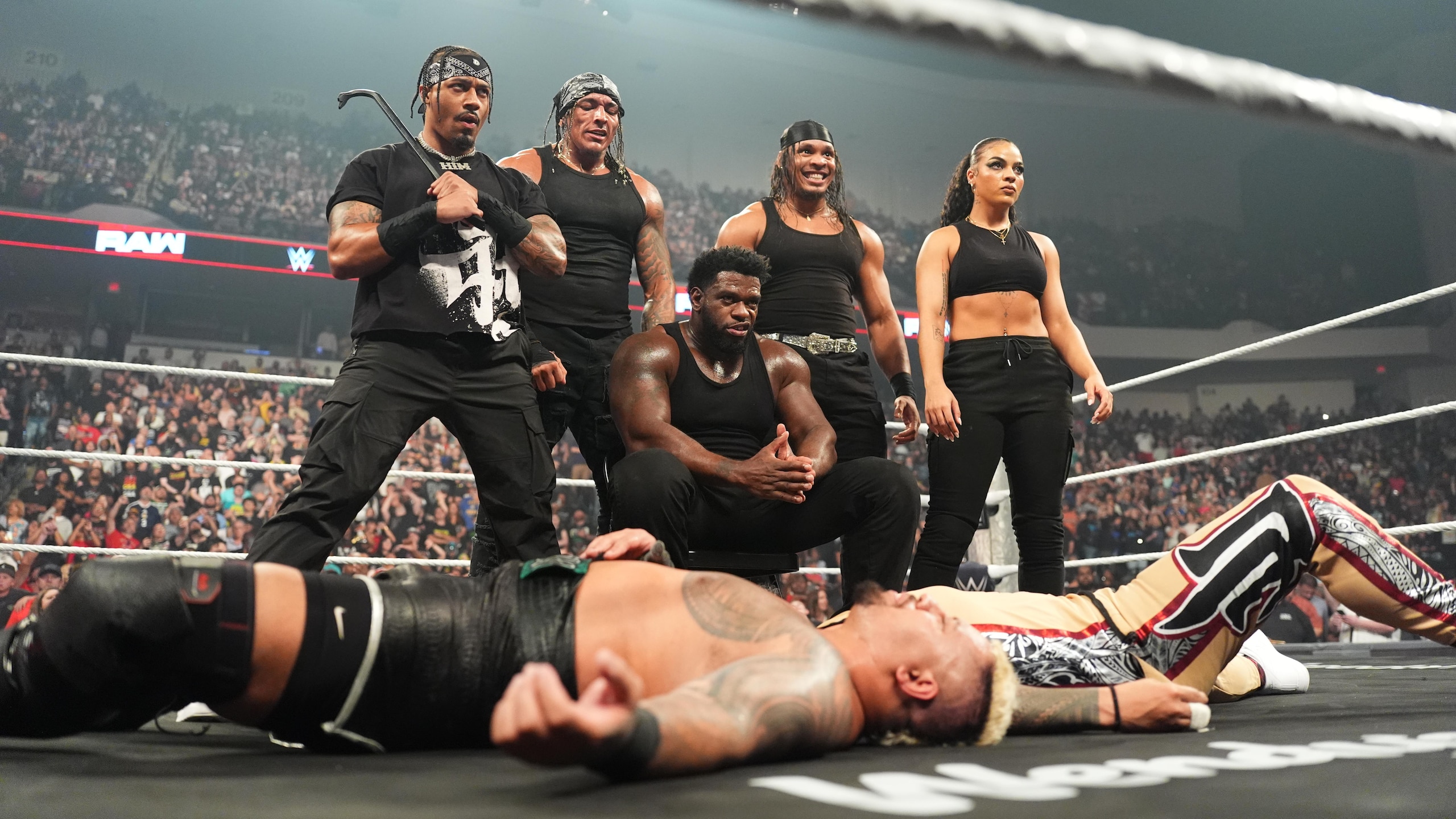
Predicting Survivor Series Participants 🔮
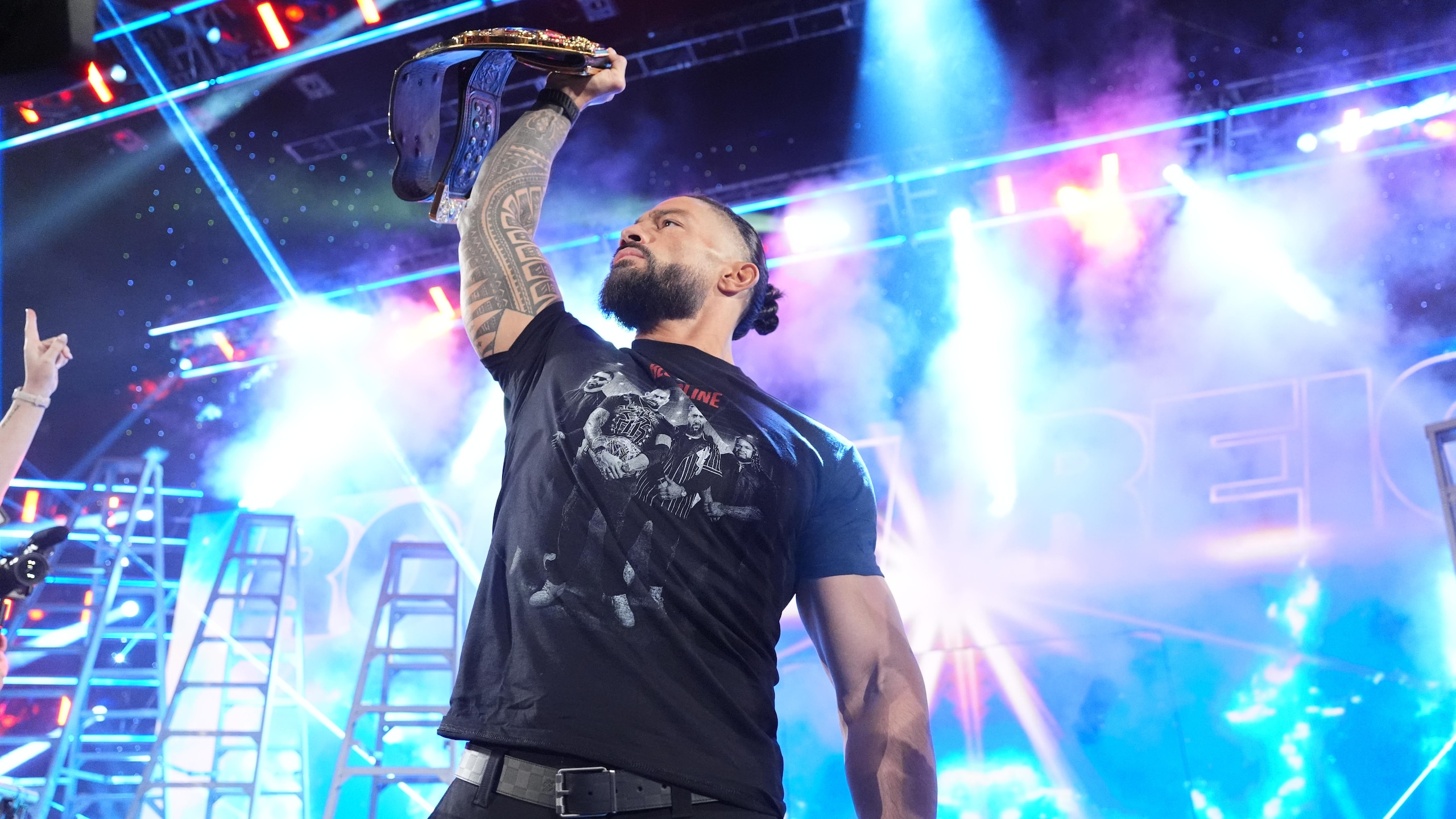
Biggest Threats to Reigns' Title 👀
.jpg?w=2560 "WWE NXT Live Grades October 13")
WWE NXT Live Grades 🔠
Their reaction? "Umm, what?"
Now, I know that most of you reading this are probably diehard fans as well and thus, likely have a firm grasp on wrestling terminology.
But for those that don’t and want to make sure that they know what people are talking about the next time they have a conversation about pro wrestling, this is for you.
Here is my guide to which terms you need to understand if you’re ever going to talk about pro wrestling:
Angle: Another term for storyline. This is essentially the driving force behind pro wrestling and is similar to the plot of a novel. It is anything, such as one wrestler attacking another, that leads to a story between multiple wrestlers, which can take on a number of different forms.
Babyface (“Face” for short): The good guy. This is similar to the hero or protagonist of a novel or play. He is the person that the fans cheer for, unless we’re talking about John Cena.
Blowoff: The last match of a feud. It usually takes place with some sort of added stipulation so that the two wrestlers involved can finally go their separate ways.
Buried or burial: When a wrestler’s stock begins to fall by having him consistently lose matches or placed in bad storylines. This can be part of an angle or a means of punishment for a wrestler who has done something to anger his company’s officials and/or fellow wrestlers.
Bump: The act of a wrestler hitting the ground or mat. A suplex and a fall off a ladder are both considered bumps.
Card: The order/series of matches on a given wrestling show. Top stars generally compete at the top of the card, while “mid-carders” are exactly there (at the middle) and lower-card workers or jobbers are at the bottom. This can also refer to someone’s spot in the company (Example: "Randy Orton works near the top of the card.”).
Clean finish: When a match ends without any type of interference, cheating or disqualification. Typically, a clean finish refers to a pin or submission that remains untainted.
Dark match: A match that is non-televised, but takes place before or after Raw or SmackDown. Pre-show dark matches are used to hype up the crowd, while post-show dark matches give the live crowd a bonus for attending the show.
Dirty finish: The exact opposite of a clean finish.
Finisher: A wrestler’s signature maneuver, typically one that is meant to “finish off” his opponent.
Gimmick: The character traits of a given wrestler which define the way he acts, how he dresses/wrestles and whether he’s a face or heel. Gimmicks can be based on real-life personalities or complete fiction.
Go or going over: When a wrestler beats another wrestler. It’s a fancy way of saying “winning.”
Green: Used to describe a wrestler who is raw and inexperienced. Generally refers to someone who is at the beginning of his career and more likely to make mistakes in the ring.
Heat: When a wrestler is booed by the crowd or generally generates similar reactions. This can also refer to the scenario in which a wrestler has issues with his fellow wrestlers and/or other people within the company for an incident that may or may not have occurred in the ring.
Heel: The bad guy. This would be the antagonist or villain in a novel or movie.
In-ring psychology: Structuring a match so that it makes sense, is worked properly, tells a story and does not consist of random moves with no fluidity.
Job: To lose to another wrestler in quick fashion.
Jobber: A wrestler who almost always loses. His primary function is to make his opponents look good.
Kayfabe: Keeping up the illusion that pro wrestling is not scripted. This is a complicated concept, but the basis of kayfabe is wrestlers making sure that the fans believe that what they are seeing is 100 percent real and not scripted or “fake” in any fashion.
Mark: In short, a fan of the wrestling business. But it is more often used to describe a fan who treats wrestling as if it unscripted or is completely unaware that it is.
No-sell: When a wrestler does not react to an opponent’s move. This could either be part of a gimmick or done as a sign of disrespect.
Over: Refers to a wrestler (and/or his character) generating a reaction from the fans. A heel is considered to be “over” when generating boos and “You Suck!” chants, while a face is considered to be “over” when generating cheers. “Putting someone over” refers to the act of a wrestler losing to another wrestler.
Pop: The crowd reaction that a wrestler generates. “Pop” often refers to a positive reaction, while “heat” often refers to a negative one.
Program: Series of matches between two wrestlers.
Push: When a wrestler rises up the card, often by winning multiple matches and/or getting preferential treatment when it comes to storylines. “Being pushed” is the exact opposite of “being buried.”
Sell: How a wrestler reacts to an opponent’s moves. A crucial aspect to making scripted moves look unscripted.
Shoot: Going off-script and making something real. A shoot can be a promo in which a wrestler says something unscripted (generally something negative directed toward another wrestler) or does a legitimate move that may be used in actual fighting.
Smark: A “smart” mark.
Spot: A scripted move or series of moves. These are generally pre-planned and have a huge effect on the structure of match as well as the crowd’s reaction to it.
Squash: A short match in which one wrestler beats another easily and quickly. Squash matches typically only last a couple of minutes, if that.
Stable: A group of wrestlers who unite, usually for one common purpose or because of a connection between multiple members of the group.
Turn: When a wrestler switches from heel to babyface or from babyface to heel. Essentially, it’s when a bad guy goes good or vice versa.
Tweener: A wrestler who is viewed neither as a face nor a heel. He generally displays characters of both sides, and thus, is seen as a combination of both. This can also refer to someone who is fully heel as a character, but gets cheered anyway.
Work: Anything that is scripted to happen. The exact opposite of a shoot.
Worked Shoot: An occurrence that is scripted, but generally combines elements of both a work and a shoot. It is called a “worked shoot” because although it is scripted, it generally exposes part of the business.
Note: As part of the new WWE blog, I'll be asking all of the B/R wrestling readers for questions for a new mailbag that I will post on Fridays. It will be a slideshow featuring 10-20 questions and answers on a wide range of topics. You can submit questions either through Formspring or Twitter, and the best ones will be answered in the B/R mailbag.
.jpg?w=2560)

.jpg?w=2560 "New 2027 NFL Mock Draft 🔮")
.jpg?w=2560 "Jury Finds Tyreek Hill Liable for 2 Battery Counts (AP)")
.jpg?w=2560 "Top Trade Targets Entering Week 6")
.jpg?w=2560 "Ravens DB Called Tua INT 🔮")