
2025 NBA Trade Deadline Goals for Every Team
The NBA trade deadline is less than two weeks away, which means it's time for all 30 teams to do some serious reflection.
Every organization needs to have its priorities set and assets organized. This is no time to play things by ear.
Contenders like the Cleveland Cavaliers and Oklahoma City Thunder must decide whether to stand pat or chase one last piece of a potential championship puzzle. Tankers need to have their vets lined up and available for trade. The teams in between have to establish and act on plans to either chase a playoff spot or call this season a wrap.
The trade deadline is defined by unpredictability, but there's no harm in being prepared. That starts with setting goals ahead of Feb. 6.
Atlanta Hawks: Make Careful Additions
1 of 30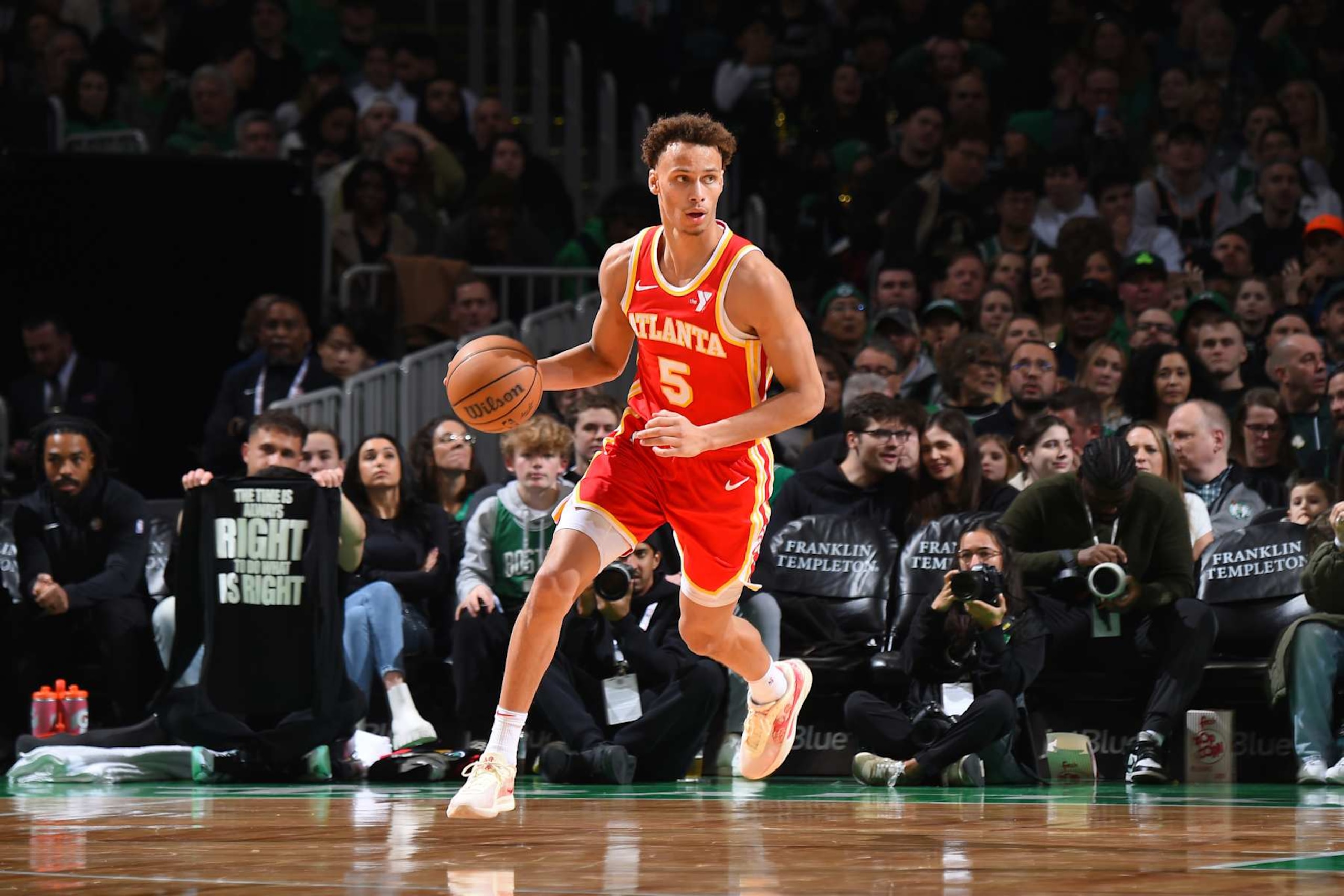
The Atlanta Hawks gave control of their 2025, 2026 and 2027 first-round picks to the San Antonio Spurs in the Dejounte Murray trade, which should rule out the option of selling at the deadline. Tanking is out of the question.
That doesn't necessarily mean that the Hawks need to go to the other end of the spectrum and operate as reckless buyers, though.
This is a middling outfit that ranks 16th on both offense and defense, so help of any stripe would be worth pursuing. But the Hawks have to think about an upcoming extension for Dyson Daniels this offseason. Both Trae Young and De'Andre Hunter can add years to their current deals this summer as well.
Atlanta could turn the expiring contracts of Clint Capela and Larry Nance Jr. into a player who makes close to $40 million this season, with more money guaranteed in future years. As tempting as that might seem, the Hawks need to be careful. They have enough good young pieces as it is, and some of them will need to be paid sooner than later.
Boston Celtics: Save Money
2 of 30
The defending-champion Boston Celtics have played .500 ball for almost a month, going 7-7 from Dec. 23 to Jan. 20. However, that rough patch shouldn't raise any major concerns or spur big deadline action, not that the latter is a realistic option for Boston.
Ideally, the Celtics would land a wing to back up Jayson Tatum and Jaylen Brown. But the only realistically movable player on the roster is Jaden Springer, who makes just $4 million. He isn't likely to bring back a rotation piece at that price point, particularly considering Boston can't justify attaching more than a second-rounder or two in any deal.
A Springer trade may not allow for an upgrade, but it could save the Celtics upward of $16 million in tax payments if they ship him out without taking back any salary.
You hate to highlight "save money" as a goal for anyone, let alone a contender. But that's really the best Boston can hope for.
Brooklyn Nets: Exercise Patience
3 of 30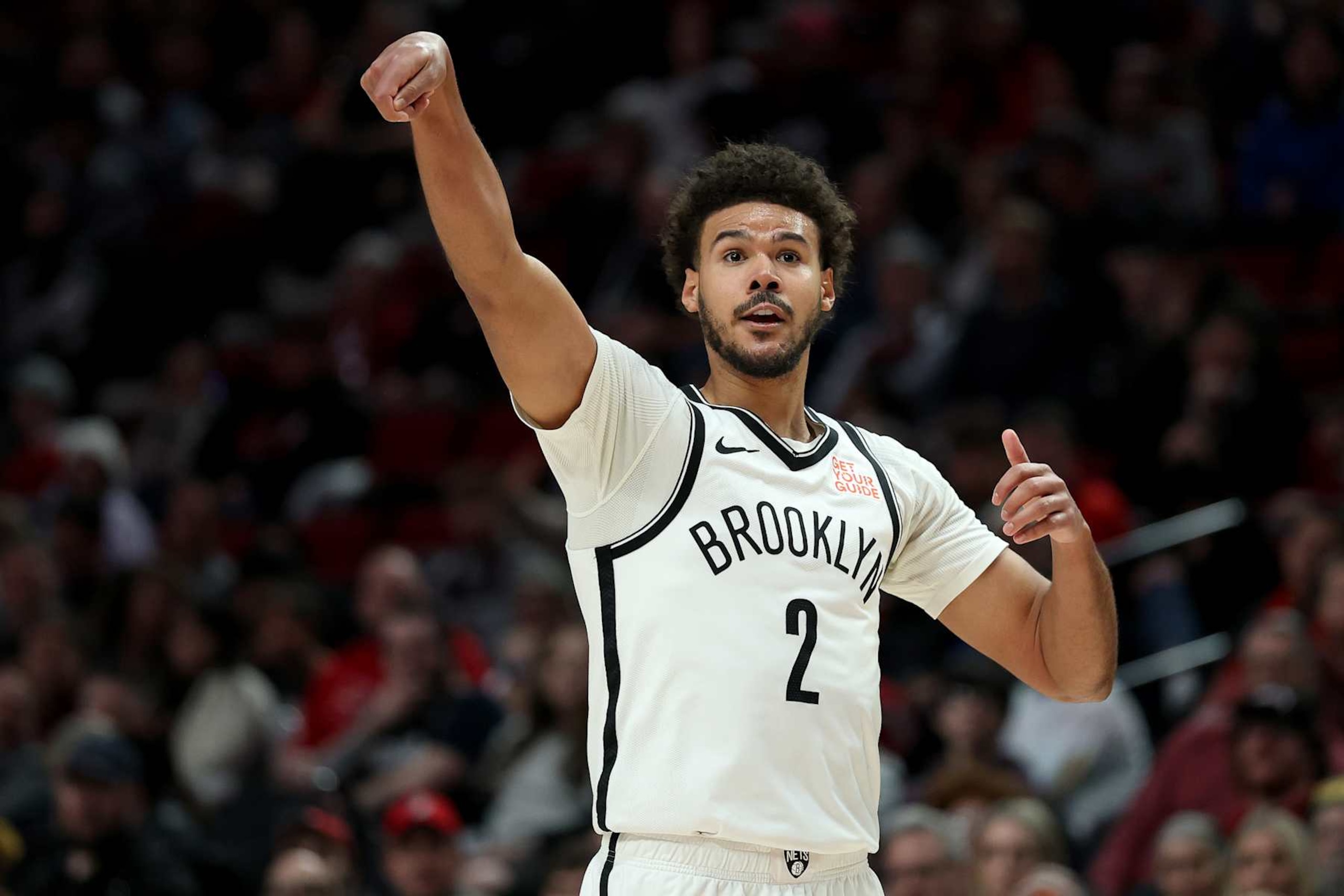
If the Brooklyn Nets are "loath" to part with Cam Johnson for less than two first-round picks "or the equivalent thereof," as Brian Lewis of the New York Post reports, well...good for them.
Though it might seem like the tanking Nets should take whatever they can get for Johnson in the wake of deals that sent out Dennis Schröder and Dorian Finney-Smith for second-round equity, that's not the right way to think about their position. Brooklyn recaptured control of its 2025 first-rounder in an offseason deal with the Houston Rockets, which incentivized this season's rebuild. But the Nets also regained their 2026 first-rounder in that trade.
That means they have two full years to strip this thing down. And with Johnson under contract through 2026-27, the only urgency they face stems from the possibility that his value might never be higher than it is today.
If that pair of first-rounders is available, the Nets should happily agree to send Johnson away. But if teams balk at the price, there's no reason for Brooklyn to act impatiently. This is only the first year of what'll likely be a multi-season effort to hoard assets.


Charlotte Hornets: Move Micić and Martin
4 of 30
The Charlotte Hornets already reeled in Josh Okogie and three second-round picks for center Nick Richards and a 2025 second-rounder in a trade with the Phoenix Suns, but their low-end selloff shouldn't stop there. If they can find any takers for Vasilije Micić or Cody Martin, they should pounce on that opportunity.
Martin would likely be easier to move for positive value considering his track record as a high-intensity defender who proved to be a capable spacer on offense for one season. He hasn't come close since, but the 29-year-old wing drilled 38.4 percent of his treys in 2021-22.
Both Martin and Mičić would offer buyers financial flexibility, as their contracts have no guaranteed money after this season. The former's 2025-26 salary is non-guaranteed, while the latter's $8.1 million for next year is a team option.
The Hornets should exercise some caution when taking back salaries, but they're still early enough in their rebuild to justify absorbing bad money if it comes with a quality second-round pick or even a heavily protected first-rounder attached.
Chicago Bulls: Sell Boldly
5 of 30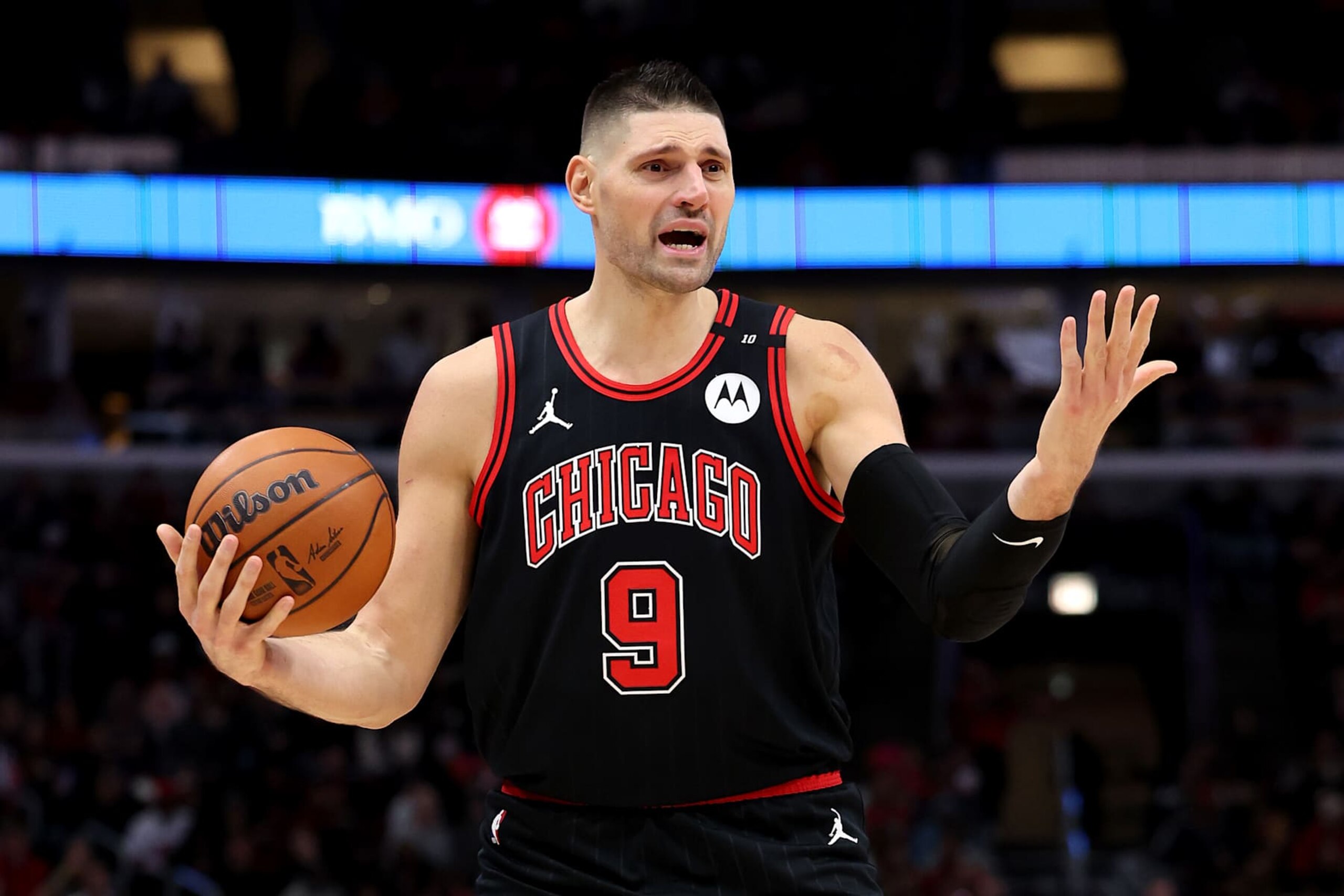
Yes, the Chicago Bulls are in position to make the play-in tournament for now. No, the market hasn't heated up on Zach LaVine enough to generate offers Chicago should clearly accept.
Despite those realities, the Bulls need to finally rip the bandage off and earnestly pursue a rebuild. It's time. Actually, it's past time. Chicago has been on the treadmill of mediocrity for years, and when faced with this exact situation in the past, it has chosen to continue jogging. Destination: nowhere.
Ship out Nikola Vučević for second-rounders. Shop LaVine as hard as possible, settling for a single first-rounder if necessary. Don't forget to let it slip that Coby White and Ayo Dosunmu are available since neither's salary is large enough for extensions to be realistic. Get something back for both, and avoid the handwringing that'll come when they inevitably hit unrestricted free agency.
This deadline doesn't look like an ideal one for sellers. Teams are scared to take on salary or otherwise limit their financial flexibility. But this is what happens when you wait several years too long. Chicago needs to get what it can and move on.
Cleveland Cavaliers: Prepare for Shooting Regression
6 of 30
The Cleveland Cavaliers still haven't given up their No. 1 rankings in three-point and effective field-goal percentage, and sometimes it seems like they never will.
But Caris LeVert, a career 34.8 percent shooter from deep, isn't likely to keep canning 42.0 percent of his three-point attempts. Ditto for Isaac Okoro (career 35.2 percent), who's hitting 39.7 percent of his treys. Evan Mobley, Darius Garland and Ty Jerome can't realistically all stay north of 40 percent from distance.
Cleveland is good enough to do nothing at the deadline. Its offense is the best in the league for reasons beyond elite perimeter shooting, and its defense, led by Mobley, often looks impenetrable.
But if the Cavs are looking for upgrades that could soften the landing when their shooting comes back to earth, that could take the form of a defensive upgrade on the wing or a sniper with a longer track record of success than LeVert, Okoro, Mobley or Jerome.
Dallas Mavericks: Find Some Frontcourt Insurance
7 of 30
The Dallas Mavericks might be without Dereck Lively II until April, which means they could use some frontcourt insurance.
Daniel Gafford is a high-end backup, but Maxi Kleber isn't the same floor-spacing, shot-blocking force that he was several years ago. Dwight Powell is in the Udonis Haslem, adult-in-the-room phase of his career.
If the Mavs are in search of reinforcements up front, they could aim low at someone like currently injured Atlanta Hawks center Larry Nance Jr. If they set their sights higher, they could put together a package for Detroit Pistons defensive ace Isaiah Stewart.
None of this will matter if Luka Dončić and Kyrie Irving aren't fully healthy for the stretch run and postseason, and key support pieces like P.J. Washington and Klay Thompson will need to be at their best as well. Assuming their leaders and big-time contributors will be in good form when the games count most, Dallas should focus on landing one more big, ideally one with some switchability and stretch.
Denver Nuggets: Turn Zeke Nnaji into Someone Who'll Play
8 of 30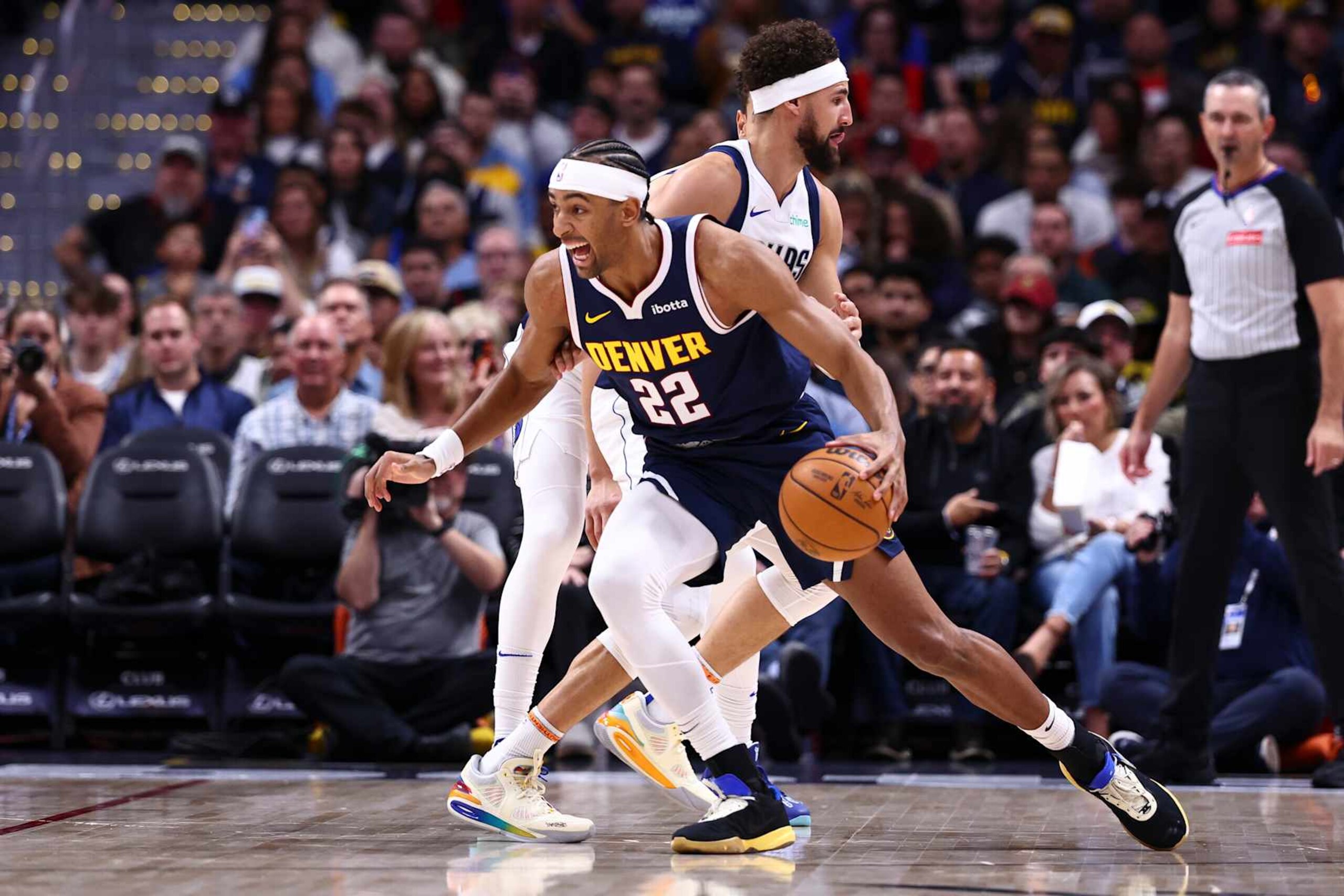
Zeke Nnaji is averaging only 4.5 minutes per game for a Denver Nuggets team that was without starting power forward Aaron Gordon for more than one multi-week stint and hasn't gotten a second of action from injured first-rounder DaRon Holmes II. A trade that sends out Nnaji for someone who'll actually feature in Denver's rotation feels like a must.
Understanding that is the easy part. Acting on it is tougher.
Denver is short on the sweeteners necessary to entice buyers, and it probably shouldn't send out the only first-rounder it can move (2031) in a deal for what might only be an eighth or ninth man.
Plus, Nnaji's four-year, $32 million extension just began this season. Though it declines in value through a $7.5 million player option in 2026-27, it's still quite clearly a negative-value contract. That means Denver will need to not only find someone making less than Nnaji to acquire but also convince a team that Nnaji's deal is worth onboarding for a future second-rounder.
Detroit Pistons: Resist the Urge to Get Reckless
9 of 30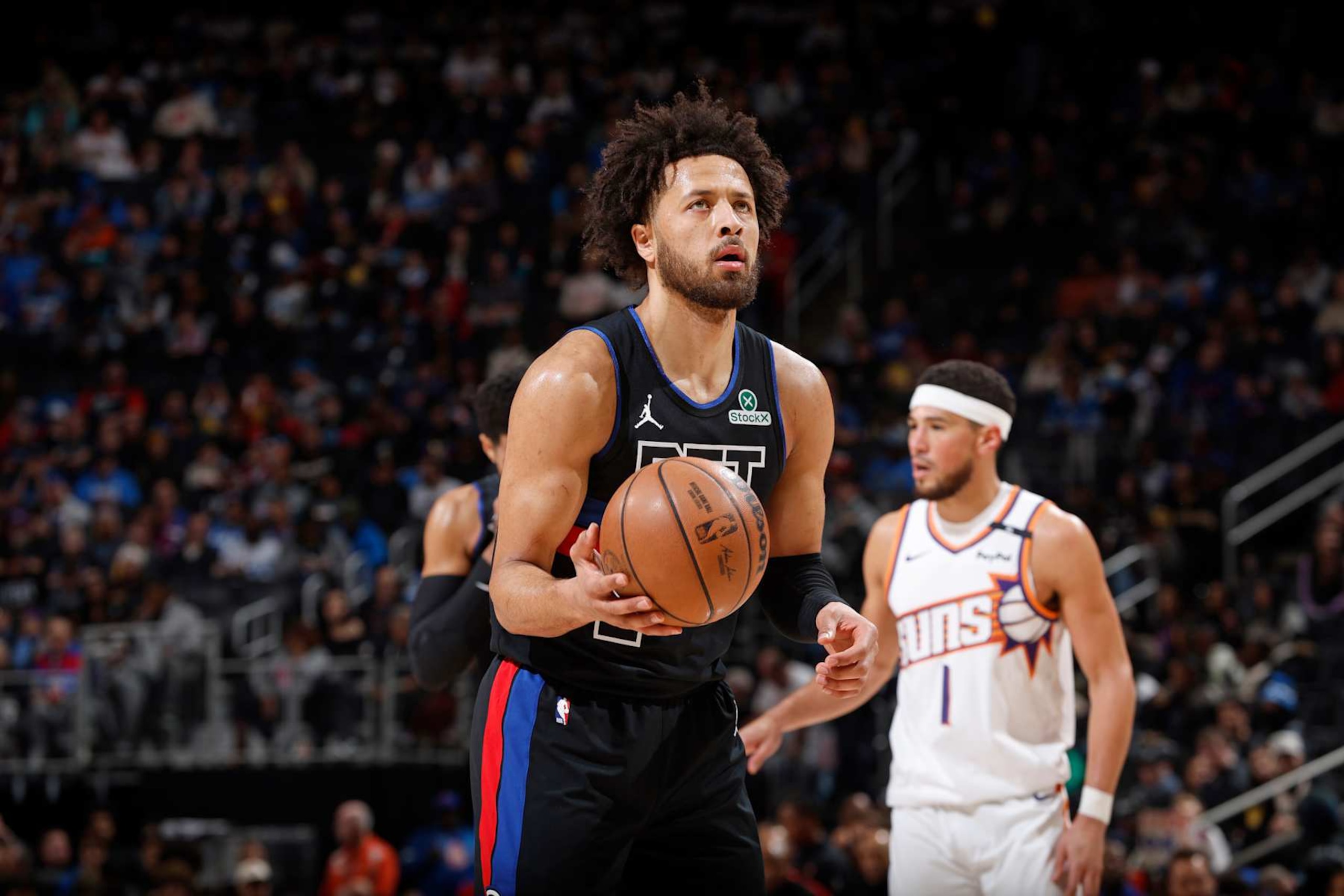
Per NBA insider Jake Fischer, the Detroit Pistons are "considering" becoming buyers prior to the Feb. 6 trade deadline.
Detroit is hanging around .500 this late in a season for the first time in years, so its urge to chase a few more wins and a higher postseason seed is understandable. It's been a while since the Pistons have had a shot at playing meaningful basketball after the trade deadline.
They have to tread carefully, though. They're uniquely positioned with $14.1 million in cap space that they could use to onboard bad salary with future assets attached.
Maybe the right win-now deal comes along, and the Pistons decide it's worth using that flexibility to instead add a pricey player who'd either start or feature in the rotation next to a young core led by potential All-Star Cade Cunningham. This isn't to say the Pistons should rule out such an acquisition.
They just need to understand the potential risks of thinking they're ready to win now and weigh them against a more deliberate approach that gets them to peak in two or three years.
Golden State Warriors: Don't Be Afraid to Stand Pat
10 of 30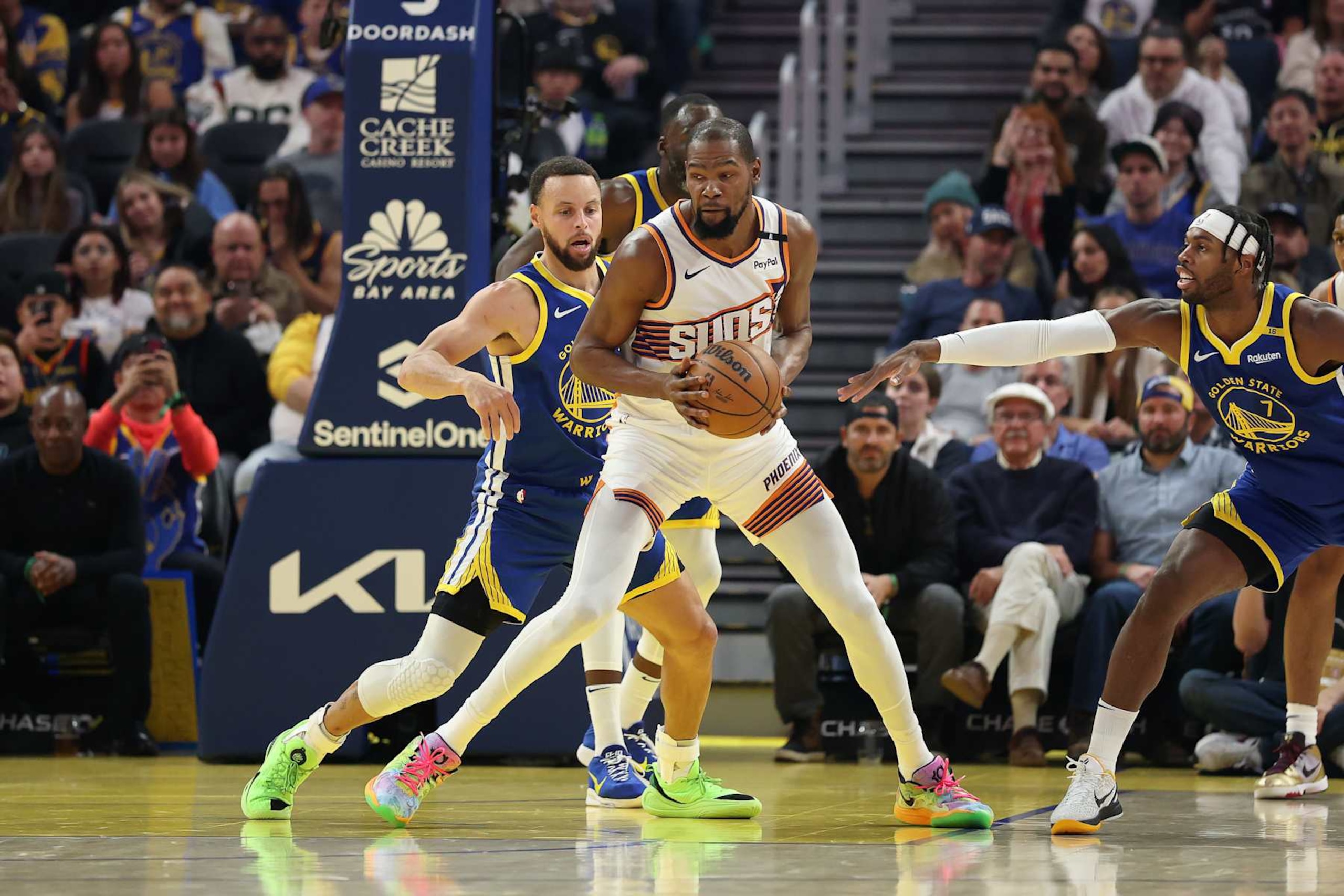
Stephen Curry, Draymond Green and Steve Kerr want to win, but they've all acknowledged that the Golden State Warriors shouldn't mortgage their future at the trade deadline.
If Kevin Durant makes a trade request or some other no-questions-asked All-NBA superstar shakes loose between now and the deadline, Golden State could rightly decide that it's worthwhile to part with Andrew Wiggins, Jonathan Kuminga, expiring salary and two of their future first-round picks.
The franchise's desire to give Curry one more shot at contention feels legitimate, but its belief that the Jimmy Butlers, Zach LaVines and Brandon Ingrams of the world aren't good enough to accomplish that is also well-founded.
It might feel like a waste of Curry's late prime to do nothing at the deadline (or to send out second-rounders for Nikola Vučević), but the Warriors need to be realistic. The only thing worse than failing Curry would be failing Curry and wrecking the next half-decade with a shortsighted panic trade.
Houston Rockets: Bide Your Time
11 of 30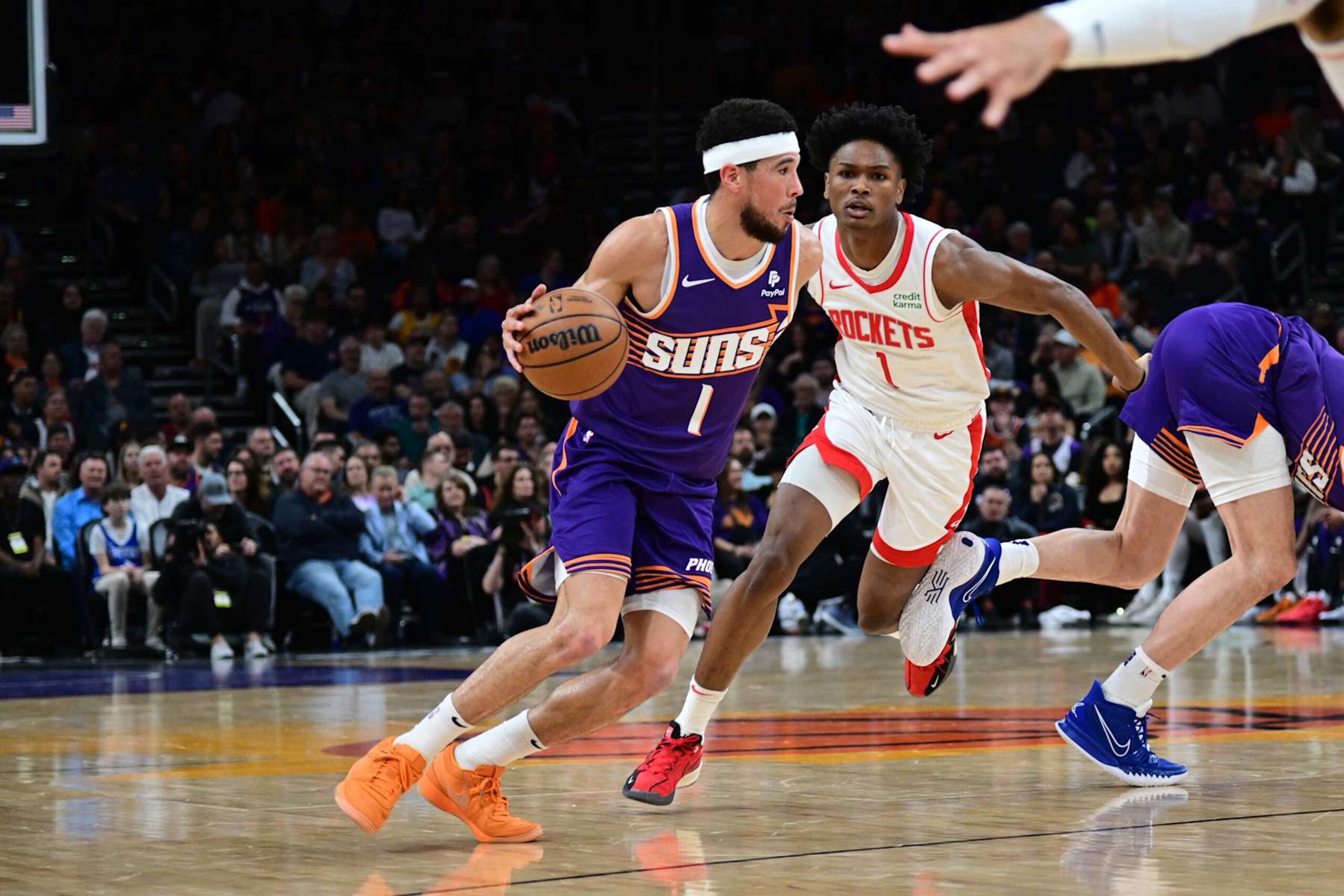
The Houston Rockets need someone who can get their half-court offense humming. They're 10th in scoring efficiency overall, but that number owes almost entirely to the roster's athleticism and transition dominance. When things slow down and Houston has to attack a set defense, it ranks 25th in the league.
Fortunately for the Rockets, help is on the horizon. They own a considerable number of the Phoenix Suns' future first-rounders and should be ready to offer them up for Devin Booker.
That trade isn't happening this year, but circumstances could change by the 2026 deadline.
The Rockets are loaded with talent, way ahead of schedule in their rebuild and armed with the tools they'll need to acquire the perfect over-the-top piece. They'll just need to wait for the opportunity to arise when the Suns inevitably implode.
Indiana Pacers: Make Some Calls on Obi Toppin
12 of 30
Tyrese Haliburton and the Indiana Pacers have righted the ship after a choppy start to the season, so their focus at the trade deadline should remain on the rest of this year. But they also needs to consider their future.
As of now, Indy projects to be about $20 million below the luxury tax in 2025-26. More immediately, the Pacers are less than $1 million over this year's tax line. Getting under that cutoff will be vital, but so will preparing for some upcoming expenditures.
Bennedict Mathurin is eligible for an extension this summer, and salaries for 2026 draft picks need to be considerations in any deadline or tax-related planning.
The Pacers could consider trading Obi Toppin to shed salary if they can find a taker. More significant moves involving Mathurin or Jarace Walker are also possibilities, though Indiana should look into moving T.J. McConnell first.
Los Angeles Clippers: Find Some Stretch
13 of 30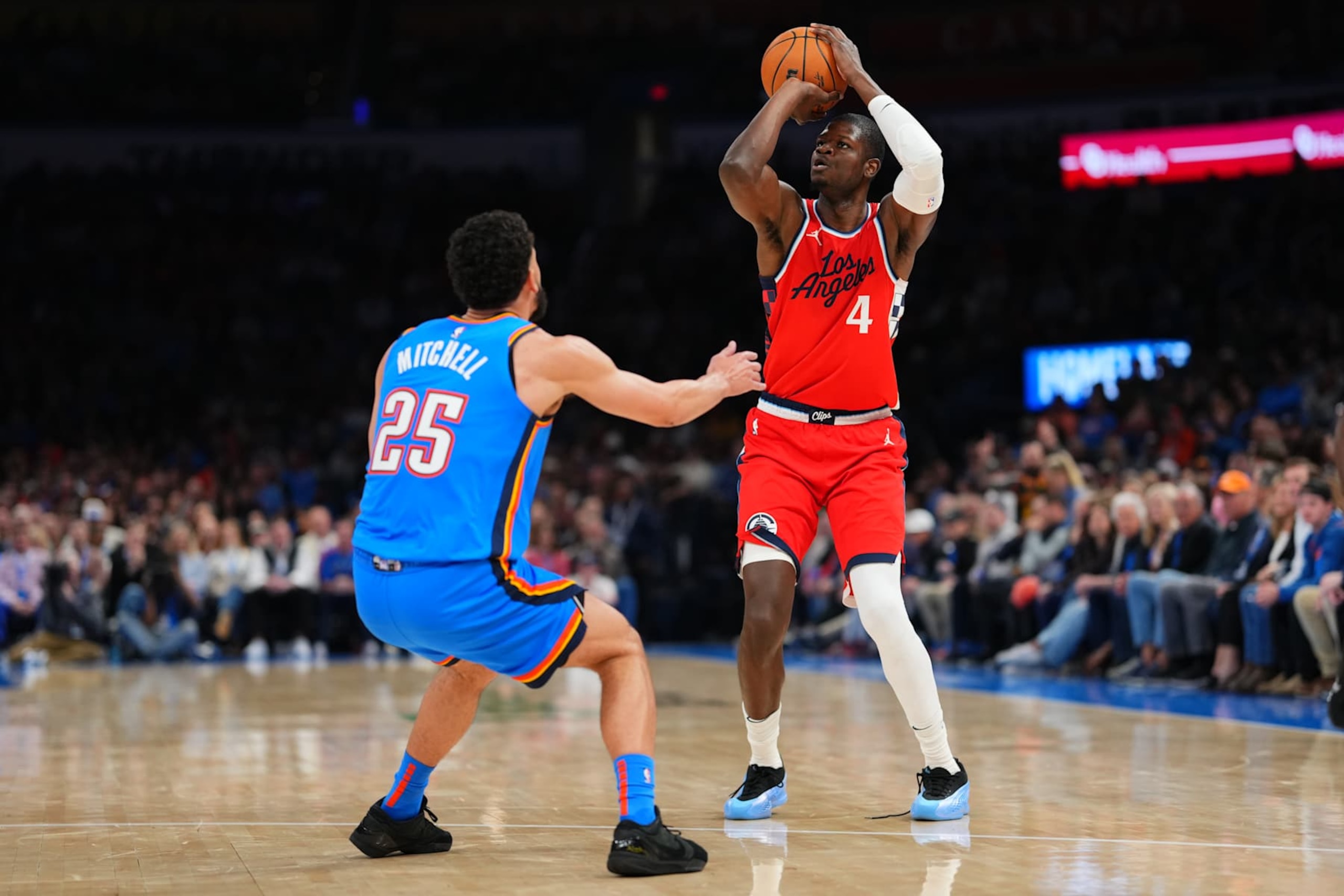
Mo Bamba is shooting under 32 percent from deep, and Ivica Zubac has attempted exactly two three-pointers across the last four seasons combined. The Clippers' lack of frontcourt stretch should be one of the easier holes to fill in this otherwise barren trade market.
The Clips could put in a call to the Toronto Raptors on Chris Boucher or Kelly Olynyk, dangling P.J. Tucker's expiring salary as starting point. If they include a small draft asset or Terance Mann or Kobe Brown, it shouldn't be that hard to get the Raps to bite.
L.A.'s defense has been a revelation this season, and Zubac deserves more credit for that than anyone else on the roster. He's still going to play all the minutes that matter.
But every team needs a different look once in a while, and the appeal of five-out spacing with lineups that include James Harden and Kawhi Leonard is hard to ignore.
Los Angeles Lakers: Put One First-Rounder on the Table
14 of 30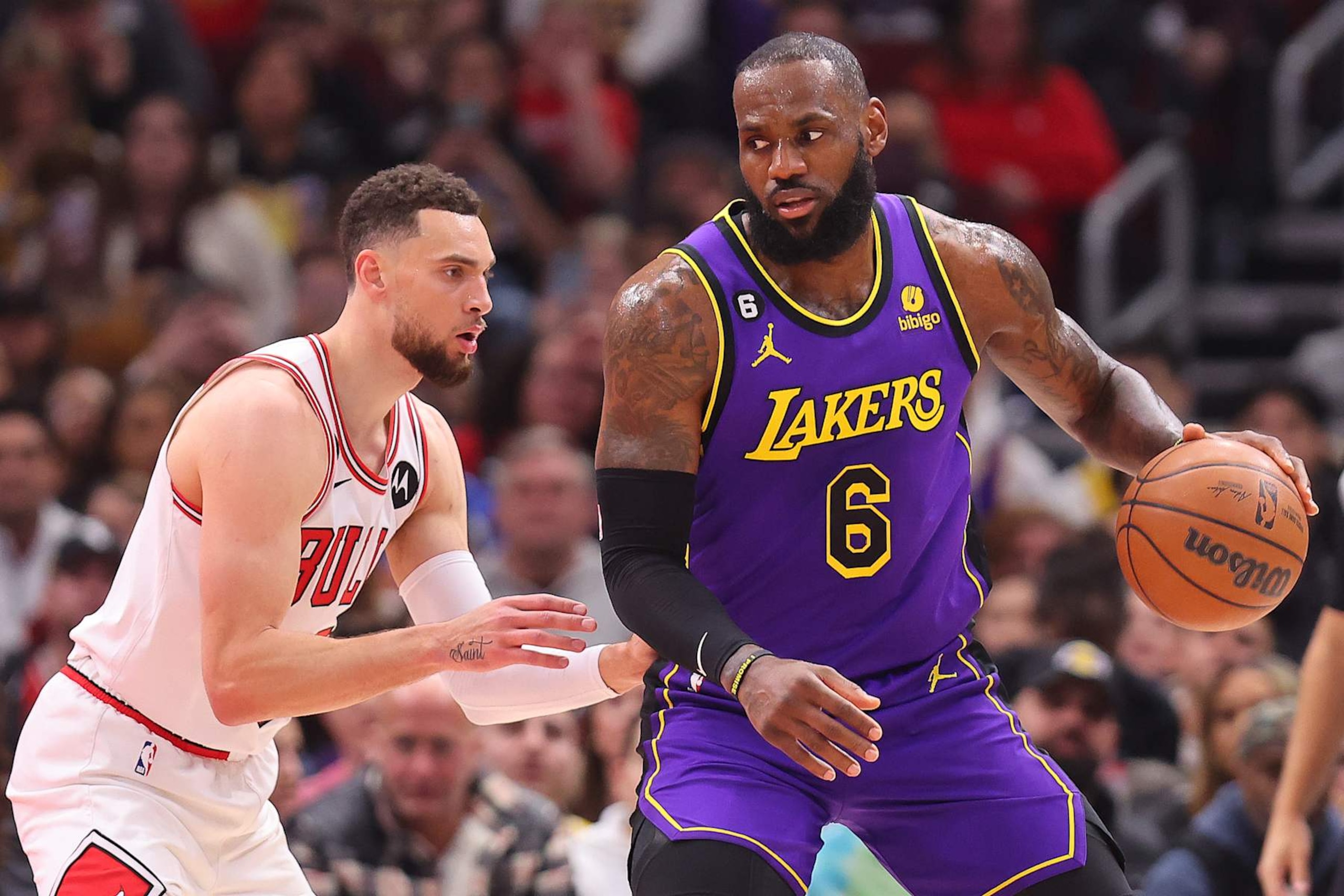
Coldly, the Los Angeles Lakers should trade LeBron James and Anthony Davis to start a rebuild. Sentimentally, they should offer up every pick and unwanted salary they have for a superstar.
Somewhere in between, the smartest path emerges.
The Lakers can trade two first-round picks, but they should put just one on the table. And why not get specific? They should offer either their 2029 or 2031 first-rounder to the Chicago Bulls in a package for Zach LaVine.
Gabe Vincent, Rui Hachimura, Jarred Vanderbilt and Jalen Hood-Schifino get Los Angeles to within $1 million of a cap-legal salary match, though four-for-one trades are rare. Including a third team would make this much cleaner.
If Chicago wants more than a single first-rounder for LaVine, the Lakers should walk away. If the Lakers don't want to trade any of their premium draft capital, the Bulls could do the same.
Given the market for LaVine, a single first-round pick might be enough to get a meet-in-the-middle deal done.
Memphis Grizzlies: Find an Upgrade on the Wing
15 of 30
Fourteen Memphis Grizzlies are averaging at least 14 minutes per game, and nobody is logging more than 30 per night. That's proof that this is one of the deepest teams in the league. And yet, Memphis still somehow has a glaring hole on the wing.
Rookie Jaylen Wells has been a revelation—a legitimate starter who can hit open threes, make good decisions and defend tough assignments on the other end. But he's about as close to a true wing as there is on the roster, and he skews a bit undersized for the position. Marcus Smart, who was supposed to fill that role, has been injured and ineffective since coming aboard last season.
If Memphis could turn Smart ($20.2 million this year; $21.6 million in 2025-26) into a genuine small forward, it could be enough to make it the clearest threat to OKC's primacy in the West.
Jimmy Butler is the biggest name on the market, and the Grizzlies are one of the few teams where his fit makes actual sense. It'd take more than Smart to land Butler and his $48.8 million salary, but Memphis could cobble together matching money with ease.
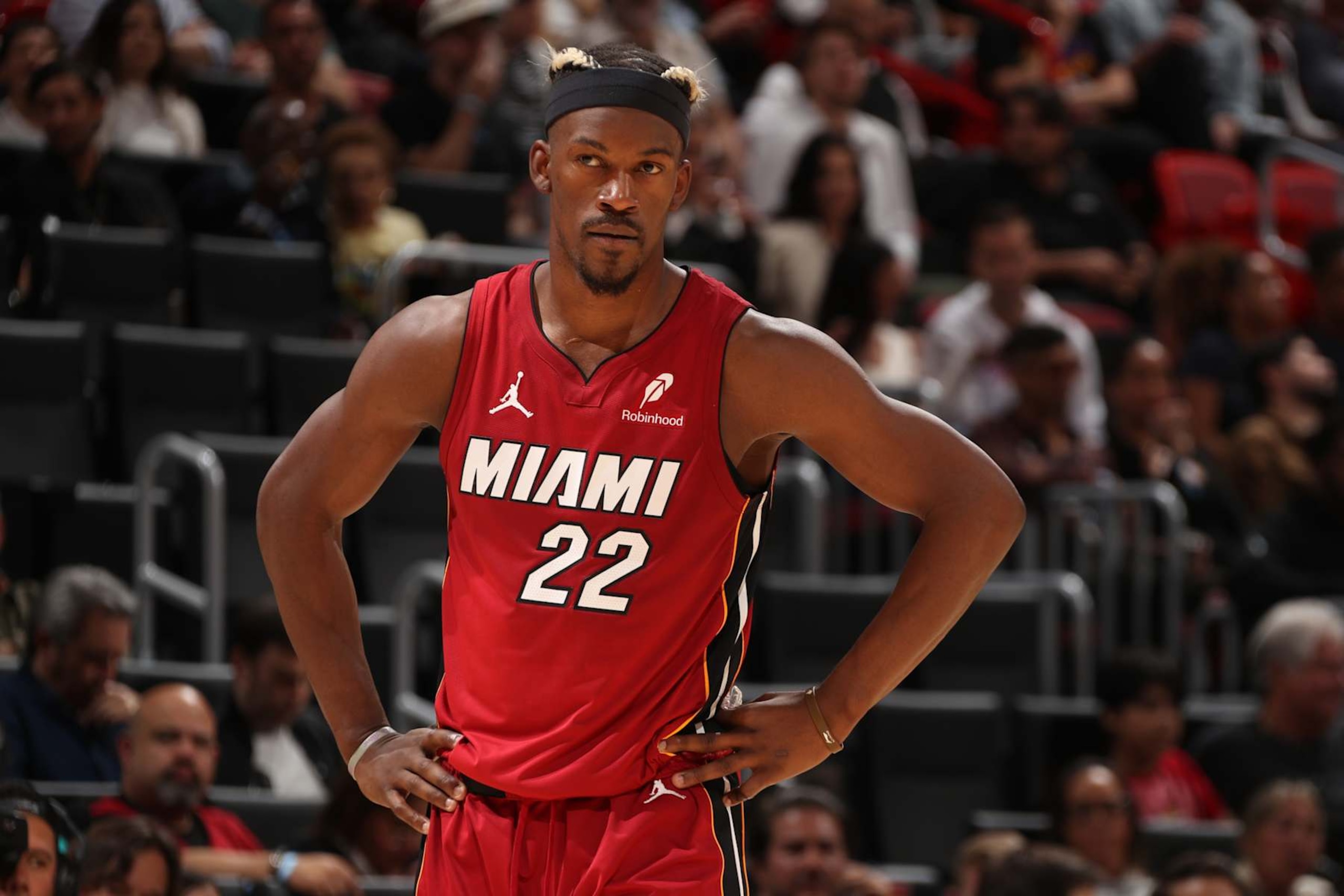
Miami Heat: Do Not Take Back Bad Money for Jimmy Butler
16 of 30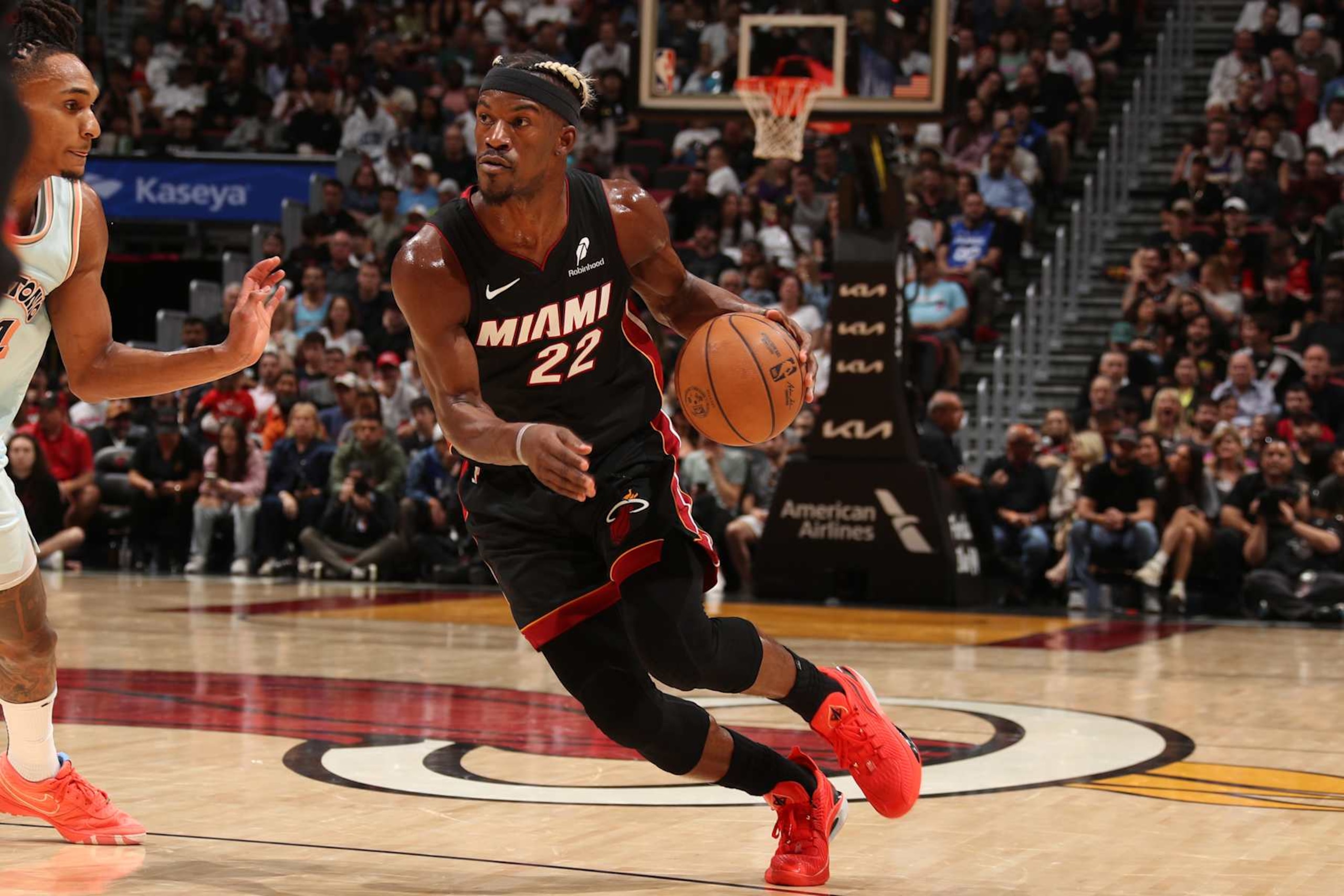
A limited market for Jimmy Butler could tempt the Miami Heat to accept a less-than-ideal return. They need to resist that urge.
Granted, the Heat could more easily move Butler if they were willing to take back long-term salary. Teams interested in Butler may prefer to offload money that goes beyond 2024-25 in exchange for him, and many teams in Miami's situation have historically "preserved the salary slot" by accepting longer contracts when matching money in deals of this size.
That'd be a mistake in a cap environment where teams seem to now value flexibility and distance from the CBA's aprons.
The Heat still have Bam Adebayo, Tyler Herro and a consistent unwillingness to play noncompetitive basketball. They could realistically contend again soon if they simply let Butler walk and retool this summer.
Allowing a star to leave for nothing used to seem like managerial malpractice. Miami should acknowledge that it might now be the right decision.
Milwaukee Bucks: Try to Upgrade the Bobby Portis Spot
17 of 30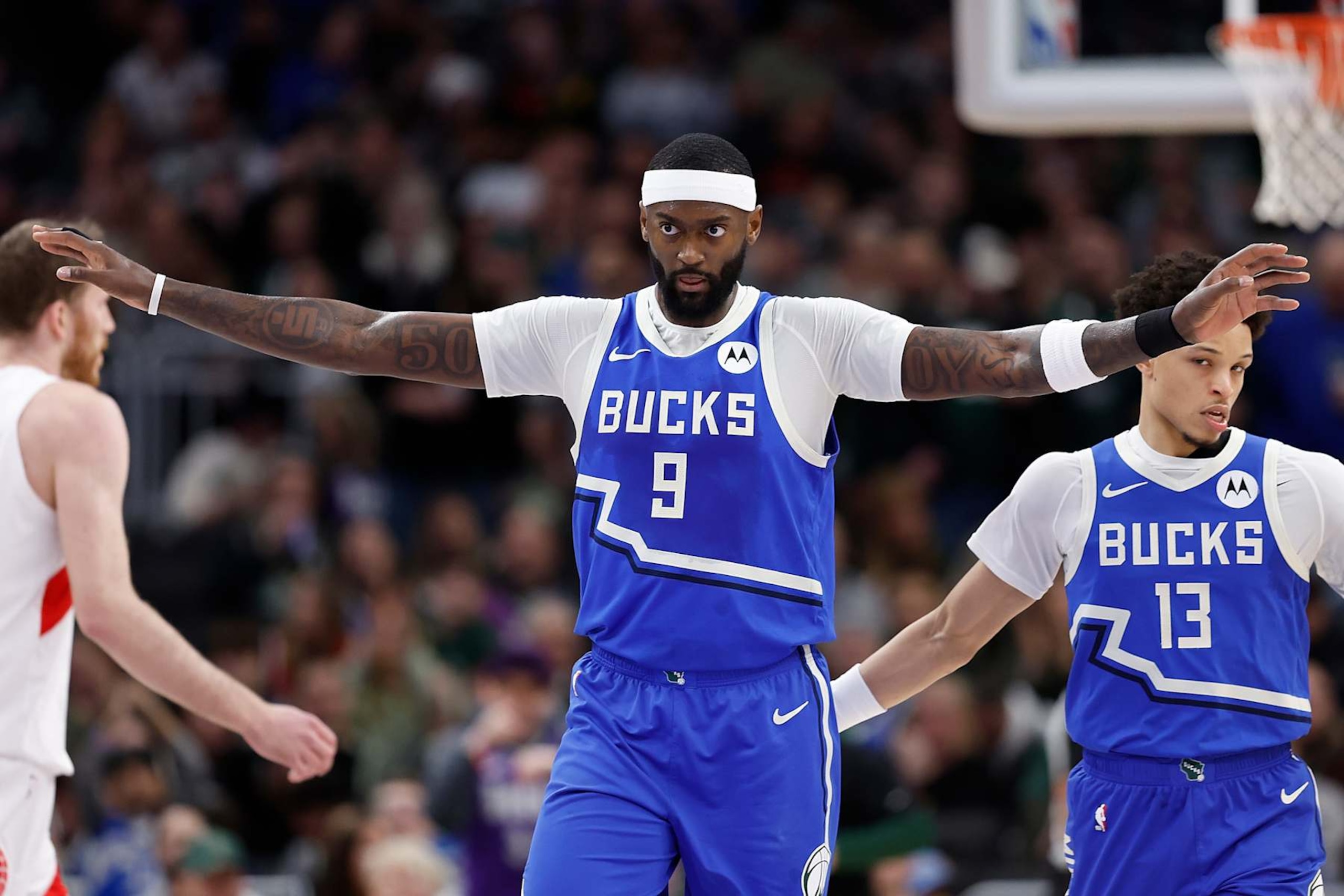
The Milwaukee Bucks can't take back more salary than they send out, can't aggregate outgoing contracts unless they dip below the second apron and only have one future first-rounder (2031) available to deal.
That's why much of the pre-deadline chatter focuses on small-time moves like sending out Pat Connaughton's $9.4 million salary into someone's cap space to duck the second apron.
That leaves Bobby Portis ($12.6 million) as perhaps the only means for Milwaukee to improve its rotation via trade. The power forward and small-ball center is a key piece of the Bucks' puzzle, and it won't be easy to replace his averages of 13.4 points, 7.9 rebounds and 36.4 percent three-point shooting.
With that said, Portis could bring back a wing or more defensively impactful backup big man in a trade. Blazers center Robert Williams III earns $12.4 million this season, making him a potential fit. Coby White would add scoring punch at $12 million, but the Bulls would likely want more more picks than Milwaukee could send out for a high-end offensive starter.
Minnesota Timberwolves: Shop Julius Randle
18 of 30
The numbers don't support the notion that Julius Randle is the reason why the Minnesota Timberwolves look nothing like the conference finalist they were last year. When he's on the floor, Minnesota outscores opponents by 2.6 points per 100 possessions.
The eye test is tough to square with that stat, as Randle's constant ball-stopping and inconsistent defense jump out as clear wrench-in-the-works issues. The Wolves' offense is constantly clunky, seemingly more so when Randle is involved.
From Minnesota's perspective, Randle's debatable fit on the floor might matter less than the share of the salary cap he occupies. At $33.1 million this year and toting a $30.9 million player option for 2025-26, Randle could be matching salary in a trade that improves the Wolves' current roster.
As we've noted for other teams, there could be value in letting Randle decline his option and leave. But with a dearth of teams willing to pay him market rates in free agency, there's a risk that he'll come back next season. Minnesota's best shot at recapturing its 2023-24 form might be shopping Randle ahead of the deadline.
New Orleans Pelicans: Be Brave with Brandon Ingram
19 of 30
Brandon Ingram is still a member of the New Orleans Pelicans, which would have seemed impossible a few months ago.
Heading toward unrestricted free agency and desirous of a new contract that nobody–not the Pels nor anyone who could potentially trade for Ingram—wants to give him, the one-time All-Star was among the best bets to be traded this season.
Because this year's market is so cool on the smooth 6'9" scorer, and because the Pelicans might be able to get value for him over the summer via a sign-and-trade, it might actually be best if Ingram finishes out the year where he's at. Who knows what might change in July?
If New Orleans moves Ingram ahead of the deadline, it feels certain to be a sell-low situation. There's no guarantee the market will improve, but a sign-and-trade this offseason might be the only way for the Pelicans to get value and for Ingram to get the kind of payoff (even if it's a shorter-term max salary) he wants.
New York Knicks: Make a Decision on Mitchell Robinson
20 of 30
It wasn't so long ago that Mitchell Robinson was vital to the New York Knicks' plans. When New York finished among the top 10 in offensive efficiency in both 2022-23 and 2023-24, it was largely because of the second-chance looks Robinson's offensive rebounding created.
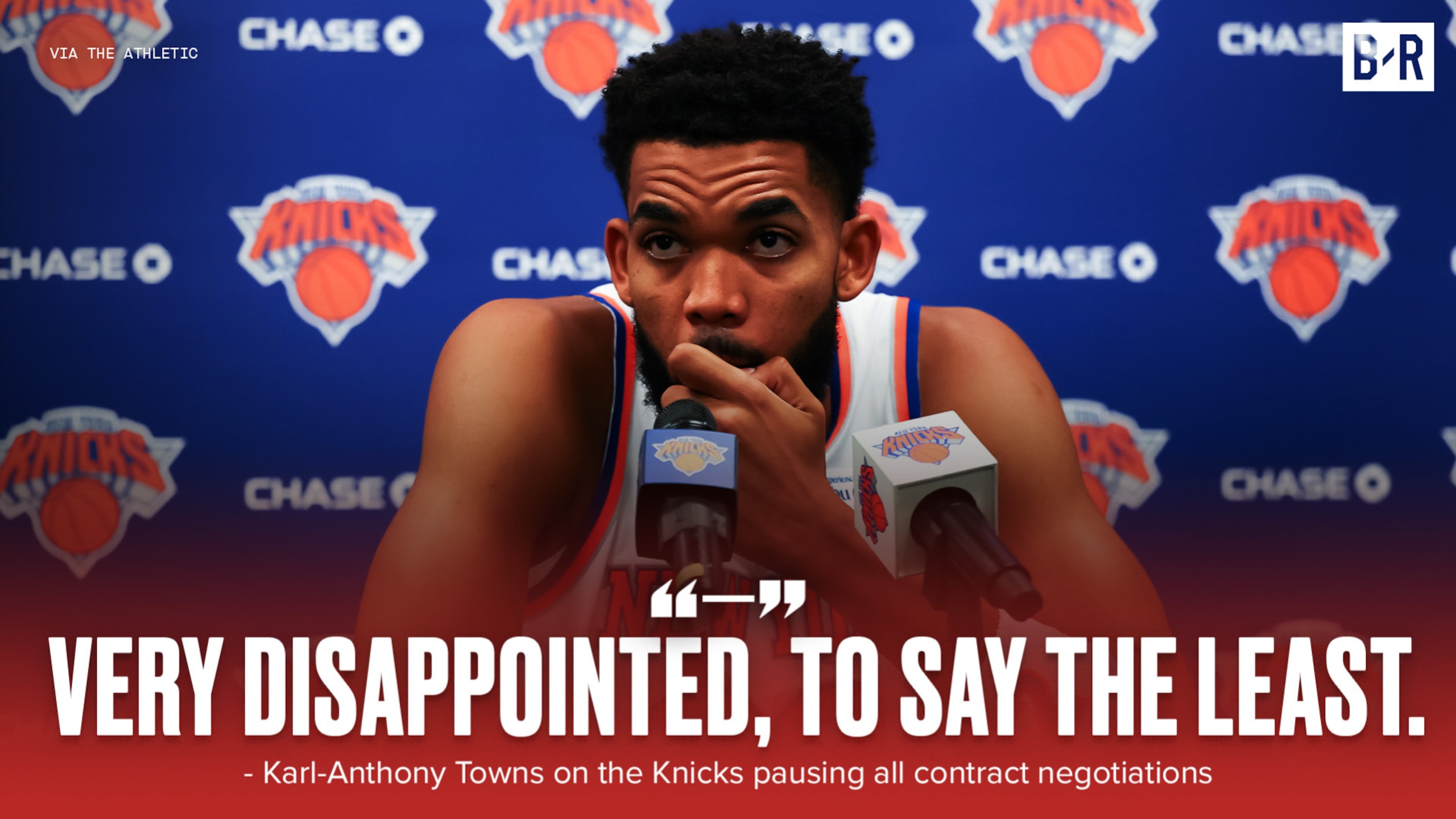
Robinson has been injured all year, but he might return and give the Knicks a similar jolt—to say nothing of what his rim-protection might mean for a team still anchored inside by Karl-Anthony Towns.
On the other hand, Robinson is the Knicks' most obvious trade candidate. With a $14.3 million salary this year that declines to $13.0 million next season, Robinson could bring back a rotation-caliber player. That's no small thing for a New York team that continues to run its players into the ground.
The Knicks would have liked to see how Robinson looked next to Towns up front, but time's running out for any trial runs.
Is Robinson a trade chip or a critical ceiling-raiser? The Knicks need to make that call by the deadline.
Oklahoma City Thunder: Follow the Utah Jazz's Example
21 of 30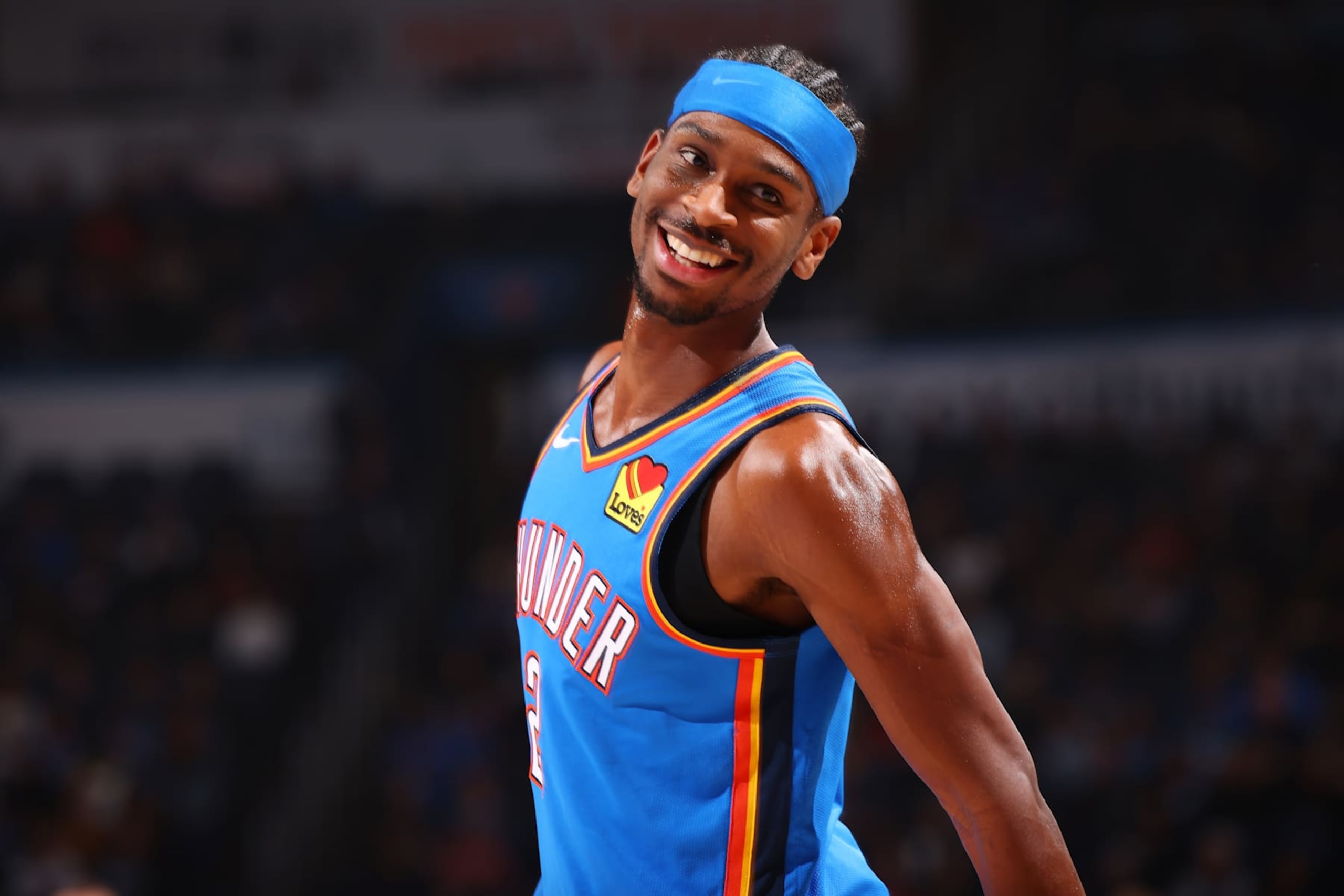
The Oklahoma Thunder might win 70 games, yet they can also afford to think about what might be good for the 2031 version of the franchise.
That's not how things are supposed to work, but OKC's current dominance and trove of future draft picks allows for what could be a much more successful version of the Golden State Warriors' ill-fated two-timelines approach.
The Utah Jazz, in trading three future first-round picks to the Phoenix Suns for an unprotected 2031 first-rounder, offer the example OKC needs to follow.
Do the Thunder need some center insurance? Maybe another primary playmaker to ease the ball-handling load on second units? A high-volume three-point shooter? Of course those would be nice, but it's very difficult for a team as good as Oklahoma City to get much better.
So, why not think about bundling up multiple future firsts and offering them to a desperate team for a shot at one that might be immensely valuable?
Orlando Magic: Scan the Market for Shooting
22 of 30
The prolonged absences of Paolo Banchero and Franz Wagner basically wrecked the fact-finding effort the Orlando Magic could have undertaken this year. A team on the rise like this one needs to log enough data points with a full complement of players to determine where the trouble spots are.
This year should have allowed the Magic to formulate theories on how to go from good to great.
Fortunately, a raft of injuries didn't rob Orlando of every insight it could have gleaned. With or without Banchero and Wagner, the Magic should know beyond any doubt that they need more shooting. The Magic rank dead last by a mile in three-point percentage, sitting about 3.0 percentage points below the 29th-ranked Washington Wizards.
If Orlando makes any moves at all, the focus absolutely has to be on finding shooters.
Philadelphia 76ers: See If the Thunder Are Merciful
23 of 30
The Philadelphia 76ers owe a top-six-protected first-round pick to the Oklahoma City Thunder in the 2025 draft. Flattened lottery odds mean that even if the Sixers finish with one of the league's six worst records, keeping the pick may be a coin-flip situation.
Given the surplus of more organic tankers in Charlotte, Brooklyn, Washington, Utah and elsewhere, it's going to be extremely difficult for the Sixers to be bad enough to feel comfortable about keeping that selection.
That might make Philly consider win-now moves, which it'd make while hoping (probably unrealistically) that Joel Embiid will finally be healthy for a playoff run. However, that would almost certainly start in the play-in round, which is not a great plan.
If there's anything the Sixers can give OKC to increase the protection on that pick, it might be worth exploring. Maybe the Thunder would agree to lottery protection in exchange for future compensation.
The Sixers are in a tough spot, so creative thinking might be warranted.
Phoenix Suns: Check In with the Houston Rockets
24 of 30
The Phoenix Suns aren't big on thinking about the future, which they've made plain by their reckless spending and total disregard for their own first-round picks. They just traded the last one they had available, their fully unprotected 2031 first-rounder, to the Utah Jazz for three lesser draft assets that they'll likely use to further their win-now ends.
As the Suns continue to scoff at all of the second-apron restrictions that have terrified every other team, they should find it in themselves to exercise the slightest bit of foresight by calling up the Houston Rockets.
Houston got ahold of multiple future Suns picks in a deal with the Brooklyn Nets over the offseason, becoming something of a potential savior in the process.
If Phoenix starts to nosedive, Houston can hand it a parachute.
Nobody's saying a deal to recapture those picks from the Rockets will happen this season. But if worst comes to worst, the Suns should find out if Houston eventually would be willing to give them those picks back in a deal for Devin Booker or Kevin Durant.
Portland Trail Blazers: Trade Jerami Grant
25 of 30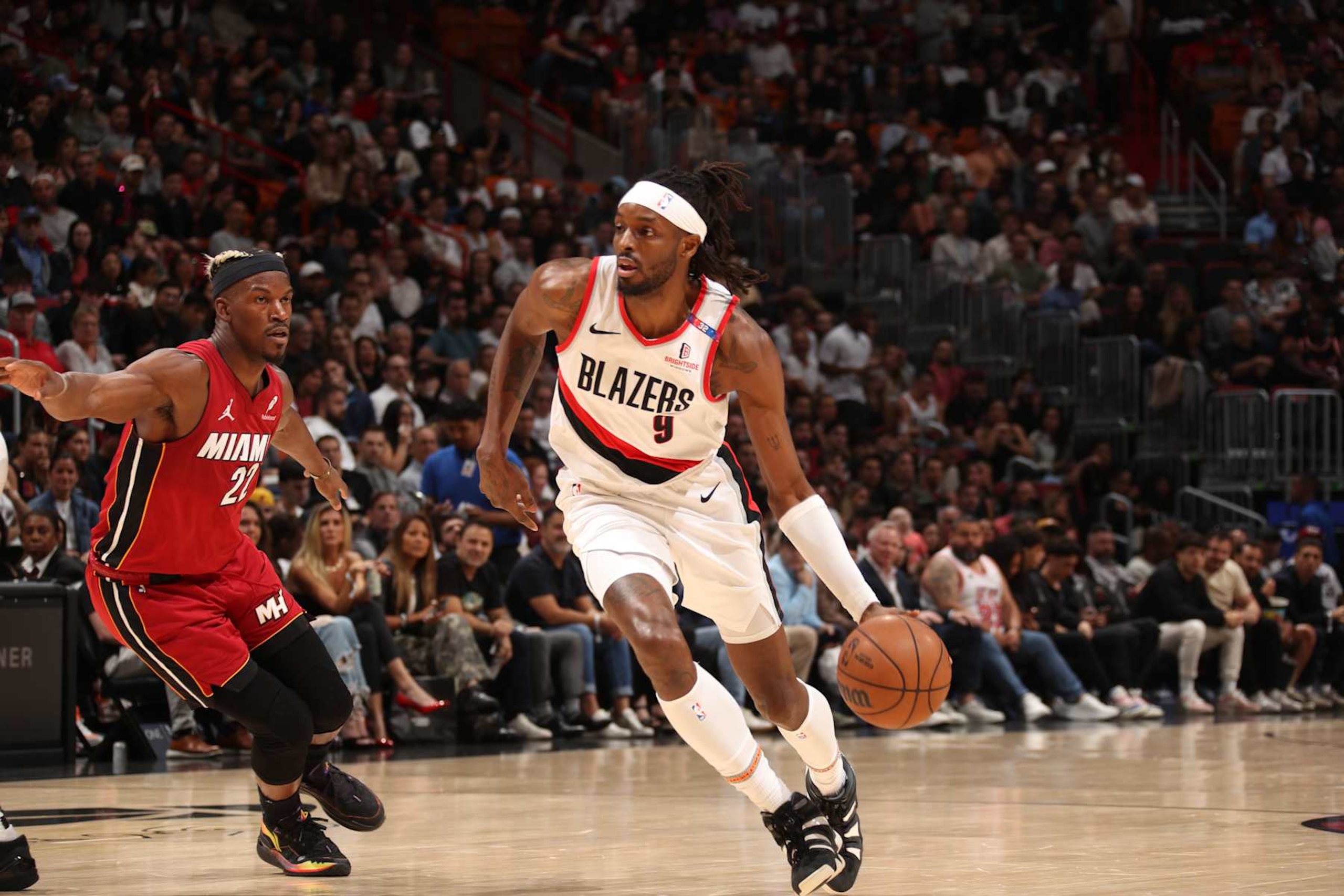
If the Portland Trail Blazers trade Jerami Grant halfway through the second season of his five-year, $160 million extension, they'll be doing so at a low point in the veteran's market.
Sorry, that should say a low point so far.
Grant is shooting below 39 percent from the field and isn't close to the defender he was a few years ago. In his age-30 season, his career trend line is headed the wrong way.
That's one reason to try to offload his money, but another might be even more compelling: The longer Grant is around, the harder it'll be for the Blazers to properly rebuild. With their books encumbered by his hefty deal and young players stuck behind him in the rotation, Grant's fit on the roster is less than ideal.
If there's a way to move that money without taking back an equally bad or lengthy contract, the Blazers should do it.
Sacramento Kings: Test the Market for De'Aaron Fox
26 of 30
De'Aaron Fox is under contract through next season, but the Sacramento Kings need to operate with urgency. That should include putting out serious feelers about his trade value at this year's deadline.
After declining an extension in October, Fox told Draymond Green and Baron Davis: "I want to make sure that we're in a position to try to win in the future, because that's ultimately what I want to do. For me, it's, are we looking like we're continuing to get better year after year? And, are we going to be able to compete at a high level?"
Things look better in Sacramento now than they did earlier in the year, as the Kings just completed a 9-2 stretch.
Fox could command an extension of up to $345 million if he makes an All-NBA team, but all we know for sure about him is that he can be the best player on a squad that gets eliminated in the first round.
If Fox is tying his continued presence in Sacramento to the team proving it can keep raising the bar, that's his right. But that means he isn't unconditionally committed to the organization. The Kings should operate with similar practicality by seeing if there's an offer out there worth taking.
San Antonio Spurs: Put In a Call to Atlanta
27 of 30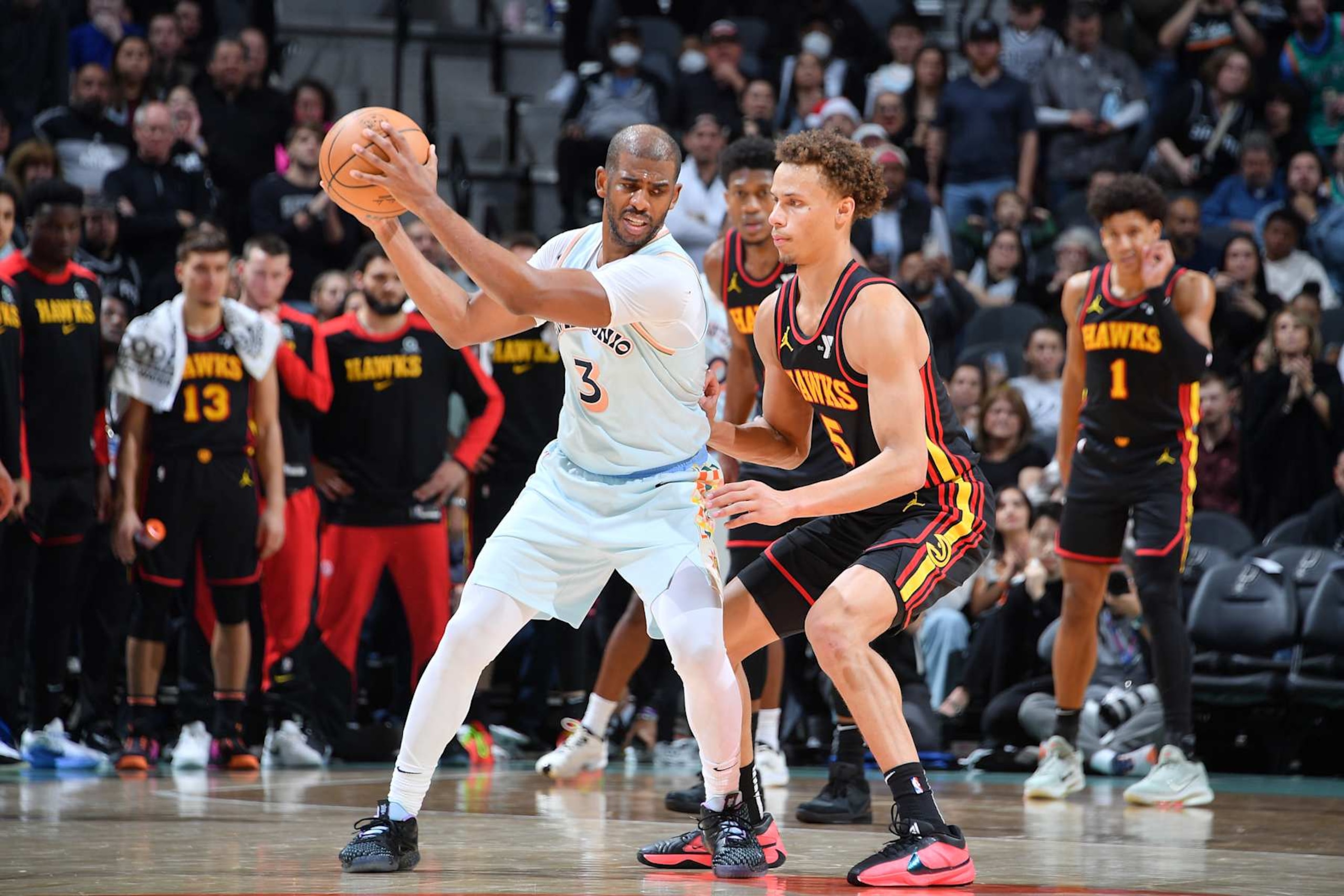
We pegged the Atlanta Hawks as cautious buyers in their section because, lacking their own first-rounders in the next three drafts, they have no incentive to sell.
The San Antonio Spurs could change that.
By offering to send back some of those future selections, which they got in the Dejounte Murray trade, San Antonio might be able to pry some major assets away from the Hawks. The Brooklyn Nets sent four first-rounders to the Houston Rockets to get back two of their own. That deal should serve as a baseline for the Spurs.
Maybe if things go south for Atlanta over the next few weeks, the Spurs could extract Dyson Daniels, another Frenchman in Zaccharie Risacher and/or the incoming firsts that the Hawks own from the Lakers and Kings.
Nobody's saying the Hawks are guaranteed to pivot this drastically, but the Spurs should at least make it known they can give Atlanta control of its draft fate back...for a price.
Toronto Raptors: Get Something for Bruce Brown Jr.
28 of 30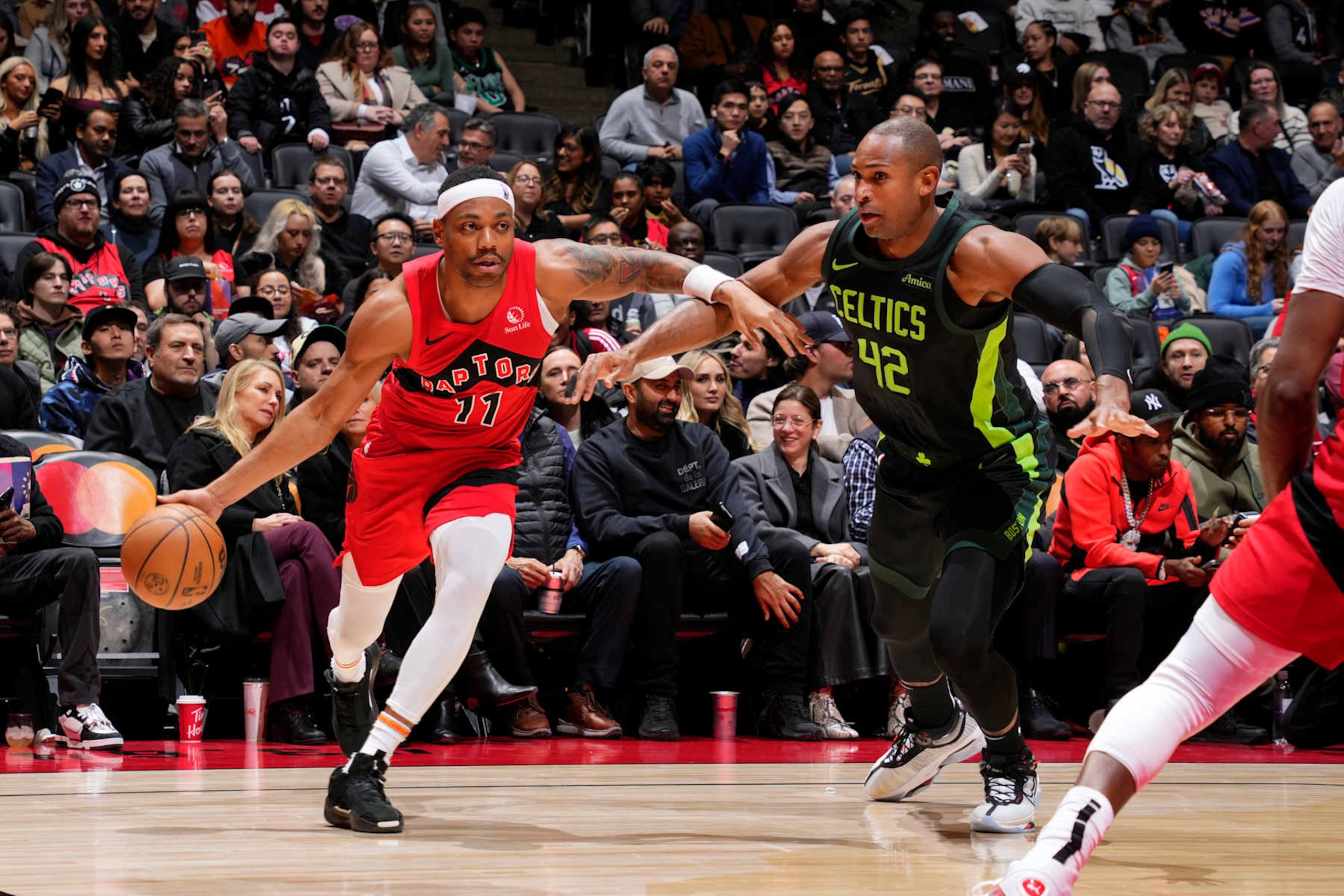
It seemed as if Bruce Brown Jr. was destined to be rerouted from the moment the Toronto Raptors acquired him in the Pascal Siakam deal last year. At the time, the veteran wing wasn't so far removed from a major role on a championship Denver Nuggets team, and his contract ($22 million in 2023-24 and a $23 million team option for 2024-25) was ripe for dealing.
And yet, he's still a Raptor.
Toronto could hold out even longer and try to move Brown in a sign-and-trade this summer, but he isn't the caliber of player whom most teams would willingly sacrifice assets to add if they could simply sign him outright.
Toronto isn't in a position where taking on longer-term money for Brown makes sense. However, it should still scour the league to see if it can get anything for a versatile 28-year-old who might look more like the Nuggets version of himself with a change of scenery.
Utah Jazz: Don't Trade Walker Kessler
29 of 30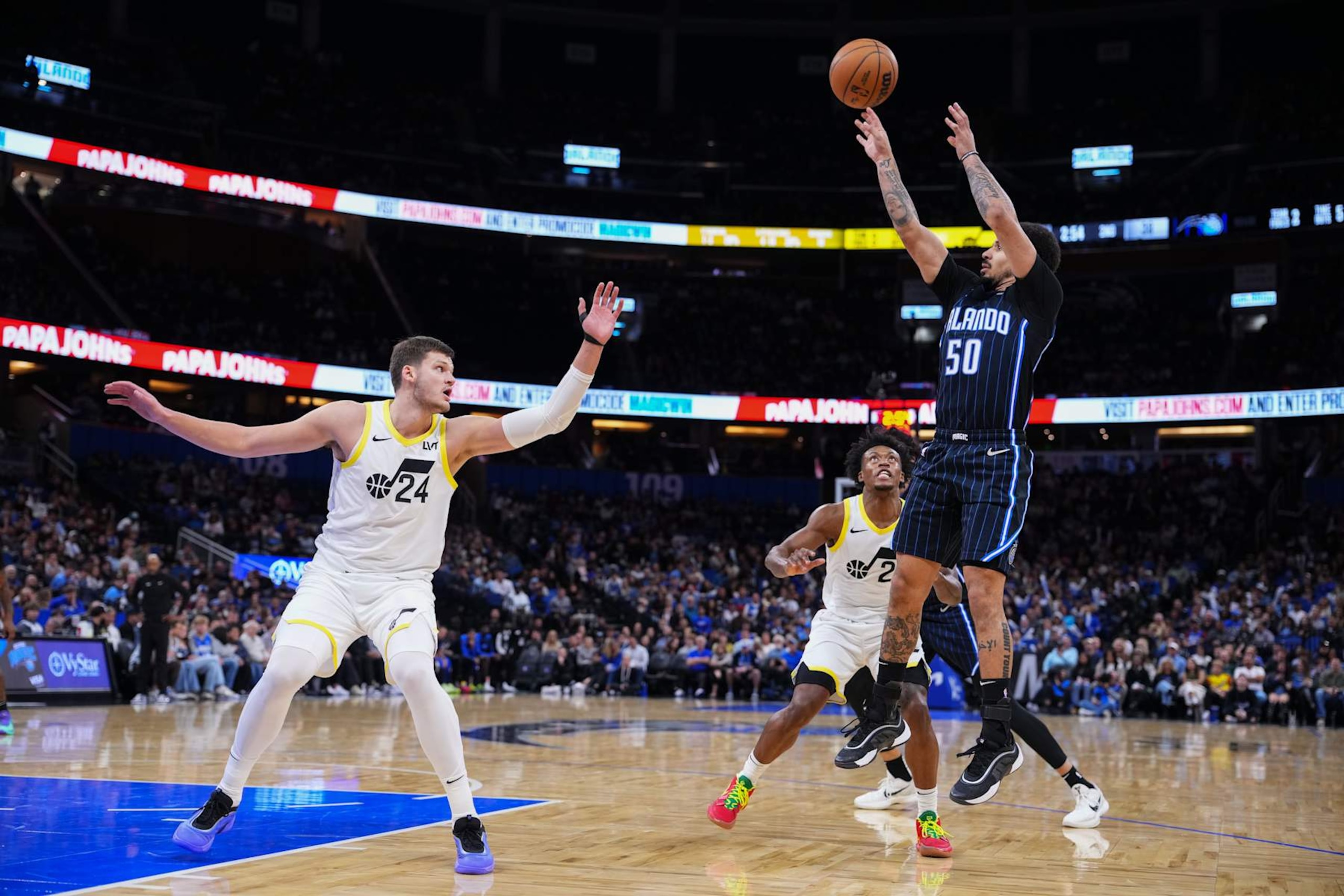
Collin Sexton? Sure.
John Collins? Absolutely!
Jordan Clarkson? By all means.
The Utah Jazz should be working hard to move off of their veteran salaries, but they'd better get a knock-your-socks-off offer before they even consider including Walker Kessler among their available players.
Halfway through his third season, the 23-year-old center is leading the league in field-goal percentage and is on the short list of the most imposing rim-protectors in the league. Kessler is also on a bargain rookie-scale deal that pays him just under $3 million this season and $4.9 million in 2025-26. Utah can extend him this summer if it wants to.
That level of production and cost control is hard to find, particularly in a player who is already a capable starter with an elite skill.
The Jazz don't have a cornerstone yet, and they might not be as far along in their rebuild as they'd like. They'd be obligated to listen on any offers. But moving Kessler for less than a no-brainer return would set them even further back than they already are.
Washington Wizards: Make Sure the Kids Are OK
30 of 30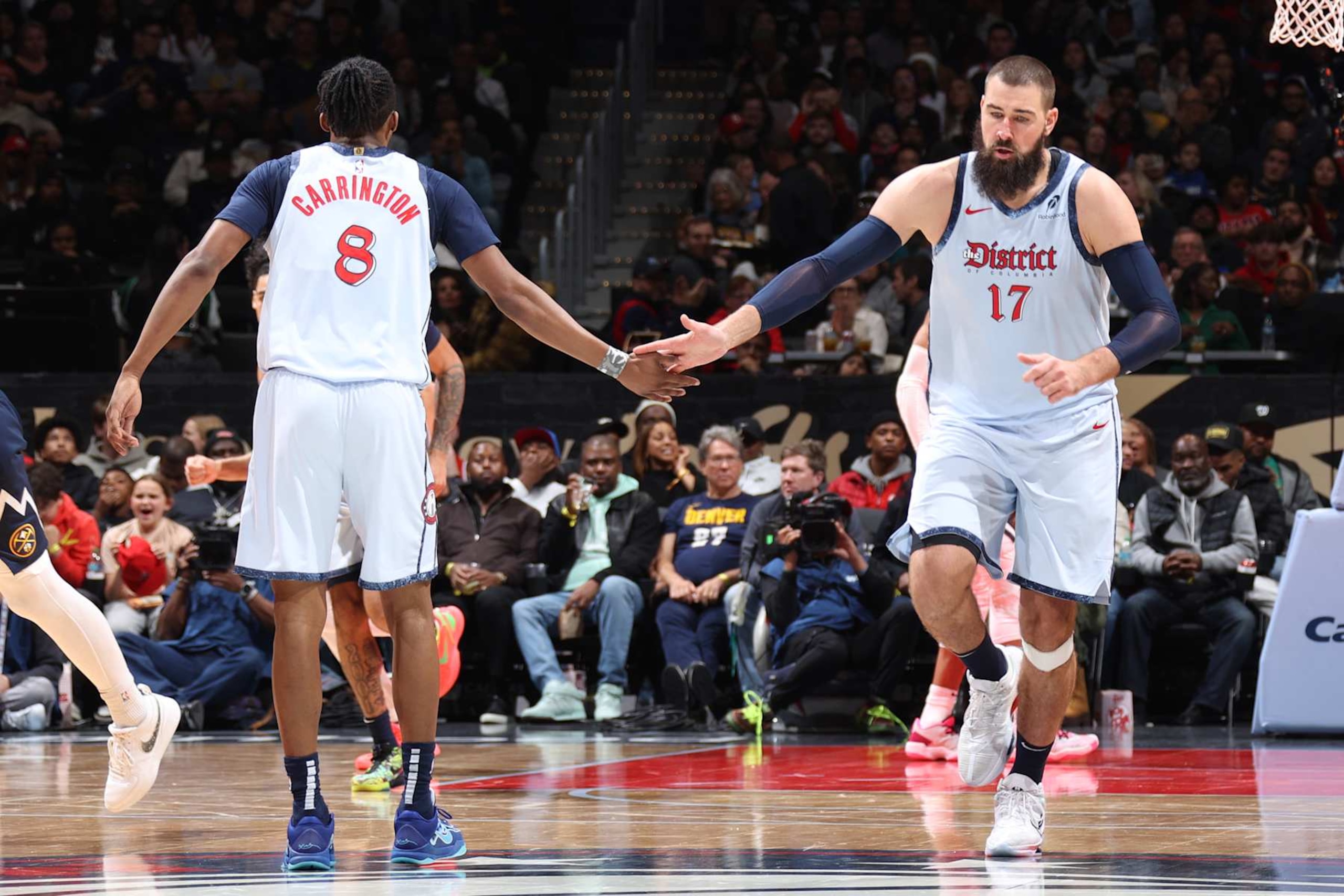
Veterans like Malcolm Brogdon and Jonas Valančiūnas have value for plenty of teams around the league, but they're playing a particularly important role for the Washington Wizards. They're basically role models, sages and tone-setters for one of the least experienced cores around.
The Wizards need to field offers on them, Kyle Kuzma, Corey Kispert and anyone else over the age of 25. However, they shouldn't execute many age-based fire sales unless they're absolutely sure the youth corps is in a good place.
Second-year wing Bilal Coulibaly is younger than plenty of this season's rookies. Recent draftees Alex Sarr, Bub Carrington and Kyshawn George are in the infancy of their careers. Even head coach Brian Keefe is short on experience.
Veteran influences matter, especially as losses mount, bad habits form and culture crystallizes. If the market doesn't yield obviously worthwhile return packages, and if it's not clear the young pieces on the roster are ready to take the training wheels off, Washington might need to consider hanging onto a few of its elder statesmen.
Stats courtesy of NBA.com, Basketball Reference and Cleaning the Glass. Accurate through Jan. 23. Salary info via Spotrac.
Grant Hughes covers the NBA for Bleacher Report. Follow him on Twitter (@gt_hughes), and subscribe to the Hardwood Knocks podcast, where he appears with Bleacher Report's Dan Favale.

.jpg?w=2560 "Cam Ward Says He's Not A Loser")
.jpg?w=2560 "🚨 Texans Trade for MHJ")
.jpg?w=2560 "Grading MHJ Trade 📝")
.jpg?w=2560 "Chargers Fall to 0-5 🤢")
.jpg?w=2560 "MHJ Bought Own Jugs Machine")