10 NBA Offseason Moves That Could Go Horribly Wrong
Any decision involves risk, but then so does inaction. With 30 NBA teams scrambling to improve their fortunes, be it to compete now or in the distant future, some of the choices made this offseason could haunt them.
With training camps finally tipping off, which teams may have the biggest regrets from the 2024 offseason in a year or two?
The following list doesn't declare mistakes made but cautions on several moves that may come back to bite.
Honorable Mentions
1 of 11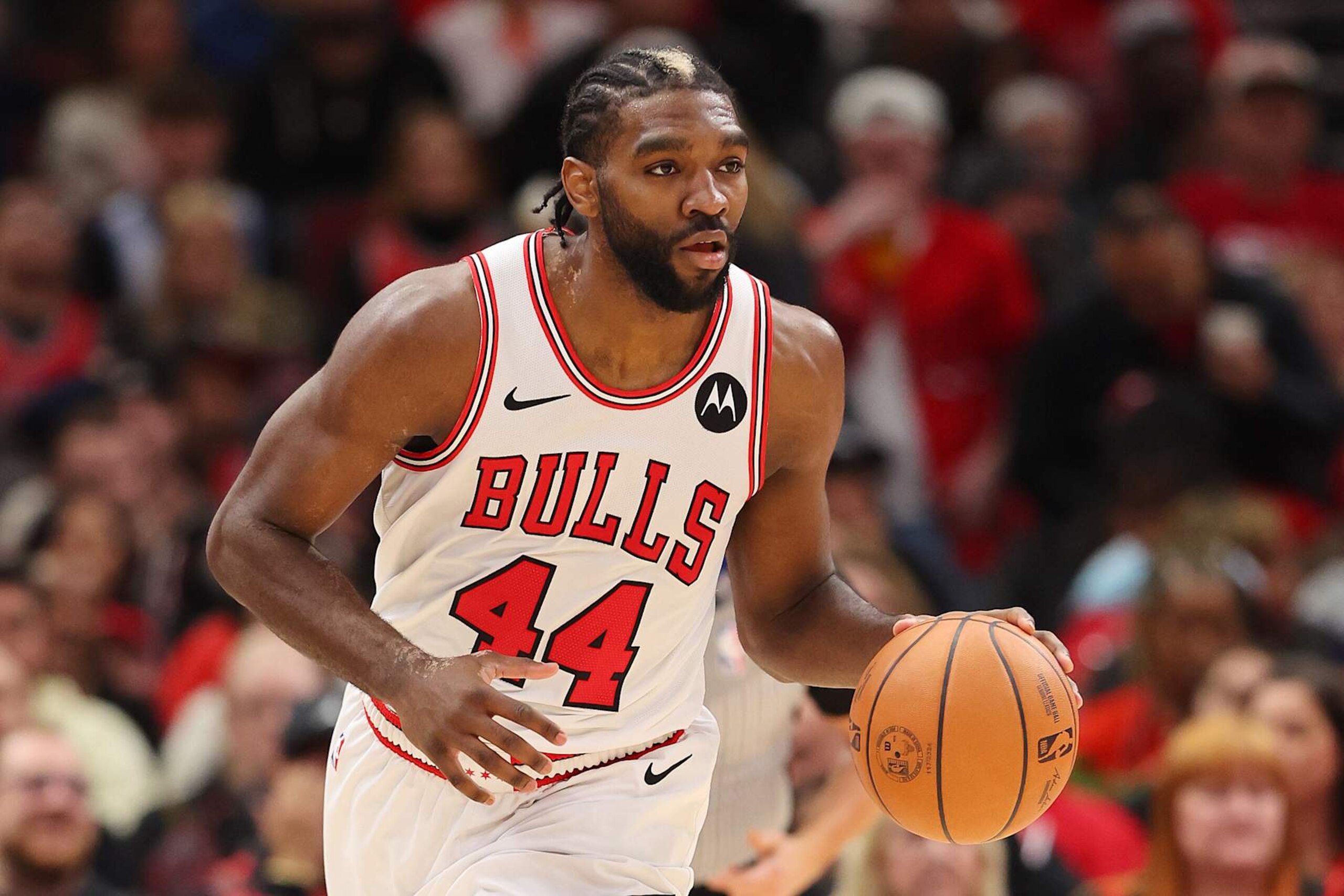
An NBA's front office can have any number of regrets. The list is too long for the internet. From selecting the right player in the NBA draft (was Zaccharie Risacher the right call at No. 1 to the Atlanta Hawks) to free-agent signings, trades, extensions, etc., the possibility of error is constant.
After a foot injury, was $90 million for Patrick Williams the right price? The Chicago Bulls could regret that pretty quickly (though an $18 million flat contract could be a discount if Williams blossoms as a player).
Similarly, Obi Toppin's four-year deal with the Indiana Pacers seemed a bit high ($58-60 million, depending on incentives). But maybe the deals that haven't been reached prove problematic for teams like the Houston Rockets, who have until the start of the season to extend Alperen Şengün and Jalen Green. If both blow up, will Houston be looking at a higher price next July?
There's no real way to know if a team is making the right move, doing something or doing nothing—the risk of regret remains.
Timberwolves Trading Karl-Anthony Towns
2 of 11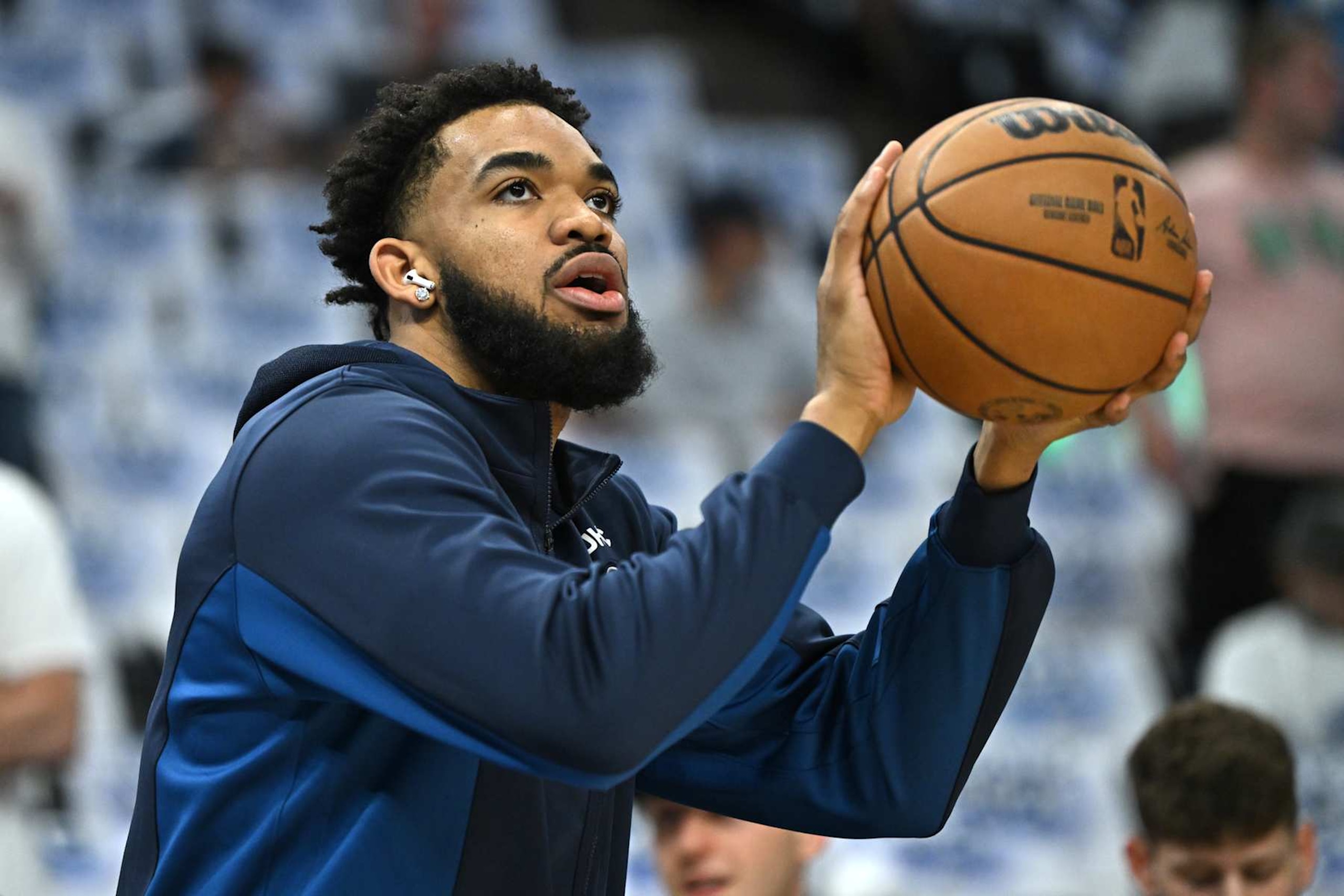
Have to start with the big one: The Minnesota Timberwolves agreed to send Karl-Anthony Towns to the New York Knicks in a deal for Julius Randle, Donte DiVincenzo and a first-round pick.
The Timberwolves are fresh off a Western Conference Finals appearance and three wins away from the NBA Finals, but they chose to break up the best team they've had in 20 years.
Financially, the deal may make sense. Randle may fit well, and the team badly needed a guard like DiVincenzo, but will Minnesota look back on 2023-24 and realize it gave up too quickly on something that was working?
Mavericks Invest in Klay Thompson
3 of 11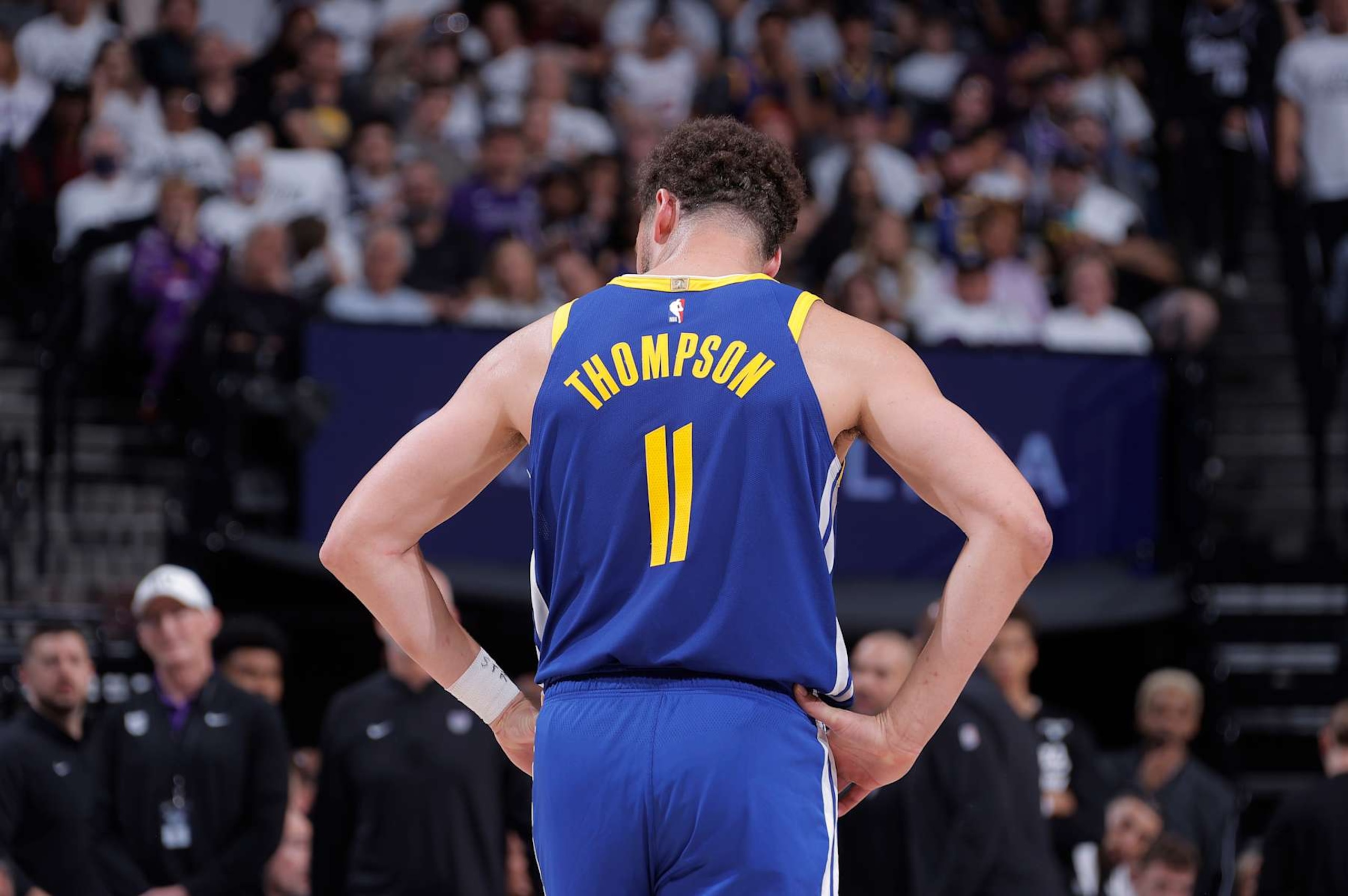
Similarly, the Dallas Mavericks didn't stand pat as the team that ousted Minnesota before falling to the Boston Celtics 4-1 in the NBA Finals. Instead of adding to what got them there, the Mavericks moved on from athletic wing defender Derrick Jones Jr. for Klay Thompson.
This would be a no-brainer for Thompson at his best, but at 34 years old with multiple leg injuries, the shooter isn't what he was in his prime. The Mavericks have two stars who aren't noted defenders (Luka Dončić and Kyrie Irving) and let go of their best deterrent on the wing for a player arguably on par with also departed Tim Hardaway Jr.
Minnesota and Dallas didn't value continuity. Their choices may lead to different teams in the next Western Conference Finals.



Lakers' Inaction
4 of 11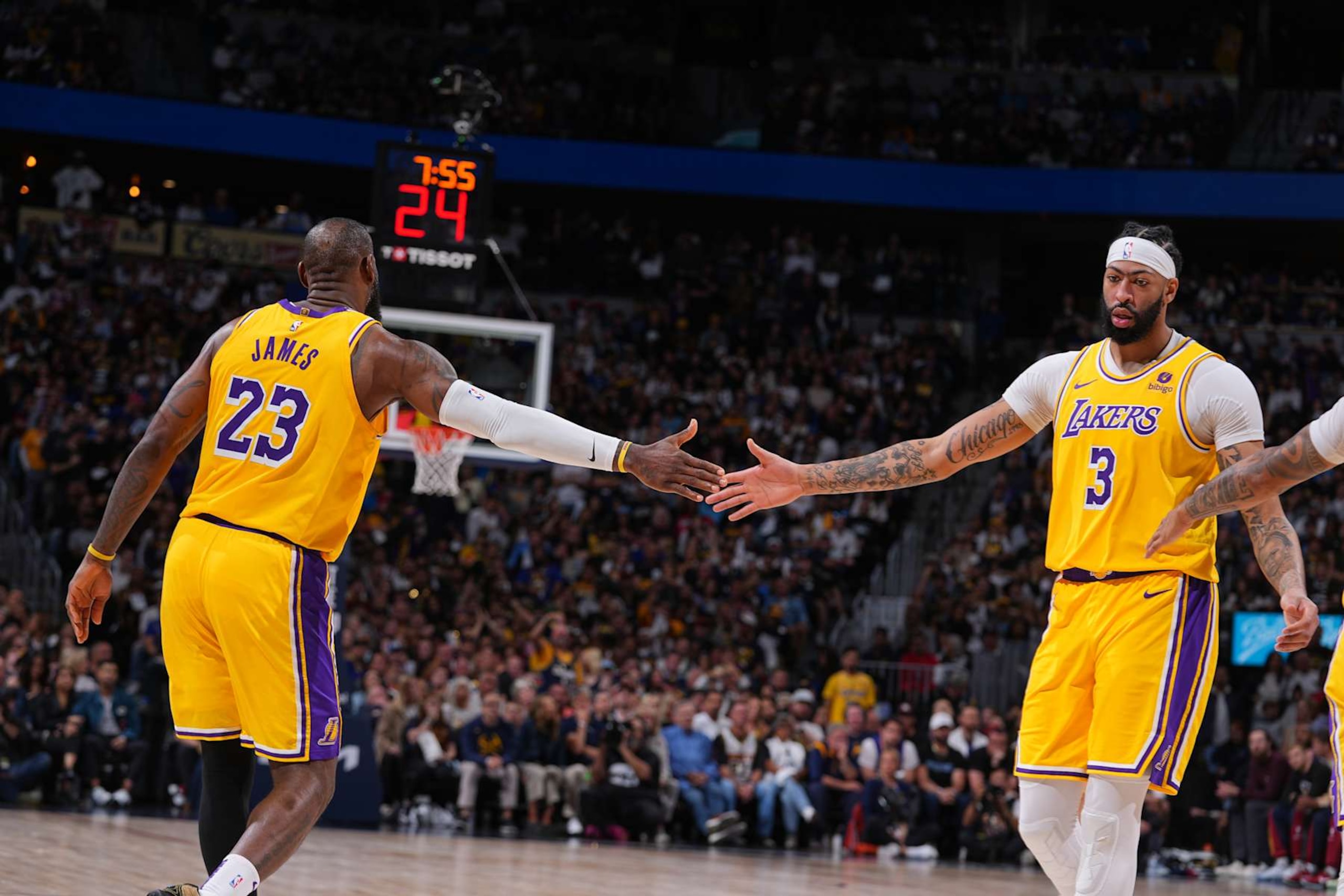
The Los Angeles Lakers represent the other end of the spectrum: not doing enough.
The rules of the NBA's new collective bargaining agreement were apparent in 2023, yet L.A. gave out multiple player options (D'Angelo Russell, Christian Wood, Cam Reddish, etc.). The Lakers could have anticipated their payroll and roster flexibility ahead of July free agency, using others with cap space to dump unwanted salary (like the Detroit Pistons or Charlotte Hornets, who helped other franchises do just that).
Instead, the Lakers stood pat, which may yield a similar early playoff exit. The team was hamstrung, but early, decisive action could have altered its fortune.
Pelicans Give Up Lakers' 2025 1st-Round Pick
5 of 11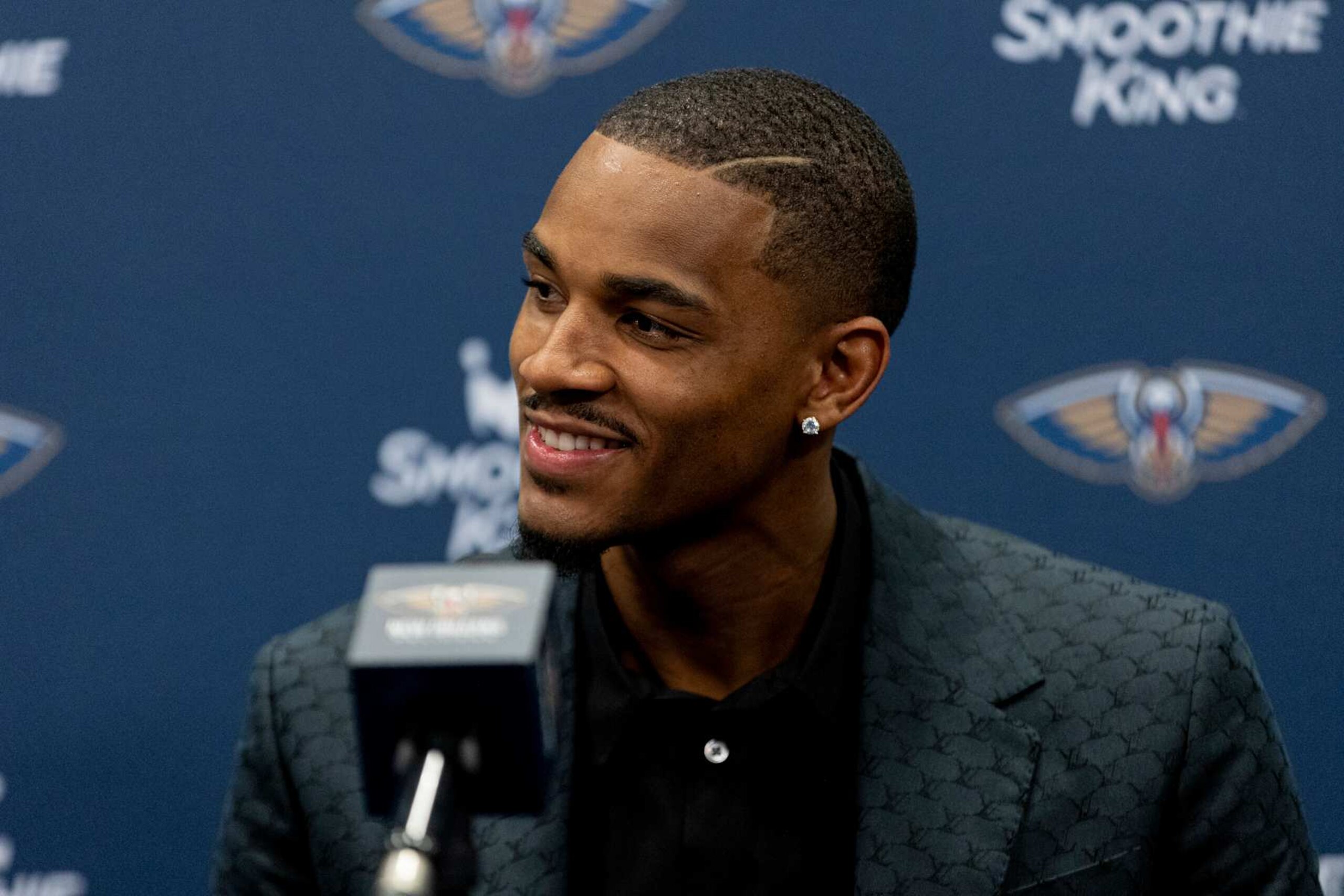
The New Orleans Pelicans may be rooting for the Lakers this season since the team chose to include L.A.'s 2025 first-round pick in its deal to get Dejounte Murray from the Atlanta Hawks.
In a draft with Duke's Cooper Flagg and several strong prospects, couldn't the Pelicans have sent a different first (like the Milwaukee Bucks' in 2025 with top-four protection)? The Lakers originally sent that pick to the Pelicans in the Anthony Davis trade, and Los Angeles probably isn't a bottom-feeder this season.
But an injury to one of L.A.'s stars could turn that pick into something special. It probably won't come back to bite New Orleans, but it is a potential regret.
Kings Give Up Swap to Move Barnes
6 of 11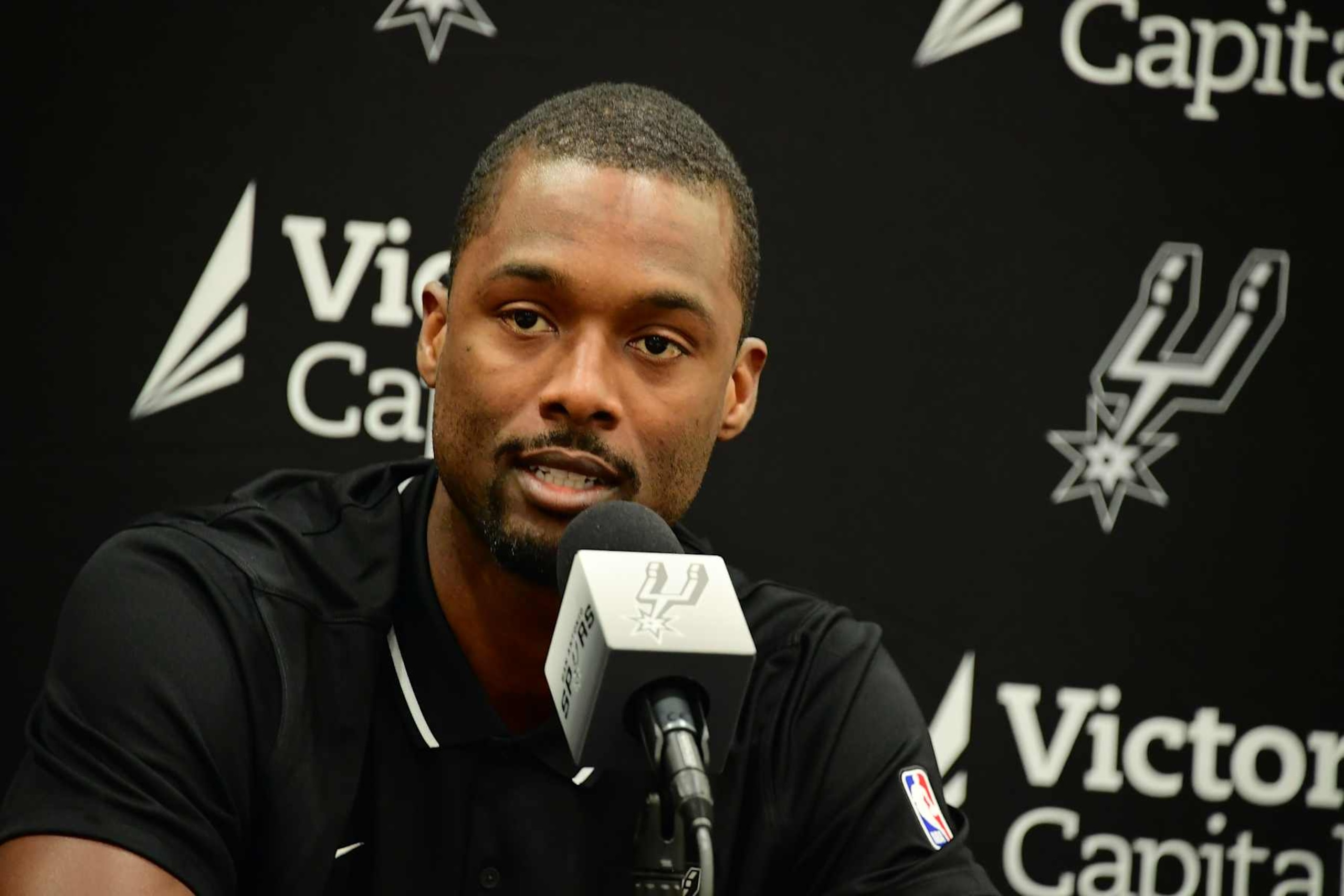
Part of the Sacramento Kings' DeMar DeRozan trade (see below) included the extra step of sending Harrison Barnes to the San Antonio Spurs. In that move, the Kings gave up an unprotected first-round pick swap in 2031.
Whether DeRozan is a good fit (again, see below), that pick swap is so far down the line; who knows how good Sacramento will or won't be in seven years? Unless the team is catapulted into the upper echelon of the Western Conference, that swap may be a disaster.
The Brooklyn Nets can attest to how dangerous future swaps can be, as that's how the Boston Celtics landed Jayson Tatum. In the deal, the Nets acquired two Hall of Famers (Kevin Garnett and Paul Pierce, both well past their prime).
There was no other path for the Kings to get out of Barnes without that protectionless swap?
Raptors Pick Up Bruce Brown Jr.'s Option
7 of 11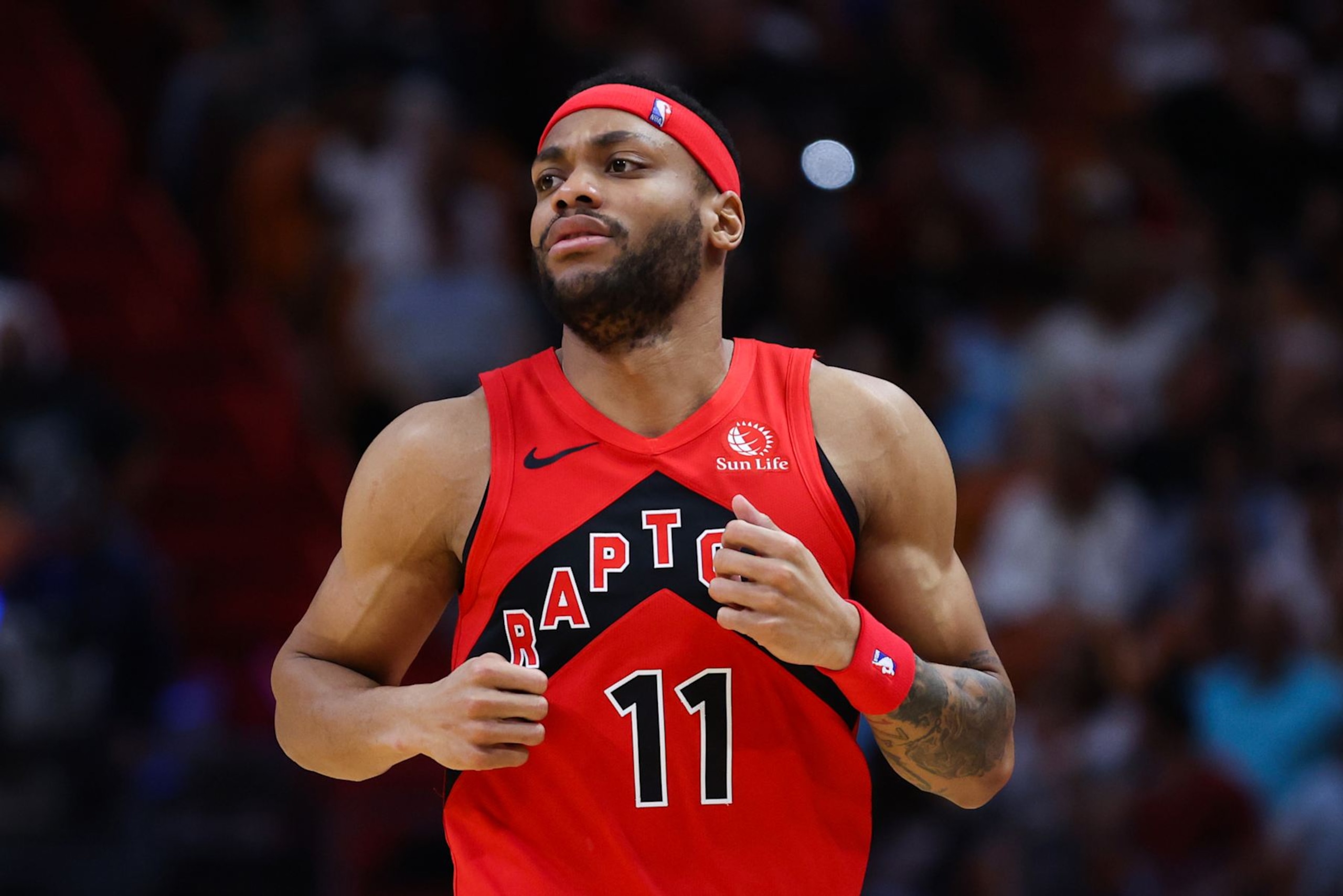
At a comparatively lower stake, the Toronto Raptors picked up Bruce Brown Jr.'s $23 million team option in late June. He's a capable veteran who was instrumental in the Denver Nuggets' 2023 title run, but he doesn't have a role with the Raptors commensurate with his current salary.
Many around the NBA believe that the Raptors kept Brown to use his contract as a trade asset. The regret would come if Toronto can't find a deal by the February deadline.
Unlike the more devastating items on this list, it's just money for the Raptors. They're not losing a chance to advance to the NBA Finals or some star prospect seven years down the line; it's just the opportunity cost of what else they could have done to improve without Brown's $23 million on their books.
Nuggets Don't Pay Kentavious Caldwell-Pope
8 of 11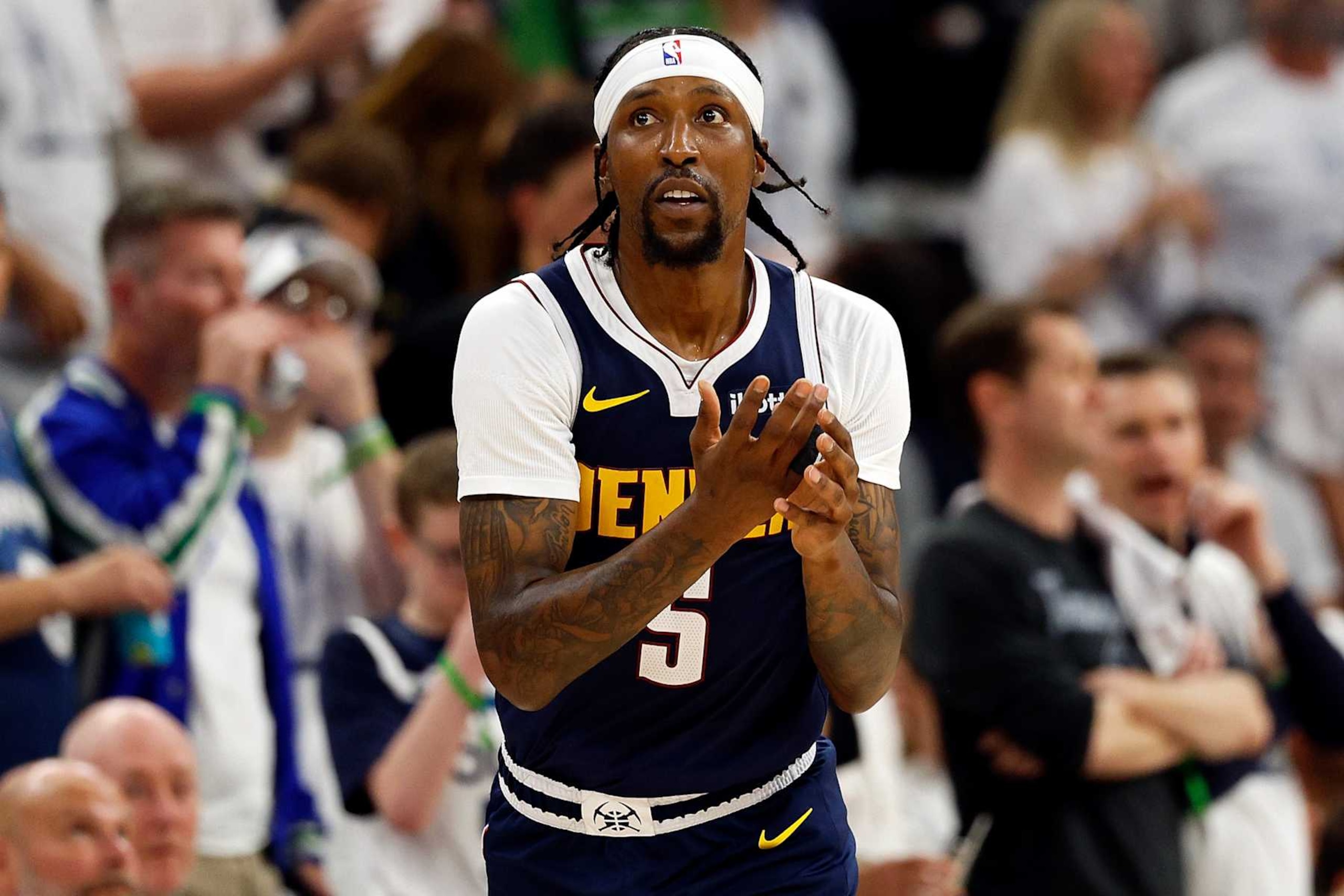
From an accounting perspective, letting Kentavious Caldwell-Pope leave in free agency to the Orlando Magic may make sense—but the Denver Nuggets let 20 percent of their championship starting lineup leave because of money.
The new rules are restrictive to teams with high payrolls, and Denver already lacked depth. Now, it lacks depth and is down a key starter.
Big, Long Extensions 'Above' Market Value
9 of 11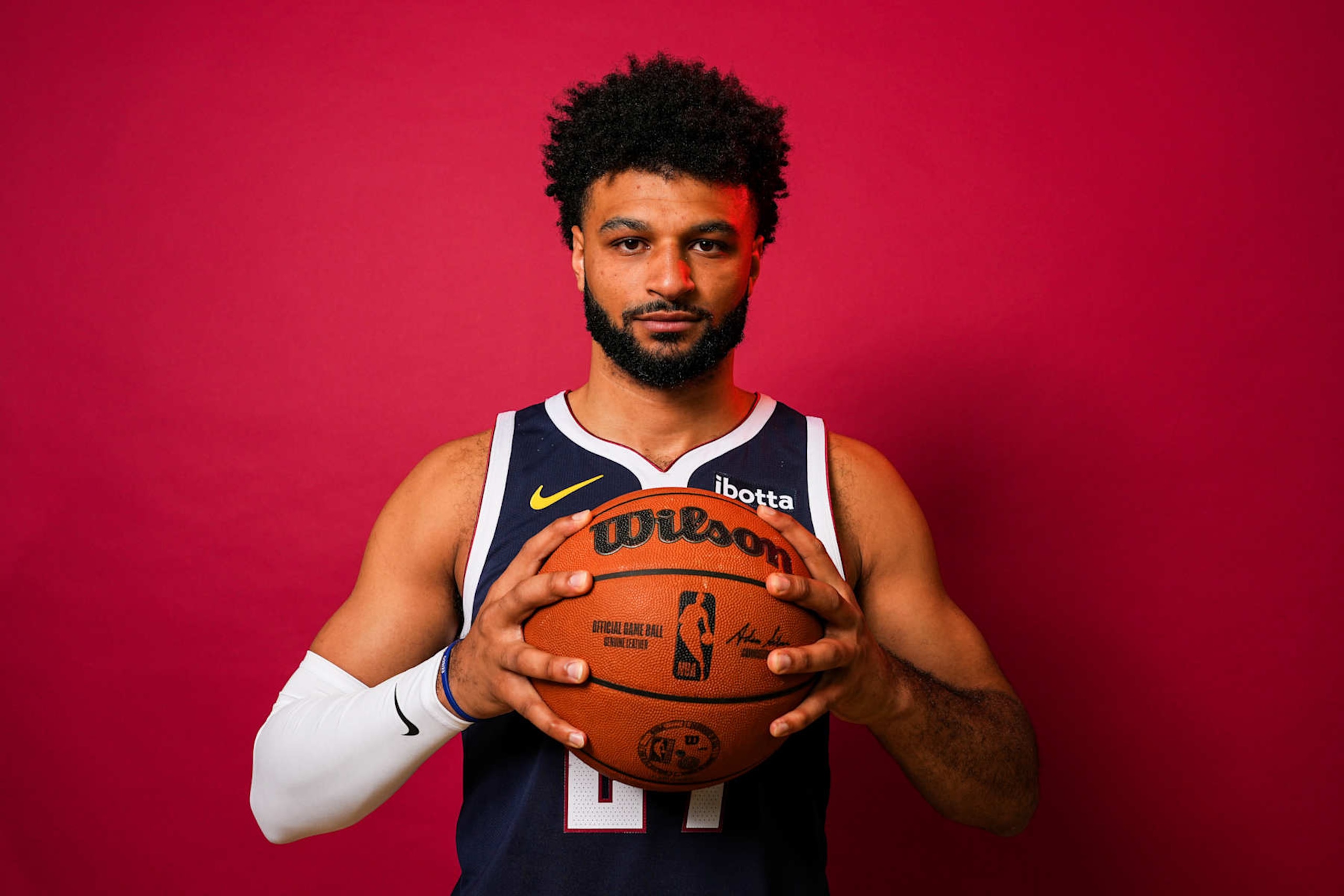
I'm not picking on the Nuggets, but the team gave Jamal Murray a max extension (four additional years, $207.8 million) when almost no one will have cap room next summer to pay him. The Brooklyn Nets and Washington Wizards are the only teams initially projected to have massive spending power (and wouldn't have likely been Murray suitors).
From the team side, the logic is to give the stars you believe in the most you can when you can. It's not necessarily a "wrong" move but could lead to regrets.
Others in a similar boat (paid more than the open market could bear) could be the Boston Celtics with Jayson Tatum, Detroit Pistons and Cade Cunningham, Orlando Magic with Franz Wagner and Cleveland Cavaliers with Evan Mobley.
It's not questioning the players' talent (Tatum just led the Celtics to a title), just the philosophy of paying out "max" without exploring the path of "not max."
76ers Invest in Paul George
10 of 11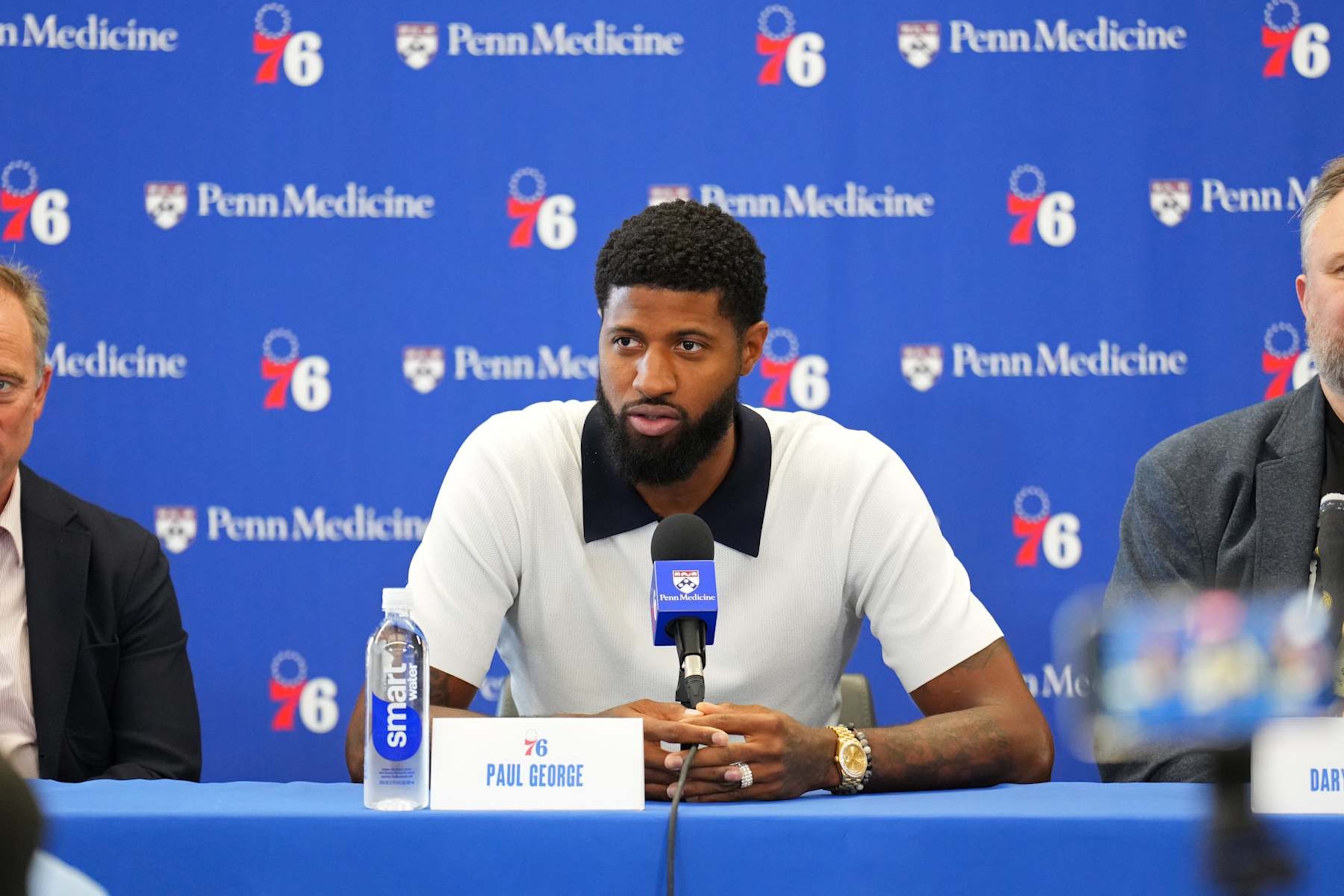
The Philadelphia 76ers walked a very predictable path this summer. Taking advantage of Tyrese Maxey's low cap hold as a restricted free agent, the team added the best available wing (Paul George) to join Joel Embiid and a re-signed Maxey.
The Los Angeles Clippers chose not to bring back George partly because of the NBA's new economics but also because the team felt that his production had diminished. He was an All-Star, but one who often missed time, including some during the playoffs.
Philadelphia's most significant problem has been getting to the postseason healthy, especially with Embiid. Now, the team has two over-30 stars to worry about when it matters most.
It may not be an issue, at least not immediately, but George signed a four-year deal and isn't likely to become more durable as time passes.
Is DeRozan the Right Fit in Sacramento?
11 of 11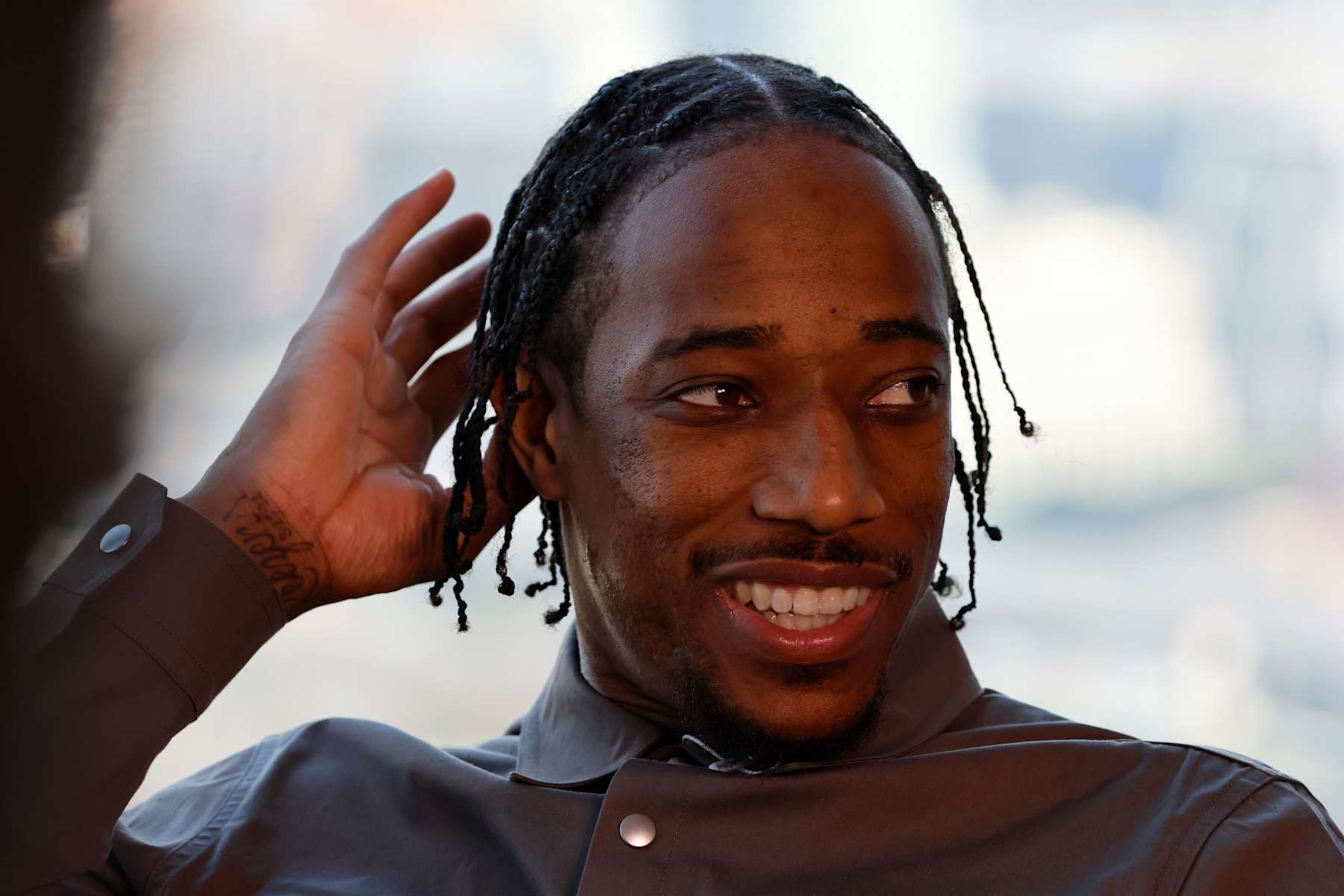
The Sacramento Kings added one of the best scorers of his generation in DeMar DeRozan, but is he the right fit?
DeRozan has made a career of feasting in the midrange without relying heavily on his three-point shot, but will that area of the floor be available next to the Kings' preexisting duo of Domantas Sabonis and De'Aaron Fox?
Coach Mike Brown should be able to manage his rotation to offset the duplication over the course of the regular season, but it may be an issue in the end game and certainly something that does not work well in the playoffs.
And does DeRozan help the team where it arguably needed more support, on the defensive side of the ball?
Doubling down that they also gave up an unprotected 2031 first-round pick swap, and the Kings may pay the price both now and later.
Email Eric Pincus at eric.pincus@gmail.com and follow him on X/Twitter @EricPincus.
.jpg?w=2560 "OBJ Calls Out Giants After Release")