
MLB B/R Roundtable: Debating Unpopular Opinions Around Baseball
Mike Trout's legacy is beatable. The All-Star Game should count for something. The season is too long. And there are too many darned teams.
Not to get too spoiler-y or anything, but this is just a taste of the hot takes you're about to encounter in the latest B/R MLB Roundtable.
Nothing was out of bounds when Tim Kelly, Kerry Miller, Joel Reuter and Zach Rymer got together to share our unpopular opinions about the past, present and future of Major League Baseball.
We wanted to determine how much we agreed on, which required a certain format. One writer spells out his hot take, and the other three respond with a "Yay," a "Nay" or an "Ehhh...I don't know about that."
We have 12 takes to get to, with topics ranging from hypothetical rule changes to tweaks to both the season and the playoffs to areas where the league should grow or shrink.
Emmanuel Clase Should Win the AL Cy Young Award
1 of 12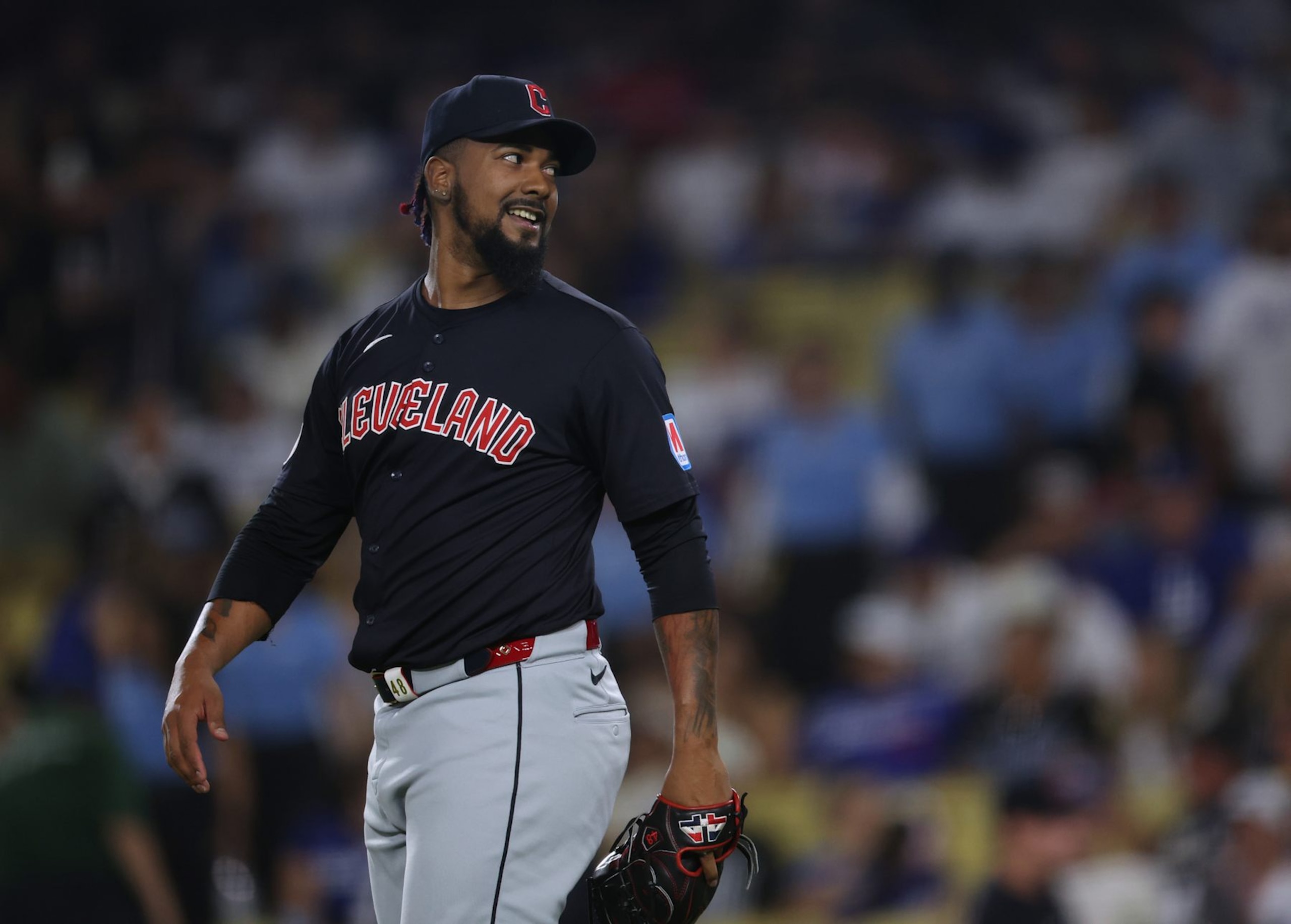
Cy Young tossed 749 complete games in his Hall of Fame career, so there has been quite a reluctance over the years to give that award to a single-inning specialist.
In the past three decades, the only reliever to win a Cy Young was Eric Gagné in 2003, when he went a perfect 55-for-55 in save opportunities.
It's time to make another exception to that rule, though, because Emmanuel Clase is having a preposterously dominant season as the closer of what might be the AL's No. 1 seed Cleveland Guardians.
He isn't chasing perfection like Gagné had. Clase does have three blown saves, as well as two other appearances that resulted in losses. Between those five games, though, we're talking one total earned run allowed.
There were three cases in which the 26-year-old pitched the 10th inning and allowed that inherited runner at second base to score, and a fourth instance in which the tying run scored on an HBP, fielder's choice, fielding error sequence.
That's what it has taken to push runs across against Clase, who boasts a 0.68 ERA and 0.66 WHIP for the year. If he can maintain those minuscule numbers for a few more weeks, he'll join 1990 Dennis Eckersley (0.61 ERA, 0.61 WHIP) as the only pitcher in MLB history to have a season of at least 70 IP with both an ERA and WHIP of 0.77 or better.
Here's the kicker: If you replace Clase with Joe Average MLB Closer, Cleveland probably isn't a playoff team. The Yankees and Orioles are battling for the No. 1 seed despite closer issues. Cleveland is in the mix because of its closer.
With all due respect to Tarik Skubal and Corbin Burnes, that's Cy Young-worthy.
-Kerry Miller
I would vote for Skubal to win the AL Cy Young Award, but I think Clase should be in the discussion and is worthy of a top-five finish. Cleveland has one of the best bullpens of the last 10 years, and he is at the forefront.
I might not go as far as Kerry, but I don't think this is outlandish.
-Tim Kelly
Skubal is on track to become the first pitcher since Shane Bieber in 2020—and the first in a full season since Justin Verlander in 2011 when he also won AL MVP—to win his league's pitching Triple Crown.
He should win AL Cy Young unanimously, but Clase deserves to be on every ballot.
-Joel Reuter
I could support this idea if this was a Robbie Ray-type year, one in which no starting pitcher stood out from the pack that much.
But in 2024, Skubal A) exists, B) is a starter in the American League and C) is phenomenally good. He leads all AL pitchers in wins, ERA, strikeouts and FIP, and his snazzier metrics also stand out. I'll be surprised if he doesn't win the AL Cy Young Award in a romp.
-Zach Rymer
The 6-IP Minimum for Starters Is Good, Actually
2 of 12
Something needs to be done to reduce the number of pitcher injuries that require a 12- to 18-month recovery. I think we can all agree on that. We've been saying it for years, but it really became a hot-button issue this season when Cy Young hopefuls were having Tommy John surgeries left and right.
Yet, when a plausible idea to combat the issue was floated last month, just about everyone immediately revolted against it.
In case you missed it, the idea was that by mandating starting pitchers go at least six innings—with exceptions for injury, pitch count or straight-up ineffectiveness—it would force them to occasionally dial it back and not go for max velocity or max spin rate on every single pitch. In turn, the epidemic of UCL injuries would, theoretically, decrease.
At first blush, forcing pitchers to do more of the things that cause injuries sounds nuts. But training arms to become the pitching equivalent of marathon runners instead of sprinters legitimately could be the solution.
It wouldn't eliminate Tommy John surgeries, but it might curtail the frequency of them before it gets further out of control.
-Kerry Miller
Nah, I'm good on this.
I agree; the sport should have pitchers go further into the game. But if a guy can throw 98 mph consistently, I think telling him to throw 93 mph instead so he can reach the minimum is a tough sell. I'm unsure exactly what the answer is, but I don't think this is it.
-Tim Kelly
I actually think a six-inning minimum might have the opposite effect on pitcher health.
Pitching deeper into games when you don't have your best stuff means more baserunners, which means more high-stress pitches, which can take more of a toll on a pitcher's arm. The game has evolved over the years to maximize an entire pitching staff and not just a starting rotation, and I don't think anything is wrong with that.
-Joel Reuter
Short answer: No.
Longer answer: Implementing minimums of six innings and/or 100 pitches would probably result in more pitchers hitting either of those marks and then going no further. We also need to acknowledge that more work wouldn't necessarily mean better work, as fatigue and extra exposure to the opposing lineup don't tend to work in favor of pitchers.
-Zach Rymer
Outlaw the Intentional Walk
3 of 12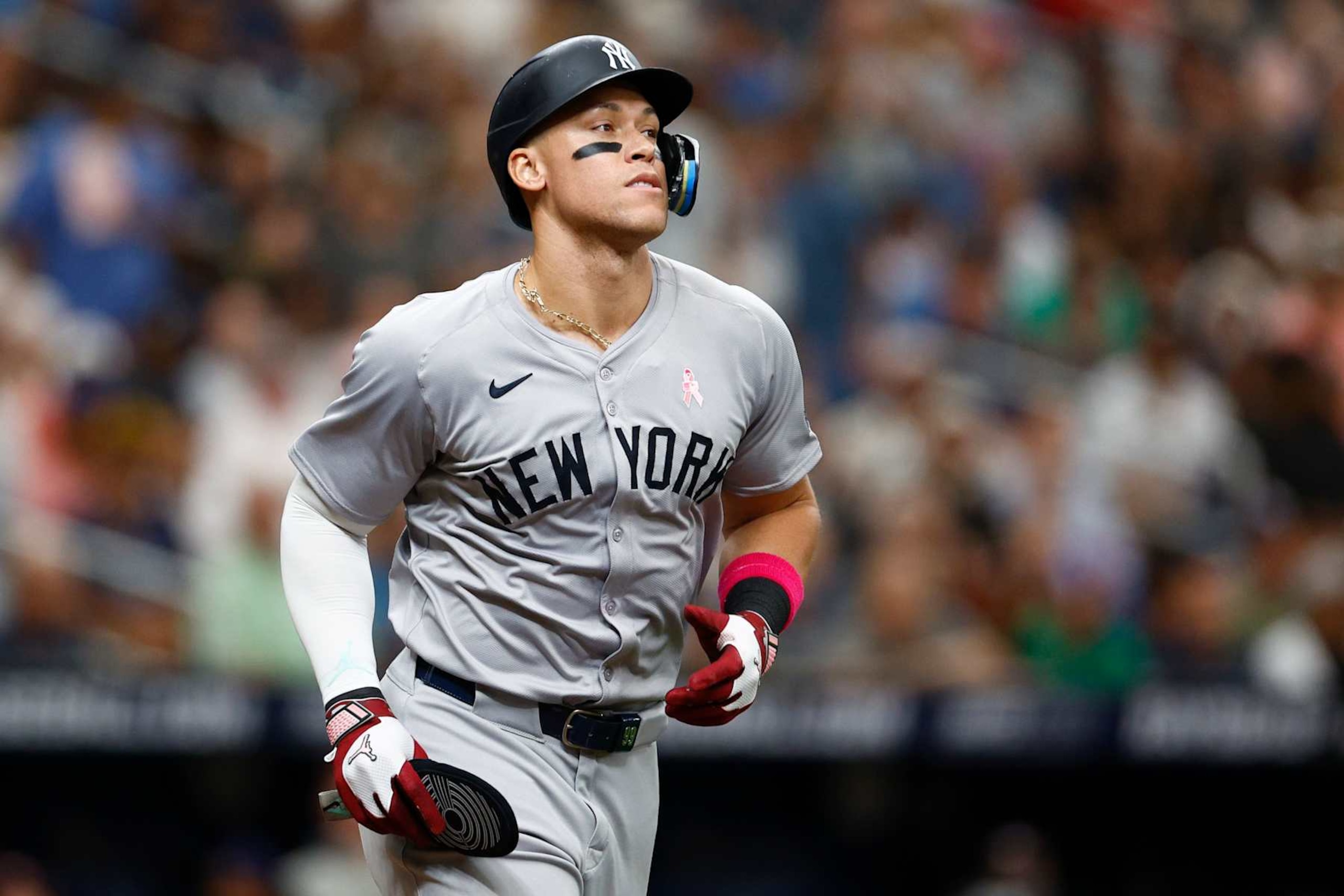
For real, though, does anyone actually like the intentional walk?
It was an annoying playback when pitchers actually had to issue four wide ones to the hitter, and it's barely better now that the hitter just gets to go to first base. Less time-consuming, sure, but it's still a bastardization of the entire conceit of the sport.
Reduced to its purest state, baseball is a battle between the hitter and the pitcher. It's the sports equivalent of an Old West gunfight. When it's good, you can practically hear the Ennio Morricone music.
Nothing ruins the experience like an intentional walk. The cinematic equivalent would be Lee Van Cleef imploring Sergio Leone to replace Clint Eastwood with Marty McFly. Because, you know, it would just be safer to face him instead.
And just think of all that is lost because of the intentional walk. If his 18 intentional walks had been regular plate appearances, Aaron Judge could have 53 home runs in lieu of 51 right now. Do the same with the 688 intentional free passes that Barry Bonds took throughout his career, and he could have hit 806 home runs.
I say scrap the play and make it illegal for pitchers to pitch around batters blatantly. Whether they're making competitive pitches could be up to the home-plate umpire's discretion, a la whether a beanball was intentional.
-Zach Rymer
If I were an opposing manager, I would walk Judge just about every time he steps up to the plate. Over the last few years, it's amazed me how many teams would instead surrender titanic home runs to him than walk him and live to see another day.
That said, people come to the park to see players like Judge play. In theory, I'm not against the idea of banning the intentional walk. However, I think it would be difficult to police intent if someone is pitching around a player. This concept would need to be more hashed out for me to buy in.
-Tim Kelly
I have no problem with intentional walks, but I do wish we could go back to the days when pitchers had to throw four balls.
Sure, it was a waste of like 45 seconds. But it prolongs the embarrassment of the pitcher admitting he's afraid to deal with the batter, it gives the audience more time to boo the decision (when the road team issues the free pass) and there was the always hilarious possibility of a pitcher Chuck Knoblauch-ing one in there for a 52 mph wild pitch that advances a runner to third or even allows a run to score.
-Kerry Miller
At its core, an intentional walk is essentially a pitcher's manager telling everyone that he doesn't think his pitcher is good enough to get the hitter out, right?
Because of that, I wonder if pitchers would embrace the idea of banning the intentional walk with open arms. At any rate, I'm all for forcing the best possible hitter vs. pitcher showdowns.
-Joel Reuter


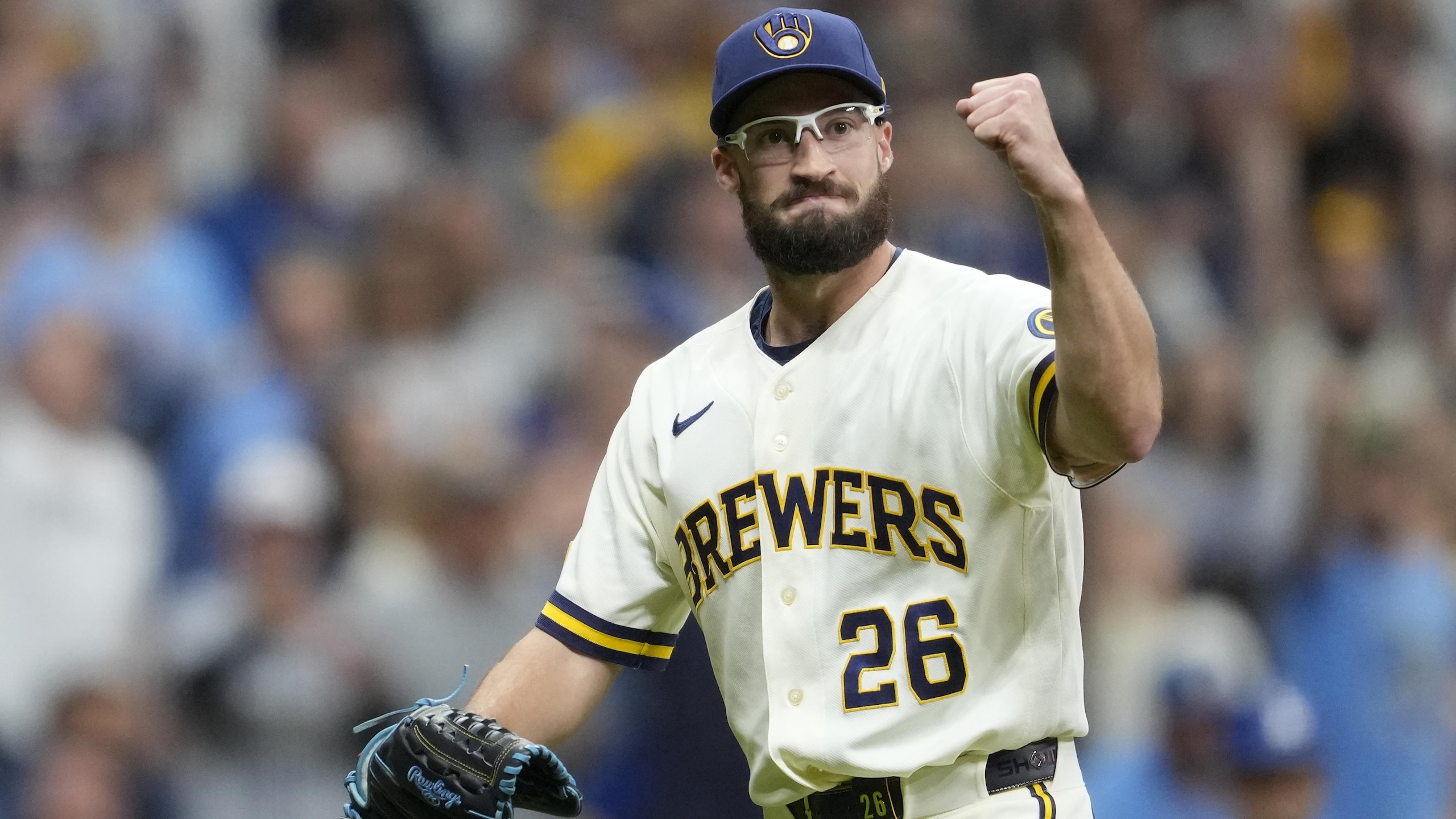
Steals of Home Should Count for at Least 2 Runs
4 of 12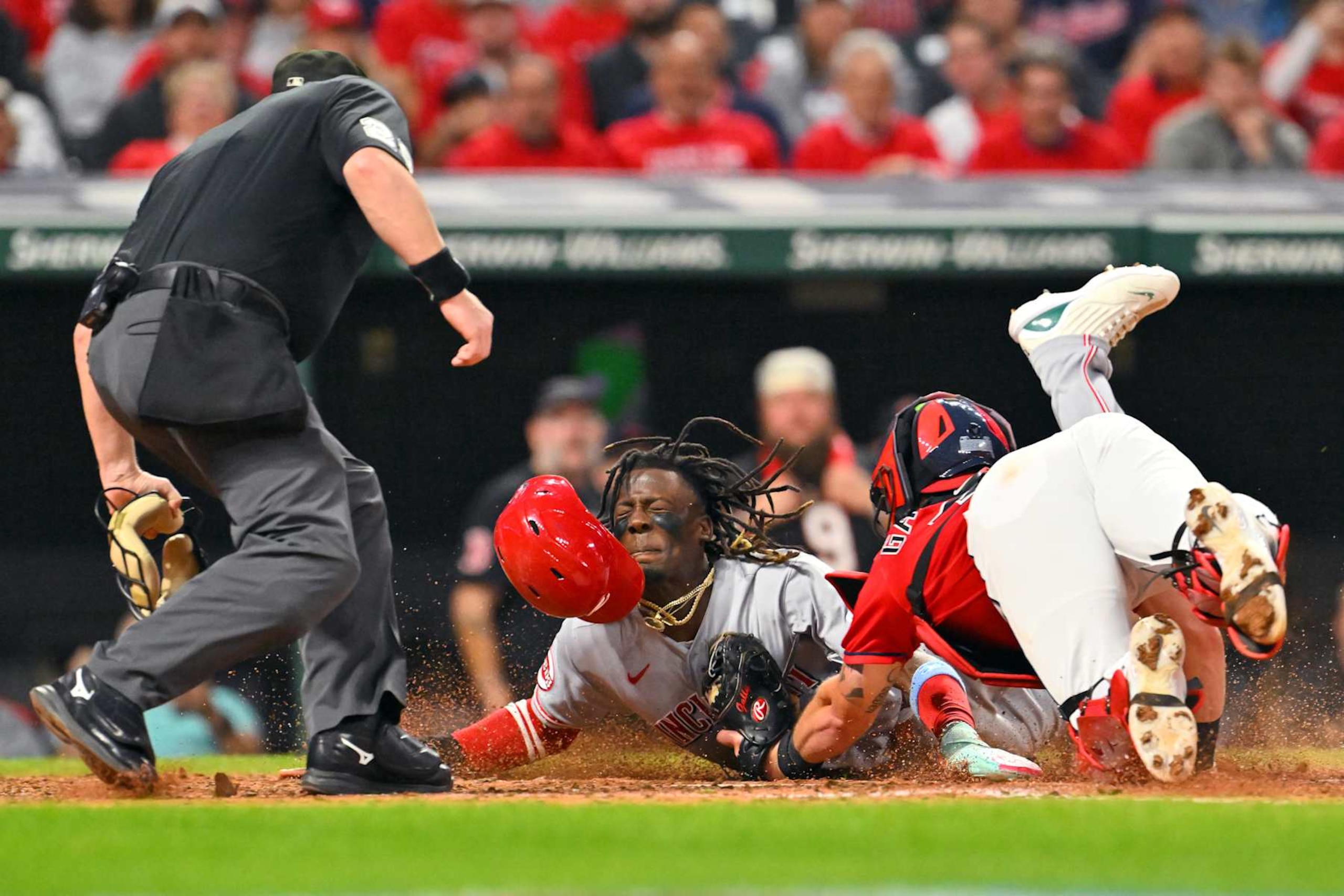
There is no scoring play more exciting than a runner stealing home, so it's kind of a drag that it's such a rare occurrence.
It is becoming more common. Whereas there were 27 total steals of home across 2021 and 2022, there were 23 in 2023 and there have been 24 so far this year. Thanks, bigger bases.
But since we're still only talking about a play that accounts for 0.12 percent of all runs scored, I propose incentivizing steals of home with the following rule change: Any steal of home should count for two runs, with an additional run tacked on for each base the runner previously stole on his way there.
Case in point, this trip around the bases by Elly De La Cruz last July indeed would have been as valuable to the Cincinnati Reds as a grand slam:
If you're thinking this is some Savannah Bananas hooey, well, that's fair. And I'm under no illusion that MLB would ever adopt such a rule.
I nonetheless maintain that steals of home are fun as hell and would be a net positive for MLB's entertainment value if there were more of them. Unless you're single-mindedly committed to dying on an anti-fun hill, surely you can at least see where I'm coming from.
-Zach Rymer
If you're trying to incentivize true steals of home—like Benny "the Jet" Rodriguez at the end of The Sandlot—I'm with you. I don't hate the two-run idea.
However, most steals of home just come on passed balls or wild pitches, which takes skill/instinct from the baserunner, but also requires a breakdown from the opposing pitcher and/or catcher. I wouldn't want that treated the same as a true planned steal of home.
-Tim Kelly
I don't even know how to feel about this one.
I agree that a straight steal of home is the biggest instantaneous "Oh s--t, it's really happening!" moment that can happen in a baseball game. But that's mostly because it happens so infrequently that it feels like bold-but-welcomed recklessness when it goes down. Making it worth multiple runs would make it less of a novelty and cheapen every other method of scoring runs.
-Kerry Miller
I'm intrigued by the idea of incentivizing a play to be worth two runs, but it would have to be a straight steal of home and not a passed ball or something of the sort.
My counteroffer: What if opposite-field home runs were worth an extra run? Let's get away from today's pull-heavy approach and encourage all-field hitting.
-Joel Reuter
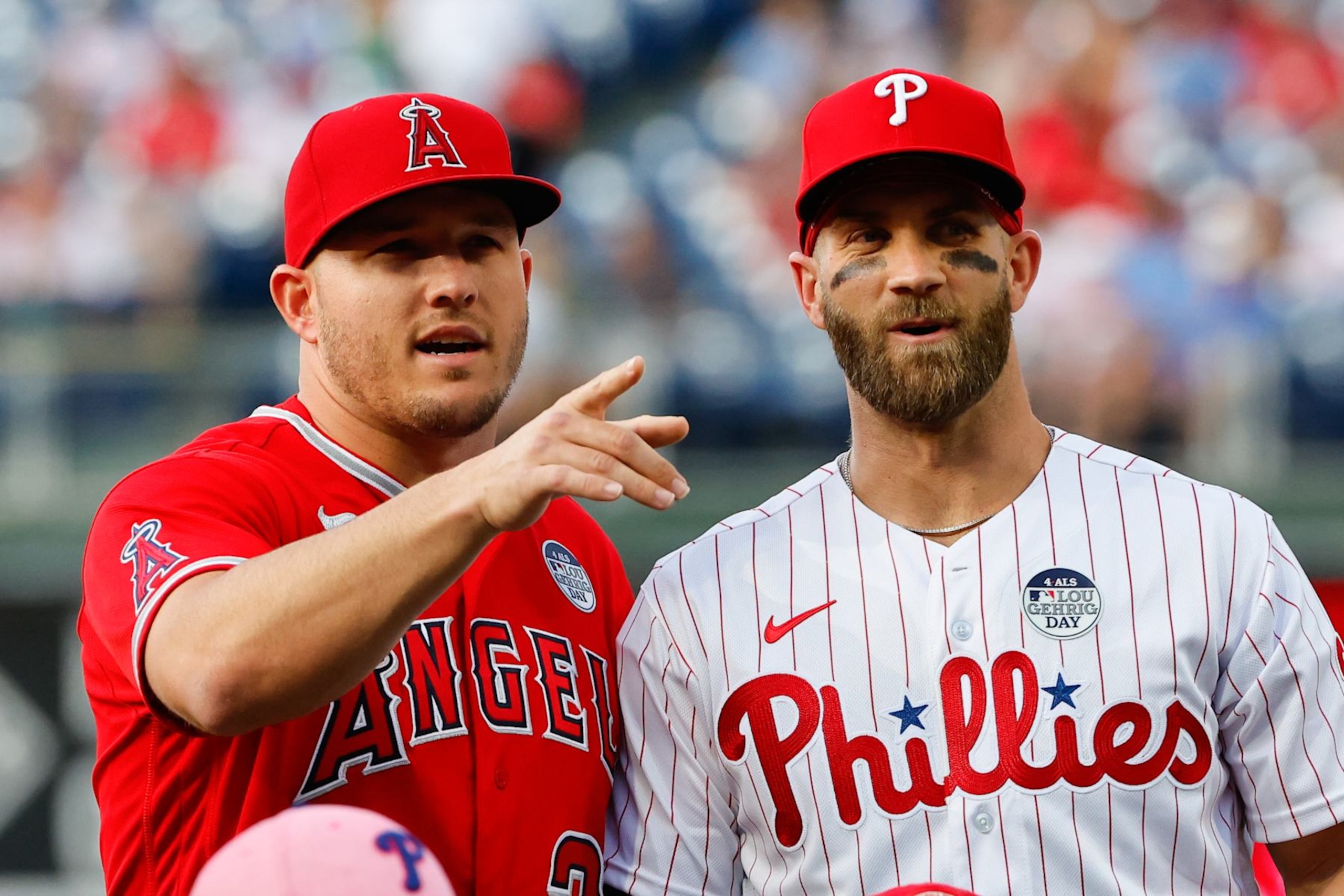
Mookie Betts and Bryce Harper Will Have Better Careers Than Mike Trout
5 of 12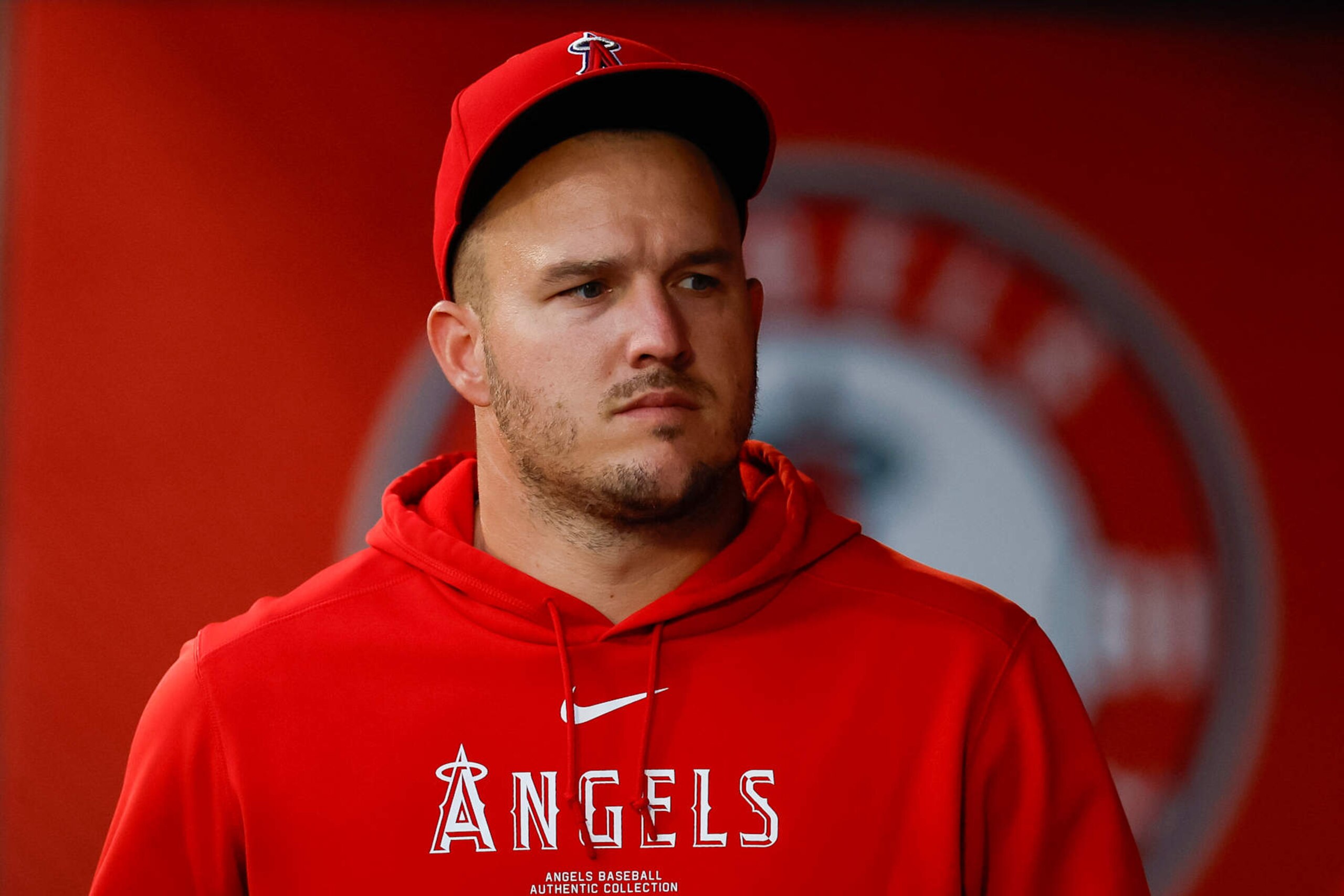
It's worth asking off the top if this is even an unpopular opinion at this point, but we're going to dig in anyway.
Not long ago, Mike Trout was viewed as a generational superstar and a player on track to enter his name into baseball's GOAT conversation before all was said and done.
Here's how Trout, Mookie Betts and Bryce Harper stacked up following the 2019 season when Trout won his third AL MVP award:
- Trout: 1,199 G, 176 OPS+, .305/.419/.581, 1,324 H, 285 HR, 72.5 WAR
- Betts: 794 G, 134 OPS+, .301/.374/.519, 965 H, 139 HR, 42.2 WAR
- Harper: 1,084 G, 137 OPS+, .276/.385/.512, 1,071 H, 219 HR, 32.2 WAR
In the years since, injuries have taken a toll on the Angels star, and when the 2024 season winds to a close, he will have played in just 266 of 648 games over the past four years.
Here's where things stand between the three players right now:
- Trout: 1,518 G, 173 OPS+, .299/.410/.581, 1,648 H, 378 HR, 86.1 WAR
- Betts: 1,363 G, 139 OPS+, .295/.375/.526, 1,602 H, 269 HR, 70.2 WAR
- Harper: 1,636 G, 143 OPS+, .281/.389/.521, 1,652 H, 332 HR, 50.4 WAR
In just a few short years, Trout has gone from a potential GOAT candidate to having the gap between him and his peers closed considerably.
Can he avoid being overtaken by two supremely talented players still putting up prime-level numbers? My guess is no.
-Joel Reuter
It's fair to say Betts and Harper have had careers that you would rather emulate because they've both played fairly consistently in the postseason. And while they don't have as many individual accolades as Trout, they still have plenty.
But in terms of who was the best individual player, I think it will be difficult for either to eclipse Trout. Injuries have complicated his legacy, but the individual stretch he had from 2012 to 2019 isn't matched by Betts or Harper, even if they each have seasons that can be considered comparable.
Trout's career will have a sad connotation because of the lack of team success, but I still think his legacy as an individual player is pretty hard to top.
-Tim Kelly
From a WAR perspective, I think Trout can stay ahead of both Betts and Harper. But if we're talking about a "When 2040 rolls around, who will we remember as MLB's biggest superstar from the 2010-30 era?" perspective, then, yeah, he is probably already behind Betts and Harper (and Ohtani and Judge).
That's partly because he never became the face of baseball quite like those other players have and partly because he has spent almost every October of his career fishing and hunting.
-Kerry Miller
I agree that Trout is likely to maintain a WAR edge over both Betts and Harper. It's not like Trout is finished adding to his total. One hopes not, anyway.
I would nonetheless venture a guess that Trout would gladly trade some of his WAR for some of the postseason success Betts and Harper have had. And whereas they're not done in that department, does anyone have the Angels getting Trout to October any time soon?
I think it's fair to say Betts and Harper will have more memorable careers than Trout. And to be clear, that will be through no fault of Trout's own.
-Zach Rymer
The All-Star Game Should be Team USA vs. Team World
6 of 12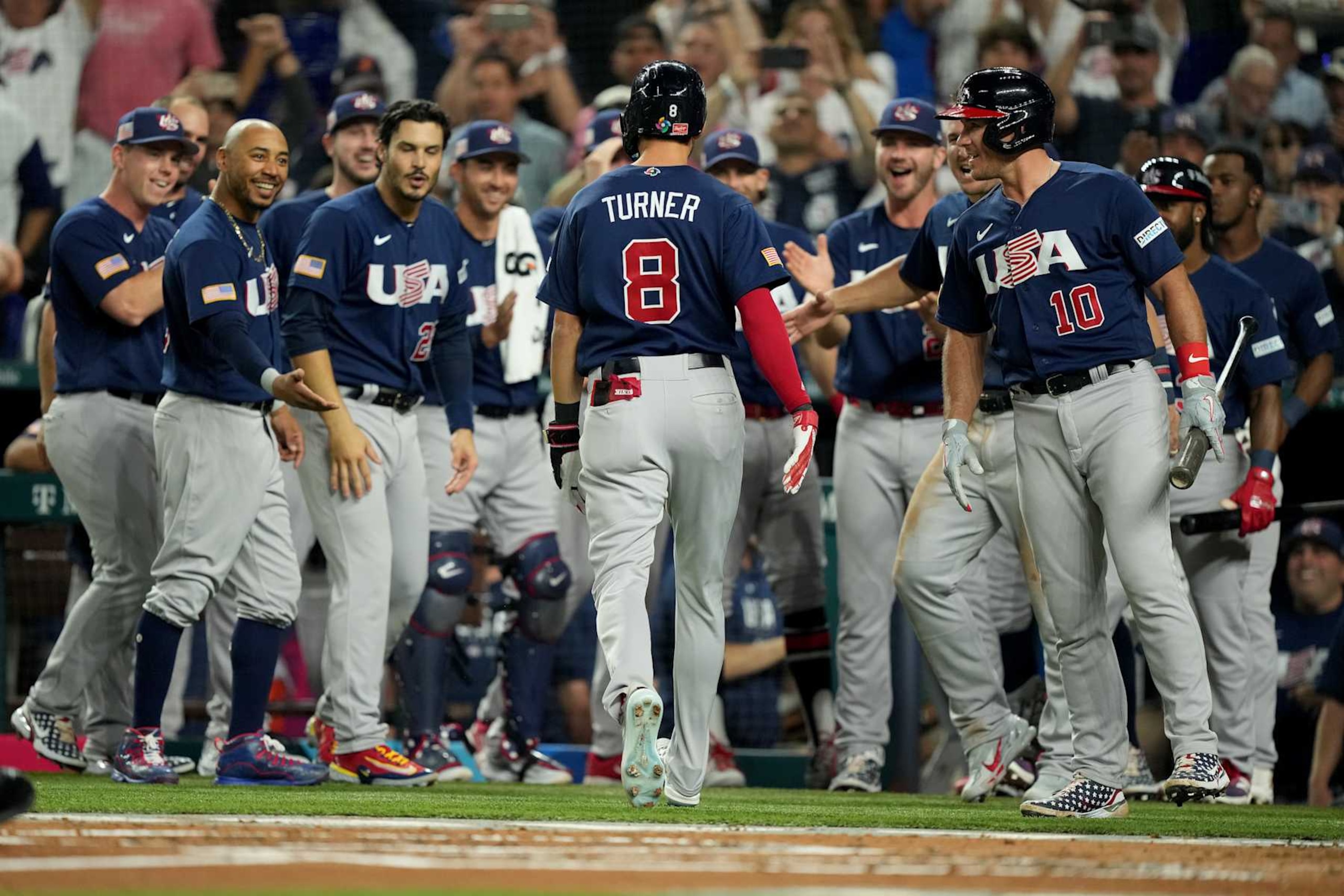
From its inception in 1999 through 2018, the annual top prospect showcase known as the Futures Game was a matchup of Team USA vs. Team World before it was shifted to a more traditional AL vs. NL setup.
Imagine if the All-Star Game were formatted that way.
The logistics of voting for players and naming reserves would be involved, but one of the most enjoyable aspects of the All-Star Game roster is debating who belongs while working inside the parameters of finding a representative for all 30 teams.
Adding another wrinkle by requiring the same number of U.S. and foreign-born players would only further add to that debate, and as someone who writes a monthly All-Star roster predictions article throughout the season, the idea of trying to navigate that requirement sounds like a lot of fun.
The growing popularity of the World Baseball Classic and the push to allow MLB players into the Olympics clearly illustrate that players are interested in playing for country pride. The Team USA vs. Team World format could inject some new life into what has become a stale Midsummer Classic.
Now that interleague play is so widespread that every team plays the other 29 teams across baseball every year, the old allegiance of AL vs. NL does not have the same juice that it did a few decades ago.
-Joel Reuter
I don't hate this, although I'm a big fan of the World Baseball Classic, and I think this would take some of the steam out of that.
I also think the All-Star Game should be based on which players are having the best seasons, full stop. In this format, some worthy players would be squeezed out of the World team because so many of the star talents in the sport today aren't from the United States.
-Tim Kelly
My only hesitation in supporting this idea is that All-Star seasons in a player's career become a big talking point every winter during "Hall of Fame voting" season.
Instituting a 50/50 split of U.S.- and foreign-born players affects a roster-construction process that already mandates at least one player from all 30 teams. (Really, though, I just wish we could stop pretending that the All-Star Game matters or that it should impact HOF voting in any way.)
-Kerry Miller
I'm not what you would call a traditionalist, but I'm fine with keeping the All-Star Game an American vs. National League affair. It's simple and effective, allowing for easy player sorting.
With the Team USA vs. Team World idea, would MLB object if Freddie Freeman claimed his Canadian heritage again? Or if Marcus Stroman did the same with his Puerto Rican heritage?
I'm not criticizing either of them. "You do you," as the saying goes. I just wonder if the idea you're throwing out is worth the murkiness that would likely come with it.
-Zach Rymer
The All-Star Game Should Decide Home-Field Advantage in World Series
7 of 12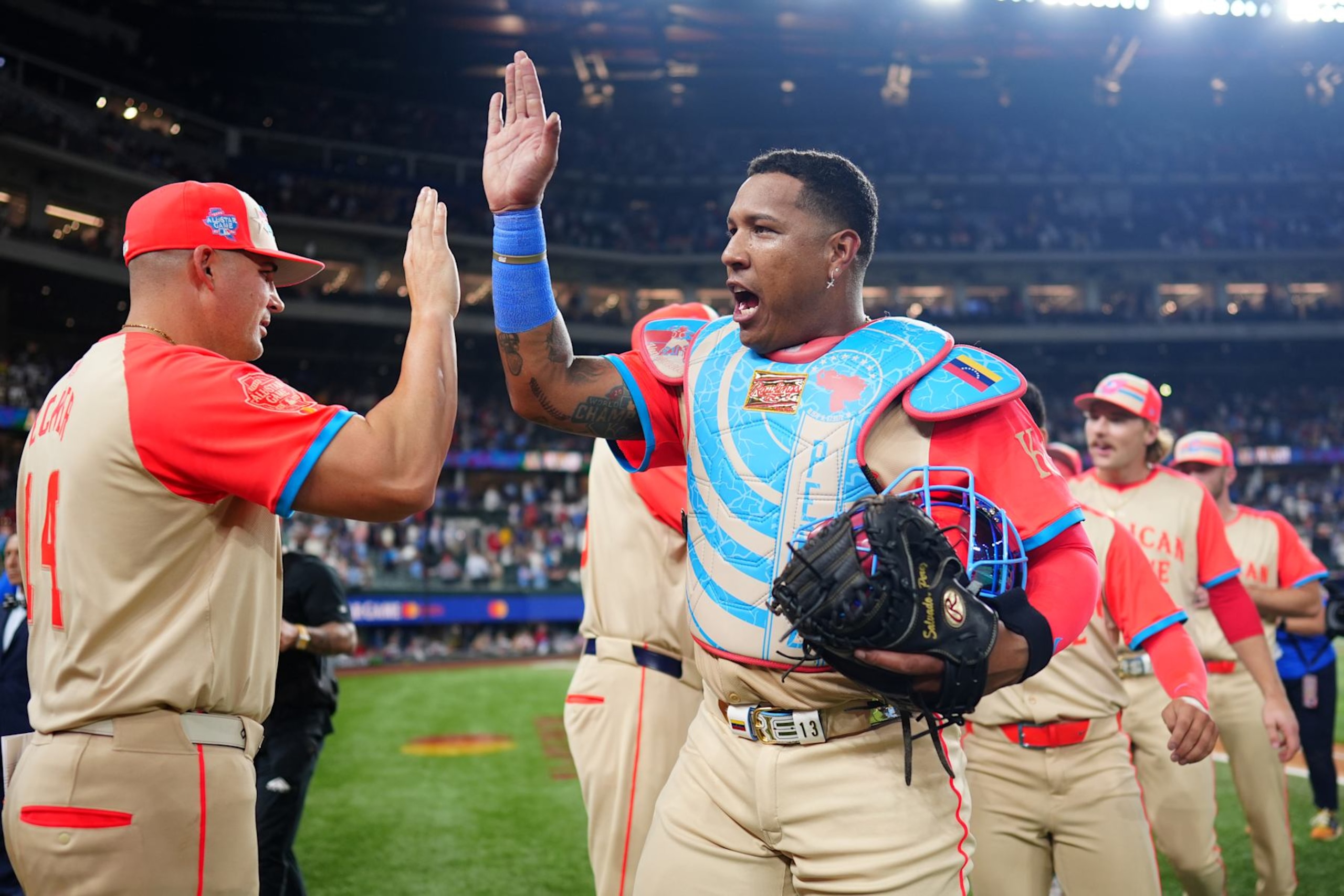
I recognize this is an unpopular opinion, but it's one I've legitimately had. While I like the pageantry of the All-Star Game, I dislike that it's become meaningless since 2017, when it stopped "counting."
I think it's difficult to ask pitchers to throw close to 100 mph and players to give up one of the few stretches of days off they have during the regular season for an exhibition.
In the grand scheme, home-field advantage in the World Series probably isn't as meaningful as people think.
But with something on the line, it gave players a reason to care about the All-Star Game and fans a reason to truly be invested.
-Tim Kelly
I'm OK with the idea of the All-Star Game counting for something, but not something as important as an advantage in the World Series.
In the final year before they made the change, a 103-win Cubs team had to win Game 7 in Cleveland against a 94-win club, all because two players from an 81-win Royals squad hit homers in the second inning of an exhibition game played nearly four months prior. Not cool.
Give every player on the winning team a $25-50K bonus or something.
-Kerry Miller
Hard pass.
I think reversing the decision to make the All-Star Game "count" is one of the few things that Rob Manfred has done right during his time as commissioner. The All-Star Game is, at its core, an exhibition; otherwise, we wouldn't let fans vote for the players and we wouldn't require a representative from every team.
-Joel Reuter
Oof, the memory of Hank Blalock homering off Eric Gagné—and right over the "This Time It Counts" banner, no less—in the 2003 All-Star Game just hit me pretty hard.
At the time, it felt like evidence that introducing stakes to the Midsummer Classic had worked.
Still, this is a no for me. Home-field advantage in the World Series may not be the most meaningful thing, but it is too meaningful to tie to the All-Star Game. In theory, it represents only each league's best players, and it's not exactly played like a normal baseball game.
Even in this day and age, starters tend to last longer than one inning.
-Zach Rymer
MLB Should Take Sundays Off During the NFL Season
8 of 12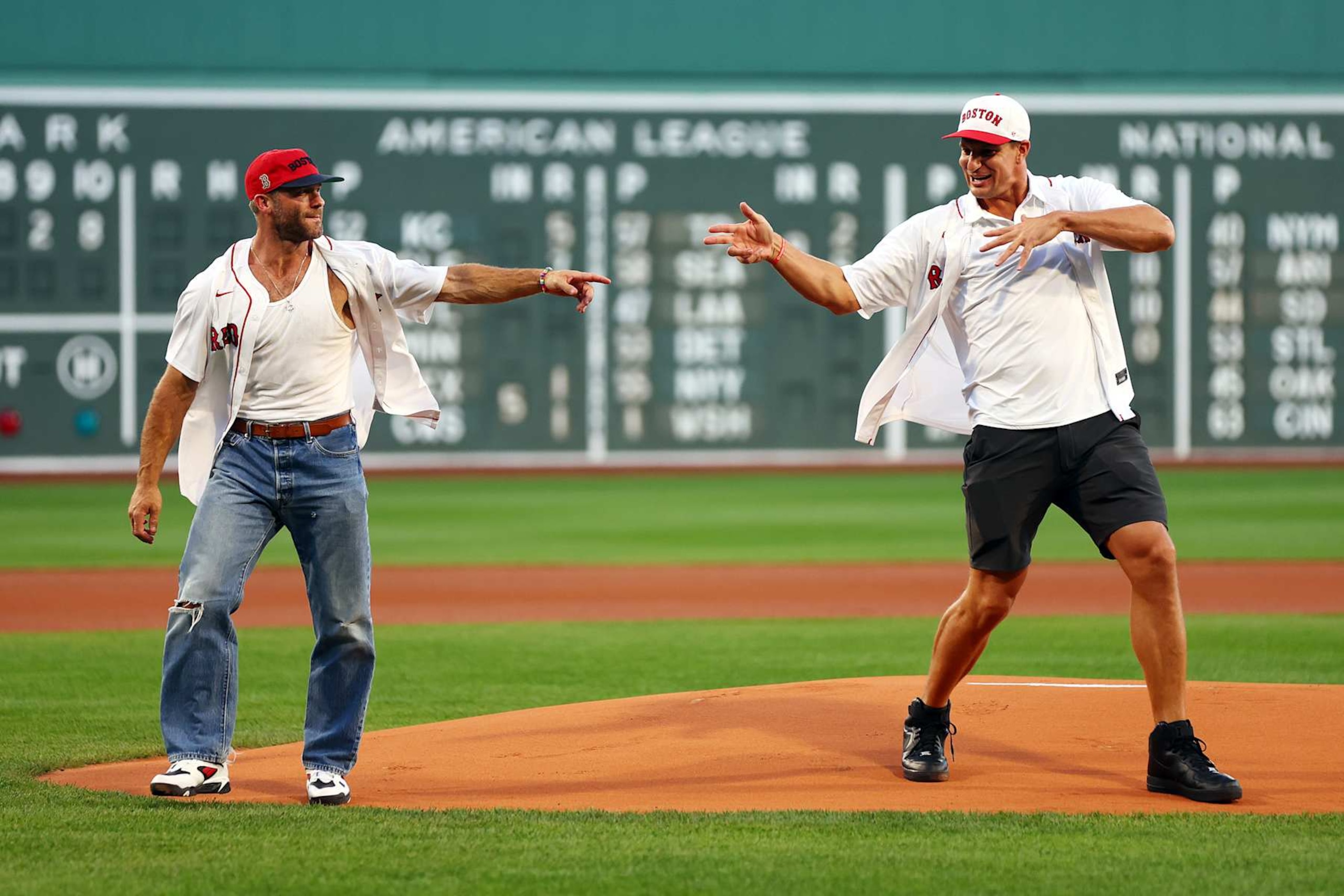
Baseball is, far and away, my favorite sport, but the NFL is king in the United States—and not by a little.
The second the NFL season starts, a significant portion of the audience isn't engaged with Sunday afternoon MLB games. That's a shame, considering the importance of every game in the final month of the regular season.
What I'm proposing is rather than being off on Monday or Thursday, Sunday becomes a universal day off across baseball in September and a travel day in October.
To grow the game, having the most eyeballs possible is crucial. It's delusional to think the average sports fan will pick watching Game 154 of an MLB season over one of the 16 NFL games.
So, instead of banging your head against the wall, play the game on a day that doesn't clash with 90 percent of the NFL games in a week.
-Tim Kelly
I might love this idea more than any other on the list, including my own.
Men's college basketball teams all but outright refuse to play marquee games on Saturdays until the college football regular season is over, knowing they can't compete for eyes on those days. Baseball should take a similar approach.
It might feel a bit defeatist to avoid playing games on football's big day, but a dash of realism and common sense never hurts.
-Kerry Miller
I've been working at B/R long enough to remember when we didn't publish MLB articles on Sunday during football season because we assumed they would get buried in the sea of NFL coverage. I'm having a tough time seeing any downside to this idea.
-Joel Reuter
This idea does indeed feel defeatist, but I can dig it. It could mean good business for owners whose teams share cities with NFL franchises, as they would no longer have to compete for butts in seats on Sundays.
As much as I love baseball, I honestly wouldn't mind having one day per week when I know I'm going to have a break from monitoring games. Apparently, there's this thing people call a "Sunday Funday," and it sounds like a blast.
-Zach Rymer
The Season Is Too Long and Playoffs Are Too Crowded
9 of 12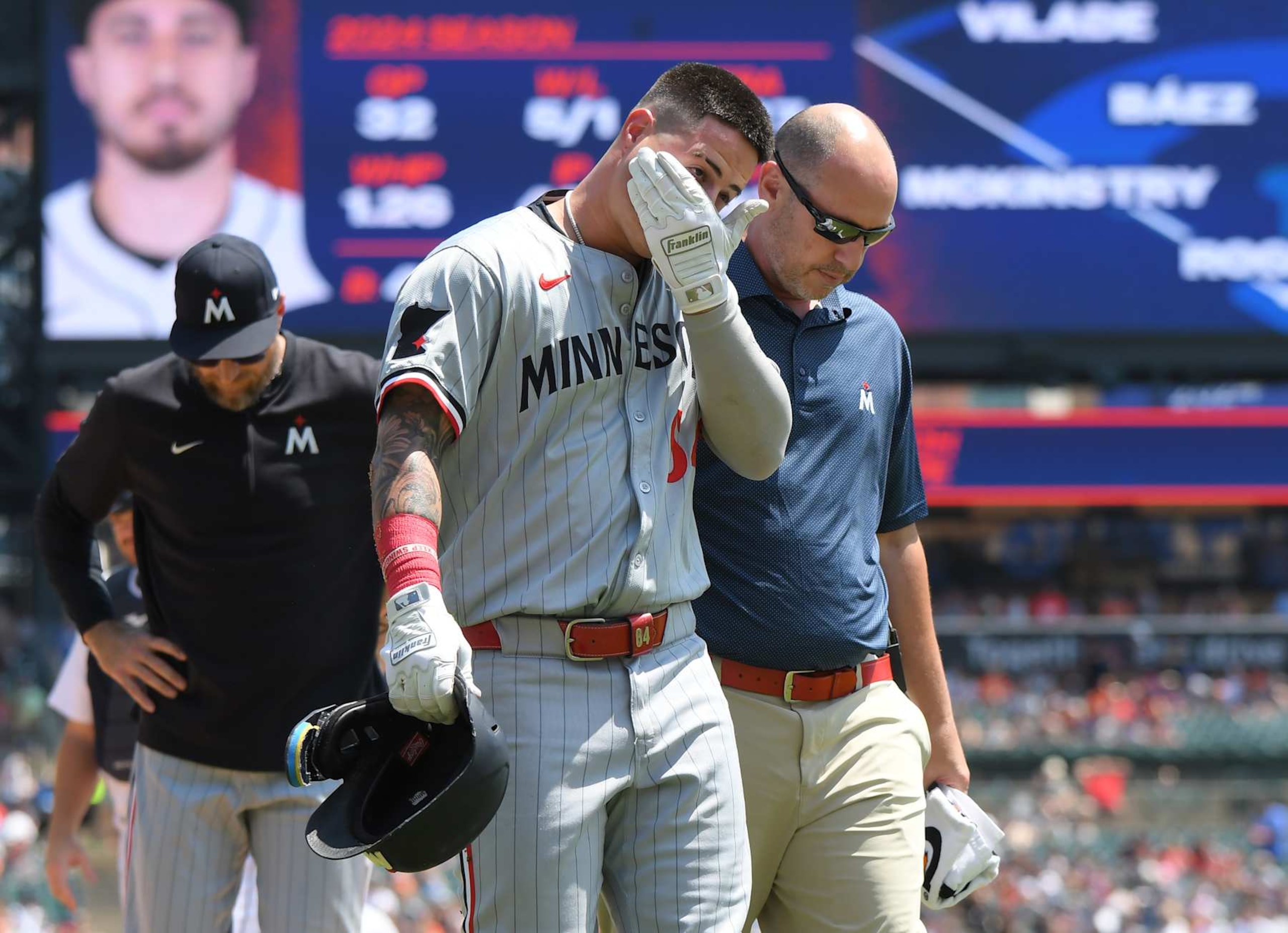
You know what would be great? If the regular season was shortened to 154 games and the playoff field was reduced back down to four teams per side.
I can practically hear people mumbling, "OK, Anthony Rendon," but the dude had a point about the grind that MLB players go through. There are 162 games in 180-odd days, plus all the air travel and wonky scheduling. Shohei Ohtani somehow gets 12 hours of sleep per day, but that's likely just another area where he's a unicorn.
Though it's not universal, players do seem to be interested in a shift back to a 154-game schedule. That would hypothetically guarantee one off day per week, potentially resulting in fewer injuries, fresher players and better baseball.
As for the playoffs, it's quite simple: A 12-team field incentivizes teams to aim for the middle and unfairly punishes those with higher aspirations. It sucks and I hate it.
If it were up to me, MLB would take a cue from its 1995-2011 era and bring back the eight-team field, with only a slight modification.
As was the case back then, only the four best teams in each league make it into the postseason. Except this time, the Division Series Round would be a best-of-seven in lieu of a best-of-five. Only the best would make it, and only the very best would survive.
-Zach Rymer
I think 162 games is perfect. While at times it gets draining in the summer, baseball is a marathon not a sprint, and I like that aspect of it.
The playoffs are too crowded, but as you said, owners like that they don't have to spend as much money to get into the postseason and potentially go on a run. I've just accepted that's what it is. And I expect that during the next CBA, another postseason spot will probably be added. It is what it is, unfortunately.
-Tim Kelly
On the one hand, continuing to do something just because it's the way it has always been done isn't a great reason for continuing to do it; on the other, we've had 162-game seasons for more than six decades, and that's the standard against which single-season records have long been judged.
Also, I'm not ready for the permanent death of 20-win and 200-hit campaigns, which probably happens if you shrink the season by five percent. However, I am 100 percent in favor of truncating the postseason field to eight teams and making every round a best-of-seven.
-Kerry Miller
I don't mind trimming the schedule to 154 games, but it does make things a bit wonky when comparing seasons historically.
I'm definitely on board with cutting back the expanded postseason field, though. Did the 2023 Miami Marlins feel like they belonged in the postseason? I liked the 10-team format and the do-or-die Wild Card Game, but rolling it back to the eight-team approach is fine with me.
-Joel Reuter
No. 1 Seeds Deserve Better Treatment
10 of 12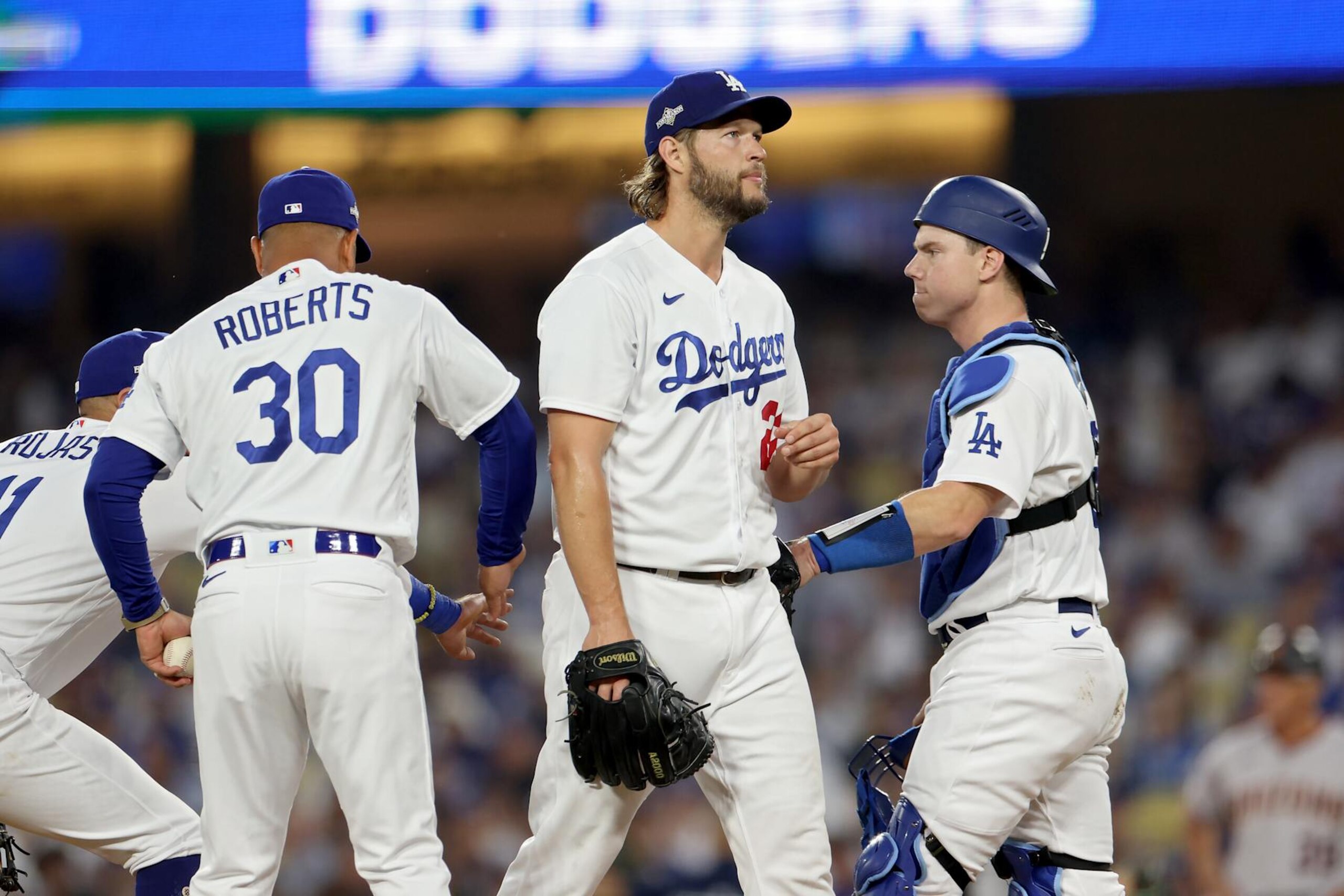
This is going to reek of hypocrisy, coming from the bracketologist who thinks the NCAA college basketball tournament is the greatest postseason event ever. However, in baseball, we need to give each league's No. 1 seed more of an advantage in the postseason.
Since the implementation of the wild-card series in 2012, there have been 11 postseasons (excluding 2020) for a combined total of 22 LDS matchups featuring a No. 1 seed against a wild-card team. The No. 1 seed has lost 12 of those 22 series, including five of the last six.
Yes, baseball is inherently random in small sample sizes. This year's Chicago White Sox might be the worst team of all time, but they still beat the Orioles 8-1 and the Yankees 12-2.
And, yes, the No. 1 seed already has the advantage of getting to rest during the Wild Card Round, playing three of the five games at home and lining up its ace against its opponent's No. 3 or No. 4 starter in Game 1 of the LDS.
It is not enough of an advantage, though.
I say let the No. 1 seed host the entire best-of-five series. Or, at the very least, let them host the first three games instead of the current 2-2-1 format in which the underdog ends up getting to deploy its ace on normal rest on the road in Game 2 and gain an advantage in the series.
-Kerry Miller
I think having a first-round bye, where you A) don't risk getting eliminated in the Wild Card Round and B) can rest your team after 162 games, is quite the advantage.
Like with the NFL, you run the risk of getting cold while you wait for the wild-card teams to play out, but you then get to open with two home games in the DS and know if there is a Game 5, you will host it. The No. 1 seed already has enough of an advantage.
-Tim Kelly
There is something to be said for putting more stock in the results of a 162-game season, but the current format with bye weeks for each league's top two teams accomplishes the intended goal.
I'm also not sure focusing specifically on the No. 1 seed makes sense, either. If the Phillies win one more game than the Dodgers this year, do they deserve that much more of an advantage than them?
-Joel Reuter
I like my idea of reducing the playoff field to eight teams. But if we must stick with the current system, I agree that the top seeds get a wholly undeserved and unintentional raw deal.
The extra rest may be the problem, so I'd be down to change the Wild Card Round to a single-elimination bracket that plays out over just two days.
To compensate for the lost games, the Division Series could be upgraded from a best-of-five to a best-of-seven.
-Zach Rymer
MLB Needs a Salary Floor with Teeth
11 of 12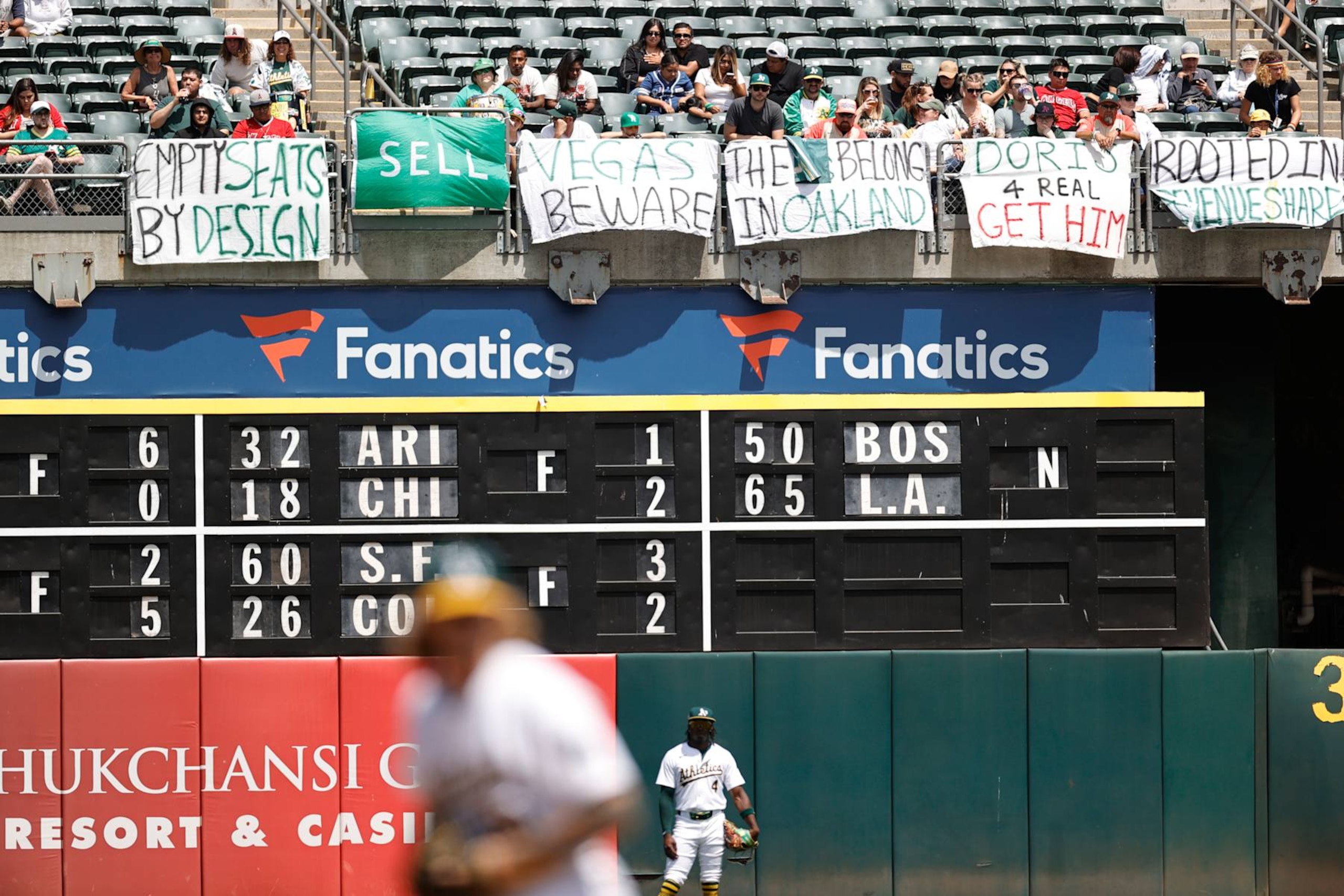
One idea often discussed to help bridge the gap between the league's perennial contenders and the also-rans is to institute a salary cap.
I always ask: Why should the owners who are willing to spend money be punished and dragged down toward the owners who treat their teams like line items in their business portfolios?
Instead, the league should adopt a salary floor, forcing the penny-pinching owners across baseball to loosen the purse strings or find someone who can.
The average MLB payroll this year is roughly $167 million, but six teams are still spending less than $100 million, with four others shy of reaching the $120 million mark.
That $120 million threshold feels like a reasonable line to draw for a salary floor. For most teams below that mark, compliance would be as easy as adding a free agent or two or extending an in-house star a bit sooner than expected.
However, for teams like the Oakland Athletics ($62.7 million), Pittsburgh Pirates ($84.7 million) and Tampa Bay Rays ($88.8 million), it would be a franchise-altering change and one that is long overdue.
The penalty for a team failing to reach the salary floor should be the immediate requirement that the owner sells his team to someone capable of reaching the said floor. Enacting that penalty gets tricky, but that's for the commissioner's office to figure out.
-Joel Reuter
I agree with the idea of adding a salary floor, and the MLBPA likely does as well. The problem is that I think the only way to get owners to agree to that is to put a cap in place as well.
In the end, that might lead to more parity in terms of what teams sign star players in free agency, but I'm not sure it would be a net positive for players in terms of making more money as a group because you would be suppressing teams such as the Dodgers, Yankees, Phillies and Mets from spending over the cap.
-Tim Kelly
I like the idea of a salary floor, but an immediate requirement to sell the team is cuckoo bananas. The floor should be 50 percent of whatever the luxury-tax threshold is for that season (so, $118.5 million this year), and the penalties for failing to hit that mark should escalate similarly to the luxury-tax penalties.
Maybe first-time violators lose their first-round draft pick. Second-time offenders immediately lose one year of team control on all arbitration and pre-arb players. This is harsh, but not as harsh as being forced to sell the team.
-Kerry Miller
"If you get a floor, you get a cap."
That was Max Scherzer speaking in 2023, and he's probably right. Tim is also right that such a trade-off would likely do more harm than good for players, as the big-market teams that throw money their way now would be limited in what they could offer.
Besides, if we're going to devise a system in which owners are held accountable for being bad at...well, whatever they do, I'd prefer to tie it to wins and losses. For example: If a team averages a losing record for 10 years, the owner has to go.
-Zach Rymer
MLB Needs Fewer Teams, Not More
12 of 12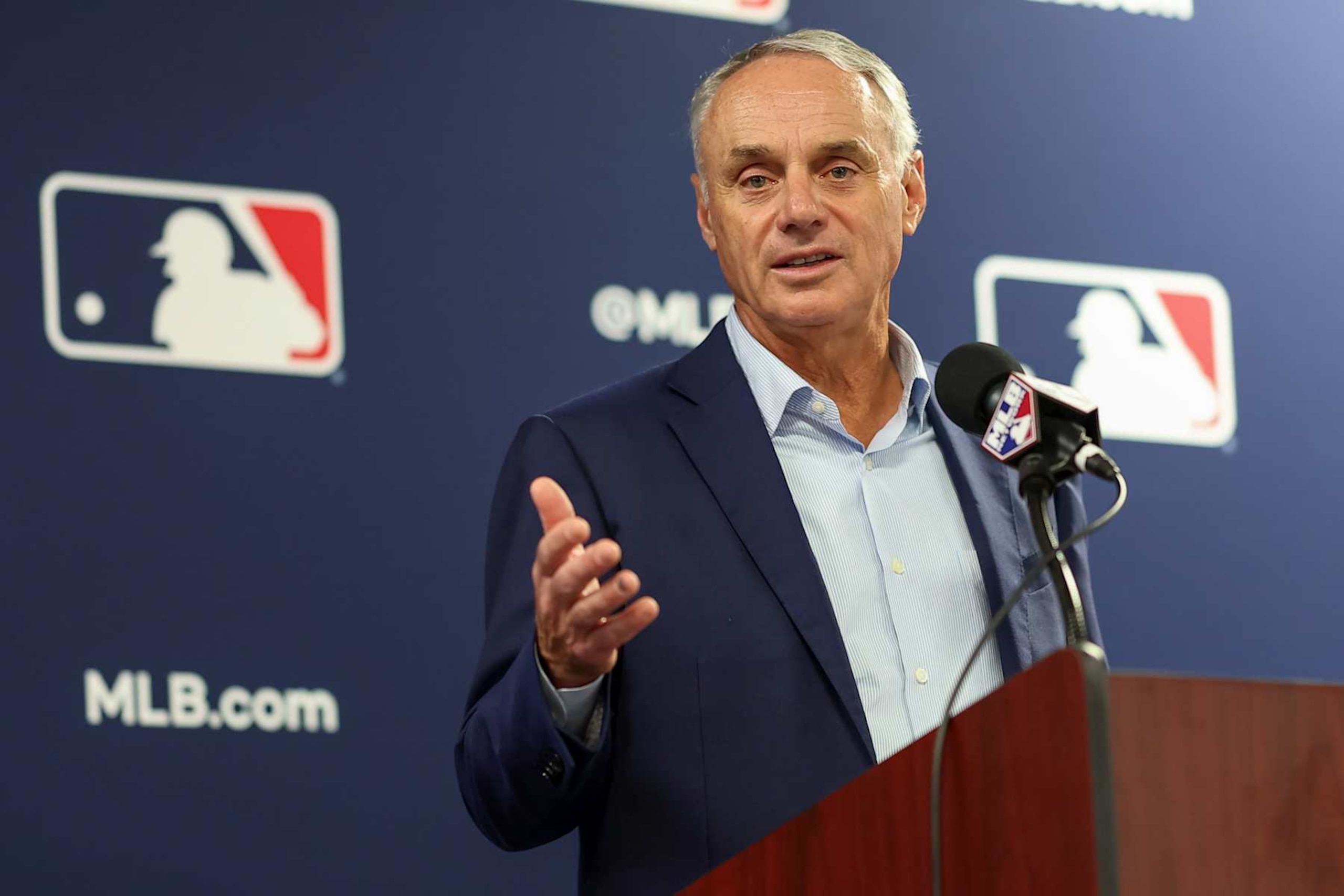
MLB commissioner Rob Manfred has stated he would like the sport to expand to 32 teams. In my opinion, there are already plenty of teams that lack enough quality pitching and/or have a cheap ownership group, so there's no need to add more teams.
If anything, the sport could benefit from having fewer teams.
In 2001, MLB owners agreed to eliminate the Minnesota Twins and Montreal Expos. Legal challenges and an eventual new stadium kept the Twins alive, rightfully so. The Expos relocated to Washington, D.C. in 2005. It may be that 30 is the right number overall.
But would baseball be a better product with 32 teams or 28? Probably 28.
There aren't even close to 30 owners right now willing to make the necessary financial investments to build a sustained contender. And as the A's, Rays, Diamondbacks and Brewers try to work out new stadium arrangements, it's hard to imagine adding more cheap owners who want taxpayer-funded stadiums on top of what's already there.
There also might not be enough MLB talent for any more clubs.
-Tim Kelly
My official stance on expansion/contraction: I'm good with whichever option makes owners stop threatening to move their team to Nashville any time they're either lobbying for a new stadium or upset about ticket sales when fans don't feel like spending their limited free time and money to watch a team that was never built to contend for a World Series.
I think the threat of contraction accomplishes that goal better, so let's do it.
-Kerry Miller
I'm fully on board with this idea. In theory, contraction would improve the overall product simply by creating fewer MLB roster spots. However, multiple markets have never fully embraced their teams.
Maybe we're just done with baseball in Florida? The logistics of contraction are also fun to think about. Would there be a reverse Expansion Draft in which teams get to poach players from the eliminated teams?
-Joel Reuter
The world is big, and MLB's talent pool is increasingly international. There is enough talent out there to sustain a couple more major league teams, not to mention their obligatory minor league associates.
Besides, let's not overlook what new teams could add to baseball's ongoing story. To use the more recent additions as examples, the Marlins (1997, 2003), Diamondbacks (2001), Rays (2008, a whole bunch of winning seasons), and Rockies (Coors Field) can all claim something that MLB is better off for having.
-Zach Rymer
Stats courtesy of Baseball Reference, FanGraphs and Baseball Savant.

.jpg?w=2560)
.jpg?w=2560 "AD Trolls Bears WR on IG 😂")
.jpg?w=2560 "Viral Dan Campbell Presser 💙")
.jpg?w=2560 "Report: Steelers WR to Miss 'Weeks'")
.jpg?w=2560 "Cam Ward Says He's Not A Loser")
.jpg?w=2560 "Buzz: MHJ Hired Agents for Trade")
.jpg?w=2560 "Chargers Fall to 0-5 🤢")