
5 NBA Teams That Should Tank If They Start Slow in 2024-25
The tank race is already on for what could be an incredible 2025 NBA draft class.
While Duke freshman Cooper Flagg sits atop all the 2025 mock draft boards you'll find, he is far from the only potential difference-maker in this class. Dylan Harper, Ace Bailey and VJ Edgecombe are among the other tantalizing prospects who could convince teams that there's never been a better time to tank.
Speaking of which, several squads are already playing for the future. The Washington Wizards have already taken out a long-term lease at the bottom of the standings. The Brooklyn Nets' recapturing of their previously traded picks paved their tanking path. The Portland Trail Blazers appear eager to embrace their future. The Charlotte Hornets are still playing the long game.
There are even a couple could-be tankers who can't actually participate. The Atlanta Hawks may have engineered a top-to-bottom teardown already if they controlled their own first-round pick, which is owned by the San Antonio Spurs. And if Kawhi Leonard decided the Paul George-less Los Angeles Clippers were no longer the team for him, they might be stealth tanking candidates if not for the fact they're out a 2025 swap to the Oklahoma City Thunder.
The point is, when a draft class appears this inviting, more than the extreme bottom-feeders take notice. This tank race could get crowded, especially if the following five teams are slow out of their starting gate.
Chicago Bulls
1 of 5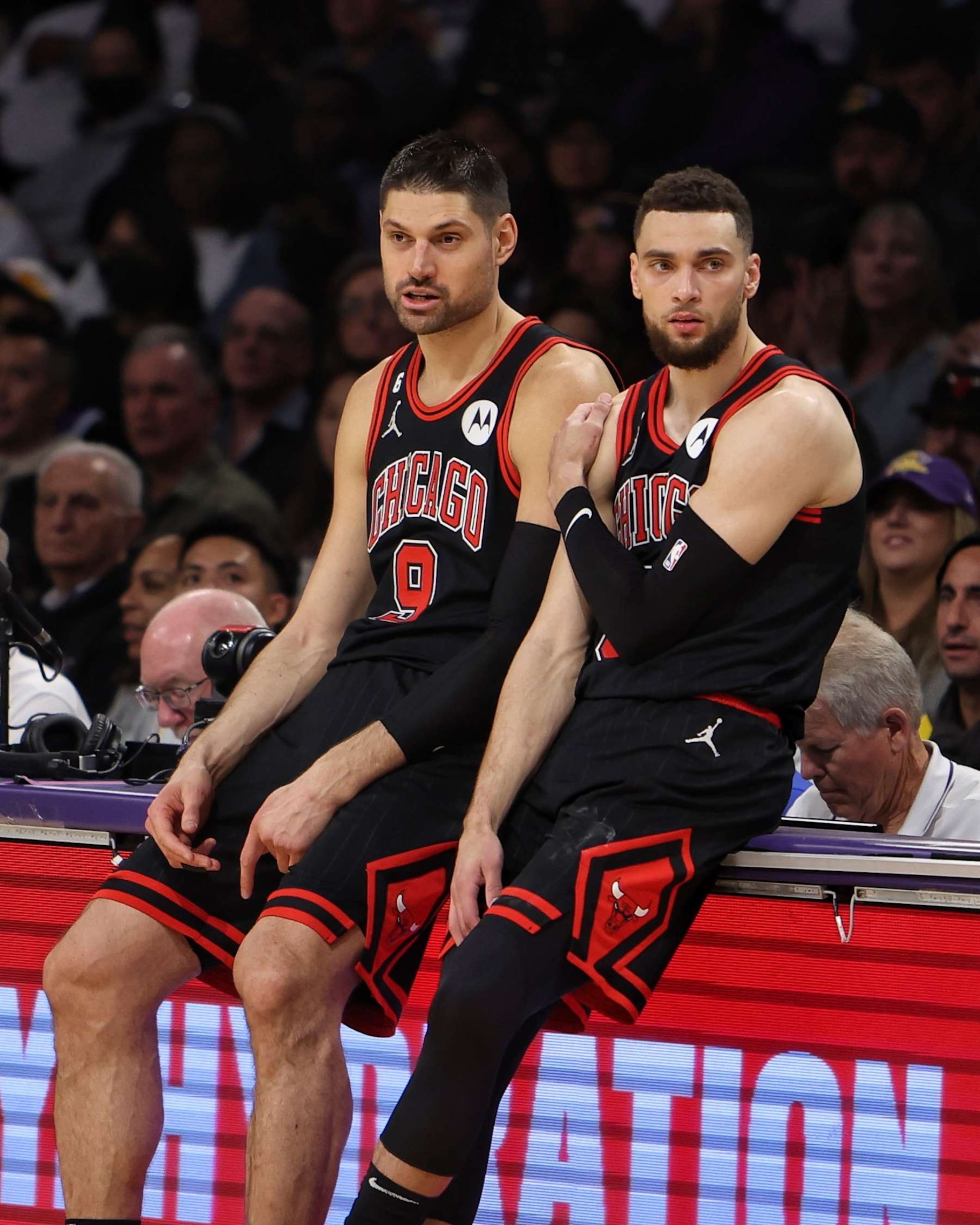
The Bulls spent this summer shipping out both Alex Caruso and DeMar DeRozan. They stopped short of a full-on fire sale, though the biggest holdup might be a general lack of interest in the remaining veterans, specifically Zach LaVine and Nikola Vučević.
The overarching theme is obvious, though: This franchise is finally prioritizing its future.
"We're not so focused on being a top-six seed or being in the play-in," general manager Marc Eversley told ESPN's Jamal Collier. "We're focusing on developing this group every single day and see how much better they can get over the next year."
Player development will obviously play a big part in turning things around for this team. A more pressing concern, though, is the need to expand this young talent base. There are a lot of interesting pieces on the roster—Coby White, Josh Giddey, Patrick Williams, Ayo Dosunmu, rookie Matas Buzelis—but there isn't an obvious cornerstone.
If that remains an obvious observation early in the 2024-25 season, then the rest of the campaign should be spent in pursuit of one. Bottoming out in search of maximum lottery odds would be a must, so much so that subtracting LaVine and Vučević is arguably even more beneficial than whatever they bring back in an exchange.
The Bulls have at least recognized that change was needed, but they may not have grasped that this is everything-must-go time. An early-season stumble will hopefully hammer that point home and convince the organization to fully embrace the tank.
Detroit Pistons
2 of 5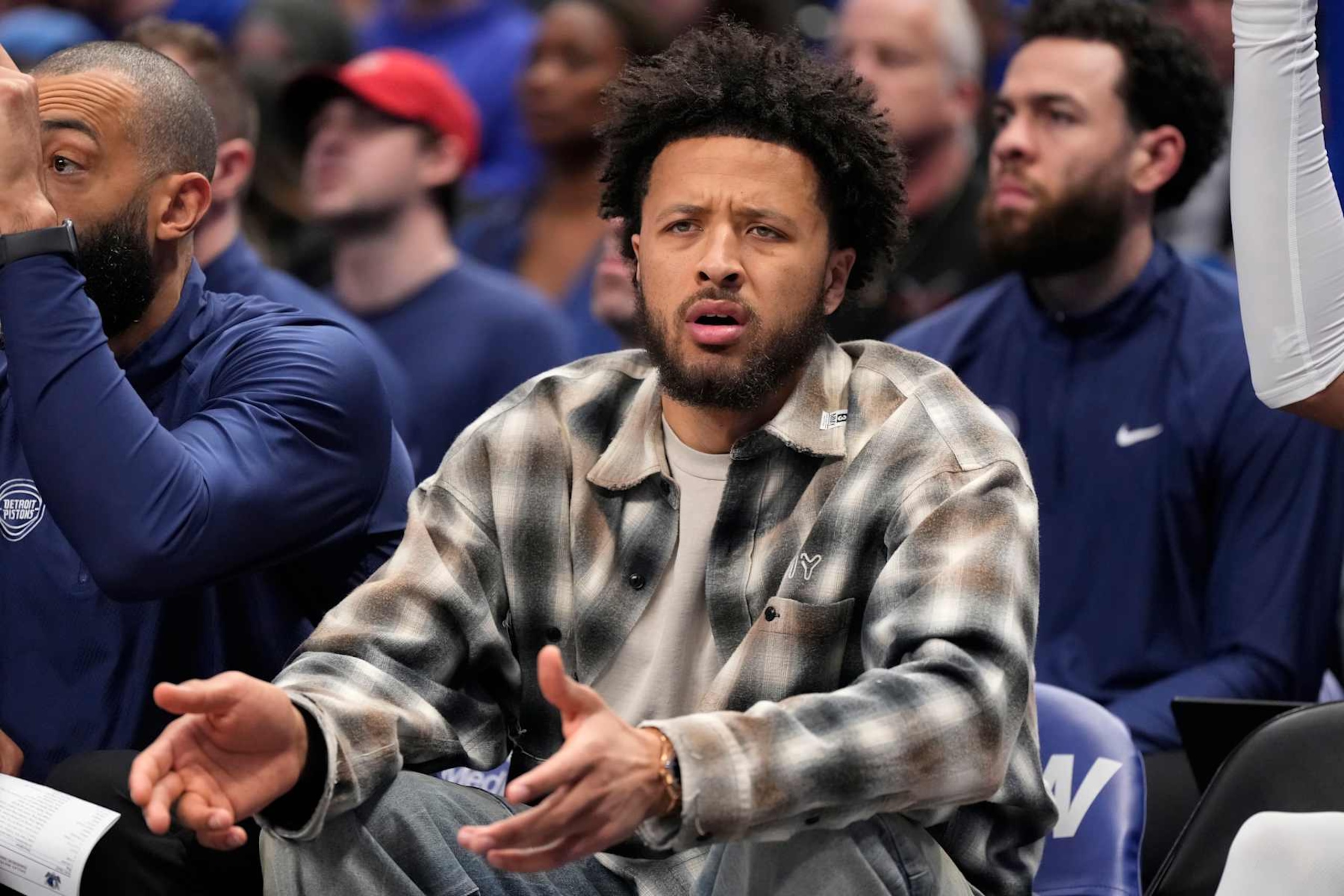
The Pistons haven't officially abandoned the tank race, but they added legitimate, established NBA talent this summer. Tobias Harris, Malik Beasley and Tim Hardaway Jr. does not a Big Three make, obviously, but that's a healthy amount of scoring and spacing for a young squad in dire need of both.
Having failed to post a winning percentage of even .310 in any of the past five seasons, Detroit would presumably welcome some success in the standings. It's possible that proper spacing (or improved spacing, at least) helps accelerate the development of this young core, and if it does, it's not like the play-in picture in the Eastern Conference is impenetrable.
A leap year from Cade Cunningham could do wonders for the franchise. If it's accompanied by sizable steps forward from the likes of Jaden Ivey, Jalen Duren and Ausar Thompson—plus a rapid transition from Ron Holland, the team's latest No. 5 pick—the Pistons should be semi-competitive.
How much does that actually accomplish, though? Riding the Motor City of this stench of losing would be nice, sure, but if the faithful can hold their noses for one more 82-game marathon, the reward could be one of the potentially fortune-changing prospects atop next summer's draft.
Granted, the Pistons know better than anyone that a mountain of losses guarantees nothing in the draft lottery. They should also recognize, though, that Cunningham is their only prospect paving a path to stardom right now. Even if he's ready to elevate this team, he doesn't have the high-end help needed to make it happen. Pairing him with a blue-chip prospect could change that, and the possibility is too inviting to pass up, especially if it's obvious early that this club won't compete at a high level during the 2024-25 campaign.
San Antonio Spurs
3 of 5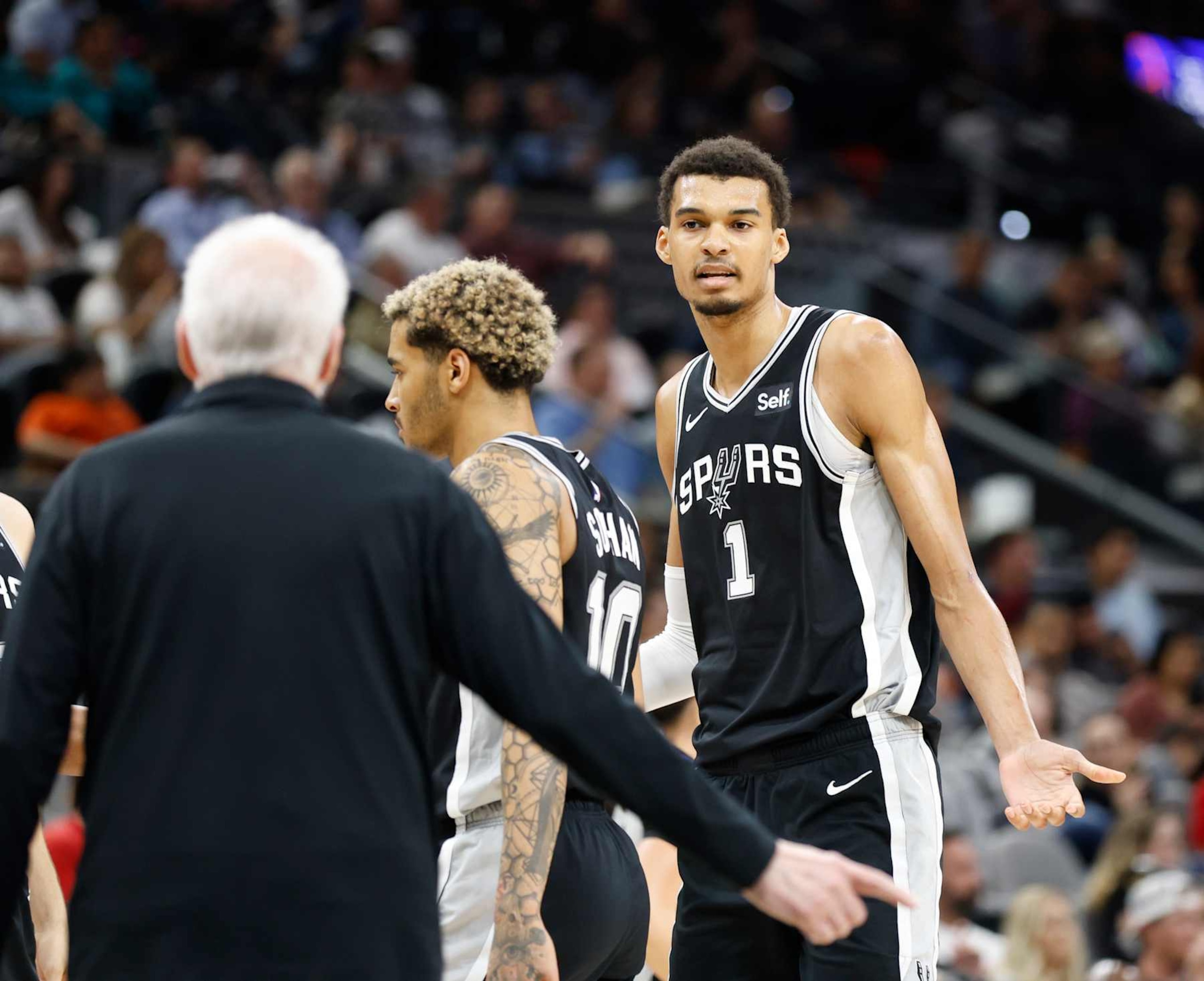
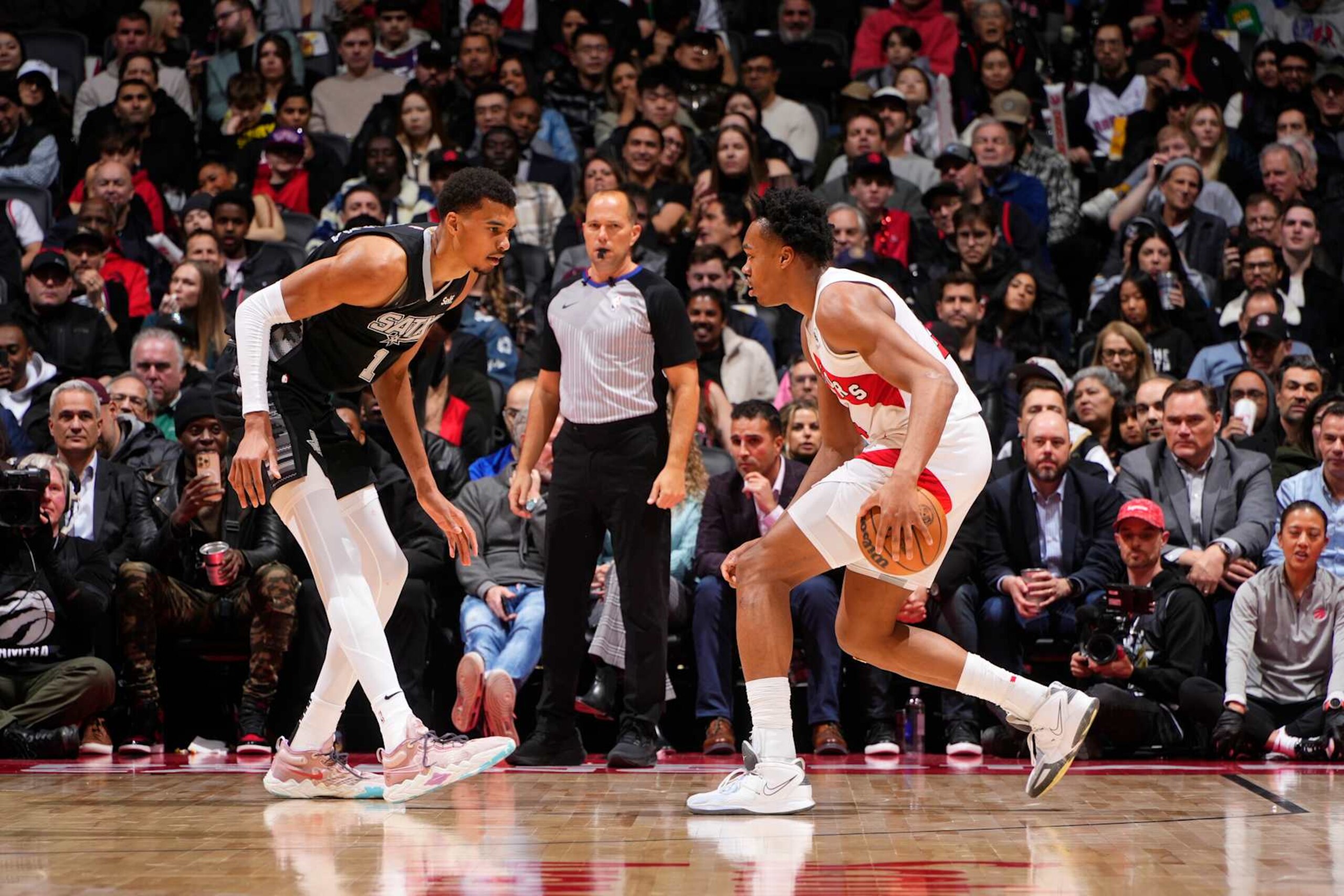
With 20-year-old Victor Wembanyama front and center of the franchise's present and future, the Spurs are well positioned to play the long game. Unless, of course, there's a desire to field a more competitive roster around the ascending star sooner than later.
This offseason suggests at least some level of desired improvement. They added a pair of proven veterans in Chris Paul and Harrison Barnes, who will immediately improve the club's organization, shot-making and distribution. They also added another blue-chip prospect in No. 4 pick Stephon Castle, who just helped guide UConn to a national title as a 19-year-old freshman.
Wembanyama's ascension to full-fledged superstar status could happen as soon as this season. As he got more comfortable—and as San Antonio better aligned its supporting cast around him—he was already coming into his own last season. His post-All-Star averages included 23.5 points, 12 rebounds, 5.3 assists and 4.5 blocks. This was truly otherworldly domination.
Maybe Wembanyama is simply too good for this team to tank. Then again, the Spurs had a .407 winning percentage after intermission, which is way better than its .200 mark before the break but still not enough to even contemplate competing in the Western Conference. And while Paul was previously a difference-maker, and Castle could be one down the line, it's hard to see either qualifying as such during the upcoming season.
The Spurs don't need to rush this. Patience is what will ultimately push them forward, but they may not need much more of it if one more season at the bottom of the standings nets Wembanyama a true co-star for the next decade.


Toronto Raptors
4 of 5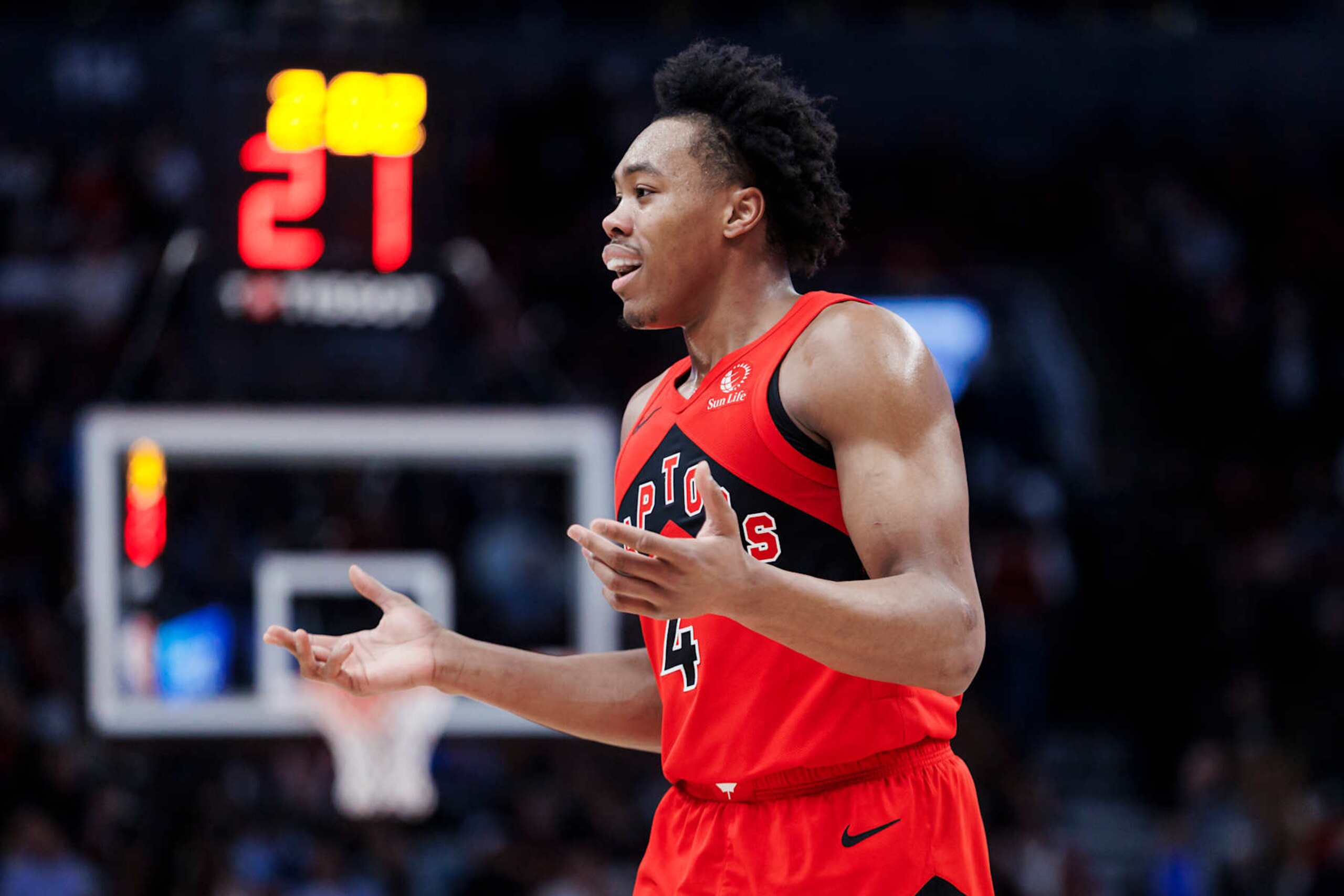
Toronto took several steps toward the future with last season's subtractions of Pascal Siakam and OG Anunoby. The Raptors didn't go with a full-on reset, though.
What they really did was align their roster around 23-year-old centerpiece Scottie Barnes, who subsequently inked a five-year max extension this summer. When they moved on from Anunoby, they build their return around two potential building blocks on the same timeline as Barnes: 25-year-old Immanuel Quickley, who signed a $175 million deal, and 24-year-old RJ Barrett, who spent his summer supplying Canada's second-most points per game in the Olympics.
That could be a strong nucleus—eventually. Gradey Dick started coming into his own late in his rookie season, and it's possible Toronto just plucked a pair of potential rotation players from this draft in Ja'Kobe Walter (pick No. 19) and Jonathan Mogbo (31). This roster could come together rather quickly.
It just doesn't need to happen next season. Not when there's a chance of nabbing a possibly transcendent talent. The Raptors have some interesting young pieces, but they don't have a game-changer of that caliber.
Is a possible play-in berth really enough of a reward to ditch the dream of landing a top prospect? In a word: nah. Even if Toronto snuck into the first round, it would get obliterated upon arrival. And before arguing for the benefits of experiencing the playoffs, just remember that Barnes, Quickley and Barrett all have postseason contests under their belt.
Utah Jazz
5 of 5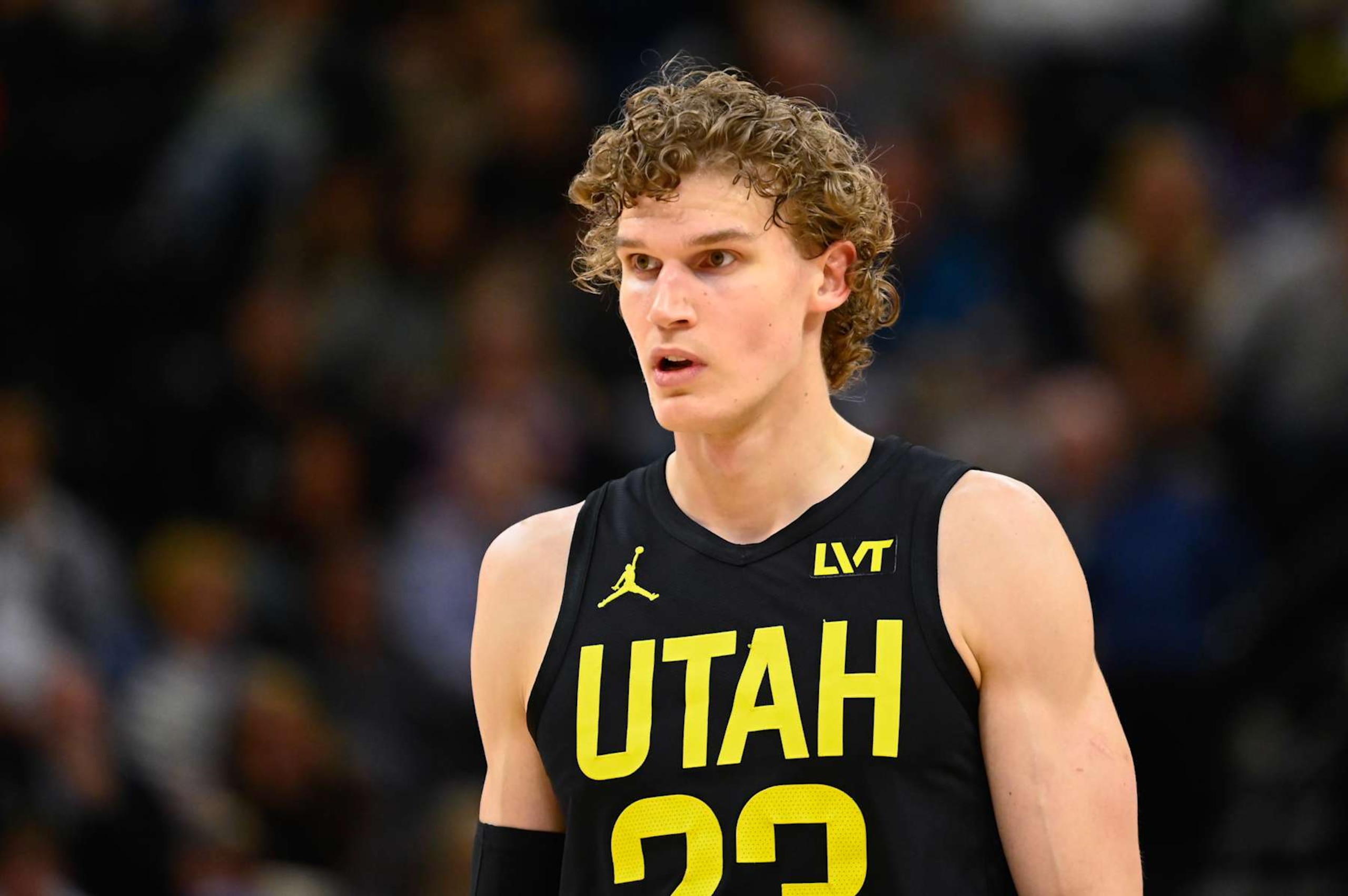
The tank race seemingly awaited the Jazz to join it this summer. They could've traded Lauri Markkanen for a mountain of rebuilding assets, flipped their remaining veterans for extra picks and prospects and braced themselves for an incoming avalanche of losses.
Instead, they renegotiated and extended Markkanen's contract on a new five-year, $238 million agreement. And since he didn't sign the deal until Aug. 7, that means he won't become trade-eligible at any point during the upcoming season.
That could complicate whatever dreams Utah might hold regarding next year's talent grab, since Markkanen might be the best player suiting up for any of the potential bottom-feeders. He was an All-Star in 2022-23 and nearly just as productive this past season, when he averaged 23.2 points, 8.2 rebounds, 3.2 three-pointers and 2.0 assists while posting a 48/39.9/89.9 shooting slash.
Since he's sticking around—at least for one more year—Utah needs to clear out the remaining veterans who might contribute to some unnecessary wins. Jordan Clarkson and Collin Sexton should be heavily shopped. John Collins would be a no-brainer subtraction, too, if he had any value on the trade market.
The upcoming season should be all about player development in Salt Lake City. It's not just helping to bring the young players along, it's finding out which ones can stick alongside Markkanen. Because whenever the Jazz hit the fast-forward button, the acceleration could be quick given how many trade chips they have at their disposal.
They need more high-end talent, though, and the 2025 draft is their best bet for finding it. If they haven't recognized that fact already, then hopefully a sluggish start to this season makes it painfully obvious.



.jpg?w=2560 "Love's Body Already 'Tired'")
.jpg?w=2560 "Mahomes' Wife Trolls Kubiak 💀")

.jpg?w=2560 "2 NFL Officials Suspended")