
NBA Teams That Could Be Aggressive Sellers By the 2025 Trade Deadline
Multiple sources have informed me that it's never too early to start talking about the 2025 trade deadline. And with this in mind, it is time to put on our thinking caps.
The mission I have accepted on behalf of us all: identifying teams that will most aggressively sell ahead of the Feb. 6 deadline.
Cobbling together such a list is fairly challenging this time of year. Buyer and seller markets are fluid. Usual suspects fall into each bucket, but curve balls are standard fare in the Association. Certain teams will invariably pivot from one end of the market to the other.
In the meantime, we'll use a combination of common sense and a freshly polished crystal ball to spotlight the most notable could-be sellers. Candidates will be ranked according to how likely they are to activate full-on auction mode, entry into which is based upon a bunch of different factors, including: the current state of the roster; where organizations potentially top out in the competitive landscape; and the number of desirable players on the books.
That last part is important. Certain teams have already done most of their selling and/or don't have a collection of expendable names over whom suitors will fawn. Think along the lines of the Washington Wizards. Malcolm Brogdon, Kyle Kuzma, Jordan Poole and Jonas Valančiūnas (trade-eligible Dec. 15) will all assuredly be available. But with the exception of Kuzma, none of them are likely to yield a small ransom.
And this, in the end, is what we're after: could-be sellers with more than one or two names with the appeal necessary to drum up a bidding war that we will all refer to as the "Player X Sweepstakes."
5. Toronto Raptors
1 of 5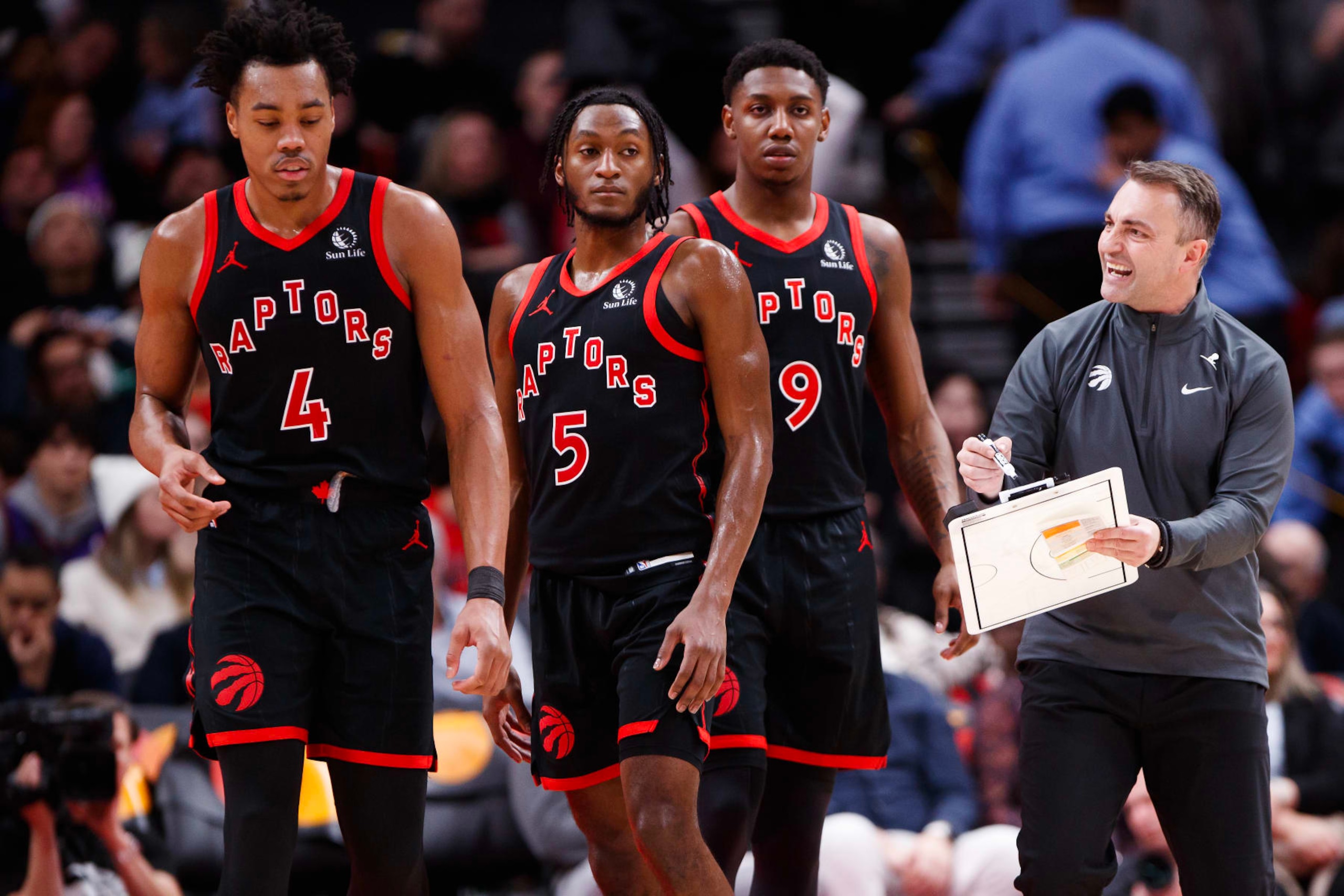
Most of the Toronto Raptors' selling practices ended with the exits of OG Anunoby and Pascal Siakam. They could be done.
Emphasis on could.
Toronto's direction is complicated. It's ostensibly caught in this weird limbo between not being good enough to contend for anything special and not being nearly bad enough to readily descend #IntoThePooperForCooper.
That organizational ambiguity caps how high the Raptors can place on our "Likely to Aggressively Sell" meter. It also fuels their inclusion.
Fringe rebuilds can plunge into audibles. If Toronto is floating around 11th or 12th place in the Eastern Conference a good chunk of the way through the schedule, it could prompt a pivot.
Scottie Barnes is the only untouchable player in this scenario. Everyone from Kelly Olynyk and Jakob Poeltl to even RJ Barrett and Immanuel Quickley (trade-eligible Dec. 15) will be worth taking calls on.
Team president Masai Ujiri may draw the line at recent draft picks Gradey Dick and Ja'Kobe Walter. But that doesn't submarine the underlying possibility of another reorientation.
For as much useful talent as they have, the Raptors should still be in the market to find their second best player of the future. He could already be on the roster. Or Toronto may discover it needs to juice its lottery odds in a competitive tanking market to increase the chances of nabbing him.
4. Detroit Pistons
2 of 5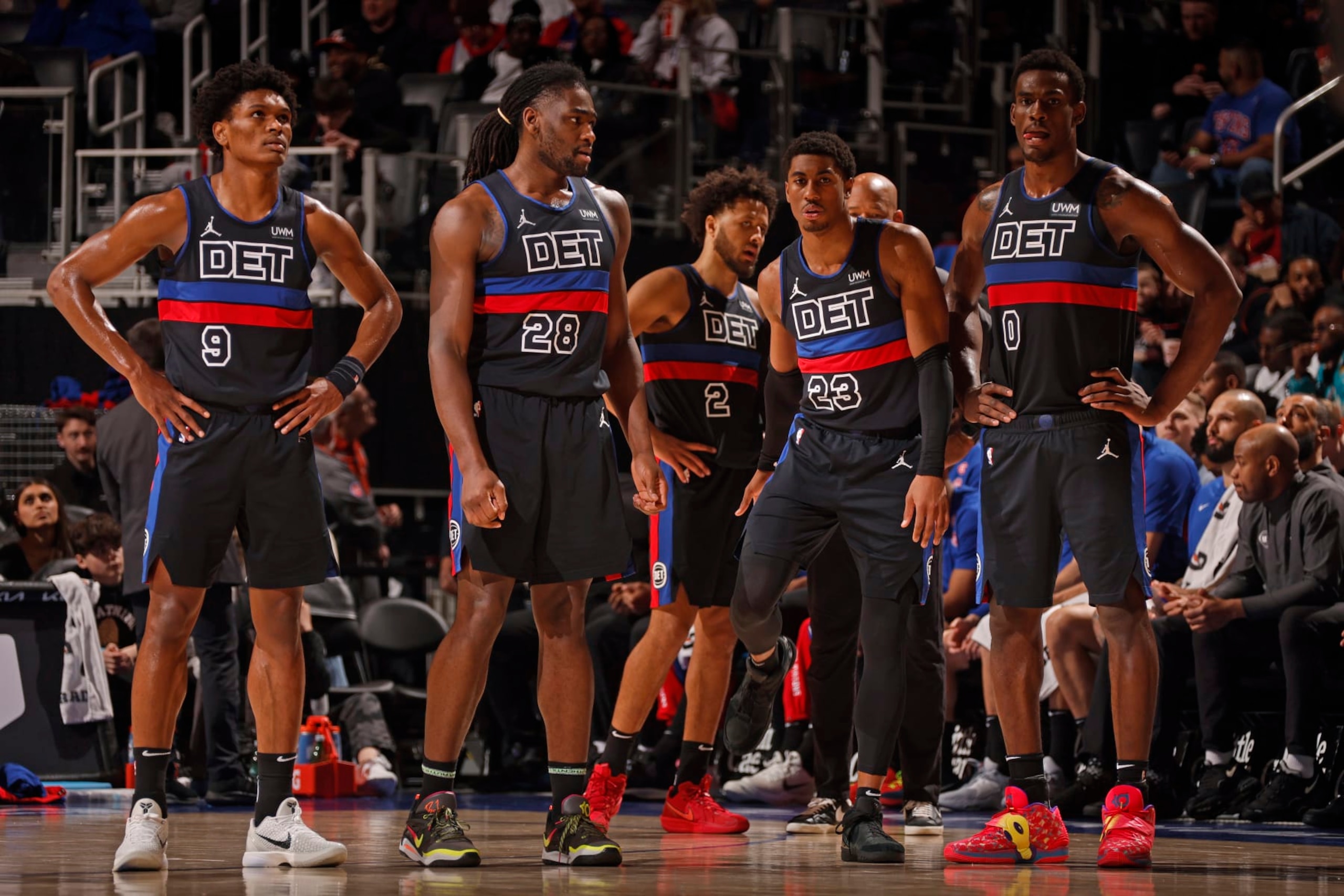
Nobody needs to worry about the Detroit Pistons losing enough to be considered sellers. They will.
Present of basketball operations Trajan Langdon and his newly-installed front office have stocked the roster with extra spacing, which should be a functional boon for guys like Cade Cunningham, Jaden Ivey, Ausar Thompson and Ron Holland. But Detroit is reliant on too many youngsters and lacks the known infrastructure at both ends of the floor to presume they'll do more than hover around the bottom three or four of the Eastern Conference.
Do the Pistons have the talent to incite the outside interest required to crack this list? That's debatable. Simone Fontecchio (trade-eligible Dec. 15) and Malik Beasley (trade-eligible Dec. 15) will have markets. Sweepstakes? Not so much. Tobias Harris (trade-eligible Dec. 15) won't have a ton of suitors when he's on the books for over $26 million in 2025-26.
Throwing Isaiah Stewart into the mix gets us closer. But it's Ivey, Thompson and Duren that get Detroit over the hump.
Including them seems asinine at first glance. And perhaps it is. But none of them were drafted by the Langdon-led front office. This regime will be less married to them than its predecessor.
If the Pistons aren't obliterating expectations, I'd bet on all three being available. And even if they're playing well, Langdon may be more inclined to move any one of them at their peak value.
Maybe this proves to be off-base. The new front office maxed out Cunningham, who they also did not draft. But his ceiling is higher than anyone else's on the roster. And until proven otherwise, he remains the force guiding Detroit's direction.
Everyone else is for the time being expendable. And if Langdon really does have the carte blanche the dismissal of head coach Monty Williams one year into a six-season contract suggests, he'll at least consider exercising it leading into the trade deadline.
3. Utah Jazz
3 of 5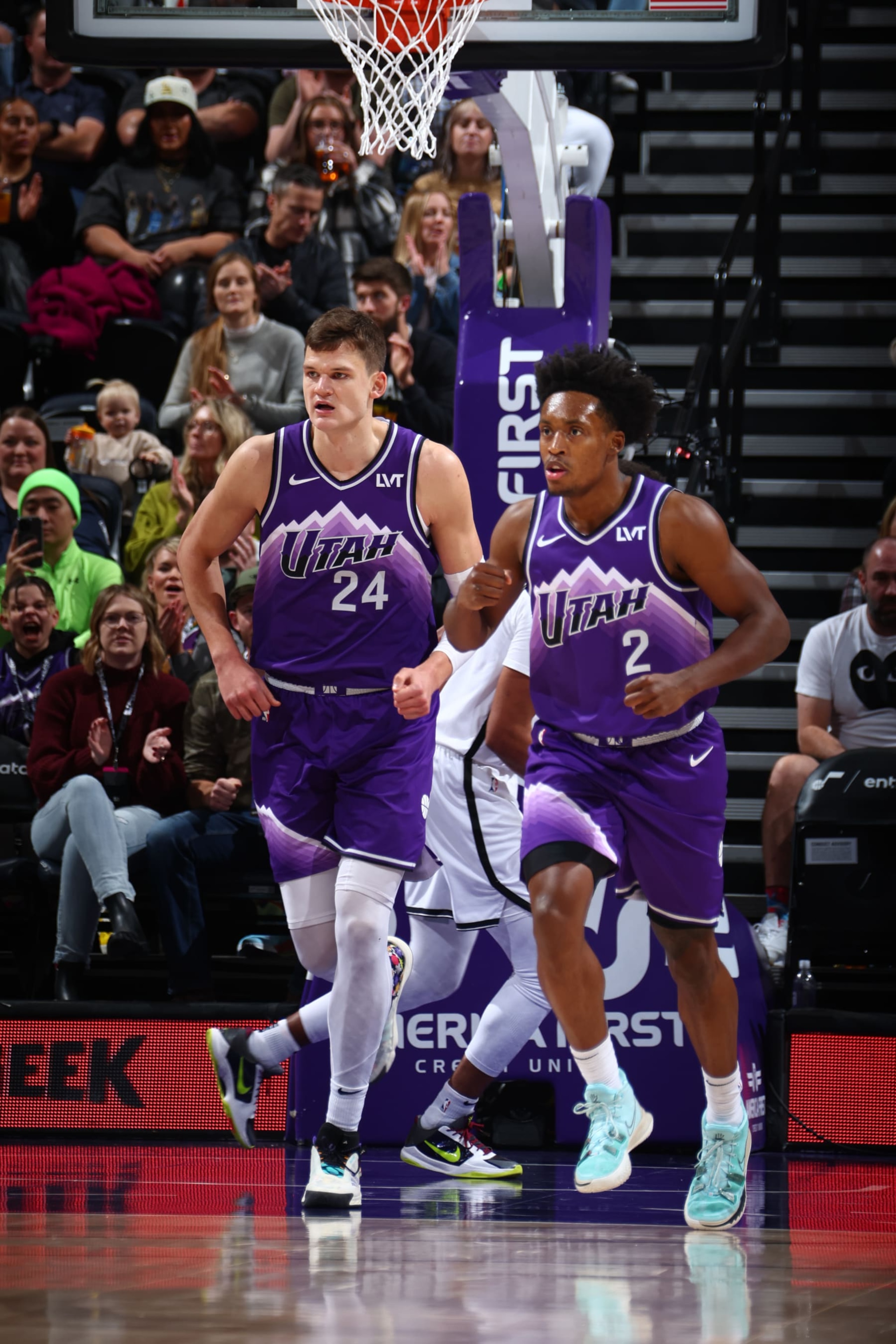
Lauri Markkanen trade scenarios are officially off the table for the Utah Jazz until next offseason. That knocks them down a peg or three in this discussion.
It does not bounce them from the field entirely.
Granted, it absolutely could. Renegotiating and extending Markkanen cannot purely be considered a ploy to increase his trade value. He will command a better return if he's moved with multiple years left on his deal, but you don't risk punting on another high-end lottery spot to nab a couple of extra first-round picks or prospects from other teams.
Conventional wisdom dictates the Jazz will now travel down one of two paths: They can look to leverage their prospects, future first-rounders galore and conveniently priced matching salaries into a win-now acquisition or two. Or they can look to strip the roster around Markkanen bare—so much so that not even another All-Star season from him will win them too many games.
"Well-actually" superheroes will insist Utah needn't do either of these things. The Portland Trail Blazers are currently the only Western Conference squad that doesn't appear interested in winning next season, which will repress the Jazz's victory total by default, and the organization can always shut down its best players rather than jettison them.
This is a fair point. It's also a regular-season plot Utah has played out in each of the past two years. In both cases, the Jazz ended up in the latter half of the lottery.
That can't happen again. Unless, of course, Utah believes it already has #TheGuy in its clutches. Which it doesn't. The Jazz wouldn't even have listened to Markkanen offers if they believed he was primary-cornerstone material. Nobody else comes close to fitting the bill—though, to be fair, we need more information on Keyonte George, Taylor Hendricks and Cody Williams.
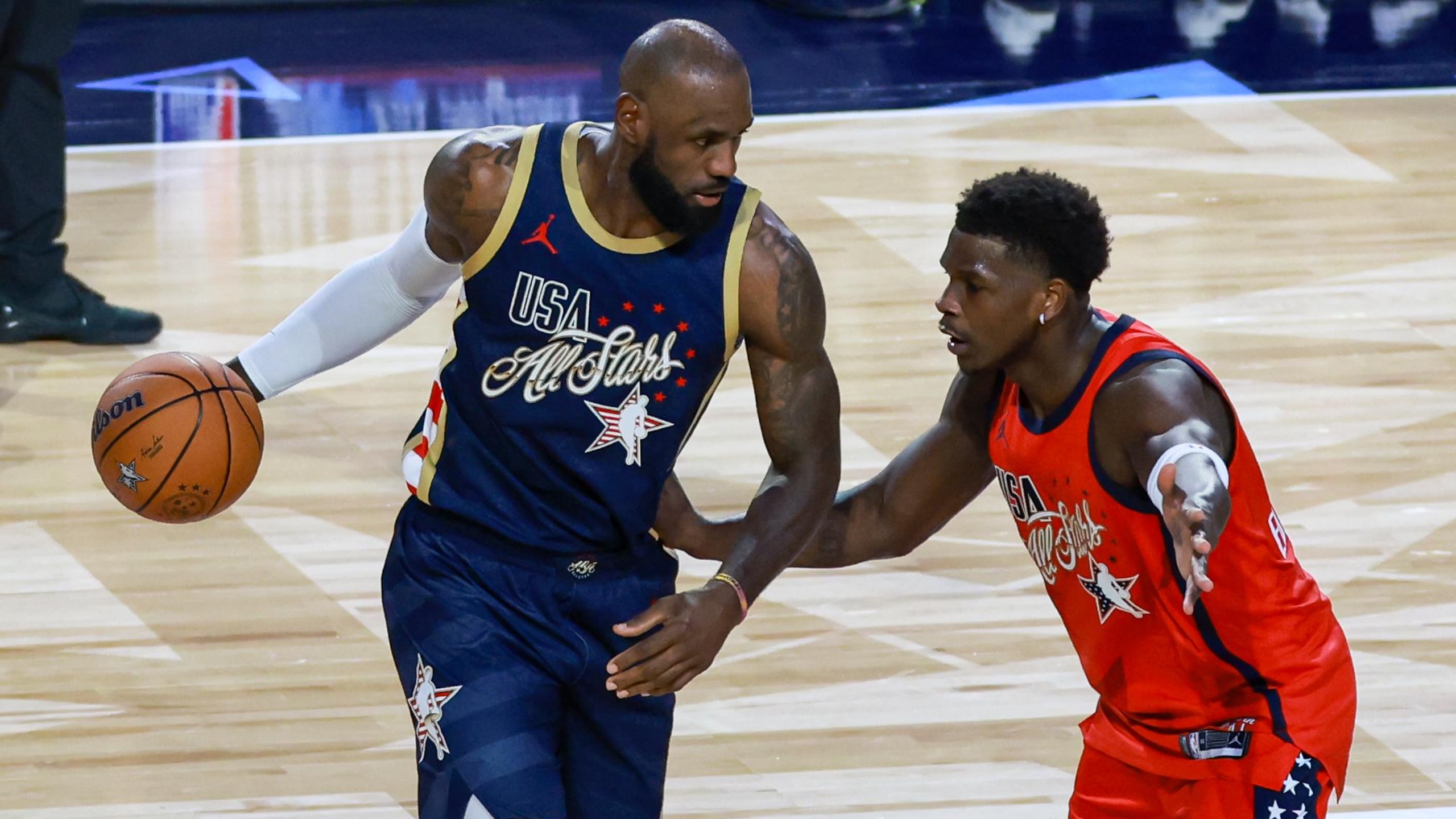
Bank on Utah being more proactive this time around. If yours truly were running the team, this would entail acting like buyers. But team CEO Danny Ainge doesn't seem like one to go that route.
If that's his prerogative, Collin Sexton, Jordan Clarkson, John Collins and, apparently, Walker Kessler should be up for grabs right now. And look, if we're being brutally honest, that goes for everyone else in town other than Williams and Markkanen. Utah has neither the incumbents nor the as-is lottery trajectory to be overly romantic about what's already in place.


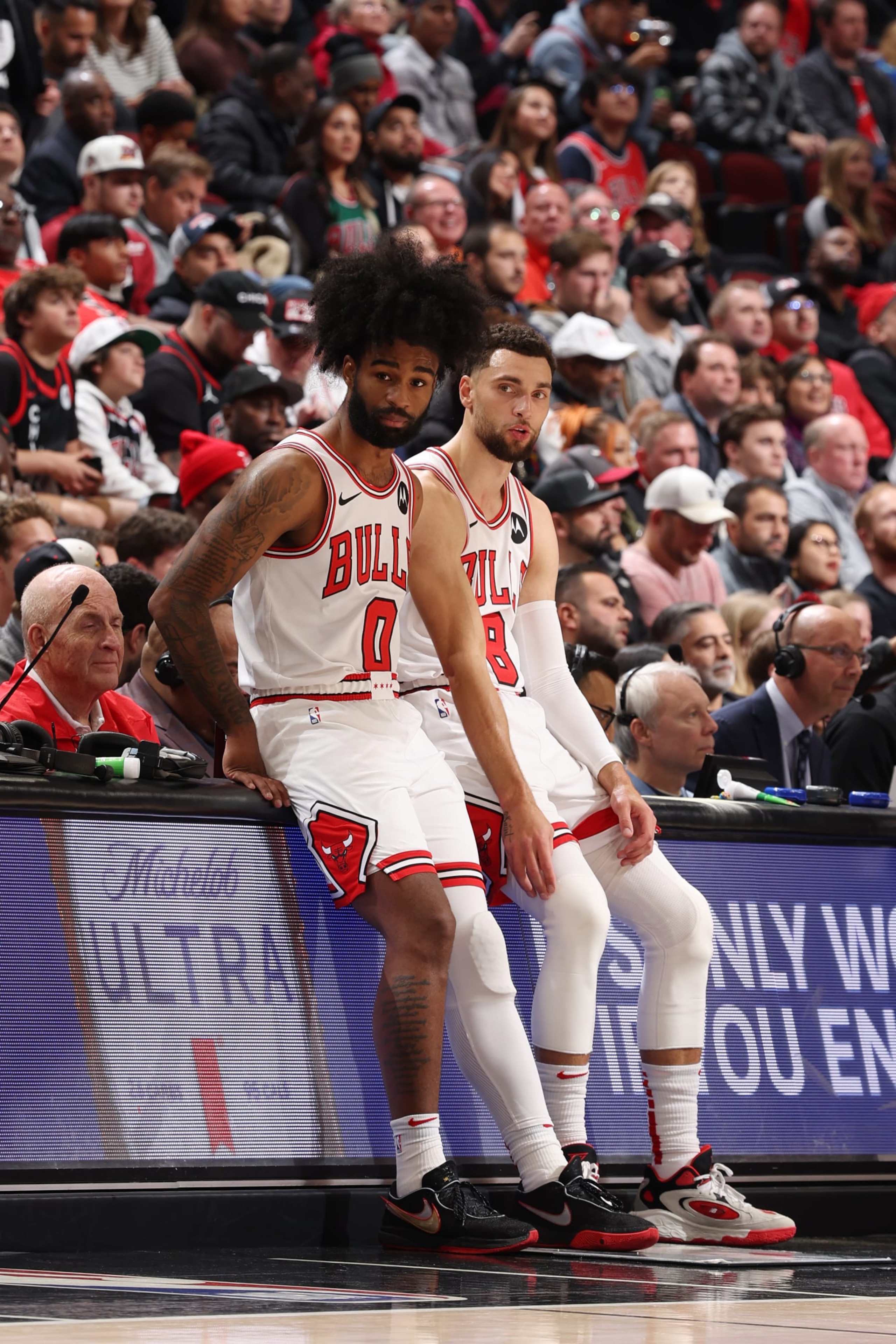
2. Chicago Bulls
4 of 5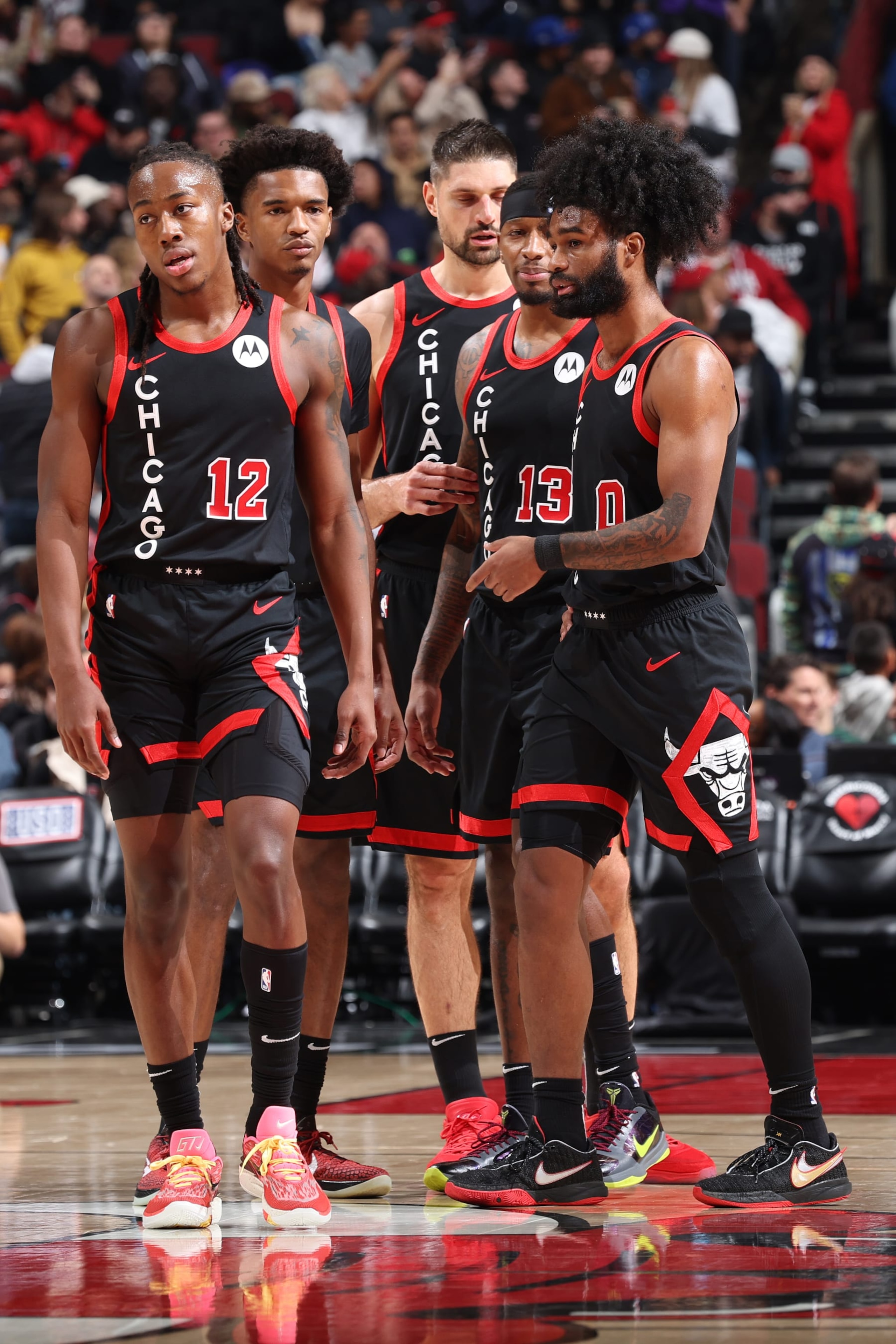
The Chicago Bulls should sit atop the entire field. They have kind of, sort of taken themselves out of top-end play-in contention and do not employ a tentpole building block of which to speak.
And yet, we have to account for the "But they're the Bulls!" factor. For all we know, Chicago's plan could be to continue its stay inside the bottom of the middle.
More cautious people will slide them down a rung or two—or altogether off this ladder. Paint me an optimist. This organization isn't known for acting rationally or in the best interests of its future. But moving on from Alex Caruso and DeMar DeRozan suggests Chicago is finally approaching the bigger picture with a more open mind (even if the returns for both players were underwhelming).
Many will be quick to note that the Bulls aren't spilling over with sweepstakes-type assets. Zach LaVine (three years, $38 million) and Nikola Vučević (two years, $41.5 million) are considered net negatives on their current contracts. Yours truly would push back against perception of LaVine, but for the sake of this argument, let's assume he's not an actual asset. Chicago still has more to offer.
Ayo Dosunmu, Coby White and Patrick Williams (trade-eligible Jan. 15) will all garner interest if placed on the chopping block. The Bulls also shouldn't be married to Josh Giddey if he's playing well and they're losing games. And that's especially true if they don't sign him to an extension before the start of the season.
Most of Chicago's fans will be on board with a full-scale teardown. And the franchise seems as close as ever to entertaining it. The Bulls just might need a little nudge from swing organizations like Toronto, Charlotte and Atlanta. If they're not noticeably outpacing those teams in the standings, the decision of whether to finally blow it up potentially gets made for them.
1. Portland Trail Blazers
5 of 5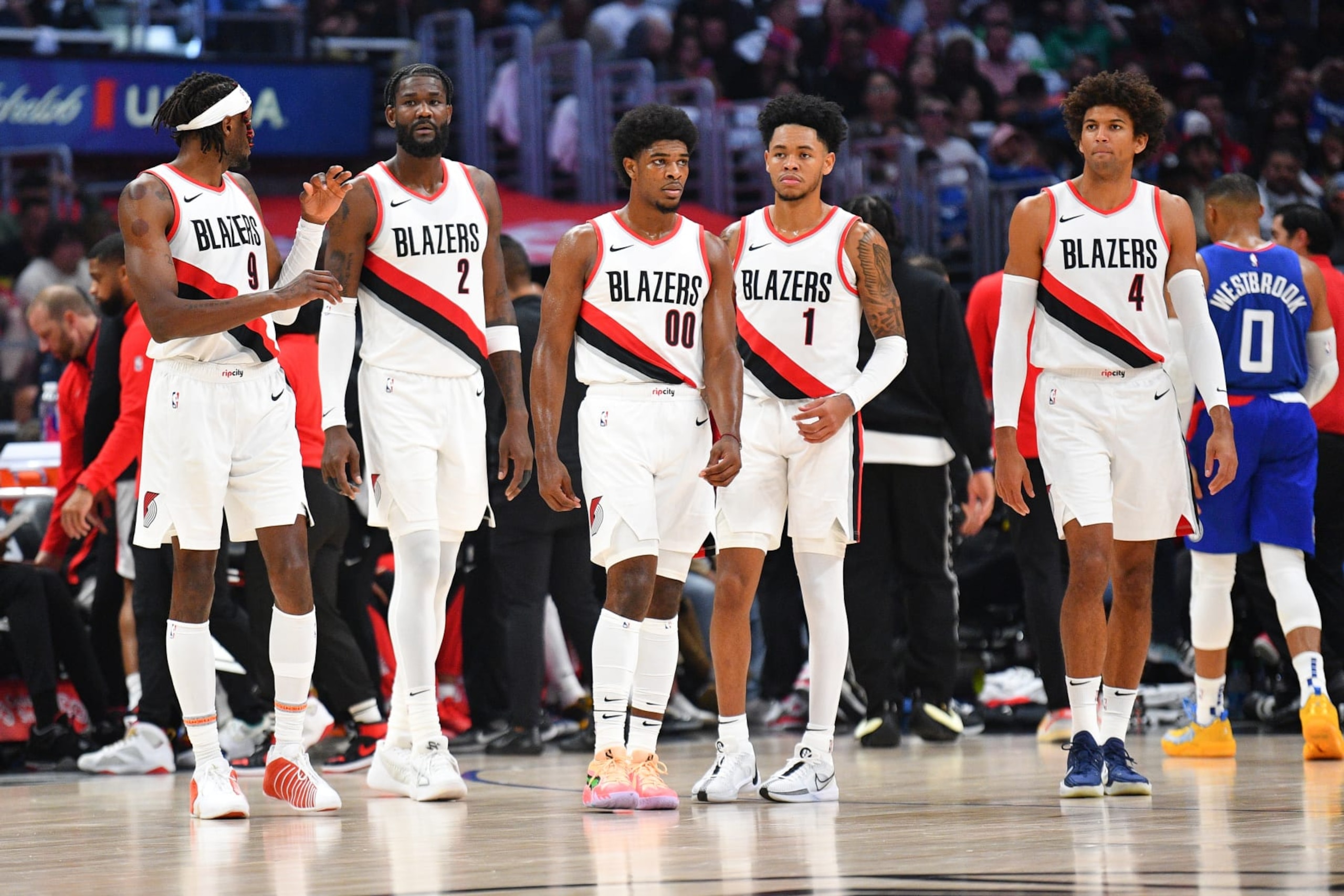
Mixed messages may be emanating out of Portland after the Blazers forked over Malcolm Brogdon and two first-round picks to get Deni Avdija from Washington. Except, not really.
Avdija won't turn 24 until January and is about to start a four-year bargain-bin extension, and Portland had an extra lottery selection to spare in this past June's draft. Avdija is someone who aligns with the longest of views.
Not everyone else on the roster falls into the same boat.
Deandre Ayton and Robert Williams III may both be viewed as expendable following the selection of Donovan Clingan at No. 7. Jerami Grant doesn't infringe upon development elsewhere, per se, but he turns 31 in March and there will be some overlap between himself and Avdija.
Anfernee Simons isn't on a divergent timeline at the age of 25. His long-term fit on a roster that's going to heavily feature Scoot Henderson and Shaedon Sharpe is a different story. Matisse Thybulle's defensive utility persists, and at 27, he's hardly ancient. But he could be a free agent in 2025 (player option), and juggling minutes on the perimeter gets difficult when you consider the sheer breadth of bodies in those spots.
Make no mistake, this is a good problem to have. It isn't even a problem. And if the Blazers were dead set on blasting off towards relevance next year, they might stand pat in hopes that capable depth and a few developmental hits would slingshot them up the standings. But that's not their timeline.
Until or unless another team in the West reinvents their expectations, Portland is the one team that doesn't seem particularly bent on winning games now, appearing more invested in continuing its rebuild around Henderson, Sharpe and Clingan. That is nothing if not grounds for a midseason selloff.
Dan Favale covers the NBA for Bleacher Report. Follow him on Twitter (@danfavale), and subscribe to the Hardwood Knocks podcast, co-hosted by Bleacher Report's Grant Hughes.
Unless otherwise cited, stats courtesy of NBA.com, Basketball Reference, Stathead or Cleaning the Glass. Salary information via Spotrac. Draft-pick obligations via RealGM.