
Grading Warriors' Early Moves in NBA Free Agency
The Golden State Warriors have kept busy during the 2024 NBA offseason.
If they hope to bring their roster anywhere near championship-level, though, they should probably plan on staying busy for a while.
So far, this summer has been defined more by subtractions than additions, though the Dubs have gotten decent mileage out of the limited flexibility they've had. They also last a Splash Brother, though, so that will lead all offseason talking points until Golden State makes a big enough...well, splash to overshadow that.
Let's dig into the Warriors' most significant moves so far and see how they've fared.
Klay Thompson's Exit
1 of 3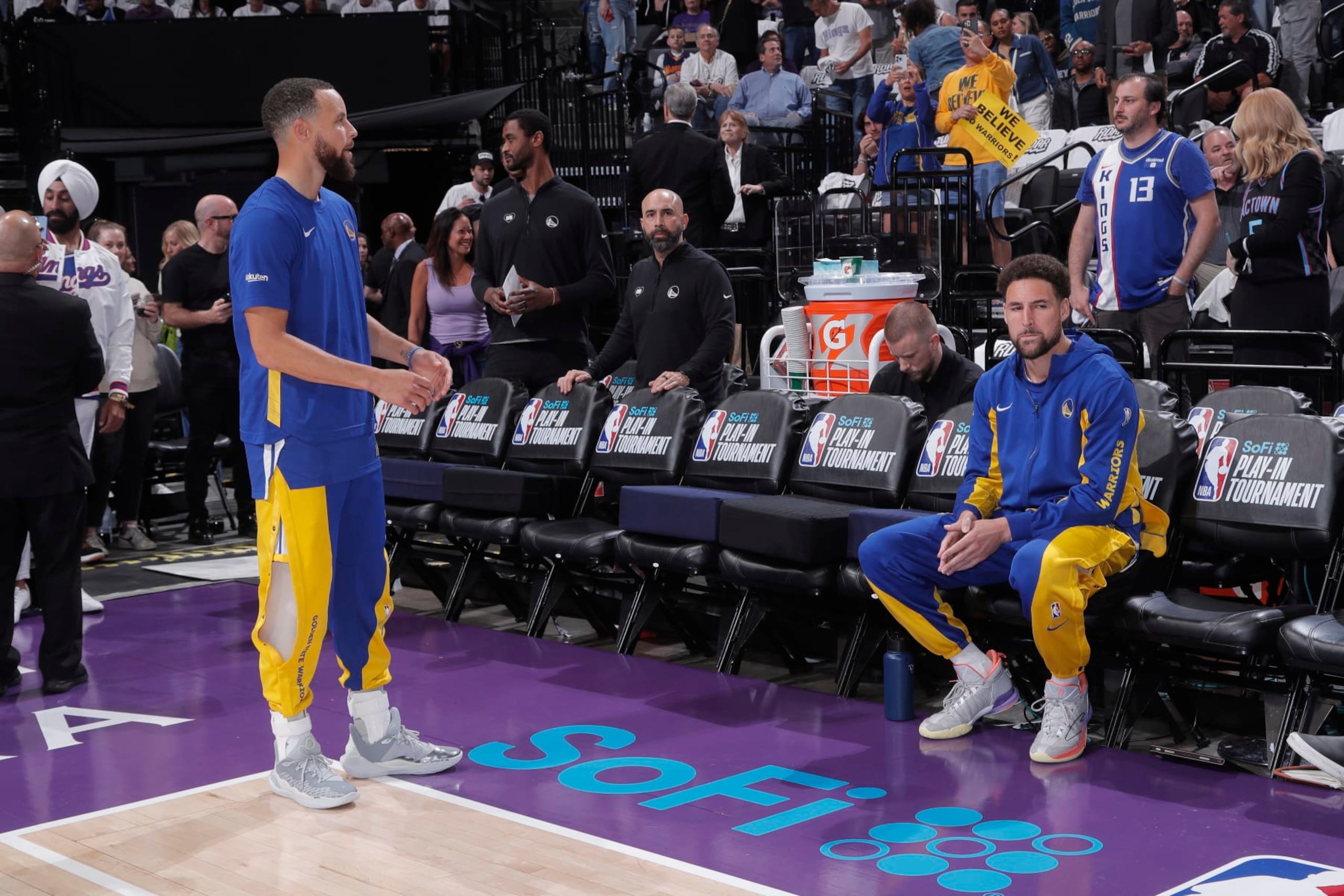
The end of Klay Thompson's legendary run with the Warriors wasn't entirely out of nowhere, yet it still carried a discernible amount of shock value. When a four-time champion and heretofore franchise-lifer moves on, that's the kind of alteration that reverberates around the entire Association.
You could argue, of course, that this partnership had simply lost its utility for both sides. Nothing lasts forever, as the cliche goes, and while Golden State publicly shared a desire to keep things going, it was also already working through its succession plan. Had Thompson remained, the Warriors were planning to bring him off the bench behind sophomore-to-be Brandin Podziemski, per Yahoo Sports' Jake Fischer.
And so, the basketball gods deemed this the right time for a breakup, so Thompson took his talents to Dallas by way of a sign-and-trade that netted Golden State a trade exception (which it quickly put to use to land Kyle Anderson) and a pair of second-round picks. Thompson scored a three-year, $50 million pact in the process.
The Warriors will miss Thompson's shooting threat. They won't miss his declining defense or increasingly erratic scoring.
Two seconds and a trade exception feels light for a player of this magnitude, but separate Thompson's present from his decorated past, and the Dubs didn't do terrible in the deal.
Grade: C
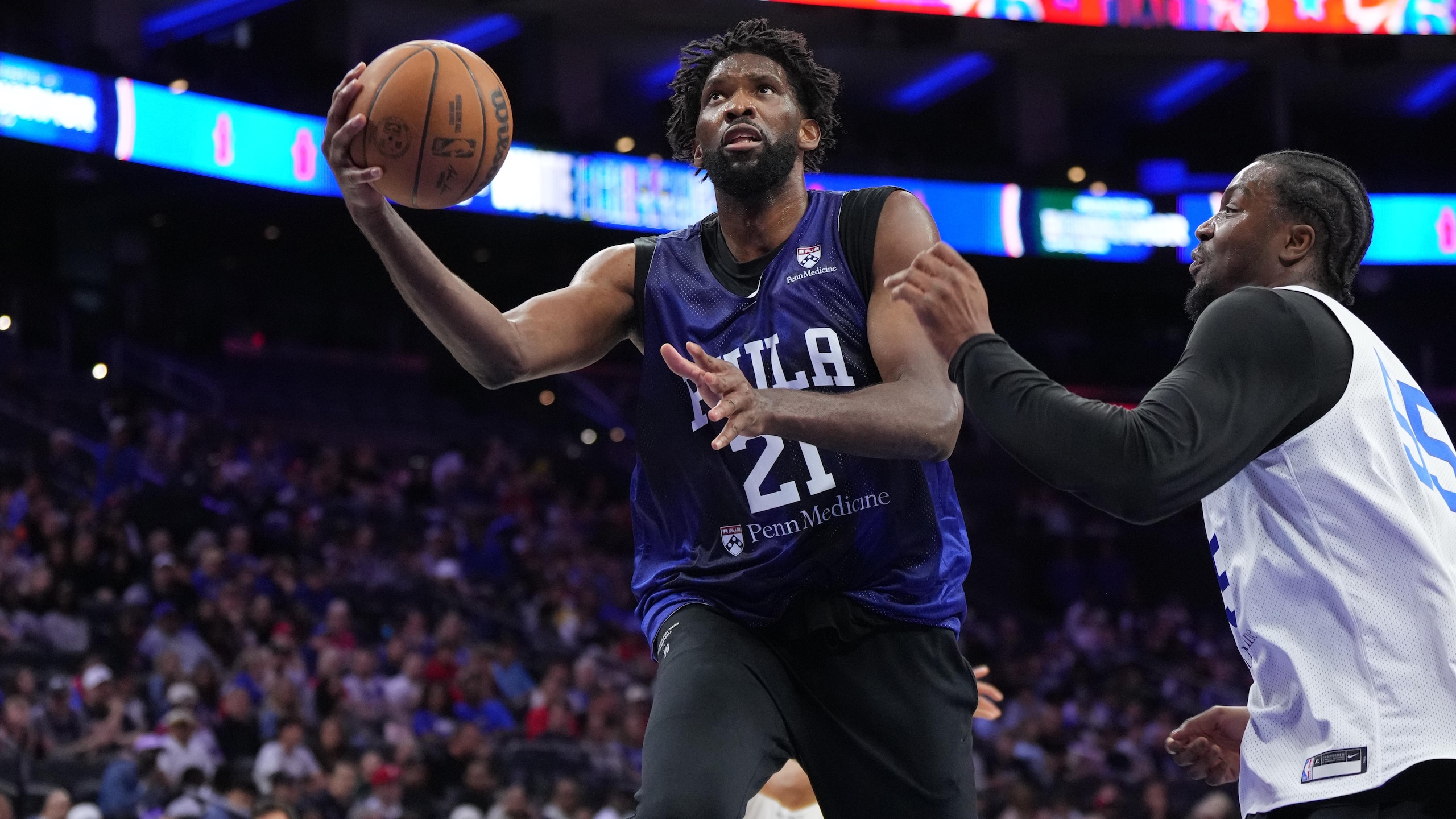
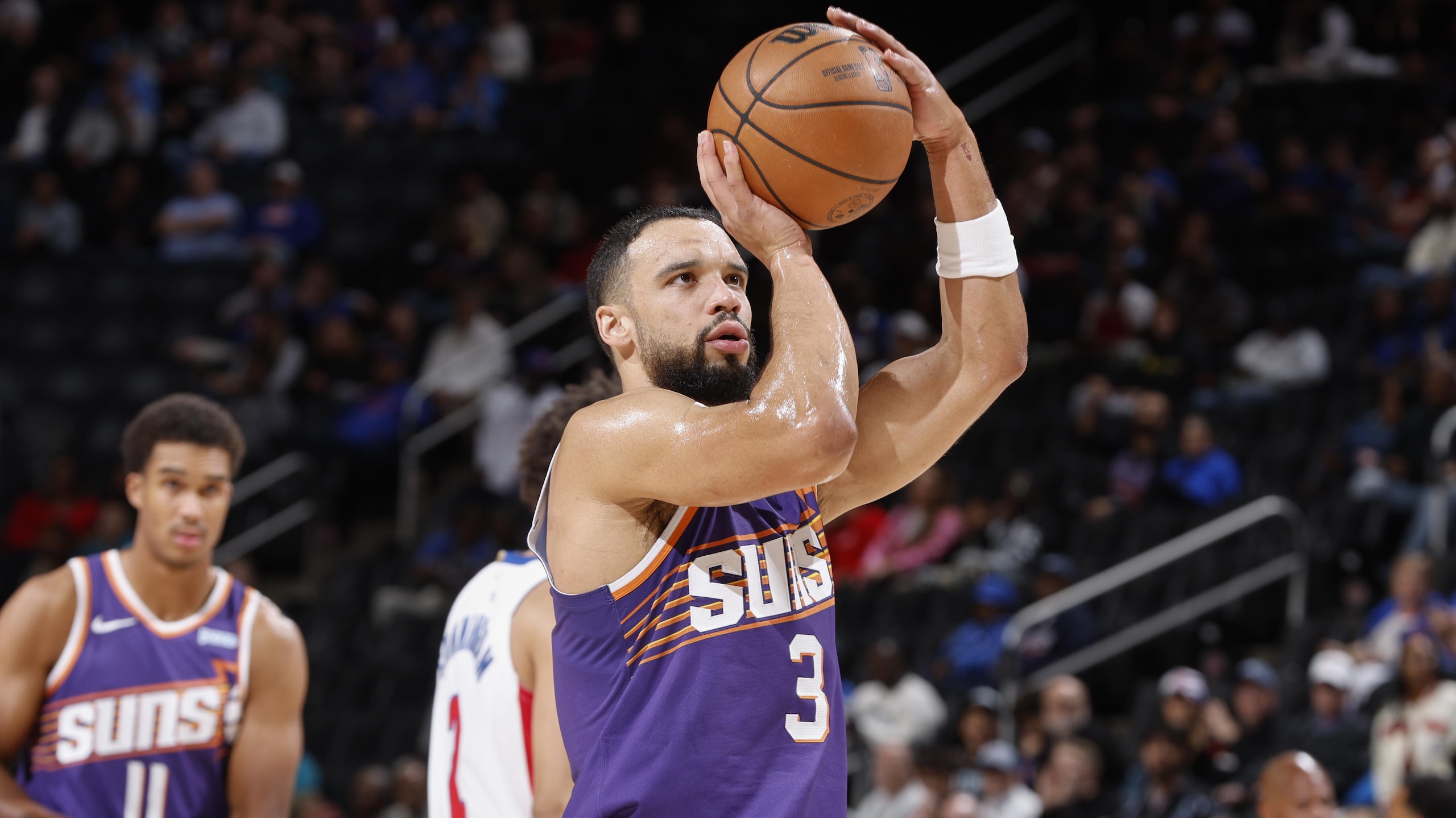
Signing De'Anthony Melton to a One-Year, $12.8 Million Deal
2 of 3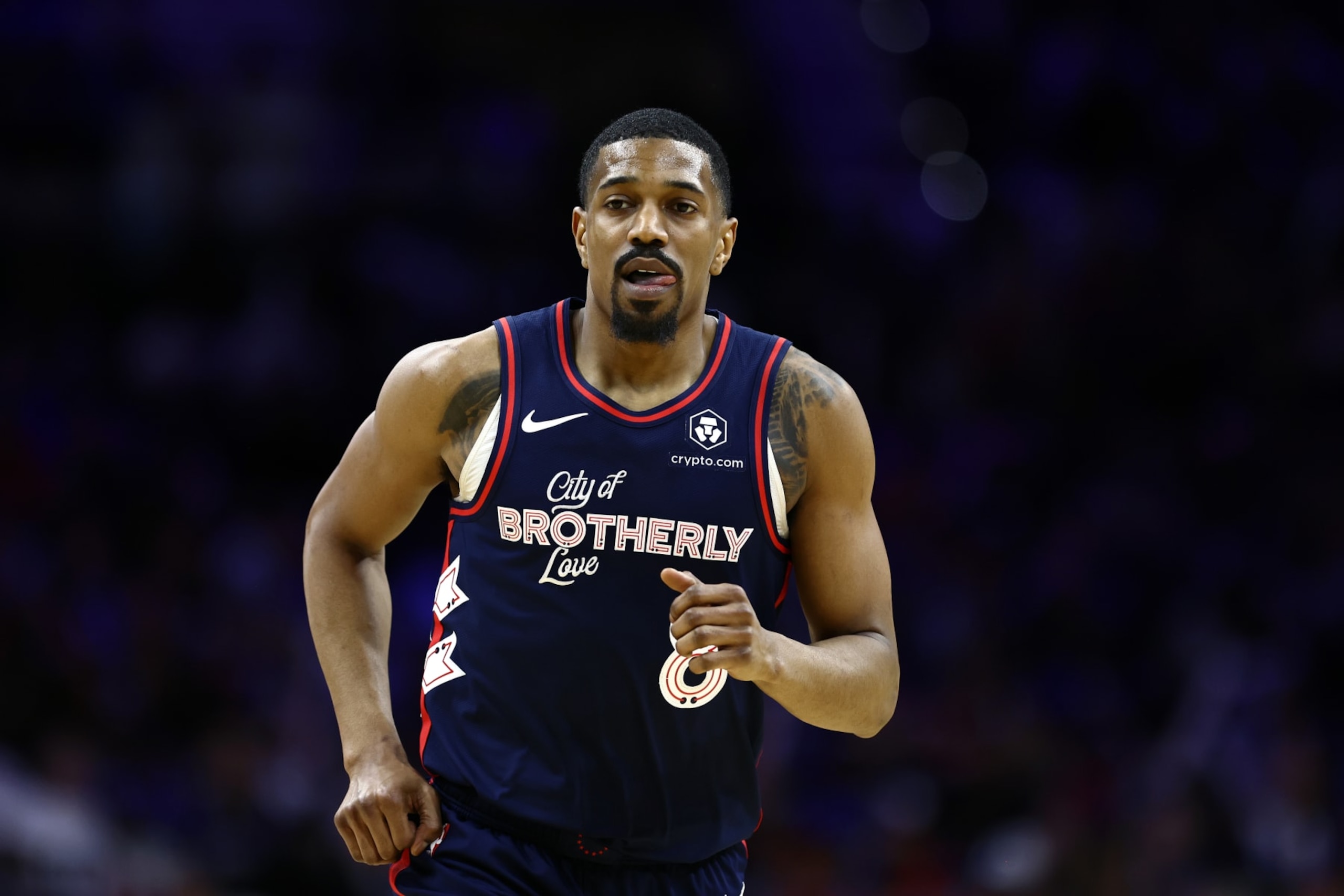
The Warriors made quick use of their non-taxpayer midlevel exception by bringing De'Anthony Melton and his unique brand of two-way playmaking to the Bay Area.
Now, he may have been open to such a short-term agreement, because his open-market value could use a little boost. Injuries limited him to just 39 appearances this past season (playoffs included), and only eight of them came after Jan. 1.
If he can just stay on the court, though, he could be the kind of high-end role player that advanced metrics swear is closer to a full-fledged difference-maker. Over his first six NBA seasons, which he split between Phoenix, Memphis and Philadelphia, his team fared better with him than without him in five of those campaigns, per Basketball-Reference. In three of those seasons, the difference was north of plus-6 points per 100 possessions.
He'll find a way to fit however he's utilized in Golden State, whether he's operating as a three-and-D support player and transition attacker or the lead guard of the second unit and its primary point-of-attack stopper.
There's some injury risk here, but the reward could be significant.
Grade: A-
Getting Kyle Anderson on a Three-Year, $27 Million Contract
3 of 3
The trade exception from the Thompson trade allowed the Warriors to make a mini-splurge on Anderson, who was acquired from the Minnesota Timberwolves in a sign-and-trade that cost Golden State a future second-round swap and cash.
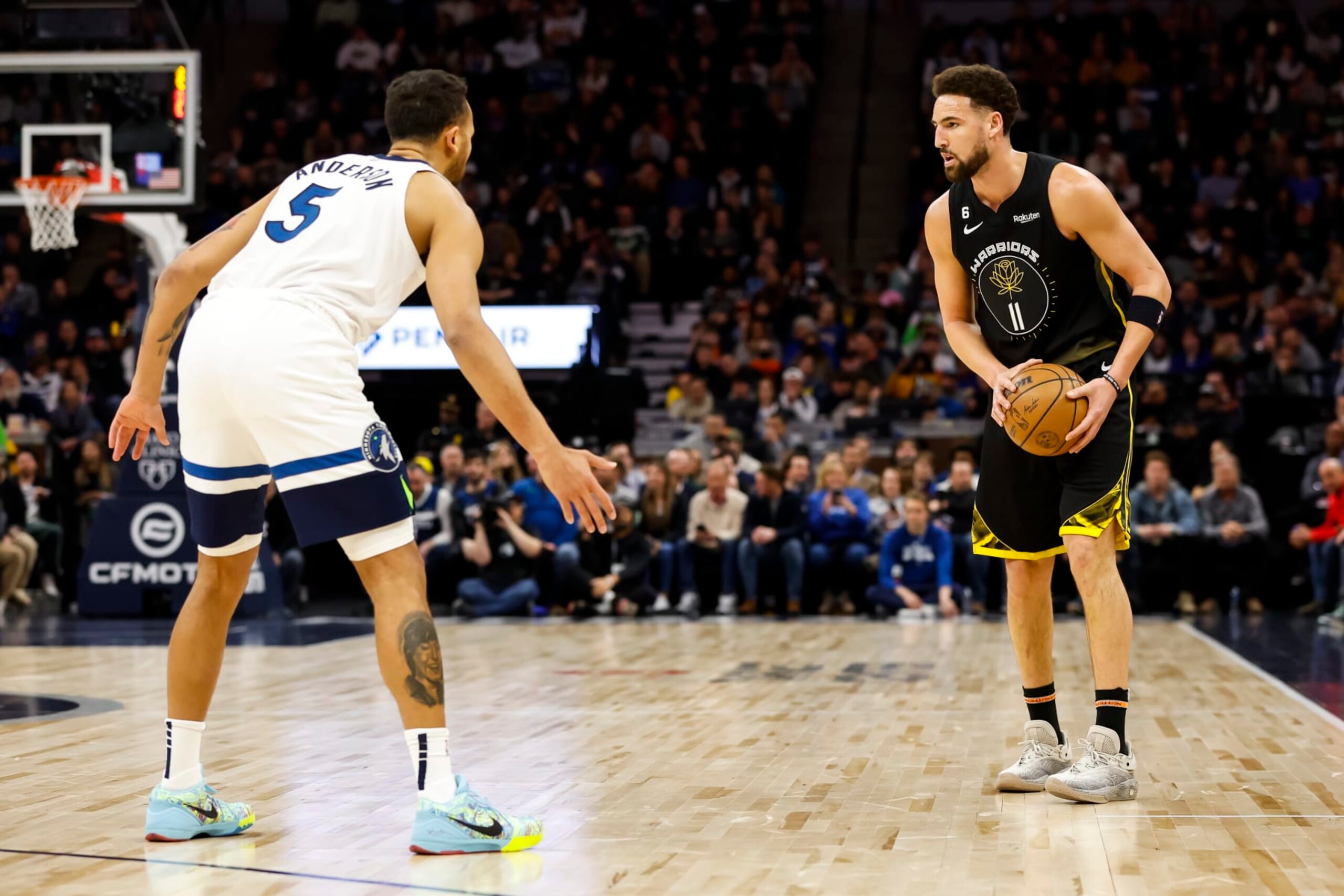
Anderson is a three-ball away from having just about everything the Warriors could want a role player. He might play the game at a slower pace, but he reads it at a rapid rate, making him always seem a step ahead of the opposition on both ends of the floor.
He can suit up anywhere along the frontcourt as anything from a jumbo wing (6'9") to a small-ball center. He isn't the defensive stopper Draymond Green is (few are, to be fair), but there's a similar flexibility in terms of having a defensively versatile player at the 4 or 5 spot who is comfortable and capable initiating offense.
Anderson might remind Warriors fans of Shaun Livingston as the non-shooter who thinks the game at such a high level that he succeeds in this system despite the lack of spacing. Anderson's shooting limitations can become bigger obstacles against playoff defenses, but the Warriors can handles those hurdles when—or, frankly, if—they reach them.
Grade: B



.jpg?w=2560 "Grading WWE Raw 🔠")

.jpg?w=2560 "Viral Rams Coach Vid 🖕")
.jpg?w=2560 "Bijan's INSANE 1st Half 🤩")

.jpg?w=2560 "Injury-stricken Seahawks signing veteran RB")
.jpg?w=2560 "2 NFL Officials Suspended")