
The table has been set with a long list of questions ahead of the NBA draft and free agency. What's missing are the answers.
Some have already come: Pascal Siakam will re-sign with the Indiana Pacers h/t Adrian Wojnarowski of ESPN), Malik Monk will re-sign with the Sacramento Kings (Wojnarowski), and the Chicago Bulls/Oklahoma City Thunder have swapped Alex Caruso and Josh Giddey.
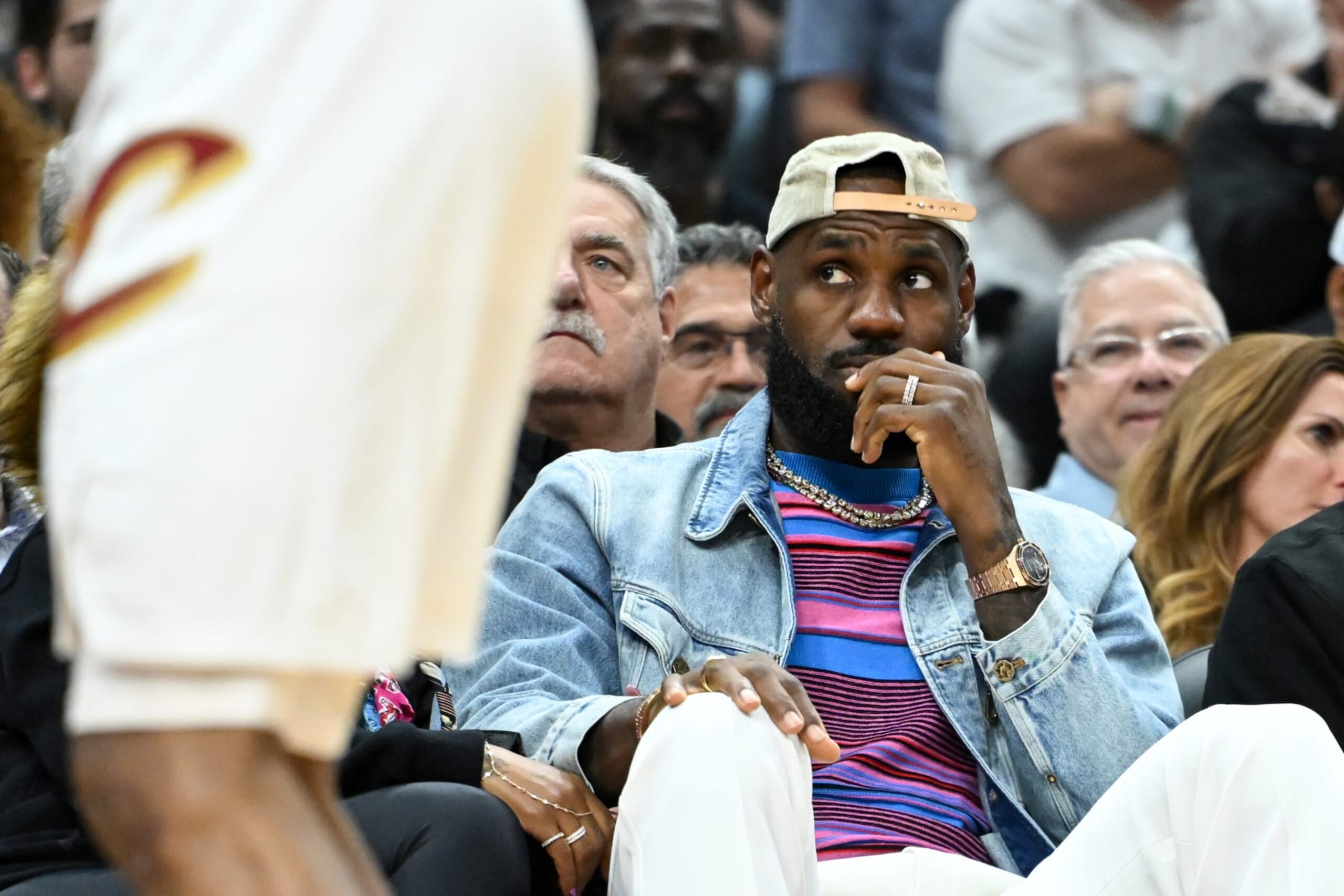
Recent rule changes allow teams to negotiate contracts with their own (potential) free agents after the end of the NBA Finals, but where's LeBron James' deal with the Los Angeles Lakers or Paul George's with the LA Clippers?
Who will the Cleveland Cavaliers and Detroit Pistons hire to coach their respective squads? Which players will opt in or out of their contracts? Which stars will push for trades?
And how will the stringent aprons impact how teams move forward in the new NBA economy?
Some of the decisions will be clear by the two-day draft (Wednesday and Thursday), and most will be resolved within the first few days of July. But we're not that patient—now, please.
Why No Deal?
1 of 8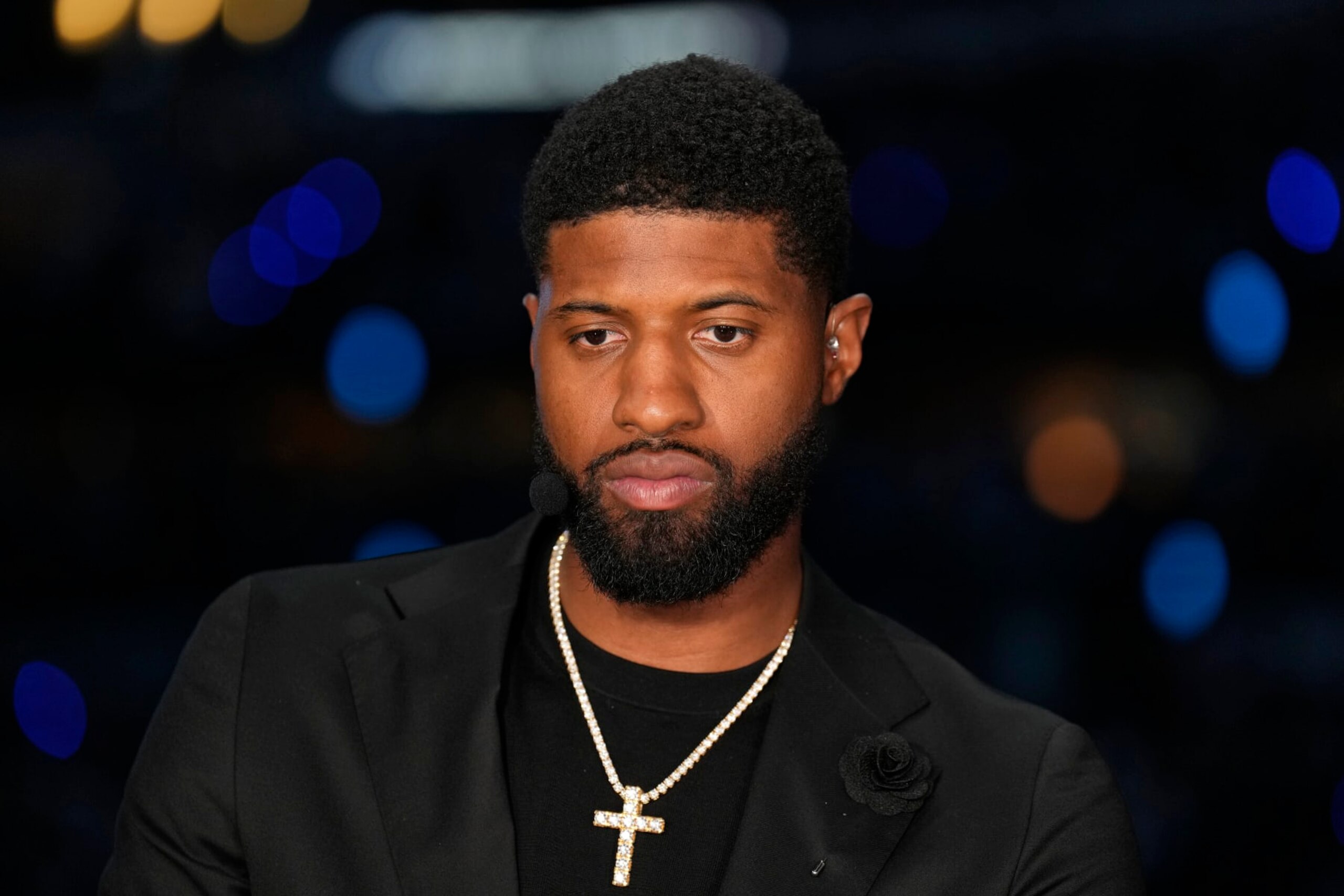
James and George can opt out of their deals to explore free agency.
James will earn slightly more this season by opting in ($51.4 million vs. a projected $50 million). George should opt out to re-sign at $49.4 million instead of $48.8 million, provided the Clippers are willing to pay him that amount. Both can extend if they opt in.
The leverage lies in James' hands with the Lakers, who are likely to pay him whatever he asks for in whatever fashion. He may opt out to add a no-trade clause to his deal (also an option for George).
The Clippers seem to have the advantage with George, but only if the few teams with cap space to pay him (Philadelphia 76ers, Orlando Magic or Pistons) are willing. If so, then the player is in the driver's seat.
The two Los Angeles forwards aren't the only players who can but haven't reached new deals with their respective franchises. Others include DeMar DeRozan (Chicago), Nicolas Claxton (Brooklyn Nets), Klay Thompson (Golden State Warriors), OG Anunoby (New York Knicks), Isaiah Hartenstein (Knicks), Jonas Valančiūnas (New Orleans Pelicans), Miles Bridges (Charlotte Hornets) and Kentavious Caldwell-Pope (Denver Nuggets), among many more.
Why haven't those deals been leaked? Before this offseason, it was illegal to negotiate with pending free agents (outside of extensions). Now it's open season, so they're either still under fruitful negotiation or facing deadly stalemates.
Cavs Breaking Up Their Guards?
2 of 8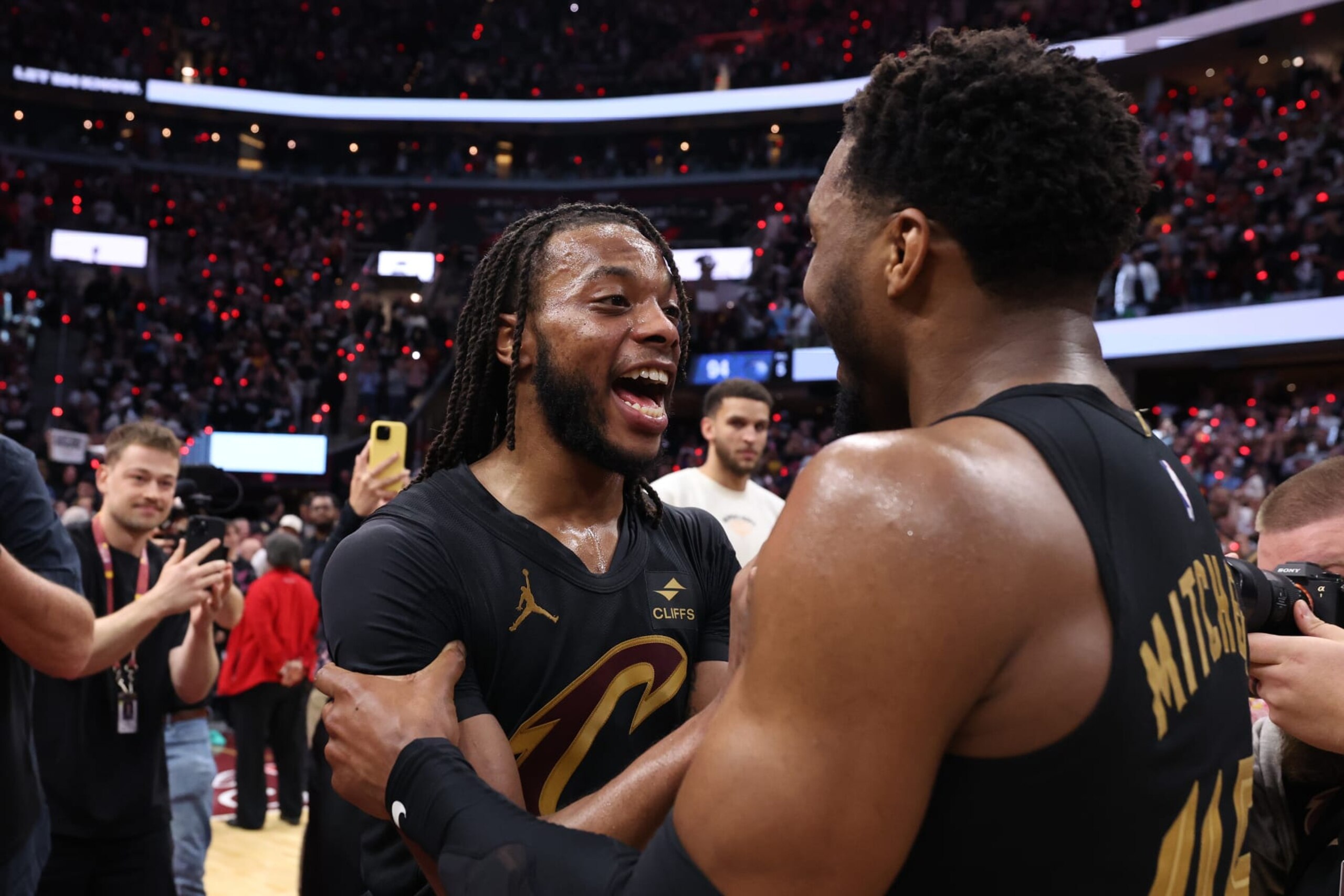
Many competing executives expected this year's Damian Lillard to be Donovan Mitchell in Cleveland. Surely, they thought he'd demand a trade to one of the New York teams, Miami or Los Angeles.
So far, nothing (if anything, the opposite), as the Cavaliers have expressed confidence to other teams that Mitchell will extend with them. Unlike the aforementioned pending free agents, he is under contract for 2024-25 but has a player option for 2025-26. It's too early for a proper negotiation, but not for a player to go public with a trade demand (willing to pay any fine the NBA may levy).
Still, teams are keeping a close eye on the Cavaliers. If Mitchell does plan to extend, some hope Cleveland will look to trade Darius Garland instead (possibly the young guard issuing a demand for relocation).
If so, around the draft is usually ideal as it's one of the busiest trade days of the NBA calendar, often outpacing the trade deadline itself.
Where Does the Money Go?
3 of 8
Not many franchises project to have real spending power this summer. The exceptions include the Pistons (up to $68 million), Sixers ($62-$65 million, depending on what the team does with its No. 16 pick, Paul Reed Jr. and other free agents) and Magic (about $53 million).
The Pistons have new leadership under Trajan Langdon, and competing executives are eager to learn what direction he will take the franchise. Currently, Detroit is a wild card.
The Sixers were believed to be targeting George, but Shams Charania of The Athletic and Stadium recently noted that interest "has significantly waned in recent days."
That news made many in the industry wonder if the Sixers had found an alternative player—perhaps Jimmy Butler or Brandon Ingram—via trade or if George and the Clippers had made enough progress for Philadelphia to look elsewhere.
After an impressive run to the playoffs, the Magic can make significant add-ons to what is already a solid squad. But some wonder if the team is willing to invest heavily in players over multiple years, given the pending raises for Jalen Suggs, Franz Wagner and eventually Paolo Banchero.
If George doesn't gain traction with the Clippers and the three teams aren't willing to offer him an extension, he may need to opt in to try to secure a trade to a team willing to give him one.
Others like Thompson, if not returning to the Warriors, and D'Angelo Russell (who can opt out of his deal with the Lakers) need spenders to relocate.
The Utah Jazz are expected to use their cap space to renegotiate Lauri Markkanen's deal. After acquiring Caruso, the Thunder still have around $31.5 million to spend. That's slightly less than the Hornets (about $33 million), but with new ownership and leadership, direction is also challenging to predict.
That leaves the Toronto Raptors, who are expected to stay over the cap instead of dropping to about $30 million under, and the San Antonio Spurs, who can be near $19 million. Everyone else is limited to the non-taxpayer mid-level exception ($12.9 million) or below.
Few teams have money to spend, and the ones that do will define the offseason.
The Draft (and Accompanying Trades)
4 of 8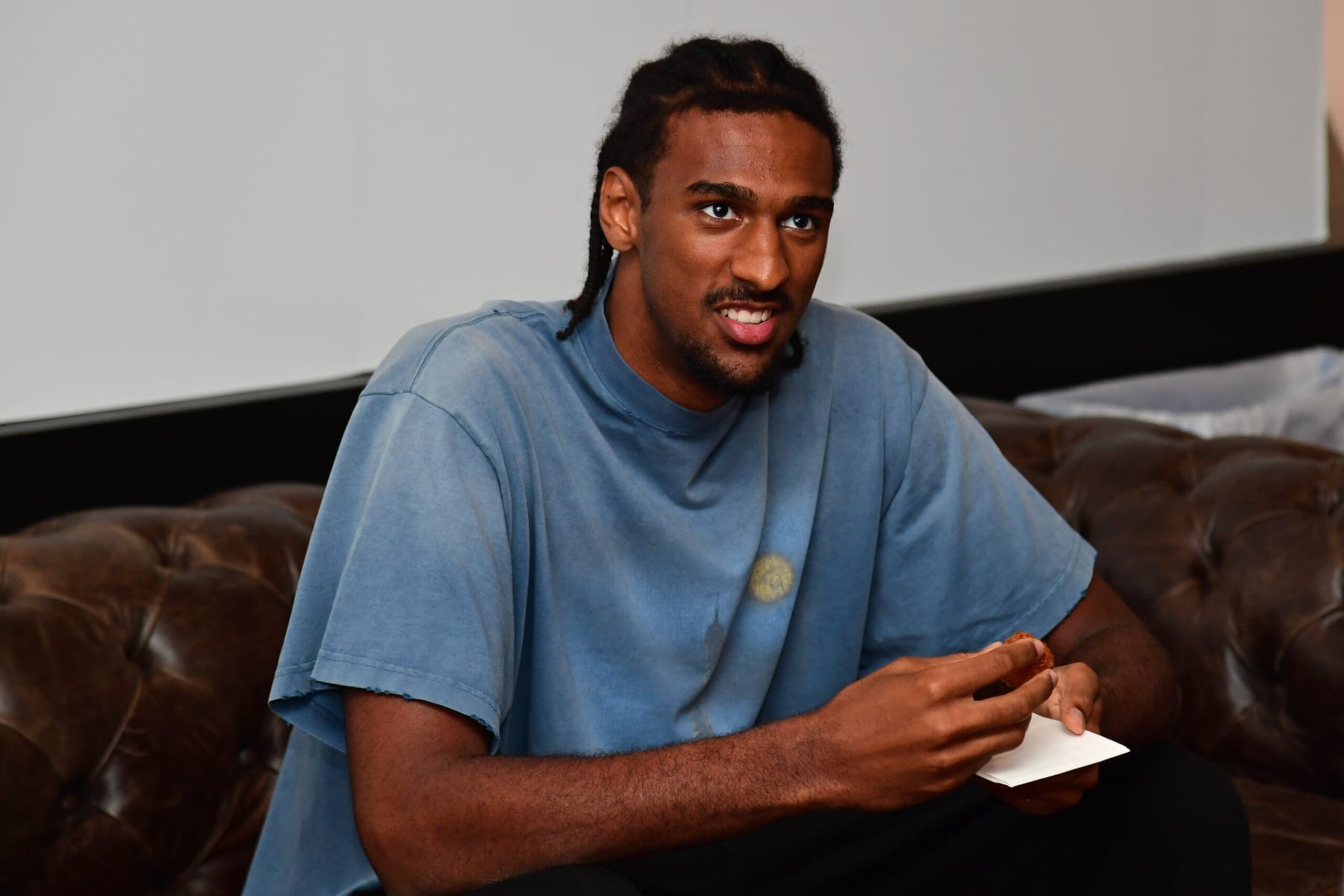
As B/R's Jonathan Wasserman works diligently to answer the questions of who will go where, the draft itself will set the course of free agency in motion.
Some of the teams' needs will be resolved by the 2024 draft class, but this class doesn't have a Victor Wembanyama—a clear franchise player. Instead, the accompanying trades around the event will shift the tides.
Unfortunately, there's no hurrying this one up. Many decisions will be made in the final hours, but it's usually the busiest day of trades all year; that includes many that will be agreed to in principle but can't be fully executed until July 6 (after the moratorium in the new salary-cap year).
Remember that when a team takes back even $1.00 more than it sends out in trade, it triggers a hard cap at the first apron (projected to be $178.7 million) for 2024-25, even if the deal is done before July. For instance, the Thunder are limited to the first apron by taking in Caruso, who earns more than Giddey.
Also, teams can't combine draft-day agreements with sign-and-trades that can't be negotiated until July (the Milwaukee Bucks ran afoul of this rule several years ago with Bogdan Bogdanović).
The good news is that we don't have to wait too long for these answers, though the change in spreading the draft over two days will make it slightly longer than usual.
What Other Big Names Will Relocate via Trade?
5 of 8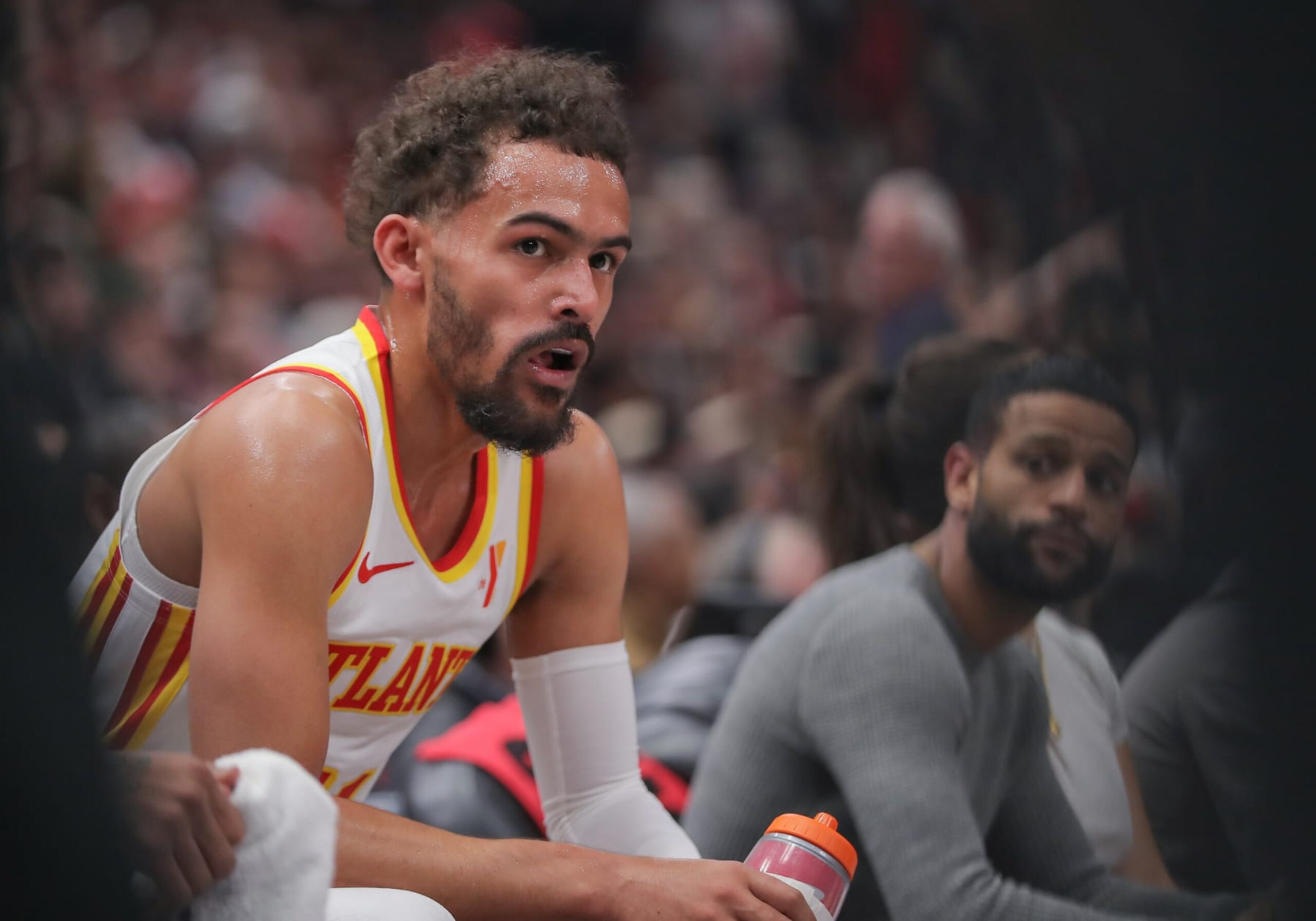
Competing executives and other NBA insiders believe the Atlanta Hawks want to relocate Trae Young via trade. Given his contract (and playing style, not every team is a fan), there's also significant skepticism that they'll find a suitor.
That leads to the question: If they can't move Young, do they revisit moving Dejounte Murray? Or do the Hawks just do what they did last year (send John Collins to the Jazz) and get rid of expensive role players like Clint Capela and/or De'Andre Hunter?
Similarly, can the Bulls find a taker for Zach LaVine? Contract and injury status suggests otherwise, though that story is not yet written.
The big one needing an answer is Jimmy Butler. Will the Miami Heat give him an extension or risk an "Unhappy Jimmy," which may not be the ideal path forward for the team? He is a tremendous player, but he'll be 35 before next season, and Miami may not be willing to recommit—Butler is very loyal until trust is lost, and then he's a little more challenging to deal with.
If Russell opts into his $18.7 million with the Lakers, he's likely to be moved if L.A. can find a partner. Some wonder if the Knicks will shop Julius Randle (if they haven't already), and the Pelicans are believed willing to part with Ingram.
Former All-Star Ben Simmons may be more likely to move, as he's in the last year of his deal at $40.3 million. The Nets don't have to move him to make a deal, armed with four significant trade exceptions (ranging from $6.8 million to $20.4 million).
Others to watch include Malcolm Brogdon and Jerami Grant of the Portland Trail Blazers, Luke Kennard of the Memphis Grizzlies, Tim Hardaway Jr. of the Mavericks and Bruce Brown of the Raptors.
Extensions!
6 of 8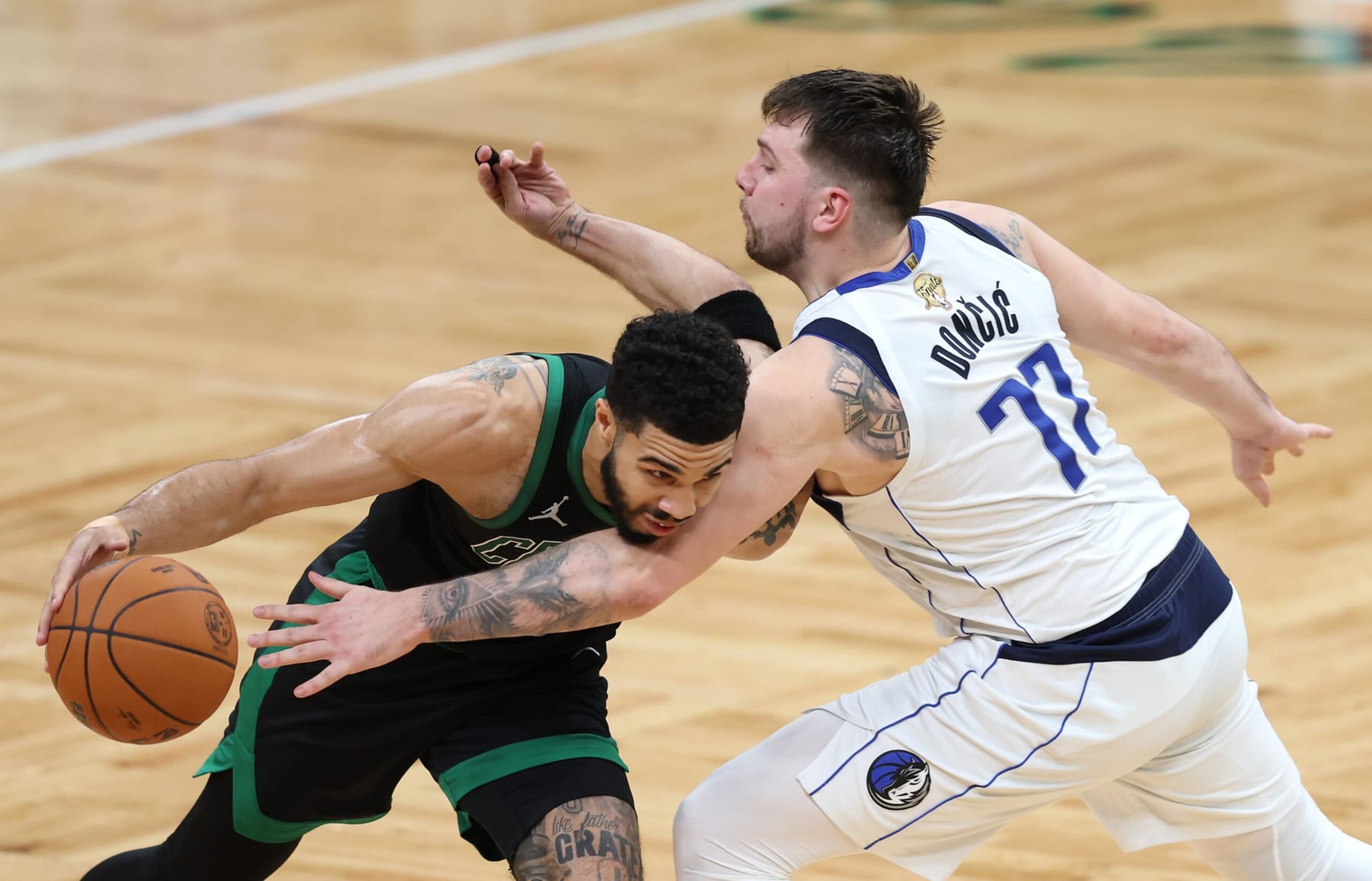
While Jayson Tatum and the Boston Celtics beat Luka Dončić and the Dallas Mavericks, both players are expected to be big winners this offseason by their All-NBA status.
Tatum's extension could reach $315 million; Dončić's may be just shy of a stunning $350 million.
Many others are eligible, including James and George, depending on how they approach their option decisions. Mitchell may decide to eschew trade demands and stick in Cleveland. Boston may reward Derrick White. DeRozan, if he returns to Chicago, can do it via free agency or just re-sign before July via extension.
The 2021 draft class is eligible for rookie-scale extensions, but those answers may not come as quickly with the deadline before the start of the 2024-25 regular season in October.
The big names from that group include Scottie Barnes (Toronto), Evan Mobley (Cleveland), Cade Cunningham (Detroit), Jalen Green (Houston), Jalen Johnson (Atlanta), Jonathan Kuminga (Golden State), Trey Murphy III (New Orleans), Cam Thomas (Brooklyn), Suggs and Wagner (Orlando) and Giddey (Chicago), among others.
Any Restricted Offer Sheets?
7 of 8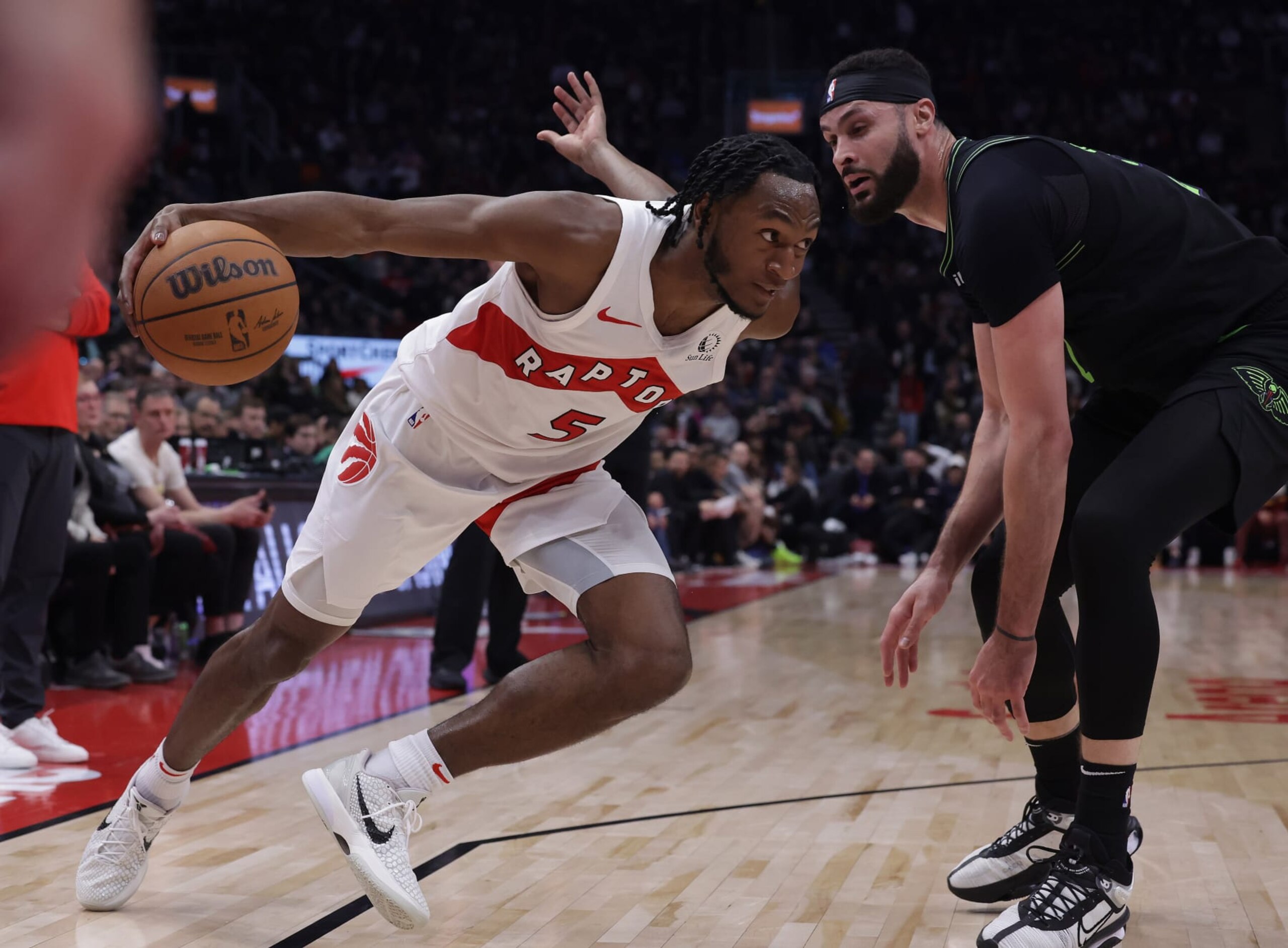
Most restricted free agents will re-sign with their teams (unless they don't want them back). That means Tyrese Maxey and Immanuel Quickley are locks to be back in Philadelphia and Toronto, respectively.
However, not every restricted player will find a deal with their home team, and they may need to search for offer sheets (or possibly a sign-and-trade to a new destination). These answers will require patience, as they can't start until July.
Some to keep an eye on include Patrick Williams (Chicago), Obi Toppin (Indiana), Precious Achiuwa (New York), Isaac Okoro (Cleveland) and Simone Fontecchio (Detroit).
New Rules a Downer?
8 of 8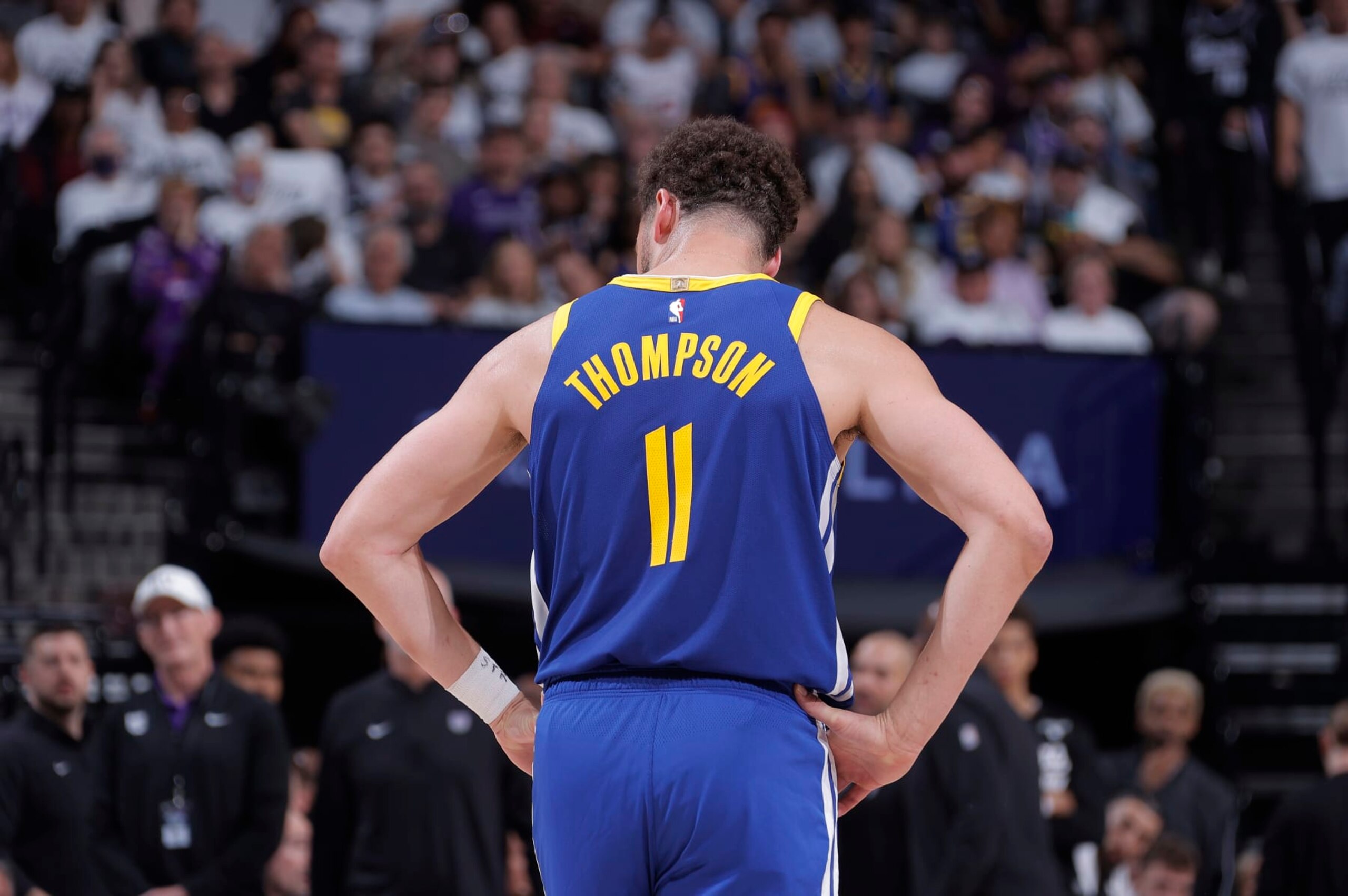
Aprons, taxes, frozen picks—it's a lot to take in, but the 2023 collective bargaining agreement encourages teams to limit their spending. The dreaded second apron projects to hit at $189.5 million, which, in reality, is an incredible number.
The NBA isn't pushing for teams to be "cheap," instead, the goal is to legislate parity as much as possible. That may mean the Warriors choose to get under the aprons (or even their repeater tax) instead of keeping the Splash Brothers (Stephen Curry and Thompson) together.
That may be why the Clippers aren't paying George or why the Memphis Grizzlies opt out of Luke Kennard or trade him. Can the Minnesota Timberwolves afford to bring back Kyle Anderson? Is Caldwell-Pope (player option) a lock to return to the Nuggets? Aprons and taxes may explain why the Blazers, Grizzlies and Hawks trade away veterans.
More than anything, it's what doesn't happen (trades or signings that never come to pass) because of curtailed spending. As teams adapt to the new economic realities coupled with the new broadcast deal, once official, the NBA will normalize.
In the short term, though, constricting finances will impact the action this summer.
Email Eric Pincus at eric.pincus@gmail.com and follow him on X/Twitter @EricPincus.

.jpg?w=2560 "B/R's Expert Week 7 NFL Picks 🔮")

.jpg?w=2560 "LaMelo Claps Back at Lonzo 🤣")
.jpg?w=2560 "Steelers Fan Event in Paris Canceled (AP)")