
With such a high bust rate when it comes to drafting and developing pitchers, teams have had success focusing on polished hitters and filling in the pitching gaps through free agency.
The Houston Astros and Chicago Cubs are two prime examples of clubs that used homegrown position-player talent to jump start their rebuilding efforts and eventually win a World Series title.
Ahead we've highlighted each team's best homegrown position player of the last 25 years, focusing specifically on the contributions those players made with the team that developed them.
In order to be eligible for inclusion, a player simply had to debut during or after the 2000 season and have made his mark with the franchise that ushered him into pro ball.
Let the debate begin!
In case you missed it: Every MLB Team's Best Homegrown Pitcher of the Last 25 Years
Arizona Diamondbacks: 1B Paul Goldschmidt
1 of 30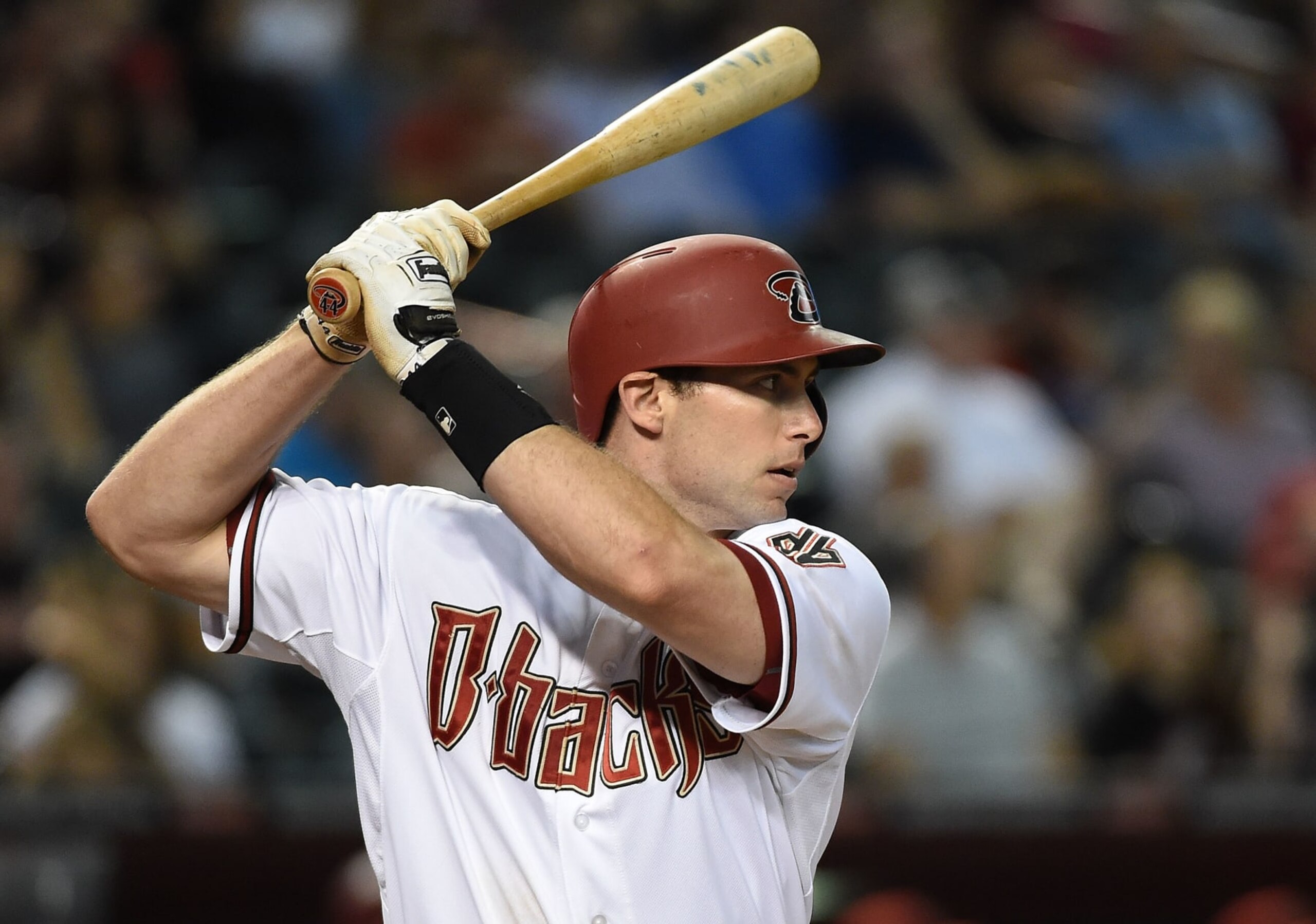
Acquired: 2009 draft (8th round, No. 246 overall)
The D-backs had an impressive 12 different players from their 2009 draft class go on to reach the majors, including outfielder A.J. Pollock who himself is a top-five homegrown position player in franchise history.
However, there is no question the top spot on that list goes to Paul Goldschmidt.
An eighth-round pick in 2009 after hitting .352/.487/.685 with 18 home runs and 88 RBI in 57 games during his junior year at Texas State, Goldschmidt would develop into a superstar in his eight seasons with the D-backs.
His 39.9 WAR ranks second only to Randy Johnson in franchise history, and his 209 home runs and 710 RBI in a D-backs uniform trail just Luis Gonzalez in both categories.
Atlanta Braves: 1B Freddie Freeman
2 of 30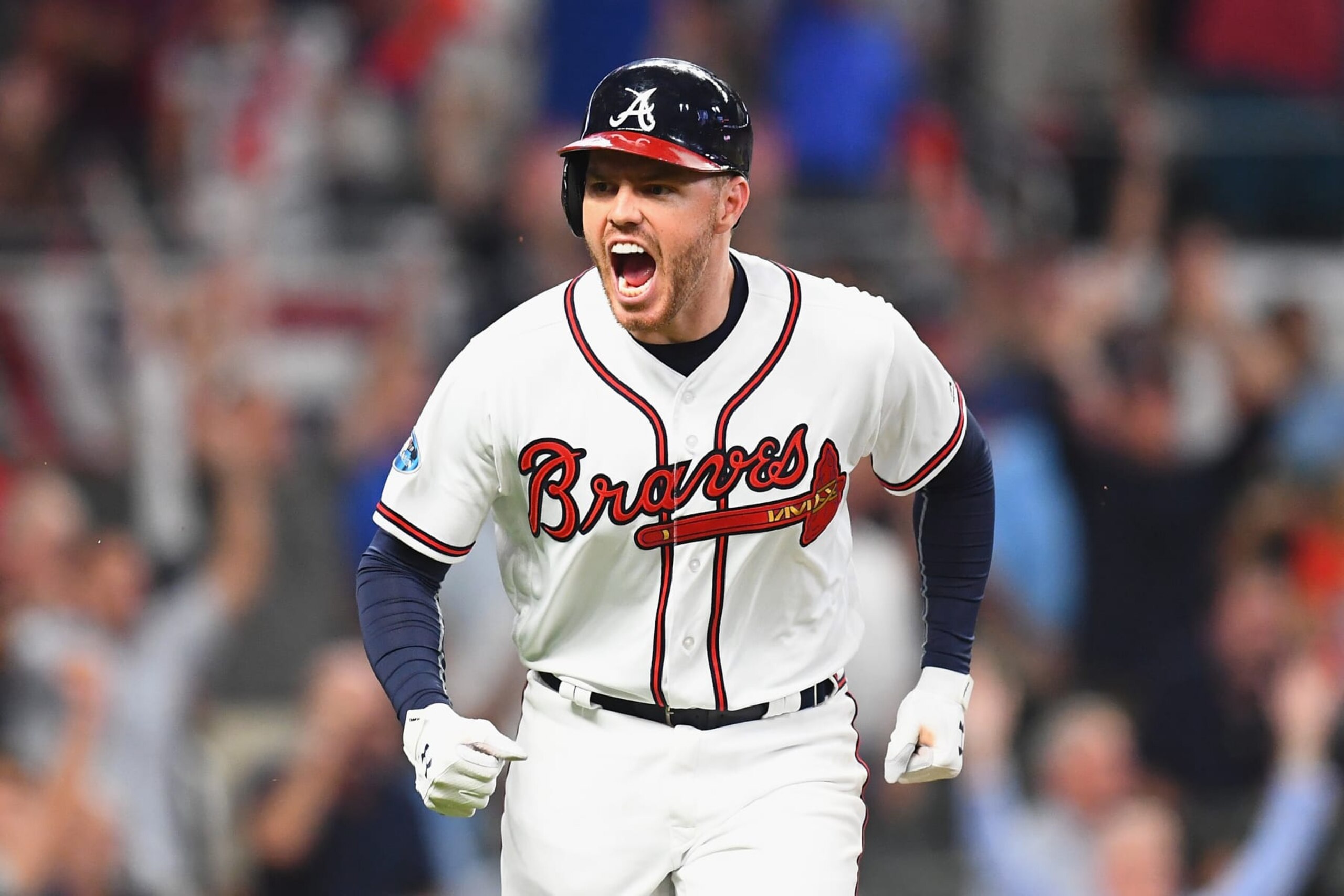
Acquired: 2007 draft (2nd round, No. 78 overall)
Even with another season-ending ACL injury, it is likely only a matter of time before Ronald Acuña Jr. is the obvious choice here for the Atlanta Braves.
However, to this point he has not yet surpassed what Freddie Freeman achieved during his time with the team:
Fun fact: Freeman was a second-round pick in the same 2007 draft class where the Braves selected outfielder Jason Heyward with the No. 14 overall pick.
Baltimore Orioles: 3B Manny Machado
3 of 30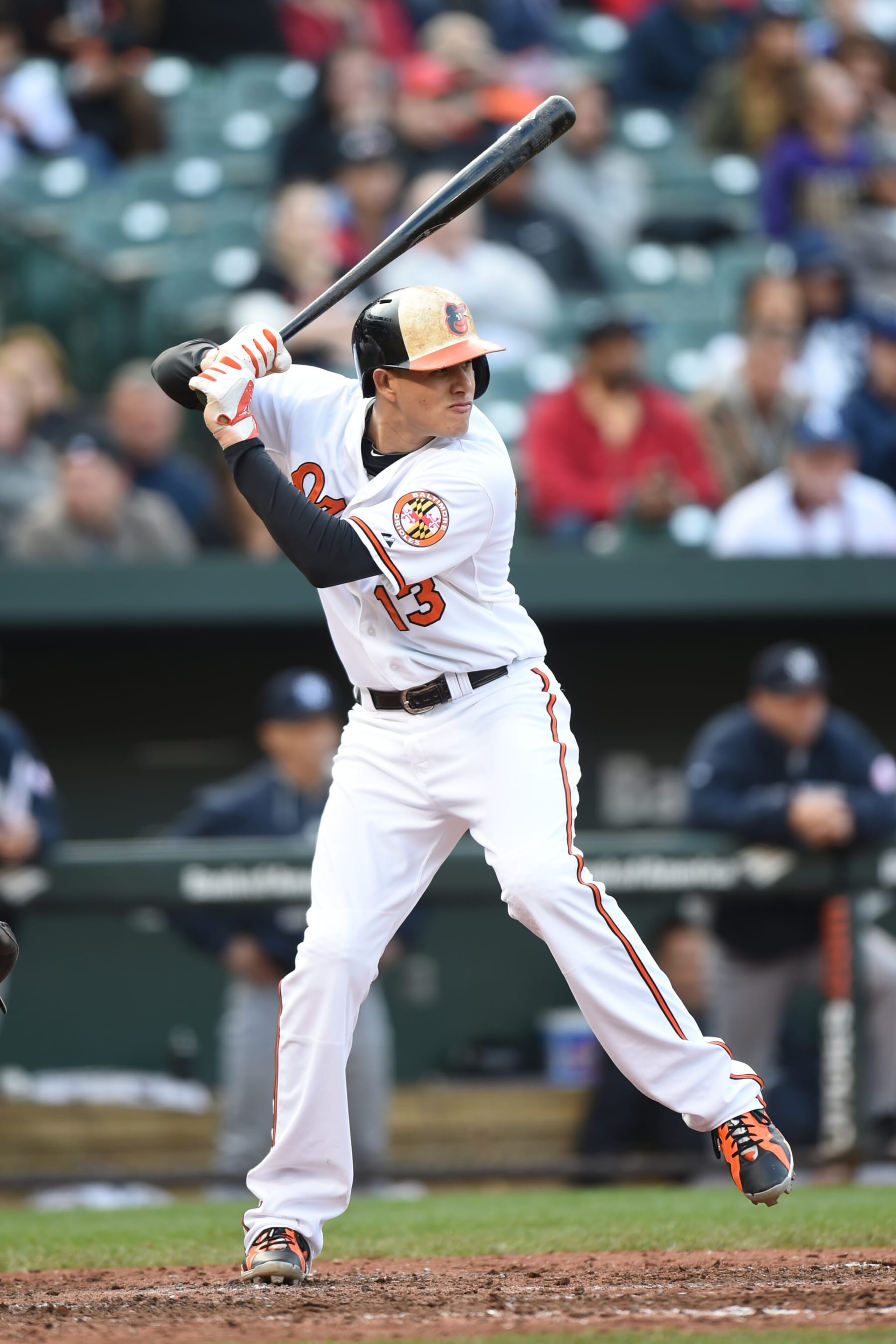
Acquired: 2010 draft (1st round, No. 3 overall)
In an alternative universe, the Pittsburgh Pirates select Manny Machado with the No. 2 overall pick in the 2010 draft instead of going with right-hander Jameson Taillon, and the entire trajectory of the Pittsburgh and Baltimore organizations looks different.
Frequently compared to Alex Rodriguez during his time as a Florida prep star, Machado made his MLB debut shortly after his 20th birthday when he took over as the starting third baseman on a contending Orioles team.
In seven seasons with the Orioles, he hit .283/.335/.487 for a 121 OPS+ with 162 home runs and 31.9 WAR. He was a four-time All-Star and two-time Gold Glove winner in Baltimore before he was traded to the Dodgers at the 2018 deadline prior to reaching free agency that winter.
A tip of the cap to second baseman Brian Roberts and outfielder Nick Markakis who both developed into staples in the Orioles lineup after being drafted in the first round.


Boston Red Sox: OF Mookie Betts
4 of 30
Acquired: 2011 draft (5th round, No. 172 overall)
More than a few Boston Red Sox fans might be inclined to go with Dustin Pedroia here, since he spent his entire career with the organization and was a fan favorite throughout his tenure with the team.
However, there is little question Mookie Betts was the superior player.
Over six seasons in Boston, he hit .301/.374/.519 for a 134 OPS+ while racking up 42.2 WAR, which was just short of the 51.9 WAR that Pedroia compiled in 718 more games with the team.
In 2018, Betts posted a staggering 10.7 WAR en route to AL MVP honors, then helped lead the Red Sox to a World Series title.
First baseman Kevin Youkilis (8th round, 2001) and shortstop Xander Bogaerts (Signed out of Aruba, 2009) are also deserving of a quick mention.
Chicago Cubs: 3B/OF Kris Bryant
5 of 30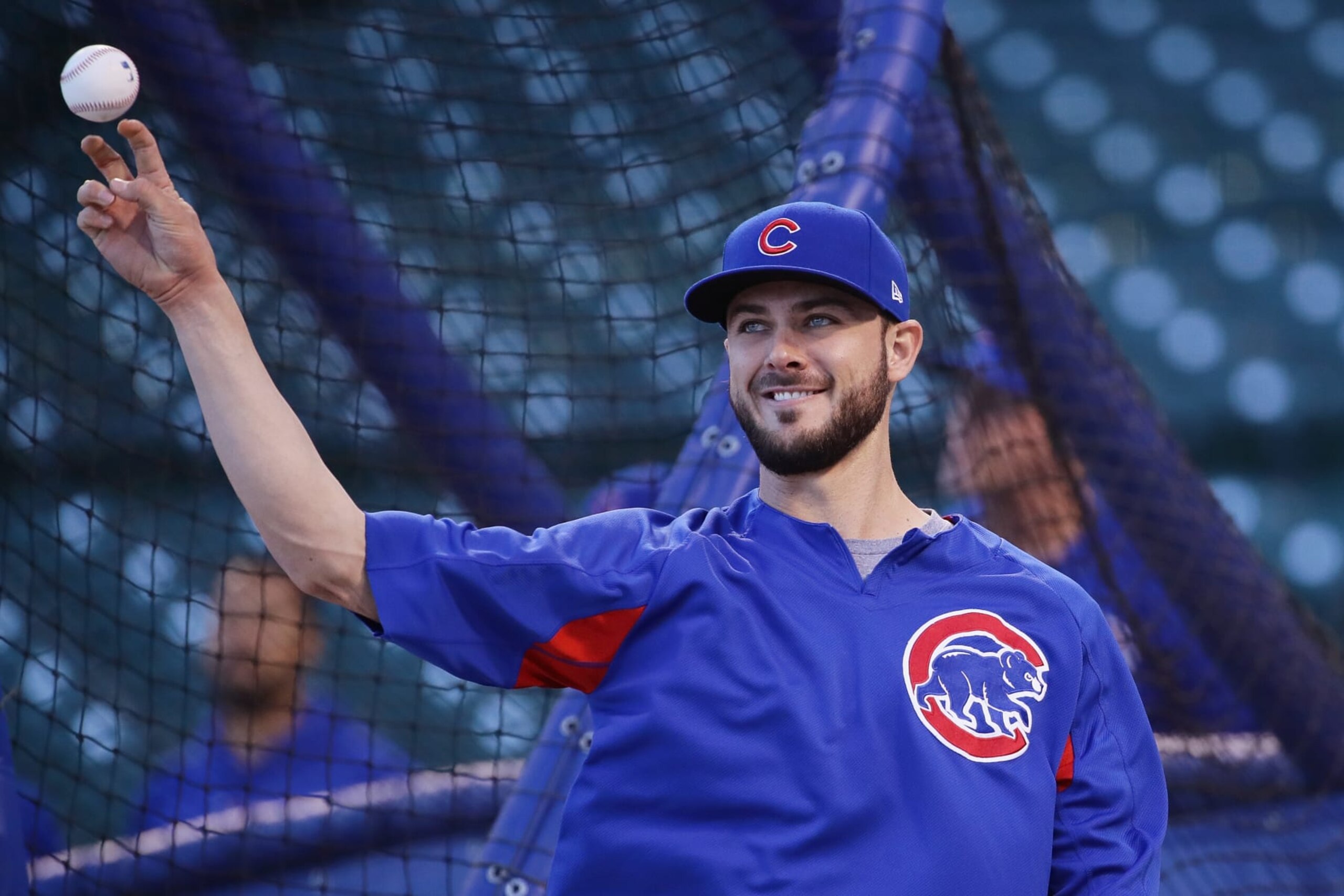
Acquired: 2013 draft (1st round, No. 2 overall)
Kris Bryant hit .329/.493/.820 with 31 home runs in 62 games during his junior season at the University of San Diego, winning Golden Spikes honors before going No. 2 overall in the 2013 draft after the Houston Astros took right-hander Mark Appel with the No. 1 pick.
By 2015, he was the No. 1 prospect in baseball, and his arrival in the big leagues signaled the unofficial transition from rebuilding to contending for the Cubs.
He won 2015 NL Rookie of the Year, followed that up with 2016 NL MVP, and played a key role on the Cubs team that finally broke the long-standing World Series drought.
In seven seasons with the Cubs, he posted a 133 OPS+ with 160 home runs and 27.7 WAR, earning four All-Star selections along the way. His career has derailed since he signed with the Rockies in free agency, but his impact on the North Side makes him an easy pick here.
Chicago White Sox: SS Tim Anderson
6 of 30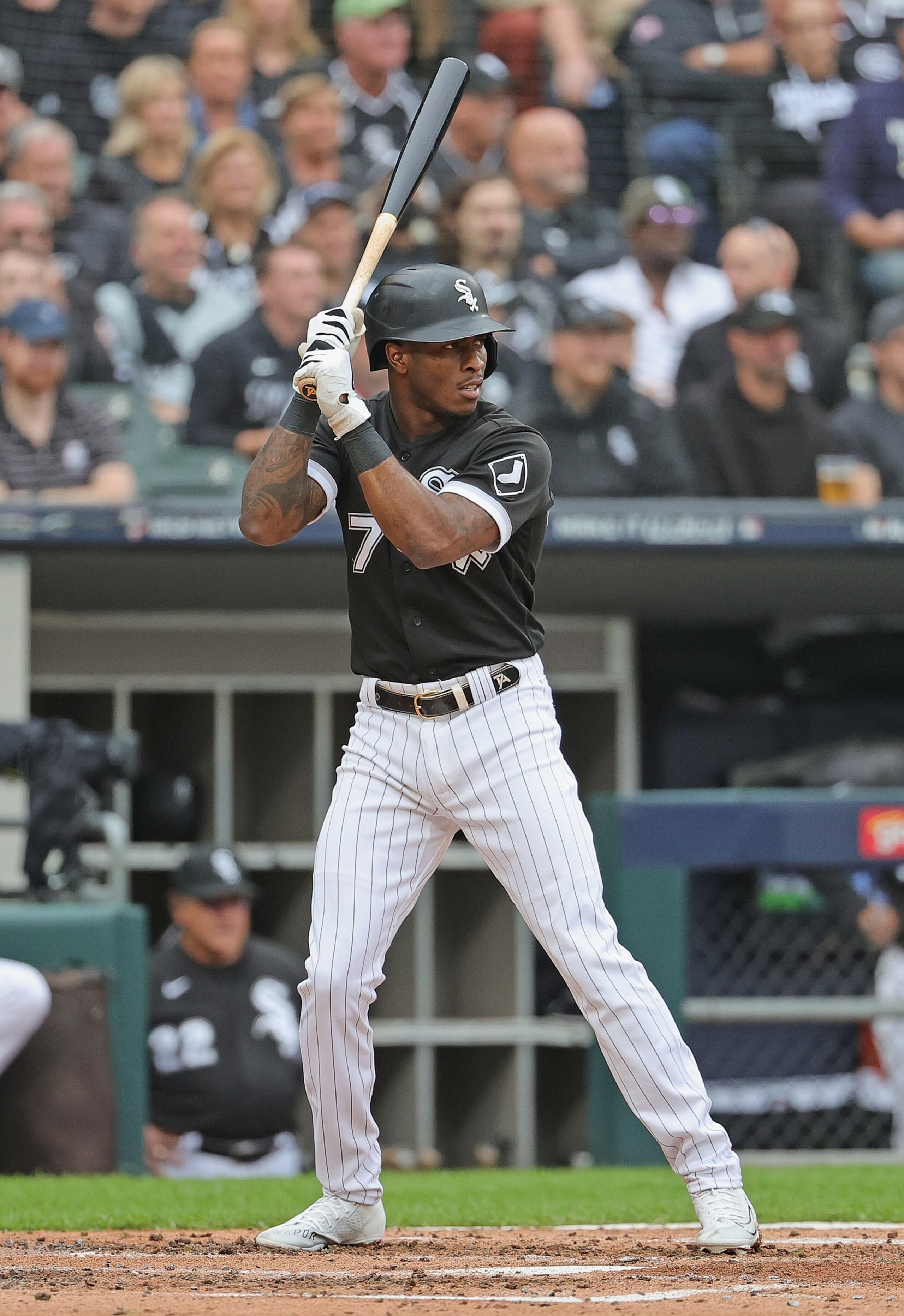
Acquired: 2013 draft (1st round, No. 17 overall)
Since José Abreu played professionally in Cuba, Paul Konerko was acquired in a trade with the Reds and Magglio Ordóñez debuted in 1997, shortstop Tim Anderson ended up being a relatively easy pick for the White Sox.
Selected out of East Central Community College in Mississippi, Anderson made his MLB debut in 2016 and quickly developed into one of the best players on some bad White Sox teams, serving as the face of the franchise amid a rebuild.
He won the AL batting title in 2019 when he batted .335, and he hit over .300 four years in a row before his production bottomed out in what would be his final year with the White Sox in 2023.
All told, he was a two-time All-Star, one-time Silver Slugger winner and 16.2-WAR player over eight seasons on the South Side.
Cincinnati Reds: 1B Joey Votto
7 of 30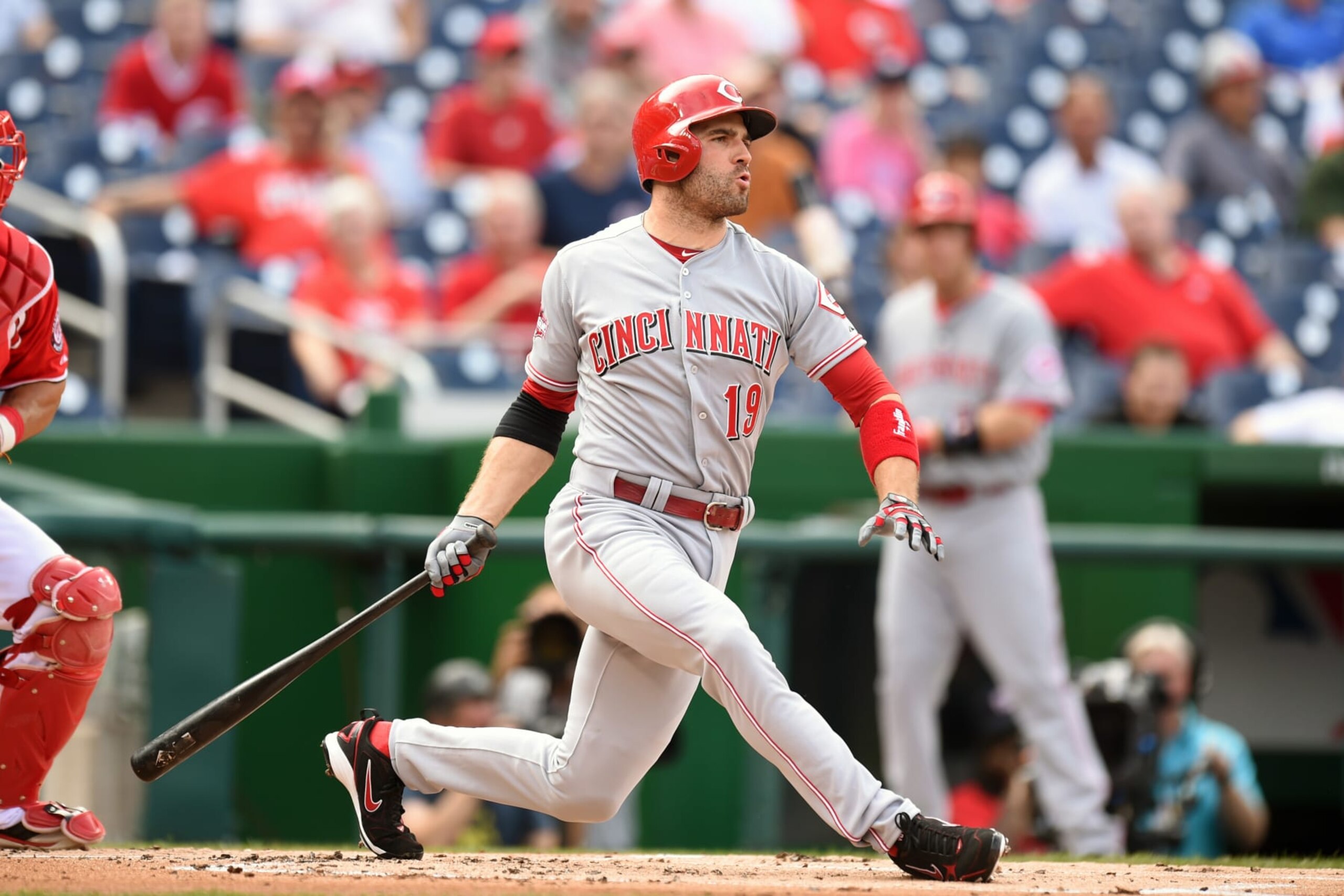
Acquired: 2002 draft (2nd round, No. 44 overall)
Originally drafted as a catcher out of the Toronto prep ranks, Joey Votto would develop into a franchise icon for the Cincinnati Reds and the organization's best homegrown player since Hall of Fame shortstop Barry Larkin.
Once Votto decides to hang up his spikes, there's a good chance he will be joining Larkin in the hallowed halls of Cooperstown.
In 17 seasons with the Reds, he hit .294/.409/.511 for a 144 OPS+ with 2,135 hits, 356 home runs, 1,144 RBI and 64.5 WAR, a total that ranks 11th all-time among first basemen. He was a six-time All-Star and won 2010 NL MVP as the star of a division-winning Reds team.
Cleveland Guardians: 3B José Ramírez
8 of 30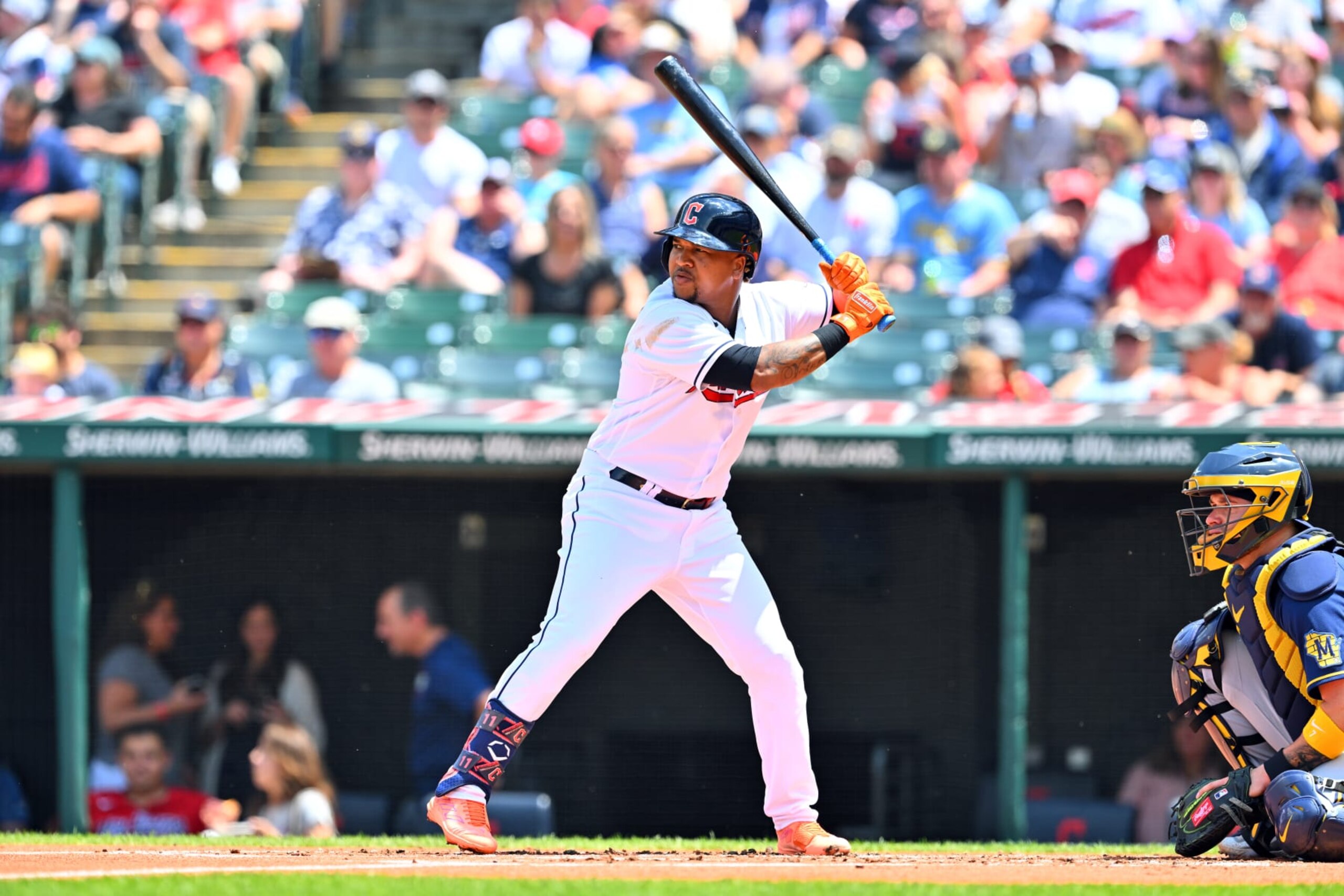
Acquired: 2009 international signing (Dominican Republic)
The vaunted Cleveland offenses of the 1990s were built on homegrown talent, with Albert Belle, Jim Thome and Manny Ramírez all drafted and developed in-house before turning into three of the most feared sluggers of their era.
That was followed by a lengthy drought of homegrown hitters, with guys like Grady Sizemore, Travis Hafner, Shin-Soo Choo, Michael Brantley and Carlos Santana all starting their careers elsewhere.
The tides turned with the infield tandem of Francisco Lindor and José Ramírez, and it was a two-man race between those two to be Cleveland's pick.
Digging into the numbers, even if Lindor had never been traded and spent his entire career to date in Cleveland, Ramírez would still be the choice.
Colorado Rockies: 3B Nolan Arenado
9 of 30
Acquired: 2009 draft (2nd round, No. 59 overall)
Since Hall of Fame first baseman Todd Helton made his MLB debut in 1997, the debate for the Colorado Rockies came down to Nolan Arenado vs. Troy Tulowitzki, and there is a strong case to be made for both guys.
Tulowitzki was arguably the best shortstop in baseball during his brief peak and a key cog in the only Rockies team to ever reach the World Series, though his career was ultimately derailed by injuries.
Meanwhile, Arenado had eight straight NL Gold Glove wins at third base, and during a five-year stretch from 2015 through 2019 he averaged 38 doubles, 40 home runs and 124 RBI as a bona fide superstar.
Detroit Tigers: OF Curtis Granderson
10 of 30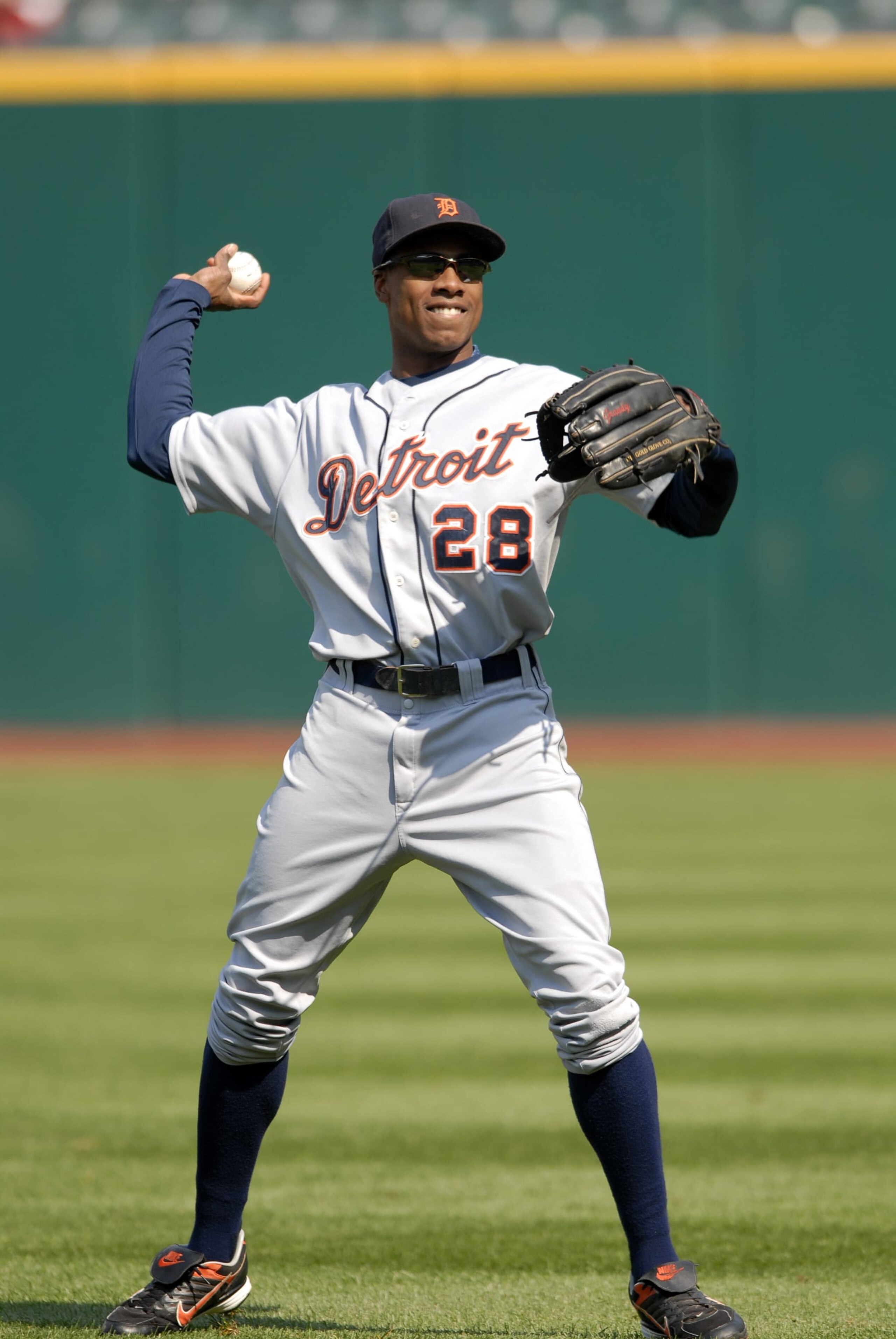
Acquired: 2002 draft (3rd round, No. 80 overall)
The gap between Miguel Cabrera and every other Detroit position player over the past 25 years is a wide one, and since he started his career with the Marlins, it took some digging to settle on a pick for the Tigers.
Outfielder Curtis Granderson spent the first six seasons of his 16-year career in a Tigers uniform, and he posted a 114 OPS+ with 102 home runs and 21.2 WAR during his time with the team.
In 2007, he became one of only four players in MLB history with a 20-double, 20-triple, 20-homer, 20-steal season, finishing 10th in AL MVP voting a year after helping the Tigers reach the 2006 World Series.
Houston Astros: 2B Jose Altuve
11 of 30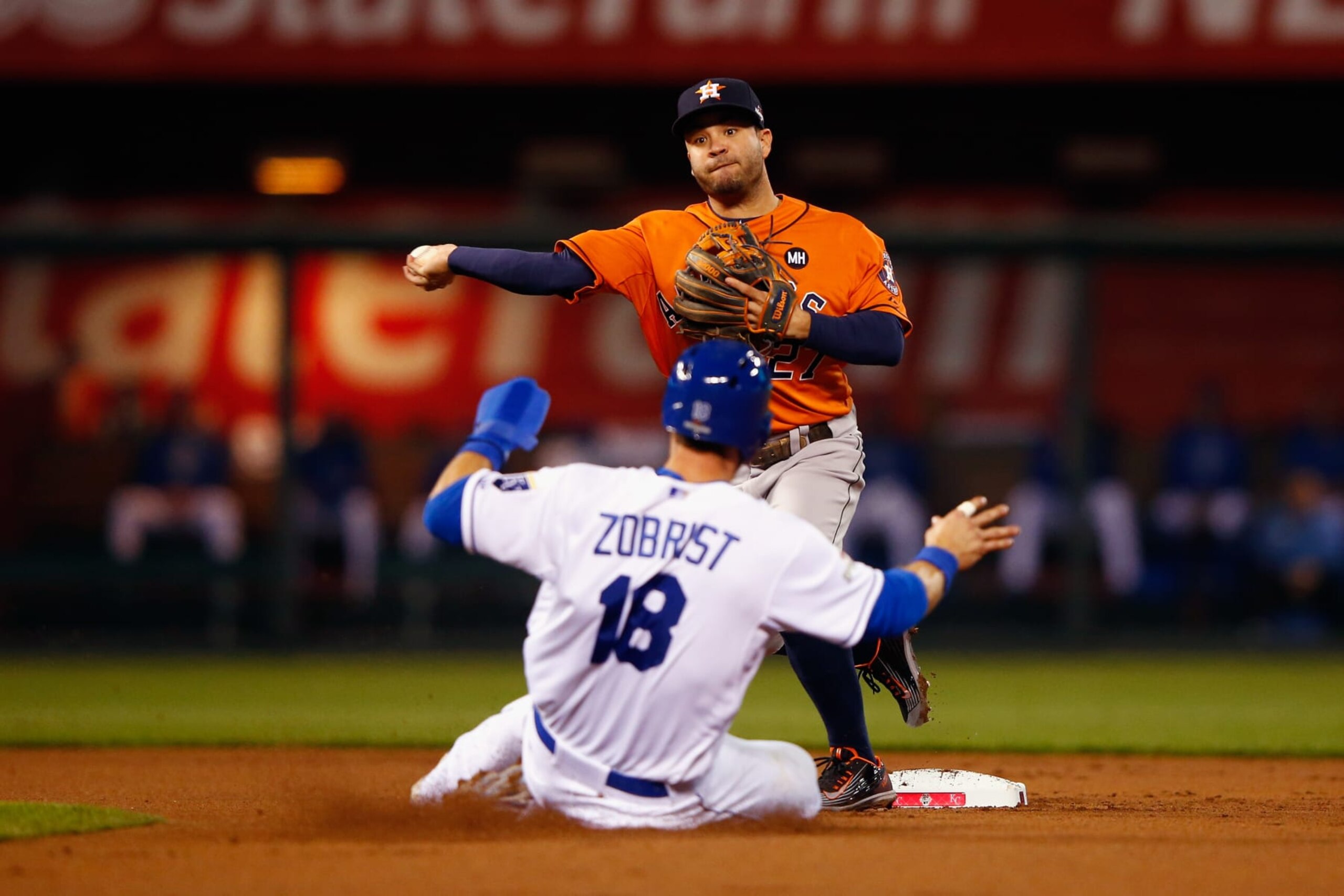
Acquired: 2007 international signing (Venezuela)
Second baseman José Altuve was around during the dark ages in Houston, debuting for a 106-loss team in 2011, then losing 107, 111 and 92 games during his first three full seasons in the big leagues.
He came out the other side as the face of the franchise as the team transitioned from full-scale rebuild to title contention, and he has solidified his standing as one of the greatest players in Astros history.
With three batting titles, four 200-hit seasons and 2,120 total hits to go along with a .306/.363/.469 career batting line and 51.0 WAR, he has put together a career that belongs in the same conversation as Jeff Bagwell and Craig Biggio as far as franchise icons are concerned.
Kansas City Royals: C Salvador Pérez
12 of 30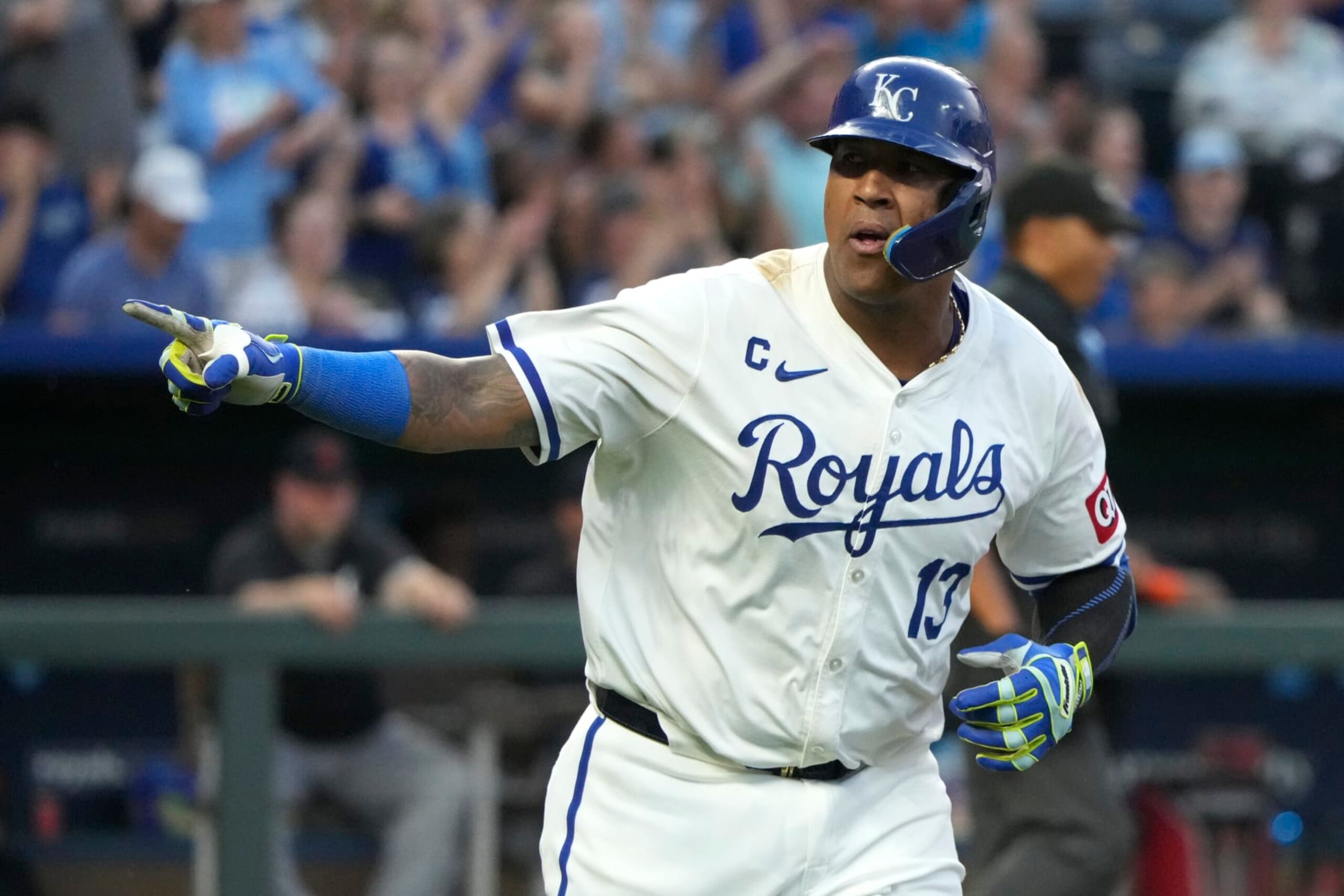
Acquired: 2006 international signing (Venezuela)
Homegrown players like Eric Hosmer, Mike Moustakas and Alex Gordon each played a key role on the Kansas City Royals title team in 2015, but the ongoing impact of Salvador Perez has allowed him to separate himself from that pack.
The 34-year-old remains one of baseball's best offensive catchers, hitting .309/.379/.511 with 15 doubles, 10 home runs and 41 RBI entering play on Friday as he takes aim at a ninth career All-Star selection.
His 48-homer. 121-RBI season in 2021 is one of the best offensive performances ever by a catcher, and he is steadily climbing the all-time ranks at the position with 256 home runs and 35.0 WAR over 13 seasons.
For the record, Carlos Beltrán debuted in 1998, or he would have been a compelling addition to the Royals conversation.
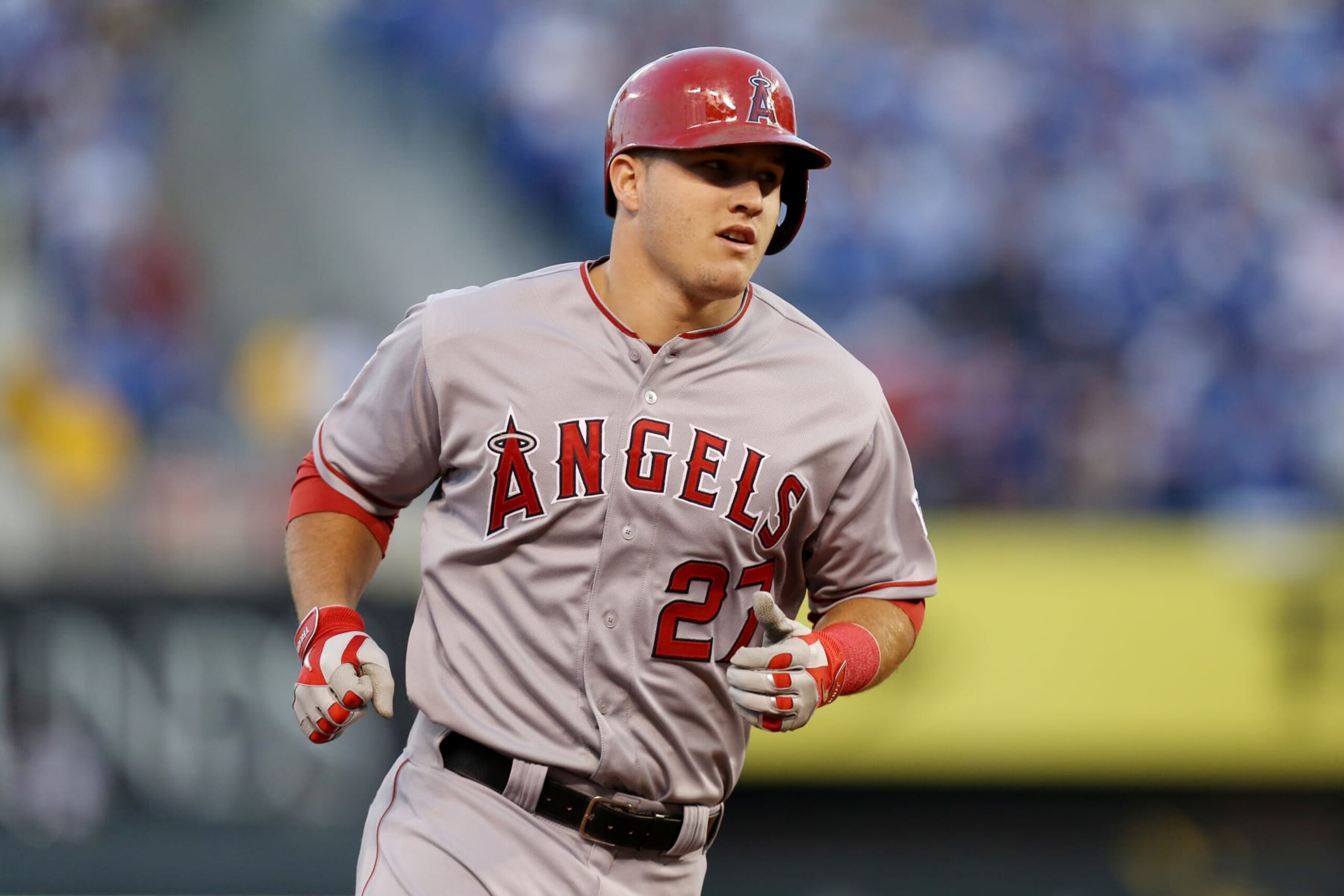
Los Angeles Angels: OF Mike Trout
13 of 30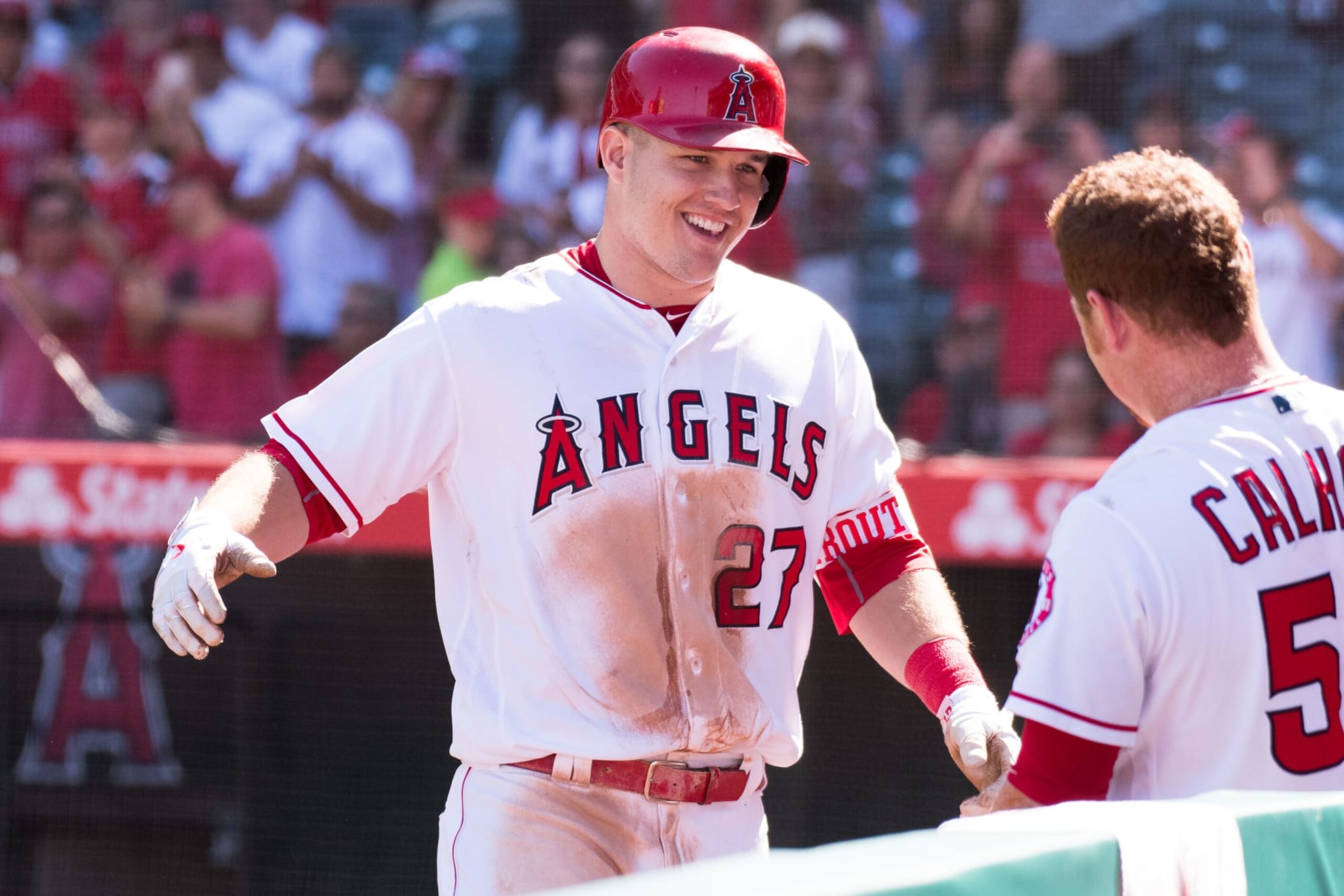
Acquired: 2009 draft (1st round, No. 25 overall)
There were 21 teams who passed on New Jersey high school outfielder Mike Trout in the 2009 draft before the Los Angeles Angels took him with the No. 25 overall pick.
Here's what Baseball America said of his potential in their predraft scouting report:
"Trout's frame and skill set draws comparisons to Aaron Rowand, but he's a faster runner... Trout's bat is not a sure thing, but he has a chance to be a solid-average hitter with average or better power."
In hindsight, that might be the nicest thing anyone has ever said about Aaron Rowand.
Despite his recent injury issues, Trout has still racked up 86.2 WAR over 14 seasons, and he is an 11-time All-Star, nine-time Silver Slugger, three-time AL MVP and one of the greatest players of his generation.
Los Angeles Dodgers: SS Corey Seager
14 of 30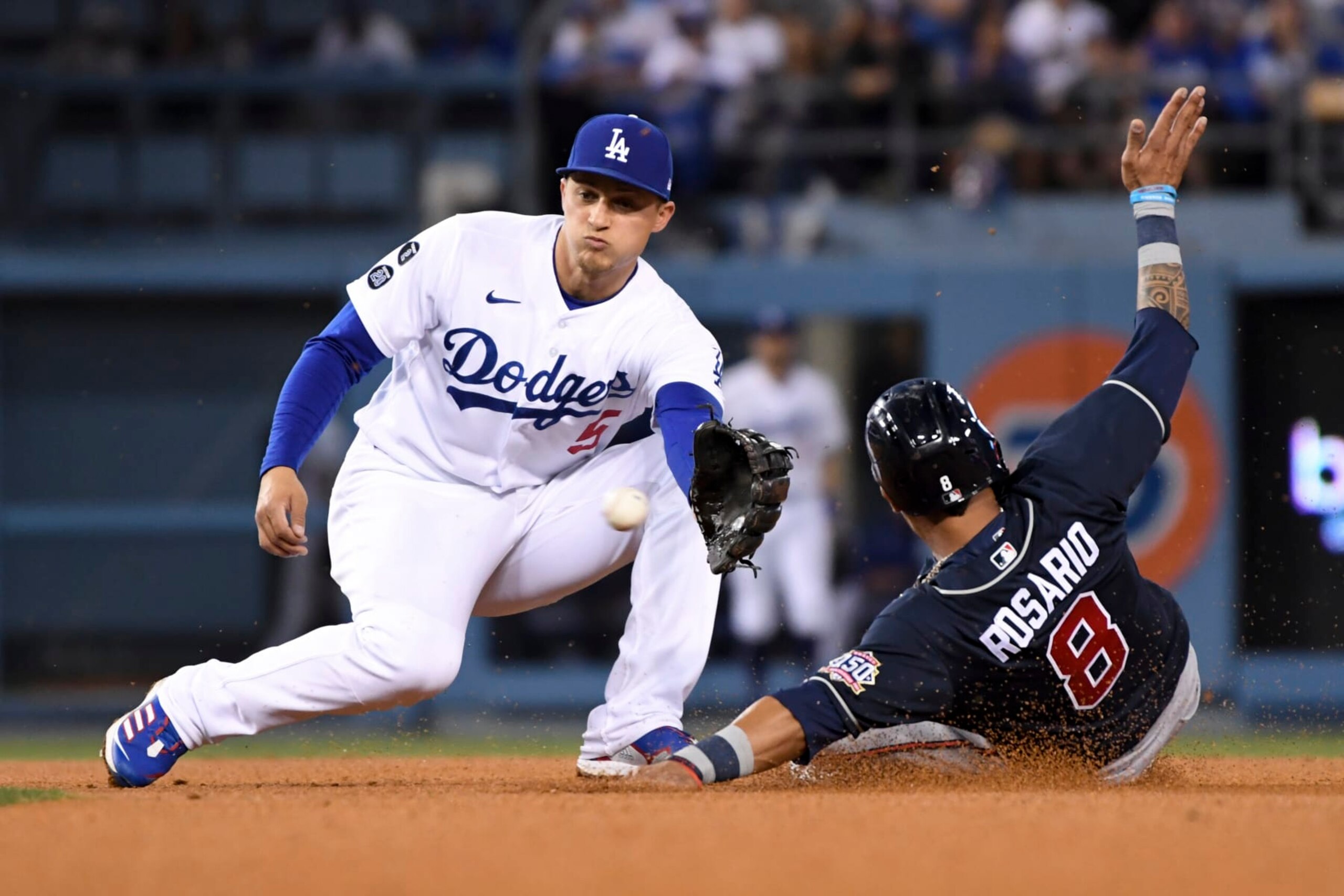
Acquired: 2012 draft (1st round, No. 18 overall)
Despite all of the star power the Los Angeles Dodgers have employed in recent years, there was no slam dunk choice for their best recent homegrown position player.
Mookie Betts, Freddie Freeman, Justin Turner, Max Muncy, Andre Ethier, Shawn Green and Adrián González all started their careers elsewhere, leaving shortstop Corey Seager and outfielder Matt Kemp as the best candidates.
The fact that Kemp only has 1.7 more WAR in nearly twice as many games speaks to how much more impactful Seager was during his even seasons with the Dodgers. However, the real deciding factor was the fact that Seager won NLCS and World Series MVP in 2020.
Miami Marlins: OF Giancarlo Stanton
15 of 30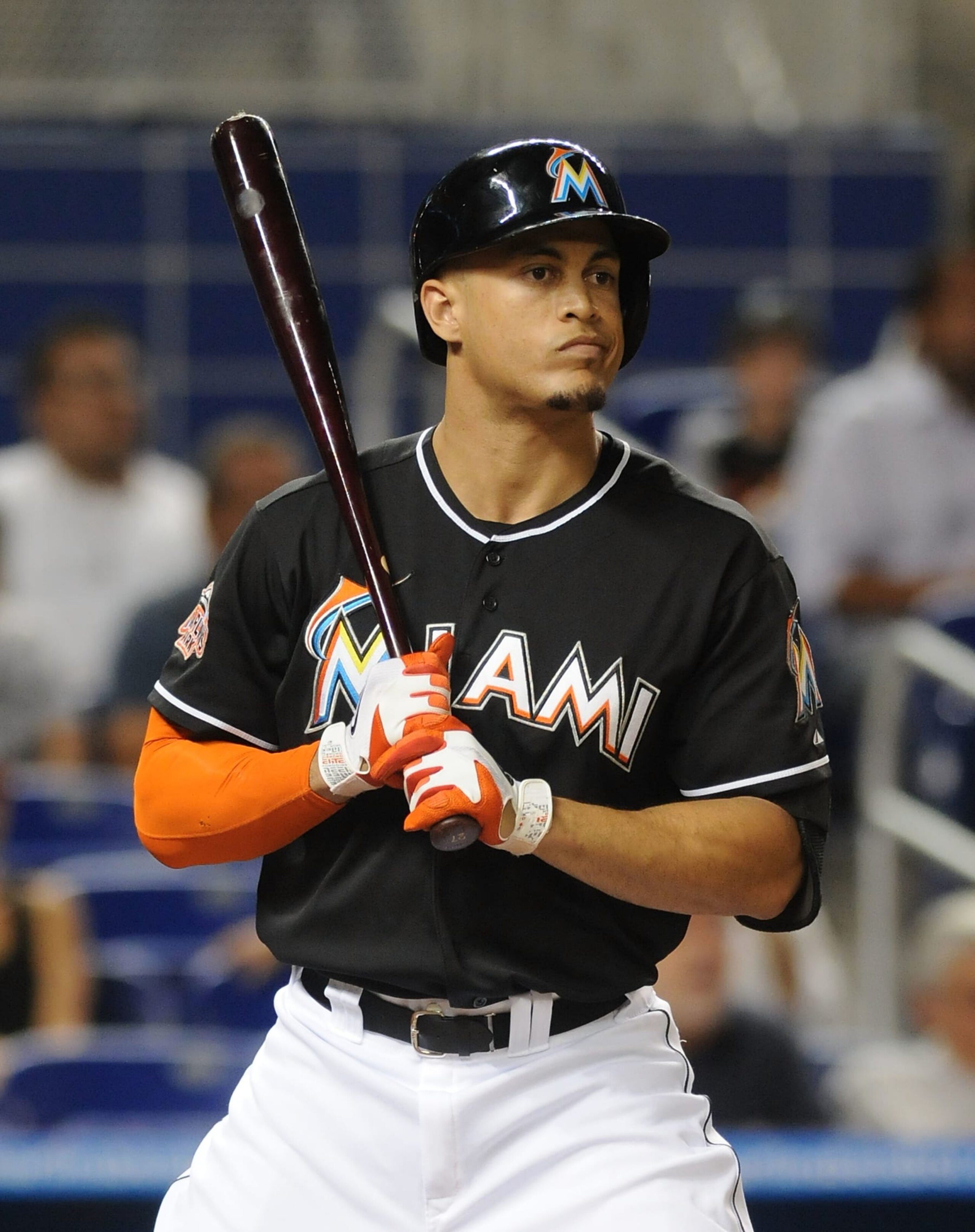
Acquired: 2007 draft (2nd round, No. 76 overall)
There is no question Miguel Cabrera has had a far superior overall career to Giancarlo Stanton, but looking strictly at what they did during their time with the Marlins tips the scales in Stanton's favor.
Stanton also won NL MVP with a 59-homer, 132-RBI season in 2017 before he was traded to the Yankees, while Cabrera did not take home that hardware for the first time until after he joined the Tigers.
J.T. Realmuto, Christian Yelich and Marcell Ozuna were also all homegrown by the Marlins.
Milwaukee Brewers: OF Ryan Braun
16 of 30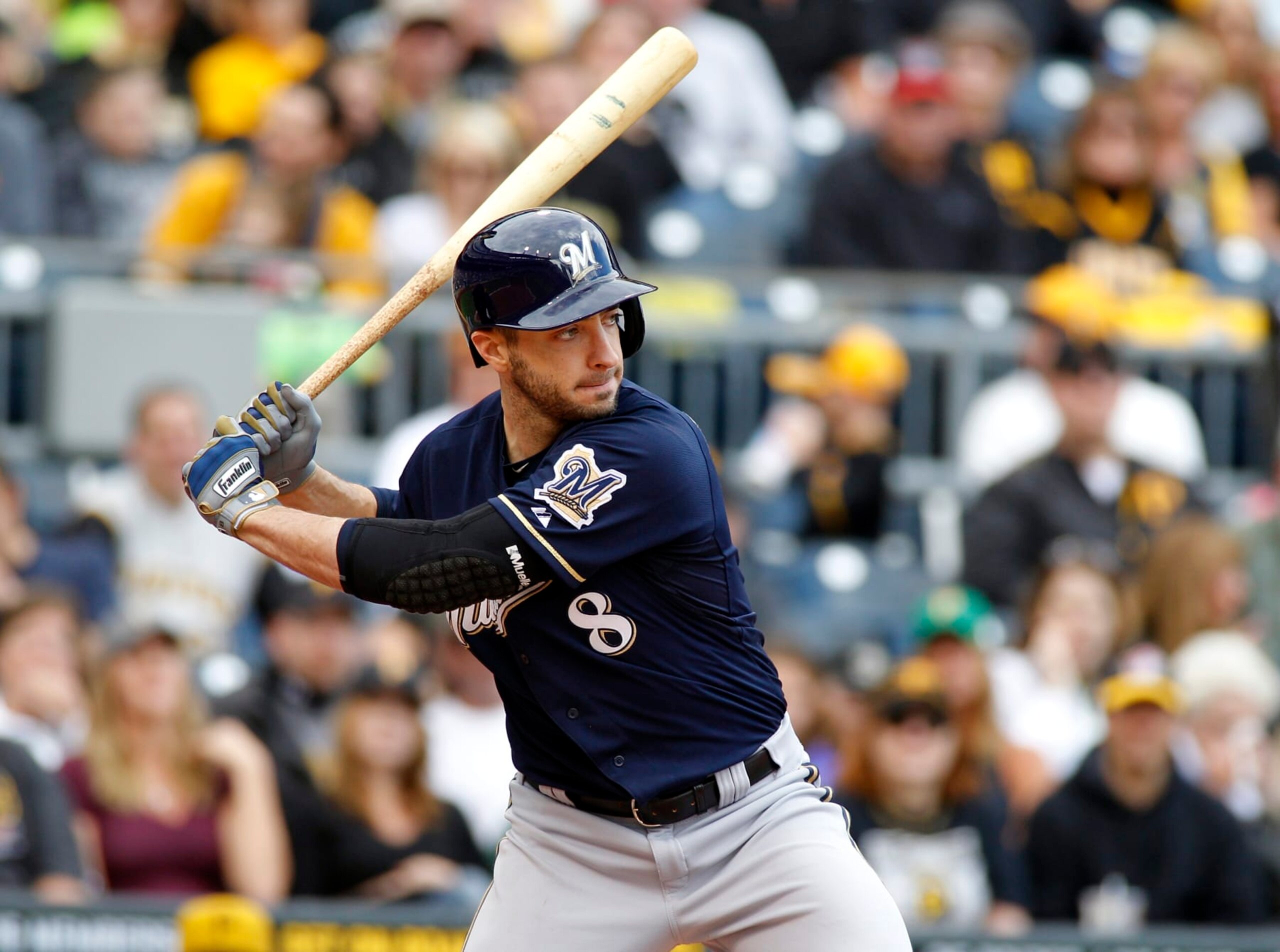
Acquired: 2005 draft (1st round, No. 5 overall)
Sluggers Ryan Braun and Prince Fielder were teammates for five seasons, doing major damage in the middle of the Milwaukee Brewers lineup before Fielder walked in free agency and signed with the Detroit Tigers.
Braun ended up playing his entire 14-year career with the Brewers, earning six All-Star selections and winning five Silver Sluggers while taking home 2007 NL Rookie of the Year and 2011 NL MVP.
His 352 home runs are first all-time in Brewers franchise history, while his 47.1 WAR and 1,963 hits both check in third behind Hall of Famers Robin Yount and Paul Molitor.
Minnesota Twins: C Joe Mauer
17 of 30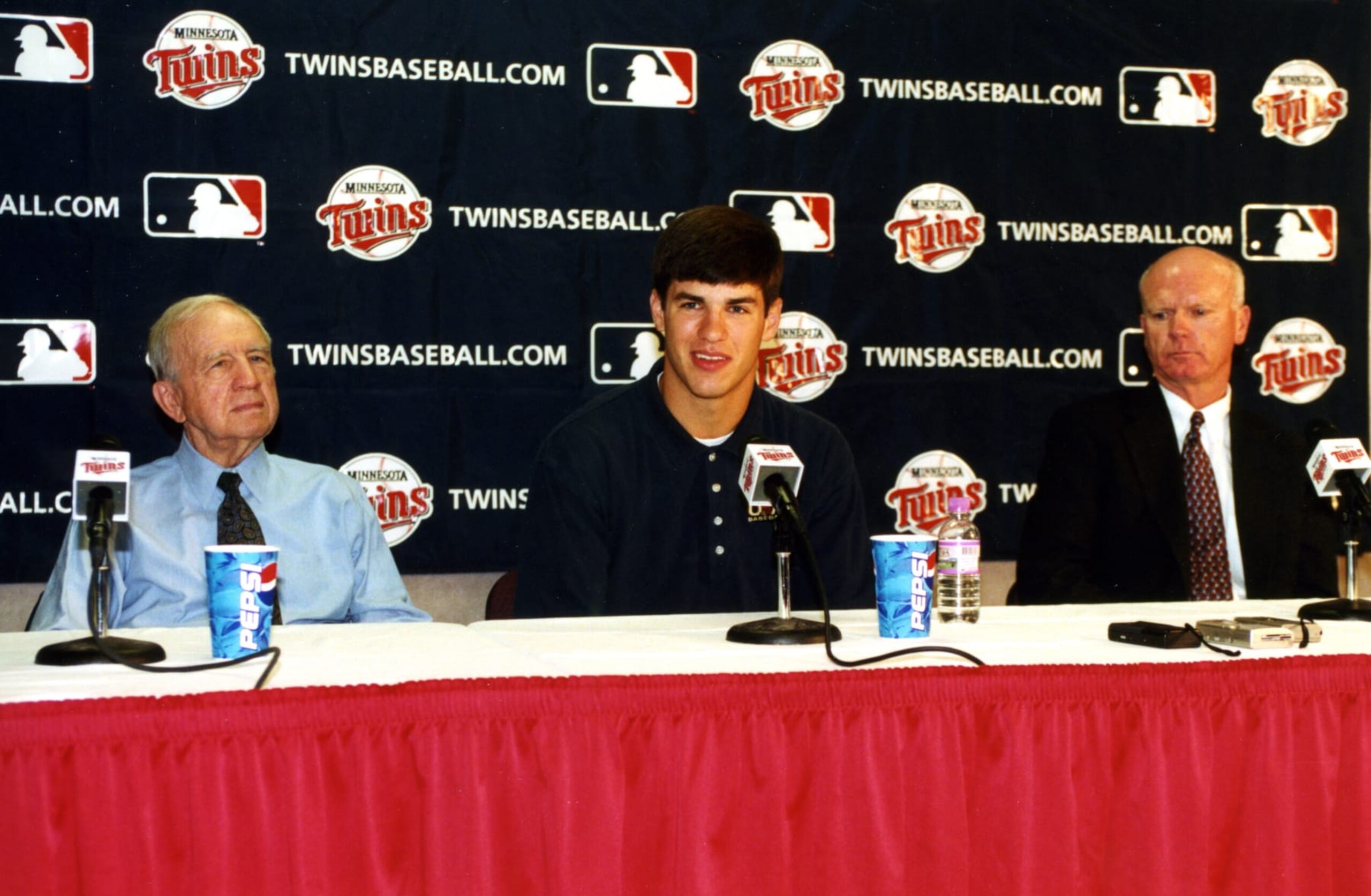
Acquired: 2001 draft (1st round, No. 1 overall)
The Minnesota Twins used the No. 1 overall pick in the 2001 draft on prep catcher Joe Mauer, passing on USC pitcher Mark Prior who many considered to be the greatest college pitcher of all-time heading into the draft.
That turned out to be one of the best decisions in franchise history, with Mauer living up to the hype and showcasing some of the best pure hitting skills ever by a catcher at his peak. He won the AL batting title in 2006 (.347), 2008 (.328) and 2009 (.365), and he was also the AL MVP in '09 when he added career-high marks in hits (191), home runs (28), RBI (96) and WAR (7.8).
With 76.1 percent of the vote, he became a first-ballot Hall of Famer earlier this year, and his 55.2 WAR trails only Walter Johnson (166.9), Rod Carew (63.8) and Harmon Killebrew (60.4) on the franchise's all-time leaderboard.
New York Mets: 3B David Wright
18 of 30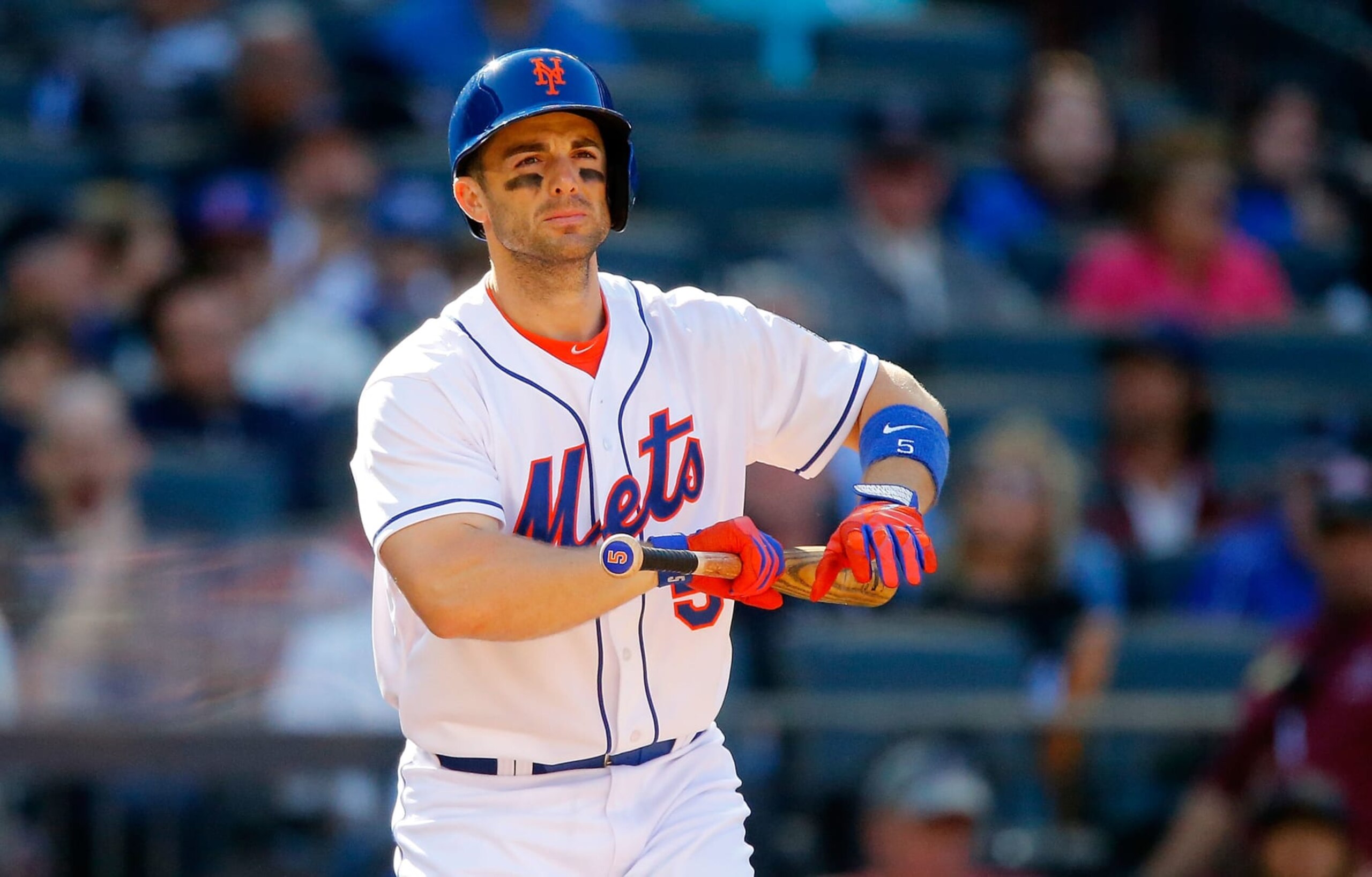
Acquired: 2001 draft (1st round, No. 38 overall)
Injuries knocked David Wright off a Hall of Fame trajectory, but he still put together an impressive career for the New York Mets.
After making his MLB debut in 2004 at the age of 21, he racked up 41.3 WAR before his age-30 season, but a back condition and various other injury issues limited him to just 323 games the rest of the way.
He was an 8.3-WAR player in 2007 when he hit .325/.416/.546 with 42 doubles, 30 home runs, 107 RBI, 113 runs scored and 34 steals while also winning Gold Glove honors at third base, which illustrates just how good he was at his peak.
The gap between Wright and guys like José Reyes, Pete Alonso, Jeff McNeil, Brandon Nimmo and Michael Conforto was wide enough that he was a fairly easy choice.
New York Yankees: OF Aaron Judge
19 of 30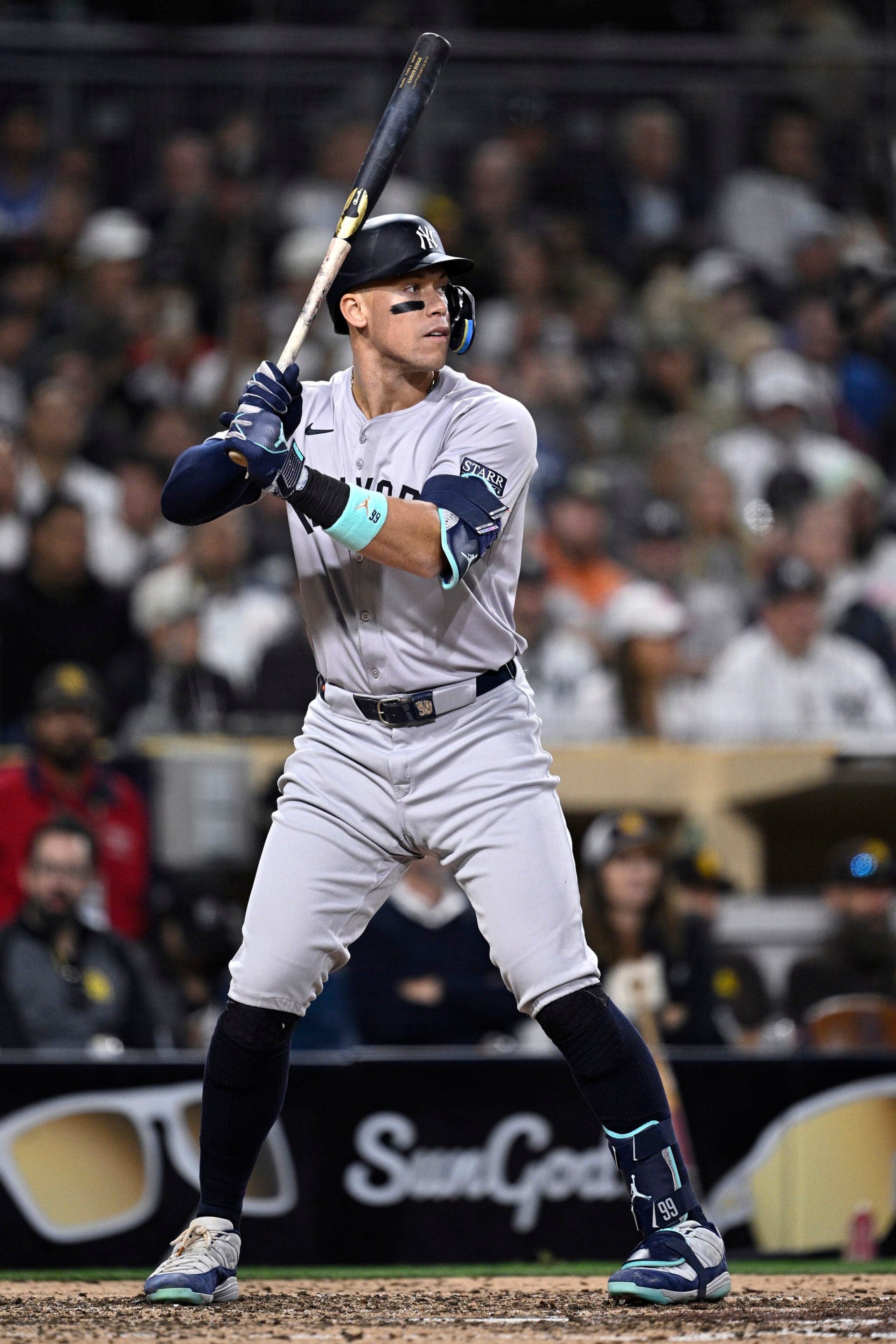
Acquired: 2013 draft (1st round, No. 32 overall)
With Derek Jeter debuting before the 2000 cutoff and guys like Alex Rodriguez, Jason Giambi, Mark Teixeira and Hideki Matsui all starting their careers elsewhere, the debate for the New York Yankees was between Aaron Judge and Robinson Cano.
- Judge: 899 G, 166 OPS+, 912 H, 278 HR, 626 RBI, 45.7 WAR
- Cano: 1,374 G, 126 OPS+, 1,649 H, 204 HR, 822 RBI, 44.4 WAR
Even with nearly 500 fewer games played, Judge has already surpassed Cano in WAR and home runs, and he already has one AL MVP award in his trophy case while making a strong case for another in the early going this year.
If Cano had played out his career with the Yankees rather than joining the Seattle Mariners in free agency, his case over Judge would have been a strong one, but his departure opened the door for the current face of the franchise to claim the title.
Oakland Athletics: 3B Matt Chapman
20 of 30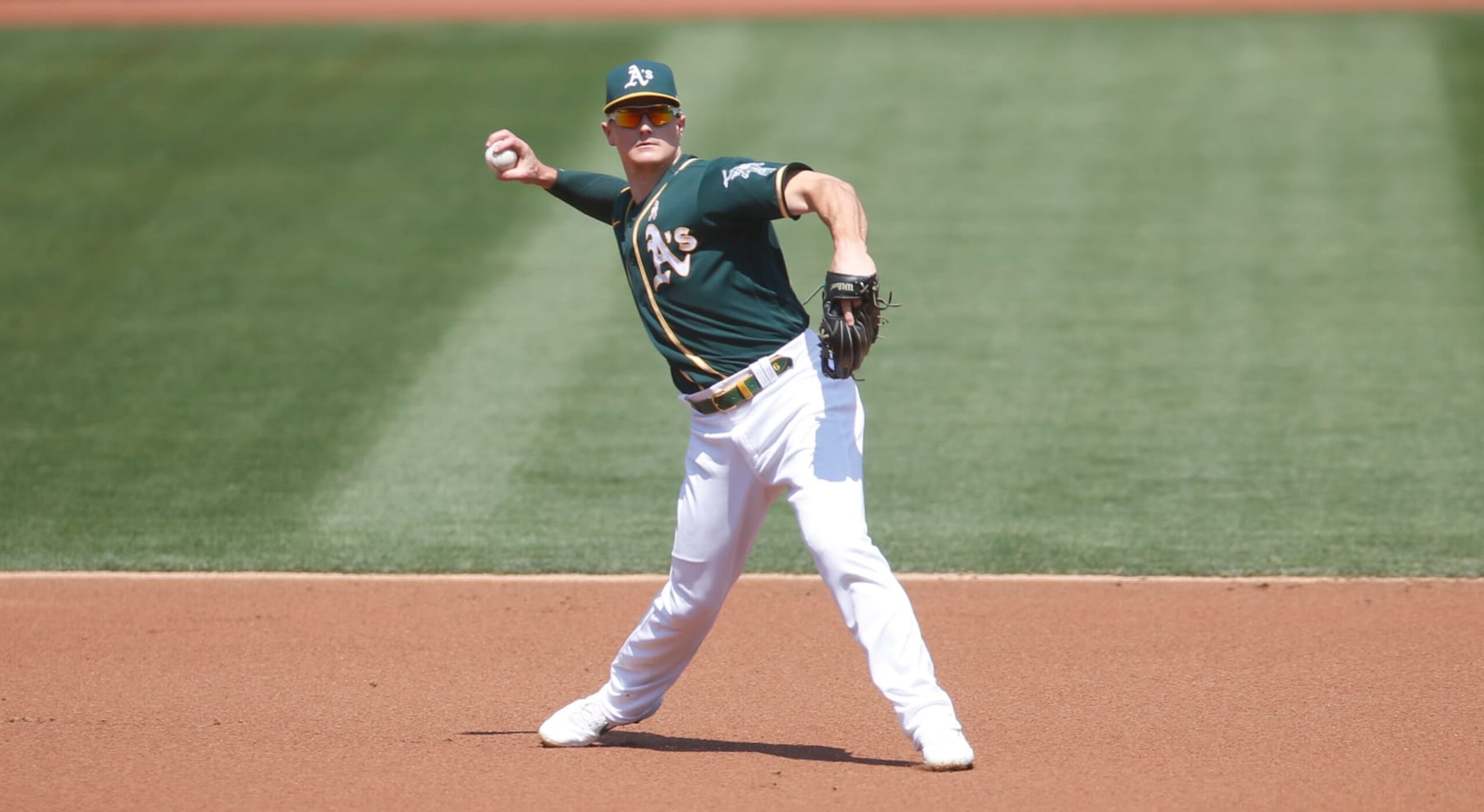
Acquired: 2014 draft (1st round, No. 24 overall)
Third baseman Eric Chavez made his MLB debut in 1998, leaving Mark Ellis (26.8 WAR) as the Oakland Athletics WAR leader among players who have debuted since the 2000 season, with most of that value coming from his defensive work.
In terms of best overall homegrown player during that span, it came down to the corner infield tandem of Matt Olson and Matt Chapman, who have both since been traded for pennies on the dollar.
While Olson had a slight edge offensively and was a solid defender in his own right, Chapman got the nod for his All-World defense at third base.
Philadelphia Phillies: 2B Chase Utley
21 of 30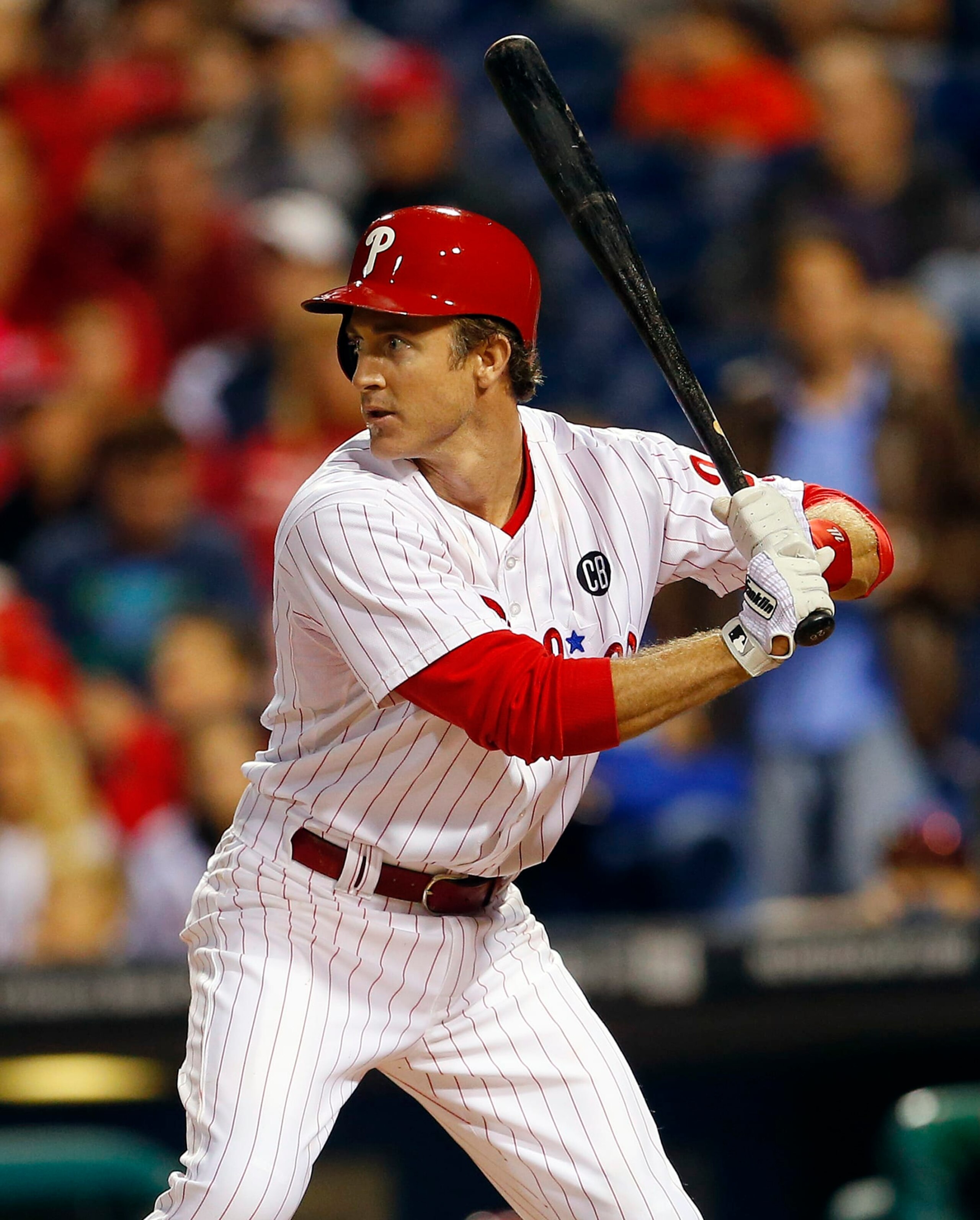
Acquired: 2000 draft (1st round, No. 15 overall)
The 2008 Philadelphia Phillies team that won a World Series title was loaded with homegrown talent, especially on the offensive where Chase Utley, Jimmy Rollins, Ryan Howard, Pat Burrell and Carlos Ruiz were all developed in-house.
With all due respect to Howard who had some huge seasons during an ultimately short peak, the debate here is unquestionably between the double play partners, Utley and Rollins.
Rollins has the 2007 NL MVP award in his column, but Utley had the better all-around Phillies career by a wide enough margin to give him the nod.
Pittsburgh Pirates: OF Andrew McCutchen
22 of 30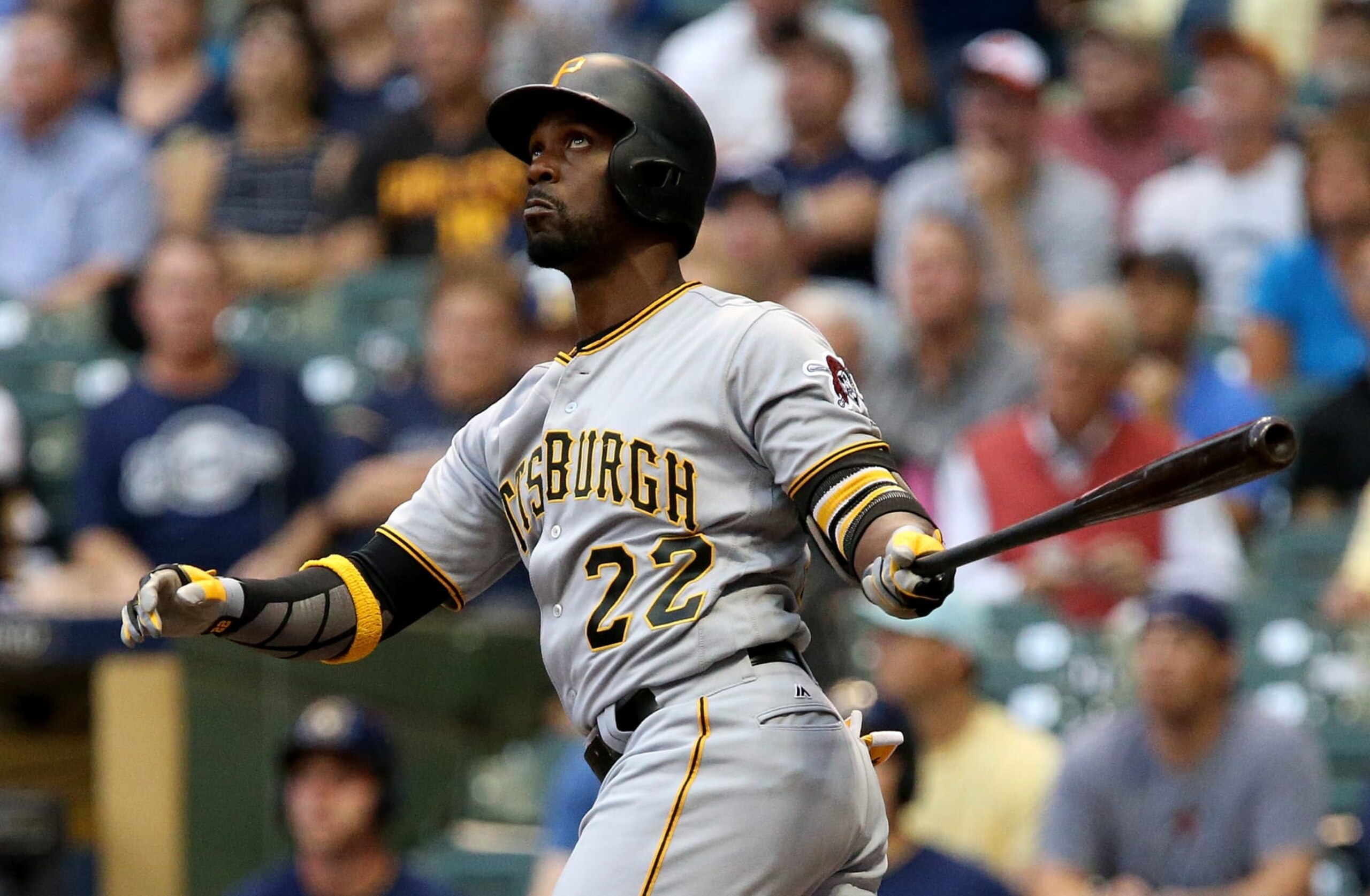
Acquired: 2005 draft (1st round, No. 11 overall)
Much of this article has been laying out the debate between two or more worthy candidates to nail down the most deserving selection.
For the Pittsburgh Pirates, it's Andrew McCutchen and everyone else.
A five-tool outfielder in his prime who almost immediately became the best player on the Pirates roster when he debuted in 2009, McCutchen helped the Pirates break a 20-year playoff drought when he won 2013 NL MVP honors. He made the All-Star team five years in a row during his peak in Pittsburgh, and has now returned for a second go-around with plenty left in the tank.
Outfielder Starling Marte and second baseman Neil Walker are a distant second and third on the Pirates list.
San Diego Padres: 3B Chase Headley
23 of 30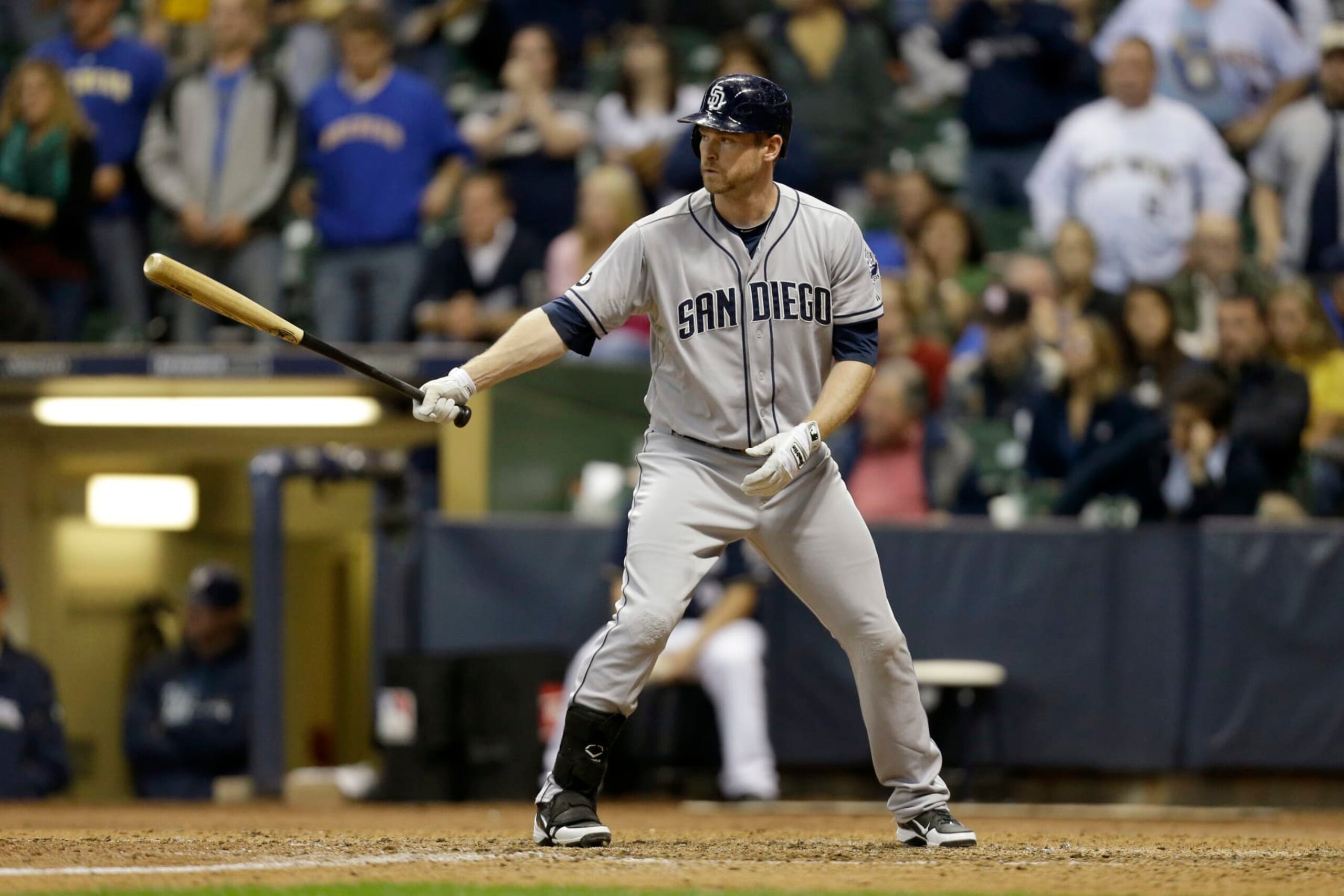
Acquired: 2005 draft (2nd round, No. 66 overall)
That's right, the best homegrown San Diego Padres player since the start of the 2000 season is Chase Headley.
Go ahead, dig into the numbers.
Manny Machado, Fernando Tatis Jr., Brian Giles, Ryan Klesko, Phil Nevin, Adrián González and Wil Myers—all guys who started their career elsewhere before taking a star turn in a Padres uniform.
The best alternative options to Headley?
How about Khalil Greene, Will Venable or Hunter Renfroe?
To his credit, Headley was a terrific defensive third baseman with some decent pop, and he had a huge season in 2012 when he posted a 145 OPS+ with 31 doubles, 31 home runs and an NL-leading 115 RBI to finish fifth in NL MVP voting.
San Francisco Giants: C Buster Posey
24 of 30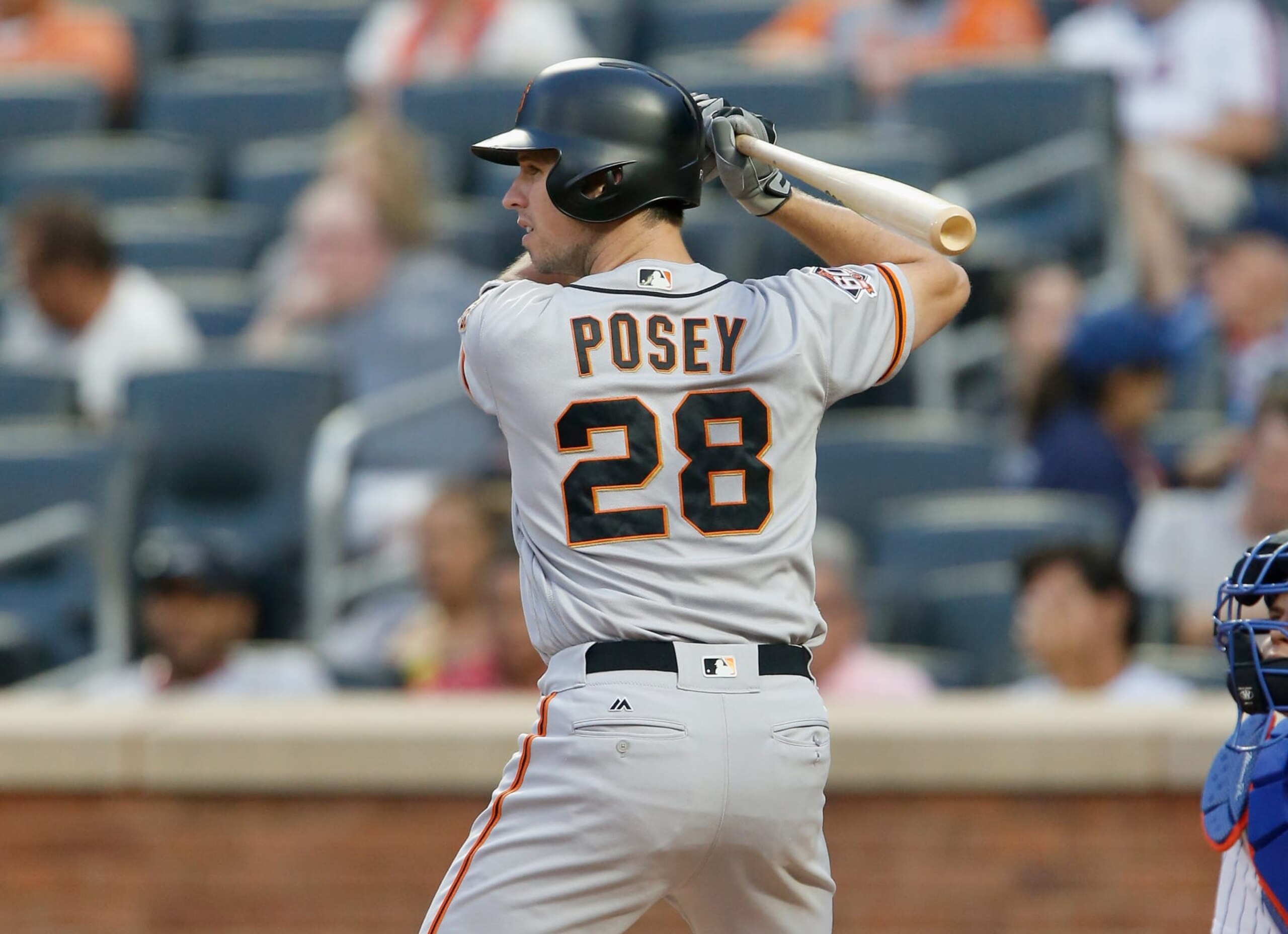
Acquired: 2008 draft (1st round, No. 5 overall)
One of the most productive college catchers of all-time, Buster Posey hit .463/.566/.879 with 26 home runs and 93 RBI in 68 games during his junior season at Florida State.
He debuted as a September call-up the year after he was drafted, and in 2010 he hit .305/.357/.505 with 23 doubles, 18 home runs and 67 RBI to win NL Rookie of the Year and help lead the San Francisco Giants to their first of three World Series titles in five years.
He then won the NL batting title in 2012 when he hit .336/.408/.549 with 24 home runs and 103 RBI, earning NL MVP honors on his way to a second ring.
While he played just 12 seasons, Posey put together a Hall of Fame caliber resume, and he was at the center of a dynasty-level run in San Francisco.
Seattle Mariners: 3B Kyle Seager
25 of 30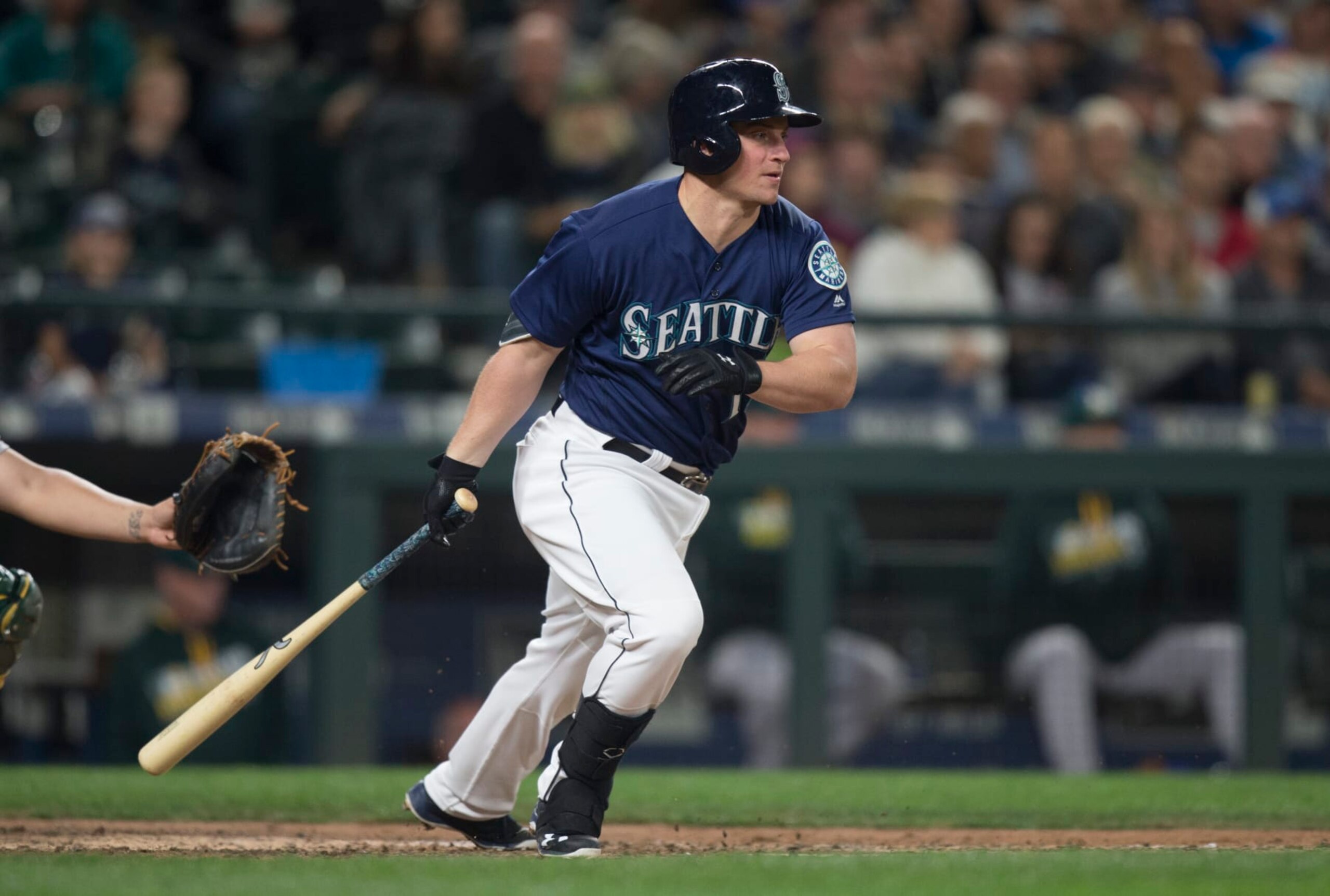
Acquired: 2009 draft (3rd round, No. 82 overall)
Since churning out Edgar Martinez, Ken Griffey Jr., Tino Martinez and Alex Rodriguez during the 1980s and 1990s, the Seattle Mariners have not had much luck developing position player talent.
Third baseman Kyle Seager had a quietly productive 11-year career in Seattle, averaging 34 doubles, 26 home runs, 88 RBI and 4.0 WAR per 162 games while hitting at least 20 home runs nine different times.
If Julio Rodríguez can get back on track, he might be just a few years from overtaking Seager, but for now he still has work to do.
St. Louis Cardinals: 1B Albert Pujols
26 of 30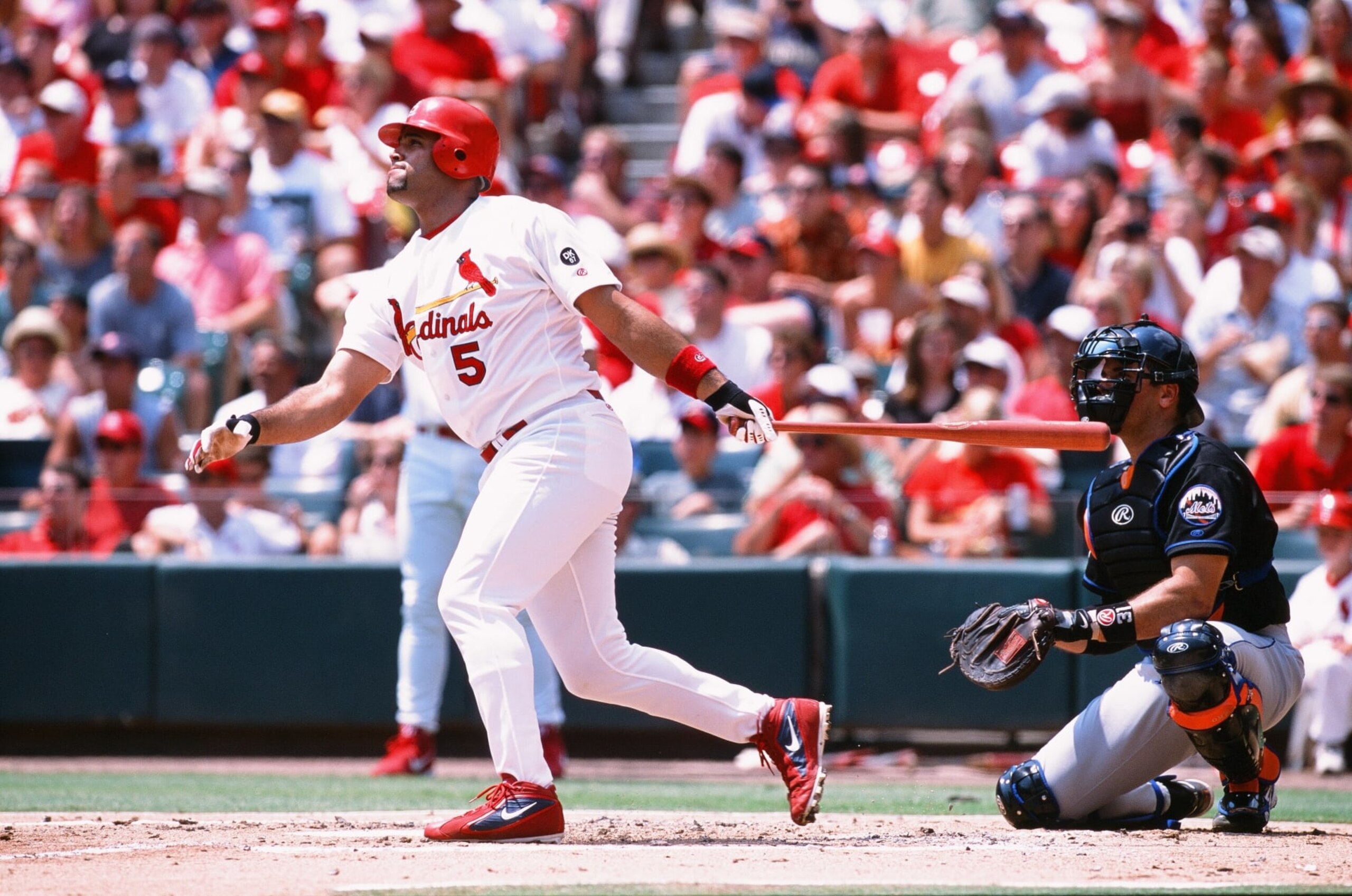
Acquired: 1999 draft (13th round, No. 402 overall)
Catcher Yadier Molina would have been a slam-dunk choice for several other teams on this list, but for the St. Louis Cardinals he takes a clear backseat to one of the greatest right-handed hitters to ever play the game.
The fact that Albert Pujols was a 13th-round pick in the 1999 draft only adds to his legacy, and when he made his MLB debut two years later as a 21-year-old he was an instant star, hitting .329/.403/.610 with 47 doubles, 37 home runs and 130 RBI.
That was the first of 10 straight seasons where he hit .300 with at least 30 home runs and 100 RBI, and he won three NL MVP awards and a batting title during that prolific stretch of production.
All told, he hit .326/.417/.614 with 469 home runs, 1,397 RBI and 88.7 WAR in 12 seasons with the Cardinals, closing out his career by returning for one final season in 2022.
Tampa Bay Rays: 3B Evan Longoria
27 of 30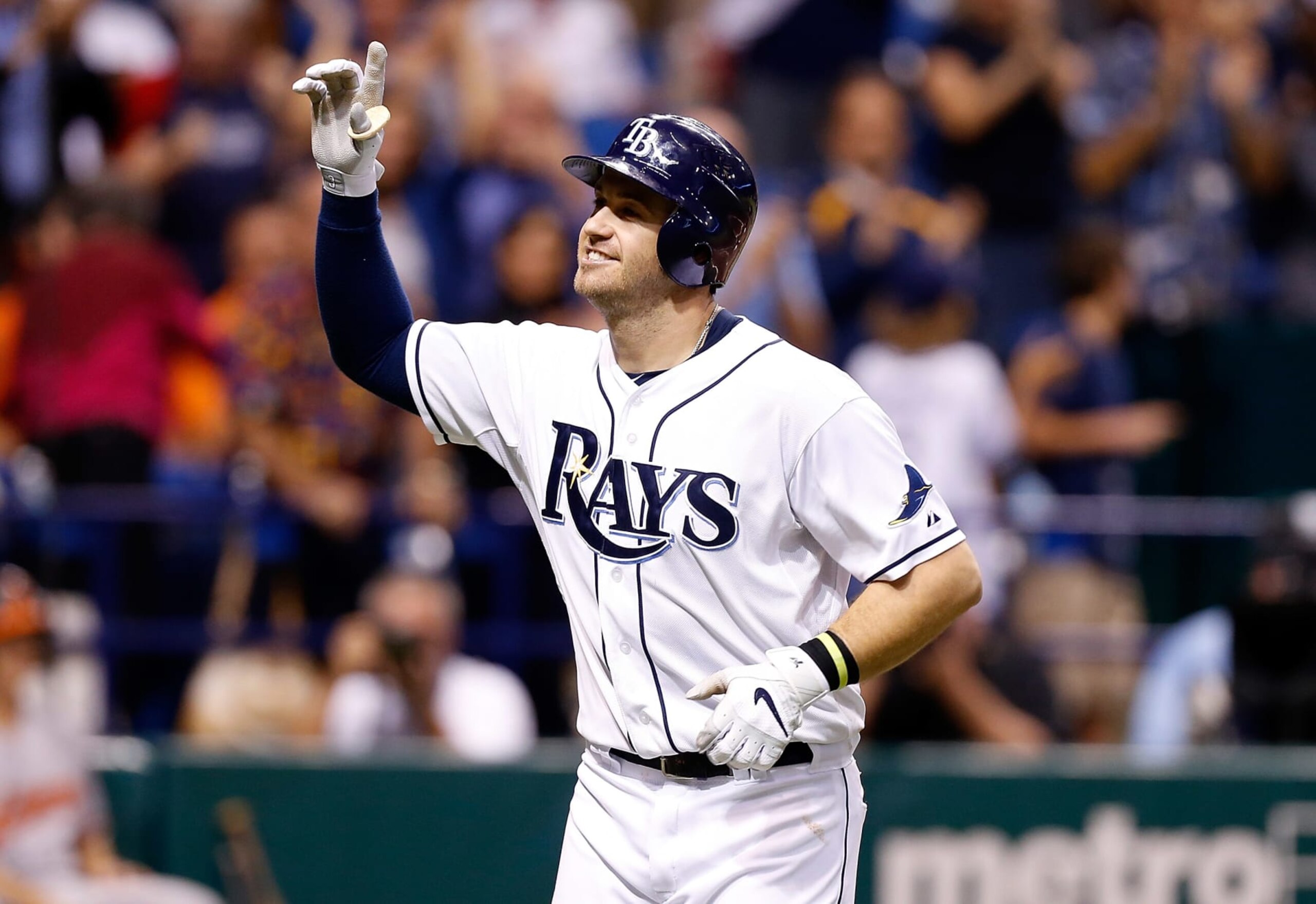
Acquired: 2006 draft (1st round, No. 3 overall)
Speedy outfielder Carl Crawford is a homegrown player worth mentioning for the Tampa Bay Rays, but there's no question the top spot belongs to Evan Longoria.
Even seven years after playing his final game for the Rays, he is still the franchise's all-time leader in WAR (51.2), doubles (338), home runs (261), RBI (892), runs scored (780) and total bases (2,630).
He won AL Rookie of the Year in 2008, the same year the Rays made a surprise run to the World Series, and he was a three-time All-Star and three-time Gold Glove winner during his 10 seasons in Tampa Bay.
Texas Rangers: 2B Ian Kinsler
28 of 30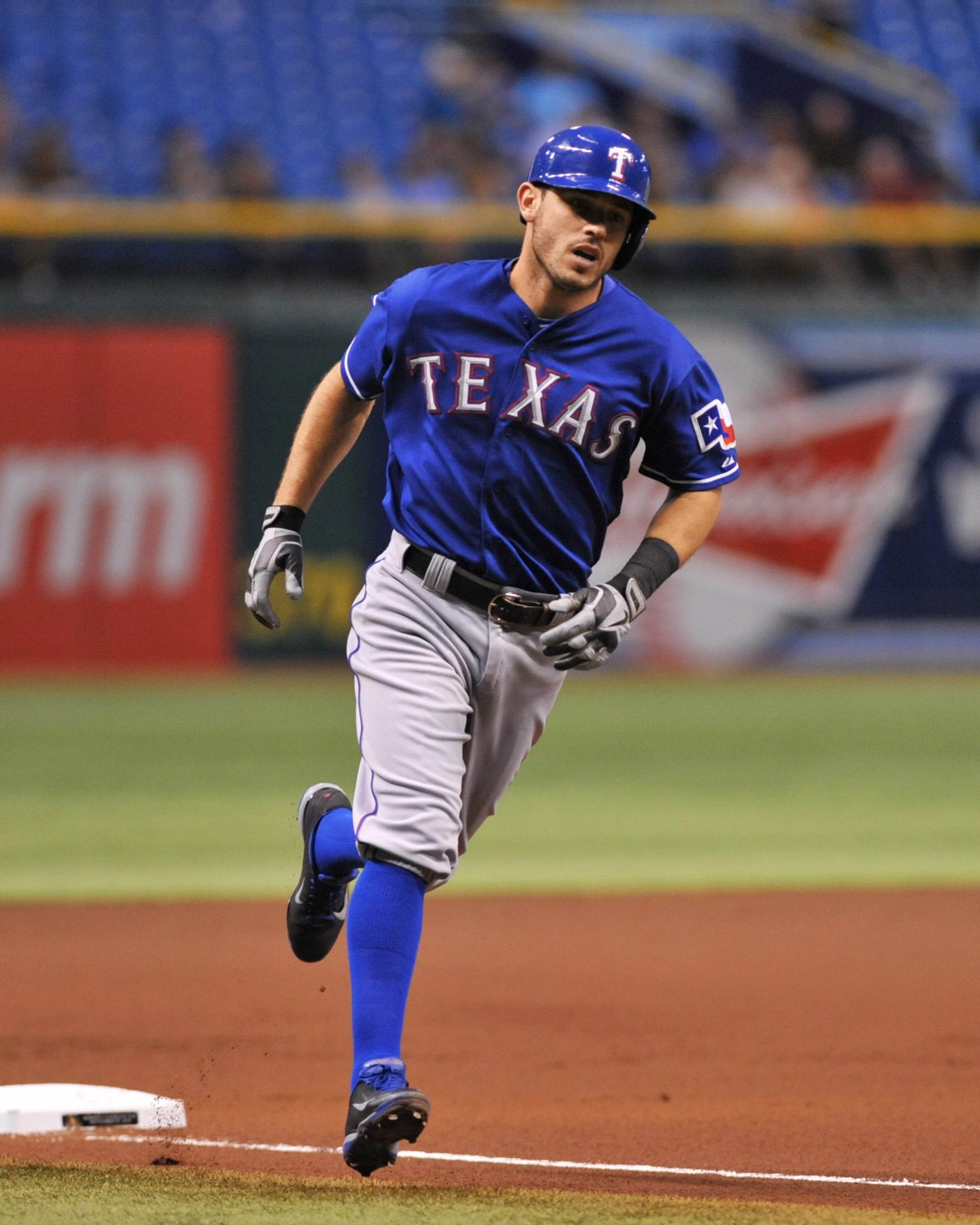
Acquired: 2003 draft (17th round, No. 496 overall)
Adrián Beltré, Alex Rodriguez, Michael Young, Josh Hamilton, Nelson Cruz, Elvis Andrus and the current double play tandem of Corey Seager and Marcus Semien all started their pro careers elsewhere, shortening the list of candidates considerably for the Texas Rangers.
The debate boiled down to first baseman Mark Teixeira and second baseman Ian Kinsler, who both played several of their peak seasons elsewhere, but were still extremely productive during their time with the Rangers.
- Teixeira: 693 G, 128 OPS+, 746 H, 153 HR, 21.5 WAR
- Kinsler: 1,066 G, 111 OPS+, 1,145 H, 156 HR, 35.0 WAR
Teixeira was a more prolific slugger, and trading him to the Atlanta Braves brought back a prospect haul that helped reshape the franchise and led to back-to-back World Series appearances.
However, Kinsler had the better run with the Rangers, including a pair of 30/30 seasons before he was traded to the Tigers in exchange for Prince Fielder.
Toronto Blue Jays: 1B Vladimir Guerrero Jr.
29 of 30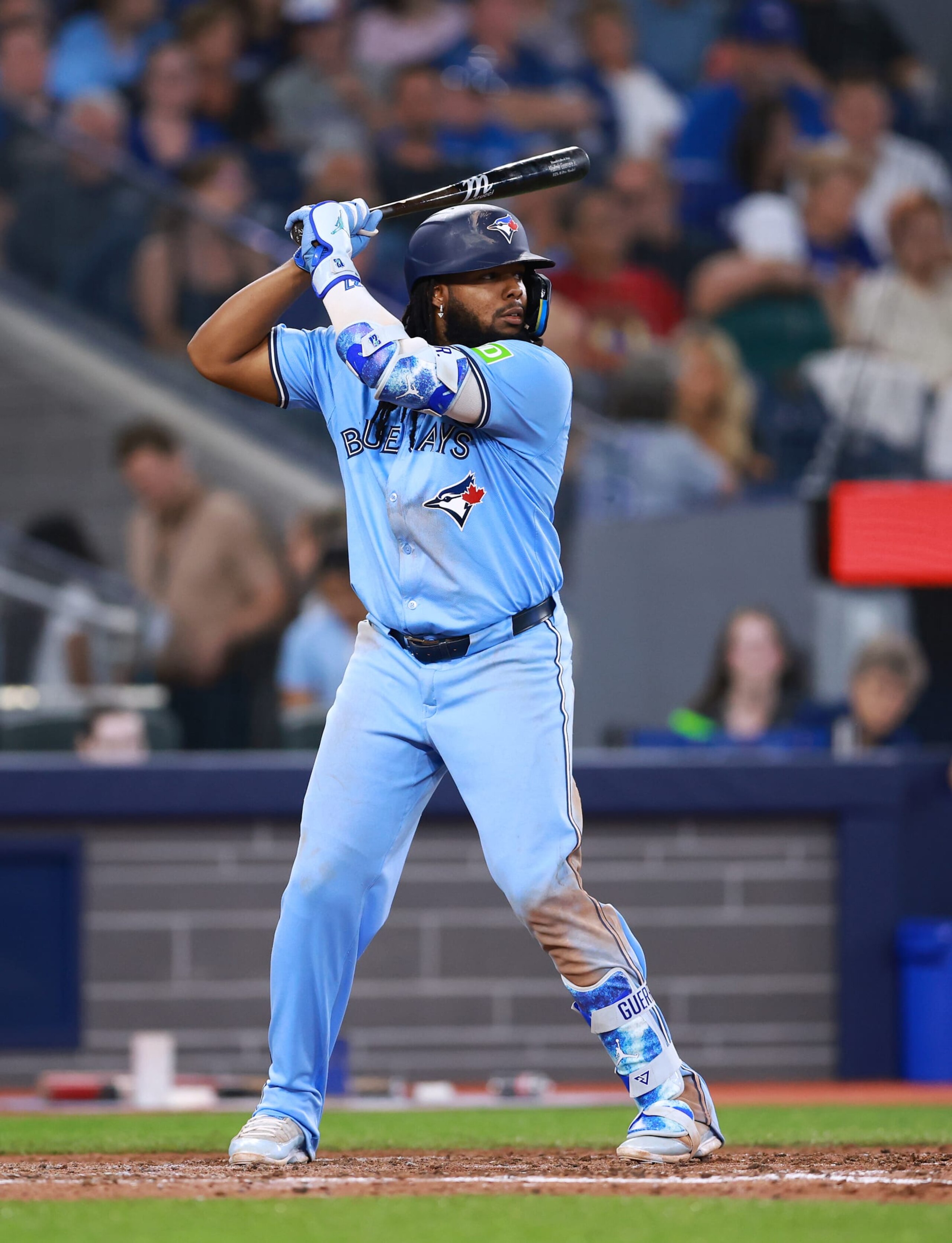
Acquired: 2015 international signing (Dominican Republic)
The power-hitting trio of José Bautista, Edwin Encarnación and Josh Donaldson were all acquired via trade, while Carlos Delgado and Vernon Wells both debuted before 2000, so it took a bit more digging for the Toronto Blue Jays than the potentially obvious answers.
Outfielder Alex Rios and second baseman Aaron Hill both had some solid years in Toronto, but none had the star power of current teammates Vladimir Guerrero Jr. and Bo Bichette who climbed the minor league ranks together.
Washington Nationals: OF Bryce Harper
30 of 30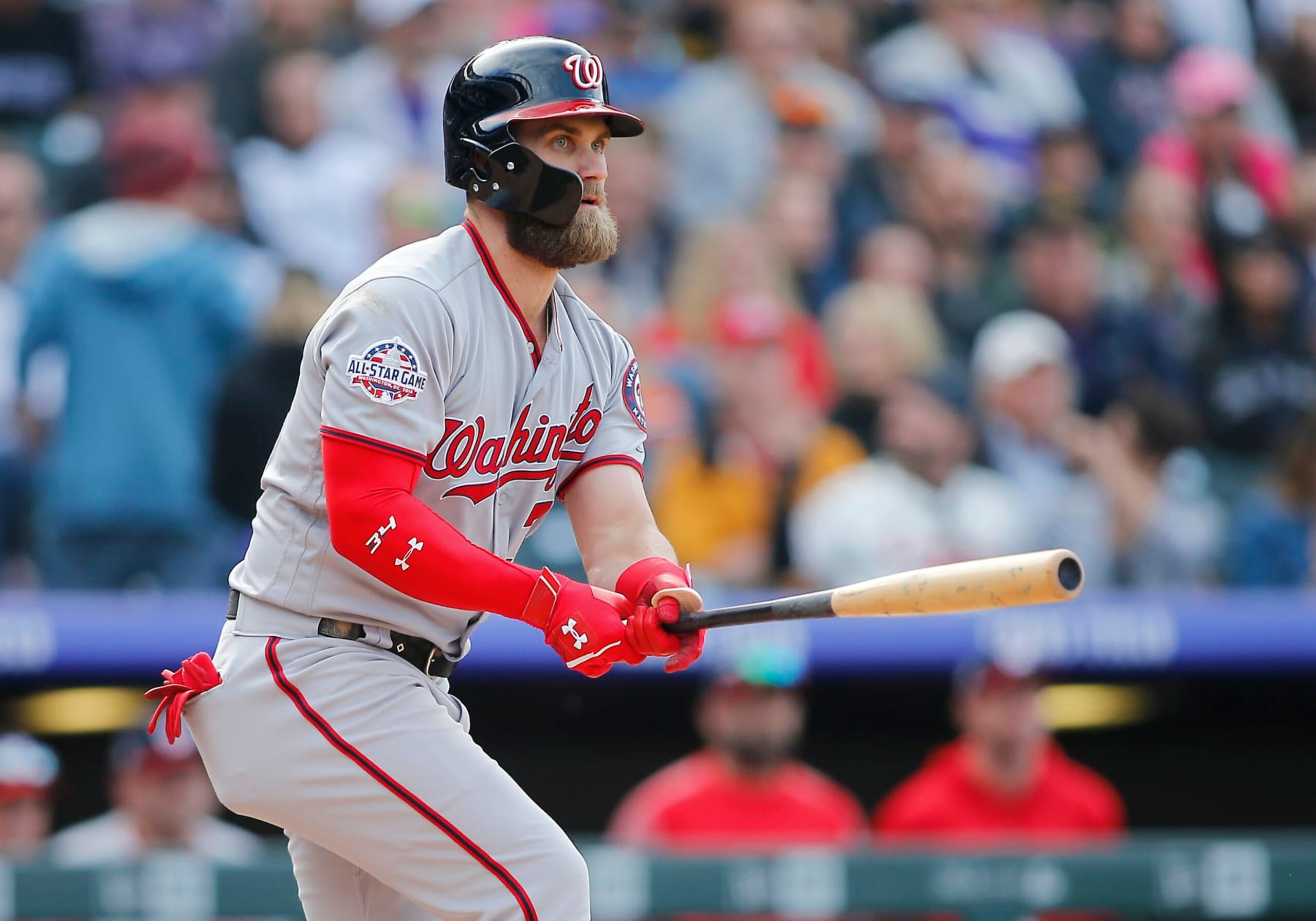
Acquired: 2010 draft (1st round, No. 1 overall)
Ryan Zimmerman was the first homegrown star to emerge after the Montreal Expos relocated and became the Washington Nationals, and his 40.1 WAR is well ahead of what anyone else has racked up for the organization in the last 24 years.
However, his peak level performance doesn't come close to matching Bryce Harper.
One of the most hyped amateur athletes of the last 25 years, Harper somehow lived up to the otherworldly expectations, winning 2015 NL MVP and posting a 139 OPS+ with 184 home runs in seven seasons with the Nationals.
Anthony Rendon and Juan Soto also deserve a shoutout for their role on the 2019 World Series team.



.jpg?w=2560 "5 Teams Eyeing Jonathan Taylor")
.jpg?w=2560 "Mahomes Told Teammate to Leave Meeting")

.jpg?w=2560 "Jonathan Taylor Landing Spots 📍")