
Senua's Saga Hellblade II Review: Gameplay Impressions, Videos and Top Features
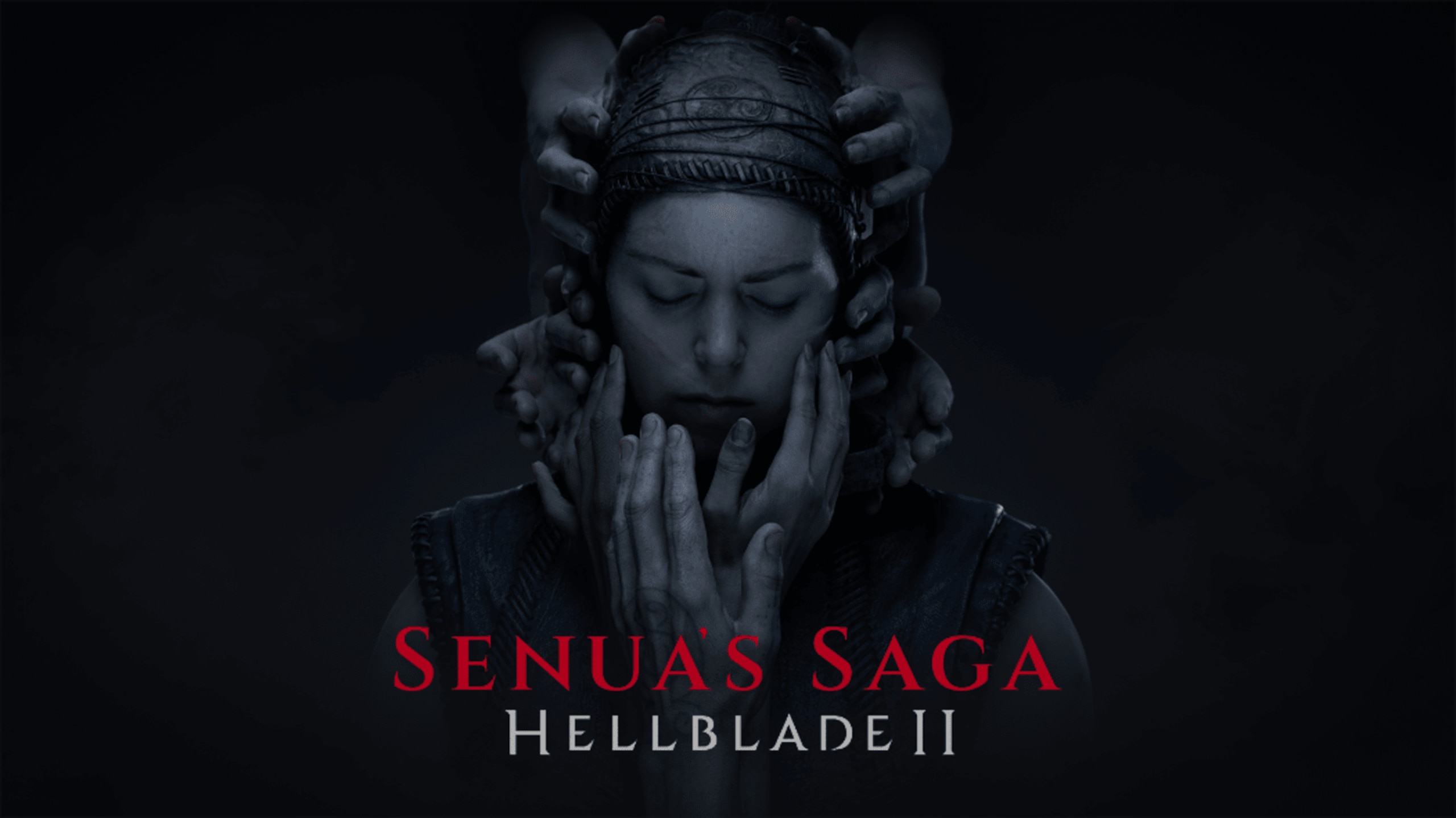
Senua's Saga: Hellblade II from developer Ninja Theory is a bold attempt to push what we think is possible in video games.
A follow-up to 2017's breakout hit Hellblade: Senua's Sacrifice and years after Ninja Theory was acquired by Microsoft (2018), Hellblade II leans into a new engine and weaves it with real-world captures in an effort to achieve one of the most immersive narrative experiences in the space.
Still a third-person action game with deep psychological horror themes, too, Hellblade II faces many of the typical challenges a video game sequel does, too—meaning improvements to gameplay and addressing the critiques of the first.
TOP NEWS

New NFL Power Rankings 📊
.jpg?w=2560 "Texans-Mixon Released Football")
Injury-stricken Seahawks signing veteran RB
.jpg?w=2560 "Commanders Eagles Football")
2 NFL Officials Suspended
Whether Hellblade II can strike the necessary balance and achieve the same cult-hit status of the first has been one of the most intriguing questions around the 2024 video game calendar.
Graphics and Gameplay
It takes a matter of seconds to see that the extensive mo-cap work, real-world capture, and the marriage of those efforts with the new Unreal Engine 5 have helped Hellblade II become a borderline photorealistic experience.
The first game was a stunner in the sense that the facial animations, at the time, were an impressive display of the technology—a dealbreaker of an element in a game trying to capture the reality of a main character struggling with psychosis.
Hellblade II turns that up another notch, with every sway of fabric in the notable physics upgrades, every swing of a weapon, every detail of damage inflicted and every minute facial animation a display not really seen in games to this date.
The setting, a 10th-century Iceland with a heaping of Norse mythology and stunning dynamic weather to boot, feels lived-in, realistic, and often harrowing.
Yet, Hellblade II isn't just one of the best-looking games ever released—it has the sound design to match. Frankly, it does the game a disservice to experience it without headphones. The directional sound, ambient noises, and fantastic voice-acting performances are top-notch, but it's the marriage of visuals and sound that really sells the experience and places a player in the game in a way most experiences can't.
Out exploring, players will need to help Senua survive. Combat is slow, methodical and one-on-one encounter after one-on-one encounter of grisly, flesh-ripping displays that straddle the line between wince-worthy and satisfying in a really good way.
It feels like there's more weight to combat this time and the time to parry or dodge isn't always super forgiving. There are varied enemy types too, be it ranged or other, with each asking the player to think on the fly to survive.
The encounters are not limited to human-styled opponents either, but daunting things like Giants. But every single one is emphatically dangerous and lethal, with the opponents more than happy to quickly capitalize on mistakes.
Stripping away some of the video game-styled button-mashing and fantastical powers in this type of system really puts players in the shoes of someone simply trying to survive by any means necessary. Games with a say, Game of Thrones sort of setting, might be wise to strive for such feeling and nuance.
The marriage of presentation and combat is just jaw-dropping in some instances, too. Sure, there's a video game-ish walled-arena fight to an encounter, but there's violence and other environmental storytelling going on beyond those combat sequence's walls at the same time, which creates some staggering immersion.
Like the first game, standard stuff for the medium such as puzzles persist, with some of the more boring "find this" obstacles returning. But there are more complicated ones, too, and the simple ones are hard to complain about given the depth to the environments that are fun to explore.
As a whole, Hellblade 2 leans much farther away from "tech demo" allegations than the first because the combat is so, so much better. It's visceral in the best way and the marriage with the presentation, from enemy intros to giving off the impression of chaos around a one-on-one fight for survival, is downright unmatched in the space.
Story and More
Senua, now more in control, or at least accepting of her psychosis, sets out to strike back against Vikings who ravage her home of Orkney.
That's the backdrop for this sequel without delving too far into spoilers or ruining interactions. But rest assured that players will once again quickly find themselves invested, although like the first game, it might not escape criticisms of being short.
There will be comparisons to a game like God of War, but like the first game, Hellblade II is unabashedly a story-first experience. For now, at least, this is likely as close as one can get to dropping into a playable movie and going along for the ride.
And while that's true, this is very much a video game that has clearly taken some careful consideration to striking enough of a balance to keep all types of players engaged.
A good example is some of the puzzles found throughout the world aren't just roadblocks. The game rewards a careful eye with minor puzzles that then reveal more story or world details, making exploration quite rewarding.
The game also takes special care for accessibility features such as menu narrations, text modifiers and gameplay details such as remappable inputs and reducing camera sway.
It runs remarkably well too, though given the presentation values, it goes without saying that there is some serious horsepower required on the PC side to squeak out the most of this very next-generation experience.
Conclusion
Hellblade II is one of the rare, true next-generation showcases.
This style of experience won't be for everyone, but the character and stories are worth the time investment, as are the tech feats that serve as an example of where the medium might head in time.
Admittedly, calling it a showcase is almost unfair to this game-of-the-year contender, though. It's a feat of atmospheric design that fixed up lagging parts such as gameplay—turning them into industry standards, too.
Games like Hellblade II don't arrive in the medium nearly often enough, but they move it forward in ways that will be felt within bits and pieces of other games sooner rather than later.


.jpg?w=2560 "Mahomes' Wife Trolls Kubiak 💀")
.jpg?w=2560 "Viral Rams Coach Vid 🖕")