
Ranking Biggest 1st-Round March Madness Upsets Since 2000
As another men's NCAA tournament first round tips off Thursday, let's take a trip down memory lane.
For many of you, it won't be an entirely happy trip.
That's because some of the most successful and popular teams have been victims of shocking upsets in the first round.
But when it's not your team getting knocked out, there's nothing better than watching David take out Goliath.
The following is a ranking of the 20 first-round upsets from teams seeded 14th, 15th and 16th since 2000.
Methodology
1 of 10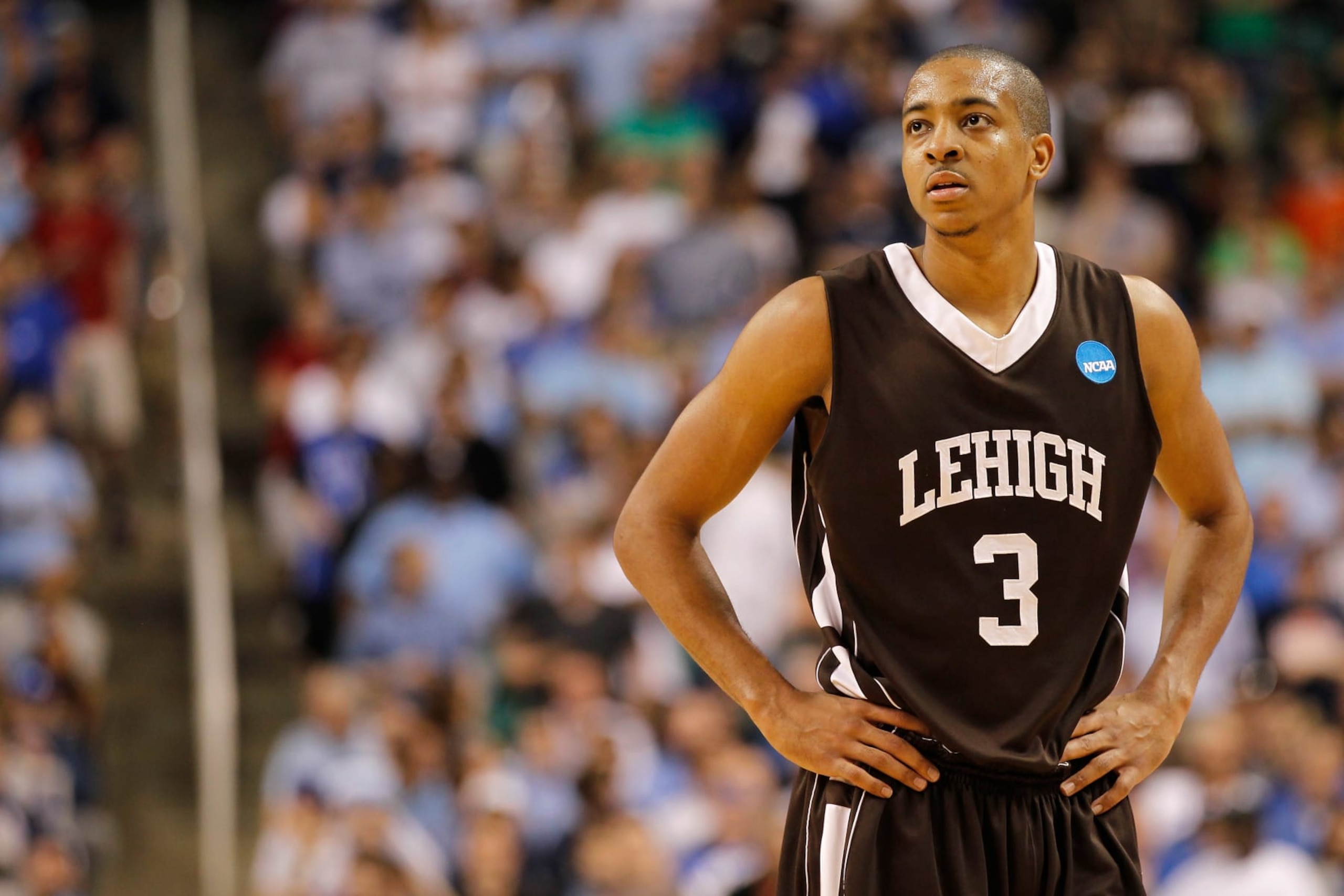
To be eligible for this list, the underdog needed to be seeded 14th, 15th or 16th. From there, three factors were equally weighted to determine the order of the teams:
Point spread: This is the game-time betting line, per Sports Reference.
Disparity of future NBA players in the rotations: I'm using the benefit of hindsight to determine just how much of a talent advantage the favorite had over the underdog by counting how many more future NBA players the favorite had. But to be considered "in the rotation," a player had to have played at least 10 minutes in the game itself.
Lastly, I had to project the 2023 teams' number of future NBA players because some of their stars are still in college. So for the purposes of this article, Pelle Larsson, Zach Edey and Braden Smith are considered future NBA players.
SRS differential: SRS is "a rating that takes into account average point differential and strength of schedule. The rating is denominated in points above/below average, where zero is average." For example, if one team has an SRS of 20 and the other has an SRS of -3, that would be a differential of 23. The higher the differential, the bigger the upset.
There were blind spots in this criteria for late-season injuries and players who didn't play in the NBA but were probably better than some who did. I addressed those issues in the Duke, Missouri and Virginia blurbs, and I also slightly changed the order for the Missouri and Virginia games in an effort to more accurately rank these upsets.
Nos. 20-16: 2 Unforgettable Game-Winners
2 of 10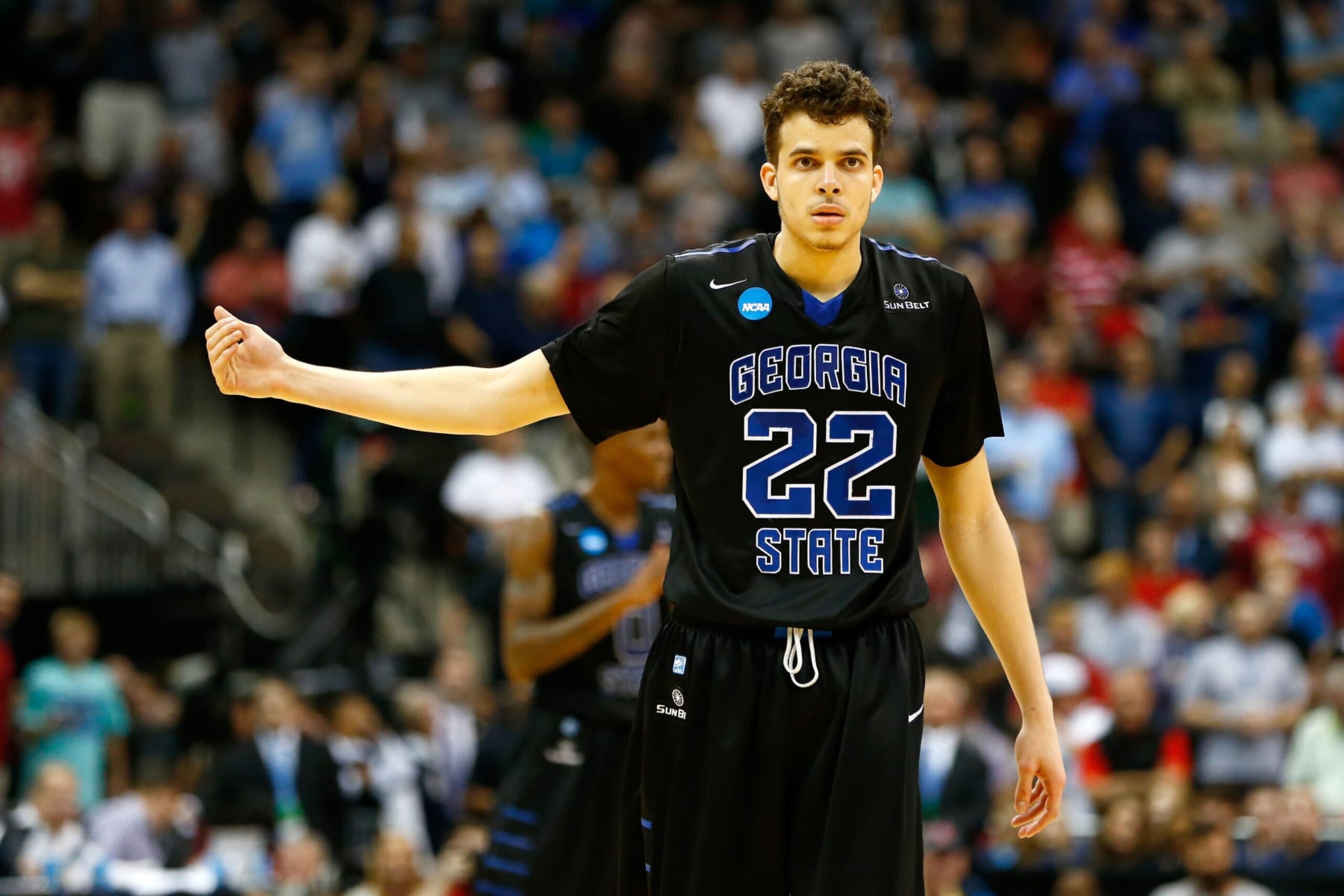
20. No. 14 Northwestern State over No. 3 Iowa in 2006
The combination of the Hawkeyes having no future NBA players and the Demons being only 6.5-point underdogs makes this the most likely upset of the bunch. Jermaine Wallace's go-ahead three with under one second to go is one of the most clutch shots in the history of the NCAA tournament's first round.
19. No. 14 Abilene Christian over No. 3 Texas in 2021
The Wildcats had the nation's No. 1 defensive rating, and they lived up to the billing by forcing 23 Longhorns turnovers. Joe Pleasant made two free throws with 1.2 seconds left to give Abilene Christian a 53-52 lead, and an ensuing Texas turnover sealed the win.
18. No. 14 Stephen F. Austin over No. 3 West Virginia in 2016
The Mountaineers' SRS of 21.6 was extremely high for a No. 3 seed, but so was the Lumberjacks' 9.2 SRS for a No. 14 seed. Thomas Walkup went 19-of-20 from the free-throw line en route to scoring a game-high 33 points.
17. No. 14 Georgia State over No. 3 Baylor in 2015
Among the underdogs on this slide, R.J. Hunter was the only player who played in the NBA. Hunter's very deep three with 2.5 seconds to go gave the Panthers a 57-56 lead, and they held on to knock out a Bears team led by dominant big man Rico Gathers and future NBA players Royce O'Neale, Taurean Prince and Johnathan Motley.
16. No. 14 Harvard over No. 3 New Mexico in 2013
The Lobos featured three future NBA players in Tony Snell, Alex Kirk and Cameron Bairstow as well as first-team All-Mountain West Conference guard Kendall Williams, but they couldn't slow down the Crimson, who shot 52.4 percent for the game.
Nos. 15-11: Look Away, Georgetown and Duke Fans
3 of 10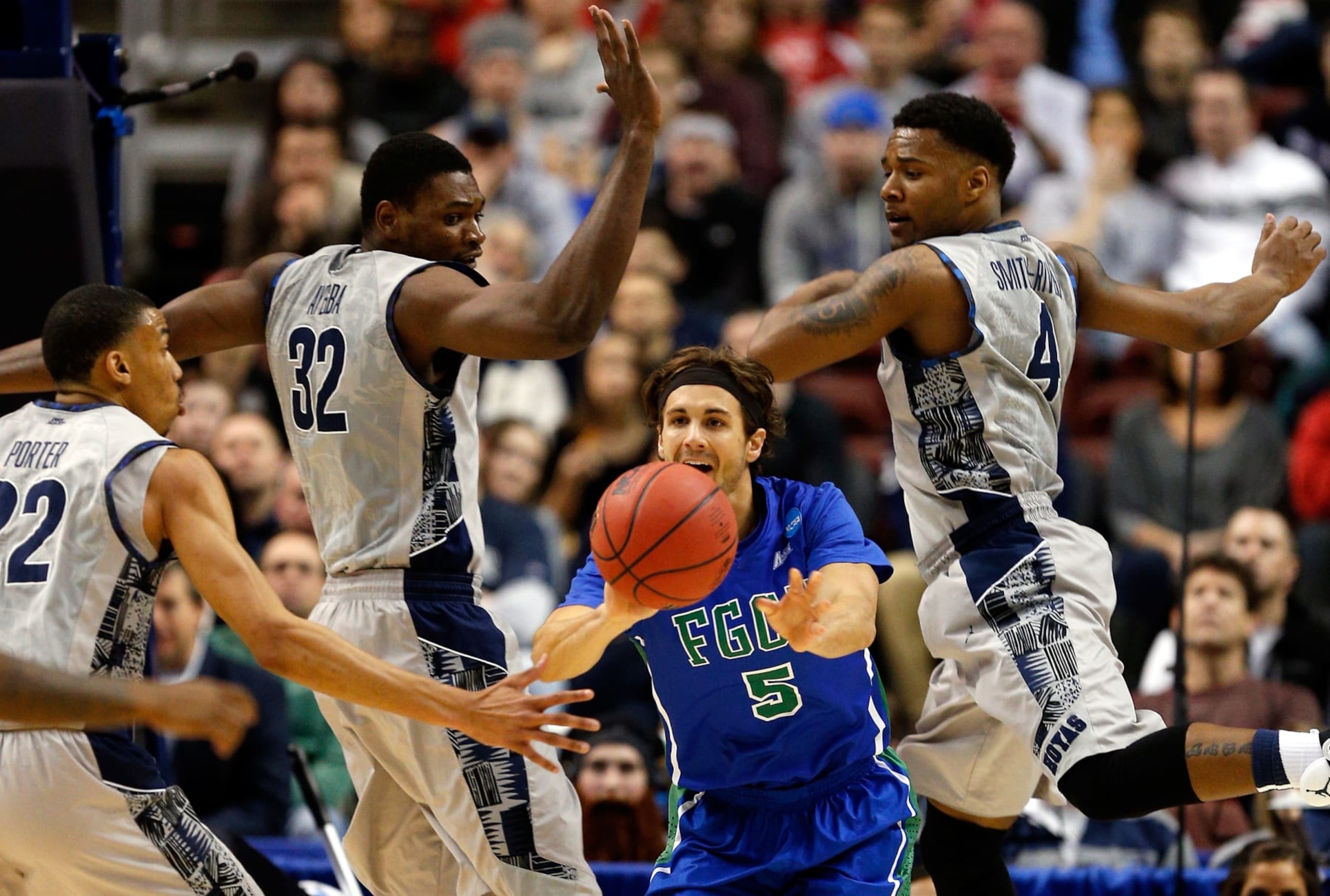
15. No. 15 Florida Gulf Coast over No. 2 Georgetown in 2013
In hindsight, this was the most likely 15-over-2 upset since 2000 because the Hoyas had an unusually low SRS (15.9) for a No. 2 seed and just one future NBA player in their rotation (Otto Porter Jr.). And, of course, the Eagles were one of the most athletic No. 15 seeds ever, appropriately being nicknamed Dunk City. They had five dunks in the second half alone against Georgetown.
14. No. 15 Princeton over No. 2 Arizona in 2023
The only player currently in the NBA from this game played for Princeton in Tosan Evbuomwan. The Wildcats' lack of star power on the perimeter made them more susceptible to an upset than most No. 2 seeds. Big men Azuolas Tubelis and Oumar Ballo (35 points and 17 rebounds) did their part, but the rest of the team scored just 20 points in a 59-55 loss.
13. No. 15 Lehigh over No. 2 Duke in 2012
You might be surprised to see Lehigh miss out on the top 10, but the Mountain Hawks were only 11.5-point underdogs, which is lower than the spreads of the FGCU (+13.5), Princeton (+15), Ohio (+13.5) and Mercer (+13) games. One reason for this was Ryan Kelly's absence. He led the Blue Devils in PER and BPM over the course of the season, but he missed this game with a foot injury. Even without Kelly, the Blue Devils had six future NBA players in their rotation, which is tied for the most of any team on this slideshow. But they couldn't contain C.J. McCollum, who tallied a game-high 30 points.
12. No. 14 Ohio over No. 3 Georgetown in 2010
The Hoyas had four future NBA players in their rotation, including Chris Wright (28 points) and Greg Monroe (19 points), but they couldn't get a stop. The Bobcats shot 58.2 percent from the field and 56.5 percent from three en route to scoring 97 points.
11. No. 14 Mercer over No. 3 Duke in 2014
The Blue Devils had a 19.5 SRS, which is higher than most No. 2 seeds on this list. They had four future NBA players in their rotation, including Jabari Parker, who would be drafted second overall three months after this game. But Parker struggled, going just 4-of-14, and the Bears had five players in double figures.

.jpg?w=2560 "Cardinals Giants Football")
Nos. 10-7: Look Away, Iowa State Fans
4 of 10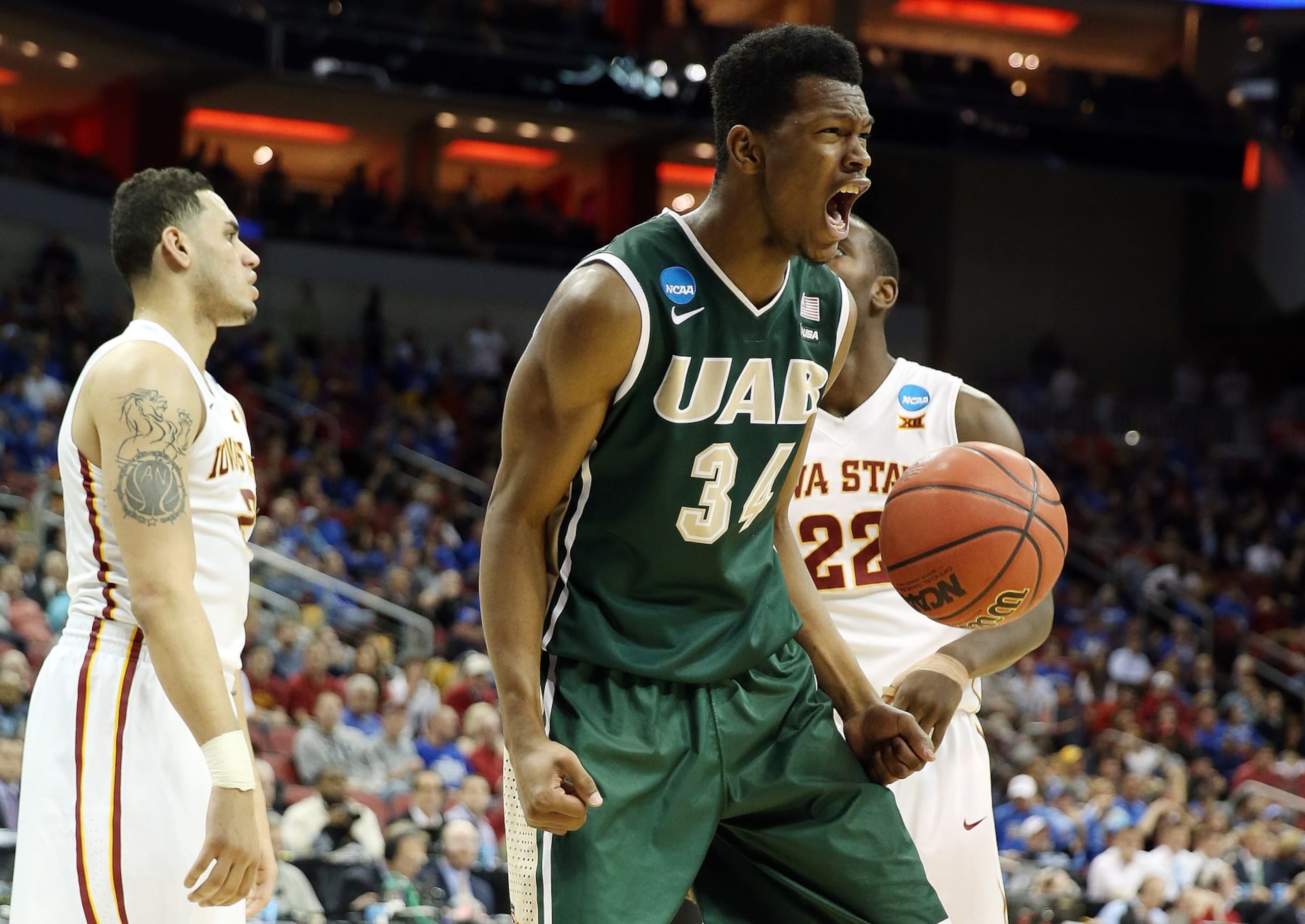
10. No. 15 Oral Roberts over No. 2 Ohio State in 2021
Led by future NBA players Duane Washington and E.J. Liddell, the Buckeyes were 15-point favorites. But they had no answer for Kevin Obanor and Max Abmas, who combined for 59 of Oral Roberts' 75 points.
9. No. 14 Bucknell over No. 3 Kansas in 2005
With a 20.7 SRS, the Jayhawks were an unusually strong No. 3 seed. Of their four rotation players who would play in the NBA, only one had a good game. Wayne Simien did his thing (24 points and 10 rebounds), but Aaron Miles, J.R. Giddens and Keith Langford combined to go 2-of-19 from the field. Their struggles left the door open for the Bison, who got a go-ahead bank shot from Chris McNaughton with 10.5 seconds to go.
8. No. 15 Hampton over No. 2 Iowa State in 2001
The Cyclones were a vulnerable No. 2 seed with just a 15.9 SRS, but the Pirates had an awful minus-3.66 SRS, which was the third-worst of the teams in this slideshow. Tarvis Williams' jump hook gave Hampton a 58-57 lead with 6.9 seconds left, and Jamaal Tinsley's ensuing layup attempt rolled off the rim to give the Pirates the win.
7. No. 14 UAB over No. 3 Iowa State in 2015
The Cyclones had five future NBA players play for at least 20 minutes in this game. Meanwhile, the Blazers had no NBA talent. Yet they somehow won the rebounding battle 51-34 and held Georges Niang to 4-of-15 shooting. The NBA talent disparity was the reason UAB edged Hampton in the rankings despite the Pirates (+17) being bigger underdogs than the Blazers (+14.5).
6. No. 14 Oakland over No. 3 Kentucky (2024)
5 of 10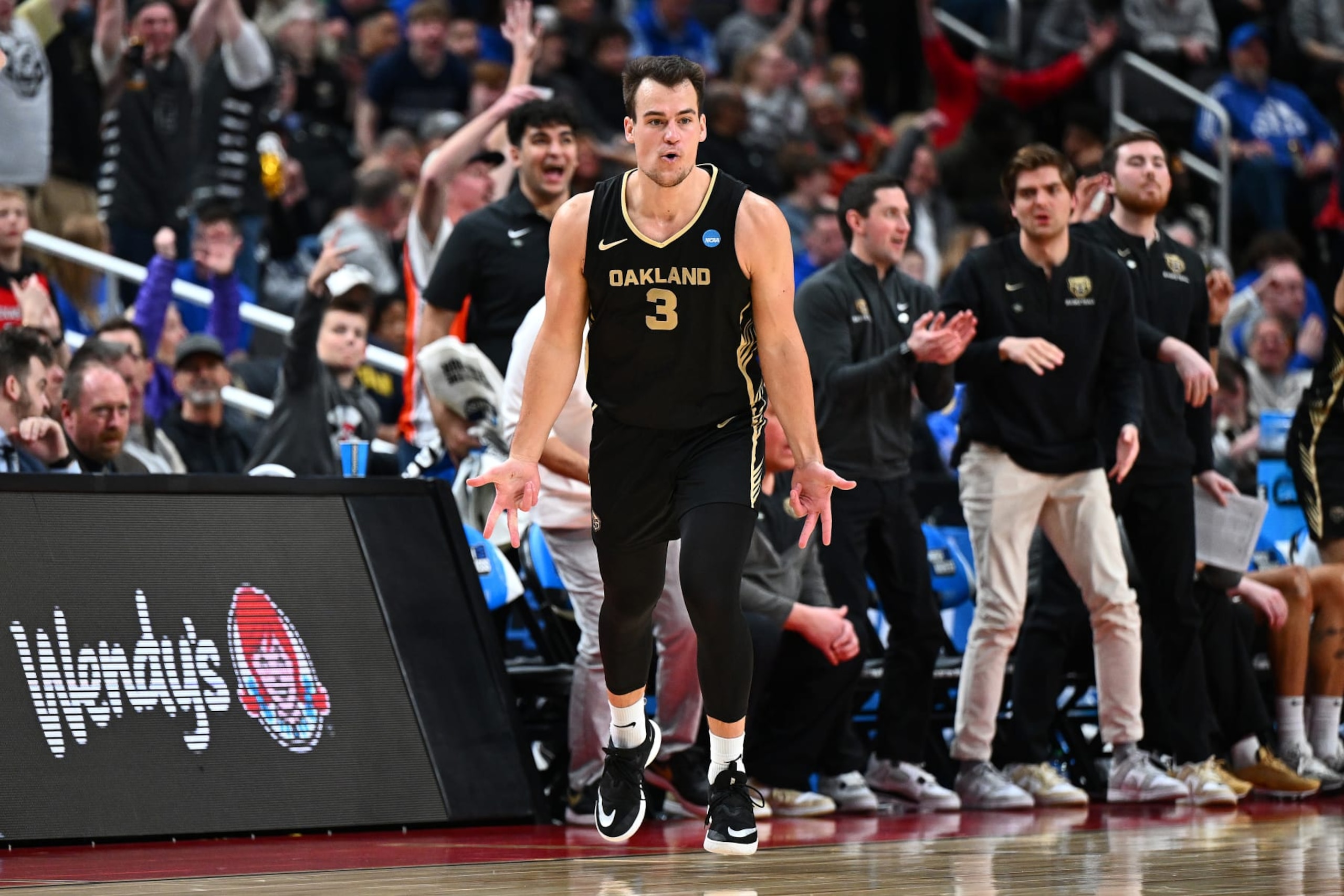
Point spread: Kentucky -13.5
(Projected) NBA players in their rotation: Kentucky 6, Oakland 0
SRS: Kentucky 17.9, Oakland 1.9
Bleacher Report's Jonathan Wasserman published a mock draft two days before this game, and he had Rob Dillingham No. 2 overall and Reed Sheppard No. 3 overall. He also had Antonio Reeves and Justin Edwards projected as second-round picks. And though D.J. Wagner (17 minutes) and Zvonimir Ivišić (13 minutes) didn't have a big role on this team, they fit the criteria as likely future NBA players in Kentucky's rotation.
In all, the Wildcats had the biggest NBA talent advantage of any team in this slideshow. That bumps Oakland's upset into the top six.
The Golden Grizzlies overcame that massive talent discrepancy by getting an all-time performance from Jack Gohlke. The 24-year-old guard had 10 three-pointers, becoming the fifth player to have a double-digit three total in NCAA tournament history.
Reeves did his part with 27 points, but the rest of Kentucky's future NBA players struggled, and Oakland held on for an 80-76 win.
5. No. 15 Saint Peter's over No. 2 Kentucky (2022)
6 of 10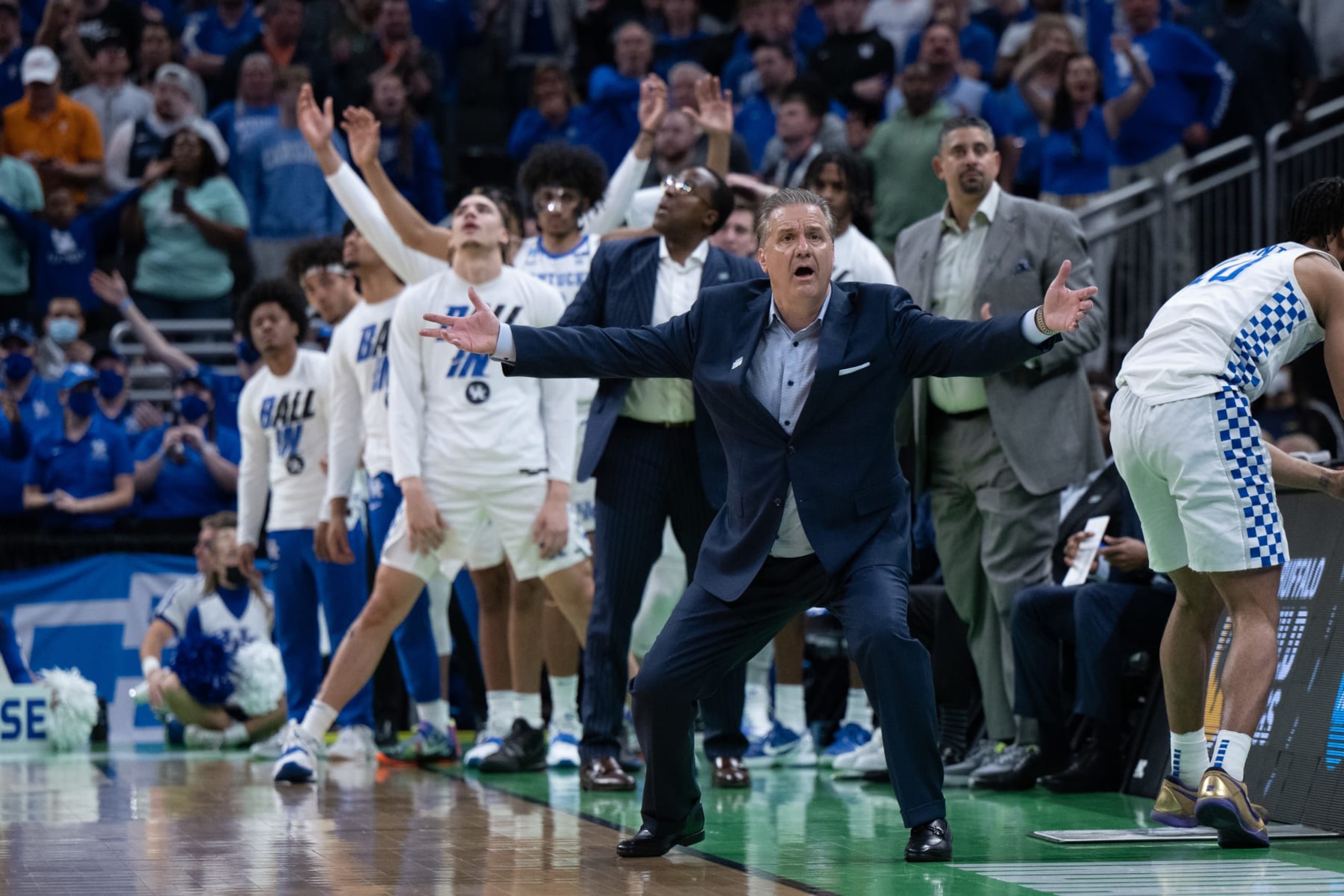
Point spread: Kentucky -18
NBA players in their rotation: Kentucky 3, Saint Peter's 0
SRS: Kentucky 20.9, Saint Peter's 3.0
The Peacocks had no answer for Oscar Tshiebwe, who was named national college player of the year two weeks after this game. Tshiebwe had 30 points and 16 rebounds, but the rest of Kentucky's starting five had an uncharacteristically bad game (9-of-34 shooting and eight turnovers), and that allowed Daryl Banks (27 points) and Doug Edert (20 points) to pull this one out in overtime, 85-79.
The Wildcats ranked in the top nine in spread advantage, NBA talent disparity and SRS differential, which is why the Saint Peter's upset edges out those of Oakland, UAB, Hampton and Bucknell.
The Peacocks would go on to win two more games before bowing out in the Elite Eight, which was particularly stunning considering they had double-digit-point losses to St. John's (17-15), Siena (15-14) and St. Francis (10-20) in the regular season.
4. No. 15 Norfolk State over No. 2 Missouri (2012)
7 of 10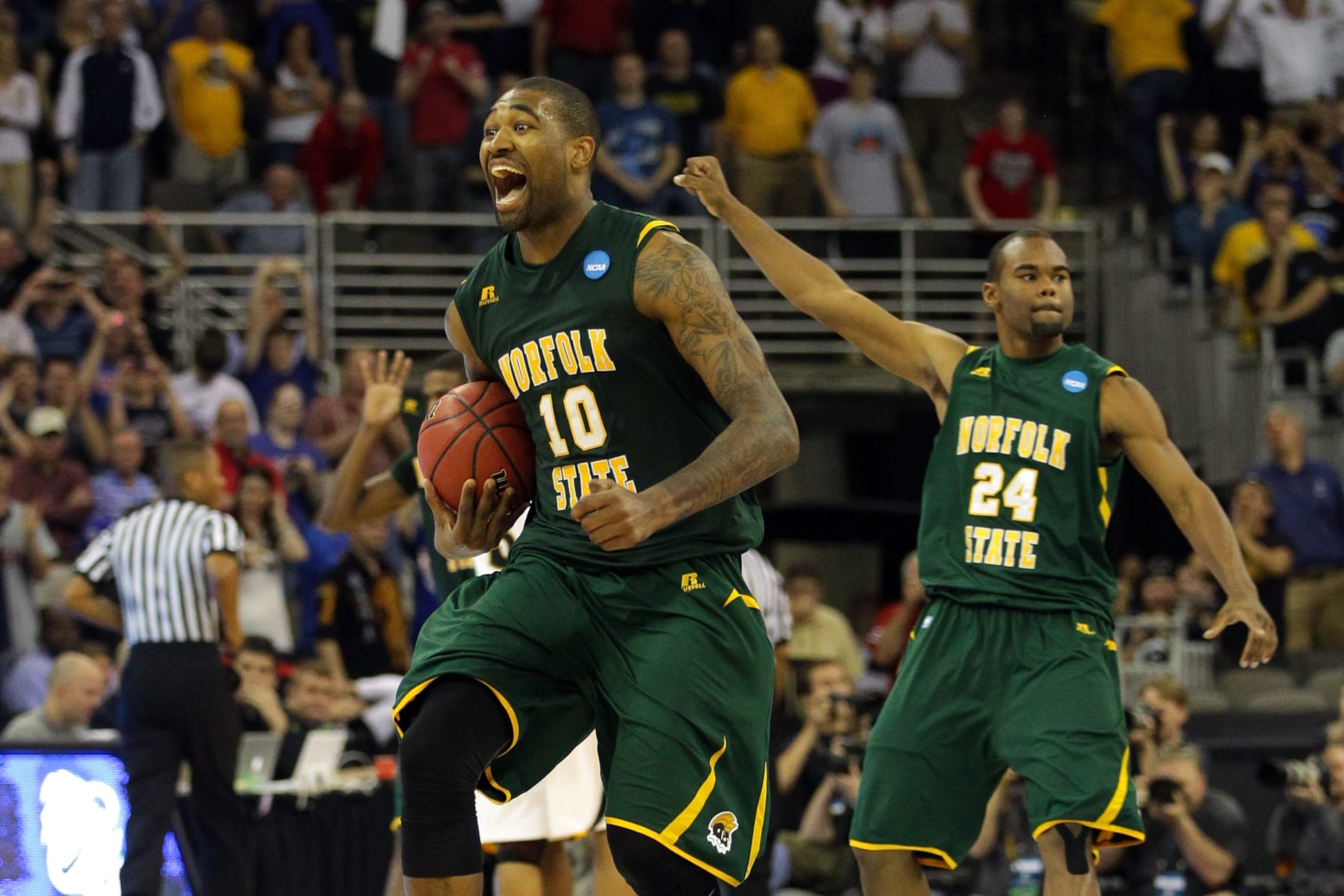
Point spread: Missouri -21
NBA players in their rotation: Missouri 3*, Norfolk State 1
SRS: Missouri 19.8, Norfolk State -3.68
Let's address the asterisk first. Just two Tigers ended up playing in the NBA: Kim English and Phil Pressey. However, Marcus Denmon got drafted by the San Antonio Spurs, but he never appeared in an NBA game. He's counted as a future NBA player here.
Norfolk State had the second-worst SRS of any team in this article, while Missouri came into this game having won its three Big 12 tournament games by a combined 47 points.
Yet the Spartans won an 86-84 barnburner despite the fact that they got zero(!) bench points.
Kyle O'Quinn had 26 points and 14 rebounds, and Norfolk State shot 54.2 percent from the floor and 52.6 percent from three, exposing a leaky Missouri defense.
The Spartans have an argument to be the most unlikely No. 15 seed winner this century, but they fall just short because the next entry features a No. 2 seed that was considerably stronger than the Tigers.
3. No. 15 Middle Tennessee over No. 2 Michigan State (2016)
8 of 10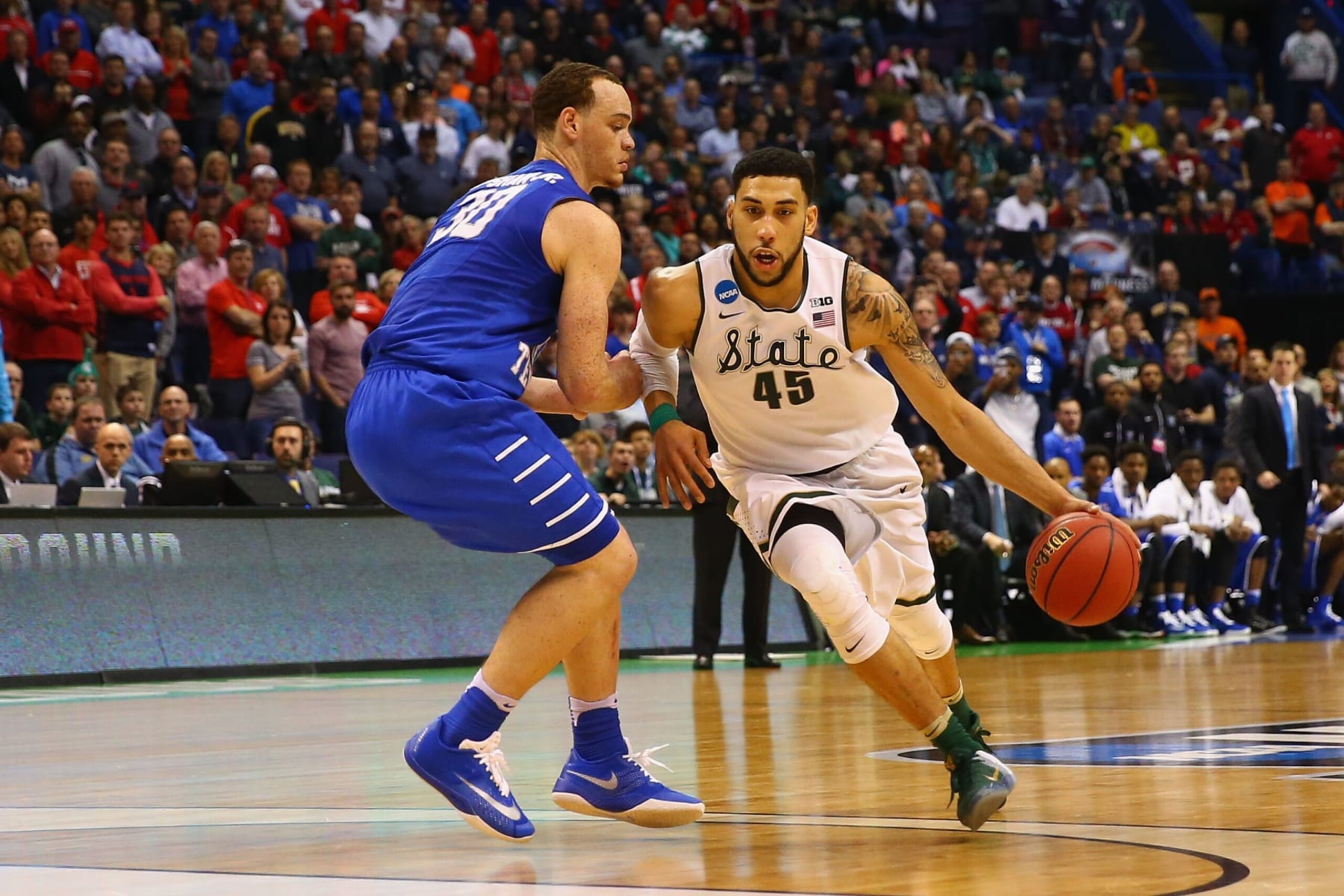
Point spread: Michigan State -16.5
NBA players in their rotation: Michigan State 4, Middle Tennessee 0
SRS: Michigan State 22.6, Middle Tennessee 2.7
With a 22.6 SRS, the Spartans were the strongest team in this slideshow. In NCAA.com brackets, they were the second-most picked team to win the national title at 22 percent.
Denzel Valentine was arguably the nation's best player, and he was named AP Player of the Year two weeks after this game.
But Reggie Upshaw (21 points), Giddy Potts (19 points) and Co. combined to shoot 55.9 percent from the floor and 57.9 percent from three to stun Michigan State 90-81.
The Blue Raiders have an argument to be placed ahead of the No. 16 seeds to come, but what ultimately kept them here is that they were a much better regular-season team than those Cinderellas. They entered the Big Dance having finished second in the Conference USA regular-season standings, which is a much more competitive conference than the No. 16 seeds came from.
2. No. 16 UMBC over No. 1 Virginia (2018)
9 of 10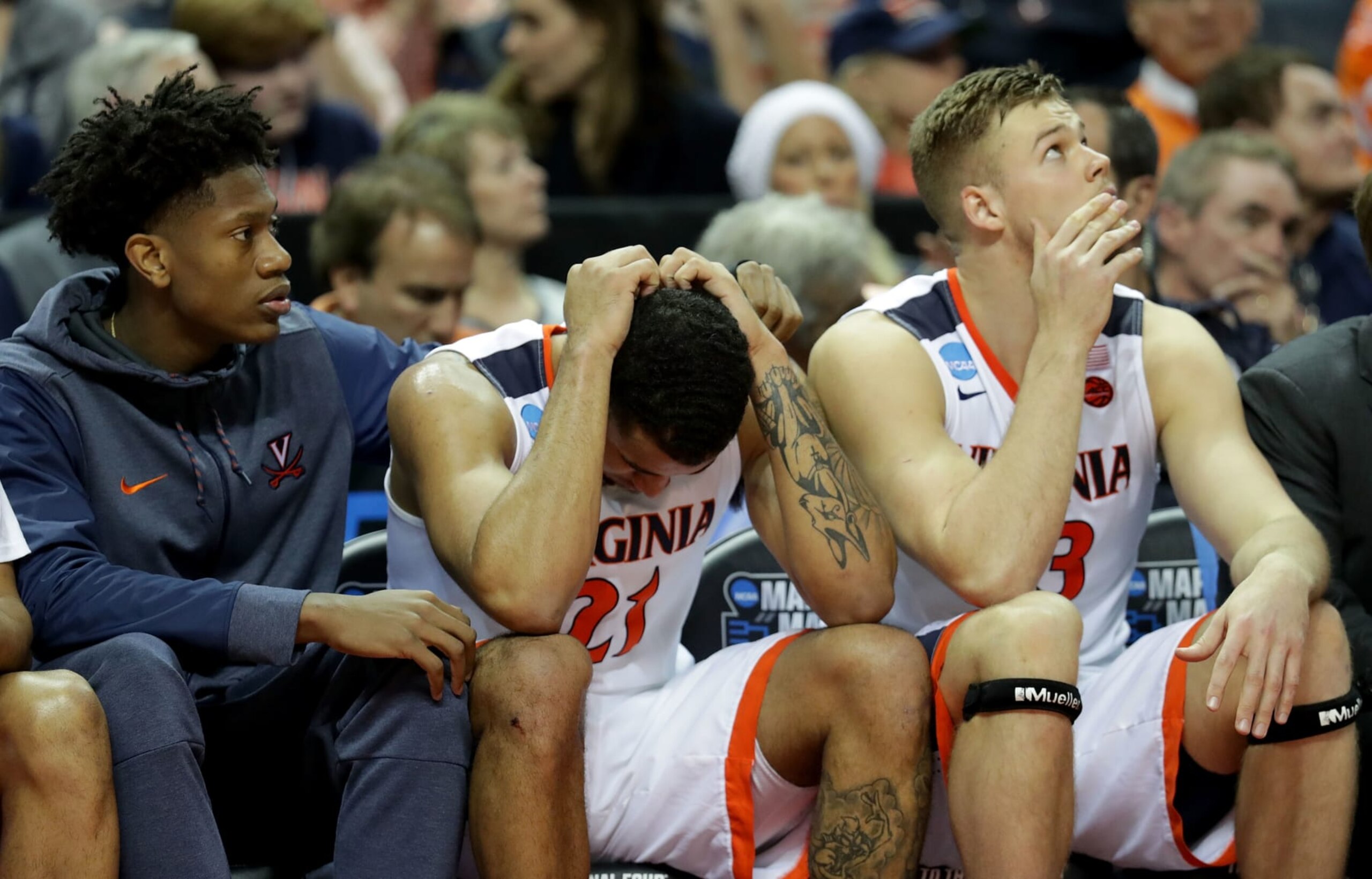
Point spread: Virginia -20.5
NBA players in their rotation: Virginia 4, UMBC 0
SRS: Virginia 22.2, UMBC -2.0
Virginia finished just ahead of Purdue for No. 1 in the ranking criteria because of the Cavaliers' advantage in NBA talent. But there is a blind spot in the criteria, which is that the 22.2 SRS version of Virginia was not playing in this game. A lesser version was playing.
And that's because of the De'Andre Hunter wrist injury.
Hunter played in all 33 games before the NCAA tournament, and Virginia went 31-2 in them. Though his averages of 9.2 points, 3.3 rebounds and 1.1 assists suggest he wasn't a crucial piece, he was No. 2 on the team in BPM and No. 1 on the team in PER among rotation players. One could argue he was their best player, as he had upped his averages in minutes (23.0) and points (11.3) over his last 20 games of the season.
Virginia had four other NBA players in its rotation (Ty Jerome, Kyle Guy, Devin Hall and Mamadi Diakite), and there was a sense that they would overcome Hunter's absence for a deep tournament run anyway.
But the Retrievers had different ideas. Jairus Lyles had a game-high 28 points, and UMBC pulled away in the second half, winning 74-54.
It was the first 16-over-1 upset in men's NCAA tournament history, but it wasn't the last.
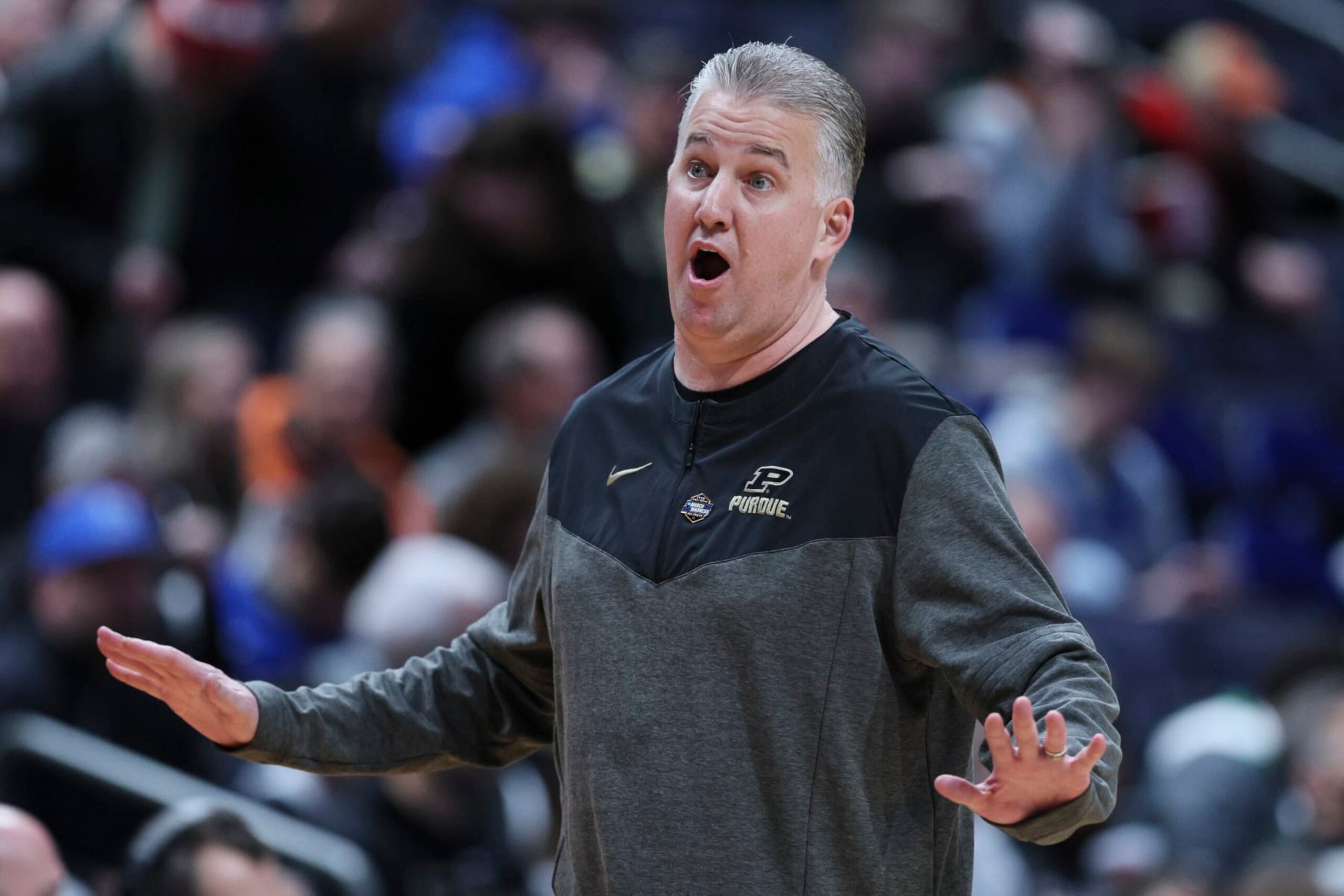
1. No. 16 Fairleigh Dickinson over No. 1 Purdue (2023)
10 of 10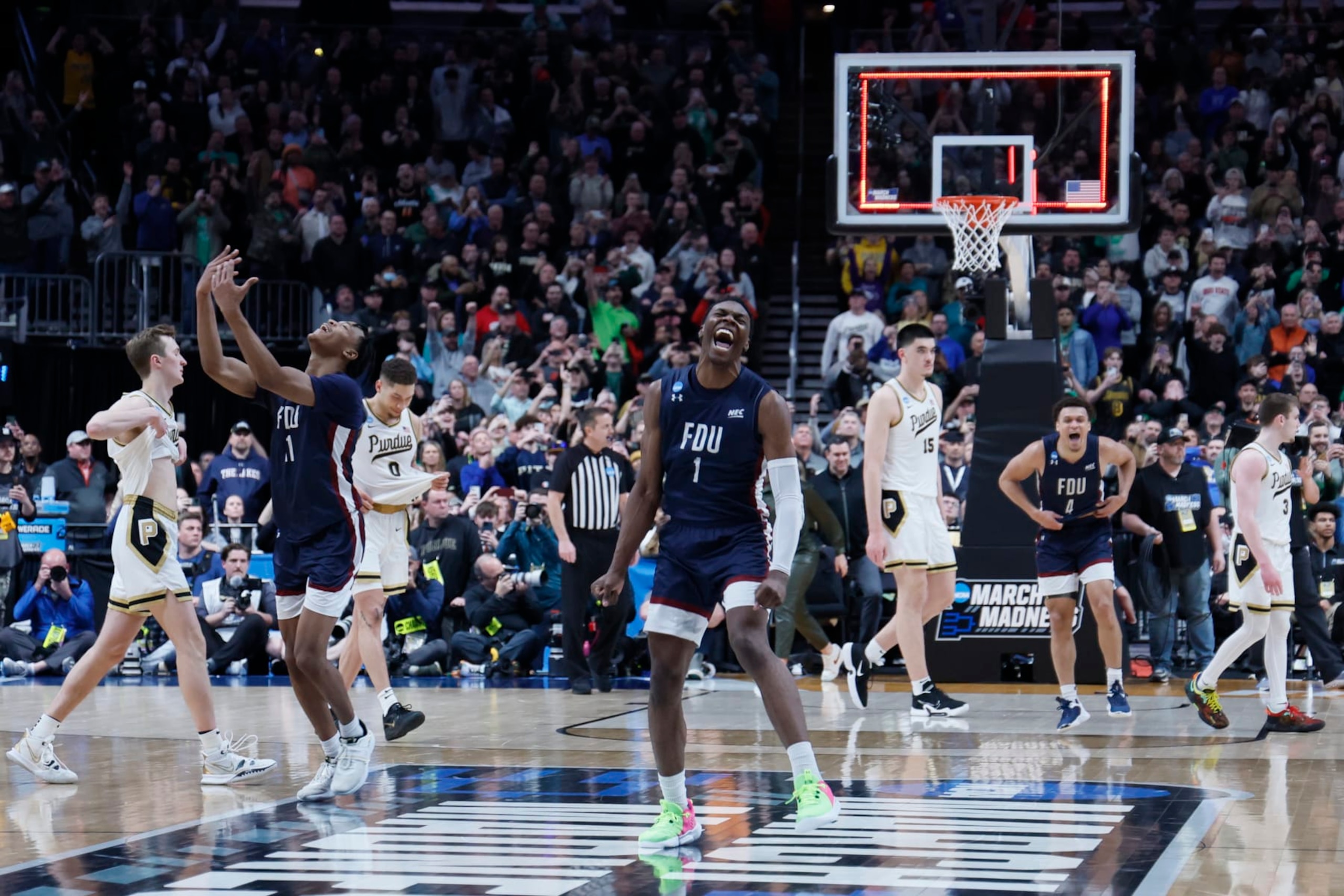
Point spread: Purdue -23.5
(Projected) NBA players in their rotation: Purdue 2, Fairleigh Dickinson 0
SRS: Purdue 18.2, Fairleigh Dickinson -9.0
By point spread and SRS differential, this was the biggest upset in men's NCAA tournament history.
Led by Zach Edey, who would be named national player of the year two weeks later, the Boilermakers (29-5) came into the tournament as both Big Ten regular-season and conference tournament champions for the first time. The Big Ten had the second-best conference SRS in the nation.
Meanwhile, the Knights entered 20-15 and actually lost their conference tournament title game to Merrimack, but they got the Northeast Conference autobid anyway because Merrimack was ineligible for the postseason. The NEC had the second-worst SRS, and FDU went just 10-6 in regular-season conference play.
According to KenPom.com, FDU had the shortest average roster height (6'1") of the 363 Division I teams. This is where I remind you Edey is 7'4", and the Knights' tallest player was just 6'6".
Somehow the Knights held Edey to just 21 points and lost the rebounding battle by only eight (36-28). They dared Purdue to make threes, and the strategy paid off, as the Boilermakers went just 5-of-26 from downtown.
Sean Moore's dagger three with 1:03 to go gave FDU a five-point lead, and it held on for 63-58 win for the ages.

.jpg?w=2560 "Hill Injury Update Football")
.jpg?w=2560 "OBJ Calls Out Giants After Release")
.jpg?w=2560 "Tyreek makes another cryptic post amid Chiefs rumors")


.jpg?w=2560 "Greenlaw Talks Payton Exchange")