


The NBA trade market runs the gamut from good deals to bad ones and everything in between.
The best are those win-win swaps where everyone walks away with something they wanted. The worst are the loss-loss exchanges where it doesn't work out for anyone.
In the spirit of spooky season, though, we're focusing on a different type of deal: The ones that haunt franchises for weeks, months and years after their completion.
To keep things relatively up-to-date, we'll avoid those disaster deals from the distant past and instead focus on the ones still haunting each franchise, whether that's due to unpaid draft debts, bad money still on the books or that forlorn feeling of seeing the one that got away.
Atlanta Hawks
1 of 30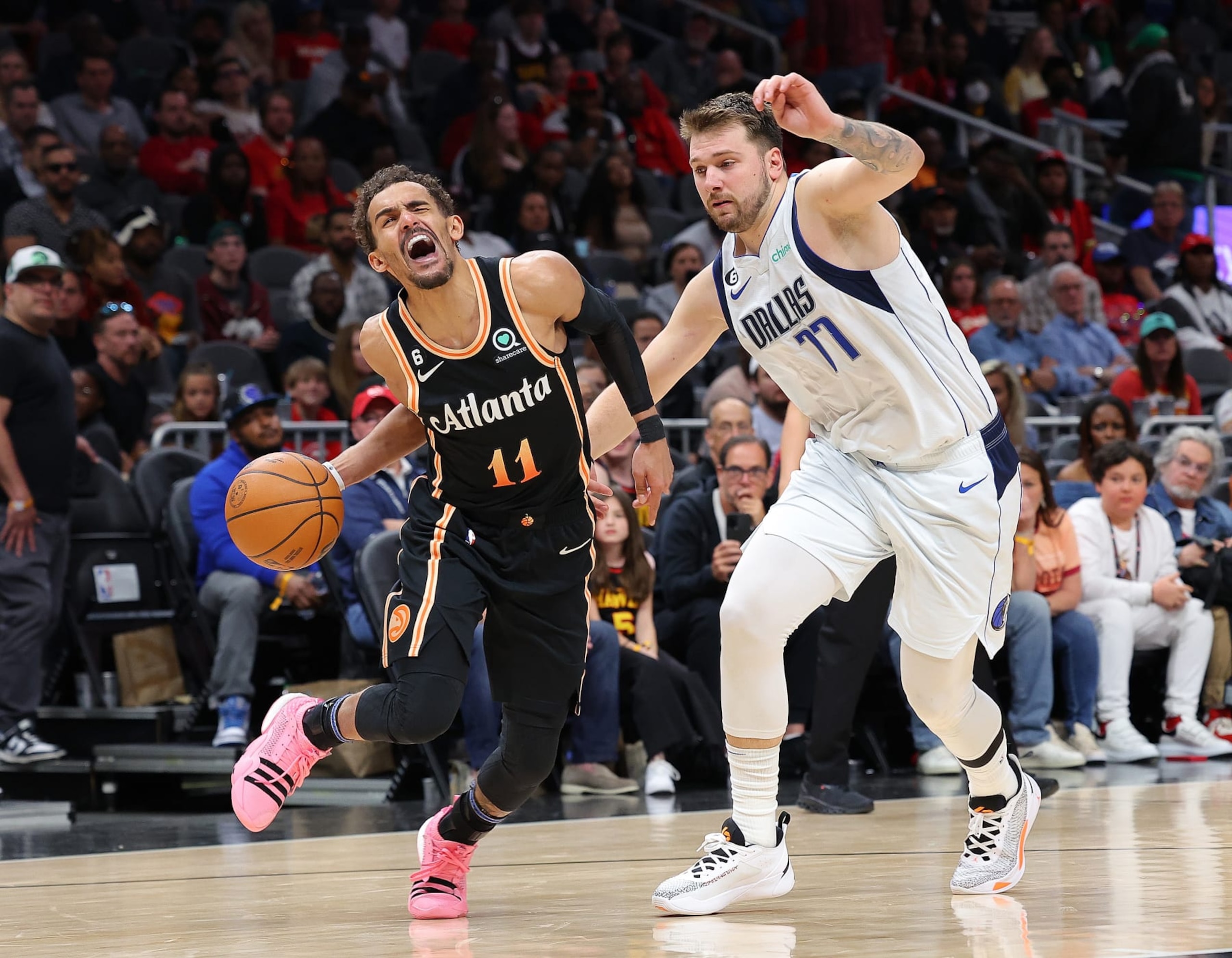
The trade: Luka Dončić to the Dallas Mavericks for Trae Young and Cam Reddish (as a future first-round pick)
In terms of disaster deals, this 2018 draft-night swap sent more talent to Atlanta than most regrettable trades do. Sure, the Hawks couldn't make it work with Reddish, but they've obviously gotten great mileage out of Young, a two-time All-Star and the Association's only player to average at least 25 points and nine assists in each of the past four seasons.
However, while Young is a really good player, Dončić looks like an all-time great.
While both have a few flaws, Dončić's far superior size (6'7" 230 lbs to Young's 6'1", 164 lbs) allows him to impact the game in more ways, peep more passing lanes and not face nearly as many physical challenges on the defensive end.
The Hawks still left this deal with a star, but they could have had a superstar instead.
Boston Celtics
2 of 30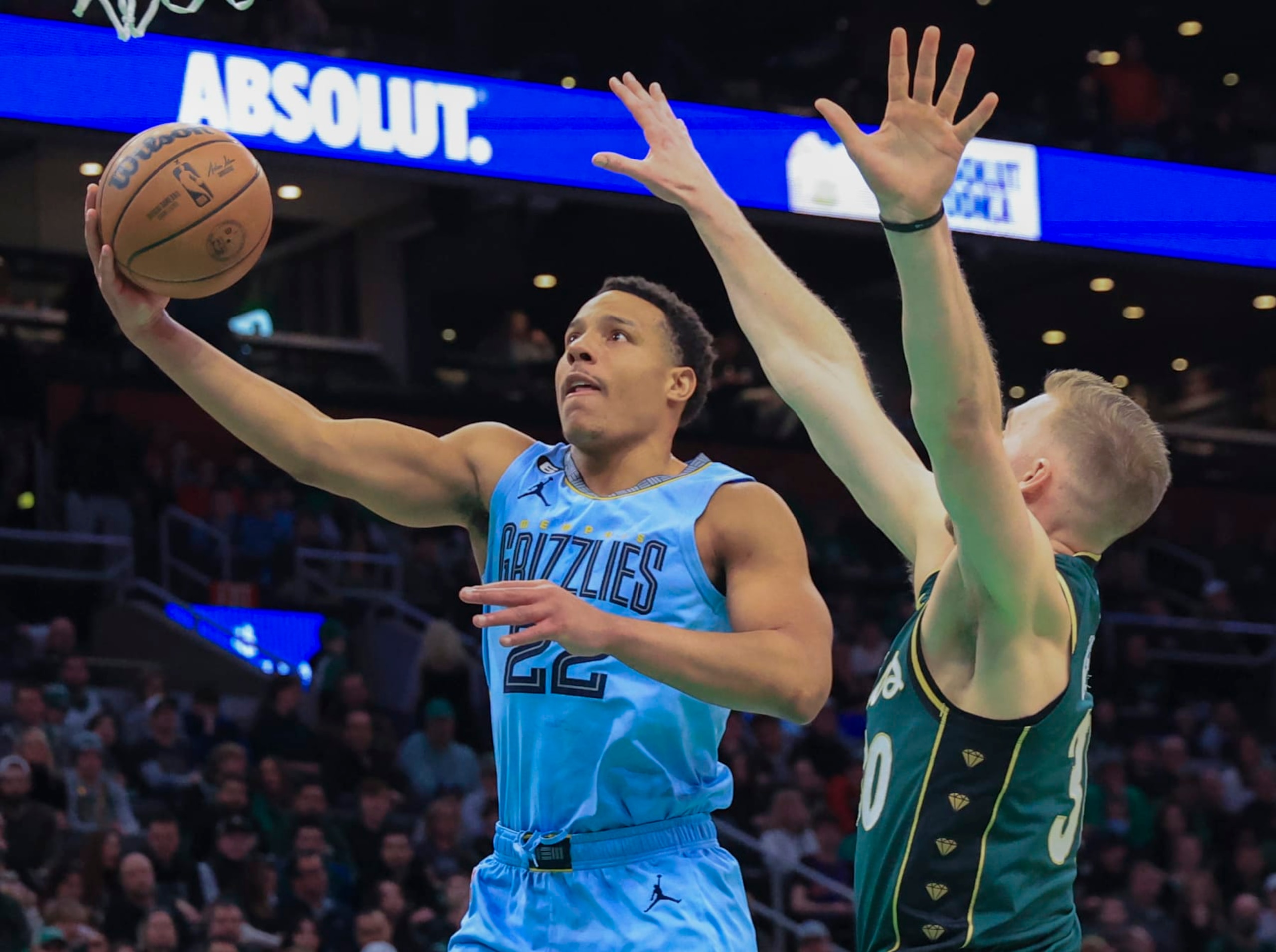
The trade: Desmond Bane to the Memphis Grizzlies and Enes Kanter Freedom to the Portland Trail Blazers; Grizzlies trade 2023 and 2025 second-round picks to the Boston Celtics and cash to the Portland Trail Blazers; Blazers trade Mario Hezonja to the Grizzlies
Bane, the No. 30 pick, would have been the Celtics' third player added to their first-round haul at the 2020 draft after previously selecting Aaron Nesmith (No. 14) and Payton Pritchard (No. 26). He also would have nudged them closer to the luxury tax.
So, the Shamrocks flipped him for a pair of future second-round picks, and they've surely been kicking themselves ever since.
"I hear that all the time," Bane told Gary Washburn of the Boston Globe in Jan. 2022. "I see it on Twitter, people tagging me. Me slipping away [in the first round] and they took Nesmith, who had a shooting profile going into it. They were obviously looking for shooting in the draft and valued him over me."
Bane's career trajectory has essentially been an arrow pointing all the way up. He finished in second place (to teammate Ja Morant) in the voting for 2021-22's Most Improved Player award, then effectively upped the ante across the board this past season while averaging 21.5 points, 5.0 rebounds and 4.4 assists. He is already on All-Star watch this season.
Nesmith, meanwhile, lasted just two seasons in Boston before being sent to the Indiana Pacers in the July 2022 trade for Malcolm Brogdon. Pritchard is still a Celtic, but this season looks like the first in which he'll be entrusted with a full-time role in the rotation.
Brooklyn Nets
3 of 30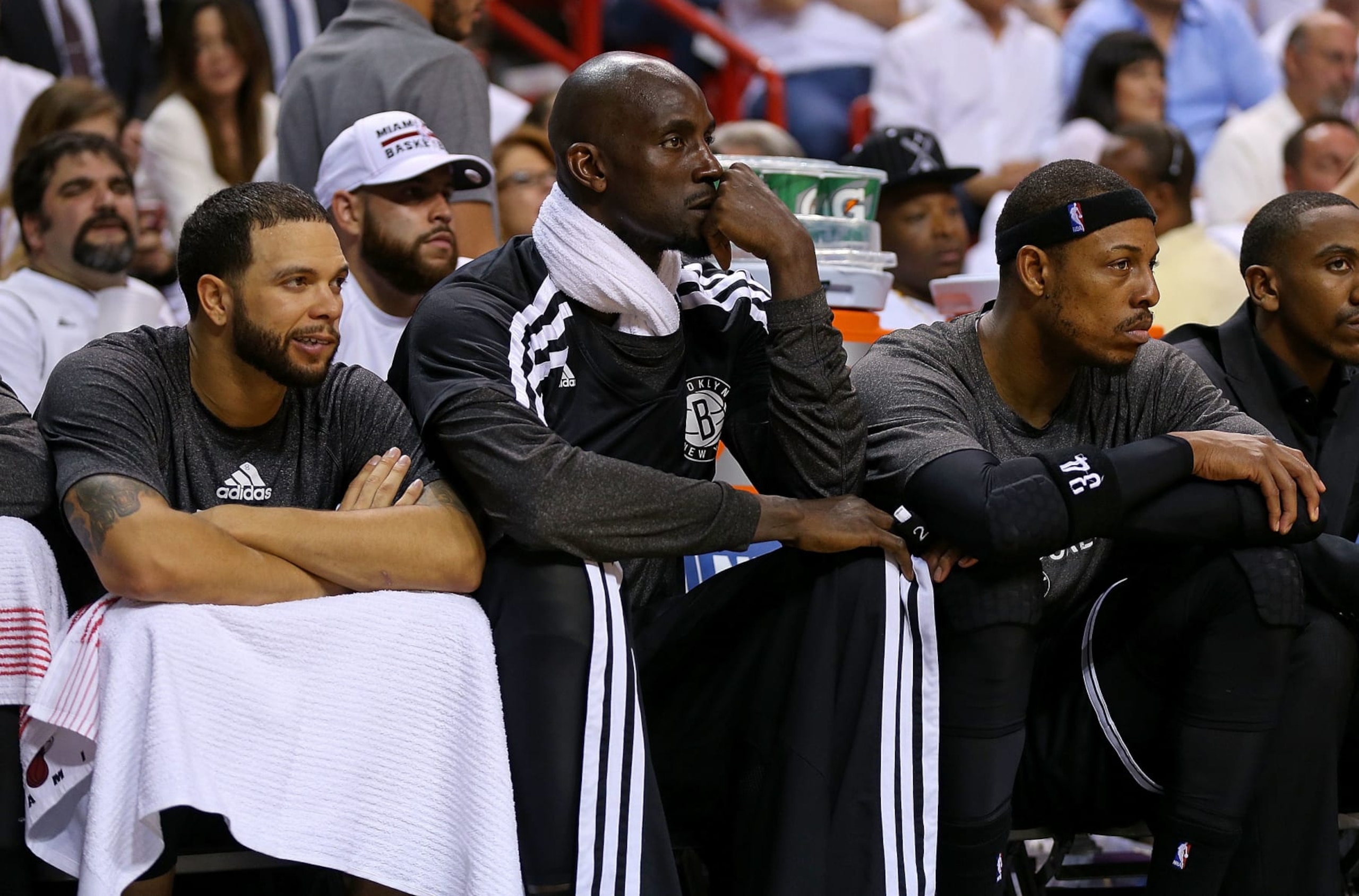
The trade: Keith Bogans, MarShon Brooks, Kris Humphries, Kris Joseph, Gerald Wallace, three first-round picks and a first-round pick swap to the Boston Celtics for Kevin Garnett, Paul Pierce, Jason Terry, DJ White and a future second-round pick
As Nets fans can attest, there is more than one trade still haunting this franchise. They gave up the pick that became Damian Lillard for a season-plus of an aging Gerald Wallace, but that wasn't chosen here, which gives you the clearest picture of the level of blunders they have made.
However, this July 2013 mega-swap was something different. The Nets tried to aggressively accelerate a team that never got fully revved up and wound up gifting the Celtics a contending core. Pierce and Garnett spent just one season together in Brooklyn, which yielded all of 44 wins and a second-round exit.
Two of the picks that came to Boston were eventually used to acquire Jaylen Brown and Jayson Tatum, one of the league's top two-way tandems.
Four of Tatum's first six seasons with the franchise have featured at least an Eastern Conference Finals appearance, and the Celtics are among this campaign's inner circle of championship heavyweights.

.jpg?w=2560)
Charlotte Hornets
4 of 30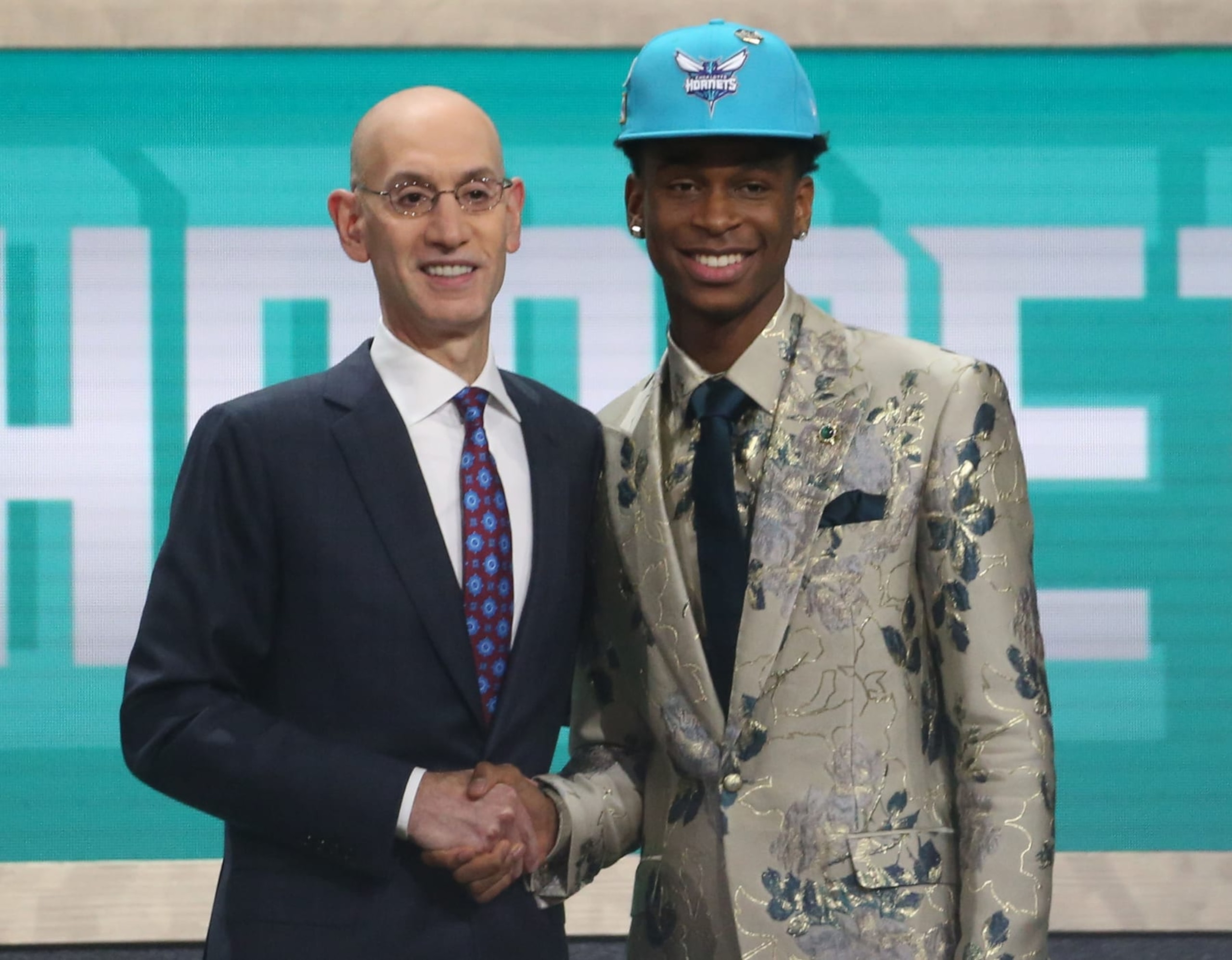
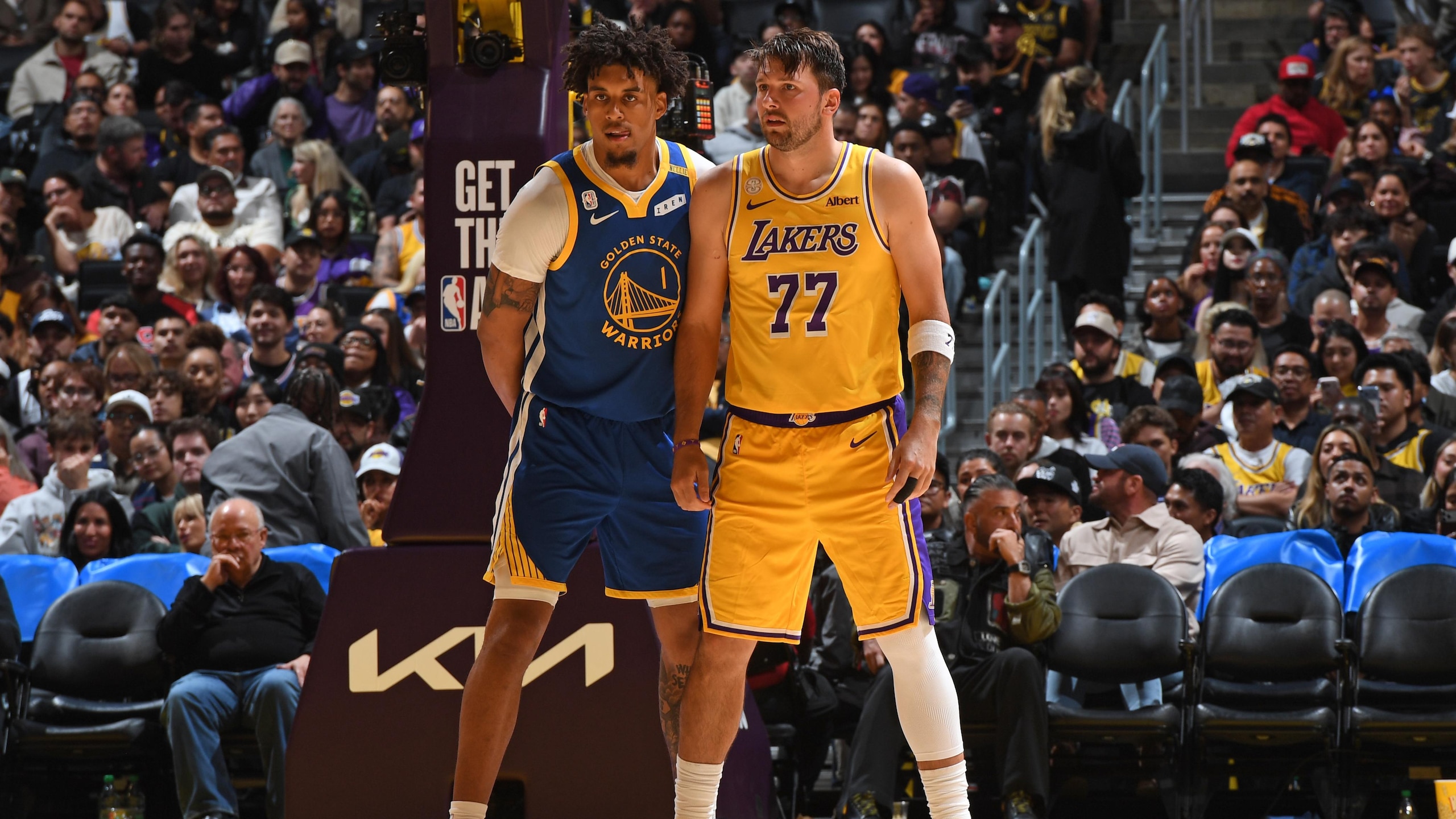
The trade: Shai Gilgeous-Alexander to the Los Angeles Clippers for Miles Bridges and two future second-round picks
After taking Gilgeous-Alexander with the No. 11 pick of the 2018 draft, the Hornets immediately routed him to the Clippers for Bridges (the No. 12 pick) and second-rounders that later became Vernon Carey Jr. and Scottie Lewis.
All Gilgeous-Alexander has done since is mold himself into an MVP candidate. The smooth-as-velvet combo guard keeps pumping up his production with each passing campaign, most recently joining Luka Dončić, Damian Lillard and Giannis Antetokounmpo as last season's only players to average 30 points, five assists and four rebounds.
While Bridges popped as a 20-point scorer in 2021-22, he hasn't suited up since. In November 2022, he pleaded no contest to a felony domestic violence charge. This October, he turned himself in to authorities for allegedly violating a domestic violence protection order.
Carey played just 23 games across two seasons for the Hornets and is currently out of the Association. Lewis logged seven NBA minutes on a two-way deal in 2021-22 and hasn't surfaced in the league since.
Chicago Bulls
5 of 30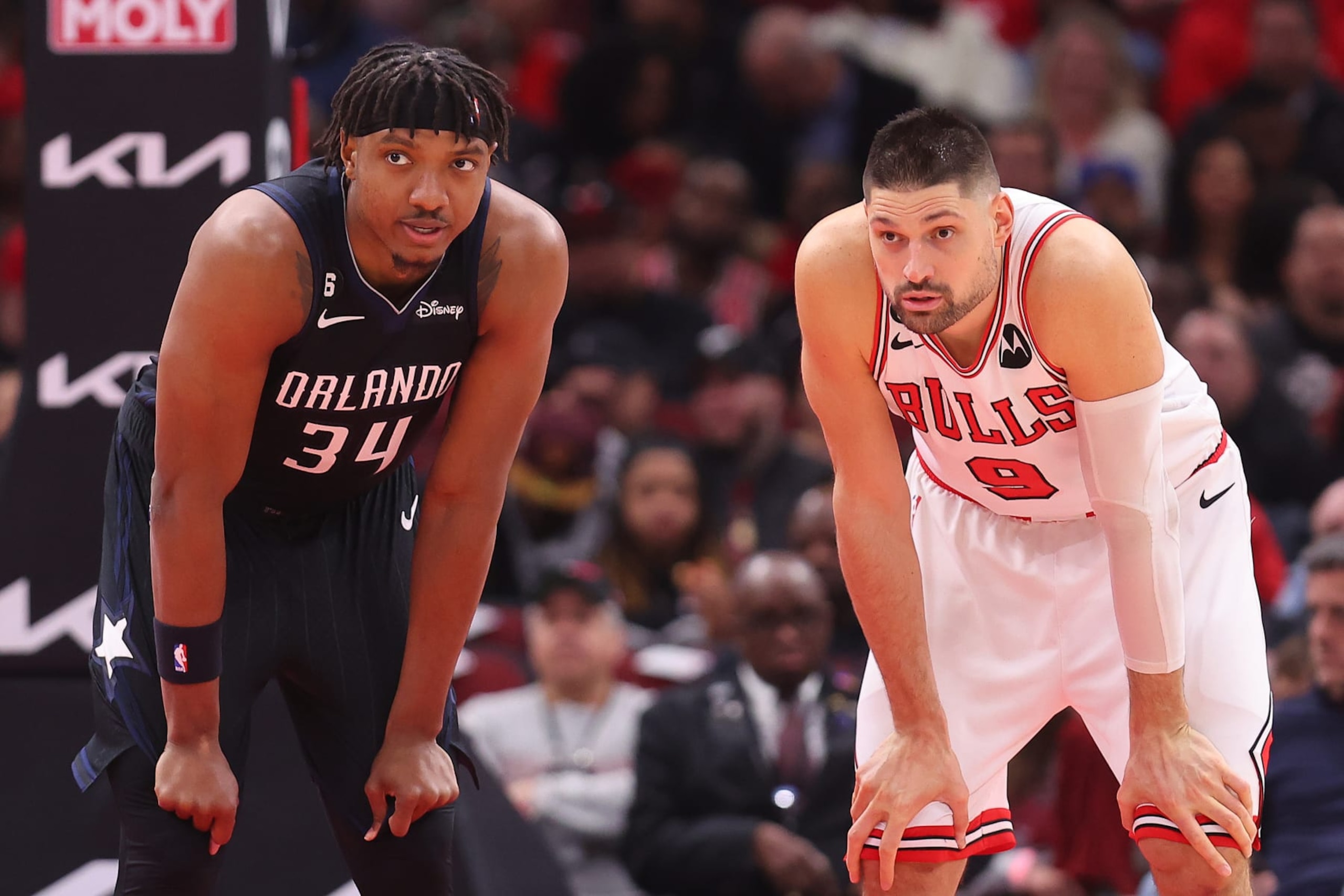
The trade: Wendell Carter Jr., Otto Porter Jr. and two first-round draft picks to the Orlando Magic for Al-Farouq Aminu and Nikola Vučević
Hoping to field a more competitive roster around Zach LaVine, the Bulls brokered this March 2021 trade with plans of Vučević continuing his All-Star ways in the Windy City.
While his post-trade numbers that season were star-caliber (21.5 points, 11.5 rebounds and 3.9 assists), that wasn't the case over the next two campaigns (17.6 points, 11.0 rebounds and 3.2 rebounds), as he slid down the pecking order behind LaVine and DeMar DeRozan.
Vučević is a fine player, but he was never going to stretch the Bulls' ceiling high enough to justify the cost. Maybe Chicago could've made more noise had Lonzo Ball managed to stay healthy, but even then, it's not like folks were rushing to crown the Bulls as championship favorites.
To build what's become a play-in team, the Bulls parted with Carter (who's arguably more valuable than Vučević given their ages, salaries and defensive impacts), plus first-round picks that became Franz Wagner (already a rising star) and Jett Howard (maybe this draft's top shooter).
Cleveland Cavaliers
6 of 30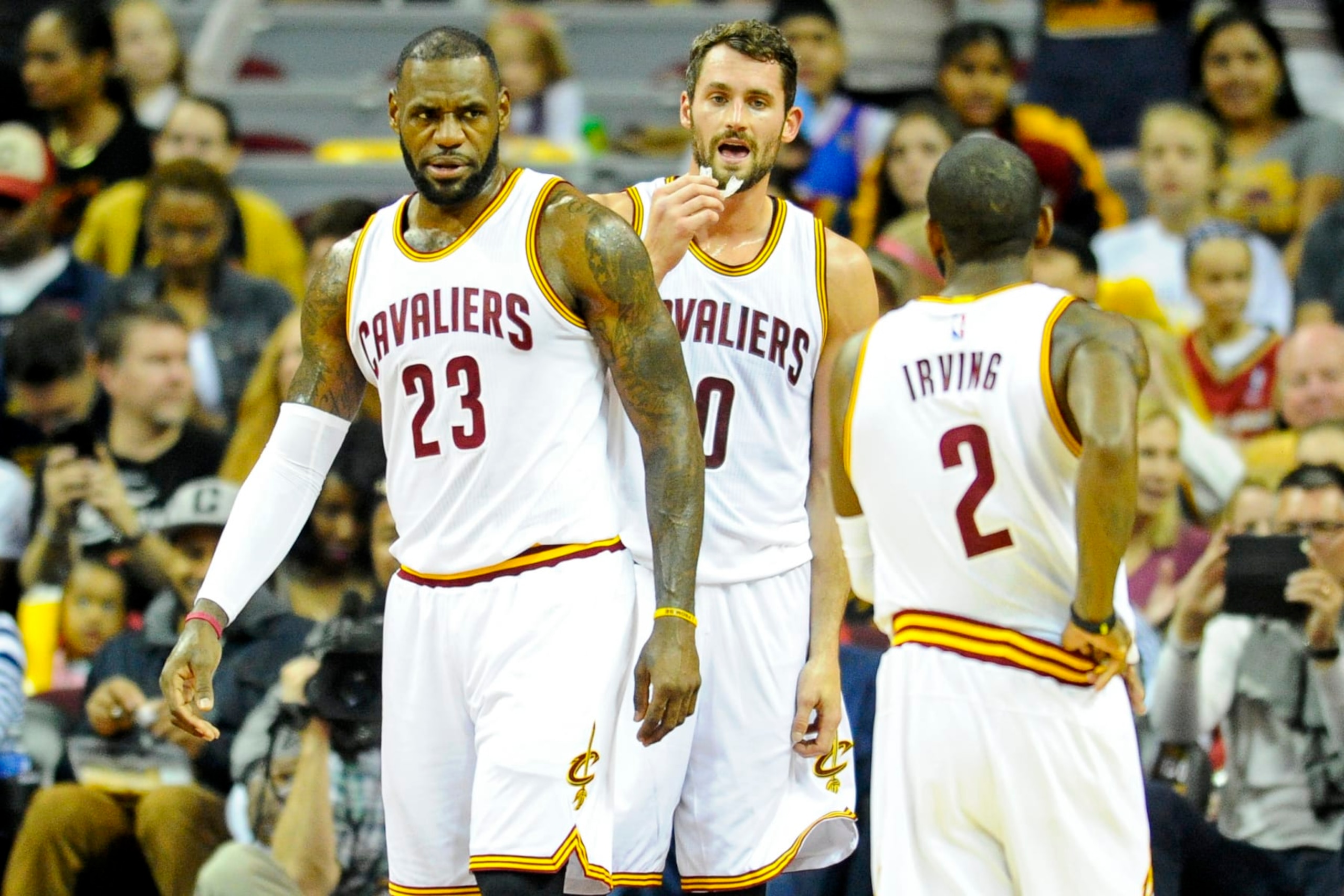
The trade: Kyrie Irving to the Boston Celtics for Jae Crowder, Isaiah Thomas, Ante Žižić, a first-round pick and a future second-round pick
The Cavaliers were, admittedly, in a tough spot during the 2017 offseason, since Irving had requested a trade, but they needed to do what they could to keep a championship-caliber roster around LeBron James.
So, they agreed to this deal even though they were already concerned enough about Thomas' hip injury to get a 2020 second-round pick added to the initial terms.
The Cavs were right to worry about Thomas' health, but they weren't nearly cautious enough. In exchange for Irving (one of the premier scorers of his generation), Cleveland wound up getting just 15 games out of Thomas, who had clearly suffered a career-derailing injury in 2017, before trading him to the Los Angeles Lakers at the 2018 trade deadline.
Crowder was also traded by the Cavs at the same deadline (though in a separate swap), and while Žižić spent three seasons with them, he only logged a total of 1,517 minutes.
The first-round pick was spent on Collin Sexton, who's now with the Utah Jazz, and the second-rounder was invested in Skylar Mays, who's on a two-way contract with the Portland Trail Blazers.
Dallas Mavericks
7 of 30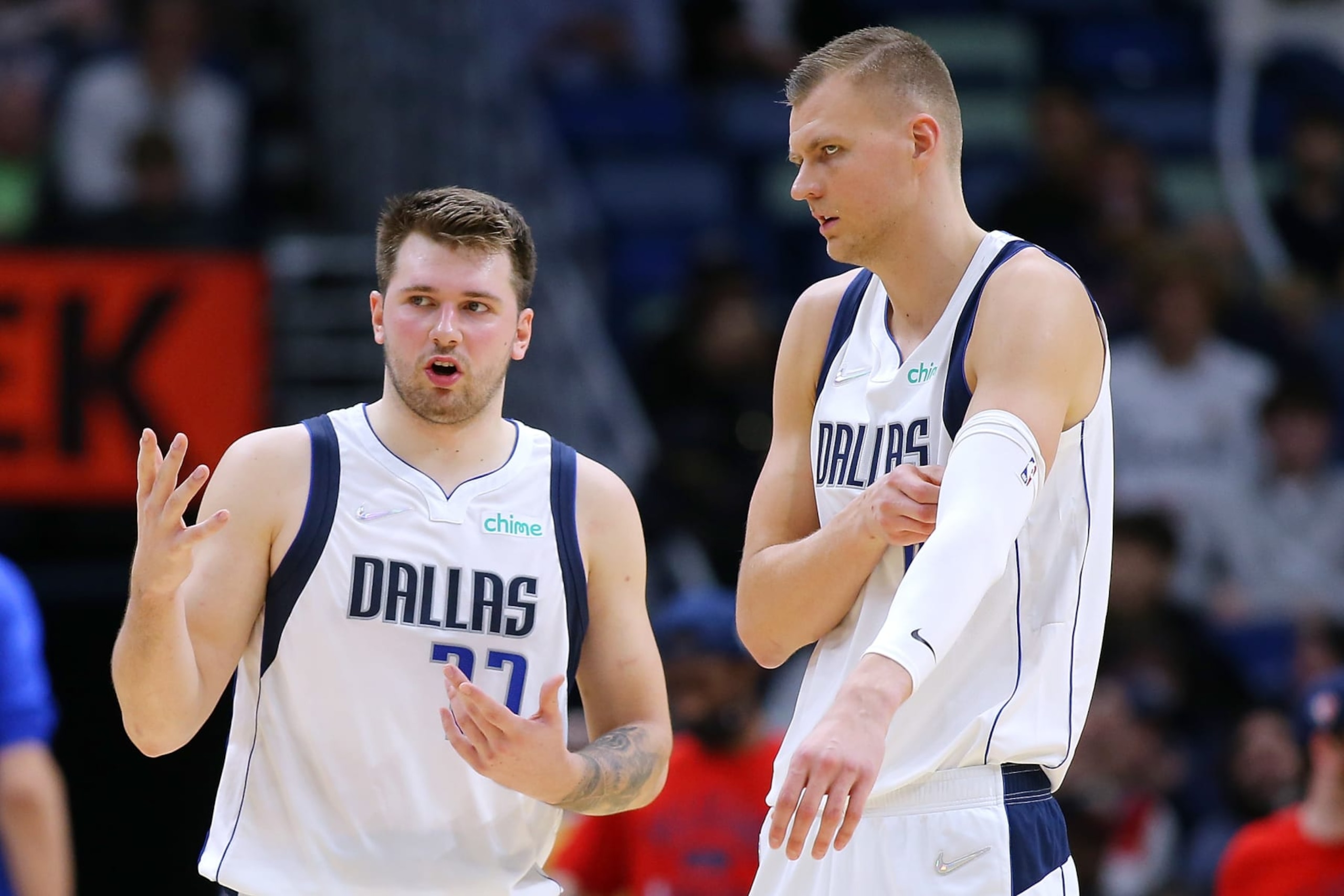
The trade: DeAndre Jordan, Wesley Matthews, Dennis Smith Jr. and two future first-round picks to the New York Knicks for Kristaps Porziņģis, Trey Burke, Tim Hardaway Jr. and Courtney Lee
This Jan. 2019 blockbuster marked one of the Mavs' most significant attempts to find a co-star for Luka Dončić. There were reasons to think it might work, too.
While Porziņģis was rehabbing from a torn ACL at the time of the trade, his healthy version seemed like an intriguing fit for Dončić, since he could protect the paint on defense and roll or pop on screen plays at the other end.
Upon returning to the court, though, Porziņģis struggled to stay on it. Even when he could, his mobility wasn't the same. He also never really established an offensive rhythm with Dončić, as the two couldn't get—or at least stay—on the same page.
"On paper, it would be the perfect fit, but it just didn't mesh the way that we wanted to," Porziņģis told Yahoo Sports' Jake Fischer last December. "We just did not mesh together well. Sometimes it's like that in the workplace, you know? It just didn't work out the way you expected."
This trade would haunt the Mavs more if Smith turned into a star or those picks yielded anything of substance (the first was spent on Keon Johnson, the second hasn't conveyed yet), but it was still a hefty cost in terms of assets.
Plus, Dallas surely can't help but wonder what could have been since Porziņģis appears back on track since the Mavs sent him packing at the 2022 trade deadline for a minimal return (Spencer Dinwiddie and Dāvis Bertāns).
Denver Nuggets
8 of 30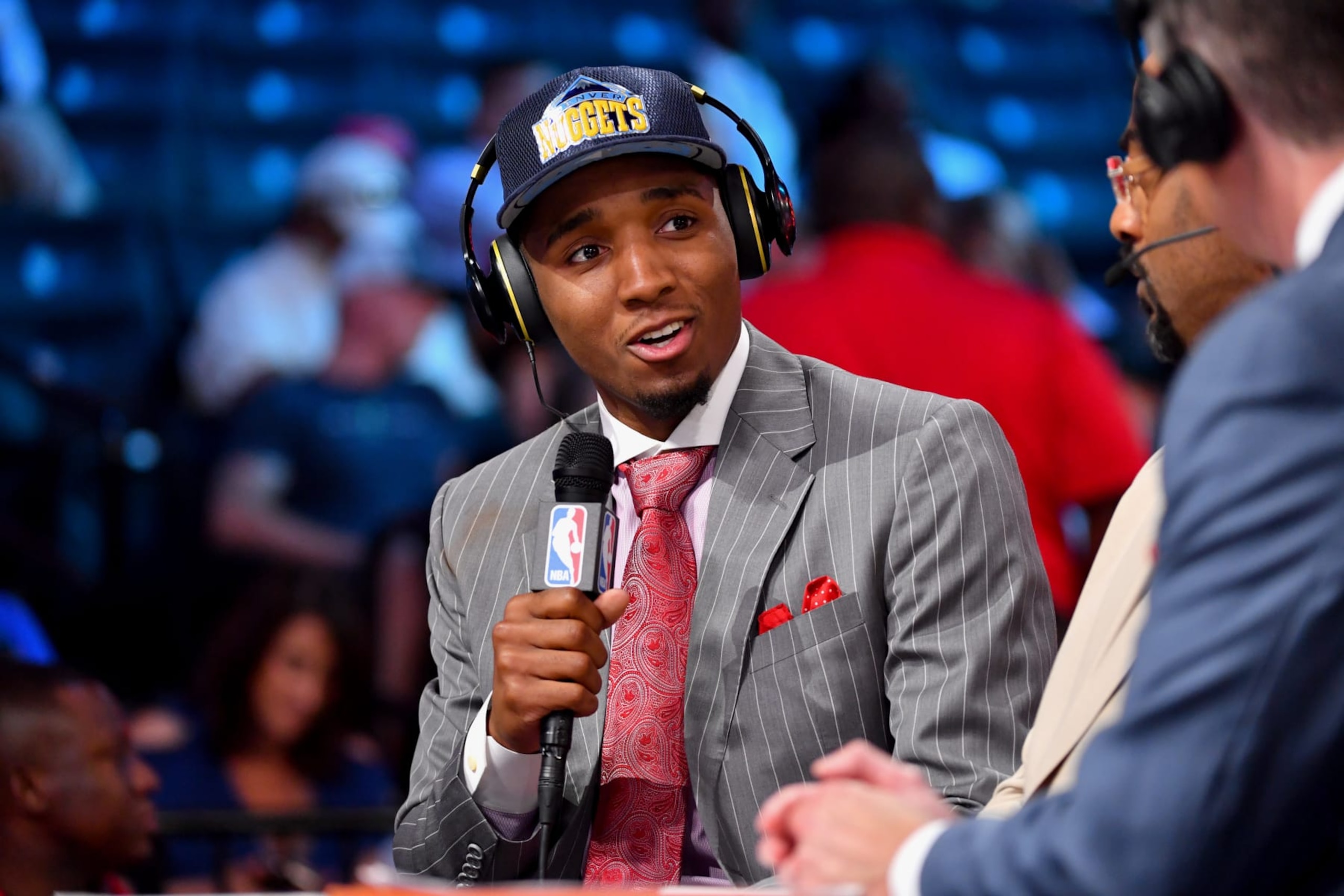
The trade: Donovan Mitchell to the Utah Jazz for Tyler Lydon and Trey Lyles
It's no minor miracle the Nuggets were still answering the Jazz's draft-night calls in 2017 considering how badly they were fleeced by them at the 2013 talent grab.
Back then, Denver had allowed Utah to thieve away Rudy Gobert (an eventual three-time Defensive Player of the Year) for Erick Green (52 NBA appearances, none since 2015-16) and cash.
Denver still picked up the phone that fateful night in 2017, though, and has surely faced some sleepless nights pondering plenty of "what if" questions since.
The Nuggets brutally miscalculated Mitchell's future and wound up flipping the No. 13 pick for Lydon (the No. 24 pick) and Lyles (a lottery pick in 2015 who hadn't done much his first two seasons).
Mitchell, of course, has since erupted as a four-time All-Star (and counting), while Lydon and Lyles were both out of Denver by 2019.
Detroit Pistons
9 of 30
The trade: Khris Middleton, Brandon Knight and Slava Kravtsov to the Milwaukee Bucks for Brandon Jennings
This July 2013 swap was supposed to be all about the Brandons. Middleton apparently was having none of that.
Though seemingly a throw-in after an unassuming rookie season, he started stacking one breakout after the next upon his Milwaukee arrival. He doubled up his scoring output almost immediately (from 6.1 to 12.1), made his first of three All-Star appearances in 2019 and was crowned an MVP champion in 2021. The Bucks thought they saw something in him, but even they couldn't have imagined all of this was in store.
"We went back and forth and figured out who we should target, they pushed for what they wanted to do, just the normal process throughout the trade," Bucks general manager Jon Horst recalled. "To say we targeted Khris in that deal is probably fair, but to say he was the deal, that's not what it was."
Jennings, a sign-and-trade pick-up for the Pistons, initially struggled with efficiency and later suffered an Achilles tear that sapped his production. He was out of Detroit by the 2016 trade deadline and out of the NBA two years later.
Golden State Warriors
10 of 30
The trade: A top-20 protected first-round pick and a 2021 second-round pick to the Oklahoma City Thunder for Kelly Oubre Jr.
The Warriors haven't made many missteps on the trade front, which feels obvious to say. You can't exactly mishandle your roster and reel off four titles in an eight-year span, as Golden State did between 2015 and 2022.
So, the microscope instead falls on this Nov. 2020 trade, which was—on the surface—just fine. They needed a wing to replace an injured Klay Thompson, and Oubre seemed like a serviceable replacement.
The cost (in assets) wasn't prohibitive, either, as the protection kicked in, meaning the cost was only two 2021 second-rounders (used on Aaron Wiggins and Miles McBride).
Where this trade went awry—beyond Oubre's awkward on-court fit—was the financial cost. The Warriors were already deep in the tax, meaning his $14.4 million salary actually cost them a staggering $82.4 million, per ESPN's Bobby Marks.
For that colossal amount of cash, Oubre provided the Dubs with a forgettable 15.4 points per night and an atrocious 43.9/31.6/69.5 shooting slash.
Houston Rockets
11 of 30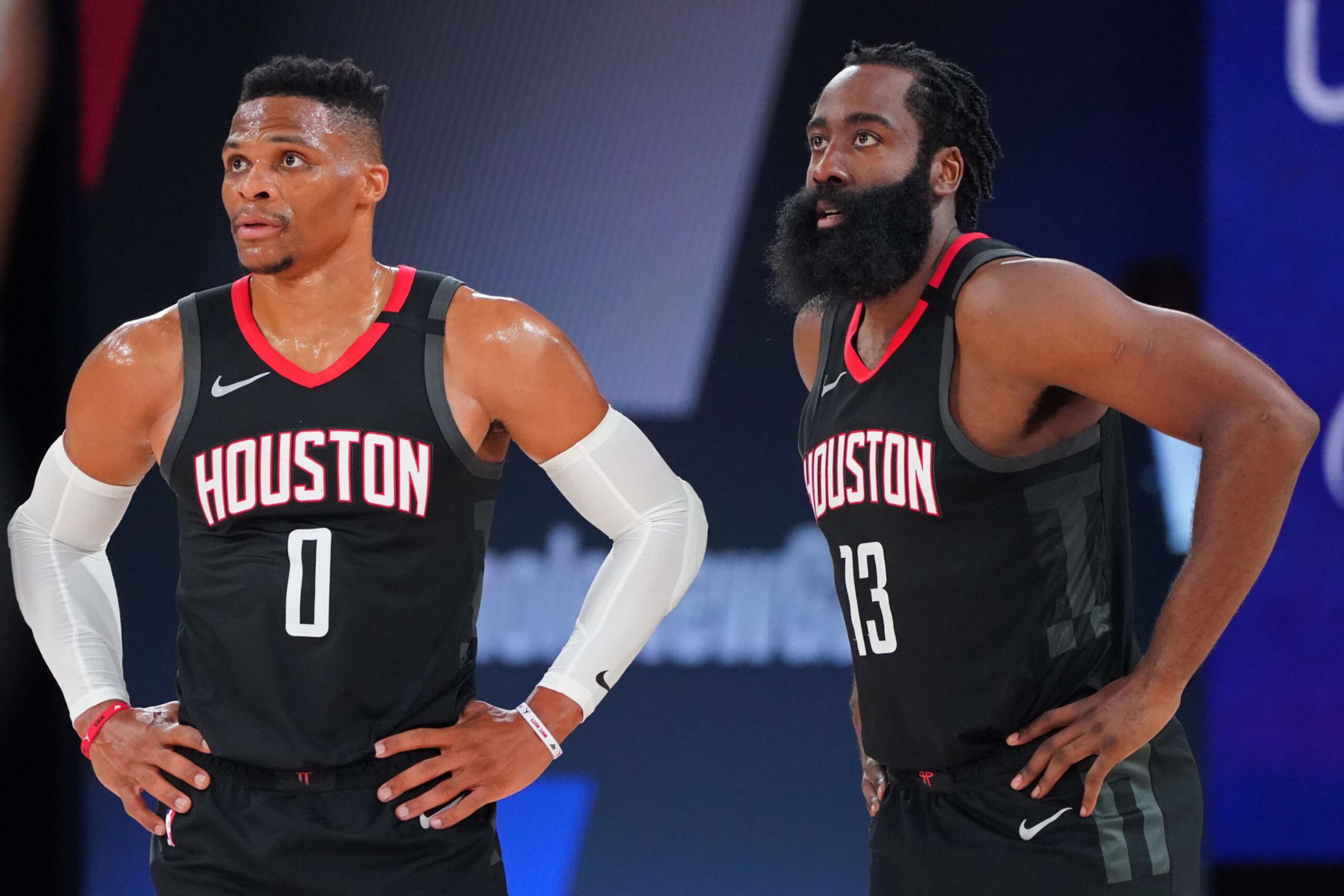
The trade: Chris Paul, two first-round picks and two first-round pick swaps to the Oklahoma City Thunder for Russell Westbrook
By the 2019 offseason, the Rockets were desperate. The Thunder perfectly parlayed that desperation into a massive trade haul.
Houston, grasping at straws to find the right championship recipe around James Harden, made two solid playoff runs with Paul but couldn't find its way around Golden State. So, the Rockets hoped like heck Westbrook would be the missing piece, sacrificing two first-round picks and two first-round swaps (all of which held at least top-four protection at least).
However, Houston only earned a fourth-place finish and a second-round exit during its first season with Harden and Westbrook, and it wouldn't get a second chance. The Rockets traded Westbrook for John Wall and a 2023 lottery-protected first-rounder after that season, and Harden forced his way out of Houston in Jan. 2021.
Houston's outgoing firsts from this trade, which both have top-four protection, are owed in 2024 and 2026.
Indiana Pacers
12 of 30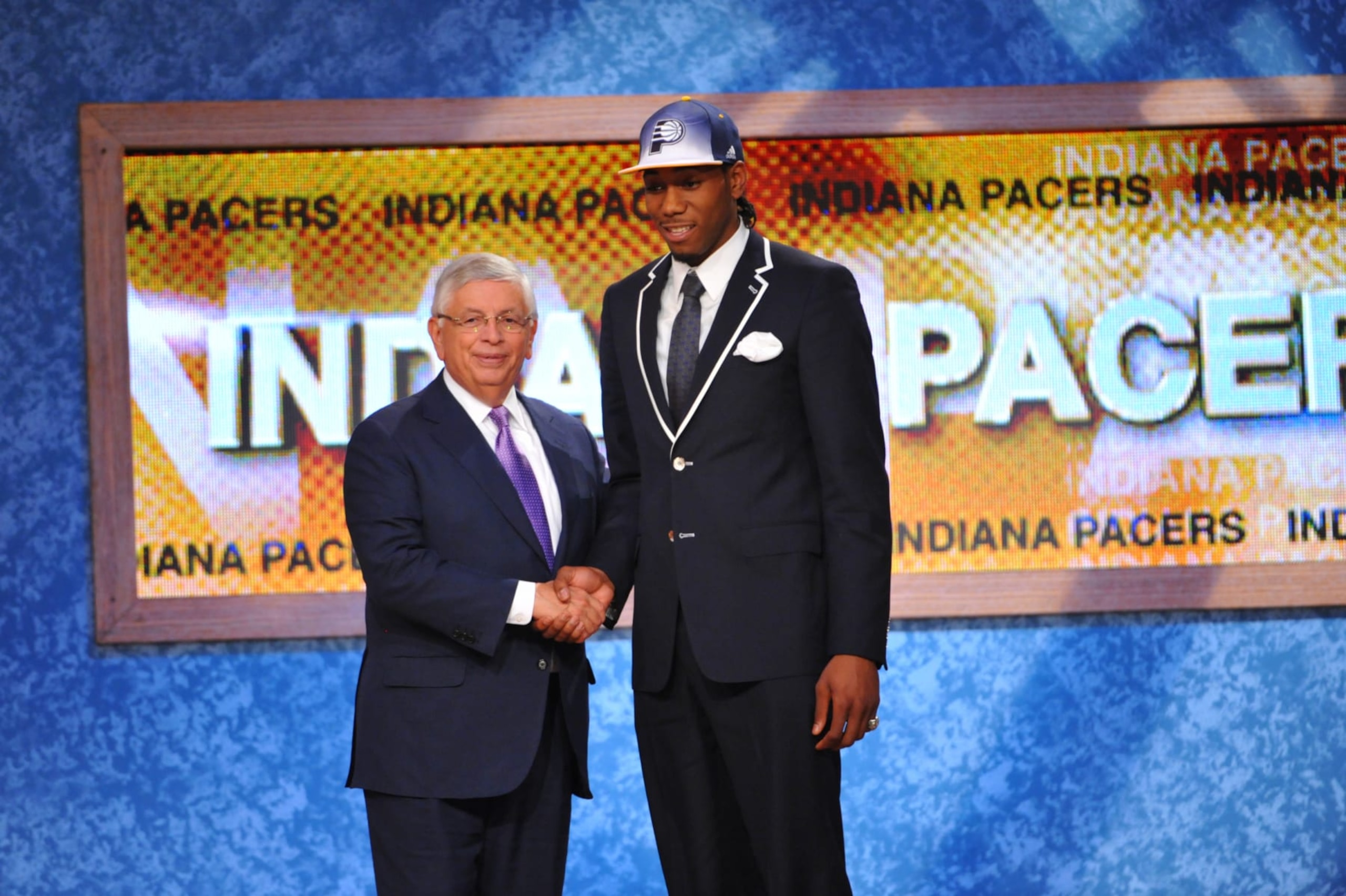
The trade: Kawhi Leonard, Dāvis Bertāns and Erazem Lorbek to the San Antonio Spurs for George Hill
Back in 2013, Zach Lowe penned a fascinating retrospective for Grantland of this 2011 draft-night swap that detailed all the ins and outs of what became such a significant trade.
The basic story was this: The Pacers had long interest in Hill, and the Spurs were willing to let him go if their preferred prospect was still on the board at No. 15.
Now, you could argue the knowledge San Antonio really liked someone in that spot should've had Indiana's spidey senses tingling. The Spurs' sharp eye for talent was already established by that point, so maybe the Pacers should've looked harder at the prospect crop. Then again, they didn't know San Antonio's target or Leonard's NBA future, but they were pretty convinced Hill could help their roster (and did, contributing to conference finals runs in 2013 and 2014).
Had the Pacers known then what everyone knows now about Leonard, though, they would've laughed off the notion of letting him go for a solid-but-not-at-all-spectacular player like Hill.
A healthy Leonard is on the short list of the planet's top talents, having booked five All-Star trips, earned five All-NBA selections and taken home two each of the Defensive Player and Finals MVP awards.
Los Angeles Clippers
13 of 30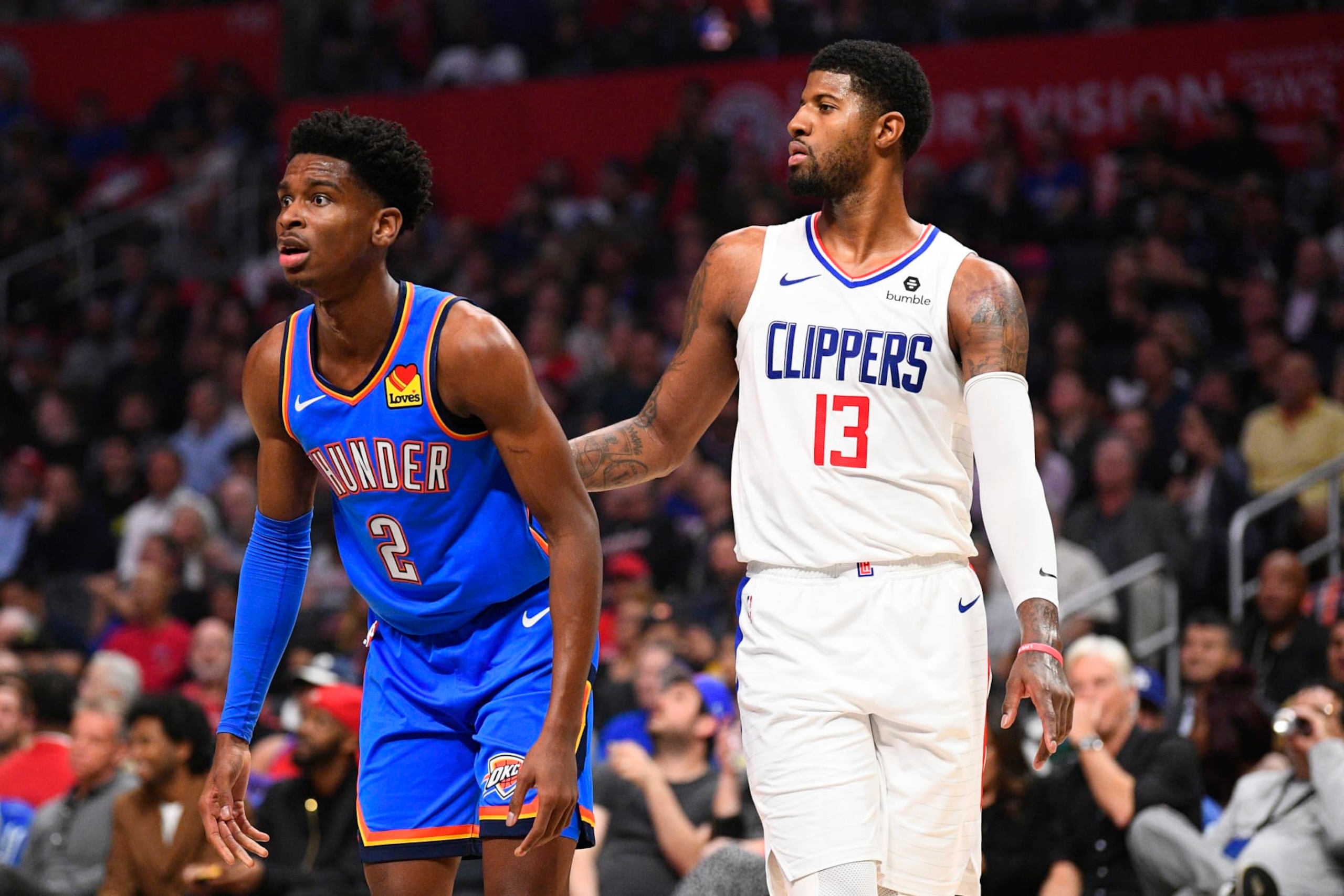
The trade: Danilo Gallinari, Shai Gilgeous-Alexander, five first-round picks and two first-round pick swaps to the Oklahoma City Thunder for Paul George
Clippers fans (and front-office members) might push back some on the selection of this trade. They'll note how Kawhi Leonard should be considered as part of this deal, since George's arrival seemingly clinched Leonard's interest in joining the franchise. Or how, if they could ever stay healthy, that duo still has the chance to lead a championship run yet.
As for Thunder fans, though, they have counted their blessings ever since this blockbuster went down, and they haven't even reaped all of the rewards yet.
They have, however, since Gilgeous-Alexander emerge as an all-caps ELITE talent, while one of the picks has yielded a potential future star in Jalen Williams. The deal also netted them and quick-strike scoring guard Tre Mann.
And who knows what else will come to the Sooner State, as the Thunder are still owed firsts in 2024 and 2026, plus swap rights in 2025.
Los Angeles Lakers
14 of 30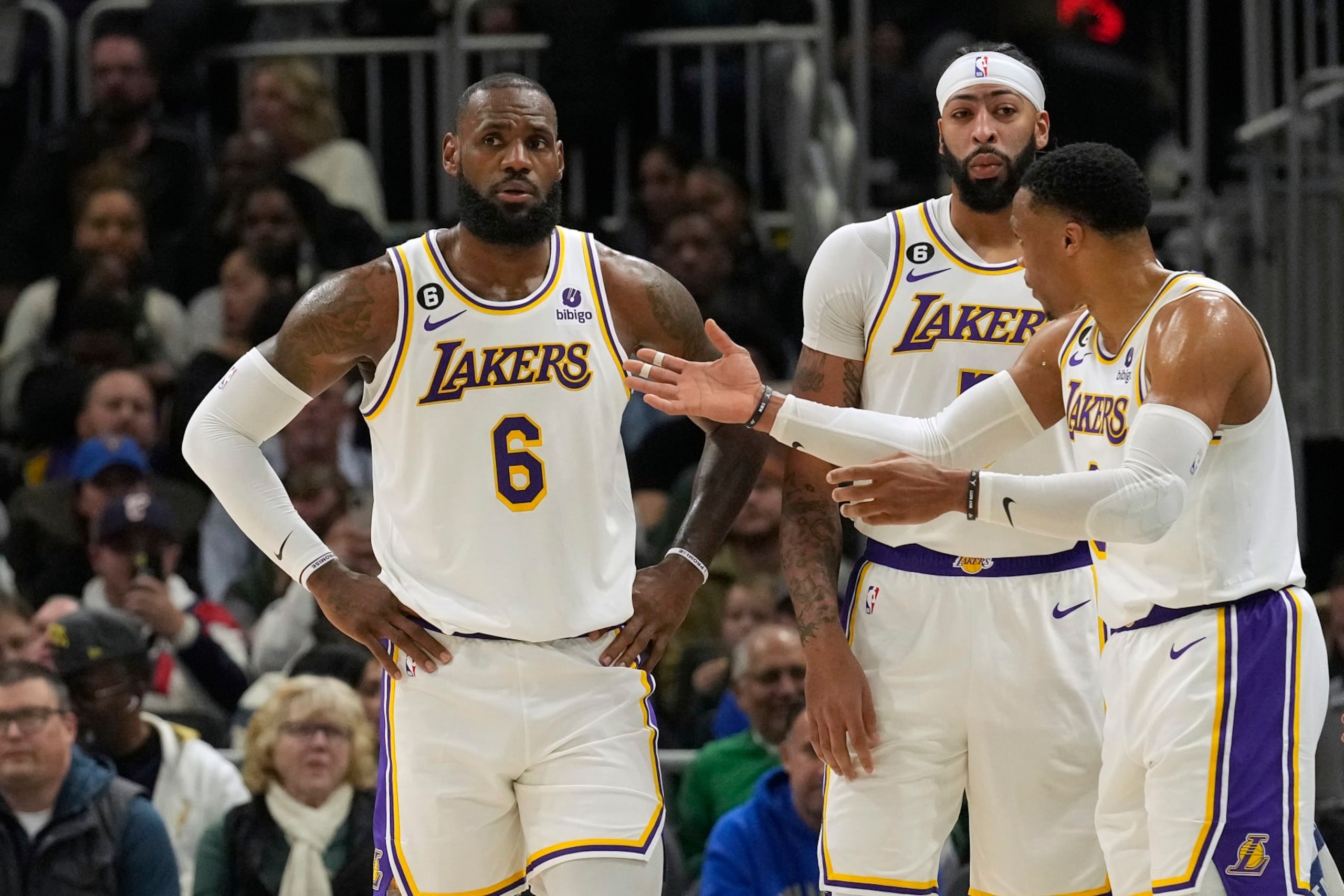
The trade: Kentavious Caldwell-Pope, Montrezl Harrell and Kyle Kuzma to the Washington Wizards; Isaiah Jackson to the Indiana Pacers; Russell Westbrook and three second-round picks to the Lakers
This August 2021 blockbuster actually involved five teams, and the full details can be found here. This summation shows the Lakers' involvement in what seemed like a shaky-at-best trade initially and only appeared worse with time.
L.A. sacrificed youth, shooting and defense in pursuit of Westbrook, whose erratic shooting and ball-dominance always made him a wonky on-court fit with LeBron James and Anthony Davis. L.A. clearly hoped talent could compensate for any stylistic clashes, but that...uh...didn't happen.
The Lakers, champs in 2019, were a 49-loss mess in 2021-22, and while injuries to James and Davis contributed to that number, so did the fact that Westbrook was as poor of a fit as he appeared on paper.
L.A. was 3.6 points worse per 100 possessions with him than without that season and traded him away midway through the next one in a deadline deal that cost it a top-four protected 2027 first-round pick while bringing back D'Angelo Russell, Jarred Vanderbilt and Malik Beasley (now a member of the Milwaukee Bucks).
Memphis Grizzlies
15 of 30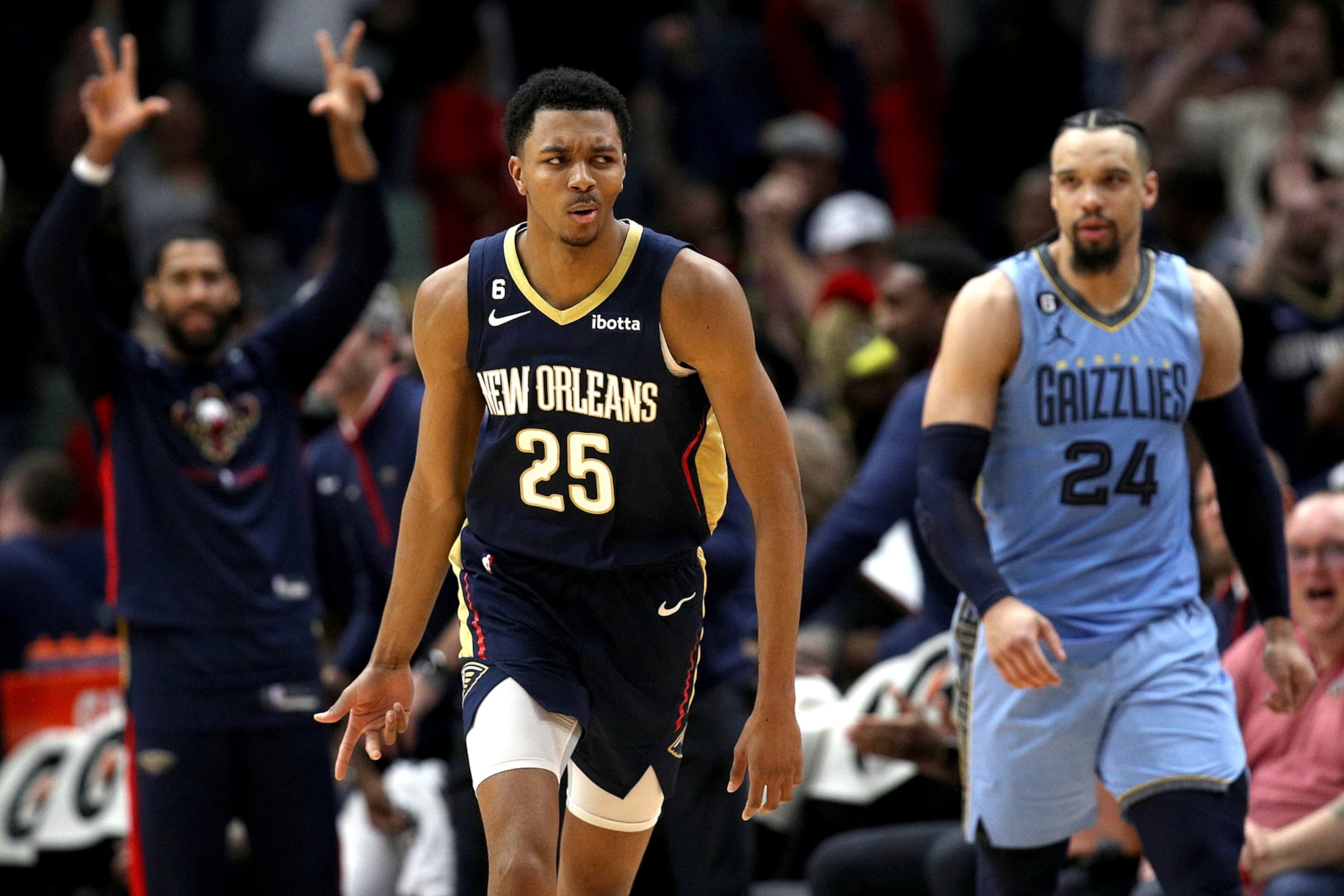
The trade: Brandon Boston Jr., Trey Murphy III and Jonas Valančiūnas to the New Orleans Pelicans; Tyler Harvey to the Charlotte Hornets; Ziaire Williams, Steven Adams, Eric Bledsoe, Jared Butler and two future second-round picks
This three-team trade featured even more moving parts, but this covers Memphis' portion of the swap. It also highlights how close the Grizzlies were to finding their coveted two-way forward.
Had they simply kept the No. 17 pick instead of moving up to No. 10 for Williams, they could have added Murphy, an all-purpose defender with a career 40-percent splash rate and dunk-contest hops.
Memphis instead became infatuated with Williams' theoretical upside, which didn't amount to much over his first two NBA seasons. Granted, injuries disjointed his sophomore season a bit, but it's not like he lit it up as a rookie (8.1 points per game on 45/31.4/78.2 shooting).
Williams could be better in the future, but the odds are heavily on Murphy's side for now. Also, while the Grizzlies initially saw a huge impact from having Adams man the middle, he has been sidelined since January by a knee injury that has already ended his 2023-24 season.
Miami Heat
16 of 30
The trade: Bojan Bogdanović to the Minnesota Timberwolves for Norris Cole
Cole played a subtle but awesome role on one of the biggest moments in Heat history. Before Ray Allen's epic game-tying shot in Game 6 of the 2013 Finals had passed through the net, an uber-confident (and extremely hopeful) Cole can be seen exploding into a celebratory leap on the sideline.
As for his on-court contributions, though, there weren't a lot. He was a moderately effective rotation player for three plus-seasons (two that produced titles), then used as part of the package to acquire Goran Dragić at the 2015 deadline.
Bogdanović didn't come stateside until the 2014-15 season, but he hit the ground running as a reliable, efficient scoring wing and seemingly keeps getting better age. His last season was his most productive to date, as he netted a career-high 21.6 points a night on 48.8/41.1/88.4. He may not be a star, but he should could help unlock this offense, which landed a dismal 25th in efficiency last season, the worst such mark among all postseason participants.
Milwaukee Bucks
17 of 30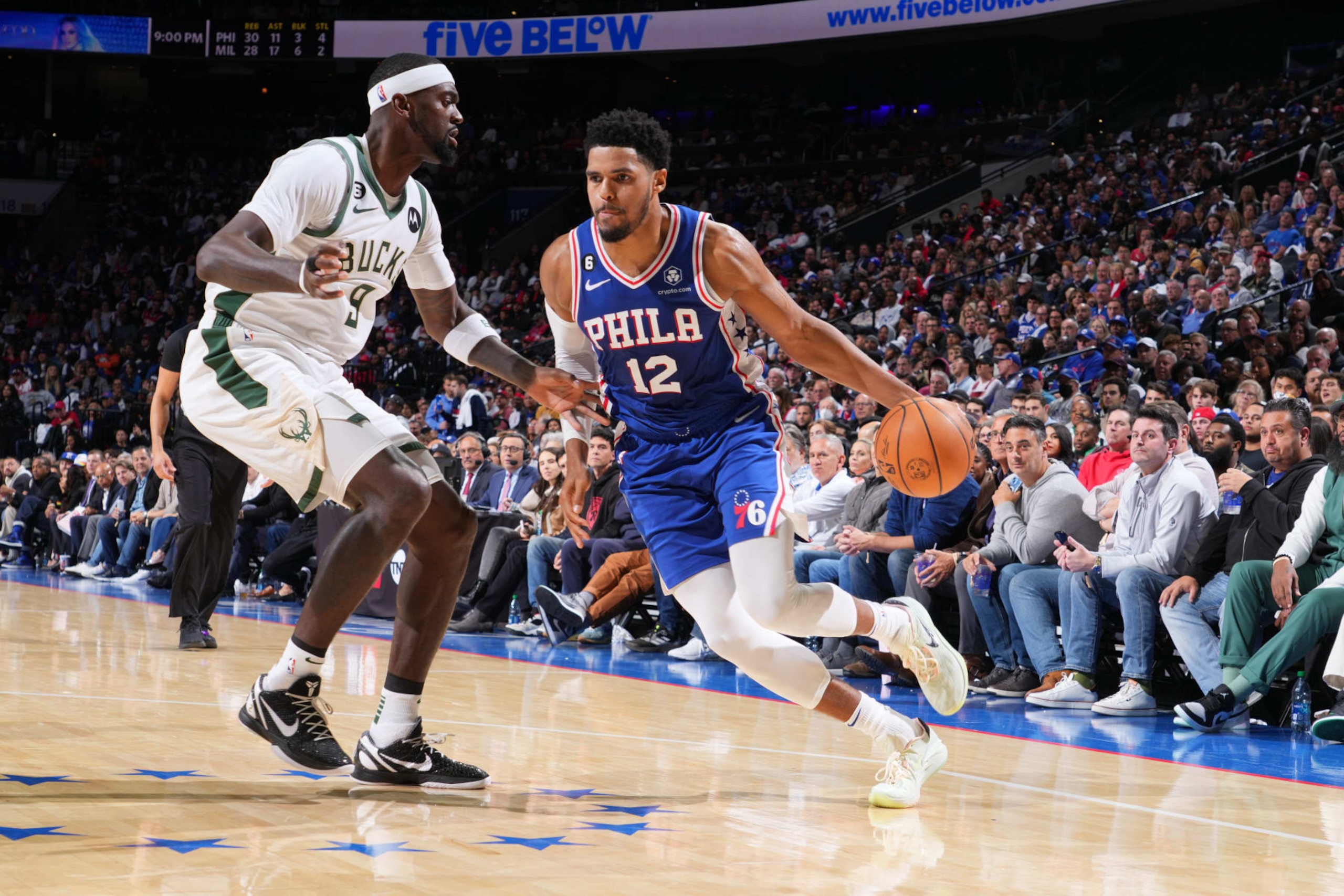
The trade: Norman Powell and a future first-round pick to the Toronto Raptors for Greivis Vásquez
Milwaukee's front office has enjoyed some massive wins of late, but things didn't always go so swimmingly in the Badger State.
A 2013 deadline trade in which the Bucks sent Tobias Harris (plus Doron Lamb, Beno Udrih cash) to the Orlando Magic for JJ Redick, Ish Smith and Gustavo Ayón (all of whom left the Bucks the following offseason) garnered serious consideration here.
That trade was rough, but this swap—executed during the 2015 draft—looks truly terrifying, especially upon the realization that the draft pick eventually produced two-way wing O.G. Anunoby. Between him and Powell, Milwaukee could have had a couple of feisty, two-way wings.
Instead, the Bucks went with Vásquez, at the time a 28-year-old reserve with middling career averages (9.2 points and 4.9 assists). Injuries wrecked his 2015-16 season—the only one he spent in Milwaukee—but given his trajectory and projected role, he was never going to justify the cost paid to acquire him even if he had stayed healthy.
Minnesota Timberwolves
18 of 30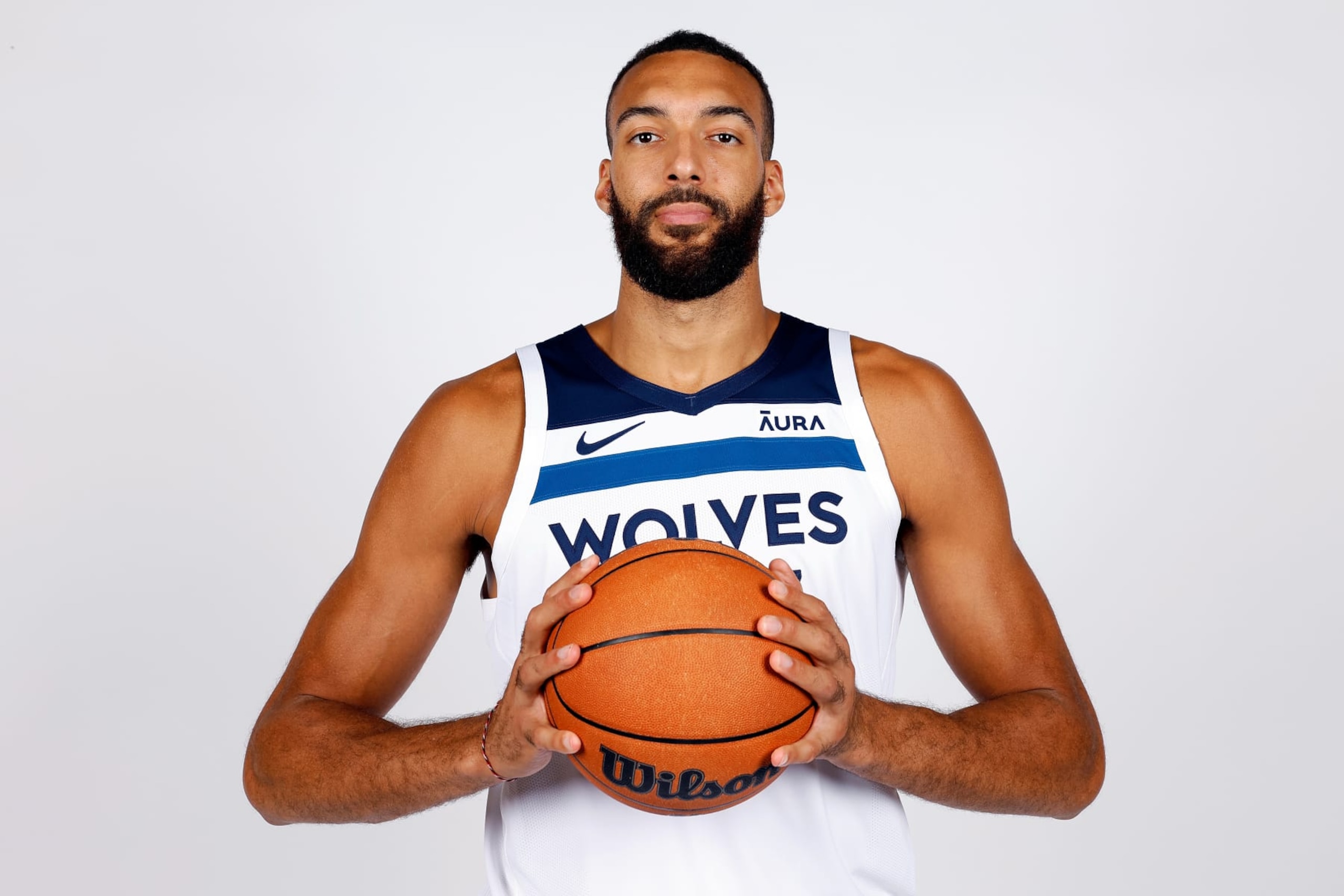
The trade: Malik Beasley, Patrick Beverley, Leandro Bolmaro, Walker Kessler, Jarred Vanderbilt, four first-round picks and a first-round pick swap to the Utah Jazz for Rudy Gobert
Some deals don't age particularly well and only start to sour with hindsight. This trade was a puzzler from the second it was completed in July 2022. It's barely a year old, and you can already find gobs of digital ink debating whether it's the worst this league has ever seen.
There were honestly too many issues with this megadeal to discuss them all here, but maybe the simplest is this: Gobert simply isn't worth this kind of haul. He is an impact defender and active glass-cleaner, but he offers next to nothing on the perimeter on either end.
Last season, his age-30 campaign, the Wolves won just 42 games and were outscored when he was on the floor. He'll make $41 million this season and $43.8 million for the next, and while his $46.7 million salary for 2025-26 is technically a player option, there is less than a zero chance he won't pick that up.
That's how Minnesota, which should have a blindingly bright future by virtue of rostering both Anthony Edwards and Jaden McDaniels, instead faces a daunting task ahead with an overpaid Gobert in an ill-fitting frontcourt combo with Karl-Anthony Towns and limited trade resources to fix this roster.
New Orleans Pelicans
19 of 30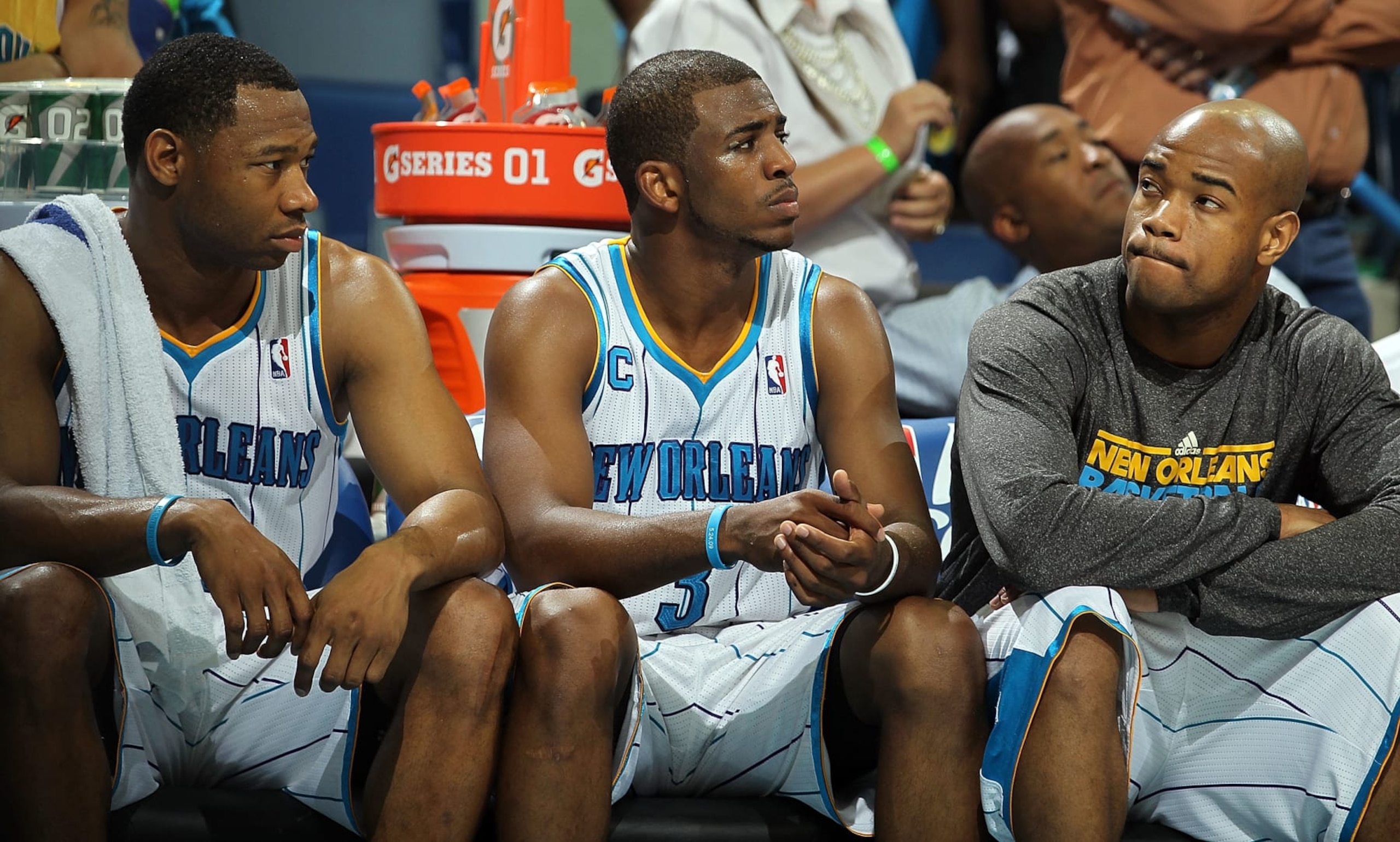
The trade: Chris Paul, a future second-round pick and cash to the Los Angeles Clippers for Al-Farouq Aminu, Eric Gordon, Chris Kaman and a first-round pick
Back in Dec. 2011, the Pelicans (or Hornets as they were then known) were in a tough spot with their best player, Paul, seeking a trade out of town.
Things only grew more complicated when the NBA, which owned the franchise at the time, blocked an agreed-upon three-team trade that would have sent Paul to the Lakers while bringing Lamar Odom, Kevin Martin, Luis Scola, Goran Dragić, a first-round pick and a second-round pick to New Orleans.
The Hornets went this direction instead, meaning they flipped a 26-year-old perennial All-Star for a handful of injury- (and frustration-) filled seasons by Gordon and not a lot else.
Kaman ditched New Orleans to sign with the Mavericks the following summer. Aminu spent three nondescript seasons there before also inking a free-agency pact in Dallas. That pick was later spent on Austin Rivers, who started just 33 of the 165 games he played over two-plus seasons in New Orleans before being moved in Jan. 2015.
New York Knicks
20 of 30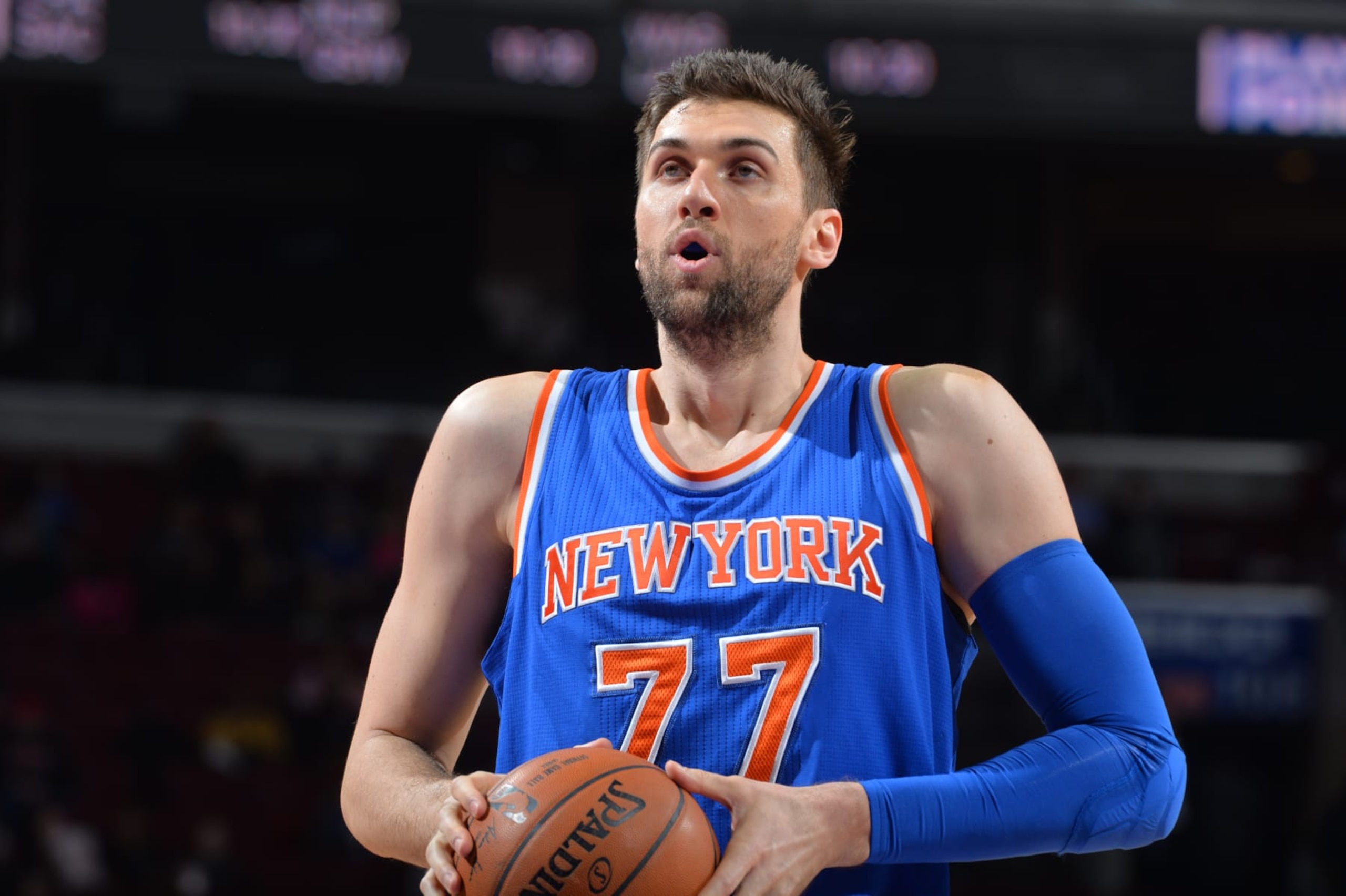
The trade: Marcus Camby, Steve Novak, Quentin Richardson, a future first-round pick and two second-round picks to the Toronto Raptors for Andrea Bargnani
This was another one of those deals met with a what-are-you-thinking reaction at the time it was executed. Sure, Bargnani was once the No. 1 pick, but by the time of this July 2013 draft, it was obvious that stardom (or anything close it) simply wasn't in the cards.
He had battled injuries, but he also struggled to find a consistent shot, played some dismal defense and tallied more turnovers than assists. In the season prior to this trade, the 7-footer had averaged just 12.7 points and an impossibly low 3.7 rebounds in 28.7 minutes while shooting 39.9 percent from the field and 30.9 percent from distance.
The Knicks didn't lose much in terms of players at least—Camby and Richardson never suited up after this trade, Novak played 107 games over his final four seasons—but they still gave up a first-round pick for a subpar player.
Adding insult to, well, insult, that pick later became Jakob Poeltl, whom the Raptors would later put in the package that helped get them Kawhi Leonard and the championship that followed his arrival.
Oklahoma City Thunder
21 of 30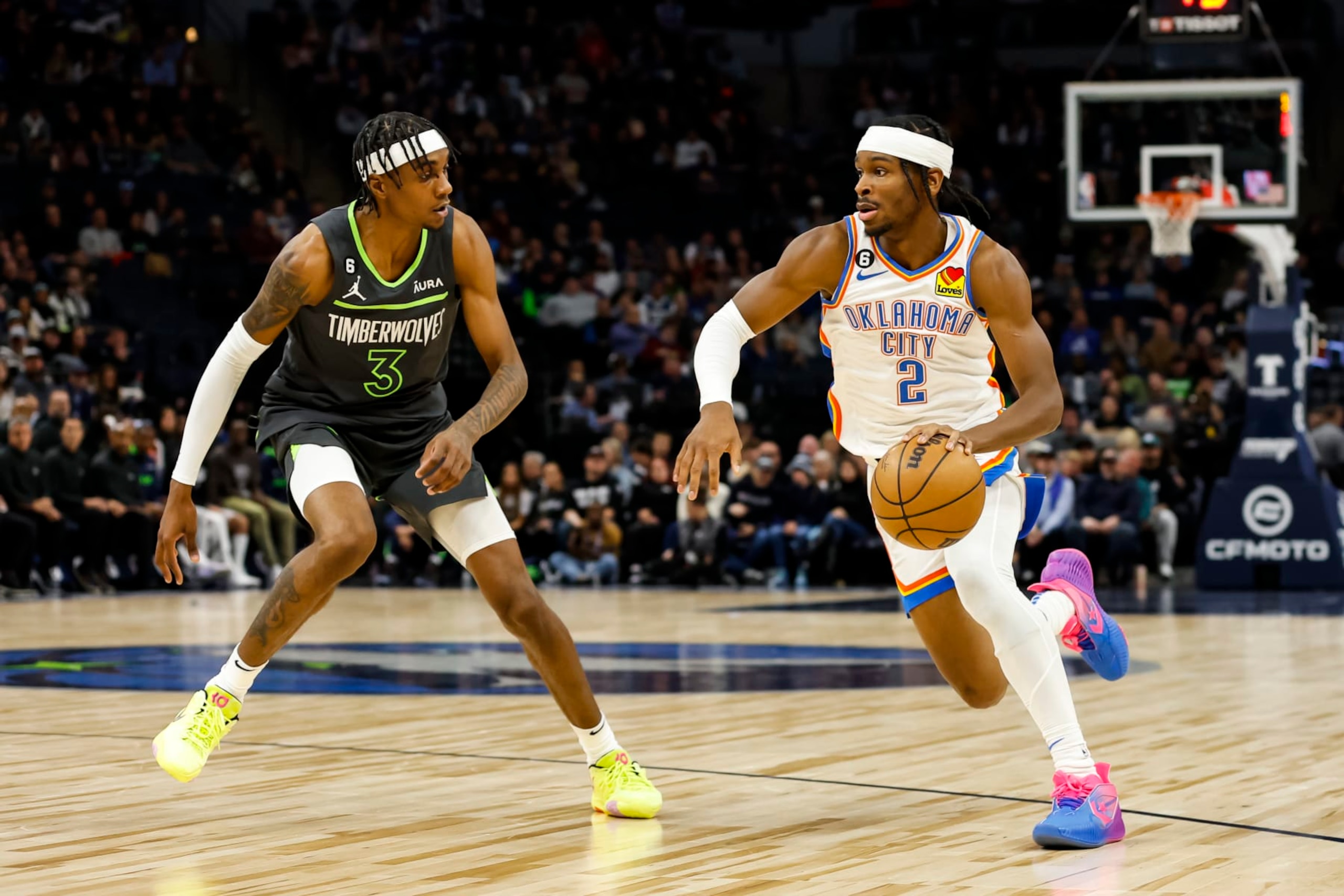
The trade: Jaden McDaniels and Ricky Rubio to the Minnesota Timberwolves; Immanuel Quickley to the New York Knicks; James Johnson, Aleksej Pokuševski and a future second-round pick to the Thunder
The brightness setting for Oklahoma City's long-term outlook may already be at 100 percent, but it could have been even brighter had the Thunder second-guessed this three-team trade during the 2020 draft.
Nix this trade, and the Thunder could have walked away with both Quickley (the No. 25 pick) and McDaniels (No. 28). Quickley would've been a fun fit with either (or both) of Shai Gilgeous-Alexander and Josh Giddey, since he can make things happen on or off the ball. McDaniels is a great fit with anyone, as he can blanket opponents of nearly any size on defense and has grown his offensive game to the point where he netted 12.1 points on 51.7/39.8/73.6 shooting last season.
What Oklahoma City instead came away with was a past-his-prime Johnson (who was quickly routed to Dallas), James Nnaji (the second-round pick that eventually landed in Charlotte) and Pokuševski, a rail-thin 7-footer who remains a project despite already having three NBA seasons behind him.
Orlando Magic
22 of 30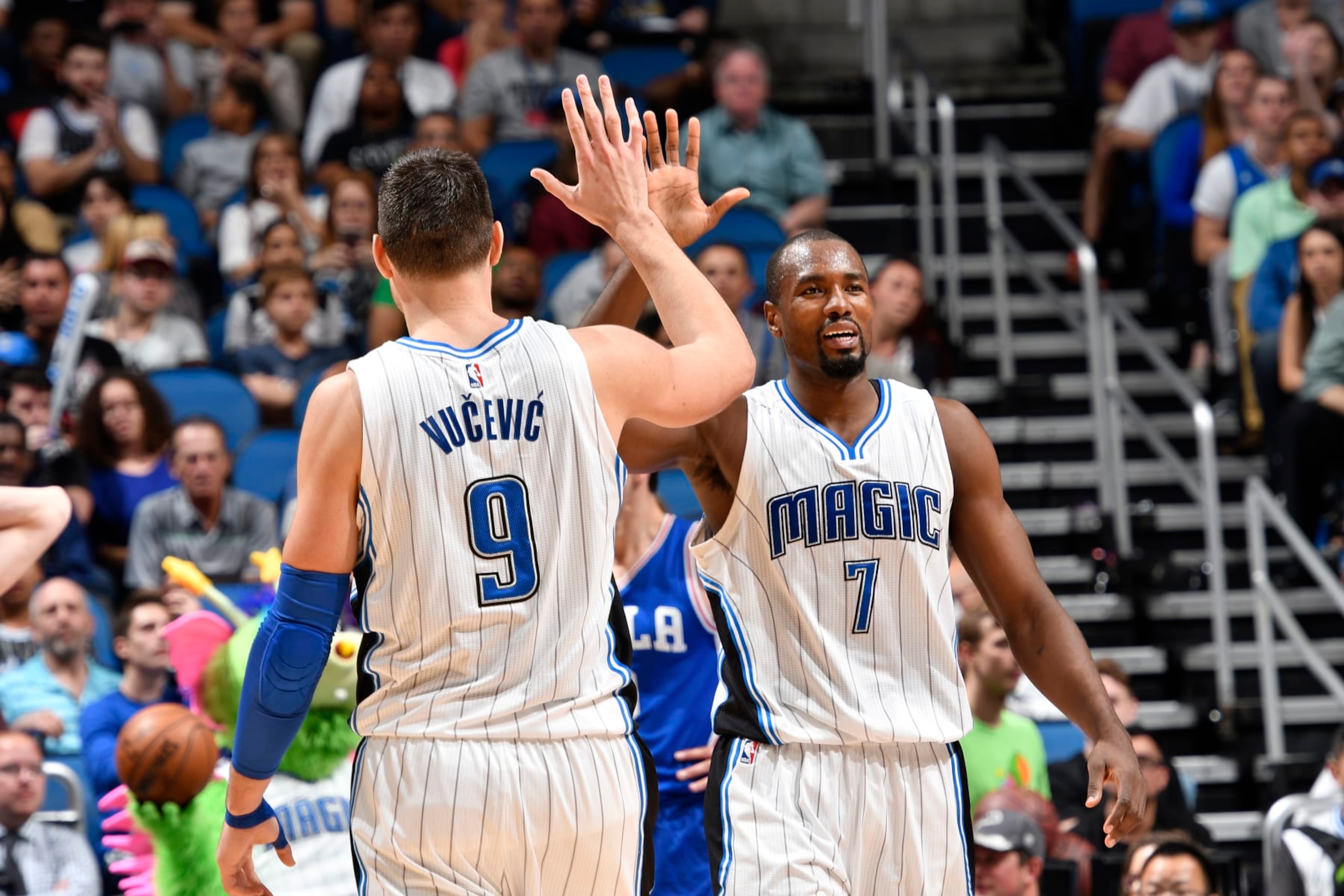
The trade: Ersan İlyasova, Victor Oladipo and Domantas Sabonis to the Oklahoma City Thunder for Serge Ibaka
The salary-cap eruption that was the 2016 offseason led to a bunch of bizarre wheeling and dealing, but the Magic made some of the strangest moves of anyone.
Upon completion of this 2016 draft-night deal, then-Orlando coach Frank Vogel tried explaining the decision by saying, "The way the NBA is going, defensive versatility is huge."
Vogel's take was right, but the Magic's interpretation of it was anything but. During this summer, Orlando acquired Ibaka and signed both Bismack Biyombo and Jeff Green, despite already having Nikola Vučević and Aaron Gordon on the roster. For a team supposedly aiming for versatility, stacking up a slew of 4s and 5s was a weird way to go about it.
To the surprise of no one, the Magic's super-sized roster couldn't function, and they cut their losses in a hurry. Ibaka was traded to the Toronto Raptors at the 2017 deadline for Terrence Ross and a first-round pick later spent on Anžejs Pasečņiks, who played parts of two NBA seasons (neither with Orlando). Oladipo and Sabonis, meanwhile, both became All-Stars after leaving the Magic.
Philadelphia 76ers
23 of 30
The trade: Jayson Tatum and a future first-round pick to the Boston Celtics for Markelle Fultz
The 2017 offseason was the gift that kept on giving in Boston. In Philadelphia, it might still be the source of insomnia.
While the Sixers left the lottery with the No. 3 pick, they still wanted more. More specifically, they wanted Fultz and (reasonably) concluded he wouldn't get to them. So, they packaged this pick with a 2019 first (later spent on Romeo Langford) to climb the two spots to get their guy, while the Celtics slid back to No. 3 and snapped up Tatum.
Everyone knows what happened next. Fultz, fighting a debilitating shoulder injury, lost his shooting touch and with it, the chance to log any meaningful minutes alongside Joel Embiid and Ben Simmons. Philly wound up trading Fultz to the Orlando Magic at the 2019 deadline for Jonathon Simmons, a first-round pick (that thankfully delivered Tyrese Maxey) and a second-round pick (spent on Carsen Edwards).
Tatum, meanwhile, has forced his way into the best-player-on-the-planet discussion and annual MVP debates. The idea of a Tatum-Embiid duo is truly terrifying. The fact that it could have actually happened may forever haunt the Sixers.
Phoenix Suns
24 of 30
The trade: De'Anthony Melton, Josh Jackson and two second-round picks to the Grizzlies for Jevon Carter and Kyle Korver
The Suns saw Melton's sacrifice as the necessary means to an end—namely, getting out of the money still owed to Jackson. They'd love to have that one back.
Melton has quietly emerged as one of the league's better two-way playmakers. His sweeping 6'8" wingspan helps him play bigger than his 6'2" size, and his always-on-point defense helps him play a step (or three) ahead of the opposition. He is the only player (past or present) to post a 15-plus assist percentage, three-plus steal percentage and two-plus block percentage (minimum 5,000 minutes).
For giving up that talent (plus whatever upside Jackson retained and two second-rounders, though only one conveyed), Phoenix was compensated with Korver, who was immediately waived, and Carter, who averaged 14.1 minutes over his two seasons with the Suns.
Portland Trail Blazers
25 of 30
The trade: Norman Powell and Robert Covington to the Los Angeles Clippers for Eric Bledsoe, Keon Johnson, Justise Winslow and a 2025 second-round pick
Portland's biggest mistakes have come in free agency ($70 million man Evan Turner waves hello), so the Blazers might be more ashamed of this swap than truly haunted by it. Still, bad business is bad business, so let's dig into the deal.
Two-way wings (or players who remotely resemble the archetype) are almost always pricey in the modern Association, and, outside of this swap, Powell and Covington were no exception. Between the Nov. 2020 trade for Covington and the March 2021 deal that delivered Powell, the Blazers parted with Gary Trent Jr., Isaiah Stewart, Rodney Hood, Trevor Ariza and a lottery-protected first-round pick.
In this 2022 deadline deal, though, Portland gave up both for next to nothing. Bledsoe was waived immediately, Johnson was traded after an unproductive season-plus, Winslow quietly exited in 2023 free agency (and remains without a gig) and the pick obviously hasn't conveyed yet.
Even if the Blazers' main aims were to increase financial flexibility and strengthen their late-season tank, this is still a hauntingly tiny return.
Sacramento Kings
26 of 30
The trade: Gary Trent Jr. to the Portland Trail Blazers for two second-round picks and cash
Sacramento's major trades in recent history were widely marked at the time, but few have aged particularly poorly.
The Kings probably didn't get enough for DeMarcus Cousins in 2017, but his trade value was always tricky to pin down, and they still found an elite shooter (Buddy Hield) and a first-round pick (Zach Collins).
They might one day regret the 2022 deadline deal that shipped out Hield and Tyrese Haliburton for Domantas Sabonis, but the big man has been spectacular and already helped snap the organization's record-setting playoff drought.
So, we'll instead look at this 2018 draft-night deal that saw Sacramento lose a capable contributor in Trent for cash and picks later spent on non-contributors (Justin James and Sharife Cooper).
Trent didn't immediately pop, but once he did, he flashed an ignitable three-ball with defensive playmaking. Between the 2020-21 and 2022-23 seasons, he averaged 17.1 points and 1.5 steals while shooting 37.9 percent from three.
San Antonio Spurs
27 of 30
The trade: Kawhi Leonard to the Toronto Raptors for DeMar DeRozan, Jakob Poeltl and a first-round pick
Leave it to the Spurs to still collect dividends from the trade that haunts them most.
The pick exchanged in this July 2018 trade wound up producing Keldon Johnson, a 24-year-old with a career scoring average of 16.5 points. They also effectively squeezed two more first-rounders out of this deal, since they added one apiece in the later trades that sent DeRozan and Poeltl out of the Alamo City.
Still, this was a curious way to handle the subtraction of an in-prime star.
Rather than collect gobs of future-focused assets, the Spurs aimed to remain competitive without Leonard. They won 48 games the season after this trade, but they clearly weren't contenders and were ousted in the opening round. They backtracked in the two years with DeRozan that followed, but they weren't bad enough to completely bottom out until after he left.
Their rebuild eventually ended in a great place by winning the Victor Wembanyama sweepstakes, but they could (and should) have been pursuing high-end prospects long before they did.
Toronto Raptors
28 of 30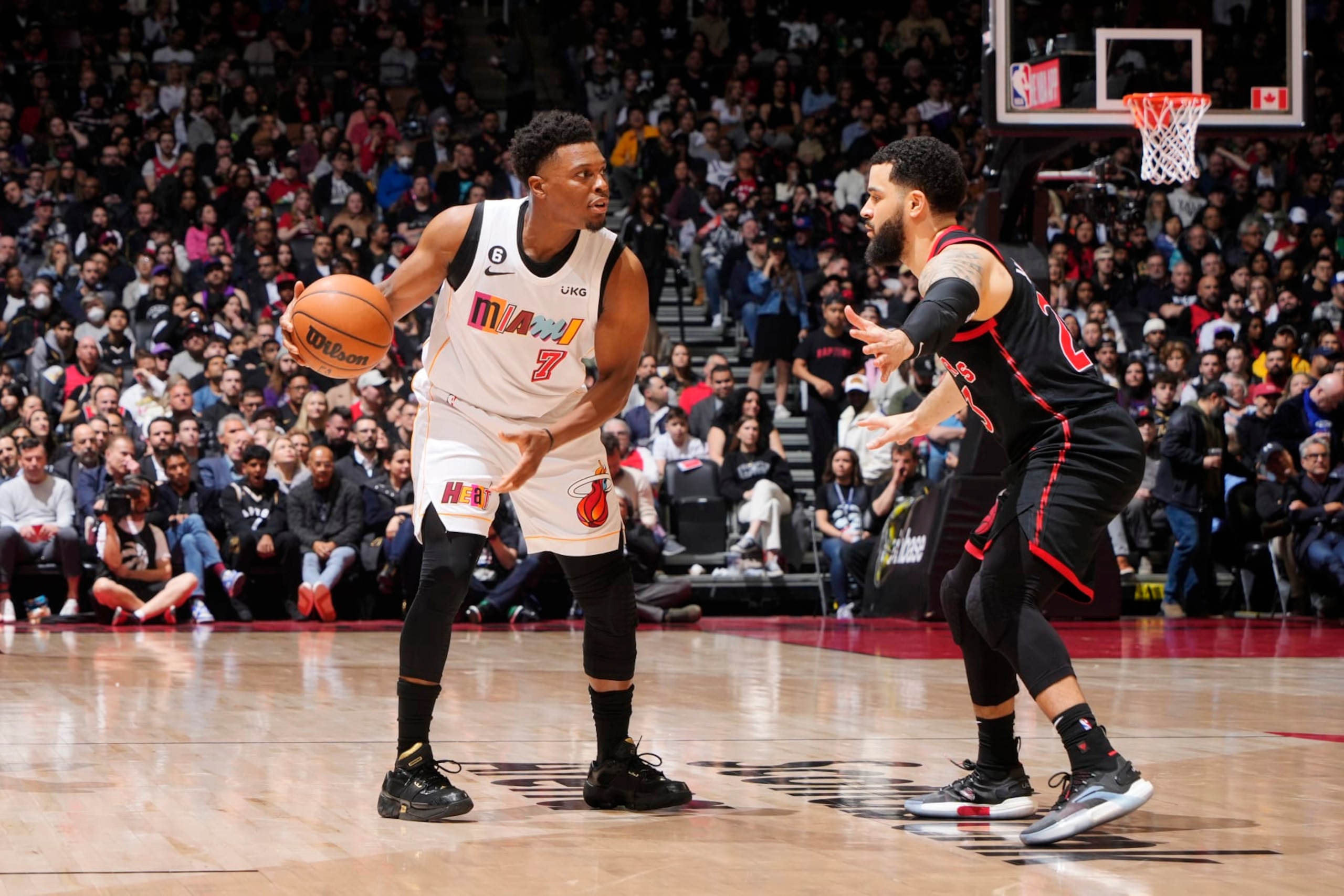
The trade: Kyle Lowry to the Miami Heat for Precious Achiuwa and Goran Dragić
The value wasn't the issue in this deal. It was actually a sign-and-trade for a then-35-year-old Lowry, so getting back a potential keeper in Achiuwa was solid—even if Toronto only got five games out of Dragić before trading him away.
The problem with this trade was the timing. The Raptors were running on fumes by the 2020-21 season and seemed a prime candidate to send out win-now talent at the deadline. Lowry, playing on an expiring contract, was an obvious choice to go. So, when the deadline came and went without a deal, everyone was left scratching their heads.
"I know you guys wanted that farewell story, huh?" Raptors president Masai Ujiri said at his post-deadline press conference. "Sorry. You're gonna have to postpone that. All those stories you have to postpone now."
The farewell came just a few months later, and Toronto had little to show for it. Achiuwa is still a part of this rotation, so that's a plus, but his first two seasons with the team yielded per-game marks of only 9.2 points and 6.3 rebounds in 22.4 minutes.
Utah Jazz
29 of 30
The trade: Josh Hart and Thomas Bryant to the Los Angeles Lakers for Tony Bradley
This is one of those draft-night deals that prove why they can't be properly evaluated until years later.
At the time (2017), Utah seemingly did just fine by flipping the Nos. 30 (Hart) and 42 (Bryant) picks for No. 28 (Bradley). Given the careers each has had since, though, it's obvious the Jazz came about way behind.
Bradley played just 728 minutes in 70 games over three seasons in Salt Lake City before being salary-dumped onto the Pistons in Nov. 20. The 25-year-old is not on an NBA roster.
Hart, meanwhile, signed a four-year, $81 million deal with the New York Knicks this summer and has blossomed into one of the league's better Swiss Army knives.
Bryant has had to work around some injury trouble, but he's been productive when he plays and owns career per-36-minutes averages of 18.5 points, 10.5 rebounds and 1.4 blocks.
Washington Wizards
30 of 30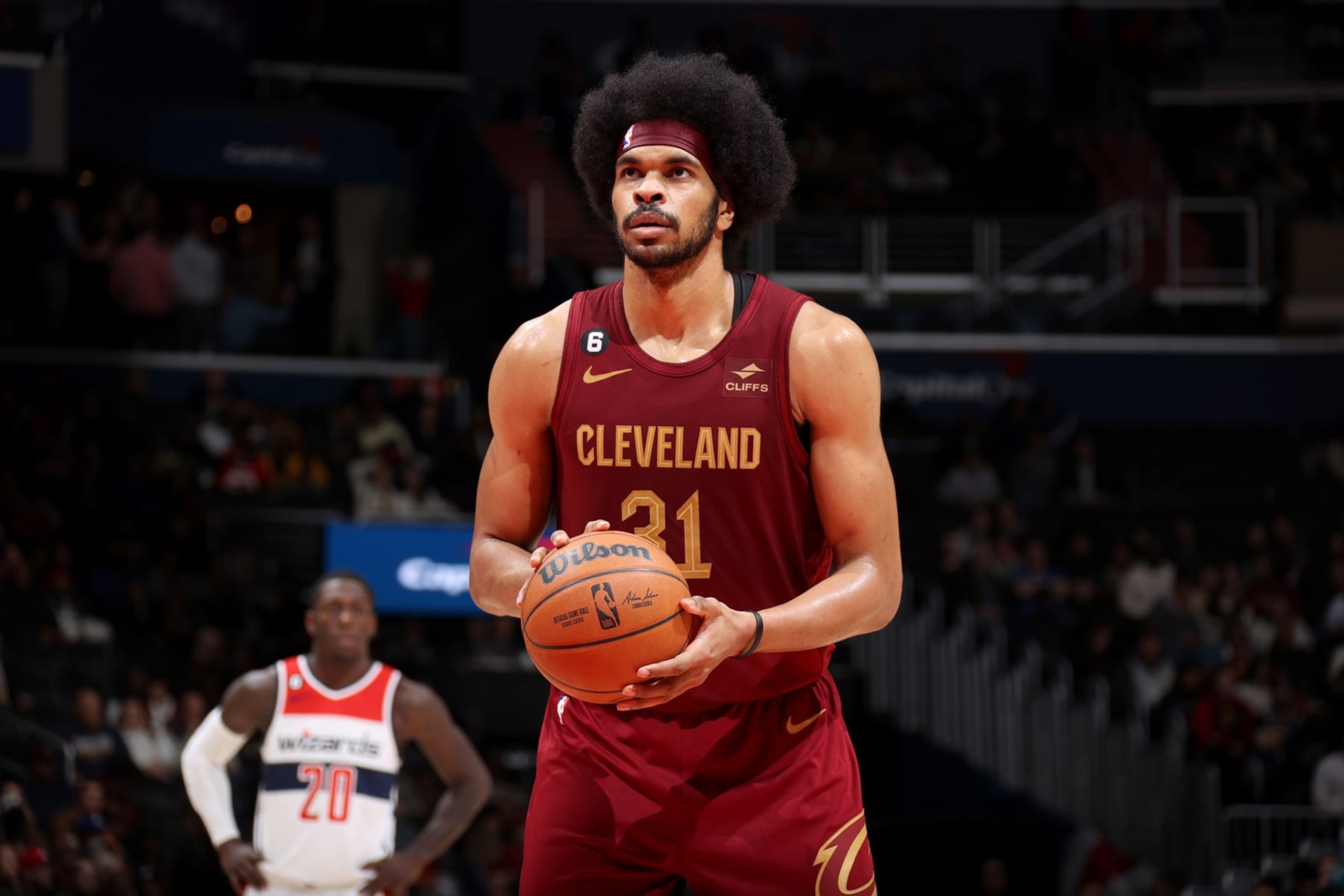
The trade: Jarrett Allen (as a first-round pick), Andrew Nicholson and Marcus Thornton to the Brooklyn Nets for Bojan Bogdanović and Chris McCullough
This swap seemed somewhat defensible (if a bit shortsighted) at the time. The Wizards were 13 games above .500 when this went down at the 2017 deadline, so they could have reasonably felt capable of squeezing a lot out of that season. Plus, they put lottery protection on the pick in case things went south.
But this trade made a good-not-great Washington team into...a good-not-great Washington team. Bogdanović, who was playing on an expiring deal, could only add so much in a reserve role. The Wizards showed plenty of heart that postseason, but their journey still didn't stretch beyond the conference semis.
And that was it for their run with Bogdanović, who signed with the Indiana Pacers that offseason. That lottery protection didn't prevent one from getting away either, since it produced Allen, a 25-year-old who's already been an All-Star and looks like he'll warrant annual consideration for an All-Defensive team.
.jpg?w=2560 "B/R's Expert Week 7 NFL Picks 🔮")

.jpg?w=2560 "JJ Watt to Be Top CBS Analyst")
