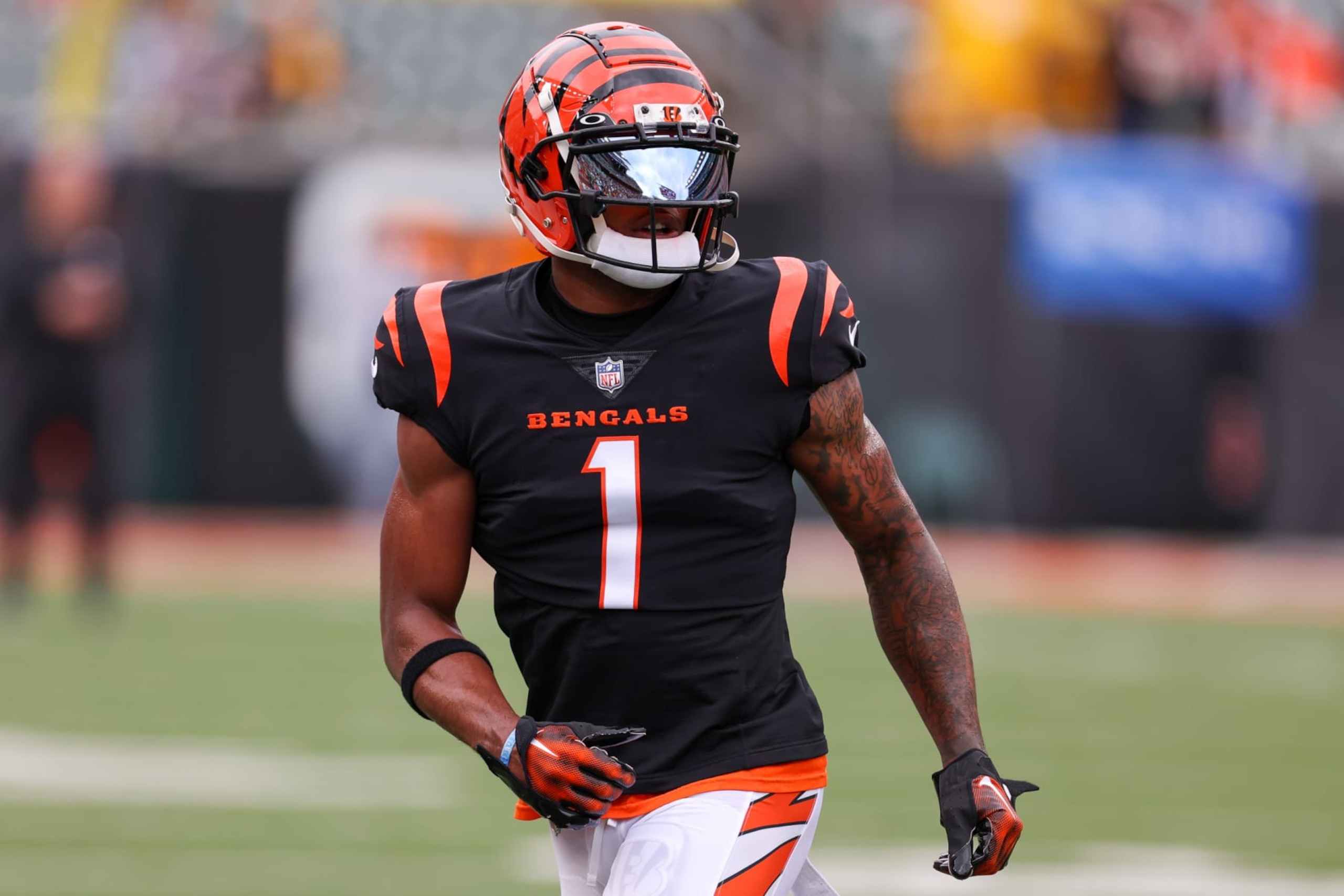

It's the absolute best time of the year for fantasy football managers.
It's draft season.
After a long, dark offseason and a summer of draft prep, people are gathering in sports caves, at watering holes and online to draft their rosters for the 2023 campaign.
It's a time of hope and excitement. Every team is undefeated right now. Every manager has dreams of winning a championship. Getting a trophy. Perhaps winning a few bucks.
But it's a nerve-wracking time as well. Every fantasy manager, be they neophyte or grizzled veteran, is at least a little worried that they will blow the draft. That the season will end before it starts amid a flurry of poor choices.
Well, relax, intrepid drafter. Here you'll find a position-by-position guide to fantasy draft strategy in 2023—and some players to target and avoid at each spot.
Unless otherwise noted, ADP data courtesy of Fantasy Pros.
Unless otherwise noted, fantasy scoring and target data courtesy of FFToday.
Quarterback Draft Strategy: Patience Is a Virtue
1 of 11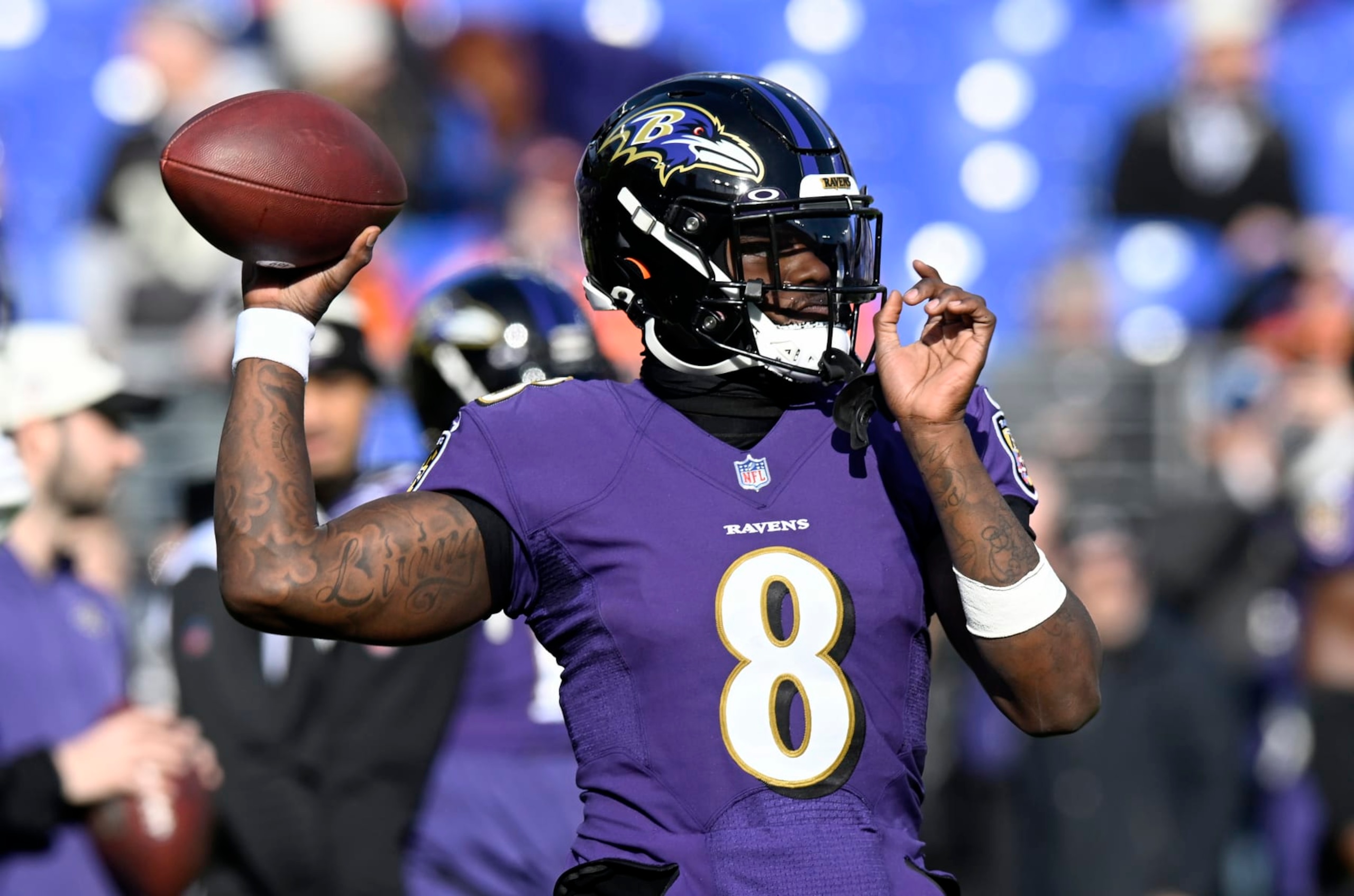
It used to be that the optimal draft strategy at the quarterback position in fantasy football was relatively straightforward: wait.
Unless your league requires two quarterbacks (or has a "superflex") spot, the positional scarcity (or more accurately lack of it) made spending a second- or third-round pick on an elite quarterback unwise. The difference in scoring between the No. 1 quarterback and No. 10 quarterback wasn't worth the hole it put teams in at running back or wide receiver. And if that elite quarterback failed to meet expectations, well then you were toast.
Toast is good with jam. Not so much with fantasy football.
However, after a significant number of second- and third-tier quarterbacks like Lamar Jackson of the Baltimore Ravens and Russell Wilson of the Denver Broncos face-planted in 2022, more fantasy pundits have warmed to the idea of making an early investment under center.
This one, however, isn't going to overreact to one season.
Now, if Patrick Mahomes of the Kansas City Chiefs falls past Round 3, it's a whole new ballgame. But the top three quarterbacks this year all have an ADP in Round 2—and that's just too early to draft a signal-caller.
There are essentially two paths you can take here. The first is to draft a second-tier option with the potential to crash the tier above them—players like Jackson and Justin Fields of the Chicago Bears who are available at least a couple of rounds later.
The second path is to wait and draft a value option later. Players like Kirk Cousins of the Minnesota Vikings and Jared Goff of the Detroit Lions may not have the ceiling of a Josh Allen of the Buffalo Bills, but barring injury, they are a good bet to finish inside the top 12 at the position—and they are available outside the top 100 picks.
For what it's worth, more often than not I favor path No. 2.
Quarterbacks to Target (and Avoid)
2 of 11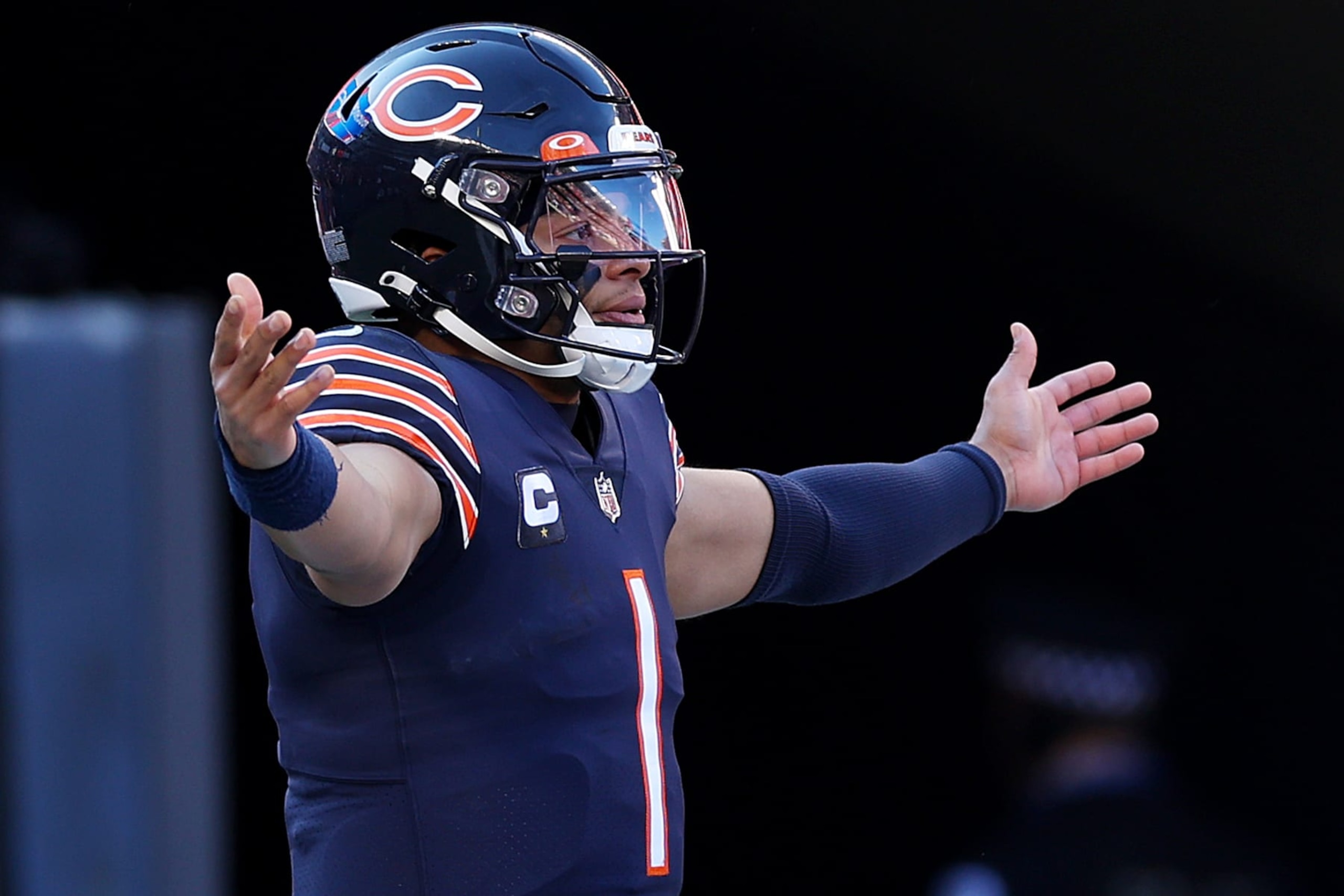
Go Get Him!
Justin Fields, Chicago Bears (ADP: 47)
If you absolutely have to draft a quarterback in the first five rounds, Fields is probably the best value you're going to get. He was sixth in fantasy points per game last year, largely due to his 1,143 rushing yards. But the third-year pro wasn't drafted for his scrambling ability—he was drafted by the Bears because of his arm. With the Bears making improvements to the passing game that include the addition of DJ Moore, this is the year that Fields finally shows off that arm talent.
Tua Tagovailoa, Miami Dolphins (ADP: 91)
Tagovailoa isn't a pick for the faint of heart—last year's concussion issues cannot be ignored. But neither can the fantasy upside that Tagovailoa displayed when healthy last year. The Miami offense is loaded with talent, including two of the most explosive wideouts in the game in Tyreek Hill and Jaylen Waddle. Mike McDaniel is one of the game's best offensive minds. It's not that often a signal-caller is available outside the top 90 picks who could realistically crack the elite tier at the position.
Geno Smith, Seattle Seahawks (ADP: 114)
I really wish that someone would explain to me why last year's QB5 has plummeted outside the top 100 picks. Smith was eighth in passing yards, fourth in touchdown passes and led the league in completion percentage. In DK Metcalf, Tyler Lockett and rookie Jaxon Smith-Njigba, Smith has one of the best trios of wide receivers in the league at his disposal. If there's a problem with Smith, this analyst doesn't see it. All he sees is value.
Steer Clear!
Patrick Mahomes, Kansas City Chiefs (ADP: 15)
In no way is this a knock on Mahomes—he may well be the most talented quarterback the NFL has ever seen. But there's just no value in using a top-15 pick on a quarterback. Mahomes doesn't just have to finish as the No. 1 quarterback to justify this asking price and make up for the deficiency it creates at running back or wideout—he has to do so by a sizable margin. And with all due respect to Mahomes' talent, Kansas City's issues at wide receiver make that kind of massive season far from a sure thing.
Joe Burrow, Cincinnati Bengals (ADP: 33)
Yes, Burrow is a wildly talented young quarterback. And Ja'Marr Chase, Tee Higgins and Tyler Boyd are as good a wide receiver trio as you'll find in the NFL. But Burrow is already dealing with a calf issue, and he's not a quarterback who does a lot of damage with his legs during the season. Last year's fourth-place finish in fantasy points was closer to Burrow's fantasy ceiling than his floor—and drafting players at their ceiling is not how leagues are won.
Running Back Strategy: A Changing Landscape
3 of 11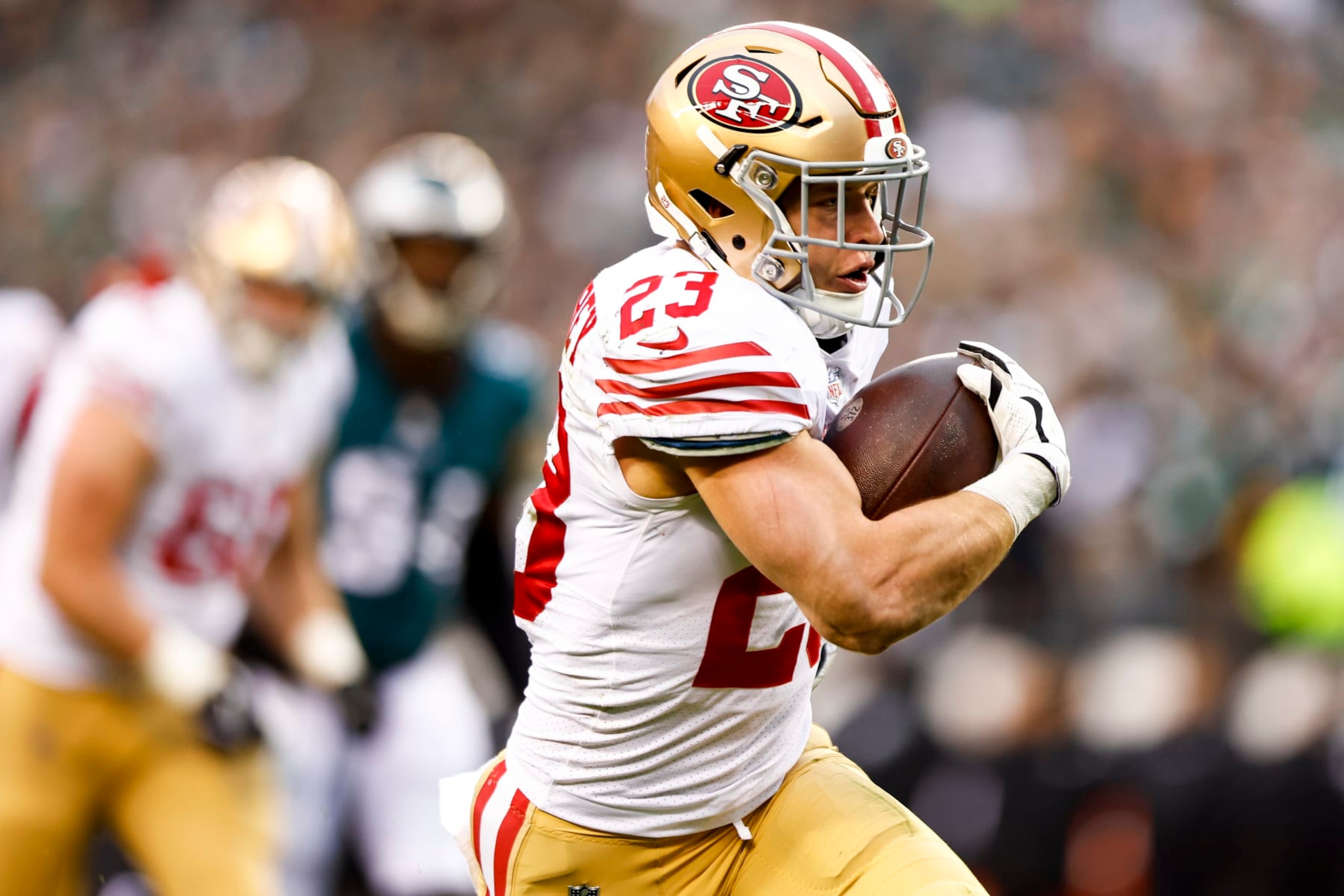
Not that long ago, there was no question that running backs were the kings of fantasy football. The first round of drafts was dominated by the position.
But as the number of true "workhorse" running backs has decreased and the bust rate for the position as a whole has increased, the script has flipped—especially in point-per-reception formats. In 2023, six wide receivers are being drafted in Round 1, as opposed to five running backs.
However, running backs still drive draft strategy. There are essentially three schools of thought at running back—and how fantasy managers approach the position goes a long way toward dictating how other positions will be handled.
Robust RB
The "Robust RB" draft strategy is the old-school-approach. Fantasy managers attack the position, acquiring at least two (and possibly three) backs in the first five rounds, the upside to "Robust RB" is that by locking down some of those dwindling "workhorse" backs, fantasy managers earn an edge at the position and avoid the "RB Dead Zone"—an area between (approximately) Rounds 3-4 and Rounds 7-8 (definitions vary) where the difference in bust rate between wide receivers and running backs is widest.
The downside is that it leaves teams weaker at wide receiver, and running backs in any round are more volatile than wideouts. They just are.
Zero RB
"Zero RB" is the polar opposite of "Robust RB," and it has gained in popularity in recent years. The gist of it is simple: Fantasy managers do not draft a running back for at least five rounds, instead loading up at wide receiver and perhaps grabbing an elite quarterback or tight end.
Then they load up on pass-catching third-down backs and upside plays in the backfield later on. The advantage to "Zero RB" is that wide receivers (in PPR leagues) as a whole both score more points than running backs and have a lower bust rate. The disadvantage is that it likely means shopping for backs in the "Dead Zone." And if managers can't find a value in the later rounds, the advantage they have at receiver will be swallowed up by the hole in the backfield.
Hero RB
"Hero RB" effectively combines the two strategies listed above—managers draft one high-end running back in the early rounds—and then punt the position a la "Zero RB." The goal here is to mitigate the risk of the other two strategies—rostering one elite back offers some stability at that position, but fantasy managers aren't overcommitting to a running back position that carries more risk than wide receiver. The biggest potential downfall here? If that "Hero" or "Anchor" running back doesn't meet expectations, it could be a season-killer.
All three of these strategies can be viable. It's a matter of draft flow, personal preference and tolerance for risk. This analyst tends to lean toward either "Robust RB" or "Hero RB," but I'm an old-school drafter who feels more comfortable finding value at wide receiver than running back later in drafts.

.jpg?w=2560 "Steelers Saints Football")
.jpg?w=2560 "Rams Raiders Football")
Running Backs to Target (and Avoid)
4 of 11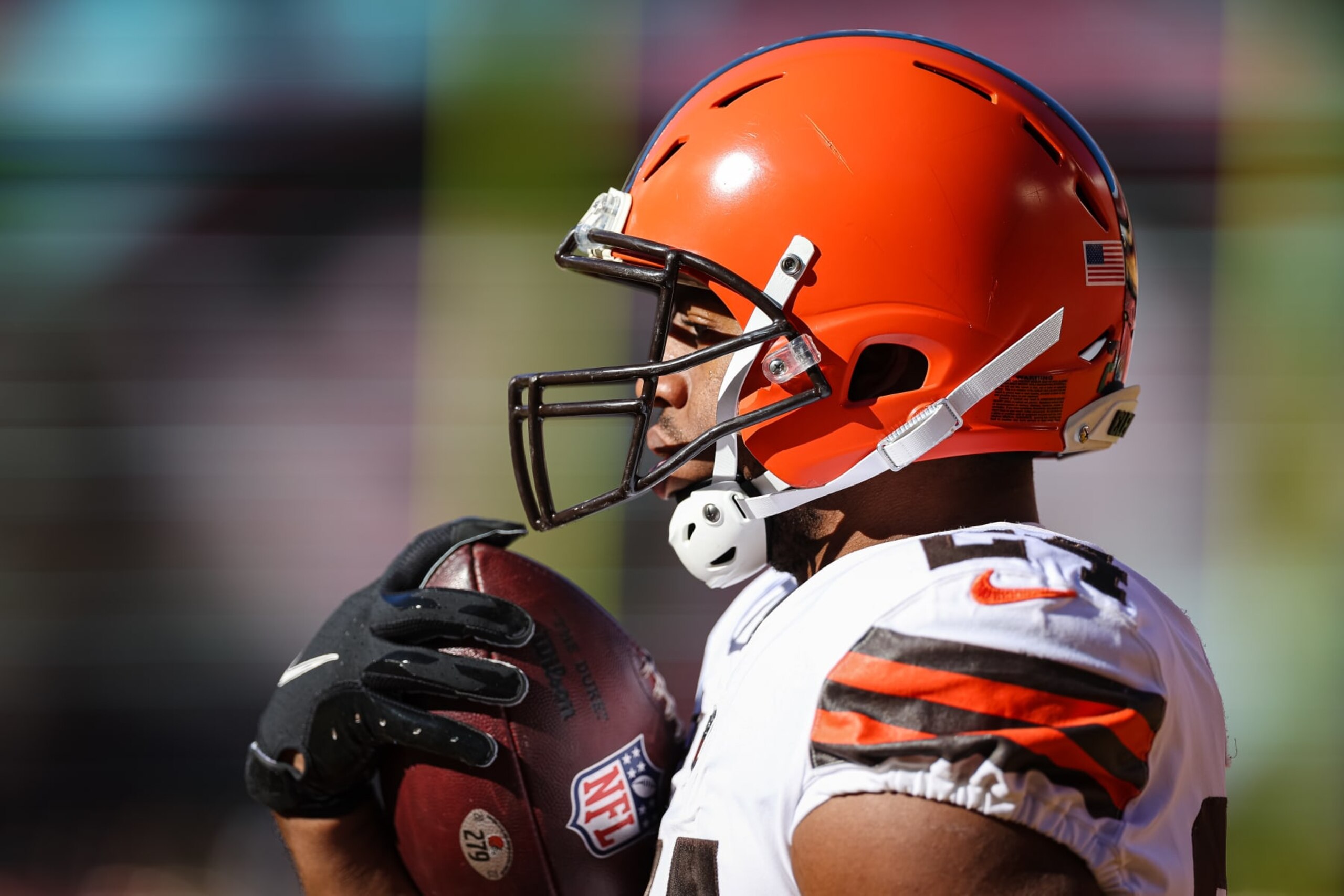
Go Get Him!
Nick Chubb, Cleveland Browns (ADP: 11)
Chubb's ADP is creeping up—he was sometimes available early in Round 2 earlier in the summer. He has surpassed 1,000 rushing yards in each of the last four seasons (including a career-high 1,525 yards in 2022) and has never averaged less than five yards a carry. With Kareem Hunt no longer in the picture in Cleveland, Chubb should see the biggest workload of his career in 2023. If he can catch, say, 40 passes and maintain his per-touch effectiveness in 2023, he could finish the year as fantasy's No. 1 running back.
Joe Mixon, Cincinnati Bengals (ADP: 39)
Mixon is coming off his worst season since his rookie year. But even in that "down" year, he eclipsed 1,200 total yards, scored nine touchdowns and finished 11th in fantasy points among running backs. If you want to hit wide receiver early but don't want to go full "Zero RB," Mixon is an excellent target in drafts.
Rashaad Penny, Philadelphia Eagles (ADP: 96)
There's no denying that when healthy, Penny has been wildly productive—he has averaged a robust 5.7 yards per carry over his career. But there's also no denying that "when healthy" has been a major caveat with Penny—he's played in more than 10 games just once in five seasons. Penny appears to be the nominal lead back over D'Andre Swift at this point, and a healthy Penny playing behind arguably the best offensive line in the league could make for quite the fantasy bargain in 2023.
Steer Clear!
Derrick Henry, Tennessee Titans (ADP: 21)
Late in Round 2 may be a tempting draft slot for Henry given his 1,538 rushing yards and RB4 finish last season. But he is also an aging back who amassed 382 touches last year. Historically, backs who eclipse 370 touches in a season see a sizable drop-off in production the following year. The last time that Henry surpassed 370 carries—his 2,000-yard season in 2020—he missed half the following campaign with a foot injury. "The Curse of 370" is no joke.
Dameon Pierce, Houston Texans (ADP: 45)
Pierce has the makings of one of those "Dead Zone" running backs that fantasy managers fear so much. He topped 1,100 total yards last year and finished as a top-25 running back, but the arrival of Devin Singletary clouds Pierce's value in 2023. Not only is Singletary a better receiver out of the backfield and far superior pass protector than Pierce, but he was actually more effective on a per-touch basis last year. Singletary may well wind up with more PPR points in 2023 than Pierce.
Wide Receiver Strategy: Options Galore
5 of 11
There are reasons wide receivers have supplanted running backs as the most drafted players in the first round of fantasy drafts. Good reasons.
First off, with the majority of fantasy leagues now using PPR scoring, wide receivers score more points than running backs. In 2022, 19 running backs eclipsed 200 PPR points. Twenty-four wide receivers hit that mark. Back it off to 150 PPR points and the gap widens to 32 running backs and 47 wide receivers.
Second, as a whole, wide receivers have a lower bust rate than running backs. NFL teams are throwing more than ever before, and wide receivers don't take the physical pounding that their counterparts in the backfield do—leading to lower injury risk.
Now, for some fantasy managers, that has led to a philosophy of attacking the wide receiver position early. Loading up on elite pass-catchers in an attempt to not only gain an edge at the position but also build a foundation that will (in theory) be more reliable than teams built around running backs.
However, there's a flip side to that argument. In the middle of rounds of drafts (That "RB Dead Zone" we discussed earlier), the bust rates at running back are far higher than at receiver.
That would appear to make targeting wideouts in that area of the draft wiser than going after backs. The wide receiver position is deeper than running back—significantly deeper. The odds of finding a viable weekly starter at the position in say, Round 8, is exponentially better than at running back.
Having an elite wide receiver is great. Having a pair of high-end options can be even better. But you can build a solid stable of wide receivers without completely ignoring other positions and still be competitive at the position.
That's what this analyst tends to do—grab at least one "anchor" wide receiver early, but wait until the middle rounds to finish fleshing out my starters at the position.
That's where the value is.
Wide Receivers to Target (and Avoid)
6 of 11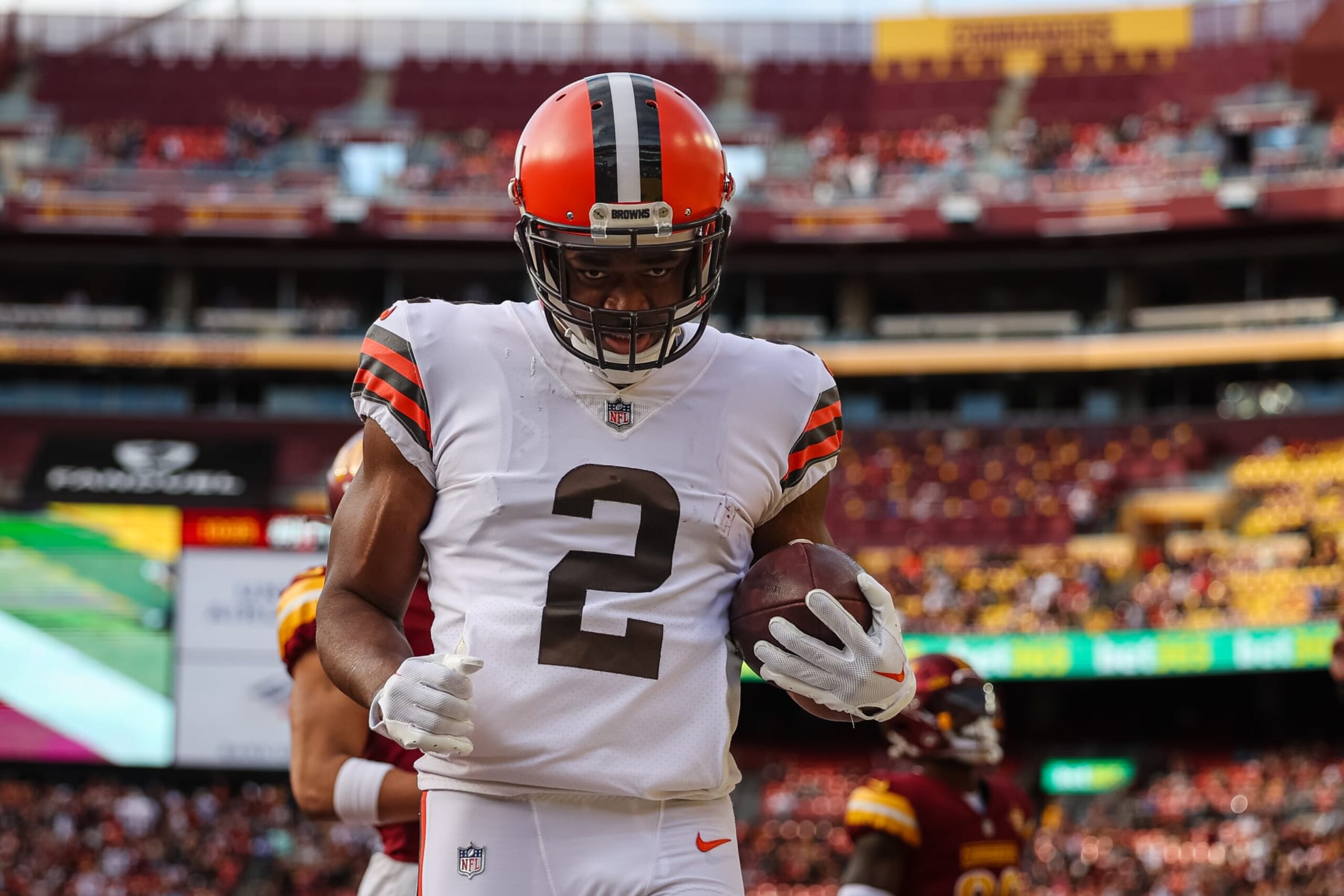
Go Get Him!
Amari Cooper, Cleveland Browns (ADP: 42)
Last year, Cooper caught 78 passes for 1,160 yards and nine touchdowns on the way to a 10th-place finish among wide receivers in PPR points—and that was with Jacoby Brissett at quarterback for the Browns for most of the season. If you believe that Deshaun Watson has a realistic chance of recapturing his 2020 form (or close to it), then there's no reason to think that Cooper can't make another run at a top-10 fantasy finish.
Chris Godwin, Tampa Bay Buccaneers (ADP: 65)
One year ago at this time, the fantasy football community was throwing DK Metcalf and Tyler Lockett under the proverbial bus because the Seattle Seahawks were switching from Russell Wilson to Geno Smith at quarterback. Both players wound up being top-15 fantasy options at their position. This isn't to say that Godwin and Mike Evans can duplicate those numbers while catching passes from Baker Mayfield or Kyle Trask. But both wideouts are being undervalued.
Odell Beckham Jr., Baltimore Ravens (ADP: 117)
Is Beckham ever going to be the player who topped 90 receptions, 1,300 receiving yards and scored double-digit touchdowns in his first three NFL seasons? Probably not—he hasn't seen the playing field since he tore his ACL in Super Bowl LVI. But Beckham showed flashes of his former dominance late in that 2021 season, and the Ravens didn't guarantee him $15 million for nothing. Late in Round 10, there's essentially no risk in drafting Beckham in 2023.
Steer Clear!
Davante Adams, Las Vegas Raiders (ADP: 16)
Adams was fantastic for the Raiders in 2022—100 catches, over 1,500 receiving yards, a league-leading 14 scores and a third-place finish in PPR fantasy points. But Adams averaged over 15 yards a catch in large part because Derek Carr was fourth in the league in intended air yards per attempt in 2022. This year, Adams will be catching passes from a quarterback in Jimmy Garoppolo who was 25th in that same statistic a year ago.
Calvin Ridley, Jacksonville Jaguars (ADP: 40)
I'd really like someone to explain to me why Ridley is being drafted a full three rounds ahead of Christian Kirk, who was a top-12 fantasy option as the No. 1 receiver for the Jags last season. Yes, Ridley caught 90 passes for 1,347 yards and nine scores on the way to a top-five fantasy finish in his last full season. But that last full season was 2020. It will have been upward of 700 days since he played in an NFL game when Jacksonville takes the field in Week 1.
Tight End Strategy: Let's Make a Deal
7 of 11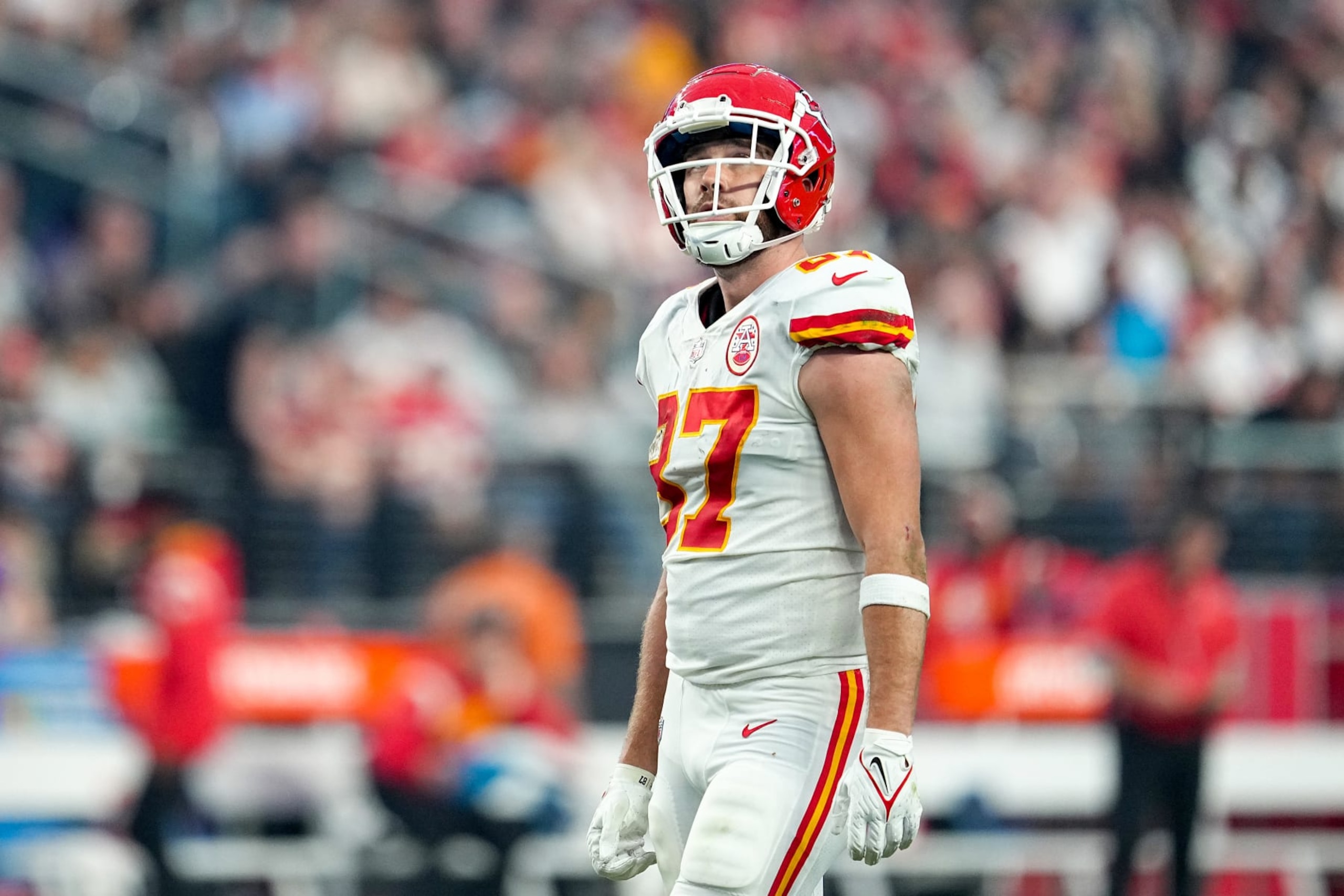
Fantasy draft strategy at the tight end position isn't especially complicated. There are three doors to choose from, just like on Let's Make a Deal.
Door No. 1 is Travis Kelce of the Kansas City Chiefs. Kelce has been the No. 1 fantasy tight end every season but one since 2016—and he was second to Mark Andrews in 2021. Last year, Kelce outscored the No. 2 tight end (Minnesota's T.J. Hockenson) by a whopping 102.9 PPR points. That's over six fantasy points per game--every game.
Bump back to the No. 5 tight end, Jacksonville's Evan Engram, and things get even more ridiculous--141.4 PPR points (over eight PPR points per game). Kelce affords fantasy managers a sizable edge at the position—but that edge will cost you a first-round pick.
Door No. 2 is one of the Tier 2 tight ends—Andrews, Hockenson, George Kittle of the San Francisco 49ers, Kyle Pitts of the Atlanta Falcons, Darren Waller of the New York Giants, Dallas Goedert of the Philadelphia Eagles and maybe Engram. Those tight ends (with the exception of maybe Andrews) don't have Kelce's ceiling, and some carry some fairly sizable risks. But they don't carry Kelce's price tag, either—they can be had anywhere from Round 3 for Andrews to Round 6 for Waller and Goedert.
Door No. 3 is—everyone else, from lower-end weekly starters like Pat Freiermuth of the Pittsburgh Steelers to dart-throws like Tyler Higbee of the Los Angeles Rams. Many of those players will be available in the double-digit rounds. But none are anywhere close to sure bets.
If this analyst doesn't pull the trigger on Kelce (or doesn't have the opportunity to do so), then Plan B is usually to grab one of the Tier 2 players. The lack of ceiling stings a little, but it can be important to have a player at the position you can reasonably trust as a weekly starter.
Tight Ends to Target (and Avoid)
8 of 11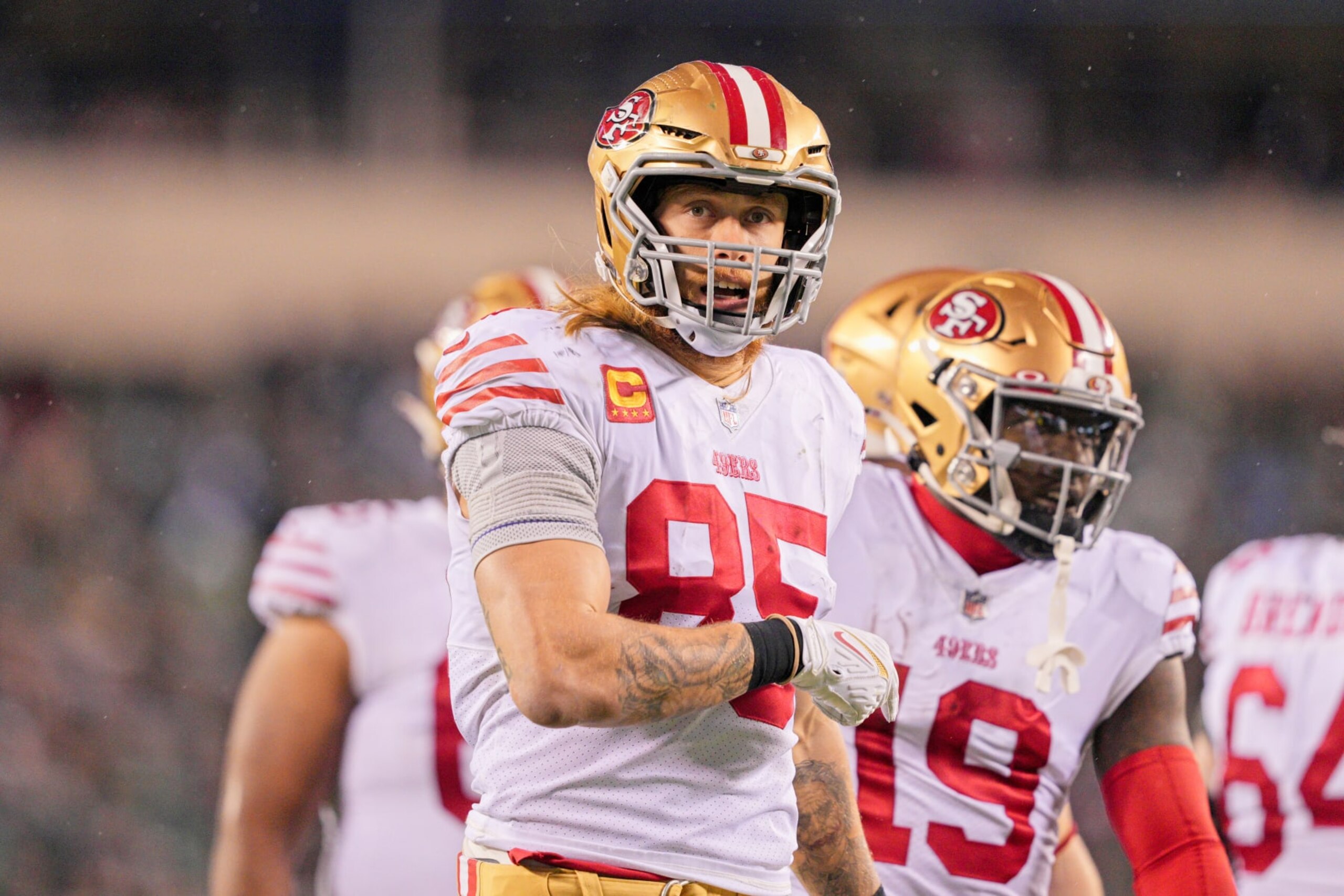
Go Get Him!
Travis Kelce, Kansas City Chiefs (ADP: 6)
Despite playing his lowest snap percentage (80 percent) since 2014, Kelce set a number of career bests in 2022. His 152 targets were a career high. So were his 110 catches. And his 12 scores. Kelce's 1,338 receiving yards trailed only the 1,416 yards he posted in 2020. Kelce also posted a staggering 316.3 PPR fantasy points. I recently made a case for drafting Kelce first overall. If you can get him anywhere in the back half of Round 1, it's worth the investment.
T.J. Hockenson, Minnesota Vikings (ADP: 46)
After joining the Vikings in a trade last year in Week 9, Hockenson was the NFC's highest-scoring tight end in PPR points. He was also just one of two tight ends in the league who was targeted more than 120 times in 2022. Hockenson isn't on the same level as Kelce (no one is), but he and Kirk Cousins appeared to develop an immediate rapport, and the 26-year-old is a relatively safe bet to once again be a top-five fantasy tight end in 2023.
Dalton Schultz, Houston Texans (ADP: 118)
Schultz has multiple top-10 fantasy seasons on his professional resume, but that was as a member of the Dallas Cowboys. Now in Houston, Schultz has been relegated to fantasy afterthought status. However, the Houston receiving corps isn't exactly stacked with talent, C.J. Stroud is going to need a safety valve over the middle, and the Texans will be trailing approximately all the time. It won't be a surprise if Schultz sneaks into the back end of the top 10.
Steer Clear!
George Kittle, San Francisco 49ers (ADP: 52)
It may seem a little weird to call for managers to fade the No. 2 tight end in fantasy football last year in terms of PPR points per game. But Kittle's fantasy season in 2022 was saved by a career-best 11 touchdowns—a number likely to regress in a crowded San Fran passing attack. Kittle's 86 targets were his fewest in a season in which he played 10 games since his rookie year, as was his 51 receiving yards a game. He's also missed time in each of the last four seasons.
Kyle Pitts, Atlanta Falcons (ADP: 64)
From a talent standpoint, Pitts is among the very best players in the NFL at his position. But after a 1,000-yard rookie season, Pitts' production careened off a cliff in 2023. He was 25th in targets among tight ends. Pitts was 36th in receptions at his position. He ranked 30th in yardage among tight ends. And he was 33rd in PPR points. The Falcons were the run-heaviest team in the league in 2022. And Desmond Ridder is anything but a sure thing at quarterback.
Team Defense and Kicker Strategy: Wait
9 of 11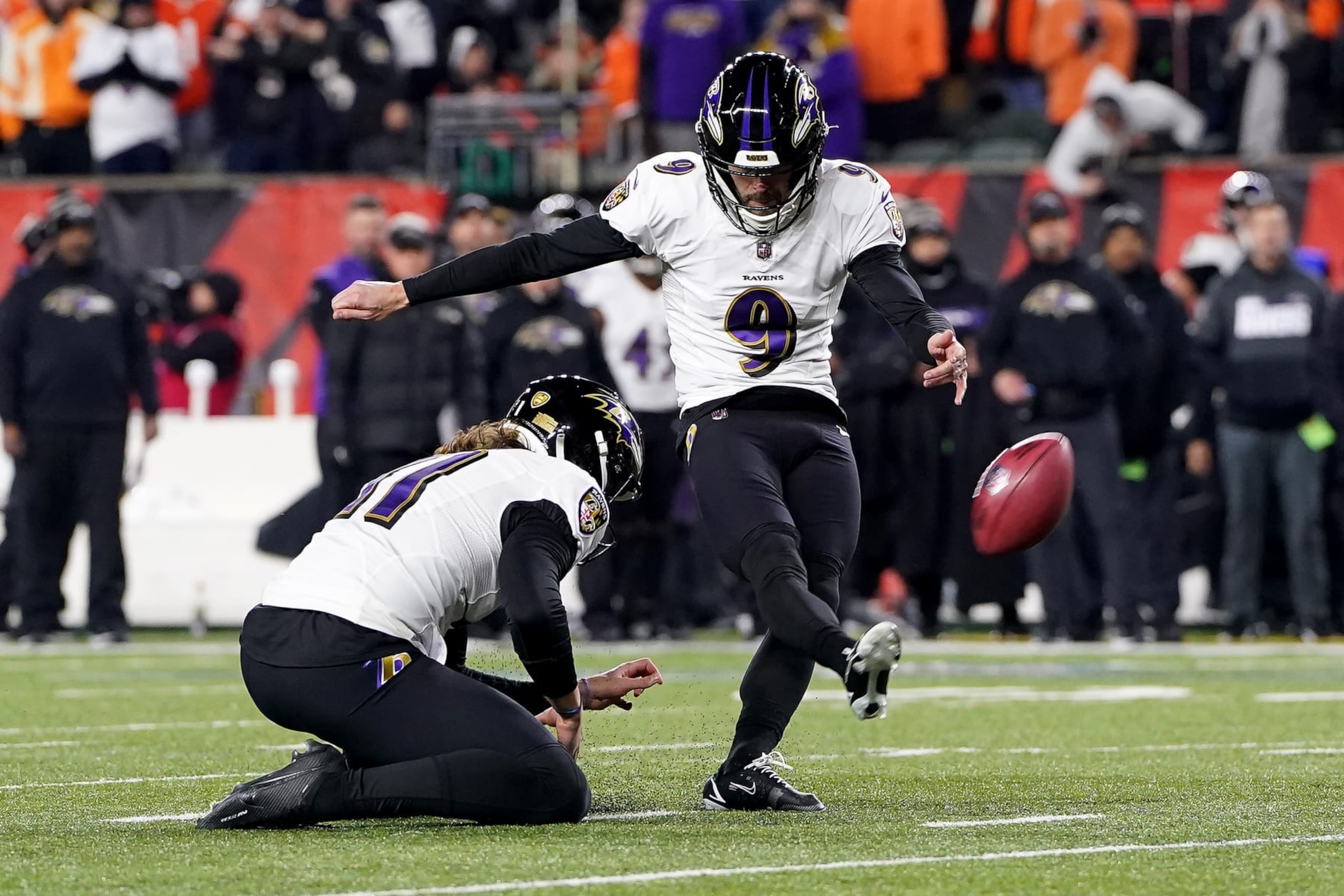
At every other position in this blueprint, there have been options. Choices. Multiple routes that fantasy managers can take and wind up with a competitive team.
Where team defenses and kickers are concerned, though, there is exactly one plan that makes sense.
Wait. Wait some more. Make a sandwich. Take a nap. Wait a while longer. And then draft a defense and a kicker with your last two picks.
There isn't a position in fantasy football with more variance than defenses. Every year there are personnel and coaching changes. The big plays that fantasy defenses depend on for points (sacks and turnovers) tend to be fluky. Defenses that look like winners in September can be waiver wire fodder by November.
The smart play with defenses is to identify a team that opens the season with a favorable matchup or two against a bad offense, rookie quarterback, what have you. Then, when those matchups dry up, simply punt that defense to the waiver wire and repeat.
By streaming defenses, you can get elite production—at a discounted price.
At kicker, unless you play in a league with weird scoring, there's no reason to draft a kicker before the final round—ever. Last year, Jason Myers of the Seattle Seahawks was the No. 1 kicker—just like absolutely no one predicted. Justin Tucker of the Ravens, who was just behind him, has the highest ADP of any player at the position in 2023.
Myers outscored the No. 12 kicker last year (Jason Sanders of the Miami Dolphins) by all of 2.5 fantasy points per game. The 12th kicker in terms of ADP this year (Jake Moody of the 49ers) is coming off boards 90 spots after Tucker. Seven-and-a-half rounds of depth and sleepers and dart throws.
That ain't worth a lousy 2.5 fantasy points.
Kickers and Team Defenses to Target (and Avoid)
10 of 11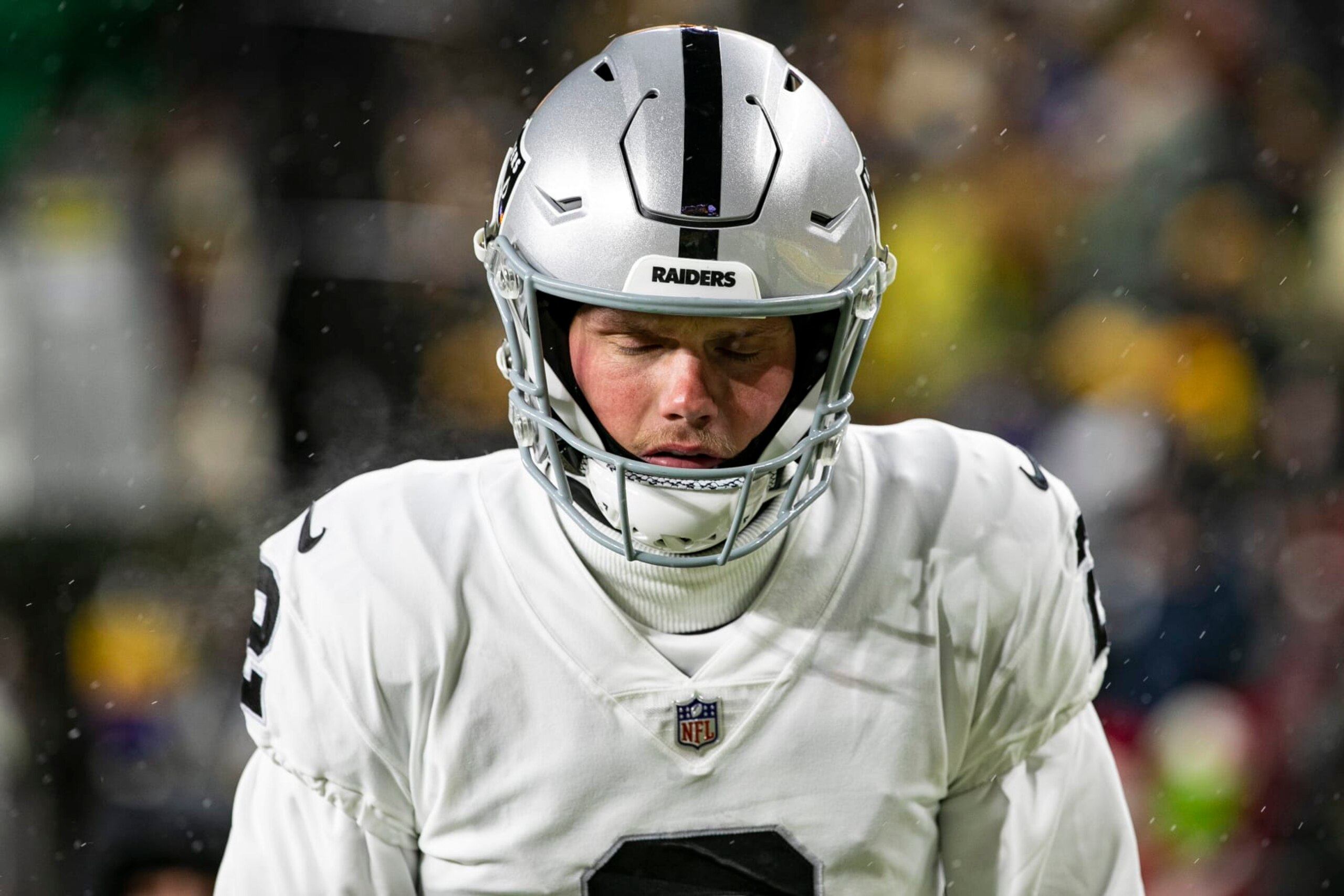
Go Get Them!
Baltimore Ravens Defense (ADP: 233)
The Ravens were a good (but not great) fantasy defense in 2022, ranking 10th in fantasy points at the position. But this has less to do with the Ravens themselves than it does their Week 1 opponent—the Ravens open the 2023 campaign at home against a Houston Texans team that ranked at or near the bottom of the league in most offensive categories last year. The Texans will also likely be rolling out rookie C.J. Stroud at quarterback for the first time.
Carolina Panthers Defense (ADP: 328)
As you can see from that sky-high ADP, the Panthers defense isn't even being drafted in most leagues this season. The Panthers also weren't a productive fantasy defense last year, ranking outside the top 20 at the position in fantasy points. However, the Panthers just added some pass-rush help in veteran edge-rusher Justin Houston, and Carolina kicks off the 2023 campaign with a trip to Atlanta to face the Falcons' 24th-ranked offense from a season ago.
Brandon McManus, Jacksonville Jaguars (ADP: 214)
McManus is listed as the 13th kicker off the board at Fantasy Pros, which again means he isn't being drafted at all in many fantasy leagues. But the 32-year-old has a big leg, has shown the ability to be fantasy-relevant in the past and plays for a Jaguars team that is expected to be potent offensively in 2023. Six games against AFC South teams won't hurt his scoring chances, either.
Steer Clear!
San Francisco 49ers Defense (ADP: 204)
To be clear, the 49ers have an excellent defense that is stacked with talent at all three levels, whether it's Nick Bosa on the edge, Fred Warner and Dre Greenlaw at linebacker or Talanoa Hufanga in the secondary. Barring a collapse, they should finish well within the top 10 in fantasy points. But team defenses just don't score enough points in most fantasy leagues to make an "elite" fantasy defense worth it. Live the stream.
Daniel Carlson, Las Vegas Raiders (ADP: 186)
One of the easiest traps for fantasy managers to fall into at kicker is to chase last year's points. Carlson was third last season in fantasy points and is being drafted second at the position behind Tucker in 2023. But there have been significant changes to the Raiders offense this year, and frankly it has the look of a unit that is going to backslide—leaving fewer scoring opportunities for Carlson.
Final Thoughts
11 of 11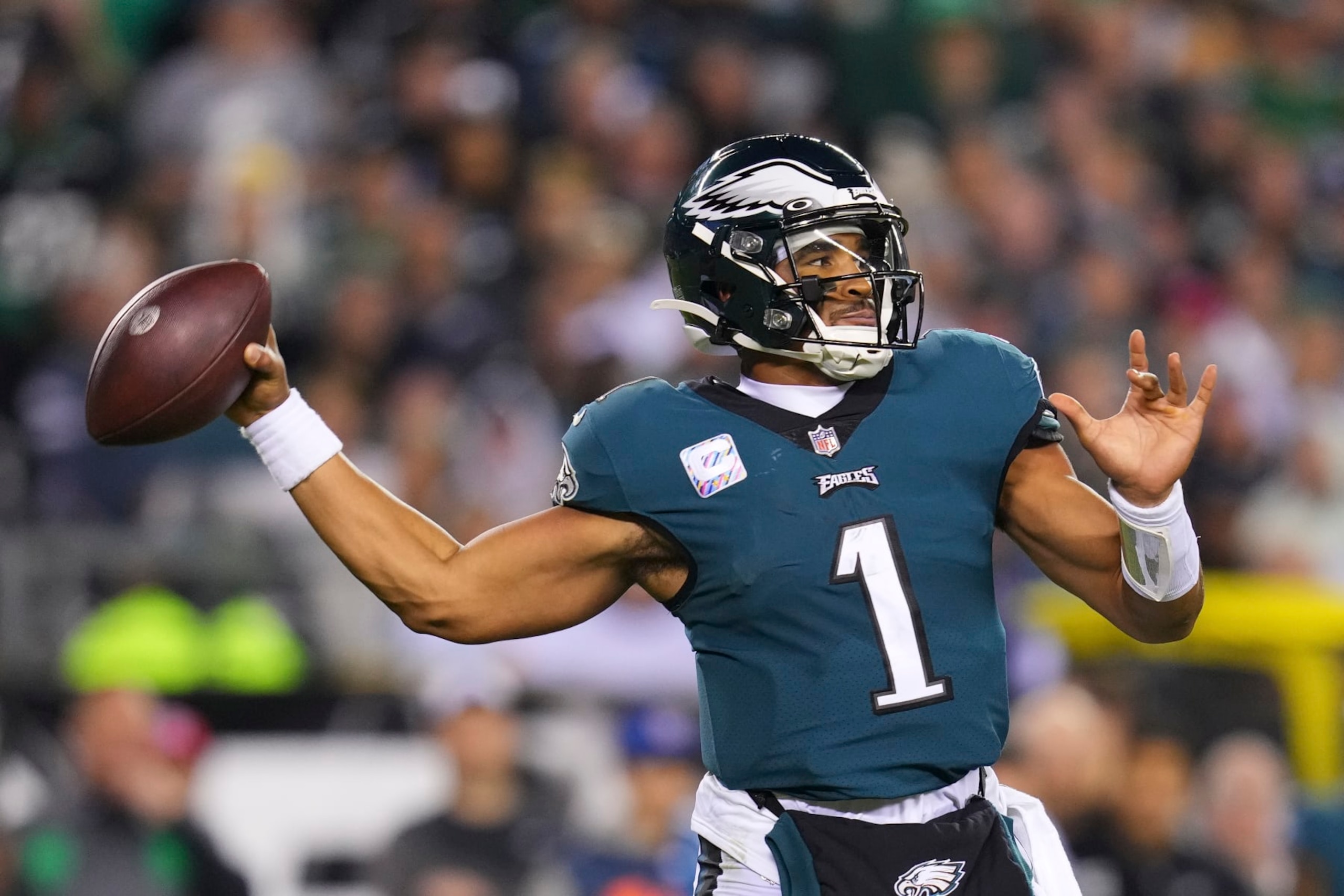
As you have perused this blueprint, you have likely realized something: There is no set "blueprint" for drafting a winning fantasy team. No single way that always works. There are any number of potential strategies that can work.
It's up to you to choose which one. To determine which plan best fits your personal philosophy and tolerance for risk. And even then, you need to be willing to throw the plan out the window if the situation calls for it.
No two drafts are the same. And no draft ever goes exactly as you planned. Flexibility is absolutely critical if you are going to take players in positions of value on draft day.
And make no mistake: Value is what wins leagues.
Having a great "Zero RB" plan drawn up is all well and good. But if eight other managers in your league have the same idea, then you will either be reaching for wide receivers or pivoting to take the values at running back falling farther than they should.
I hope I don't have to tell you which one is the right way to go.
Personally, I tend to be aggressive at running back early—I like having a couple no-doubt lead backs I know I can rely on every week. I like to have at least one high-end wide receiver, tend to favor Tier 2 tight ends (although I will absolutely draft Kelce and take my chances at wide receiver) and usually fade quarterbacks until six to eight of them are off the board. If all goes according to plan, come the end of Round 7 I'll have three backs, three receivers and a tight end.
But if running backs fly off the board and the best values available to me with my first two picks are wide receivers, then that's who I'm going to take. If Patrick Mahomes or Jalen Hurts is sitting on the board in Round 5 because everyone is playing "QB Chicken," then you can bet the rent I'll take a long look at them.
Preparing for your draft is absolutely a good idea. But once the draft starts, let it come to you. Take value where you can get it. Be flexible in team construction.
That's the real blueprint for fantasy success.
Gary Davenport is a two-time Fantasy Sports Writers Association Football Writer of the Year. Follow him on Twitter at @IDPSharks.
.jpg?w=2560 "Chiefs Giants Football")

.jpg?w=2560 "🚨 Week 8 AP Top 25 Poll")

.jpg?w=2560 "Lamar Being Out Shocked Ravens")
.jpg?w=2560 "Packers Safety Slams Refs 🤬")