Which 2023 NBA Offseason Moves Will Look Best In 3 Years?
It's easy enough to look back at past NBA transactions and assess which ones worked out, hindsight being 20/20 and all. But a handful of this offseason's moves already look sensible enough to predict they'll be regarded as successful years from now.
We've got trades, signings and, most importantly, moves teams decided not to make.
In some cases, it's the on-court fit that portends success. In others, it's all about value from a financial perspective. The very best moves are the ones that get franchises headed in new and more promising long-term directions—even if there might be some discomfort in the immediate.
These are the 2023 offseason moves that'll age the best.
Austin Reaves Returns to the Los Angeles Lakers
1 of 5
Had a four-year, $102 million offer sheet made its way to Austin Reaves, the Los Angeles Lakers absolutely should have matched it. Luckily for them, they didn't have to.
Due to a lack of cap space around the league and the Lakers' telegraphed intention to match whatever came Reaves' way, one of the top free agents on the market returned to his incumbent team at roughly a 50 percent discount.
The 25-year-old combo guard posted a 68.7 true shooting percentage that ranked fourth in the league among players who attempted at least 450 shots last year. Combine that efficiency with a high motor, elite foul-drawing craft and a point guard's passing instincts, and a nine-figure deal would have been fair.
If he scales up by taking on a larger role, Reaves will deliver a high-end starter's production on a seventh-man's salary. In 22 starts last season, he averaged 15.1 points, 4.2 assists and 3.5 rebounds on a 51.0/40.2/89.3 shooting split.
In a worst-case scenario, Reaves could continue in a low-usage role alongside L.A.'s stars. Even then, the Lakers would have a spot-up threat who just shot 39.8 percent from deep and can make a play attacking closeouts. That more limited version of Reaves would still be worth the four-year, $56 million pact he signed to stay with Los Angeles.
Obi Toppin to the Indiana Pacers
2 of 5
Obi Toppin isn't a perfect player, but the No. 8 pick in the 2020 draft had shown enough as a transition threat and improved three-point shooter to warrant a much bigger role than he had across three years with the New York Knicks.
Though Toppin only averaged 14.7 minutes per game in New York, he put up 20.6 points per contest in 15 career starts.
A bad frontcourt mix contributed to Toppin's marginalization; he wasn't a great fit alongside either Mitchell Robinson or Julius Randle. A lack of size and heft made him too iffy defensively at center, especially for a head coach like Tom Thibodeau, who prizes interior bulk and paint protection more than most.
All it took for the Indiana Pacers to land Toppin was a pair of future second-round picks.
New York's desire to clear cap space earned Indy one of the best values of the offseason, as Toppin's strengths will play perfectly in Indiana. His open-floor speed and lob-catching prowess will supercharge an already relentless transition offense, giving Tyrese Haliburton a bucket-getting target on the break.
If Toppin's three-point shooting (career-high 34.4 percent last season) is for real, he and Myles Turner could work together in exciting five-out looks that stretch defenses beyond their breaking points.
The only quibble here is that Toppin may not still be with the Pacers in three years. He's set to hit restricted free agency next summer unless he agrees to an extension, getting on the market after what we're predicting will be a career season. If Indy were to lose Toppin a year from now, it'd be a bummer. But it wouldn't change the fact that the Pacers pulled off one of this offseason's best low-risk, high-upside plays.
Phoenix's Bonanza of Minimums
3 of 5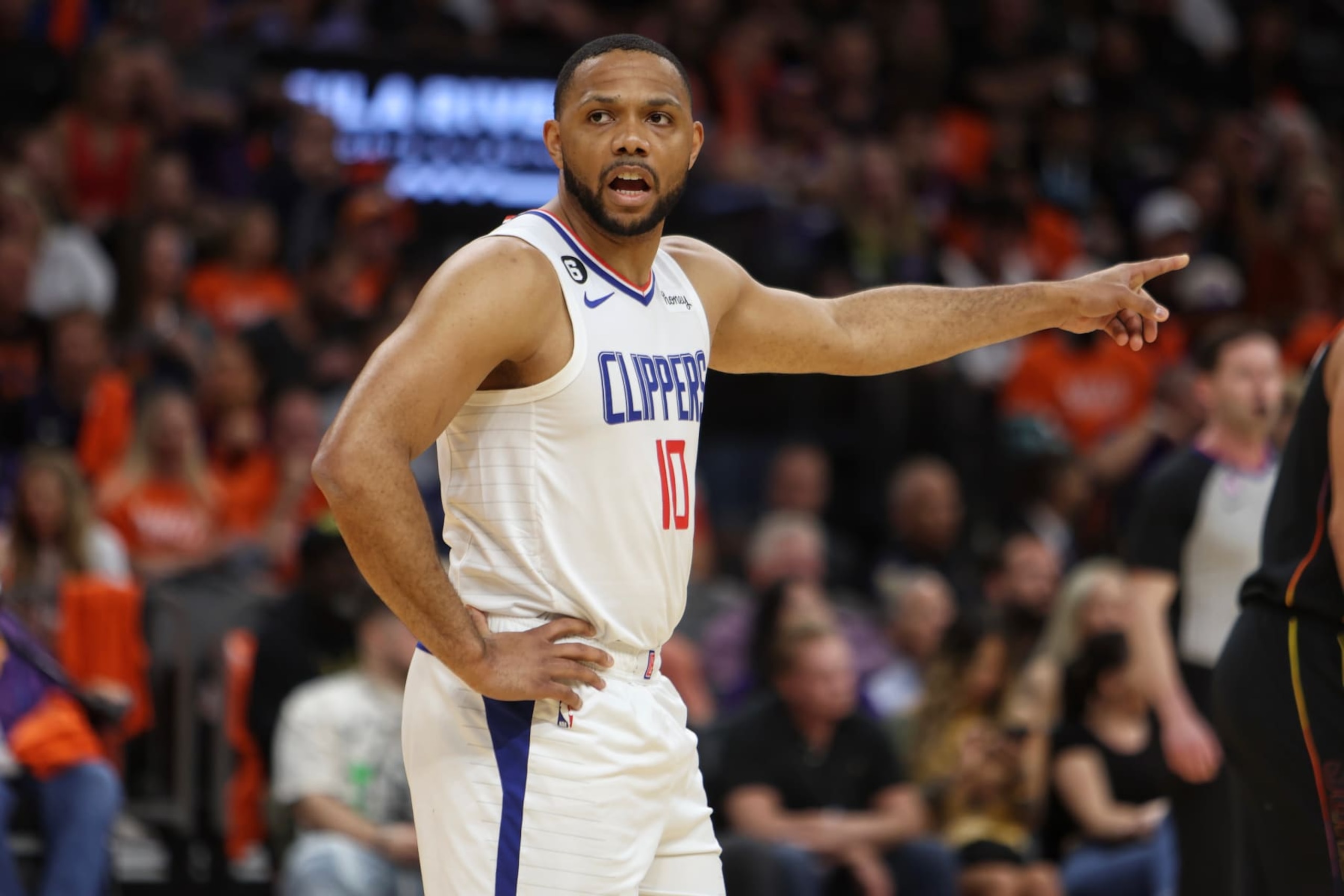
One of the best criticisms of the Phoenix Suns' decision to trade for Bradley Beal was that it left them so few resources to build out any roster depth. With four players—Kevin Durant, Devin Booker, Deandre Ayton and Beal—set to earn a combined $162.8 million in 2023-24, the Suns had only minimum salaries available to fill out a threadbare roster.
Phoenix easily handled what should have been an impossible task.
Eric Gordon will provide spacing and point-of-attack defense against wings; Damion Lee is a trustworthy two-way reserve guard; Josh Okogie could start and defend the other team's toughest matchup; Keita Bates-Diop is a physical 6'8" combo forward who shot 39.4 percent from deep with the San Antonio Spurs last year; Drew Eubanks is a high-energy rim-roller and defender at center; Yuta Watanabe can guard multiple positions and hit 51.4 percent of his corner threes in 2022-23; and Chimezie Metu averaged 16.8 points and 10.3 rebounds per 36 minutes while buried on the Sacramento Kings' bench last year.
Every one of those players is making the least amount of money allowed by the CBA. Collectively, they give the championship-chasing Suns arguably the best bang-for-buck bench in the league.
If things go as hoped for Phoenix this season, we'll mostly remember the trio of offensive stars who produced a deep playoff run and possibly even a championship. But we may also look back in three years at the 2023-24 Suns and wonder how in the world they managed to land so many valuable contributors for so little cash.
Portland Keeping the No. 3 Pick
4 of 5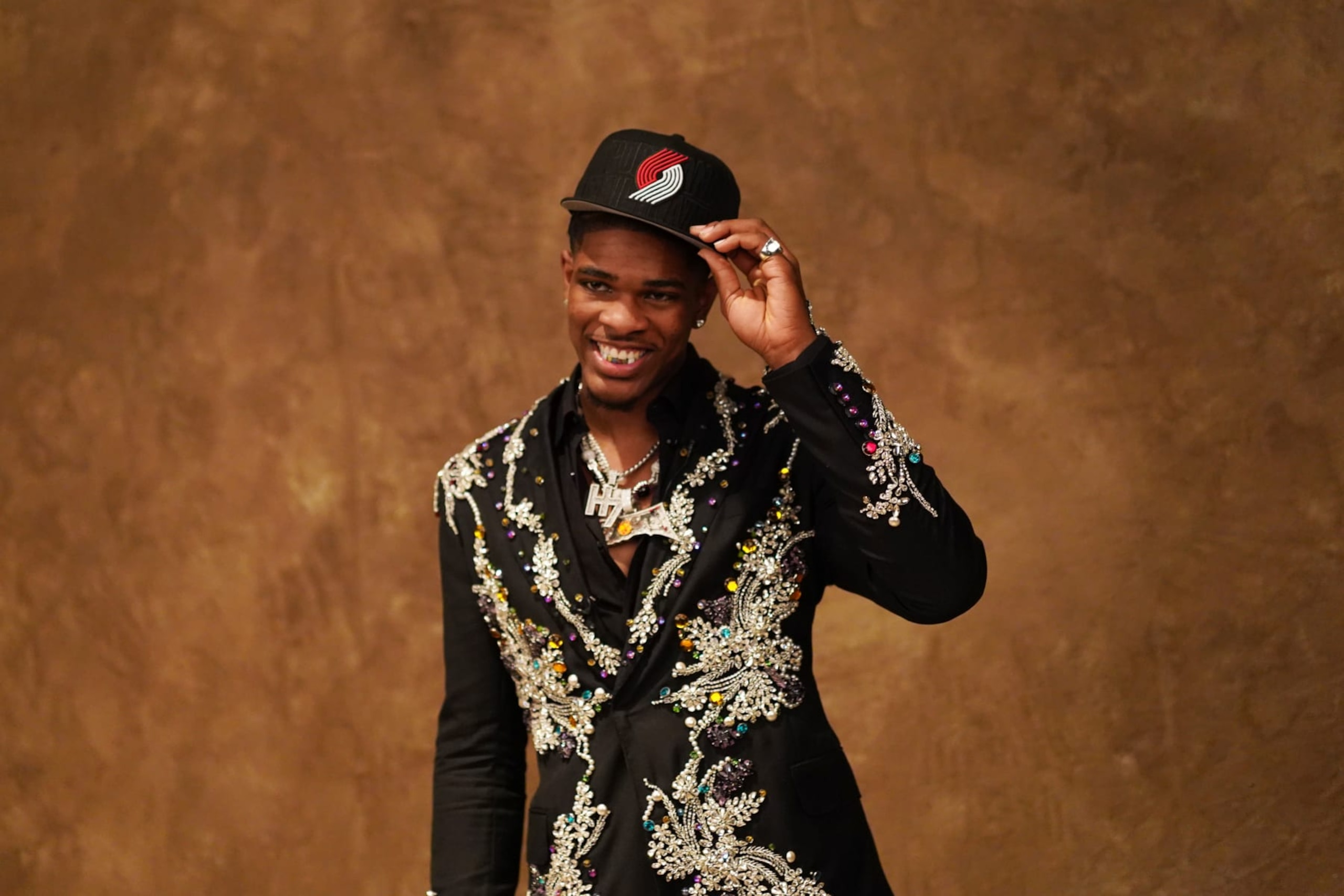
For a moment there, it seemed as if the Portland Trail Blazers were going to put everything on the table in their efforts to build a contender around Damian Lillard. Fortunately for the future of the franchise, the Blazers showed some restraint when it came to the No. 3 pick in the draft.
That selection became Scoot Henderson, who'll team with last year's late-rising, high-ceilinged lottery pick, Shaedon Sharpe, to give Portland one of the most exciting guard duos in the league. One might worry the Blazers won't be quite as good next year with Henderson leading the charge as they would have been with Lillard, but it won't be difficult to improve on a 13th-place finish in the West.
Whatever happens in the short term, there's no doubt the longer view is far rosier with a potential star point guard on a rookie-scale deal than it would have been with Lillard aging as his salary pushed past the $50 million-per-year mark.
Moving on from Dame—and the related decision to build around Henderson—was a difficult decision. But it was the right one.
Washington Trading Bradley Beal
5 of 5
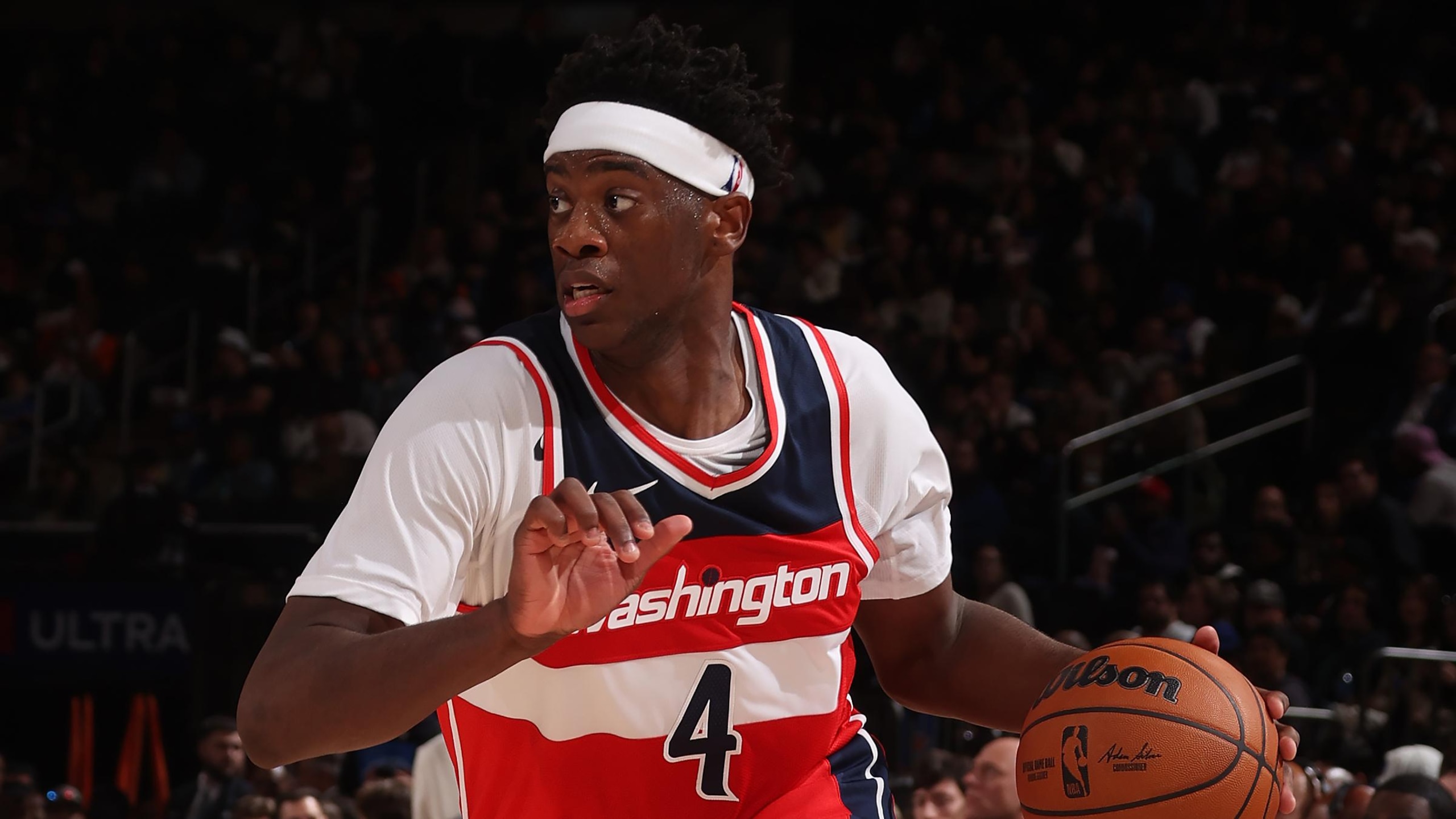
They didn't get the king's ransom that might have been available two years ago, but the Washington Wizards still made the right call when they traded Bradley Beal to the Phoenix Suns.
The return package featured four first-round pick swaps and six future second-rounders. It also included Chris Paul, whom the Wizards turned into Jordan Poole, a protected 2030 first-rounder, a 2027 second-rounder, and 2022 draftees Patrick Baldwin Jr. and Ryan Rollins.
Those assets have real value, but they're of secondary importance to what Washington ultimately gained: a clear direction.
No more fumbling around in pursuit of the eighth seed. No more picks in the late lottery that don't amount to anything. No more mediocrity treadmill.
The Wizards may not be any good for several years, but it's not like they accomplished much over the last half-decade. And now the mounting losses will at least serve a purpose by adding higher draft picks to clean books in a developmental atmosphere. Even retaining Kyle Kuzma, an ancillary move that at first seemed out of step with the Beal trade, makes sense. The Wizards preserved an asset on a tradable contract by keeping the free-agent forward, and they'll soon be able to flip him for picks or young players.
Washington took too long to trade Beal, but it capitalized on Phoenix's win-now desperation to do surprisingly well in the end. And now, the Wizards finally get to make a fresh start.
Stats courtesy of NBA.com, Basketball Reference and Cleaning the Glass. Salary info via Spotrac.
Grant Hughes covers the NBA for Bleacher Report. Follow him on Twitter (@gt_hughes), and subscribe to the Hardwood Knocks podcast, where he appears with Bleacher Report's Dan Favale.