

There are several components of team-building in the NBA. You want complementary skills among your best players. You should want general unselfishness. You typically want a good mix of size and skill.
But the most important ingredient is often talent. And sometimes, the desire to stock up on as much talent as possible can come at the expense of some of those other considerations.
That's led to some pretty awkward star fits around the league.
Pinpointing the most awkward is largely a subjective exercise, but one indicator that helps is net rating (net points per 100 possessions). And for each of the bad fits below, you'll get a look at the net ratings of various lineup combinations that show the awkwardness.
One other word on the selection process: There are some fits from 2022-23 that just might not be in place next season. For example, because Kyrie Irving is set to enter free agency, you won't find him and Luka Dončić in this slideshow.
Every combination features players who are under contract at least through 2023-24.
Rudy Gobert and Karl-Anthony Towns
1 of 5
This was a bit of a head scratcher from the moment the Minnesota Timberwolves sent a massive haul to the Utah Jazz for Rudy Gobert.
They already had a center in Karl-Anthony Towns, and part of what made the 2021-22 Wolves dangerous was the ability to keep the floor spaced with a three-point shooting 5. That gave Anthony Edwards precious extra room in driving lanes and in the paint.
Adding Gobert to the mix was almost certainly going to make that trickier, but you could also see Tim Connelly's vision. Gobert was a generational rim protector, and at least in theory, he should've been able to operate like a supersized version of the garbage man they had the season before (Jarred Vanderbilt).
The concerns quickly proved more warranted than the optimism, though. It took Edwards, who should be the organization's priority going forward, months to figure out how to play with Rudy. With Gobert often clogging up the middle, post-ups for Towns are almost impossible.
And while things did look a little better with a more team-first point guard in Mike Conley (who came over at the trade deadline in exchange for the shoot-first D'Angelo Russell), that solution feels temporary. Conley turns 36 in October, and his contract expires after next season.
At this point, it seems both of these big men would be better served playing full-time 5 while surrounded by more versatile guards and wings (particularly at the 4, where Towns played this season).
Whether that means Minnesota should trade one of Towns or Gobert, or more aggressively stagger their minutes, remains to be seen.
Trae Young and Dejounte Murray
2 of 5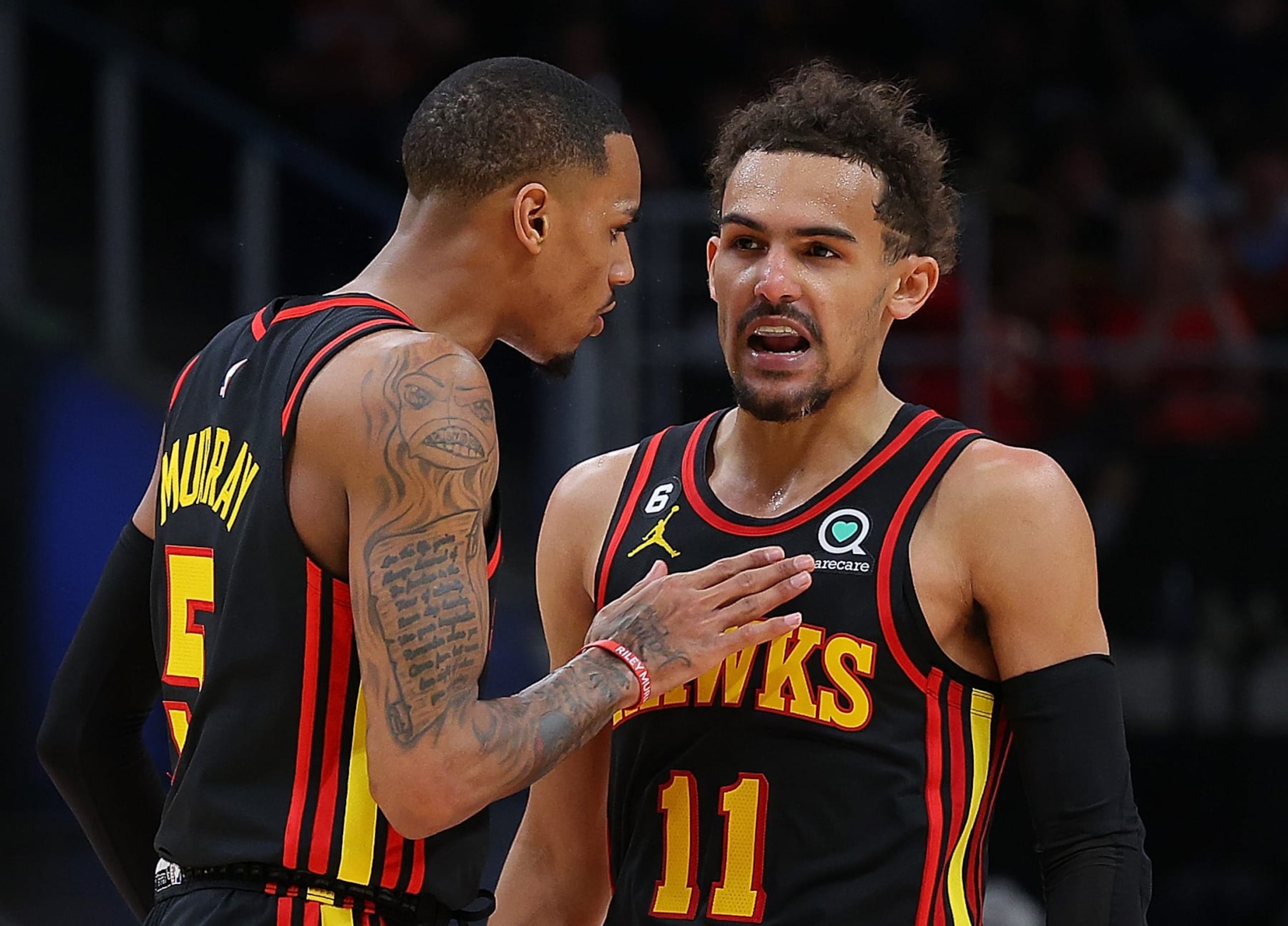
Much like the Timberwolves with Gobert, the Atlanta Hawks formed this duo in the summer of 2022 with a bold trade that sent a load of assets to the San Antonio Spurs for Dejounte Murray.
And like the Wolves' pair, this new basketball partnership features a ton of positional overlap.
In 2021-22, Trae Young's usage percentage and assist percentage added up to 81.1. Murray's marks added up to 67.9. You don't need to be a math whiz to see that those two numbers add up to well over 100.
Naturally, both had to take steps back in terms of responsibility in 2022-23 (even if Young's was only a slight one). And the season-long pursuit of balance between those two led to a remarkable level of mediocrity.
That also may have contributed, at least in part, to the midseason firing of Nate McMillan (and hiring of Quin Snyder).
As was the case with Minnesota, there were reasons to believe this might work. In theory, Young's shooting should've made up for some of Murray's inconsistency there (both were below average in 2022-23 three-point percentage, with Murray having a slightly better mark). Murray's defensive prowess and 6'10" wingspan were supposed to help him survive at the 2.
But at their cores, both of these players are point guards (on both ends of the floor). And in a league where positional size and versatility seem more important every year, starting two point guards is tricky.
Zach LaVine and DeMar DeRozan
3 of 5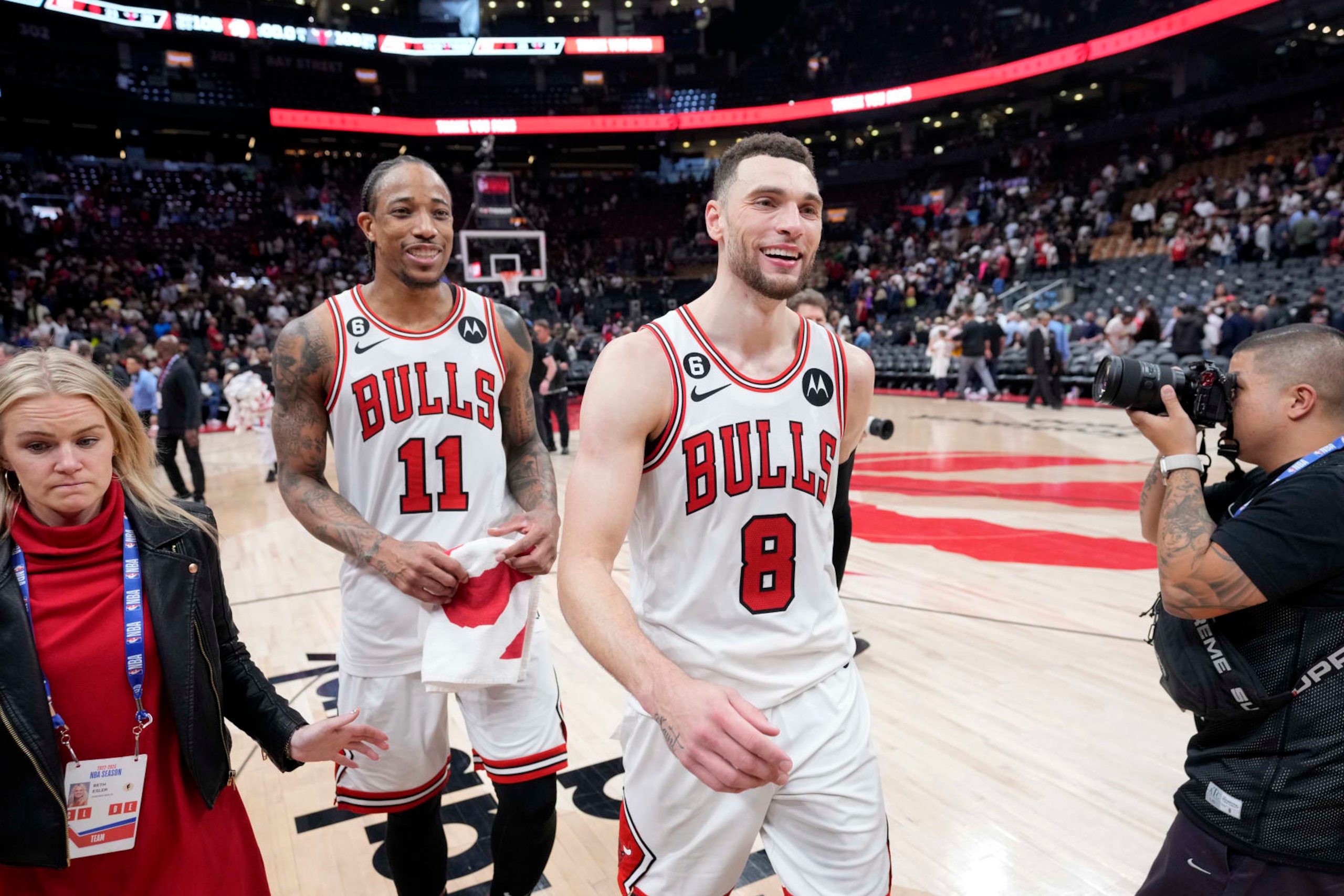
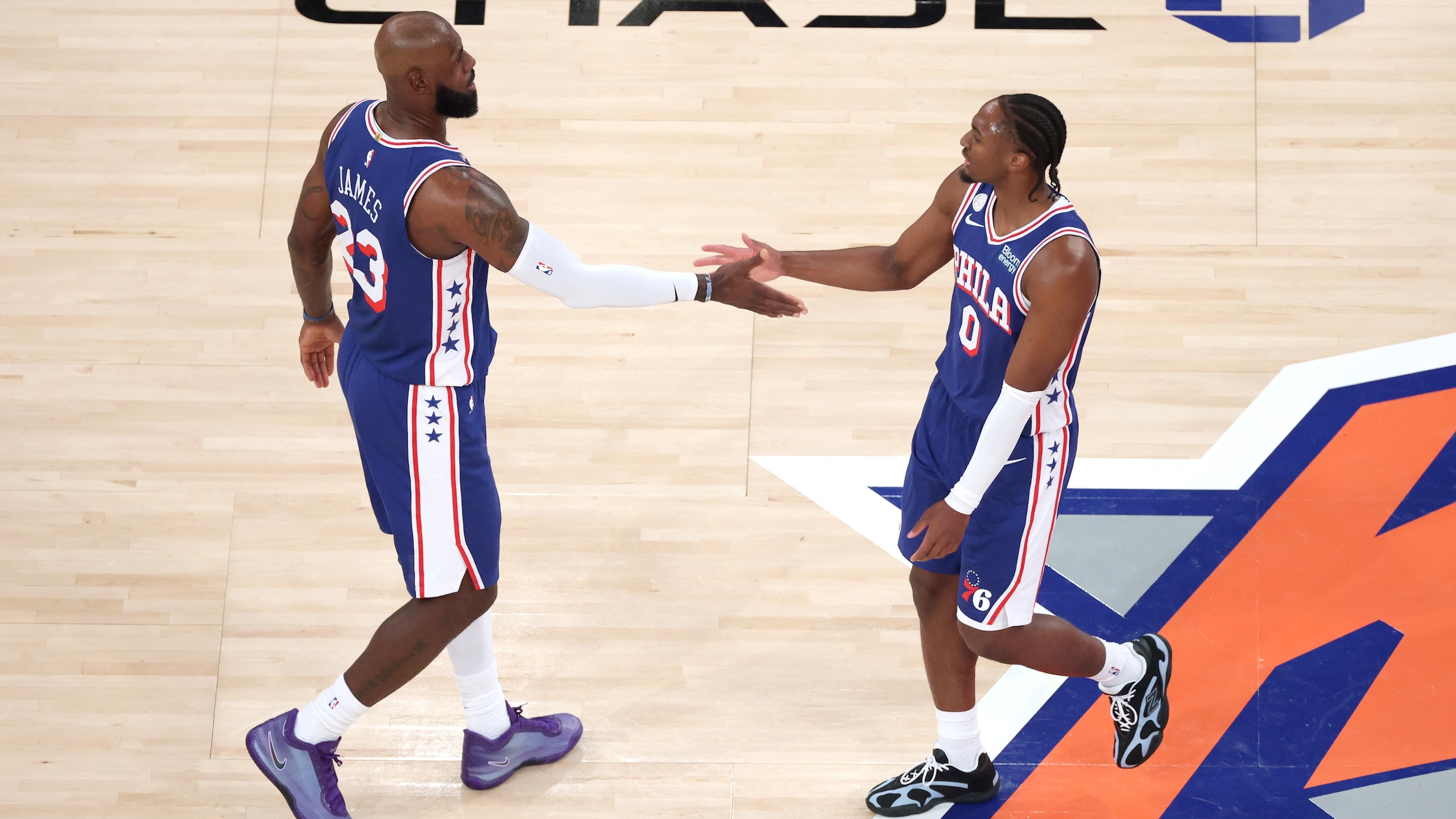
Zach LaVine and DeMar DeRozan have now been together for two seasons, and in terms of wins and losses, the partnership actually seems to be headed backwards.
After winning 46 games in their first year together, the LaVine and DeRozan helped the Chicago Bulls go 40-42 in 2022-23.
Of course, a lot of that had to do with the season-long absence of point guard Lonzo Ball, whose pass-first game would've helped facilitate better balance between the scorers, but Chicago's below-average offense when both LaVine and Derozan were on the floor has to be a concern.
Over the last two years, they have averaged 24.6 and 26.2 points, respectively. And both are decent distributors for their positions. But ultimately, both are score-first wings, with one featuring an analytically unfriendly shot profile (DeRozan has had a below-average effective field-goal percentage in 12 of the last 13 seasons).
Both of these players have plenty of scoring talent, but with apologies to Ayo Dosunmu and Patrick Beverley, this season made it clear that the Bulls need a real point guard bring a little order to the attack.
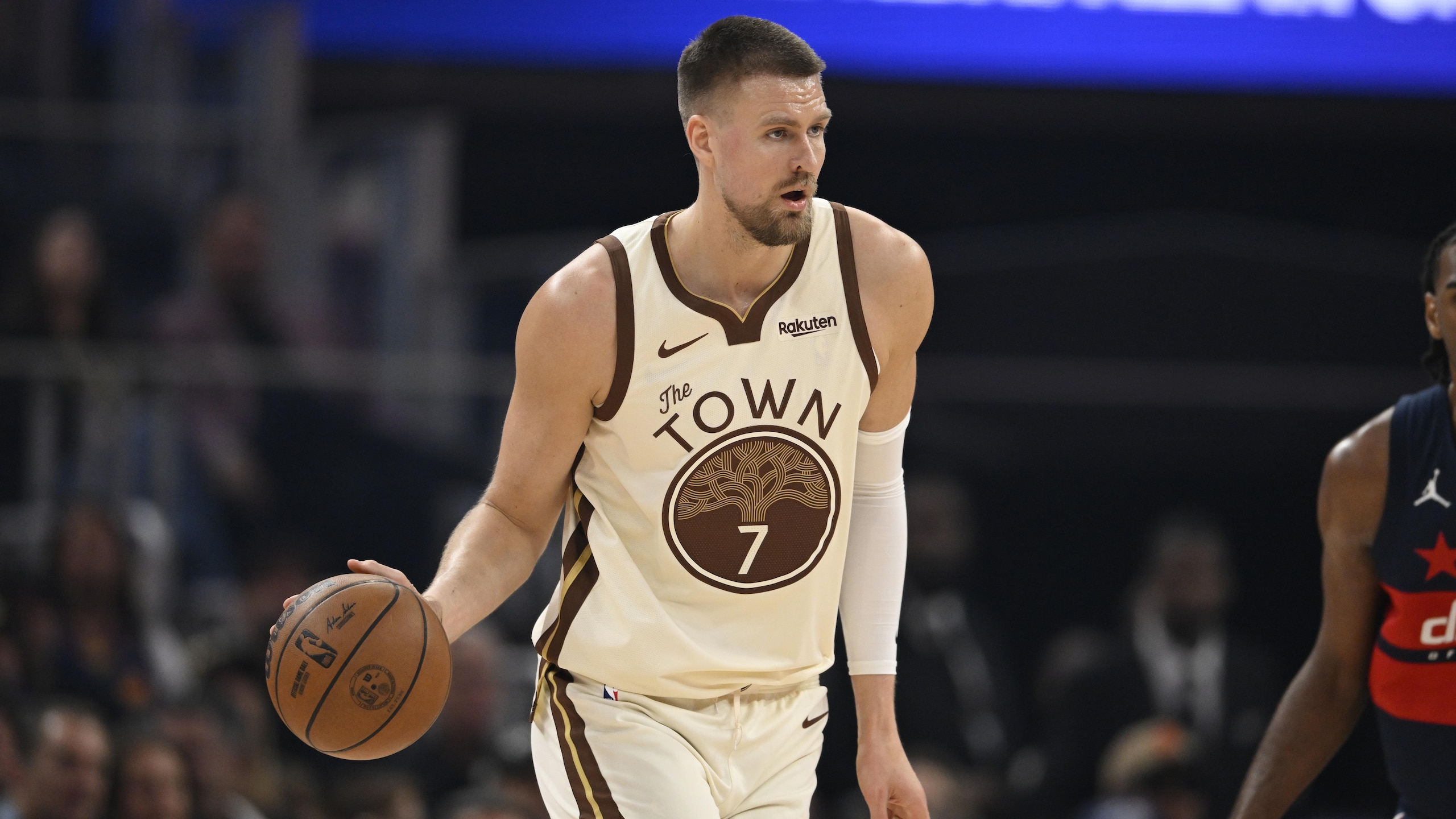

Jalen Brunson and Julius Randle
4 of 5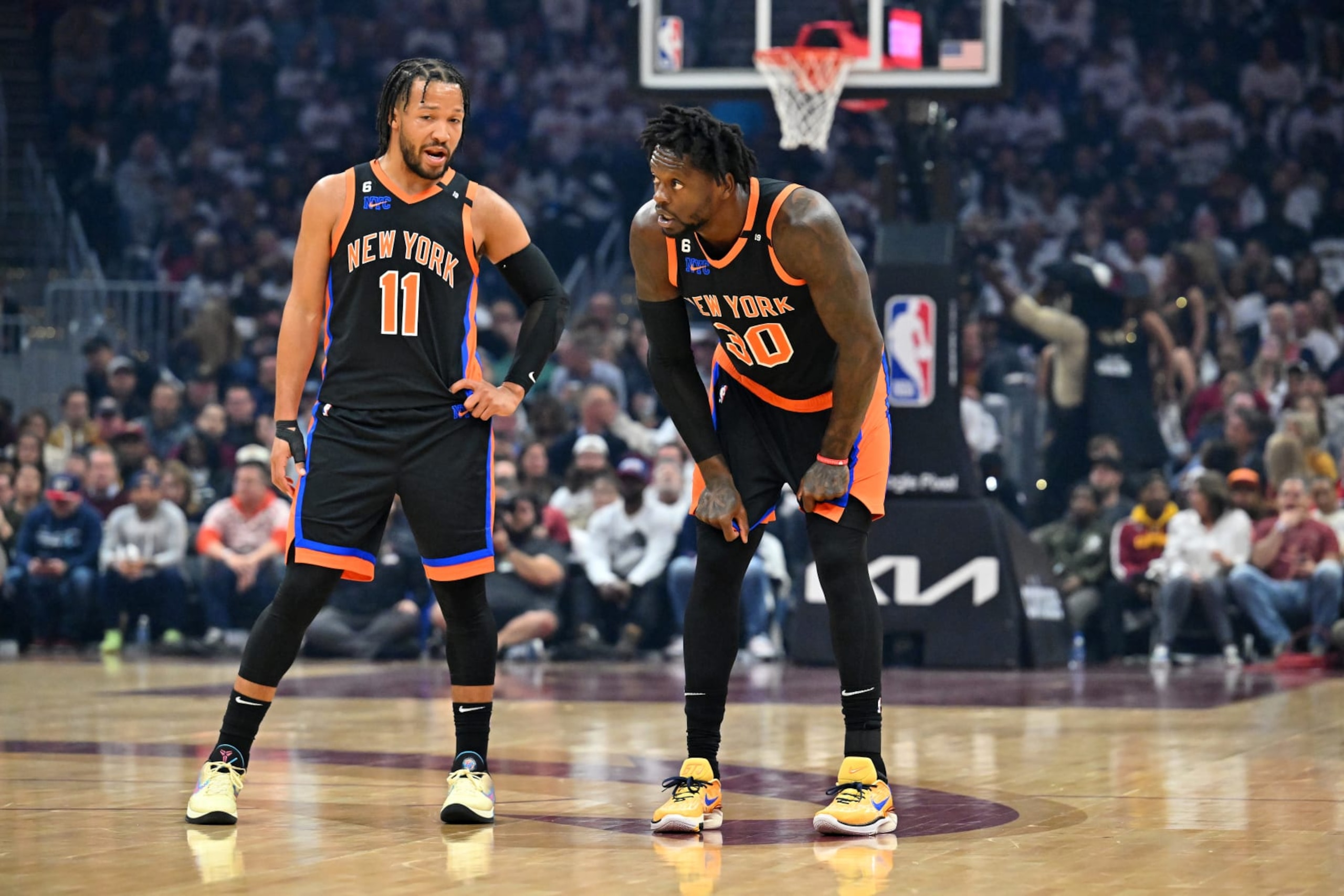
In Jalen Brunson's first season with the New York Knicks, the team won 47 games, finished second in the regular season in points scored per 100 possessions and upset the Cleveland Cavaliers in the first round of the playoffs.
By just about any measure or breakdown, 2022-23 was a rousing success for the Knicks.
But it's fair to have some mild concern over the fit between Brunson and All-NBA forward Julius Randle.
They play different positions, and the guard-big combo has had plenty of success historically in the NBA, but Randle's offensive game is more like that of a guard. He can often dominate possessions handling the ball, and an inconsistent jump shot limits his effectiveness when someone else is in control.
That, of course, is where there may be some potential friction between he and Brunson, he's also a ball-dominant player.
As the numbers above show, both are more thoroughly winning their minutes when the other is off. Presumably, either would thrive in a situation where the floor is spread by shooters and the driving lanes are available for them to exploit.
Like the Wolves, if the solution isn't a trade, New York might need to think about finding more rotational opportunities to split these two up.
Deandre Ayton and the Suns
5 of 5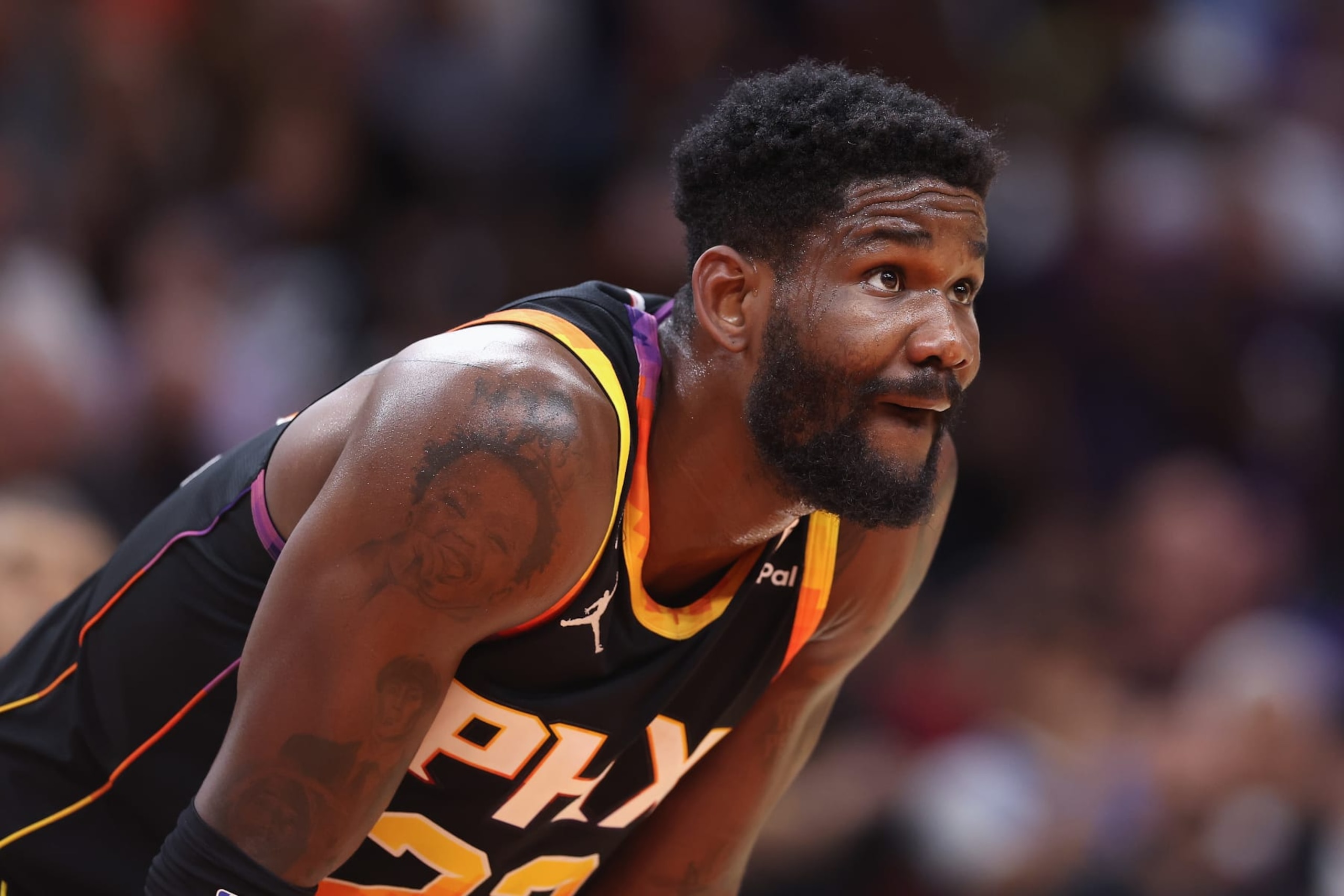
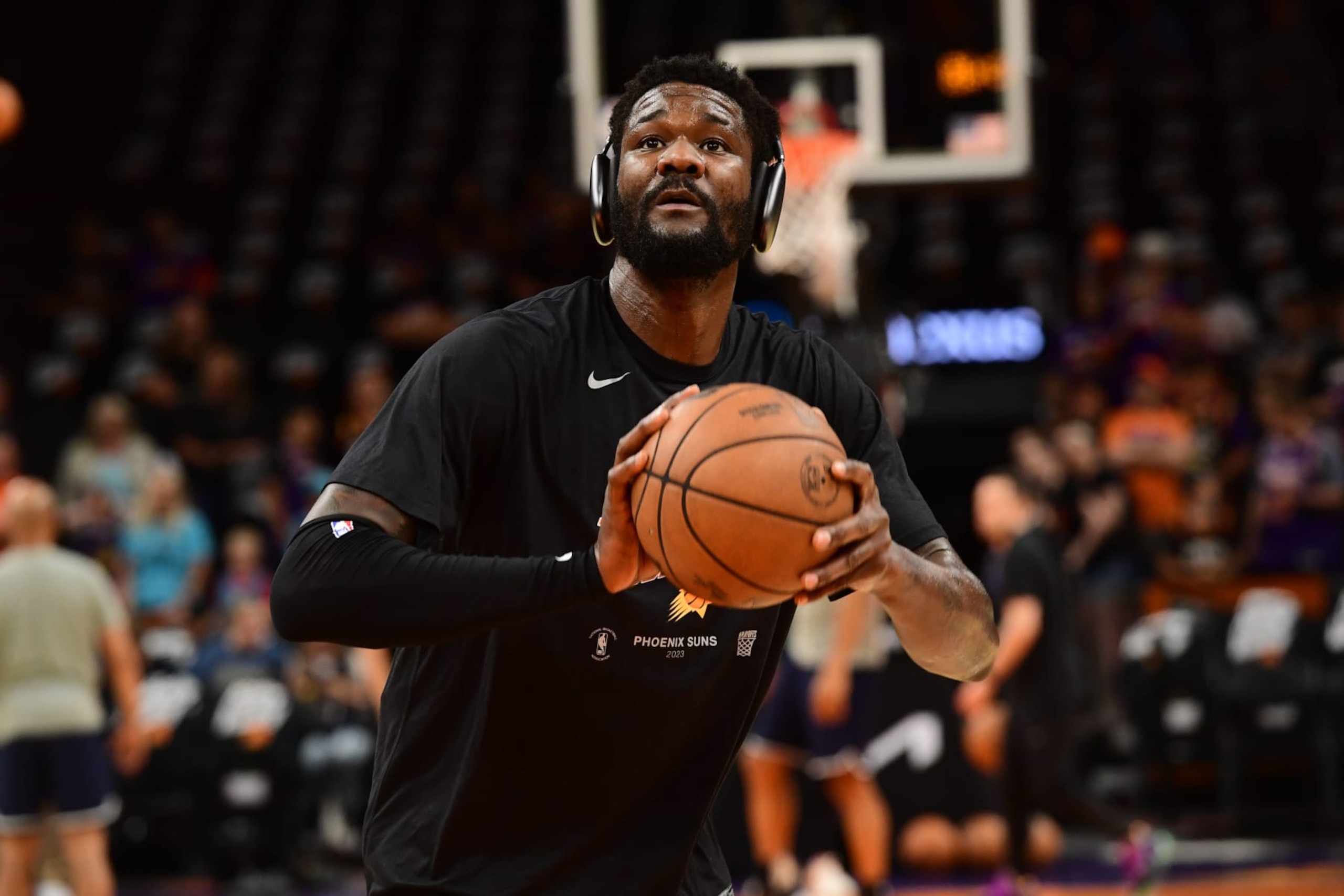
You'll notice this slide is a little different than the previous four, and that's because Deandre Ayton has become an awkward fit with the entire Phoenix Suns organization.
He signed an offer sheet with the Indiana Pacers last summer. Though Phoenix obviously matched it, that was a clear indication Ayton wouldn't mind playing somewhere else.
And after the Suns acquired Kevin Durant, they had three ball-dominant stars in KD, Devin Booker and Chris Paul starting alongside Ayton.
With that much scoring and playmaking in a single lineup, there really isn't any need for a face-up 5 whose commitment to rim protection has waxed and waned over the last couple seasons.
And the obvious mismatch has led to some obvious tension.
"There's a lot of people in that organization that are tired of Deandre," ESPN's Zach Lowe said on The Lowe Post podcast. "You can see it in the game, you don't even have to be at the game to see the body language, the eye rolling, the 'what the what is this guy doing?'"
All of that could be contributing to an Ayton trade market that Marc Stein described as "not exactly robust," but Phoenix may have to move him anyway. Having him under contract through 2025-26 for around $34 million per remaining season feels borderline untenable.
.jpg?w=2560 "Breaking News")

.jpg?w=2560 "🚨 Giants to Start McCarthy")