

At least one tough decision awaits every NBA team in 2023 free agency. Let's go ahead and spotlight them, shall we?
Most prickly choices will pertain to a single player. How much is he worth? Does he fit long term? Is he a flight risk? Et cetera, et cetera.
More macro issues are fair game when the situations allow for it. These will typically fall along the lines of "Will Team X pay the tax? or "Which players should Team Y target?"
Only matters of free agency were considered for inclusion. Prospective trades and extensions for players not set to hit the open market are topics for another place and time.
Running through this exercise now, ahead of the playoffs, will mean each squad's most pressing issue could change. Postseason fates and performances can alter priorities and directions. The decisions highlighted here try to account for any potential shifts in mentality, but they are, invariably, of the "This is what matters most if free agency started today" persuasion.
Atlanta Hawks: To Pay the Luxury Tax, or To Cheap Out?
1 of 30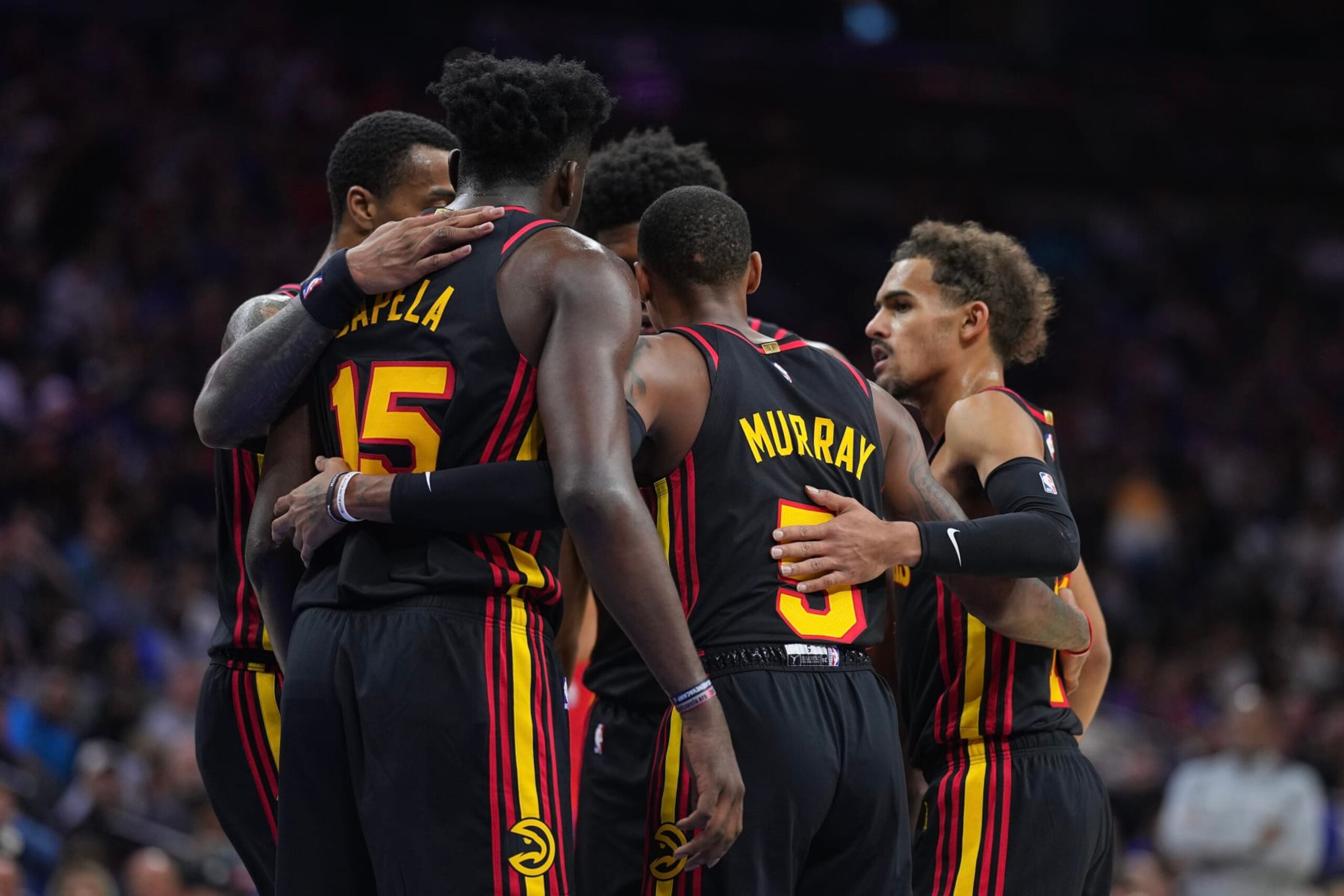
Atlanta Hawks team governor Tony Ressler would like you to know he definitely didn't tell the front office to duck this year's luxury tax. This is a little weird, mostly because he absolutely told the front office to duck the luxury tax:
Anywho, this season is just about wrapped. The Hawks won't pay the tax for fielding a forcefully bottom-of-the-middle team. Next year currently projects to be a different story.
Atlanta will be more than $15 million into the luxury tax following the Bogdan Bogdanovic extension and after accounting for various non-guarantees and its 2023 first-round pick. That's far enough over the threshold to simply ponder whether the Hawks will tack the mini mid-level exception onto their tax bill. But we know better.
This team remains liable to skirt the luxury tax entirely, a copout that would most likely entail offloading John Collins (three years, $78.5 million) or Clint Capela (two years, $42.9 million) for a return built around cheaper salaries and, maybe, some draft equity.
If Atlanta doesn't sidestep the tax altogether, will it look to trim the bill? Or might the suits upstairs be willing to hold the line, really go for it and—gulp—spend the mini mid-level? We'll soon find out.
Boston Celtics: Grant Williams' Next Contract
2 of 30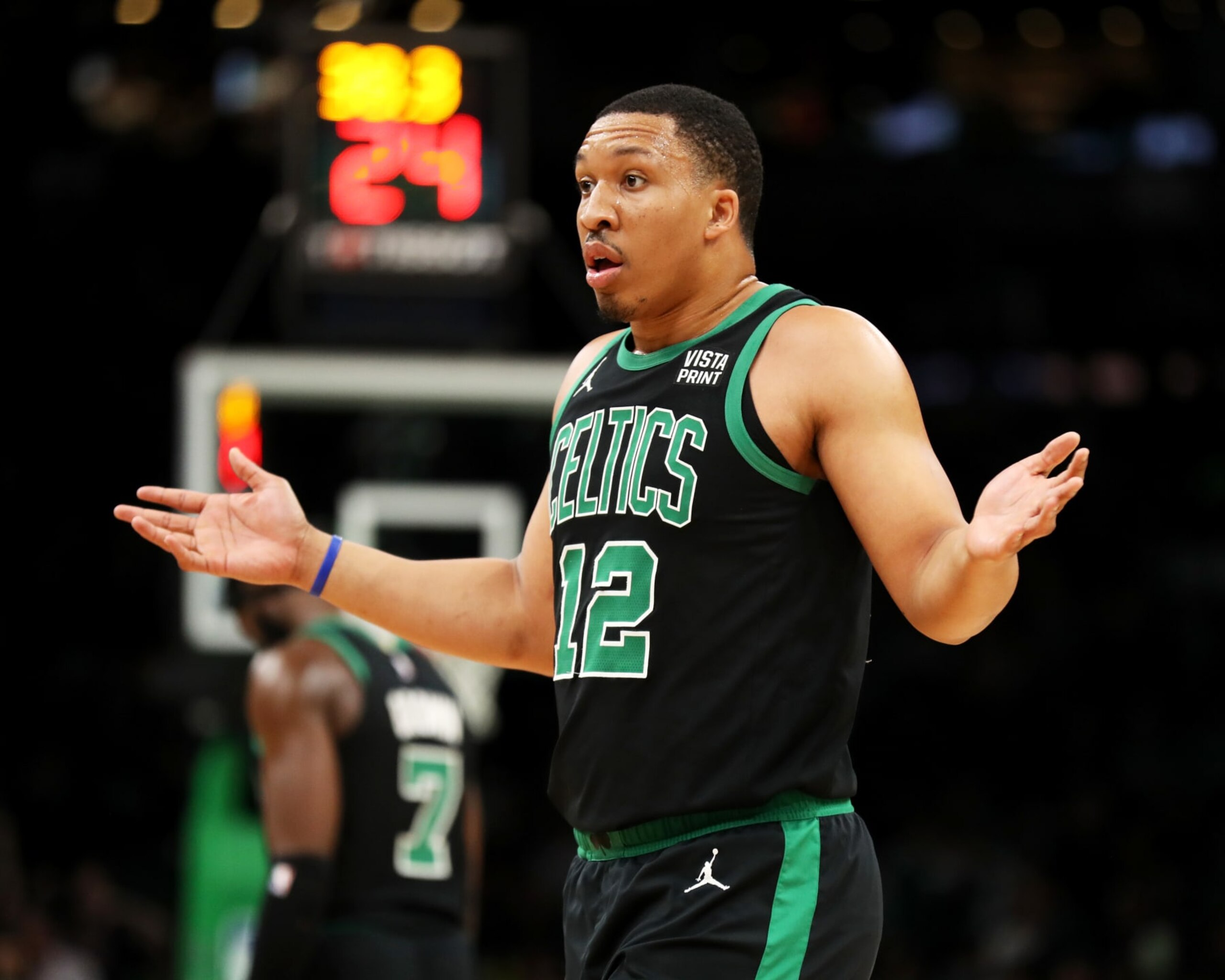
Grant Williams will reportedly seek $20 million per year when he enters restricted free agency. That number will catch some off-guard—including, perhaps, the Boston Celtics themselves.
It probably shouldn't.
Williams' numbers don't leap off the page, his three-point accuracy is down since the All-Star break, and he doesn't offer enough size or rim protection to spend swathes of time at center. But teams will pony up for an ultra-switchable, 24-year-old frontcourt body—particularly when it comes with proven outside marksmanship and flickers of a floor game.
All of us, collectively, must also keep the rising cap top-of-mind. A $20 million salary equates to under 15 percent of next year's $134 million forecast. That's not an outlandish share if you believe Williams can soak up more playing time and usage.
Boston may be more inclined to pinch pennies than outside admirers. It will be over $13 million into next year's tax while carrying Williams' $12.9 million cap hold. Paying him more only ups the bill. The Celtics' tax sheet will skyrocket further if they spend the $7 million mini mid-level exception.
Postseason basketball will go a long way toward determining Williams' future. Does he get exploited by any matchups? How much court time does he actually get? And how will Boston's season end? Al Horford's age and Robert Williams III's spotty durability bode well for Grant Williams' long-term utility. But unless the Celtics win a title, his future in Boston likely hinges on the price tag other teams ascribe to him.
Brooklyn Nets: The Cost of Cameron Johnson
3 of 30
Sources told the New York Post's Brian Lewis that the "floor" on Cameron Johnson's next contract will be $18 million per year. That sounds about right when weighed against the ascending salary cap.
Things might get thorny for the Brooklyn Nets if he costs more. Hell, they may get weird even if he doesn't.
Brooklyn profiles as a taxpaying team if it gives Johnson a starting salary of $18 million. And that's operating under the assumption it renounces Seth Curry. The Nets can make other moves to skirt the tax if they don't try to accelerate their post-Kevin Durant retool. But this isn't just about the overall cap sheet.
Johnson is 27. A four-year deal takes him through his age-30 season. It isn't clear whether that fits the Nets' timeline. Even if it does, they might blanch at paying $20-plus million annually to a pure 4.
Then again, Johnson's offensive bag may be too enticing to simply let walk. He provides high-volume, functional shooting and has flashed an in-between game and the capacity to put the ball on the deck.
Other teams know this, too. That should drive up his ask. Unless his age proves prohibitive to cap-space teams who could use a forward (Indiana, Utah, Oklahoma City), Johnson should get puh-aid. Any offer sheets upwards of $20 million per year could render his return to Brooklyn far from a given.



Charlotte Hornets: P.J. Washington's Long-Term Value
4 of 30
If the Charlotte Hornets plan on retaining P.J. Washington, they must also plan on paying through the teeth.
Around 80 percent of his made buckets come off assists, but that's by far and away a career low. LaMelo Ball's limited availability coupled with Miles Bridges' absence after pleading no contest to felony domestic violence has left Charlotte to depend on him for more creation from the outside-in—above the break, at the nail, everywhere. And Washington has largely delivered.
Nailing down out a definitive price is tough. It's going to be high. The Hornets probably don't have to fear a max-salary offer ($33.5 million), but Washington is young enough to pique the attention of cap-space suitors like Indiana, Oklahoma City and Utah. Upwards of $25 million per year doesn't seem outside the realm of possibility. It may even be likely.
Charlotte needs to think long and hard before reinvesting in a roster that's improving defensively but far from postseason-caliber. It also needs to hammer out a concrete direction.
Will this season result in a gradual rebuild around LaMelo, Mark Williams and a top-tier draft pick? Will the Hornets try to accelerate their position in the Eastern Conference with bigger swings on the trade market? Do they intend to land somewhere in between? Where does Washington, and his next pay grade, fit into the bigger picture? Losing him for nothing is not an option. But if they don't view him as a $25-to-$30-million-per-year building block, they need to exhaust sign-and-trade possibilities.
Chicago Bulls: Is Nikola Vučević the Right Center for This Core?
5 of 30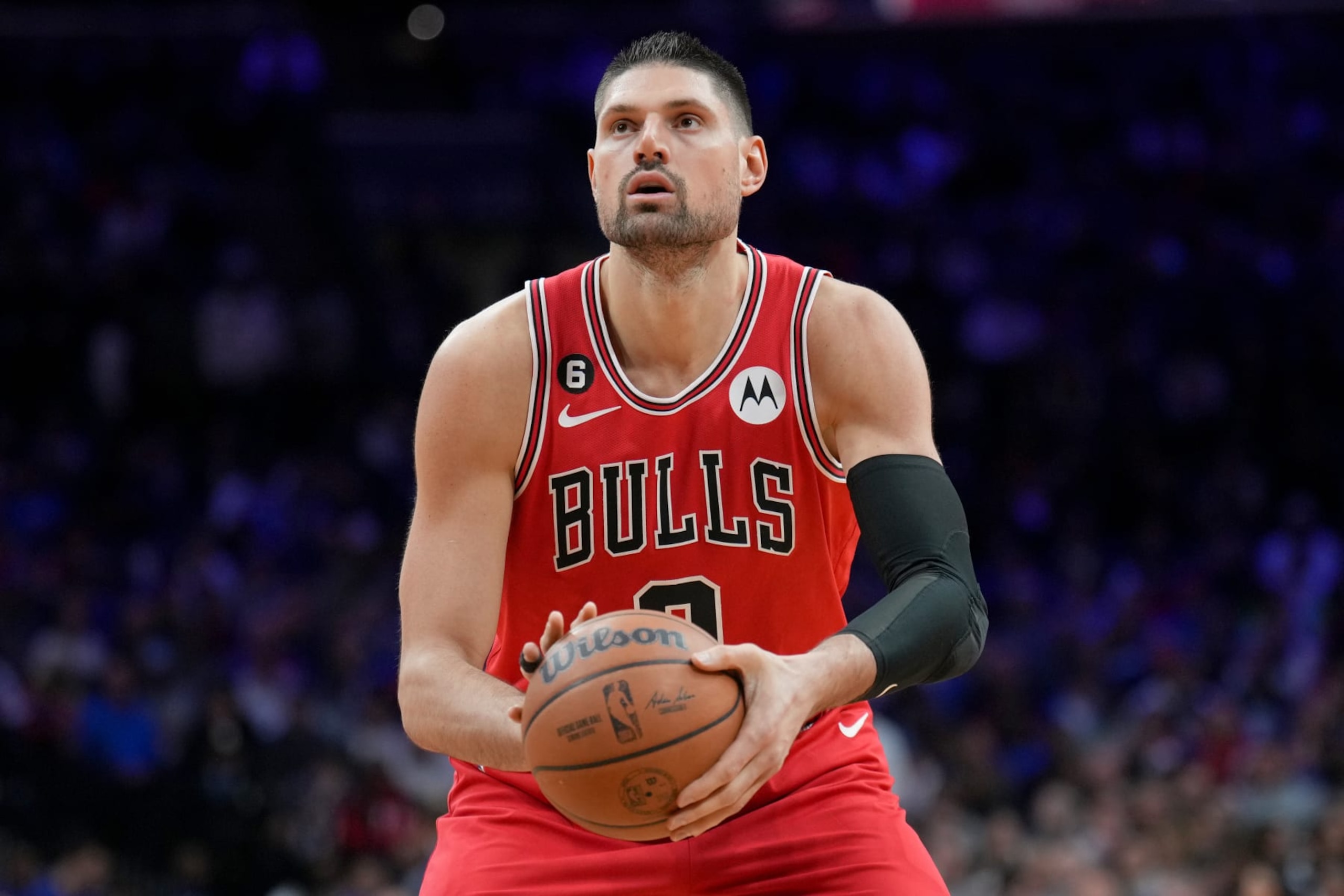
Assuming the Chicago Bulls resist the repeated calls from the media and much of the fanbase for a fuller-scale rebuild, where does that leave Nikola Vučević?
With more leverage than he should have, probably.
The Bulls could let both Vooch and Coby White (restricted) walk and still wouldn't have meaningful cap space. They also don't have an heir apparent at the 5. They can hope the $11.4 million non-taxpayer mid-level exception nets them a starting center, but that would eat up their best spending tool when they have plenty of other needs.
Vučević is playing well enough for Chicago to want him beyond this season. He's downing over 65 percent of his hook shots and doing a nifty job navigating the half-court without the ball. But the Bulls' offense has been aggressively mediocre this season. While they have impressed on the defensive end, continuing to plop Vooch in the middle puts an inherent cap on their ability to protect the basket and match up against more explosive frontcourts.
A finite list of prospective suitors may resolve this situation for Chicago. Vooch turns 33 in October. He isn't getting big-money offers from rebuilding squads with cap space. At the same time, a dearth of alternatives might put the Bulls in a bind—the kind of rock-meets-hard-place situation that has them offer Vooch a contract they cannot easily unload in the event of a directional pivot.
Cleveland Cavaliers: Caris LeVert's Long-Term Fit
6 of 30
Paint me every shade of impressed with Caris LeVert's fit on a Cleveland Cavaliers team with both Darius Garland and Donovan Mitchell and a fast-ascending Evan Mobley. He's converting almost 38 percent of his catch-and-shoot triples and generally juiced up the speed with which he's making decisions when the rock gets to him.
Concerns over whether he can work as the 3 alongside Garland and Mitchell remain fair. We have to see it work in the playoffs. But the regular-season returns are encouraging. LeVert has bumped up his defensive energy, particularly on the ball, and Cleveland limits opponents to 108 points per 100 possessions (96th percentile) when he's playing with both Garland and Mitchell.
Barring an absolute meltdown in the playoffs, attempting to keep LeVert makes all the sense in the world. He won't come cheap, but the Cavaliers have plenty of wiggle room beneath the tax while Evan Mobley is on his rookie-scale deal and thanks to the highway robbery that has become Jarrett Allen's contract. They should be able to pay LeVert while maintaining access to the non-taxpayer mid-level exception.
Still, this isn't necessarily a no-brainer for either party. LeVert, for his part, could prefer a situation that promises more glam time on the ball. The Cavs can always regal him with an over-the-top offer, but this presumes money is no object. It will be, because it's never not.
Dallas Mavericks: How Should They Pay Kyrie Irving?
7 of 30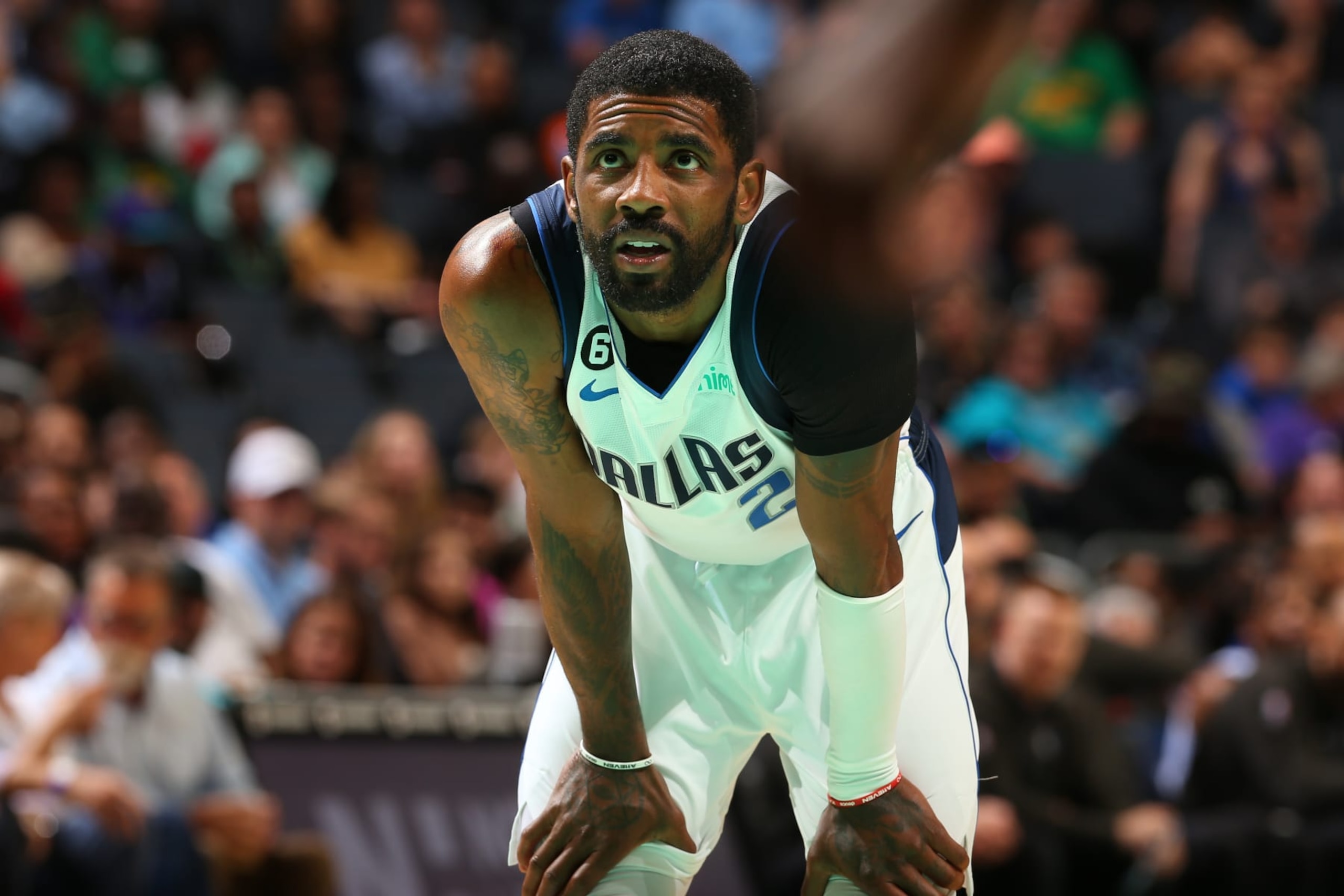
Nobody should pretend to know what Kyrie Irving will do this summer. Unpredictability is the most predictable thing about him.
And yet, he wouldn't have orchestrated his exit from Brooklyn if he wasn't concerned about his Bird rights. The Dallas Mavericks are favorites to re-sign him almost by default—so long as they want him. And you better believe they want him.
Life in Dallas hasn't been hunky dory since Irving arrived, but the turbulence is not on him. The Mavs are winning the minutes he plays with Luka Dončić, and their issues are exactly what you'd expect them to be after surrendering their best defender in the midseason mega trade. They're also essentially pot committed.
You don't give up your best defender and an unprotected first-rounder that won't convey for seven drafts for a rental. Dallas could look to sign-and-trade him or carve out cap space instead of keeping him, but neither route will yield a return with a higher-end outcome than Irving himself.
Signing Kyrie to a four-year max will run $210.1 million. A five-year max will cost $272 million. Will Irving have the rival market to command that? Does he even have the leverage to get a shorter-term max? At age 31? With a history of submarining team cultures (plural)?
What does a happy medium even look like? Three years and $110 million? More? Less? Longer? Shorter? His foray into free agency will be fascinating, even if it ends uneventfully.
Denver Nuggets: Do They Need to Replace Bruce Brown?
8 of 30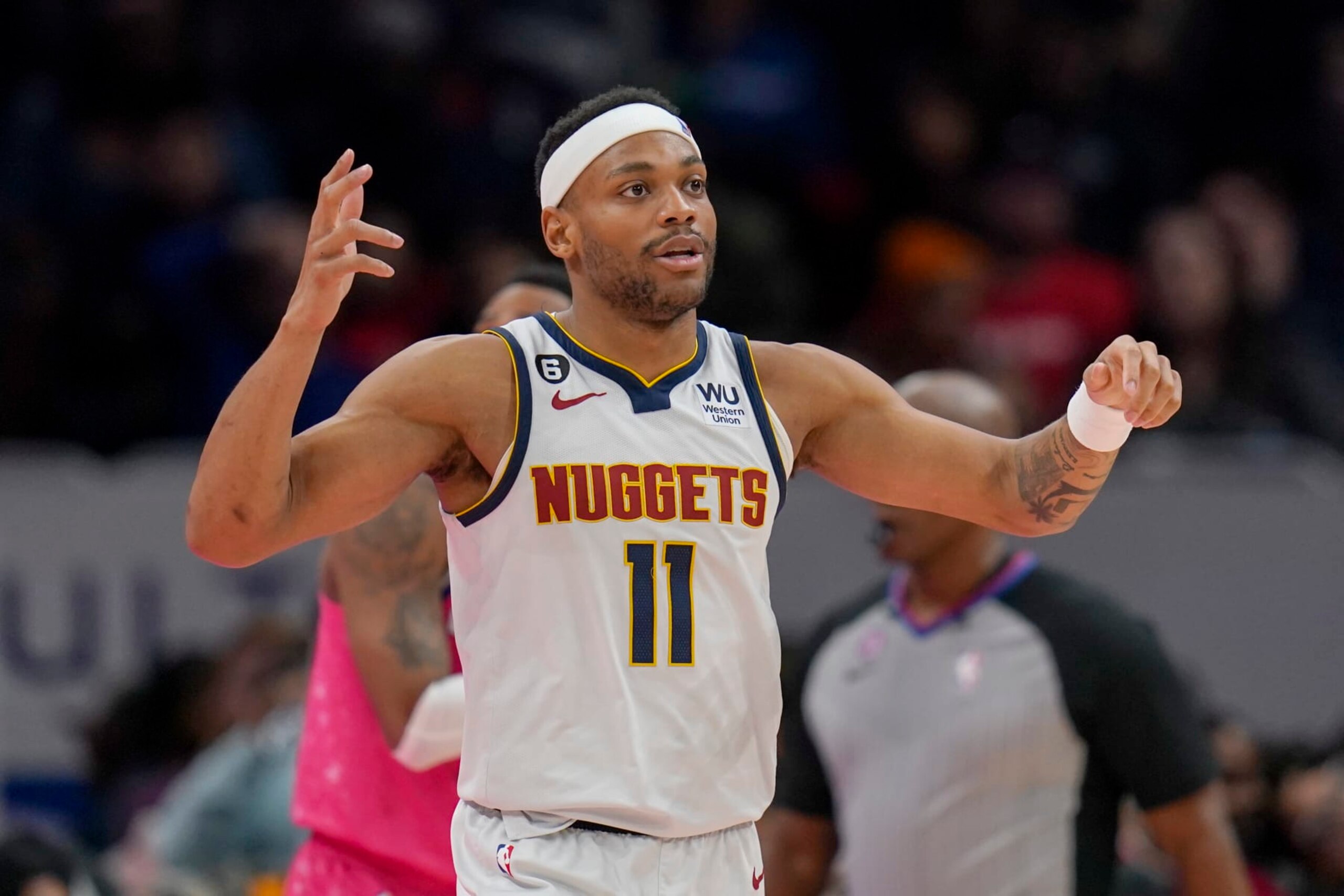
Bruce Brown has been mostly as advertised for the Denver Nuggets, his recent cold spell from deep notwithstanding: super valuable, as a connector, at both ends of the floor.
Semi-related: The search for his replacement may already need to be underway.
Brown holds a $6.8 million player option for next season he should absolutely decline. The Nuggets can offer him a starting salary of almost $7.8 million if he hits free agency—a smidge more than the mini mid-level exception.
That may not be enough to get the job done. Not many of the cap-space teams loom as obvious suitors, but a smattering of bigger-MLE spenders could offer Brown a higher average annual salary.
Denver can always sweeten its offer by going four years out. Other squads might prefer a shorter-term commitment. Or maybe Brown's market is staler than anticipated.
Regardless, the Nuggets aren't necessarily locks to uncork their own top-dollar offer. They will enter next season in the tax without accounting for holds on Brown or any of their other free agents. They will pay the tax this year, but next season's bill climbs further if they re-sign Brown and spend their mini MLE.
This could be an either-or proposition. Denver's window is urgent enough that it shouldn't be. But the decision may not be the team's to make. That honor lies with Brown's market. In the event he's ready to stay, we'll learn a lot about how much the Nuggets value this core.
Detroit Pistons: Hamidou Diallo's Price Point
9 of 30
Hamidou Diallo was tracking toward back-of-the-ballot Most Improved Player consideration before suffering a Grade 2 right ankle sprain.
The explosive physicality with which he plays can be overwhelming. He will bull-in-a-china-shop it on the break and has some brawny directionality to his half-court drives. His jumper is a liability, but he downed 48.5 percent of his mid-range attempts from Dec. 31 onward. Lots of those looks came as pushes and running layups. Even so, he looked at home pulling up after turning a corner or using one to two dribbles.
That's the good. There is plenty of bad.
Diallo can be a forceful finisher. He can also shy away from contact or bail out into weird takeoff points that significantly lower the quality of his attempts. The perimeter shooting, overall, is a problem. He is at sub-60 percent from the foul line, and Detroit basically cut out three-pointers from his diet prior to injury.
The Pistons need true wings, but they also need better spacing. Navigating Diallo's highs and lows are more palatable if he costs around mini-MLE money. Paying him gets harder to stomach if he leaks into eight-figures-per-year territory.
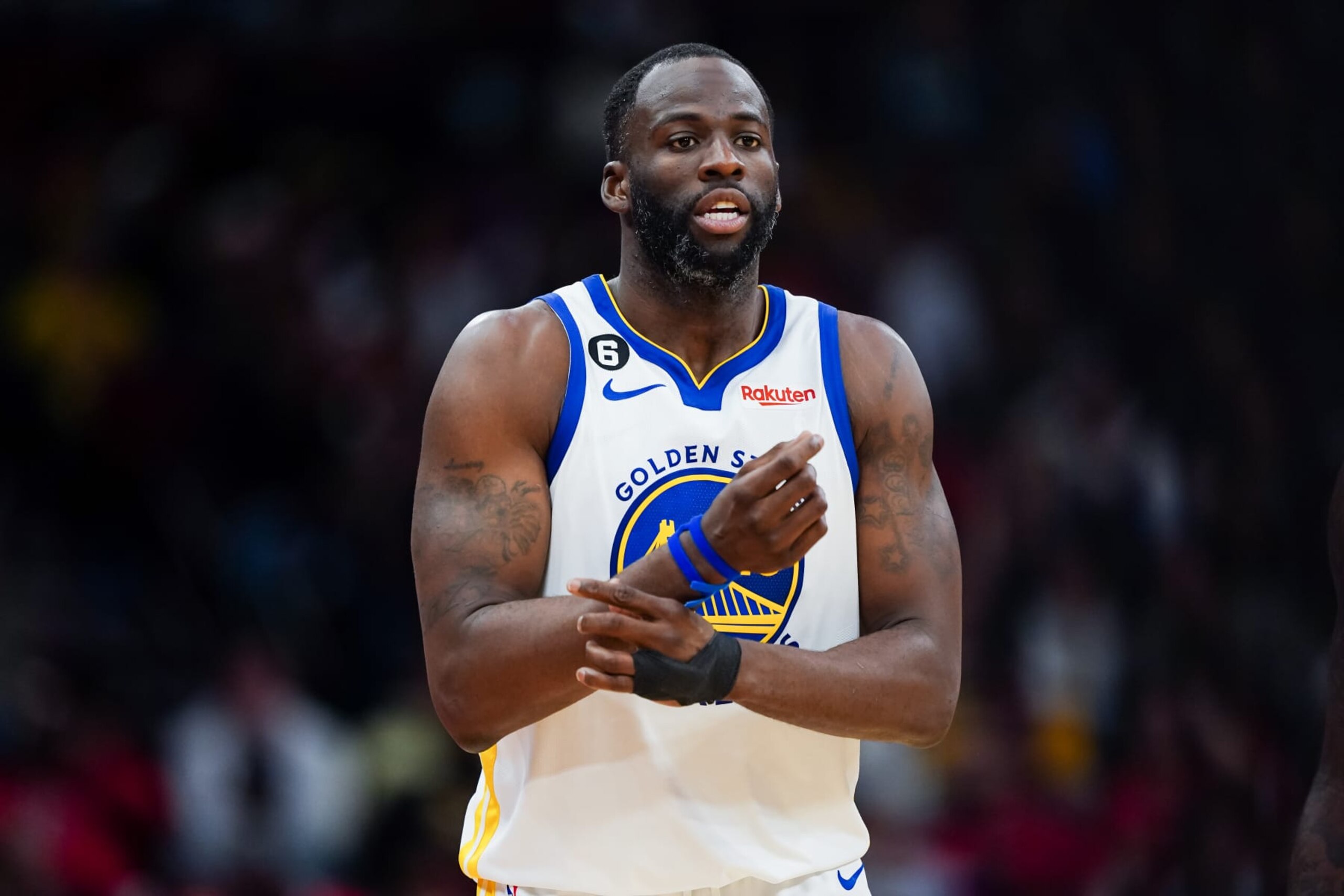
Golden State Warriors: Draymond Green's Future
10 of 30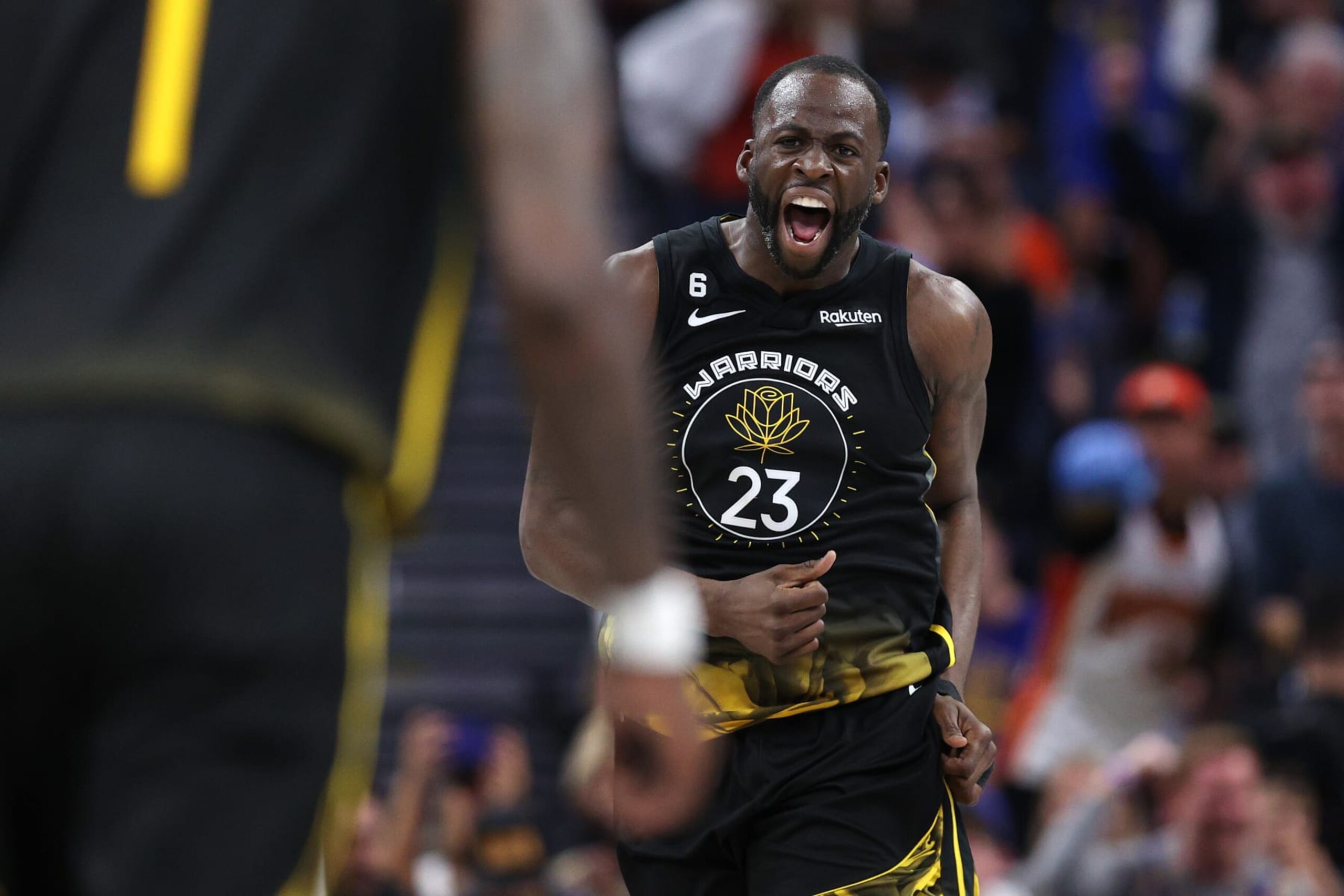
Some will boil down Draymond Green's future to The Punch. A select few will even distill it down to points per game. (Aside: Don't do this.) It is far more complicated than all of this.
Green is a Golden State Warriors icon—one of the fulcrums for their dynasty. If you watch him, you can see and sense and feel how transformative he is on the defensive end.
The Warriors cannot just assume they'll move on from Green without incurring stark drop-off. They also can't pretend money won't be a factor.
Let's say Green declines his $27.6 million player option and signs a longer-term deal that pays him $25 million per year. Golden State would still be on the hook for over $420 million next season in combined player salary and luxury-tax expenses. That's a bitter pill to swallow even if the organization is working off another title. It might be a non-starter if the Warriors flame out in the first round.
Perhaps Golden State pays whatever to keep its Big Three together. Maybe it looks to cut the tax bill elsewhere. Green could simply opt into the final year of his deal, and both sides could agree to re-evaluate the situation next summer. The range of outcomes here is extensive—and includes a scenario, however unlikely, in which Green dons a different jersey next season.
Houston Rockets: How Should They Spend Their Cap Space?
11 of 30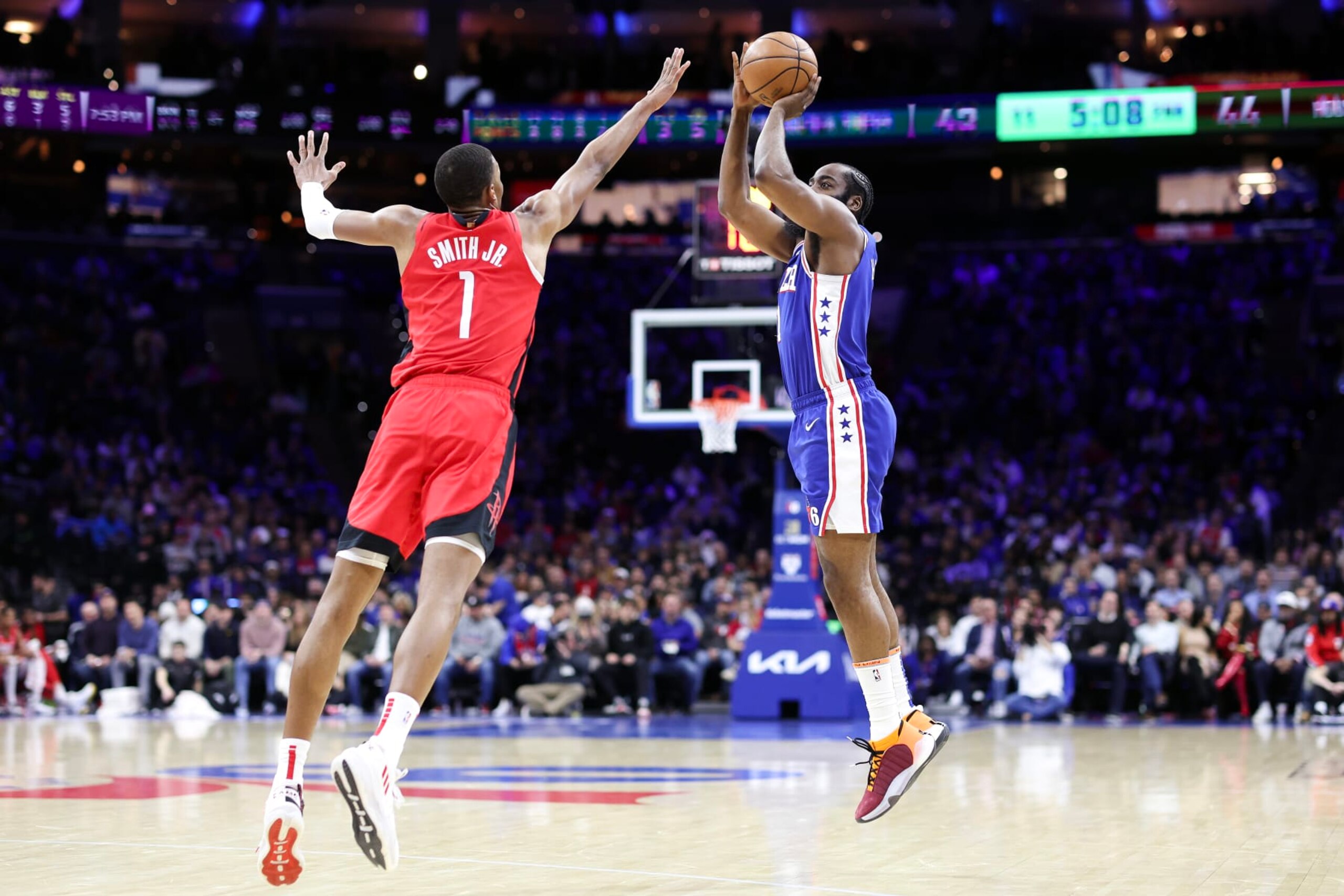
Reuniting with James Harden (player option) is "widely expected" to top the Houston Rockets' to-do list in free agency. But is that the right move?
Affording him isn't a problem. The Rockets are headed toward almost $60 million in spending power this summer. They can bankroll Harden's max salary ($46.9 million) and have some additional money left over.
But just because they can doesn't mean they should.
Harden turns 34 in August. Acquiring him necessitates landing another star (or two) in tandem. He isn't rejoining the Rockets to serve as a mentor.
Houston should be motivated to act with more urgency over the summer. It owes next year's first-round pick to Oklahoma City, with top-four protection, and is on track to post a bottom-two record for the third consecutive season. But offering Harden a four-year max ($201.7 million) isn't a decision to be taken lightly.
If not him, the question then becomes: Who? Should the Rockets restrict themselves to under-26 free agents? Should they be in the market for more connective veterans who can help organize their offense and defense? (Fred VanVleet?) Are they better offer conserving their spending power, next year's pick obligation be damned, and traveling down a more gradual path?
Financial flexibility is a good thing. And the Rockets have more of it than every team, with the exception of maybe Utah. But they need to use it sensibly.
Indiana Pacers: Should They Spend Big on a Forward?
12 of 30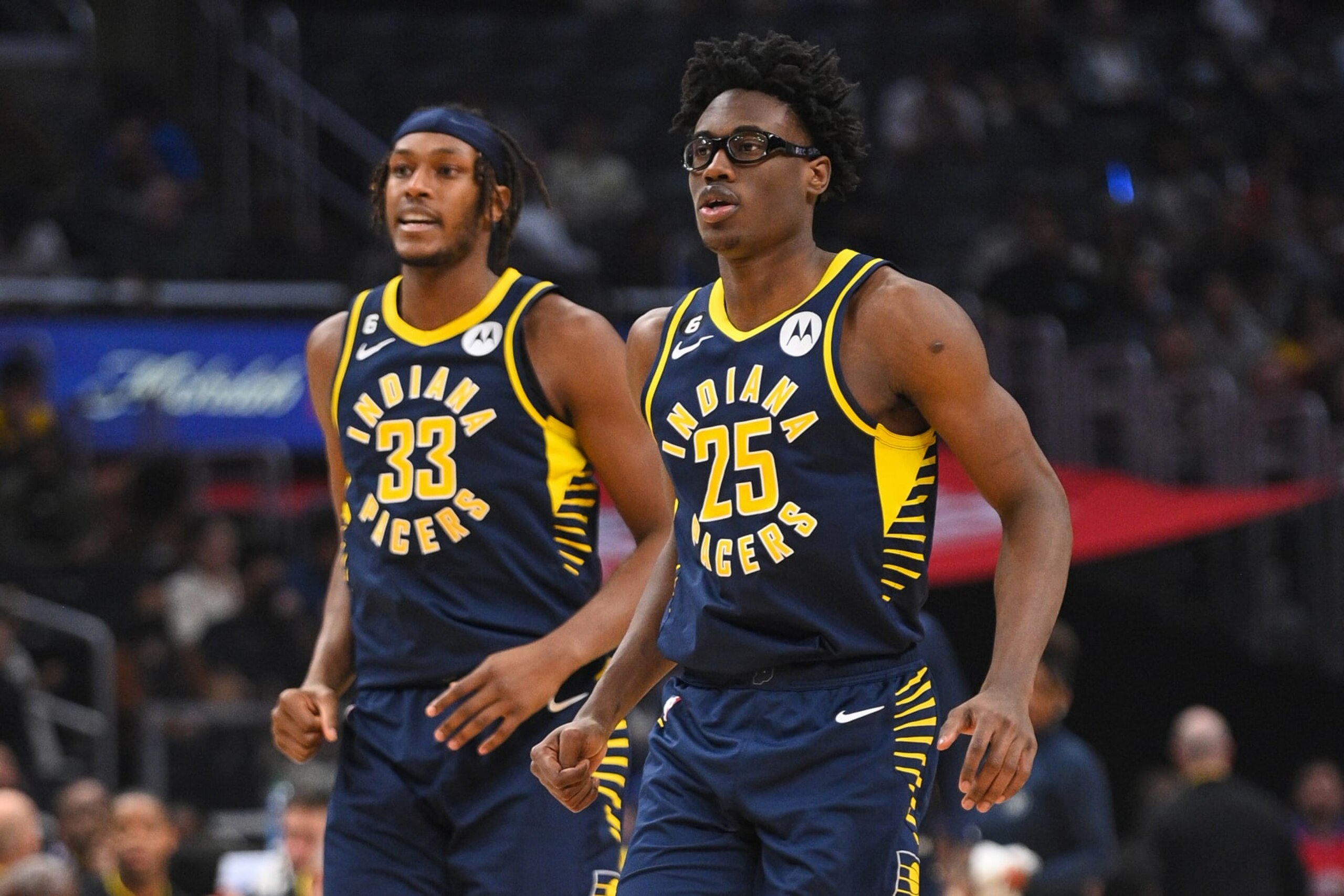
Extending Myles Turner didn't displace the Indiana Pacers from the cap-space landscape. They remain on course for over $25 million in room, and unlike other squads with similar cash stores, they have a core that encourages immediacy.
Tyrese Haliburton is only 23, but he's already entered full-blown stardom. Turner recently turned 27. Bennedict Mathurin is 20 but already a volume-scoring spark plug. Indiana is about to add another higher-end lottery pick.
Pinpointing the Pacers' primary needs isn't difficult. They need an infusion of talent in the frontcourt, on both the wings and besides Turner.
Bankrolling that infusion is one thing. Reeling it in is another. This free-agency class isn't especially deep, and Indiana must decide whether it's best served divvying up cap space or funneling most or all of it toward one player.
The latter route figures to make more of a difference. P.J. Washington (restricted) and Jerami Grant should absolutely be on the Pacers' radar. Looking at Kyle Kuzma (player option), Harrison Barnes, Cameron Johnson (restricted) or Grant Williams (restricted) wouldn't hurt, either.
L.A. Clippers: How Should They Use Their Mini MLE?
13 of 30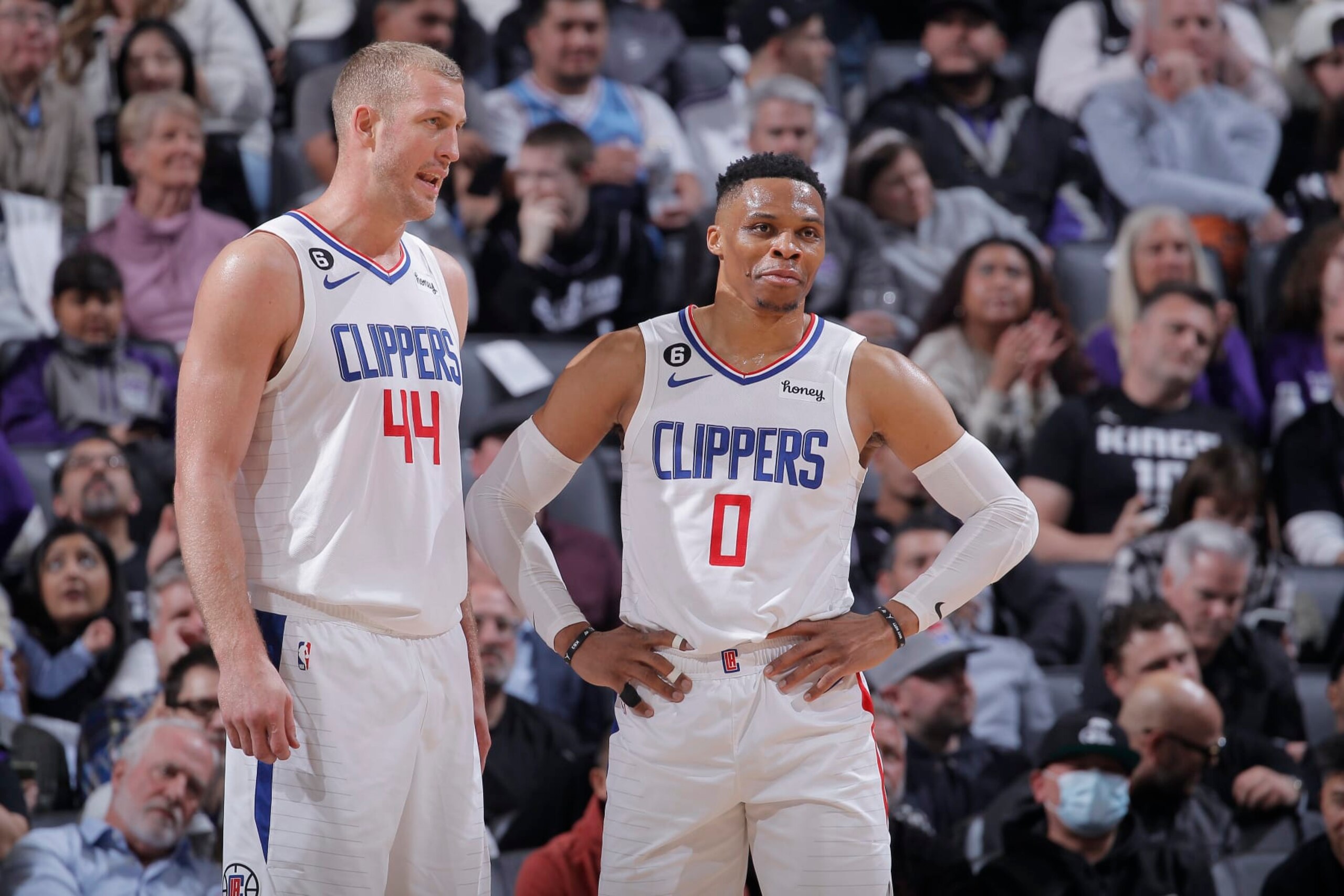
Everything remotely related to the L.A. Clippers' offseason stands to change in the blink of an eye. They will descend into existential crisis if their playoff run ends in unspectacular fashion. (And no, Paul George's sprained right knee injury does not absolve them from wholesale reflection.)
For the time being, though, we default to business as usual. The Clippers will be a taxpaying team willing to spend the mini MLE to augment their current nucleus and plug one of their most pressing needs.
What this pursuit actually looks like is a separate matter.
Russell Westbrook's rim pressure has been a breath of fresh air. Are the Clippers willing to burn their MLE on him? Would he give them a hometown/I-actually-fit-here discount, sign for the minimum and re-up on a larger salary using Early Bird rights in 2024?
And if the Clippers won't or don't need the mini MLE for Westbrook, who gets it? They could use a backup big who isn't Mason Plumlee. They could also use someone who rips threes at a volume similar to, I don't know, the Memphis Grizzlies' version of Luke Kennard.
This is not a damning place to be. It's not uncomplicated either. L.A.'s impression of Postseason Russ and the cost of his retention will most likely dictate how the team approaches the summer and the utility of its best spending tool.
Los Angeles Lakers: Cap Space or Nah?
14 of 30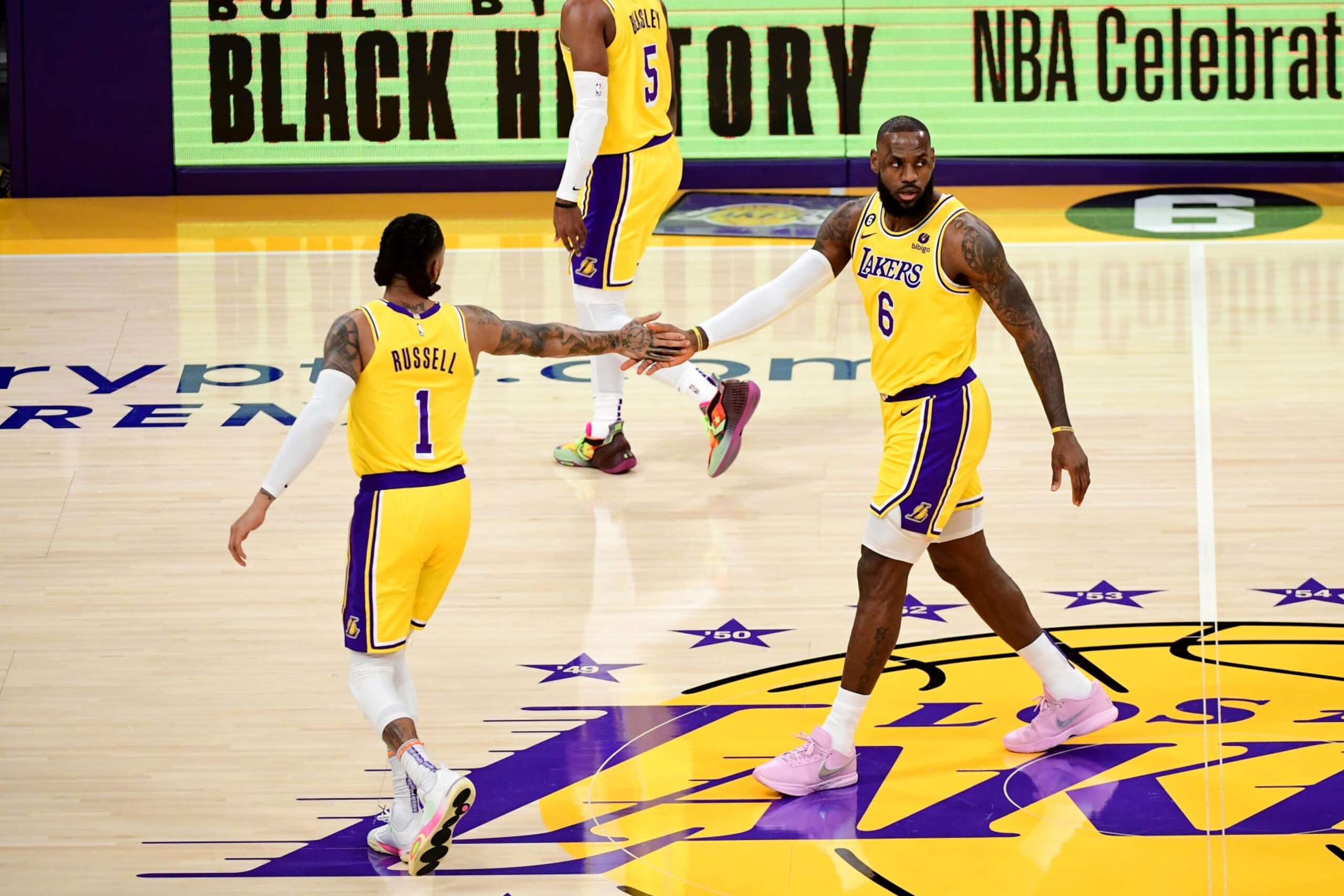
Wheeling and dealing in advance of the trade deadline did not preclude the Los Angeles Lakers from entering the cap-space game. Rui Hachimura (restricted), Mo Bamba (non-guaranteed), Malik Beasley (team option), D'Angelo Russell (unrestricted) and Jarred Vanderbilt (non-guaranteed) call all be removed from the ledger.
Nuclear deck-clearing would leave them with a little over $30 million to spend if they retain Max Christie and the free-agency hold for Austin Reaves (Early Bird restricted). Maybe that's appealing. It shouldn't be.
The Lakers aren't bagging anyone worth annihilating all of their depth. What about Kyrie Irving, blah, blah, blah? Yeah, that scenario will linger like a bad cold. It is neither likely nor practical. The Lakers cannot come remotely close to sniffing his max salary ($46.9 million), and even if he accepts a gnarly discount, they will struggle to capably fill out the rest of their rotation.
This question stands anyway. It's the Lakers. And LeBron James. And the prospect of cap space.
Punt on this dilemma, and L.A. has a couple of other doozies. The standouts: How much is Russell worth to them long term? And are they prepared to match potential poison-pill offer sheets that dramatically inflate Reaves' salary in the third (and possibly fourth) year of his next deal?
Memphis Grizzlies: Dillon Brooks' Price Tag
15 of 30
Dillon Brooks in many ways embodies the Memphis Grizzlies' entire ethos. He is loud and physical and high-energy and unfazed. He is also a patented wild card, someone just as likely to win them a playoff series with blanketing defense or shoot them right out of the postseason.
Good luck assigning a dollar value to that player.
Brooks' defense is tantalizing enough to generate interest outside of Memphis. He can tussle with everyone from smaller point-of-attack creators to off-ball pinballers to larger wings and forwards.
Buyers must beware of his offense. Brooks is a coin-toss finisher, questionable decision-maker and limited shooter with the confidence of someone who's won multiple scoring titles. Among 56 players averaging at least five pull-up jumpers per game, his effective field-goal percentage on these looks ranks 53rd.
There will be stretches and pockets of games in which Brooks does juuust enough to imbue you with faith. He's canning 37 percent of his threes since the All-Star break. These streaks never hold.
Paying him is a commitment to the entire Dillion Brooks Experience, the good and the bad, the incredible and the catastrophic. Traversing his minefield of highs and lows is worth the price of admission when it amounts to mid-level-exception money. It is a different undertaking if and when he's making closer to $20 million per year or more. The Grizzlies must decide whether Brooks is essential to their future or someone from whom they can reasonably—and immediately—upgrade without cap space to fall back on.
Miami Heat: Gabe Vincent or Max Strus? None? Both?
16 of 30
Both Max Strus and Gabe Vincent have been fairly prominent parts of the Miami Heat's rotation this season. That isn't about to change unless Kyle Lowry and Duncan Robinson go full renaissance mode or the team strikes a trade that beefs up its overall rotation.
Or unless dollars and cents get in the way.
Miami will be begin the offseason more than $15 million into the luxury tax if Victor Oladipo exercises his player option. That's before spending the mini MLE or giving new deals to Strus and Vincent.
Is this an either-or proposition? A buh-bye-to-both scenario? Are the Heat so deep into the tax they won't care about their bill ballooning on the back of two role-player salaries? Could we see them move Lowry or Robinson to shed payroll and re-sign one or both of Strus and Vincent?
It's too early to tell. Neither Strus nor Vincent should have expansive markets, but it'd be fairly surprising if both are back.
Forced to choose between the two, Strus is more mission critical to Miami's plans. His three-point clip has dipped. But his volume is important, and he's back to 37 percent from distance since the All-Star break.
Milwaukee Bucks: How Deep into the Luxury Tax Are They Willing to Go?
17 of 30
Keeping the band together should be the utmost priority for the Milwaukee Bucks. They have the best record in the league, and their number of weak links in the rotation has winnowed down following the return of Khris Middleton and arrivals of Jae Crowder and Goran Dragić.
Not even a drubbing at the hands of Boston on Thursday night brings anything about this roster into question. Its half-court offense has engendered some consternation. That's fair. Or I should say, that was fair. The Bucks are second in half-court offense since Middleton made his second return at the end of January.
Reality often gets in the way of idealism. This could be one of those times—even if Milwaukee wins a title.
Crowder, Joe Ingles and Defensive Player of the Year candidate Brook Lopez are headed for free agency. Middleton (player option) and Jevon Carter (player option) might join them. That's five players from the top 10 of their post-All-Star-break rotation. And, well, that's a lot.
Milwaukee has the ability to keep everyone. Whether it exercises that right remains to be seen. The Bucks will pretty much be in the tax if Carter and Middleton pick up their player options without handing out new deals to Lopez, Crowder and Ingles. It isn't immediately clear how much that trio will run. Crowder and Ingles should fetch modest paydays, at best, but Lopez remains impactful enough on both ends of the floor to command a sizable raise off his $13.9 million salary.
This could all end with the Bucks bringing back four of these five players and paying a tax bill comparable to 2022-23. It could end with Middleton taking a slight annual pay cut for longer-term security and alleviating Milwaukee's short-term expenses. It could end with the Bucks paying up the wazoo to float their title-favorite core another year or more. So many outcomes are in play—including a scenario in which Milwaukee moves on from more of these names than you'd expect or prefer.
Minnesota Timberwolves: Can They Spend Big on 3 Bigs?
18 of 30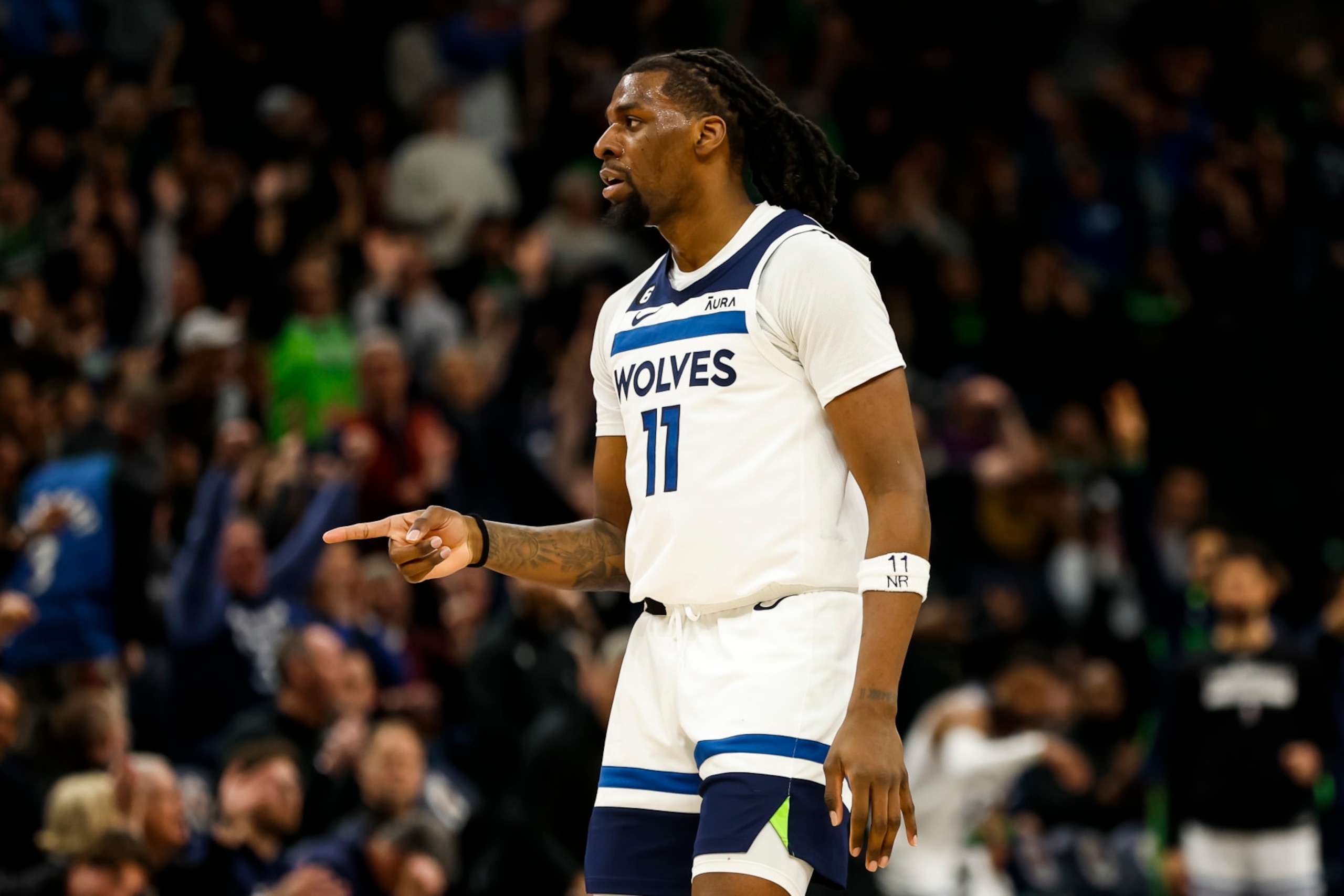
Naz Reid already made himself extra dough ahead of free agency this summer. He has really ramped up his price point since the All-Star break. Suffering a broken left wrist won't change that.
Through his last 15 appearances, Reid is averaging more than 16 points while downing over 65 percent of his twos and 38 percent of his triples. The floor game he has showcased all season is for real—and entering hyper drive. He can navigate tighter spaces with the ball in his hands and deliver gritty, physical finishes with either hand. His recent uptick in accuracy from beyond the arc has allowed the Minnesota Timberwolves to feature him in dual-big combinations.
That bodes well for Reid's internal value. The Wolves have truckloads of money committed to the Rudy Gobert-Karl-Anthony Towns frontcourt: $77 million in 2023-24; $92.5 million in 2024-25; and $99.2 million in 2025-26. Paying Reid around $12 million per year might seem absurd on its face but is far from a misallocation of spending if he can play beside either KAT or Gobert.
Re-signing Reid gets tougher if the market dictates he gets $15 million or more per year. Don't rule it out. Cap space is fairly sparse, but a team like Indiana or Oklahoma City can easily convince itself that Reid is a good enough fit alongside incumbent bigs and worth a three-year windfall. Especially when he's only 23.
Minnesota might not care what it costs to keep Reid. It doesn't officially enter salary-cap hell until new deals for Anthony Edwards and Jaden McDaniels take effect in 2024-25. The Wolves can pay Reid now and figure out the rest later.
This assumes he wants to stay. His role will forever be capped on a team with both Gobert and Towns. At least a handful of outside admirers will have the runway to guarantee him more minutes and maybe even a starting spot.
New Orleans Pelicans: Is This Core Worth Diving into the Luxury Tax?
19 of 30
No Defcon 1 free-agency decisions await the New Orleans Pelicans. Jaxson Hayes (restricted) and Josh Richardson are the only notable players scheduled to hit the open market, and the former is barely even part of the rotation these days.
New Orleans' biggest decision is more overarching: Is it willing to pay the tax for this core? And is now the time to do it?
Depending on where their draft pick lands, the Pelicans should be inside $8 million of the luxury tax without re-signing Hayes or Richardson. That's not enough breathing room to use the bigger MLE and stay beneath the tax line. New Orleans can merely use a portion of its mid-level, staying perhaps within mini-MLE territory, but that'll constrain its free-agency shopping.
This is all before addressing the futures of Hayes and Richardson. The Pelicans can let both walk, but Richardson, specifically, has value if the roster remains light on wings with serviceable strokes from long range.
Optimists will insist New Orleans is ready to pay the tax. Maybe they're right. The Pelicans were contending for a top-two spot in the West once upon a time this season, and they're dismantling opponents during the time Zion Williamson, Brandon Ingram and CJ McCollum have logged together.
Here's the thing: That trio has played a not-so-whopping 355 possessions. Ponying up for the tax is less of an issue New Orleans can count on better availability from both Zion and BI. The team has years' worth evidence that it can't.
Getting out from under Devonte' Graham's 2023-24 salary at the trade deadline also wasn't the action of a team unconcerned with the tax, even if it did net it a better-fitting player in Richardson. The Pelicans will have to cross that threshold eventually if they wish to keep Zion, CJ and BI together while making upgrades and reinvesting in some of their youngsters. It doesn't need to happen next season. And yet, if it doesn't, you have to wonder what that says about New Orleans' faith–or lack thereof—in its current core.
New York Knicks: Josh Hart's Impending Raise
20 of 30
Josh Hart (player option) is the only soon-to-be free agent the New York Knicks need to view as a priority. Sending out a first-round pick for him at the trade deadline infers a big-picture commitment, and he wants to stick around.
That doesn't necessarily make this a nonissue. Hart is the type of player who will appeal to every team—a workaholic team defender who busts his butt on the glass, pushes the pace, keeps the ball moving, generates rim pressure and even sprays in the occasional three.
New York doesn't have to worry about mini-MLE or nontaxpayer-MLE teams poaching Hart's services. His player option is worth more than those salary bands, and the Knicks should gladly pay more than that to keep him.
Retaining him turns into more of a thinker if over-the-top bids come out of the woodwork. Cap-space squads like Detroit, Houston, Indiana, Orlando and Utah all have minutes to fill across the 2-3-4 spots, and unlike San Antonio, none of them are inextricably married to multiyear designer downturns.
Jokes at the Knicks' expense are harder to come by at the moment—and rightfully so. Even at their most embarrassing, though, they have always been willing to spend. Lofty salaries and prospective tax bills don't scare them. They won't even register as blips on the caveat radar if New York makes a raucous during the postseason.
Does this change if the Knicks flame out early in the playoffs or Hart get a truly bonkers offer? Time will, perhaps, tell.
Oklahoma City Thunder: Use Cap Space or Kick the Can?
21 of 30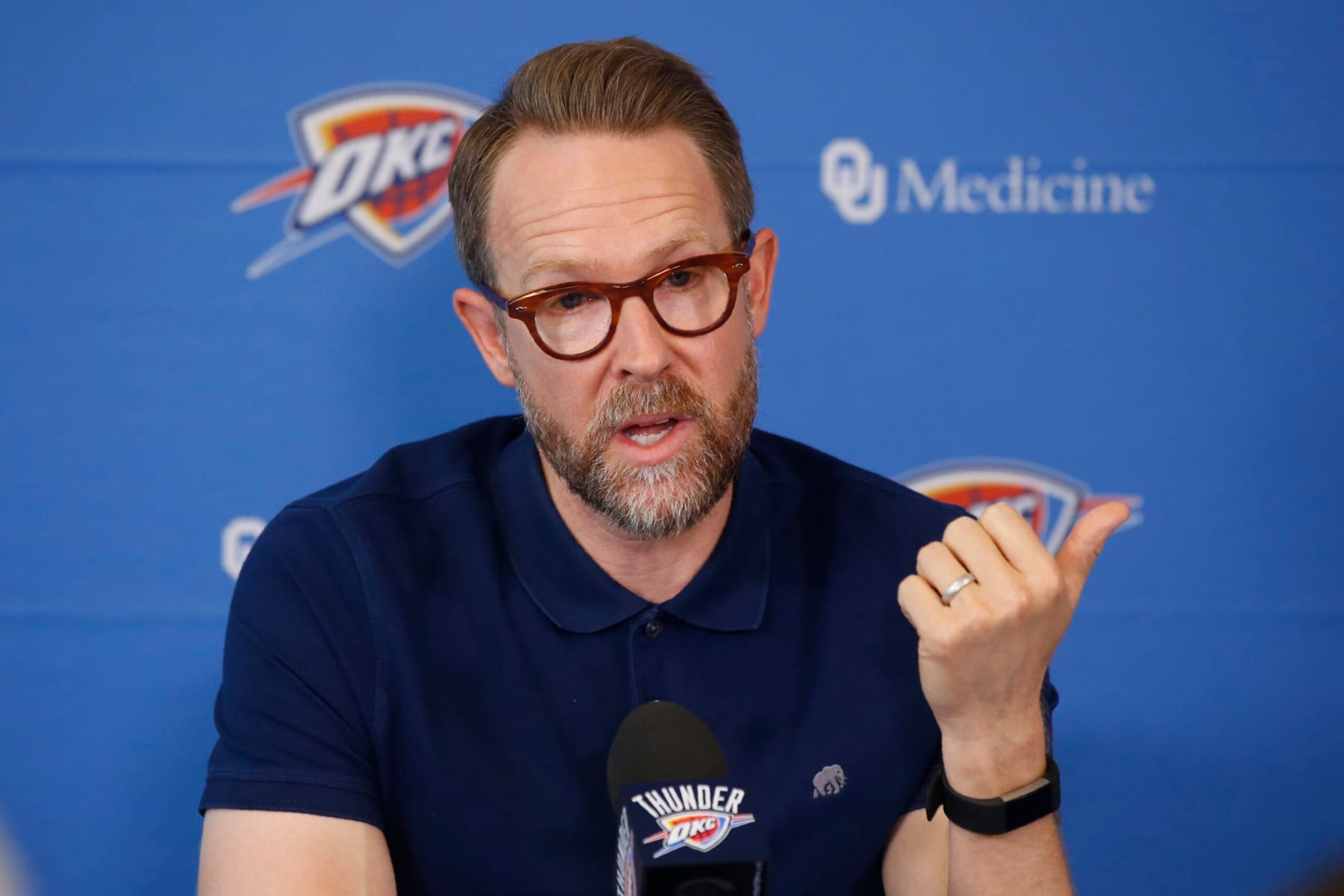
The Oklahoma City Thunder are in line for more than $33 million in cap space depending on where their first-round pick lands. Fresh off a play-in chase, if not a play-in bid, they'll have the motivation to seriously consider spending it.
Except, this is the Thunder we're talking about. Team president Sam Presti isn't one to rush things. Shai Gilgeous-Alexander has entered the top-10-player chat, but Oklahoma City may want more information on the development of Josh Giddey, Jalen Williams, redshirt rookie Chet Holmgren and this year's draft pick before acting too much like a team hellbent on winning now.
Present and future do not have to be mutually exclusive, though. The Thunder have two open roster spots (if they let Dario Šarić walk) and aren't facing any imminently expensive decisions. Giddey's extension will be the next piece of lucrative business—and that theoretical deal doesn't kick in until 2025-26.
Seeing what they have in Holmgren before embracing wholesale moves is important. It doesn't dictate doing nothing. Oklahoma City can and should (and, frankly, might!) look long and hard at adding a combo forward or big who complements the idealized version of last year's No. 2 pick or flamethrowing sharpshooter on the wings.
This doesn't have to be an overtly expensive maneuver either. P.J. Washington (restricted) or Gary Trent Jr. (player option) would be neat-o, but browsing through the Grant Williams (restricted), Naz Reid, Donte DiVincenzo (player option), Max Strus, etc., ranks can make a measurable difference without qualifying as seismic.
Orlando Magic: How Much Cap Space Do They Need?
22 of 30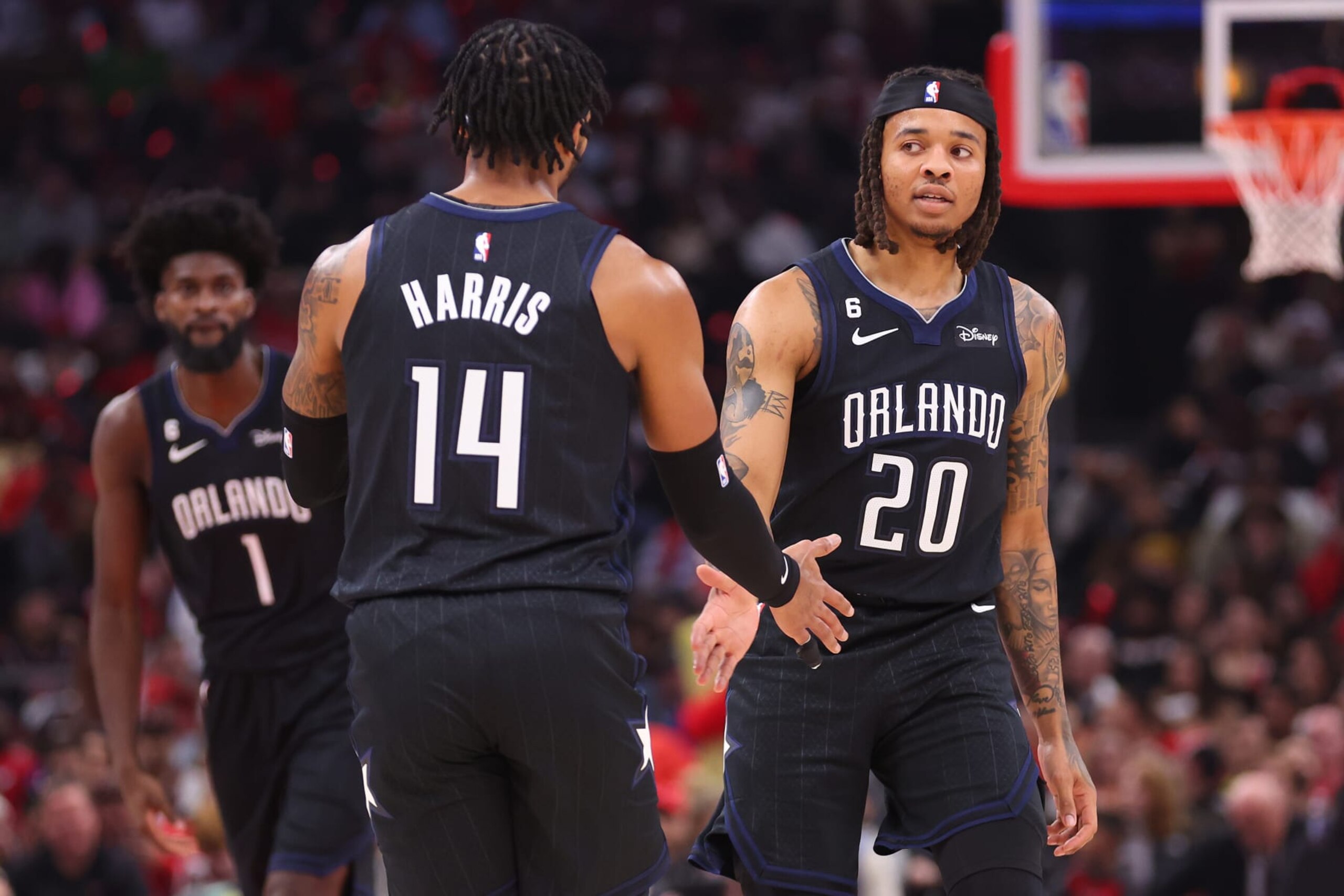
Left mostly untouched, the Orlando Magic are tracking toward over $22 million in cap space. That figure can shrink or expand depending on where their own and Chicago's first-round picks fall, but somewhere between $20 and $24 million is the do-nothing range.
Now, if the Magic opt for the do-something range? Their cap space has the capacity to explode.
Jonathan Isaac is guaranteed $7.6 million of next year's $17.4 million salary. Markelle Fultz is guaranteed $2 million of his $17 million take-home. Gary Harris' $13 million salary is entirely non-guaranteed until Jun. 30.
Waiving any one of them takes Orlando into the $30 million cap-space tier. Jettisoning two or all of them injects their flexibility with every-imaginable-max-salary nitrous.
Related: The Magic won't be traveling down the nuclear vortex.
Fultz isn't going anywhere. He has become too valuable as an offensive game manager and pesky defender. Harris and Isaac are more debatable. Orlando might as well keep Harris, who has been the consummate three-and-D-plus-driving wing when healthy. Isaac is more disposable. The Magic are stocked up front, and he is injured, again, after missing two-plus years.
Orlando might want to wait out Isaac...still. Or it may just not fancy itself a free-agency heavyweight. The market isn't exactly brimming with gettable stars. But if the Magic want to cap-lock GO FOR IT—read: chase Fred VanVleet or a pair of B-plus free agents in search of a 2024 playoff berth—they absolutely can.
Philadelphia 76ers: The Cost of Retaining James Harden
23 of 30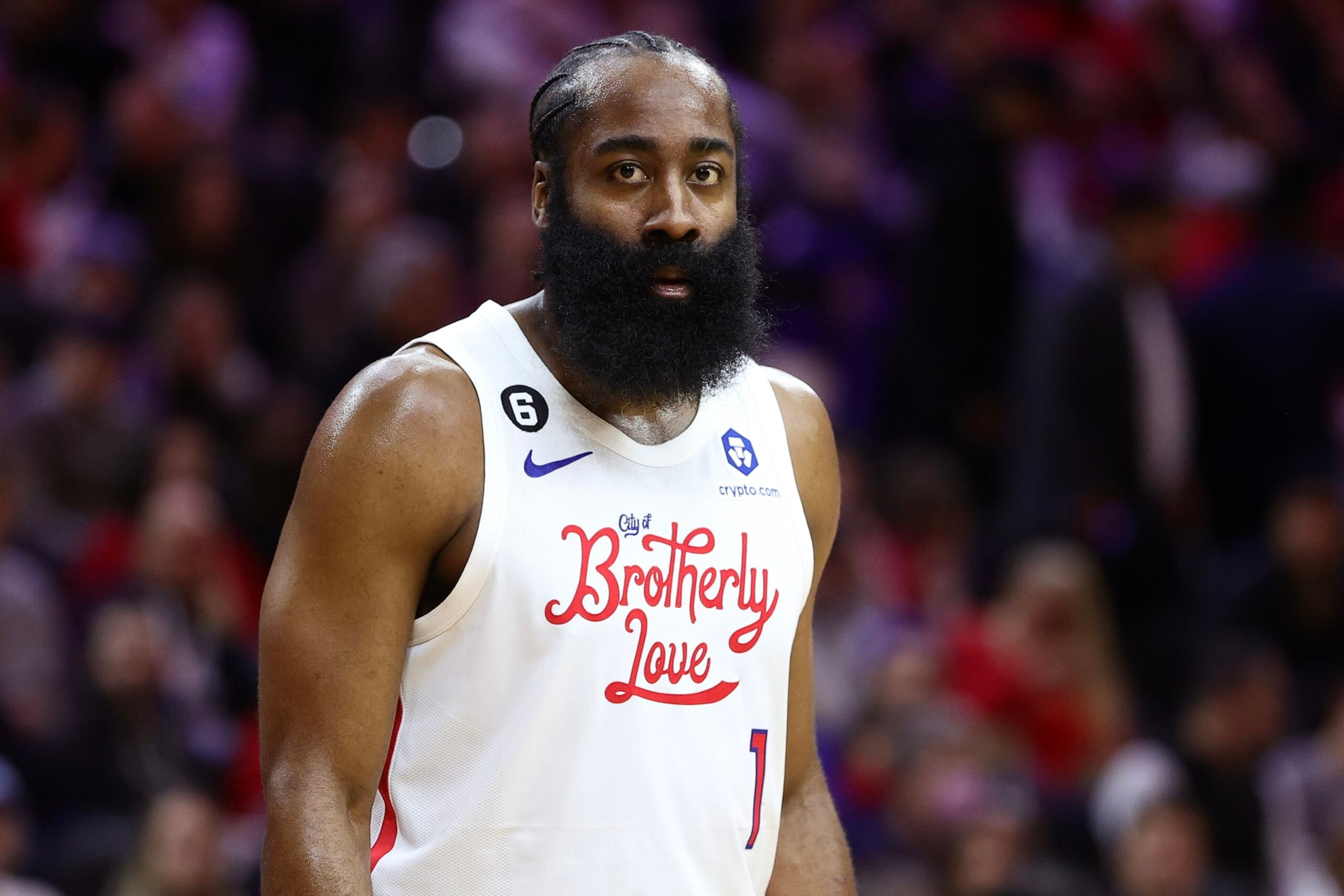
James Harden's free agency (player option) was always going to be at least a minor headache for the Philadelphia 76ers. He did them a solid last year and accepted a large enough pay cut to facilitate the acquisitions of P.J. Tucker, Danuel House Jr. and De'Anthony Melton. They need to reward him for that generosity.
Must this reward entail a max contract?
If it didn't before, it may have to now.
The Houston Rockets' connection to Harden is Philadelphia's Boogeyman. They can offer a four-year, $201.7 million max deal. So can the Sixers. Their four-year max actually checks in a tad higher at $210.1 million.
Can Philly afford to invest that much in a player who will be 37 by the end of said contract? Harden is turning in a borderline All-NBA season, but he's dealt with hamstring and Achilles issues the past couple of campaigns.
Counterpoint: Can the Sixers afford not to offer that much? With Houston looming over negotiations, Harden could decide to leave if he's not feeling the love. And if he bolts, a Joel Embiid trade request suddenly seems plausible, if not likely.
Middle-ground scenarios exist. It may turn out Harden signs for below the max. But how far below it? More critically: How much must Philly pay, and for how many years, to neutralize the Houston bugaboo?
Phoenix Suns: Who Gets Their Mini MLE?
24 of 30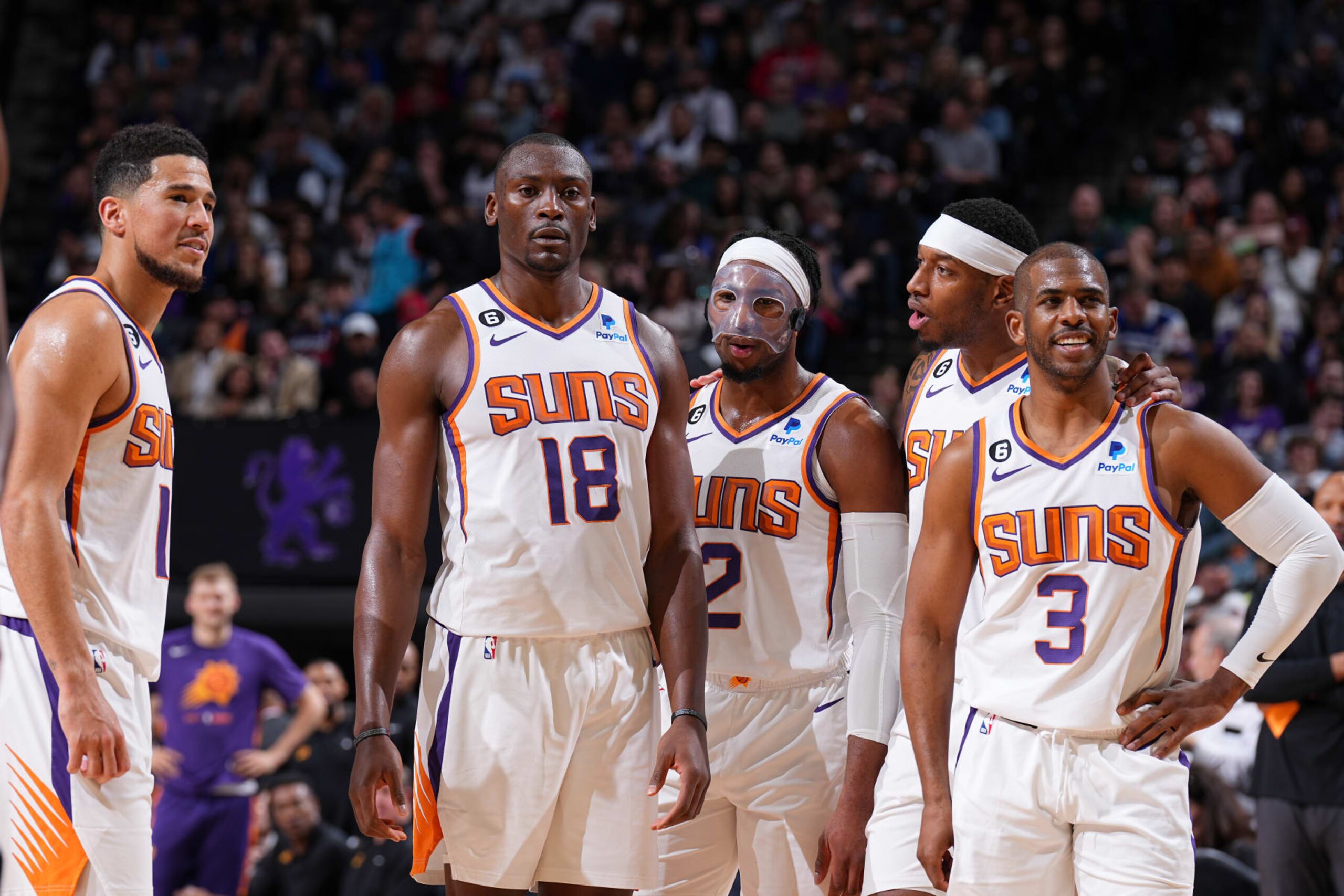
This would be a far more pleasant question if the Phoenix Suns didn't have to effectively choose between Josh Okogie or outside names.
Most of the incumbent free agents who matter can easily stick. Phoenix has Early Bird rights on Bismack Biyombo, Torrey Craig and Jock Landale. Damion Lee is a non-Bird free agent but hasn't played well enough to get more than the minimum. T.J. Warren recently entered the rotation, but he's in pretty much the same boat.
Okogie poses a bigger dilemma. He has packed his usual amount of defensive punch but provided additional value as an offensive rebounder and is shooting 37 percent from deep, on reasonable volume, since the middle of January. With only his non-Bird rights, the Suns must tap into part or all of their mini mid-level exception to keep him.
Defaulting to that is fine. For now, it's most likely. But the Suns have to first see if Okogie's offensive utility holds up in the postseason crucible. And even if it does, they have to ponder the trade-off of using their best spending tool to preserve this exact roster as opposed to adding on to it.
Granted, Phoenix could lose Okogie if it pinches pennies. And using the mini MLE on someone else while letting him walk would be similarly lateral—unless a better player (Bruce Brown?) is willing to come aboard and championship-chase.
Portland Trail Blazers: Jerami Grant's Next Contract
25 of 30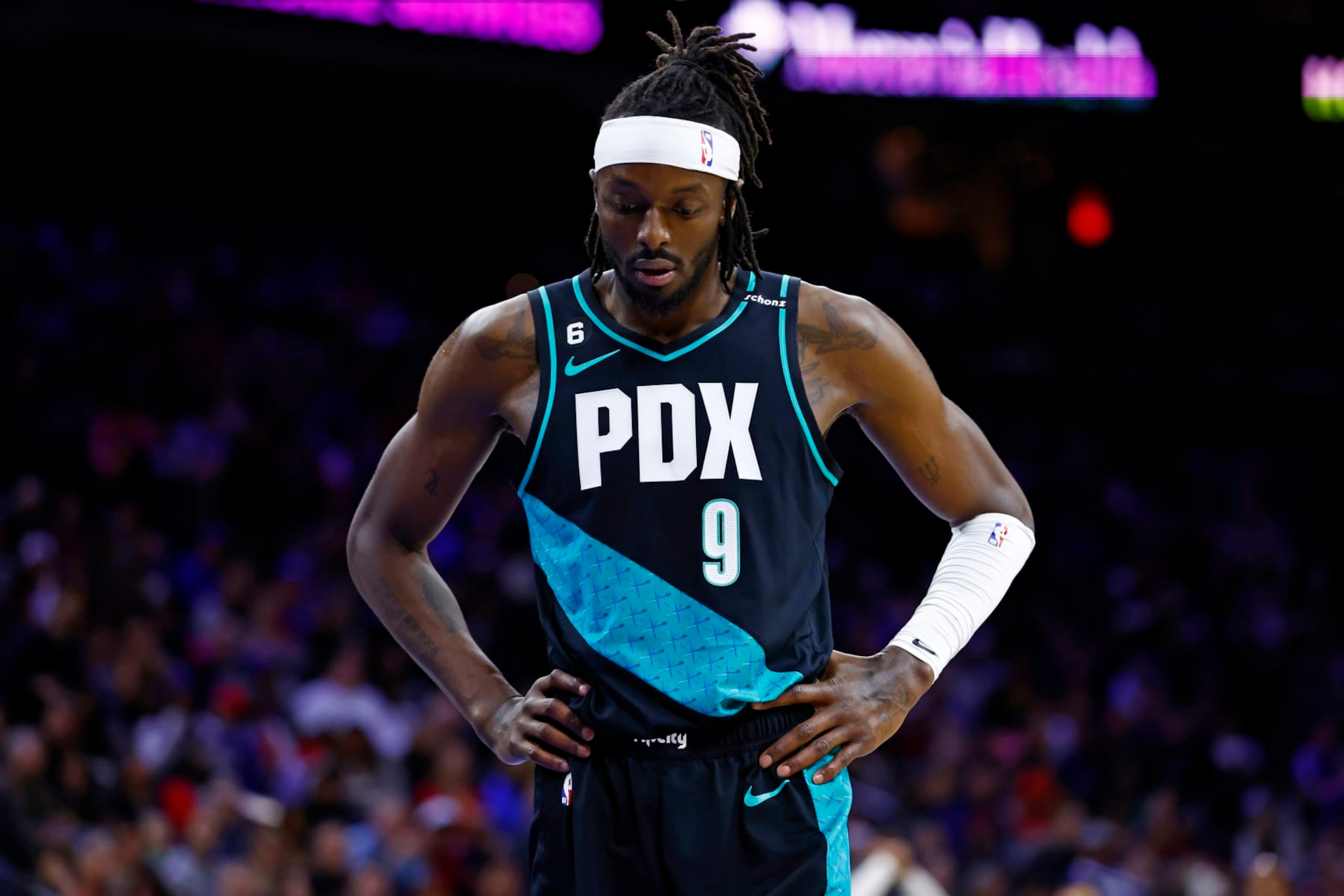
Jerami Grant essentially has a standing four-year, $112 million extension offer on the table from the Portland Trail Blazers, according to The Athletic's Jason Quick. He has until just before free agency on June 30 to sign it. And perhaps he will.
Or maybe, just maybe, an average annual salary of $28 million isn't enough to keep him.
Potentially big spenders like Indiana, Oklahoma City (reunion!) and Utah could all use him. Sacramento gets veeeery interesting if it renounces Harrison Barnes and finds a taker for the balance of Richaun Holmes' contract.
Grant himself can throw a curveball into the mix. We've seen him leave a better situation than Portland, when he bolted Denver for Detroit. Pulling off another exit is hardly unfathomable. The Blazers can offer the right mix of functional prominence and money, and at age 29, this could be Grant's last mega payday. But he might yearn for an even bigger offensive role, or he may want to link up with a team closer to title contention. He could push Portland to explore sign-and-trade possibilities.
Wandering eyes from Grant or intense interest from outside forces could mandate the Blazers come up on their offer. His max extension now doesn't touch his max deal in free agency. Grant's salary in 2023-24 can top out at $40.2 million.
Nobody on the planet will be prepared to go that high. But an annual average salary in the early-to-mid-30s doesn't seem so farfetched. Again: The Blazers are willing to fork over $28 million per year.
Mind you, even that number is debatably high—for Portland, specifically. Damian Lillard, Jusuf Nurkić and Anfernee Simons are on the books for a combined $86.6 million next year. A starting salary of $25 million for Grant will leave the Blazers with $111.6 million—or 83.2 percent of the projected cap—committed to four players who just headlined the 13th-best team in the Western Conference. That's before they do stuff like ponder the futures of Matisse Thybulle (restricted) and Cam Reddish (restricted) and spend their mid-level exception.
Changes can always be made. Trades can be struck. The Blazers, above all, cannot lose Grant for nothing. That doesn't make any of this easy. Portland needs to figure out whether it will be good enough, at any point in the near future, to warrant paying so much for a non-star.
Sacramento Kings: Harrison Barnes or Cap Space?
26 of 30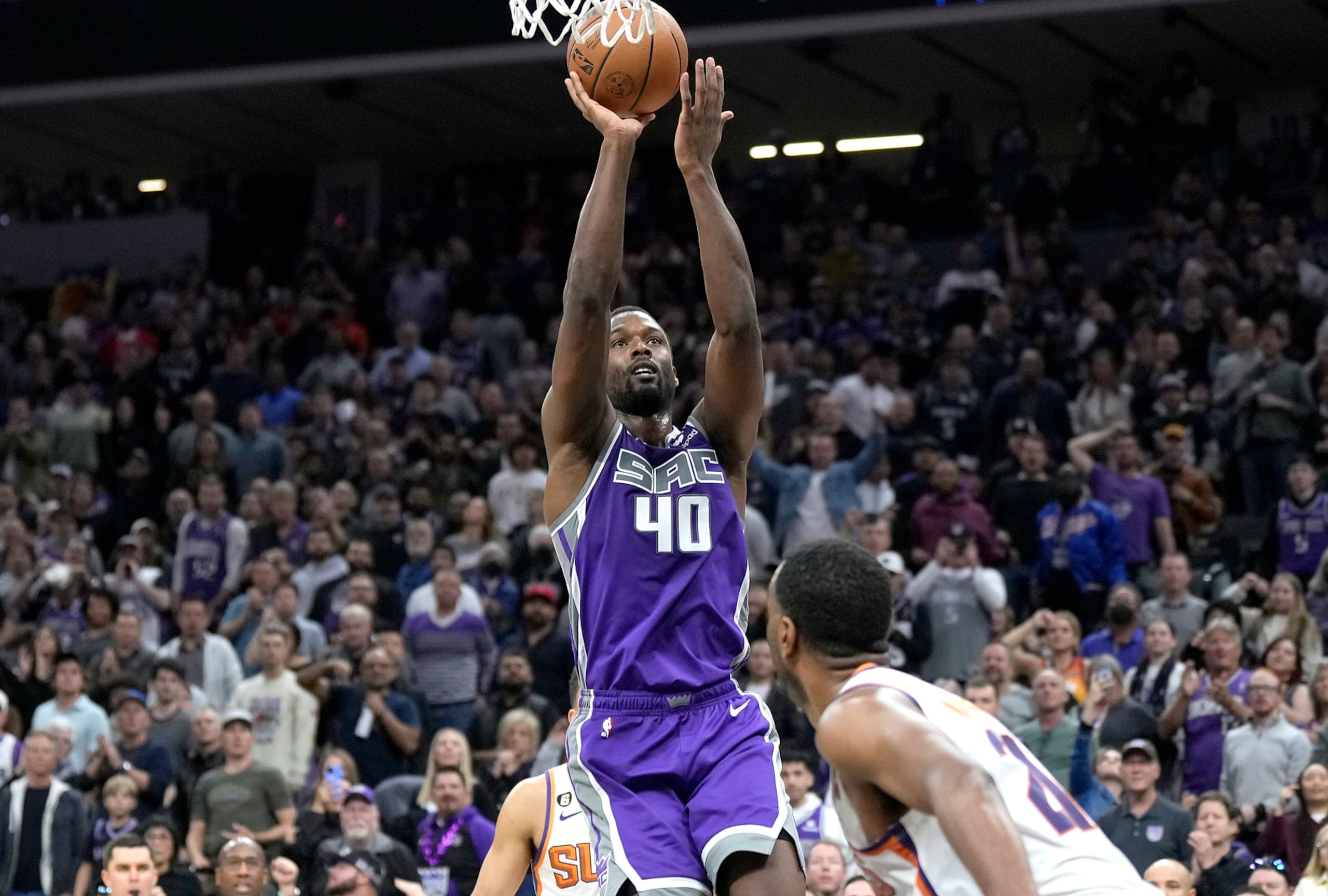
Deciding between Harrison Barnes or cap space technically isn't a choice at all. The Sacramento Kings can sniff around $20 million in spending if they renounce him. That number rises ever so slightly if they move on from Kessler Edwards (team option) or P.J. Dozier or their first-round pick holds in the mid-20s. But the Kings would need to have a plan for that money.
Guess what? In this market, with $20 million to spare, they might land a player...almost or just as good as Harrison Barnes!
Cap-space projections get juicier if Sacramento finds a taker for Richaun "This Writer You're Currently Reading Still Believes in Him" Holmes. Wiping his money from the ledger without taking any back vaults the Kings into the $30 million-or-more tier. That allows them to go bigger-name hunting.
Please relax if you find yourself laughing. Sacramento is a desirable place to live, and the Kings are (really) good again. Players who matter will give them a look.
Would Jerami Grant, Draymond Green (player option), P.J. Washington (restricted) or Khris Middleton (player option) be enough of an upgrade to convince Sacramento to move on from Barnes? How many of them would even be an upgrade, both now and over the longer term? It partially depends on how you feel about Keegan Murray.
The Kings are more likely to and probably better off paying Barnes and using the trade market to bolster their playoff-bound core. Cap-space scenarios like this are nevertheless food for thought when they're relatively accessible.
San Antonio Spurs: Should They Make a Serious Play for Any Free Agents?
27 of 30
Hashing out a new deal for Tre Jones could be the decision over which the San Antonio Spurs stress the most. He is their starting point guard, after all.
I can't get there. His cap hold is negligible, and he's a restricted free agent. A quick glance around the league doesn't yield any over-the-top-offer suitors. He could be a fallback option if Houston or Orlando strikes out on splashier pursuits. Beyond that, he's not getting a number that makes San Antonio flinch.
Will the Spurs actually use a chunk of their cap space? Now that's a better question.
San Antonio can amass more than $30 million of spending power while carrying Jones' RFA hold. It will eclipse $35 million if another squad wins the lottery. Something tells me the team would prefer to work with $30-plus million and get Victor Wembanyama over having $35-plus million to burn, but I digress.
The Spurs have needs up and down the roster. They're also in the infancy of their rebuild. Aggressively chasing an older veteran like Fred VanVleet (player option) or Jerami Grant doesn't appear to be up their alley. They could, however, look to inflate the markets of younger free agents like Ayo Dosunmu (Early Bird restricted), P.J. Washington (restricted), Grant Williams (restricted), Naz Reid, Gary Trent Jr. (player option), etc.
Safe money is on San Antonio opting out of any lucrative overtures and using its cap space to facilitate trades. But hey, with so much money to toss around, you never know.
Toronto Raptors: Do They Have the Financial Gall to Run It Back?
28 of 30
Jakob Poeltl (unrestricted), Gary Trent Jr. (player option) and Fred VanVleet (player option) are all expected to hit free agency this summer. Each of them will require a raise off their current salaries if they do.
Free-agency holds on them will combine to hit $75.7 million. Let's do the suits upstairs a hypothetical solid and say all three re-sign for a total of $70 million. That still leaves the Toronto Raptors inside the luxury tax, coming off a season in which they whiffed on snagging a top-six seed, with new and pricier deals for O.G. Anunoby (extension-eligible) and Pascal Siakam (extension-eligible) on the horizon.
Team president Masai Ujiri and the rest of the organization might not care. The Raptors have underachieved relative to expectations, but they own a top-10 net rating for the season and, thanks to Scottie Barnes, are not without material upside.
Cannonballing into the tax nonetheless remains a tall order with so many other gaps to fill—mainly functional outside shooting and depth at large. Dealing with three highly sought unrestricted free agents doesn't help matters. The Raptors will have competition for Poeltl, GTJ and FVV.
One largesse offer from an overly ambitious team will test Toronto's spending limits—and, by extension, the organization's commitment to this exact nucleus.
Utah Jazz: Does Jordan Clarkson Fit the Timeline and Vision?
29 of 30
Googly-eyed Utah Jazz fans will have another decision in mind: Which red-carpet free agent(s) should they target with their $50-plus million in cap space?!?
This is a fair question—provided the Jazz renounce Jordan Clarkson (player option), waive Kelly Olynyk ($3 million guaranteed) and actively decide to maximize and spend their space. I'm not sure they venture down that path.
Utah has a young All-NBA candidate in Lauri Markkanen and First Team All-Rookie lock in Walker Kessler, plus a slew of other useful and intriguing names. But this is Year 1 of an organizational reinvention. Its window is more gradual than immediate.
The Jazz can absolutely scour free agency for household names who jibe with their developmental arc. A soon-to-be 25-year-old P.J. Washington (restricted) fits that motif, and Utah can stand to throw money at just about any gettable wing.
So, yeah, go with rival-free-agent curiosity if you're so inclined. Clarkson's future feels more unsettled to me.
He is very much the Chief Operating Officer of Vibes for this group and offers tons of value as a shot-creator and shot-maker who has, ahem, jazzed up his playmaking so long as you can withstand the more-than-occasional strikingly reckless passing attempt. He will also turn 31 in June, and while Utah isn't as guard-heavy as before the trade deadline, it's not without backcourt bodies either.
Is Clarkson's culture-setting and microwave offense worth substantially more to the Jazz than the $14.3 million player option he's going to decline? Guess we're about to find out.
Washington Wizards: Can They Afford to Keep Both Kristaps Porziņģis and Kyle Kuzma?
30 of 30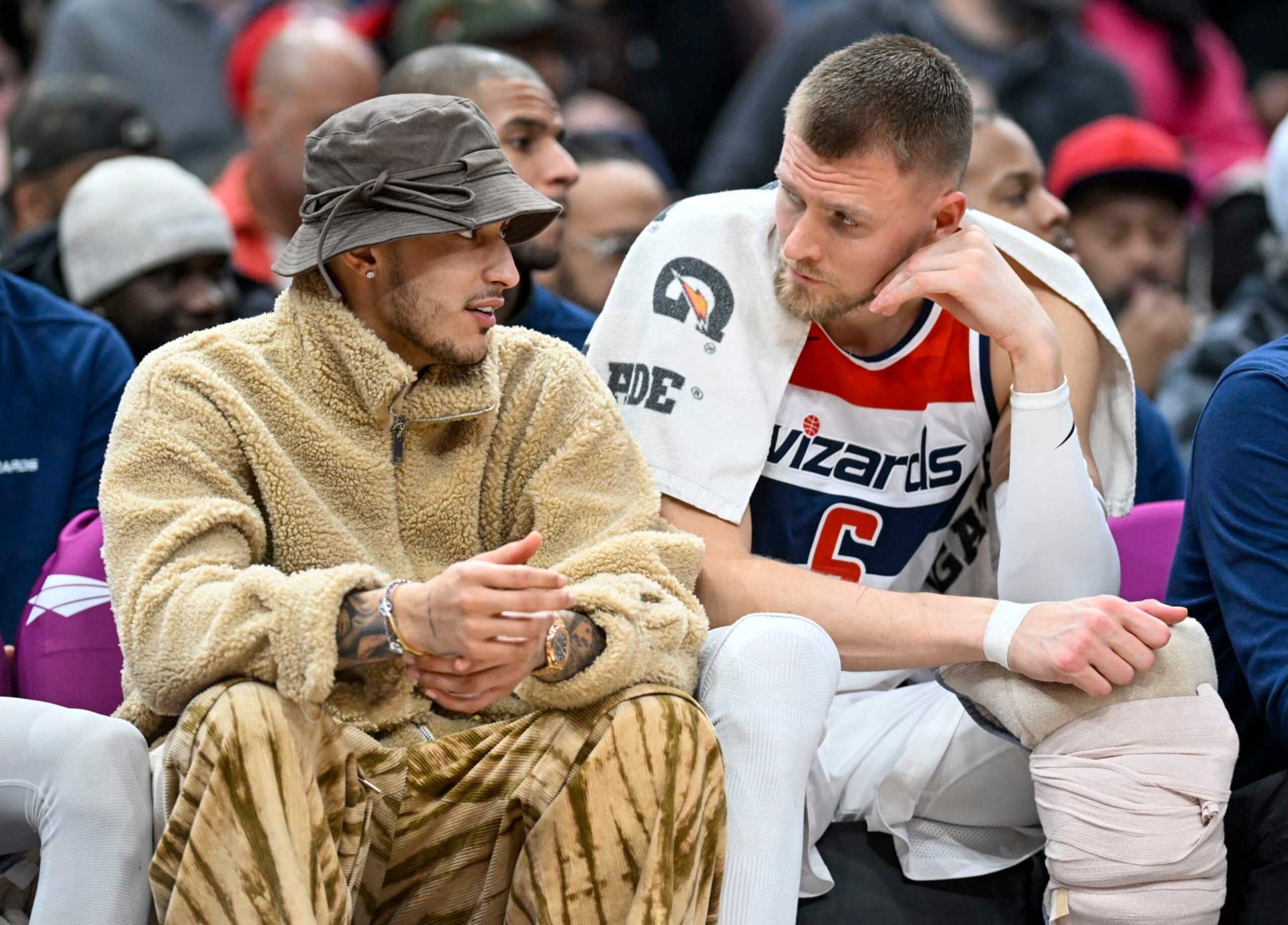
Kyle Kuzma (player option) and Kristaps Porziņģis (player option) are virtual locks to stick with the Washington Wizards. They both have the power to leave, but they'd have cameoed in more trade rumors ahead of February's deadline if they were flight risks.
Washington must know they're willing to stick around for the right price. Porziņģis, in fact, may have already signed an extension by the time you read this.
That makes sense. Because when you have the opportunity to quintuple down on the 11th best team in the Eastern Conference, you obviously have to do it.
Tongue-in-cheekiness aside, the Wizards are obligated to keep Kuzma and Porziņģis. Letting them walk for nothing or sending them out for dimes on the dollar in sign-and-trades would be a gross mismanagement of assets.
This doesn't inoculate Washington against critique. Its payroll with settle inside $5 million of the luxury tax if Kuzma and Porzingis combine to make $56 million next year (roughly the total of their cap holds). That's before any additional spending in free agency or on the trade market.
There's always a chance the Wizards are cool paying the tax to headline the bottom of the middle. If they're not, cost-cutting moves or sign-and-trade scenarios are right around the corner.
Unless otherwise noted, stats courtesy of NBA.com, Basketball Reference, Stathead or Cleaning the Glass and accurate entering Saturday's games. Salary information via Spotrac.
Dan Favale covers the NBA for Bleacher Report. Follow him on Twitter (@danfavale), and subscribe to the Hardwood Knocks podcast, co-hosted by Bleacher Report's Grant Hughes.

.jpg?w=2560 "Raiders Could Start Mendoza")

.jpg?w=2560 "Rodgers Iced Out on Plane 💎")
.jpg?w=2560 "Packers Safety Slams Refs 🤬")
.jpg?w=2560 "🚨 Week 8 AP Top 25 Poll")