
2022 NBA Re-Draft: 1st Round Redo Ahead of Rising Stars Challenge
By the NBA All-Star break, there have been enough games for teams to reassess their draft picks and alter their initial evaluations.
For the 2022 class, we've started to learn how well skills have translated for each prospect and whether certain players have skills or athletic traits that aren't suited to continue working as effectively on an NBA floor.
For the most part, rookies are outperforming draft slots, particularly in the late-lottery to mid-first-round range. So far, only a few teams might have massive regrets about their 2022 selection.
We re-drafted last June's class based on the early results and how they affect their perceived potential. Team needs were only taken into account if fit played a role in why a team would need to pass.
1. Orlando Magic: Paolo Banchero, PF
1 of 12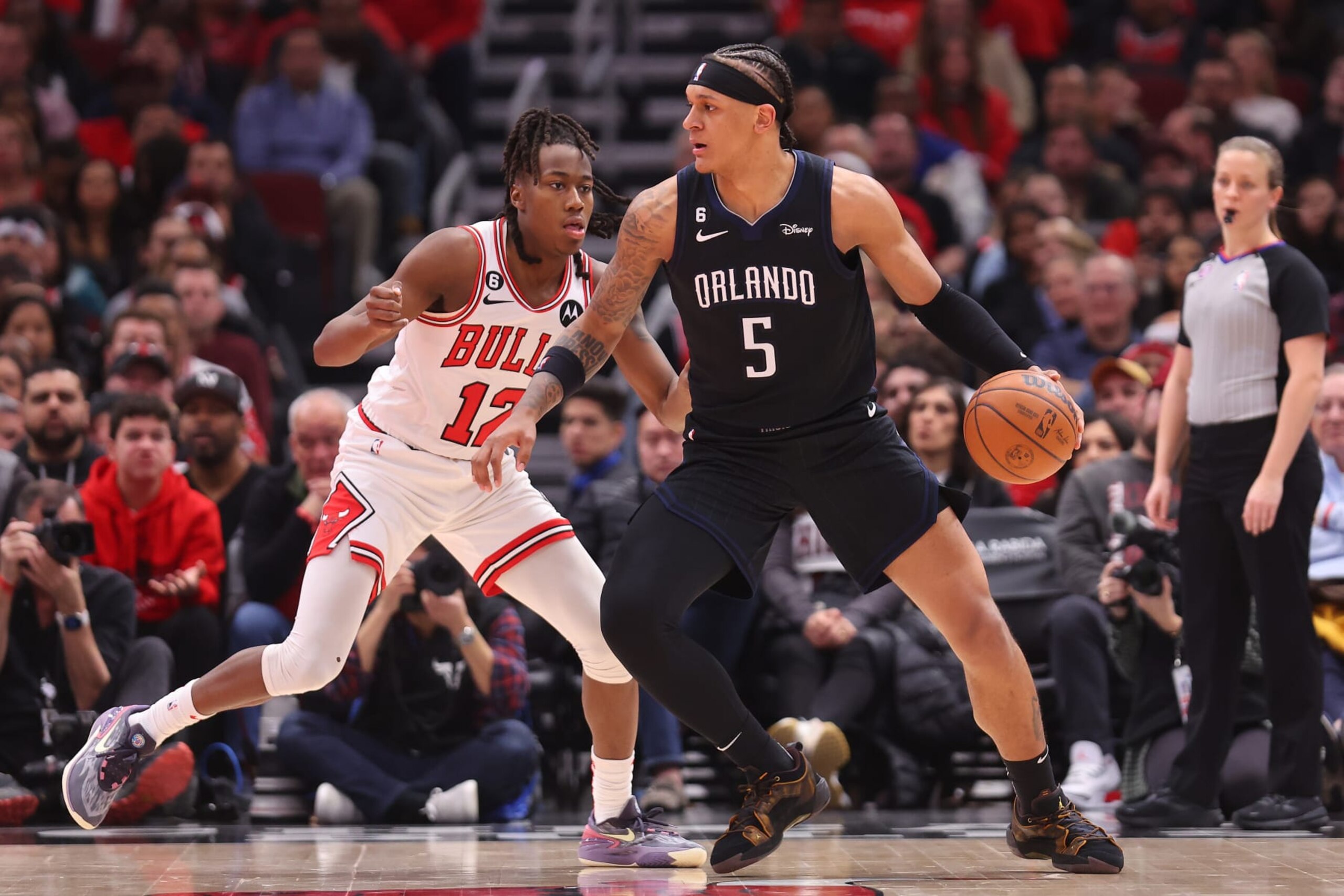
The Orlando Magic wouldn't do anything different in a 2022 re-draft. If anything, they'd likely have more confidence taking Paolo Banchero with the No. 1 overall pick now that they've seen he's already a near 20-points-per-game scorer at 19 years old.
Banchero has had success with both physicality and skill, the latter showing on 2.0 made pull-ups per game, 4.9 pick-and-roll ball-handling possessions per game and his 3.6 assists.
Banchero is averaging 19.9 points without consistent shooting (1-of-27 3PT this month). That's arguably a promising sign long term, given the likelihood of upcoming improvement based on his shot-making ability and touch.
Between his power around the basket, face-up self-creation, shot-making versatility and passing, the 6'10", 250-pound forward appears on track to becoming one of the league's toughest frontcourt covers.
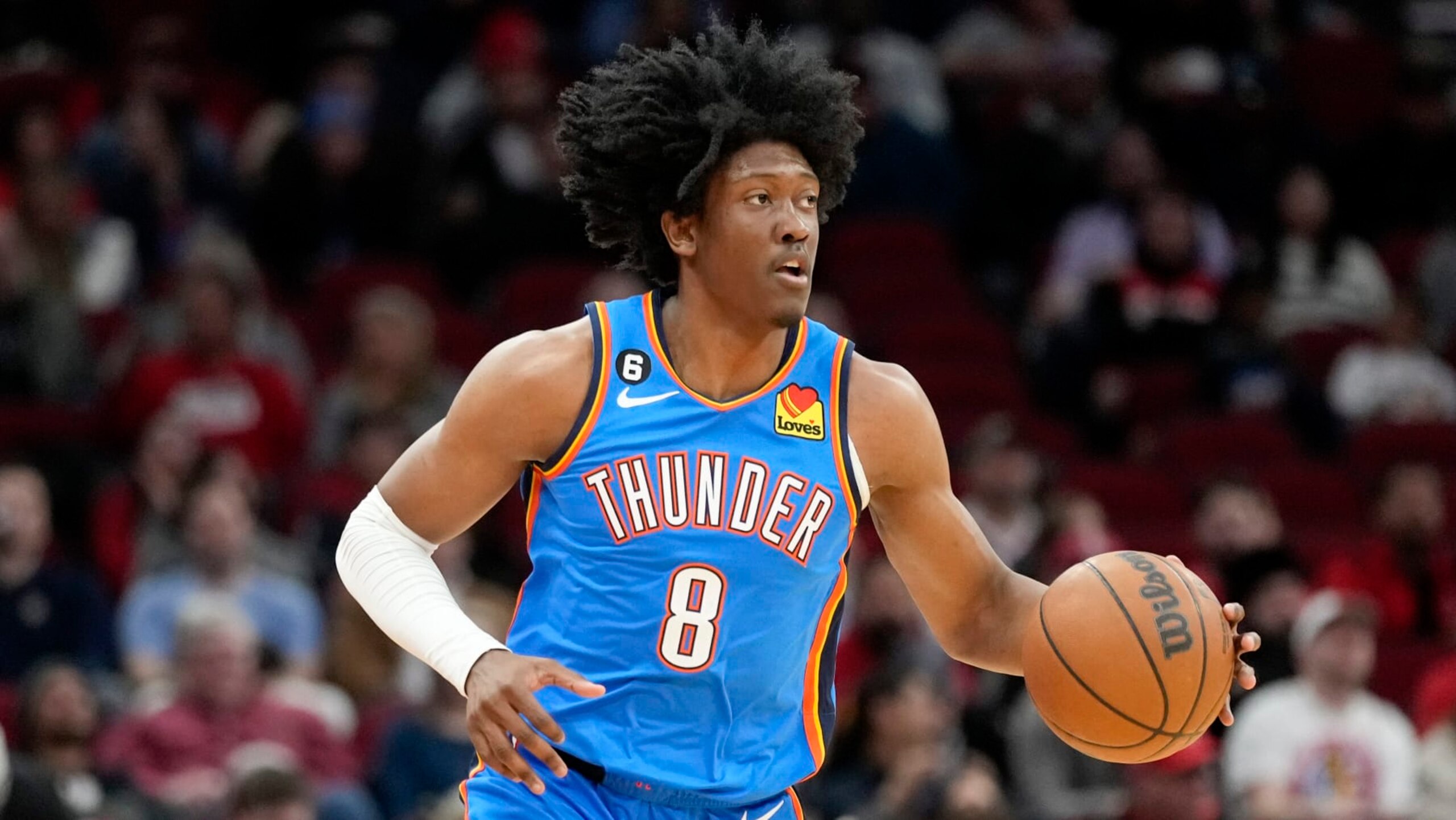
2. Oklahoma City Thunder: Chet Holmgren, PF/C
2 of 12
Jabari Smith Jr.'s slow start only makes it easier for the Oklahoma City Thunder to re-draft Chet Holmgren even though he's missing the entire 2022-23 season because of a foot injury.
While Jaden Ivey has lived up to the hype and Bennedict Mathurin has outperformed his, neither have the potential to move the needle for OKC like a 7-footer who can handle, shoot threes, provide elite finishing and change games defensively.
The Lisfranc injury that Holmgren suffered during the offseason from stepping on LeBron James' foot is more fluky or unlucky than a concerning sign of poor durability. The Thunder would take their chances on Holmgren again, especially after the self-creation flashes, 42.1 three-point percentage and 2.8 blocks per game he averaged in summer league.
3. Houston Rockets: Jaden Ivey, PG/SG
3 of 12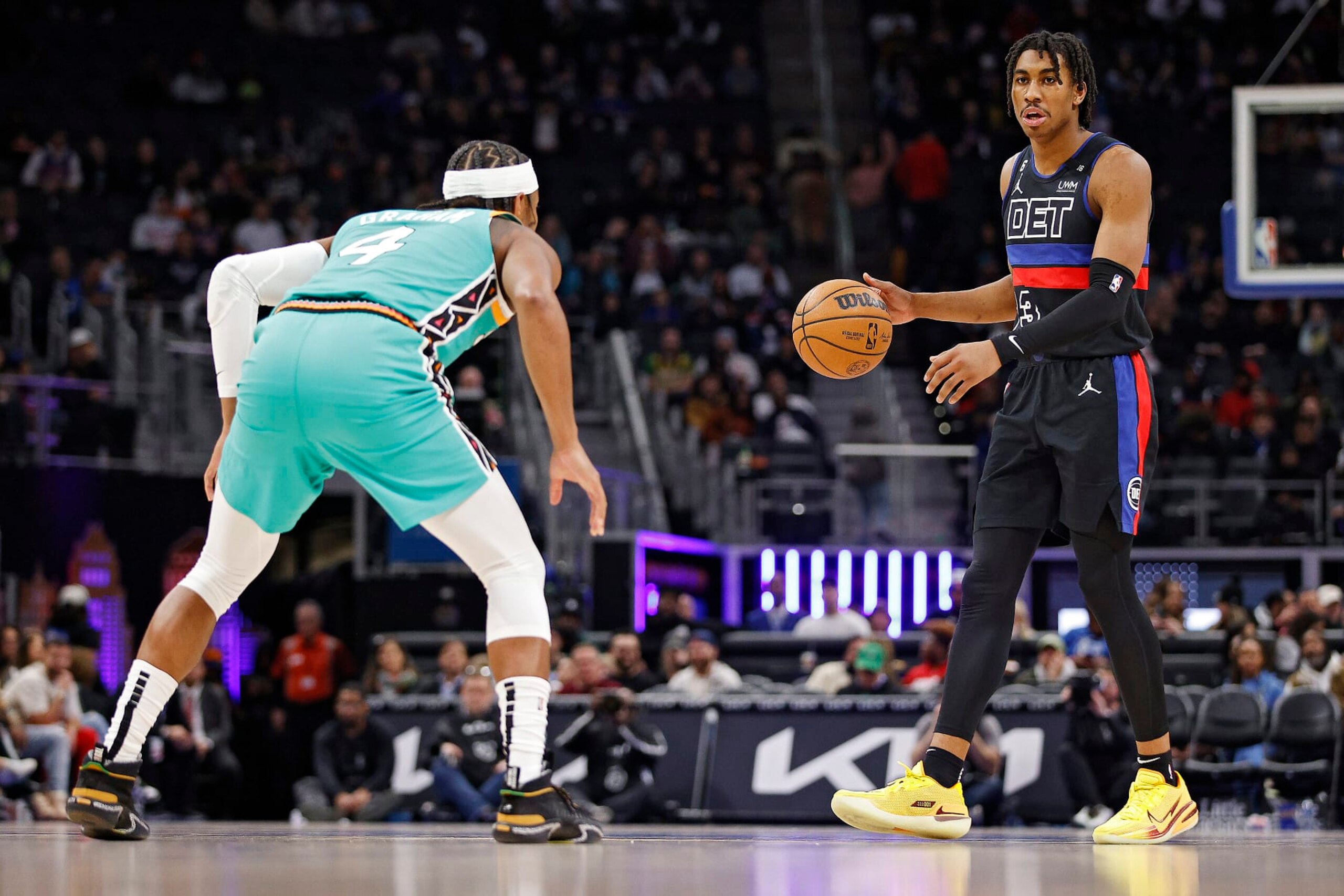
Jabari Smith Jr. hasn't been the best match for the Houston Rockets, though their roster and coaching arguably haven't set him up for success. Either way, Houston would have a difficult time resisting Jaden Ivey's rim pressure, playmaking and budding perimeter skill.
He's in the midst of an efficient stretch of shot-making and decision-making, averaging 16.1 points, 5.4 assists and only 2.4 turnovers while shooting 41.9 percent from three in February. Over the last month, he's making 51.6 percent of his 5.2 pull-ups per game.
Early signs of passing and shooting off the dribble remain promising for Ivey's potential to develop into a lead guard over a combo, which could be a key selling point to Houston.



4. Sacramento Kings: Keegan Murray, SF
4 of 12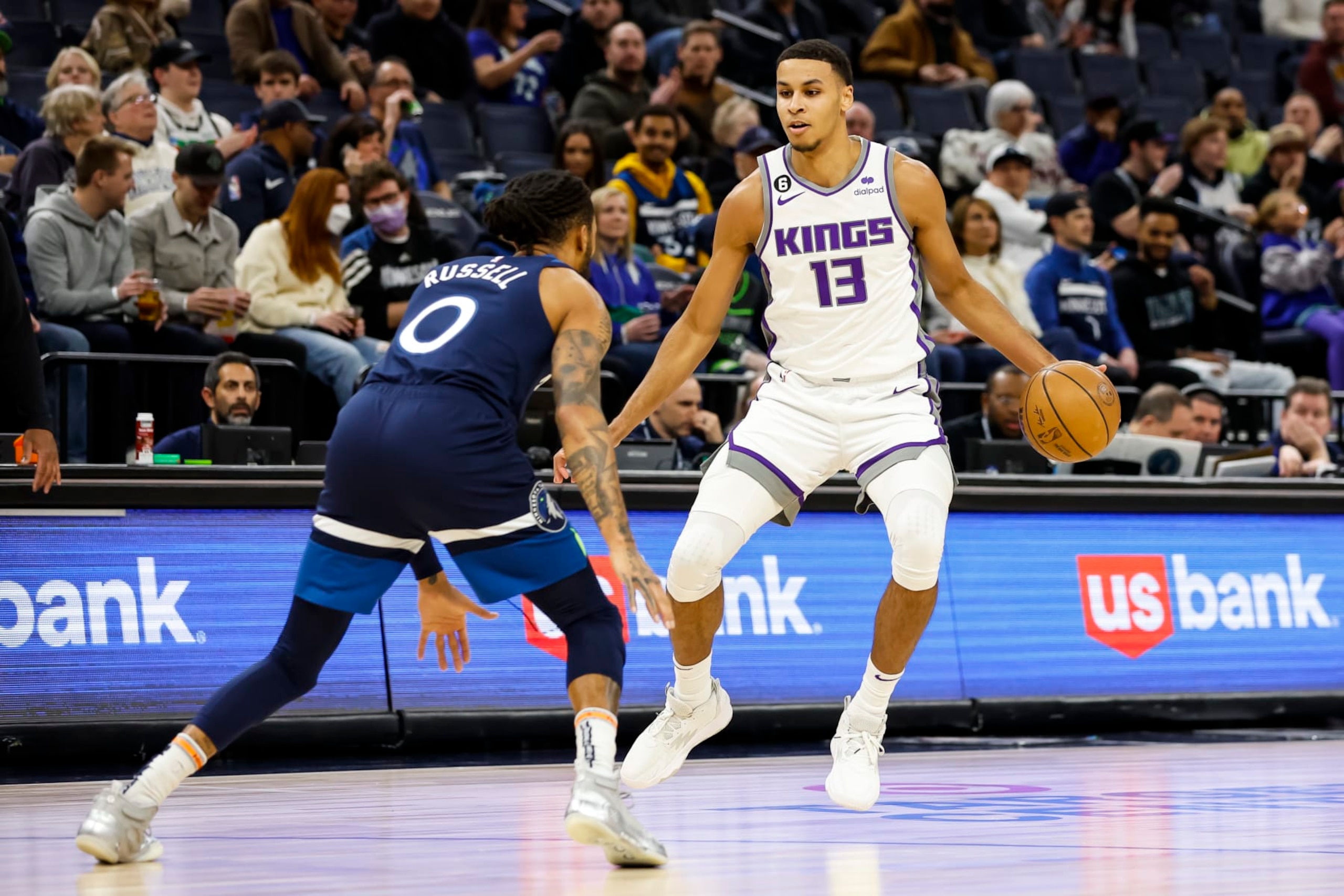
Jabari Smith Jr. and Bennedict Mathurin may offer more long-term upside than Keegan Murray, but there is also a level of certainty tied to the original No. 4 pick's fit, purpose and impact for the 32-25 Sacramento Kings. They shouldn't fix what's not broken.
Among NBA players attempting at least six threes per game, Murray's 41.5 percent mark ranks only behind Desmond Bane (42.7 percent), Stephen Curry (42.7 percent), Buddy Hield (42.6 percent) and Darius Garland (41.9 percent).
Murray's catch-and-shoot game and cutting seem tailor-made for the off-ball scoring role between De'Aaron Fox and Domantas Sabonis in Sacramento.
5. Detroit Pistons: Bennedict Mathurin, SG/SF
5 of 12
One of only four NBA players averaging at least 17 points in fewer than 30 minutes per game, Bennedict Mathurin has proven his athleticism, strength and shot-making translate to NBA scoring. The question is whether he'll offer anything else, such as playmaking, reliable defense or consistent shooting.
Regardless, Mathurin looks like a surefire bet to eventually go for 20 points on a routine basis. Averaging 3.6 made field goals inside of 10 feet, he's demonstrated the burst and physicality for attacking downhill and converting. He's getting to the free-throw line 6.0 times per game (19th leaguewide among qualified players) despite mostly coming off the bench.
With believable mechanics for spot-up and pull-up shooting, Mathurin has the perimeter skill and tools for three-level scoring that could eventually turn the 6'5", 210-pound wing into a No. 2 option in an NBA offense.
6. Indiana Pacers: Jabari Smith Jr., PF
6 of 12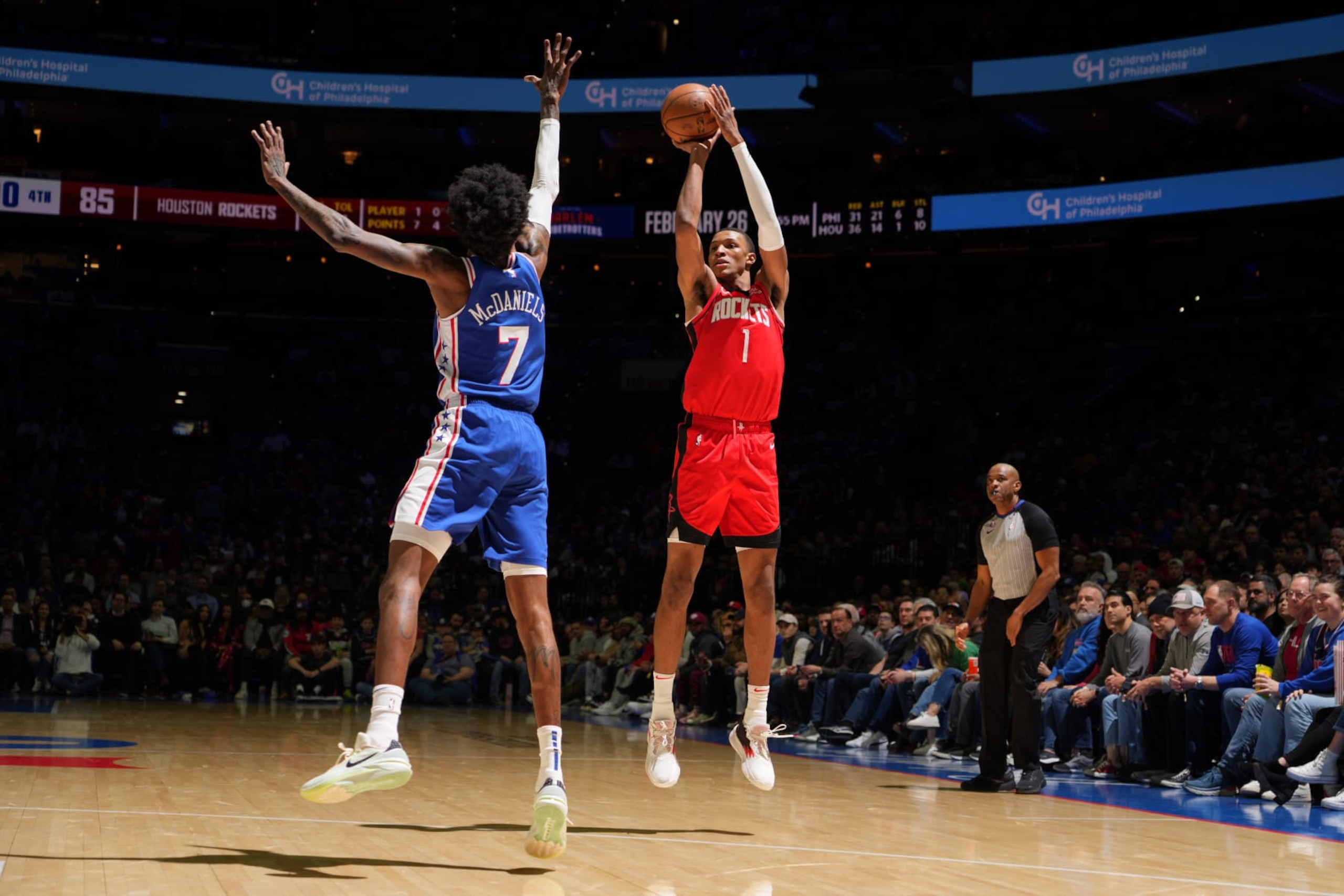
Bennedict Mathurin's early scoring success could force the Indiana Pacers to re-draft Jabari Smith Jr., whose predraft weaknesses about quality shot creation and finishing execution have surfaced during his rookie season. He also just hasn't hit makable shots.
Smith's limited role and the Houston Rockets' guard play deserve blame as well. He would be having a more efficient year playing with a passer, decision-maker and gravitational force like Pacers guard Tyrese Haliburton.
Smith eventually figures to make threes at a more consistent rate. He's still on track to emerge as a dangerous frontcourt shot-maker, and it's worth betting on his lateral mobility, tools and competitiveness translating into more impactful defense.
He lacks Paolo Banchero's knack for shaking off the dribble, attacking through contact, getting easier short-range looks and playmaking. But he still has a high floor as a complementary three-and-D scorer.
7. Portland Trail Blazers: Jalen Duren, C
7 of 12
It's now evident how effective Jalen Duren's physical tools/athleticism can be. He's clearly more skilled than most teams thought last June, so he wouldn't last past No. 10 in a re-draft.
Despite playing only 25.2 minutes per game, Duren ranks eighth in the NBA with 114 dunks. The league's youngest player already moves bigs with his body and finishes through contact, though his catch radius and ability to reach high above the rim are what separates him from others in his strength range.
Throw in the length and springs for rim protection, plus the flashes of post footwork, lefty touch and passing, and Duren has the chance to make an enormous impact in more ways than scorers like Bennedict Mathurin, Jabari Smith Jr. and Shaedon Sharpe.
8. New Orleans Pelicans: Shaedon Sharpe, SG
8 of 12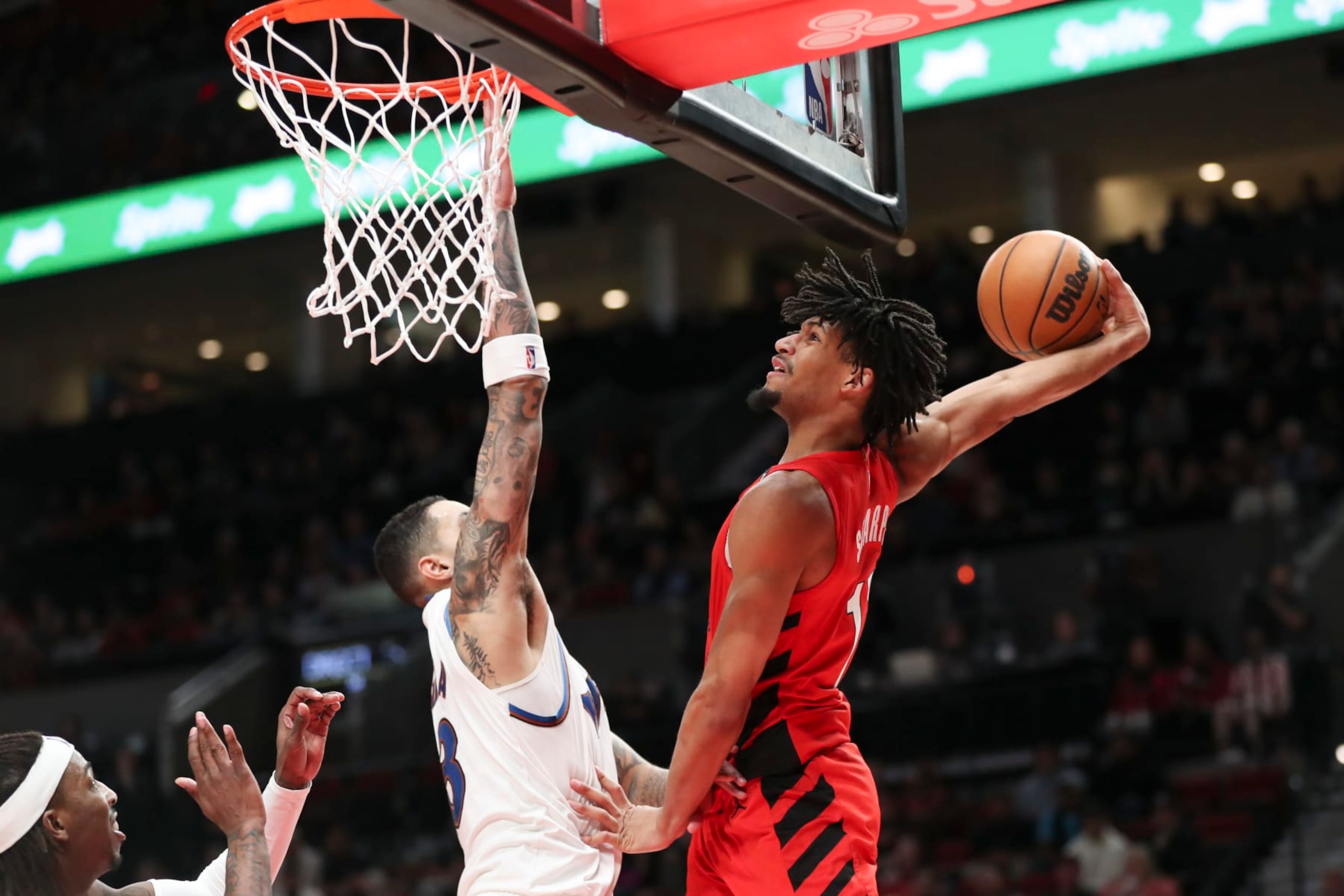
Shaedon Sharpe's explosive finishes, perimeter shot-making and self-creation flashes could sway teams to consider reaching earlier on his potential. However, a re-draft favors the certainty tied to Bennedict Mathurin's scoring, Keegan Murray's impactful fit and Jalen Duren's immediately effective tools at both ends.
At this point, we know Sharpe will offer transition offense and shot-making. There are still questions about how he'll develop in a higher-usage role and whether he'll add any value as a playmaker or defender, though.
Regardless, in 20.3 minutes per game, he's given the Portland Trail Blazers both efficient offense and optimism over his long-term scoring upside.
9. San Antonio Spurs: Jalen Williams, SG
9 of 12
Efficient in college, at the NBA combine, in summer league and during preseason, Jalen Williams is shooting 50.8 percent through his first 53 NBA games.
Williams' scoring versatility has carried over to the NBA. He's been a threat to defenses both on and off the ball by shooting 49.2 percent on catch-and-shoots, 40.2 percent on pull-ups and a respectable 51.1 percent on drives.
Though Williams isn't the most creative or explosive athlete, he has a knack for picking his spots and capitalizing within the offense. With 153 assists to only 83 turnovers on the season, Williams has quickly proven to be multidimensional, a sound decision-maker and useful in different roles.
10. Washington Wizards: Walker Kessler, C
10 of 12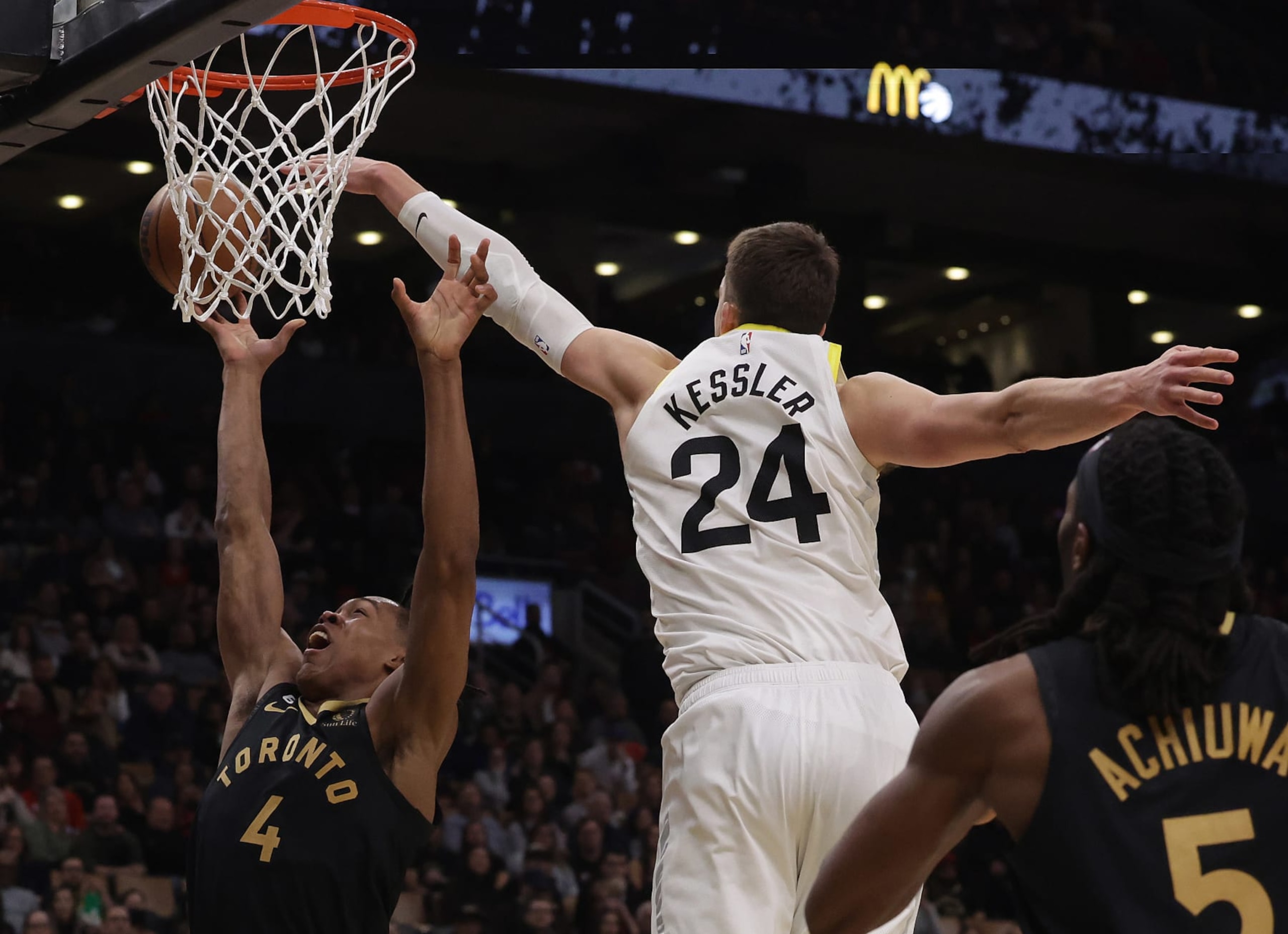
Valued for rim protection entering the 2022 draft, Walker Kessler has caught on quickly, ranking second in the NBA in block percentage at the All-Star break. He's immediately answered questions about whether his athletic limitations would offset the length and instincts that led to his defensive dominance at Auburn.
Kessler has outstanding timing and feel for where and when to be, including on offense, where he's shooting 71.2 percent from the floor, mostly by finishing off rolls, dump downs and putbacks. He's been a legitimate factor in the Utah Jazz's surprise success this season, ranking second in the rotation in box plus-minus behind only Lauri Markkanen.
Kessler also has another level of upside to hit if he starts launching threes. He did so with confidence in college, although he struggled to knock many down.
Nos. 11-20
11 of 12
11. Oklahoma City Thunder: Tari Eason, SF/PF
Two-way versatility, toughness and energy have helped Eason jump up the re-draft board. He's also made a respectable 39 threes despite playing limited minutes. Eason's value revolves around his ability to grab and go in transition, attack from the arc and outwork opponents in the paint. Becoming a consistent shooting threat could turn Eason into a top-10 player from the 2022 class.
12. Oklahoma City Thunder: Jeremy Sochan, PF
Defensive versatility was Sochan's signature skill entering the season, but he's also been effective offensively by play-finishing, capitalizing as a short-range scorer in space or passing. He's been a threat to make a play in different situations on and off the ball, though three-point shooting is still his key swing skill for unlocking another level of two-way upside.
13. Detroit Pistons: Malaki Branham, SG
Averaging 18.1 points on 51.8 percent shooting in February, Branham is capitalizing on a green light and low pressure in San Antonio. His efficient three-level scoring from Ohio State has translated to the NBA, with three-point range, shot-making versatility/skill and instincts carrying Branham through any physical and athletic disadvantages.
14. Cleveland Cavaliers: AJ Griffin, SF
Griffin has looked like the same spot-up scoring specialist he was for Duke. He continues to project as a floor spacer and efficient shot-maker who's also capable of attacking closeouts and rising into balanced pull-ups (51.0 percent). From behind the arc to the mid-range, lane and free-throw line, Griffin possesses some of the best touch of any player in the 2022 class.
15. Charlotte Hornets: Dyson Daniels, PG/SG
Injuries and limited rookie minutes result in an unlucky slide for Daniels in a re-draft. It's still been easy to picture him as a valued Swiss army knife during his brief 778 NBA minutes. He'll eventually need to make jumpers at a better rate, but he has the shot-making ability to do so, while his playmaking/passing, cutting and strong defensive IQ/versatility allow him to impact games without scoring in volume.
16. Atlanta Hawks: Christian Braun, SG/SF
Averaging 8.6 points per game on 57.1 percent shooting in February, Braun has emerged as a productive rotational wing for the West's current No. 1 seed. While he doesn't provide much shot creation, his athleticism has regularly led to transition offense and easy finishes, and his intensity has helped optimize his physical tools for defensive activity. Flashes of shooting and ball-screen playmaking suggest Braun will continue to have plenty of versatility to offer at both ends.
17. Houston Rockets: Andrew Nembhard, PG
No standout athletic trait kept Nembhard off the NBA radar for most of his college career. But he's becoming another case of a point guard who can succeed by relying strictly on skill and decision-making. He's totaled 220 assists to just 91 turnovers, numbers that reflect excellent facilitating instincts. Though Nembhard doesn't put heavy pressure on the rim, his improved shooting from last year has helped turn him into a threatening enough scorer.
18. Chicago Bulls: Mark Williams, C
Williams was viewed as a safe pick out of Duke because of his tremendous physical profile. His size, length and improved touch have started to result in easy baskets, low-post scoring, shot-blocking and rebounding. The Charlotte Hornets likely knew what they were getting at No. 15, and so would any team considering him in a re-draft.
19. Memphis Grizzlies: Jaden Hardy, SG
Hardy's 29-point game earlier in the month against Utah highlighted his self-creation and shot-making for takeover scoring ability. Scouts questioned his shot selection and how effectively he'd be able to separate, but he's had enough early success for teams to determine they missed out on adding an instant-offense weapon to their rotations.
20. San Antonio Spurs: Ousmane Dieng, SG/SF
A lengthier NBA-ready timetable leads to Dieng sliding in a re-draft. While others have proven themselves quickly, Dieng requires gambling on physical and skill development. Still, his flashes of slashing, shot-making, live-dribble passing and defense should be enough for a team to take the 19-year-old in the top 20 again.
Nos. 21-30
12 of 12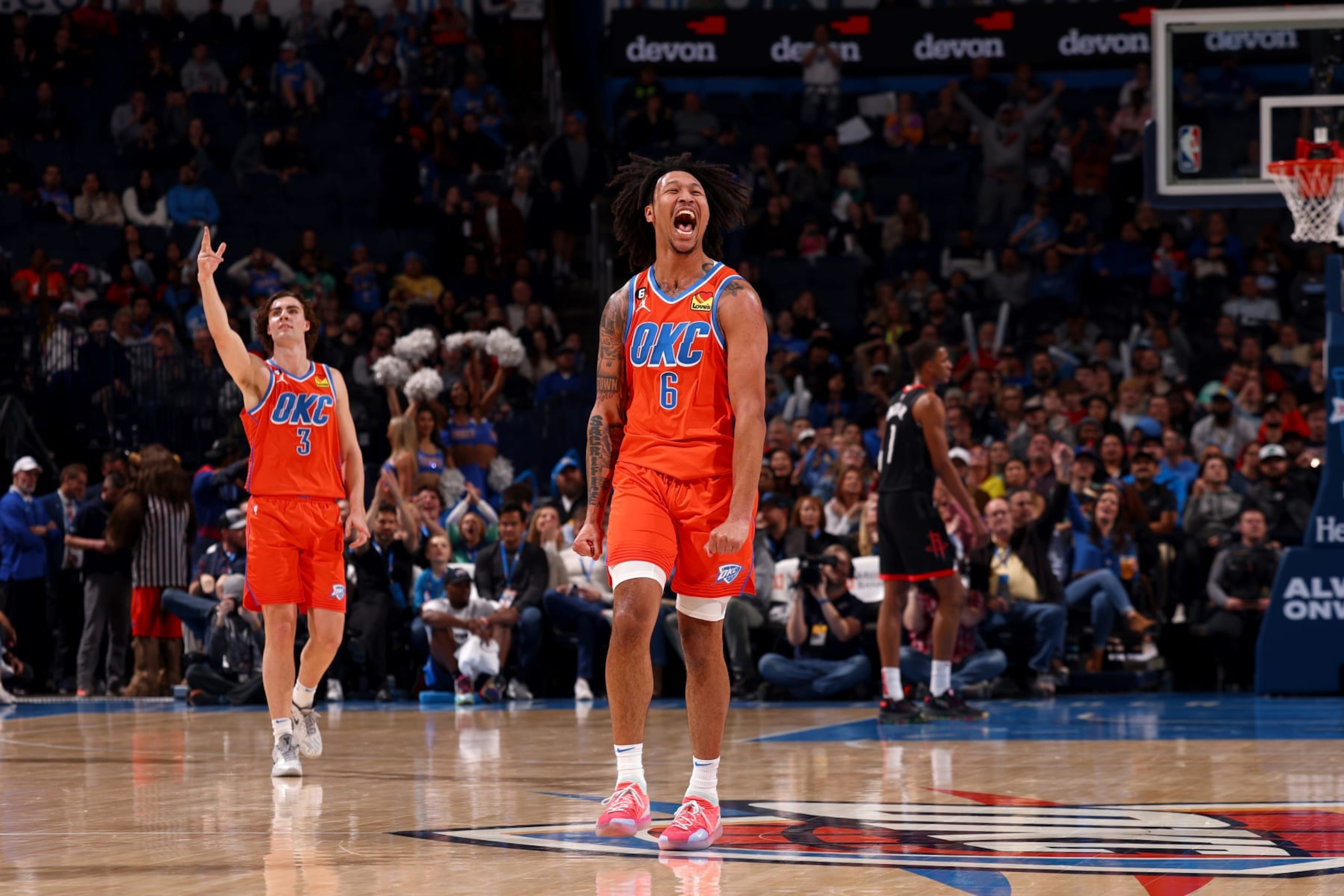
21. Denver Nuggets: Jaylin Williams, PF/C
We knew about the passing IQ and charge-taking at Arkansas, but Williams is also 18-of-40 from three. That development could potentially give him rare versatility for a 6'9", 240-pound interchangeable big man.
22. Minnesota Timberwolves: Ochai Agbaji, SG/SF
After a slow start, Agbaji is up to 39.7 percent from three. He figures to remain a useful shooting and finishing specialist throughout his career.
23. Memphis Grizzlies: Patrick Baldwin Jr., SF/PF
Even if no creation translates, Baldwin has still showcased enough believable shooting and defensive mobility to hold rotational value as a three-and-D 6'9" combo forward.
24. Milwaukee Bucks: Dalen Terry, SG/SF
Until he becomes more of a three-point shooter, Terry needs the right fit. But a proper role should get good use out of his passing, defense and overall high activity level.
25. San Antonio Spurs: Peyton Watson, SF
Though Watson's defense was the draw out of college, he's averaged 19.0 points so far in the G League, looking more comfortable with his shot-making and play-finishing than he did on a tighter leash at UCLA.
26. Dallas Mavericks: Jake LaRavia, PF
Despite LaRavia's quiet start, his shooting, IQ at both ends and skill should suit him well for a stretch-4 supporting role.
27. Miami Heat: Jabari Walker, PF
Walker hasn't played much, but between his summer league and preseason and the brief flashes he's shown this month with Portland, he's consistently showcased shooting touch and motor for easy baskets and rebounds that seem worth betting on.
28. Golden State Warriors: Christian Koloko, C
Koloko has blocked shots at an impressive rate when given an opportunity. It's easy to picture him turning an eventual regular rotational center who's asked to rim-run, finish and protect the basket.
29. Houston Rockets: Bryce McGowens, SG/SF
Though McGowens has been hit-or-miss when given NBA minutes, the early positives outweigh the negatives when assessing a 6'6" wing with clear scoring instincts and enough shot-making ability to expect shooting improvement.
30. Denver Nuggets: TyTy Washington, PG/SG
A 53-point game in the G League has been the highlight of Washington's rookie year, though he's flashed enough passing IQ and shot-making potential with the Houston Rockets to think he can add serviceable playmaking and secondary scoring.
Stats courtesy of Sports-Reference.com, NBA.com

.jpg?w=2560 "NFL investigating 2 referees for separate viral exchanges")

.jpg?w=2560 "Report: Chiefs Contact Hill's Agent")
.jpg?w=2560 "OBJ Calls Out Giants 😳")
.jpg?w=2560 "Tyreek makes another cryptic post amid Chiefs rumors")