
Updated Takes on the 2022 MLB Postseason Heading into Division Series
Because it's but one round out of four in the Major League Baseball postseason, it's not the best idea to read too much into what happened in the Wild Card Series.
Yet for the sake of looking at the Division Series with fresh eyes, we've done it anyway.
Ahead are our updated takes on each of the eight teams still standing in the 2022 playoffs. We won't deny that these are knee-jerk reactions based on what happened in the Wild Card Series, wherein each of the four winners did something that caught us by surprise and, as such, changed the narratives surrounding their next matchups.
We'll start in the American League and then shift to the National League.
José Ramírez Is Ready to Carry the Guardians
1 of 8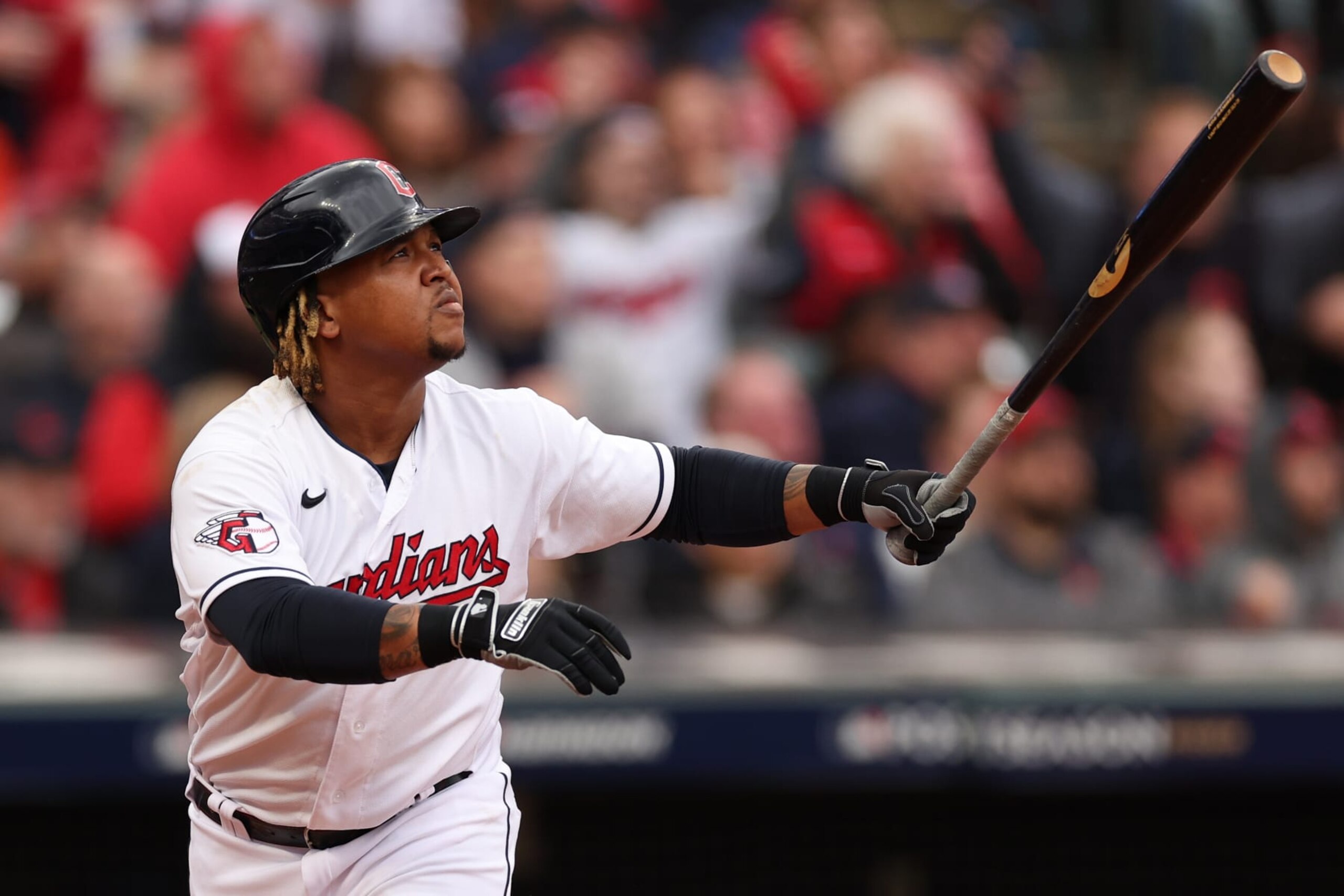
José Ramírez may not have single-handedly dispatched the Tampa Bay Rays in the Wild Card Series, but his fingerprints were certainly all over the Cleveland Guardians' two-game sweep.
In Game 1, Ramírez provided the winning hit with his two-run home run in the sixth inning:
Then in Game 2, Oscar Gonzalez's walk-off homer in the 15th might not have happened if Ramírez hadn't come through with this clutch defensive play in the 12th:
Manny Machado and Nolan Arenado might beg to differ with Josh Naylor's take on Ramírez being the "best third baseman in baseball," but hardcore baseball fans will nonetheless know him to be elite. Since 2016, Ramírez ranks behind only three other hitters in rWAR.
That Ramírez nonetheless occupies a relatively obscure position in the pantheon of MLB superstars is surely at least partially owed to how he's never had a proper coming-out party in the playoffs.
His early returns suggest he's ready to change that in 2022 and, in so doing, carry the AL Central-winning Guardians as far as he can.
The Yankees Bullpen Is Only Becoming a Bigger Disadvantage
2 of 8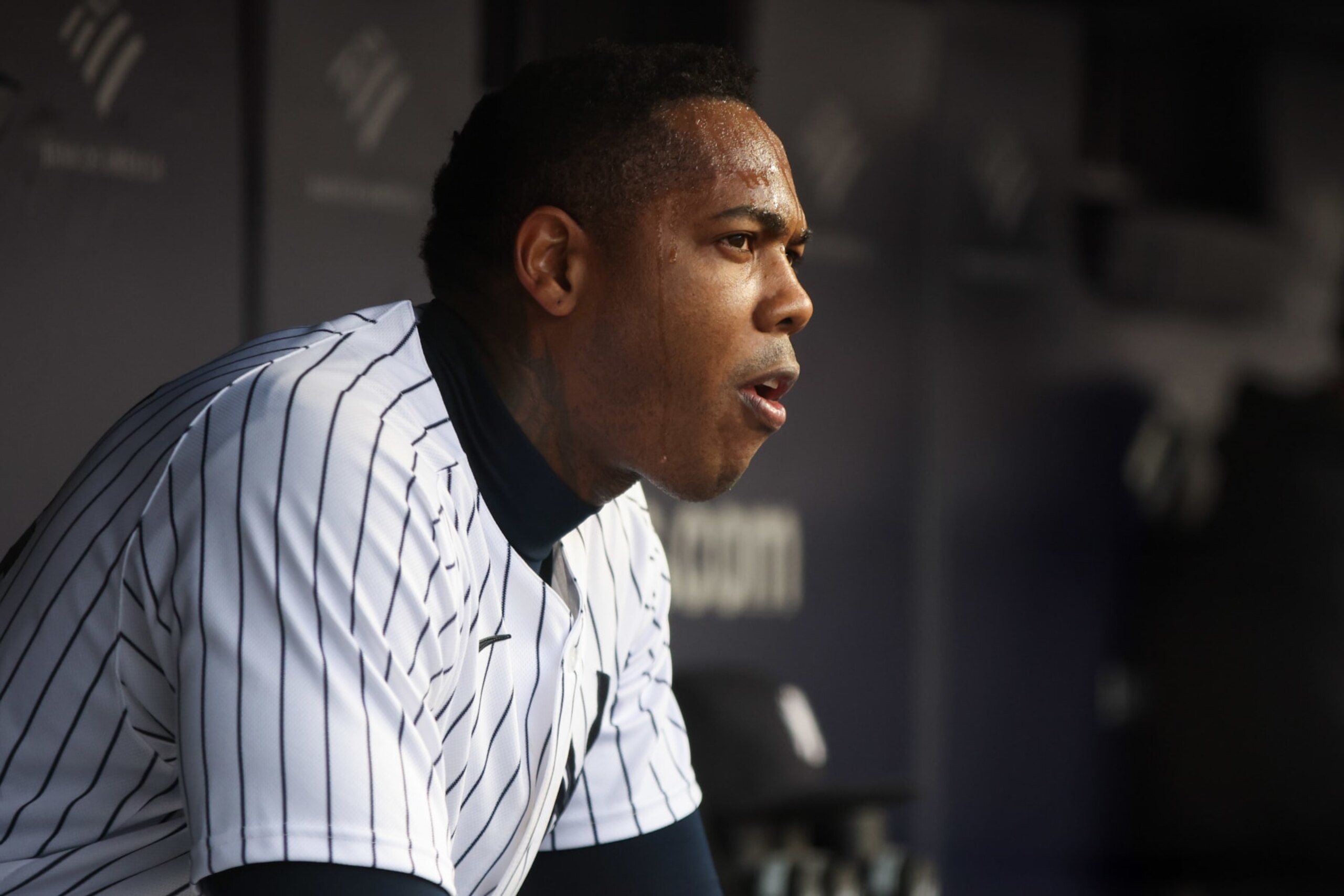
Perhaps even more so than Ramírez's and Gonzalez's heroics, the role that the Guardians bullpen played in the defeat of the Rays ought to concern the New York Yankees.
Said pen came into the playoffs hot after posting an MLB-best 2.32 ERA in the second half of the regular season and stayed that way by accounting for 10.1 scoreless innings in the Wild Card Series. The loss of Nick Sandlin to a strained teres major muscle hurts, but Cleveland's high-leverage crew still runs deep.
The Yankees bullpen fared well in its own right with a 3.08 ERA after the break in spite of the downfall of All-Star closer Clay Holmes. He also now has a strained shoulder that has him feeling unsure of his availability for Game 1 of the ALDS on Tuesday.
Meanwhile, the Yankees are set to go without another All-Star closer after leaving Aroldis Chapman off their ALDS roster for disciplinary reasons:
Because Chapman recorded a 4.46 ERA this season, this is arguably addition by subtraction. Yet between his absence and the uncertainty surrounding Holmes, the bullpen is surely the Yankees' biggest shortcoming relative to Cleveland's.
Fast Start? Slow Start? It Doesn't Matter to the Mariners
3 of 8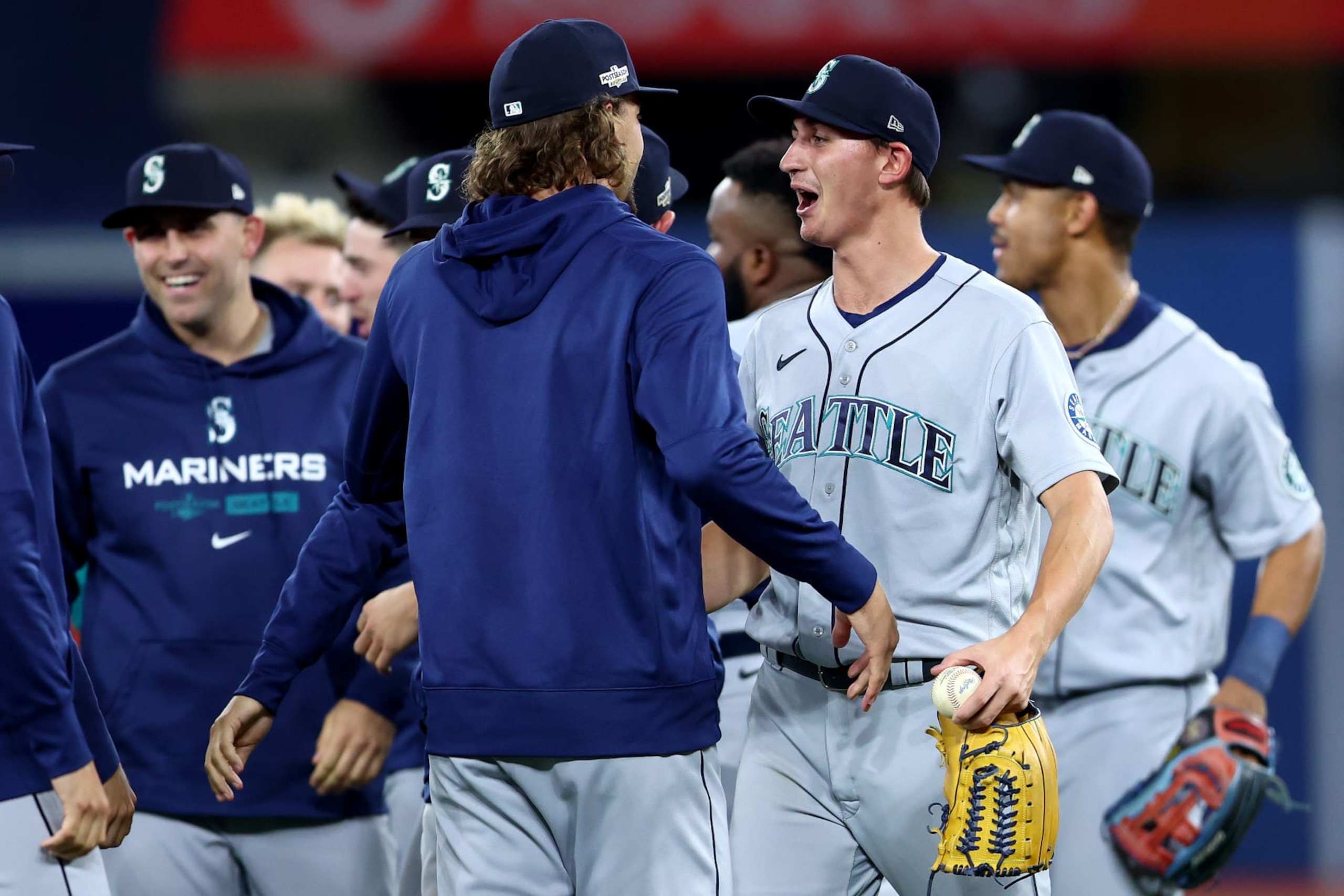
The Seattle Mariners' first postseason in 21 years began with a tough assignment: go on the road and beat a Toronto Blue Jays squad that finished the year on a 24-12 run.
This was no problem in Game 1 when the Mariners scored three runs in the first inning en route to a cakewalk 4-0 victory. It was slightly more of a problem in Game 2, but the Mariners still prevailed 10-9 by way of one of the biggest comebacks in MLB playoff history:
It's always "playing against type" whenever a team comes back from a seven-run deficit, but especially so in this case. Per the Mariners' run differential splits, contests like Game 1 were more so their M.O. in the regular season:
- Innings 1-3: plus-31
- Innings 4-6: plus-12
- Innings 7-9: plus-18
- Extra Innings: plus-6
Granted, one comeback—much less one that hinged on a game-tying hit that was guided by luck as much as anything else—doesn't necessarily signify a lasting change of behavior.
All the same, the general vibe that the Mariners gave off in the Wild Card Series is that there will be no surefire way to beat them this October.


The Astros' Hot Hand Might Not Matter
4 of 8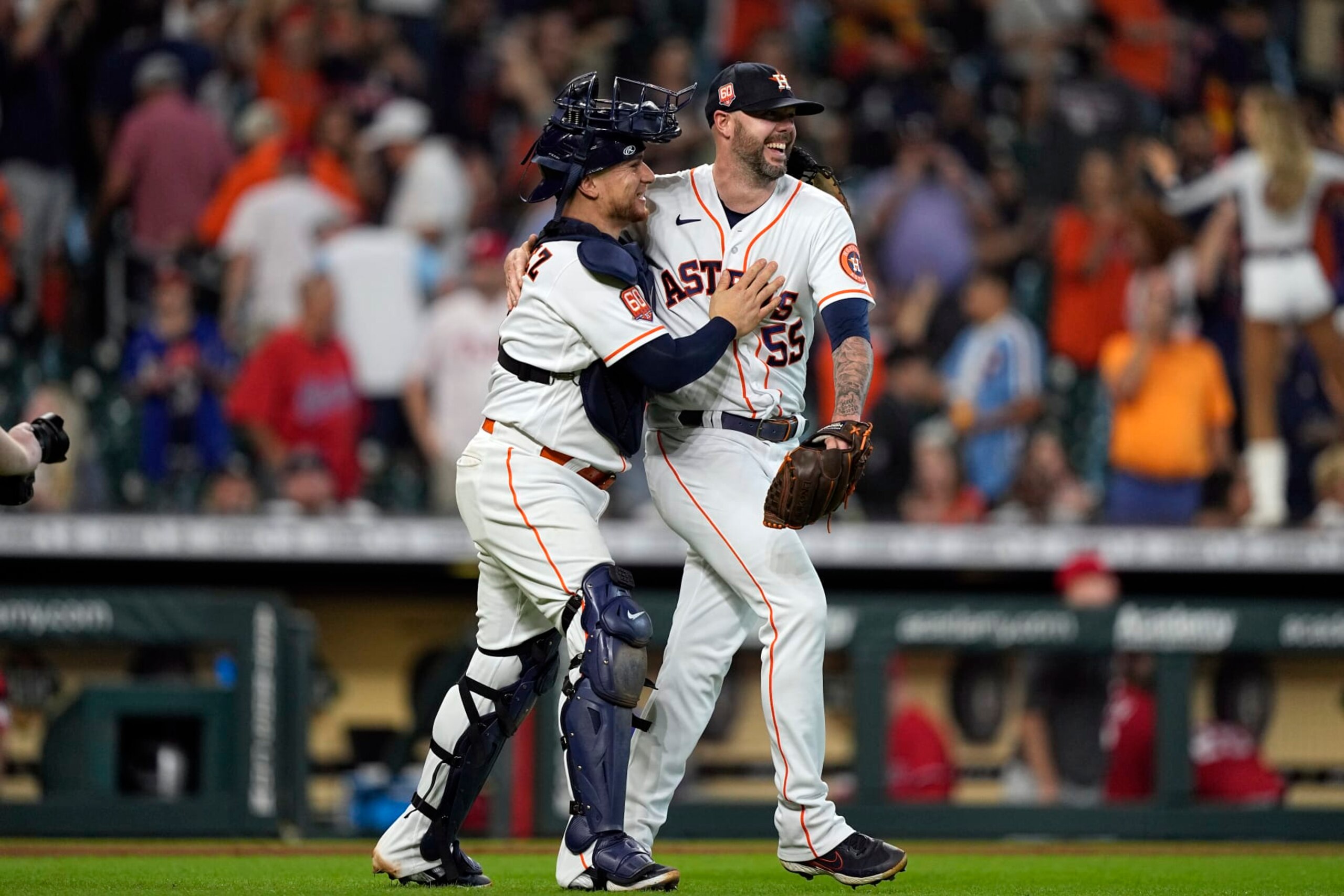
The Houston Astros handled the Mariners to the tune of a 12-7 record in the regular season. They also went into the playoffs hot by going a league-best 22-9 in September and October.
But does any of this matter right now? Perhaps not.
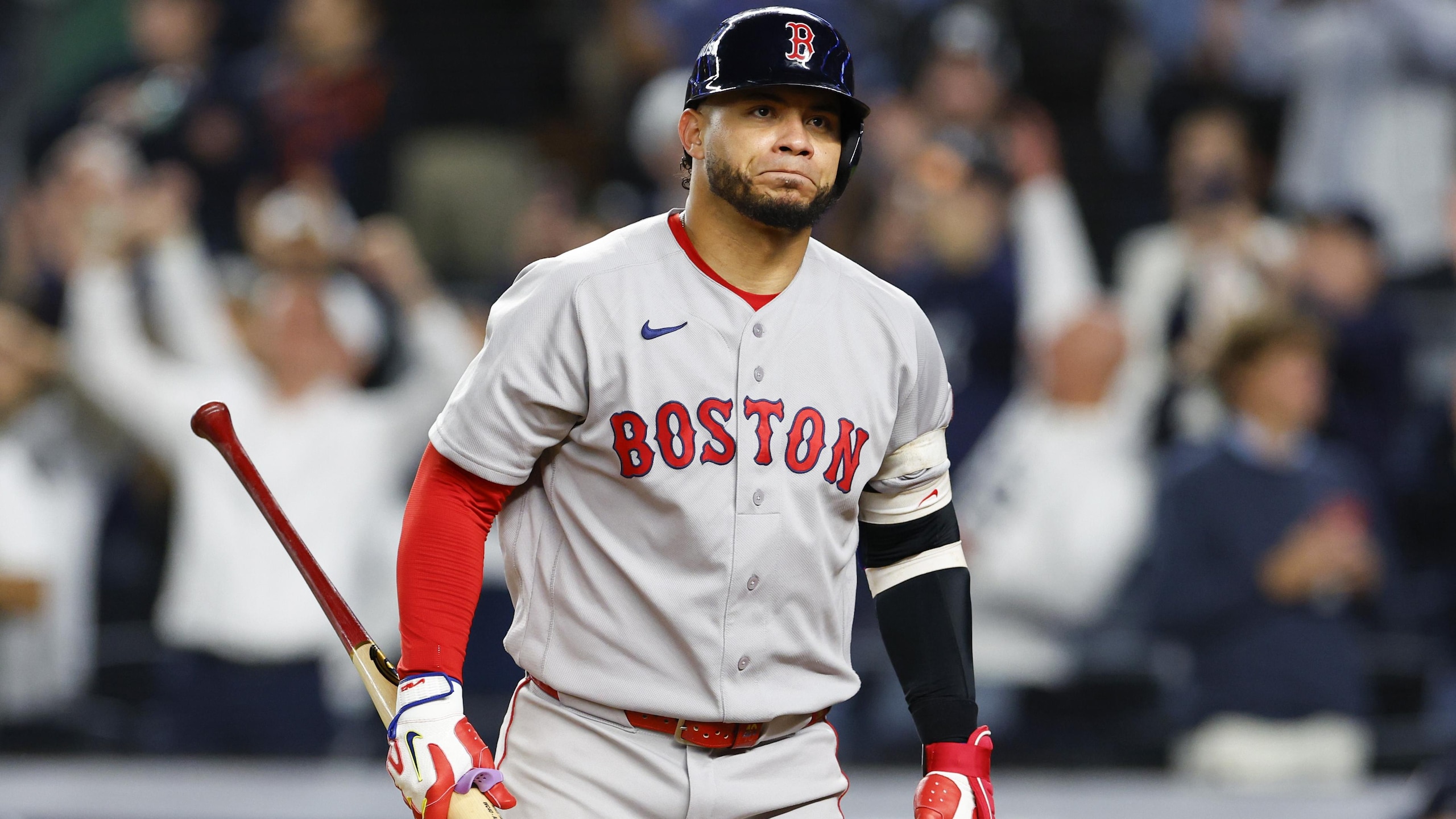
Regarding Houston's regular-season dominance of Seattle, FanGraphs' Dan Szymborski found that lopsided head-to-head records don't necessarily mean anything if the same teams meet in the postseason. As the Astros outscored the Mariners by only eight runs in 19 matchups, that may prove to be doubly true in this case.
As for the Astros' season-ending hot streak, whether there's any predictive power in that neck of the woods is also dubious. To wit: while the 242 pennant winners from all of MLB history had a .628 winning percentage in the season's final month on average, barely more than half of them (132, to be exact) actually beat that mark.
By dispatching a Blue Jays team that won games at a .667 clip in September and October, the Mariners have already served a reminder that regular-season hotness only goes so far in the playoffs. The Astros should consider that a warning.
The Phillies Can Win Without the Long Ball
5 of 8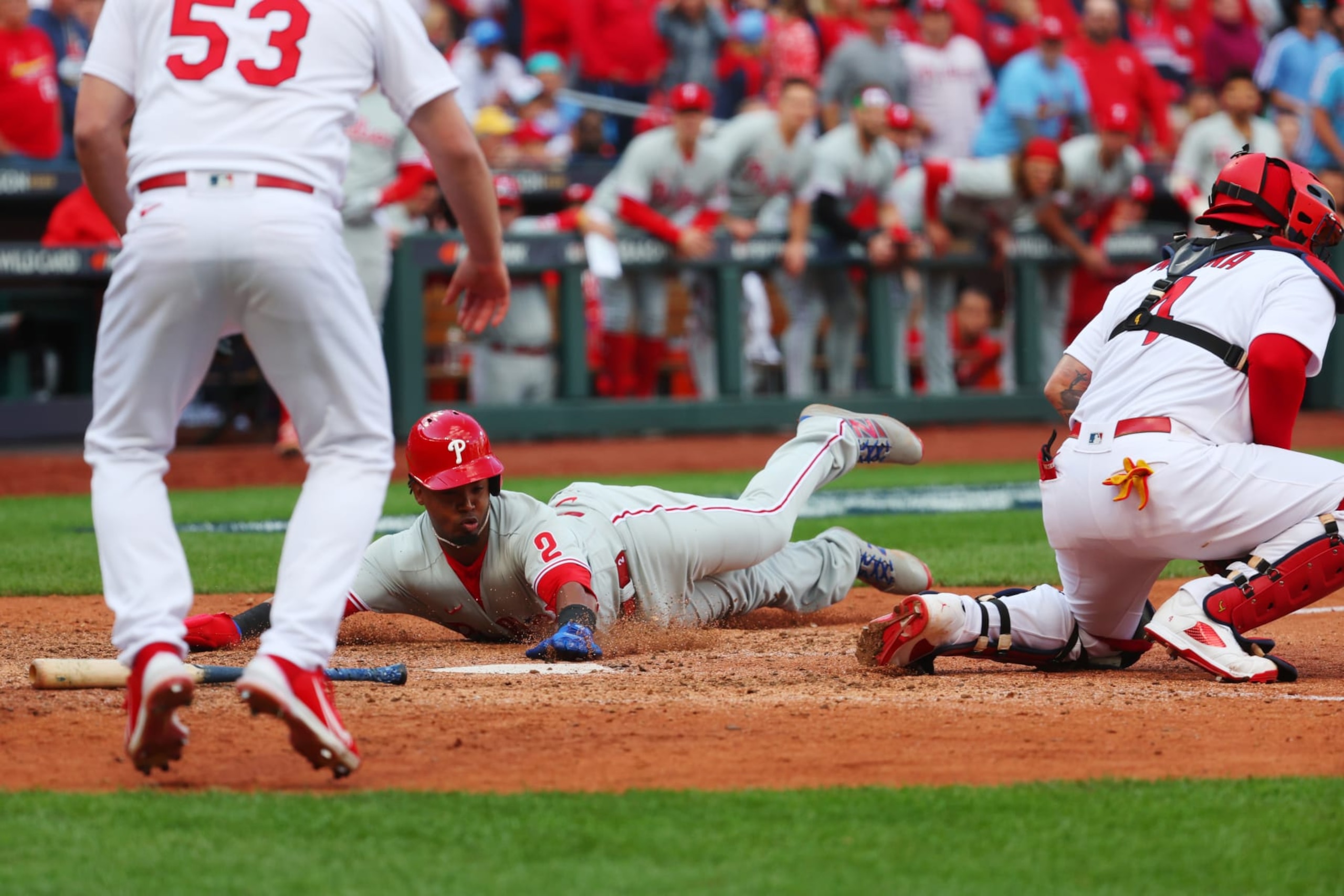
The Philadelphia Phillies lineup is built to hit for power, so it's no great surprise that power was often necessary for them to win games in the regular season.
For instance, here's how they performed depending on how many home runs they hit in a game:
- 0-1 HR: 49-60
- 2+ HR: 38-15
Go figure, then, that the Phillies swept the St. Louis Cardinals in the Wild Card Series even though Bryce Harper's solo shot in Game 2 was the only home run they hit. Their run-scoring was otherwise an exercise in situational hitting and hole-finding, including Jean Segura's off-balance go-ahead single in Game 1:
Phillies fans might argue that their team wasn't so reliant on the home run in the regular season that it couldn't score runs in other ways. This is more or less true, as the Phillies only ranked ninth in the percentage of runs scored via the long ball.
Nevertheless, it was still an encouraging sight to see them using non-homer means to score in the Wild Card Series. While scoring runs the easy way is always preferred in October, sometimes you have to take 'em however you can get 'em.
At Least 1 Thing Should Make Atlanta Nervous
6 of 8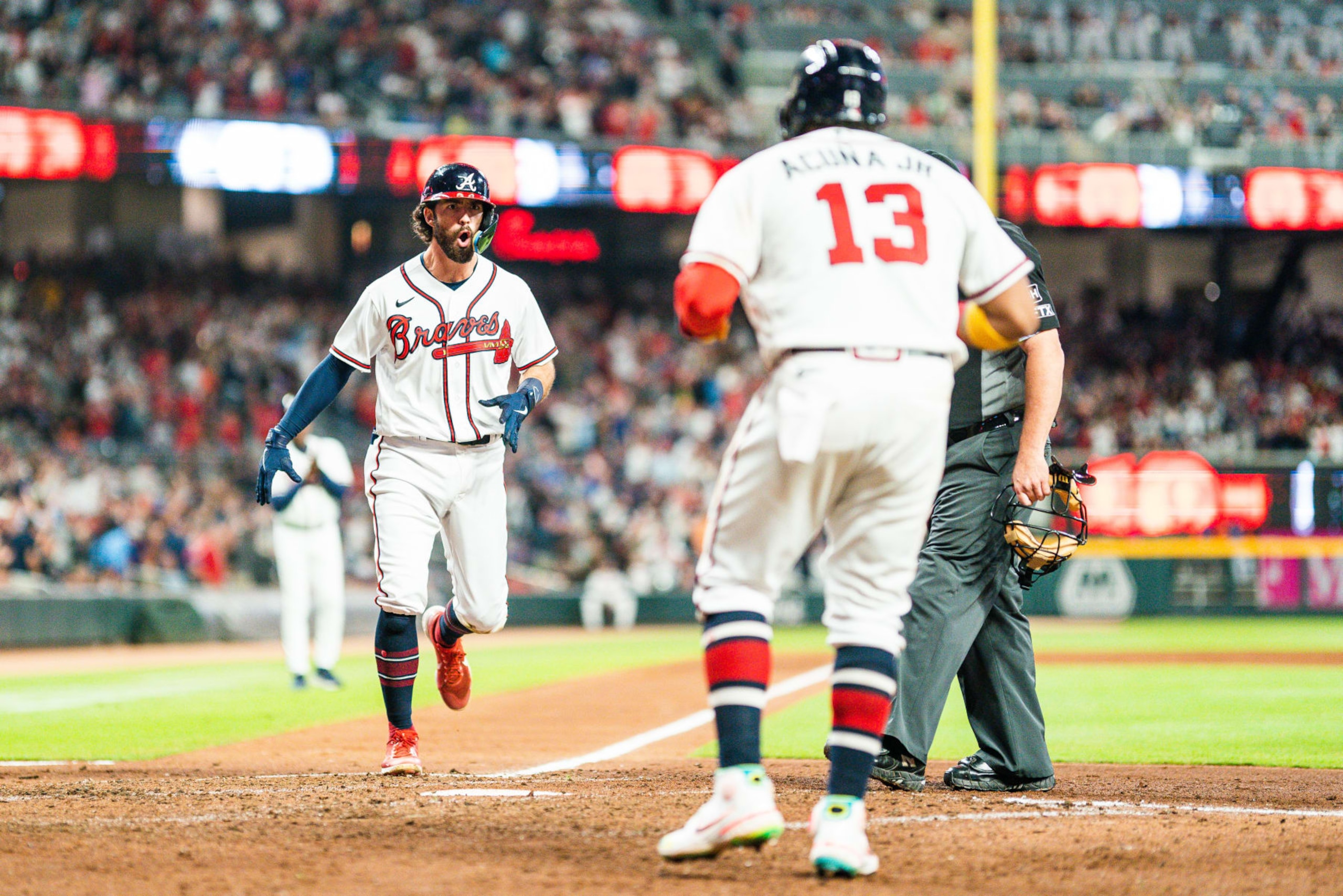
Atlanta had the best record in baseball after May, so it perhaps goes without saying that the defending World Series champs will be a heavy favorite against the Phillies.
Yet, in addition to playing effective small ball, the other thing that the Phillies did in beating the Cardinals feels vaguely like a shot across Atlanta's bow.
As the Phillies hit just one of their own, they also limited the Cardinals to only one home run. Not bad, considering that these were the same Cardinals that hit a league-high 98 homers after the All-Star break.
It helped that Phillies pitchers eschewed the four-seam fastball in favor of sinkers and cutters. That was them carrying over their approach from the regular season, and run value suggests it could be similarly effective against Atlanta in the NLDS:
- vs. Four-Seamers: plus-40.9 (6th in MLB)
- vs. Sinkers/Cutters: plus-2.0 (12th in MLB)
If Phillies pitchers do keep Atlanta hitters in the yard, the latter will be in trouble. Because while it indeed led the NL in home runs this season, things like putting the ball in play and making productive outs are not among Atlanta's strengths.
Trent Grisham Has Become a 'That Guy' for the Padres
7 of 8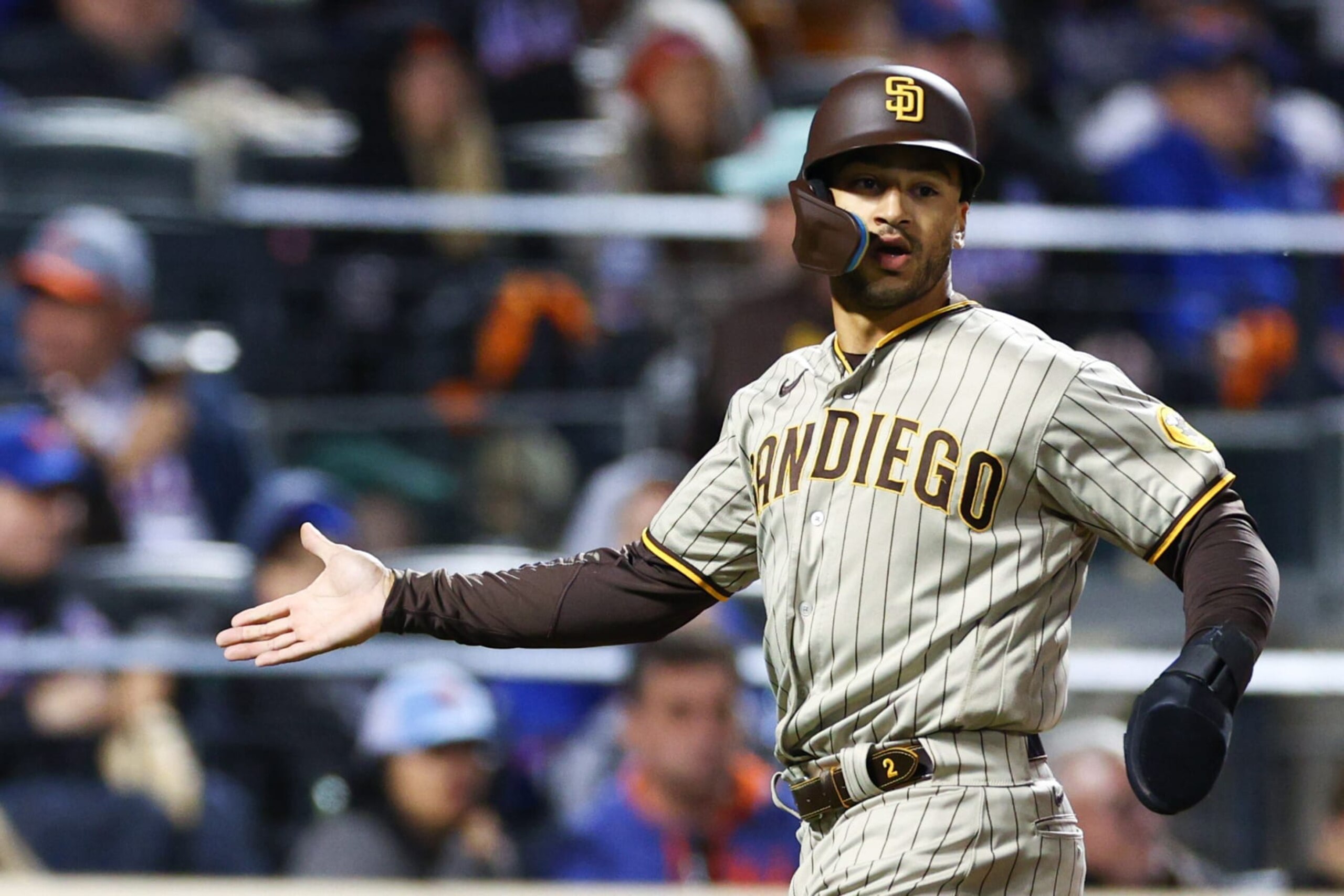
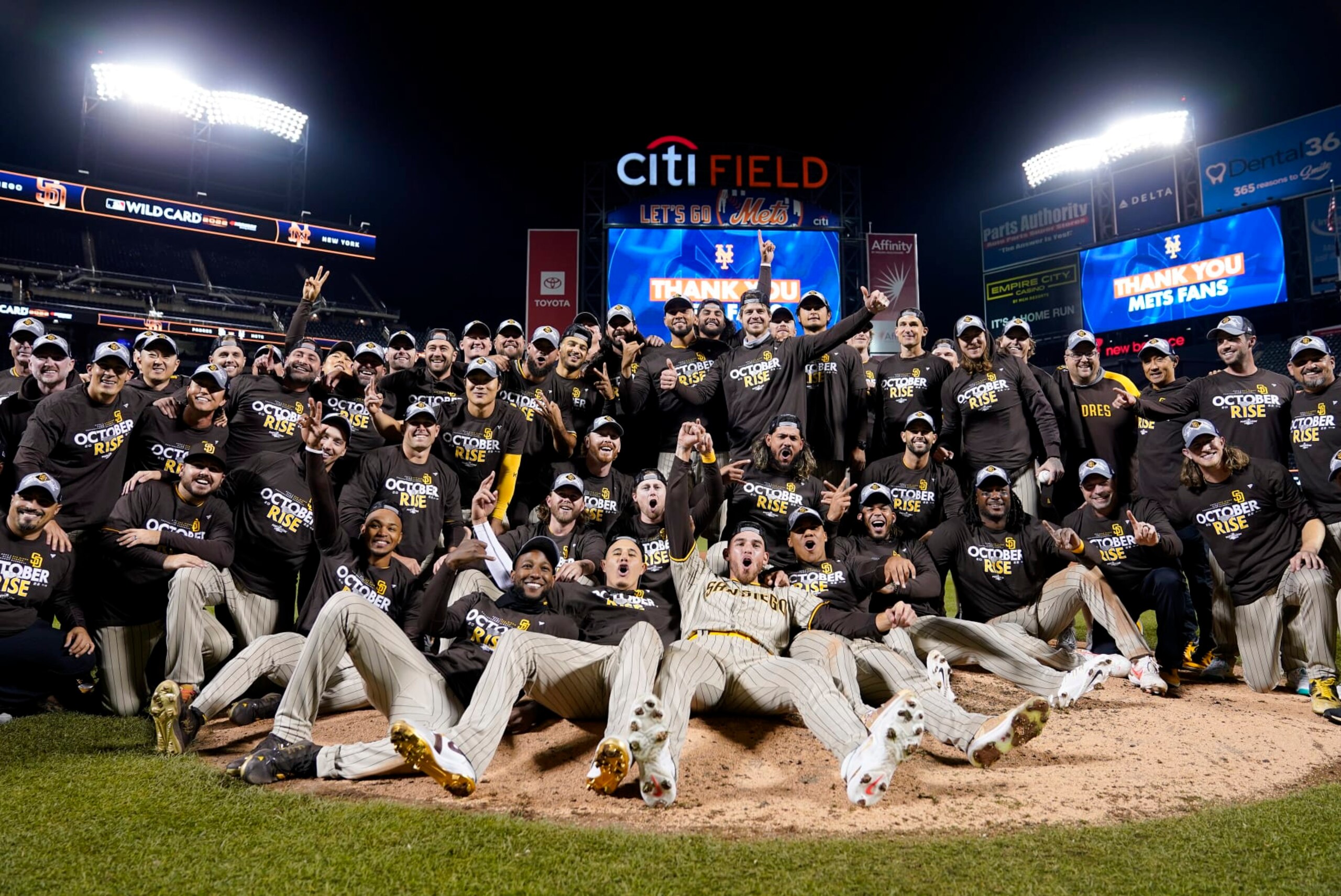
The San Diego Padres would not have beaten the New York Mets in the Wild Card Series without Yu Darvish, who pitched seven innings of one-run ball in Game 1, or Joe Musgrove, who overcome a bizarre spot-check of his ears to toss seven scoreless in Game 3.
For the most part, though, it was The Trent Grisham Show.
With home runs off Max Scherzer in Game 1 and Jacob deGrom in Game 2, Grisham became just the fourth player to go deep off Cy Young Award winners in consecutive playoff games. He also pitched in defensively with a spectacular catch at the wall in Game 3:
Grisham is a Gold Glove winner who led all center fielders in outs above average in the regular season, so the Padres could have expected such excellent glovework. The offense? Less so, given that his .184 average in the regular season is a bottom-five mark all-time.
Regardless, the Padres may have a "that guy" in Grisham to help their stars carry the load, much like a 2020 Randy Arozarena, a 2011 David Freese or a 2002 Scott Spiezio kind of guy who comes out of nowhere to play a starring role in October.
The Dodgers Shouldn't Count On Their Home-Field Advantage
8 of 8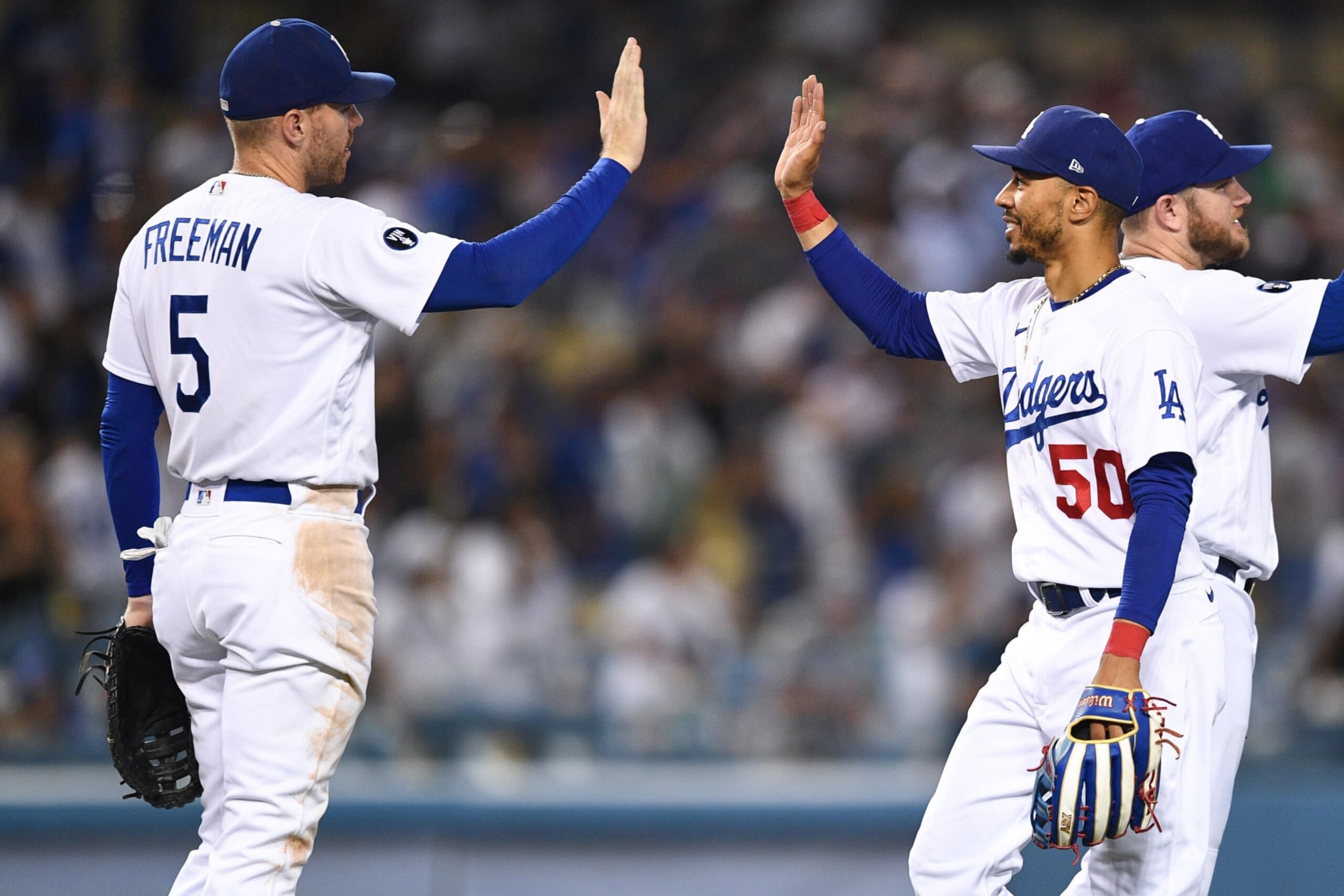
The Los Angeles Dodgers won 111 games and finished with the fourth-highest run differential in MLB history, so they'd be de facto favorites against anyone in this playoff field.
But as we've already covered, the Dodgers aren't necessarily any more of a favorite in their actual NLDS matchup against the Padres just because they won 14 of 19 head-to-head meetings in the regular season.
Furthermore, the Dodgers' home-field advantage might also be neither here nor there.
This is surely counterintuitive based on how they performed at Dodger Stadium this year. They won 57 of the 81 games they played there, including 37 of the last 49.
But in beating a Mets team whose 54-27 record at Citi Field was the best of any of the Wild Card Series hosts, the Padres have already shown they're capable of cutting through a thick home-field advantage under the bright lights of October.
The Dodgers should be wary of that, as well as the fact that visiting teams are already 6-3 in these playoffs.
Stats courtesy of Baseball Reference, FanGraphs and Baseball Savant.

.jpg?w=2560 "2 NFL Officials Suspended")


.jpg?w=2560 "Mahomes' Wife Trolls Kubiak 💀")

.jpg?w=2560 "Love's Body Already 'Tired'")