
Matt Ryan's $40M Falcons 'Dead Money' Breaks NFL Record; Top 10 Cap Hits for 2022
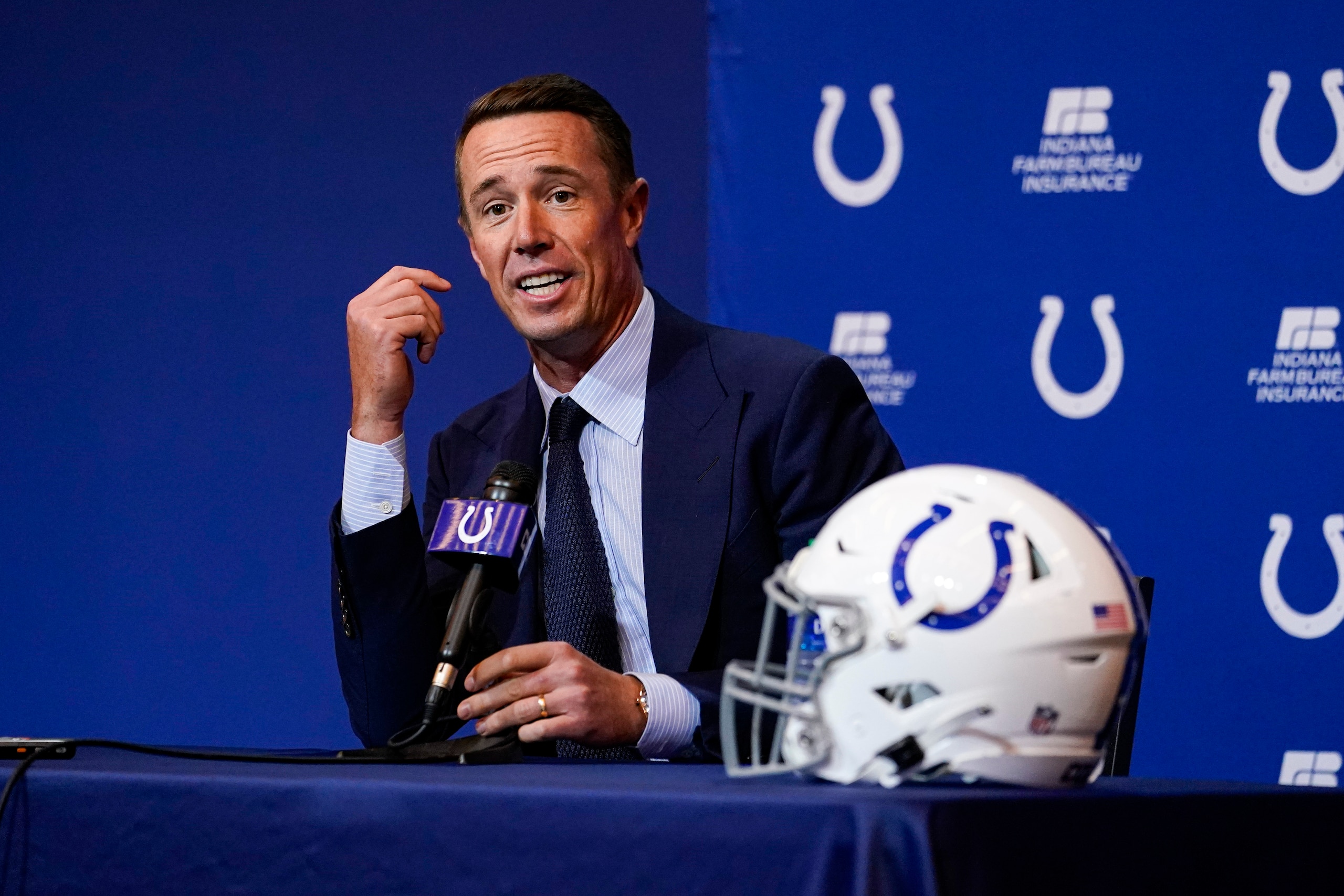
Matt Ryan's final act as an Atlanta Falcon will be putting a stranglehold on their 2022 cap sheet.
The quarterback's $40.5 million cap charge after being traded to the Indianapolis Colts is not only the biggest dead-money hit in NFL history but also the largest cap hit in the 2022 season, per Peter King of NBC Sports.
TOP NEWS

New NFL contenders starting to emerge after Week 4
.jpg?w=2560 "Cardinals Giants Football")
NFL investigating 2 referees for separate viral exchanges
Buzz: Chiefs Reached Out to Tyreek
NFL Largest Cap Hits for 2022 Season
1. Matt Ryan (Atlanta Falcons): $40.5 million
2. Ryan Tannehill (Tennessee Titans): $38.6 million
3. Patrick Mahomes (Kansas City Chiefs): $35.8 million
4. Kirk Cousins (Minnestota Vikings): $31.4 million
5. Jared Goff (Detroit Lions): $31.2 million
6. T.J. Watt (Pittsburgh Steelers): $31.1 million
7. Chris Jones (Kansas City Chiefs): $29.4 million
8. Aaron Rodgers (Green Bay Packers): $28.5 million
9. Carson Wentz (Washington Commanders): $28.3 million
10. Leonard Williams (New York Giants): $27.3 million
The Falcons traded Ryan to the Indianapolis Colts in exchange for a third-round pick after their pursuit of Deshaun Watson failed. While it was a relatively small haul—especially given the dead-cap cost—Atlanta was facing such a charge at some point in the future after kicking the can down the road several times in recent seasons.
Ryan's cap charge beats the record set a year ago by the Philadelphia Eagles when they ate $33.8 million to trade Carson Wentz—also to the Colts. Indianapolis coughed-up first-round pick but ended its Wentz experiment after one season, sending him to the Washington Commanders earlier this offseason.
A player's cap charge rarely represents the amount of money they will bring in any given season. Typically, a player is given a sizable signing bonus upon agreeing to a deal that is spread over the duration of the contract, artificially lowering their cap hit. However, when a team trades or releases that player, all the money remaining on the deal accelerates to that year's cap.
Teams tend to restructure larger deals several times over their duration to keep cap holds as low as possible, but that can backfire, such as in this case with Ryan.
.jpg?w=2560 "Titans Giants Football")
.jpg?w=2560 "Titans Ravens Football")




.jpg?w=2560 "Tyreek makes another cryptic post amid Chiefs rumors")