
When NBA Power Plays Leave Superstars Powerless
The NBA's biggest superstars have never had more power than they do now. Over the past three years, Russell Westbrook and James Harden have both learned the hard way that exercising that power can mean giving it up.
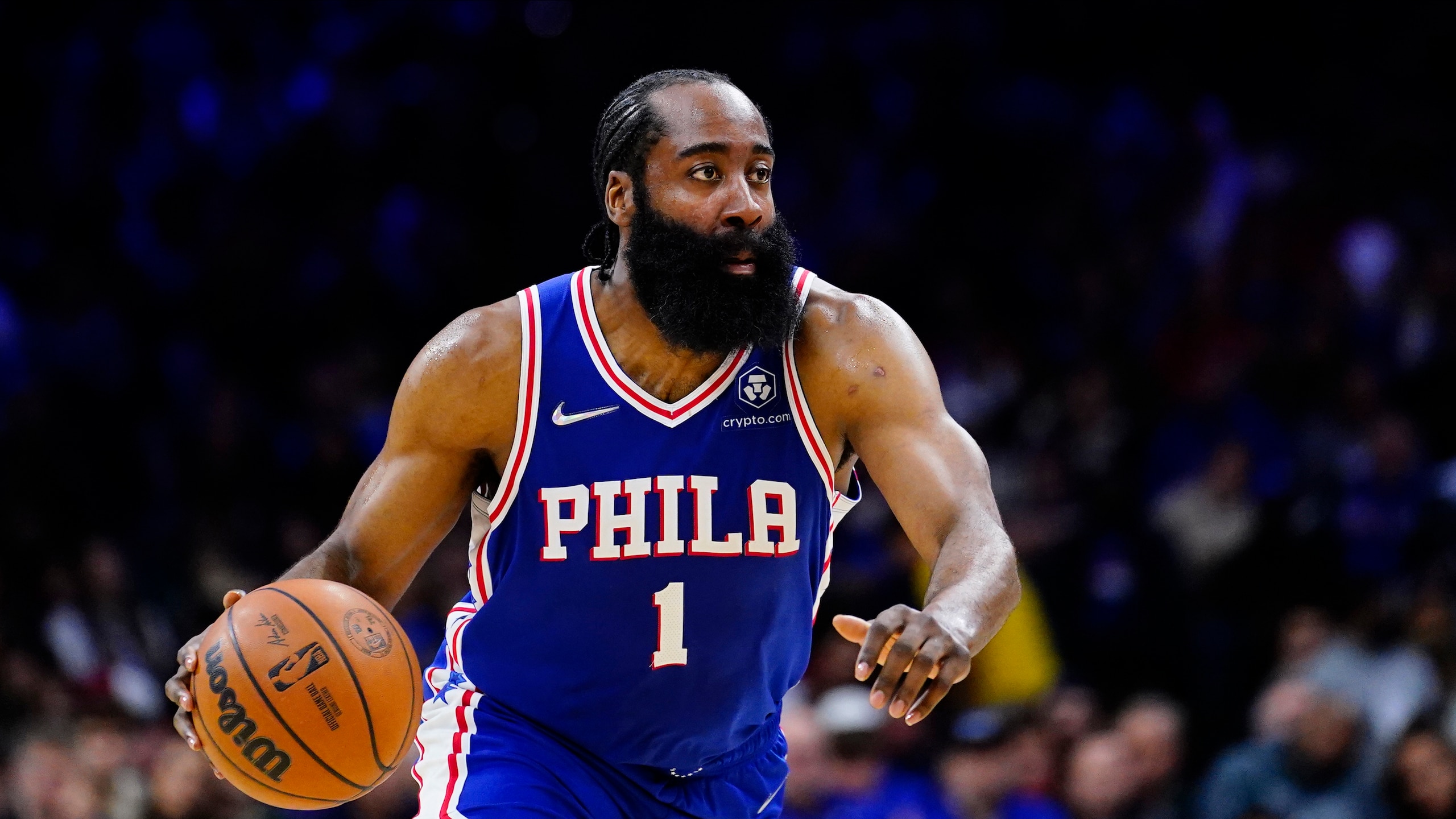
Westbrook and Harden, whose teams face each other Wednesday night, have been at the center of high-profile trades of their own design over the past three years, briefly reuniting before flaming out and then leaving for situations that left a lot to be desired. As both navigate tumultuous seasons, they're serving as proof that the constant shuffling of superstars from team to team that has become the NBA's norm over the past decade might not make everyone happy.
TOP NEWS

Pic of LeBron's Helicopter Commute 🚁

Duren Calls Out 'False' Rumors

NBA Power Rankings Entering Preseason 🔢
The term "player empowerment" has become inescapable in the nearly 12 years since LeBron James' infamous televised decision to leave Cleveland for Miami. The idea behind it—the league's biggest stars taking back some power over where they play from the owners and front offices that have always controlled their careers—is an admirable one. In practice, it has led to many players risking stability, influence and a significant hit to their public perception that can be hard to recover from.
As the Lakers' season has spiraled, every game has become a referendum on Westbrook's career. Since the draft-night deal that brought him home, which James pushed for and Westbrook wanted, his role, performance and helpfulness to winning have all come under intense scrutiny. Just as it did in Washington, and in Houston before that, and as it will this summer when—or if—the Lakers are able to find him a new home.
Westbrook has long been a polarizing player. But since he and the Thunder parted ways in the summer of 2019, he's become polarizing for different reasons. The turnovers and missed shots that have always been a part of the deal with the Westbrook experience are now the whole conversation about him.
When Westbrook was in Oklahoma City, he had his share of detractors. His game and personality aren't for everyone. But he had just as many avid defenders, especially toward the end of his time there. He was the one who stayed when Kevin Durant bolted for Golden State and then won MVP. Thunder general manager Sam Presti acquiesced to Westbrook's trade request after dealing Paul George to the Clippers days earlier. At the time, the move made sense for both sides as the team looked to rebuild.
But since he left, Westbrook has become a man without a home. Without a decade of equity with a fanbase and city to fall back on, his flaws become magnified. The size of his contract is talked about just as much, if not more, than his on-court production, and the widely agreed-upon solution to his teams' problems has become finding a way to get rid of him, year after year.

This is likely how it's going to be for the rest of Westbrook's career, and it didn't have to be. He was a deity in Oklahoma City, where he largely called the shots by the end. Once he gave that up, he also relinquished an element of control and stability he'll never get back.
Harden had that and then some in Houston, where he played for eight-plus seasons, made two Western Conference Finals and won the MVP award in 2018 while having an unmatched level of autonomy and control over the way the organization was run. He was the one who pushed for Chris Paul in 2017, and then for Westbrook when that pairing ran its course. The back-to-back departures of head coach Mike D'Antoni and general manager Daryl Morey following the 2020 season played a part in Harden's decision to push his way out, which he did in very public fashion to reunite with Durant, his former Thunder teammate, in Brooklyn.
That would-be superteam lasted just over a year, undone in part by Harden's frustration with Kyrie Irving's COVID-19 vaccination situation—another aspect of his situation that he couldn't control after he'd signed up to be part of Durant's show. He forced his way out again, reuniting with Morey in Philadelphia, where the organizational and fanbase loyalties will always be more to Joel Embiid than to him.
He got to where he wanted in both cases, but the reputational hit he's taken after forcing two trades in 13 months in similar, embarrassingly public ways will be tough to overcome if things go sideways in Philly. Pushing his way out of a situation where everything was catered to him may improve his on-court chances of winning in the short term, but it has ratcheted up the pressure to deliver. And since the Sixers are built around Embiid, Harden will be the one people look to blame if things don't work out.
Just look at Dwight Howard, who has now played with both Harden and Westbrook. The following two things are indisputably true: Howard is a deserving lock to be inducted into the Hall of Fame the first year he is eligible, and virtually nobody will be happy or excited about it.
Howard was well liked back in his Orlando days. Then, he forced a trade to the Lakers as clumsily as any star has, wanting the spotlight and off-court opportunities that came with a bigger market. His time in L.A. was doomed from the start because of a well-documented personality clash with Kobe Bryant, and he left in free agency after one season to team with Harden in Houston. That marriage, too, came to an end when he grew unsatisfied with his role amid interpersonal tension with Harden—and just like with the Lakers, since it wasn't his show, he was the one that had to go.
Since leaving Houston, Howard has been unable to stick with a team for more than one season at a time. If he'd stayed in Orlando, he may or may not have ever won the title he won as a role player in his second stint with the Lakers in 2020. But it's a decent bet he wouldn't have been left off the league's 75th anniversary team by voters who no doubt weighed the journeyman's second half of his career more heavily than the dominant first half.
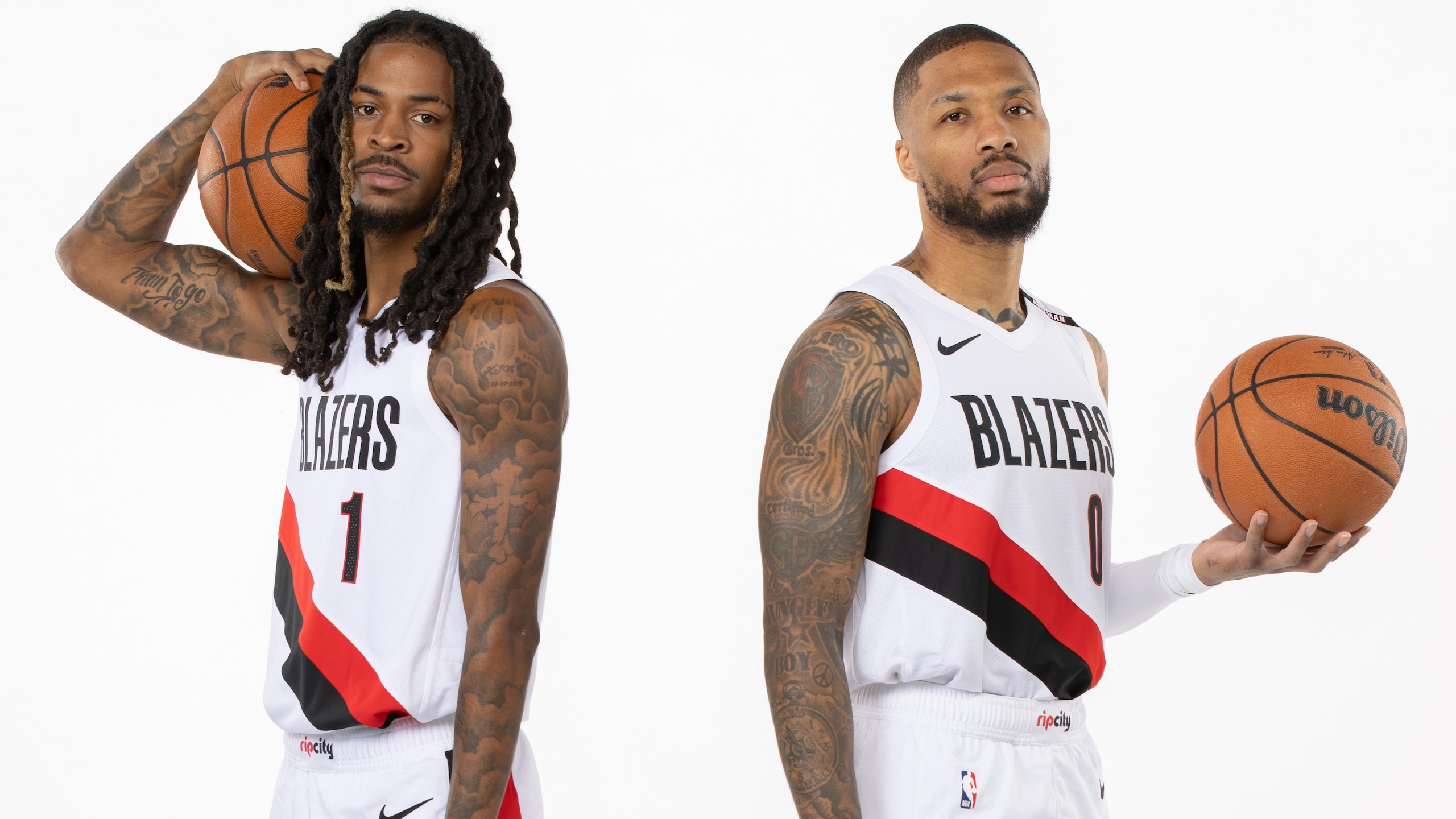
No wonder Damian Lillard, who is on his third year running of being the star with the most speculative future, isn't in a rush to chase rings. He'll never have it better than he does in Portland, where he'll soon be making upward of $50 million annually and now has considerable influence over front-office decisions. His jersey will be retired by the Blazers one day, and they'll probably build him a statue, too. None of that is happening anywhere else, even if he were to win a ring with another team. And if he doesn't, he may find himself in Westbrook's current position.
"When you talk about Gary Payton, you talk about Gary Payton in Seattle," Lillard told ESPN in 2019 of one of his close friends and fellow Oakland, California, native. "You don't talk about Gary Payton winning a championship in Miami, coming off the bench. With the Heat and D-Wade and Shaq, he was on that team. But nobody talks about that."
There's no danger of this Lakers team winning a title. Somewhere, later on in his career, Westbrook may find himself as a role player on a team that does. But, as with Howard, that won't lead his resume. What people will remember are the years in Oklahoma City, going toe-to-toe with the Spurs and Warriors alongside Durant, and then winning MVP while averaging a triple-double once Durant left.
Oklahoma City was Westbrook's kingdom in a way Houston, Washington, L.A. and wherever he plays next season will never be. For every Durant, James or Kevin Garnett who picks his own destination and finds salvation, there are just as many reminders that engineering your own team can actually lead to a loss of control over a situation that isn't always worth it.

.jpg?w=2560 "NFL investigating 2 referees for separate viral exchanges")

.jpg?w=2560 "Report: Chiefs Contact Hill's Agent")
.jpg?w=2560 "OBJ Calls Out Giants 😳")
.jpg?w=2560 "Tyreek makes another cryptic post amid Chiefs rumors")