
John Terry, Arsenal and the Inadvertent Slip: The Role of Luck in Football
It was not as crucial a moment, but to Arsenal’s continued quest to steady the barge that nearly sank, even before it left harbor, this may prove very much so.
And thanks to the enigmatic only 1 for pointing out to me that “No, it wasn’t merely the kissing of the turf, it was something much more (serious, I suppose?)," and to David Brennon, whose challenge to my reference to luck in connection to Arsenal’s exciting victory over Chelsea—their 2011-12 Premier League Week 10 match—prompts these thoughts.
I refer to John Terry’s unfortunate mishap. The question whether or not there is such a thing as luck in a football match made me recall his similar, but much more costly, slip in Moscow during the 2008 EUFA Champions League final against Manchester United. The question that flashed across my mind was, “What’s with John Terry and slipping at the wrong moment?”
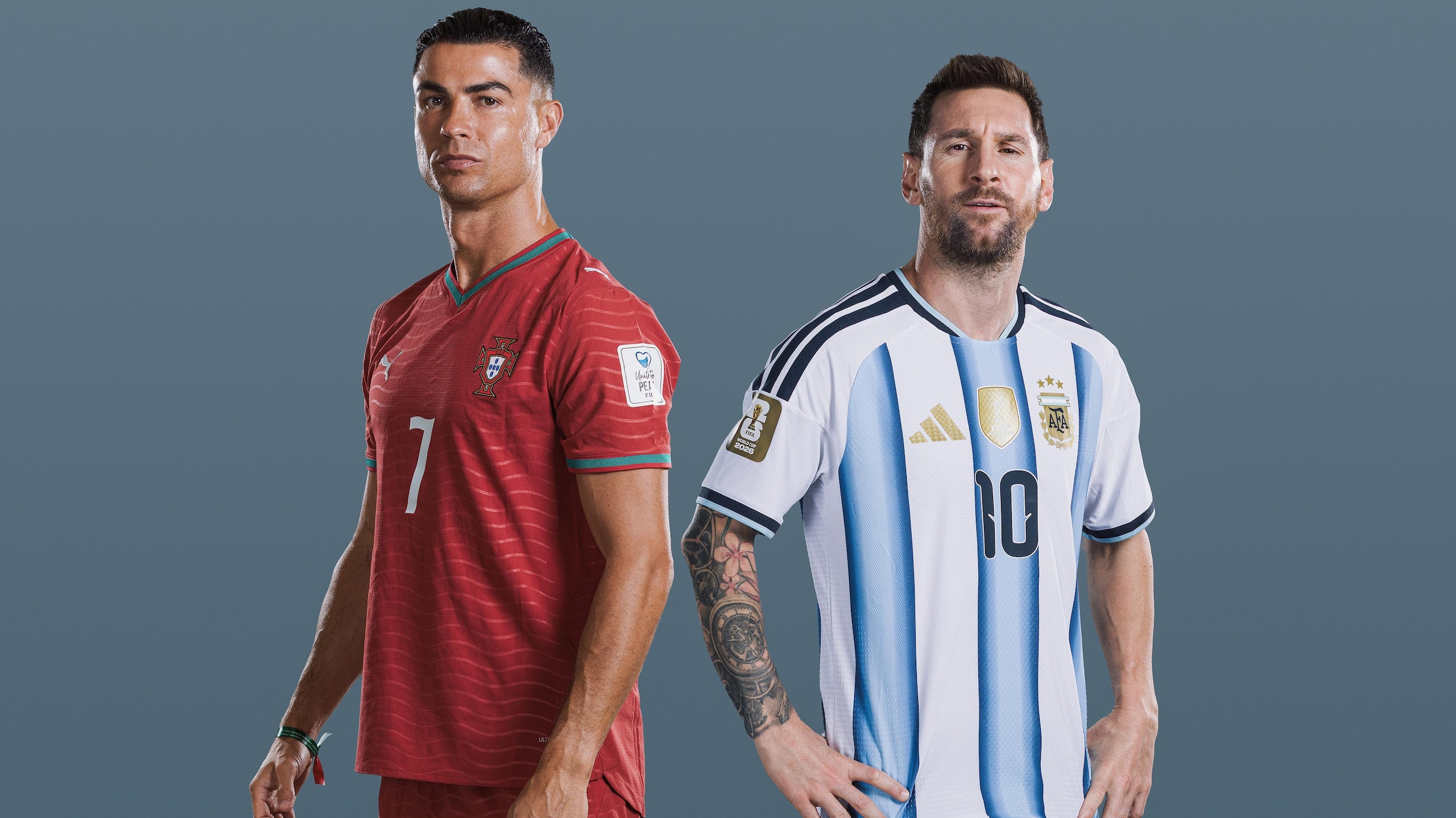

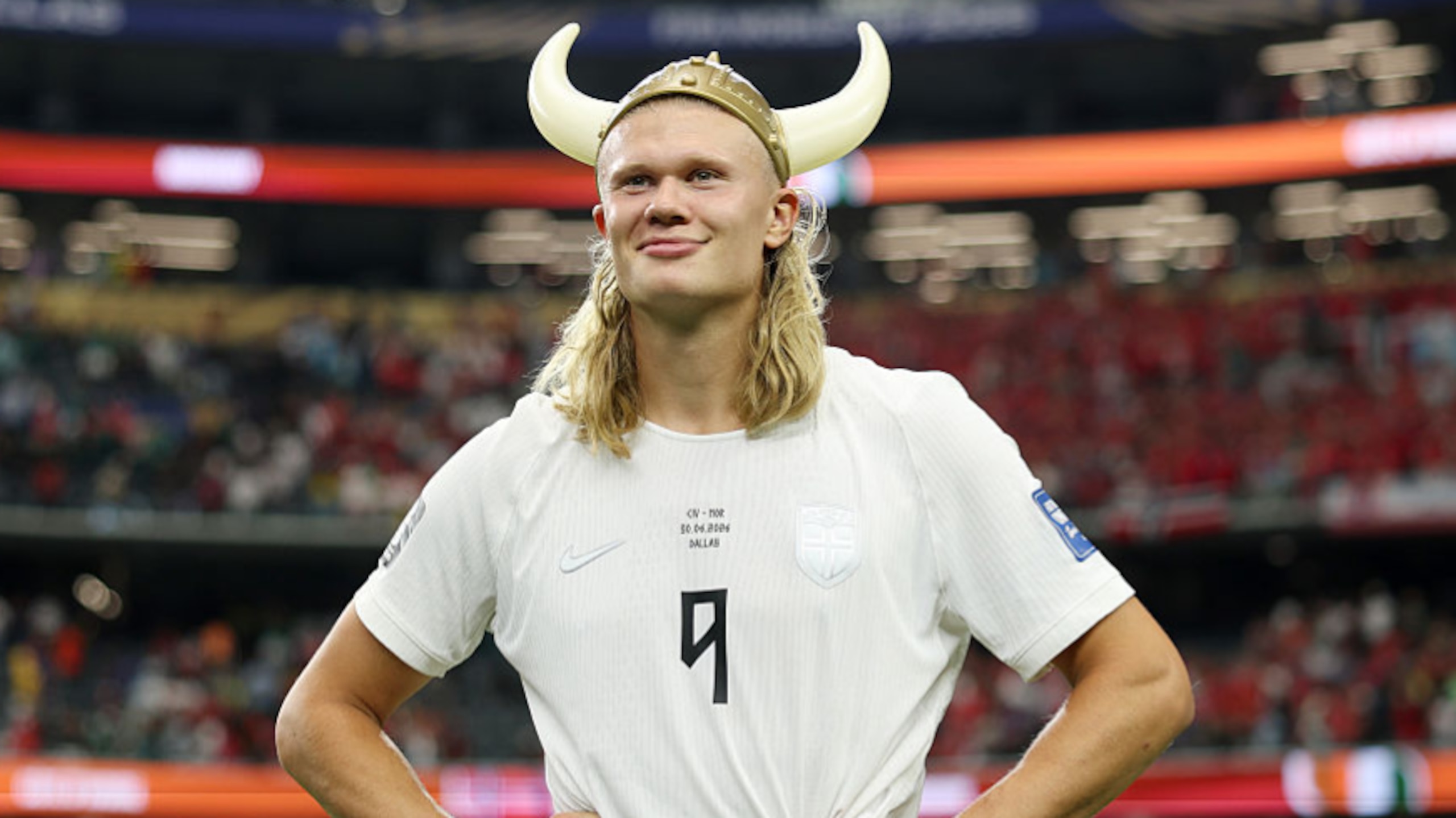
Till today, the question still remains: “What if Terry had not slipped and missed?” True, it was Nicolas Anelka who missed the final penalty for Chelsea, but after Cristiano Ronaldo’s miss had given the advantage to Chelsea, had Terry not slipped at the crucial moment, wouldn’t the history of that final have been different?
Many that day and today, when recalling this event, said or say, Chelsea were unlucky. And there’s the word. What do we mean by luck? Is there such thing at all?
Now this is treacherous ground, and those who are uncomfortable with anything other than stark colorless lines will find this naïve and probably out of taste and place, especially in a lighthearted forum, such as a Bleacher Report fan site.
But, although the dangers are rife, this is an attempt at exploration. Posing the “what if,” if I recall correctly, has not as yet made the list of taboo topics, even if the forum is supposed to be for trivia mostly, such as the seven or six reason why so-and-so…or the 10 most ravishing WAGS!
I have long harbored the suspicion, or more appropriately superstition, that bad luck has found a comfortable abode at Arsenal in recent times. Then again I’m an Arsenal fan, so what do you expect? But then, consider this from a Mr. (or Miss) “KnowItAll YouReadCorrectly”—I confess the name made me nervous!
"“I just never write my team off wenger is a good coach can lead the team to glory but he has always lacked luck he got alot yesterday when his GK didnt see red and malouda did that horrible backpass that terry wouldnt get anyways. for me arsenal aren't back until they completely shut down teams like they did united last season and the second half versus barcelona.”
"
…to which I replied: “I have always held similar sentiments, and I'm one that believe that luck is a huge X factor in football.” I referred to Arsenal’s Carling Cup game against Bolton as an example of a luck-filled game, owing to the many chances Bolton created during the wee hours of the game, which fortunately or unfortunately (depending on whose fan you are) they didn’t take.
In terms of bad luck vis-à-vis Arsenal, refer to these near misses in this excellent article by Ratan Postwalla. It is probably nothing more than blind chance or mere football at work rather than some mysterious bad luck. But to many a football fan, there’s actually such thing as good or back luck. And who can blame them?
In daily life we often “hope” for something—what does that mean? At birthdays we “make a wish”—what the devil is that? “Oh, she was unlucky,” we say, and unless challenged, we deem it not abnormal. Nor do we suspect that such a scientific sounding “all things being equal” is not, at a closer look, as unsuperstitious as it sounds or seems.
“All things being equal” is nothing more than the opposite of chaos or random events. (The reverse could even be true.) But once we admit to such a notion, we must account for its antithesis; antitheses, of course, are negation of whatever we may hold as default.
Say, for instance, Robin Van Persie remaining fit for Arsenal’s 2011-12 season, or John Terry not slipping, as Florent Malouda and we, the spectators, expected. Or, as Arsenal, planning for the season without thinking that Bacary Sagna would break his leg. Or Aaron Ramsey, or Eduardo Da Silva, or again, Terry stepping up for the penalty, and none, including himself, expecting a catastrophic slip at the last moment.
These are all contingencies, to be sure, but what are contingencies, but, again, the antitheses of any default situation? It is probably true that there’s no such thing as luck, but it will be more true if we can account for the “is not,” which nobody has been able to do as yet.
The “is not” is what was negated when that first particle, the origin of which nobody knows became. “Is” negated “Is not,” which is why we are having this conversation. And to be sure, the question everyone asks is, “Why is there an ‘is’ instead of ‘is not?’” The “is not” is the factor that gives lie to our pretensions in terms of which everything is just colorless. If, indeed, everything is colorless, then our language has been left behind.
The factor that favored “is” could be called luck, where “is not” is bad luck. Within the realm of “is,” of course, there exists that enigma called calamity, aka, evil, or Darth Vader where Luke Skywalker is concerned.
When a football fan says “luck,” she or he probably means “all things being equal,” or more clearly put, and borrowing a religious parlance for its beauty of expression, when “all things are working together for the good” of the winning team, including the referee—or the linesman—“allowing” (inadvertently or otherwise) the team to score from an offside position, or the opposing team scoring against itself twice, or the last defender of the opponent inexplicably slipping at the wrong or right moment as the case may be.
Or even the referee, again, disallowing the opponent’s legitimate goals (ask Spain against South Korea in the 2002 World Cup), or deciding—for the fun of it apparently—to award phantom penalties to the winning team. Or, yet again, if your opponent’s clearly legitimate goal is disallowed, courtesy of the goalkeeper scooping it out before anyone is the wiser.
There’s little or no question that if you are the team at the receiving end of the unfavorably result, you are bound to talk about ill-luck.
And why not? Life is luck.
The so-called Big-Bang is a fancy word for luck. It just happens that being became rather than non-being. What’s the chance of that? And since that time, the nature of things is clearly antipodal, therefore the existence of such things as Yin-Yang, or such things as day and night, fine or bad weather, things that flow smoothly and things that do not, even life and death.
This is standard in every fare of the existence we know. So I ask, why should we insist that it’s different in the case of football? Does life (in the general sense) suddenly change inside the stadium and then revert back outside?
Agreed, Zeus and his cohorts are no longer there to confuse things according to their fickle fancy and caprice, however, the intrinsic order of things, the way our universe works, suggests that there’s something to such abstract—if unscientific—notions as luck and their opposites. And I don’t think we leave them outside the coliseums, which are our modern football stadiums, and then later pick them up after the games are over.
In sum, there is, indeed, such a thing as luck in football.



.jpg?w=2560 "KOC Contacted OBJ After Release ☎️")


.jpg?w=2560 "Dak to Stroud: Get Some Wins 💯")


.jpg?w=2560 "NFL Won't Fine 'Beverage' Celebrations 🍻")