
Rafael Nadal: Can Nadal Become the Greatest Men's Tennis Player in History?
Right now, the most accomplished player in the history of men's tennis is Roger Federer, certainly when it comes to grand slams.
With 16 grand slam titles, 23 finals, 23 consecutive semifinals or better, and 29 consecutive quarterfinals or better (and counting), it's really hard to argue that point.
He's also won the career grand slam and is one of only three players to do that with the grand slams being played on their current surfaces.The other two are Andre Agassi and Federer's primary rival, Rafael Nadal.

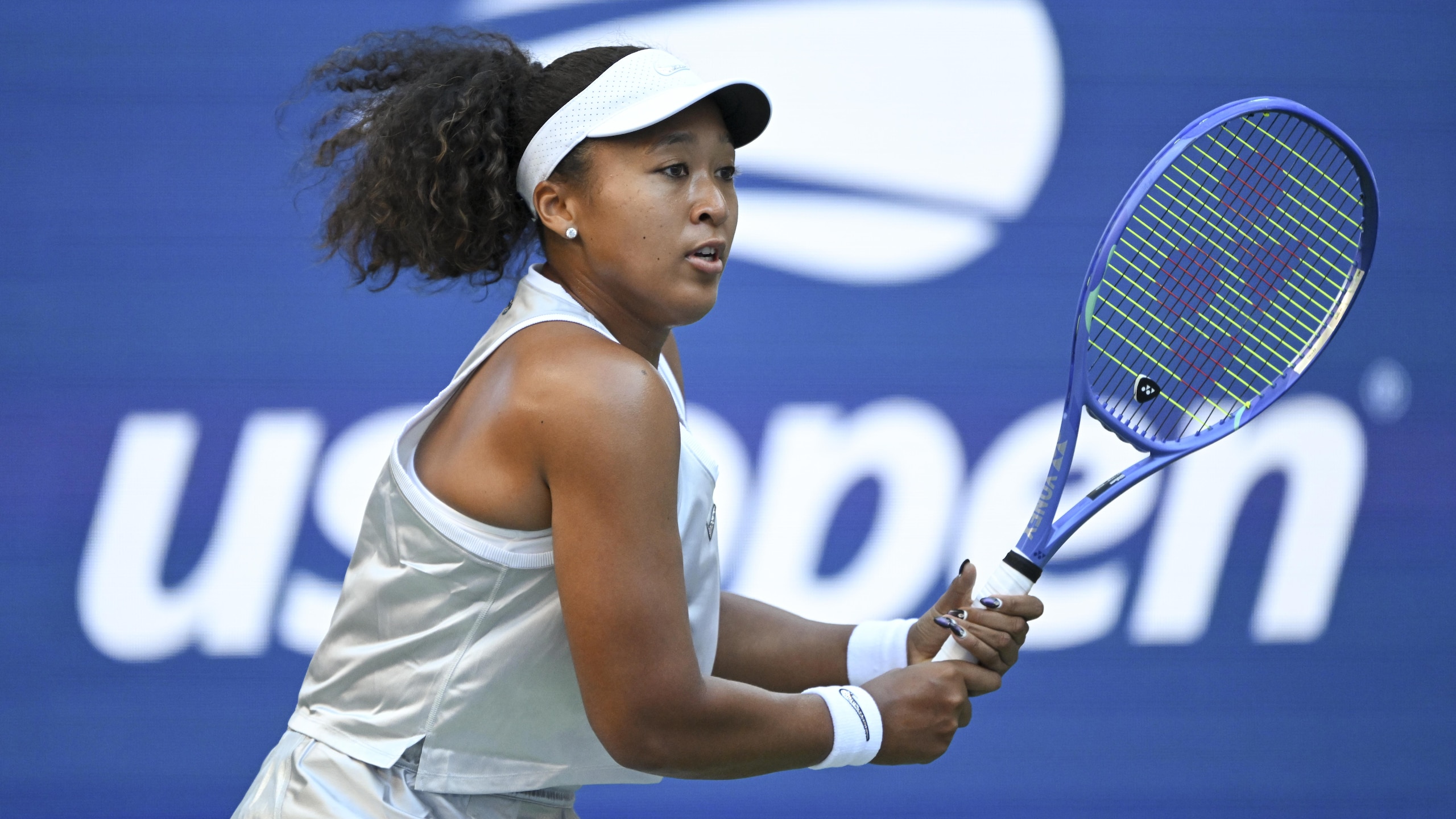

Nadal is in the finals at Wimbledon 2011, which is the for the 13th time in his career he's been this far at a grand slam. He's won 10 of the previous 12 finals that he's been in, with the only two losses coming in 2006 and 2007 to Federer, both at Wimbledon.
Regardless of what happens in the 2011 final against Novak Djokovic, can Nadal become the best player ever?
Well, that depends on who you believe the best player of all time is right now? If you believe it's Roger Federer, then yes, Nadal can become the best of all time. If you believe it's someone from a prior era, it won't be as simple.
The first name that jumps the minds of most people when thinking about previous eras is Rod Laver. In reality, while he's not as accomplished in terms of raw numbers as Federer, it's hard to argue against him.
Laver won the grand slam twice. Just to be clear, that doesn't mean that he won each grand slam twice throughout his career, that means he won all four titles in one season twice.
In 1962, as an amateur, he claimed all four titles. Then seven years later, the first full year of the Open era, Laver claimed the grand slam again.
He won three additional grand slam titles throughout his career, giving him a grand total of 11. He didn't win anything after 1962 before Wimbledon in 1968 because as a professional, he wasn't eligible to participate.
Laver won at least one grand slam title in 1960, 1961, 1962, 1968, and 1969, which were the only years he was eligible to play in them. Hearing that, it's hard to not think that he wouldn't have won at least five others between 1963 and 1967.
Going much older than Laver, it's really hard to make comparisons. The grand slams as we know them had different qualifications that kept certain players out.
Even in more recent years, there are a lot of great players that belong in the discussion.
Jimmy Connors was a long term model of consistency. As a matter of fact, he's really the only player to model Federer in that regard.
Bjorn Borg and John McEnroe had primes where they were nearly unbeatable, neither won a single grand slam after turning 25, so their overall numbers fall a little short.
Despite never winning a French Open, Pete Sampras won 14 grand slams, breaking Roy Emerson's record of 12 that he set in 1971.
And yes, there are others that I am omitting.
We also have to look at the technological advancements over the years. The current rackets allow for much bigger serves, which benefits big servers of the more recent years far more than it benefited the big hitters of bygone eras.
But as for Nadal, that's all just a roundabout way of saying this. Can he be the best ever? Well, by most standards, he's already very close.
Sampras was nearly unbeatable on grass, winning every Wimbledon title from 1993 to 2000, with the exception of 1996.
Nadal has been everything on clay that Sampras was on grass, winning every French Open between 2005 and now, with the exception of 2009.
But right now, he still falls short of being the best ever. Can he get there? Likely, but he will never be the consensus G.O.A.T. But how often does that ever happen?




-(1).jpg?w=2560 "Grading WWE Raw 🔠")

.jpg?w=2560 "Pats' Gonzalez to Be Highest-Paid CB")
.jpg?w=2560 "Waiver-Wire Pickups 👀")
.jpg?w=2560 "Best Fantasy Team Names")