

What Does Novak Djokovic Need More Before the French Open: Momentum or Rest?
Novak Djokovic’s ambition to win the French Open faces a new spin on an old dilemma. The world No. 1 conquered his biggest hard-court objectives by winning titles at Melbourne, Indian Wells and Miami in 2016, but the blueprint for his clay-court priorities are not so simple.
While nine-time French Open champion Rafael Nadal is building momentum by winning Monte Carlo and competing to regain another crown in Barcelona, Djokovic will have played one match in April—a second-round upset at the hands of Jiri Vesely.
Clearly, this was not in the Serb’s calculated plan for cleaning up the Masters 1000 titles and finally winning the French Open title he has desperately craved.

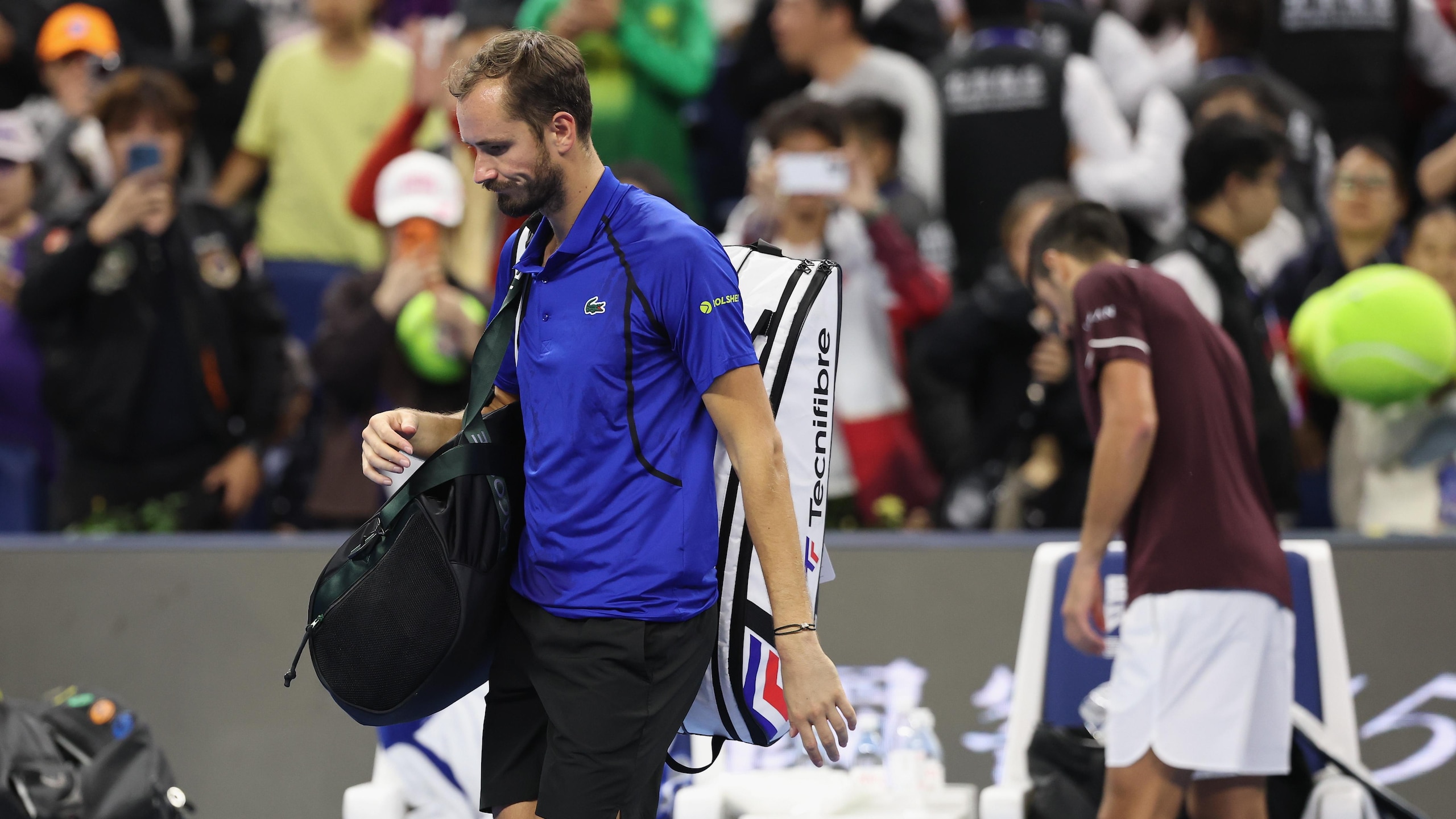

Is five weeks and 17 matches from May to early June the ideal way for Djokovic to tune up his game, win the French Open and clinch an immortal legacy?
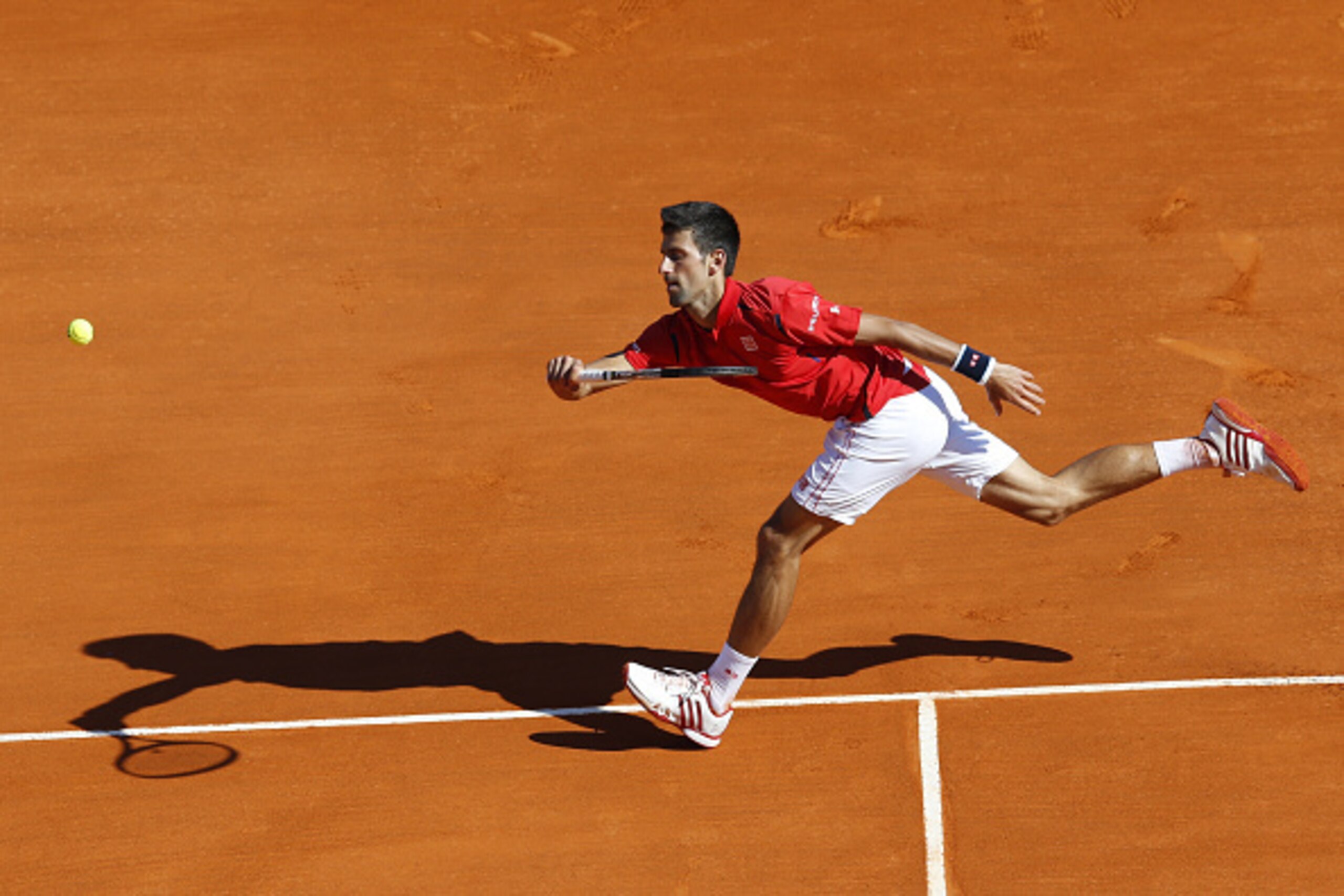
5 Mixed Years of Varying Success (2011-15)
It only takes one paragraph to explain Nadal’s formula for clay-court mastery from 2005-14. He showed up to conquer Monte Carlo, Barcelona, Rome and Roland Garros. Each of those 10 years saw him win a combination of at least two of those titles. He knew how to prepare and dominate on clay, and there was no second-guessing his maniacal approach to sweeping up red clay on planet Earth.
Djokovic has been far more ambivalent about how to attack the clay-court season.
His ascension as a tennis legend truly began in 2011, when he put together a 41-match winning streak into the French Open semifinals before getting “upset” by a late-prime version of Roger Federer. Yet, each year has subsequently brought a new story of great results and bitter conclusions at Roland Garros.
- 2011: doesn’t play Monte Carlo; defeats Nadal for Madrid and Rome titles; loses to Federer in French Open semifinals
- 2012: loses Monte Carlo, Rome and French Open to Nadal; ousted early on Madrid’s infamous blue clay
- 2013: suffers ankle sprain from Davis Cup competition prior to Monte Carlo but defeats Nadal for Monte Carlo title to end Spaniard’s eight-year dynasty; loses first Madrid match; loses Rome quarterfinal; loses to Nadal in epic five-set semifinal at French Open
- 2014: suffers wrist injury and loses to Federer at Monte Carlo; skips Madrid; defeats Nadal for Rome title; becomes ill and loses to Nadal in French Open final
- 2015: wins Monte Carlo; skips Madrid; wins Rome; finally defeats Nadal but loses to Stan Wawrinka in French Open final
A few things stand out. Djokovic has had to make decisions about recovering from injury, and this has led to occasional rest or missed time, specifically at Madrid. He's been forced into different patterns and is reticent about playing a full schedule of three Masters 1000 tournaments, let alone throwing in a tournament like Barcelona and trusting he will be rested for the French Open.
Djokovic used to have a late-prime Nadal blocking his way, and the Spaniard was better on clay in the biggest matches—especially the French Open.
Is he fretting too much about the end and not paying enough attention to the beginning and middle? During May’s grueling troika, Djokovic has all but cast aside Madrid. Maybe the blue clay in 2012 was enough to embitter his relationship with the tournament because he only played one match a year later (loss to Grigor Dimitrov) and has not come back since.
Momentum or Rest?
Maybe Djokovic is being overly cautious about burning out, but perhaps his carefully planned schedule for rest could lead to rust. While Nadal is streaking back to serious clay-court contention, Djokovic is on the sidelines perhaps wondering if he should have played a tune-up match at Barcelona or Bucharest.
Maybe slowing down Nadal at Barcelona could have been a double triumph in asserting his dominance and allowing him the luxury to forgo Madrid and charge back into Rome and Roland Garros for only 12 potential matches in four weeks, which is still a big load when the world No. 1 must fend off everyone’s best shots.
Maybe he should fly to Munich or Portugal to get in some work and momentum, again allowing him to avoid Madrid—rapidly becoming the troublesome relationship that must seemingly be terminated with an awkward dismissal.
Suppose Djokovic jilts Madrid again but loses another Vesely-like match in the second round at Rome. Suddenly, the world No. 1 would be heading to the French Open with no clay-court victories and no wins at all since late March on hard courts.
It would be as if somebody had scattered his favorite puzzle and pressed him to put together all the pieces during a changeover. Meanwhile, Nadal could be grooving along with a mini-renaissance.
If Djokovic does play and win titles at Madrid and Rome, will he be finely tuned and energized for seven best-of-five matches at the French Open? Last summer, he nearly burned himself at the U.S. Open series when he lost back-to-back finals at Canada and Cincinnati before regrouping for the U.S. Open title. He won the big prize, but he was clearly worn down before he found his second wind.
Then again, Djokovic could simplify everything. He could go out with every intention of dominating 17 straight matches from Madrid to Rome to Paris. He’s the dominant No. 1, and all he needs to do is let it rip and live with the results, just as Nadal used to do.
Djokovic dearly wants to win the French Open, but being overly cautious about rest is probably not the answer.
Win now. Rest in mid-June.
.jpg?w=2560)
.jpg?w=2560 "Rams Eagles Football")


.jpg?w=2560 "Injury-stricken Seahawks signing veteran RB")

