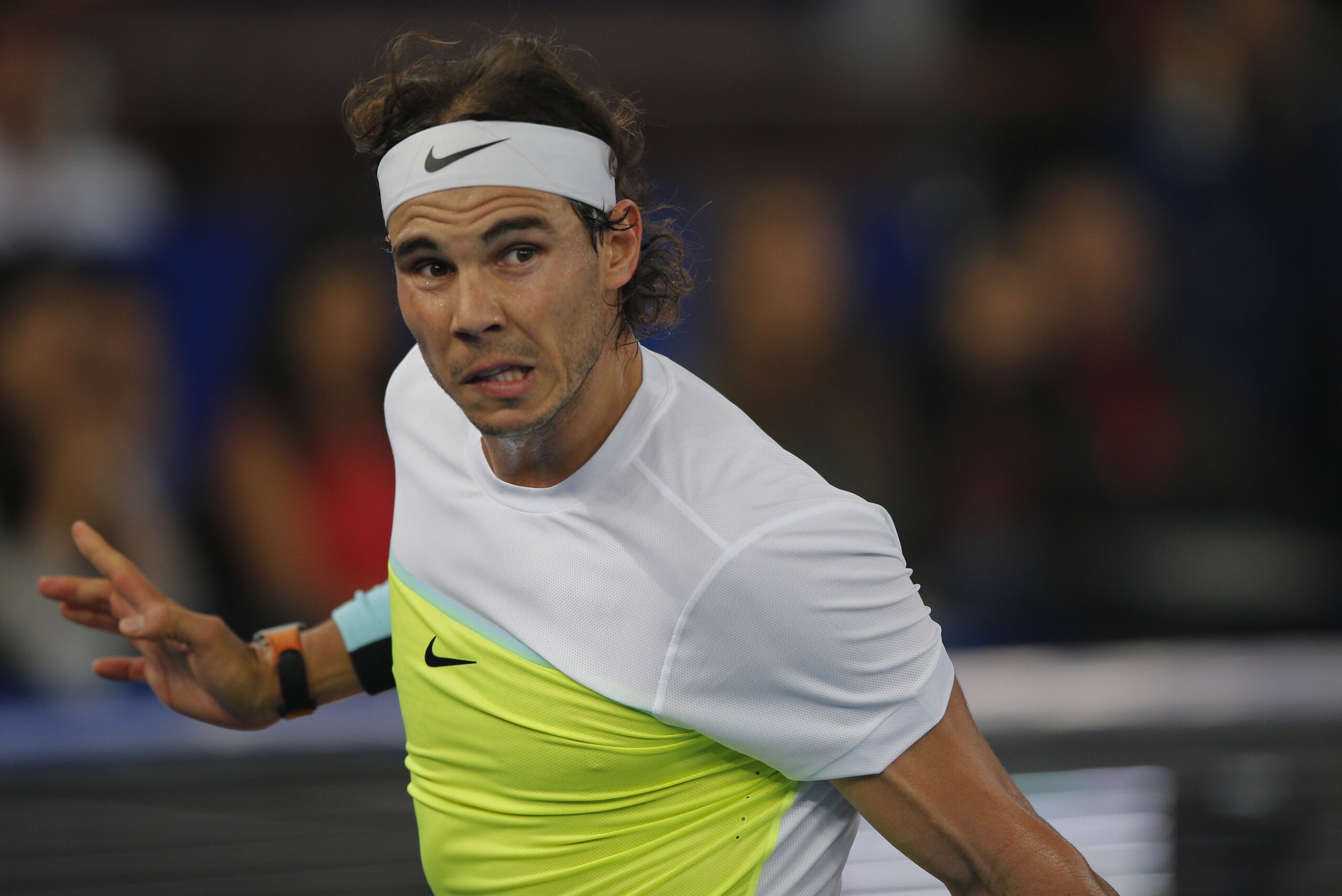

Surprise Will Be the Key Element to Rafa Nadal's Success at the Australian Open
Although Rafael Nadal and Novak Djokovic are old adversaries, times have changed. They are heavy favorites to advance to the final at Doha—an Australian Open tune-up—but this might not be the best scenario for Nadal.
The Spaniard is a modern tennis legend, one of the greatest players of all time and holder of 14 majors and 27 Masters 1000 titles. He has almost always played from a position of strength, imposing his bludgeoning style of heavy baseline topspin against the entire ATP tour with unmatched success.
Then the sun set upon Nadal’s Roland Garros dynasty following a warm Sunday afternoon, June 8, 2014. The fatigue in Nadal’s game was soon troubled by injuries, loss of form and confidence. His play in 2015 no longer produced guaranteed patterns of winning against the top stars in the game, least of all against world No. 1 Djokovic.
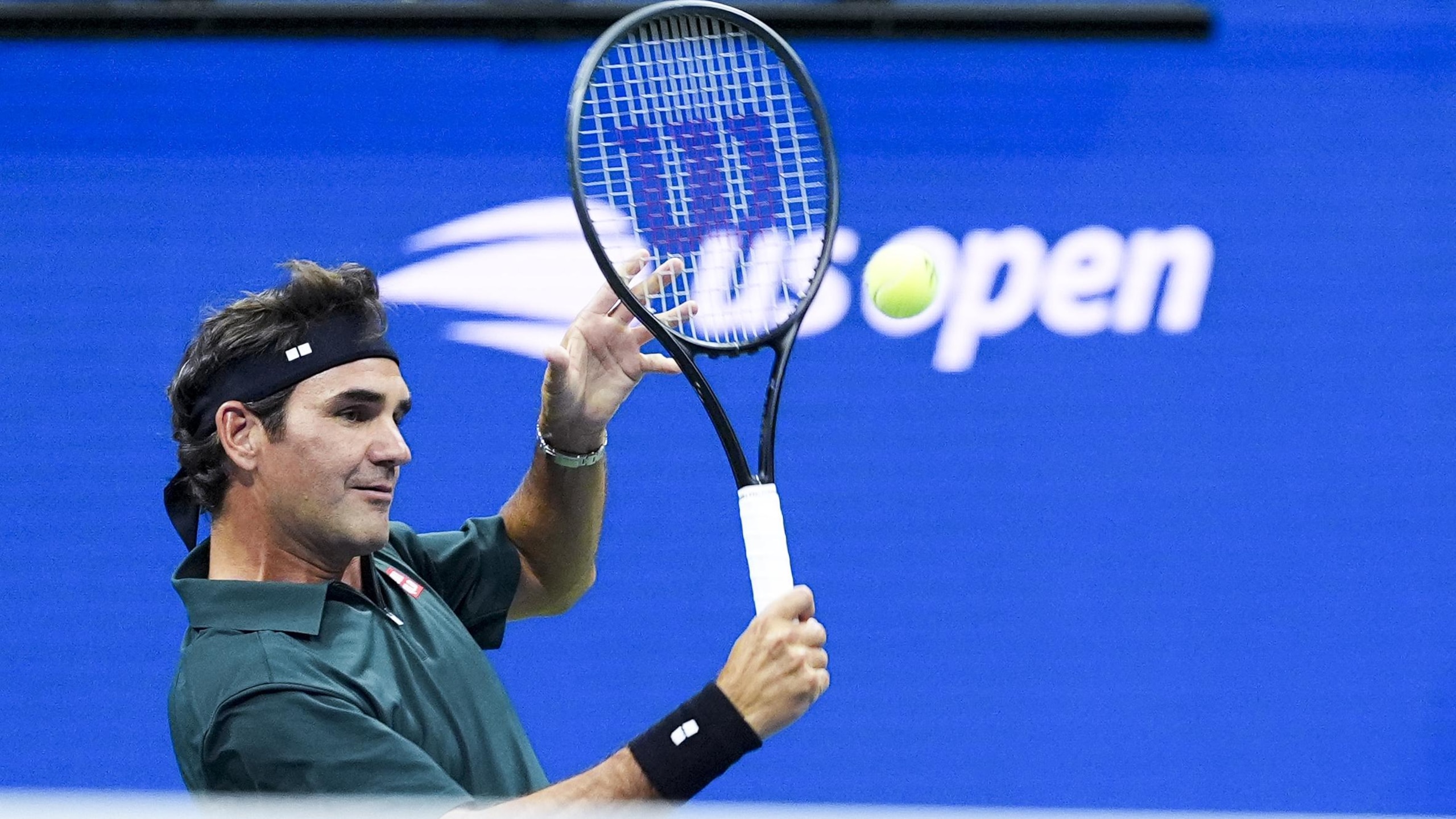
The reality is Djokovic is the superior player as 2016 sets the clock for another grinding year on the ATP tour. The Serbian’s stock has never been higher, and he has defeated Nadal in eight of their last nine matches for a 23-23 career deadlock.
Will Nadal be able to turn the tables on Djokovic? Only if he is able to successfully add more elements of surprise and unpredictability to his game.
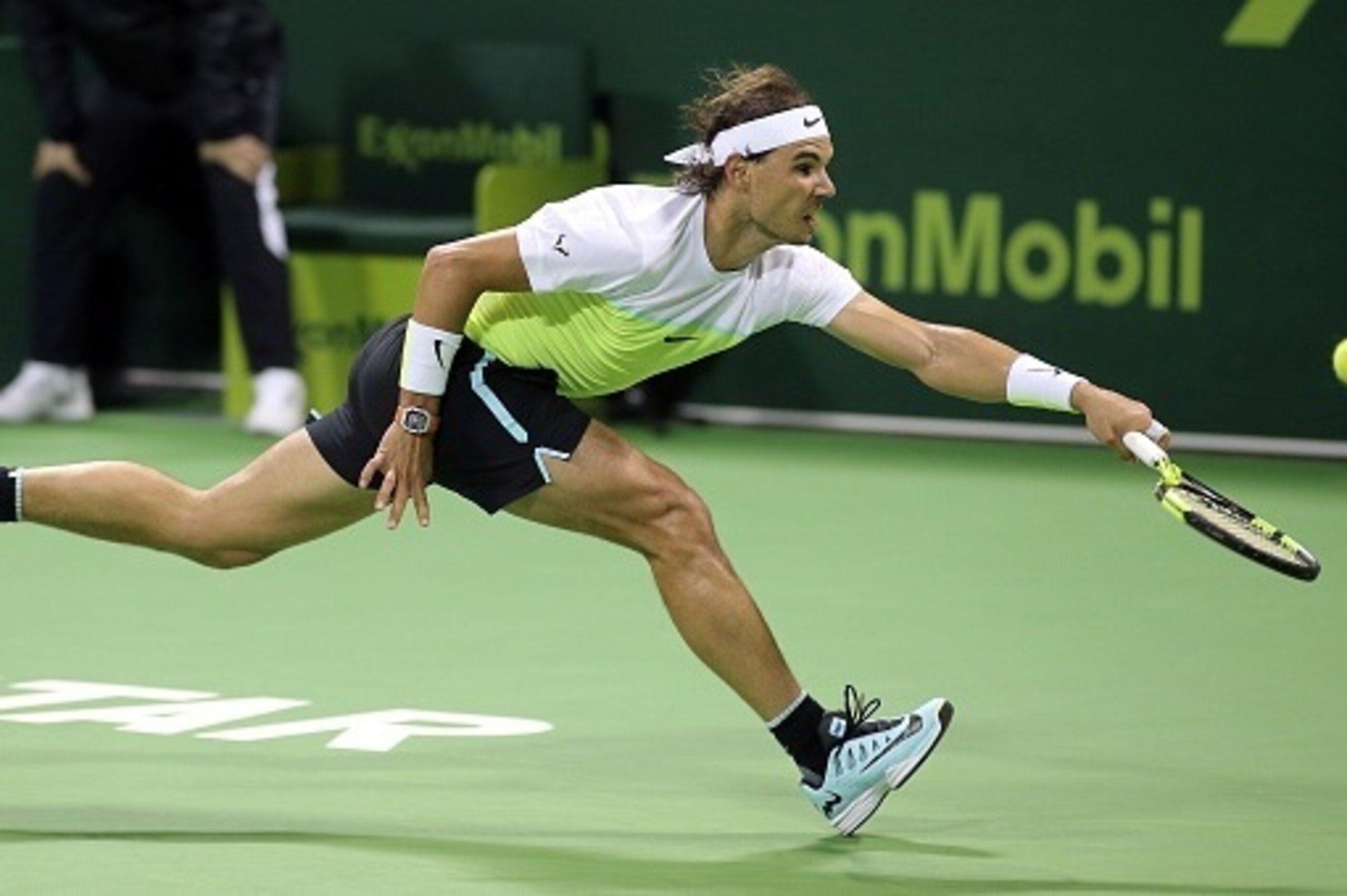
The Unconventional Swordsman
Famed American author Mark Twain wrote a lesser-known classic called A Connecticut Yankee in King Arthur’s Court (1889). The medieval setting complete with castles, knights and swordplay allowed Twain to philosophize on what it would take to defeat the very best swordsman in the land, as explained in the analytical website Freakonomics:
"The best swordsman in the world doesn’t need to fear the second best swordsman in the world; no, the person for him to be afraid of is some ignorant antagonist who has never had a sword in his hand before; he doesn’t do the thing he ought to.
"
Applying this to the ATP right now, Djokovic is the master swordsman, well-equipped to dispose of the more patterned players like Andy Murray, Kei Nishikori and Nadal. None of them can stand toe-to-toe with Djokovic unless their execution is nearly flawless.
What can and sometimes does work against Djokovic is an unusually aggressive and unpredictable attack. Stan Wawrinka brought a massive club to the French Open final and proceeded to overpower Djokovic’s textbook strategy. Roger Federer has tried to shoot holes through Djokovic’s defense with quick net finishes and sneak returns. It was good for three victories (and five defeats) against Djokovic in 2015.
Nadal must supplement his core attack, which seemingly go against the grain of someone who has conditioned his routines through years of training. He’s getting to be an old dog with old tricks, and he’s certainly not going to hit with Wawrinka’s pace and Federer’s variety.
How can he score another important—ideally a major-winning—match against Djokovic in late January?
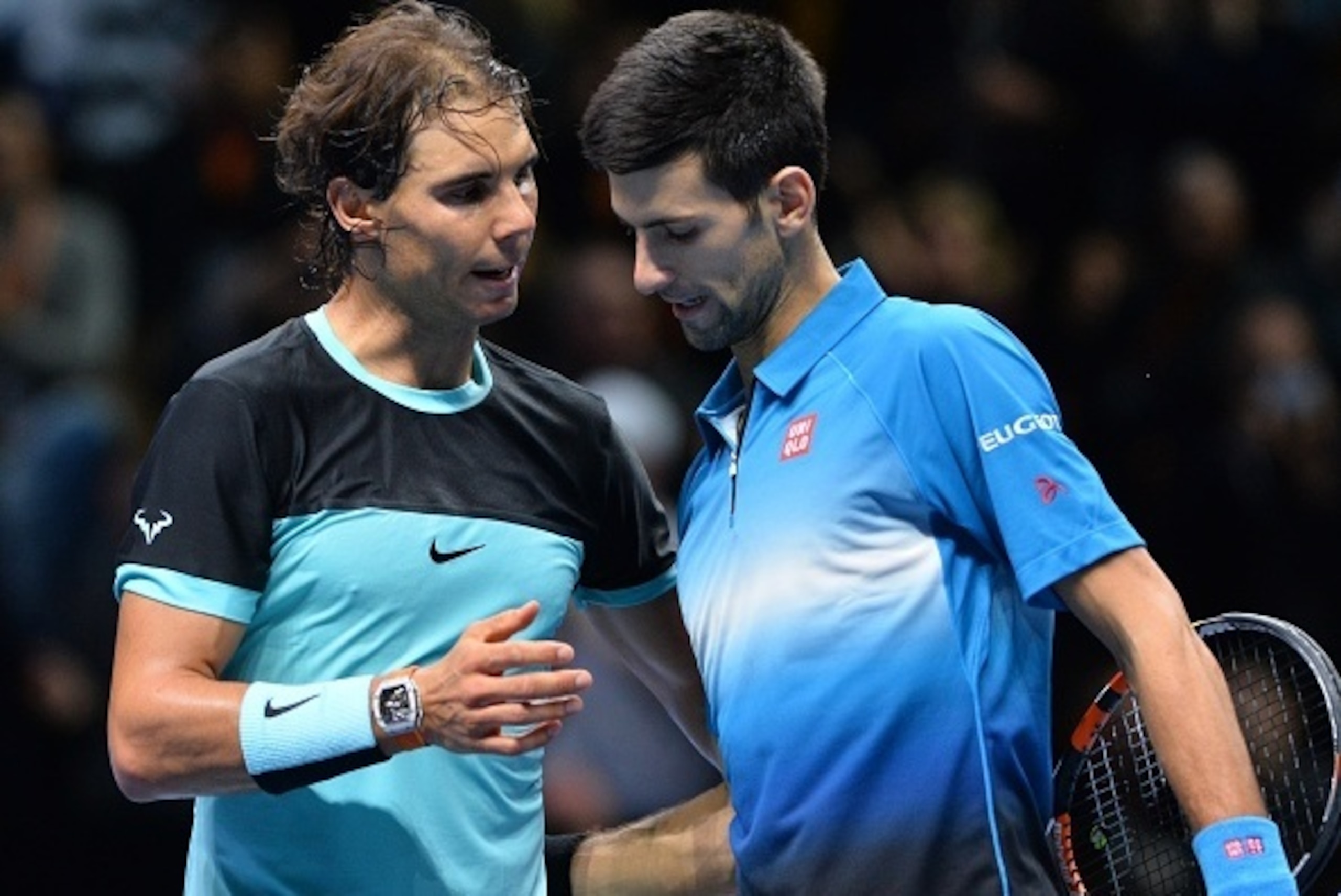
Of Doha and Melbourne
Nadal mentioned via ATP World Tour that he and his coach, Uncle Toni, have been preparing for a few new wrinkles in the upcoming season:
"We worked hard. We worked harder than usual because my physical condition allows me to do it, and that's important for me…. All my life I worked with the highest intensity possible, but we worked a little bit different. We tried to find different positions on the court, tried to play more inside and we worked a lot on the return, too. We feel that we needed a few things that are different than other years, but at the same time without losing the character of my game.
"
Nadal needs the element of surprise. He and Djokovic know each other inside and out. They understand the styles, patterns and behaviors in their artistic designs. Nadal must break these rhythms and add deviations to his methods.
For instance, Nadal has a great forehand up-the-line, but he usually pulls this out when he needs an all-or-nothing shot as he runs off the court. He could incorporate this more often as an interrupter, and to pull Djokovic into a few more uncomfortable forehands.
Would Nadal be willing to roll a forehand slice at Djokovic’s backhand? It seems inconceivable, but it could be a way to interrupt the Serbian’s preference to tee off against high hops.
Or Nadal could try to play more from the middle of the inner baseline—the way Andre Agassi liked to dictate his offense after his legs didn’t have quite the same spring in his 30s. Conversely, Nadal can mix in more shots to Djokovic’s center baseline, taking away more angles from the champion's offense.
Whatever surprises Nadal adds, he will also need the opportunity to ambush Djokovic in a possible big match in Melbourne. Meeting Djokovic in the Doha final would unravel a few of these mysteries and allow Djokovic to get a sneak preview if not outright steal the blueprints to Nadal’s offseason.
A meeting in Doha helps Djokovic if he wins, because he can impose more dominance against Nadal’s practiced deviations. Or if Nadal surprises Djokovic at Doha, the Serbian would be more focused and sharp in exacting his revenge. Ask Federer what it was like playing Djokovic in the ATP World Tour Finals days after stewing over a round-robin loss to the great Swiss. He was chomping at the bit, and after the match was over, it looked like he wanted a couple of additional sets.
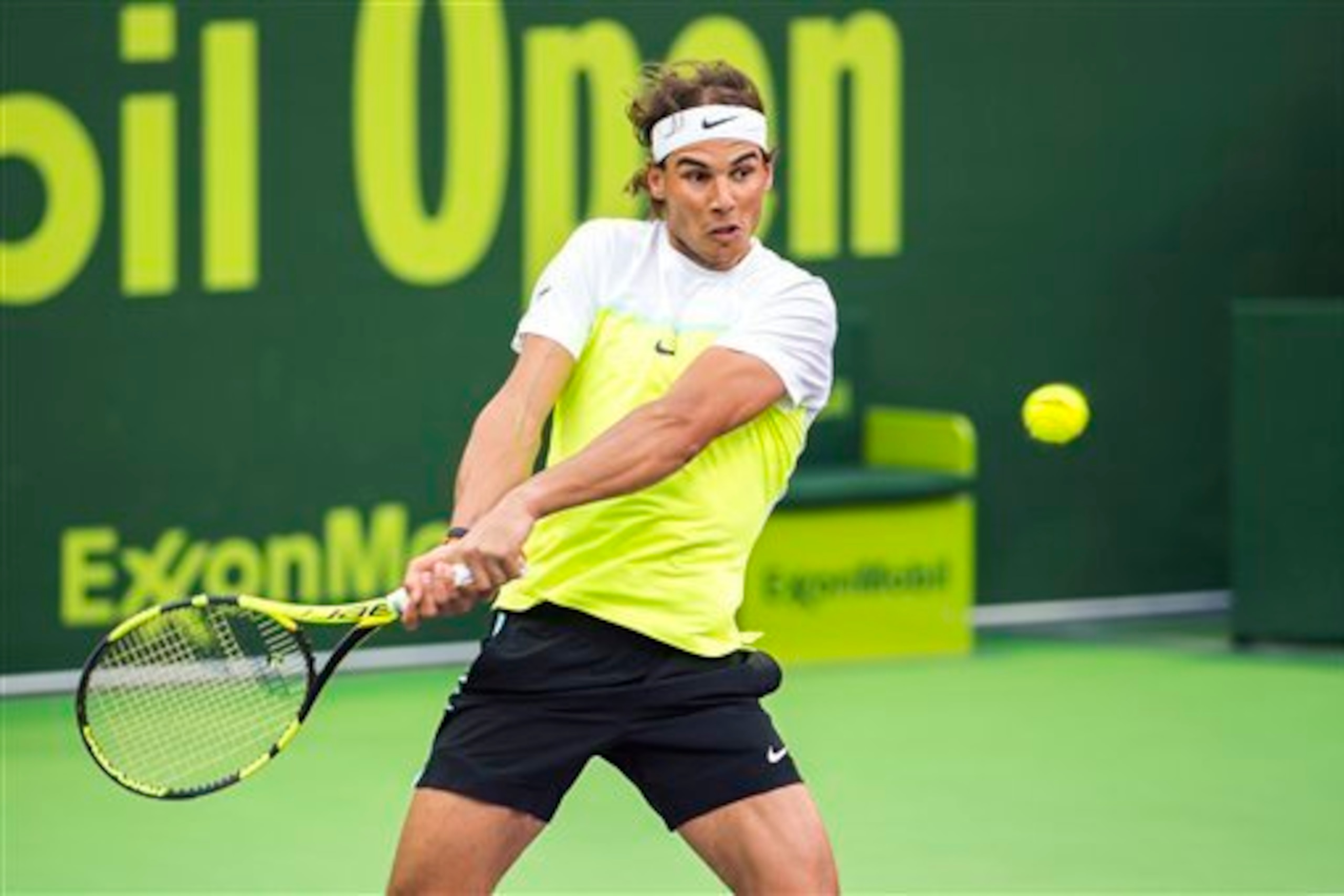
Surprising variety will undoubtedly be the key for Nadal to make an Australian Open bid for the championship against any of the top stars. He must not only deal with more firepower and consistency, like Nadal of 2013, but he must also be willing to improvise when needed, adapt to changing adversity and ambush big moments.
Nadal knows all of this, of course. He knows it won’t be easy, but that’s been the nature of his legendary career. Keep fighting, keep trying and keep looking for new ways to troubleshoot the problems and create a victory.
He’s done it all before. Now we’ll see if he can do it differently.

.jpg?w=2560 "York Responded to Ad on Prostitution Site Before Arrest")
.jpg?w=2560 "WWE NXT Results, Winners, Live Grades, Reaction, Highlights Before Heatwave 2026")
.jpg?w=2560 "Players with Shocking Career Earnings 😳")
.jpg?w=2560 "Best of New 'Hard Knocks'")