Like Felipe Nasr, Lotus' Jolyon Palmer Will Justify Place in Formula 1 in 2016
At this stage in 2014, a struggling Formula One team took a gamble on a young, moderately successful but unproven GP2 driver.
The team could have waited until the end of silly season for more established, experienced and, indeed, better options to become available, buying themselves time before choosing the ideal partner for their unreliable and unconvincing lead driver.
But in the knowledge they needed the money, and they needed it immediately, they simply couldn't afford that luxury, so a once-respected team—an academy for some of the most talented, successful drivers of the modern era—fell into the arms of a human question mark.




That team, of course, were Sauber, and their unexpected signing of Felipe Nasr for the 2015 season was—at a time when Marussia and Caterham were sidelined after entering administration—interpreted as yet more evidence of everything wrong with F1 and, specifically, the difficulties facing those nailed to the rear of the grid.
Despite somehow finishing third in a two-horse race for the 2014 GP2 championship, which was ultimately won by Jolyon Palmer, the Brazilian—who, according the Press Association (h/t the Guardian), provided the team with around £10 to 12 million in sponsorship funds—had wormed his way into the pinnacle of motorsport.
He was, to all intents and purposes, just another pay driver who seemed certain to fade away sooner rather than later taking advantage of just another wounded team.
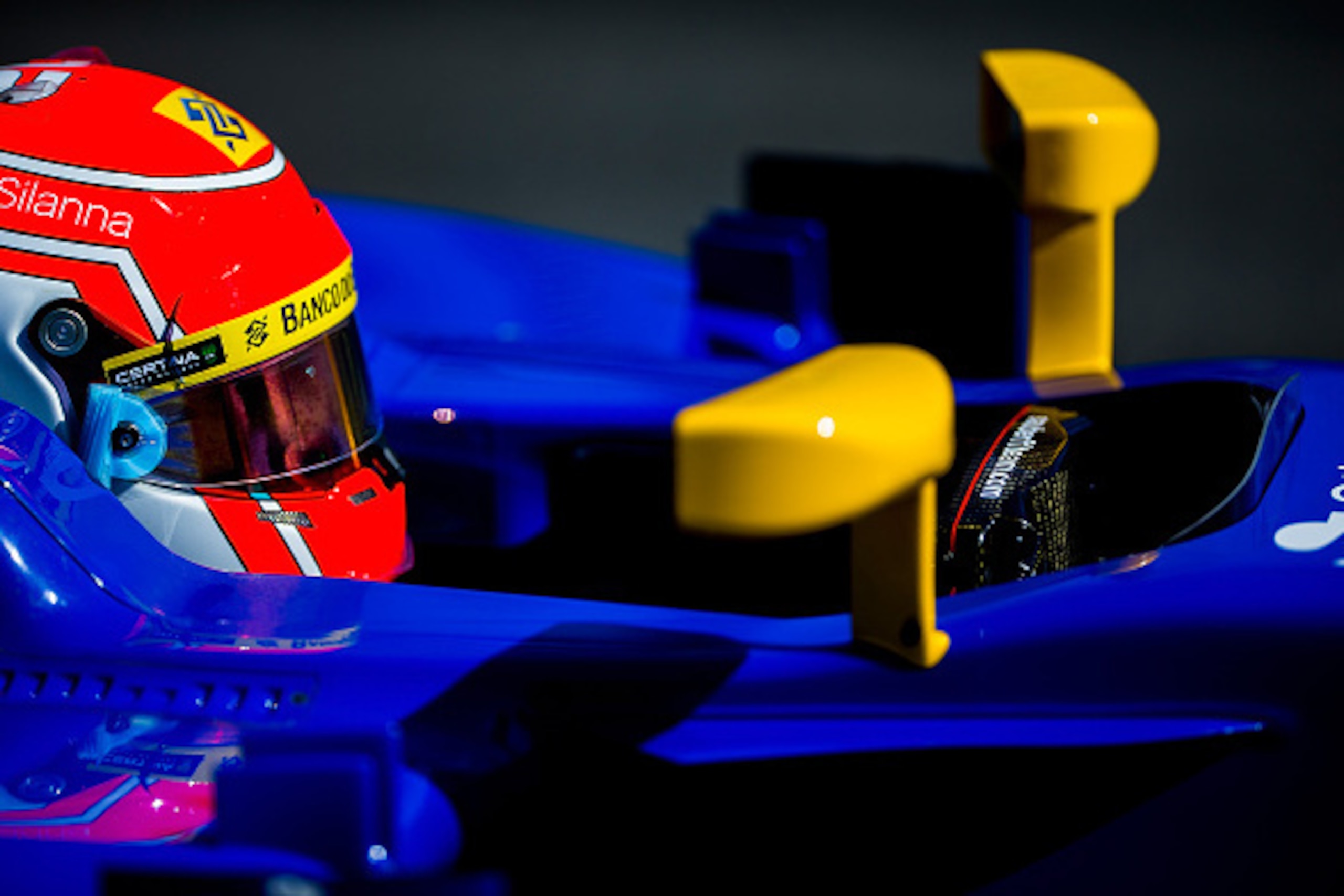
Just 12 months on, however, Nasr has unquestionably justified his place in F1 to the point where it was, on reflection, almost cruel to disregard the 23-year-old's presence at Sauber before he took to the track in a car painted in the colours of his personal sponsor.
After securing the best debut result for a Brazilian driver with fifth place in the Australian Grand Prix, Nasr has established himself as one of the most impressive emerging talents on the grid, scoring 27 of Sauber's 36 points and overcoming numerous brake problems to drive smartly and consistently.
Indeed, had Valtteri Bottas moved to Ferrari to replace Kimi Raikkonen, it was possible Nasr, as reported by Italian newspaper Corriere dello Sport (h/t GrandPrix247), would have found himself at Williams, behind the wheel of the third-fastest car in F1, for 2016.
And while Palmer, after clinching the GP2 crown, openly questioned Nasr's credentials—telling Sky Sports' F1 Show that his title challenge was based on "consistency and experience" rather than raw pace—the British driver would be wise to emulate his former rival next season.
As he was confirmed as Romain Grosjean's replacement at the Lotus team for next season at October's United States Grand Prix, Palmer was subjected to the same underwhelming greeting Nasr received upon his arrival at Sauber.
With Lotus—whose current financial problems led to them being locked out of their hospitality unit in Japan—set to be repurchased by Renault, the promotion of Palmer alongside Pastor Maldonado has been criticised as a waste of a seat when more fashionable options such as Jean-Eric Vergne, Kevin Magnussen and Stoffel Vandoorne were available.
Yet to suggest Palmer is unworthy of a place in a works operation is to dismiss his achievements and to overlook the challenge facing Renault upon its expected return to F1, when a sense of familiarity in what will very much be an interim season at Team Enstone will be crucial.
Despite its status as F1's official feeder series, GP2's reputation has been harmed in recent years, with the 2012 and 2013 champions, Davide Valsecchi and Fabio Leimer, both failing to progress to the next level.
And for a while—as he spent time in the GP2 commentary box and kept Carmen Jorda company in the Lotus garage—it seemed Palmer would also be heading down the road to nowhere, telling Autosport's Lawrence Barretto and Ian Parkes he would be prepared to walk away from F1 if he was unable to secure a full-time drive.
But unlike many of his fellow young drivers who spend a year on the sidelines in the misplaced belief their success will be remembered a year or two down the line in a fast-moving sport, Palmer, in this era of limited testing, has recognised the value of remaining fit, fresh and, above all, relevant.
As reported by the Telegraph's Daniel Johnson, Palmer has paid Lotus "around £250,000" per session to drive the E23 Hybrid in several practice sessions throughout 2015 and, by our calculations, will have provided £3.25 million to the team for his 13 FP1 appearances come the end of the current season.
While his track days have provided him with much-needed experience, letting him stand on the pedestal of a grand prix weekend, the sheer frequency of his appearances allowed Lotus to thoroughly examine his performances alongside Maldonado and make an informed decision when anointing him as Grosjean's successor.
Rather than being accused of buying his way into F1, then, Palmer should be commended for being shrewd enough to acknowledge that winning a junior series—in an era when the traditional ladder system is not fit for purpose—no longer comes with the guarantee of an F1 seat and exploiting other opportunities.
In joining a midfield team and ensuring he was given enough track time to make a meaningful impression, Palmer—no doubt advised by his father, Jonathan, a former grand prix driver-turned-businessman—has secured his place in F1 in a very modern way.
The only way.
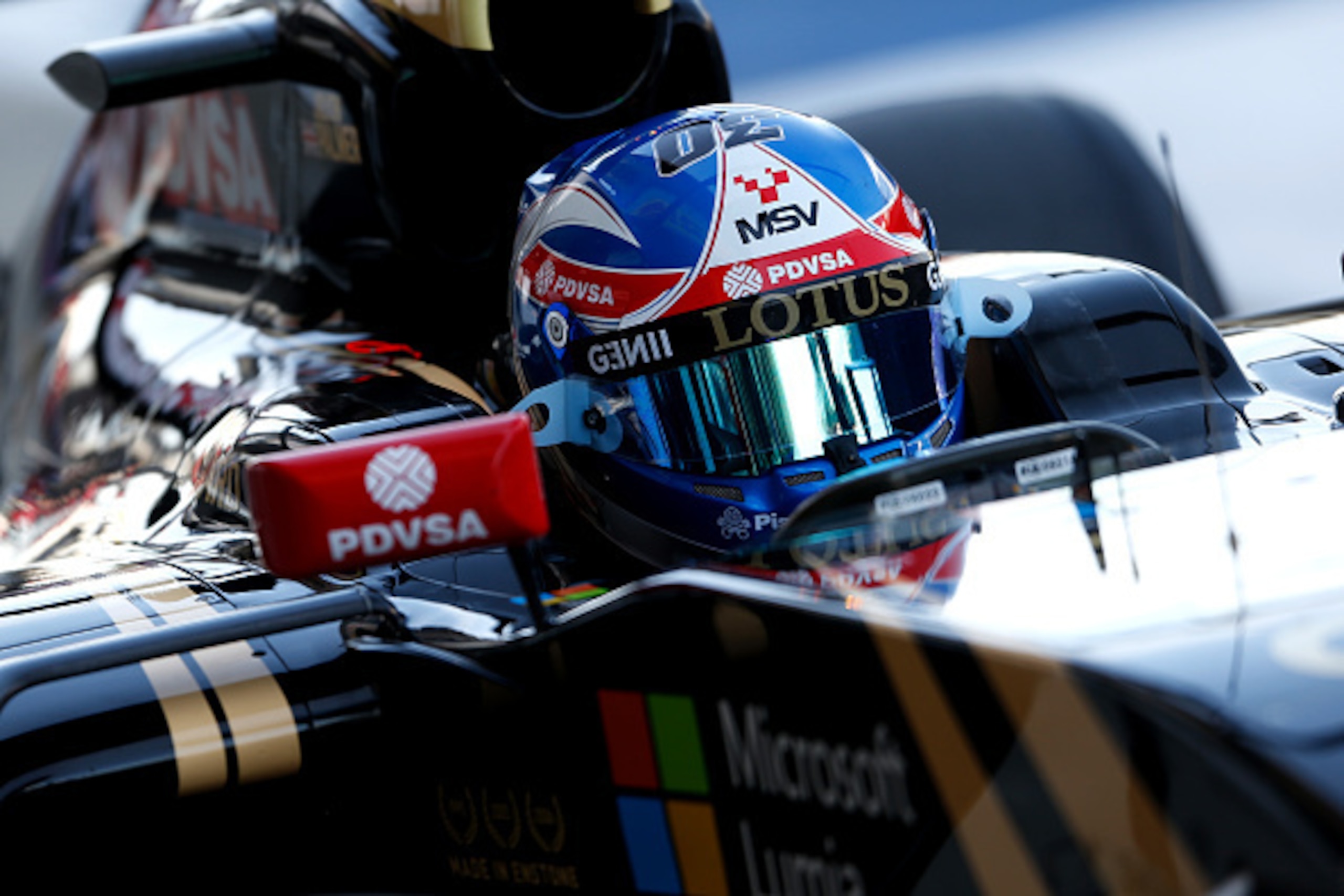
There will, of course, be those who view Palmer as a pretender, someone who simply found himself in the right place at the right time. They will question why an unassuming, 24-year-old rookie and not those regarded as potential world champions was presented with one of the most coveted seats on the 2016 grid.
Yet Palmer, having done everything possible in his efforts to reach F1, has earned his chance.
And like Nasr a year ago, there's much more to him than meets the eye.