UFC Drug Testing Program a Triumph, but Raises Questions About Fighters' Rights
Just after 2 p.m. ET on Wednesday, the UFC rolled the Holy Grail of combat sports out onto a stage at the Red Rock Resort and Casino in Las Vegas.
In this case, the Holy Grail came in the form of Jeff Novitzky—the former federal agent the fight company has hired to spearhead its new drug testing program—and a budding partnership with the U.S. Anti-Doping Agency. Together, the UFC, Novitzky and USADA confirmed that in July they’ll institute the very thing concerned MMA fans have been asking of the promotion for years: comprehensive, year-round random drug testing for all 500-plus fighters on the UFC’s roster.
TOP NEWS
Live Now: PFL Chicago 2 👊
LeBron addresses his unusual commute
.jpg?w=2560 "Patriots 49ers Football")
Aiyuk Slammed by Ex-Teammates 😬
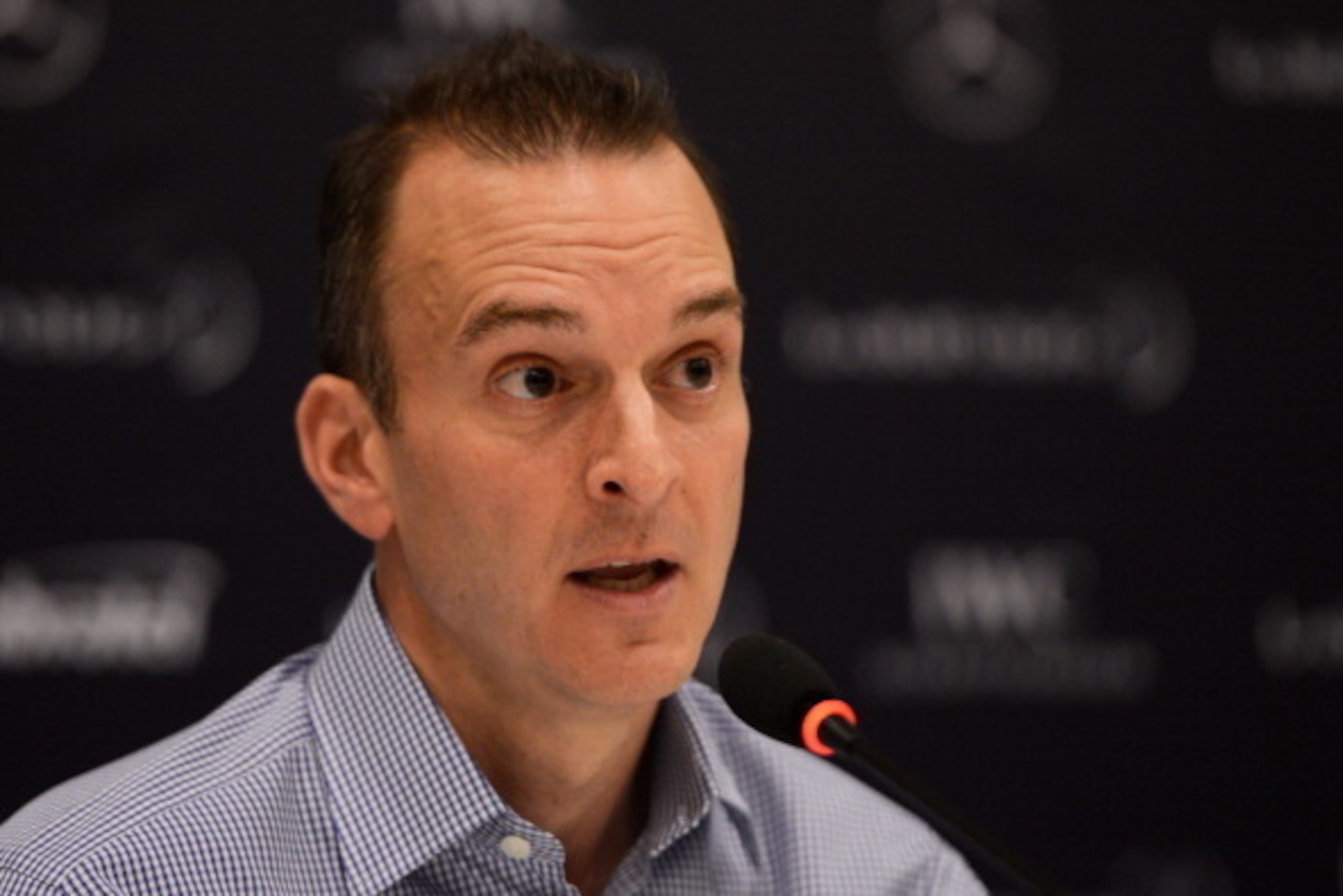
"Today is a huge win for the athletes in the UFC,” USADA CEO Travis Tygart said during a press conference that streamed live at UFC.com and elsewhere, “as they set a new standard for all professional sport in protecting the rights and health of clean athletes and the integrity of competition.”
Let’s pause a moment to hear the angels sing.
Beautiful, right?
If it’s handled appropriately, if it makes good on its promised transparency, if it isn’t just a smokescreen, the UFC’s new drug-testing protocol—bizarrely dubbed its “Athlete Marketing and Development Program"—could signal a vitally important milestone in MMA history.
As Bleacher Report’s Jeremy Botter reported on Wednesday, the punishments for offenders are potentially career-altering. The scope of the program itself will be massive and unprecedented in the landscape of our sport. The UFC’s claim that it will take a hands-off approach and allow the USADA to run the program more or less independently sounds almost too good to be true.
If you are a person who roots for a clean sport, this was a glorious day.
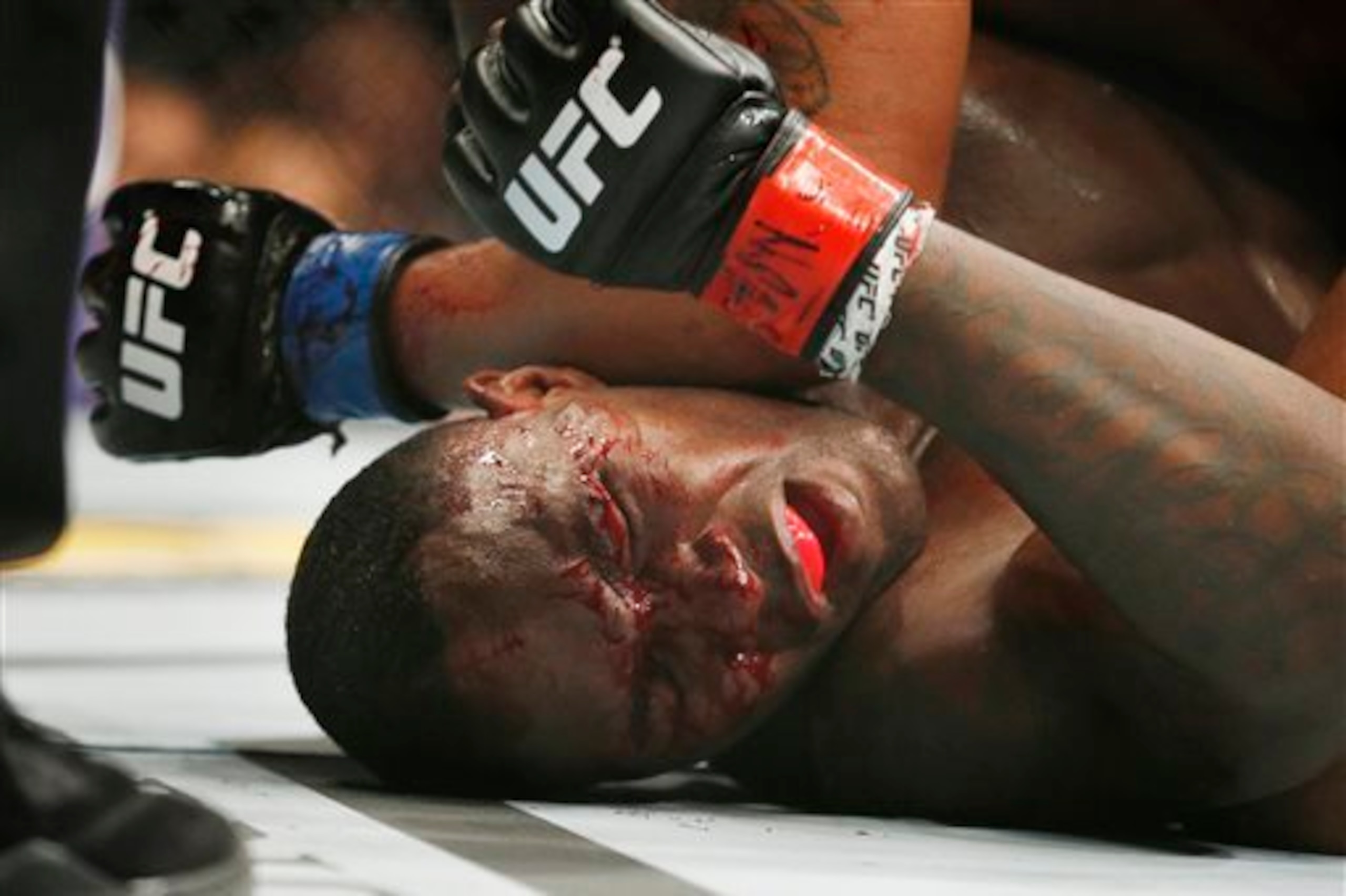
If you are a person who also roots for workers’ rights? You probably have some lingering questions.
Despite the avalanche of seemingly good news, it’s becoming increasingly difficult to see how the UFC can continue to justify employing its fighters as “independent contractors” instead of regular employees.
While it’s clear that better, more reliable drug testing is sorely needed and absolutely welcome in MMA, this was yet another enormous decision by the UFC that appears to have gone down without substantive input from its fighters. The implementation of this program will necessarily cause major changes in their relationship with the UFC as well as in their daily lives, and—while the reasons might be entirely virtuous—it feels like somebody should’ve at least asked what they thought.
Fighters will now have to notify the UFC when they travel for training, on business or for personal reasons. They’ll have to be available to USADA drug testers 24 hours a day, 365 days a year. Even if it’s for the greater good, it’d be hard to blame fighters for pointing out that that’s not exactly what they signed up for when they agreed to enter an independent-contractor agreement with the UFC.

Keep in mind, that’s a relationship the UFC can terminate at almost any time, for almost any reason. Fighters? They don’t have that same power.
Like the fight company’s new, exclusive apparel deal with Reebok, it seems like UFC executives merely decided on a course of action for drug testing and then made it happen—umm—executively. The fighters themselves likely had minimal, if any, input in the matter.
As freelance MMA writer Trent Reinsmith points out, that’s not how big decisions are typically made in other sports:
"You know, all other major sports get to collectively bargain drug testing policy.
— Trent Reinsmith (@TrentReinsmith) June 3, 2015"
For another thing, the UFC wasn’t just there on Wednesday to announce its badly needed enhanced drug-testing procedures. In conjunction with the USADA partnership, the company also unveiled deals with a "human-performance company" as well as specialists in training, nutrition and physical therapy.
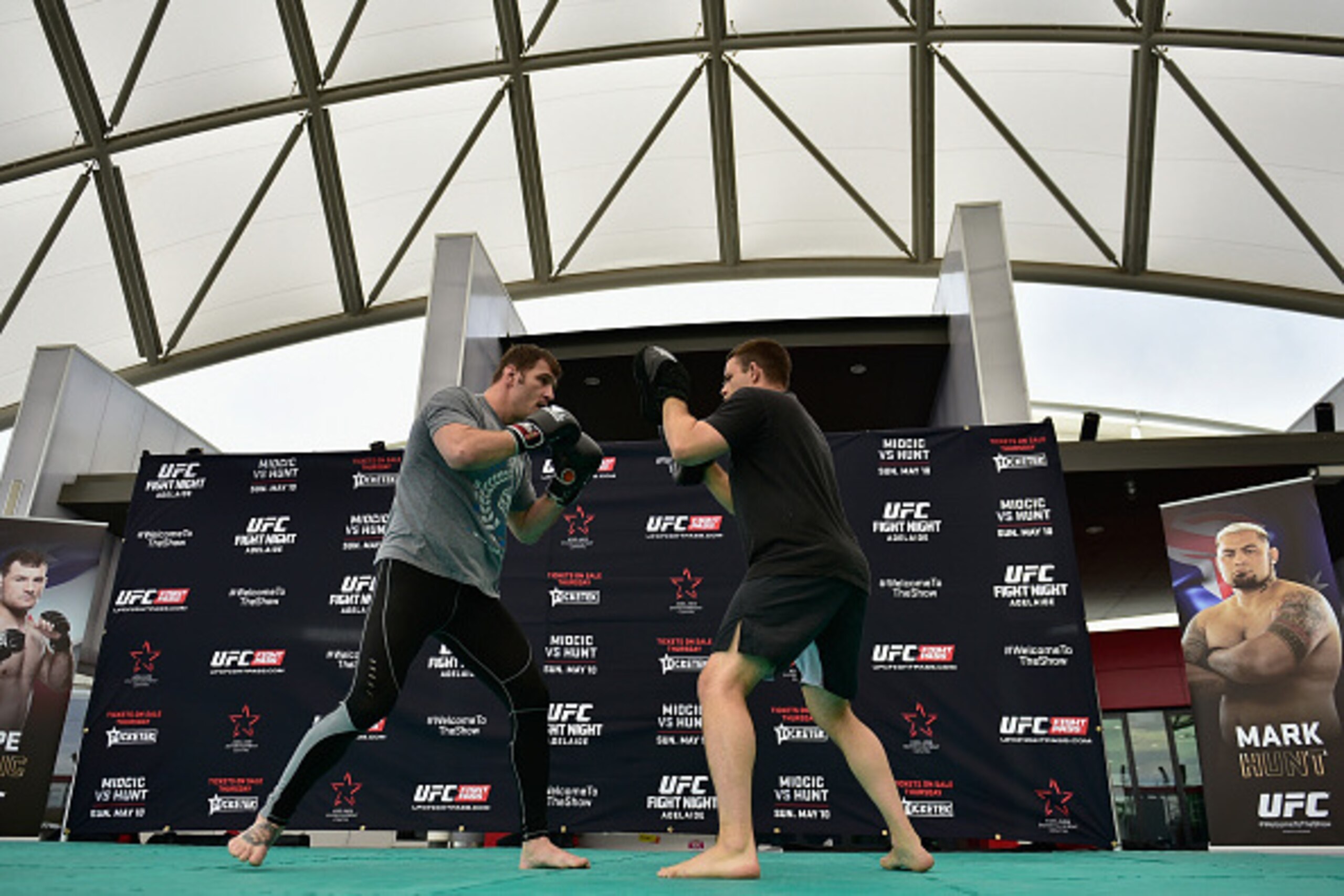
These new partnerships are part of a broad-based effort to improve how MMA athletes train and maybe somehow, some way, slow the recent tidal wave of injuries in the sport. As part of constructing a new corporate headquarters in Las Vegas, the organization plans to build what Lawrence Epstein, UFC executive vice president and COO, called an on-site “UFC lab” where fighters could be asked (or offered the chance, it’s unclear) to rehab certain injuries.
Epstein said that the UFC would like its fighters to undergo comprehensive “functional assessments” in order to determine their strengths and physical weaknesses, so that the UFC and its new partners could create customized training regimens for each athlete. He also spoke of creating something called “biological passports” which the UFC could use to supply fighter medical records to state athletic commissions, hopefully to streamline the licensing process.
As part of an ongoing partnership with the Cleveland Clinic, the UFC is additionally funding research into brain health and brain injury. On Wednesday, Epstein made some fairly disquieting statements about how the UFC and other promoters are working to identify if and why “certain people, based upon their physiology, are predisposed to brain injury” so that the promotion could “ultimately counsel [those people] out of the sport.”
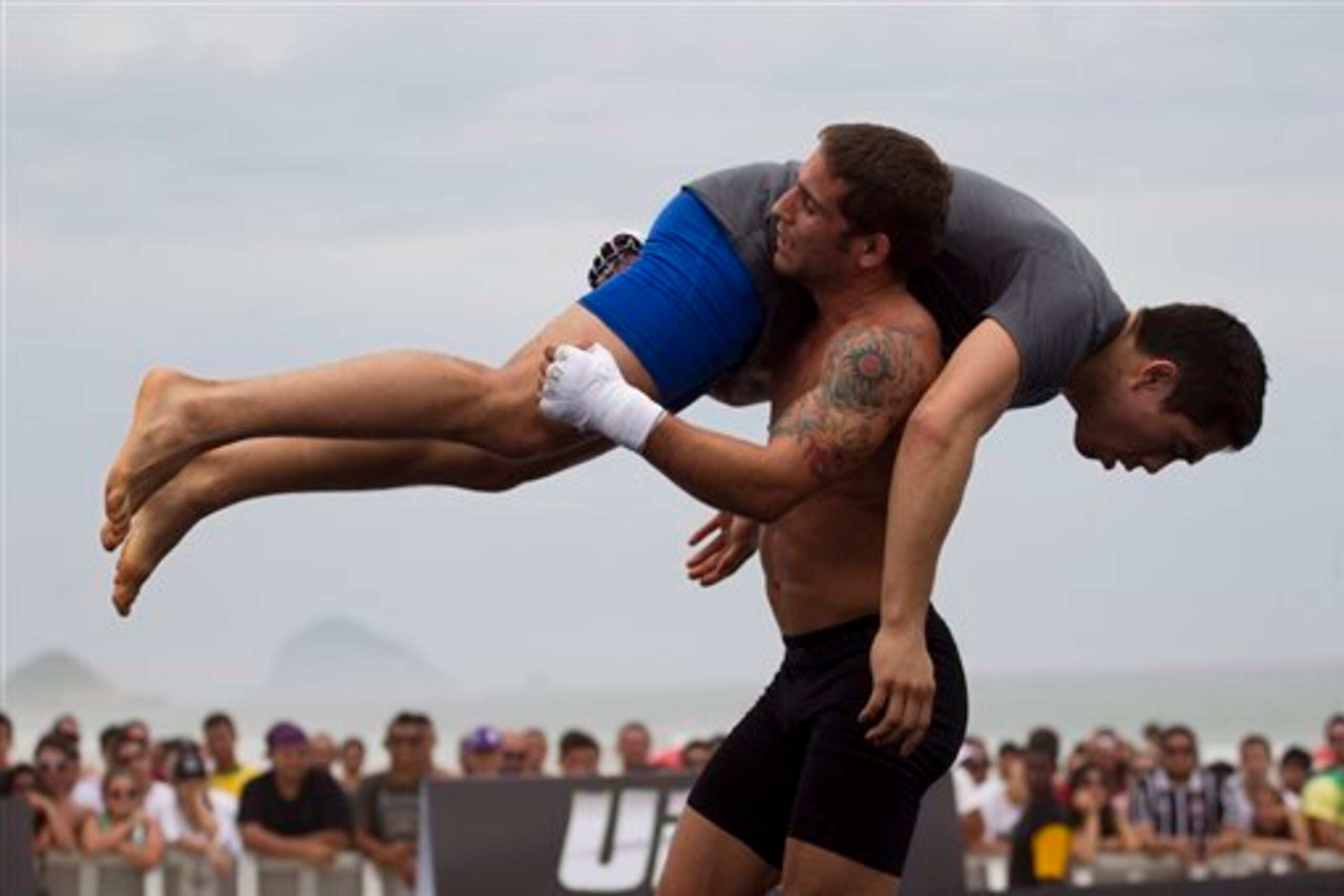
Epstein compared this brain research to the common eye exams athletes take while applying for a license to fight. If a fighter has a detached retina or some other evident malady, he or she isn’t allowed to compete. To hear Epstein tell it, the same could soon be true depending on how a person’s brain sits inside his or her skull.
“We’d like to have the same sort of scenario here with the brain [as with the eye], whereby if for some reason your physiology says you’re predisposed toward brain injury...you wouldn’t be able to get a license,” Epstein said.
All told, it sounds as if the UFC plans to try to reshape everything from fighters’ pre-workout stretching routines, to workouts, to cool-down exercises, to nutrition and recovery.
Oh, and take scans of your brain to try to diagnose you for injuries you don’t even have yet.
And send your “biological passport” to those official regulatory bodies which UFC President Dana White likes to refer to as “The Government.”
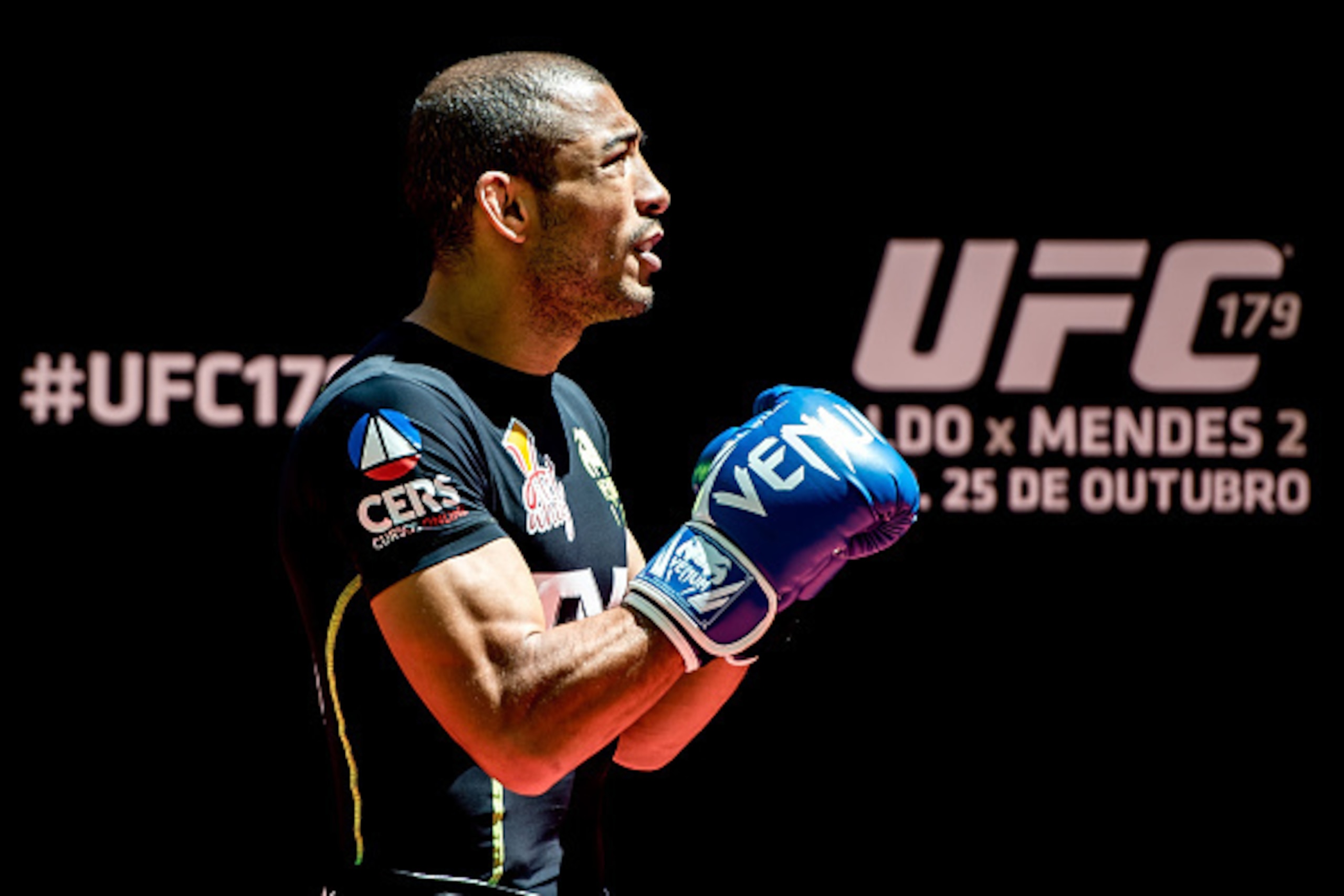
And please call ahead to let the fight company know about your family vacation to Disney World.
So, yeah. All of that sounds suspiciously like a whole new athlete-and-fight-company relationship. A safer, more informed one, maybe, but also a more intrusive one. Depending on which side of the fence you come down on, it probably either sounds very exciting or like a huge invasion of privacy.
You know, not that they asked you, if you’re one of the independent contractors who will be directly affected by these moves.
Epstein shrugged off a question on Wednesday about how all these changes might affect the employment status of UFC fighters. He made it sound as if the organization has no plans to alter its current contractual relationships.
“I don’t think there’s a concern about it from a legal standpoint,” Epstein said, specifically on the topic of the enhanced drug testing. “This is just part of the conditions of being a UFC athlete. You’ve got to submit yourself to being part of our 365-day-per-year drug-testing protocol. ... If you want to be a UFC fighter, this is just something you have to do.”
That sounds fine for new signees, who will enter the UFC knowing full well what they’re getting themselves into. But what about Zuffa’s current athletes, who signed their contracts before this new, more invasive drug-testing program was implemented? If one of those fighters balks at what he or she sees as a bridge too far, as an invasion of their privacy, what’s their recourse?
Can they get out of their contracts?
Wild guess: no.
That alone calls into question what it means to be one of the UFC’s “independent contractors.”
With the fight company taking a bigger and bigger role in its fighters’ lives, you have to wonder if these contractual relationships will eventually become untenable. The UFC seems to want to treat its fighters like full-time employees, but it doesn’t seem to want to offer them many of the benefits that would come with traditional employment.

Even if the UFC is making these changes in good faith, as part of an earnest effort to clean up the sport and improve everyone’s working environments, there will come a time when these relationships might have to change.
On the whole, Wednesday’s press conference may go down as a triumphant one in MMA’s history. Tucked in there among the momentous announcements and the bold claims of creating the best drug-testing program in the world, though, were a few little reminders that fighters still don’t have a seat at the negotiating table.
They still don’t really get their voices heard when it comes to solving the UFC’s biggest problems.
But maybe now that we seem on the verge of expunging performance-enhancing drugs and doing away with the much-discussed and universally loathed “injury bug,” maybe we can get down to what is perhaps the biggest issue of them all: fighter rights.

.jpg?w=2560 "Grading SmackDown 🔠")
.jpg?w=2560 "Report: Eagles to Sign Cowboys QB")
.jpg?w=2560 "Caleb Reposts Hype Video 🥶")