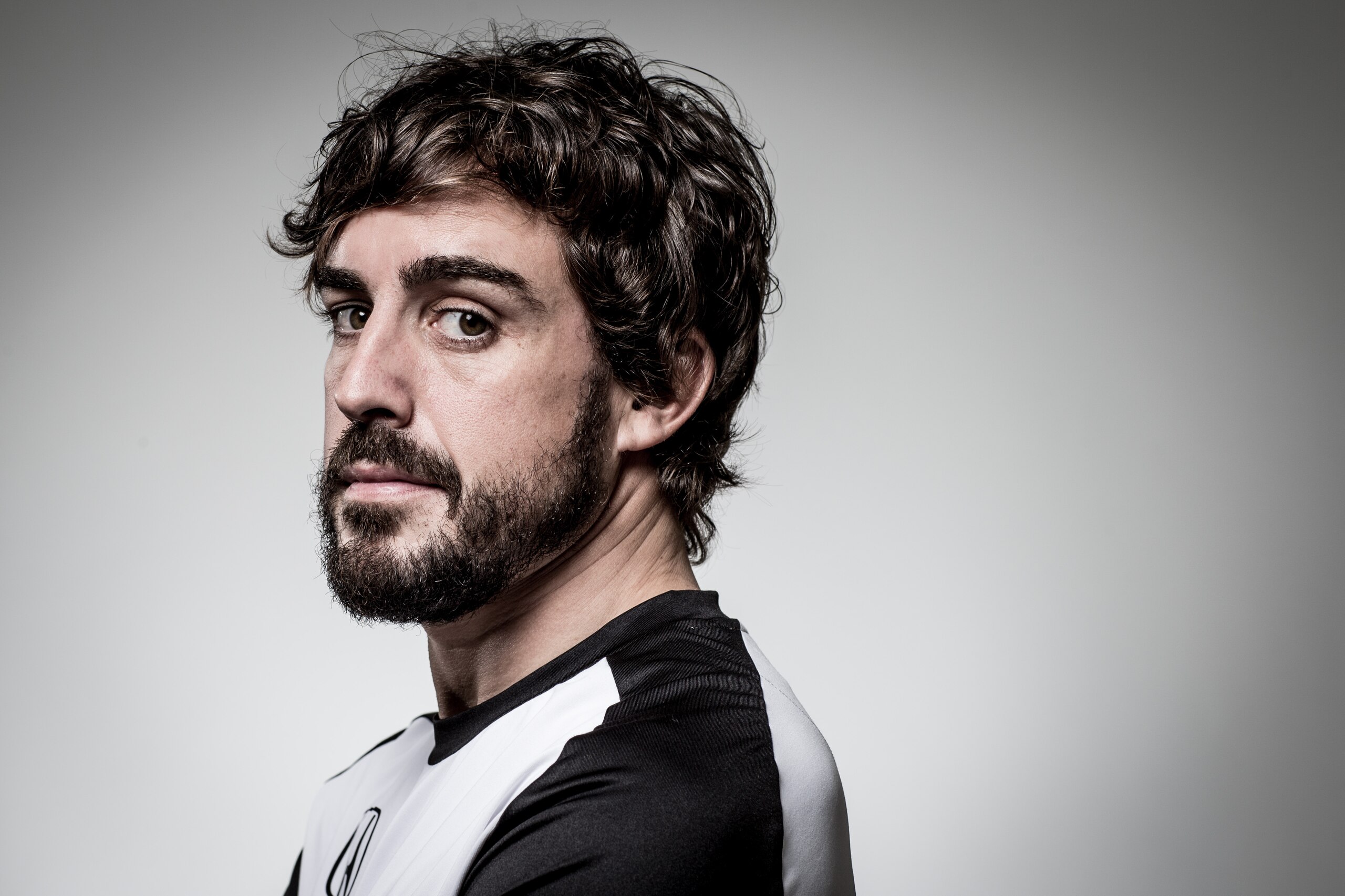

Fernando Alonso's Formula 1 Testing Accident Handled Poorly by McLaren
In the aftermath of Fernando Alonso's bizarre accident at the Circuit de Barcelona-Catalunya last Sunday, there was only one thing you could be sure of amid all the uncertainty: The lack of broadcast coverage of Formula One pre-season testing is both good and bad, depending on how you view it.
Let's start with the bad.
Soon after Alonso's McLaren MP4-30 came to a halt at Turn 3, social media—as has become the norm in these situations—was awash with all sorts of conspiracy theories surrounding the nature of the shunt.
.jpg?w=2560 "Broncos Chiefs Football")
Stories, as reported by The Telegraph's Daniel Johnson, that the driver had fainted and suffered an electric shock—no doubt borne out of McLaren's well-documented troubles with their new Honda hybrid engine earlier the week—spread like wildfire.
And without the cold, hard evidence of video footage to suggest otherwise—just haunting photographs of Alonso's largely undamaged car sliding along the barrier—these rumours very quickly came to be regarded as unconfirmed facts.
And the good?
Without a million and one cameras at the scene, showing the crash from a million and one different angles, as would be the case on a standard grand prix weekend, McLaren could spin it whichever way they wanted.

With very few eyewitnesses of Alonso's shunt—Sebastian Vettel, who was behind the Spaniard on track at the time of the incident, was quoted by BBC Sport's Andrew Benson that "it looked strange"—the team almost had free rein to allocate blame wherever they wanted.
So when on Monday McLaren confirmed that "unpredictably gusty winds" were the cause of the accident—on the back of Carlos Sainz's admission to ESPN F1 that high winds were behind his own crash at Turn 3 later that day—it came as no surprise.
Even less surprising was McLaren's insistence that there was "no evidence that indicates that Fernando’s car suffered mechanical failure of any kind," that there was "absolutely no loss of aerodynamic pressure" recorded and that "no electrical discharge or irregularity of any kind occurred in the car’s ERS system, either before, during or after the incident."
That there remains a widespread sense of doubt over the true nature of Alonso's crash—despite McLaren's "detailed analysis of the damage" and "its associated telemetry data" providing "some firm conclusions"—is indicative of how poorly the team have handled the accident's aftermath.
The attempts of Eric Boullier, McLaren's racing director, to downplay the severity of the incident, telling McLaren's official website that the accident was "just one of those things that happens in testing" and "just a normal testing accident" were most unwise given that Alonso went on to spend three nights in a hospital bed.
Indeed, it was clear from the outset that this was not your average dust-yourself-down-and-get-back-behind-the-wheel crash that is commonplace in testing as Alonso was—as a statement from McLaren themselves noted—given first aid at the track's medical centre before being transported by air to the hospital, where he was subjected to MRI and CT scans.
Perhaps most disturbing, however, was McLaren's declaration that Alonso was "uninjured" in the team's Day 4 test report, despite Boullier revealing that the driver had suffered a concussion in the very same document.
Over the last 18 months in particular, there has been a concentrated push across sport—albeit primarily in contact sports such as rugby and football—to emphasise the very real, yet often overlooked, dangers of concussion.
The death of 14-year-old Ben Robinson from "Second Impact Syndrome" following a school rugby match, as recounted by The Guardian's Andy Bull, in 2011, as well as high-profile incidents involving Tottenham Hotspur goalkeeper Hugo Lloris, and most recently, Welsh rugby player George North, have left the sporting community under no illusions as far as the risks attached to concussion are concerned.
For an organisation as sophisticated, stylish and recognisable as McLaren—one of the most successful and image-conscious teams in Formula One history—to effectively dismiss concussion as an injury that doesn't really count is irresponsible and potentially very dangerous.
Alonso's departure from hospital on Wednesday saw F1 breathe a collective sigh of relief.
After the Spaniard spent a number of days in hospital being treated for a seemingly innocuous injury, there has been a breakdown in trust between McLaren and their followers.
And the team, who endured a torrid week both on and off track, have nobody to blame but themselves.



.jpg?w=2560 "Week 1 Fantasy Duds 👎")