

Novak Djokovic Needs a French Open Title to Take His Legacy to the Next Level
All respect to native Aussie legends Rod Laver and Roy Emerson. Supreme admiration to Andre Agassi and Roger Federer, recent four-time champions of the Australian Open. But it's time to build one pedestal just a little higher: Novak Djokovic stands alone as the King of Australian Open Tennis.
The Serbian star is the World No. 1 and at the peak of his powers. He has won almost every important world title, a dramatist’s delight of exciting dominance, grueling persistence and close-shave thrillers.
The U.S. Open? His trophy has gathered dust for over three years.

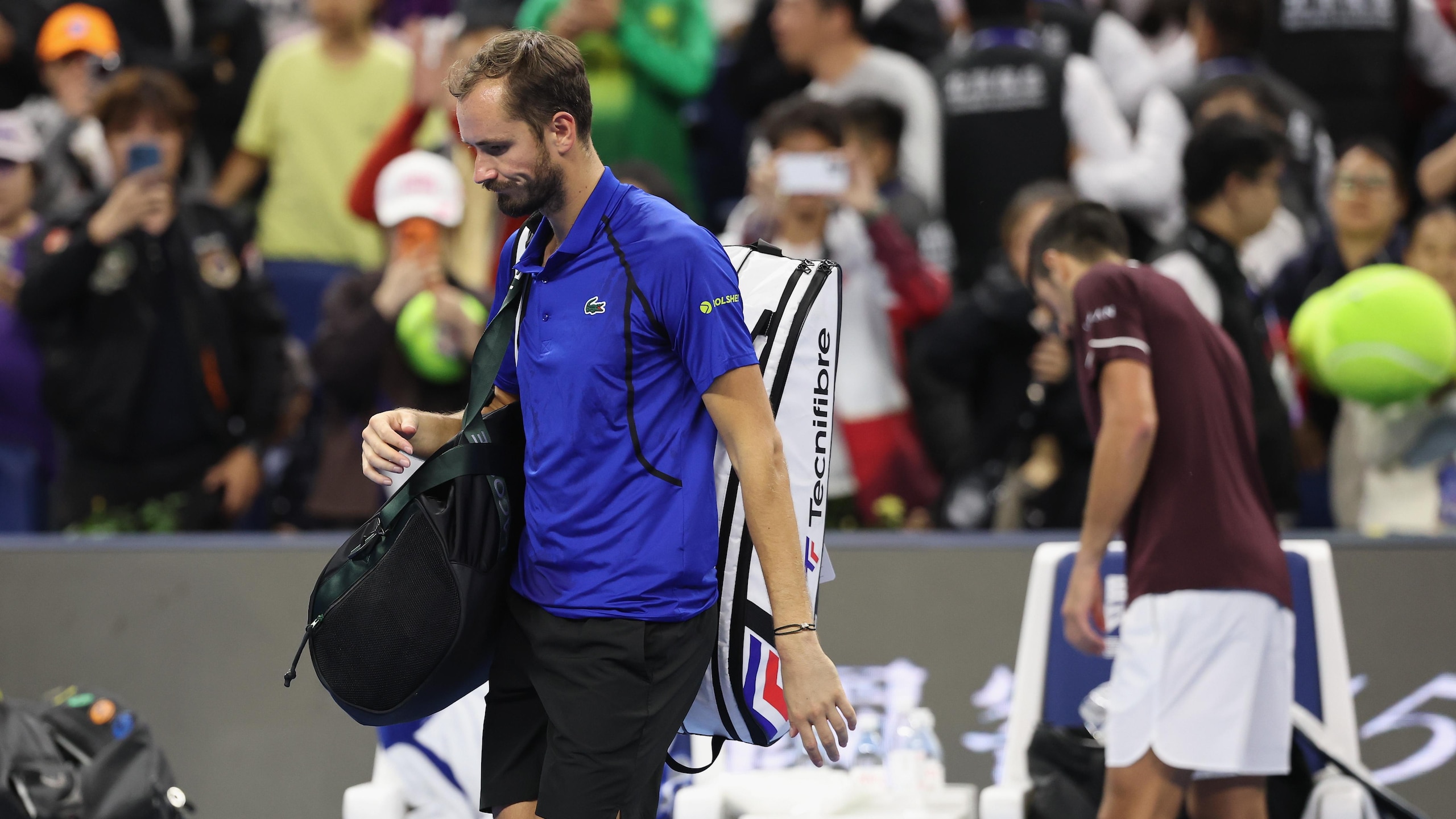

Wimbledon? Make that two titles now, like his rival Rafael Nadal.
However, all tennis fans know that there is still one looming hole in Djokovic’s career resume. Fair or not, the final judgment of his legacy will be determined by his success or failure to lift up the French Open’s Holy Grail, The Musketeers Cup.
Nothing else will compensate for all of his past and future conquests. Win Roland Garros or forever be relegated to a less ornate table at Tennis Club Elite.

Legacy Projected
Djokovic’s eighth major title moved him past John McEnroe and Mats Wilander in career majors, the most important measurement of a legend’s career. He’s deadlocked with Jimmy Connors, Ivan Lendl and Agassi.
It’s reasonable to figure that if Djokovic’s health and current form continue into the next three or four years, he will likely join the pantheon of tennis’ five biggest Open era legends: Laver (11 majors), Bjorn Borg (11), Pete Sampras (14), Federer (17) and Nadal (14).
The minimum requirement for Djokovic to join this group is for him to add three to six majors to his trophy case.
Above all, he must win the French Open at Roland Garros. Period.
Why?
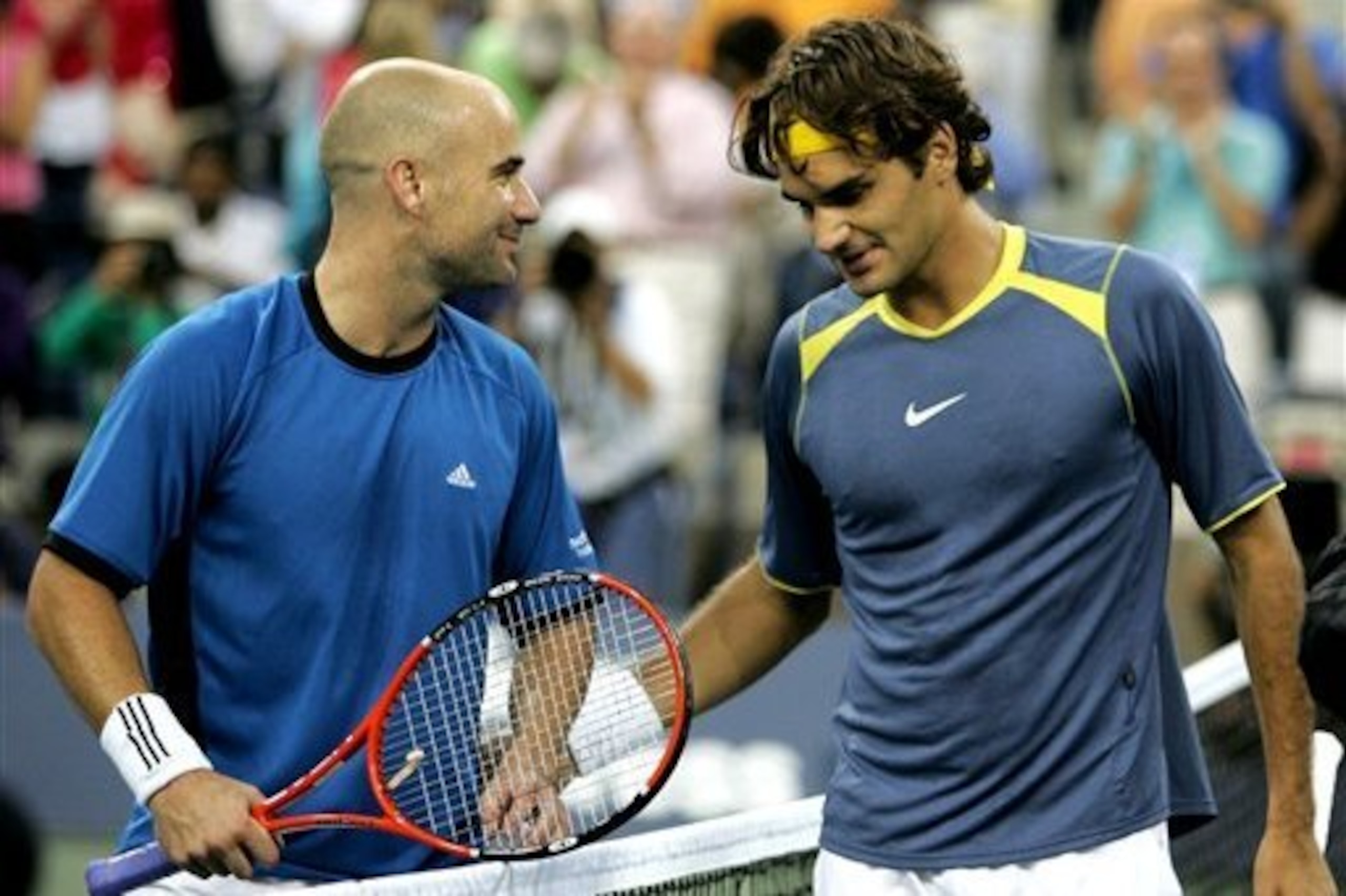
Twenty-first century tennis has changed the standards for all-time greats. Rival legends Federer and Nadal, like Agassi and Laver of the past, have won major titles at all four of the Grand Slam venues.
Mastering all surfaces at the most prestigious and historic venues is more necessary for contemporary and future stars who play on more homogenized and often slower surfaces. Champions have been brought up to train and develop their games for all conditions. There are fewer specialists to oppose them.
The very best player in the world can only achieve immortality by winning all four majors. It is a modern quest, more realistic with the advances in fitness, technology and team support. Players have learned to divert their energy to their top priorities and to peak for these occasions.
For Djokovic, tearing down the walls at Roland Garros could open the floodgates for dynasties at the other major venues and take away the pressure to win again in Paris. This could be the difference in logging over 200 weeks (He's at 132) at No. 1, charging up to 14 major titles and ruling over the ATP with an iron fist as the 2020s approach.
But the price of failure at Roland Garros will send him to a special kind of purgatory alongside the ghosts of other legends who failed.
Heartbreak in Paris
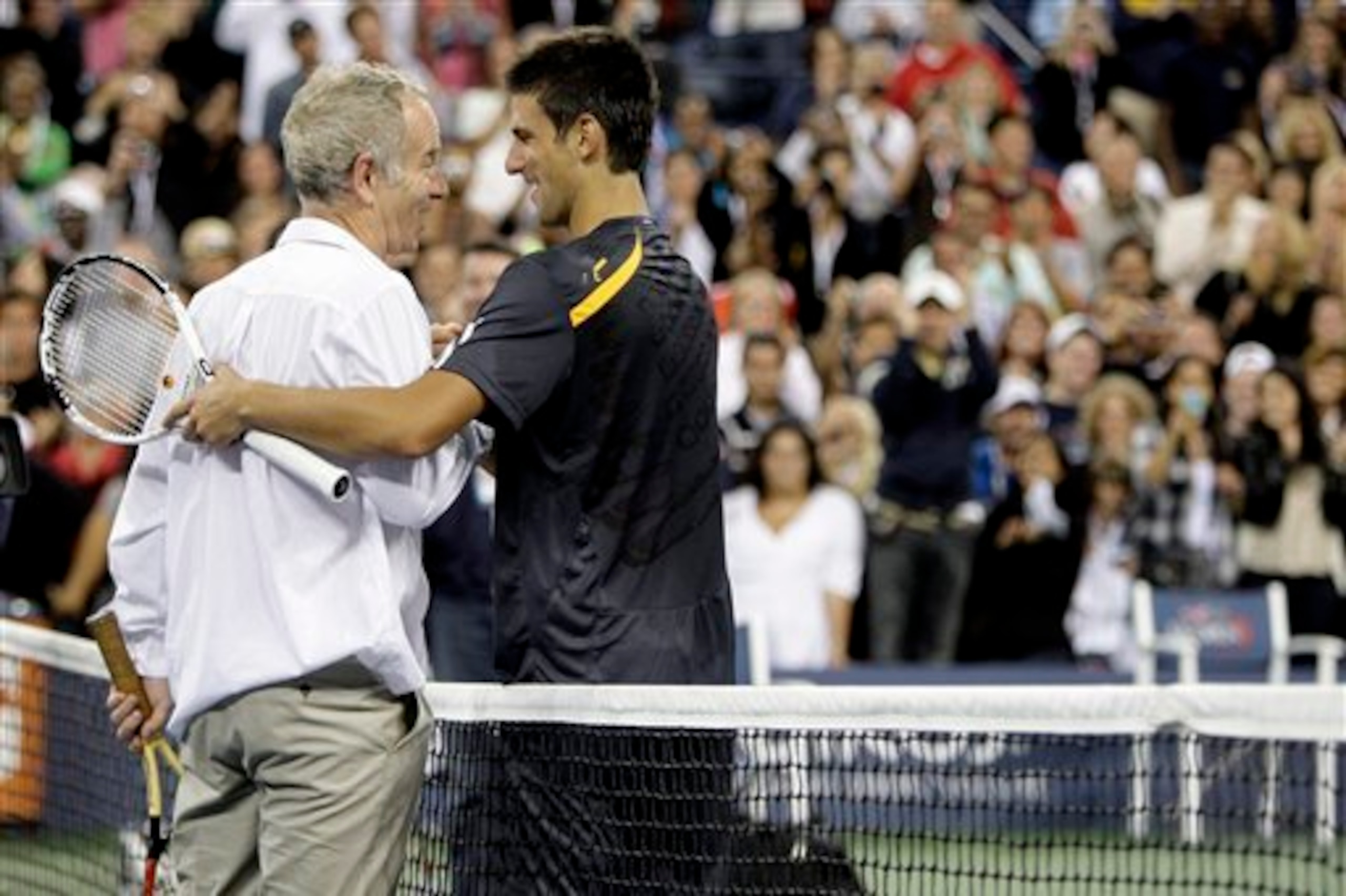
In 1984, the great McEnroe was Big Brother to the ATP tour, sealing his Hall of Fame status with a career year. He swept the summer’s biggest prizes at Wimbledon and the U.S. Open on his way to virtually sweep the tour with 13 titles. But his absolute peak was juxtaposed with the most painful blow to his legacy.
McEnroe up two sets in the French Open final, had his Musketeers Cup snatched away by rival Ivan Lendl’s five-set rally and triumph. He would never get back to the French Open final again.
Regret lingered for years to come. His recollection of the match in his autobiography, Serious, is a tone of agony, causing even the most dour McEnroe critic to perhaps wipe away a tear and feel a pang of sympathy. View more of his comments via Tennis Buzz:
"It was the worst loss of my life, a devastating defeat: sometimes it still keeps me up nights.
It’s even tough for me to do the commentary at the French – I’ll often have one or two days when I literally feel sick to my stomach just at being there and thinking about that match. Thinking of what I threw away, and how different my life would’ve been if I’d won.
"
Ironically, Lendl would in large part be defined for his ill-fated obsession to win Wimbledon.
Other legends fell short in completing their career grand slam. Jimmy Connors won the French Open. Bjorn Borg finished second at the U.S. Open, four times. Mats Wilander never came close to winning Wimbledon, and perhaps that was easier to accept.
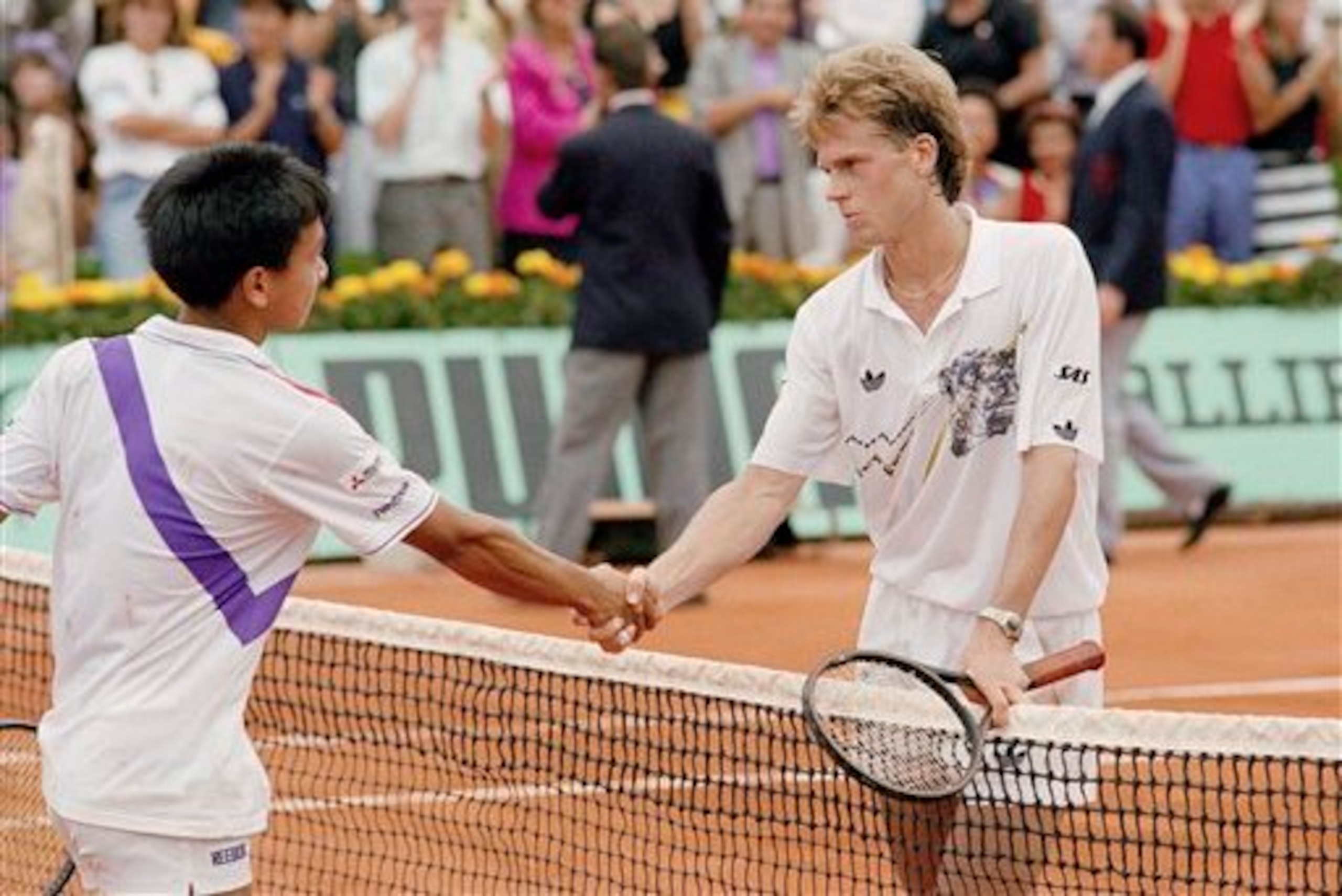
Stefan Edberg must bear the humiliation of losing his 1989 two-sets French Open final lead to young, one-slam wonder, Michael Chang. It’s an underdog, epic upset tale to celebrate Chang in late May, but Edberg no doubt would trade anything to bury that defeat six leagues beneath the red clay of Court Philippe Chatrier.
Pistol Pete Sampras might have been the greatest player of all time, but he was sick and weakened in his 1996 semifinal loss to Yevgeny Kafelnikov, according to Sampras’ autobiography with Peter Bodo, A Champion’s Mind.
But Djokovic might be weighed down with the biggest series of disappointments at the French Open. Unlike Federer’s heavy quest from 2004-08, Djokovic’s mission from 2011 to the present has had more painful and close brushes with toppling the all-time King of Clay, Nadal.
Some Djokovic fans might believe that he would have grabbed his French Open title in 2011 had he not stumbled against Federer in the semifinals. After all, he had dominated Nadal at Madrid and Rome. It’s a moot point, but merely the warm-up act to subsequent opportunities.

In 2012, heavy rain postponed Djokovic’s surge to square the Sunday final with Nadal in the fourth set. Monday, he lost his break advantage, his momentum and the Musketeers Cup.
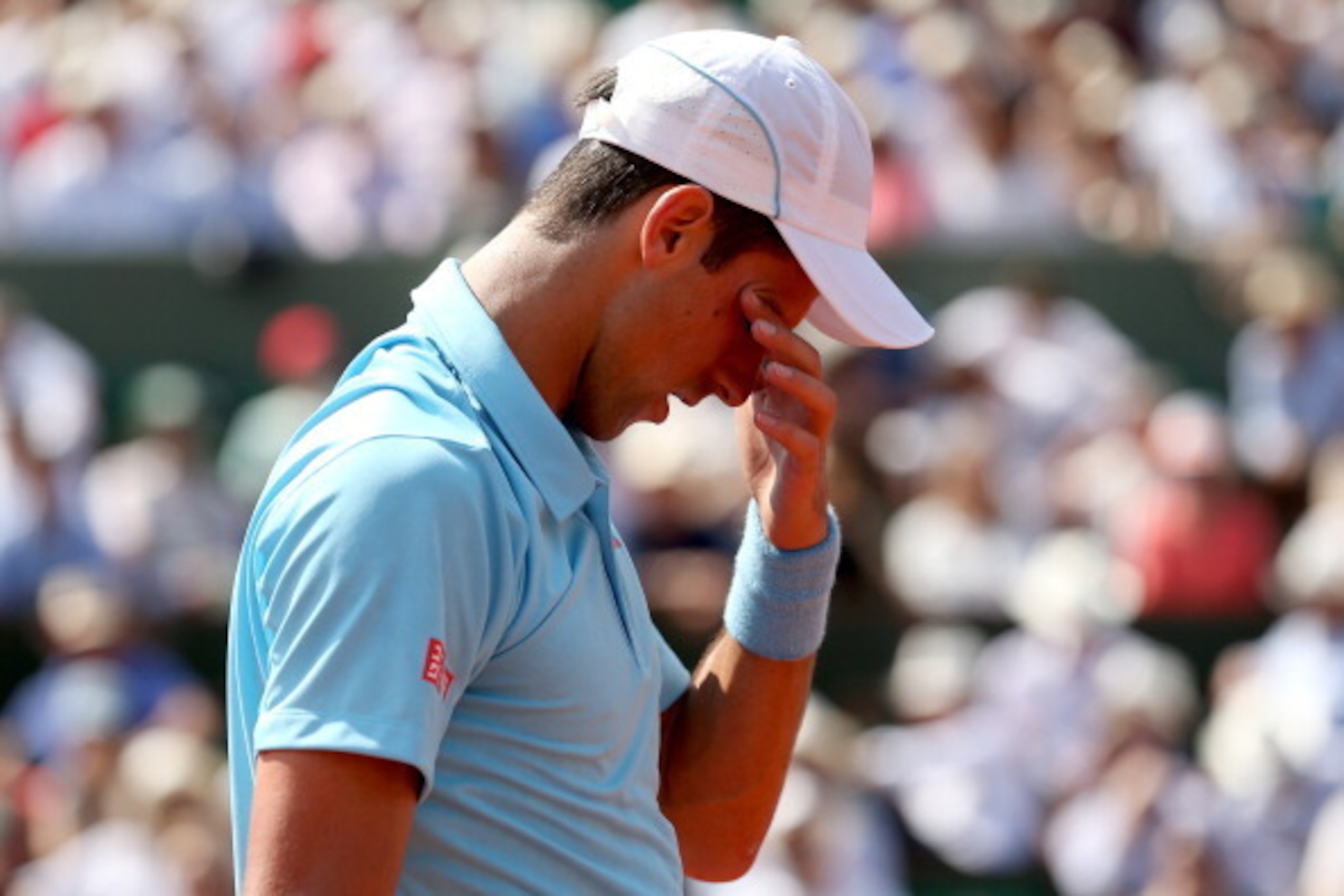
Ultimate agony climaxed in his 2013 semifinal defeat to Nadal, during a day of hot, dry tennis. Djokovic could not hold his fifth-set advantage, blowing key overheads, his concentration and the title (Make no mistake, Djokovic would have crushed finalist David Ferrer). Again, Nadal remained the ultimate champion.
Last year, he worked his way back to the European clay-court swing after an injured wrist. He took the first set in the final, but he was weakened with illness and hammered into submission once more by Nadal.
There is only one kind of redemption for Novak Djokovic. Win the French Open, and wipe away the disappointments. Lose, and the misery remains, perhaps forever.
Conquer Nadal at Roland Garros
Djokovic has defeated Nadal for clay-court titles at Monte Carlo, Rome and Madrid. He is capable of countering Nadal’s heavy topspin, retrieving the Spaniard’s best shots and belting him off the baseline when he has his day.
And this will be the test. One rival, one obstacle and one champion to dethrone. Djokovic must slay Nadal at Roland Garros.
Of course it’s also the toughest task in the history of tennis. Nadal’s dominance at the French Open obliterates the great streaks from other champions, like Borg’s double slams at Paris and London, Sampras as the King of Grass and Federer’s all-surfaces wonders.

All spring the talk of Djokovic’s career slam and the annual quest to topple Nadal will again be the headline. And unless conquered, it will never go away.
Each passing year without this hallowed win is one more lost chance, decreasing his career odds. All too soon, his peak will be over, another dominator will come along, or Nadal’s further dominance could shut the window on Djokovic's opportunities.
Can Djokovic get it done? Will he win the French Open? All he can do is continue to pour his heart and effort into this final mission. It could happen, but it might not.
The King of Australia's legacy will ultimately rest in Paris.
.jpg?w=2560)

.jpg?w=2560 "Viral Rams Coach Vid 🖕")

.jpg?w=2560 "Injury-stricken Seahawks signing veteran RB")
