
NHL: A Poor Way to Decide a Game, the Shootout Must Go
The shootout might be the most exciting, suspenseful and fun way to end any game.
But I hate it.
To me, despite the glamour and allure of NHL superstars going in uncontested against a goal keeper, there is no, absolutely no, worse way to end a hockey game.
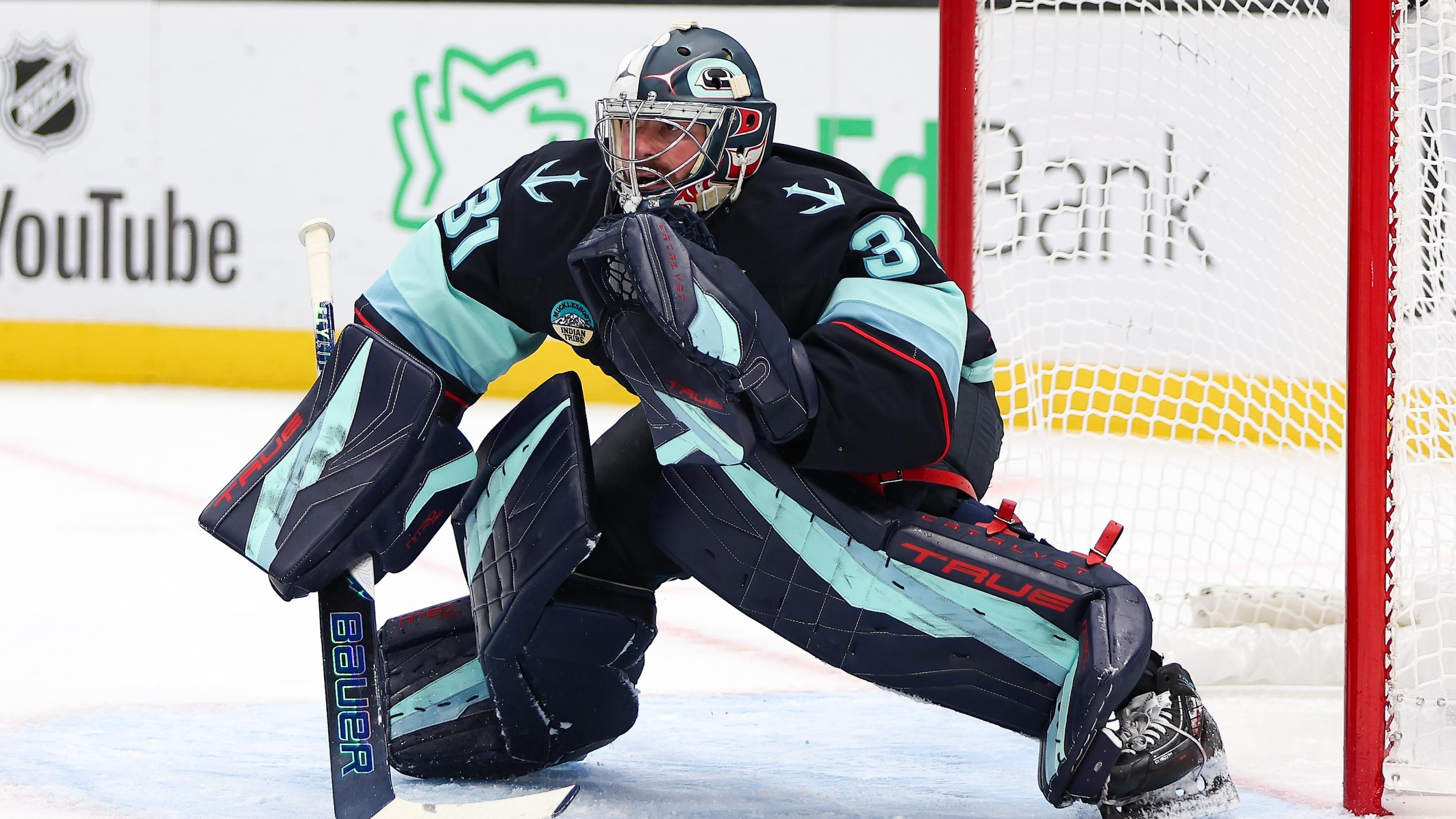
.jpg?w=2560 "NHL Trade Grades Connor Hellebuyck")
As much as I understand the distaste in America for ties–in fact, in hockey circles a tie is often compared to “kissing your sister”–I would much rather a game be left unsettled than finish by way of a shootout.
Yes, I know, the casual fan is often attracted to the game by the shootout and the incredible dekes, dangles and saves that lend itself to making the perfect highlight reel. In fact, there is no disputing that shootouts are incredibly exciting. Personally, I have hoped for games to go into shootouts because of how fun they are to watch.
But as a way of deciding a game, shootouts are terrible.
Hockey is the ultimate team game. All five players on the ice play offense, all five players play defense. Shifts are usually not more than a minute long, so teams routinely roll three lines, and occasionally put out the fourth line as well, giving all or almost all of the 20 players on the roster substantial playing time throughout the game.
That can’t be said for any other sport.
Football, well the offense and defense are two separate units entirely. Baseball, batting and fielding are done by eight players while others share the pitching responsibilities. Basketball, sure all five men play on both sides of the ball, but rarely do all of the 12 or so players touch the court in a game. But in hockey, every single player matters to every single game.
And that is exactly why the shootout is a terrible tiebreaker.
After three, 20 minute periods and a five minute overtime, nothing could be less of an indicator of who is the better team than what the shootout provides us with. For a sport that is the ultimate test of the entire team, deciding a game based on nothing more than the individual talent of three of your team’s players plus the goaltender is ludicrous. It says nothing about who was the better team on that given night—it just shows us which team was more talented.
Even the NHL’s current overtime rules during the regular season are a poor indicator. Hockey is a game that is played five-on-five; reducing those numbers to four-on-four for a five minute period, while it may lead to more goals and be more exciting to watch, it is not the way the game is played for the first 60 minutes of the contest.
By cutting the number of players on the ice the focus on the team is again diminished, and shifted to a focus on speed and two-on-one odd man rushes. While both of those things are important throughout the course of any game, placing such strong attention on them during the overtime period changes the game, and once again puts the outcome more in the hands of individual talent and playmaking, and less on the strength of the team.
But at least the NHL’s rationale for implementing the four-on-four can be justified as a way to try and find a conclusion to the game in a somewhat prompt manner, while still keeping the things that are fundamental to the sport of hockey in play.
The shootout on the other hand is seemingly indefensible.
I know that everyone in our society always wants things to be black and white, with clear and distinct outcome, and that nobody likes to watch things end in a draw—one of the many reasons why soccer isn’t more popular in the U.S.—but that’s no excuse for ruining the integrity of a team sport.
And so the shootout must go, because as much as it sucks to kiss your sister, it’s far worse to play 65 minutes of hard-fought hockey and then sit on the bench watching, waiting and hoping that your three biggest stars can lift your team to victory.
That just isn’t what hockey is all about.





.jpg?w=2560 "Jonathan Taylor Landing Spots 📍")

.jpg?w=2560 "Why Josh Simmons Was Told to Leave Meeting by Mahomes, Reid Revealed in New Chiefs Rumors")


