
MLB: A Must-See Movie for Die-Hard Baseball Fans (Not Named Moneyball)
With Moneyball coming out on Friday, people are throwing around names of classic baseball films such as Major League, Bull Durham and Field of Dreams for sake of comparison.
One that you won’t hear about is A Player to be Named Later.
No, this is not a spin off of Bull Durham using Crash Davis’s famous line.
TOP NEWS

Brewers Closer Blasts Tropicana Field Roof

Latest MLB Trade Rumors 👂
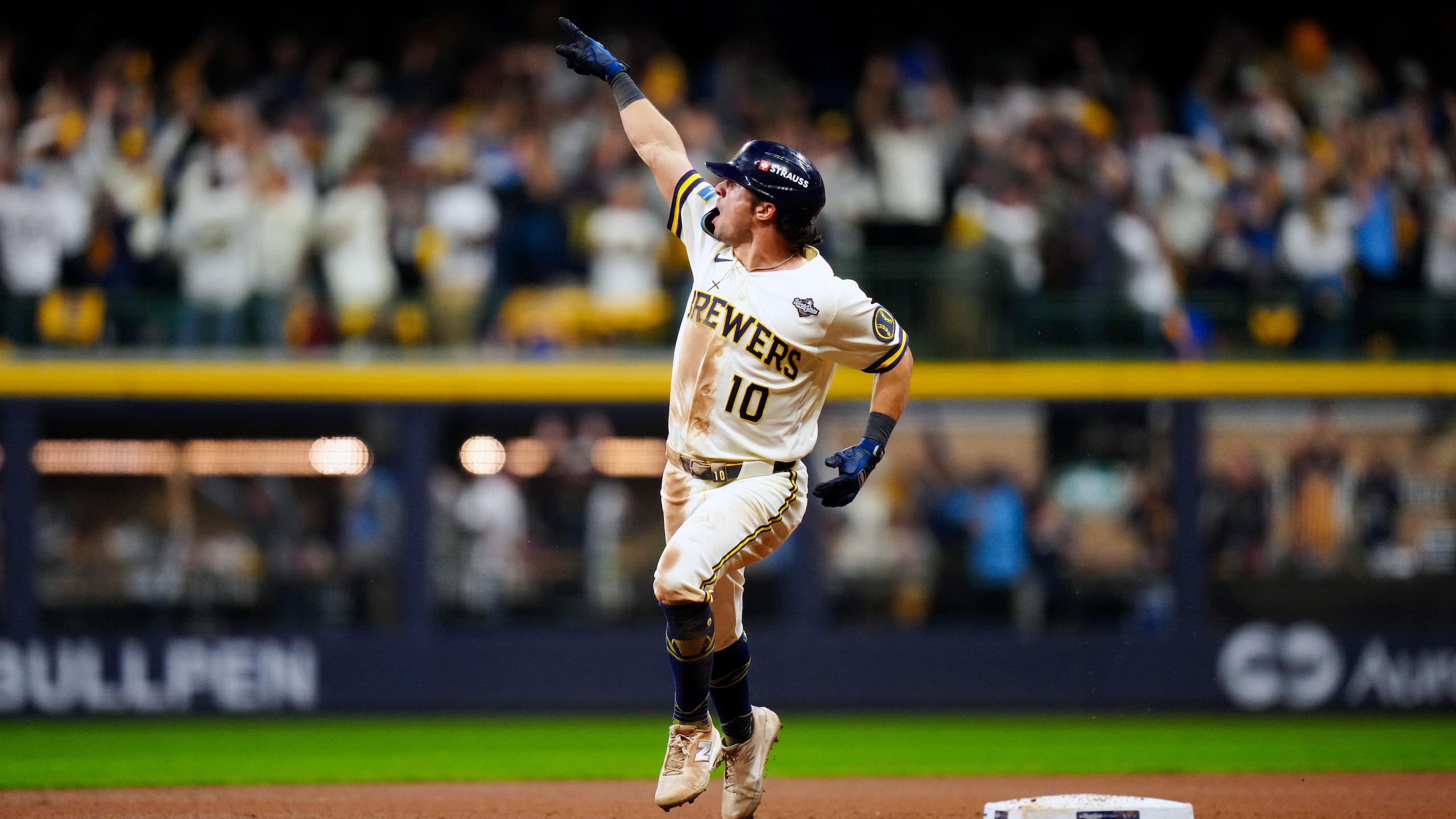
Tying HR Had Bauers Emotional
A Player to be Named Later is an 85-minute documentary on the Triple-A Indianapolis Indians’ 2001 season available on Netflix.
It stars Marco Scutaro, Micah Franklin and Kyle Peterson—not Brad Pitt, Charlie Sheen or Kevin Costner.
These players actually lose their salaries when they get cut, feel the pain when they get injured and miss their children’s birthdays when they are sent down to Double-A.
“It’s a business,” says Minnesota third basemen Danny Valencia, a 19th round pick in 2006, a player I interviewed while covering the Twins this summer. “They cut you real quick.”
For the die-hard fan, the documentary is must-see.
Minor league baseball cultivates a cutthroat environment where players are let go with little notice and A Player to be Named Later portrays this effectively, using similar techniques to HBO’s Hard Knocks.
There are individual interviews with players after they get cut, interactions between teammates and footage of the manager telling his superstar that he didn’t make the 40-man roster at the end of the season.
The film focuses on three Indians players and one who cut due to poor performance with limited notice in the beginning of the season.
He and his wife, who have an infant daughter, had begun building a house that was financed based on his income as a member of the team.
“Hopefully things will change,” said Valencia in reference to the culture of minor league baseball, “but I see a ton of guys…that get drafted late, that don’t get the opportunity—that get overlooked."
“They don’t get treated as well and it’s a shame, but, once again, it’s a business and that’s the opportunity you get to live your dream.”
However, even a few of the multi-million dollar ‘Showcase Ponies’ do not always eschew the wrath of the minor leagues.
In the film another player, a first-round pick out of Stanford, is released from the 40-man roster even though he began the season 7-1 and got a call-up to replace a player on the Disabled List earlier in the year.
“The only difference between a higher pick and a lower-round draft pick is that they’re going to pay you a little more money,” Tommy Medica (14th round, 2010) a former Santa Clara player, told me before his draft day.
“If they’re going to invest a little more money and you’re not getting it done for the first couple years they might keep you around for a third year.”
This film made me ask questions like:
How often do older players with families miss important events like birthdays?
Do players run into monetary issues in the long run if they are cut without notice?
When should a player call it quits on their dream?
Is there a way to improve the welfare of minor league players?
More than anything, it made me appreciate what the players I covered this summer had to go through to get to The Show.
“It’s what every kid dreams of,” said undrafted free agent Scott Diamond of his first start, “It’s awesome having that crowd here.”
The ability to see a player reach baseball’s highest level motivates me to go the park every day I can.
It happens every year, regardless of if the team is 100-62 or 62-100.
Tom Schreier is a Featured Columnist at Bleacher Report. All interviews were conducted first-hand. He covers hockey and baseball. Follow him on Twitter @tschreier3.


.jpg?w=2560 "Rodgers Iced Out on Plane 💎")


.jpg?w=2560 "Raiders Could Start Mendoza")
.jpg?w=2560 "Packers Safety Slams Refs 🤬")
.jpg?w=2560 "🚨 Week 8 AP Top 25 Poll")


