
Serena Williams, Maria Sharapova and the Search for a Rivalry
In advance of the 2011 U.S. Open, you can find plenty of compelling stories on the women's side: Andrea Petkovic's rise from dark horse to real contender; American Christina McHale's surprising summer and increasing potential for getting past Week 1; or the vacuum left by Kim Clijsters' withdrawal.
But the spotlight is on the return of a relatively healthy and nearly in-form Serena Williams and Maria Sharapova, the two biggest stars on the women's tour.
We focus on them because, in some back corner of our collective tennis memories, we seem to think of them as veteran rivals who have finally come back this season after being away too long.
TOP NEWS
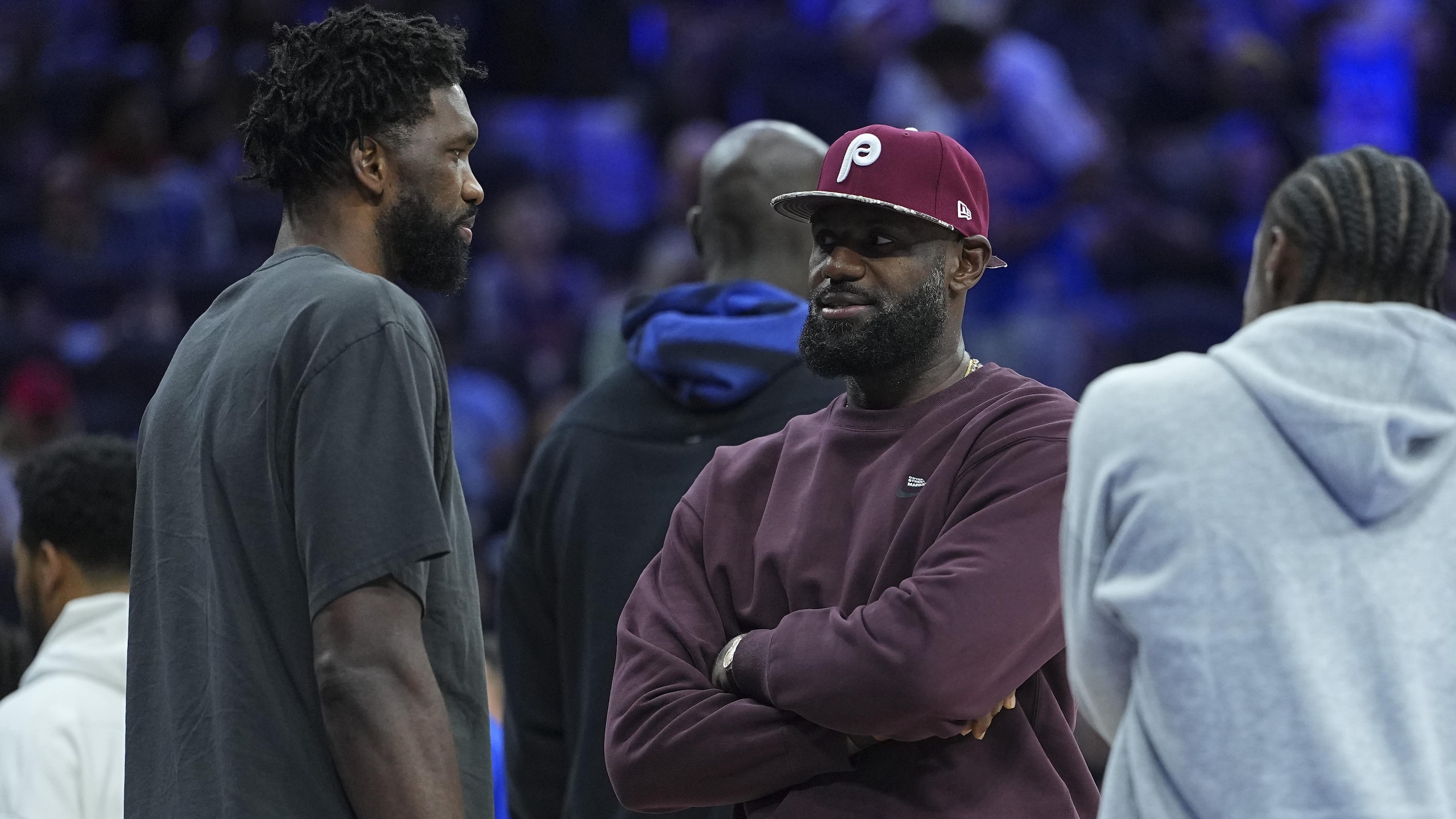
Bron Dismisses Embiid Rumor 🧢
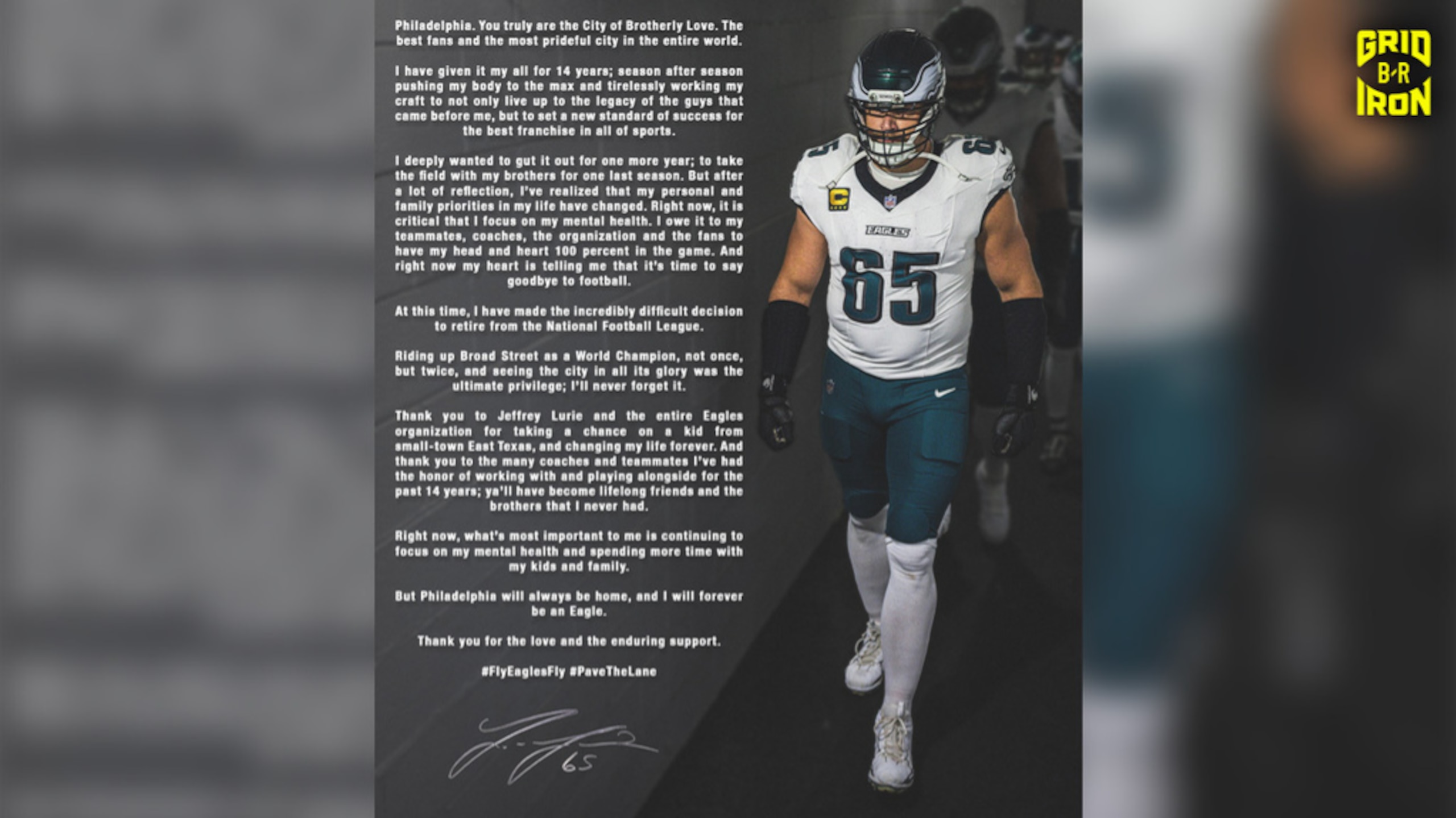
Lane Johnson Retirement Post🦅
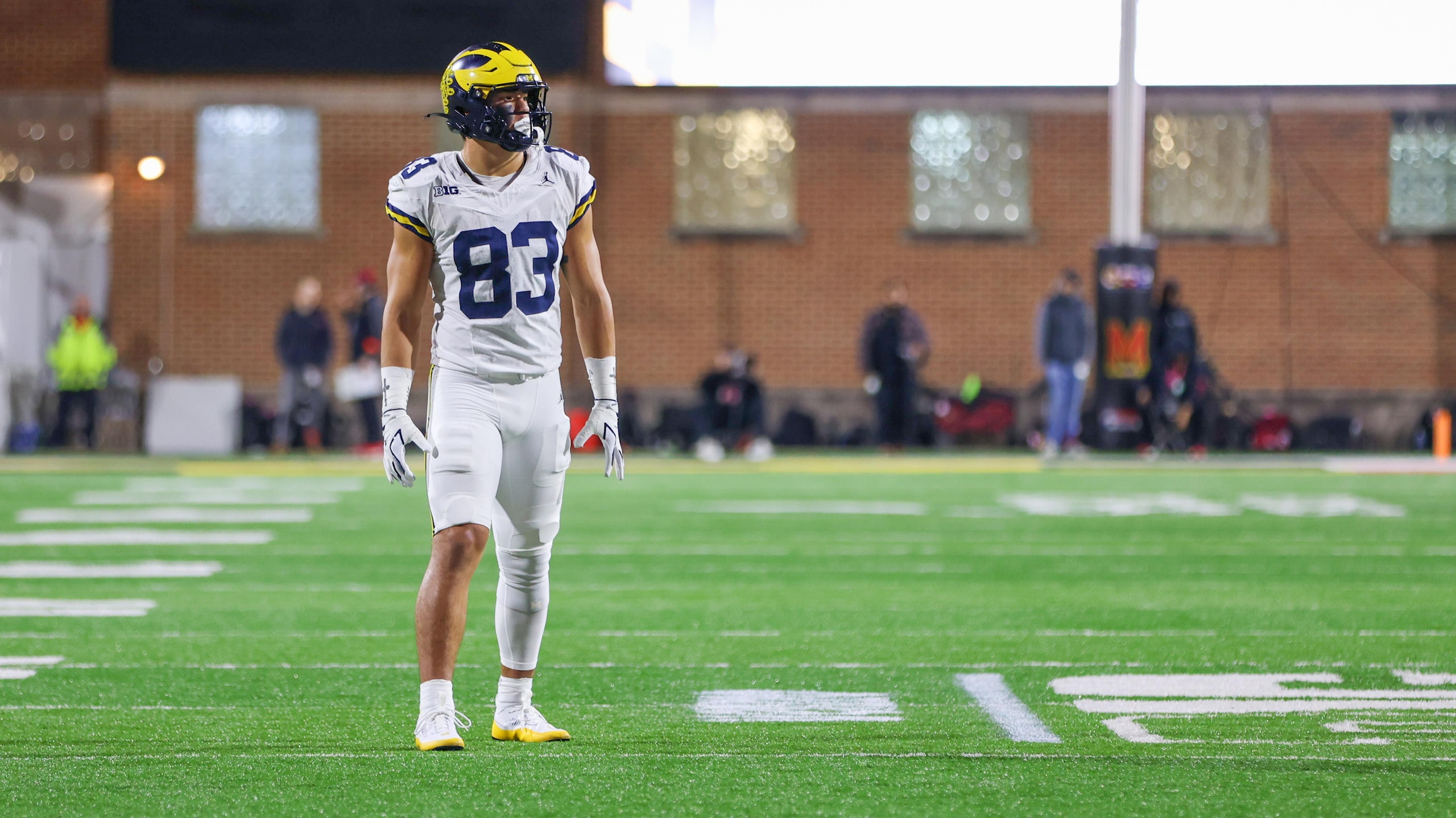
Michigan TE owns up to leaked texts
However, that would be wishful thinking.
Not A Rivalry—Yet?
By most measures, Serena and Maria don't even have a rivalry.
Matches played? A mere nine. That's about one match a year, which is great for building anticipation but less great for building something historic.
Performance in majors? Only two finals and four meetings total.
Those finals were hyped at a fever pitch, but neither was competitive. A semifinal from Australia in 2005 has a lovely scoreline, but anyone who watched the match recalls it more as one in which Maria choked against a Serena whose play was far from serene.
An evenly-weighted head-to-head? Far from it. Serena has dominated 7-2. Only three matches have gone the distance, and spread among their 21 sets played are six breadsticks (6-1 scores) and just one tiebreak.
A 6-1 set might draw gasps from the crowd, but not the good kind.
Even looking just at Serena's rivals, Maria is behind Justine Henin, Venus Williams and arguably Martina Hingis and Jennifer Capriati.
And if you start comparing the Sharapova-Williams matchup to the rivalries of old on the women's side, which once served up some of the greatest years-long wars in all of sport—well, you get the picture.
Maria and Serena are a classic case of the whole being less than the sum of the parts, and yet we keep coming back to them in the search of a great, era-defining rivalry.
Why is that?
Parity Sucks
A big part of our continued attention to Maria and Serena is that we're desperately seeking dominance on the women's tour these days.
The only viable marketing strategy for the WTA (other than a "Strong is Beautiful" campaign that seems to interpret "female athlete" as "silk dress plus tennis racquet") is to play up the wonders of parity. Oh, the joys of watching top seeds fall to players ranked outside the Top 50.
We always knew in theory that anyone could win on any given day, which is part of why we love the sport. But when any given day starts coming nearly every day of the week, it's less about parity than about no one having the combination of skill and mental fortitude needed to step up.
Most of the time we're not wondering who will win but who can avoid losing.
What draws us to Serena and Maria is that, even when they're spraying balls into the net and out wide, you still sense that the failure is at least fiercely contested.
They want to win until the last point, they're genial but bitter in defeat, they strive for improvement, and they love the big stage. Even if they're struggling, the tour needs their example.
History-Defining Matches
Sharapova and Williams may not have meetings often or play each other competitively, but they have provided the one clear thread between two tennis generations.
In sport, we like to find players who can define a generation.
Maria is the brightest spot in what could best be dubbed the frustration generation, a group that seemed to have the tools needed for greatness, but who collectively lacked the tenacity to challenge their older peers.
She was the only one capable of coupling high rankings with Grand Slam championships, albeit only three times.
Consider the rest of Maria's generation, say anyone born from 1985-1989. In what should have been their dominant years, they instead changed our paradigm about when a player is in her prime.
In the last 13 Grand Slams, 11 of the champions have been age 26 or older. We applaud it, but we wonder what will happen when that generation really does retire.
Maria's coming out at Wimbledon in 2004 was compelling because it was a brash youngster winning against a heavily-favored defending champion, who was more than five years her senior.
When Serena trounced a top-seeded Sharapova at the Australian Open in 2007, it reopened the conversation about whether Maria's generation could consistently challenge the older veterans.
In short, when these two women play, the outcome isn't just a win for one player or the other, but a symbol of what is happening in the sport.
Closure is important in sport. We like to be able to say farewell to one generation and welcome in the next. We cling to Maria and Serena because we sense that they're the two players most likely to offer this to us.
High Expectations for the U.S. Open
If Maria and Serena again meet at the U.S. Open, I hope that it's not just important because of who they are or what they represent.
I hope that it's important, too, because of how they play. Given their form on hard courts this season, I have to again believe that they can start to deliver on a promise that has been largely unfulfilled the last eight seasons.
What do I want from Maria and Serena? I want them to show me a match that lives up to the anticipation of greatness. I want them to push each other to be better.
After that, I want them to play consistently enough to have rankings that reflect their true abilities and that ensure they can only meet deep in tournaments. And then I want them to meet there.
I want Serena and Maria to use the U.S. Open and the 2012 season to show everyone why parity sucks, and why women's tennis needs true stars.
I want them to stop searching for their rivalry and find it.


.jpg?w=2560 "Terrell Owens Being Sued for Defamation")


.jpg?w=2560 "CJGJ Shares Cryptic Post 🤔")