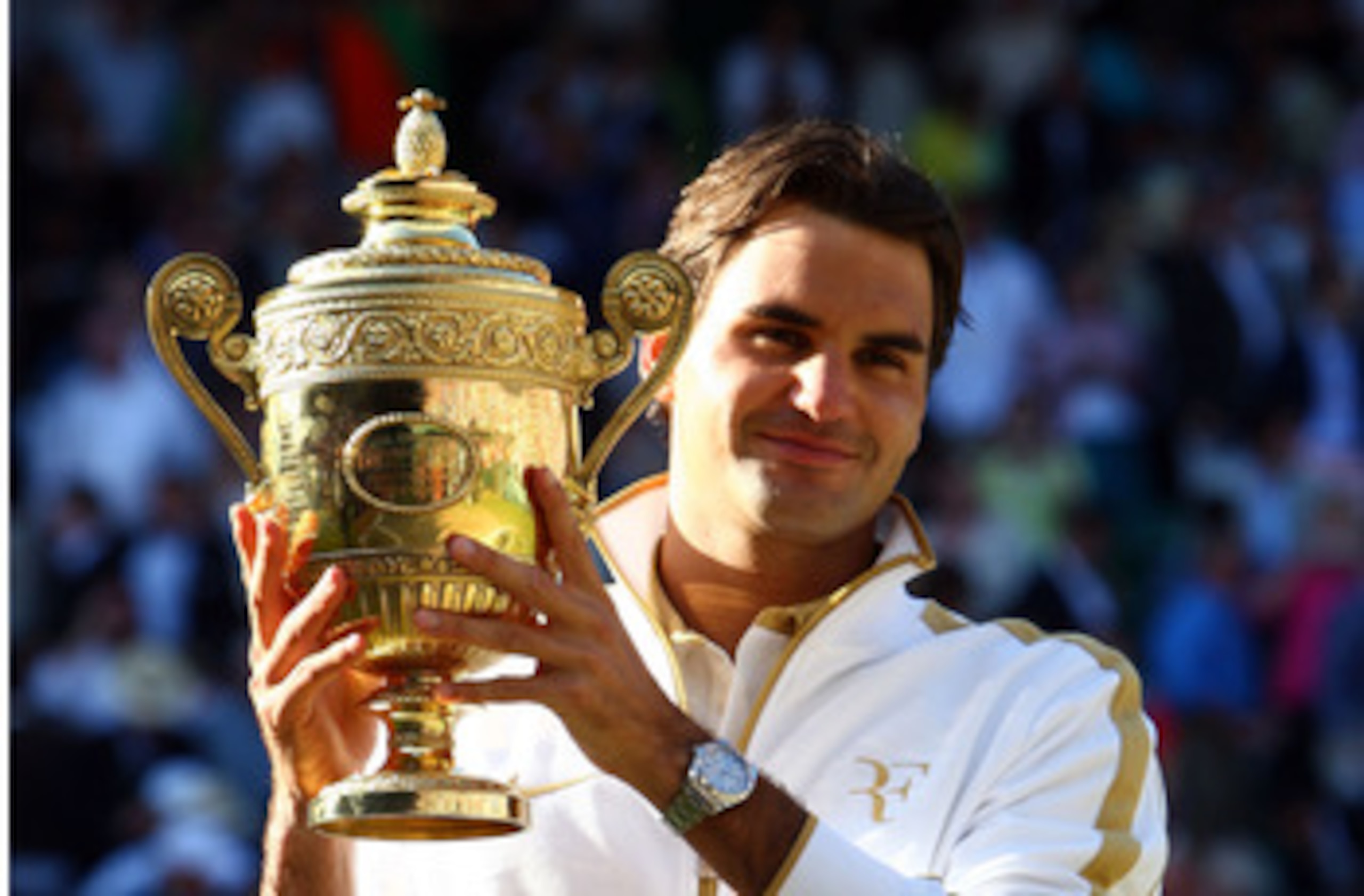

Tennis: Roger Federer's Twilight
After his French Open final loss to Rafael Nadal, Federer is now winless in his last five majors. Such a dry spell would have been unheard of just two years ago.
But with his 30th birthday fast approaching (he will be 30 before the US Open), his age and his competition have conspired to close the enormous gap that once existed between Roger Federer and the rest of the field.
Age
1 of 6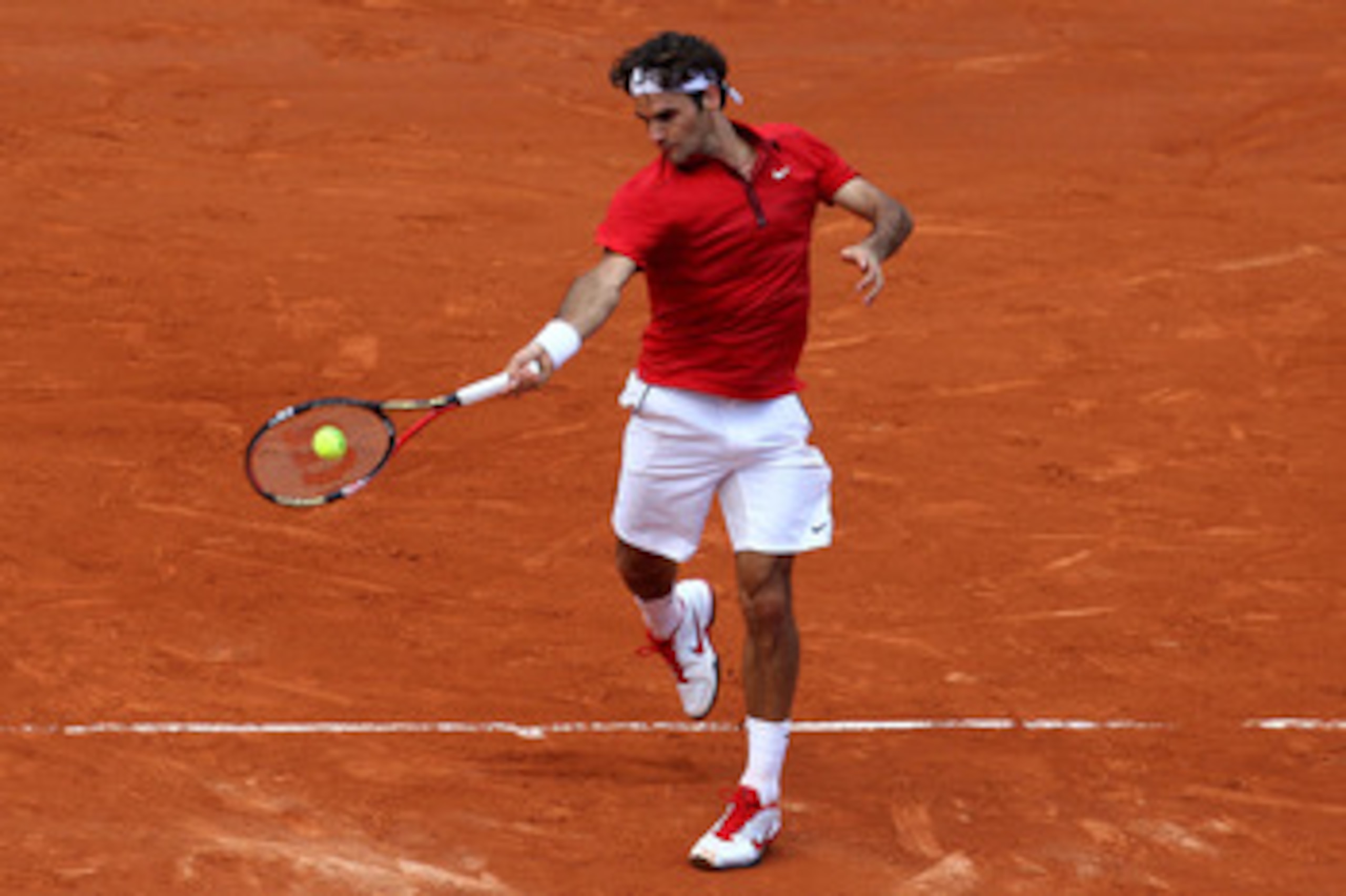
At 29 years old, Federer is unquestionably past his prime. Consider this: The athletic prime of a typical male is 26. Tennis players stray from that average though.
Because so many start their professional careers at 18 or younger, tennis players usually hit their prime a few years earlier. The rigors of touring the world and playing an individual sport also factor in.
Federer played in his first professional tournament at the age of 17, losing in the Round of 16 at a tournament in Gstaad, Switzerland.
His first tournament victory came in 2001 at the Milan Indoor Tournament. Later that same year, he would burst onto the scene by beating four-time champion Pete Sampras at Wimbledon and reaching the quarterfinals.
This year’s Wimbledon will mark a decade since that win. In tennis, many careers don’t even last that long. Federer has been at it for a long time.
The New Generation
2 of 6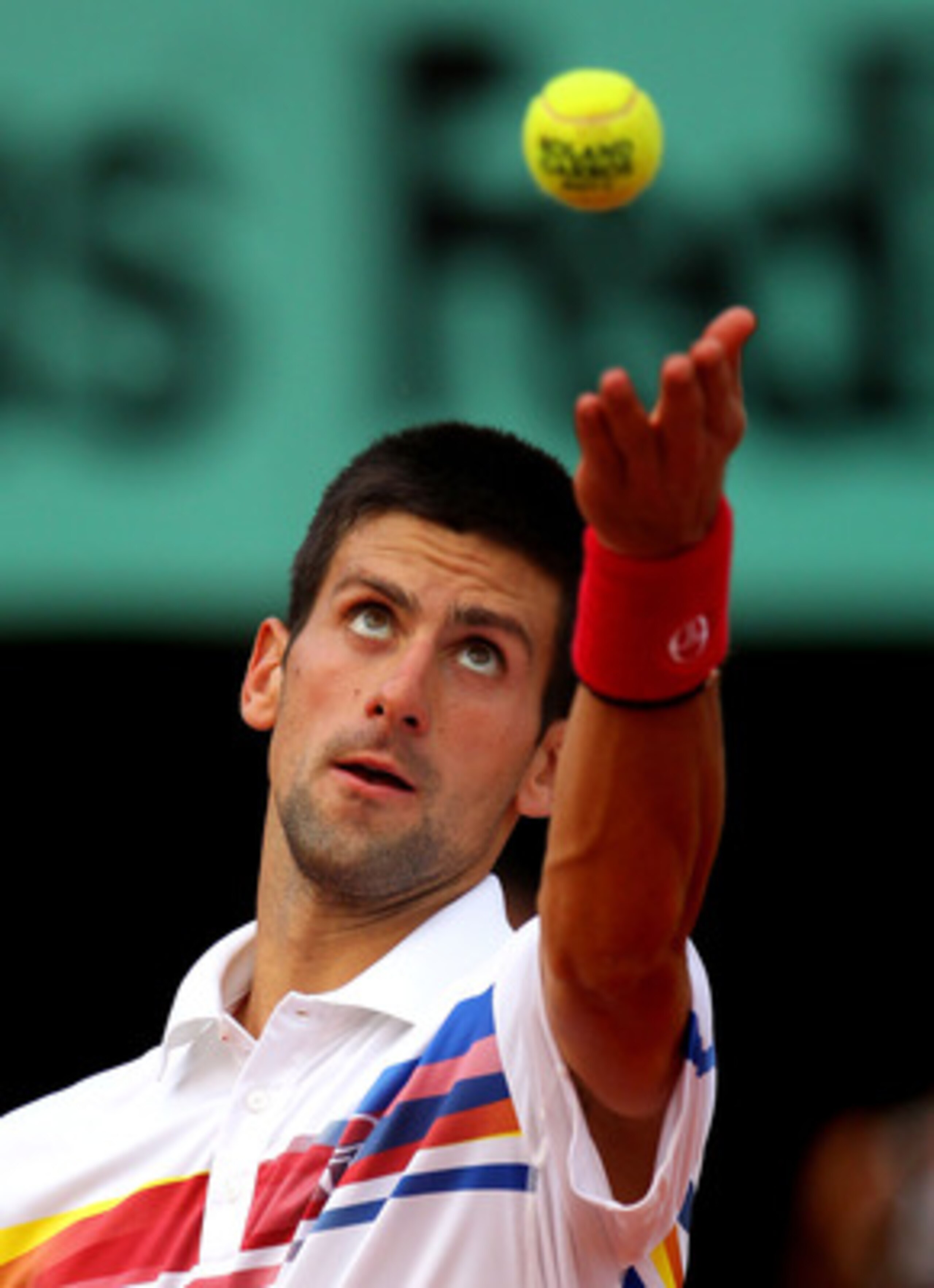
World No. 1, Rafael Nadal - 25
World No. 2, Novak Djokovic – 24
World No. 4, Andy Murray – 24
Former World No. 4 (pre-wrist injury in Jan. 2010), Juan Martin del Potro - 22
These three men, Federer’s stiffest competition, are all in or around the primes of their careers. 22-year-old Juan Martin del Potro, who beat Federer in the 2009 US Open Final, was ranked No. 4 in the world before a long-term wrist injury in January, is also waiting in the wings.
Having seen Federer dominate for so long, the next generation of top players is eager to unseat the Swiss from his throne.
Rafael Nadal
3 of 6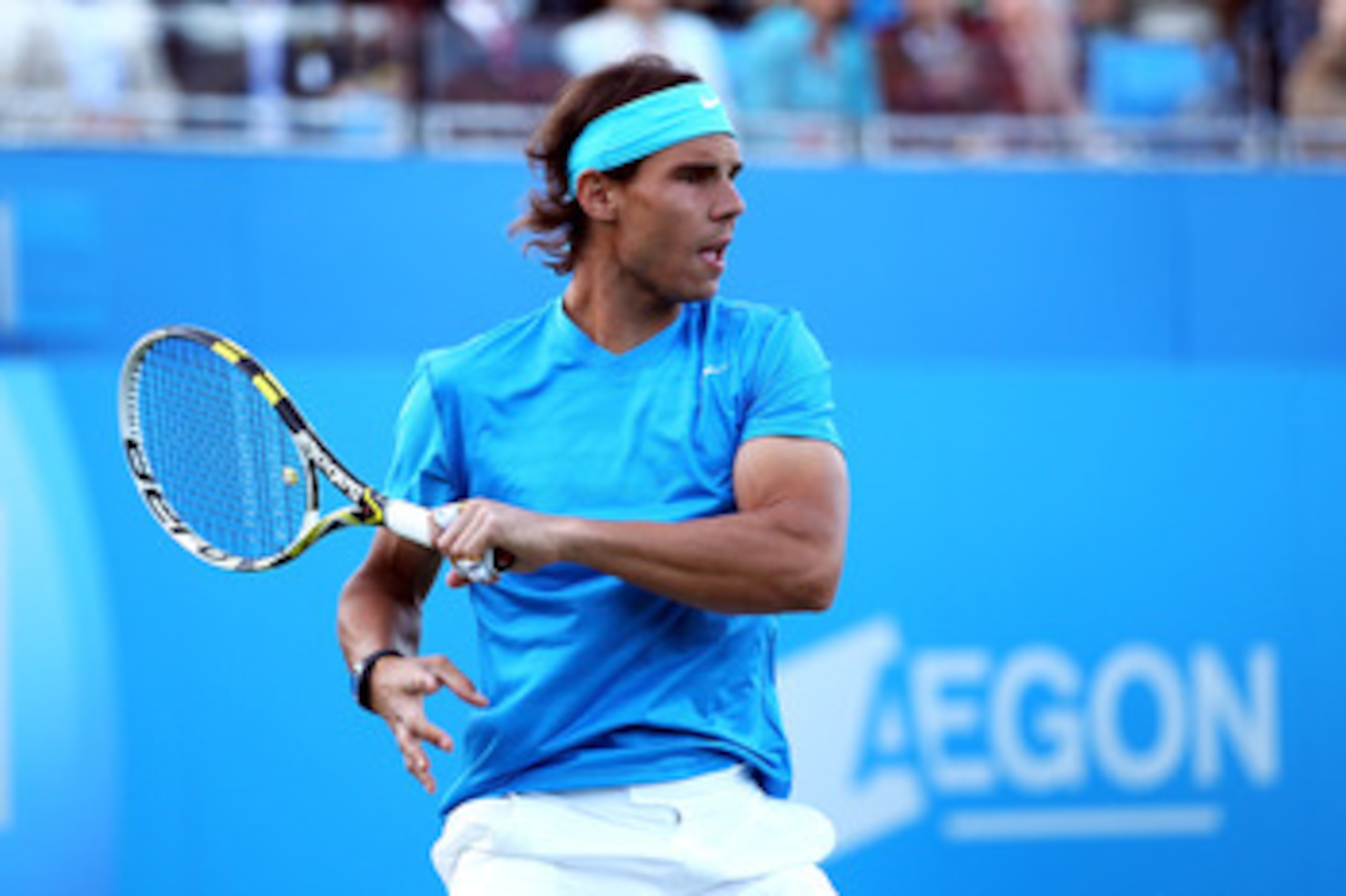
Nadal, in particular, has a distinct advantage over Federer.
Being left-handed, he can whip his high and looping forehand crosscourt and force Federer to hit high backhands, one of the few things he struggles with.
Nadal’s recent success over Federer seems to have given him a mental edge in the rivalry as well.


Wimbledon
4 of 6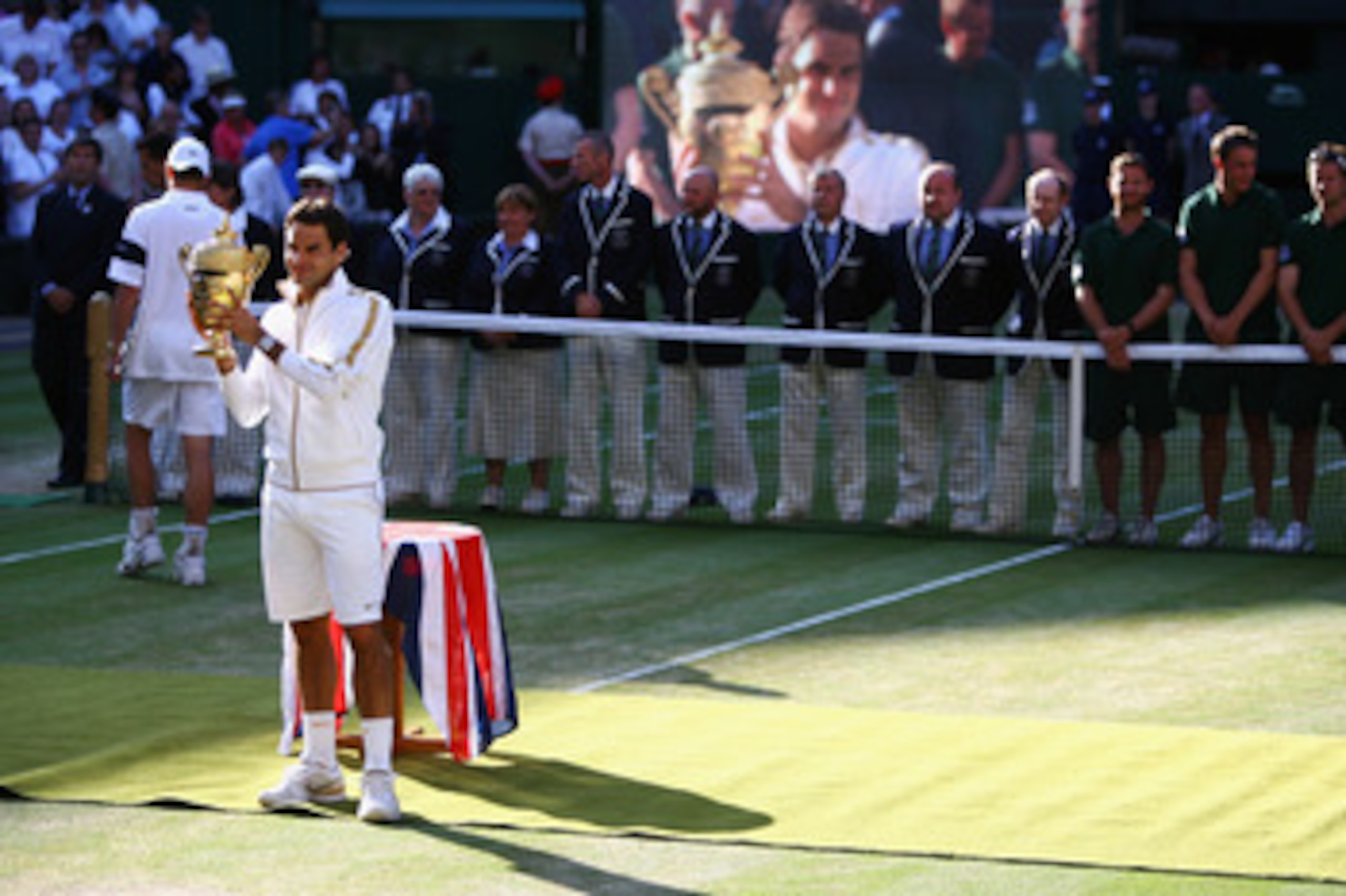
From 2003 to 2007, Federer owned Wimbledon as he won a record-equaling five consecutive championships (Bjorn Borg had five in a row from 1976-1980).
In those five finals, he dropped a total of four sets. Only in 2007, when he beat Nadal in five sets, was he really challenged.
In last year’s Wimbledon, Federer fell in the quarterfinals to world No. 13 Tomas Berdych. Nadal would go on to win the tournament.
Wimbledon
5 of 6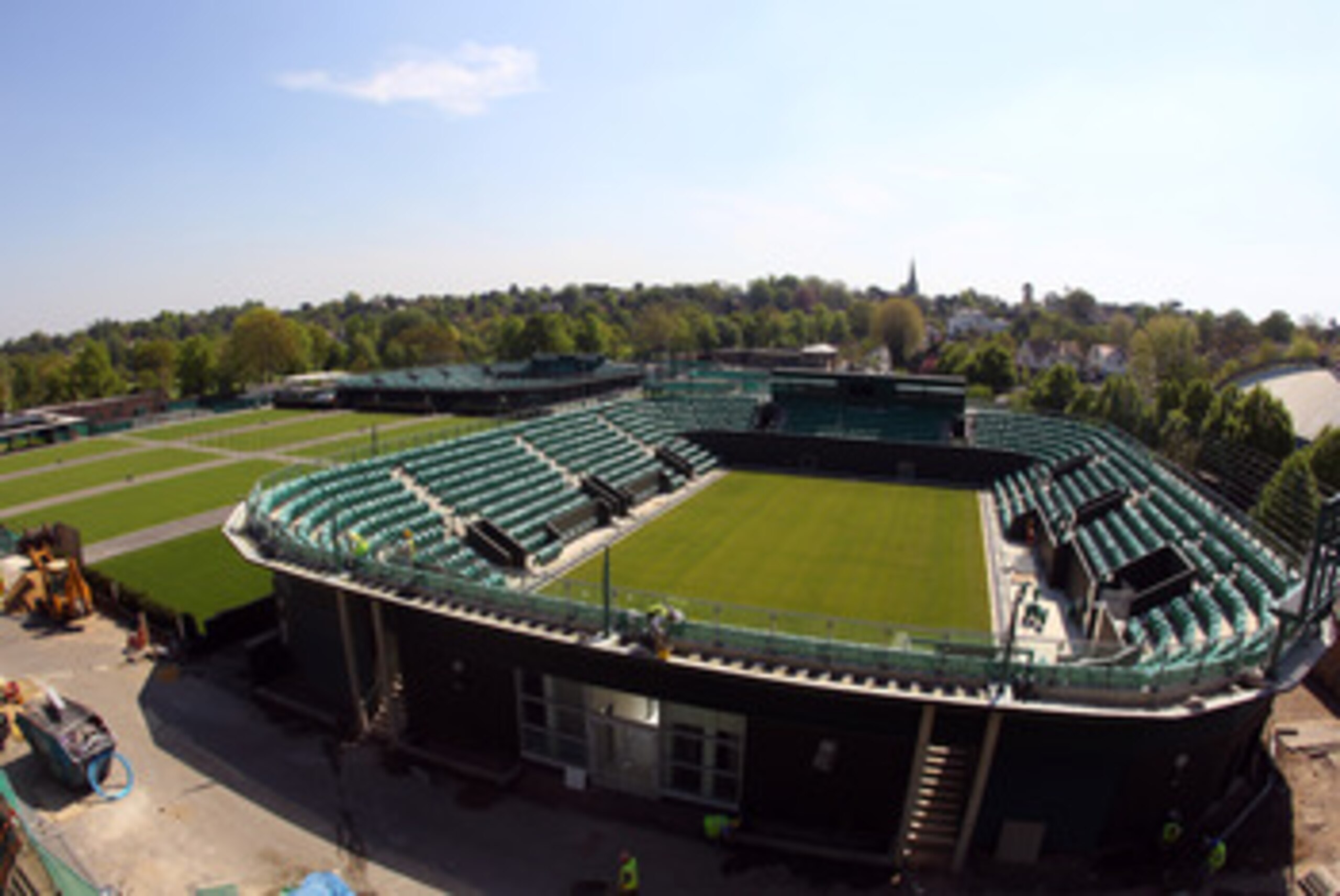
Over the past five years, the grass at Wimbledon has become slower and slower. Some experts, including Mary Carillo, have stated that the Wimbledon courts are slower than those at the U.S. Open.
In the past, the slick courts at the All England Club aided Federer’s all-court game. But now, as the courts slow, that is no longer the case.
This is especially important because Federer’s loss is Nadal’s gain. The Spaniard’s speed and retrieving ability are aided by the slower courts.
The Future
6 of 6
In the next couple of years, we may well see Federer win one or more grand slam titles. No one would be surprised.
But he will have to fight harder than ever to continue winning.
As he inches closer to 30, the competition is only getting sharper.
.jpg?w=2560)
.jpg?w=2560 "Rams Eagles Football")
.jpg?w=2560 "Bijan's INSANE 1st Half 🤩")
.jpg?w=2560 "Injury-stricken Seahawks signing veteran RB")

.jpg?w=2560 "2 NFL Officials Suspended")

