

MLB Draft Grades 2011: The Boston Red Sox and 5 Drafts No One Is Talking About
After Day 1 of the Major League Baseball First-Year Player Draft, we heard all about Gerrit Cole, the first-overall pick who cashed in on his decision to attend UCLA after he was drafted 28th overall out of high school by the New York Yankees in 2008.
We saw the biggest surprise of the day when third baseman Anthony Rendon dropped to sixth overall to the Washington Nationals, after many had him pegged to go to the Seattle Mariners with the second pick.
We even enjoyed some cross-sport entertainment when the Kansas City Royals selected Bubba Starling with the fifth-overall pick. Starling, who has committed to play quarterback at the University of Nebraska, doubles as an outfielder and must now decide whether to forgo his scholarship to play for his hometown team. (Starling grew up about 30 minutes away from Kansas City.)
But what players and teams went under the radar?
As is the case often, the selections that received less fanfare are those from teams with higher pedigrees and/or payrolls. It is understandable to read article after article about Cole, now another piece of the Pittsburgh Pirates' rebuilding system, or Bryce Harper, last year's first-overall draft pick by the Washington Nationals.
Every mediocre or poor team needs a savior. The better ones can usually buy the pieces they need or don't have as many glaring deficiencies to begin with.
So here are the drafts that no one is talking about—you'll find many teams that are currently at or near the top of their divisions.
1. San Francisco Giants
1 of 5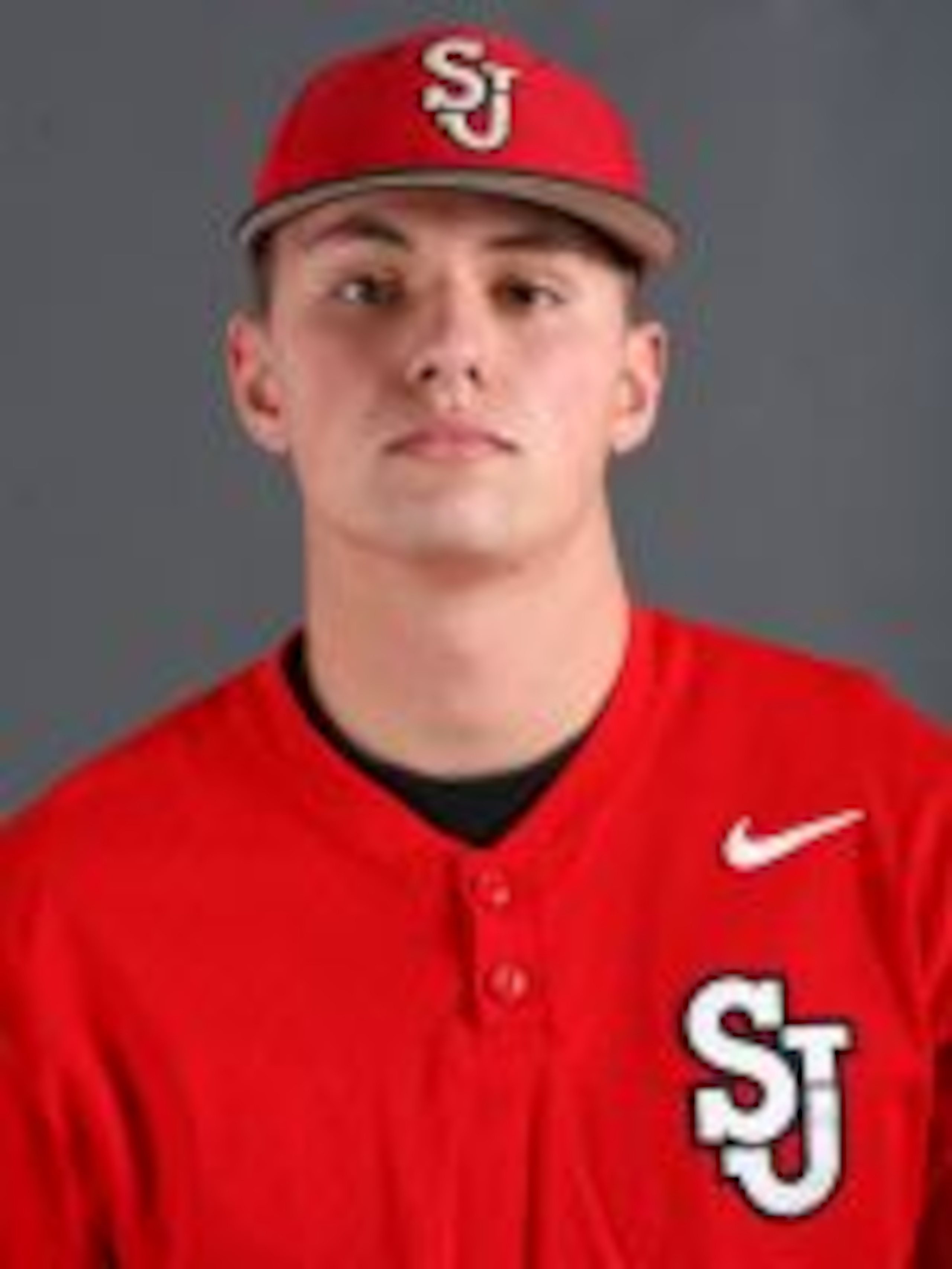
Quick: Who did the Green Bay Packers select in this year's NFL Draft?
For all the attention defending champion teams might receive, it is usually not for their decisions at the subsequent draft. So it is understandable why many are not discussing the San Francisco Giants' picks from yesterday.
In the first round, the Giants selected shortstop Joe Panik from St. John's University. A left-handed batter who makes good contact, Panik hit .398 with a .509 on-base percentage in 58 games for St. John's.
Panik puts up strong offensive numbers for a shortstop and, more importantly, walks much more often than he strikes out (44 walks versus 24 strikeouts), making him a strong candidate to be a future top-of-the-lineup mainstay. It's also worth mentioning that his alma mater produced another notable Giants shortstop, Rich Aurilia.
San Francisco used their second pick, No. 49 overall, on high school pitcher Kyle Crick. Crick went 7-2 with a 1.11 earned run average in 13 starts. He has already committed to TCU.
Grade: B
The Giants rightly focused first on a position player in what had become a pitching-heavy first round.
2. Boston Red Sox
2 of 5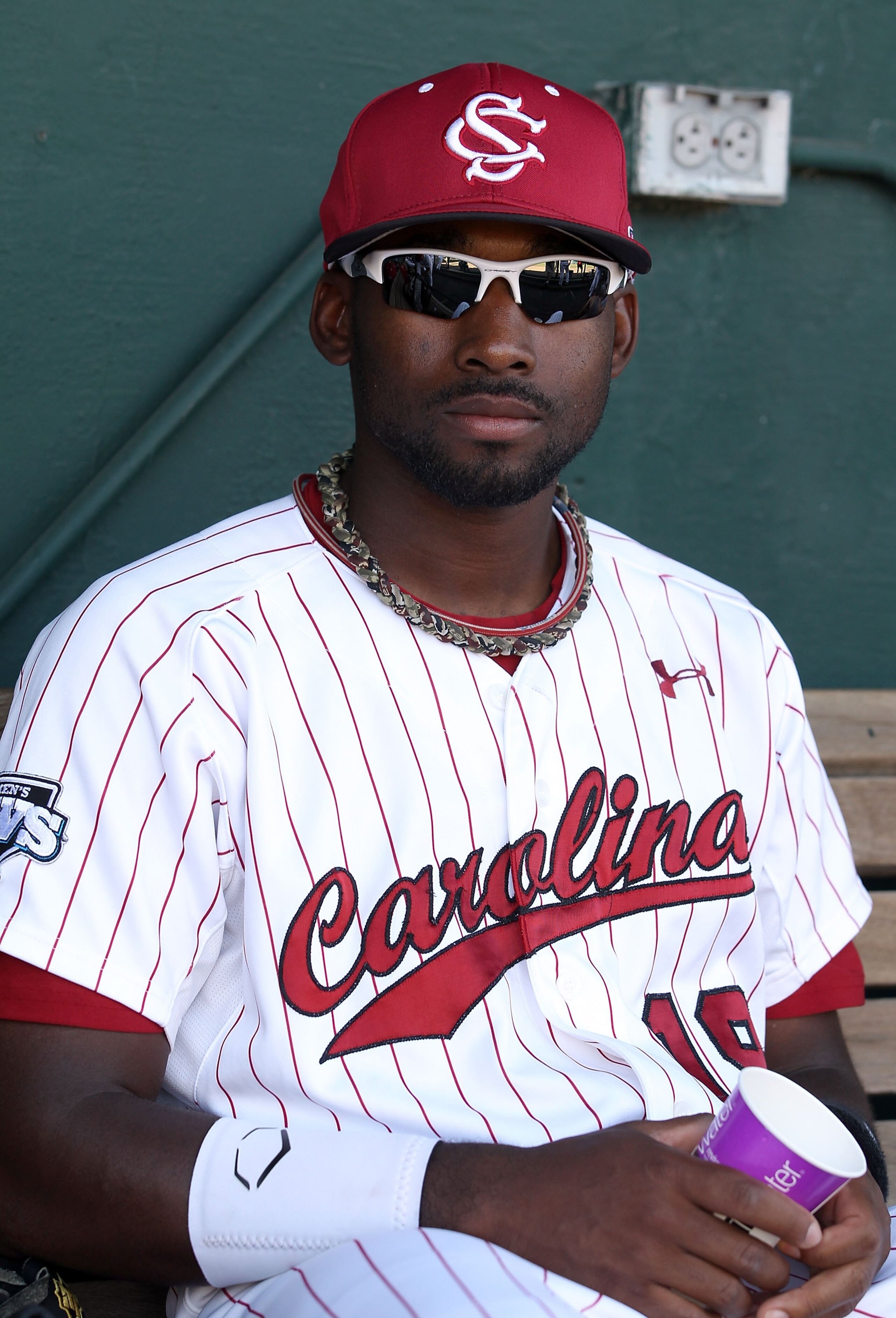
The Boston Red Sox had four of the top 40 picks in the 2011 draft, and they appeared to address their most pressing needs for the most part.
Boston's first selection, No. 19 overall, was right-handed pitcher Matt Barnes, a University of Connecticut product who probably would have gone higher had this draft not featured so many high-caliber arms. With two strong breaking pitches to complement a low- to mid-90s fastball, Barnes has the stuff and composure to be lead in a rotation in the future.
Seven picks later, the Red Sox selected catcher Blake Swihart out of high school. A switch-hitting catcher who hits for both a good average and solid power, there are a couple of non-offensive question marks surrounding him. One is whether the 6'1", 175-pound Swihart has the body of a Major League catcher. Another is whether he will sign with the Red Sox or fulfill his commitment to the University of Texas.
Boston took another high schooler with the 36th pick, lanky southpaw Henry Owens. His 6'6" frame and multifaceted curveball—he can throw it for strikes or with more of a break to induce swings and misses—excite scouts, as does his overall poise on the mound.
Boston's fourth selection, and 40th overall, was outfielder Jackie Bradley from the University of South Carolina. Before this past season, Bradley was slated to be a first-round selection, but a struggle-filled year diminished his draft status. He has some power and offers a strong defensive presence in center field.
Grade: A-
The Red Sox chose several players with high potential. They addressed two positions that are currently weak spots—catcher and left-handed reliever—but it is uncertain when/if the two high schoolers will make an impact.
3. St. Louis Cardinals
3 of 5
It may be understandable to overlook a draft pick who didn't even play in the continental United States, but that doesn't mean that 22nd overall selection Kolten Wong won't be valuable to the St. Louis Cardinals.
A University of Hawaii junior, Wong is the first position player in his school's history to be drafted in the first round. The second baseman hit .378 with 48 runs scored and 21 extra-base hits in 57 games last season.
Wong stands at 5'9" and weighs 180 pounds, making him one of the smallest selections in the first round. But given his offensive skills and defensive adequacy, his size really shouldn't come into play once he transitions into the big leagues.
The Cardinals reportedly had five players on their draft board going into their first round selection, and Wong was the only one left once their turn came around. Time will tell if this pick was truly destined to occur.
Grade: B+
The Cardinals stuck to their plan and got a solid player who works hard. Plus, with predecessors Fernando Vina, David Eckstein and Aaron Miles—all 5'9" or shorter—Wong fits right into the short-statured second baseman role the Cardinals have developed in recent history.


4. Los Angeles Angels of Anaheim
4 of 5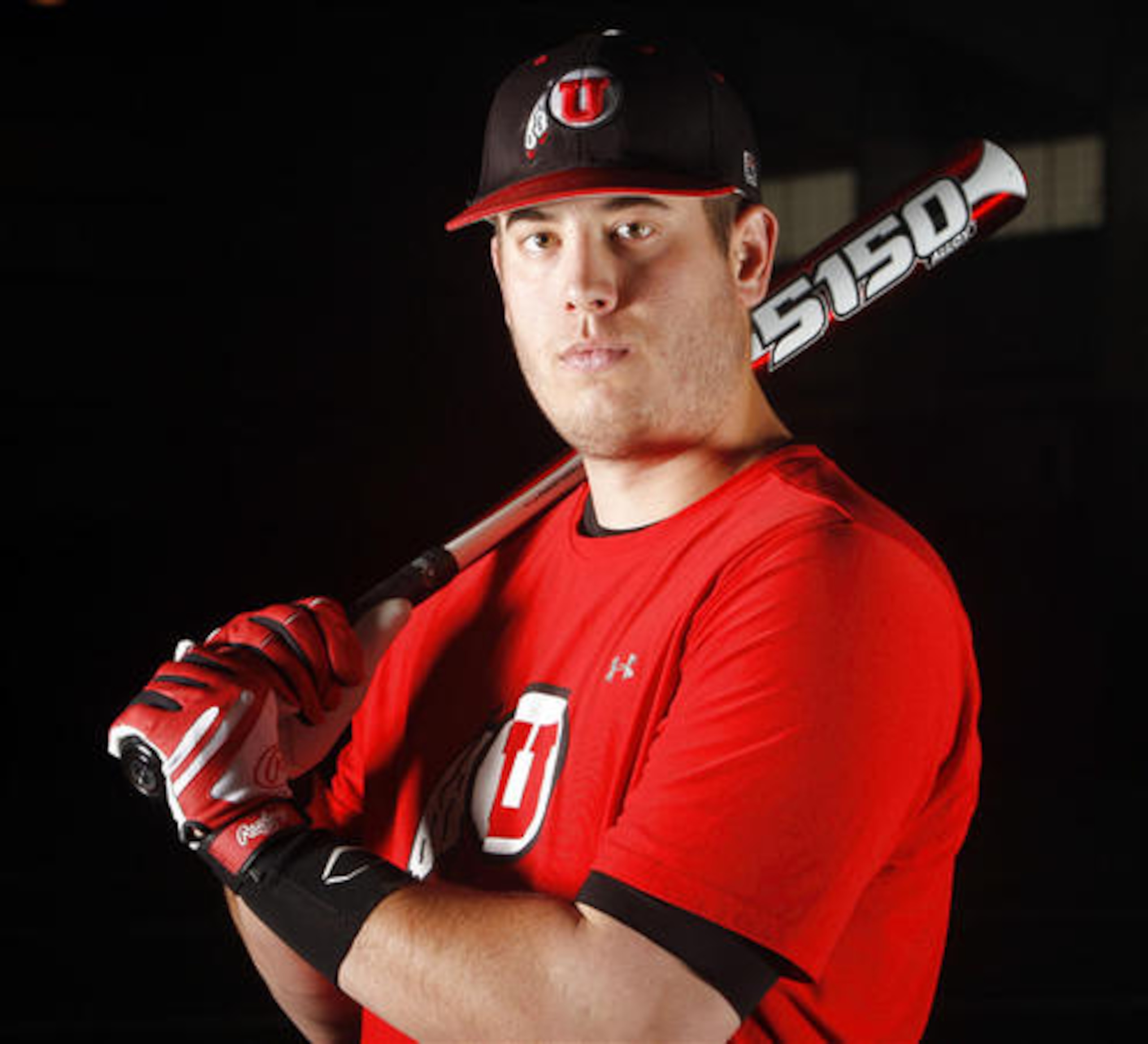
Sometimes, you just have to keep it all in the family.
The Los Angeles Angels of Anaheim selected first baseman C.J. Cron as the 17th overall pick out of the University of Utah. His father, Chris, made his debut with the Angels 20 years ago, though he did not have much of a Major League career to speak of.
C.J. is also the cousin of Chad Moeller, a journeyman catcher currently in the Colorado Rockies organization.
Regardless of how his genes play into it, Cron knows his way around the diamond. He has a potent bat and can hit to all fields. He also has good plate discipline. While he caught and played first in college, most believe he will stick to the corner infield spot once he makes it to The Show.
Grade: B+
Cron looks like a solid pick, and hopefully he can provide consistency at the Angels' first base position, which has been somewhat of a revolving door in recent years.
5. Toronto Blue Jays
5 of 5
You have to respect a team that takes risks, and that's what the Toronto Blue Jays have done so far in this draft. Their first seven picks have all been high school players.
The most notable selection, of course, was their first, the 21st overall pick Tyler Beede. A 6'4" right-handed pitcher, Beede is supposed to have tremendous mechanics emblematic of a college starter. Of course, Beede may have his chance to prove that; he has already committed to Vanderbilt University.
Another interesting pick was the 53rd overall selection, Dwight Smith, Jr., the son of former Chicago Cubs outfielder Dwight Smith, Sr. Smith, Jr., an outfielder, has limited power and unimpressive speed, but he handles the bat well.
Grade: B
Stockpiling pitchers, as the Blue Jays have done so far, is a good strategy, for that is the biggest discrepancy between them and their American League East superiors. But selecting so many high school players, while gutsy, ultimately seems too aggressive of an approach to deem successful right now.

.jpg?w=2560 "Grading WWE Raw 🔠")

.jpg?w=2560 "Bijan's INSANE 1st Half 🤩")
.jpg?w=2560 "Viral Rams Coach Vid 🖕")
.jpg?w=2560 "Injury-stricken Seahawks signing veteran RB")


.jpg?w=2560 "2 NFL Officials Suspended")
