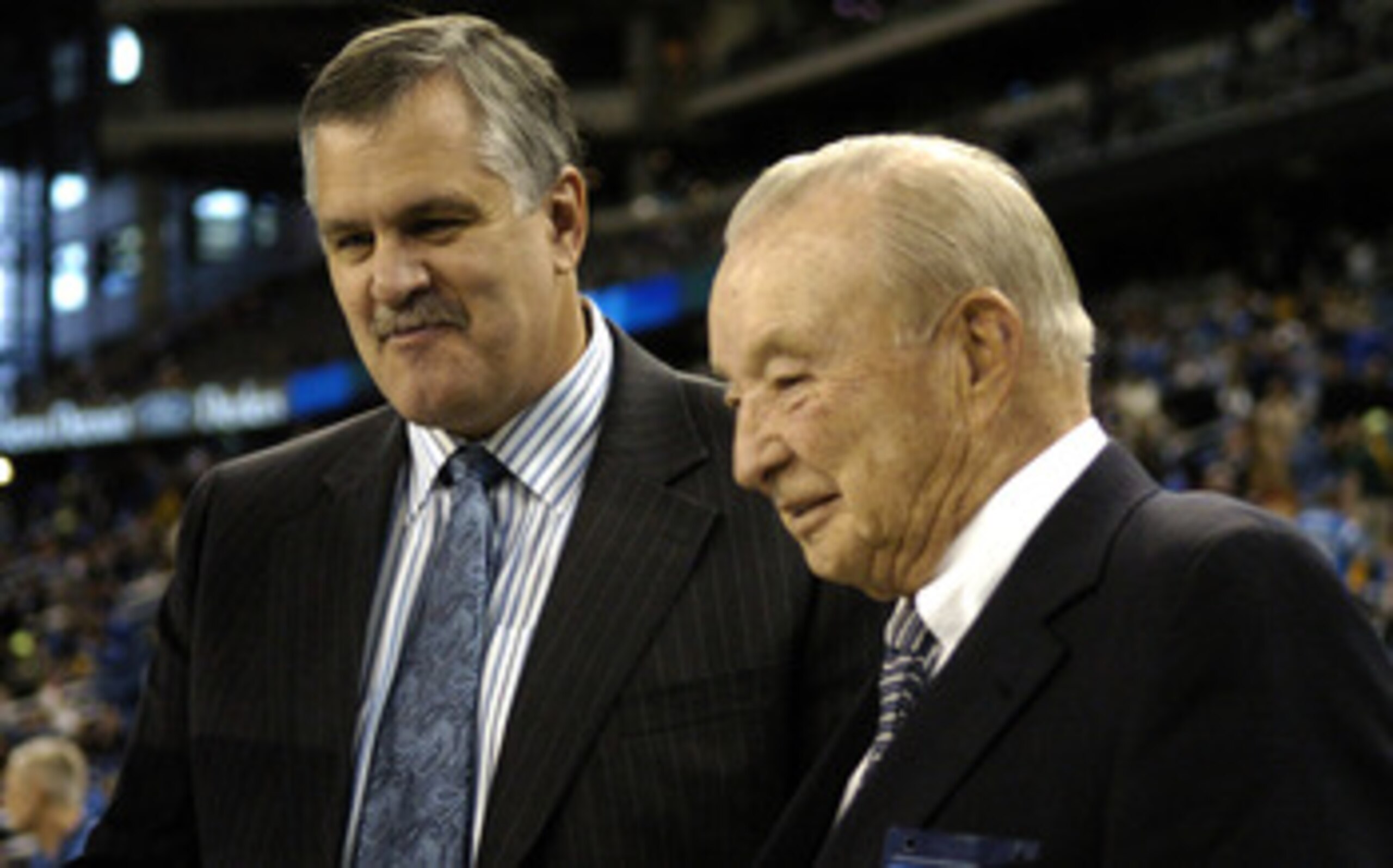

Detroit Lions: The 9 Worst Decisions in Team History
As the entirety of the NFL continues what has been a massive, months-long mistake, this is as good a time as any to discuss the mistakes of a team known for big mistakes.
Think you've read this one before, and suddenly confused about how in the world there could only be nine?
A fair concern. But this isn't your run-of-the-mill "Lions suck at the draft" article. This has to do primarily with organizational mistakes made within management/ownership.
The ground rules for this list are as follows.
1. No draft picks. We all know Matt Millen botched up a bunch of drafts (and everything else he touched) during his tenure. You've read that piece before. Joey Harrington, Charles Rogers, blah, blah, blah.
2. Likewise, no free agent signings. If we start running down the times the Lions paid a guy a lot of money to do nothing, we'll be here all week.
3. This is not nine slides that all say "Matt Millen," no matter how much you might want it to be.
All right, everyone understand the rules? More or less?
That's good enough for me.
9. Preventing Coaching Continuity
1 of 9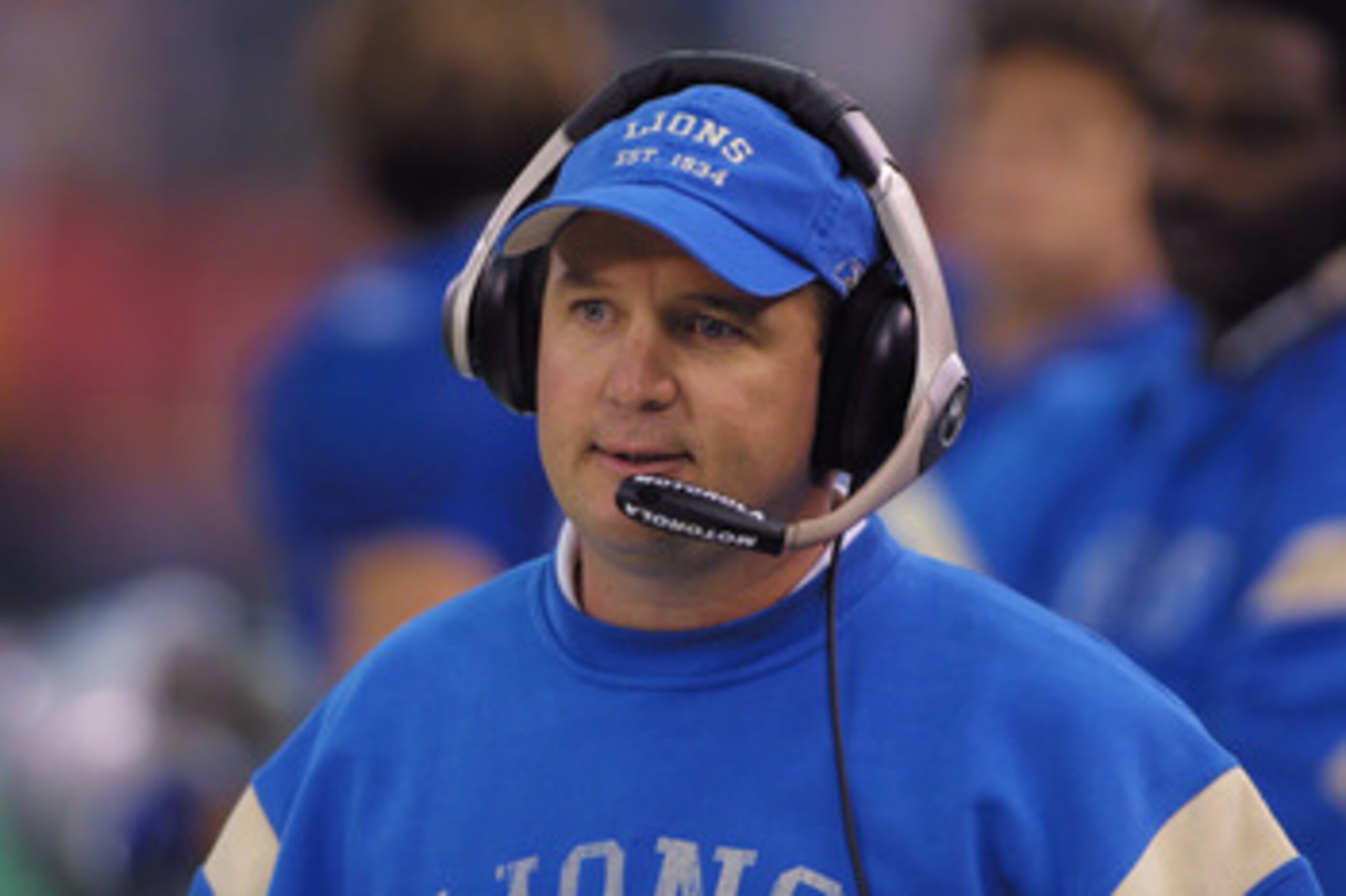
This can't be summed up as just a single decision at a single point in time.
It's a mindset the Lions have had for years, one which will show up a number of times in this very article. If a coach isn't performing, dump him.
That sounds like a good thing, but what if, like one particular coach (to be named later), it was one bad season after three straight playoff appearances?
What if, like Monte Clark, the big fallout is due to a career-ending injury to the team's superstar running back?
Deserved? Maybe, maybe not. But the last decade has illustrated the value of coaching continuity to many a Lions fan, and the team has not been to most consistent in that area.
That's not just on management or ownership. I heard many a Lions fan call in to talk radio last season to call for Jim Schwartz's head when the team was a competitive 2-10.
Now everybody is jumping on the playoff bandwagon. So what changed?
Nothing. That's the point.
8. The Silverdome Is a Little Too Big
2 of 9
Most of us have fond memories of the Pontiac Silverdome, so I don't consider its construction to be a mistake by any means, no matter how much it brings the Metrodome to mind.
But that thing sure was a pain to sell out.
Even during the heydays of the 1990s, the Silverdome rarely sold out. It had one of the largest seating capacities of all NFL venues, and the tickets certainly sold, but there was always plenty of space.
That wasn't a problem—unless you were trying to watch the game on TV under modern blackout restrictions.
In the days of the Silverdome, the TV networks may as well have just bought the rights to the Lions' away games and eliminated any notion of broadcasting any local home games.
Of course, maybe you don't see the Silverdome's seating capacity as a drawback. If that's the case, why did they decrease that capacity by about 20,000 when they built Ford Field?
Seriously, how often do you see a professional sports franchise upgrade to a smaller venue?
7. Hiring Darryl Rogers
3 of 9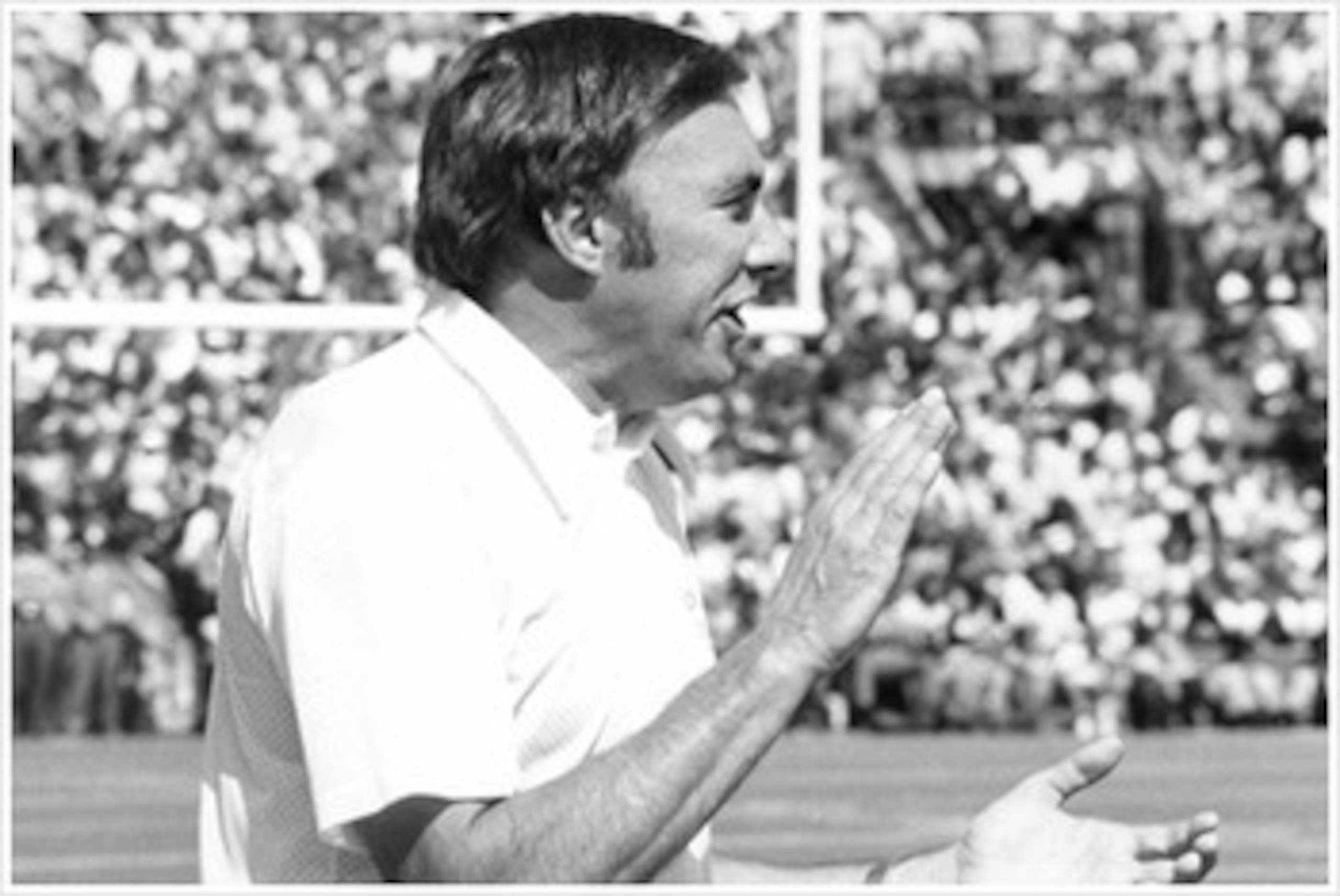
Well, somebody had to come in and pick up the pieces after Monte Clark was fired in 1984.
By the way, Clark was doing a fairly good job with the Lions, keeping them right around the .500 mark each season. It was Billy Sims' career-ending injury that led to the 4-11-1 season that cost him his job. So if you like, you can consider Clark's firing another potential mistake.
But I digress. It was clear the Lions were ready to move on, and it's not so unusual to fire a coach for hovering around .500 and then collapsing.
But Darryl Rogers?
Okay, sure, he had some success at Arizona State. He peaked in 1982 with a 10-2 season and a win in his first-ever bowl game, a Fiesta Bowl win over Oklahoma that put the Sun Devils sixth in AP voting.
Let's leave aside that Rogers had coached almost 200 games before earning his first bowl bid. Remember, this was the 1970s. The NCAA didn't hand out bowl bids like they were participation trophies the way they do today.
Instead, let's focus on what happened after his career-defining win: a 6-4-1 record in 1983 and 5-6 in 1984.
And then the Lions called him up.
Really, guys? Didn't see a disturbing pattern developing there?
That pattern carried over, as Rogers went 7-9, 5-11, 4-11 and 2-9 for a career mark of 18-40 as head coach of the Lions.
The good news is that he paved the way for Wayne Fontes, so there's that.
Which reminds me...

.jpg?w=2560 "Rams Eagles Football")
6. Running Joe Schmidt out of Football
4 of 9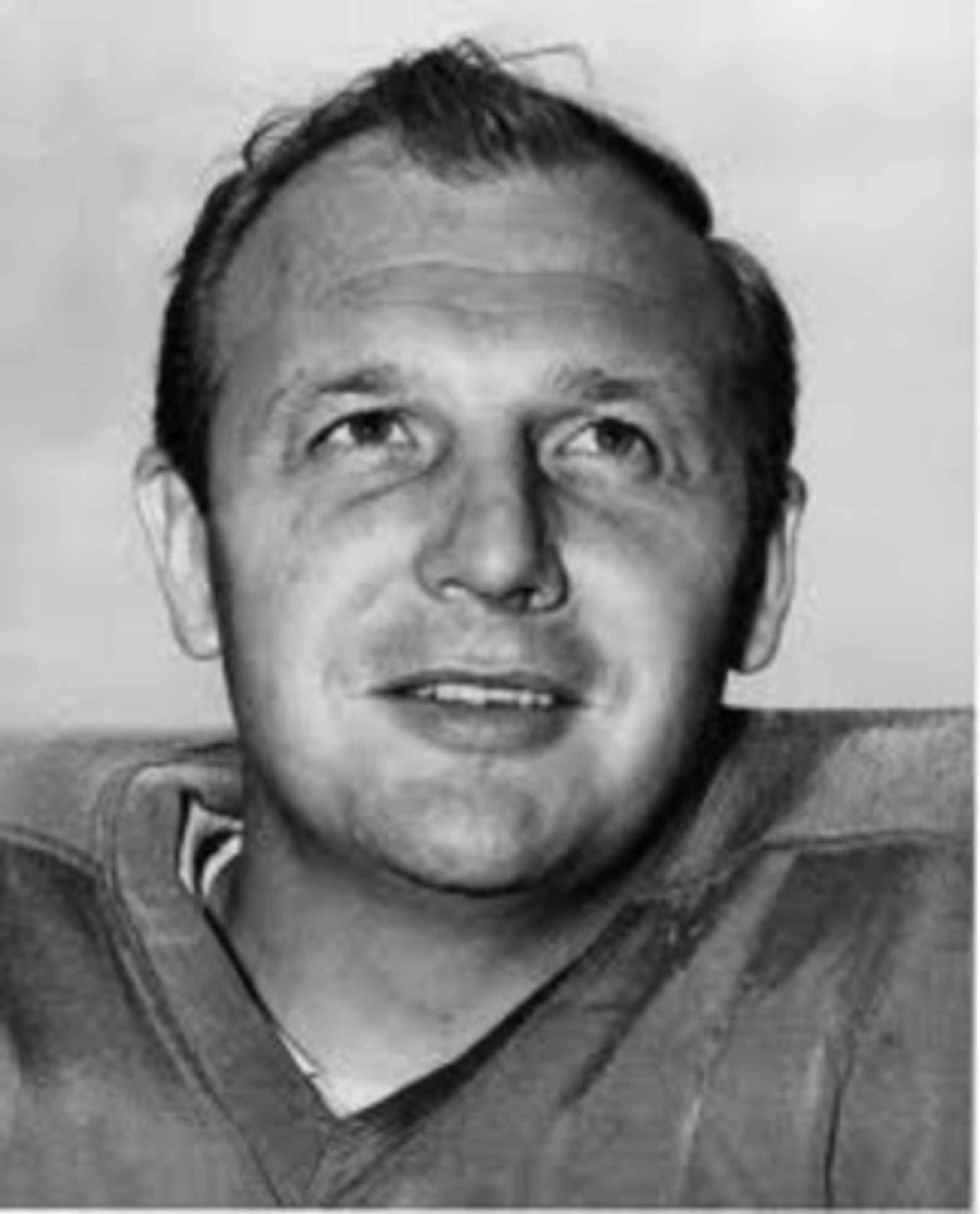
This wasn't so much a decision on the part of the Lions as it was on the part of Schmidt.
The Hall of Fame linebacker retired as a player in 1965, only to resurface as Lions head coach in 1967. For a head coach only two years removed from his playing days, he was quite good.
In fact, Schmidt's career 43-35-7 mark makes him the most recent Lions coach with an overall winning record after at least a full season (Gary Moeller was 4-3 as interim head coach in 2000).
Schmidt had a strict, no-nonsense policy with team, which brought some success, some failure and plenty of controversy.
Still, after a slow start, Schmidt posted four consecutive seasons with a winning record, including a trip to the playoffs (their first since the 1957 championship, which Schmidt was a part of) and Greg Landry making the Pro Bowl.
But GM Russ Thomas meddled with Schmidt's decisions early and often. Thomas once blocked Schmidt's attempt to trade for former teammate Jim Ninowski. The fallout from that tiff nearly resulted in Schmidt's resignation.
His actual resignation would come a few years later, shortly after owner William Clay Ford went on a tirade about his team's poor performance while it was in the midst of a 8-5-1 season.
After that season, Schmidt would never return to football, as a coach or in any other capacity. "Coaching isn't fun anymore," Schmidt said of his resignation, tendered in January of 1973.
I wonder why.
5. Firing Wayne Fontes (and Forcing Barry Sanders into Retirement?)
5 of 9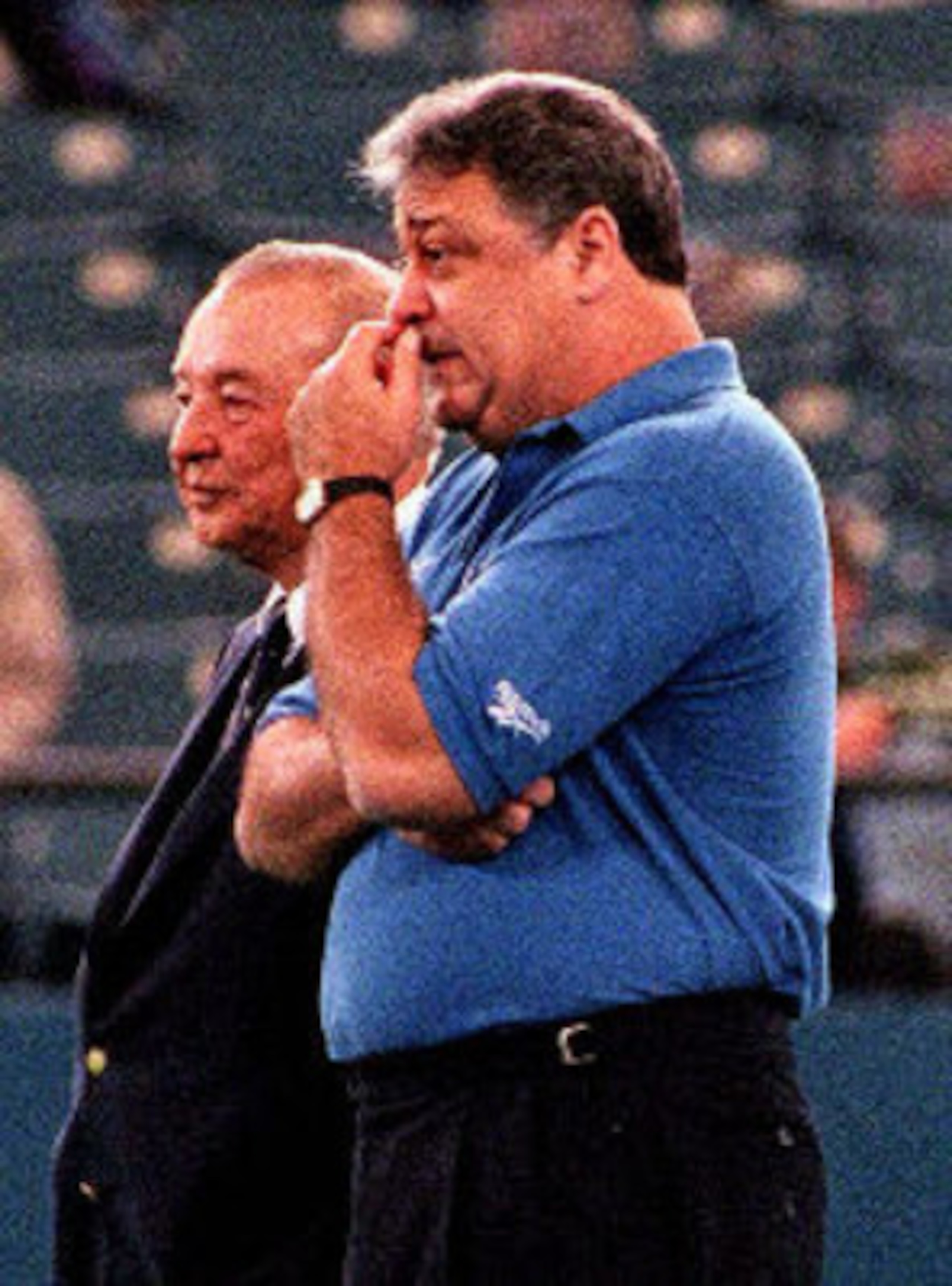
Somehow, management and the media managed to run the Detroit Lions' most successful head coach since Buddy Parker out of town.
Fontes was a polarizing figure in his day. He was an easy target for the media, and it seemed like his job was on the line 24/7/365. Still, he managed to stay good-natured and personable during his tenure in Detroit.
Oh, and he also delivered some guy named Barry Sanders (against the advice of his staff), developed him into a superstar running back and delivered the Lions' only playoff victory in the Super Bowl era.
So it's not like they were just keeping the guy around because he was jolly.
Fontes was famous for his team rattling off a winning streak just as his coaching seat started to heat up. Ultimately, though, the team and its fans became impatient, and Fontes' 1-4 playoff record was seen as underachieving.
Despite making the playoffs the three previous years, Fontes was fired in 1996 after finishing the season 5-11.
Of course, if Jim Schwartz led the Lions to a 1-4 record in the playoffs over the course of eight seasons, Detroit might build a statue of him.
Maybe the guy deserved another season or three, you know?
Sanders thought he did, and said as much in his autobiography. In fact, he reportedly started contemplating retirement the season after Fontes' firing, never hit it off with Bobby Ross, and then... well, you know the rest.
Hmmmmm...
4. Selling the Lions to William Clay Ford
6 of 9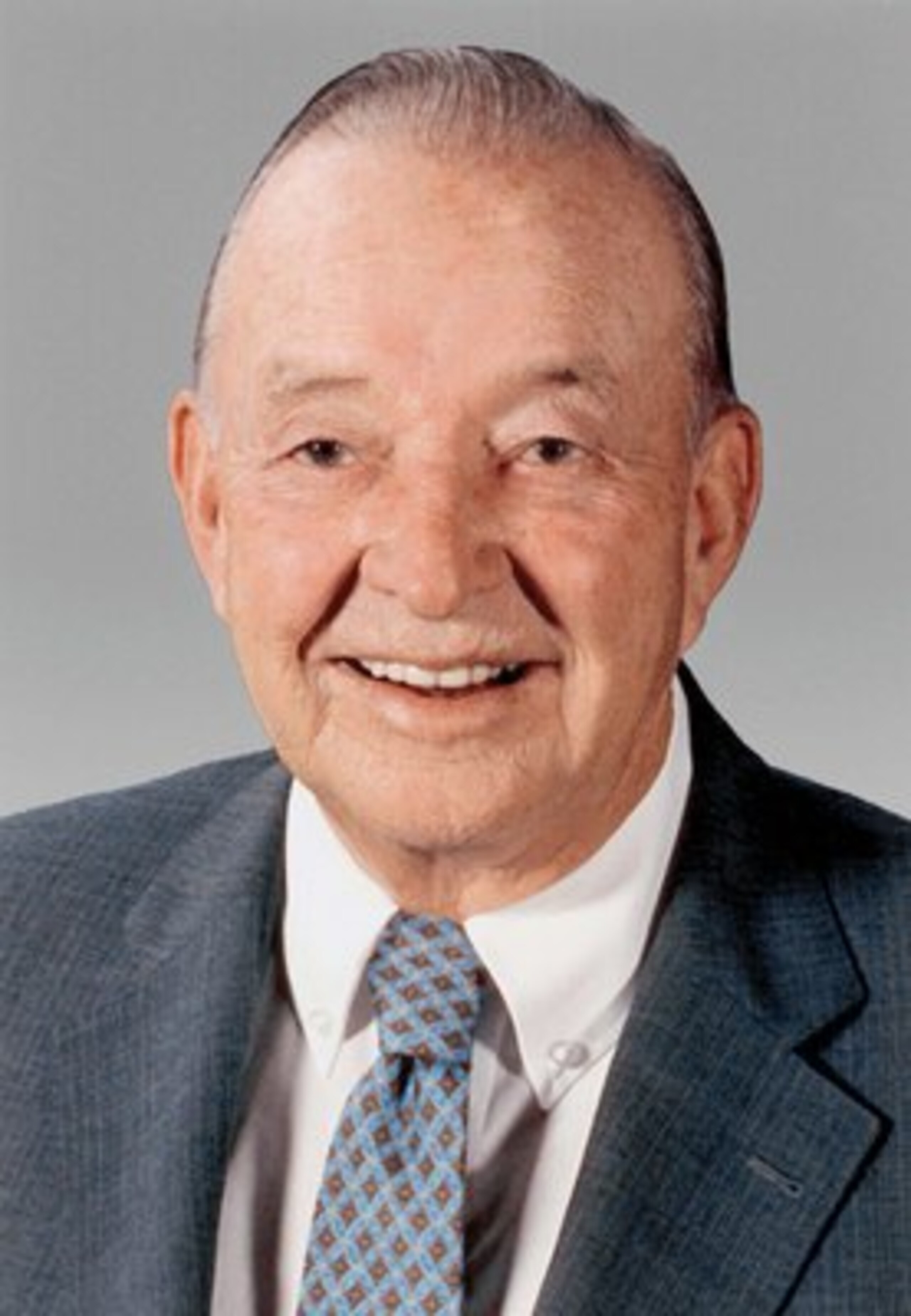
By all accounts, William Clay Ford is a great man and one of the kindest millionaires you'll ever meet.
Where owners like Jerry Jones and Bud Adams build their new stadiums using house (that is to say, taxpayer) money, Ford paid for nearly half his new stadium (roughly $215 million) out of his own pocket and then purchased the naming rights for the Ford Motor Company (another $40 million).
Sure, Ford's pocket change probably eclipses the state budget of Idaho, but that's not the point. The point is that what I'm about to say about Ford has nothing to do with him as a person. I mean, the man served in World War II, for crying out loud.
Now with that out of the way, here's the bad news.
Ford purchased the team in 1964 for $4.5 million, and since that time, there isn't any one name that has become more synonymous with losing than Ford.
This is particularly strange because Ford has typically been a "hands off" owner. He isn't the Al Davis type of owner who forces all football decisions through him; he lets his football guys do their job and stays out of the spotlight.
But still, it's uncanny. The Lions were a powerhouse team in the 1950s, Ford buys the team in the '60s and they're bad for the next 50 years or so.
Coincidence? Of course not. The problem is that he lets the football guys work, but he hires the football guys.
So in that sense, you can more or less blame every bad decision made in the last five decades on Ford.
3. Hiring Matt Millen
7 of 9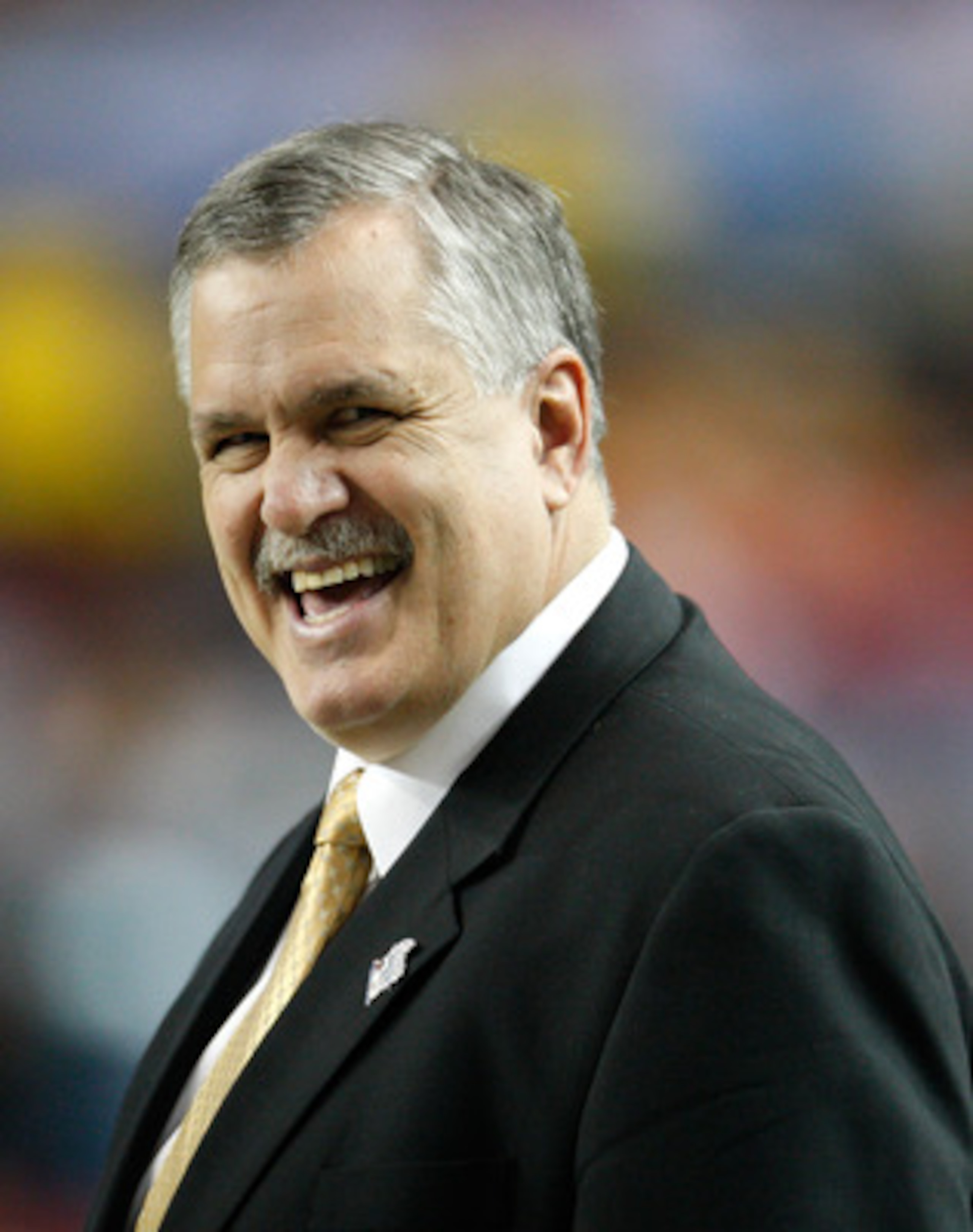
Look at him. He's laughing at you and your contempt.
All right, that's enough antagonizing. Don't blow a gasket out there.
You might be wondering why Millen's hiring is so far up on this list. You might be angry about it, even.
You might want to read on.
2. Trading Bobby Layne
8 of 9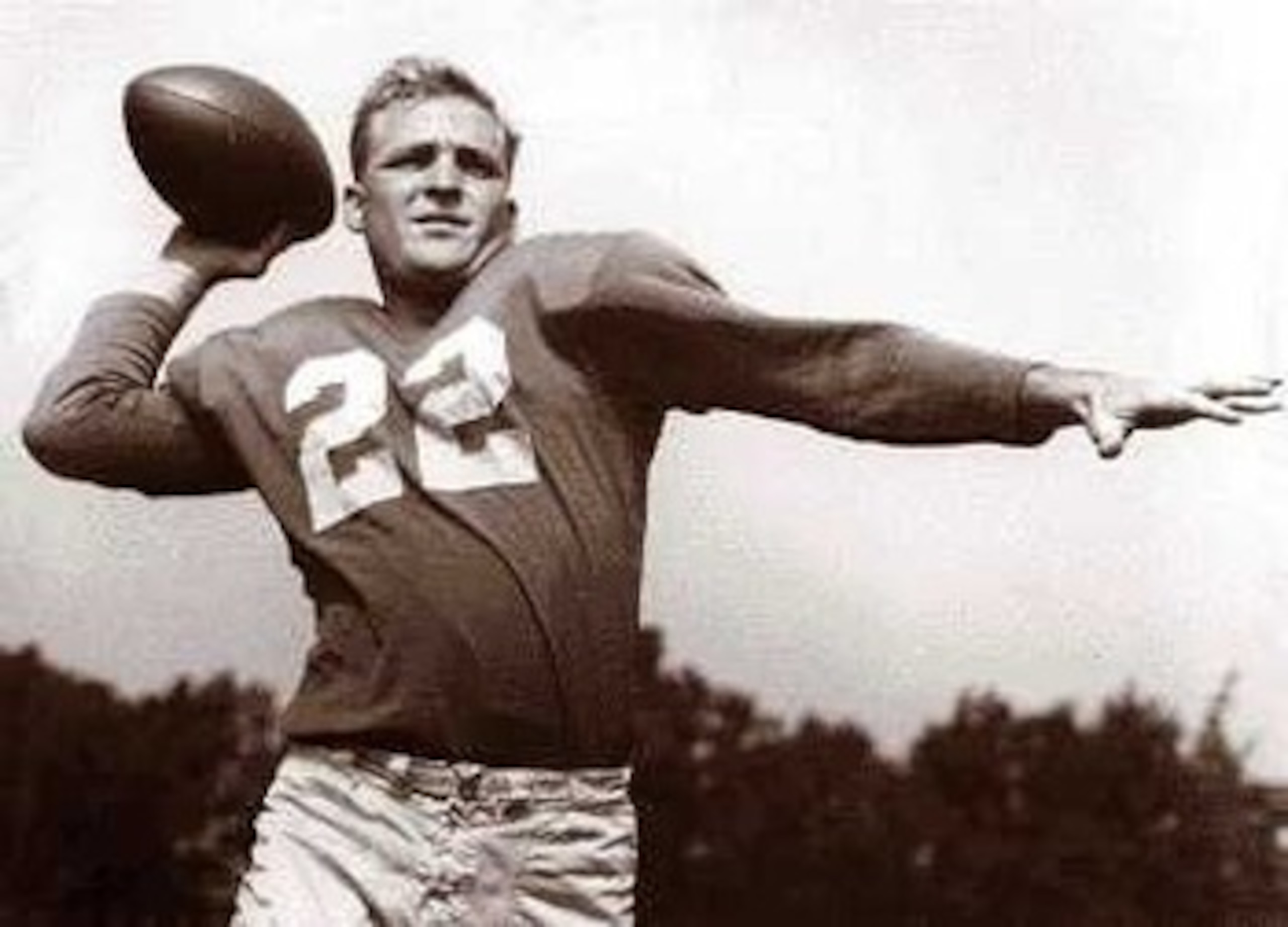
Curse or no curse (and it turns out it's probably no curse), the Detroit Lions traded a Hall of Fame, championship-winning quarterback to the Pittsburgh Steelers.
Since then, the Lions have been largely a laughingstock, while the Steelers developed into the epitome of consistent winning.
Of course, that's not all because of Layne. Layne never even delivered a championship to the Steelers in his time there.
It is, however, an example of the Detroit Lions' penchant for bad decisions. Layne wasn't valuable for his physical ability or statistics. He was valuable for his grit, determination and leadership.
Great teams don't trade those kinds of players away, even in their waning years. Ray Lewis isn't the player he once was, but he leads his team into battle every week and fears nothing.
Layne was that kind of player for the Lions. Contrary to today's "prima donna" quarterback, Layne was a premier tough guy and one of the last NFL players to play without wearing a face mask.
Since Layne's departure, what kind of consistent leadership have the Lions had on the team? They have the same number of playoff victories as Pro Bowl quarterbacks (one), and they have gone for large chunks of time without any legitimate identity to the team.
That's why good franchises don't trade away the team's leader after a journeyman (Tobin Rote) performs well enough during an injury absence.
1. Not Firing Matt Millen
9 of 9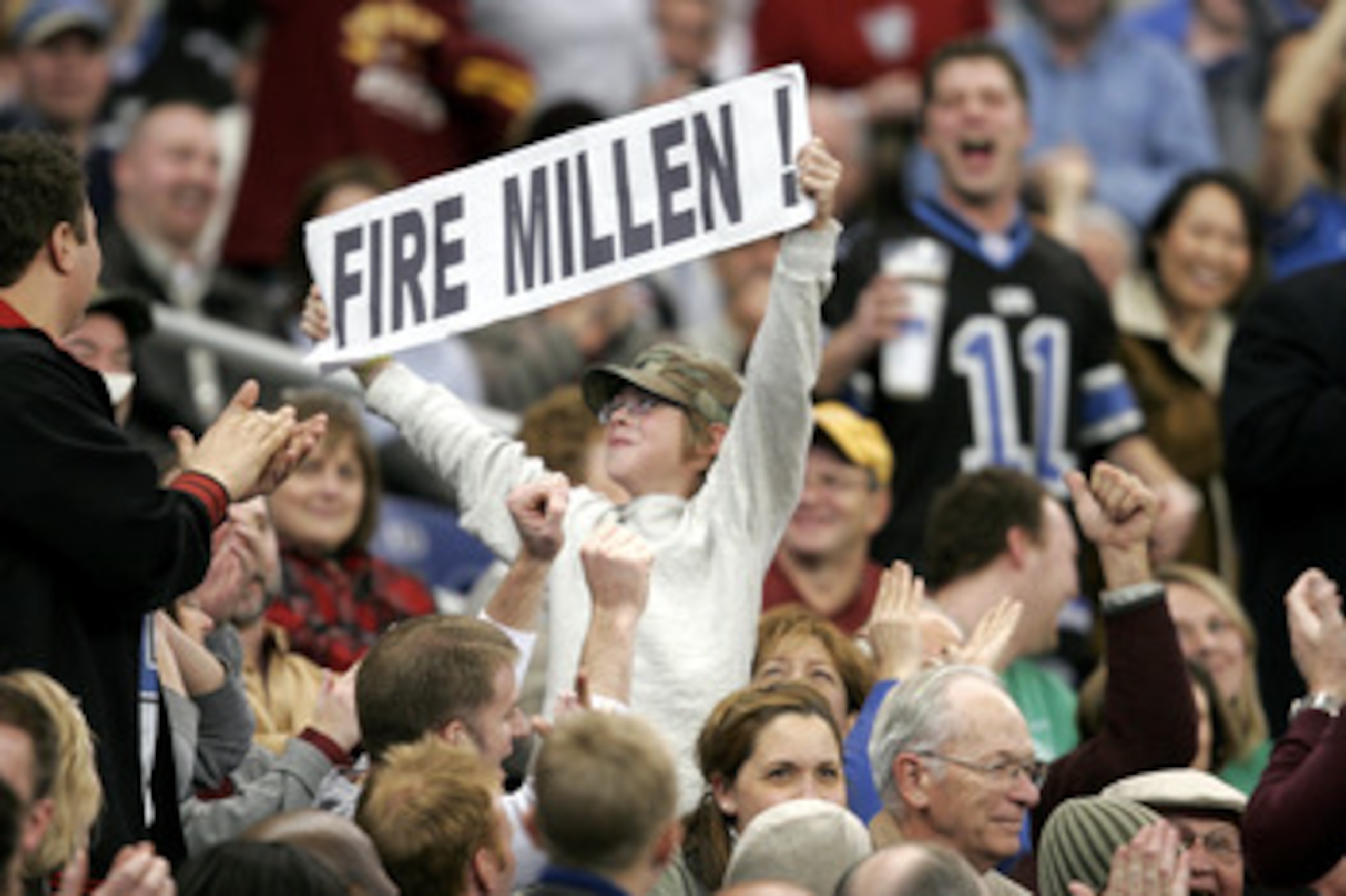
Ah, now you see.
The really interesting thing about Matt Millen is that the hiring part is not what was so bad. At the time, everybody actually thought it was a great idea.
The most egregious part of the man's Detroit experience was how long it was allowed to continue.
Now in retrospect, this should not have been any great surprise. There was precedent in place for Millen's extended tenure.
Millen was only the third GM appointed to the Lions since Ford bought the team in 1964.
Russ Thomas ran the team for 22 years (1967-1988), finishing his tenure with a .443 winning percentage and only six winning seasons (four of those were under head coach Joe Schmidt).
Chuck Schmidt took the team over in 1989 and effectively took on the role of "hire head coaches, help where requested, stay out of the way." That approach led the Lions to a .495 winning percentage, three 10-win seasons and a playoff victory. Schmidt's tenure ended with the Lions narrowly missing the playoffs in 2000.
See what I'm getting at here? Millen's predecessors were each with the team for more than two decades, and it's not like Ford was demanding excellence from them. Millen's eight-year tenure is minuscule by comparison, so it's not like Ford was going to dump him after three years (no matter how often the fans told him to).
Still, his contract extension after five losing seasons? Bad.
Throwing people out of games for "Fire Millen" signs? Bad.
A .277 winning percentage in eight years? Bad.
Going 0-for-the-draft every year between 2002 and 2006? Bad.
There was just so much bad in Millen's tenure and, with few exceptions, it got worse every year.
Ford is a good man for showing loyalty to his employees and, to a certain extent, he is to be commended for standing by his guy in the darkest of times.
But where there is a good, compassionate man respected for his commitment to Millen, he is a poor business owner. The Detroit Lions are a business and allowing one man to run a would-be lucrative business into the ground in the name of loyalty to the guy in charge is not how you run a successful outfit.
You would think the grandson of Henry Ford would have known a little better than that.
Who knows where the Lions would be today if not for the great-grandson of Henry Ford?

.jpg?w=2560 "Grading WWE Raw 🔠")

.jpg?w=2560 "Injury-stricken Seahawks signing veteran RB")

