

NFL's All-Bust Team: Biggest Bust at All 22 Positions
Throughout the the years of the NFL Draft, each team has had chances to strike gold and selected players that fit their styles of play and made differences basically right out of the pre-season games.
On the opposite side of the spectrum, you find these guys— NFL prospects who went into the draft day hopeful and full of high hopes only to become useless bench warmers and crowd-favorite punching bags.
Here, in no particular order, are the all-time worst draft picks at every position in NFL history.
Quarterback: JaMarcus Russell 2007, Round 1, Pick 1
1 of 22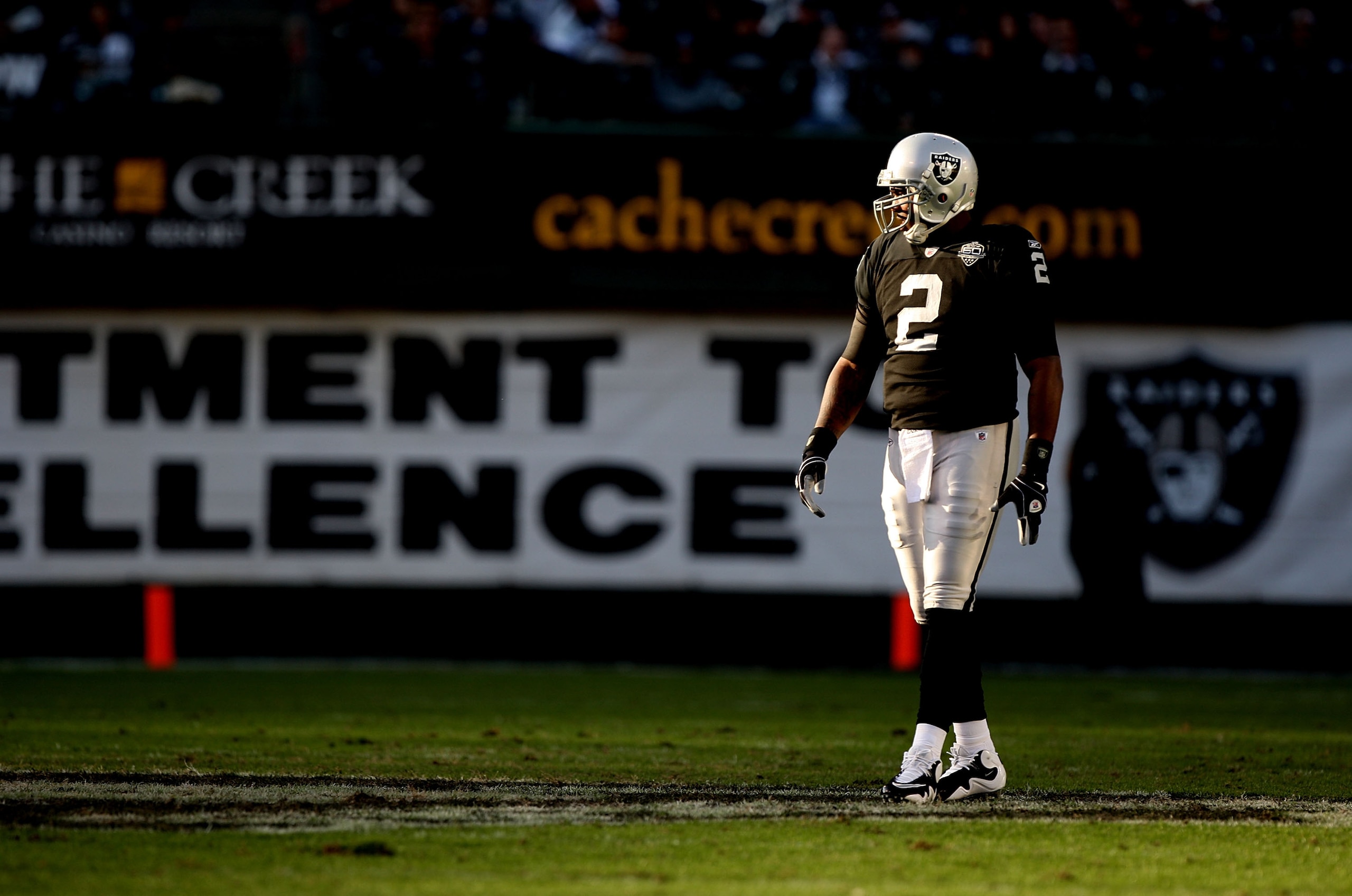
Though Ryan Leaf has been the leading candidate in the all-time worst draft pick category, I feel that JaMarcus Russell has finally made a case to snag the devious title away from Leaf and be known as the worst draft choice in NFL history.
Russell came into the league fresh off winning the MVP of the 2007 Sugar Bowl, where he led the LSU Tigers to a victory, before a strong showing at the NFL combine.
Before Russell took a single snap as an NFL quarterback, he gave headaches to fans and Raiders staff alike. Russell held out the entire training camp and didn't come to terms to a contract with Oakland until after the first game of the 2007 season was already in the books.
Russell's contract was worth $61 million—with $31 million being guaranteed.
Russell ended up playing three dreadful seasons for the Raiders, where he amassed a pitiful record of 7-18 as a starter. He threw for 4,083 yards, 18 touchdowns and 23 interceptions—to go along with a dismal 65.2 quarterback rating.
After his release from the Raiders, Russell ballooned up to 300 pounds—up from his initial playing weight of 265 pounds—and got himself into some legal hot water after being caught in possession of codeine syrup without a prescription.
He later, with the help of former NBA star John Lucas—who also had a problem with drugs during his playing days— made a failed attempt at an NFL comeback. Lucas cut all ties with Russell, citing his lack of work ethic .
Running Back: Archie Griffin 1976, Round 1, Pick 24
2 of 22
Archie Griffin bust into the NFL after an impressive college career where he won back-to-back Heisman Trophies in 1974-75 while playing at Ohio State University—where he amassed 6,559 all-purpose yards and netted 26 touchdowns in four years.
He was highly touted and was described as a great individual on and off the field
Griffin was drafted 24th overall in the 1976 NFL Draft by the Cincinnati Bengals—the team he would play all seven of his seasons in the NFL with.
Griffin's impressive college game did not translate into a quality NFL career. In Griffin's seven seasons, he only racked-up 2,801 yards with seven touchdowns—not a very good stat line for a former two-time Heisman Award winner.
There have been other running backs who were drafted lower than the 24th pick, but the major hype that was on Griffin's shoulders that never seemed to come out during his NFL career is why he is the biggest bust at the running-back position.
Wide Reciver: Rae Carruth 1997, Round 1, Pick 27
3 of 22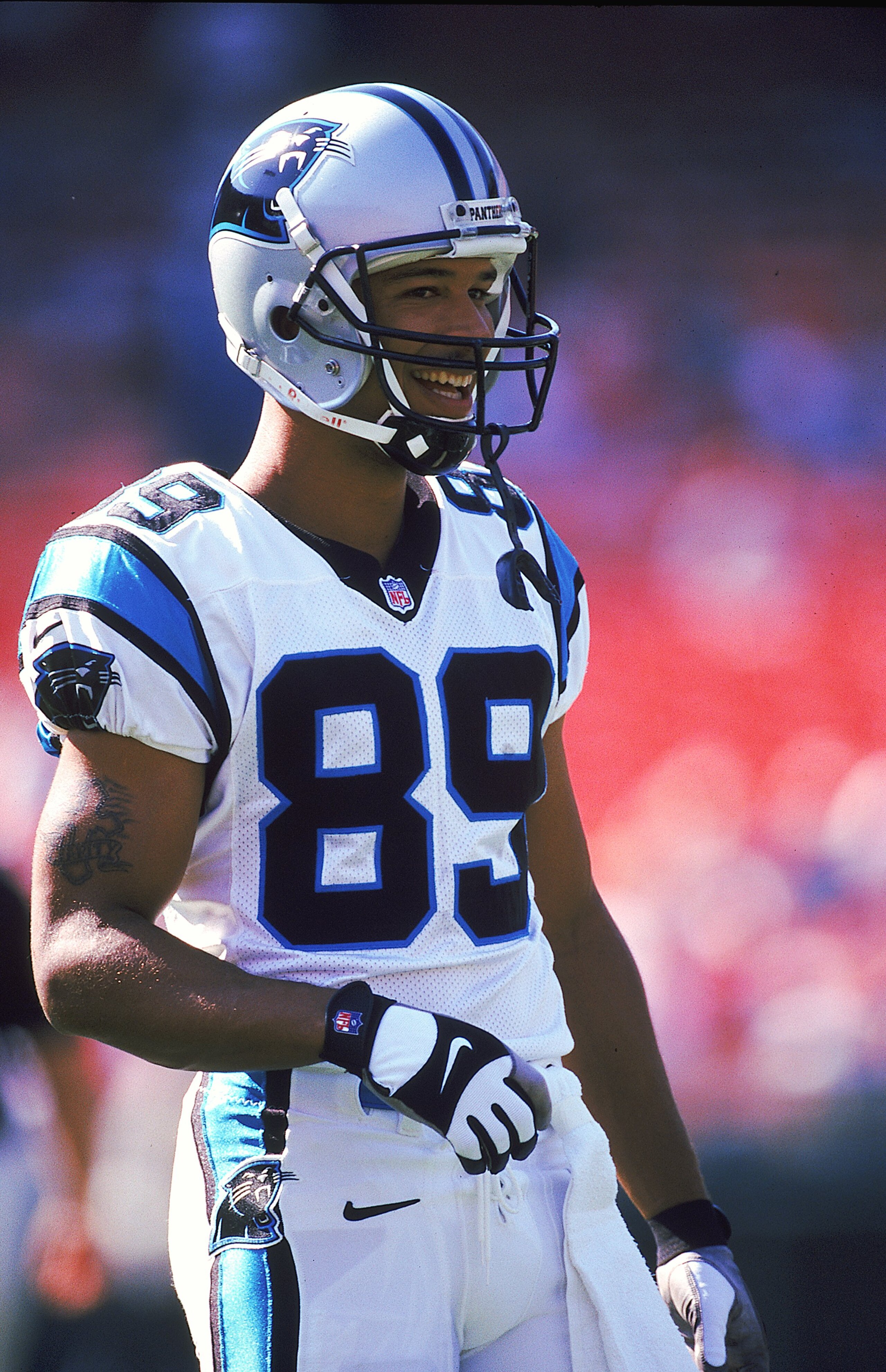
Rae Carruth came into the league after a solid career at Colorado University where he was named to the All-American team in 1996.
After being drafted in the 1997 NFL Draft 27th overall by the Jacksonville Jaguars—he signed a four-year, $3.7 million contract—he had a decent rookie season, totaling up 545 receiving yards to along with four touchdowns. Those numbers landed Carruth on the All-Rookie team.
The following season, Carruth broke his foot in the first game of the 1998 season and missed the entire season. In his return in the 1999 season Carruth caught 14 catches, totaling 200 yards through the first six games before his career and life were to change forever.
On November 16, 1999 Carruth played a role in the shooting death of his pregnant girlfriend—the child was saved by doctors—and was let-go by the Panthers.
Carruth was sentenced to 18-to-24 years in prison after being found guilty of conspiracy to commit murder among other charges.
Instead of Carruth being out on the football field trying to prove himself worthy of a first round draft pick, he sits in prison left to ponder what could of been.


Tight End: David LaFleur 1997, Round 1, Pick 22
4 of 22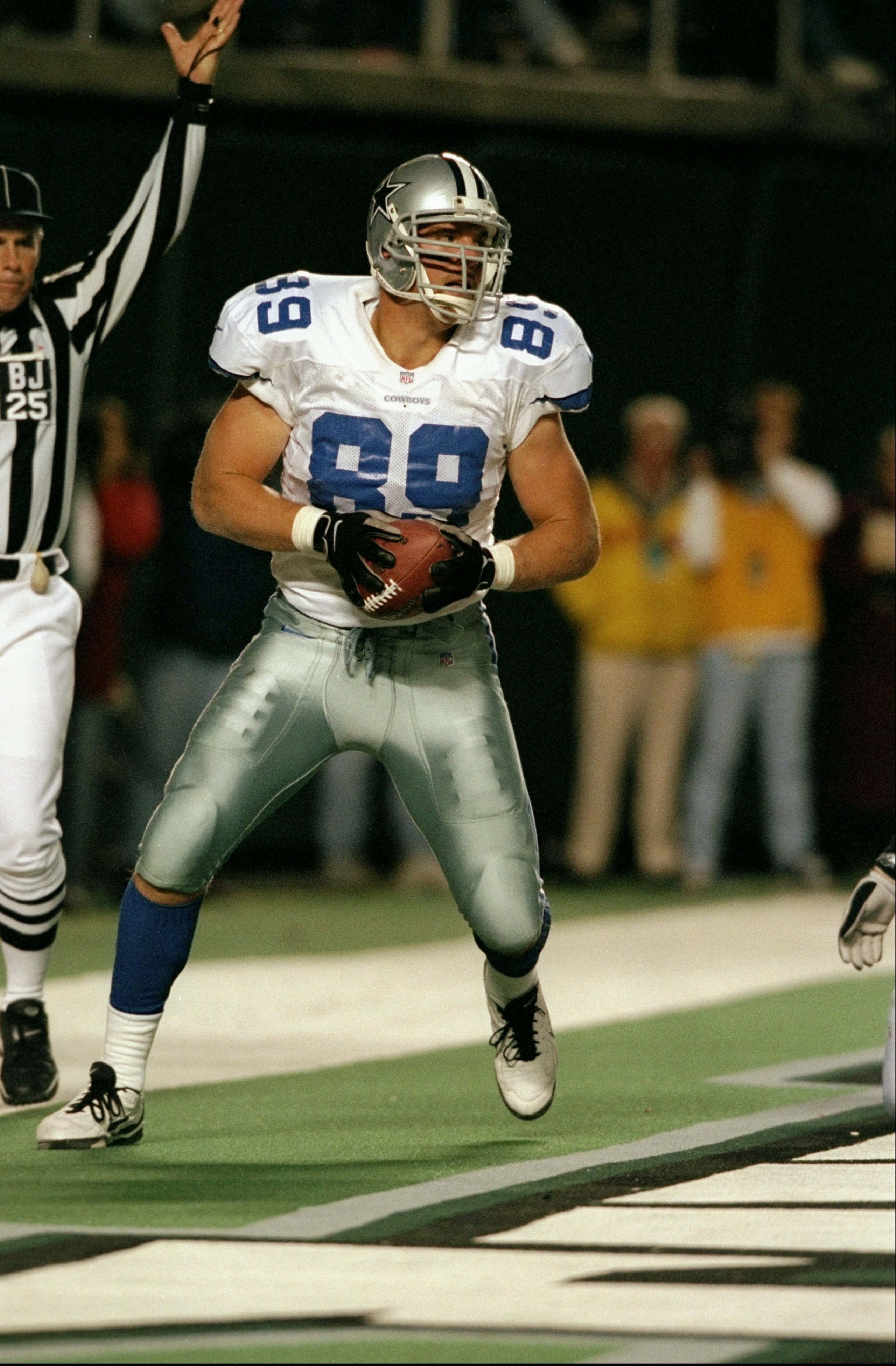
David LaFleur—a former first-team All-American while playing in college at LSU—was drafted 22nd overall by the Dallas Cowboys in the 1997 NFL Draft.
With big expectations and big shoes to fill—was brought in to take the place of aging Pro Bowler Jay Novacek—LaFleur never reached the level the Cowboys had hoped he would. LaFleur had his best season of his short four-year career in his third season in 1999 where he nabbed 322 yards and seven touchdowns.
After his rookie season, his numbers were up-and-down every season until his fourth-and-final year where he had 109 receiving yards and one touchdown. LaFleur was just too big to be able to run successful plays to get open regularly, never letting him have that break-out season.
LaFleur left the league in 2000 with career numbers of 85 receptions for 729 yards and 12 touchdowns ending any hope that the Cowboys had of LaFleur being their next Pro Bowl tight end.
Offensive Tackle: Mike Williams 2002, Round 1, Pick 4
5 of 22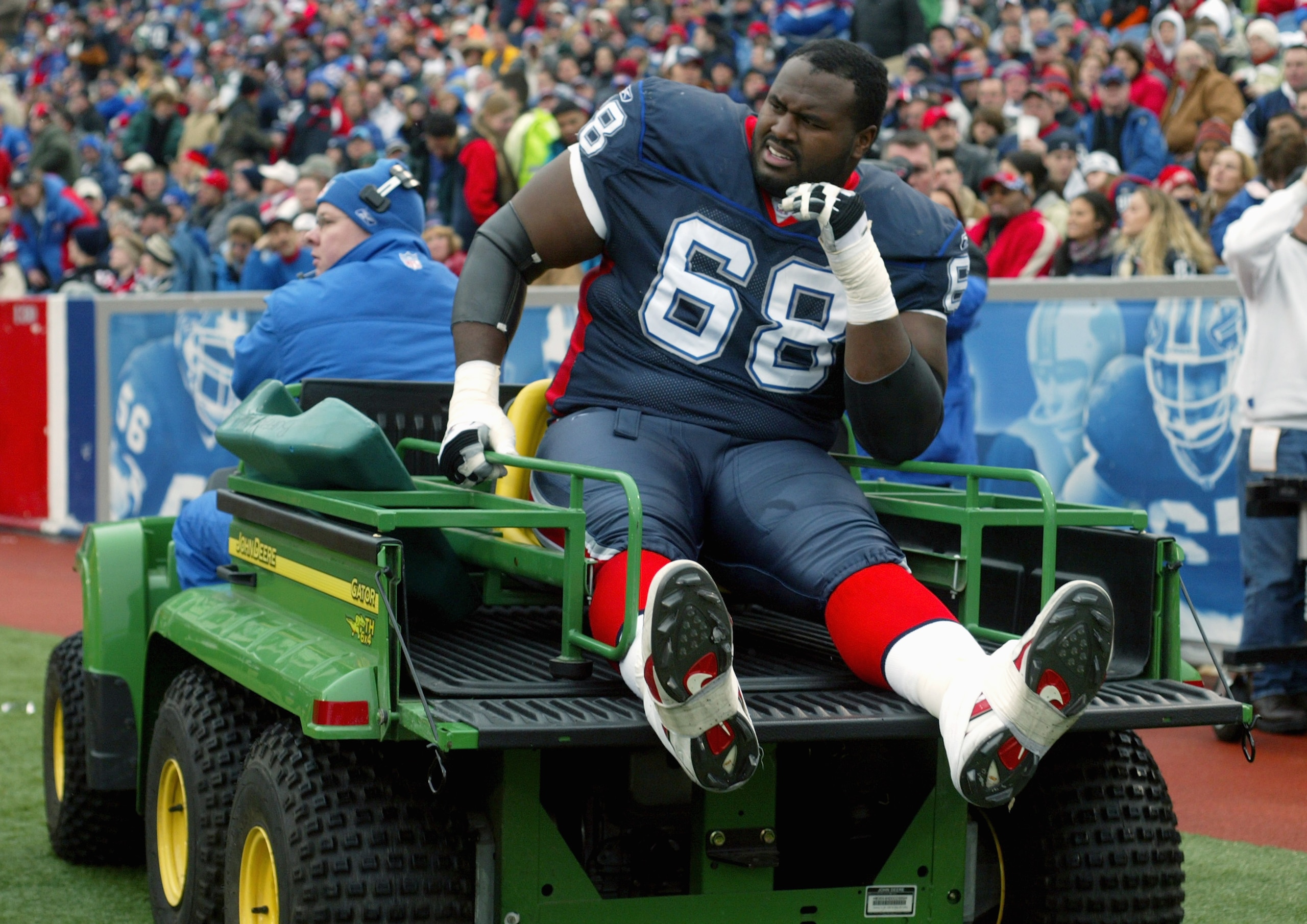
Mike WIliams was drafted fourth overall by the Buffalo Bills in the 2002 NFL Draft. Coming in after a stellar showing at the University if Texas, Williams was expected to become an outstanding NFL player due to him being a left-handed tackle.
Williams production never came to fruition and Williams would eventually go from starter to the bench—being replaced by an undrafted Jason Peters who went on to become a standout player at the position.
After failing to produce as the Bills hoped he would, he was let go in 2006. Williams was out of football for two years and attempted to make a comeback in 2009 when the Washington Redskins took a chance on him. He came in at 400 pounds, but dropped 70 of those pounds to get him in better playing shape. Williams went on to play pretty decent and became a starter for the Redskins and was re-signed in 2010 to a two-year deal.
Williams went on to miss the entire 2010 season due to blood clots found by his heart.
Offensive Tackle: Tony Mandarich 1989, Round 1, Pick 2
6 of 22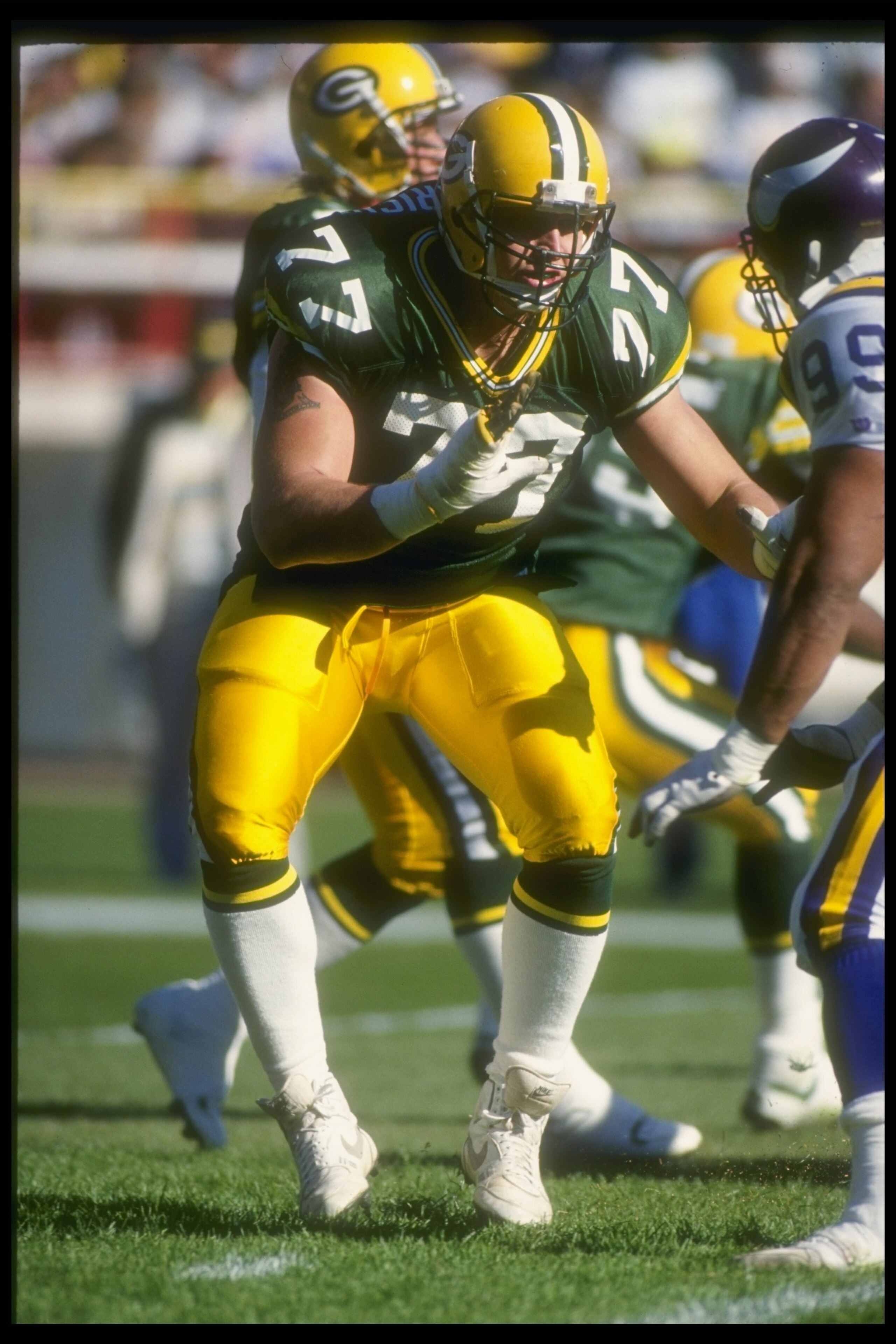
In the 1989 NFL Draft, the Green Bay Packers drafted Tony Mandarich out of Michigan State University—ahead of Barry Sanders and Derrick Thomas. Mandarich was seen as the "best offensive line prospect ever" according to Sports Illustrated in 1989, but never played anywhere close to the potential he had.
Mandarich was a pain in the Packers side, and he was known to miss public appearances due to being too hungover from partying the night before and having an overall bad attitude.
After failing to produce the way the Packers had hoped Mandarich was quoted by writer Jim Weber saying "I am not like other players, I am Tony Mandarich, and they have to understand that. If they don't like it, that is just the way I am and they are going to learn to like it."
Mandarich was cut after the third year on his four-year contract with the Packers. Later on, Mandarich admitted to using steroids while at Michigan State and blamed his less-than-stellar career with the Green Bay Packers to an addiction with painkillers.
Mandarich came back into the NFL in 1996 where he played three seasons with the Indianapolis Colts, having a far better showing than the one he did in Green Bay. He retired in 1998 after suffering a severe shoulder injury.
Punter: B.J. Sander 2004, Round 3, Pick 87
7 of 22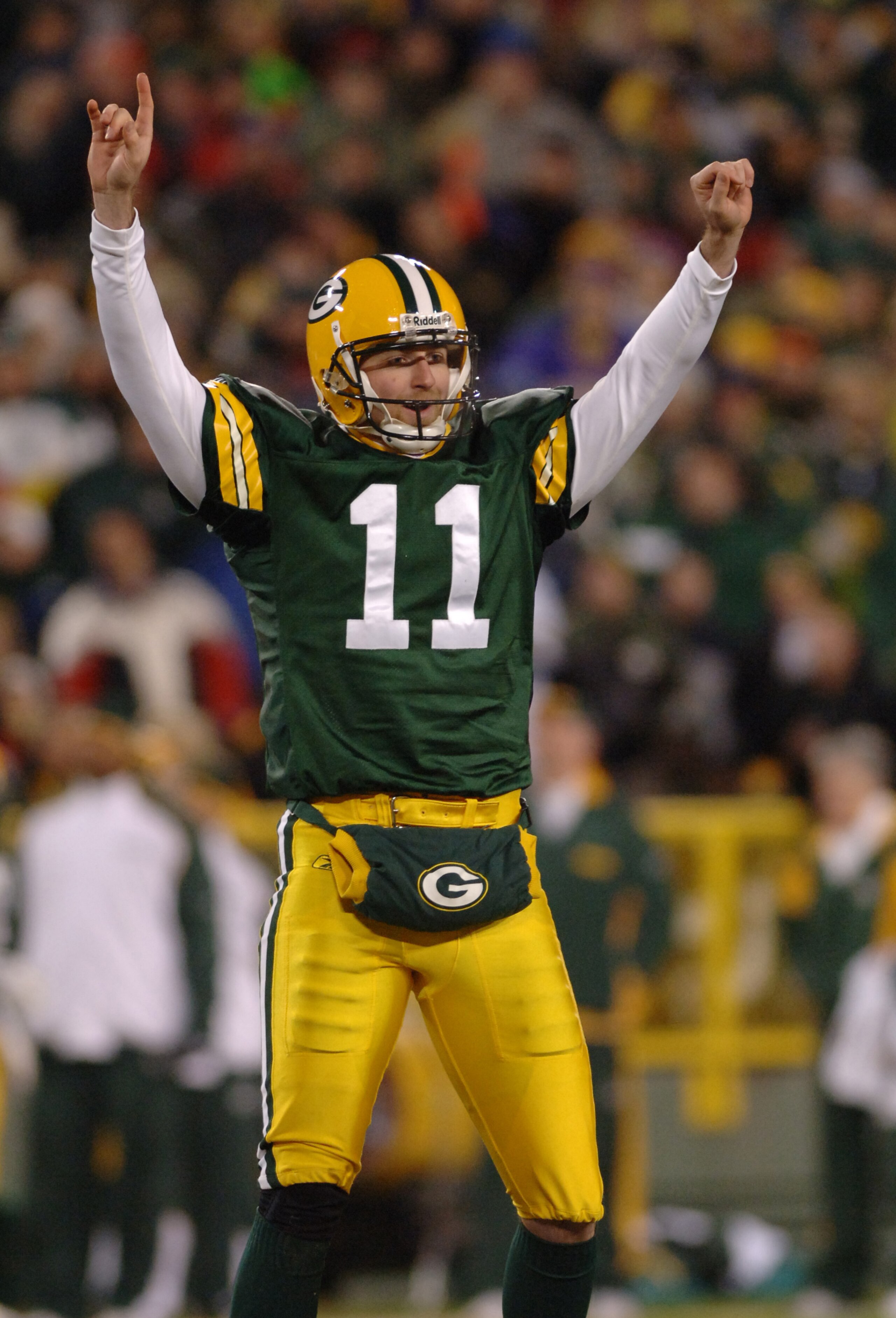
In the 2004 NFL Draft, the Green Bay Packers drafted punter B.J. Sander 87th overall.
Sander came out of Ohio State where played just one year and won the Ray Guy Award for being college football's best punter.
Sander would go on to play in just 14 NFL games, amassing 2,508 punting yards and he would end up near the bottom of the list as far as punters went in the NFL during his short stint in the league.
He tried unsuccessfully to make a comeback with the St. Louis Rams in 2007, but only went as far as being on their practice squad for a little over one month.
Kicker: Mike Nugent 2005, Round 2, Pick 47
8 of 22
In the 2005 NFL Draft the New York Jets selected Mike Nugent out of Ohio State as the 47th pick overall.
While at Ohio State, he broke 22 school records, including the most points scored by a player, with 356 points. Nugent won the Lou Groza Award in 2004 for being the best kicker in college football and was also the only kicker to ever be named the MVP of the Ohio State football team.
Nugent played well in his first three seasons with the Jets, making 75 out of 91 field goals and looked like he was on his way to being a long-time starter for the Jets.
In the first regular-season game in 2008 with the Jets, Nugent hurt his quadriceps during an extra-point attempt. While he was recovering from the injury, the Jets signed Jay Feely who ended up playing well enough that he kept the starting job even after Nugent was healthy enough to play.
Nugent was allowed to become an unrestricted free agent. In 2009, the Tampa Bay Buccaneers signed Nugent and he hit just two out-of his first six field goals attempted and was released after just four games
Nugent then went on to have a short stint with the Arizona Cardinals in 2009 and now is currently with the Cincinnati Bengals, where he is playing well and looks to be turning his career around.
Fullback: Roosevelt Potts 1993, Round 2, Pick 49
9 of 22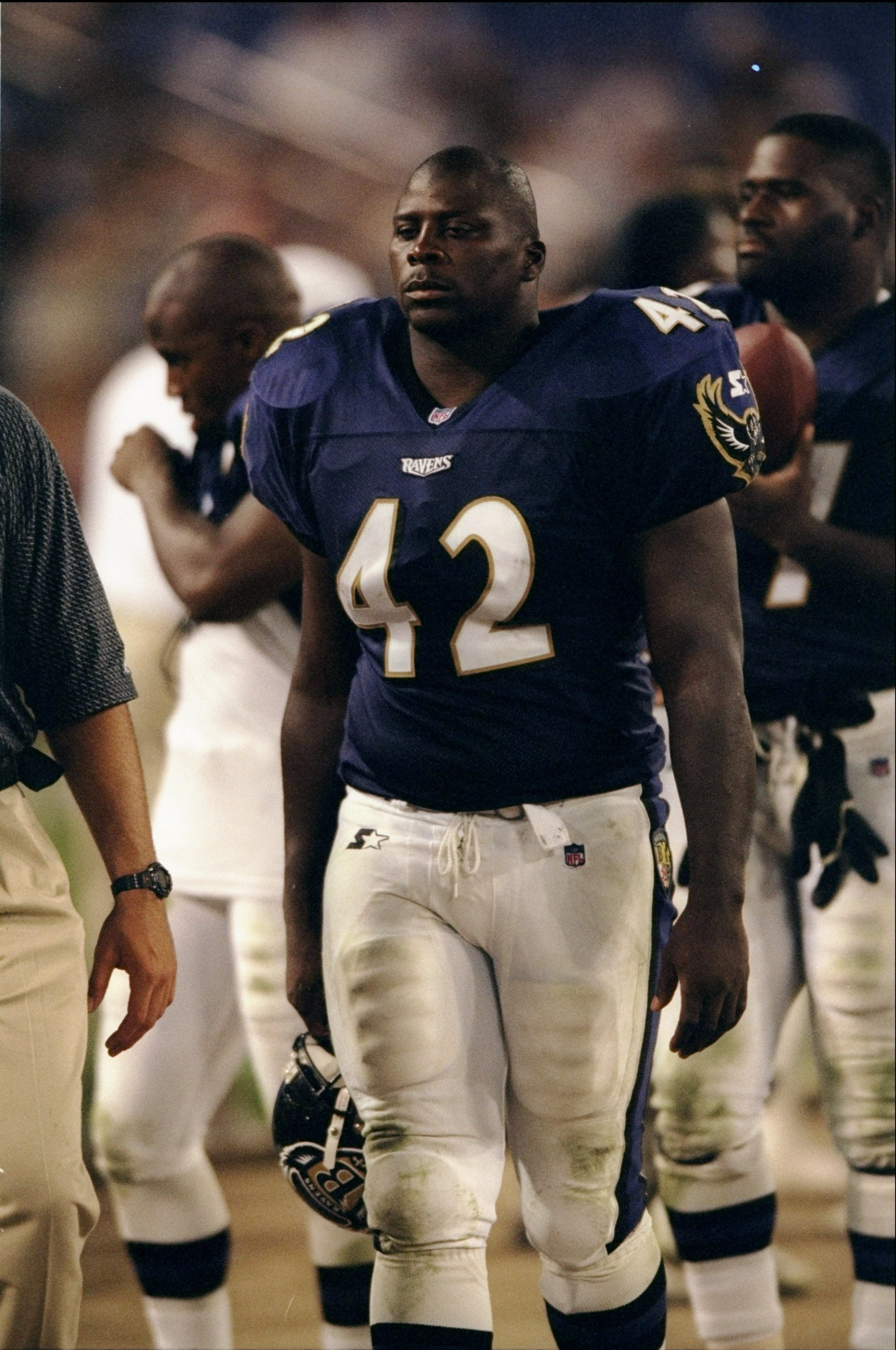
Coming in from little heard of the University of Louisiana-Monroe, Roosevelt Potts, a 6'0", 267-pound fullback, was drafted 49th overall in the 1993 NFL Draft by the Indianapolis Colts.
Potts never showed much promise in his five short years in the NFL, accumulating 1,474 yards and five touchdowns—one rushing and four receiving—to go along with 17 fumbles while playing for the Colts, Miami Dolphins and Baltimore Ravens.
After his NFL career ended in 1998, Potts mad a brief comeback attempt in 2001 playing for the Memphis Maniax in the now defunct XFL.
Defensive End: Courtney Brown 2000 Round 1, Pick 1
10 of 22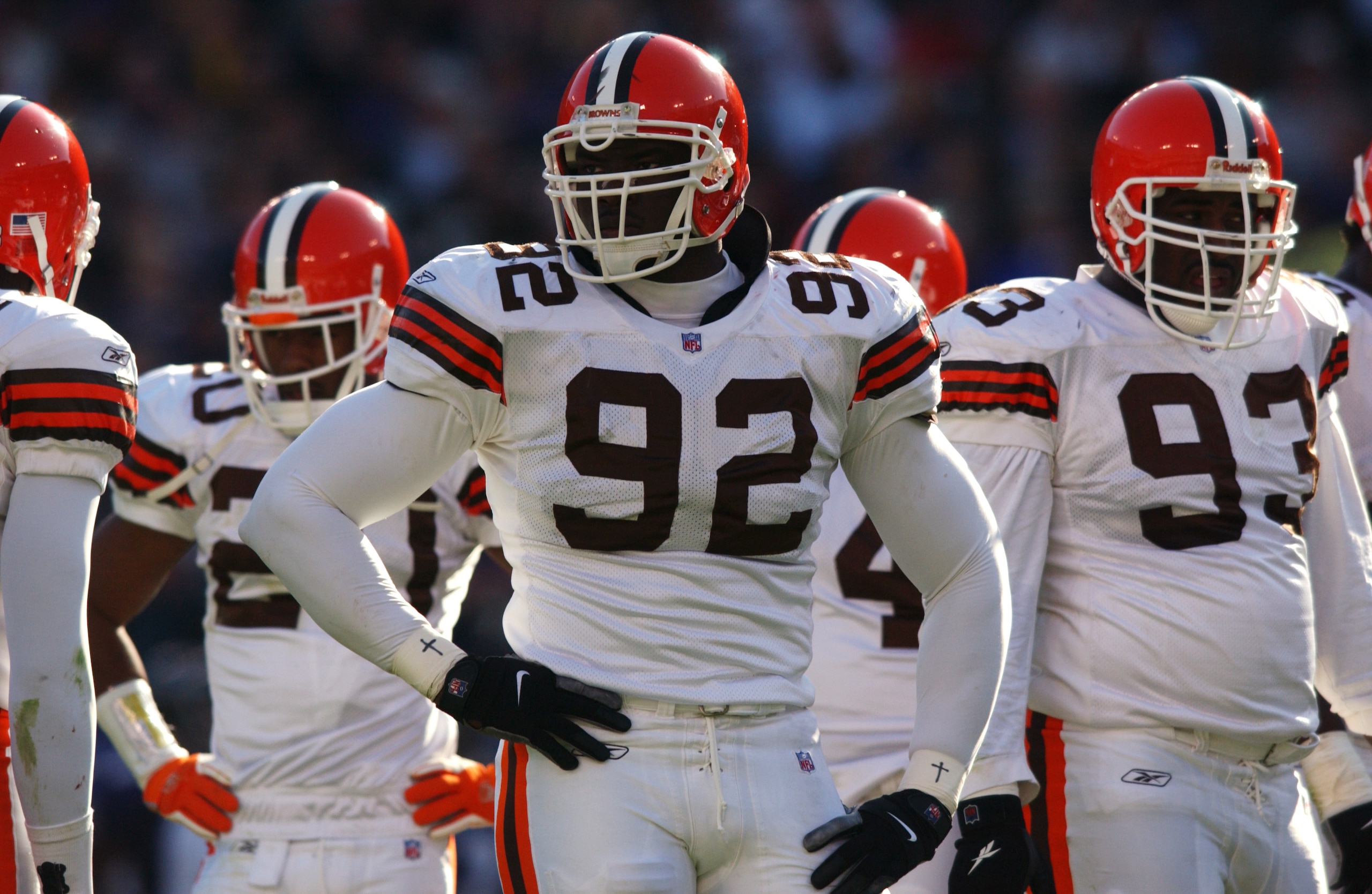
In the 2000 NFL Draft, the Cleveland Browns selected Courtney Brown out of Penn State as the first overall pick.
At Penn State, Brown had an impressive four-year career that culminated with being named to the All-American team and being named Big Ten Defensive Player of the Year during his senior season in 1999.
Coming in hot in his rookie season Brown was responsible for 70 tackles and 4.5 sacks. After his impressive senior season, Brown had numerous injury problems which kept him from ever reaching his true potential in the NFL.
From 2002-2004, Brown played in just 26 games, registering just eight sacks during those three seasons.
After his time with the Cleveland, Brown was picked-up by the Denver Broncos in 2005 where he helped lead the Broncos to the AFC Championship game, recording 24 tackles and two sacks in a back-up role.
After signing a contract extension following the 2005 season, Brown tore his ACL during the preseason of 2006 and was cut after the season was over.
Linebacker: Brian Bosworth 1987 Supplemental Draft, Round 1
11 of 22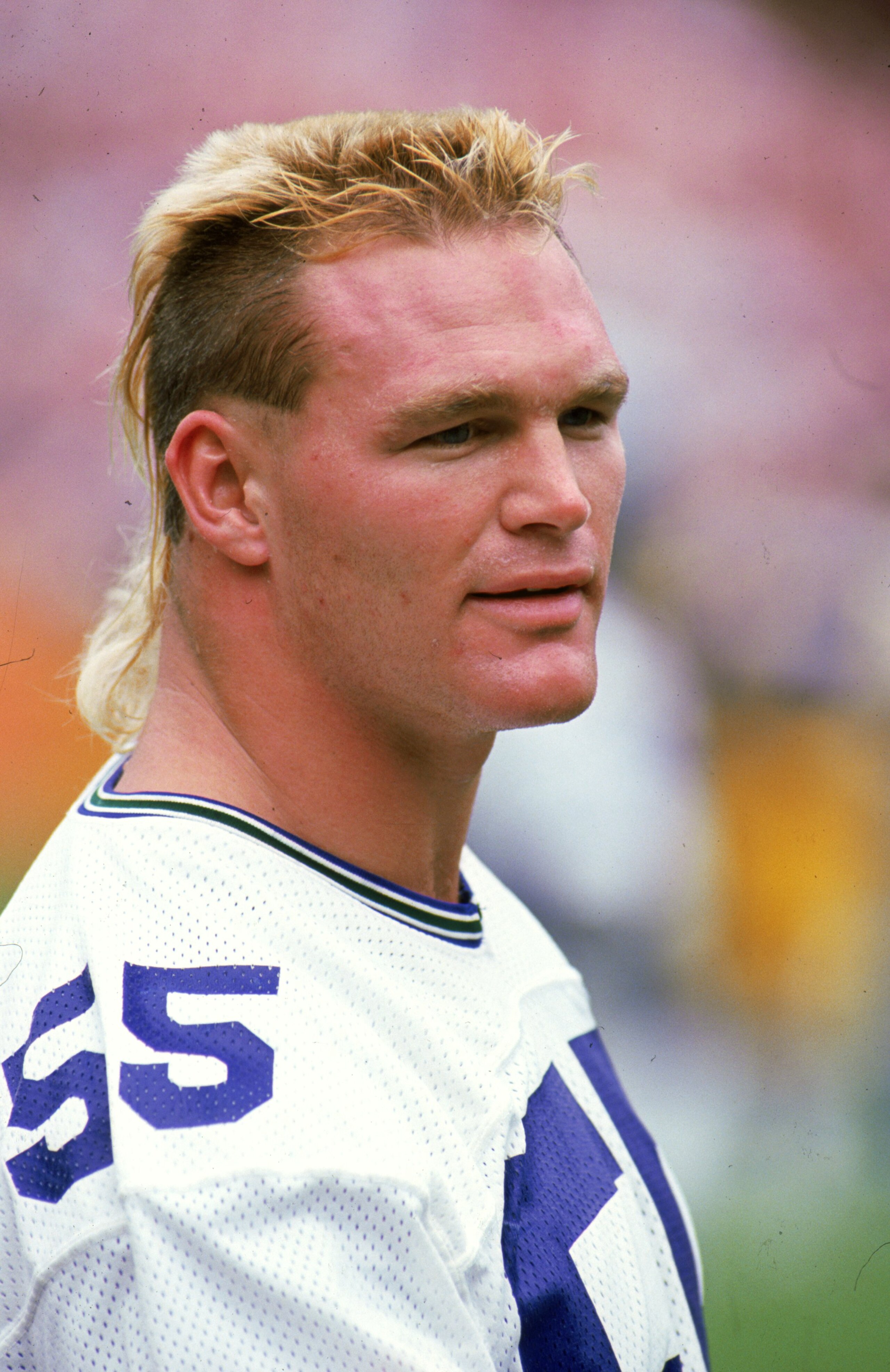
The Seattle Seahawks selected Brian Bosworth in the first round of the NFL Supplemental Draft in 1987.
Bosworth was recognized for his wild hair styles and ill-will towards the NCAA. Bosworth won two Butkus Awards for being college football's best linebacker and was banned from playing in the 1987 Orange Bowl after testing positive for steroids.
Before being drafted to the NFL, Bosworth sent letters to numerous NFL teams stating that if they would draft him, he would not sign with the team or play for them.
While playing for the Seattle Seahawks, Boswroth had a decent rookie season, accounting for four sacks and he became more known for his personality than his talent.
Bosworth went on to play just two more seasons in the NFL and was forced into early retirement after suffering a shoulder injury in 1988 that lingered into the 1989 season, allowing him to play in just two games in his final season.
Defensive Tackle: Steve Emtman 1992, Round 1 Pick 1
12 of 22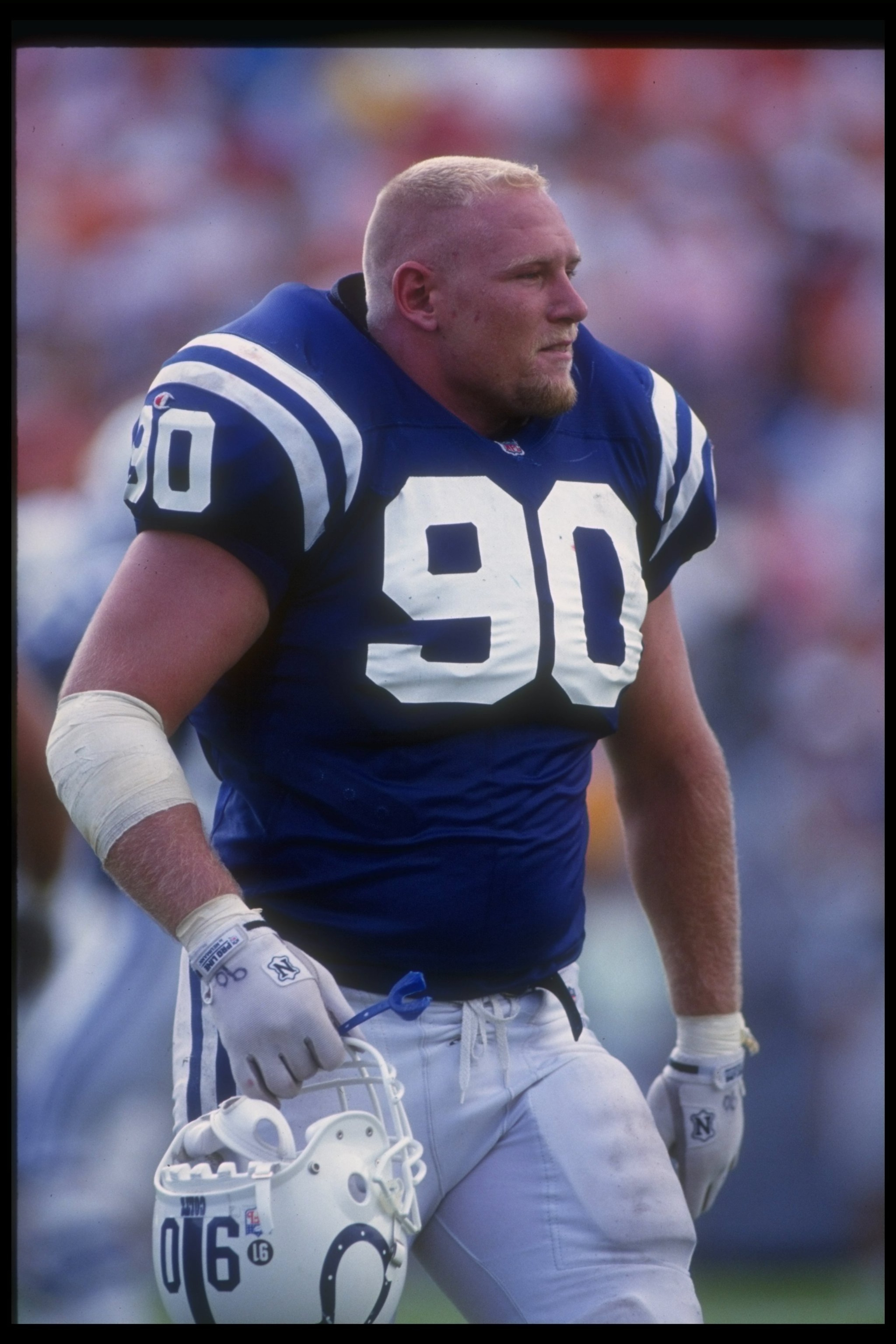
The 1992 NFL Draft saw the Indianapolis Colts select Steve Emtman as the No. 1 overall pick.
Emtman won various awards for his defensive play and was named to the All-American team during his junior year playing for the University of Washington—where he finished fourth in Heisman voting. Emtman chose to skip his senior year and go into the NFL Draft early.
Emtman went on to play just 18 games in three seasons with the Colts due to various injuries—including being the first player to ever comeback form tearing their patellar tendon—amassing five sacks.
Emtman later played for the Miami Dolphins and the Washington Redskins, playing a combined 32 games in three seasons with the two teams, only tallying up three sacks for a total of eight sacks total during his six-year career.
Defensive End: Andre Wadsworth 1998, Round 1, Pick 3
13 of 22
With the third pick of the 1998 draft, the Arizona Cardinals took defensive end Andre Wadsworth.
Wadsworth was an All-American in 1997 and was the ACC Player of the Year in the same season as well. Even though he was a projected top 10 pick in after his junior year, Wadsworth did not enter the NFL Draft early and went on to injure his neck in his senior year, forcing him to switch from defensive tackle to defensive end, which worked in his favor.
Once playing for the Cardinals, Wadsworth played in all 16 games during his rookie season and recorded 57 tackles to go along with five sacks. Though he was plagued with a knee injury throughout the 1999 season, Wadsworth was able to play in 11 games making 26 tackles and two sacks.
Despite having offseason knee surgery in 2000, Wadsworth was able to rack up one sack and 13 tackles in just nine games.
After the 2000 season, Wadsworth had micro-fracture knee surgery, which forced the Cardinals to cut Wadsworth and subsequently ended his NFL career.
Tackle: Kevin Allen 1985, Round 1, Pick 9
14 of 22
Kevin Allen was drafted by the Philadelphia Eagles in 1985 out of Indiana University.
After a mediocre rookie season, Allen faced legal trouble that would go on to end his NFL career.
During training camp of the 1986 season Allen tested positive for cocaine and not-too long after he was arrested and charged with sexual assault, resulting in him spending three years in prison.
He was then banned from the NFL and lost a bid to be reinstated in 1990.
Cornerback: Adam "Pacman" Jones 2005, Round 1, Pick 6
15 of 22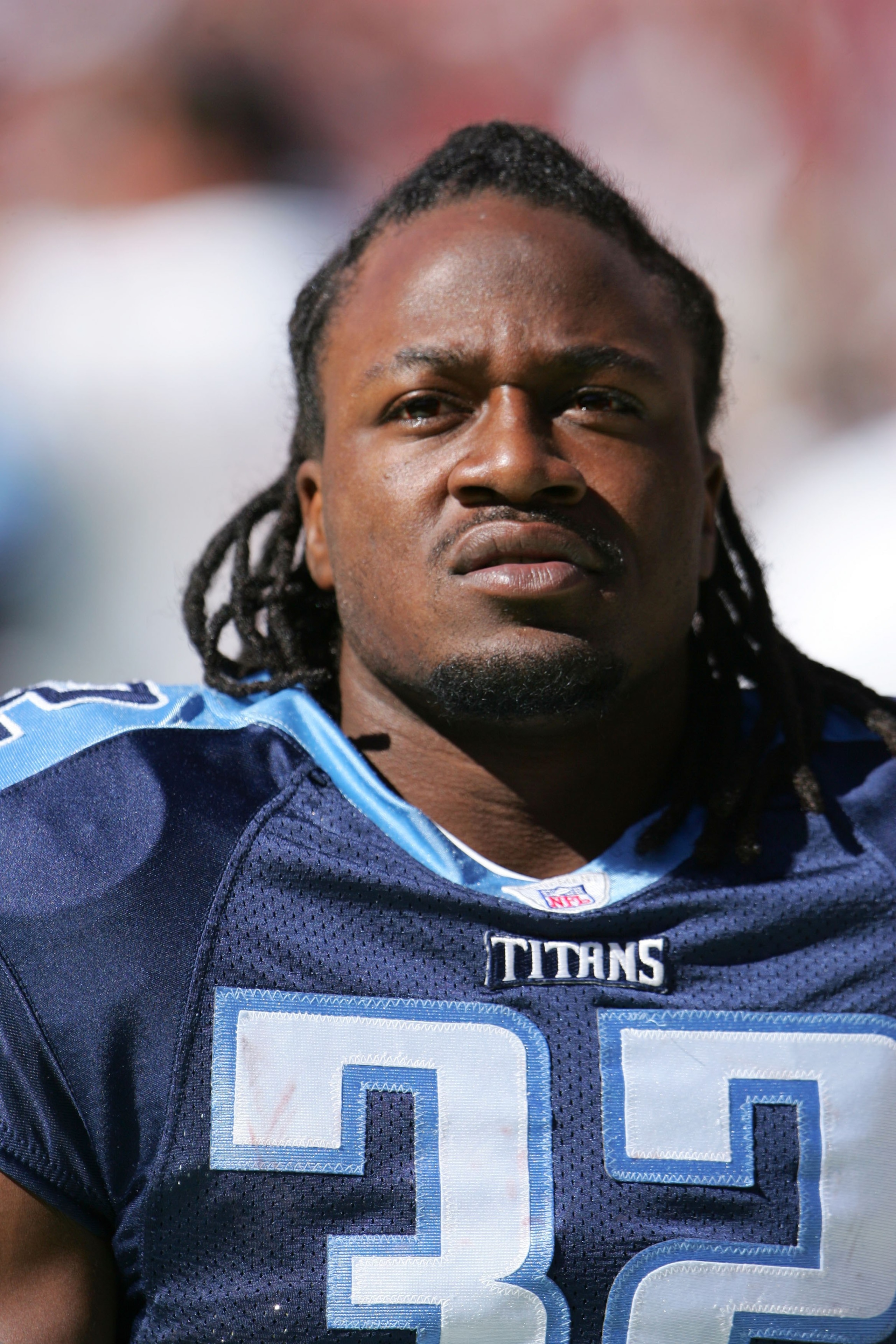
Cornerback Adam "Pacman" Jones was the sixth pick overall and the first defensive player taken in the 2005 NFL Draft by the Tennessee Titans out of West Virginia University.
During his junior year at West Virginia, Jones was named special teams player of the year in the Big East and was also Defensive Player of the Year in the Big East—and HE was an All-American honorable mention.
After being drafted, Jones held out for the majority of training camp, eventually agreeing to terms that he would not receive any bonus or guaranteed money if he was ever convicted of any crime due to some off-field incidents that had happened at West Virginia prior to him being drafted—for which Jones was on probation when drafted by the Titans.
His rookie season was nothing special, as Jones amassed 44 tackles 10 pass deflections and no interceptions—he was far more impressive at kick returner, totaling 1,399 return yards and one touchdown.
Jones was arrested in 2006 for an incident that occurred at his home in Georgia, and marijuana charges against him in Georgia were dropped. Also in 2006, a car Jones lent to his friend to be used in a music video was seized as part of a drug bust, but Jones was never named in the investigation.
In August of 2006, Jones was again arrested for disorderly conduct and public intoxication in Tennessee after Jones thought a woman stole his wallet. Jones eventually spit at the woman and was given six months probation by a judge.
Then two months later, in October of 2006, Jones was again in hot water for spitting in a woman's face during a private party. The Titans then suspended him for one game as consequence for his two offseason incidents.
Jones went on to have a very productive second season in the NFL, recording 62 tackles, 12 deflected passes, four interceptions, one sack and one forced fumble. He also had 440 punt-return yards and three punts returned for touchdowns.
During the offseason of 2007 while in Las Vegas, Nev. for the 2007 NBA All-Star game, Jones was involved in a shooting at a strip club that left a security officer of the strip club paralyzed from the neck down and two others injured.
Jones was suspended for one year following the shooting in Las Vegas and was eventually traded by the Titans to the Dallas Cowboys for a fourth-round pick.
His time in Dallas was short-lived due to lackluster performance on-the-field and various legal problems.
He was let-go by the Cowboys after Las Vegas police said Jones was indeed a suspect in the shooting that occurred outside of a strip club.
Jones since played for the Winnipeg Blue Bombers in the CFL and had an unsuccessful attempt at an NFL comeback with the Cincinnati Bengals, which was cut-short due to a neck injury he suffered in a game in October of 2010.
Cornerback: Bruce Pickens 1991, Round 1, Pick 3
16 of 22
Coming out of the University of Nebraska, Bruce Pickens was drafted third overall by the Atlanta Falcons in the 1991 NFL Draft.
Pickens played in just seven games in his rookie season, recording just seven tackles. In the 1992 season, Pickens played in 16 games, amassing 51 tackles and two interceptions.
In 1993, after Pickens played in four games for the Atlanta, the Falcons traded Pickens to the Green Bay Packers, and then they traded him yet again that same year to the Kansas City Chiefs.
He was out of football the entire 1994 season and made a return to the NFL in 1995 with the Oakland Raiders, where he accounted for 12 tackles and one recovered fumble.
Linebacker: Trev Albert 1994, Round, 1 Pick 4
17 of 22
Trev Albert, out of Nebraska, was the fourth overall pick in the 1994 NFL Draft by the Indianapolis Colts.
In 1993, Albert won the Butkus Award as the nation's top lineman in the nation and a consensus All-American pick as well.
Though he had a ton of upside, Albert never reached his potential due to various injuries that plagued much of his NFL career.
In his three years in the NFL, Albert only compiled four sacks and one interception and eventually retired before the beginning of the 1997 season.
Defensive Tackle: Dwayne Robertson 2003 Round 1 Pick 4
18 of 22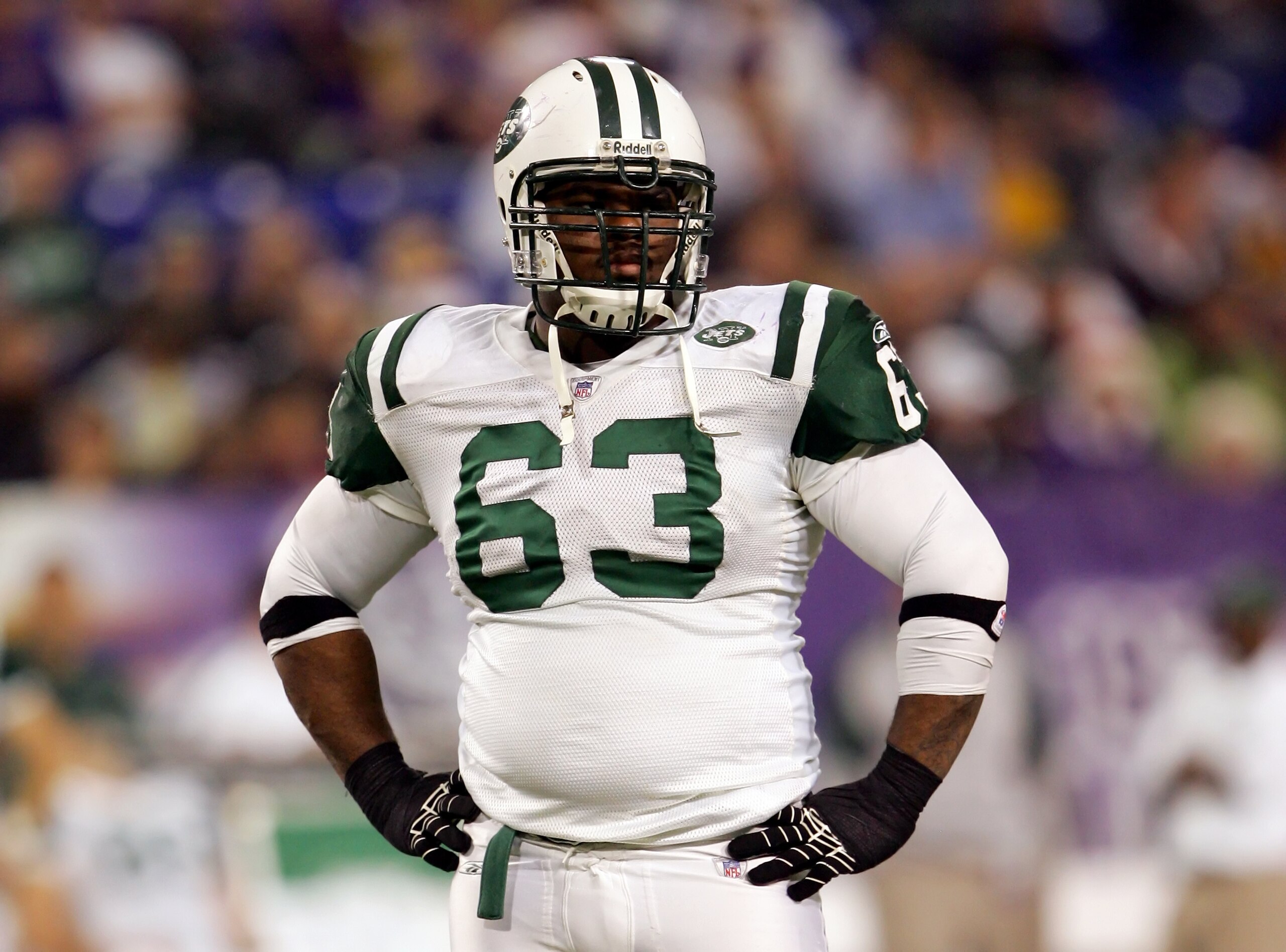
The New York Jets picked Dwayne Robertson fourth overall in the 2003 NFL Draft.
Hailing form the University of Kentucky, Robertson earned second-team All-SEC Team honors during his junior season—which was his final college football season.
Starting in all 16 games his rookie season, Robertson amassed a decent 43 tackles and 1.5 sacks.
In 2004, Robertson played in all 16 game once again and recorded 52 tackles and three sacks. During his 2005 season, Robertson played in 13 games and accounted for 43 tackles and 3.5 sacks and missed the first game time of his career due to a thigh injury.
In 2006, he was named AFC Defensive Player of the Week in Week 10. Though he experienced some success, Robertson is still thought has a draft bust because of the lofty expectations that were put on his shoulders by the Jets and due to the fact that the Jets had to trade down to be able to select him before anyone else.
Robertson was eventually traded to the Denver Broncos n April of 2008 where he spent one season after signing a $24 million dollar contract, and he was let go after one season in Denver.
Linebacker: Vernon Gholston 2008 Round 1, Pick 6
19 of 22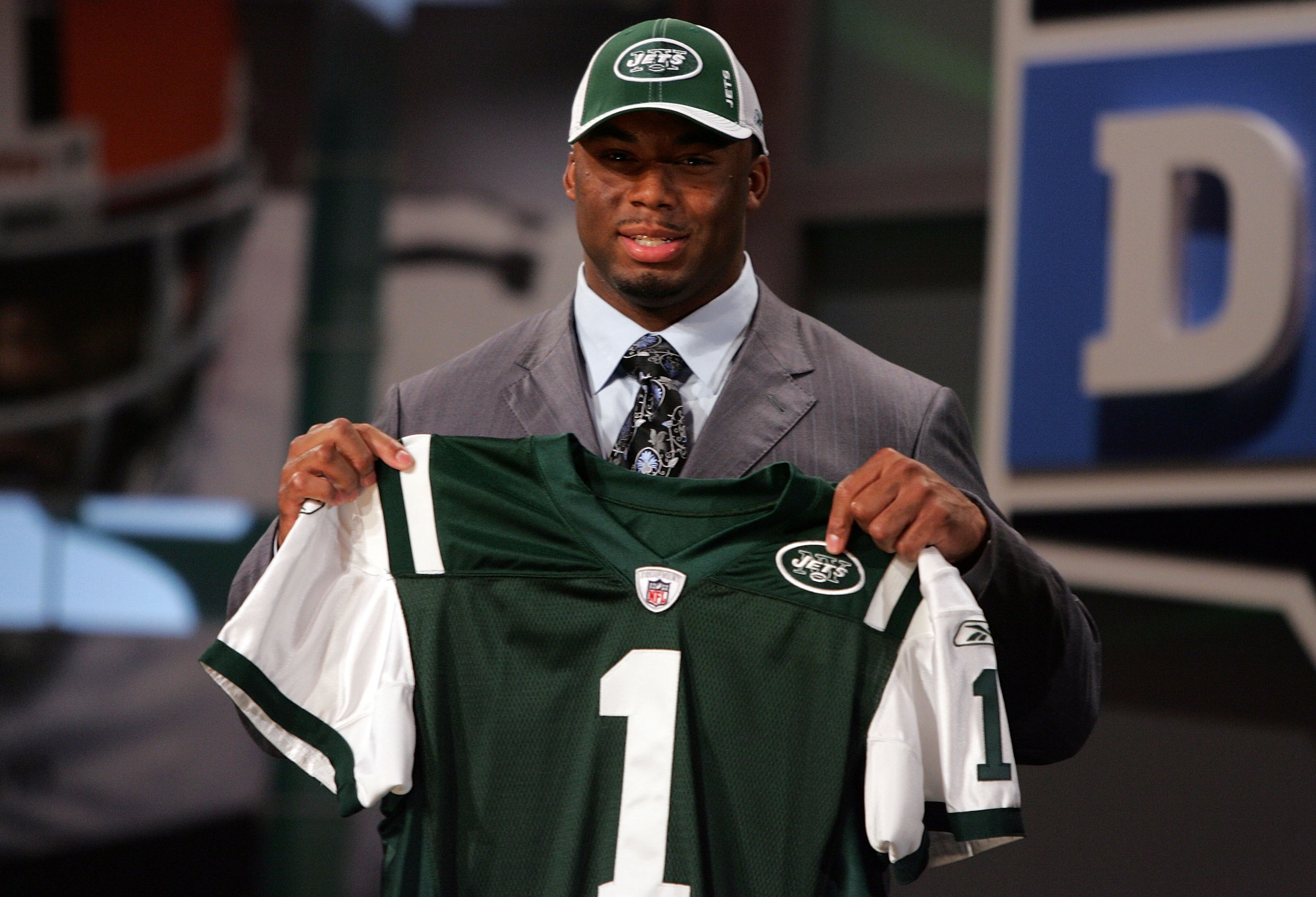
Vernon Gholston was drafted out of Ohio State University in 2008 as the sixth overall pick.
During his time at Ohio State, Gholston picked-up steam every year and was eventually named to the All-American team in his senior year.
Gholston barely played in his rookie season, only recording 13 tackles. Not doing much better in his second season, Gholston was switched to defensive end after registering just 17 tackles in 2009.
Then in 2010, he recorded just 12 tackles and then was released in March of 2011 without registering a single sack.
Wide Receiver: Desmond Howard 1992, Round 1, Pick 4
20 of 22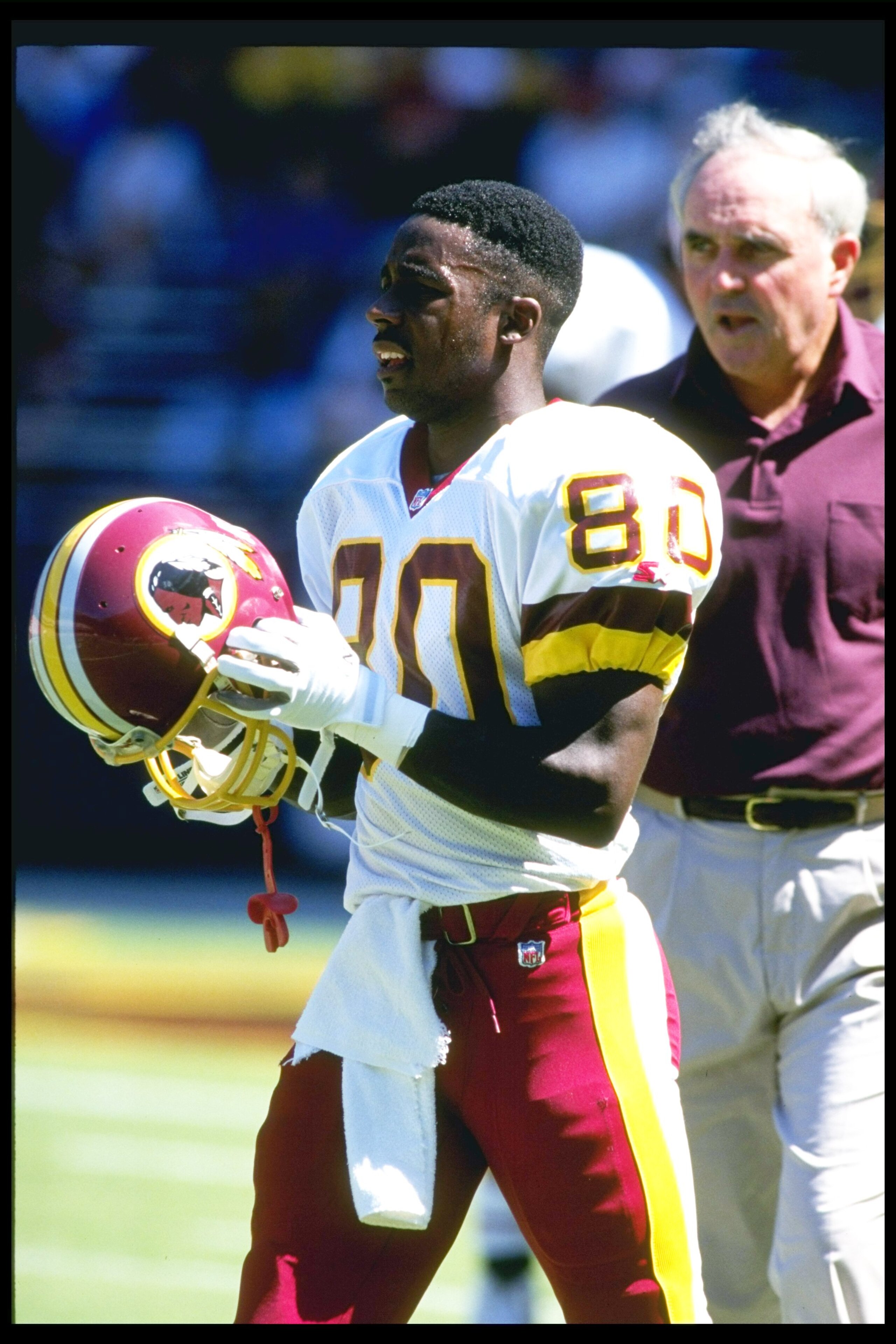
Desmond Howard was selected fourth overall in the 1992 NFL Draft by the Washington Redskins after a great career at the University of Michigan.
At Michigan, Howard broke five NCAA records and 12 Michigan records in his college career and went on to win the Heisman Trophy among other awards in 1991.
His NFL career got off to a slow start, seeing him only compile 92 catches in his first four seasons, and he became more known for his kick returning than he did for his receiving.
Howard went to play for the Jacksonville Jaguars in 1995 and was only able to compile 26 catches with one touchdown and just 10 kick returns.
Then in 1996, Howard was picked-up by the Green Bay Packers where he led the NFL in punt return yards with 875, and punt returns for touchdowns with three.
In that same season, Howard helped the Green Bay Packers to win the Super Bowl with his 244 all-purpose yards, winning him the Super Bowl MVP.
Howard also played for the Oakland Raiders in 1998 where he again led the league in return yards and then the Detroit Lions—where he got his one and only Pro Bowl nomination as a kick returner— in 2000 after a second stint with Green Bay.
Calling him a bust might surprise people, but I'm going off the position he was drafted for which was wide receiver which he failed to ever break out as a legit NFL player.
Safety: Patrick Bates 1985, Round 1, Pick 12
21 of 22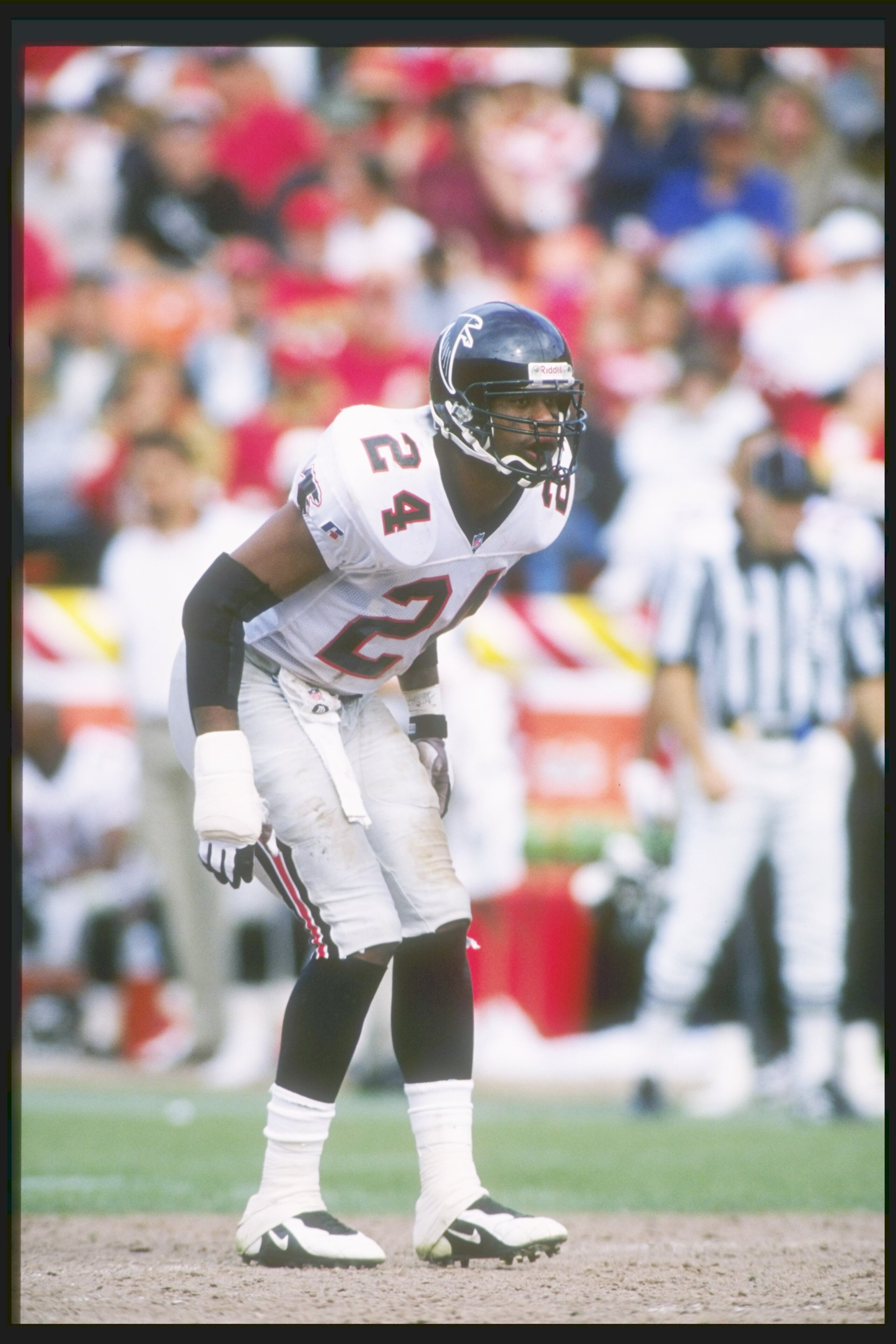
In the 1993 NFL Draft, the Oakland Raiders took Patrick Bates 12th overall out of Texas A&M.
Bates career was marred with off-field problems and his game never reached the potential that he possessed.
In three seasons with the Raiders, Bates started in just nine games, not playing a single game in the 2005 season.
After his lackluster years with Oakland, they traded him to the Atlanta Falcons where he continued his less-than-stellar play and was cut following the 2006 season.
He ended his career with just one interception.
Free Safety: Kevin Ellison 2009, Round 6, Pick 189
22 of 22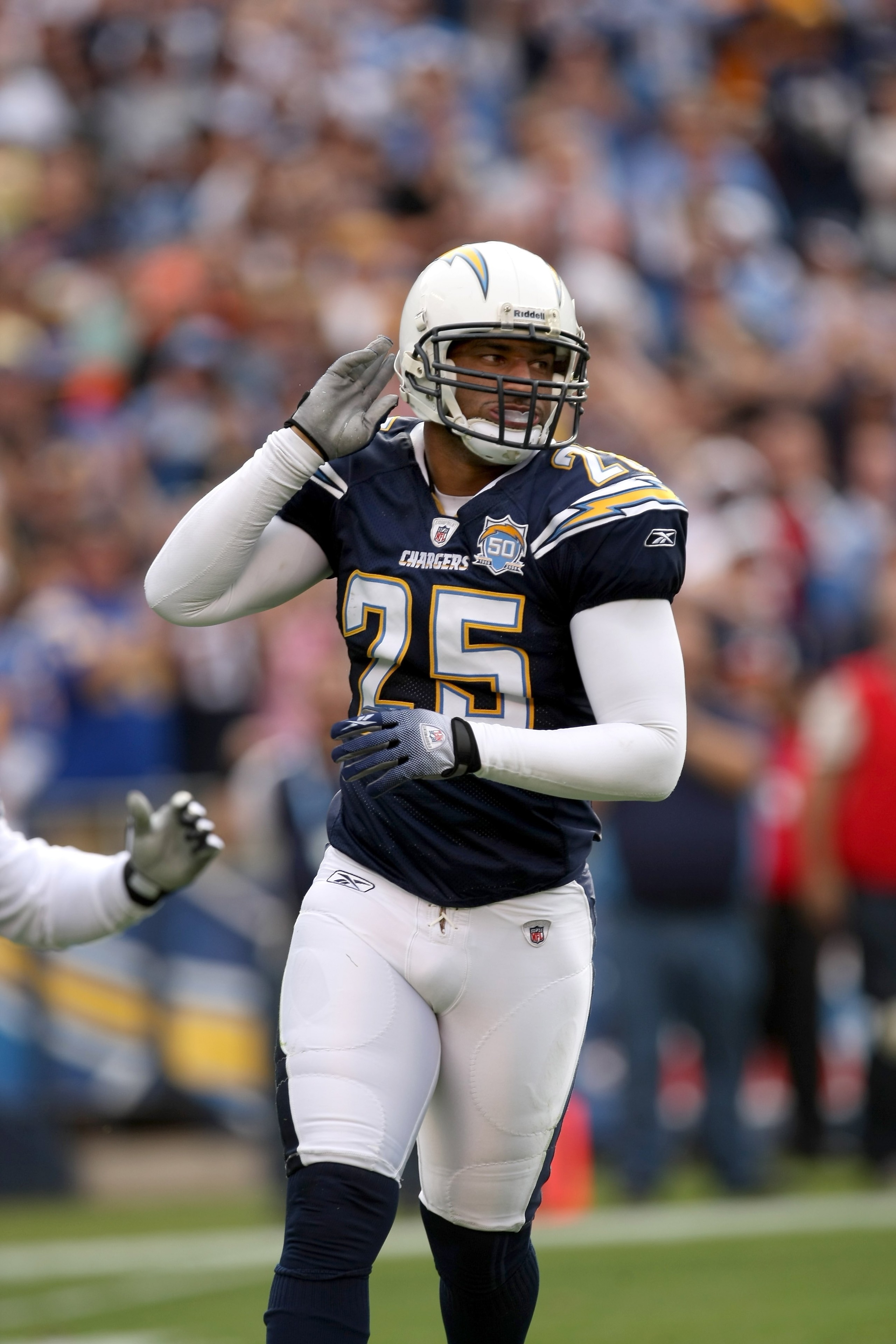
Kevin Ellison was drafted 189th overall by the San Diego Chargers in 2009 out of USC.
At USC, Ellison was named to the Pac-10 All-Freshman Team by Sporting News and the Sophomore All-American second team.
During his short career in the NFL, Ellison has had a rocky start. In his rookie year, he only recorded 43 tackles and one sack with the Chargers.
Ellison was released by the Chargers following the 2009 season.
Ellison was arrested for possession of a controlled substance in May of 2010 in California. A month later, Ellison was picked-up off waivers by the Seattle Seahawks, but was waived days later for failing a physical.
.jpg?w=2560 "LA Premiere of \"Chad Powers\"")


.jpg?w=2560 "Landing Spots for Trade Candidates 📍")
.jpg?w=2560 "Ugly Jets Scoring Stat 😳")