
Pete Rose, Shoeless Joe and the 50 Worst Scandals in MLB History
Nothing in this world is perfect. When you love something, you have to take the good with the bad, the bitter with the sweet.
Baseball is no exception.
It's undoubtedly the greatest sport in the world (in the words of Ron Burgundy, "It's science."), but throughout its over-100-year history, Major League Baseball has been riddled with controversy, from ambiguous on-field events to players' and owners' illicit behavior to media firestorms over superstitions.
In this slideshow is my list of the 50 worst scandals in MLB history. These rankings are based not just on the heinousness of the actions, but also public interest and relevance to the game.
Read on to see the days that will live in infamy.
No. 50: Carlos Alvarez' Alternate Identity
1 of 50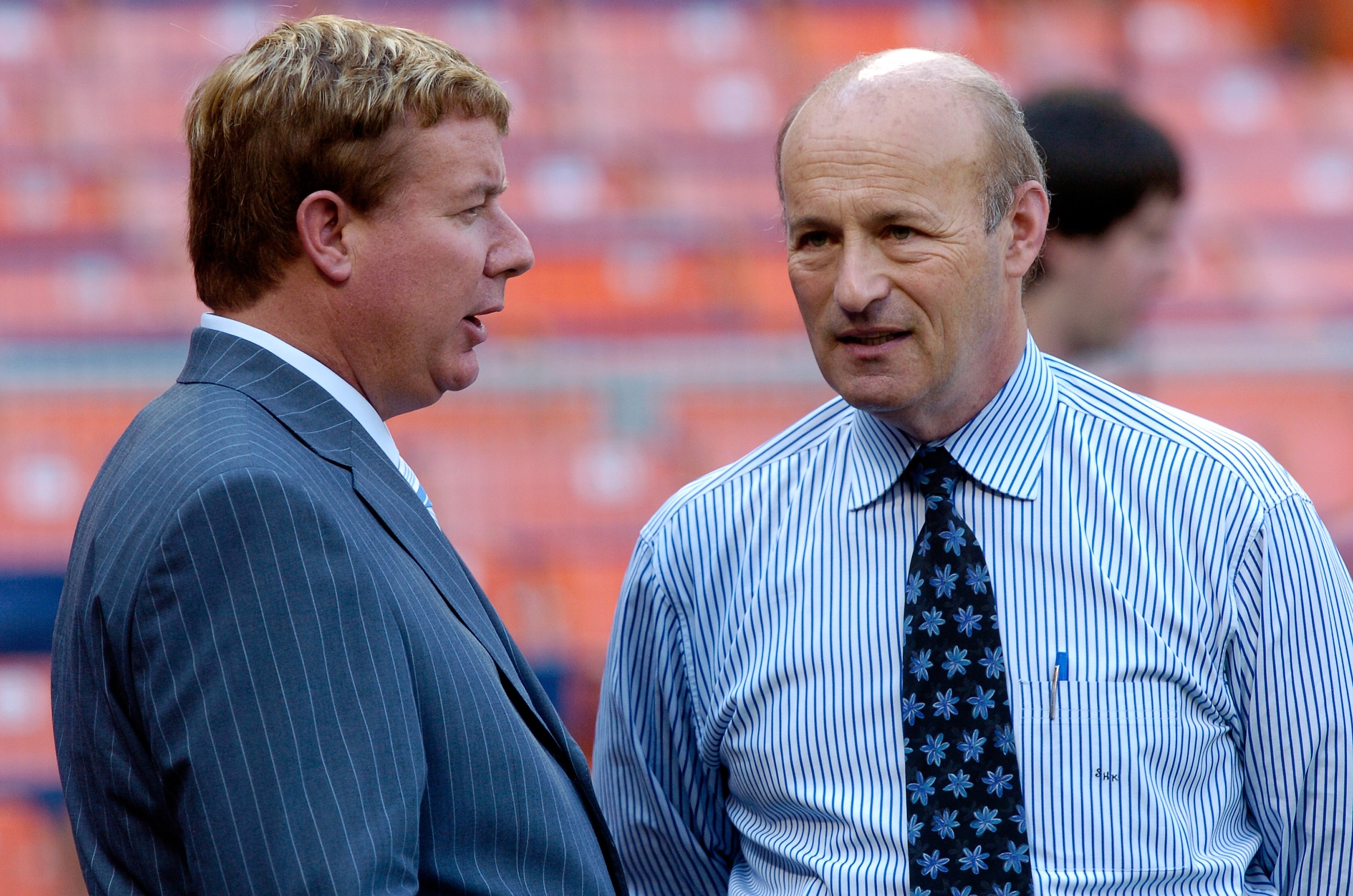
In 2008, 18-year-old Washington Nationals prospect Esmailyn Gonzalez turned heads and impressed scouts when he hit .343 with a .906 OPS in Rookie ball.
The problem was, Gonzalez was actually 22-year-old Carlos Alvarez.
"This wasn't a college kid with a fake ID that came in and did this," said team president Stan Kasten (right). "This was a deliberate, premeditated fraud."
No. 49: Bartolo Colon's Stem Cell Surgery
2 of 50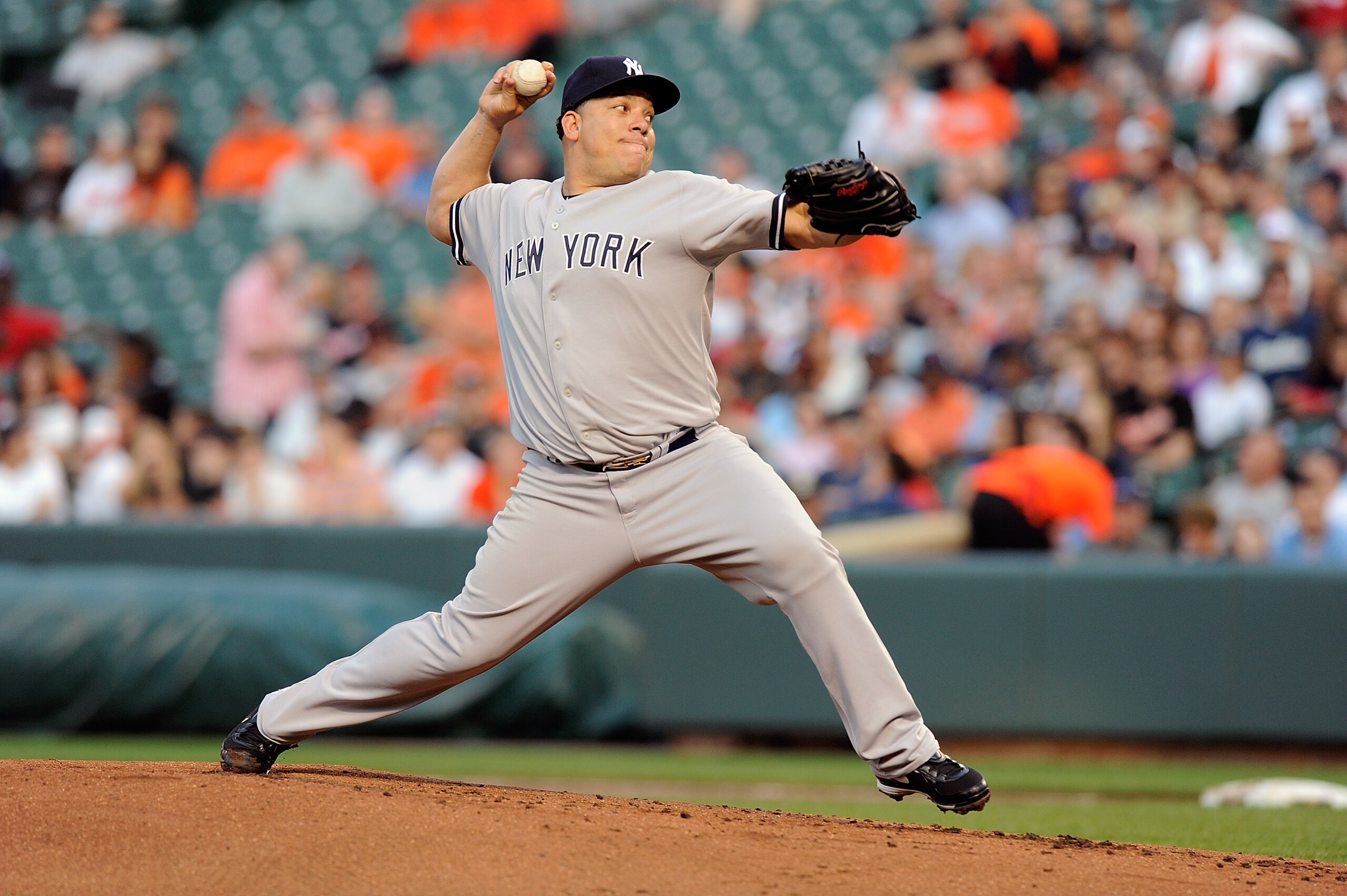
At age 38—long after most people thought he'd outgrown his usefulness—Bartolo Colon is having one of the best seasons of his career. He attributes his resurgence to the elbow surgery that cost him all of the 2010 season.
This has turned out to be quite controversial, both because of the experimental nature of the procedure (inspiring questions of illicit behavior) and the use of stem cells (always a touchy subject).
Throw in the doctor's connections to HGH and Major League Baseball's investigation of the procedure, and you've got a controversy.
No. 48: Grady Sizemore's Nude Pictures
3 of 50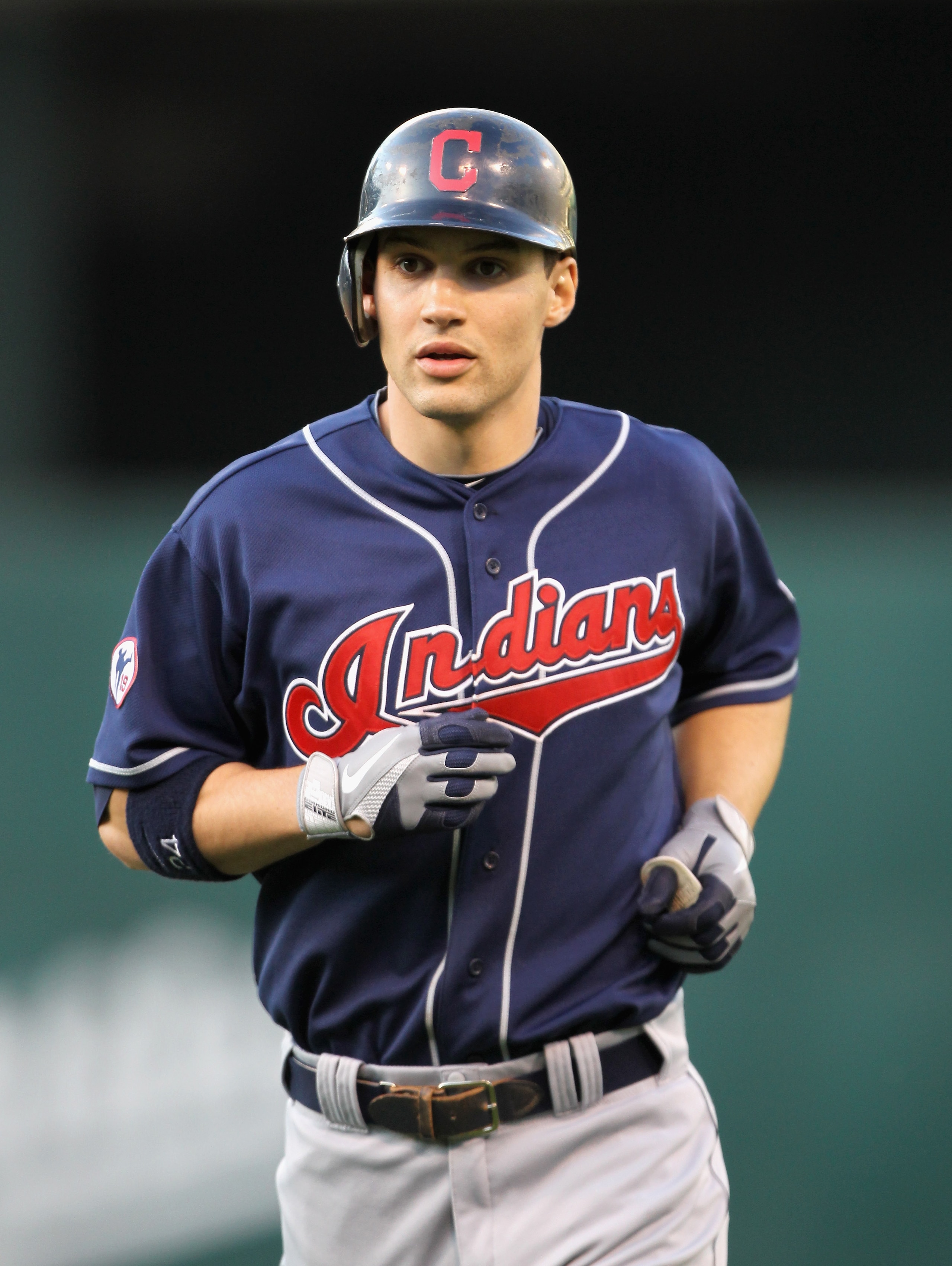
Grady Sizemore is an attractive man (or so I'm told). On any given night at Progressive Field, almost every under-25 female fan is there in hopes of proposing to the Indians' center fielder.
But the world got to see a little more Grady than he would have wanted when a hacker stole and published naked pictures of Sizemore from his girlfriend's email account.



No. 47: Alex Rodriguez Slaps Glove in 2004 ALCS
4 of 50
With the Red Sox winning 4-2 in the eighth inning of Game 6 of the 2004 ALCS, Alex Rodriguez hit a grounder to pitcher Bronson Arroyo. When Arroyo ran over to apply the tag, Rodriguez—in an example of unparalleled sportsmanship—slapped the ball out of his glove.
As a result, Rodriguez was safe, and Derek Jeter scored to make it a one-run game. At least, until the umpiring crew realized how illegal A-Rod's actions were.
The incident was humiliating for the Yankees, while the Red Sox avoided garbage pelted onto the field and held on for the win.
No. 46: Oscar Walker's "Contract Jumping"
5 of 50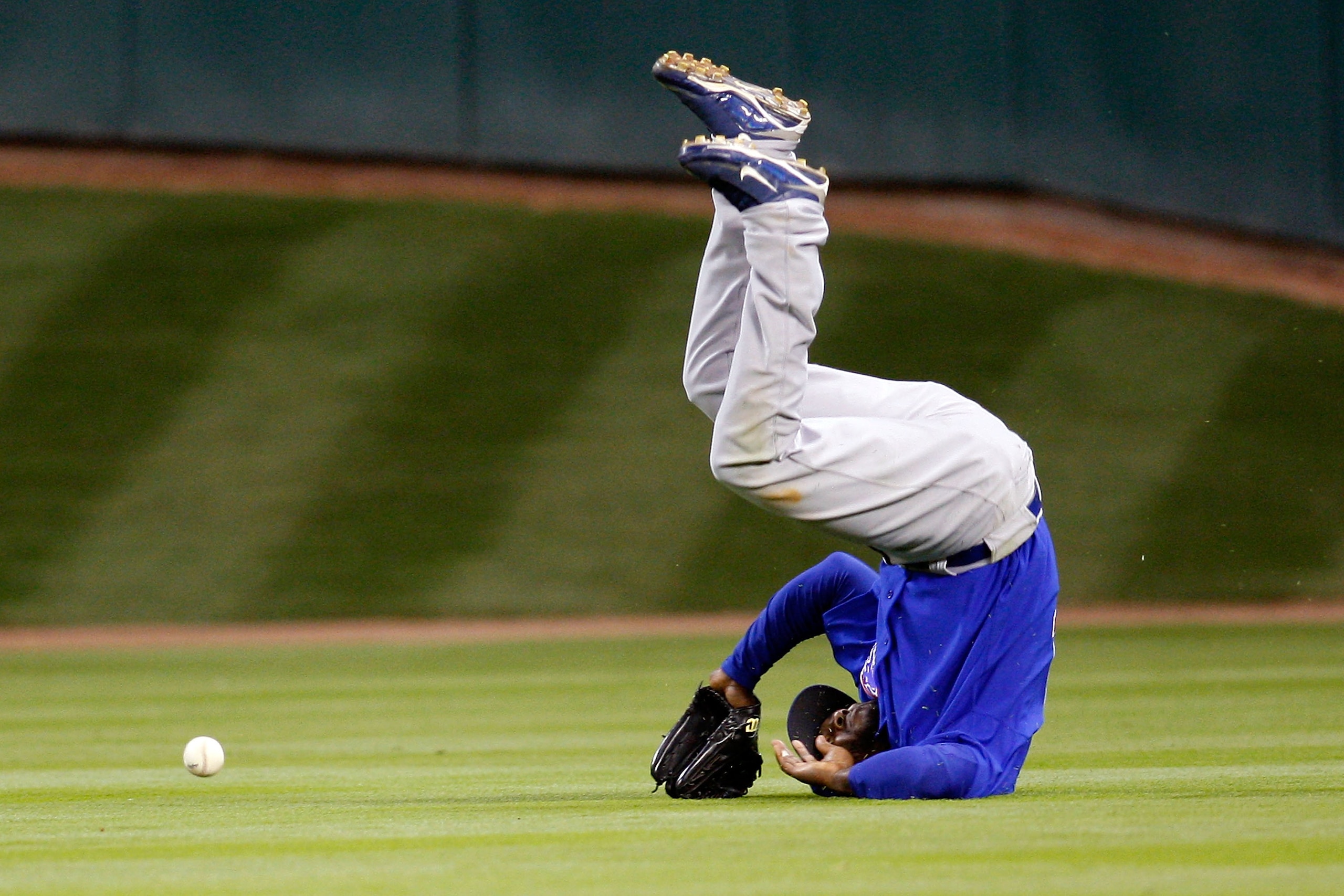
In 1877, first baseman and center fielder Oscar Walker signed a contract to play for the Manchester baseball club.
But there was one little problem: he was still under contract to play for St. Paul. Apparently he simply decided he was done with his team (like some athletes who may or may not be pictured here).
The National League banned him for life after the season, only to allow him back in 1879.
No. 45: Hall of Famer Drinks "Jose Canseco Milkshake"
6 of 50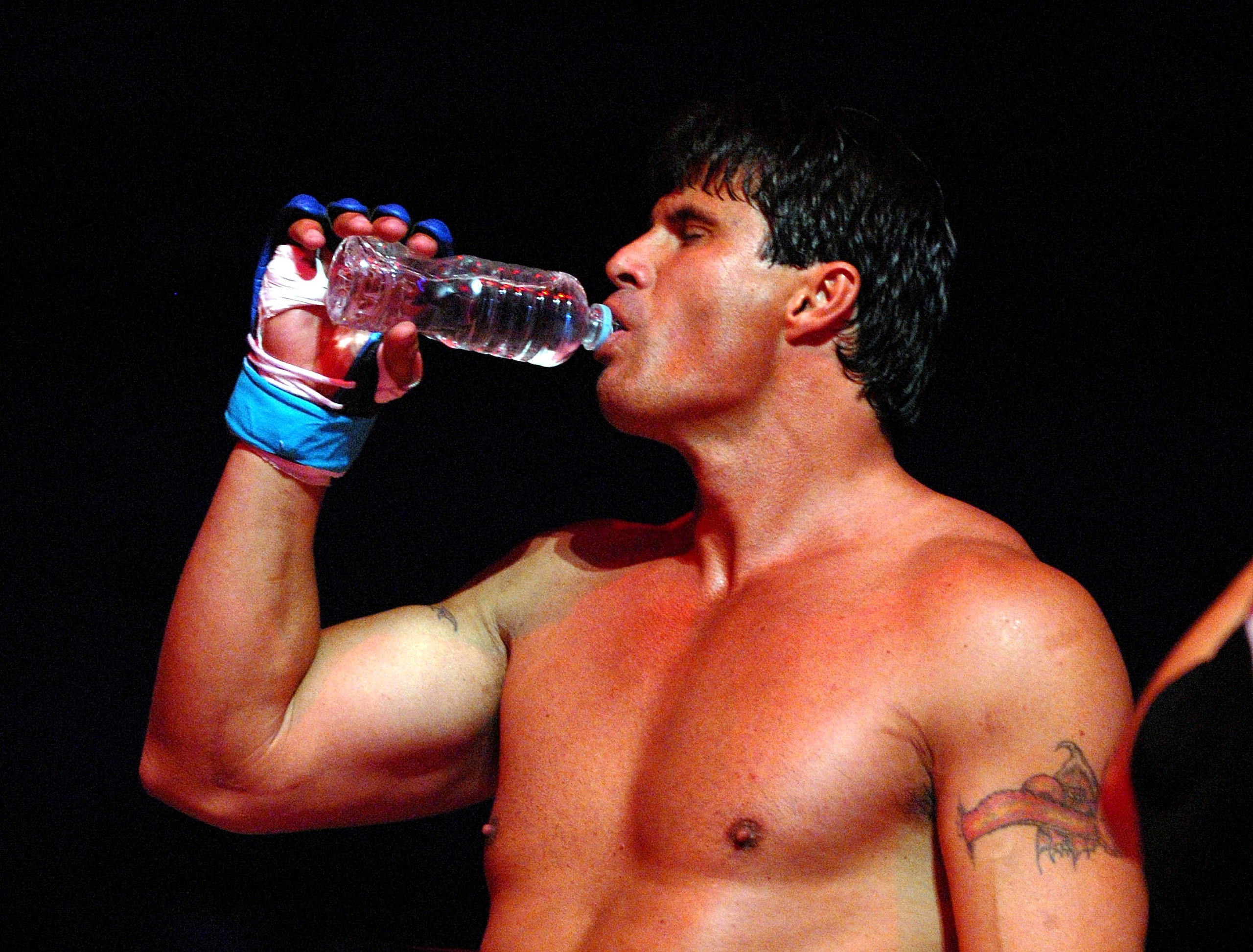
After the last 10 years of having names revealed, we fans have gradually grown accustomed to the idea that anyone could have used PEDs.
But journalist Thomas Boswell said last year that he watched a current Hall of Famer—someone who is already enshrined in Cooperstown—mix and drink a "Jose Canseco milkshake."
There were cheaters in the Hall already, but that there is at least one steroid user was news to us.
No. 44: Willie Mays, Mickey Mantle Banned for Life
7 of 50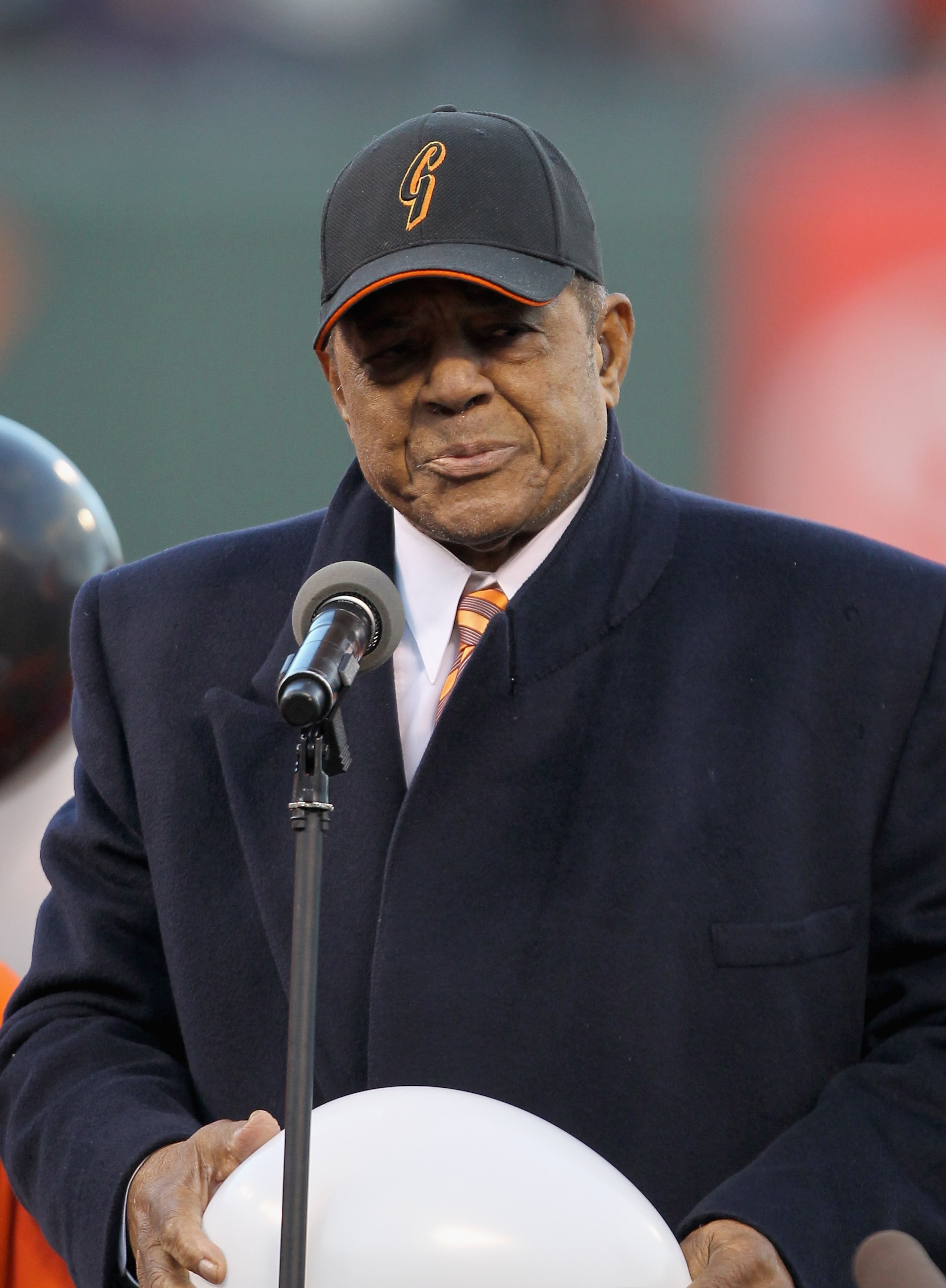
Believe it or not, Mantle and Mays—two of the greatest players in baseball history—were banned from the game in the early '80s because they were employed by casinos, which commissioner Bowie Kuhn considered "unsavory influences."
Don't worry guys, it's cool—they were reinstated in 1985. Their plaques are still in Cooperstown.
No. 43: Al Campanis and Managerial Racism
8 of 50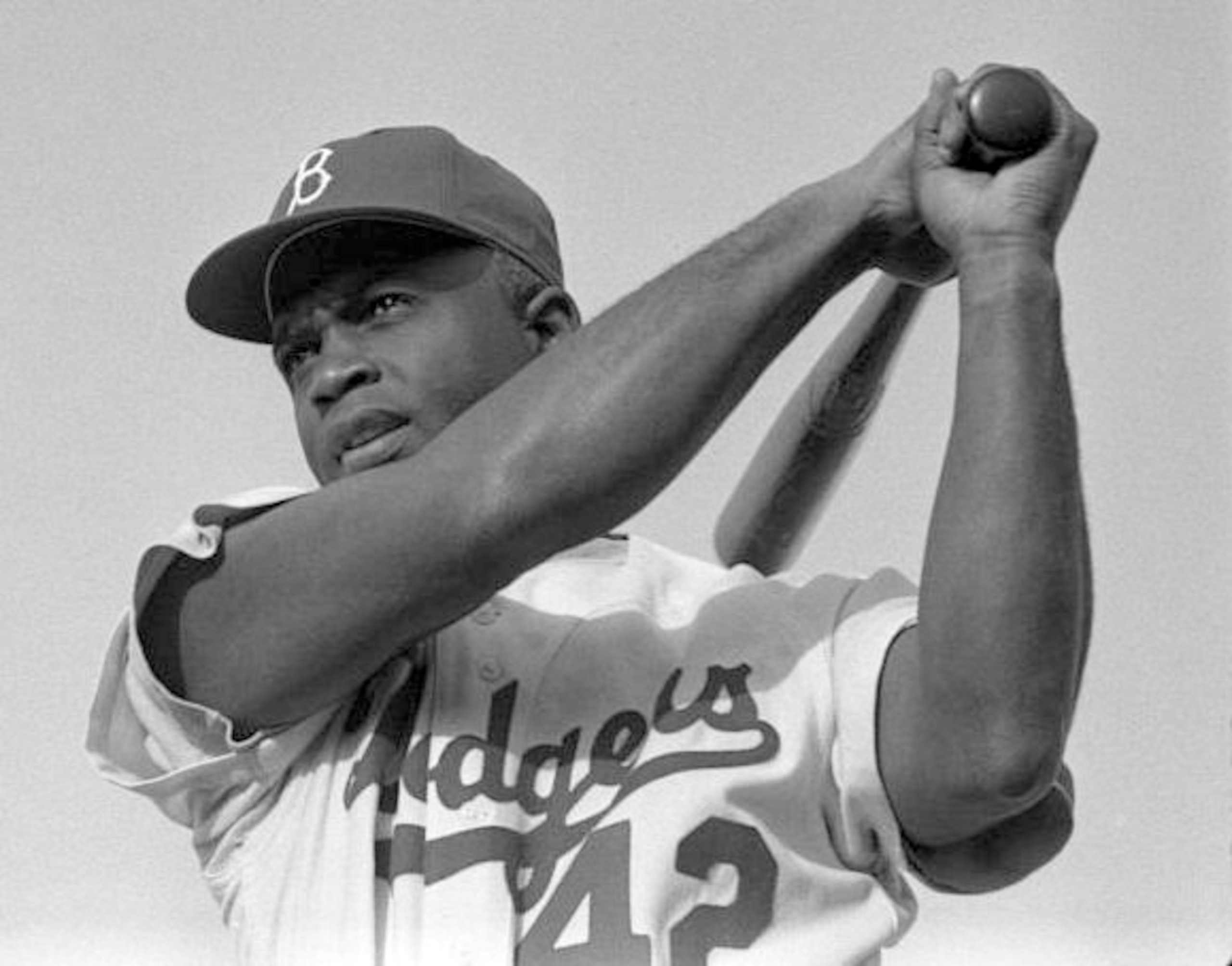
When you're the general manager of an MLB team celebrating the 40th anniversary of Jackie Robinson's breaking the color barrier, there are some things you don't want to say on TV.
Chief among them are that African-Americans "may not have the necessities" to be front office personnel, or that they are poor swimmers "because they don't have the buoyancy."
Two days later, he resigned.
Public Domain image (courtesy of Wikimedia Commons)
No. 42: Red Sox Jersey Buried in Yankee Stadium Concrete
9 of 50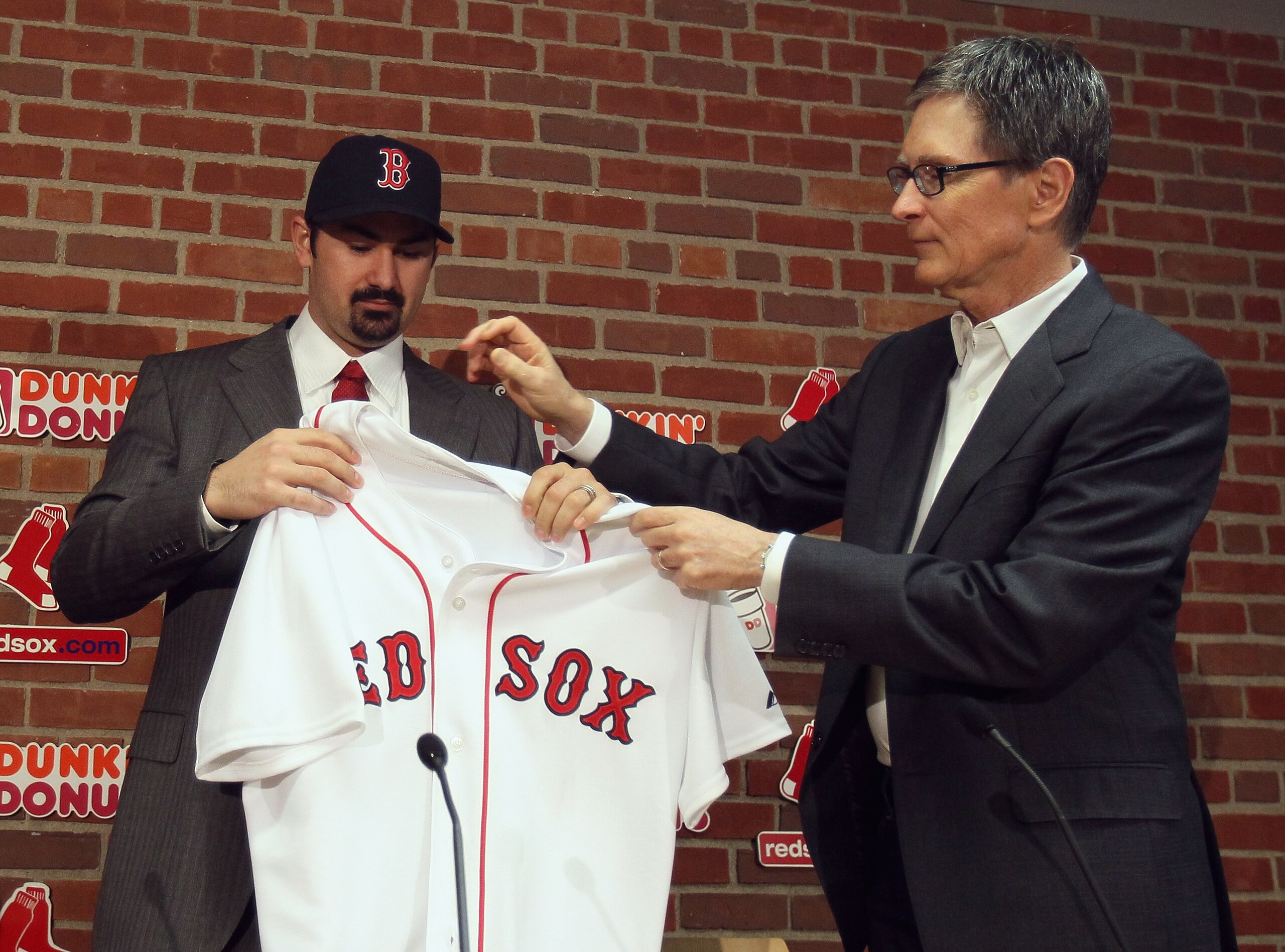
When the new Yankee Stadium was built, Steinbrenner and co. didn't do a very good job screening applications for construction jobs.
A couple of Boston fans buried a Red Sox jersey in the cement floors of the new stadium. "It's the curse of the Yankees," one said.
The Yankees dug up and removed the jersey, but the taint of the shirt's former presence may last forever.
No. 41: Hank Greenberg Denied Chance at 60 Home Runs
10 of 50
In 1938, Jewish slugger Hank Greenberg hit 58 home runs—just two shy of Babe Ruth's then-record. For years, many thought that that wasn't a coincidence.
Given the sharp increase in Greenberg's walk rate towards at the end of the season, many have speculated that anti-Semitic opposing pitchers decided to pitch around him to limit his chances of tying Ruth.
The reason this scandal falls so low is that there's no evidence that it's true: The Hardball Times' George Szabo argued quite convincingly that the disparity came from opposing pitchers' poor control, not a deliberate effort to undermine Greenberg's record chase.
Public Domain image (courtesy of Wikimedia Commons)
No. 40: Marge Schott's Racism, Homophobia
11 of 50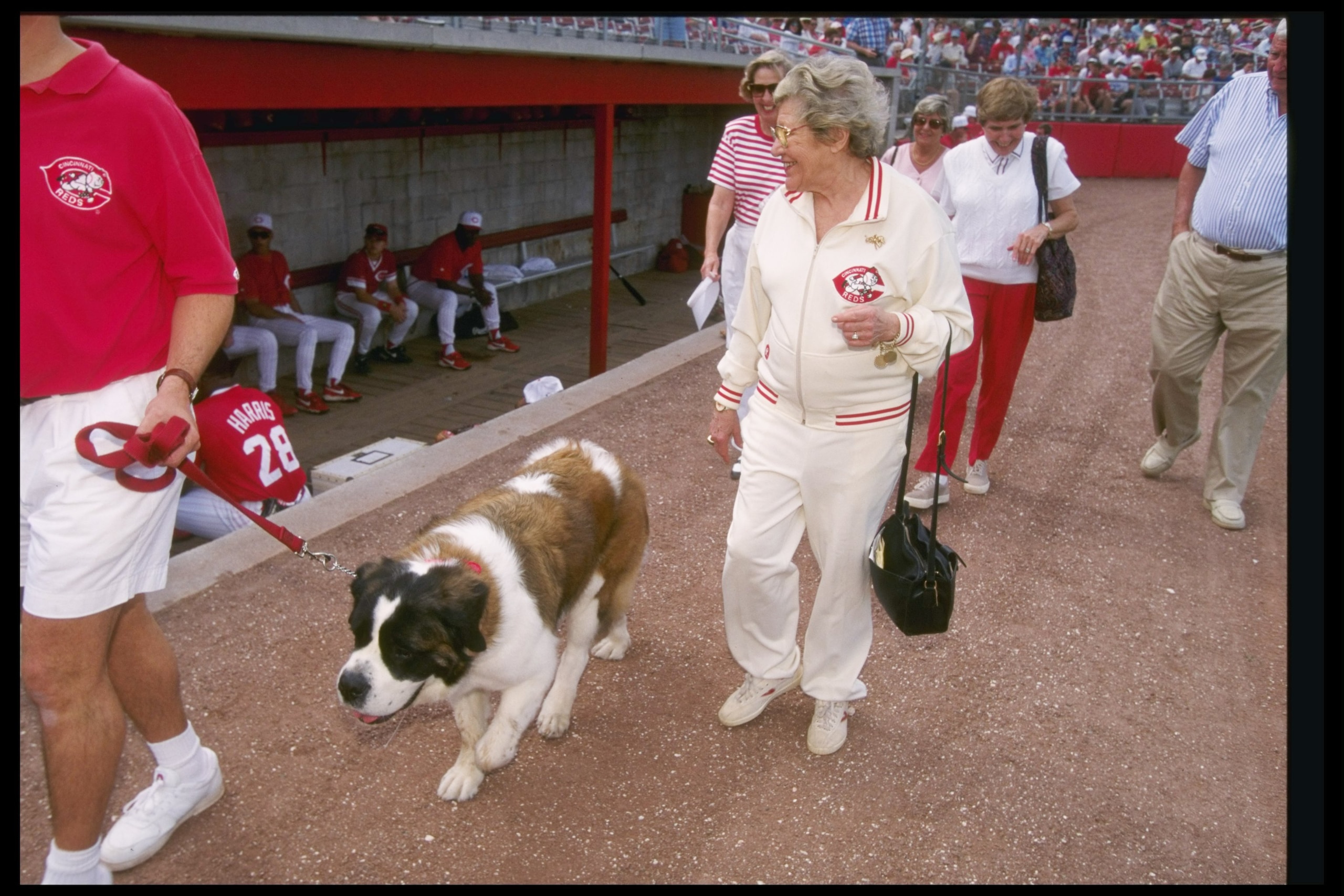
If Marge Schott was a better owner than Rachel Phelps from Major League, it was only marginally so.
In addition to disliking scouts and letting her dogs poop on the field, Schott was a horrible racist, once calling two of her African-American players "million-dollar n*****s." She was also quoted as saying, "I'd rather have a trained monkey working for me than a n*****."
She also displayed anti-Semitism—"sneaky godddamn Jews are all alike," she reportedly said—and extreme heteronormativity—"only fruits wear earrings," she said of her players' jewelry-wearing habits.
No. 39: William B. Cox Bets on Games
12 of 50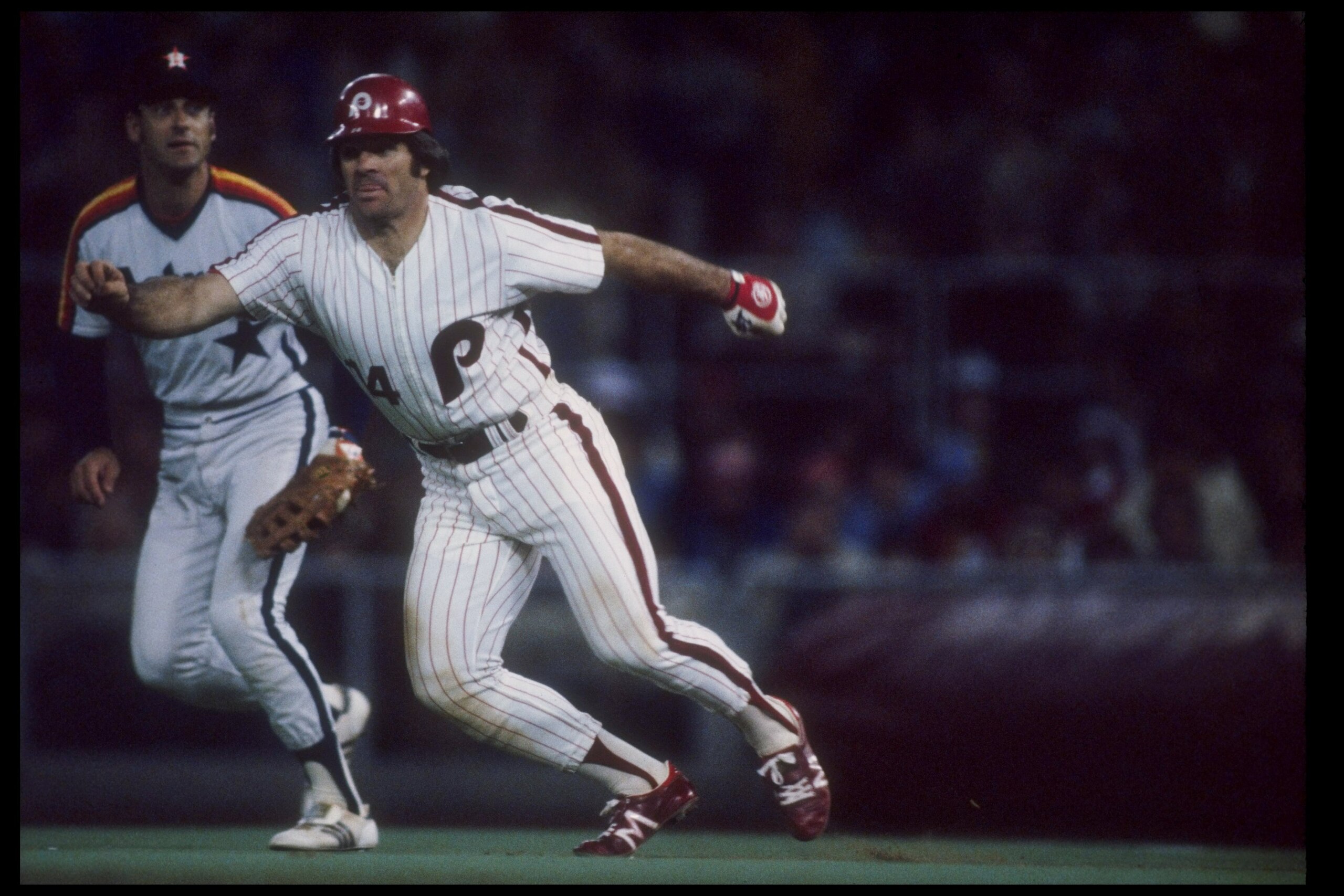
Even before steroids, baseball people had trouble playing by the rules.
Long before Pete Rose, people involved with the game were illicitly betting on it. William B. Cox, the owner of the Philadelphia Phillies, was banned in 1943 for doing just that.
No. 38: Manny Ramirez Retires After Positive PED Test
13 of 50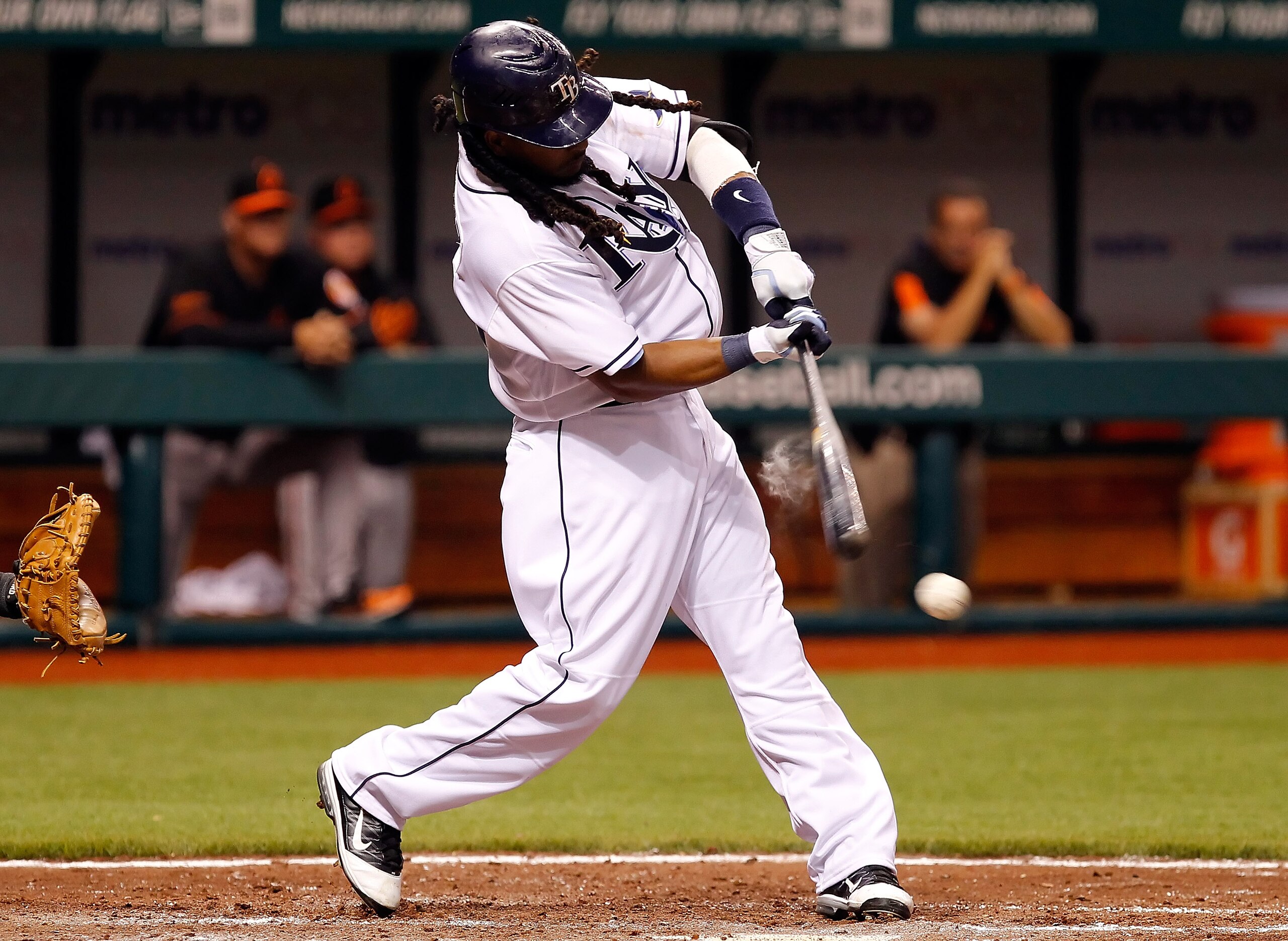
With his unfocused attitude and his tendency to wear his emotions on his sleeve, Manny Ramirez was a controversial figure long before testing positive for a banned substance in 2009.
But when Manny tested positive again at the start of the 2011 season—twice—and then decided to retire rather than face his 100-game suspension? He's going to have a hard time getting the BBWAA to look at his numbers when his time for Cooperstown comes.
No. 37: George Steinbrenner Makes Illegal Contributions to Nixon
14 of 50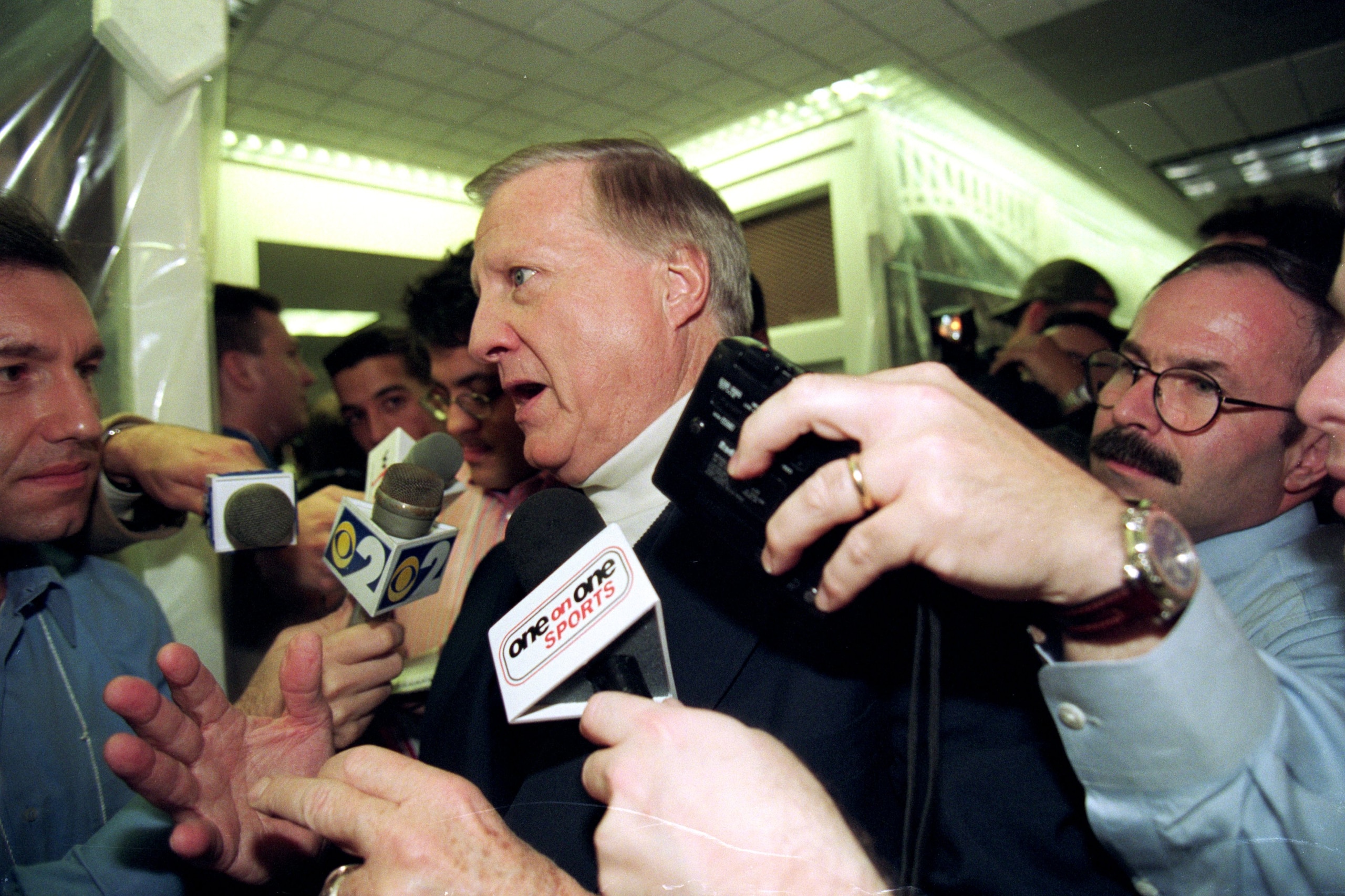
Say what you want about George Steinbrenner and his big-budget teams playing fair on the baseball diamond, but there's no question he fought dirty on the campaign trail.
After pleading guilty to making illegal contributions to Richard Nixon's 1972 Presidential campaign, Steinbrenner was banned for 15 months.
No. 36: The 1877 Conspiracy
15 of 50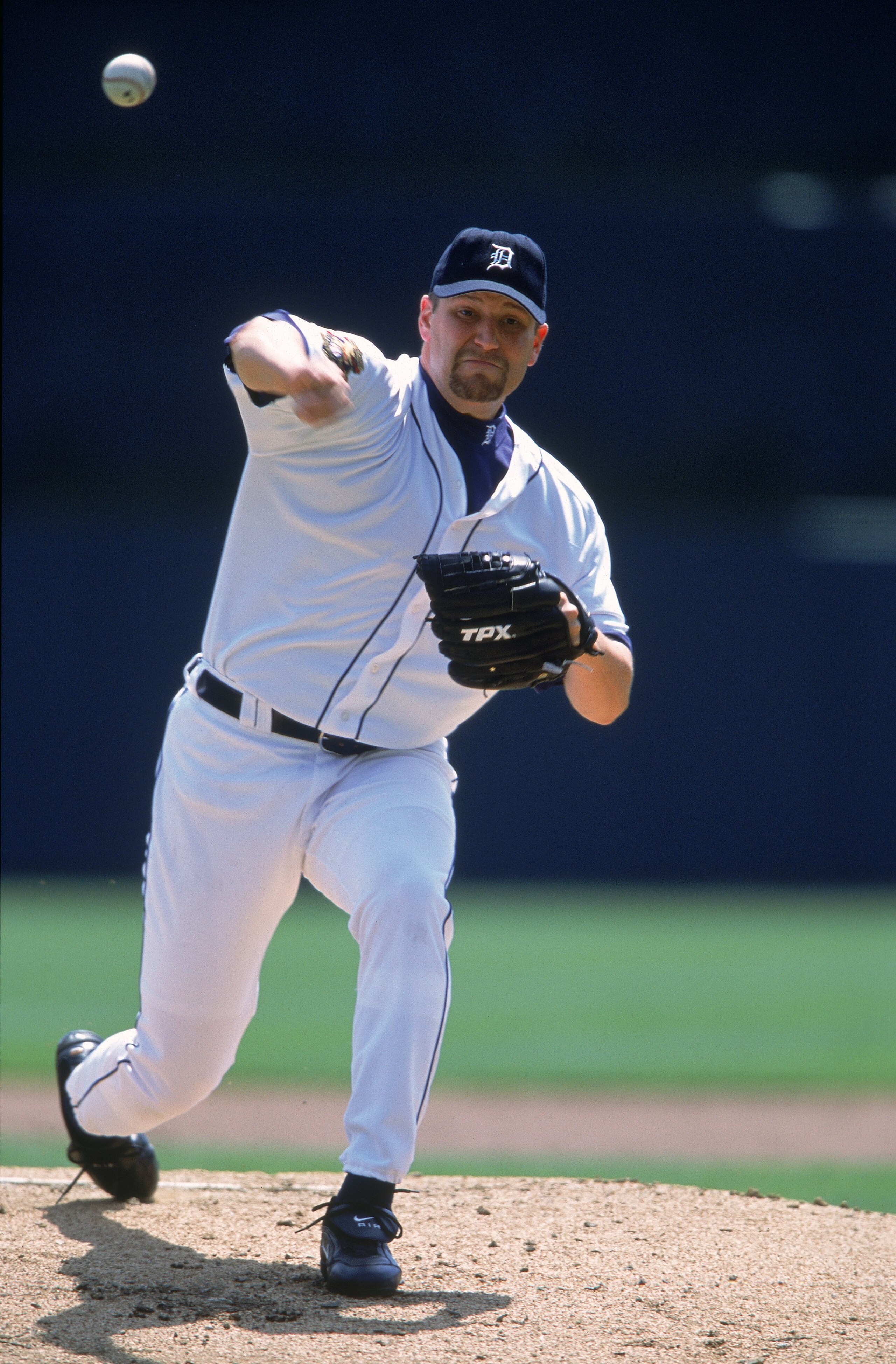
In one of the earliest scandals in baseball history, four players—Bill Craver, Jim Devlin, George Hall and Al Nichols—were banned for their participation and complacency in a scheme of gamblers paying players to throw games.
The year was 1877.
This is the first picture that came up when I searched for "1877." I'm as confused as you are.
No. 35: Jeffrey Loria Pockets Revenue-Sharing Money
16 of 50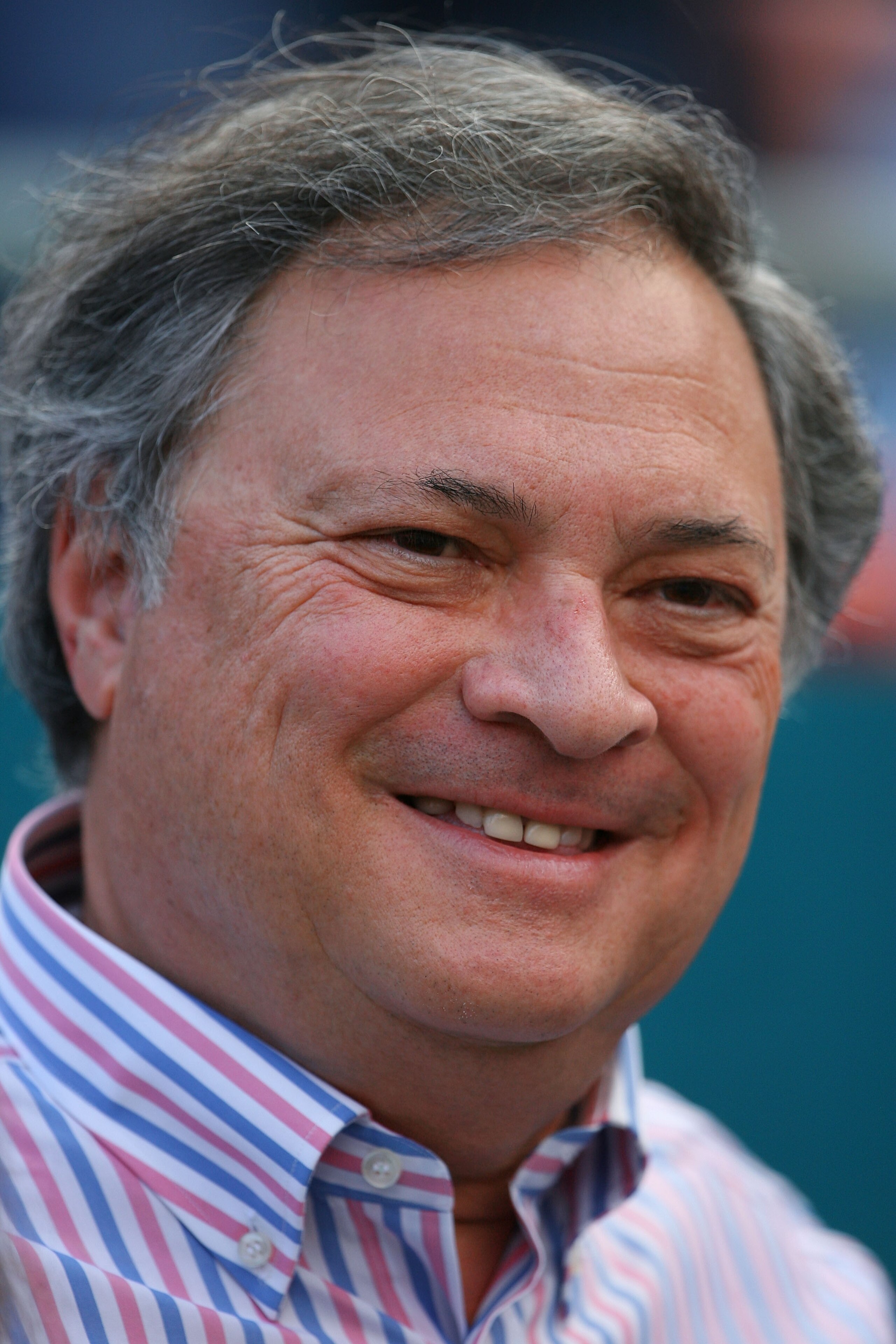
Long known as one of the cheapest owners in the game, it was revealed last year that Florida Marlins owner Jeffrey Loria had been pocketing the revenue-sharing money the team received so that the low-budget Marlins could afford to field a good ballclub.
Oops.
No. 34: Ty Cobb Beats Up Handicapped Fan
17 of 50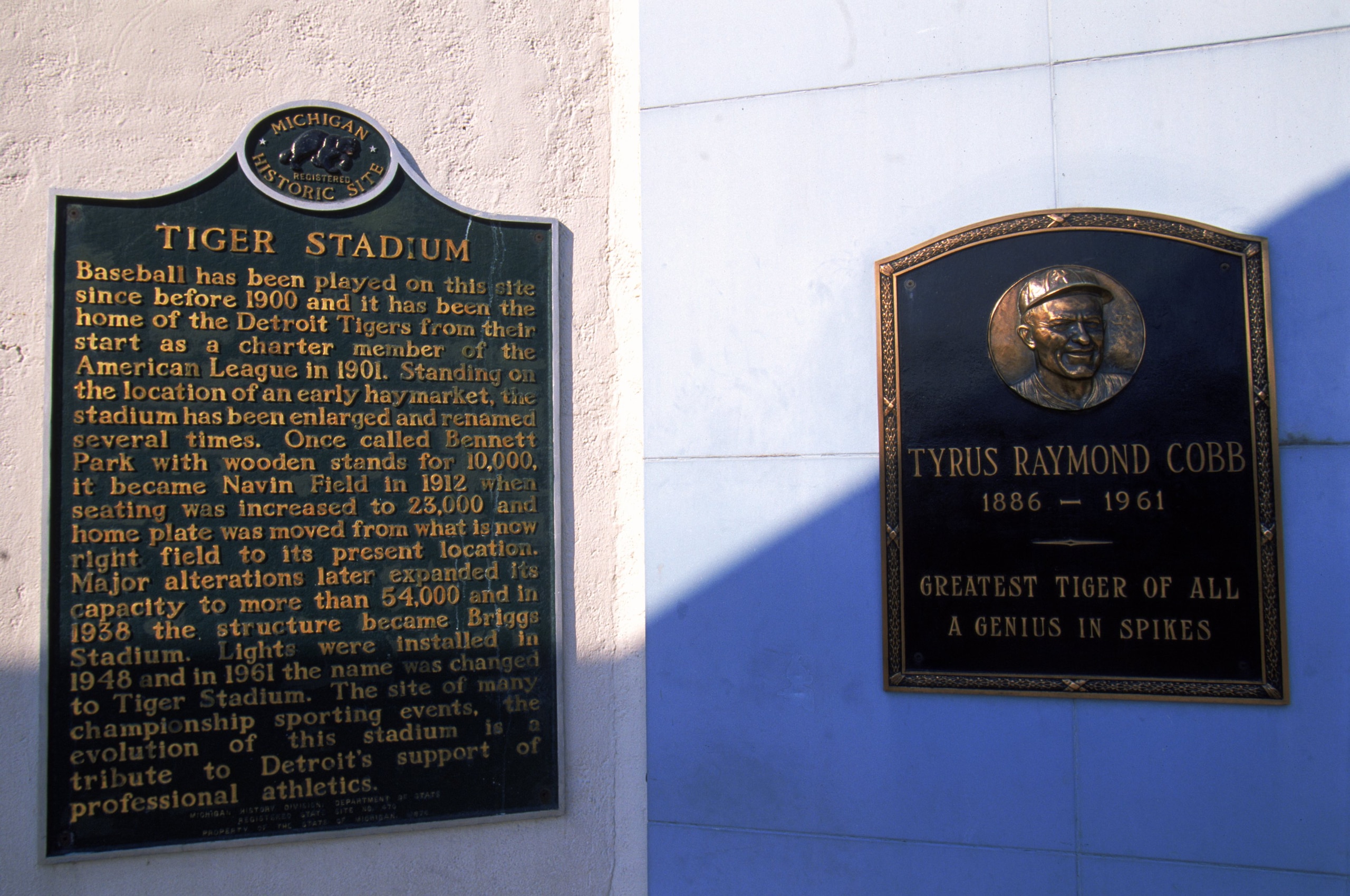
There are a lot of things you can say about Ty Cobb. "Nice guy" isn't one of them. Nor is "racial equality activist."
In 1912, a heckler in the stands called Cobb a "half-n*****." This, Cobb later wrote, "reflect[ed] on my mother's color and morals," and so he preceded to attack his critic.
His heckler, mind you, had only two fingers on one hand and had completely lost the other. When this was pointed out to Cobb, he replied: "I don't care if he got no feet!"
No. 33: The Pine Tar Incident
18 of 50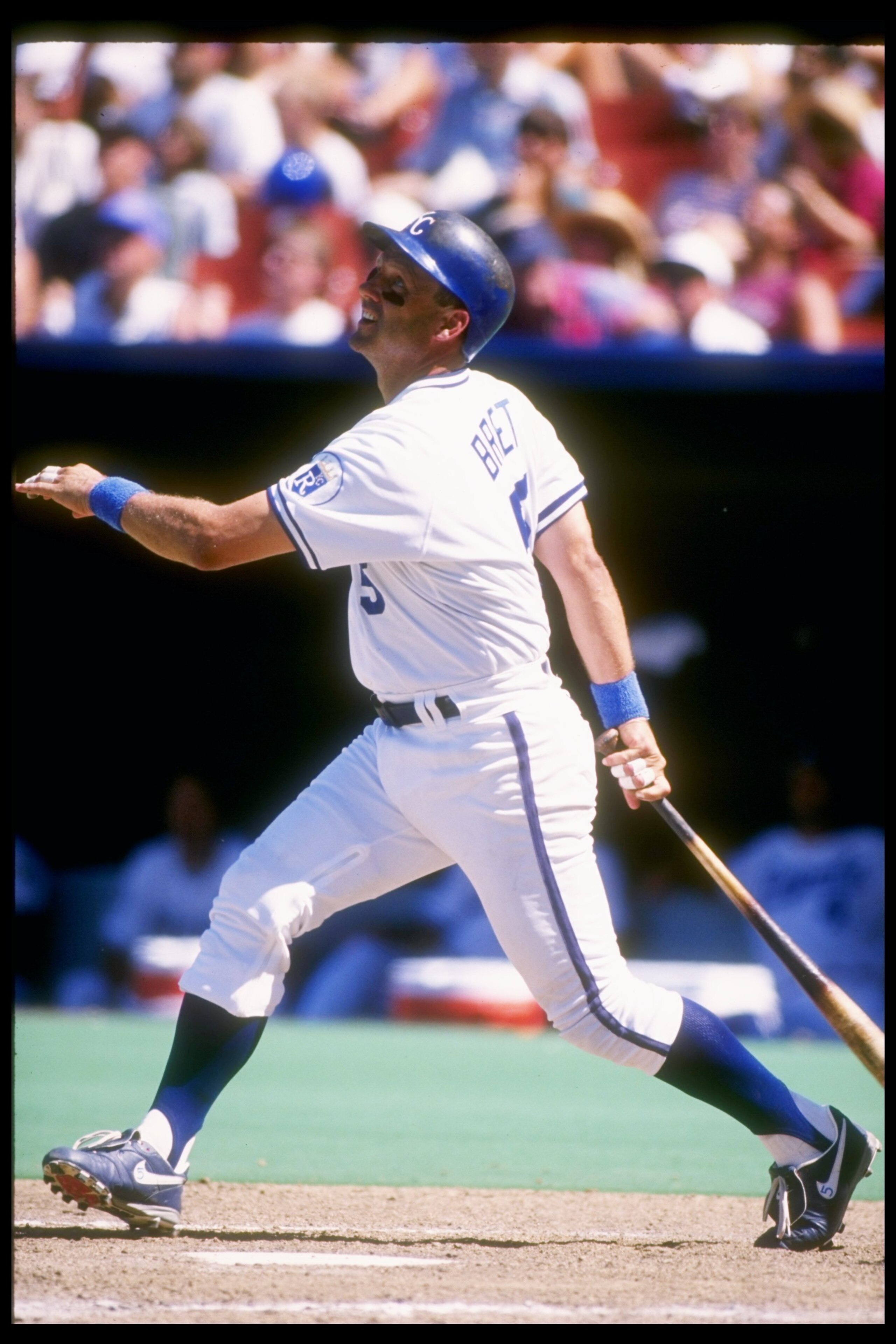
In 1983, with the Royals down 4-3 to the Yankees in the top of the ninth inning, George Brett hit a two-run home run to put Kansas City on top. But after Brett returned to the dugout, the umpires found that his bat had too much pine tar on it (MLB allows it to extend only 18 inches up the handle) and it was ruled a game-ending out.
It was—in the words of Mike McKenzie—a "game-losing home run."
The Royals protested, and the decision was overturned. The Royals held on to beat the Yankees when they finished the game from after Brett's home run on a later date.
No. 32: Benny Kauff Acquitted but Still Banned
19 of 50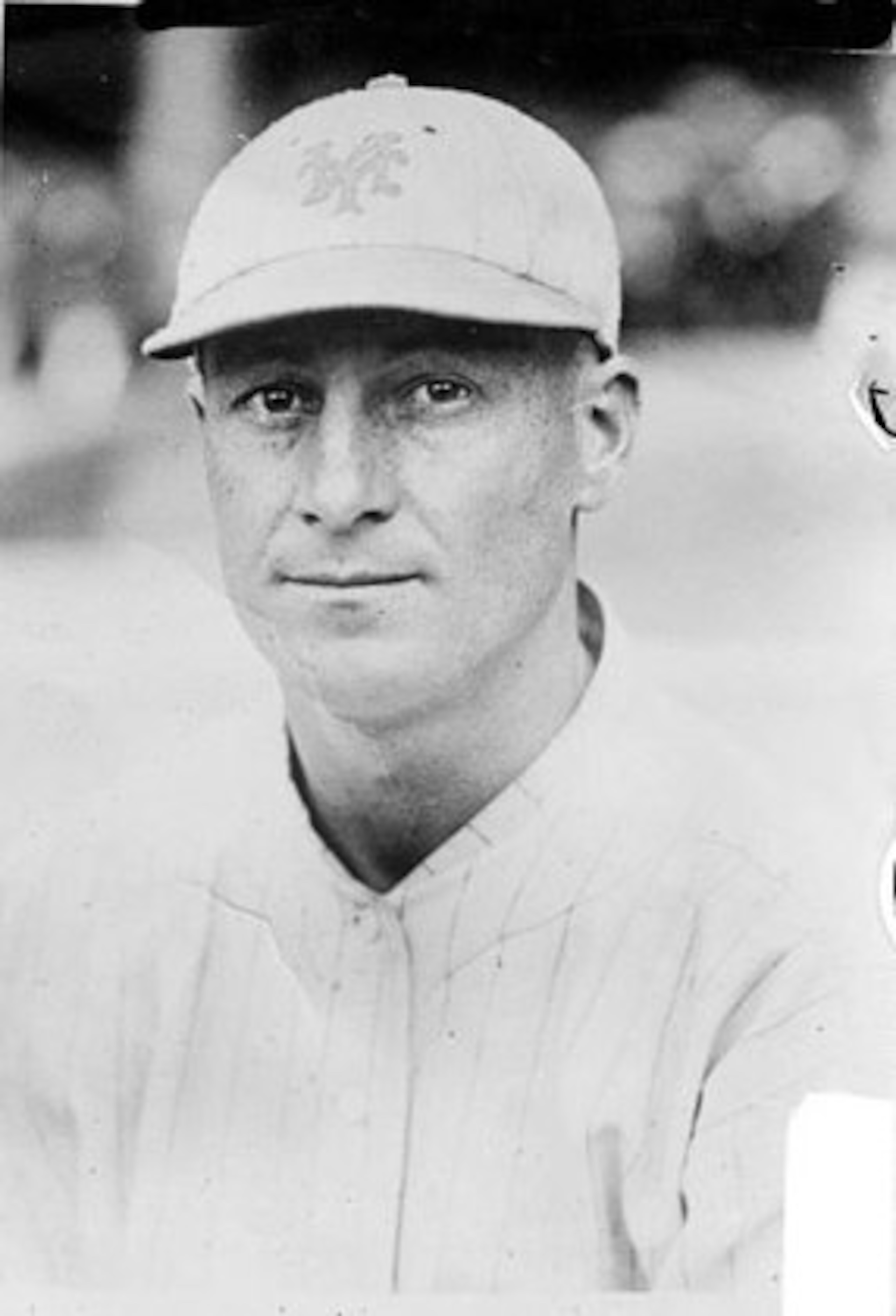
In 1921, outfielder Benny Kauff was acquitted on charges of auto theft that had derailed his career when they were announced in 1919. All good, right?
Wrong. Commissioner Kenesaw Landis was his own one-man jury: Kauff's alleged involvement, Landis said, "was one of the worst miscarriages of justice that ever came under my observation."
Kauff was banned for life.
Public Domain image (courtesy of Wikimedia Commons)
No. 31: Armando Galarraga's Almost-Perfect Game
20 of 50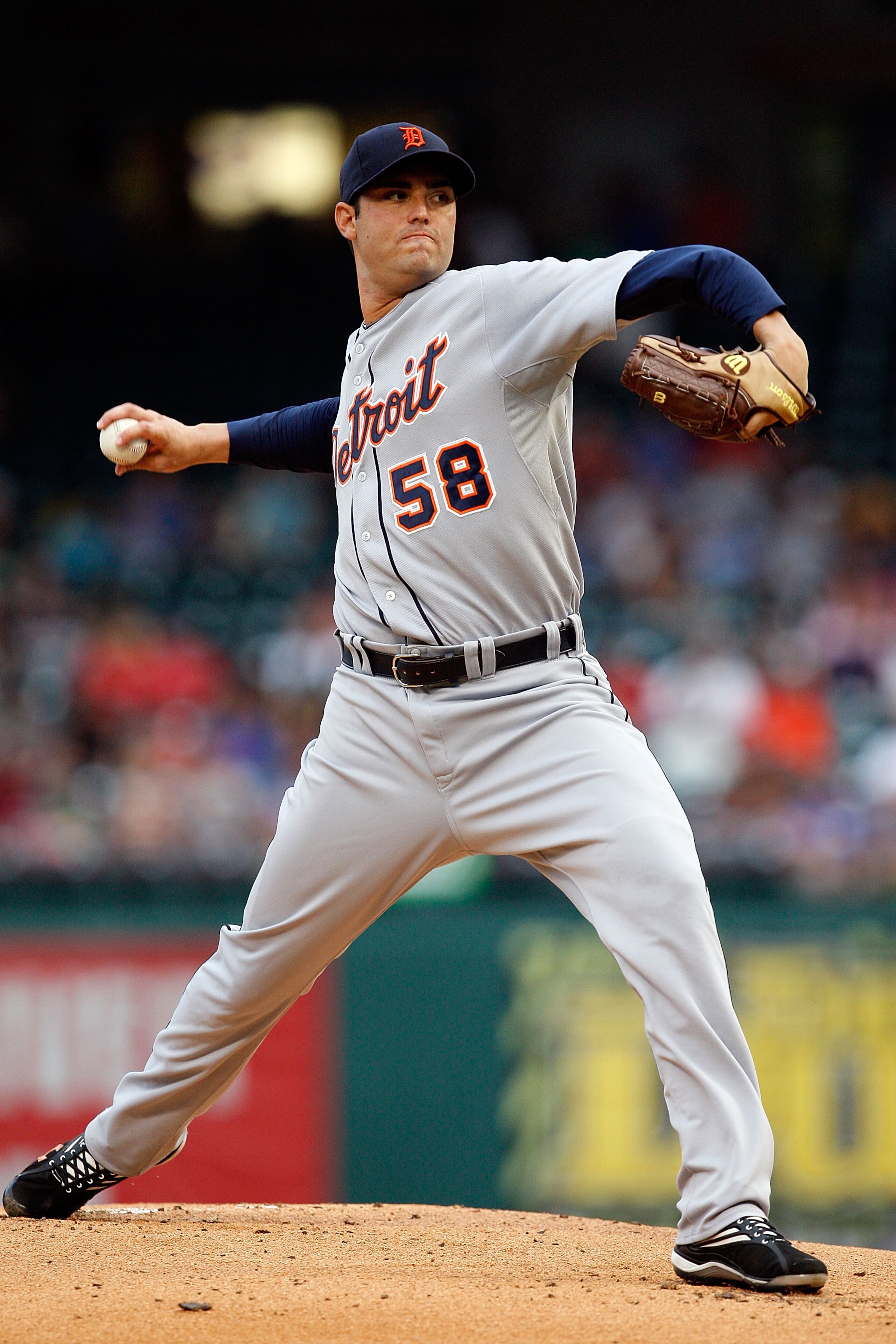
On June 2, 2010, Detroit Tigers pitcher Armando Galarraga threw a perfect game against the Cleveland Indians: 27 up, 27 down.
Except he didn't. The 27th out, Jason Donald, was called safe even though he was clearly out. Umpire Jim Joyce himself admitted he blew the call.
Galarraga retired the next batter for what essentially was a 28-out perfect game.
No. 30: Phil Douglas' Revenge
21 of 50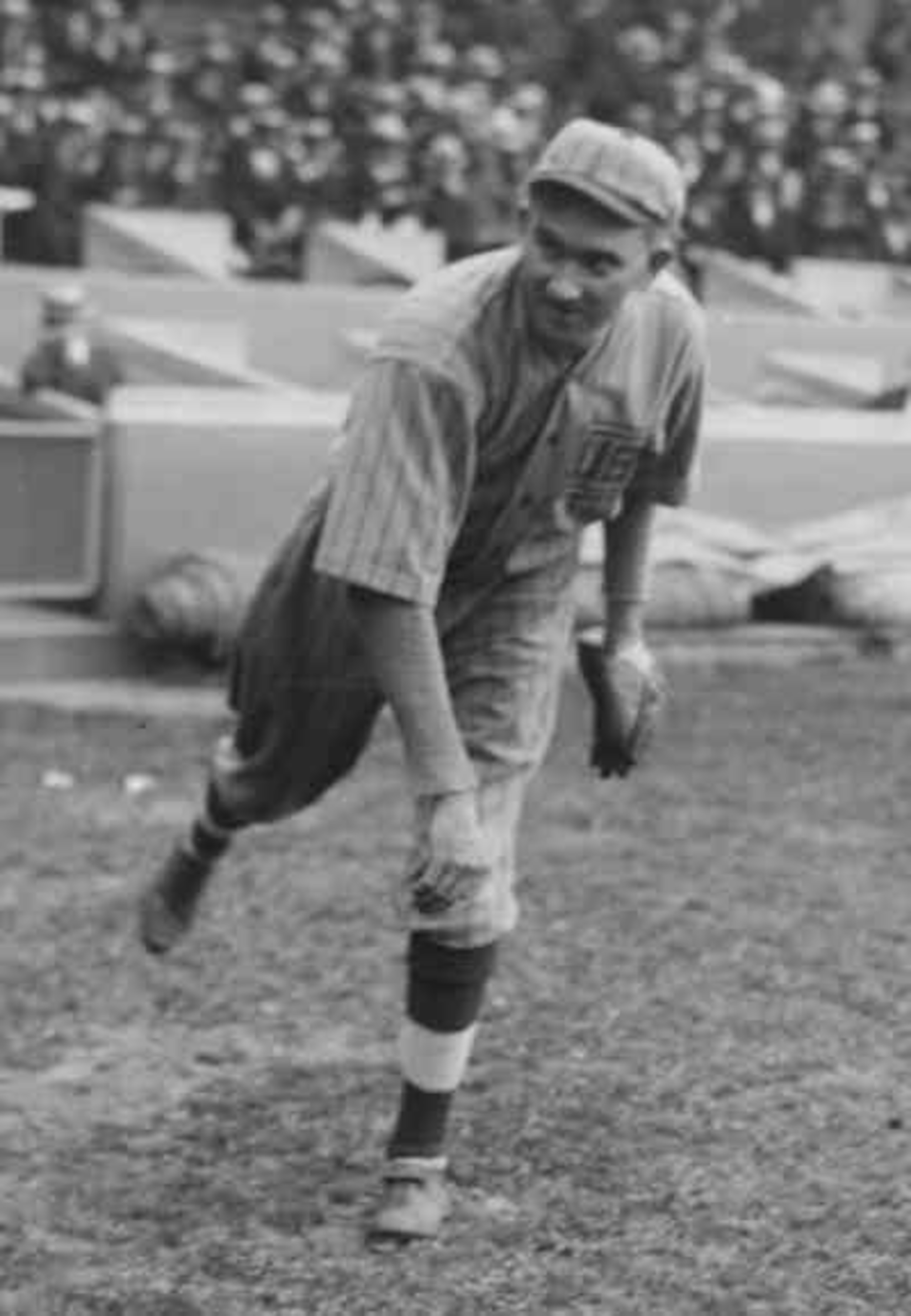
There's a lot you can say about John McGraw, but he probably wasn't a guy you'd want to have a beer with.
At least, that's what pitcher Phil Douglas thought when McGraw was his manager. And so, he resolved to throw the 1922 pennant—not for money, but out of spite.
He announced his intentions in a letter that found its way to Commissioner Landis. That was the end of that.
Public Domain image (courtesy of Wikimedia Commons)
No. 29: Roger Maris Hits 61
22 of 50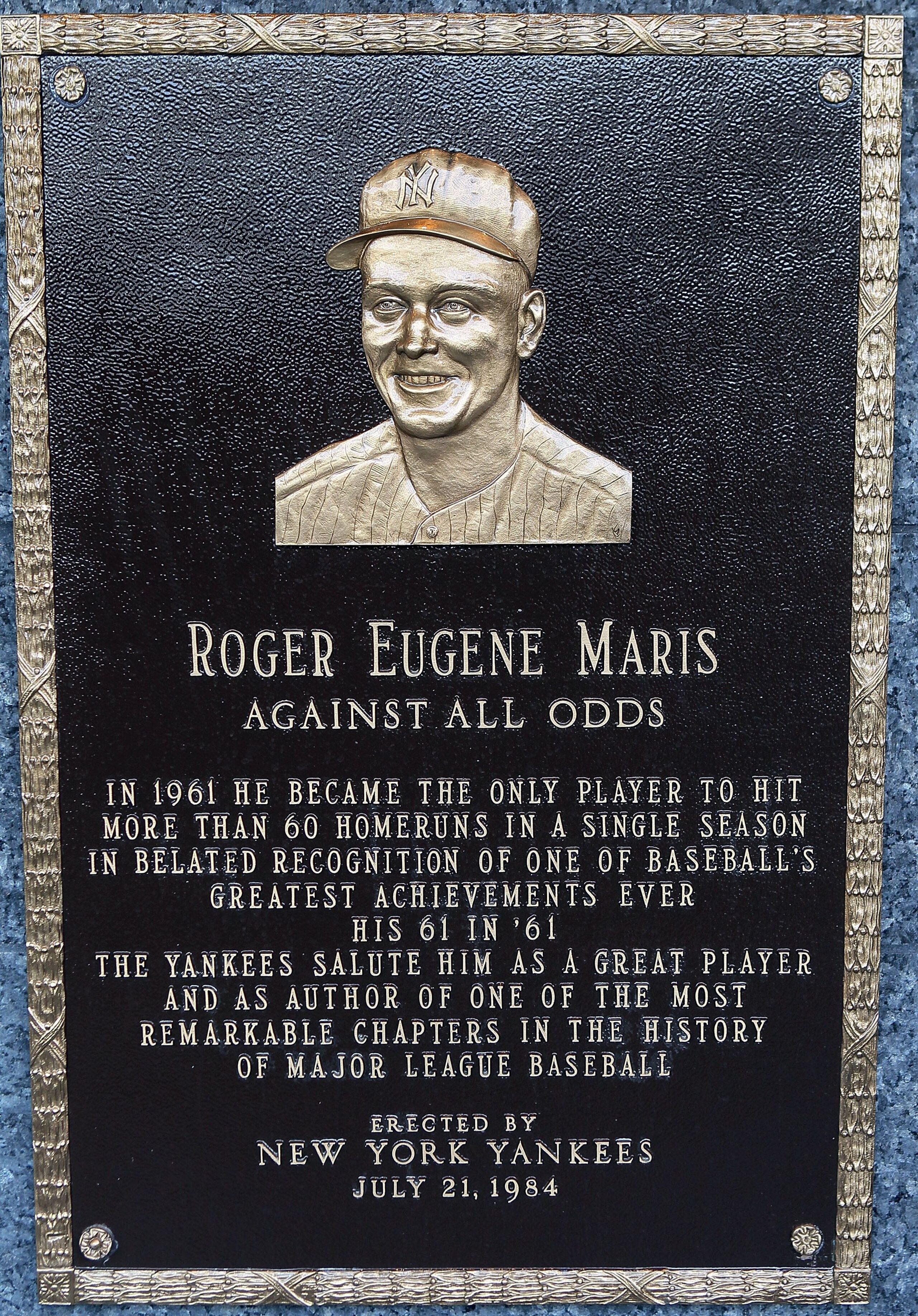
Barry Bonds wasn't the first player to have people calling for an asterisk next to the record he broke.
In 1961, when Roger Maris was chasing Babe Ruth's record of 60 homers in a season, everyone—even Commissioner Ford Frick—was rooting against him.
When he hit 61 homers in the newly expanded 162-game season, many said the record shouldn't count because Maris had had only 59 homers at the 154-game mark (the length of Ruth's record-setting season).
No. 28: Alex Rodriguez' PED Use
23 of 50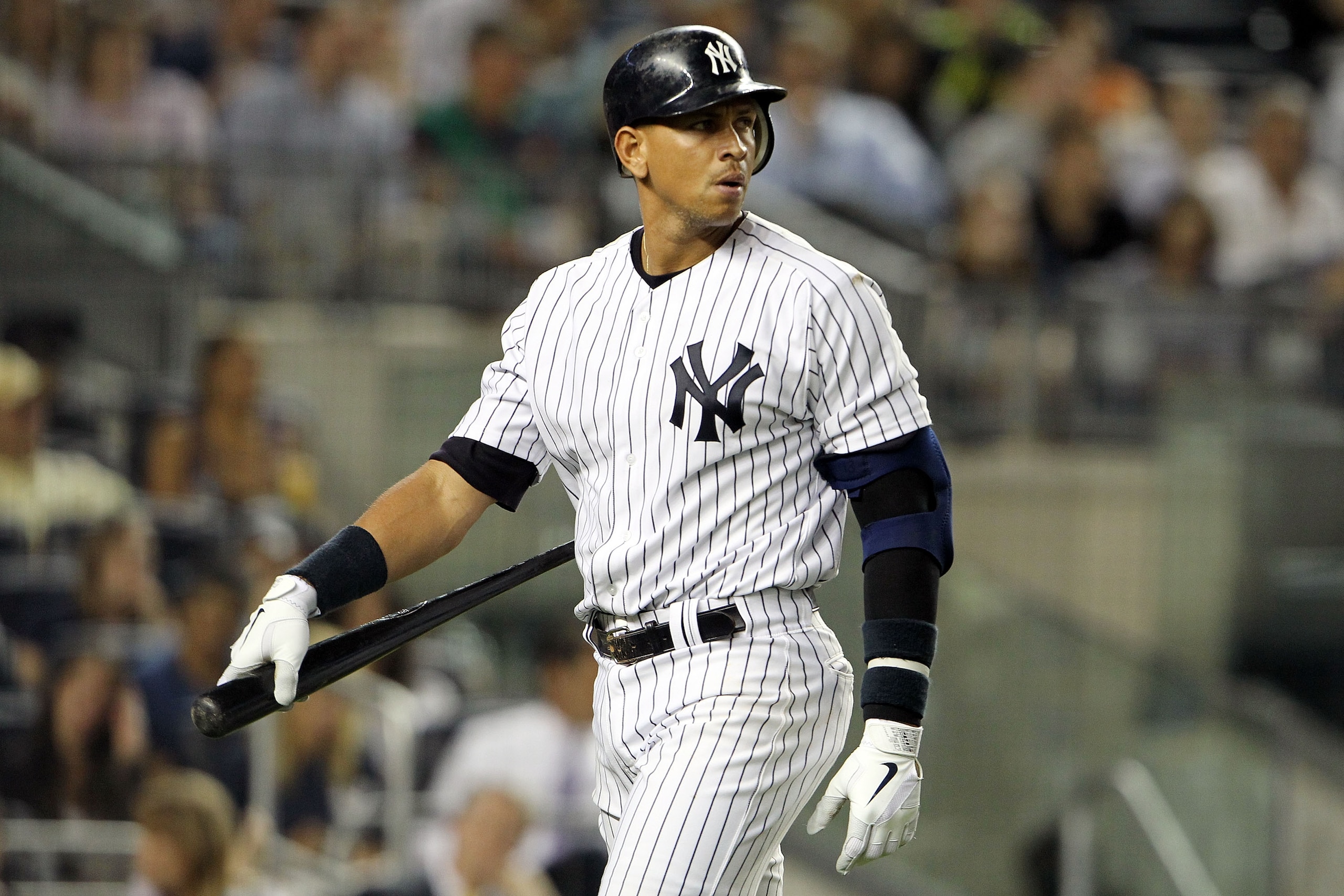
In 2009, after years of denying the use of any performance-enhancing drugs, Sports Illustrated reported that Alex Rodriguez—henceforth known to his detractors as "A-Roid" or "A-Fraud"—was among the 104 players to have tested positive steroids in 2003.
The news was a crushing blow for Rodriguez, who had been known as one of the few great "clean" players in the game.
In addition, Rodriguez' test had been performed with the condition of anonymity. Some would say that he made his own bed by cheating, but there's something wrong with a name that's supposed to be anonymous being leaked.
No. 27: The Corked Bat Cover-Up
24 of 50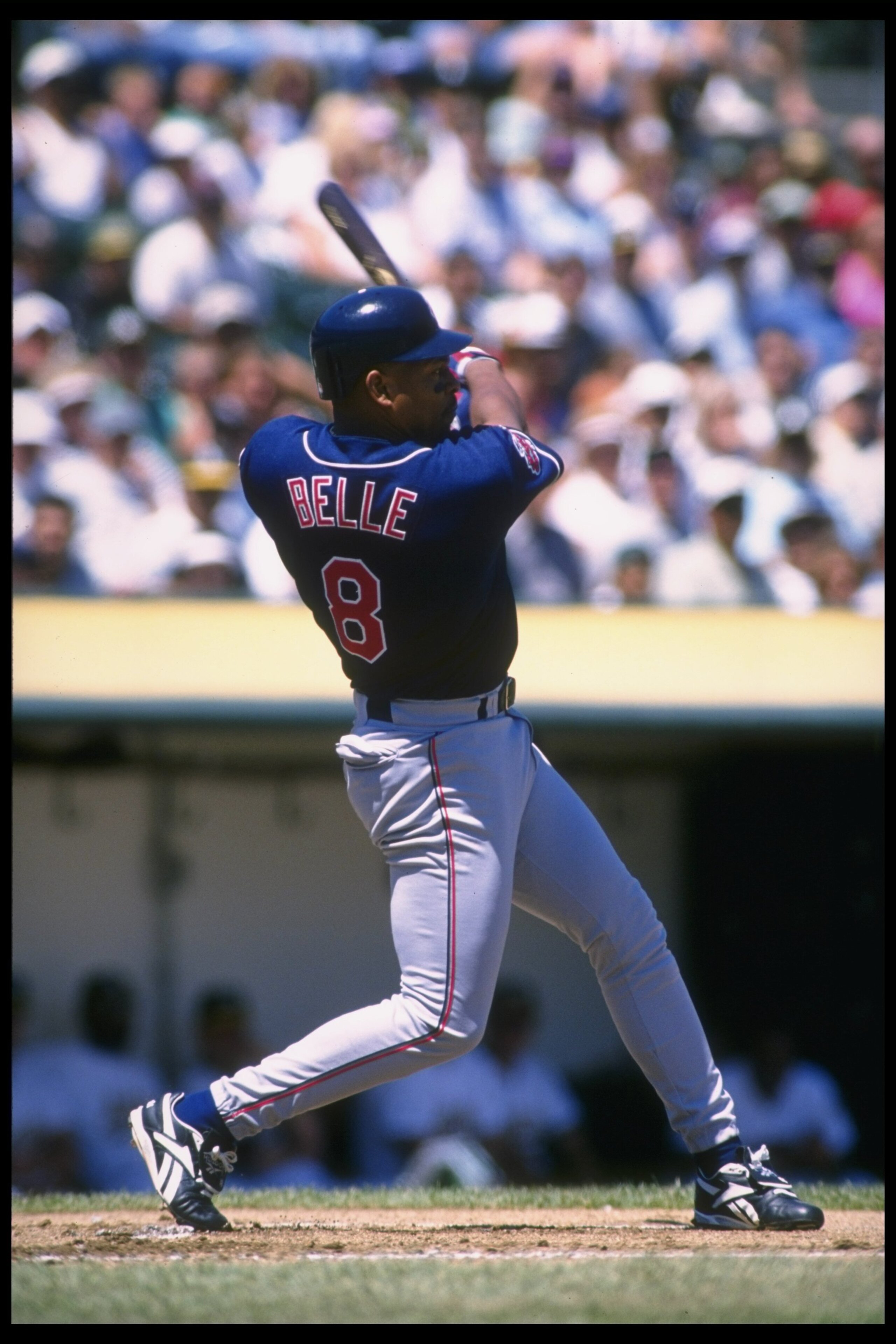
On July 15, 1994, Chicago White Sox manager Gene Lamont asked the umpire to examine Indians outfielder Albert Belle's bat, which he believed to be corked. The bat was taken and stored in the umpires' dressing room.
But the Indians weren't going to let Belle be caught that easily. Pitcher Jason Grimsley crawled through the ceiling to access the umpires' room, where he switched Belle's bat for a clean one.
Grimsley apparently didn't think anyone would notice that the bats looked different or that his jump from the ceiling would leave visible damage.
Belle was eventually suspended for seven games.
No. 26: MLB Takes Control of Dodgers
25 of 50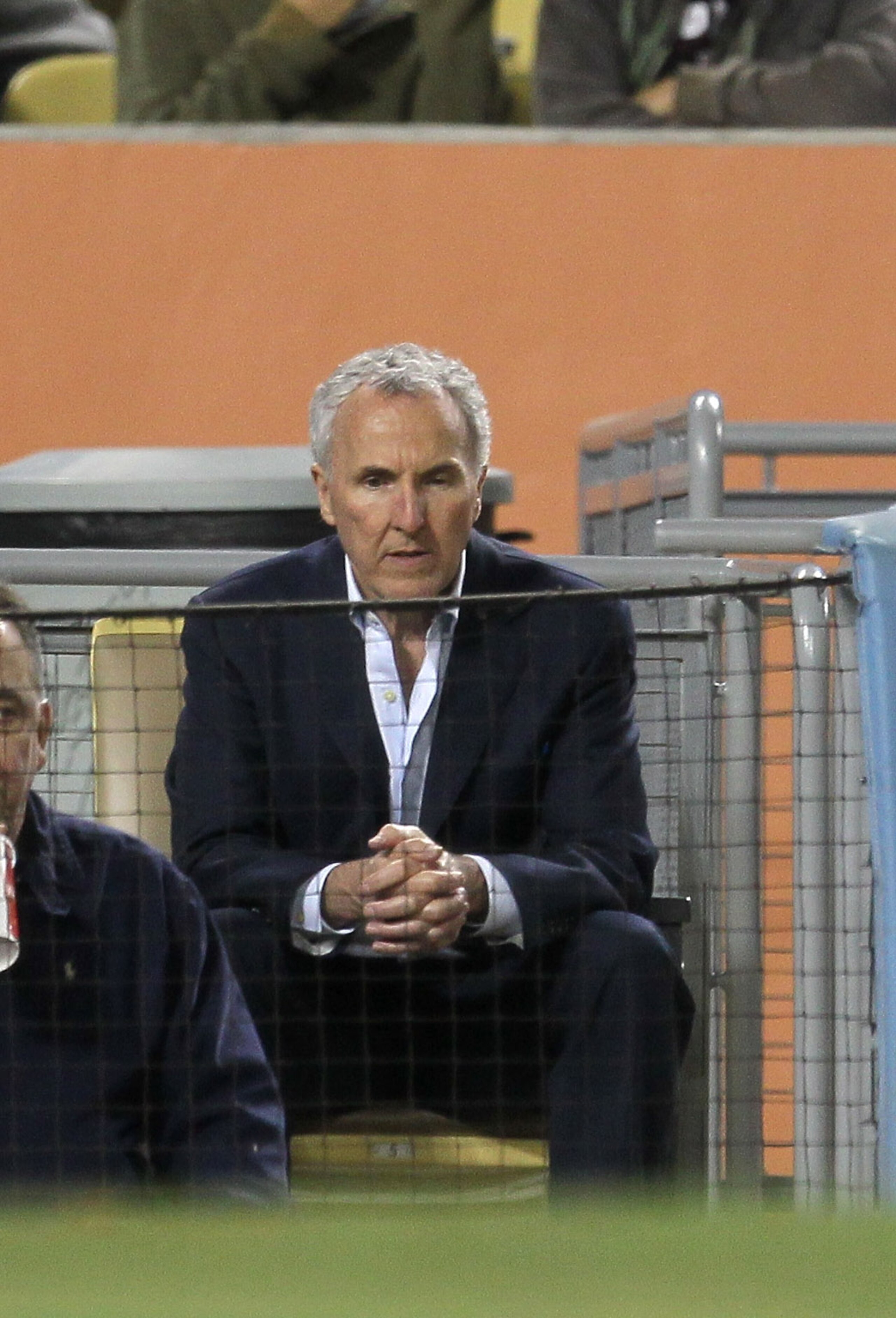
In 2009, Frank and Jamie McCourt, owners of the Los Angeles Dodgers, announced they were getting a divorce. Since then, the team has suffered major financial problems that have begun to interfere with how the team is run.
Last month, Commissioner Bud Selig decided he'd had enough and Major League Baseball took control of the Dodgers franchise.
The result has been a contentious media firestorm as both sides have argued about the responsibilities of MLB ownership and McCourt's basic property rights.
No. 25: Rafael Palmeiro Tests Positive
26 of 50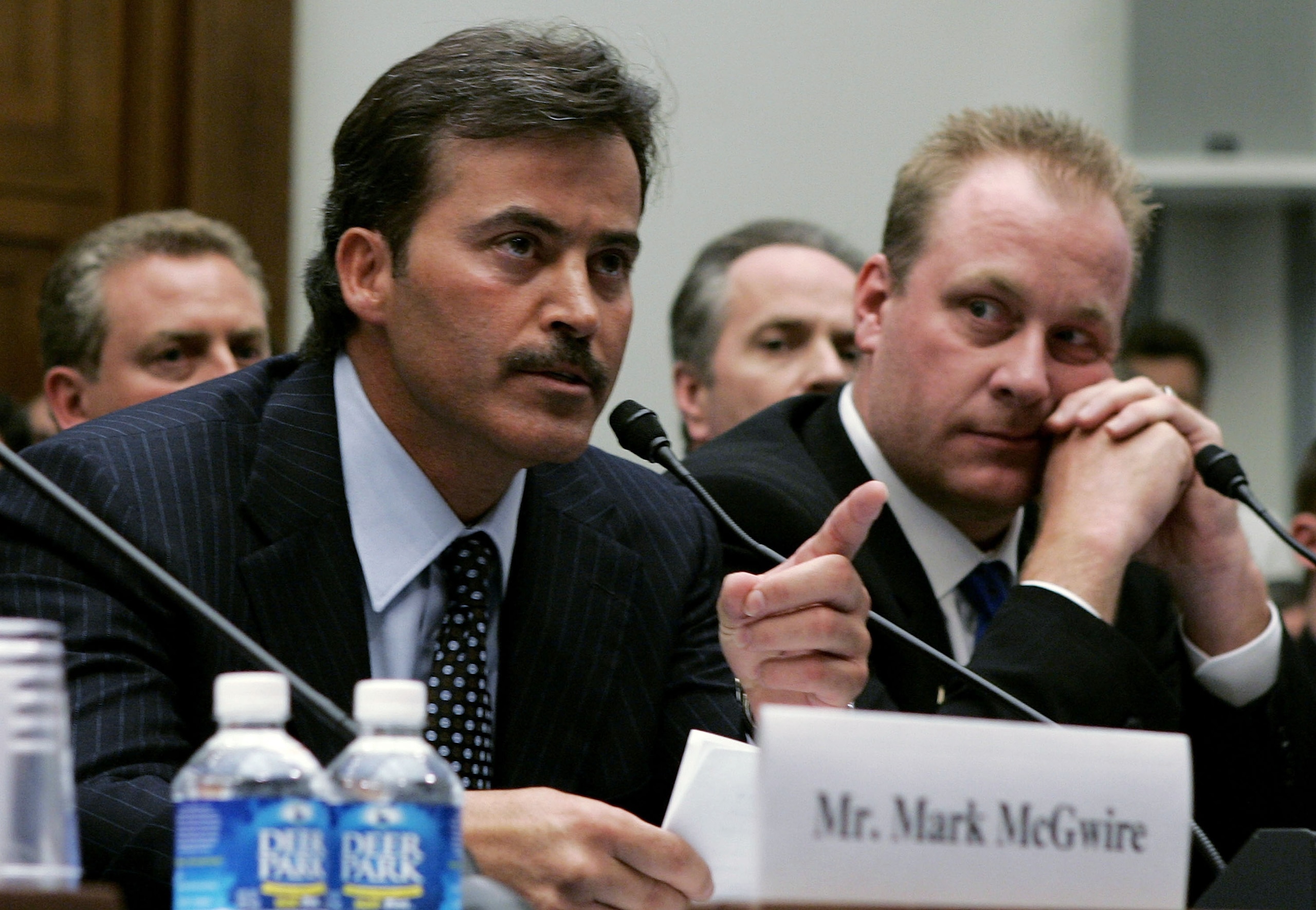
After being named as a fellow steroid user by Jose Canseco, Rafael Palmeiro appeared before Congress in 2005 and said:
""Let me start by telling you this: I have never used steroids, period. I don't know how to say it any more clearly than that. Never."
"
He tested positive a few months later.
Palmeiro wasn't the biggest name to fall in the steroid scandal, but his vehement denial in Congress made him look like one of the biggest hypocrites.
No. 24: New York Giants' Sign Stealing
27 of 50
Six decades after the fact, what Dodgers fans already knew is now clear: the 1951 New York Giants were cheaters.
The Giants were down by 13.5 games with just 53 days left of the season, yet they came back to win the pennant in one of the greatest comebacks in the history of baseball.
Unfortunately, it was due to illicit behavior: Giants personnel from the center-field clubhouse would relay the signs to hitters through a buzzer system.
Public Domain image (courtesy of Baseball-Reference.com)
No. 23: The Moneyball Fallout
28 of 50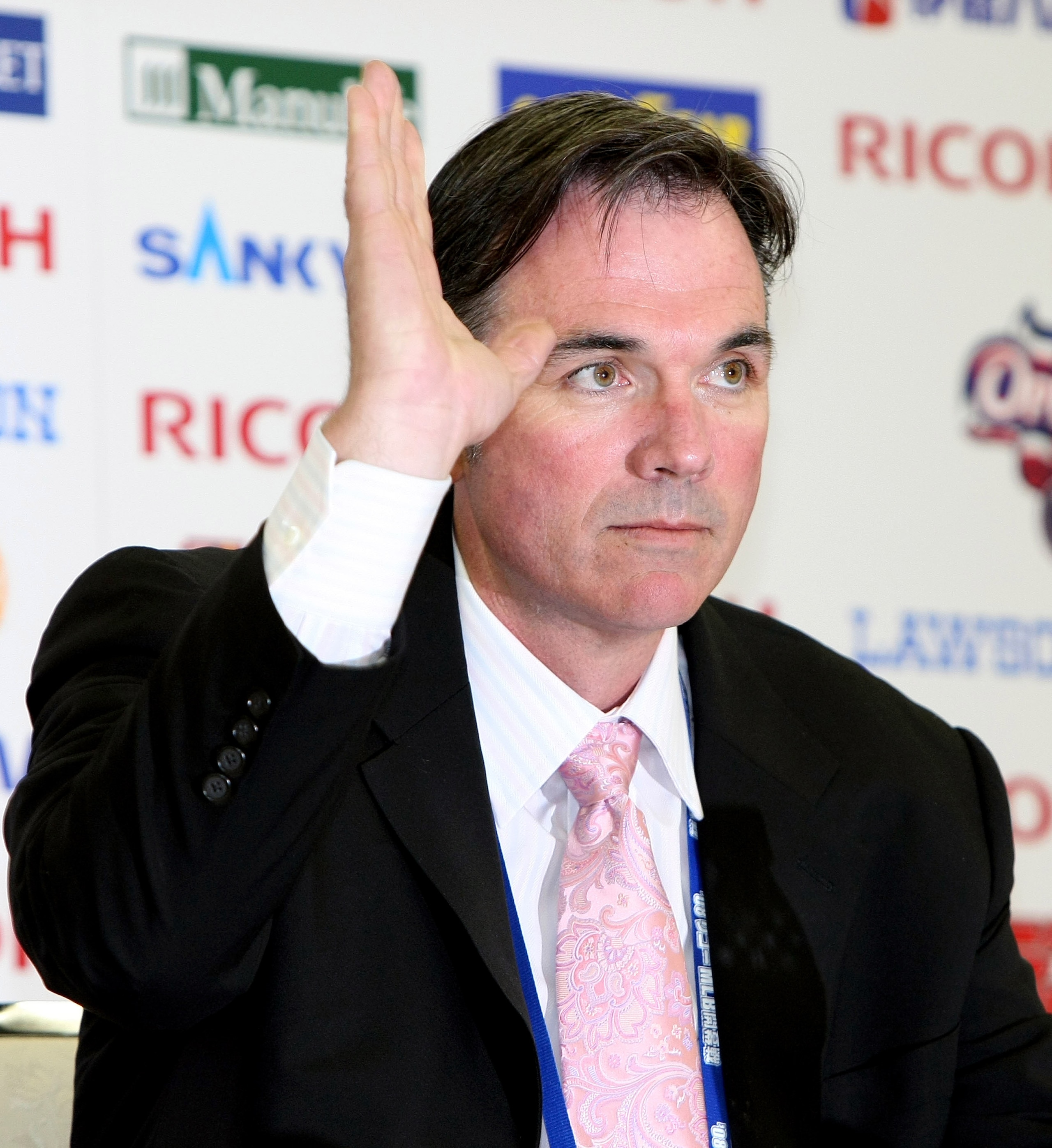
None of the sabermetric theories in Michael Lewis' Moneyball were anything new—some rebel statisticians had been redefining the game for decades.
But with the book's release, ideas about the role of on-base percentage and the immense luck inherent in pitching went mainstream. And the traditionalist crowd went berserk.
As an example: Joe Morgan, then the flagship analyst for the leading sports network in America, repeatedly slammed the book despite never having read it, or even knowing that Oakland A's GM Billy Beane was not the book's author.
No. 22: The 1908 Bribery
29 of 50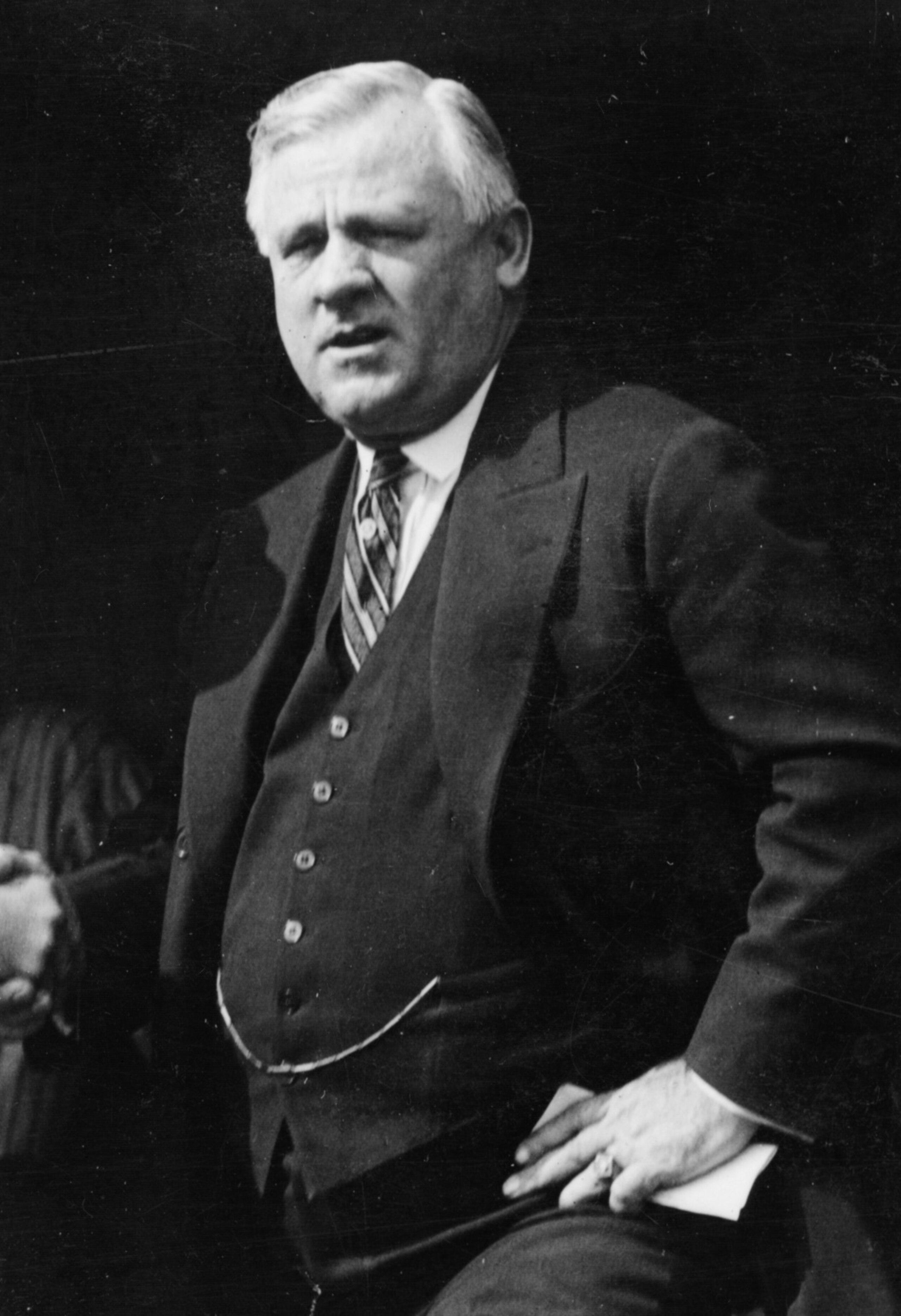
In 1908, someone from the New York Giants tried to bribe the umpiring crew to throw the NL pennant tiebreaker game for them. The umps refused and the team doctor—the alleged culprit—was banned for life.
But the doctor may have been a scapegoat. Some now believe that the plan was concocted by none other than John McGraw himself.
Public Domain image (courtesy of Wikimedia Commons)
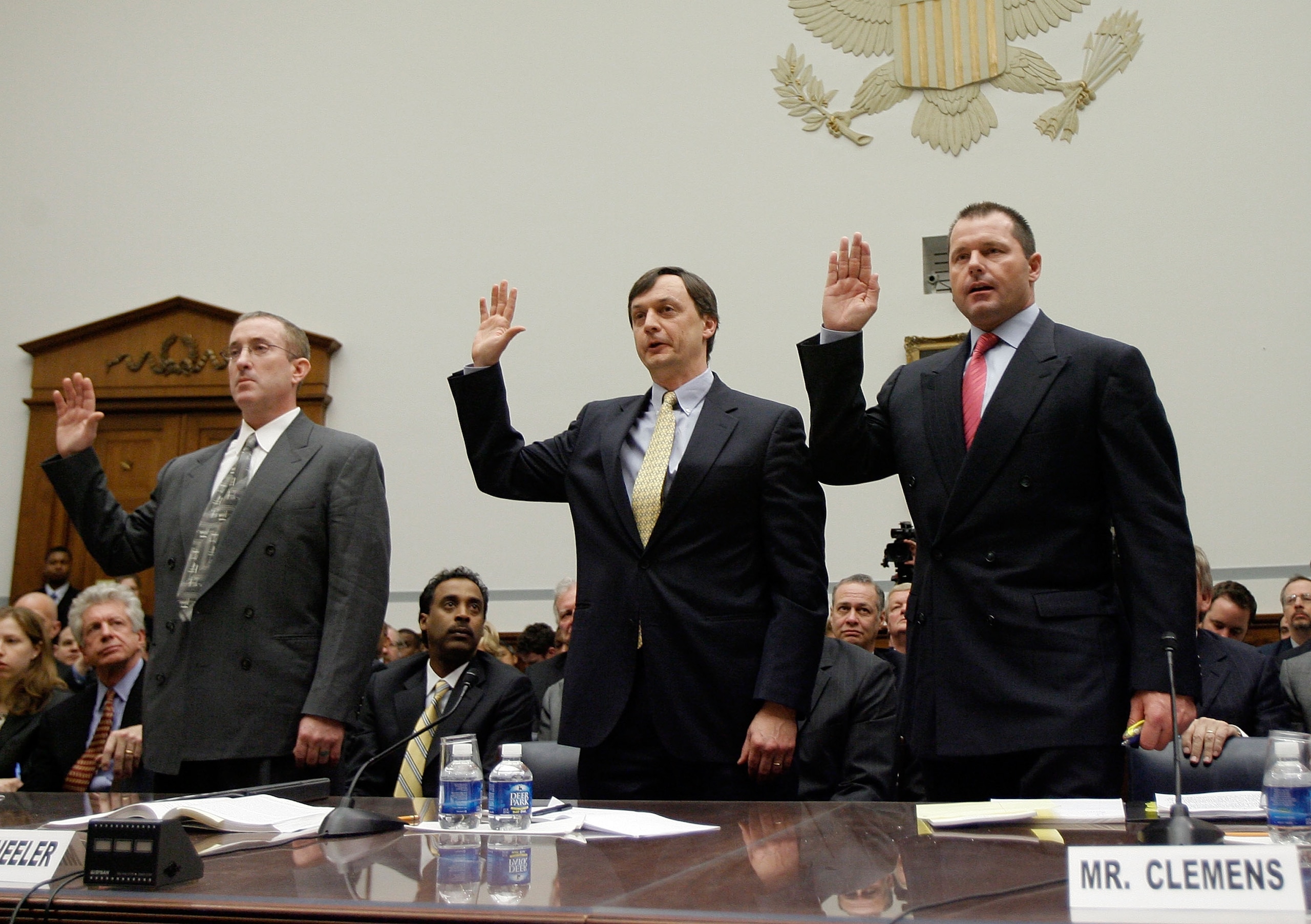
No. 21: Roger Clemens vs. Brian McNamee
30 of 50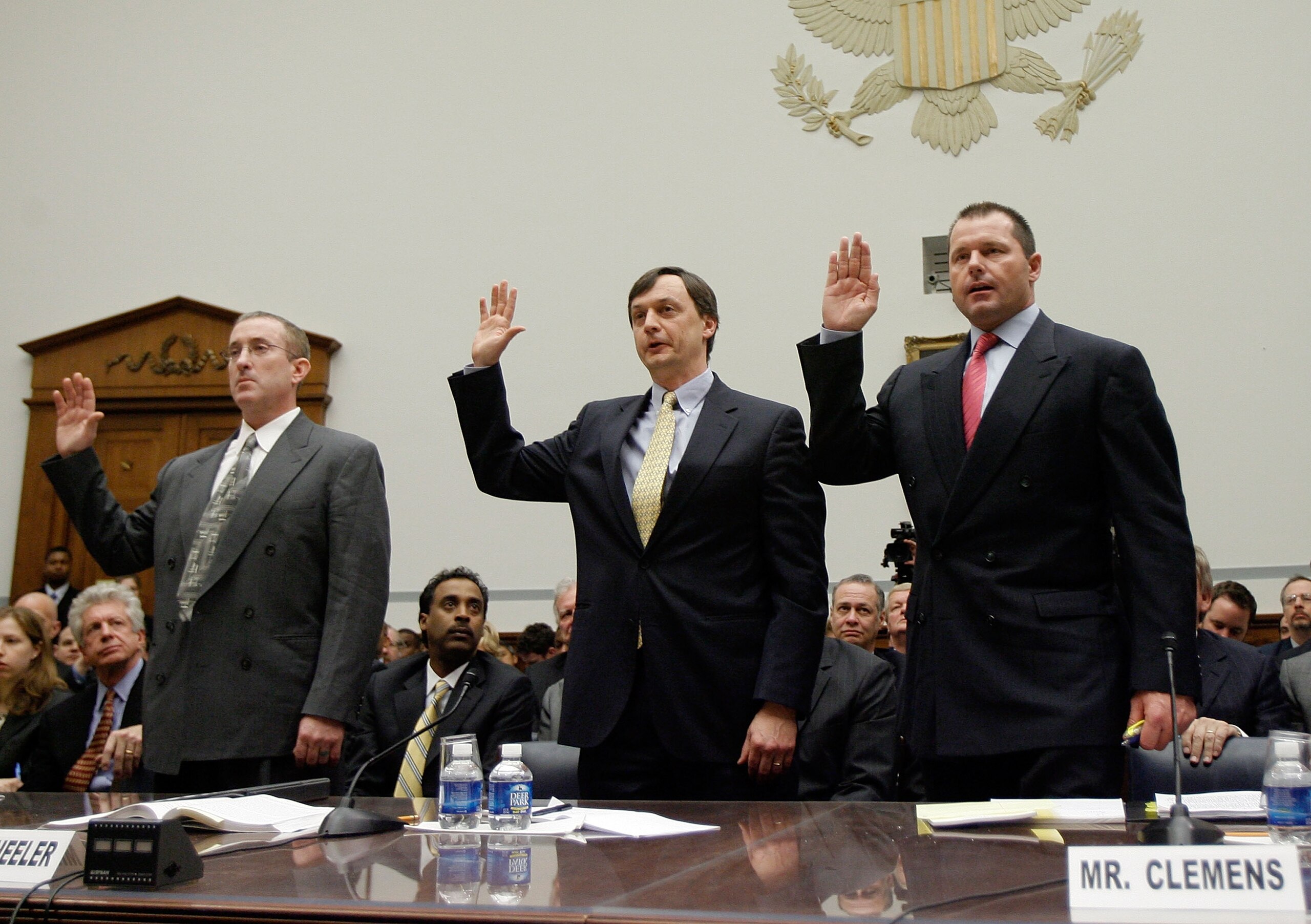
One of the most high-profile players to be connected to PEDs is Roger Clemens—it would certainly help explain his ability to maintain such a high level of performance as he aged.
But unlike just about every other big name to be caught using 'roids, he has yet to admit any guilt.
There's been an intense media firestorm and even a Congressional controversy over the contradicting testimonies of Clemens and his former trainer, Brian McNamee.
No. 20: Ty Cobb Stabs a Night Watchman
31 of 50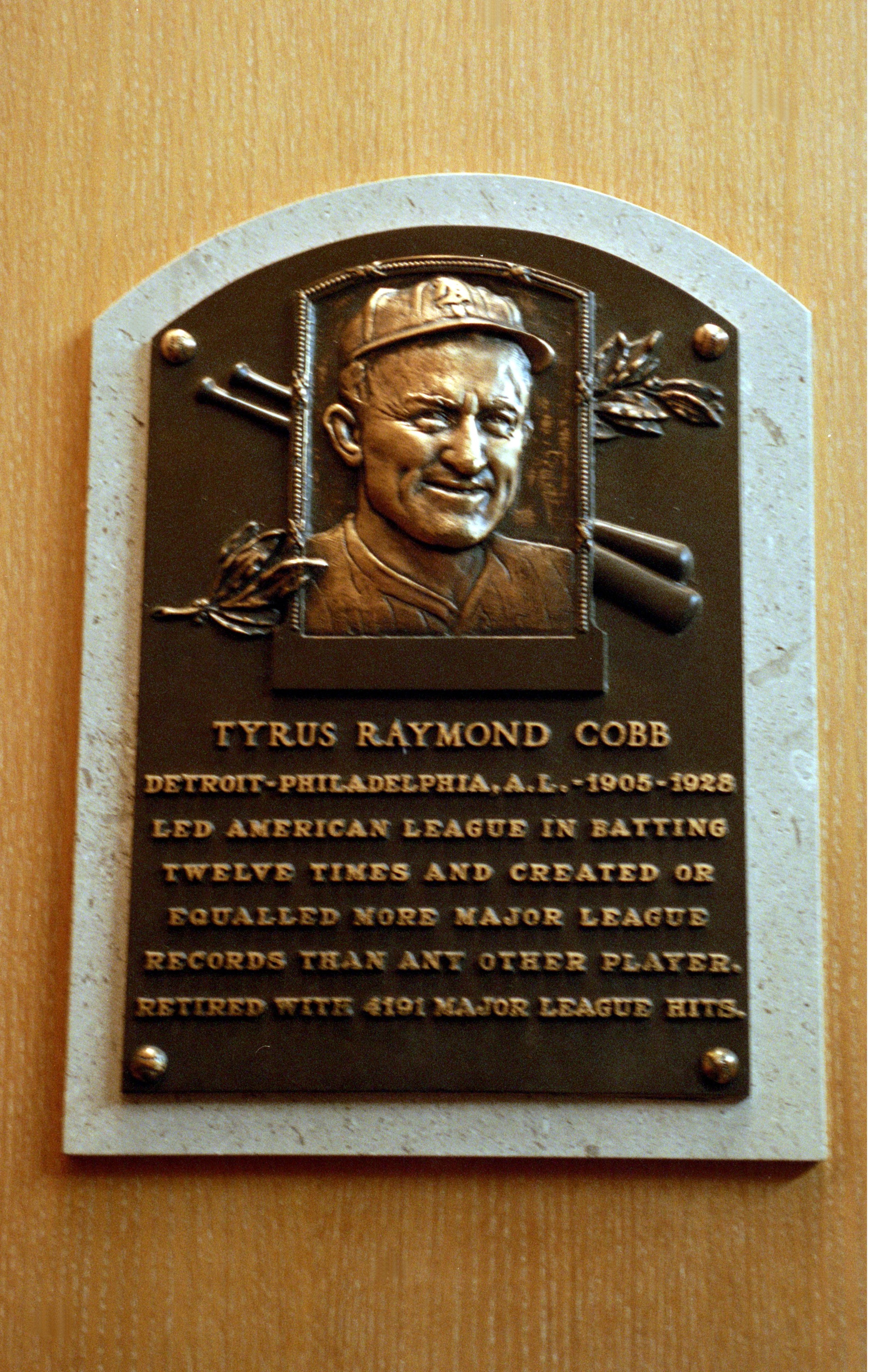
Remember Ty Cobb's racism? Well, it gets worse.
In his most infamous incident, Cobb hit an African-American elevator operator because he was "uppity." A (black) night watchman tried to interfere, so Cobb stabbed him.
And I thought Milton Bradley had a temper.
No. 19: 10-Cent Beer Night
32 of 50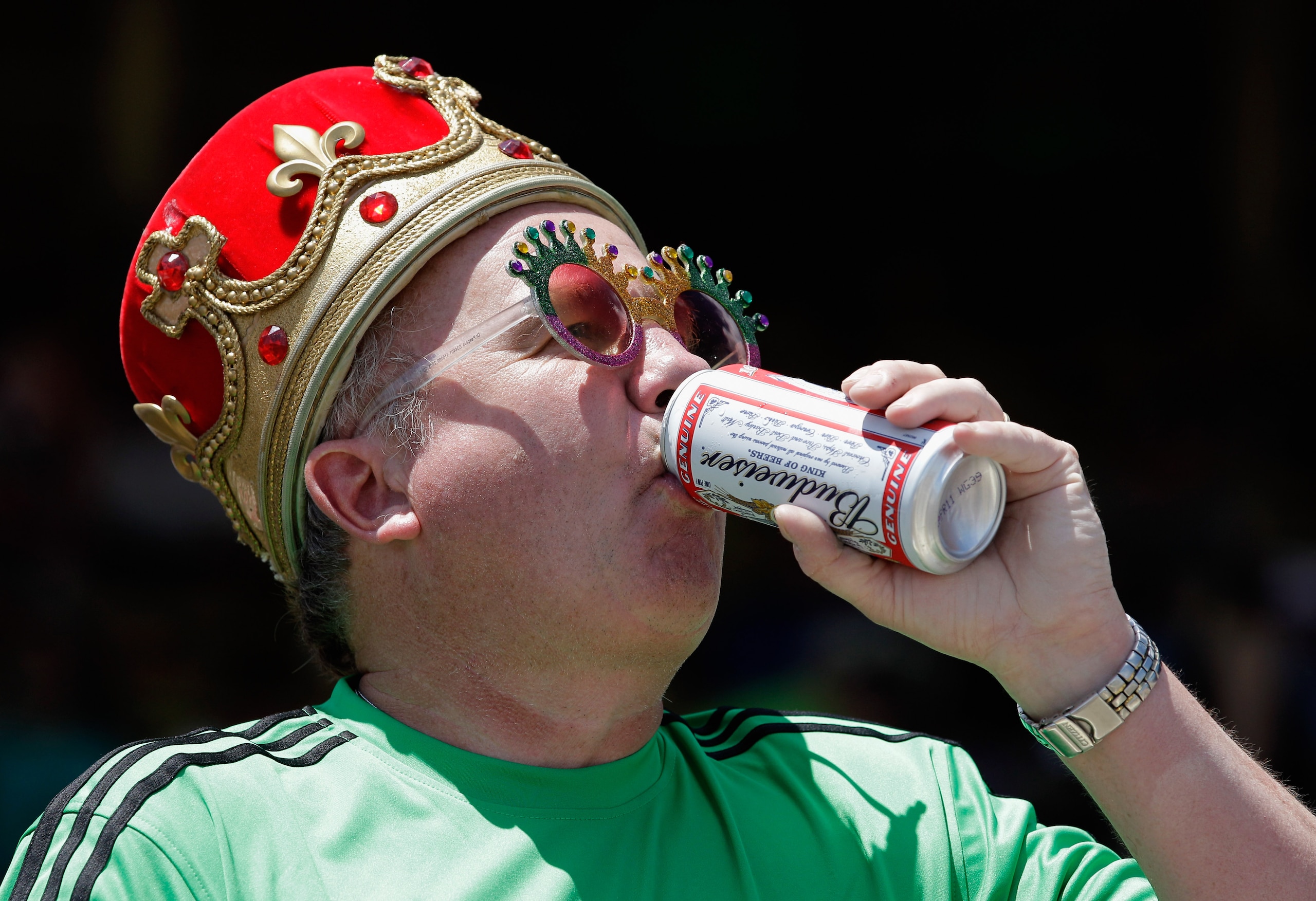
Is there any question about what the worst promotional night of all time was?
On June 4, 1974, someone in the Cleveland Indians front office decided it would be fun to host a 10-cent beer night. Things didn't go very well.
After nine innings of drinking, the crowd began to riot in the ninth inning, injuring several players and destroying the field.
It made "Demolition Disco Night" look civil.
No. 18: Umpire Fixes Games
33 of 50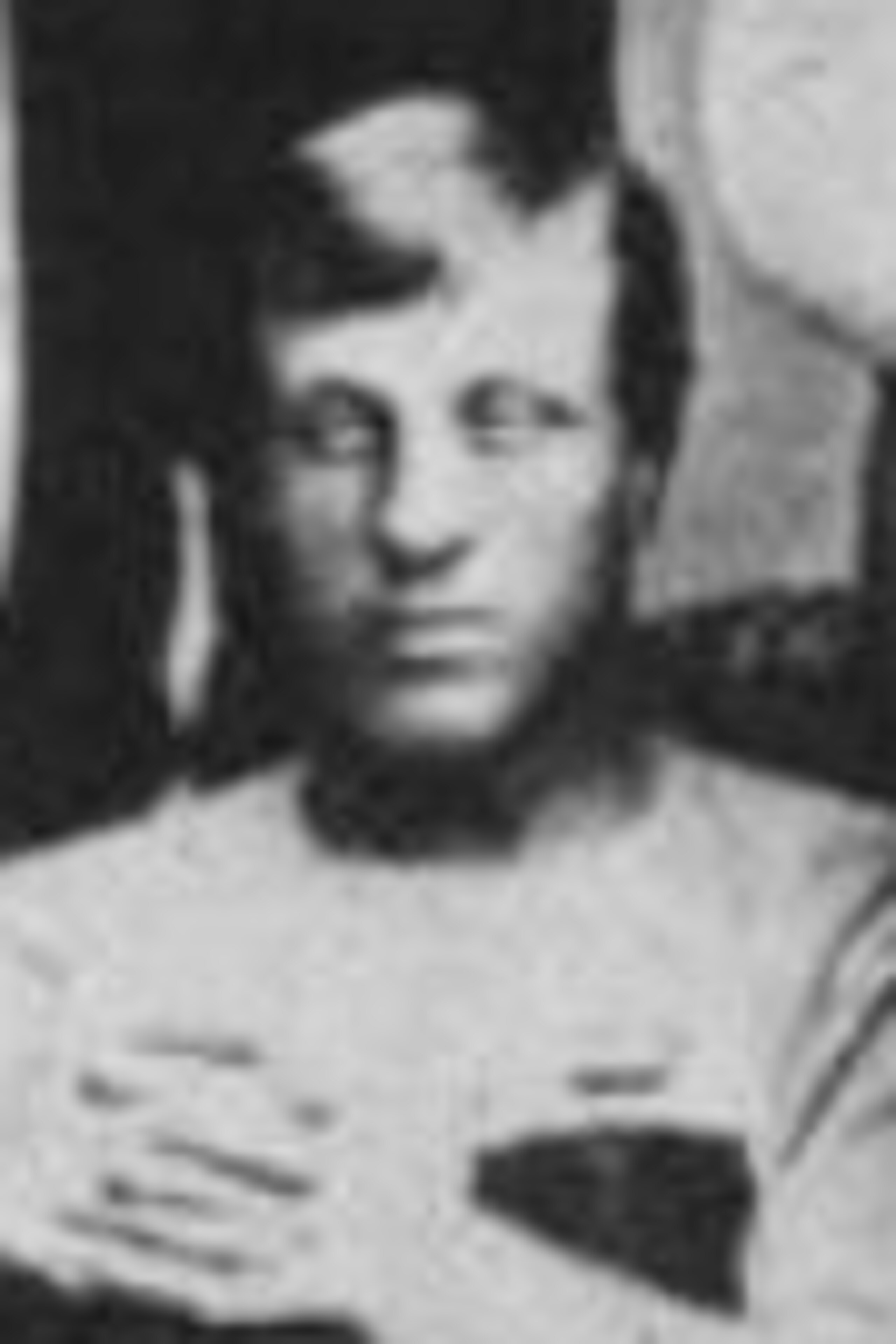
You've heard of players and managers fixing games. But umpires?
In 1882, Dick Higham became the only umpire ever banned from Major League Baseball when Detroit Wolverines owner William G. Thompson uncovered evidence that Higham was fixing games to help a gambler friend.
No. 17: Marge Schott Endorses Nazism
34 of 50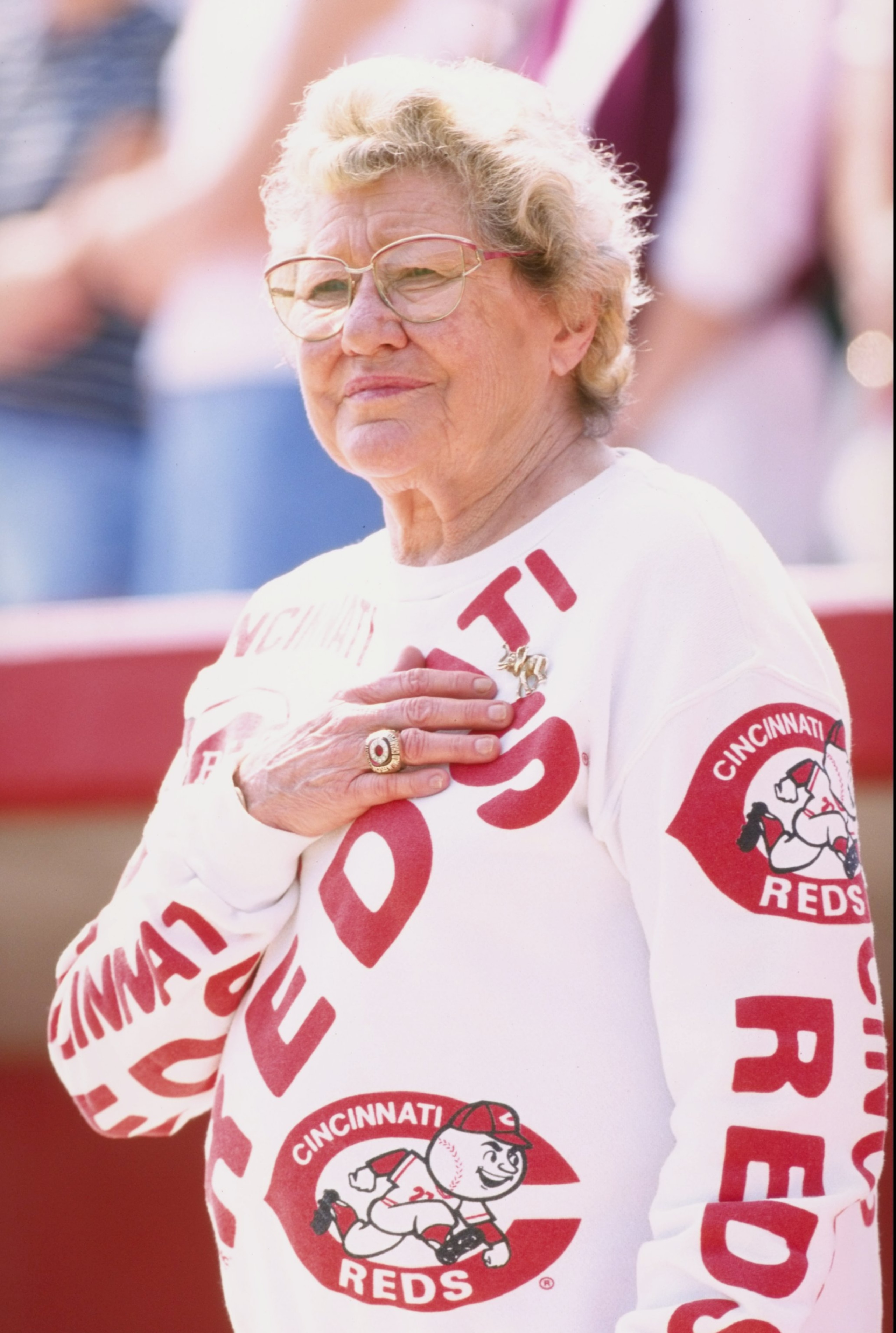
We've already covered some of Schott's worst incidents, but nothing displayed poorer taste than the actions that led to her banishment in 1996.
After umpire John McSherry collapsed and died during a Reds game, Schott was upset that the game didn't continue. "I don't believe it," she said. "I feel cheated."
She then re-gifted a bouquet to send to McSherry's family, and apologized to the different umpiring crew that worked the Reds' next home series.
But what really got her in hot water were her comments about Adolf Hitler: "He was O.K. at the beginning. He rebuilt all the roads, honey. You know that, right? He just went too far."
After that, she was banned until 1998.
No. 16: The 1910 Batting Title
35 of 50
In 1910, the Chalmers Automobile Company announced it would give free cars to the AL and NL batting champions. It was great motivation, both for playing hard and fighting dirty.
The leader, Ty Cobb, sat out the last two games of the season to preserve his .385 average. Meanwhile, Indians second baseman Nap Lajoie—thanks to some intentionally poor positioning from the St. Louis Browns' defense—reached base safely in every at-bat of the final doubleheader.
But Lajoie's last "hit" was ruled an error, and he finished the season hitting .384. Two Browns players were banned for life after they tried to bribe the scorer to change his mind.
Subsequent research has shown that Cobb's average was also artificially inflated. In the words of George Vass: "It could be said that 1910 produced two bogus leading batting averages, and one questionable champion."
Public Domain image (courtesy of Wikimedia Commons)
No. 15: Steve Bartman
36 of 50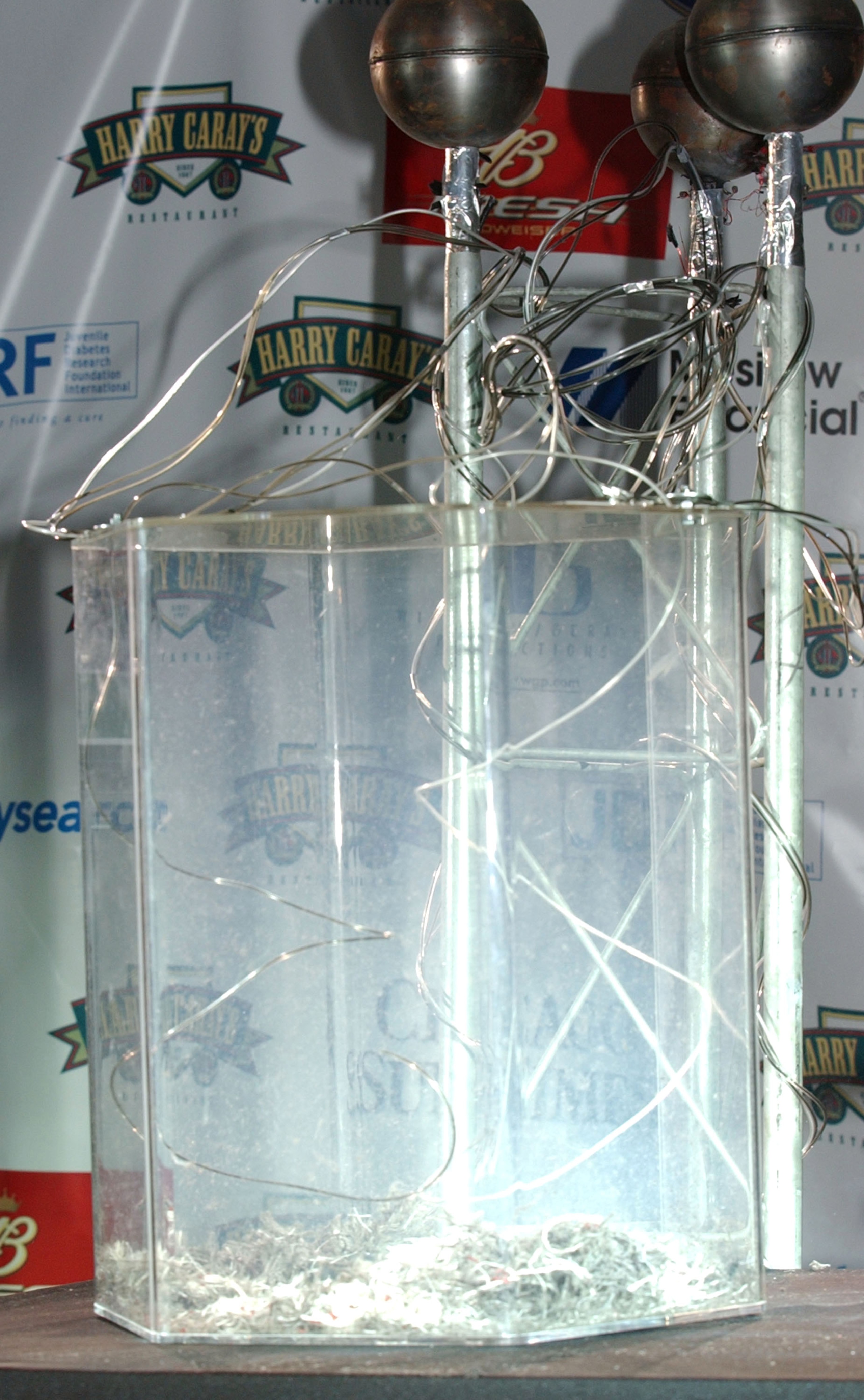
In the eighth inning of 2003 NLCS Game 6, with the Cubs just five outs away from the World Series, Luis Castillo hit a pop fly into the foul territory in left field. Moises Alou ran in to catch it, but the ball was instead caught by a fan named Steve Bartman.
Instead of fouling out, Castillo ended up working a walk that ended up fueling an eight-run rally. The Cubs lost the game, the Florida Marlins ended up in the World Series, and Bartman required police protection.
The incident was seen as yet another example of the Curse of the Billy Goat haunting the Cubs. The ball was later blown up; the remnants were boiled and the steam was used in pasta sauce at a Harry Caray's restaurant.
No. 14: 1957 All-Star Game Voting
37 of 50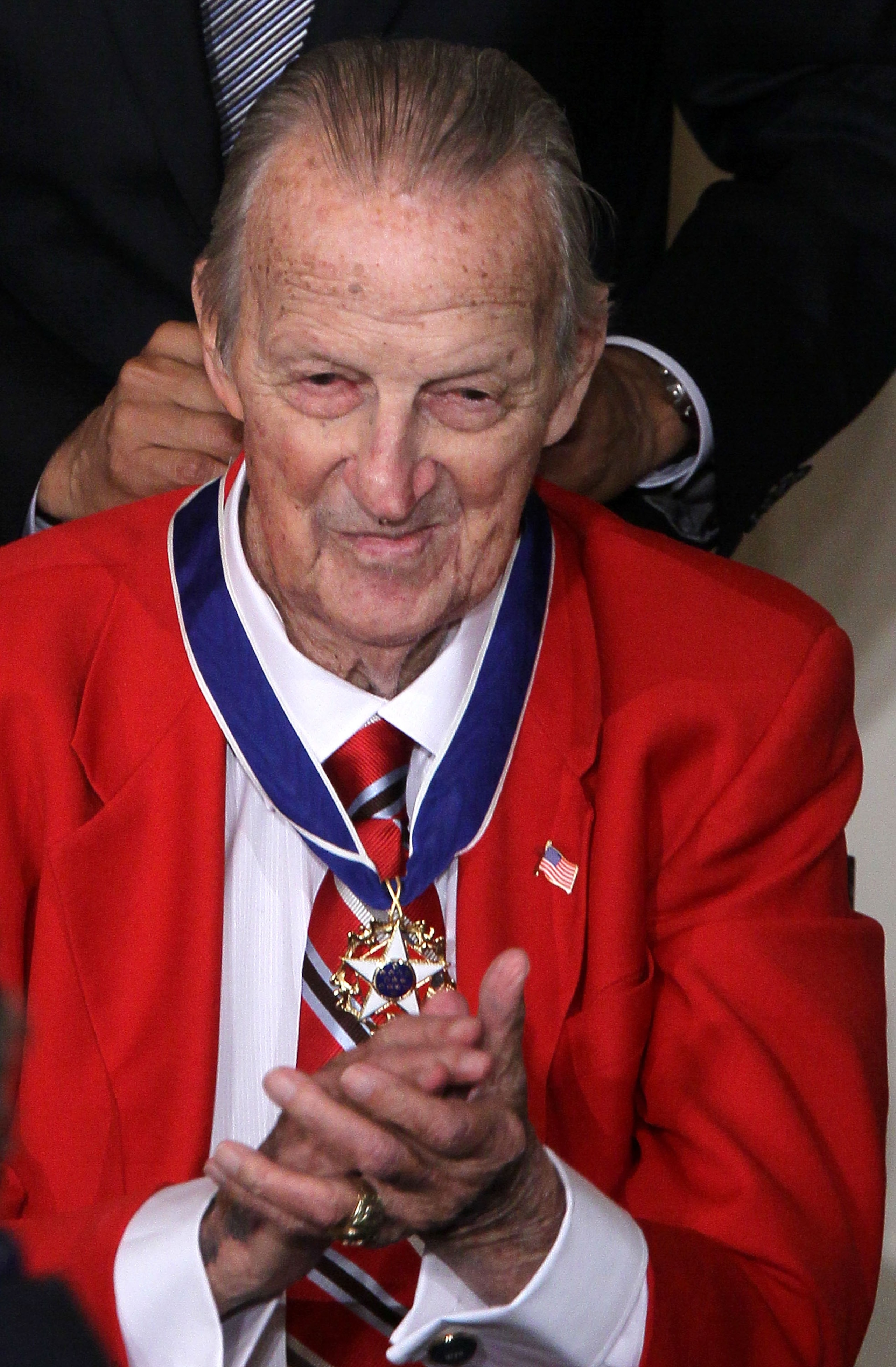
If the 1957 NL All-Star team looked familiar to Cincinnati Reds fans, that's because it was: seven of the eight elected starters were Reds players. Stan Musial was the only non-Red elected.
The problem was voter fraud. Reds fans had stuffed the ballot boxes for their favorite players. It was legal, perhaps, but was poor sportsmanship.
Commissioner Frick took away the fans' right to vote until 1970, and ever since then, the fans, players, and managers have been unequivocally correct in their choices for the league's best players.
No. 13: Ugueth Urbina's Attempted Murder
38 of 50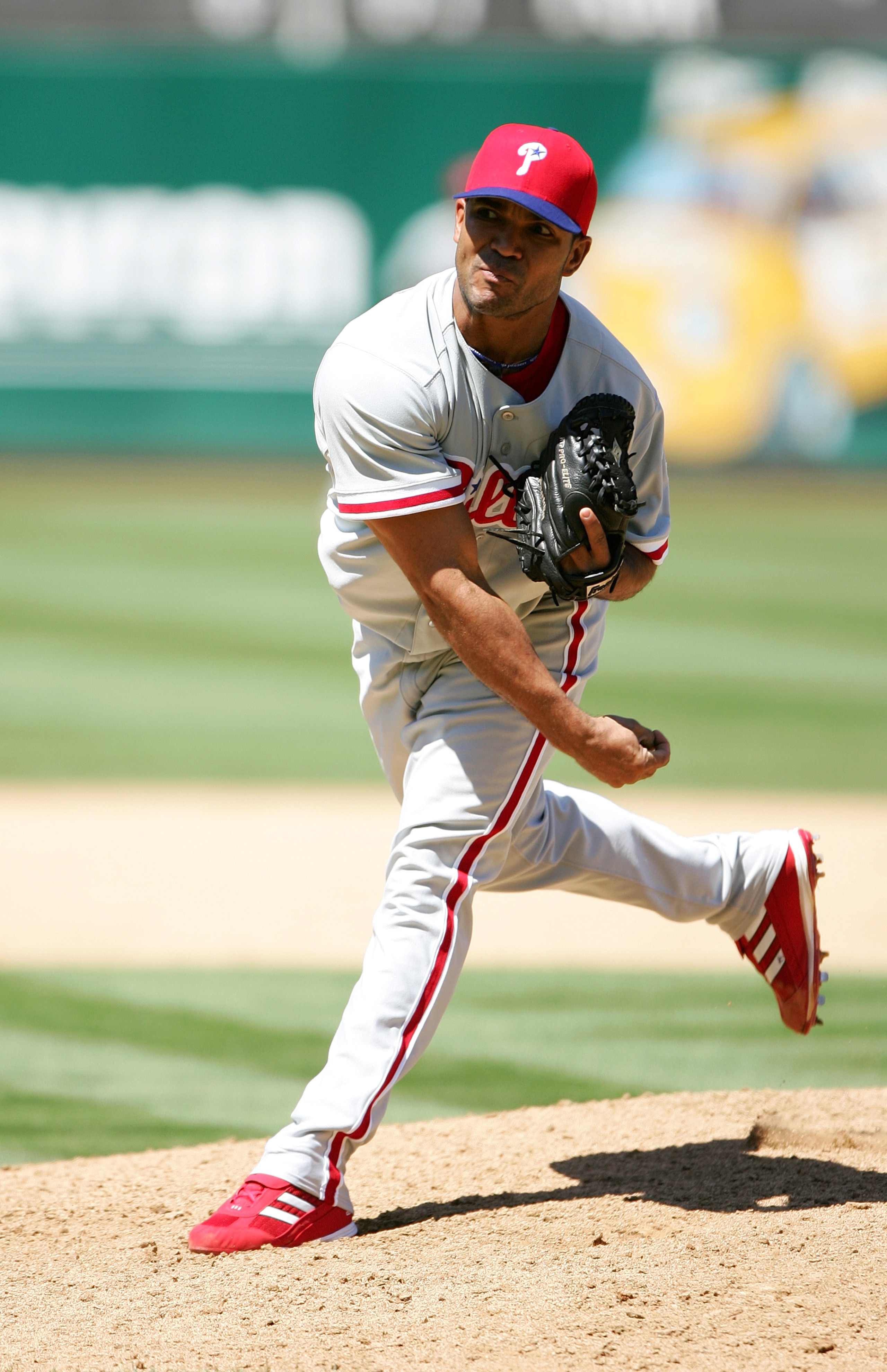
In 2005, relief pitcher Ugueth Urbina was arrested on charges of attempted murder for his attacking workers on his property with knives and gasoline.
He was convicted in 2007 and sentenced to more than 14 years in prison.
No. 12: Game of Shadows
39 of 50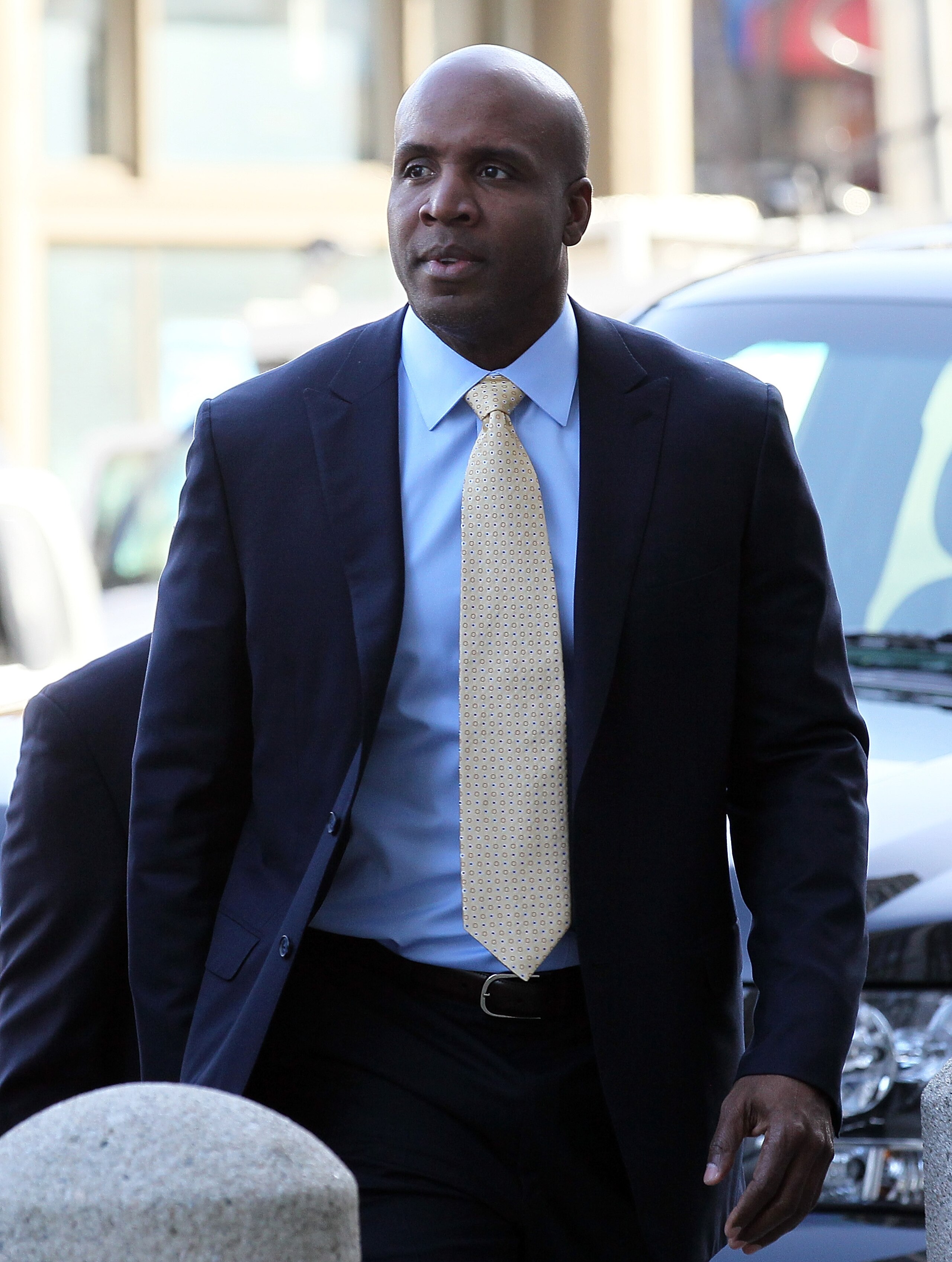
Released in 2006, Game of Shadows: Barry Bonds, BALCO, and the Steroids Scandal that Rocked Professional Sports wasn't the first damaging account of PEDs in professional baseball, but it was the biggest study from an outside source.
The evidence in the book showed just how rampant steroids were in the game. Especially scandalous were its implications of big names like Bonds and Gary Sheffield.
No. 11: Steinbrenner Goes After Dave Winfield
40 of 50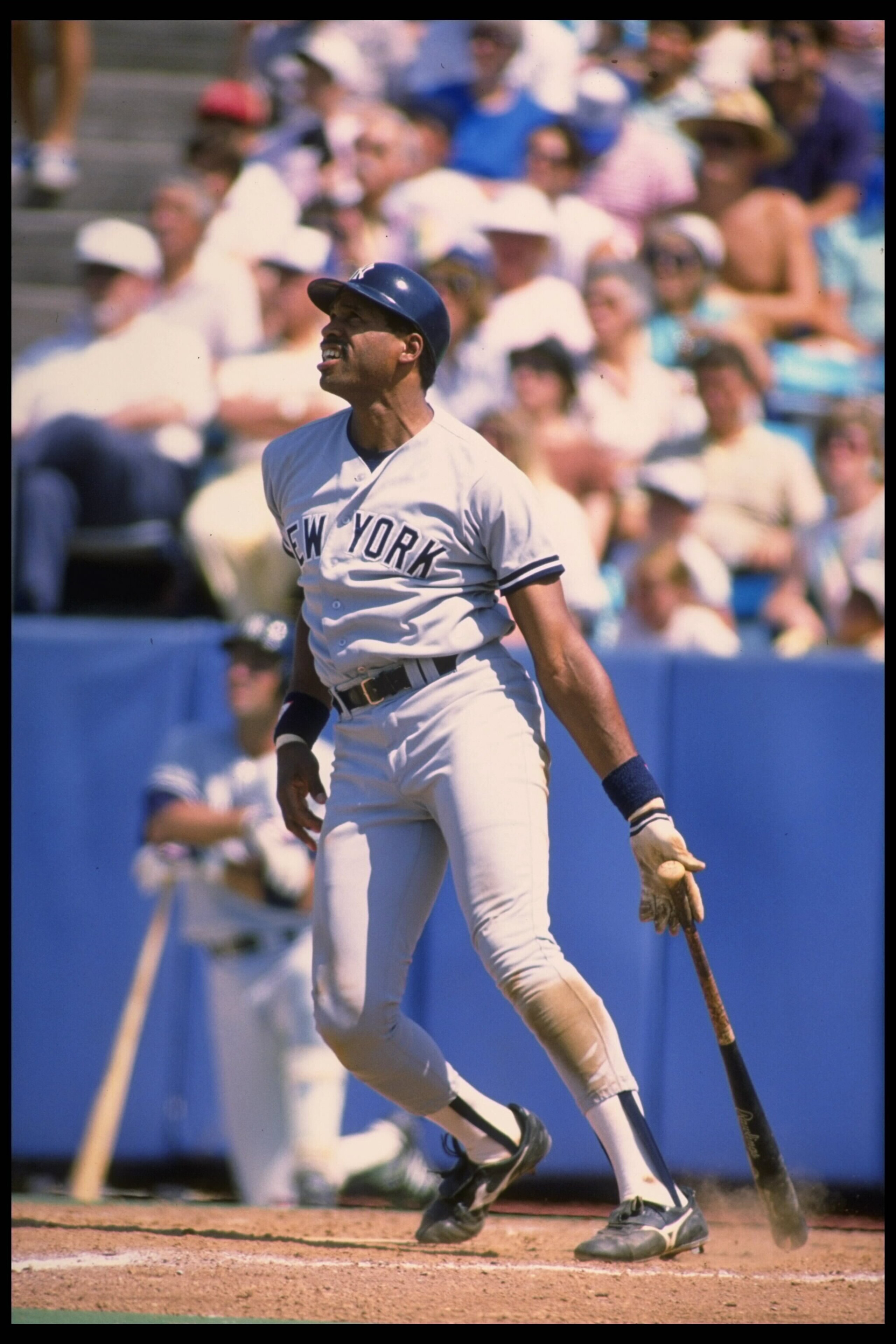
After signing Dave Winfield to a $23 million contract in 1981, George Steinbrenner seemed to regret his investment.
"The Boss" famously called Winfield "Mr. May" in 1985, referring to his perceived poor play in important situations. Winfield, in turn, sued the Yankees after Steinbrenner refused to fulfill his contractual obligation to donate money to Winfield's charity.
The feud came to a head in 1990, when Steinbrenner paid a gambler to get "dirt" on right fielder. He was promptly banned for life, only to be reinstated in 1993.
No. 10: Angel Villalona's Murder Arrest
41 of 50
In 2009, San Francisco Giants prospect Angel Villalona turned himself in in the Dominican Republic for the murder of Mario Felix de Jesus Velete.
There's not much else to say. Not even Ty Cobb went this far.
Public Domain image (courtesy of Wikimedia Commons)
No. 9: Barry Bonds' PED Use
42 of 50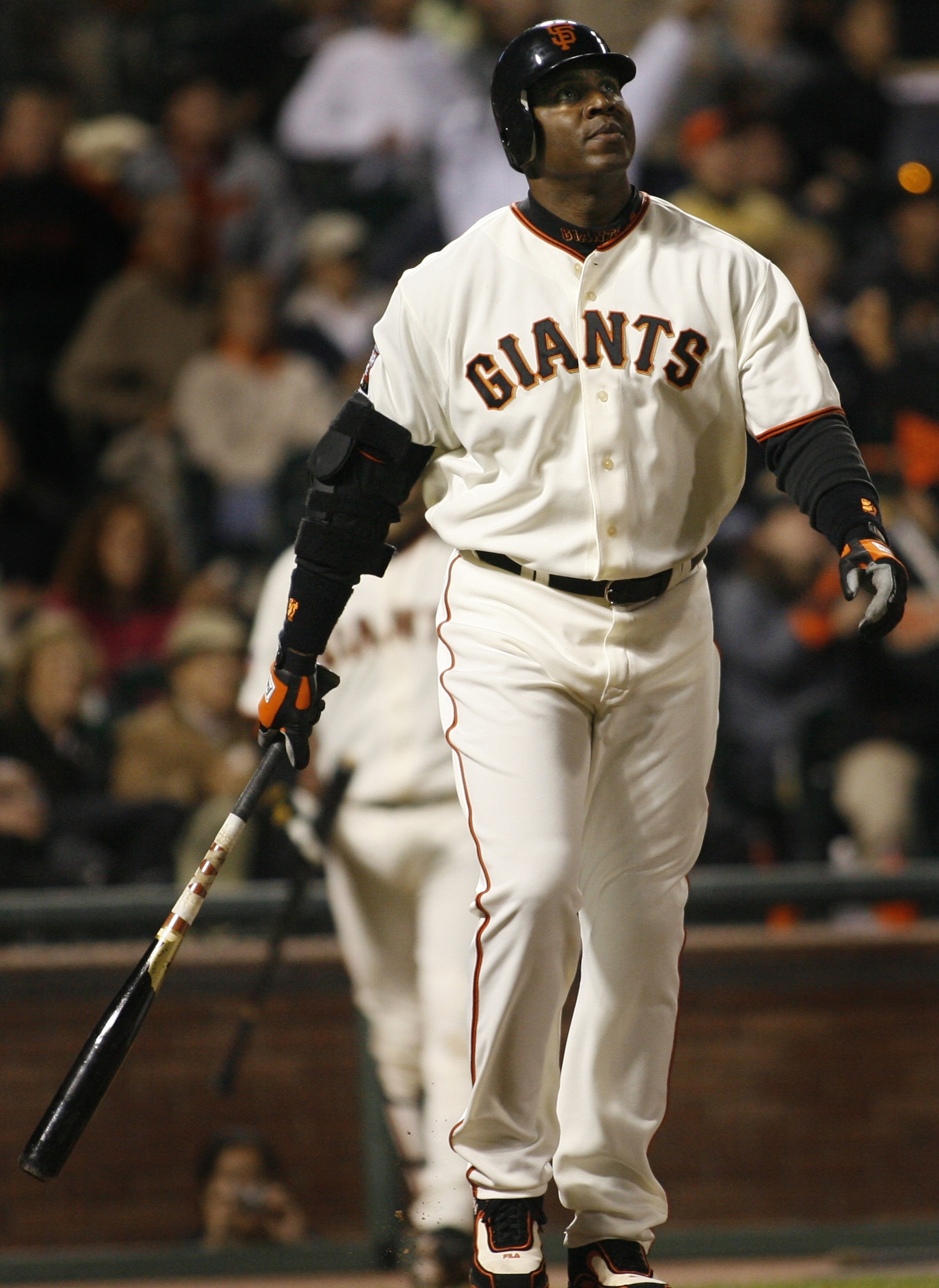
Of all the players to have been connected to PEDs, there's no question that Barry Bonds is the best, biggest and most defamed.
The man who broke both the single-season and career home-run records and went from a speedy five-tool guy to a hulking slugger is one of the greatest and most-despised players in MLB history.
Every instance of controversy surrounding Bonds, from the initial allegations to his recent conviction for obstructing justice to his extramarital affairs, has sparked a media firestorm.
No. 8: The BALCO Trial
43 of 50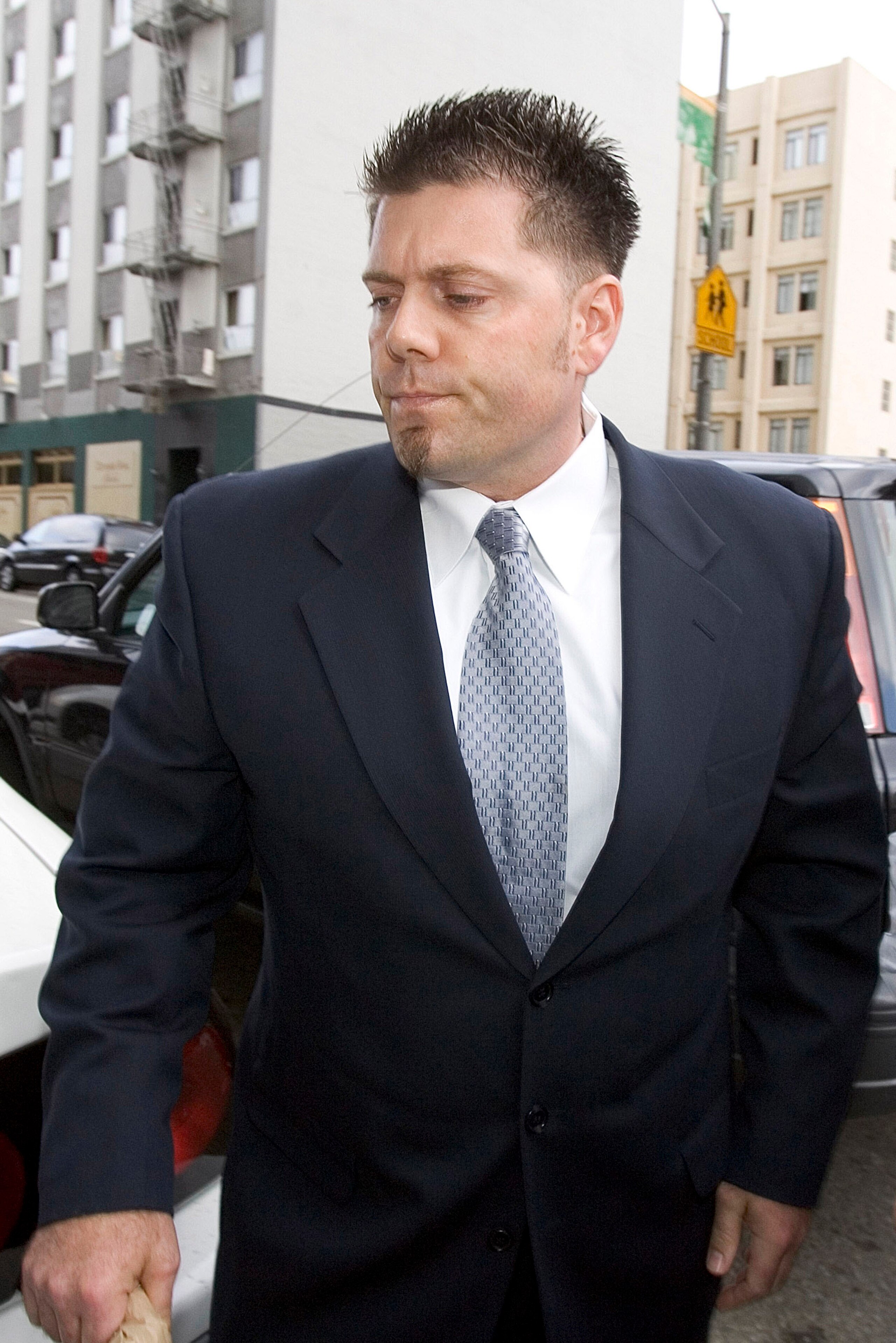
Anything becomes more serious when there's a federal investigation of it.
If steroids didn't seem like a big deal before, they sure did when names like Barry Bonds, Gary Sheffield and Jason Giambi showed up in BALCO's records.
No. 7: Pete Rose's Gambling
44 of 50
The all-time Major League career hits leader is not—and, at this rate, likely never will be—in the Hall of Fame.
In 1989, after he had become manager of the Cincinnati Reds, Pete Rose accepted a lifetime ban from MLB amidst mounting evidence that he had been betting on his team for years.
That Rose's banishment remains a contentious topic 22 years later is incredible.
No. 6: Juiced
45 of 50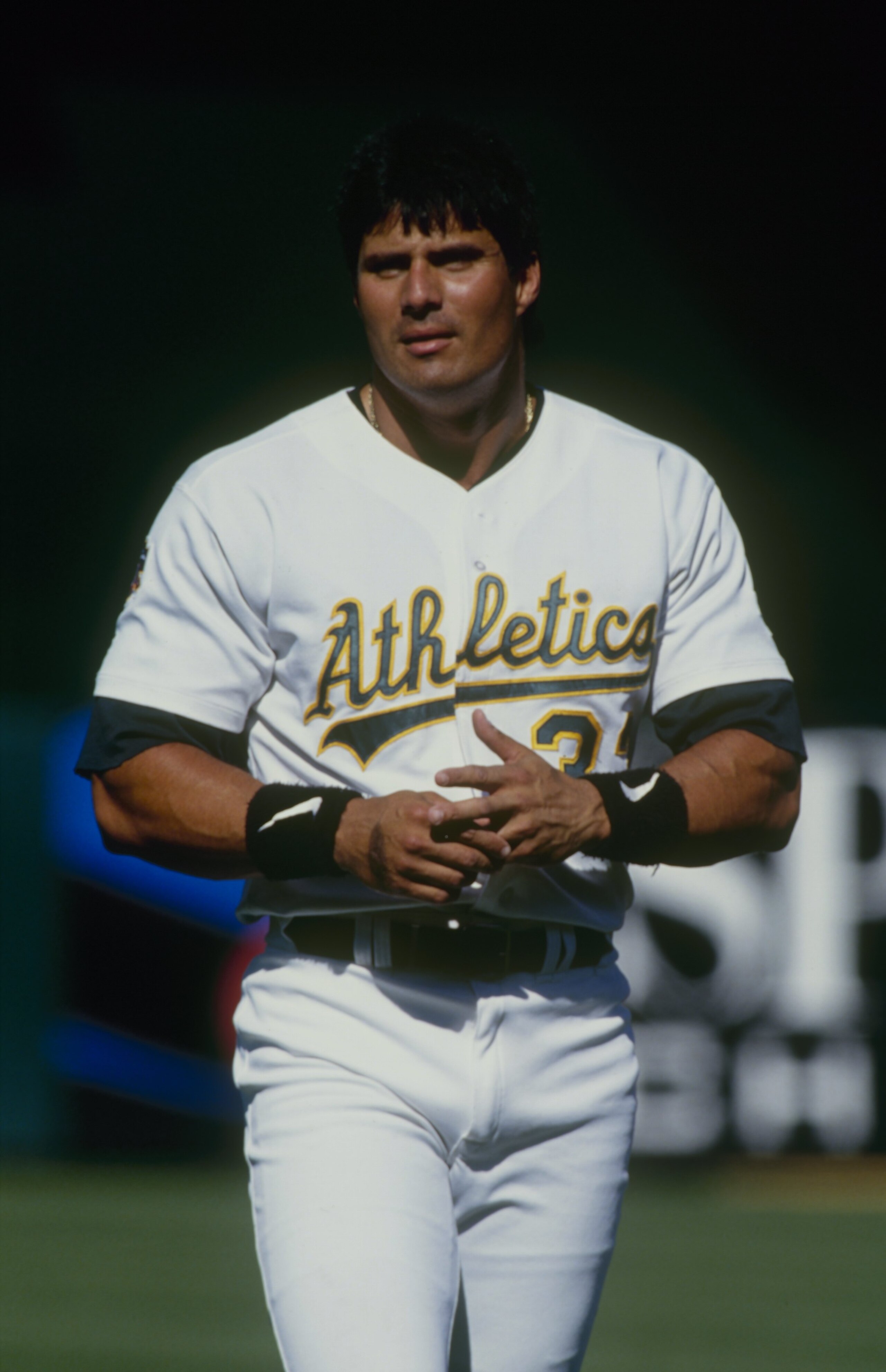
If ever there was a man who showed the world the role steroids played in Major League Baseball, it was Jose Canseco.
In his 2005 book Juiced: Wild Times, Rampant 'Roids, Smash Hits & How Baseball Got Big, Canseco takes credit for starting the trend of 'roiding up and argues that using PEDs can be a good thing.
More importantly, though, it gave a glimpse of the impact steroids had made on the game, from the perspective of one of the most well-known users.
No. 5: BBWAA Refuses PED Users from Hall of Fame
46 of 50
Mark McGwire is on the outside looking in. Rafael Palmeiro got just 11 percent of the vote this year. Jeff Bagwell was denied votes because of completely unsubstantiated suspicions that he had doped.
While players like Roger Clemens, Alex Rodriguez and Barry Bonds have yet to appear on the Cooperstown ballot, the message from the BBWAA is clear: if you used PEDs, you're not getting in.
Such politics with the Hall of Fame vote is turning baseball's most sacred place into a way to exact revenge on players who cheated, even though the game did almost nothing to discourage them from doing so.
The problem is, cheaters sometimes prosper. There are already cheaters in the Hall—if you're not going to let Bonds in, you better take down Gaylord Perry's plaque too.
Or if we're going to use the fact that steroid users lied about their actions as reason to keep them out, I'd refer you to some of the things Ty Cobb did off the field.
No. 4: Babe Ruth Sold to New York Yankees
47 of 50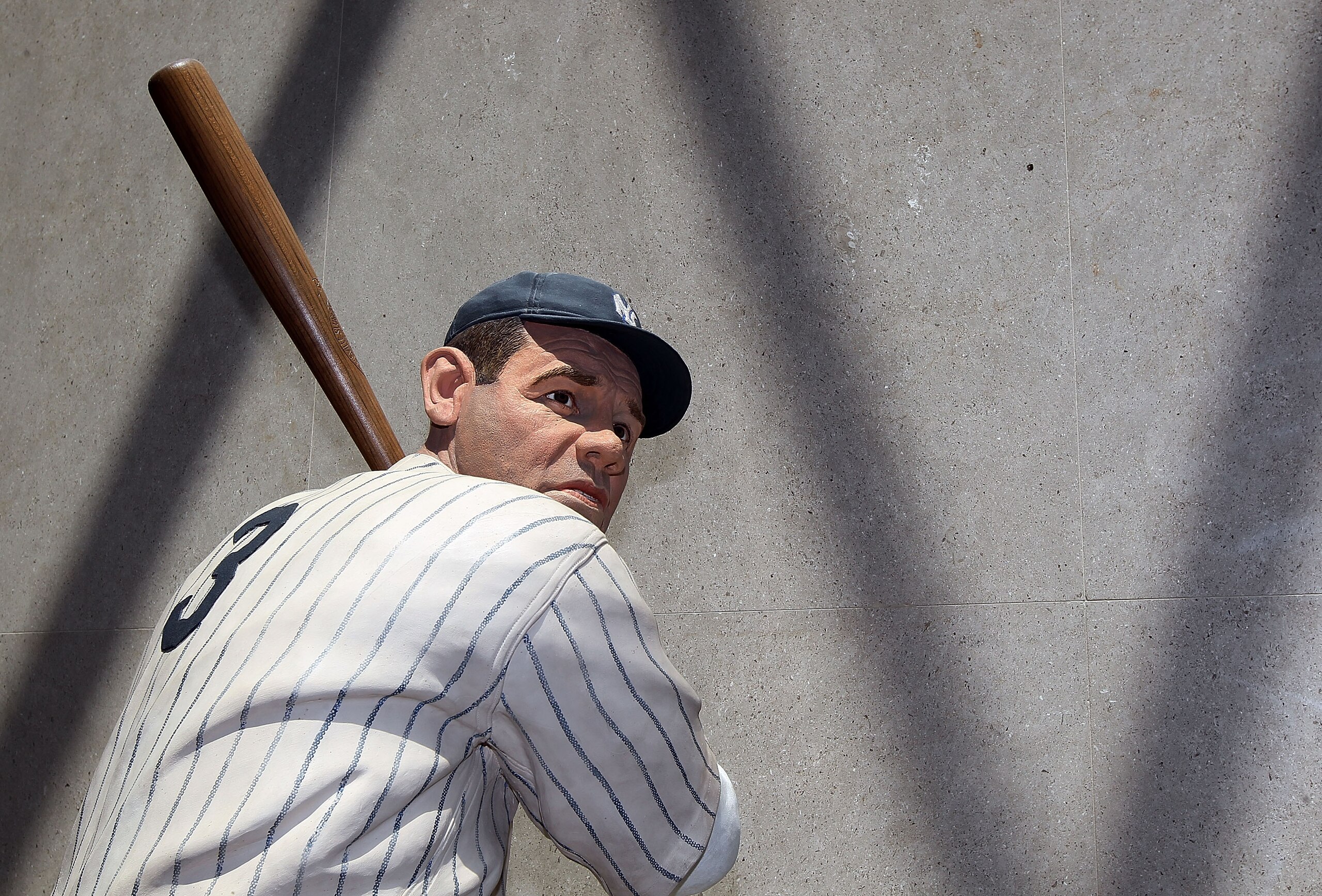
Red Sox owner Harry Frazee's decision to sell Babe Ruth to the Yankees in 1919 wasn't as greed-motivated as it's often made out to be—the transaction may have indirectly helped him finance his Broadway play, but he just didn't think a ballplayer should make as much as Ruth was demanding for the 1920 season.
Of course, Ruth went on to become the greatest player in baseball history and Frazee's trade became infamous for starting the "Curse of the Bambino"—and just for giving up the Sultan of Swat for mere cash.
No. 3: The Black Sox Scandal
48 of 50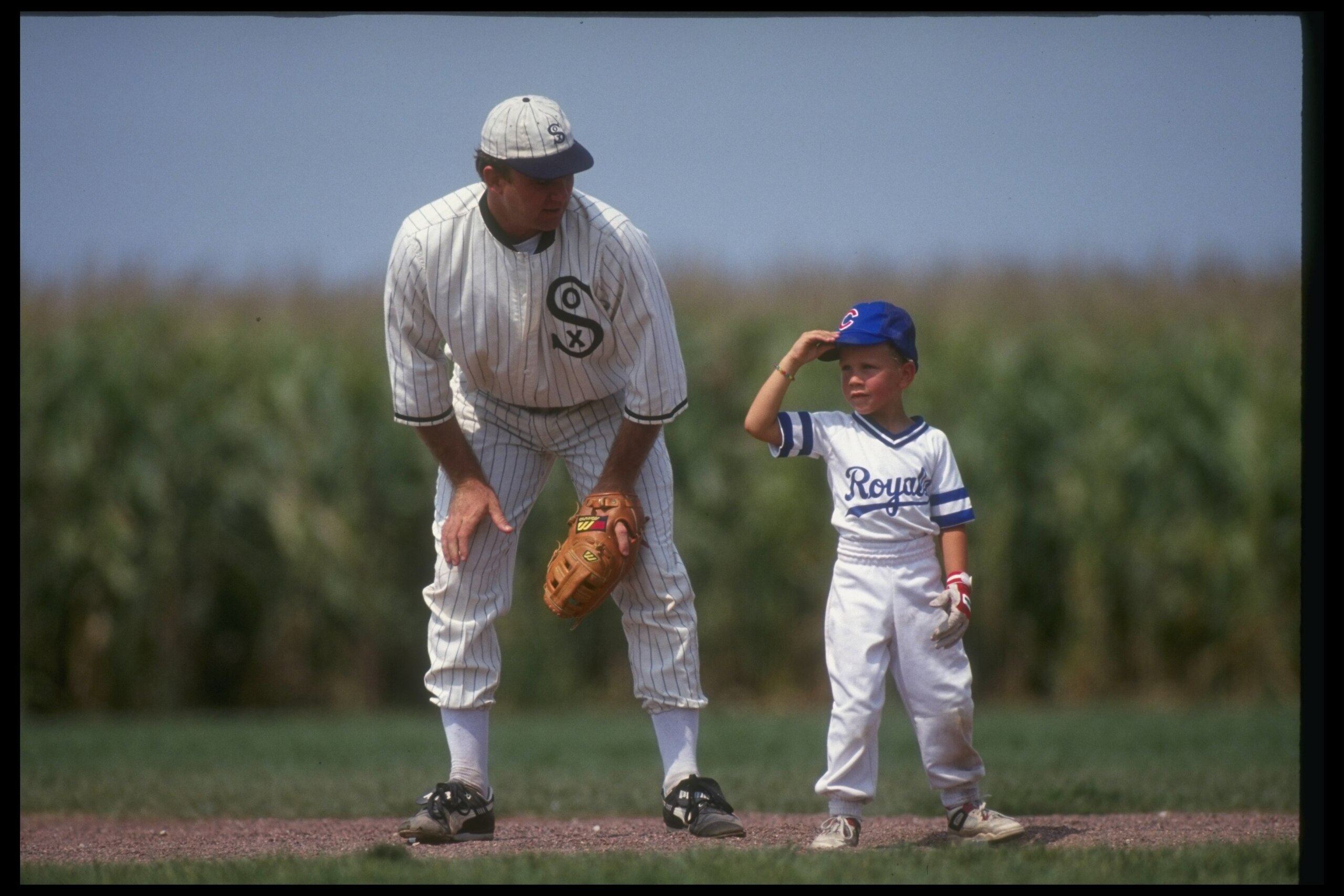
Perhaps no historical baseball event has permeated our culture as much as the 1919 Black Sox Scandal.
Motivated both by money and a hatred of owner Charles Comiskey, eight White Sox players received bribes in exchange for throwing the 1919 World Series.
The players were acquitted in court, but they were banned for life because of the overwhelming evidence of their guilt.
Well, except for...
No. 2: "Shoeless Joe Jackson" Banned
49 of 50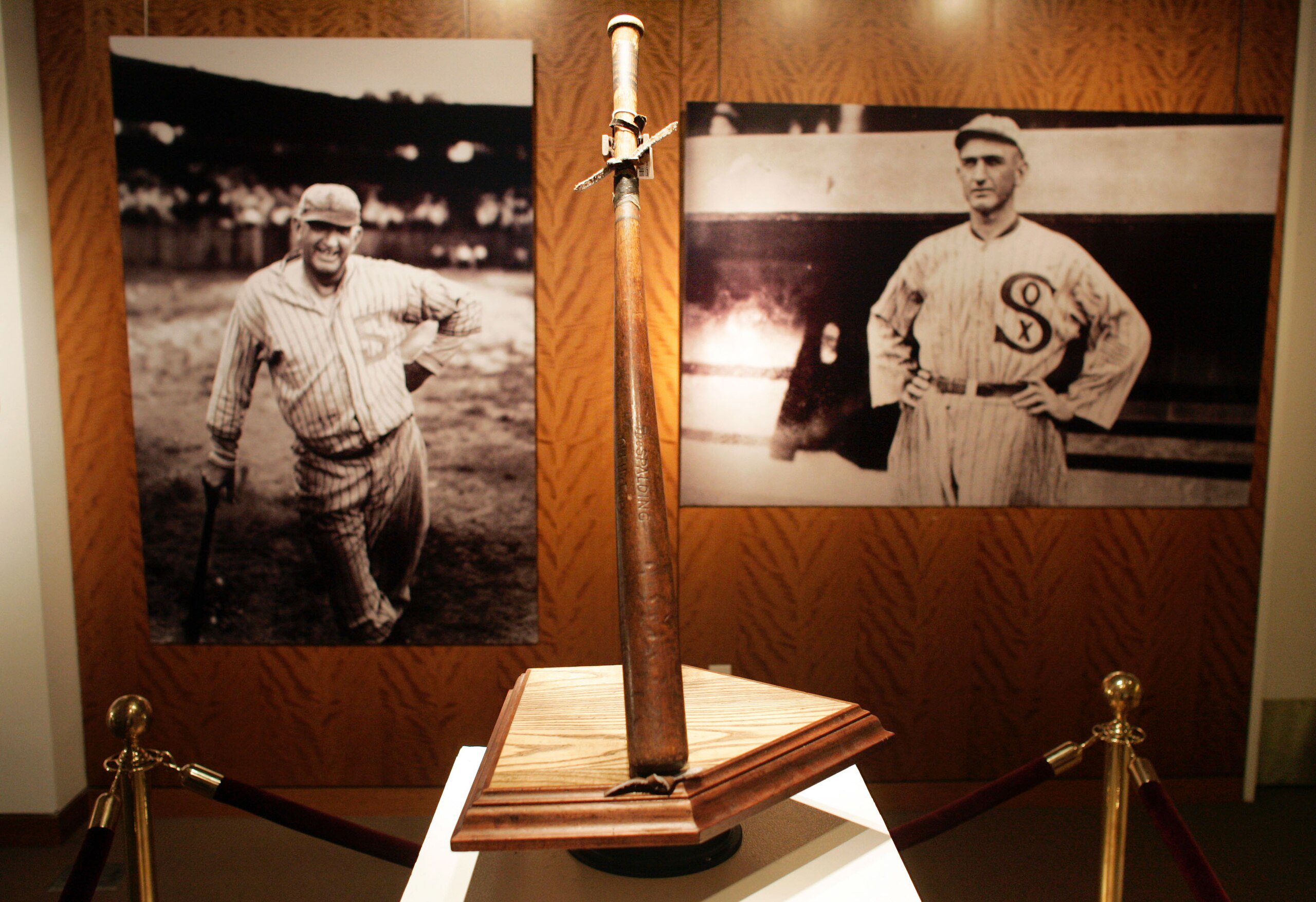
The Black Sox Scandal would have been remembered in history even if there had been only "seven men out." But the expulsion of "Shoeless" Joe Jackson is why the issue is so entrenched in our minds.
Jackson, a star player, initially gave (controversial) testimony that he had been involved, but rescinded it and claimed he was innocent for the rest of his life. Even the other conspirators acknowledged that Jackson was not in on the scheme.
When Congress passes a measure calling for Jackson's posthumous reinstatement nearly a century after it happened, you know it's an issue people are passionate about.
No. 1: The Mitchell Report
50 of 50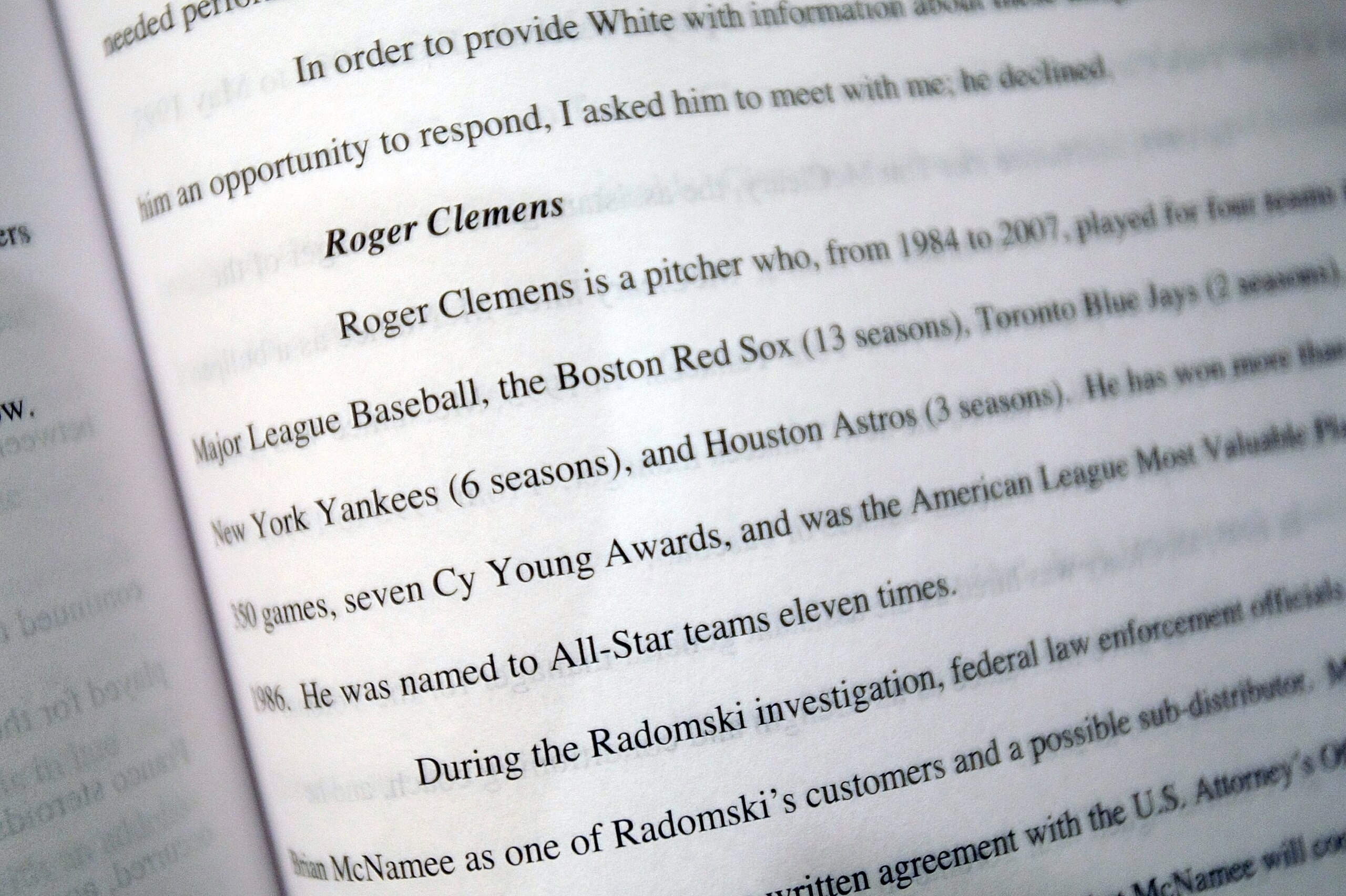
With apologies to Rose, Canseco and Shoeless Joe, the biggest scandal in baseball history has to be the release of the Mitchell Report.
The result of nearly two years of interviews and investigations, the report describes (among other things) the rise of the undetectable HGH as the drug of choice among cheaters and the true state of doping in Major League Baseball.
In addition, the release of nearly 100 names of players who were connected to PEDs—including 36 then-current players—showed the world that it wasn't just the hulking superstars who were juicing up.
For more of Lewie's work, visit WahooBlues.com. Follow him on Twitter @LewsOnFirst or @WahooBlues.



.jpg?w=2560 "Latest Peyton-Colts Rumors")