
WWE: Hulk Hogan's Heel Turn and Other Key Turning Points in Wrestling History
There have been many moments in wrestling that can claim to have had an effect for years to come.
Moments that have shaped the future and changed the direction of the entire industry.
These turning points are interesting topics of debate because without them the professional wrestling landscape today might be entirely different.
Here are some of the key turning points that changed the course of wrestling history.
The Original "Nature Boy" Buddy Rogers Paves the Way for Future Heels
1 of 20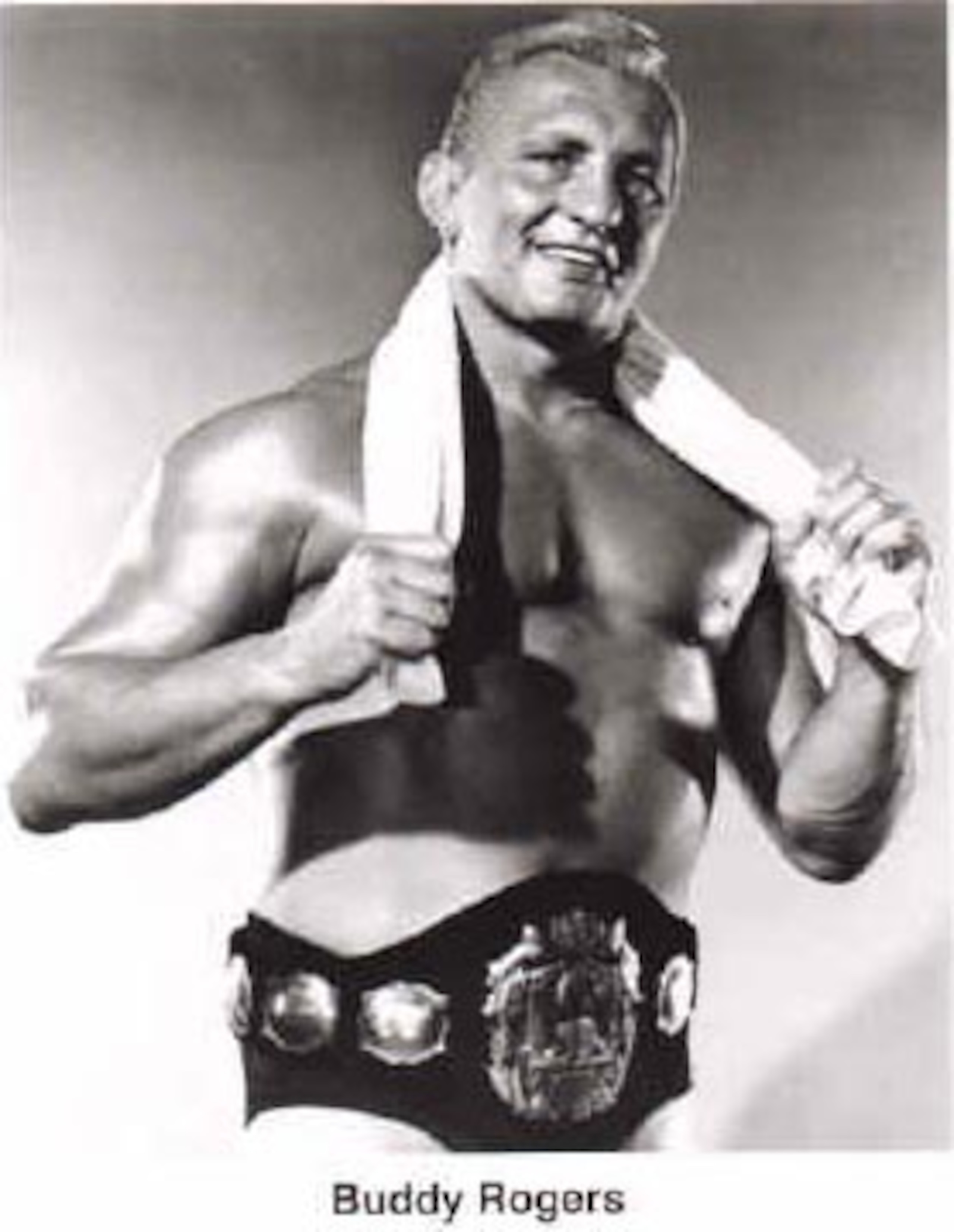
Buddy Rogers revolutionized wrestling in so many different ways.
Not only did he establish the character that Ric Flair took inspiration from, but he also developed the in-ring psychology that has since been used by the top heels of every era.
He was also the first wrestler to draw considerable heat through interviews.
He came across as a smug and arrogant person on the microphone, and his different mannerisms and catchphrases established his reputation as a top heel.
Without Buddy Rogers, there would be no Ric Flair and heels nowadays would be much less entertaining.
Vince McMahon Junior Becomes Chairman of the WWF
2 of 20
When Vince Junior took control of the WWF in 1980, he had a grand vision of what wrestling could become.
He wanted to unify the territories and create one huge multi-billion dollar, worldwide corporation.
To this end, he bought up the top talent from all of his competitors particularly the AWA.
He also encroached on the other territories by promoting wrestling cards in their backyard. This caused much controversy and Vince became a very unpopular figure.
One by one the territories fell to McMahon's global intentions for the industry and were forced out of business.
Stu Hart and Stampede Wrestling held out the longest, but ultimately the Hall-of-Famer was also forced to sell out his beloved wrestling company to the millionaire from Connecticut.
The rest is history and Vince McMahon's company today is still going strong, and the WWE is by far the biggest wrestling corporation ever seen.
The Formation of the Four Horsemen
3 of 20
Without the Four Horsemen, there would be no NWO, no DX or no Evolution.
They were the original stable, and they made a living out of making their opponents look good.
Originally founded in the NWA, there have been many incarnations over the years in WCW and, more recently, TNA.
Ric Flair, Arn and Ole Anderson and Tully Blanchard made a huge breakthrough in the business and will always be remembered as they were together.
Many fantastic wrestlers over the years can claim to have been Horsemen including Chris Benoit, Dean Malenko, Curt Hennig and Sting.
It is a group that has truly stood the test of time, and it is the model of all other professional wrestling stables.
Hulk Hogan Is Chosen as the WWF's Big Star
4 of 20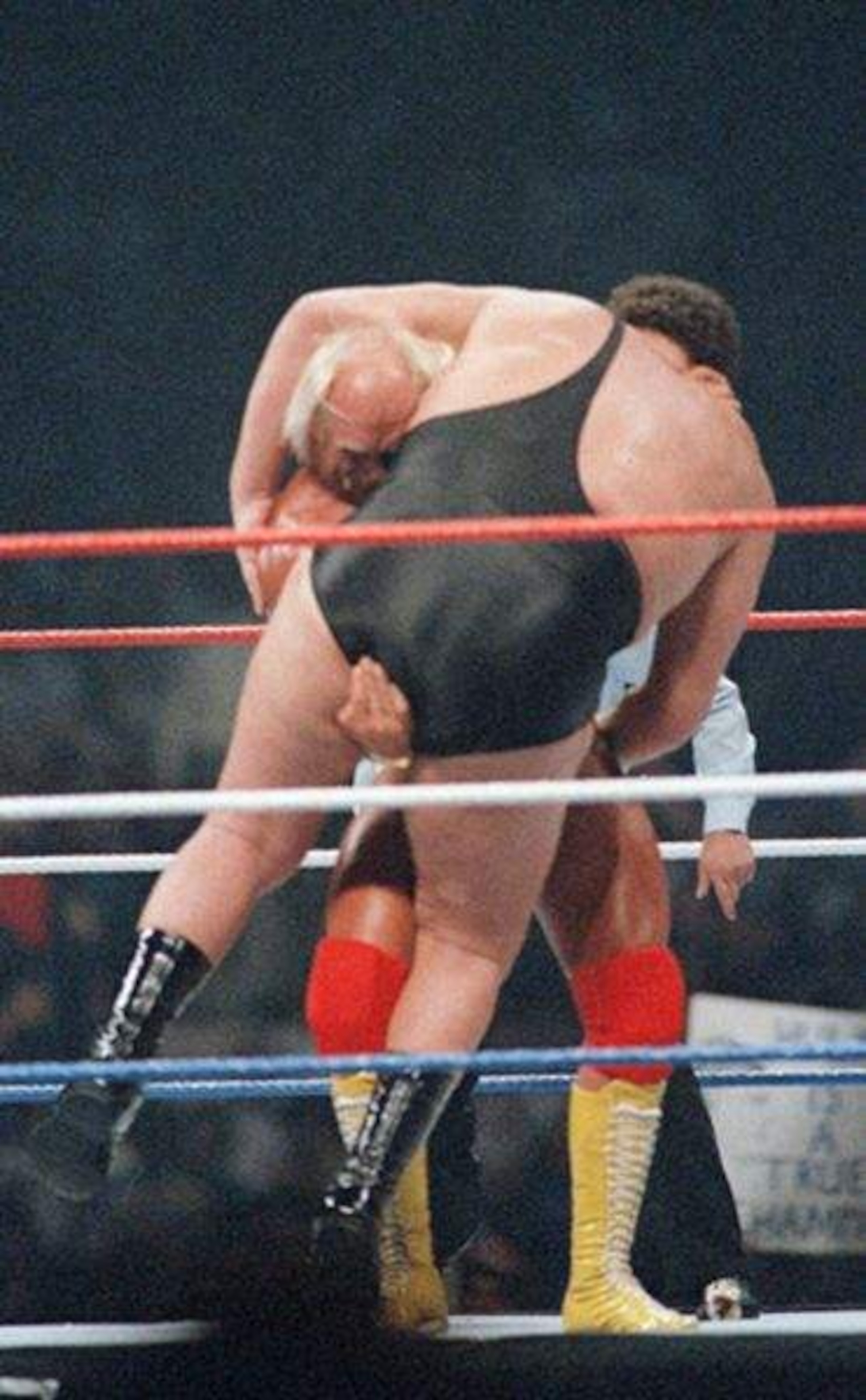
It is no secret that Vince McMahon has always preferred wrestlers with an impressive look and bodybuilder physique as his champions.
He has always advanced physical appearance over genuine wrestling talent, which can be seen even now with the pushes of Mason Ryan and Ezekiel Jackson.
But it was a masterful decision to turn Terry Bollea into the new golden boy of the WWF despite his limited wrestling ability and experience.
When Hogan first won the WWF title from the Iron Sheik, it was clear that McMahon was on to something special.
Hulk became the American hero and he epitomized the moral values of society and was the face of the family-friendly product of the 1980's.
Hulkamania spread like wildfire and Hogan became the biggest draw in wrestling history and was patially responsible for a huge boom in the industry.
The Creation of WrestleMania
5 of 20
"The Granddaddy of them All," "The Showcase of the Immortals," "The Grandest Stage of them All."
These are just some of the names that the event known as WrestleMania has been given.
The idea originally stemmed from Vince McMahon's vision of a supercard that would draw interest from all over the world.
The first WrestleMania took place in Madison Square Garden, the spiritual home of the WWE, on March 31, 1985.
Twenty-seven years later, WrestleMania is still going strong with tickets selling out in minutes and cities bidding to host the event.
It truly transformed the scale of wrestling to the next level with indoor attendance records being broken at WrestleMania III in Detroit with 93,173 fans.
It also advanced the pay-per-view industry in wrestling with the Royal Rumble, Survivor Series, Summerslam and Starrcade to follow in its footsteps.
The Death of Andre the Giant and the Founding of the Hall of Fame
6 of 20
After wrestling legend Andre the Giant sadly passed away in January 1993, the WWE decided to honor his legacy by creating a Hall of Fame.
Andre was the first inductee, and every year since, deserving figures in the world of wrestling have been accorded that same honor.
Ric Flair, Hulk Hogan, Shawn Michaels and Stone Cold Steve Austin are just some of the legends who have been inducted over the years.
Monday Night Raw Debuts in 1993
7 of 20
The decision to air a weekly wrestling show in a prime-time slot filmed in front of a live crowd changed the wrestling business for good.
Up to that point, wrestling shows were filmed in a studio with pre-recorded interview segments and taped matches.
Raw has since become the longest running weekly episodic cable television show in history, as Michael Cole constantly reminds us, with over 900 episodes.
In the early days, Raw was filmed every week in the Manhattan Center and was a chance for the WWF to showcase their best talent.
The Steroid Scandal
8 of 20
This scandal engulfed the company when Vince McMahon was put on trial in 1994 for distributing steroids to his wrestlers and encouraging their use.
While Vince was in court, his wife, Linda, became CEO of the company, and controversy reigned as Hulk Hogan publicly disgraced himself by denying that he had ever taken illegal substances.
This led to a transition period where the WWF tried to clean up their act by advancing smaller talent over the steroid-intensive monsters such as Hogan and the Ultimate Warrior.
This led to main event pushes for Bret Hart and Shawn Michaels, who both became WWF Champion almost as a direct result of the embarrassing incident.
Shawn Michaels Pioneers the Concept of the Ladder Match
9 of 20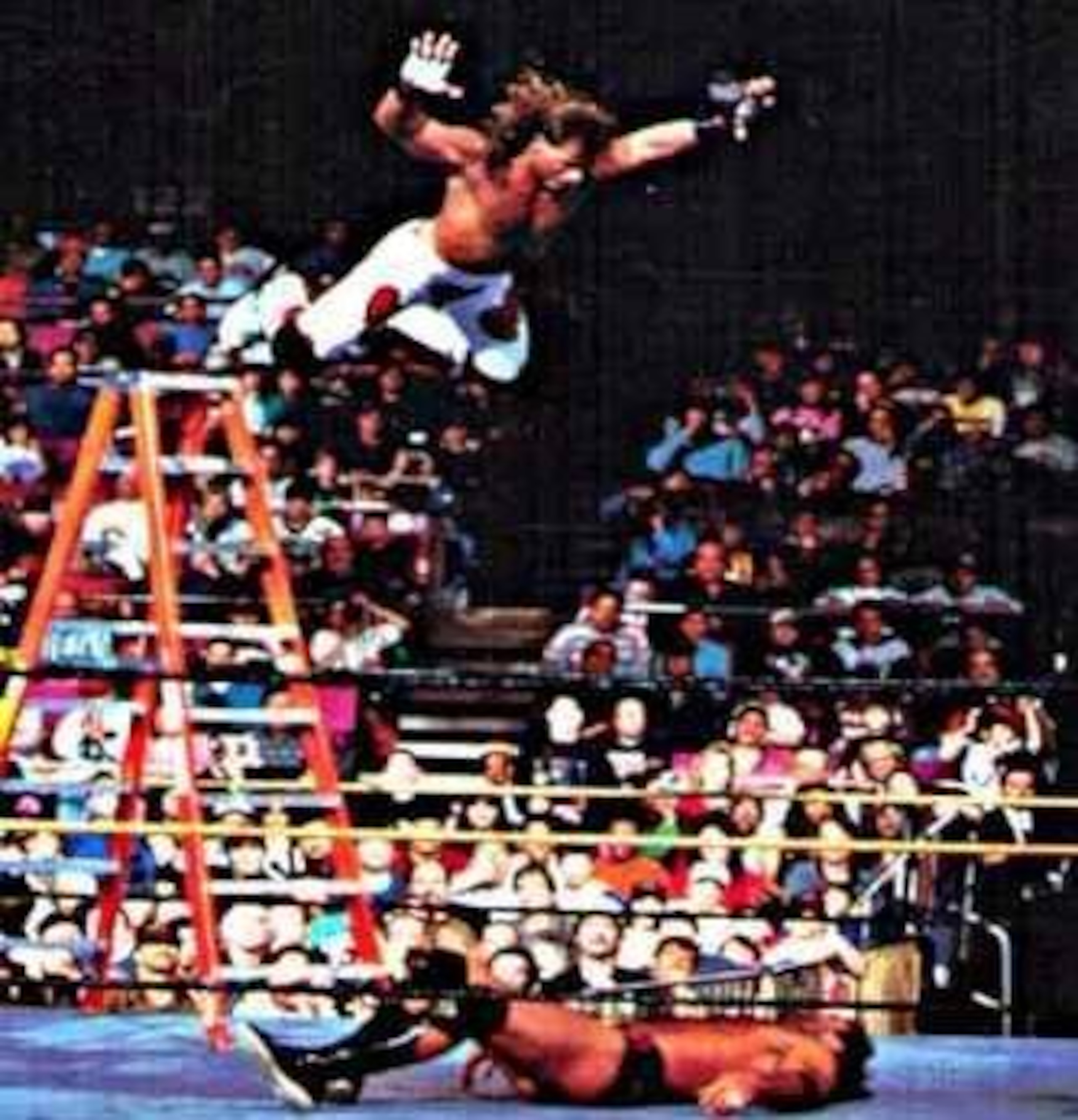
Shawn Michaels helped introduce one of the most innovative match formats ever seen at WrestleMania X against Razor Ramon.
This was the first televised ladder match and stole the show on the "Grandest Stage of them All."
It was voted the 1994 Match of the Year and has often been described as Shawn Michaels putting on a five-star match with a ladder while Razor Ramon looked on.
Michaels used the ladder as a tag team partner, a weapon and a stairway to the Intercontinental title.
This first match paved the way for the Triple Threat TLC tag team matches that were to come, and the ladder match is still an important part of the pro wrestling landscape.
WCW Goes Live on Monday Nights
10 of 20
WCW had been building a head of steam for some time with the signing of former WWF stars such as Hulk Hogan, Randy Savage and the Ultimate Warrior.
However, it was the decision to enter into direct competition with the WWF's flagship show live on Monday nights truly signaled their intent to become the world's premier wrestling company.
WCW Monday Night Nitro first aired in September 1995, and it was the start of the Monday Night Wars between the wrestling companies.
This would see Raw and Nitro go head-to-head in the ratings each week with wrestling fans having to choose their preference.
The Rise of ECW
11 of 20
ECW was anti-establishment, and it stuck two fingers up to the family-targeted products broadcast by the other two major wrestling products, the WWF and WCW.
Eventually their style of pushing the envelope with controversial and often sexually explicit storylines was transcended into mainstream wrestling with the introduction of the Attitude Era.
ECW also glorified the hardcore style that had originated in Japan but had never been a part of mainstream wrestling in the US.
These matches, full of violence and foreign objects, are commonplace today in TNA and the WWE.
Wrestlers such as Chris Benoit, Eddie Guerrero, Chris Jericho, Kurt Angle, Mick Foley and Rey Mysterio can claim to have wrestled in the Land of Extreme along with the Originals.
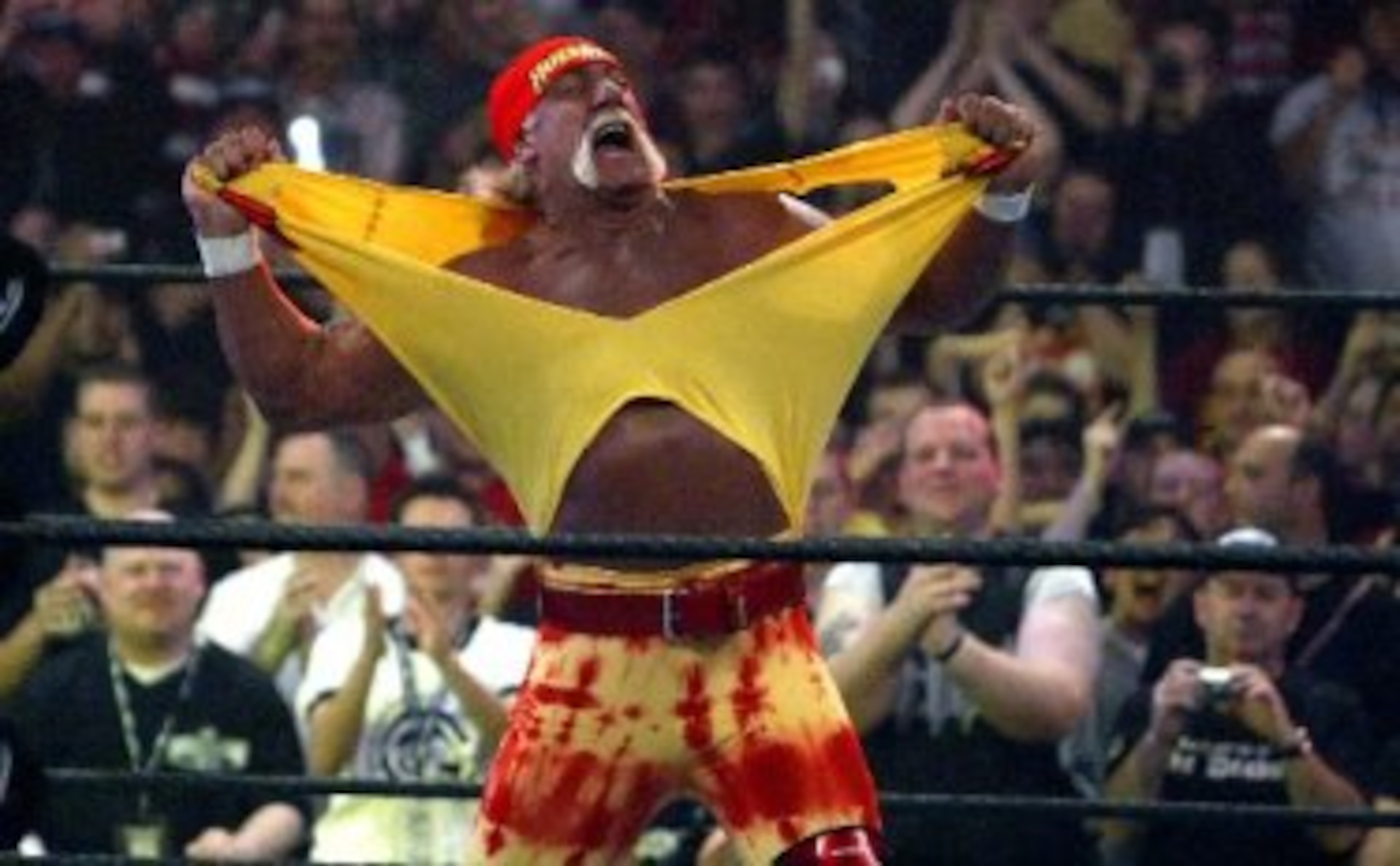
Hulk Hogan Turns Heel
12 of 20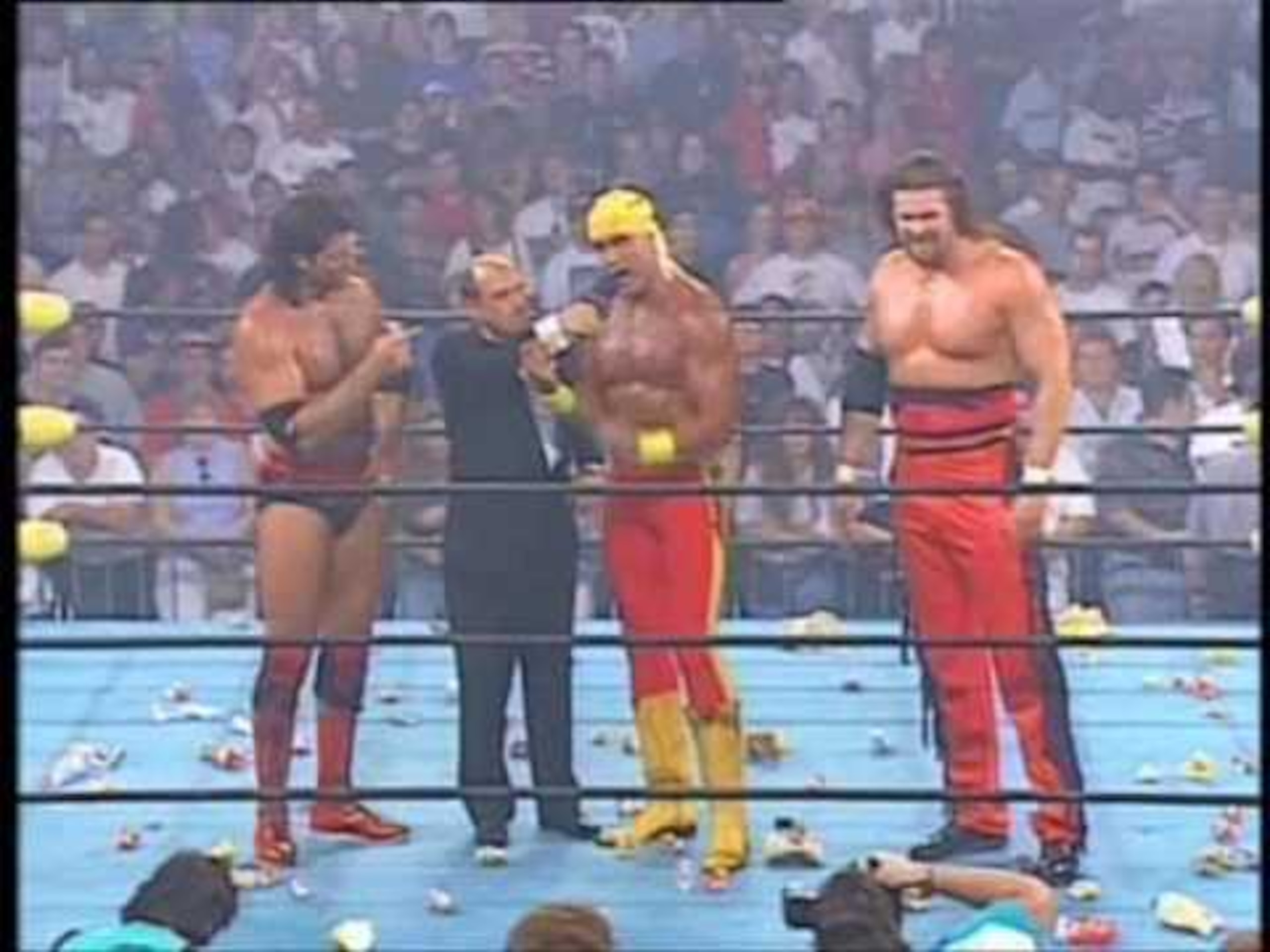
One of the greatest storylines of all time saw the Outsiders, Scott Hall and Kevin Nash, invade the WCW and threaten the very existence of Ted Turner's company.
The angle was edgy, controversial and was done with just enough realism for the fans to feel slightly apprehensive. Hall and Nash were supposed to represent the rival WWF.
The moment when Hulk Hogan turned heel and joined the group caused outrage and will be remembered as the most shocking moment in wrestling history.
The debris thrown by the fans showed their outrage at the American hero betraying his fans and becoming Hollywood Hulk Hogan.
It started the edgier version of Monday Nitro, and it signaled the start of WCW's domination in the Monday Night Wars.
Montreal Screwjob
13 of 20
This is widely attributed as the start of the Attitude Era, and it was certainly the end of an era for Bret Hart and the WWF.
Hart was on his way to WCW and wanted to leave the company with a victory in his home country.
Vince McMahon had other plans however and called for the bell to be rung with Hart in the Sharpshooter.
It led to the reign of Shawn Michaels as WWF champion where his comedy skits with DX truly began the Era of Attitude in pro wrestling.
It was also the moment that the Mr McMahon character was born.
Austin 3:16
14 of 20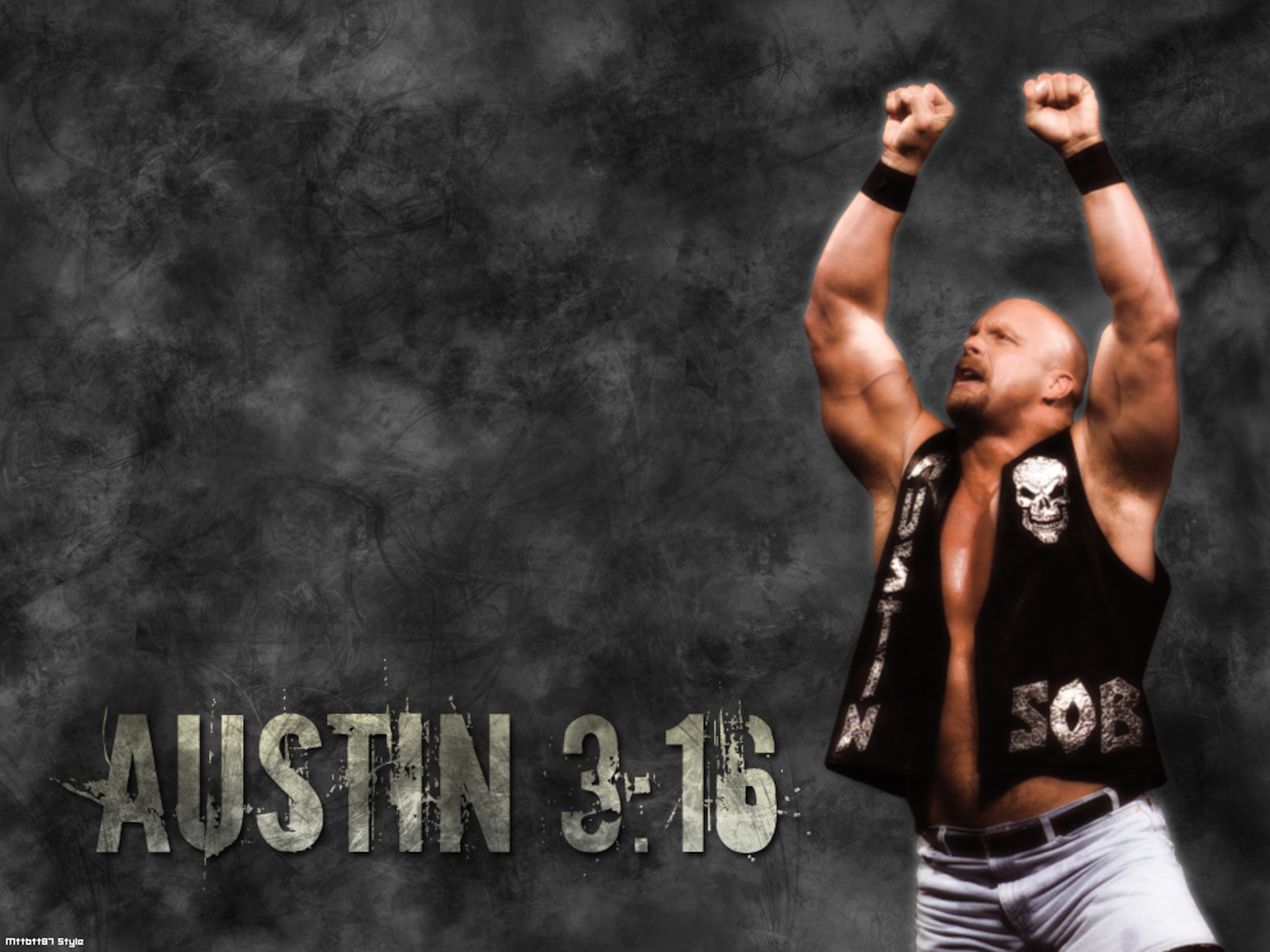
The moment that put Austin on the map as far as a main event talent with the WWF, his intense promo at King of the Ring led to one of the most popular catchphrases of all time.
It ushered in the age of Austin, who became the ultimate anti-hero with his beer-willing, foul-mouthed tendencies.
Arguably the most successful wrestler in history in terms of PPV buy rates and television ratings, Austin epitomized what the Attitude Era was all about and this promo kick-started his rise to immortality.
Mick Foley Falls off Hell in Cell
15 of 20
This awe-inspiring moment cemented the commitment and the heart of Mick Foley in the eyes of the fans.
The fact that he took two almighty bumps and managed to continue is a testament to Foley's character and "testicular fortitude."
But it was also the moment that Hell in a Cell became a popular and regular match stipulation in the WWF.
There had been Cell matches before with Shawn Michaels, with the Undertaker competing in the first, but this match portrayed the brutality of this structure.
This moment ultimately led to the rise of the gimmick matches with the Elimination Chamber and the Punjabi Prison coming about due to the popularity of Hell in a Cell.
Mick Foley Wins WWF Title
16 of 20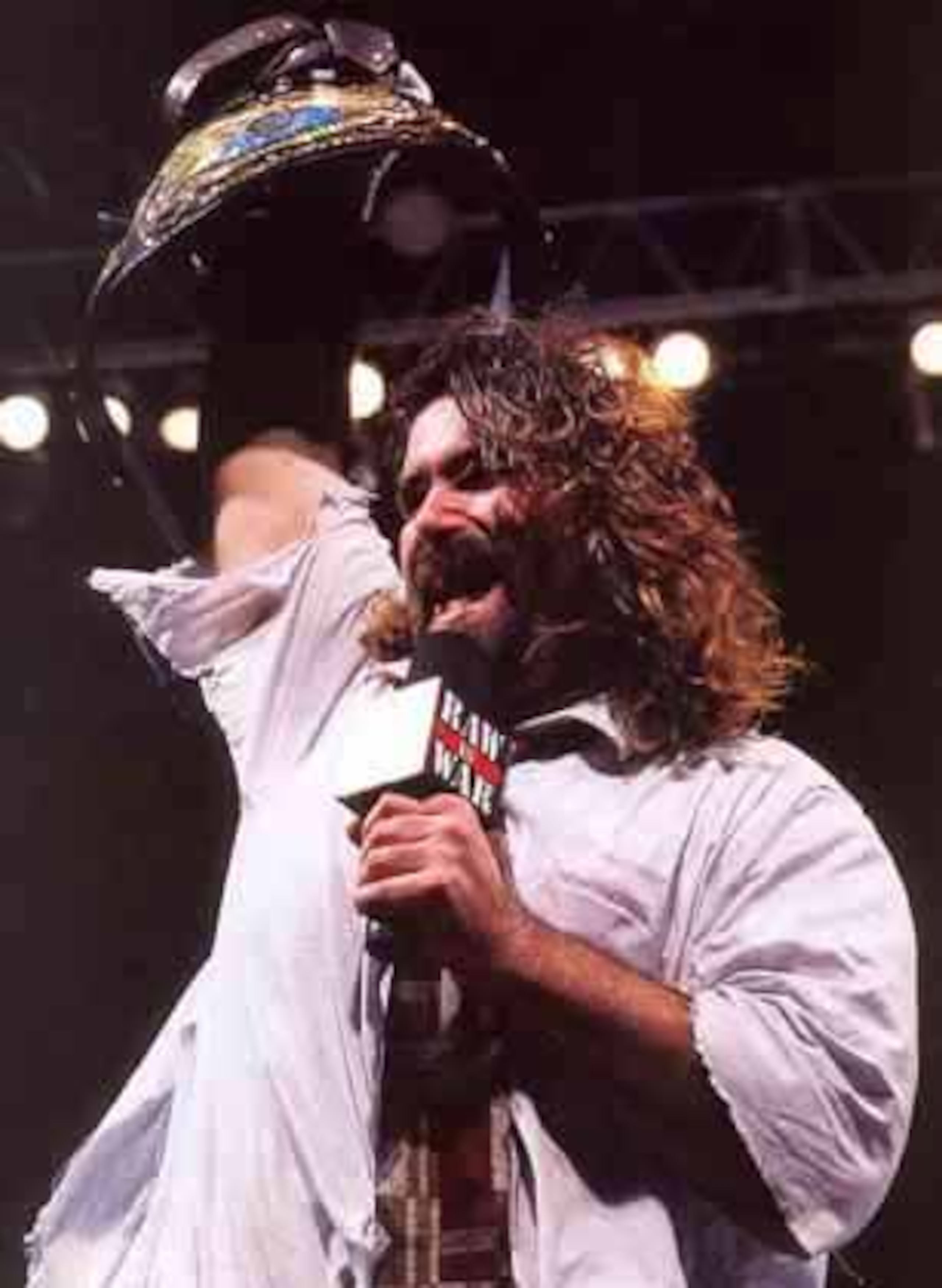
This was the week when the Raw finally beat Nitro in the ratings for the first time in 83 weeks.
Many people have cited Foley's title win as the beginning of the end for Eric Bischoff and WCW.
Bischoff's tactic of revealing the result backfired as, when the game was given away by Tony Schiavone, millions of fans changed the channel.
It was a fantastic moment in the career of a wrestling legend, but it was also a hugely important victory for the WWF.
Vince McMahon Buys His Competition
17 of 20
The end of the Monday Night Wars saw Vince McMahon buy the bankrupt WCW from Ted Turner, which took Nitro off the air and removed the WWF's major competition.
ECW had already gone out of business, and Vince eventually purchased the assets and the talent from that company as well.
After the Invasion angle, a period of stale storylines and boring angles ensued with no competition to make the WWE raise their game.
Kurt Angle Joins TNA
18 of 20
Angle was the first major talent to jump ship to Dixie Carter's emerging TNA, and it put Total Nonstop Action on the map in terms of potential competition.
Angle was a main event superstar and the highest paid wrestler in the company when he left, but personal disputes with Vince and his inability to cope with the arduous schedule made Kurt's decision easier.
TNA have still not been able to challenge the WWE but they have not gone out of business either, and Angle's departure has inspired other top WWE talent to move on as well.
Jeff Hardy and Rob Van Dam being two notable examples.
Death of Chris Benoit and the Rise of the PG Era
19 of 20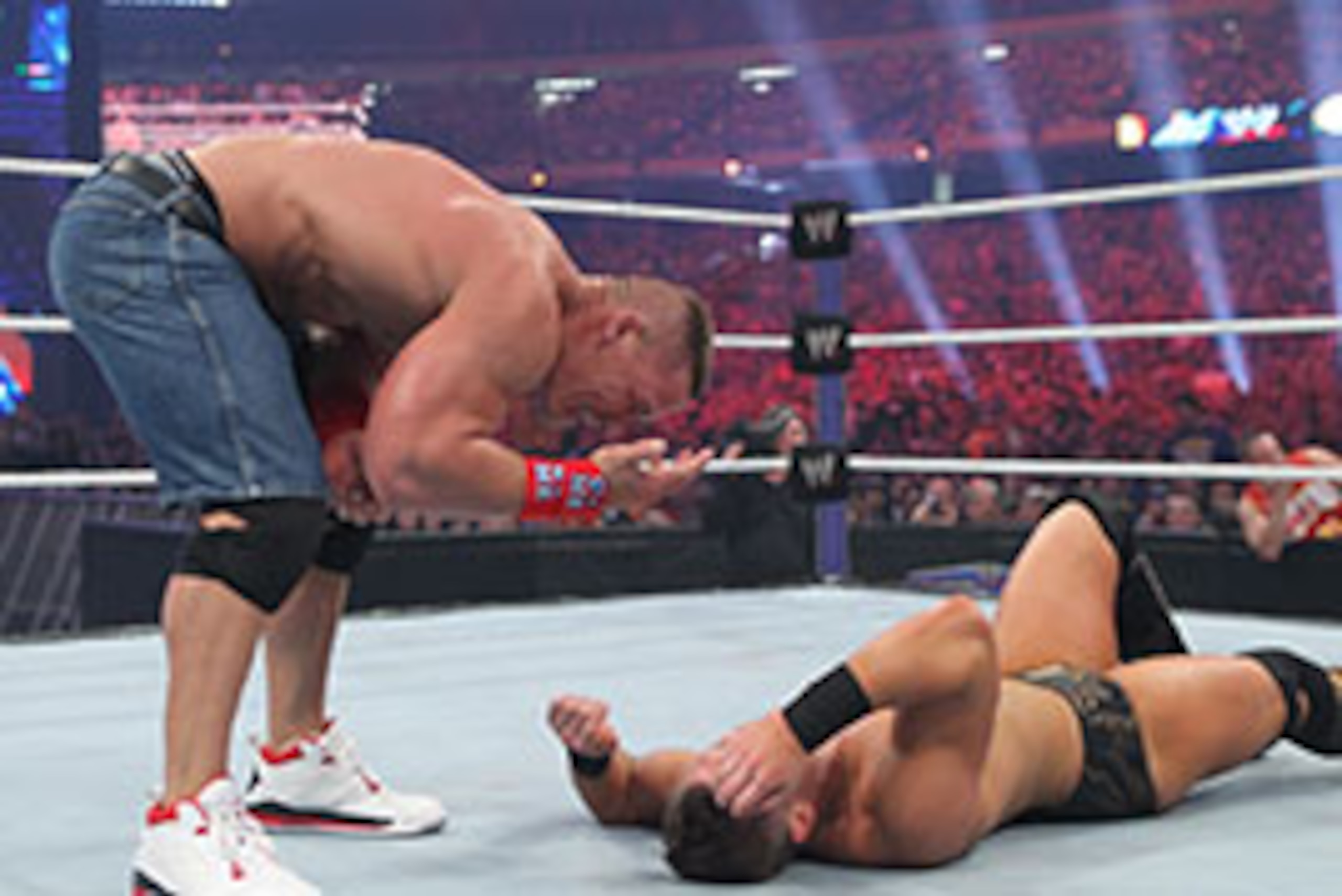
After the Benoit tragedy, the wrestling business came in for vehement criticism from the media over steroid and painkiller use.
The wrestling business was seen to be tarnished by Benoit's actions, and every professional wrestler was now viewed with suspicion.
Almost as a direct result of this, the WWE decided to enter into the squeaky clean PG era with watered down storylines and less violence.
The face of this era is John Cena who has become the Hulk Hogan of his day, beating down villains at every turn.
Chair shots have been abolished, there is no more blood or sexually explicit storylines.
This signaled a significant change in direction for WWE programming.
The WWE Rebrands and Moves Away from Wrestling
20 of 20
Recently the WWE decided to alienate their wrestling fans by re-branding their product by removing the word "wrestling" from the company name.
McMahon has tried disassociate himself with wrestling completely re-branding his company to cover all forms of entertainment.
This decision to branch out cannot have been justified on the success of the WWE films which have all failed to make a mark on the box office.



.jpg?w=2560 "Latest Peyton-Colts Rumors")