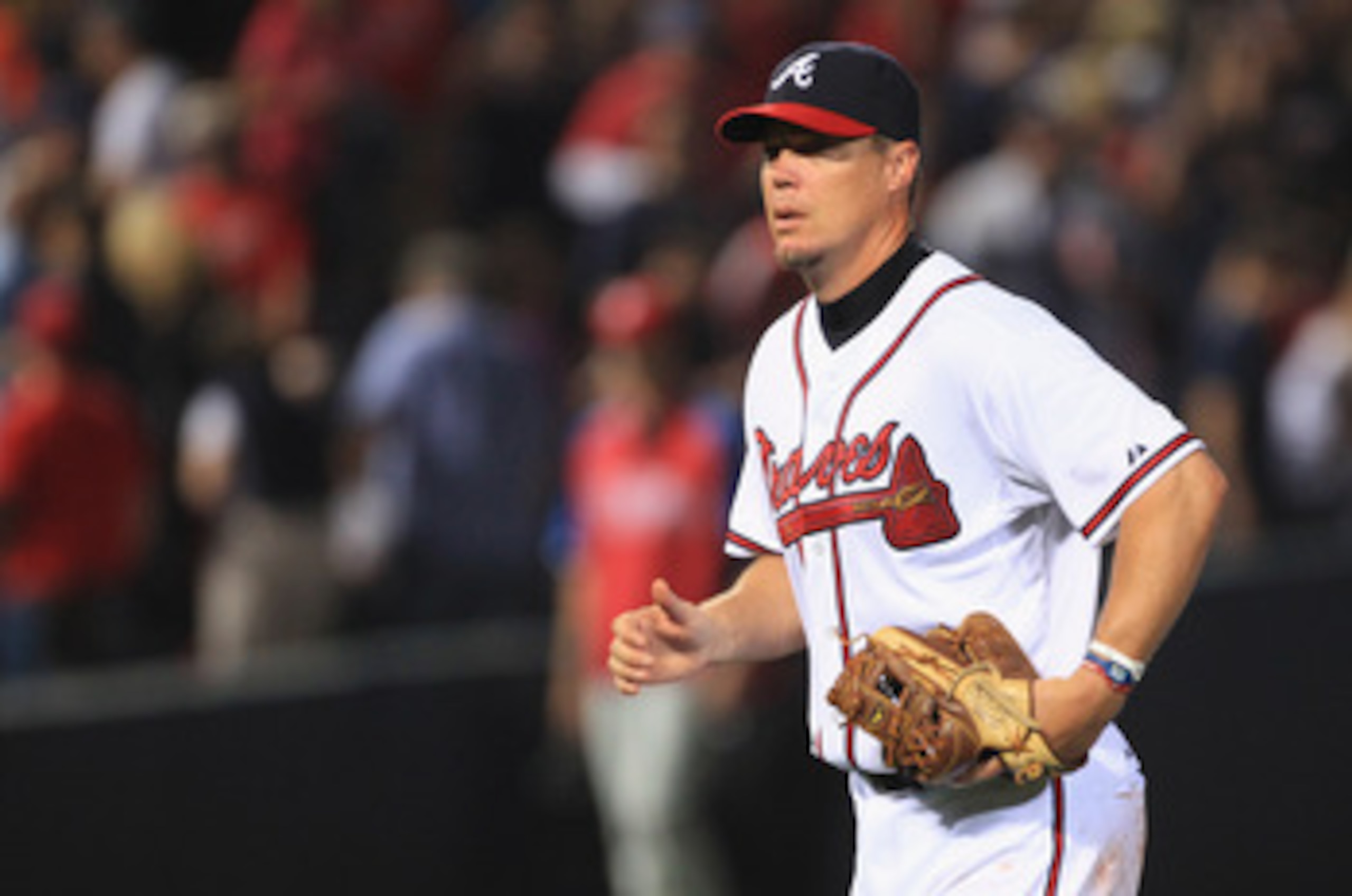

Chipper Jones: Where He Ranks Among MLB's 15 Greatest All-Time Third Basemen
It's only May, and already Chipper Jones' 2011 season has been filled with a countless number of highs and lows.
On April 27th, Jones moved out of a tie with Yankees great Mickey Mantle and into second place among all switch-hitters with 1,512 career RBI, trailing only Eddie Murray (1,917 RBI).
However, just a few short weeks later, Jones was diagnosed with a torn meniscus. The veteran third baseman's current plan involves nothing more than a cortisone shot and rest but, if his knee problems continue, he'll need surgery to repair the tear. If it turns out that surgery is required, the questions surrounding Jones' possible retirement will likely pick back up.
Although Jones did return to the Braves starting lineup on Tuesday against the Houston Astros, this slideshow will examine his career if it were to end today as compared to other dominating third basemen through baseball history.
Chipper Jones: Career Numbers
1 of 16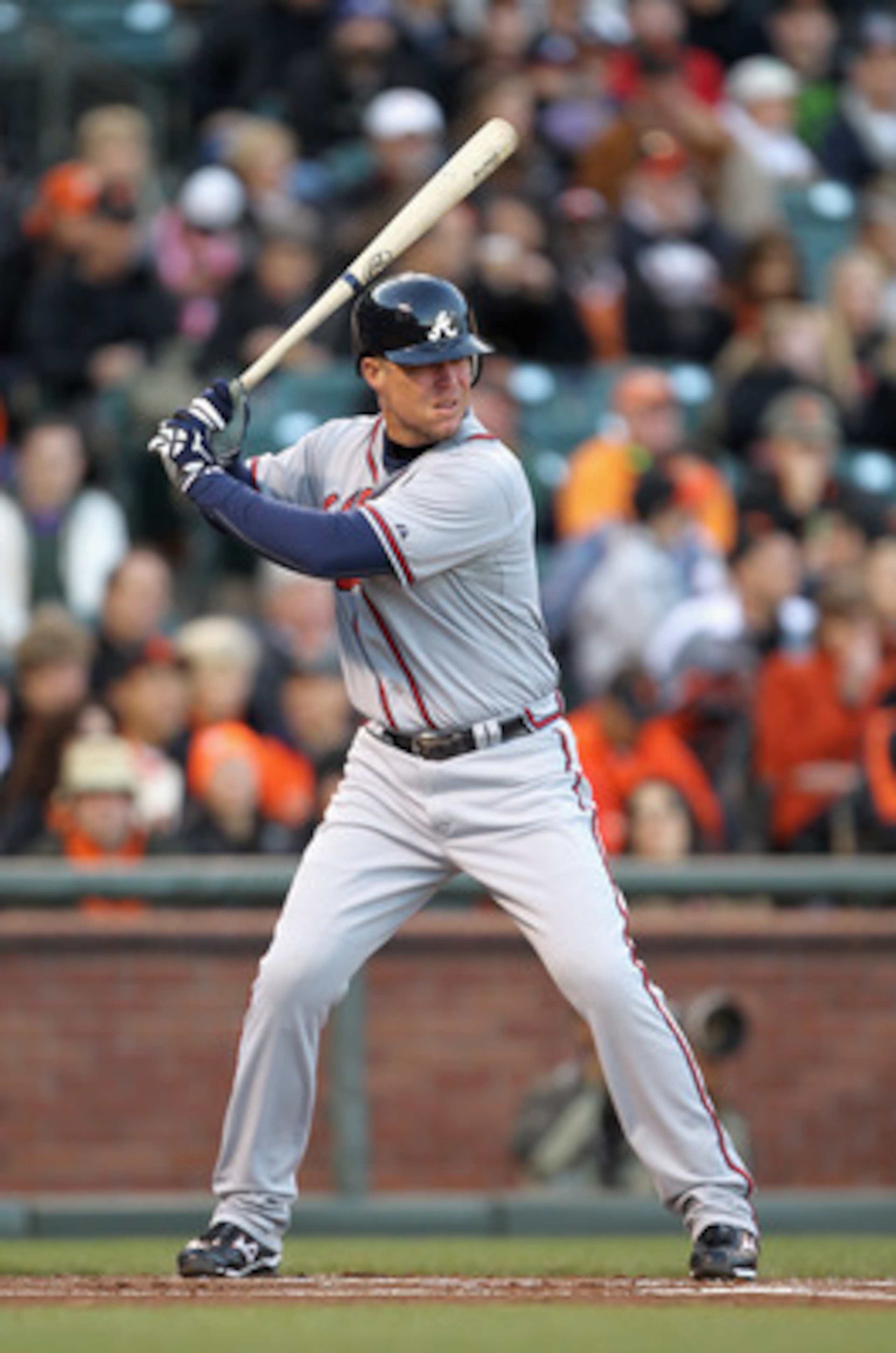
If Jones were to hang up his spikes today, his absence would be felt immediately by the Braves lineup. Through 39 games this season, Jones is batting .275 with four home runs and 27 RBI. He's one of the team's best clutch hitters and, although his numbers have decreased across the board over the last few seasons, Jones is still a force to be reckoned with in the Braves lineup.
Career-wise, Jones should find himself in Cooperstown, although there has been much speculation as to whether or not he actually belongs alongside baseball's greats. Decide for yourself.
Jones has 440 career home runs, 1,518 career RBI (second all-time for switch-hitters) and a .305 lifetime batting average through 2,300 career games and 8,284 at-bats. Jones is a six-time All-Star and two-time Silver Slugger Award winner, and he was also named the National League's Most Valuable Player in 1999. In addition to Jones' other career awards, his lone World Series championship came during his rookie year with the Braves in 1995.
An even more impressive note to add to Jones' career is that, although he put up huge numbers throughout baseball's "Steroid Era," he has never tested positive for the drug and has continued playing into 2011.
Eddie Mathews
2 of 16
I feel that it's most fitting to begin Jones' career comparison with another all-time Braves great, third baseman and baseball Hall of Famer Eddie Mathews.
Although Mathews' 512 career home runs oust Jones' 440, the Hall of Famer's career RBI, 1,453 and career hits, 2,315, both are well below Jones' career numbers. It is also worth noting that, as of May 17th, Mathews has played in 39 more games than Jones.
Mathews was a 12-time All-Star, two-time World Series Champion, and had his No. 41 jersey retired by the Braves organization in 2001. Just two years prior to his death, Mathews was named No. 63 on The Sporting News' List of Baseball's Greatest Players.
George Brett
3 of 16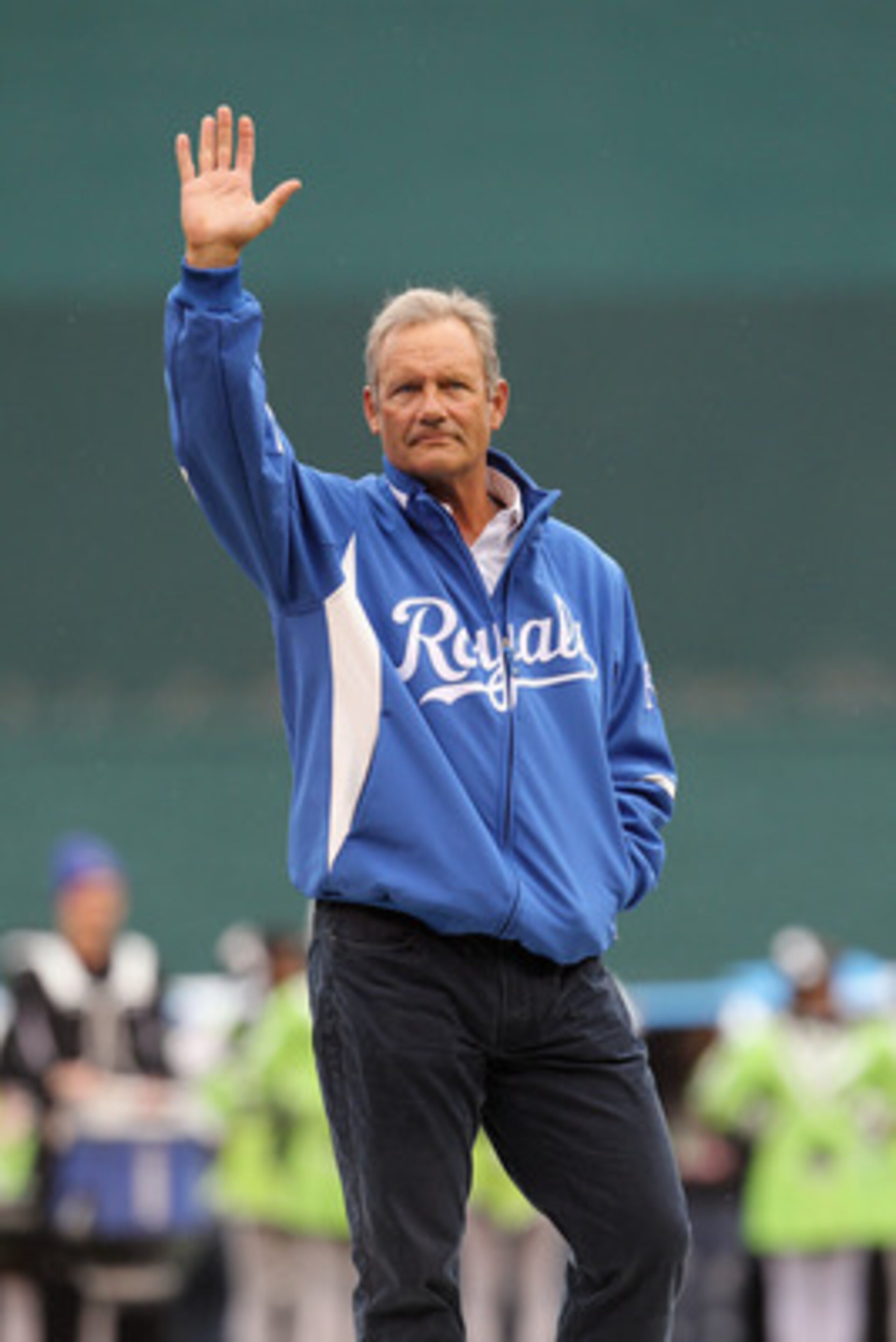
George Brett, a third baseman, designated hitter and first baseman, played his entire career for one organization, the Kansas City Royals, just as Jones has done for the Braves.
Brett has 317 career home runs, more than 100 homers below Jones' career total, 3,154 career RBI, nearly 600 more than Chipper, and is a career .305 hitter—a statistic identical to Jones' career batting average.
Also like Jones, Brett only won one World Series, but bests Chipper in All-Star selections (13) and Silver Slugger Awards (3). Brett was elected to the Hall of Fame in 1999, his first year on the ballot, with 98.2 percent of the vote.


George Kell
4 of 16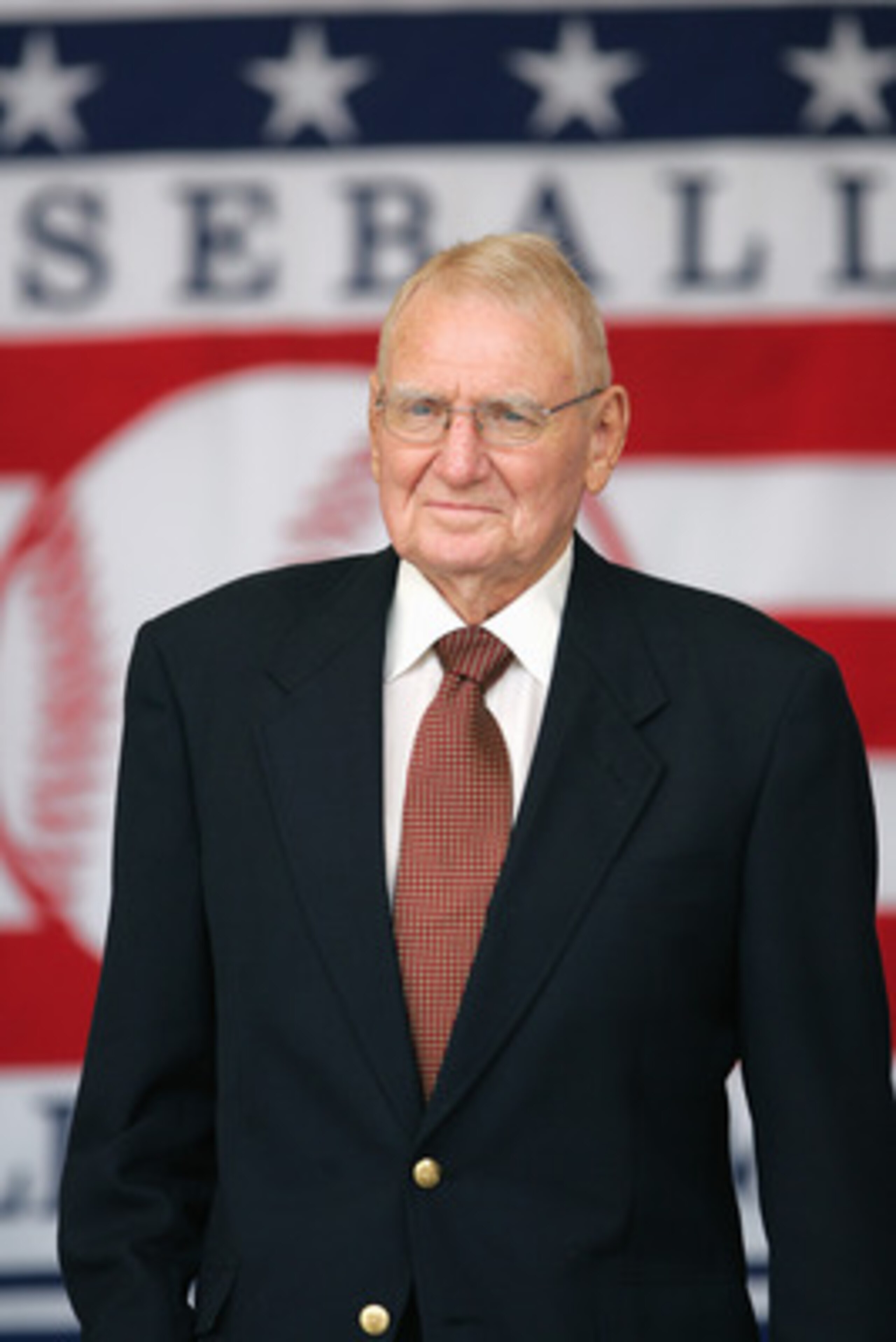
George Kell, another third baseman in the Baseball Hall of Fame, also has a career batting average (.306) right around that of Jones' .305.
Throughout his career, Kell hit 78 home runs, batted in 870 runs and compiled 2,054 career hits, all of which are less than Jones' career totals. He too bests Jones in All-Star selections (10), but that is really the only category where Kell ousts Jones.
In 1983, Kell was elected to the Hall of Fame by way of the Veteran's Committee.
Wade Boggs
5 of 16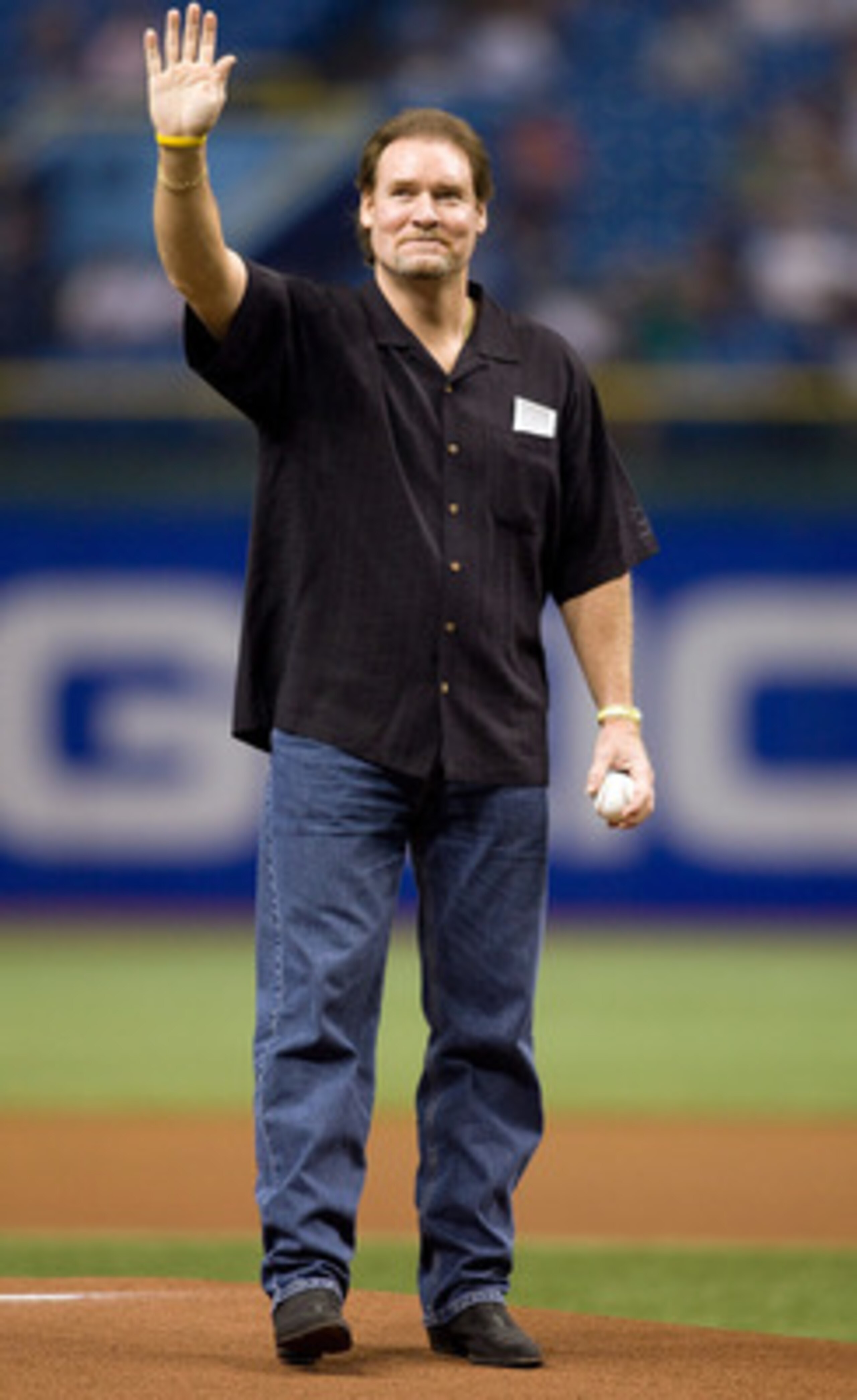
Boggs' career batting average (.328) shatters Jones' .305, as do Boggs' career 3,010 hits. But Jones' power numbers put Boggs to shame. Boggs only hit 118 home runs throughout his career, some 300-plus less than Jones, and drove in 1,014 career runs, nearly 500 less than Jones.
Whereas Jones' power numbers are better than Wade's career numbers, Boggs' career accolades overshadow Jones'. He is a 12-time All-Star, eight-time Silver Slugger Award winner and two-time Gold Glove Award winner.
In 2005, Boggs' first year on the Hall of Fame ballot, he was elected into Cooperstown with 91.9 percent of the vote.
Paul Molitor
6 of 16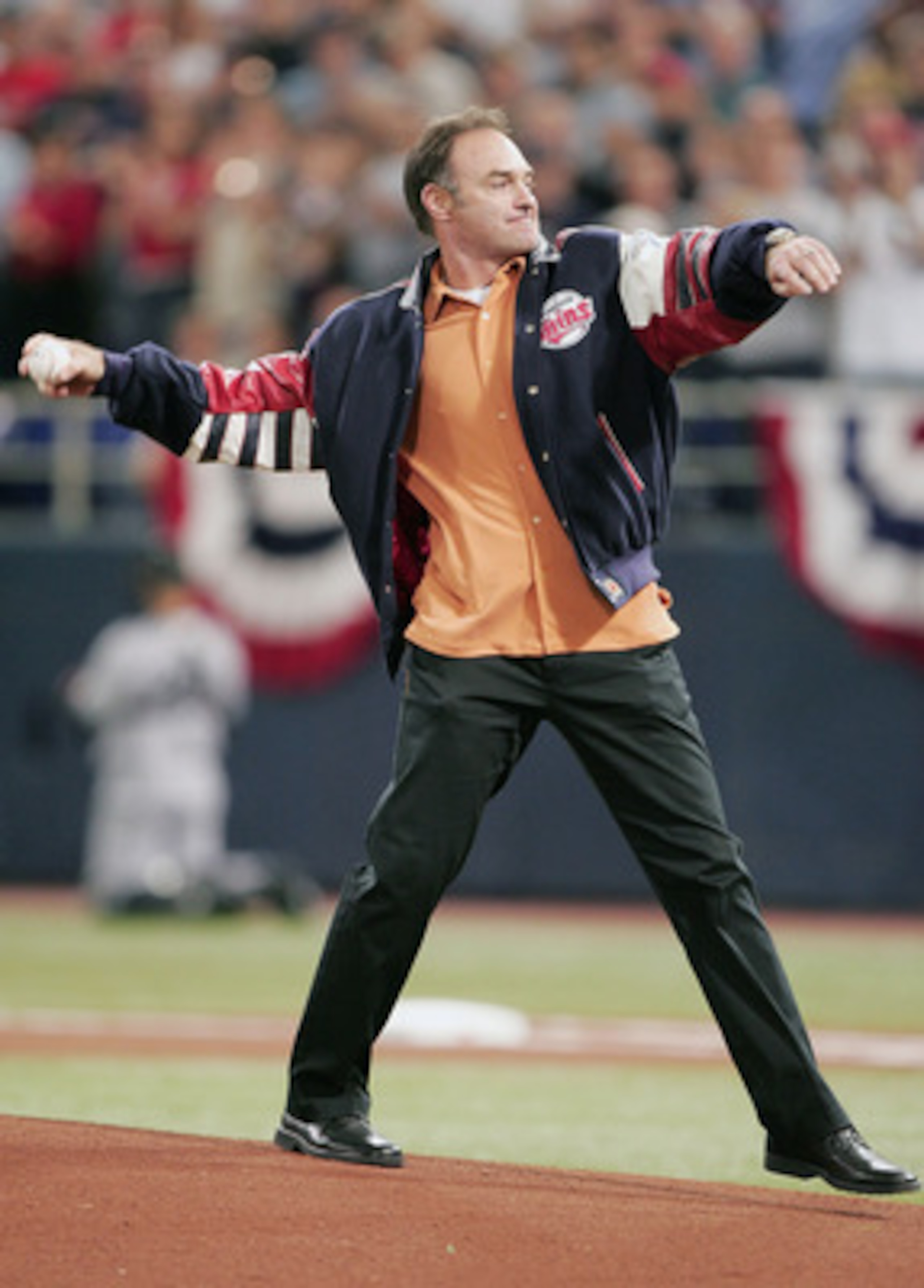
Paul Molitor, another first ballot Hall of Famer, played as an infielder and designated hitter throughout his 21-year baseball career for the Brewers, Blue Jays and Twins.
Like so many of the others in this list, Molitor's career batting average (.306) is right around Jones' .305, and his home run (234) and RBI (1,307) count are less than that of Jones. Where Molitor stands out the most is his career hit count. His 3,319 career hits are nearly 800 more than Jones has acquired throughout his career.
Molitor also has one career World Series title to his name, and was a seven-time All-Star and four-time Silver Slugger Award winner.
Brooks Robinson
7 of 16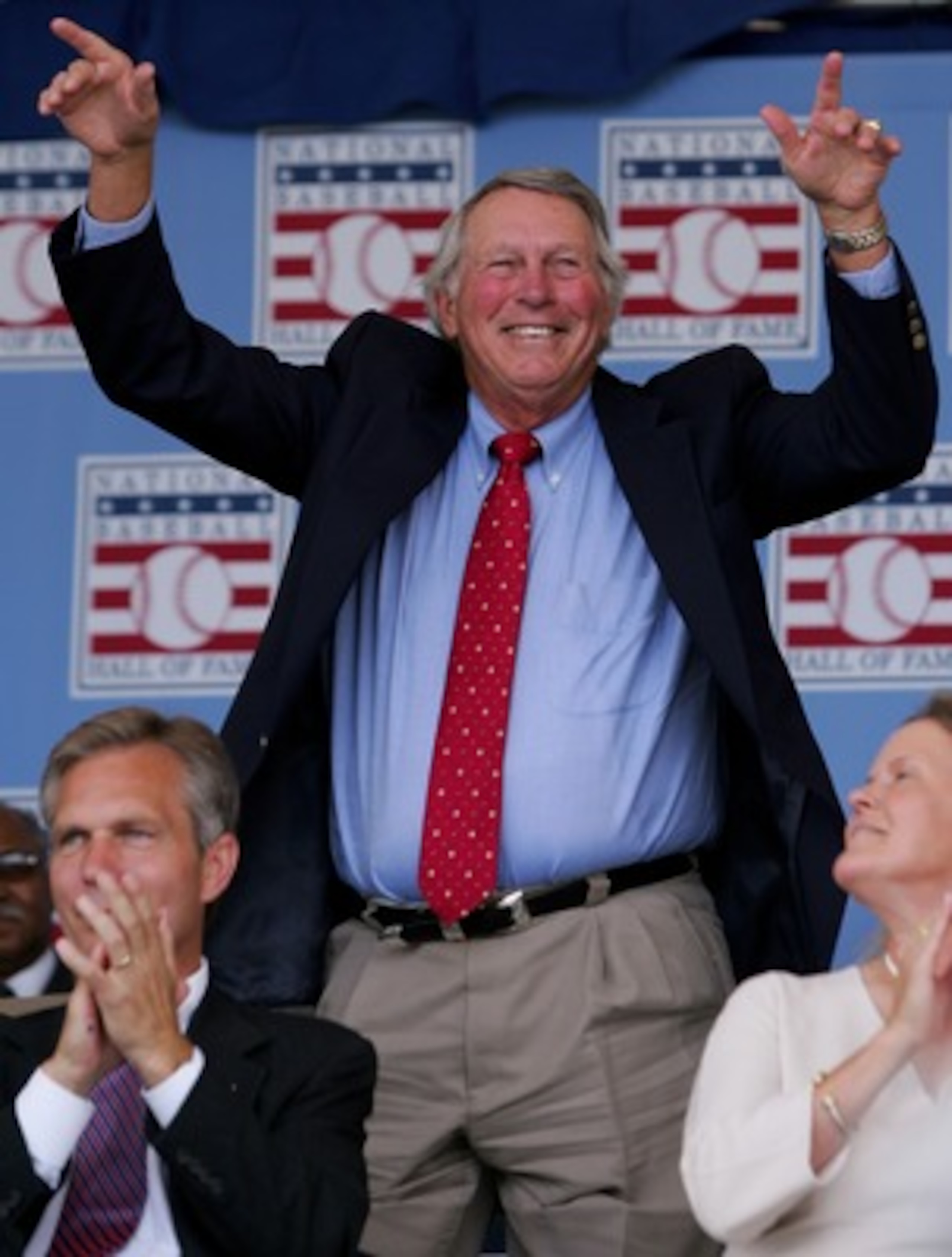
Brooks Robinson, who spent his entire 23-year career with the Baltimore Orioles, is recognized as one of the best fielding third basemen of all-time.
Throughout the course of his career, Robinson compiled 2,848 hits, 268 home runs and 1,357 runs batted in, all while batting a career .267. Jones' career numbers best Robinson's in most categories, career hits excluded.
Robinson won 16 consecutive Gold Gloves from 1960 to 1975, was an 18-time All-Star selection, two-time World Series champion and 1970 World Series Most Valuable Player. He was elected into the Baseball Hall of Fame in 1983 with 91.98 percent of the vote.
Mike Schmidt
8 of 16
Mike Schmidt, another former third baseman who played his entire career for one organization, is considered to be one of the best third basemen in the history of the game.
He's a career .267 hitter—again, much lower than Jones' .305, but betters Jones in home runs (548) and runs batted in (1,595).
Throughout the course of his career, Schmidt was a 12-time All-Star, 10-time Gold Glove Award winner, six-time Silver Slugger Award winner and three-time National League MVP. Schmidt was inducted into the Baseball Hall of Fame in 1995, his first year on the ballot, with 96.5 percent of the vote.
John Franklin "Home Run" Baker
9 of 16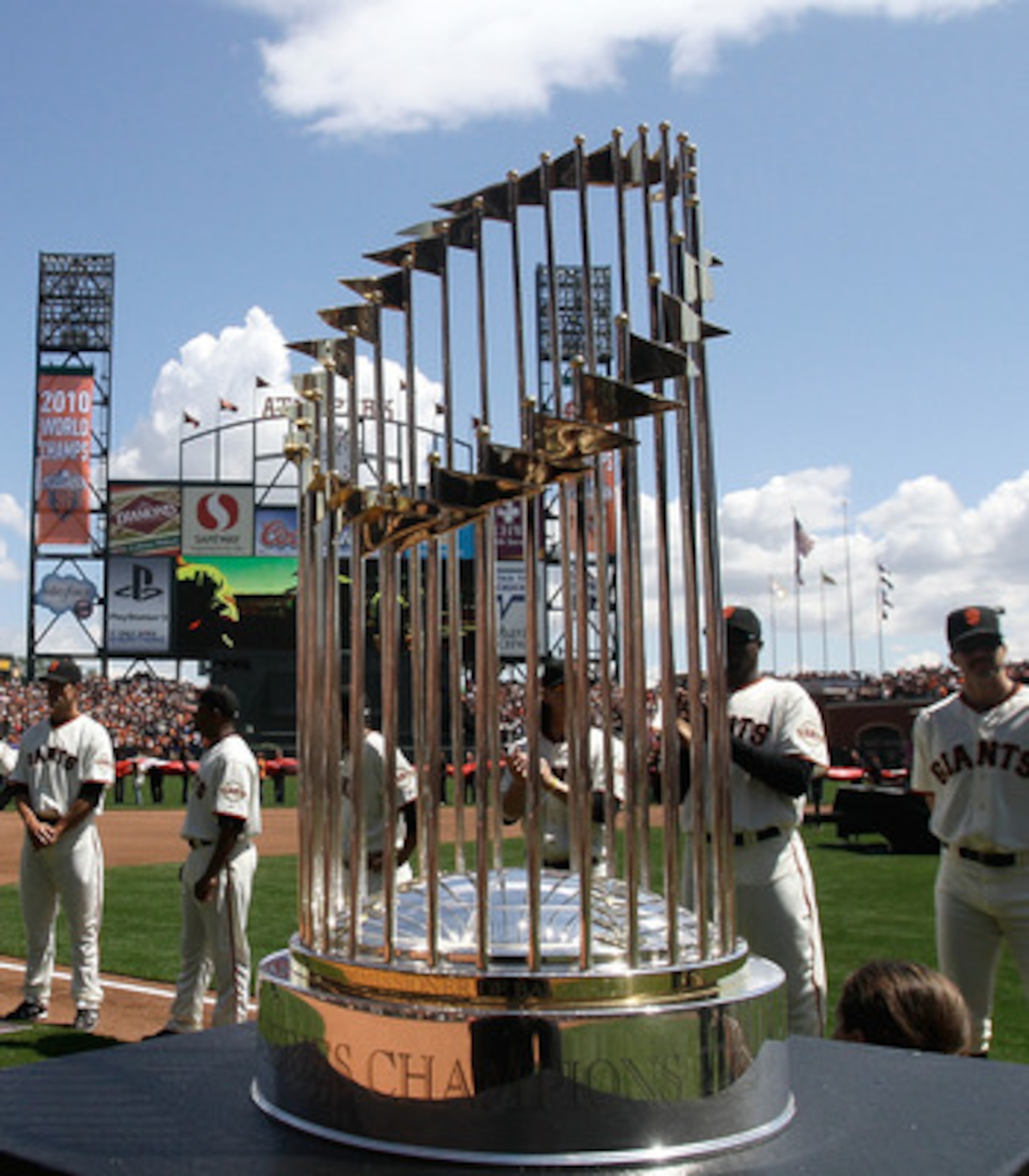
Frank Baker, who played for the Philadelphia Athletics and New York Yankees, was elected into the Baseball Hall of Fame in 1955 by the Veteran's Committee.
Although he doesn't have a picture on file (hence the shot of the World Series trophy, which Baker won three times), his career numbers make him arguably the best pre-war era third baseman. Baker hit 96 career home runs and batted in 987 runs throughout his career, which lasted from 1908 to 1922. His career batting average is .307, two points higher than Jones' current average.
Pie Traynor
10 of 16
Pie Traynor, ranked No. 70 on the Sporting New's list of the 100 Greatest Baseball Players of All-Time, played his entire career for the Pittsburgh Pirates.
Upon retiring as a player in 1937, Traynor's career batting average was .320, much higher than Jones', and most everyone else's for that matter. He also recorded 2,416 career hits and 1,273 career RBI. Throughout the course of his career, Traynor was selected to two All-Star teams and won one World Series in 1925.
In addition to his playing honors, Traynor's No. 20 was retired by the Pirates in 1972. In 1948, his fifth year on the Hall of Fame ballot, Traynor was accepted into Cooperstown with 76.9 percent of the vote.
Scott Rolen
11 of 16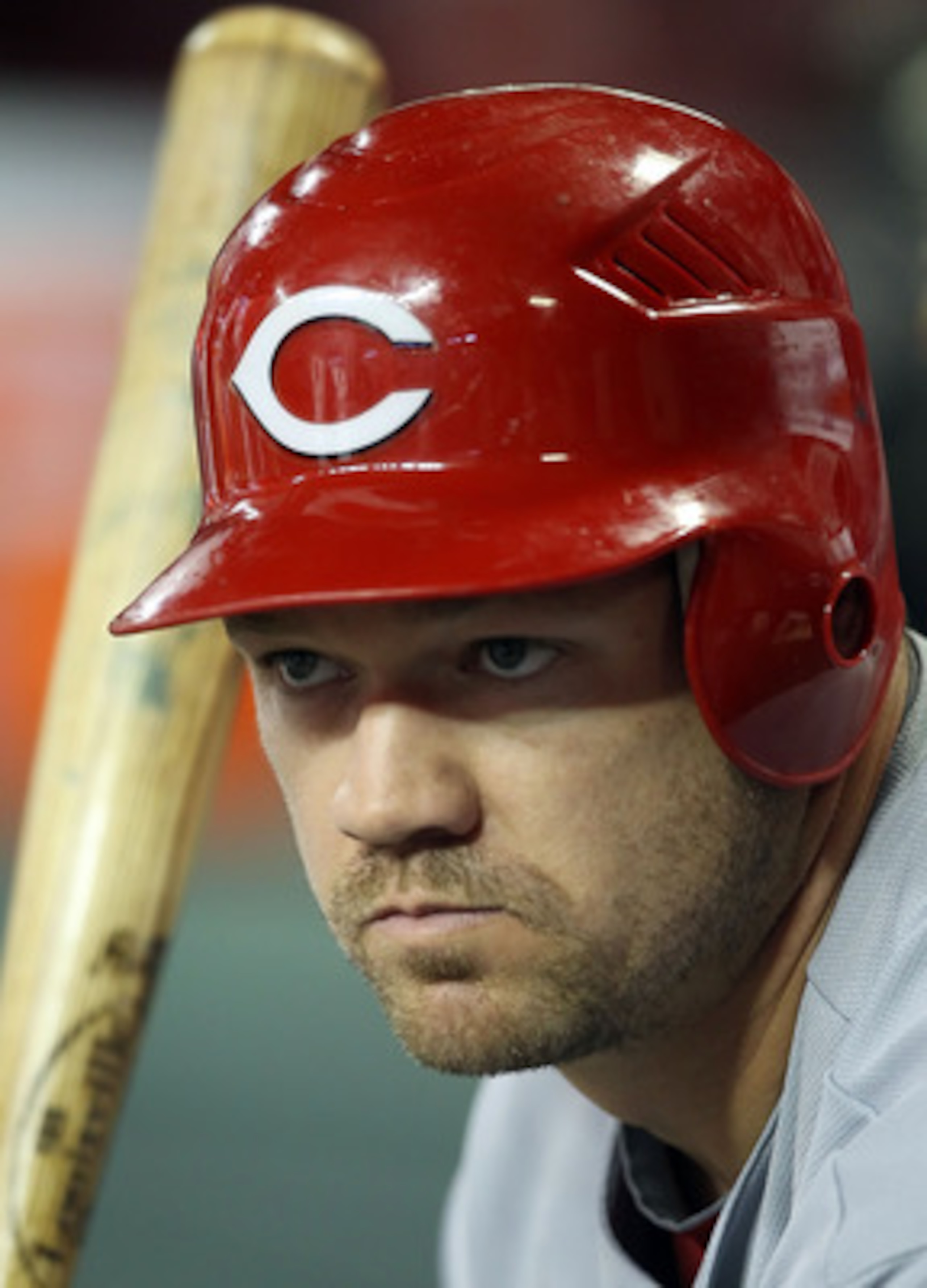
Okay, we've shifted out of Hall of Fame mode. But for Jones' career to be analyzed completely, it is vital to compare him to some non-enshrined third basemen from both his era and before it.
Rolen is a career .284 hitter with 305 career home runs, 1,227 RBI and 1,967 hits through 1,903 games played. In regards to Rolen's career numbers, Jones bests him in all of the above categories.
Rolen is a six-time All-Star, eight-time Gold Glove Award winner, has one Silver Slugger Award to his name. He is also a one-time World Series champion, as he helped lead the St. Louis Cardinals to victory in 2006.
David Wright
12 of 16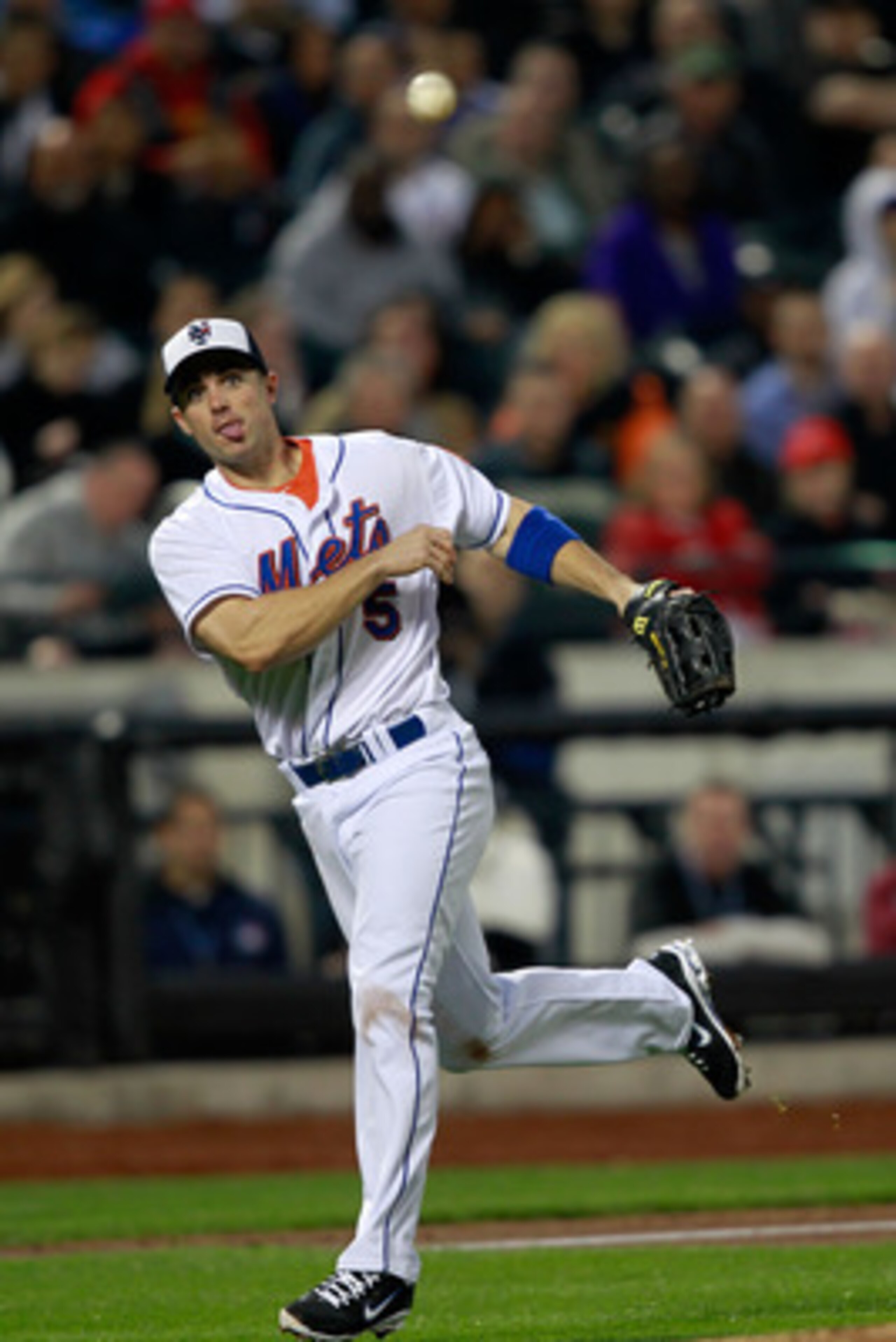
David Wright began his career nearly 10 years after Jones first broke through with the Braves, but has become one of the more dominant third basemen in the game.
Since 2004, when Wright first hit the big leagues, he has accumulated 175 home runs, 682 RBI, 1,182 hits and is a career .302 hitter. His power numbers don't quite match up to Jones' power numbers through his first 10 full seasons as a Brave, as Jones had hit nearly 280 home runs by the time he had reached a decade in the major leagues.
Still, Wright's consistencies have made him one of the more feared third basemen in all of baseball.
Evan Longoria
13 of 16
Yes, Evan Longoria has only been in the league for three full seasons but, upon comparing Chipper Jones' numbers to those of Longoria, one may be surprised at what the comparison shows.
At the conclusion of his third full season, Longoria had tallied 82 home runs, eight more than Jones had hit after his third season in the big leagues, and 302 RBI, just five less than Jones had batted in.
It should be fun to watch Longoria grow, assuming he is healthy after missing much of the first month of the Rays' season this year. Comparing Jones to Longoria doesn't do much for Jones' Hall of Fame case, but it is fun to see which young, dominant player Jones is most comparable to.
Alex Rodriguez*
14 of 16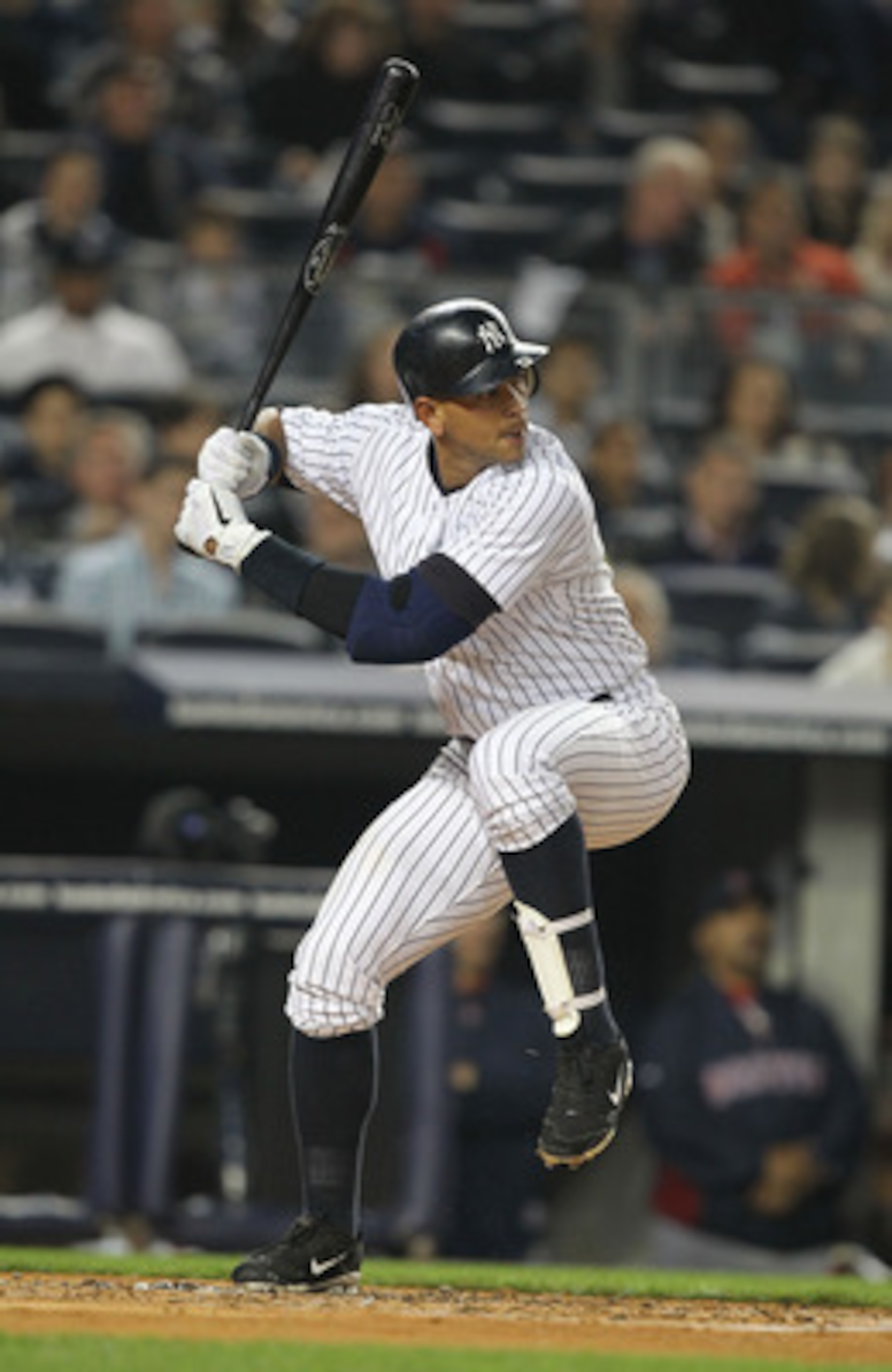
Please note asterisk in the slide's title.
A-Rod and Jones both broke into the major leagues in the early-to-mid 1990s, so, with the exception of a few performance enhancing drugs, Rodriguez's numbers should be closest to Jones' in terms of comparison with all major league third basemen.
A-Rod's career home runs (621), career runs batted in (1,855) and career hits (2,705), all top Jones' career numbers up to this point. The only categories that Jones bests Rodriguez is career batting average, by way of a .305 to .302 margin, and on-base percentage, by way of a .404 to .386 margin.
Ron Santo
15 of 16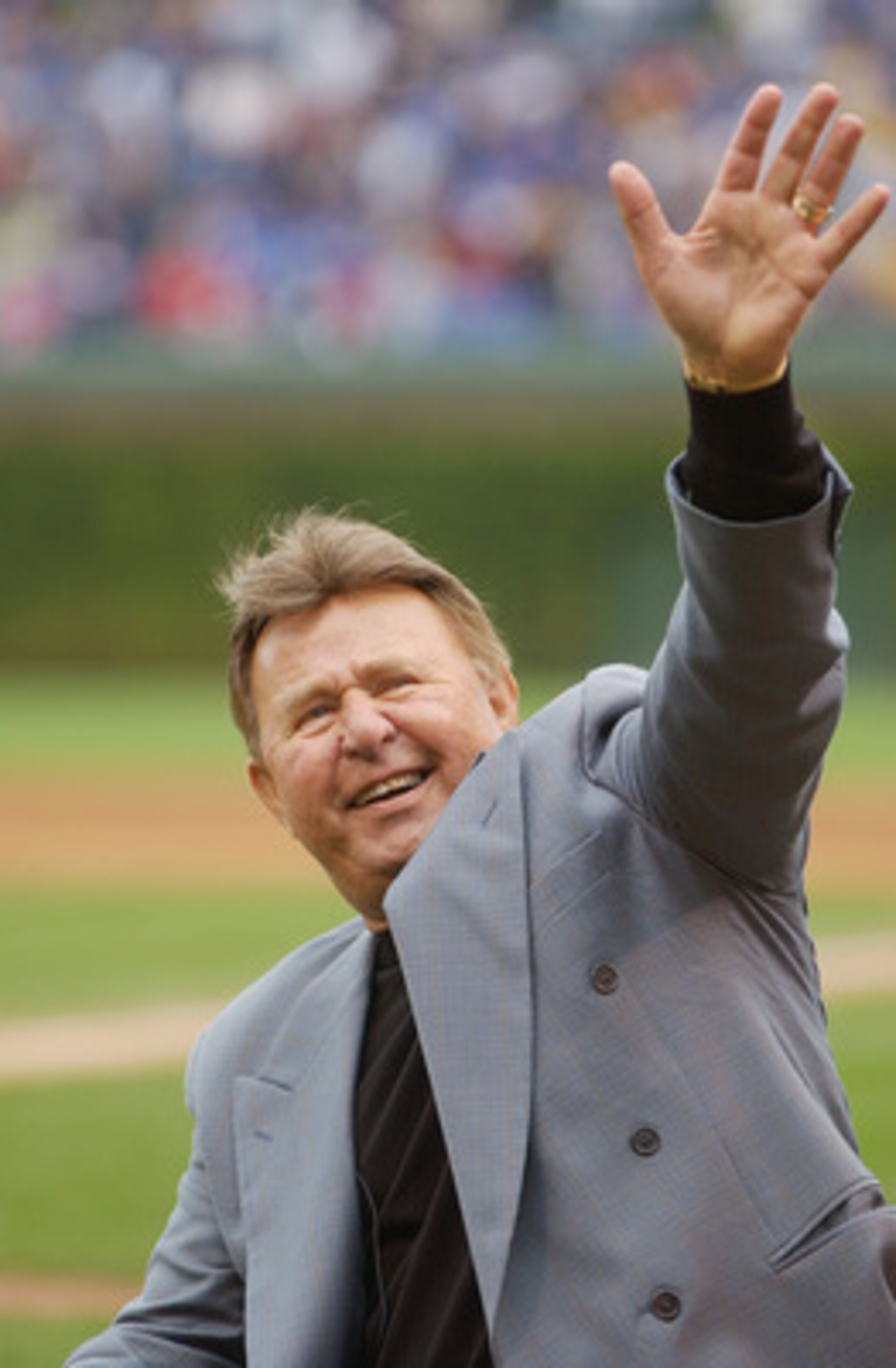
Ron Santo seems to be regarded as one of the best players (and the best third baseman, for that matter) to not be in the Baseball Hall of Fame as of 2011.
If the Hall of Fame voters are holding Santo out of Cooperstown because of his numbers, Jones is in luck; he bests Santo in nearly every category. Santo is a career .277 hitter, and he has 342 career home runs and 1,331 career RBI.
However, if the voters feel Santo's career accolades aren't enough to enshrine him alongside baseball's best, Jones is out of luck. Santo was a nine-time All-Star, as compared to Jones' six selections, and a five-time Gold Glove Award winner, as compared to Jones' zero.
Graig Nettles
16 of 16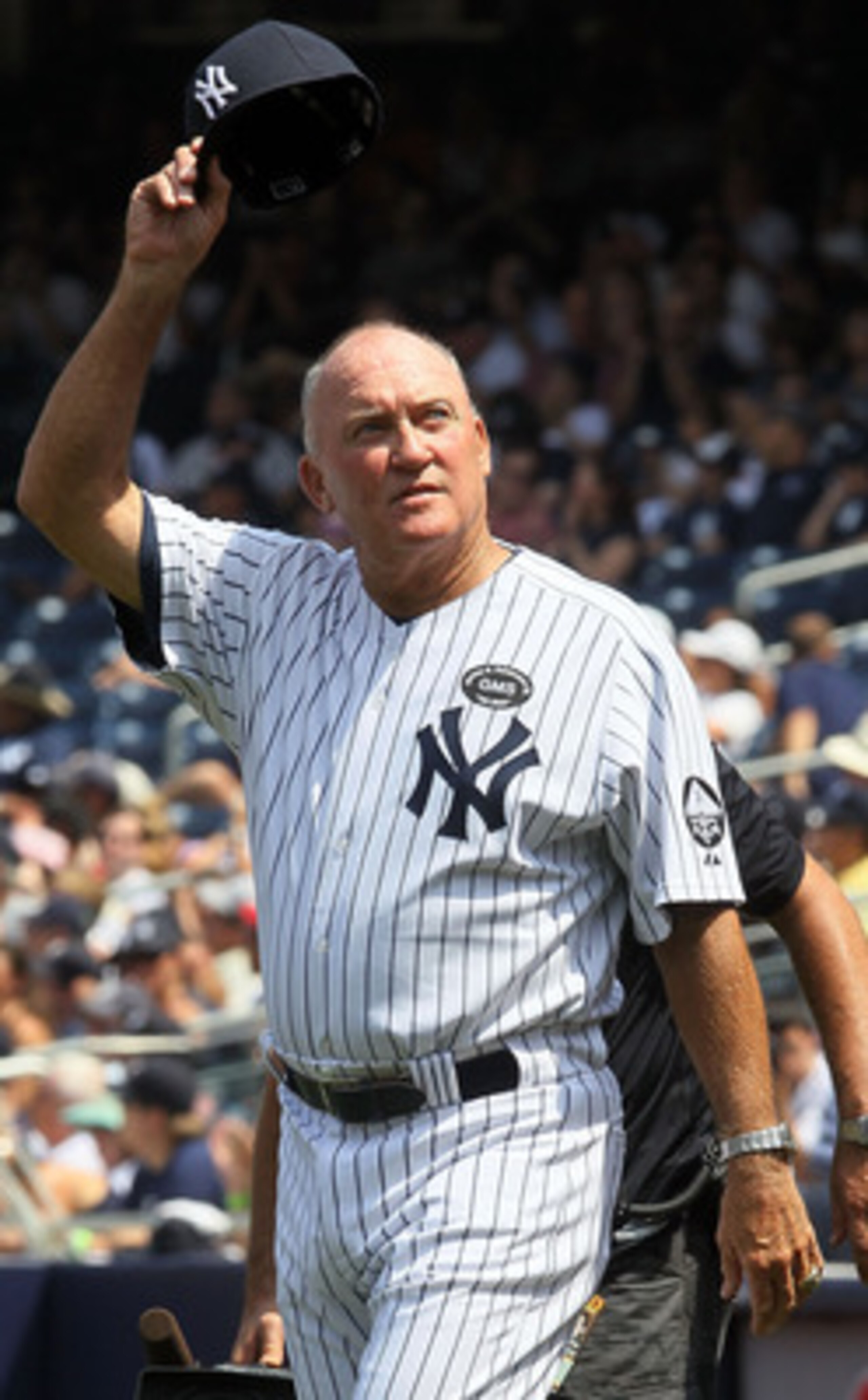
"Puff" is known as one of the best defensive third basemen of all-time. He spent most of his 22-year career with the New York Yankees, but also played in Cleveland, Minnesota, Atlanta, San Diego and Montreal.
Nettles hit .248 with 390 home runs and 1,314 RBI in 2,700 games until retiring at the age of 43 in 1988. Although his batting average seems low for someone on this list, his .964 career fielding percentage stands as one of the highest among third basemen.
Although Jones' numbers are higher than Nettles', it is worth noting that Nettles was a six-time All-Star and a two-time Gold Glove Award winner, not to mention Yankee team captain from 1982 to 1984.





.jpg?w=2560 "Latest Peyton-Colts Rumors")