
Brock Lesnar: Can He Overcome a Second Bout with Diverticulitis?
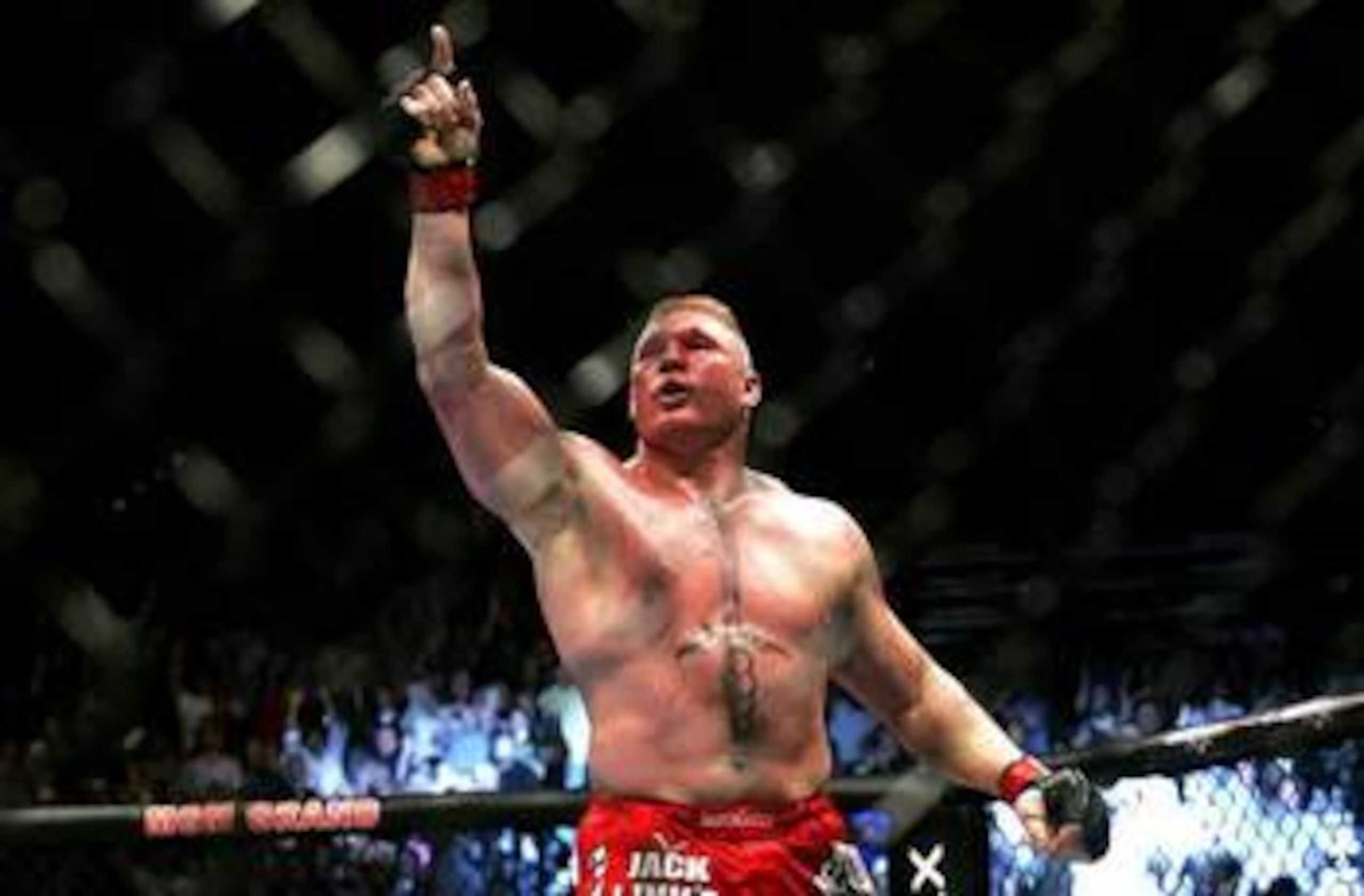
May 12, 2011 was a tough day for MMA fans everywhere, as it was announced that former UFC Heavyweight Champion Brock Lesnar would be backing out of his UFC 131 fight against Junior dos Santos.
I sat on the UFC conference call with a frown on my face, truly feeling the frustration coming from the mouth of Lesnar as he explained that his diverticulitis had flared up again and that he was physically unable to train, and thus to fight.
The news spread like wildfire over the Internet as fans and experts alike speculated on whether or not the mammoth heavyweight would ever step back in a UFC cage. But without a true understanding of both the disease and its potential complications, most of these people are simply guessing.
Let’s take a closer look at the entire situation so we can get a better idea on whether Lesnar can overcome his second bout with diverticulitis.
Credit to WebMD.com and Lesnar’s words himself for all relevant medical information.
Facts About Diverticulitis
1 of 6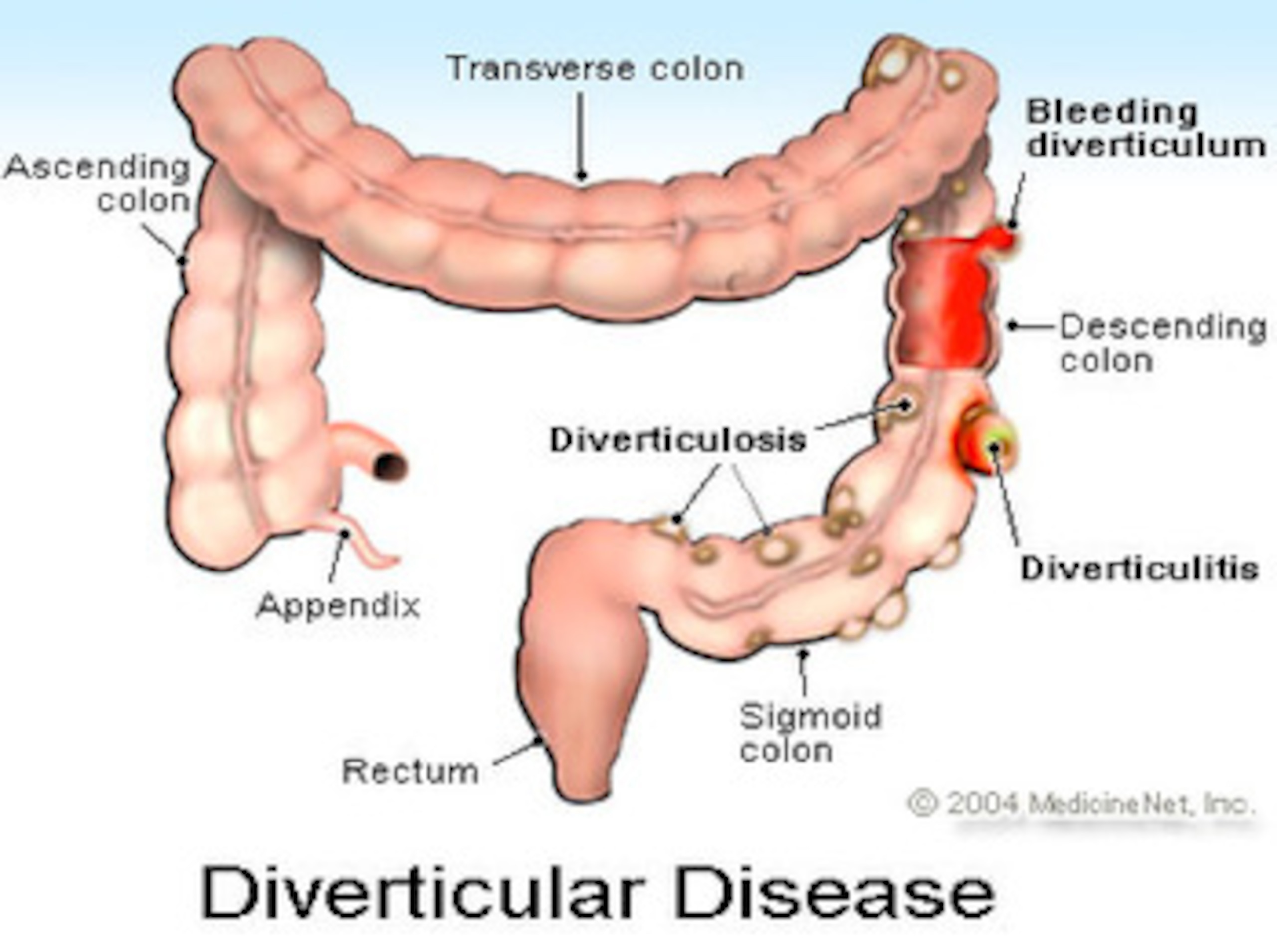
What is diverticulitis?
Diverticulitis occurs when pouches, referred to as diverticula, form in the wall of the colon and proceed to get inflamed or infected when fecal matter seeps into the openings.
How is diverticulitis caused?
The exact cause of diverticulitis is still up for discussion. It is commonly believed that low-fiber diets may play a part in the development of the disease. Fiber adds bulk to the stool, but low-fiber diets can lead to thinner stool, thus causing the colon to have to work increasingly harder. This could cause the pouches to form due to the pressure on the area.
What are the symptoms and effects of diverticulitis?
- Belly pain on the lower left side is the most common symptom, with the pain increasing during movement
- Lack of appetite
- Bloating and gas
- Nausea, which can also include vomiting
- Fever and chills
- Diarrhea or constipation
Treatments Available
2 of 6
Antibiotics are the most common non-surgical treatment. Brock Lesnar has been given more than one round of antibiotics for this current bout with the disease but said on the conference call that his body wasn’t responding well enough this time.
Other non-surgical treatments can include acetaminophen (Tylenol) and heating pads for mild belly pain symptoms. Also, a simple reduction in physical activity can help with the pain and reduce the severity of the symptoms.
Of course, surgery may be the only option if these other treatments have been ineffective. Nothing has been confirmed yet, but this may be the only option remaining
Lesnar’s Previous Bout with the Disease
3 of 6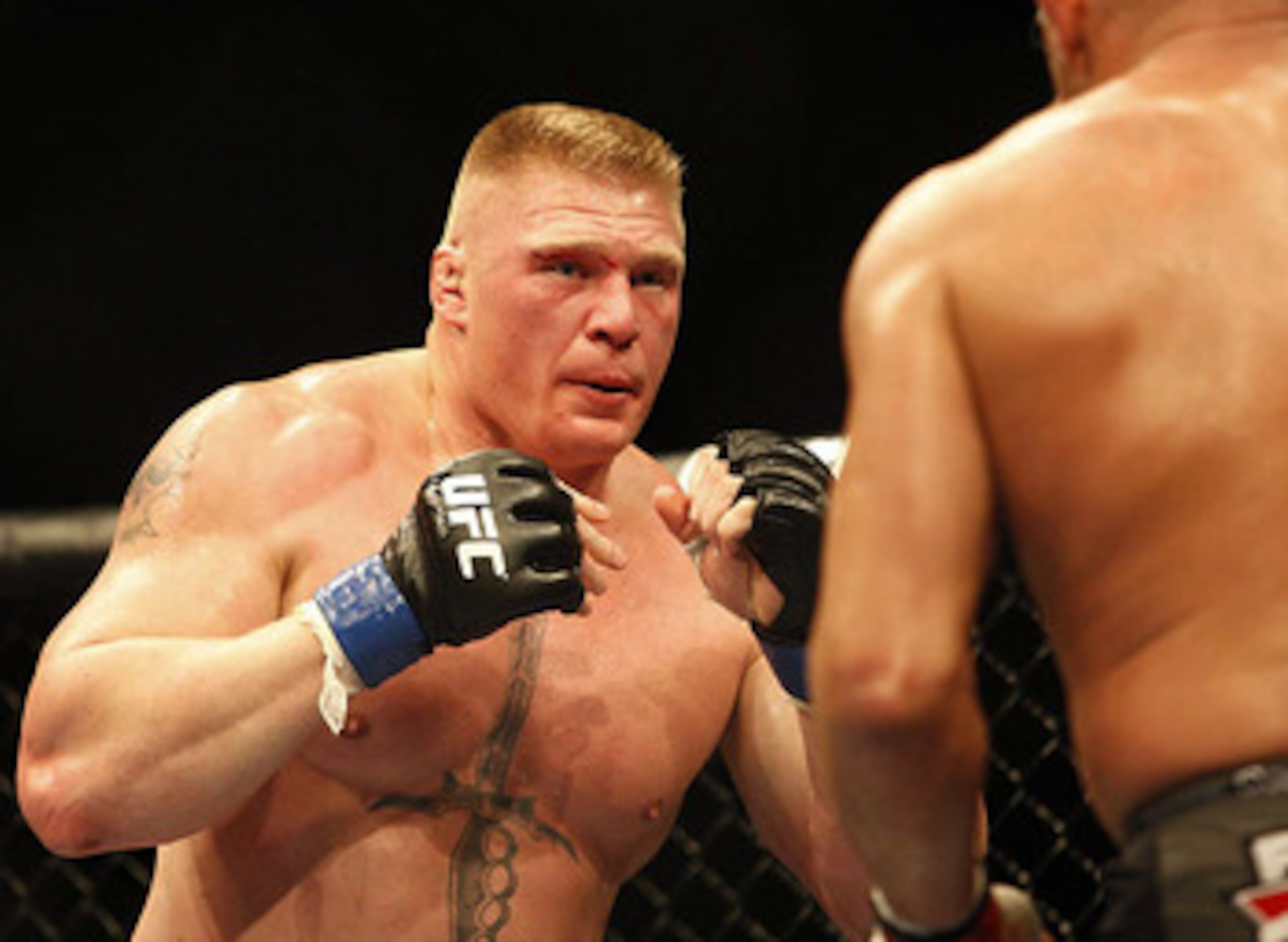
When you see Brock Lesnar’s body, it should come as no surprise that he was once a carnivore in the truest sense of the word. But while this kind of diet is effective in keeping up bulk, it is also very likely a major contributor to why he developed diverticulitis in the first place.
Lesnar collapsed in November 2009 while on a hunting trip in Manitoba, Canada. He was rushed to a hospital in the province, and he would later make it known that he believes he received substandard care due to the country’s nationalized health care. But it was the excruciating, unexpected pain that caused major concern for the UFC champion.
"I felt like I was on my death bed, I really did, because I was very sick,” Lesnar publicly stated. “This illness, it kills a lot of people and it’s one of these things I never knew I had."


Competing with Diverticulitis
4 of 6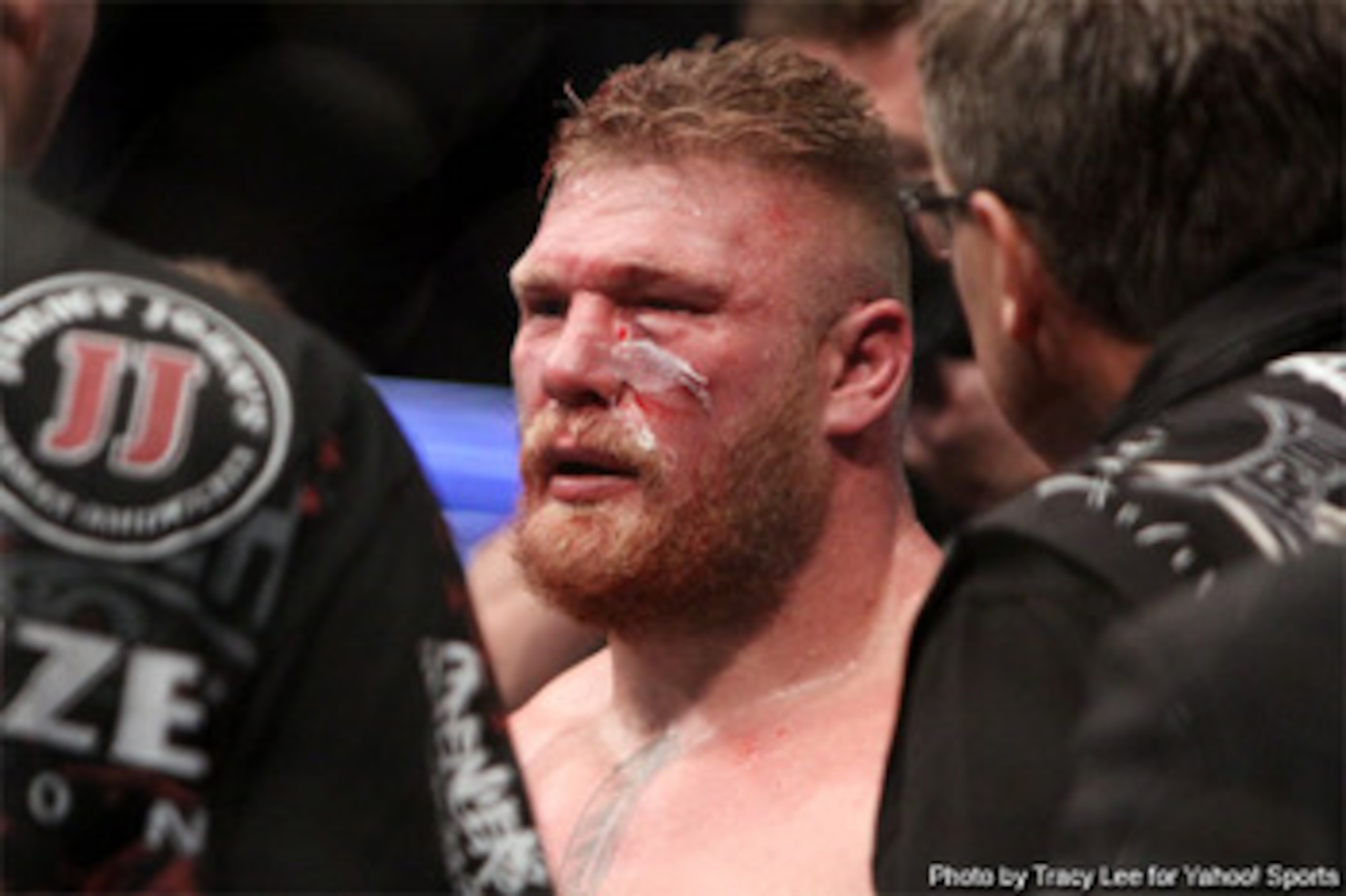
Lesnar spent seven months recovering from the disease that nearly cost him his life before he stepped back into the cage at UFC 116. While he made sure not to discredit his opponent, Shane Carwin, Lesnar would later reveal that he didn’t believe he was anywhere near 100 percent at the time of the fight.
He went on to lose his UFC Heavyweight Championship at UFC 121 to Cain Velasquez. Whether his health had anything to do with it or not, Lesnar explained on the most recent conference call that he wasn’t quite in peak form for that fight either.
“I’d say I was 85-90 percent, but I don’t think I was the same athlete,” he told us.
Simply put, it doesn’t sound like the first bout with diverticulitis ever really ended. His lack of energy in training can be directly traced back to the flare-up and could have very well contributed to his less than stellar performance against Velasquez.
Desire to Continue Fighting
5 of 6
Upon learning that his low-fiber diet likely played a role in his potentially career-threatening condition, Lesnar explained to the media that he was making a change.
"What got me here was a total protein diet. Not enough fiber," Lesnar said. "I totally changed my diet now.”
The change of diet was an absolute requirement if Lesnar wanted to continue fighting, and he has done it. But the disease still flared up.
As a father and husband, Lesnar did make sure to impress upon everyone that while he loves fighting, his family will always come first.
The person I am doesn’t want to back down from a fight, but my health and my family are more important than stepping in the Octagon for I don’t care how much money,” he said on the conference call. “If you don’t have your health and your family, you don’t have diddly squat.”
UFC President Dana White agreed with his most popular fighter and wanted to see him get this situation addressed before they went any further with another fight.
“The first thing I said was, ‘Go to the doctors, see what happens at the Mayo Clinic and we’ll go from there. We’ll take it one day at a time,'" White recalled.
But both men agree that the ultimate goal is to get Lesnar back in the UFC cage, where he can do what he loves.
“I want it more than anything to fight Junior Dos Santos, to win that fight, and get a shot to fight Cain Velasquez,” Lesnar said.
Conclusion
6 of 6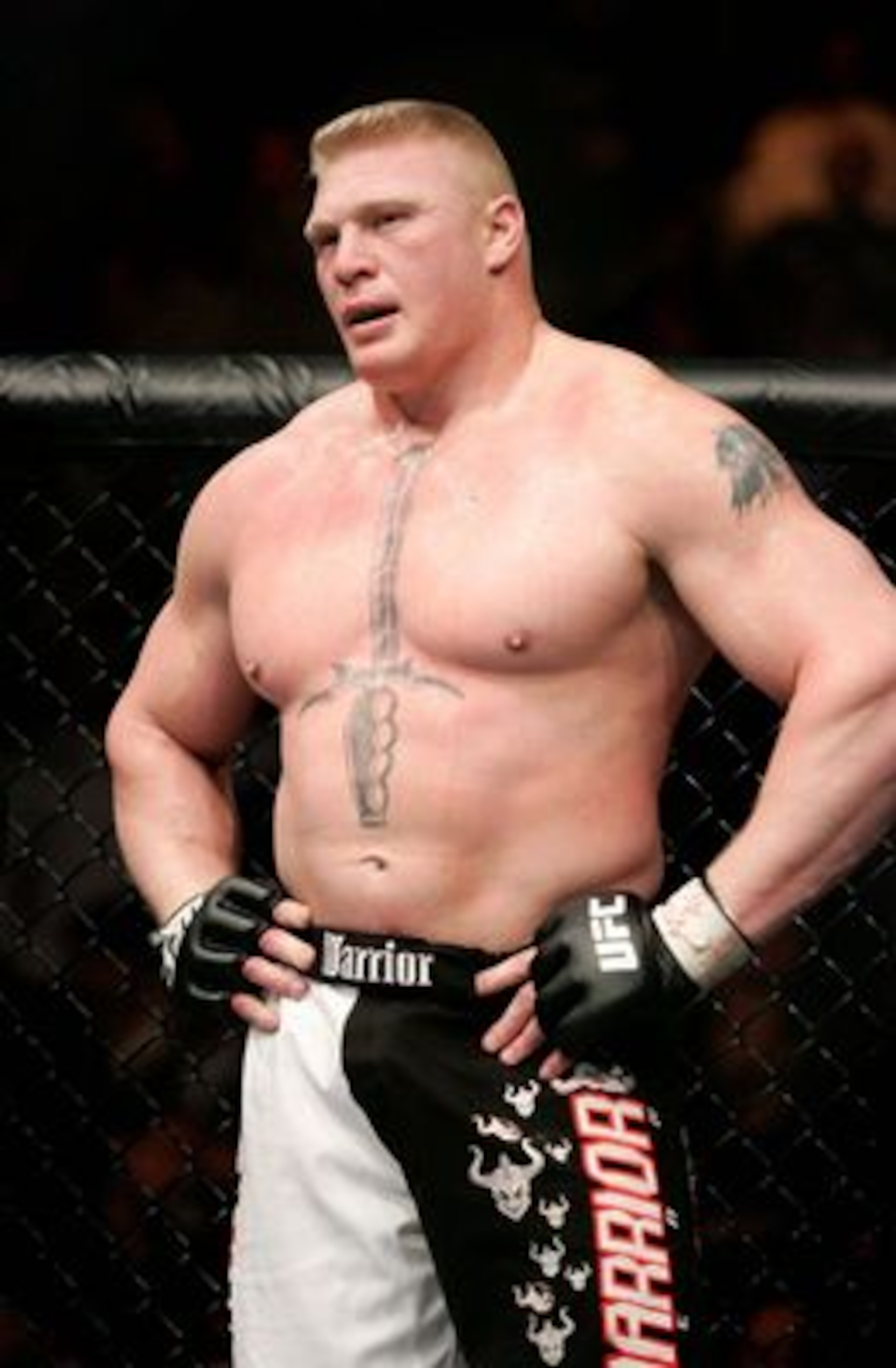
The bottom line is that until we know more about the severity of the most recent flare-up, we won’t have a great idea of whether or not we will ever see Brock Lesnar back in the UFC cage.
If it is a minor flare-up that is simply draining his system, it is possible that some antibiotics and a slight variation in diet could be the remedy.
But if this situation is more severe, Lesnar could be going under the knife. That could mean months of recovery time or more. Even then, it’s not guaranteed that the disease will be completely gone.
But even given the uncertainty of the situation, Brock seems convinced that this recent bout with diverticulitis will not spell the end of his career.
“I’ll tell you one thing, I’m not retiring,” he declared. “I love this sport. This is not the end of Brock Lesnar.”
We should know more in the upcoming weeks or months, but given the history of the former UFC Heavyweight Champion and his desire to overcome anything and everything in his path, this disease will not be victorious.

.jpg?w=2560 "LA Premiere of \"Chad Powers\"")