
Roger Federer: Can We Get Used to Him as the World's New No. 3 Player?
Here I am, composing a piece that I didn't think I would ever be writing. But in tennis, like in all things, you never know what's around the corner.
Though this probably puts me in the minority, I was not a fan of Roger Federer for quite a long time. Watching his matches and listening to his interviews, I thought he was arrogant. Unfortunately, because of that wall I put up, I never paid much attention to his skill set or his personality in general. I simply couldn't find a place of objectivity.
That changed last year. I took an interest, and due to my new-found interest in Federer, I decided to do this slideshow.
Now, there are a variety of opinions on tennis, and I don't claim to have the "right one." I am simply expressing my view on the subject. For the sake of good conversation and discussion, I welcome feedback from all who take a moment to read my piece. For taking that moment, thanks in advance.
To begin this discussion, we have to ask a basic question pertinent to the discussion at hand: What are the main reasons for Federer's fall to No. 3 in the world? What happened to cause a player who held the No. 1 spot for 237 consecutive weeks (setting a record, I might add) to gradually descend to a a lower ranking? Once we look at the reasons behind Federer's slip, we can ask the big question: is seeing Federer at #3 is something we can get used to?
During this slideshow, I'll provide what I think are key points to consider when discussing Federer's drop in the rankings. Let's begin.
Federer's Level of Play
1 of 4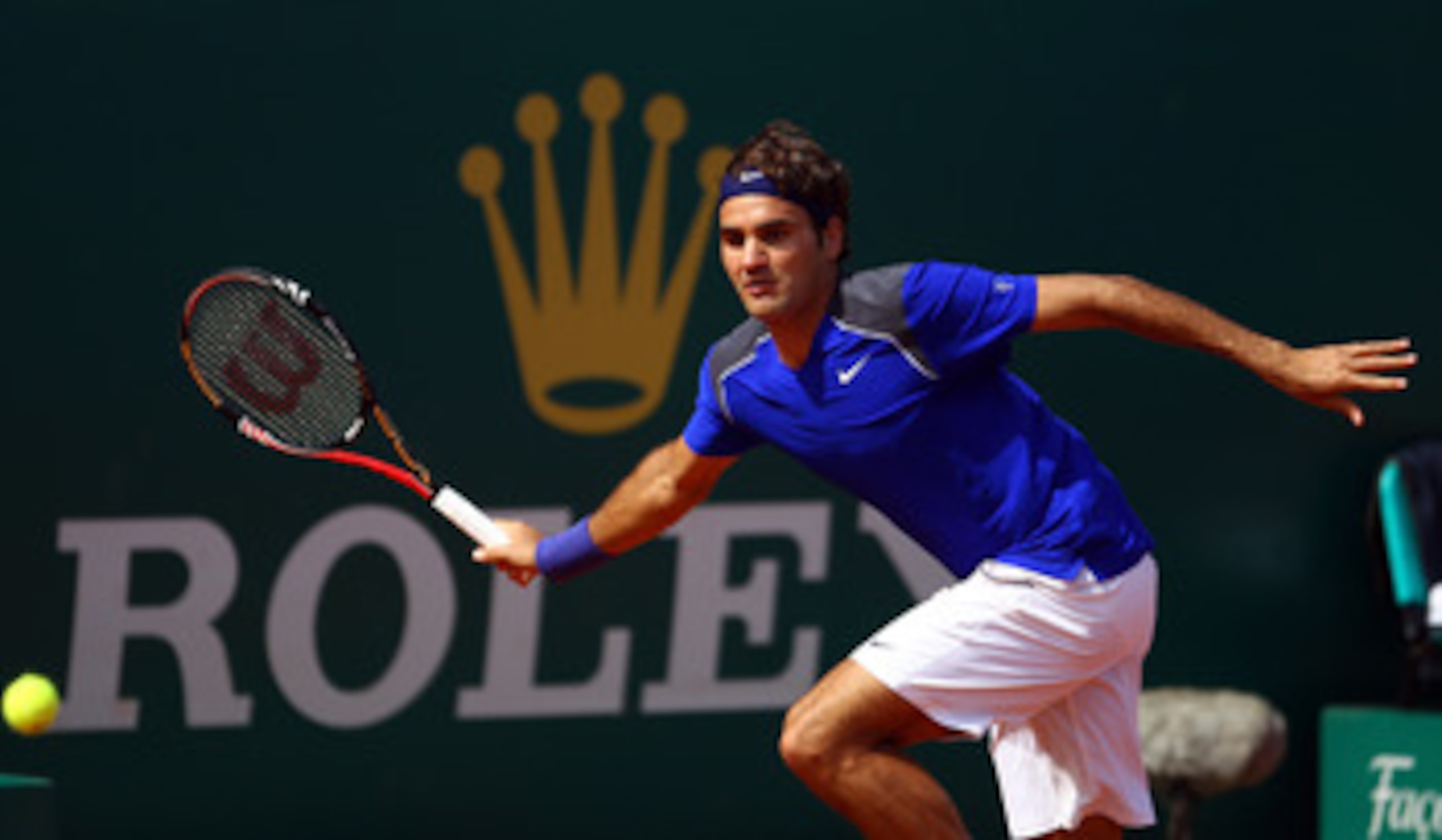
In doing research in preparation for this piece, I looked at a lot of information and thought about a lot of things, but one fact stuck out to me.
On www.tennis.com, under Federer's stats, there is a simple, yet profound graph of his rankings. It's quite clear that Roger's career went through a decline in 2008 as he slipped to the No. 2 spot. However, it is even more vivid that his career has been on a more serious decline from 2009 to the present, depicted by a very steep drop-off.
That decline, to me, is directly correlated to Federer not playing at the top of his game—the way we as tennis fans are accustomed to and expect him to play, because we know how skilled he is on the tennis court.
Federer has had some good moments, he won five titles in 2010 and has won one title so far this year. However, it's his dominance of the "big four" (Grand Slam) tournaments and his high level of play that's missing. Of those five titles last year, only one was a Grand Slam—the Australian Open.
In one of his latest and most surprising matches, at the Rome Masters, Federer lost in the third round to Richard Gasquet. Federer had prevailed in their previous eight meetings. Speaking of level of play, Federer had 30 unforced errors in this match. Additionally, this was a three-set match with tiebreakers in both the second and third sets. It was simply not like Federer to lose in this manner.
Over the past two years, we have continually seen glimpses of the star player we know Federer is, and then, someone else shows up to play. The consistency that Federer has come to be known for is missing.
Federer's Mentality about His Situation
2 of 4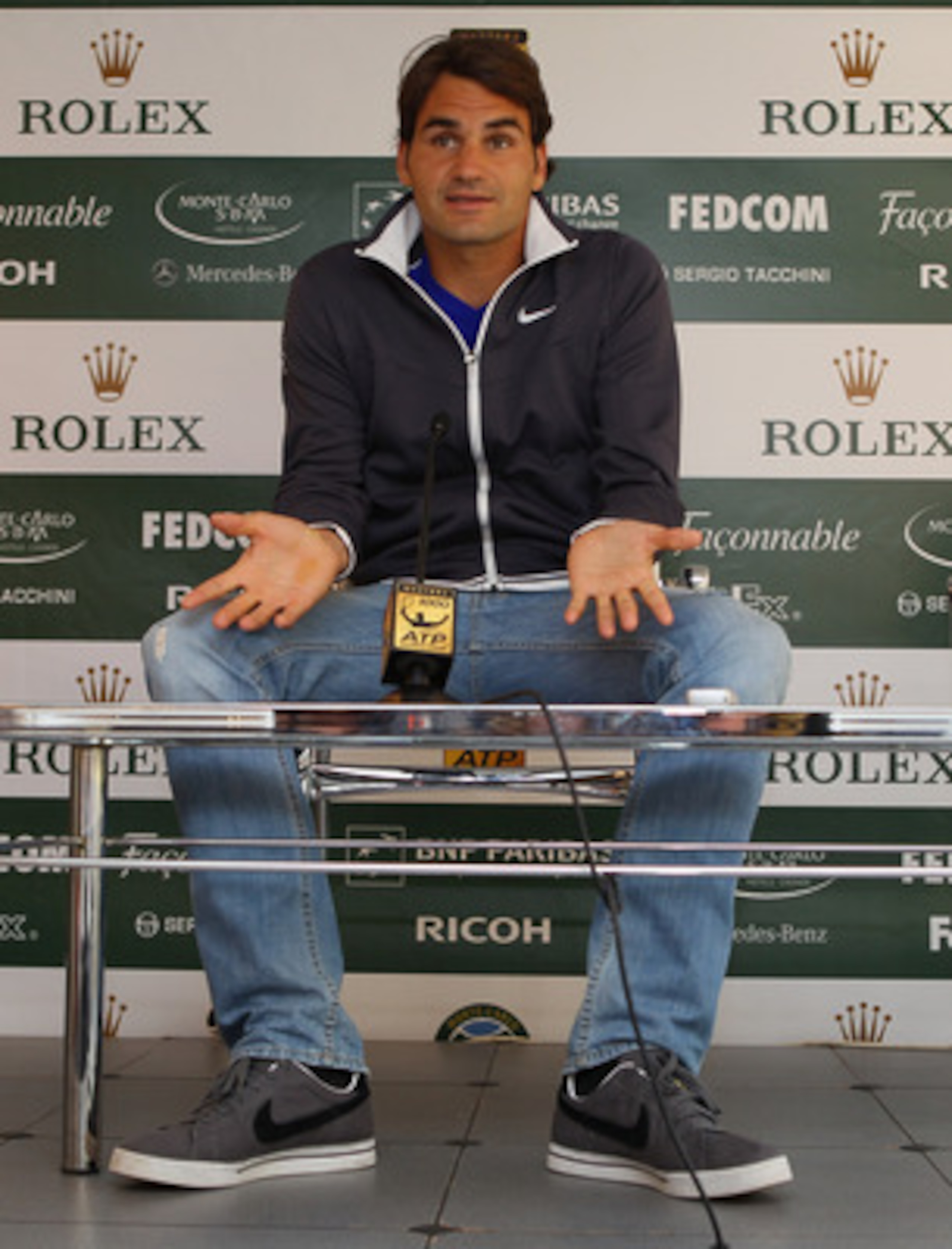
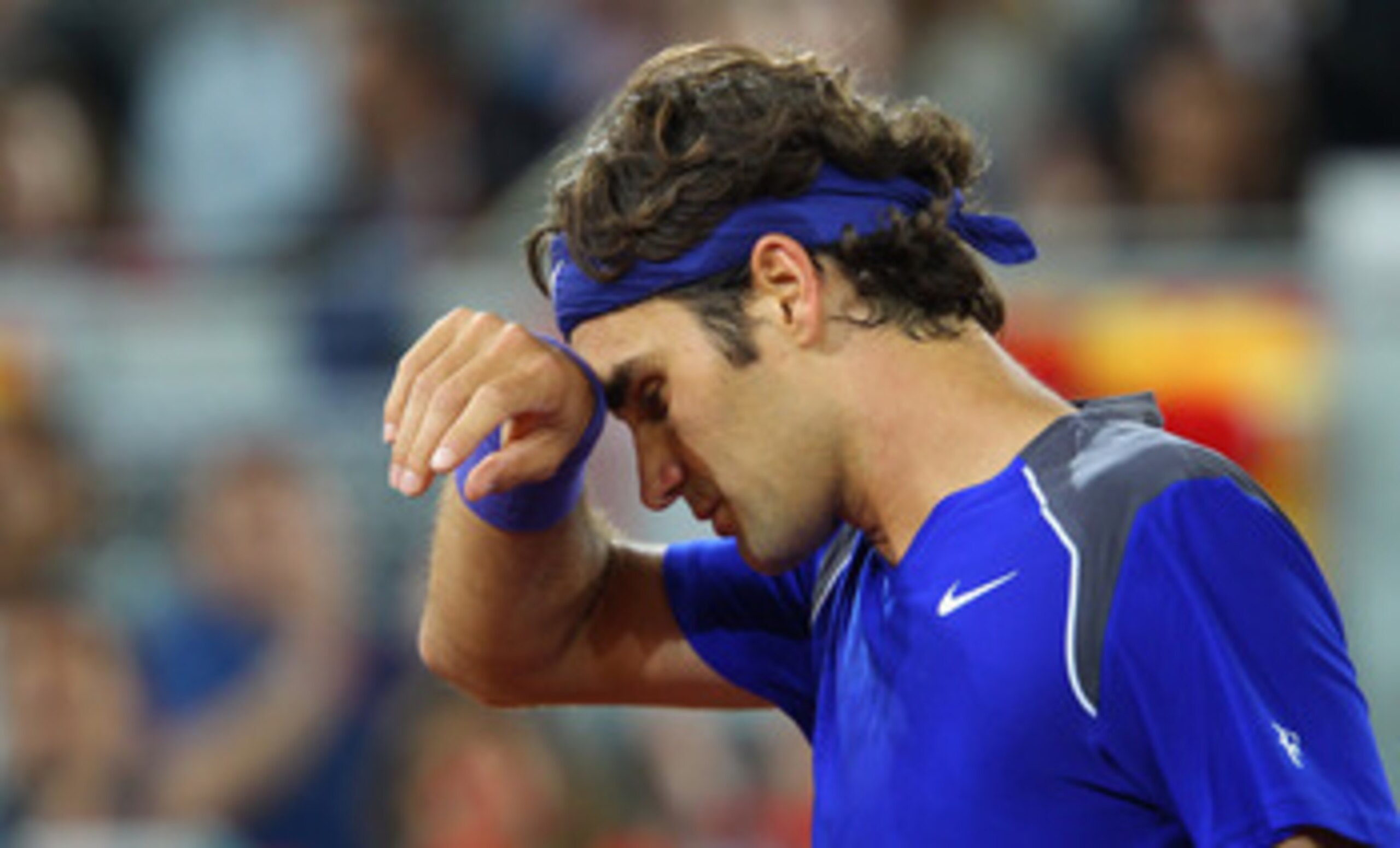
It seems as though Federer no longer has the sheer dominance over the game of tennis that he once did. At one time, players entered the court concerned because they were about to play the great Roger Federer. Now, his dominance seems to be waning as his vulnerability has been revealed. Players may still feel—and some probably do feel—somewhat intimidated, but now, Federer's air of invulnerability is gone.
No one can say going through this decline has no effect on a person mentally. Federer is no different. I think he "rode the wave" of knowing and hearing that he was continually making history as one of the greatest players in tennis. He saw and heard players expressing how intimidating he was through their on-court play and dialogue.
His experiences had to create an ego, whether Federer welcomed it or not. Saying this is not meant to imply that Federer wasn't playing great tennis, he was.
However, I don't think that during the height of his career, Federer was using his time effectively. Constantly hearing about his greatness led him to stop training and performing at the level he was working at before his success.
Federer has been forced to see that he has to change course. His complacency, for lack of a better word, has been disturbed. Though others had been seeing his vulnerability, he started to see and experience it for himself, which has been evident during this shift in his career.
Several times while watching Federer play, I've been disappointed when I haven't seen that hunger to win, or I saw frustration on his face. You cannot help but acknowledge and respect his drive. This has to be a difficult place for him mentally, but learning from his results could be the motivation he needs to overcome his recent struggles.
Other Players' Level of Play
3 of 4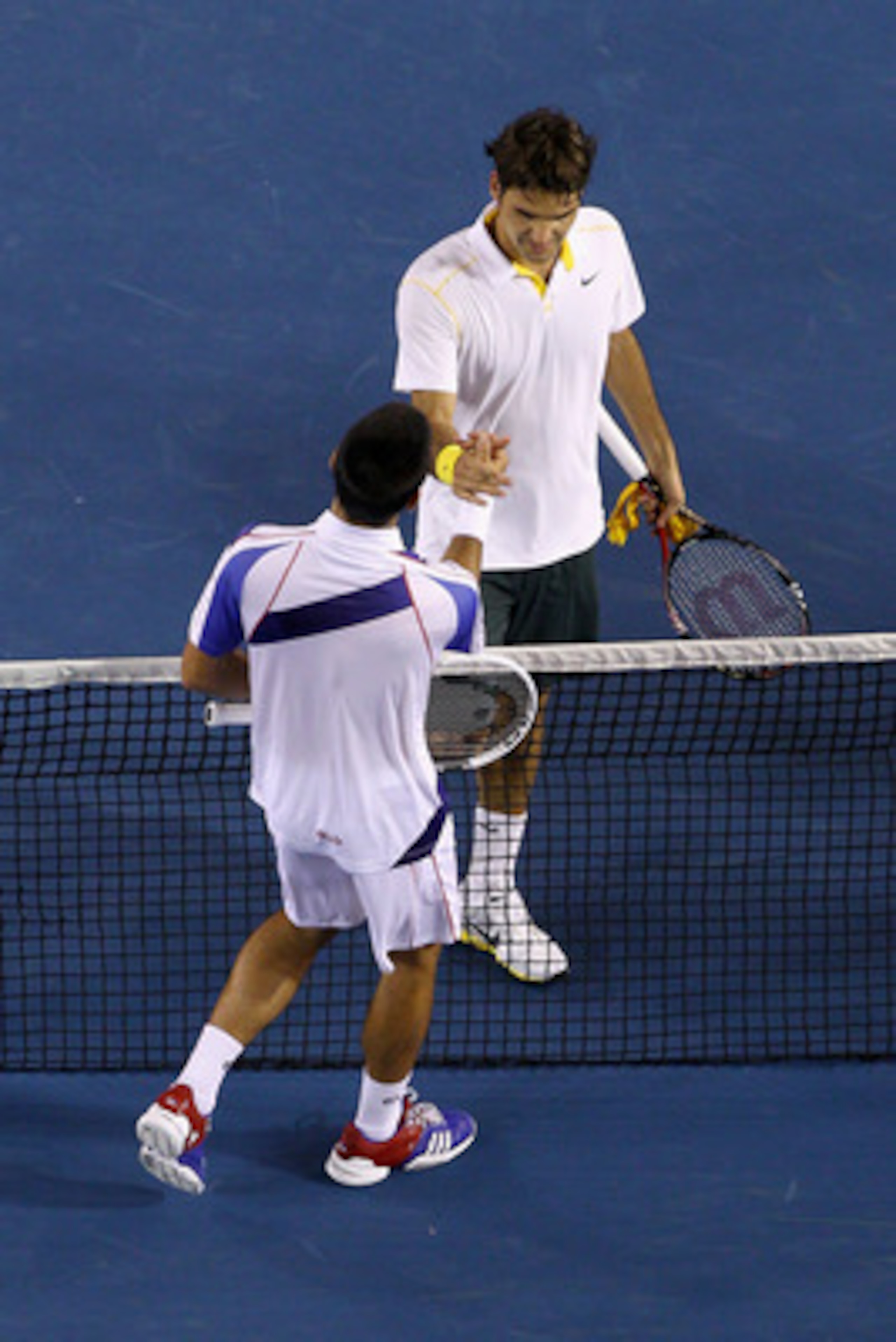
As a tennis fan, nothing is better than a nail-biting tennis match, the kind where you believe you're coaching each player, yelling advice.
When tennis players raise their level of play, it provides for that type of match. It's been apparent across the board—for both men and women—that in tennis over the past several years, players have been stepping it up.
Probably the most obvious player making huge strides in his game has been Novak Djokovic. We all remember a player that had the skill set, but for one reason or another—often his emotions—he just couldn't break through.
Now, here we are in 2011 and Djokovic has been on a massive winning streak, showing that he's taken his game to the next level. He, like many other players, is now showing the hunger and relentless drive that was so profound in Roger Federer.
Speaking of Djokovic, Federer still has the edge in their overall head-to-head matchups, but if Djokovic continues to play as well as he has, that dominance may not stand for much longer.

The Verdict
4 of 4
And now to answer the big question: Can we get used to Roger Federer as the No. 3 player in the world?
I think we have to. Although we know how skilled Federer is as a tennis player, in my opinion the issues that resulted in his No. 3 ranking are in his own hands.
No one can identify, break down and resolve the specific issues at hand except for Federer himself, and until he does, we have to accept his ranking.
In an article posted on www.rogerfederer.com, Federer made comments very relevant to this topic when asked about Roland Garros.
"I'm looking forward to a few days to stay mentally and physically fresh and practice very hard," said Federer.

.jpg?w=2560 "Latest Peyton-Colts Rumors")