
MLB Draft 2011: Mid-to-Late Round Players to Keep an Eye on
Anthony Rendon, Gerrit Cole, Bubba Starling...blah, blah, blah!
If you follow the MLB draft as religiously as I do, or even if you're just casually interested in the topic, it's pretty certain that you've been hearing these same names pounded into your head for the past few months.
And while getting any of those top picks would be amazing, a team's draft is made up of much more than just it's first-round pick.
Just in case you forgot, the 2010 MLB draft featured 1,525 picks.
Also keep in mind that some of the game's brightest stars were late-rounders, including:
- Jose Bautista, 20th-round in 2000
- Austin Jackson, Eighth-round in 2005
- Rajai Davis, 38th-round in 2001
- Matt Holliday, Seventh-round in 1998
...and the ultimate late-round victory...the 13th-round draft pick in 1999 by the St. Louis Cardinals...one Albert Pujols from Fort Osage HS in Independence, Missouri.
So don't fret when your favorite team selects somebody you've never heard of or someone with a terrible history of injuries. There's hope, with these guys, in the later rounds of the draft.
Noe Ramirez, RHP, Cal State-Fullerton
1 of 15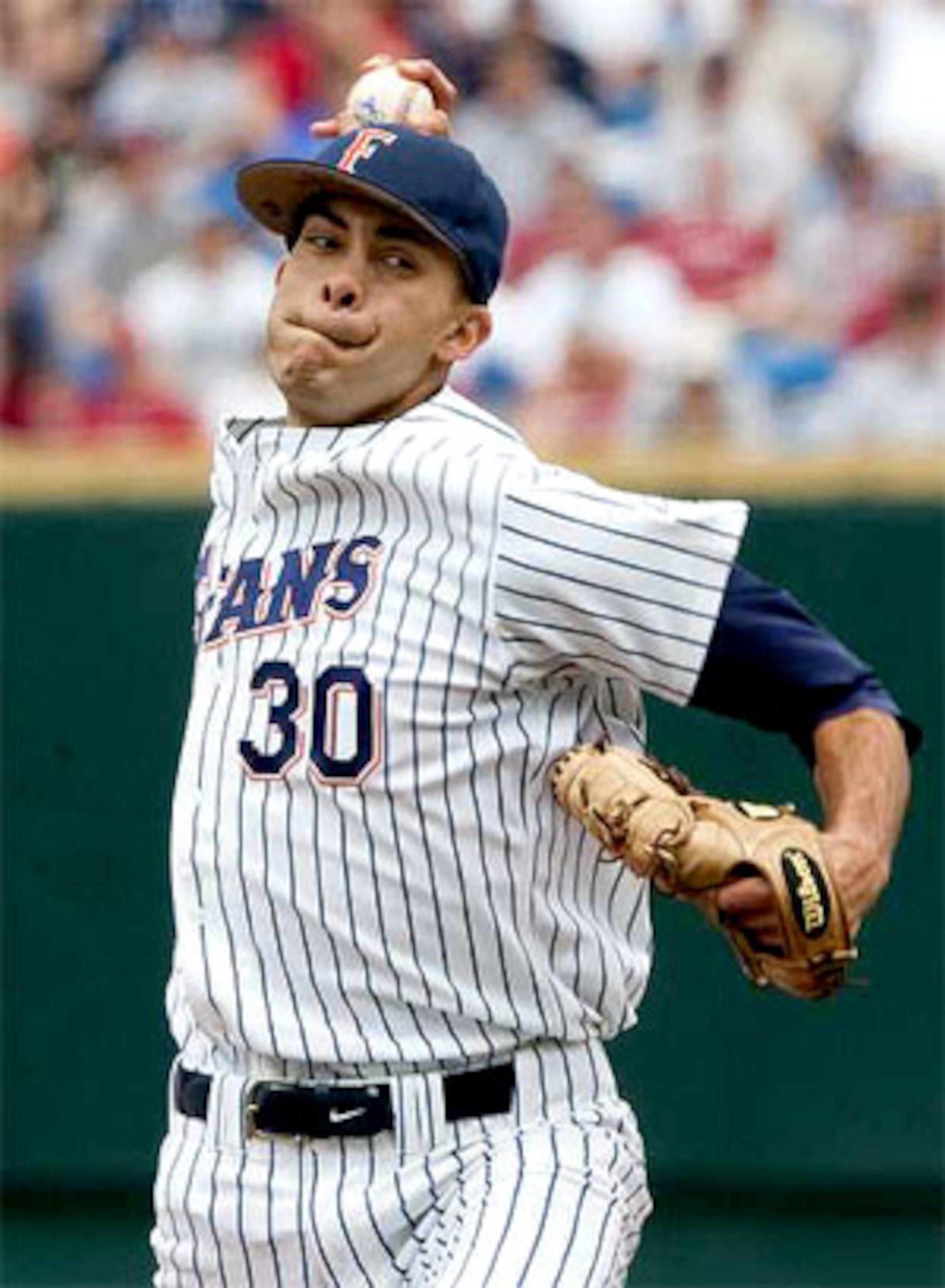
Check out Ramirez's stats, and you'll wonder why his name isn't mentioned among the top college arms in this draft.
He went 9-2 as a starter his freshman season and struck out 100 batters in 110 innings of work. He also posted a 3.33 ERA for a very talented Cal State-Fullerton squad.
Last season, he was even better, quietly having an amazing year, posting a 12-1 record, a 2.54 ERA and 119 strikeouts (with only 19 walks) in 106 innings.
And after the season was done with, he went to work in the bullpen for the Team USA collegiate squad, working often as the closer, a role that he seemed like a natural in.
This year, he's been just as dominant, but back in the rotation, winning eight of his 11 starts and posting an 84-to-15 K-to-BB ratio in 76.2 innings.
The reason Ramirez doesn't get as much love as Gerrit Cole, Taylor Jungmann or Sonny Gray is because of his lesser velocity. He was mostly pitching in the high 80s the past few seasons but has added a few ticks and can now reach into the low 90s. So far at Fullerton, he's thrived on his excellent secondary pitches and his pinpoint command.
He does have an excellent slider, which leads many to think he may be cut out to be a reliever at the pro level. That would also make his ability to develop his change-up more of a moot point.
Despite his lesser velocity and not-so-promising future, Ramirez seems to rise to the occasion anytime he's challenged. Like when he went toe-to-toe with eventual 2011 top five pick Gerrit Cole in the Super Regionals last year. Ramirez out-dueled Cole and led Fullerton to a 4-3 victory.
I wouldn't count him out.
Greg Bird, C/IF, Grandview HS (CO)
2 of 15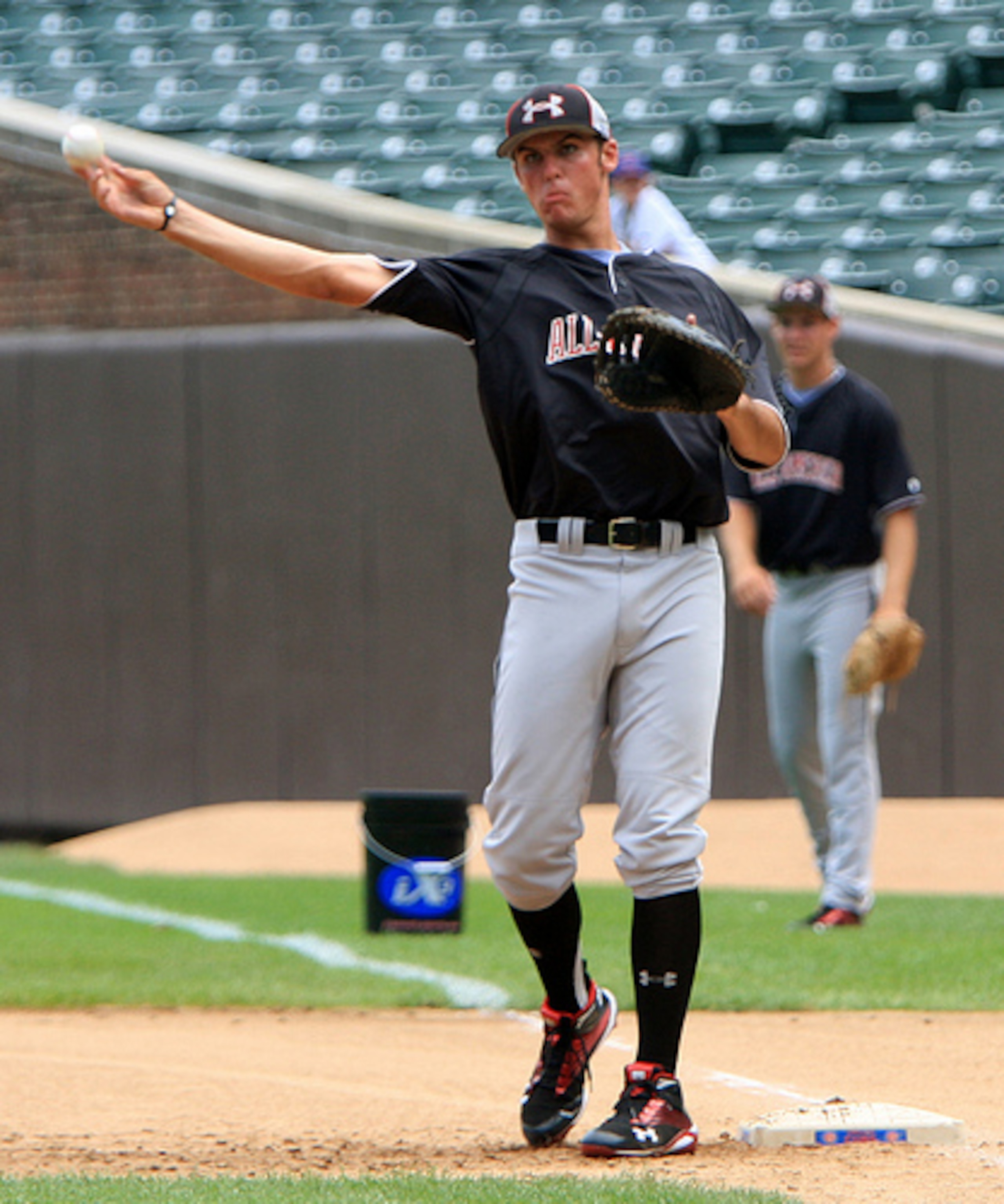
Bird is a former teammate of 2010 sixth-round pick Kevin Gausman, who refused the Dodgers offer and headed off to LSU, where he has had a very solid freshman season.
Bird is a talented prospect in his own right, but just might slip through the cracks and end up as a third-, fourth- or even fifth-round pick. At 6'4" and 220 pounds, you wouldn't necessarily think that Bird will end up behind the plate in the long-run, but for the time being, playing there has helped enhance his draft stock. Most scouts seem to agree that he'll likely have to move to a corner infield spot. He has more than enough arm for third, which would seem the most likely landing spot.
Regardless of his position, Bird will be a nice find in the middle-rounds due to his seasoned bat. He's been unstoppable against Colorado high-school competition, bashing home runs at such a high rate that he's become a regular intentional walk against most teams. Baseball America reported last August that he was once walked intentionally six times in one game!
Team's don't do that for just anyone.
Bird also has a great eye at the plate. It probably helped spending two seasons catching Gausman, who can fire fastballs in the low-to-mid 90s. Bird does have a commitment to Arkansas in his back pocket.
Joe Panik, SS, St. John's
3 of 15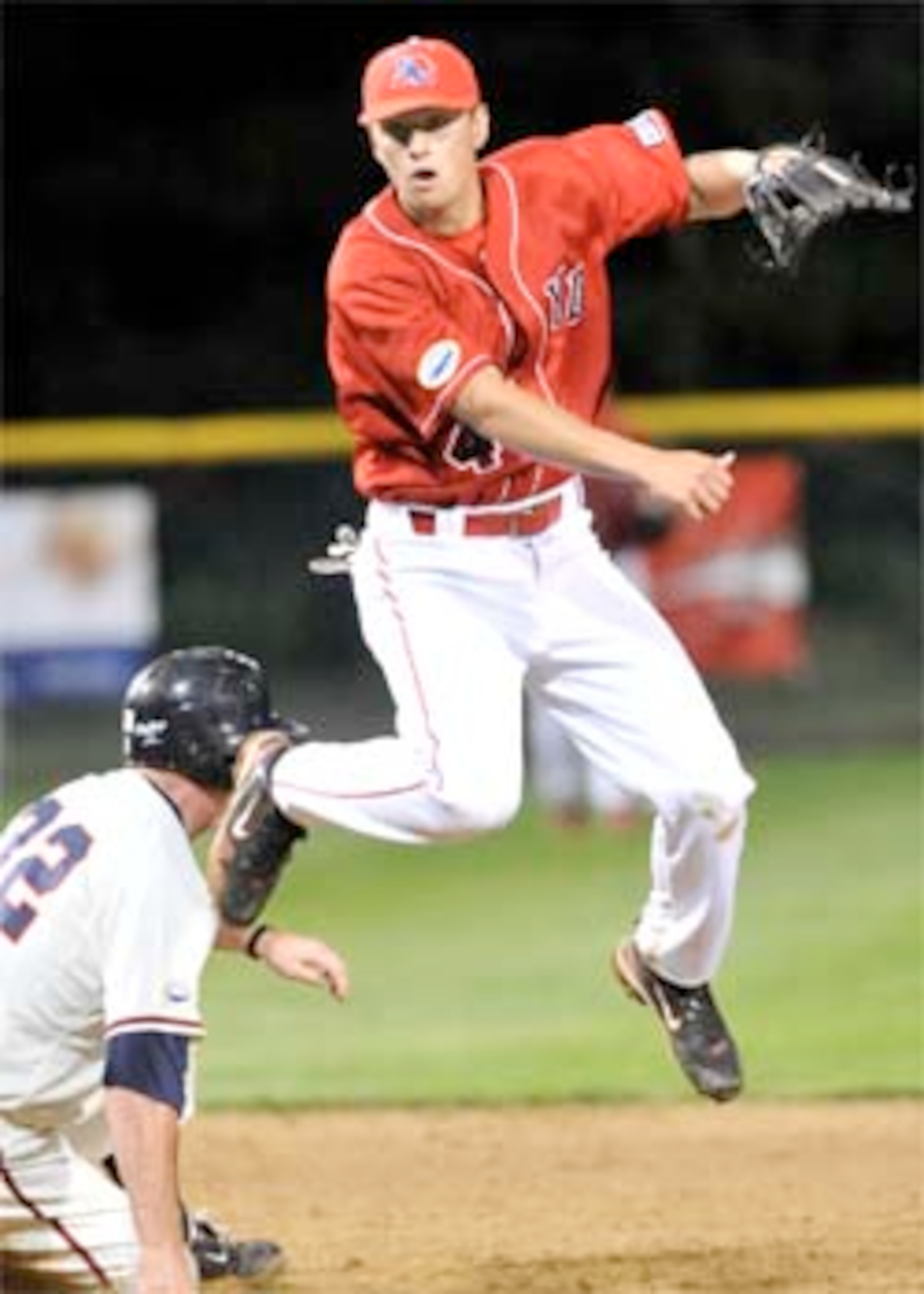
Panik has many things going for him.
For starters, he's one of the top defensive shortstops in the college crop. He has good size (6'2" and 195 pounds) and has excellent athleticism for the position. He has a great arm and can make all the throws.
Defensively, Panik is a stud. It's his offensive potential that has him pegged for a third- or fourth-round selection.
He doesn't offer great power, but he has shown the ability to make the transition to the new bats this year in college. After homering three times in his past six games, he now has nine homers and has proven to be a capable run-producer for St. John's. His biggest strength at the plate is his ability to make consistent contact. He has only 19 strikeouts this season in 50 games to go along with his .396 average, which is one of the best in the country.
He has some decent speed, which should be a nice addition for whichever team picks him. He has 17 steals this season in 21 attempts and has three triples.


Bryan Brickhouse, RHP, The Woodlands HS (TX)
4 of 15
Like Bird, Brickhouse is a former teammate of a 2010 pick, No. 2 overall selection Jameson Taillon.
Unlike his former rotation-mate, Brickhouse isn't likely to be a first-round selection. But, that doesn't mean he isn't plenty talented. And since he has a commitment to UNC, where they turn high-school studs into finely polished professionals like Matt Harvey and Alex White, it's a good bet that somebody will try to snatch him up and throw a lot of money at him.
Brickhouse has a solid fastball that sits in the low 90s and skims 94-95 mph. The pitch has some good sink on it and has the makings of a plus offering. He throws two different breaking balls, a curveball and a slider, with the latter being the more effective pitch. He tinkers with a changeup, but doesn't throw it too much.
Brickhouse is also a very good athlete, who should have no trouble fielding his position.
The biggest question marks on him, and these are the reasons he'll slide so far in the draft: his velocity, which is good, but not elite, and his tendency to try to throw too hard.
He is from Texas, where they breed fire-ballers a dime a dozen, so that is to be expected. Assuming he can tone down his over-throwing habits and work with what he has (a good fastball with sink), he could be a sweet find
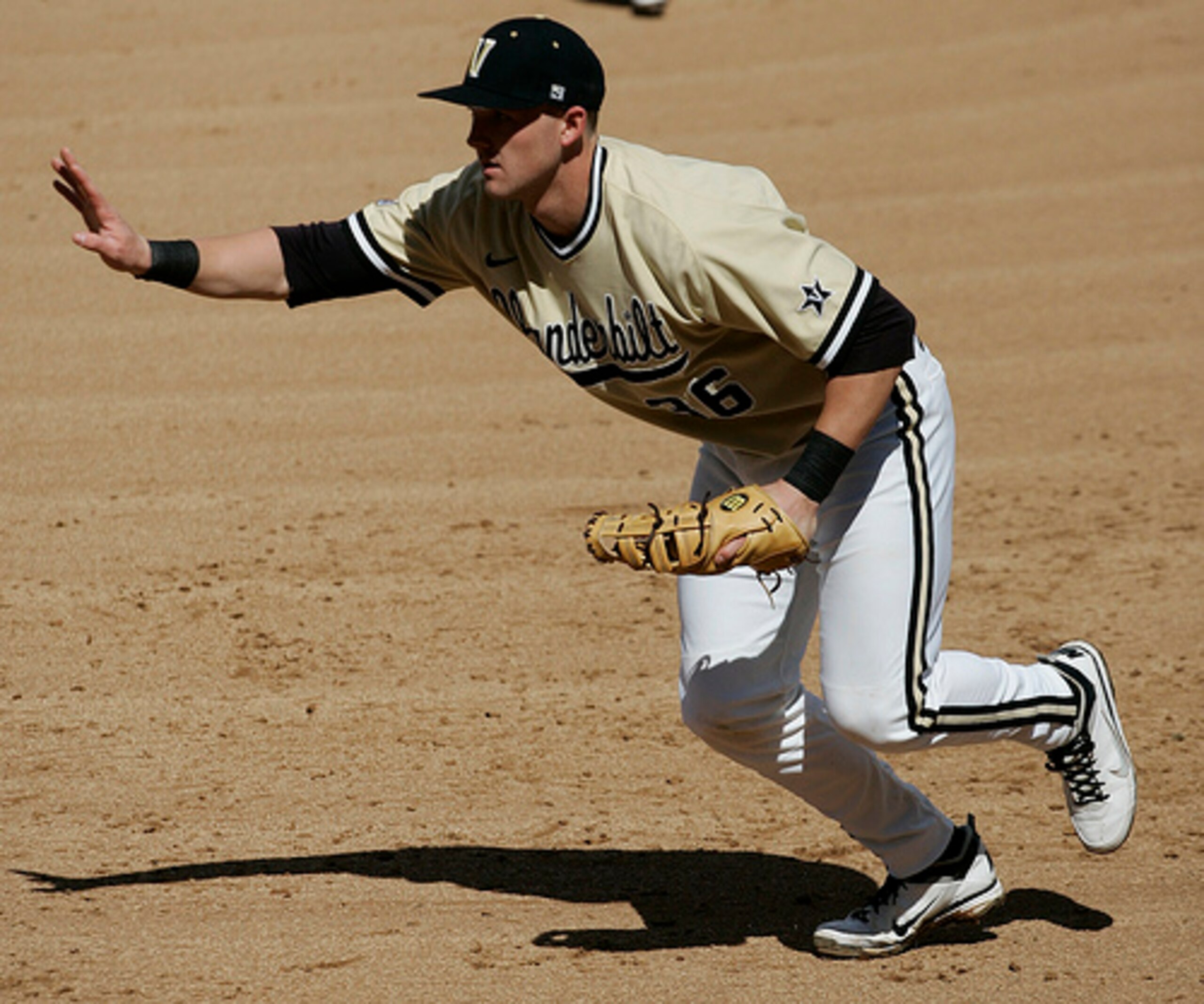
Aaron Westlake, 1B, Vanderbilt
5 of 15
Westlake very well may have some of the best power in this draft, but the fact that he has had trouble translating that into games will be the main reason he slides down team's boards on draft day.
He's been much better as of late, and he's now up to 13 home runs on the season to go along with a .360 average and 43 RBI.
Playing at Vanderbilt has its advantages, and whichever team ends up with Westlake will be getting a very polished bat with a great eye at the plate. They'll also be getting a pretty solid defender who has made only four errors all season at first base.
As for his power-outage this season, the new bats are partly to blame, but with only 14 home runs last season, it's not like he was on pace to set any records anyway.
Michael Kelly, RHP, West Boca HS (FL)
6 of 15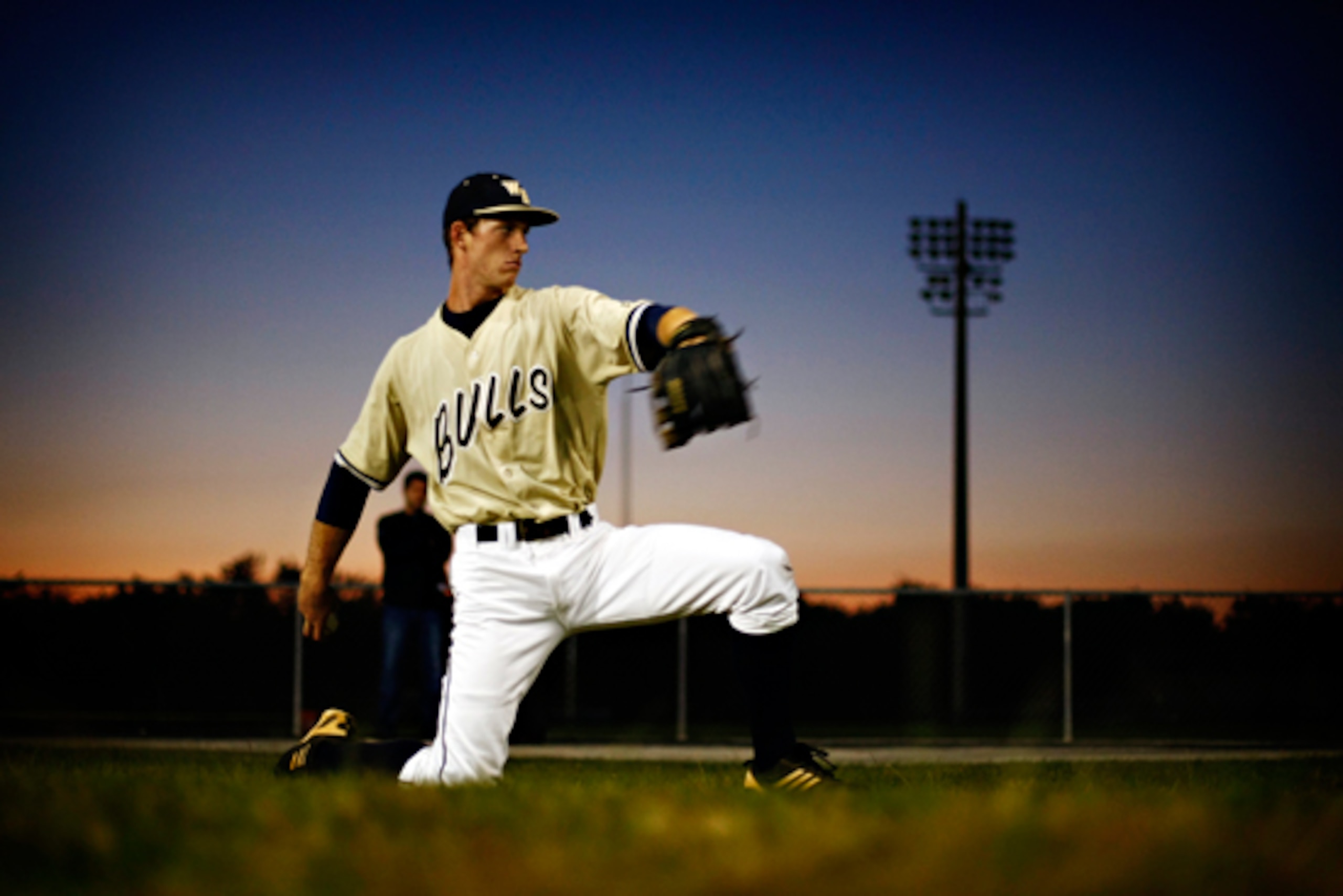
Kelly looks like he's headed to pitch for the Gators of UF, assuming he doesn't end up as a pretty high draft choice, which right now doesn't look very likely, but stranger things have happened in the weeks leading up to sports most unpredictable draft.
At 6'3" and 185 pounds, Kelly could still stand to pack some meat onto his lean frame, but what he already has seems to be good enough. He posted a 10-4 record and a 2.06 ERA for West Boca H.S. in 2010 and also hit .323 with 17 RBI.
Kelly already throws in the high 80s to low 90s, and I expect him to add a few ticks as he packs on some more pounds. That would give him a pretty impressive fastball to pair with his curveball, which could develop into an above-average pitch.
Both pitches served him well in 2010, as he led West Boca to a district championship, tossing a complete-game five-hitter, while striking out seven batters.
And he's been at it again in 2011, leading West Boca to the state championship game with his bat, crushing a two-run homer to clinch the spot in the title game for WBH.
Josh Osich, LHP, Oregon State
7 of 15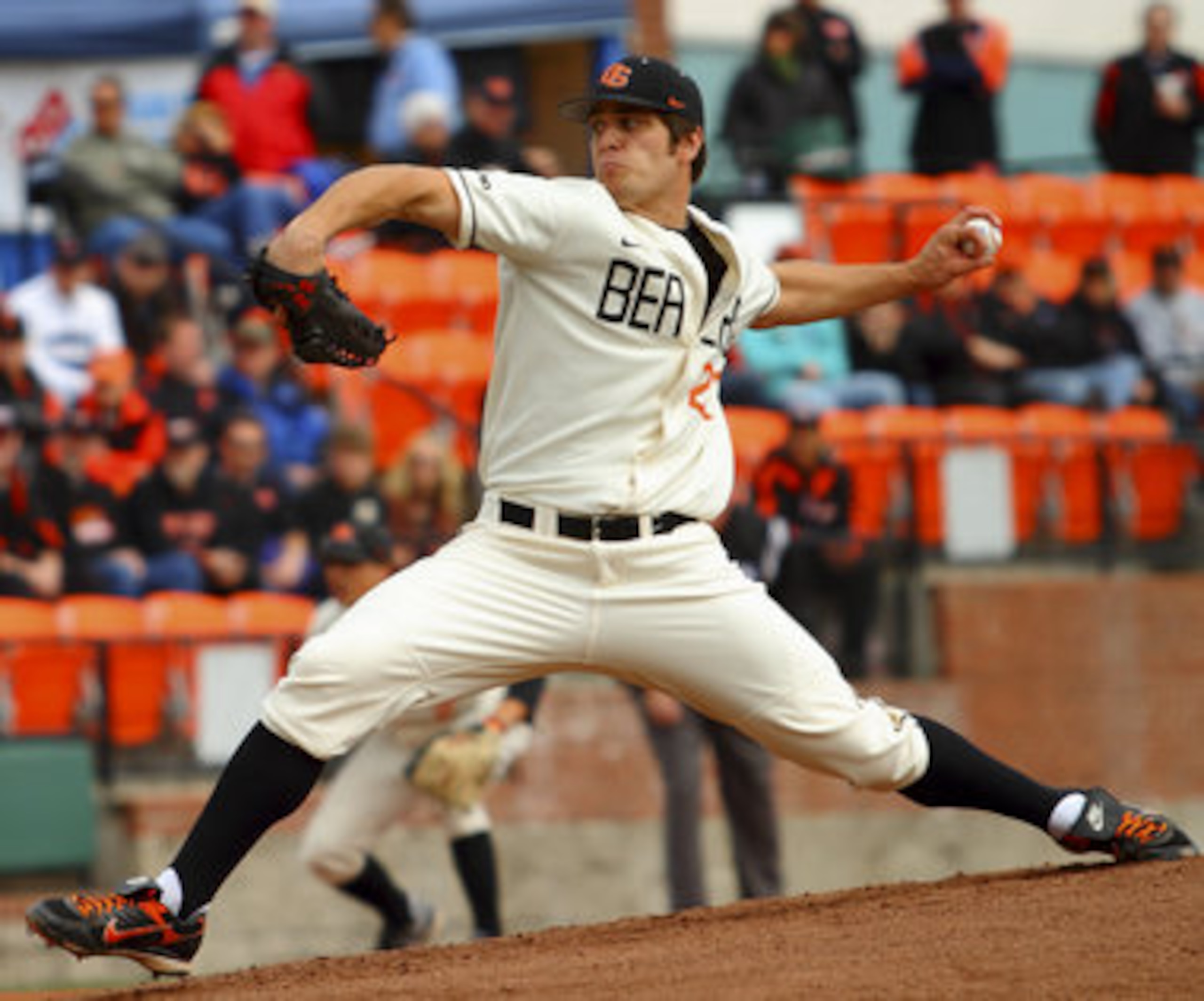
For some reason, teams still sleep on guys who have had Tommy John surgery.
Add Osich's name to that ever-growing list, despite the fact that he was throwing 96-98 mph before he went under the knife last year.
Osich is finally back on the mound, and if the recent results are any indication, he's climbing his way back up the draft boards. Against UCLA, he bested Trevor Bauer's 15 strikeouts with a nine-inning no-hitter, only the fifth in school history. He struck out 13 and was one walk away from a perfect game.
The main reason for Osich's recent success has been the addition of his curveball back into his repertoire. The team had him lay off throwing the pitch so soon after his rehab in order to allow him to work his way back into pitching shape. He threw only a handful of curves during the UCLA game, but it was enough to keep hitters on their toes and allowed his fastball-changeup combo to play even better.
For the season, the lefty is 6-3 with a 3.44 ERA for one of the nation's most surprising teams. He has 74 strikeouts in 70.2 innings.
More importantly, he's healthy and has put TJ behind him.
Josh Tobias, SS/2B/3B, SE Guilford HS (NC)
8 of 15
Tobias is another talented infielder who looks like the complete package.
He's headed to Florida, but don't be surprised if teams are wowed by his tools and his "lead-off guy" potential and make him a mid-round pick.
Then all they have to do is sway him away from the prohibitive favorite to win this year's CWS title.
Tobias is a switch-hitter, like so many of these high school infielders coming out. He has a very unorthodox swing that features some early movement that you have to think will affect his hitting at the pro-level. Fortunately, it hasn't hurt him much in high school.
Like Shawon Dunston Jr., he has excellent speed. That should serve him well provided he doesn't ever grow into his average raw power.
He is a UF commit, so you know if he forgoes pro ball for a chance to play with the Gators, he'll most likely get some expert coaching and get his swing straightened out. He could emerge as one of the top infielder prospects for the 2014 draft.
Jack Armstrong Jr., RHP, Vanderbilt
9 of 15
About this time last year, Armstrong was building some serious draft helium for the 2011 season. He had settled in as a weekend starter on a very strong, very seep Vanderbilt squad.
He was athletic, over-powering and supremely effective, churning out mid-to-high 90s fastballs and showing a wicked curveball.
A year later, Armstrong is a middle-reliever for the Commodores as they hunt down another trip to Omaha and struggling to keep his name relevant in the hopes that he can salvage a mid-round selection.
Armstrong has been struck by a little bit of everything this year. He missed the first few weeks with an injury, and by the time he returned, Vandy had found their weekend starter in Grayson Garvin, who has been almost every bit as good as staff-ace Sonny Gray this season.
Armstrong found himself pitching in the later innings and found those opportunities quite sparse, as the team's starters tend to usually go pretty deep into games, especially Gray, who has three CGs on the season.
As the season has worn on, he's found more opportunity, and he's actually been pretty good, although the usual control issues have once again reared their ugly head. As a result, Armstrong has a 2.81 ERA, but also one more walk (16) than strikeouts (15) in just 16 innings.
He still throws very hard, and he is an incredible athlete who was a legitimate basketball recruit coming out of high school. That should be enough to get him picked somewhere between rounds three and seven.
Tyler Greene, SS, Roswell HS (GA)
10 of 15
From Roswell, GA, Greene plays in one of the best states for high-school talent.
Just ask the Braves, who have discovered Brian McCann, Jeff Francouer and 2010 N.L. Rookie of the Year runner-up Jason Heyward, not to mention another talented crop from the 2010 MLB draft.
The first thing you notice about Greene is his power. He's oozing with it. Unfortunately, you don't get to see too much of it unless pitchers are feeding him a steady diet of fastballs. He has lots of trouble with off-speed stuff.
Luckily for Greene, he's got more going for him. He should develop into a pretty good hitter provided he can figure out the tricky breaking stuff, and he has a big time arm and great speed.
Add it all up and you have a raw five-tool talent, assuming that he can develop as a hitter.
If he doesn't, it won't be for lack of trying. Greene has spent most of the past year gearing up for the draft, engaging in workouts and hitting exercises in quantities unseen in most of the projected first-round picks.
His relatively all-around raw skills, combined with his off-speed troubles, could drop him into mid-round consideration.
Ryan Carpenter, LHP, Gonzaga
11 of 15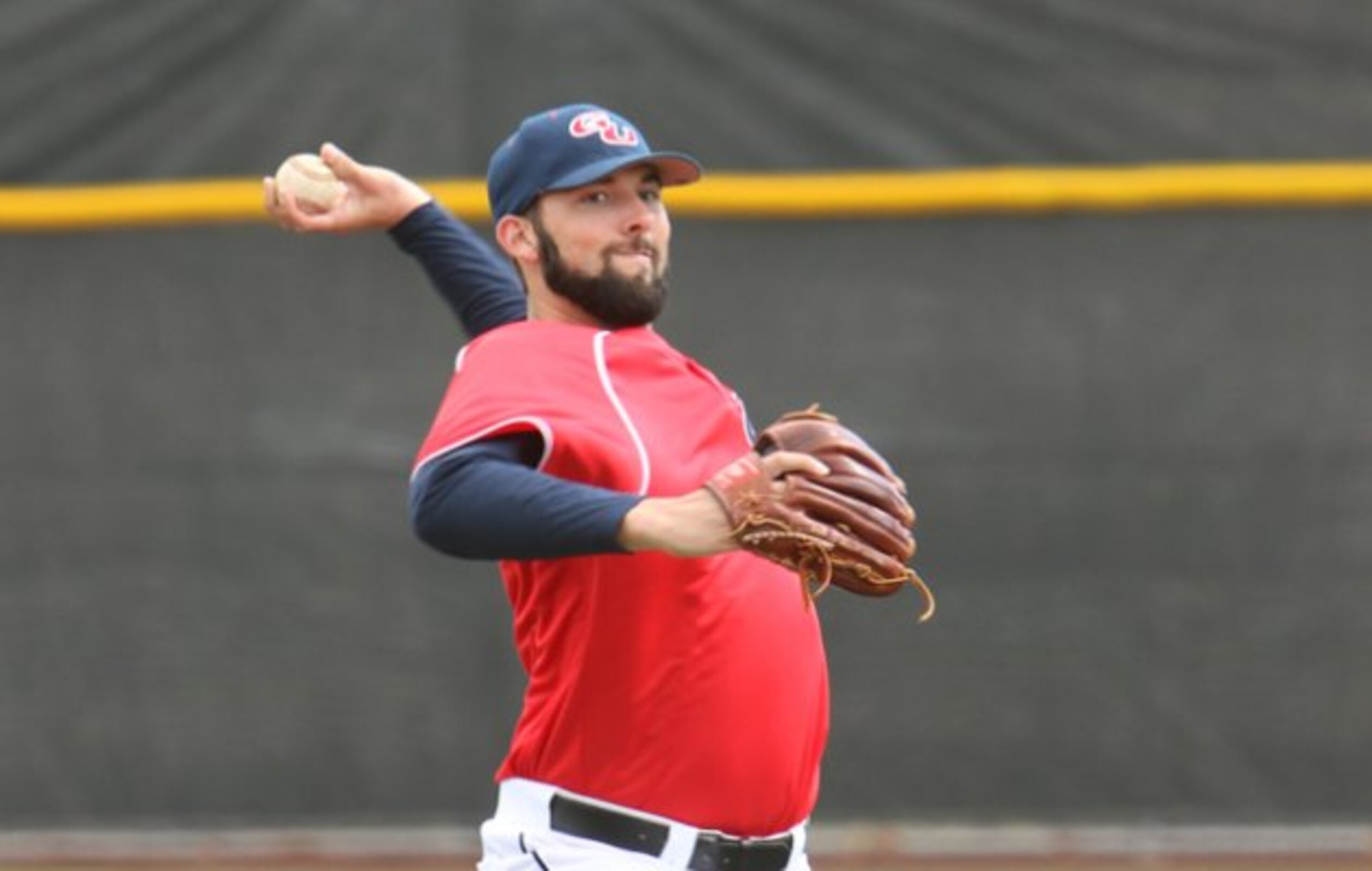
Carpenter is one of many college arms who have finally put it together in their junior season, securing their statuses as early-to-mid round draft selections.
For Carpenter, it's been a long, tough road.
A former 21st-round pick of Tampa Bay back in 2008, Carpenter spurned the Rays to pitch for the Zags. Despite having great potential, including prototypical pitchers size (6'5", 205 lbs) and a fantastic curveball, Carpenter struggled mightily, finishing his freshman campaign with an ERA over five. Things didn't get much better as a sophomore and he had an even worse year, notching an ERA approaching 6.00 and set a career-low in strikeouts.
Through it all, Carpenter continued to show great stuff and a solid work ethic.
It finally started to pay off last summer, when Carpenter showed improved command and the ability to dominate in the Cape Cod League. He posted a 3-0 record, a 2.56 ERA and a 39-to-10 K-to-BB ratio in 38.2 innings. He also only surrendered one home run.
He carried that momentum over into the 2011 season and he's been leading the way as the team's ace. He's already set a career-high with eight victories (to only one loss) and has shaved close to three runs off of his career ERA. He has averaged more than a strikeout an inning and has an even 100 for the season. He's also continued to be incredibly stingy with the long-ball, serving up only two in 89.2 innings.
If Carpenter can finish strong, and I'm betting he will, he could find himself sitting pretty with a spot in the first five rounds.
Phillip Evans, SS, LaCosta Canyon HS (CA)
12 of 15
Evans is just another talented shortstop from this deep high school class.
Like Francisco Lindor, he too profiles as the kind of player who should be able to stick at short.
He's got a compact build (5'10" and 180 lbs) but really amazing strength.
At short, he can make just about any throw and has excellent arm strength. He's got soft hands and his footwork is just about as good as you can get as a high-schooler.
At the plate, he has a pretty long swing, but it's also pretty simple. Not too much movement. He already has decent power; that should definitely develop into above-average.
He's also the epitome of a baseball rat. He works hard at everything: hitting, fielding and running. He has excellent baseball smarts and has an early commitment to San Diego State, where he could turn himself into of the best middle-infielders that program has ever seen.
Evans should be a day one pick.
Pratt Maynard, C, North Carolina State
13 of 15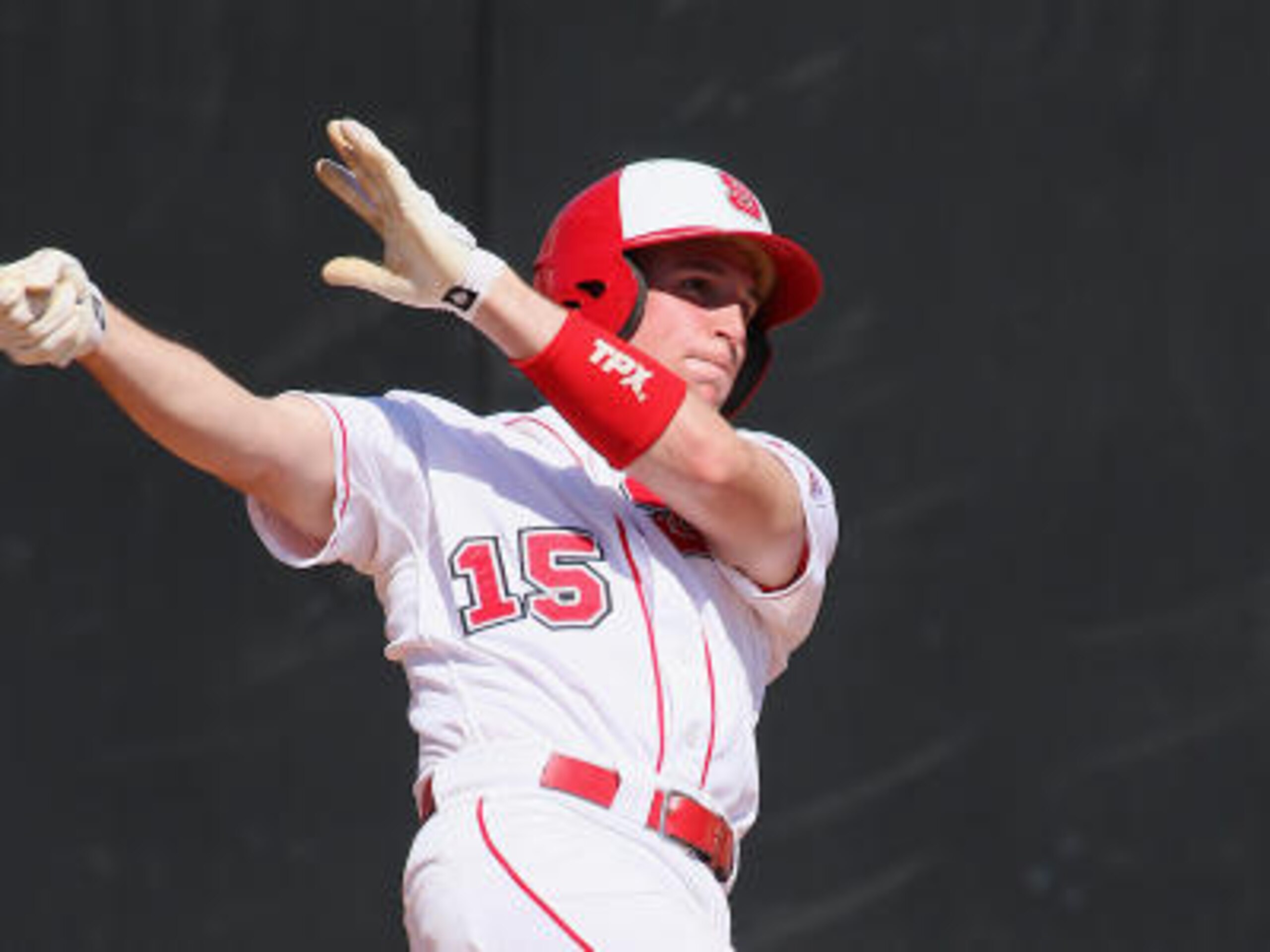
You wouldn't know it from his pedestrian freshman and sophomore stats, but N.C. State's Pratt Maynard is a pretty darn talented prospect in his own right.
His .273 average last season didn't blow anyone away, but he did set the N.C. State school record for walks (64).
He also bashed 11 home runs, good for third best on the Wolfpack, and his 49 RBIs ranked him fourth on the squad.
Maynard also got some extra time in on the Cape, playing for Harwich, and showed several of the skills that should make him a top-three-round pick.
Again he showed incredible patience, forcing 32 walks. And once again, it helped compensate for his low average (.241).
He carried over the momentum generated on the Cape and has had a career year. Like almost everyone else, he has struggled to generate power with the new bats, but he still has five homers and 40 RBI in 56 games. He leads NC State with a .335 average, a career-high, and once again has shown good patience at the plate, walking 32 times.
Behind the plate, he's been solid, cutting down 31 percent of base-stealers in 42 attempts.
Maynard's raw power, along with his defensive prowess, should be enough to warrant a look in the rounds five-to-ten range.
Tony Zych, RHP, Louisville
14 of 15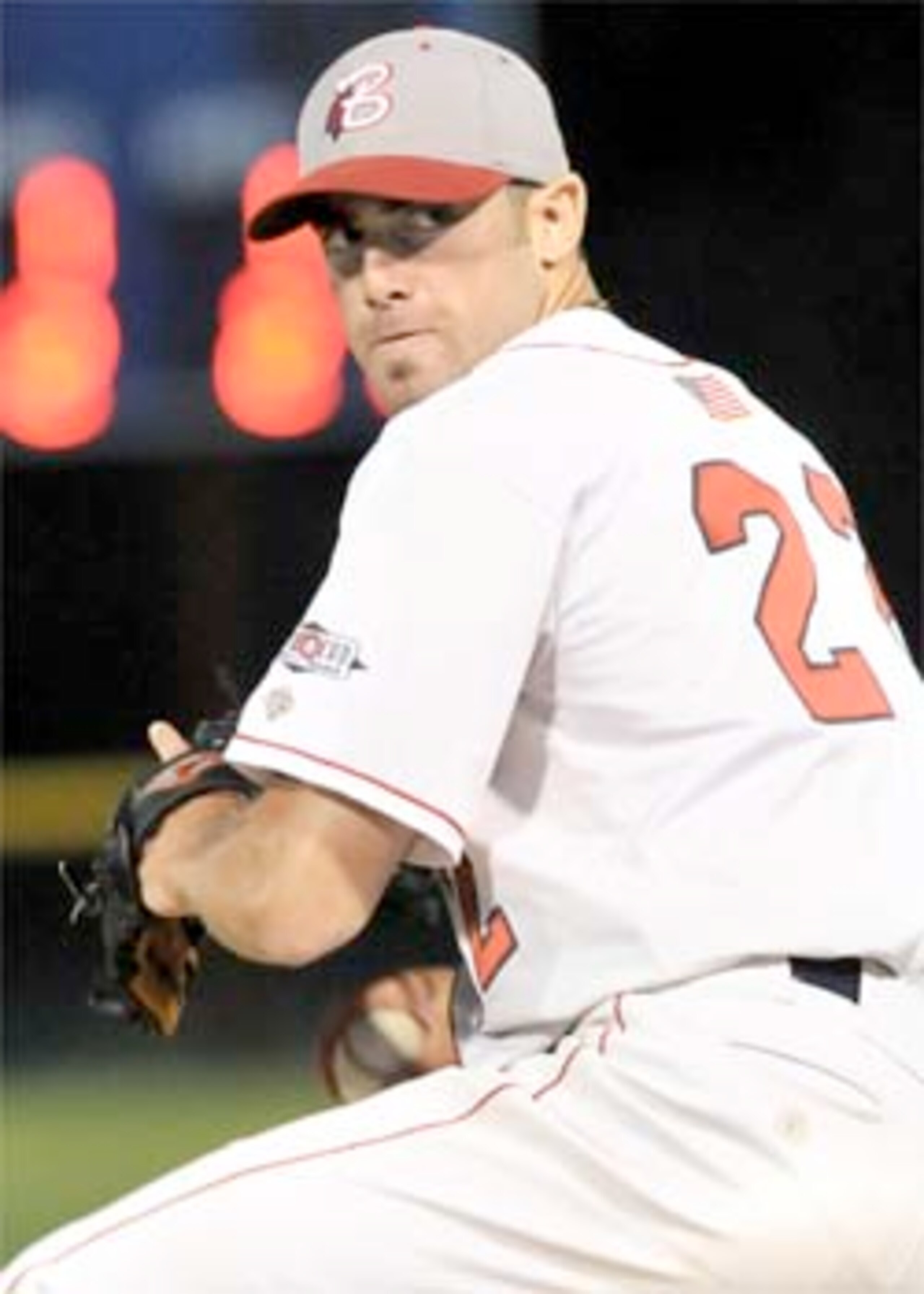
Zych has come a long way since his high school days.
Back then, he was a two-way star, throwing low 90s bullets on the mound and utilizing an attacking swing at the plate.
Since deciding to focus on pitching full-time, Zych has really blossomed.
Last season, Zych fluctuated between the bullpen and the rotation, and it had an impact on his game. He still posted a winning record (5-2), but his ERA ballooned to 5.13. He did, however, have 50 strikeouts in 59.2 innings.
And Zych iced his cake last summer in the Cape Cod League, where he collected a league-leading 12 saves, while notching a 0.89 ERA, with 29 strikeouts in 20.1 innings. For his efforts, he was named the league's relief pitcher of the year and the top pro prospect of the year, both amazing honors.
This year, Zych has emerged as one of the top closers in college ball, saving 12 games for UL's .500 squad. He hasn't been as dominant, getting only 27 strikeouts in 25.1 innings, but his ERA of 2.84 looks very nice compared to last year's.
Clearly, Zych's future is on the mound, and most likely coming out of the bullpen. He can crank his fastball into the mid-90s now and compliments it with an above-average slider.
Zych could be one of the first college relievers off the board.
Brett Mooneyham, LHP, Stanford
15 of 15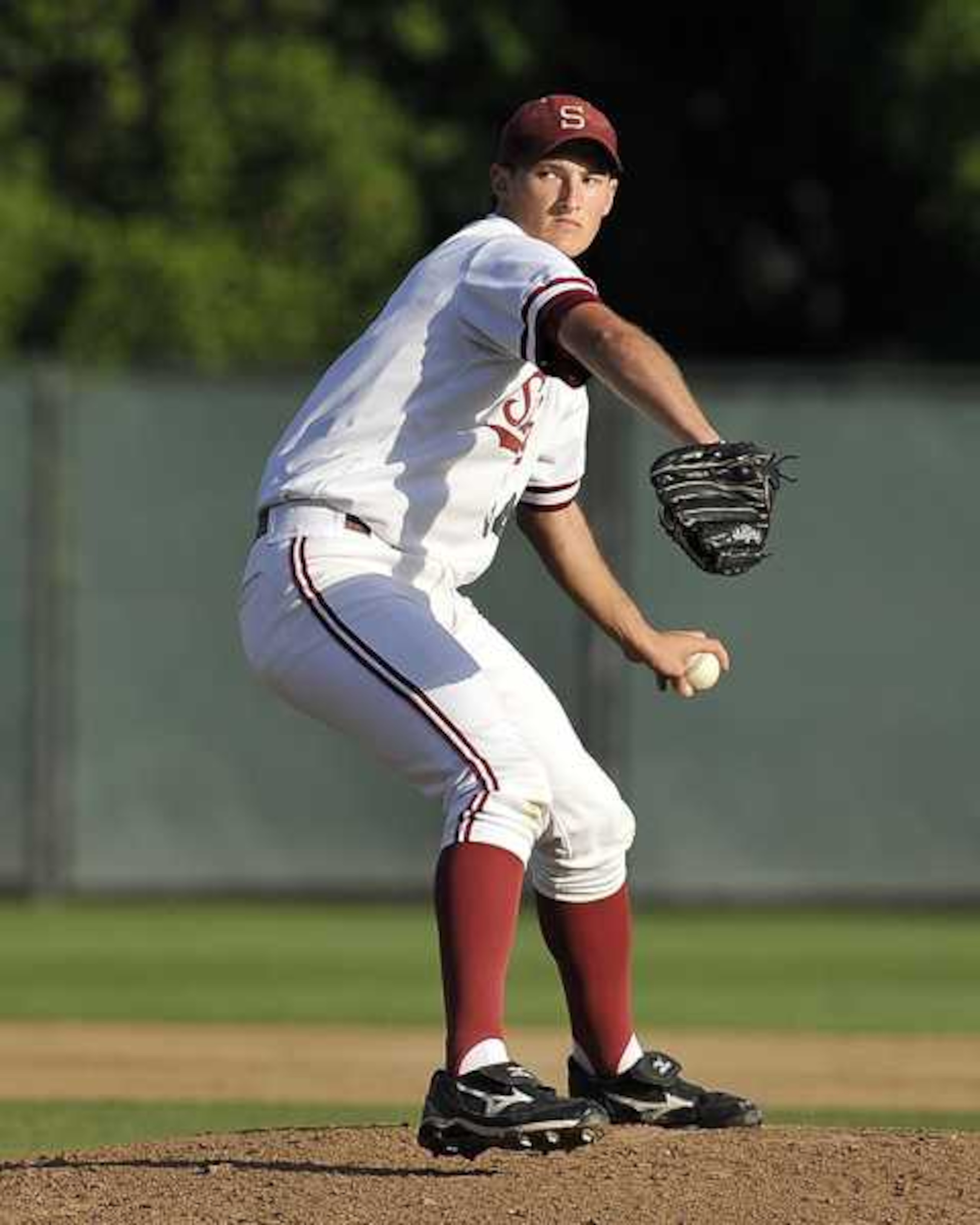
Mooneyham is another guy like Carpenter, a pitcher with all the tools, the size and the stuff to be dominating college hitters.
And for some reason, he just hasn't.
In fact, Mooneyham has been even worse than Carpenter, compounding his issues with control problems. Something hard to believe from the guy who was one of the top prep pitchers coming out of high school in 2008.
There is just as much hope for Mooneyham, though. He throws in the mid-90s and has a great breaking ball and a very good change-up.
Those who are high on him foresee a future in which he figures out his command and utilizes three above-average pitches.
Unfortunately, Mooneyham didn't get the chance to improve his stock too much this season. He went down about a week into the season with a finger injury that required surgery and ended his junior season before it even began.
He now faces the option of coming back for his senior year or testing the draft waters as an injured pitcher who put up pedestrian numbers and showed numerous concerns.
If he comes out, he could be an interesting late-round pick.



.jpg?w=2560 "Latest Peyton-Colts Rumors")